philip_pj
Offline
• • • • • •
Upload & Sell: On
|
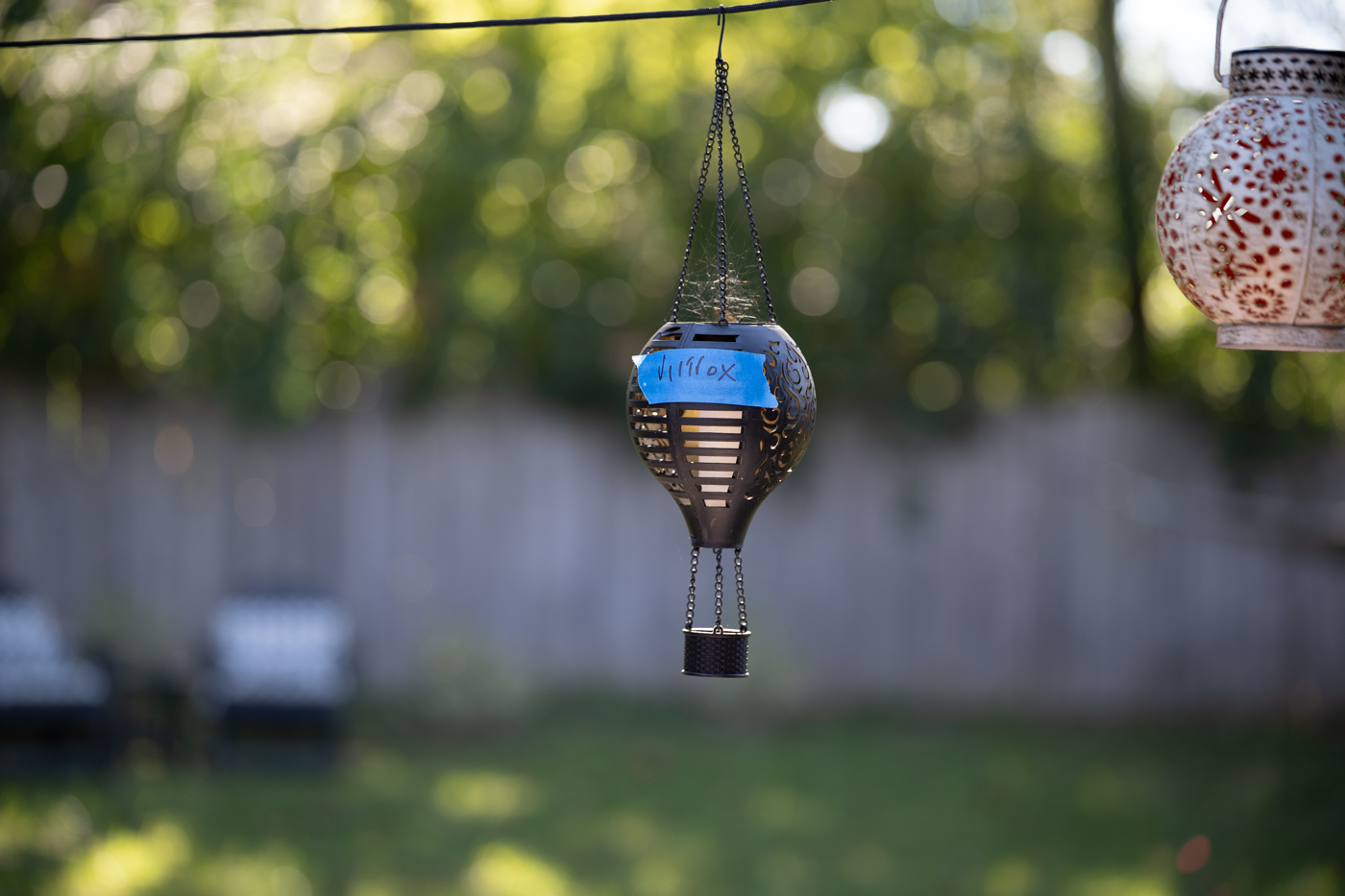
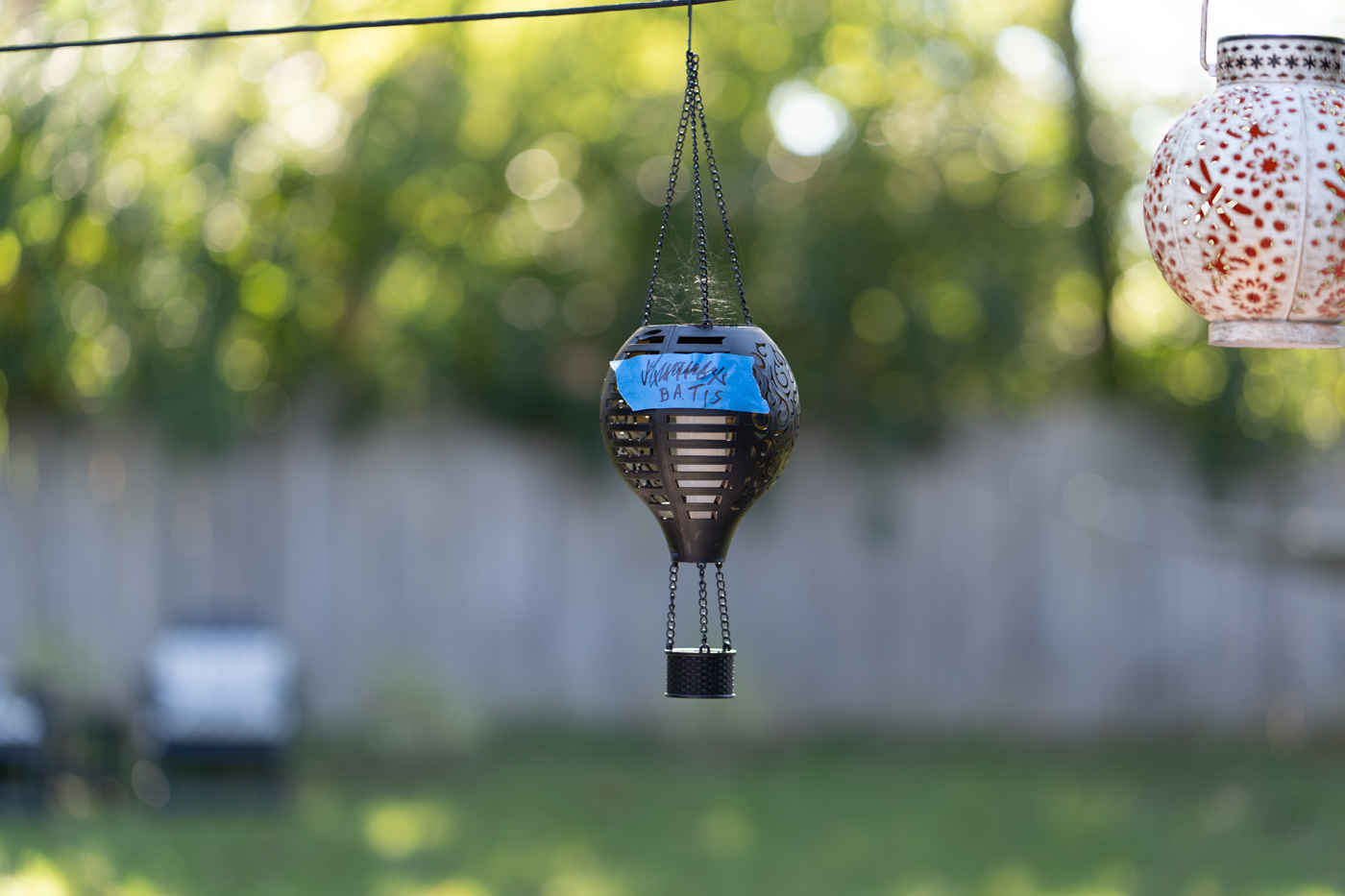
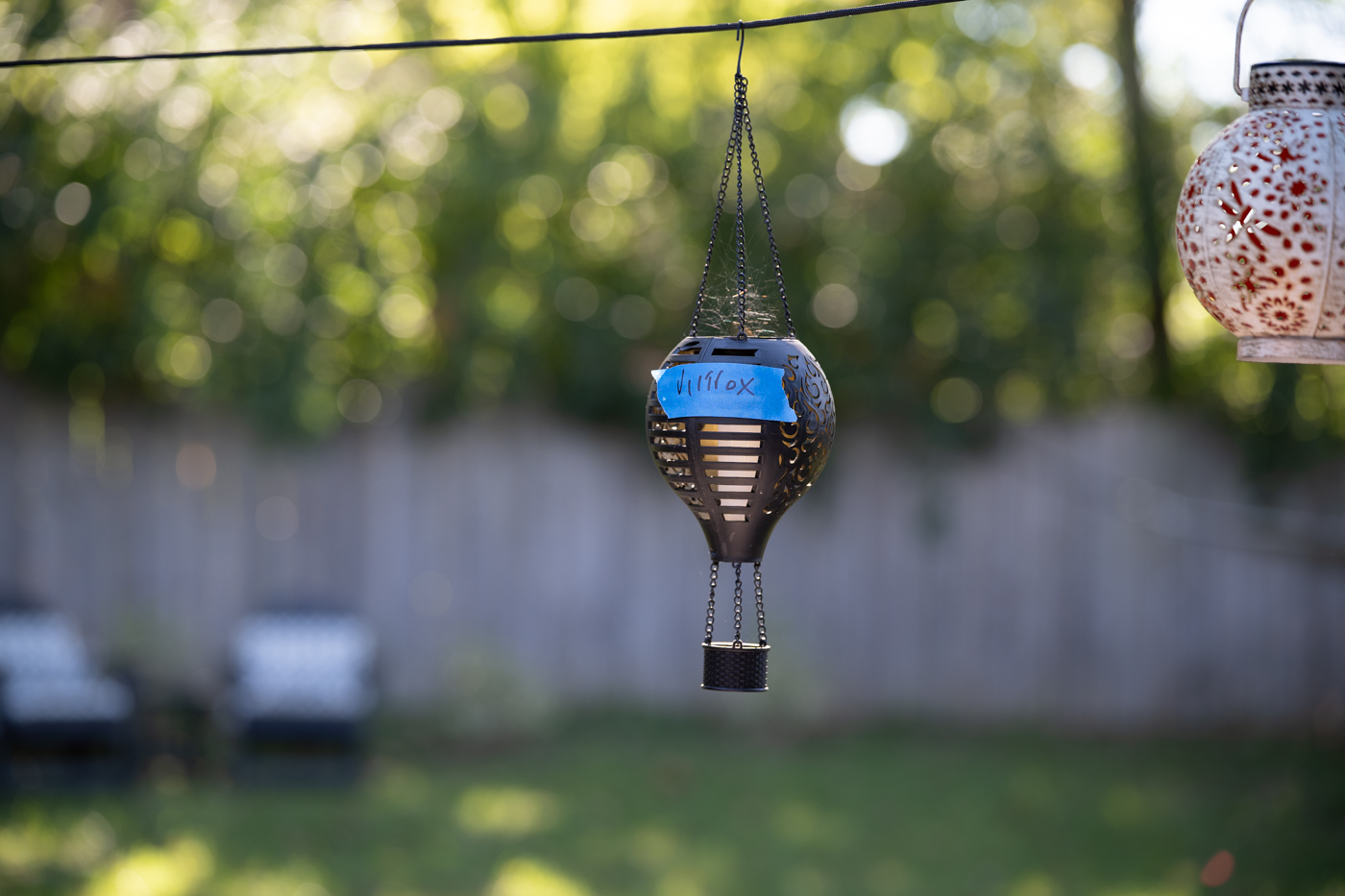
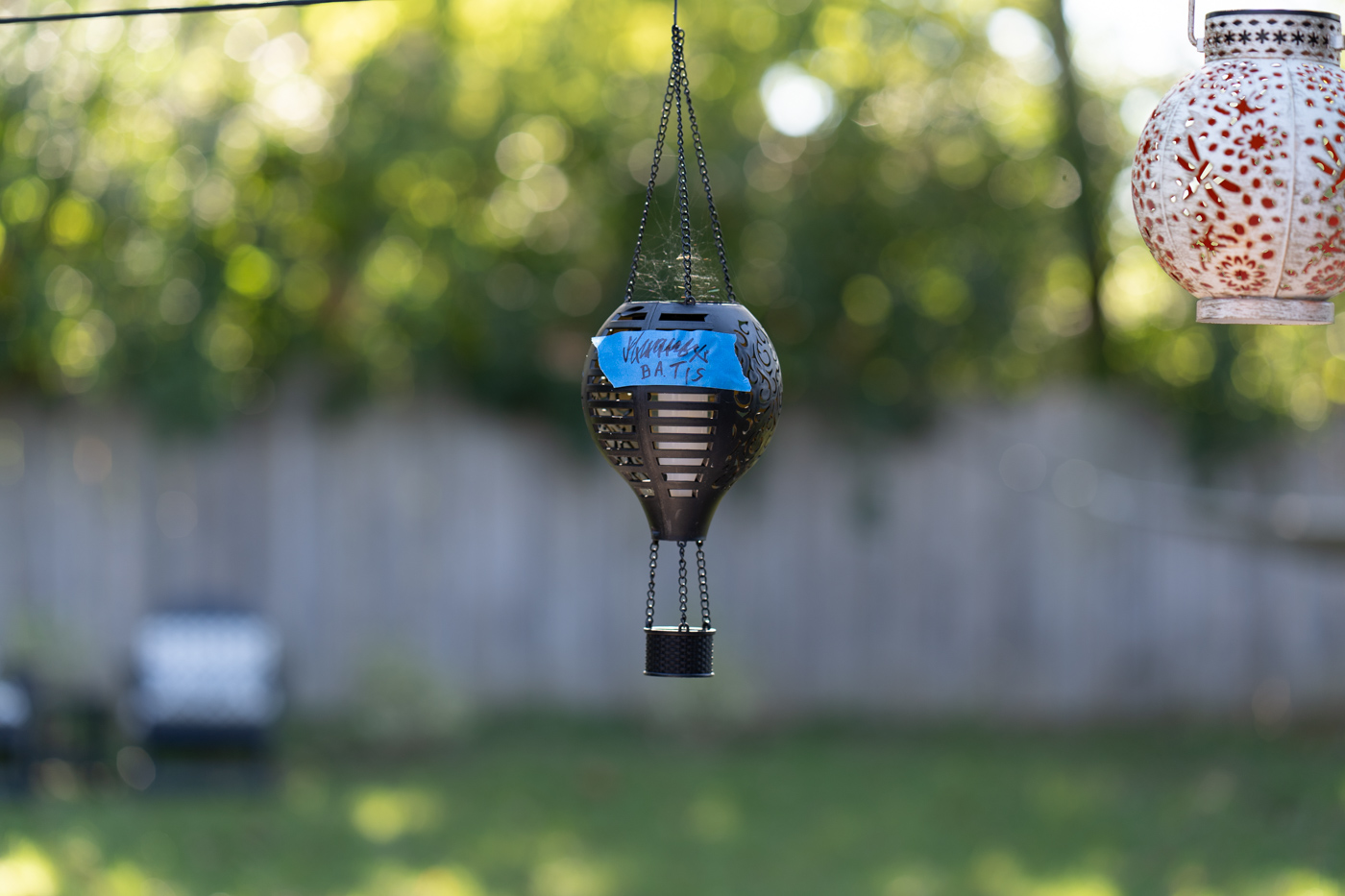
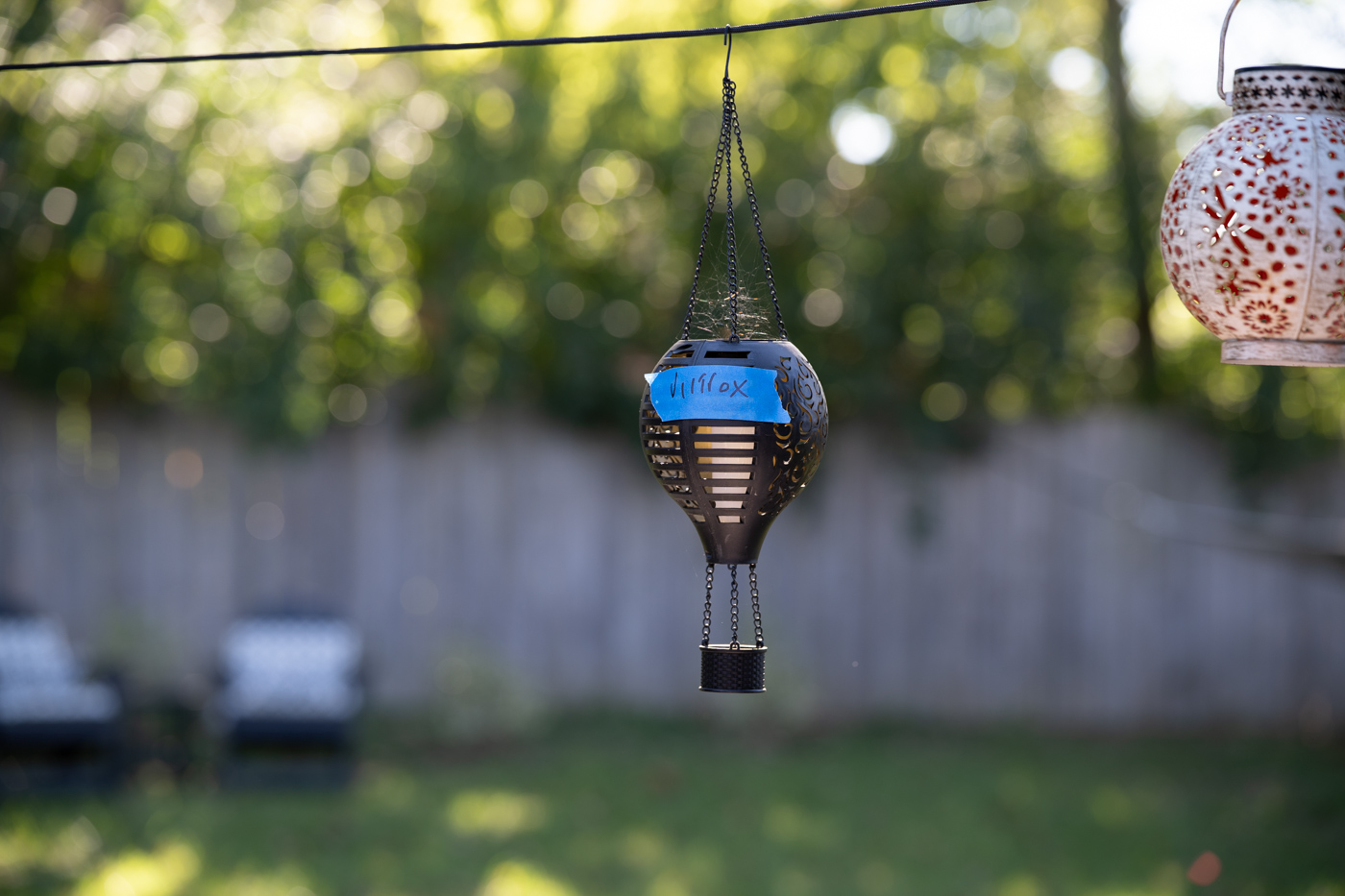
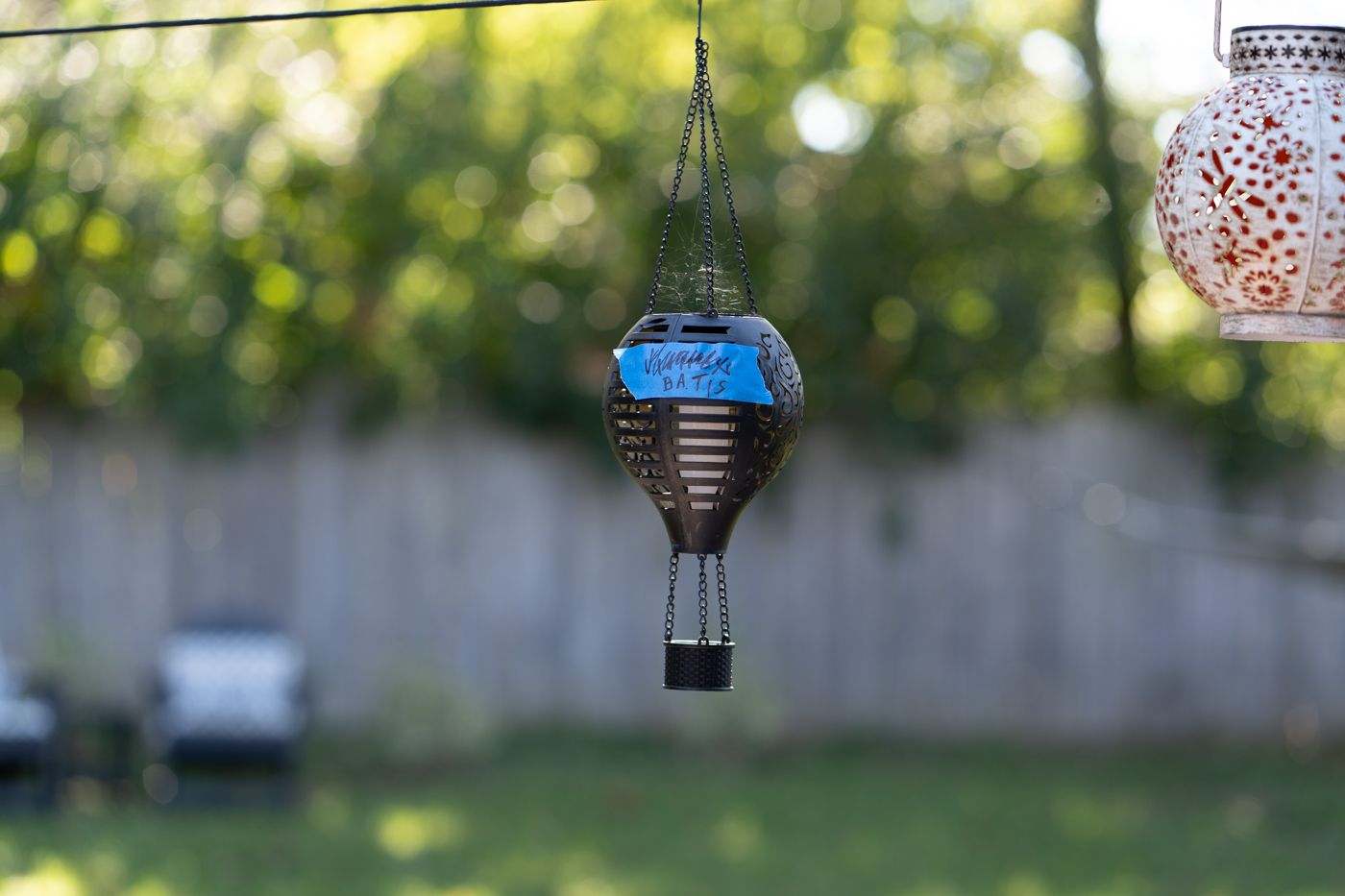
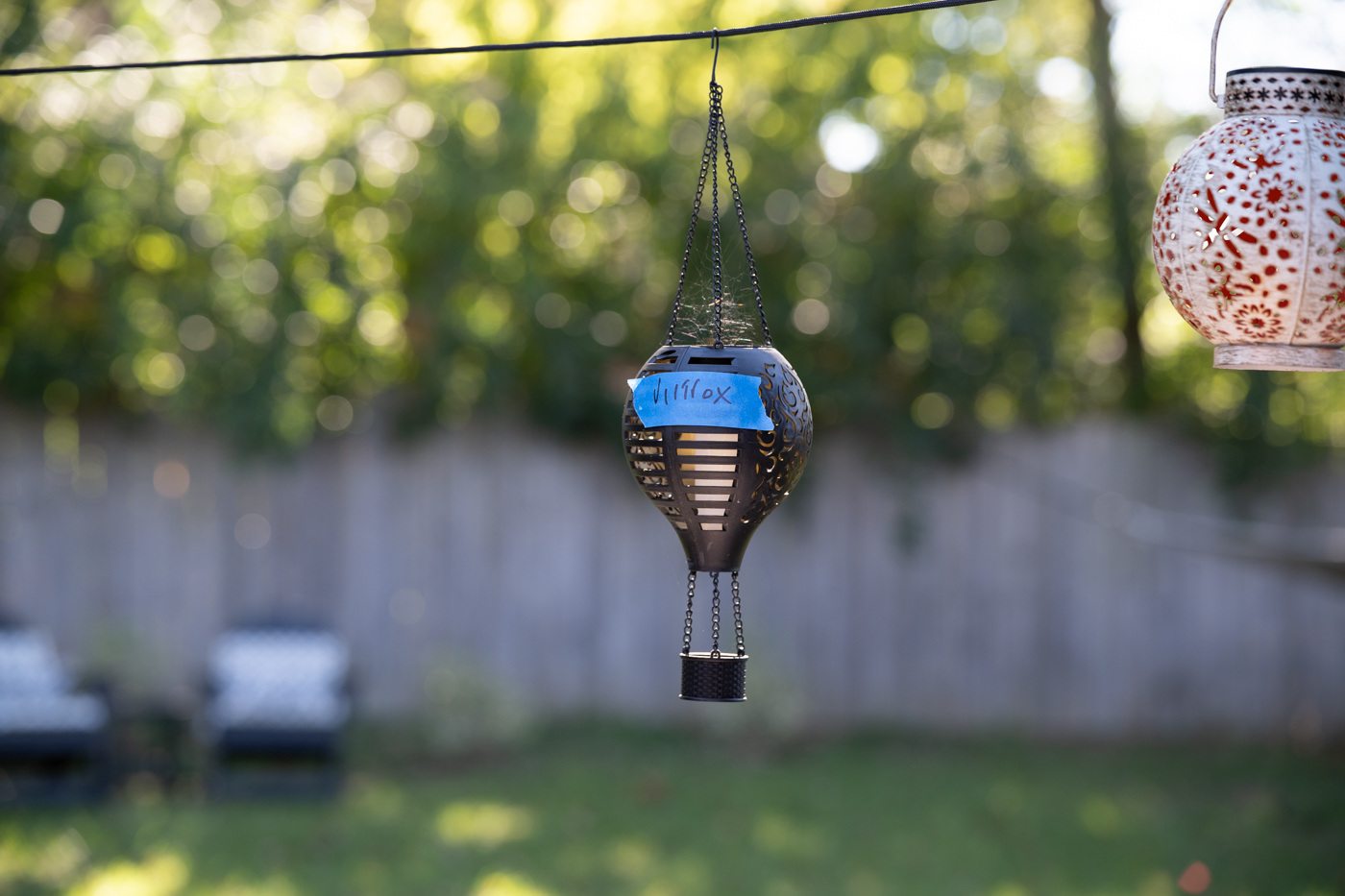
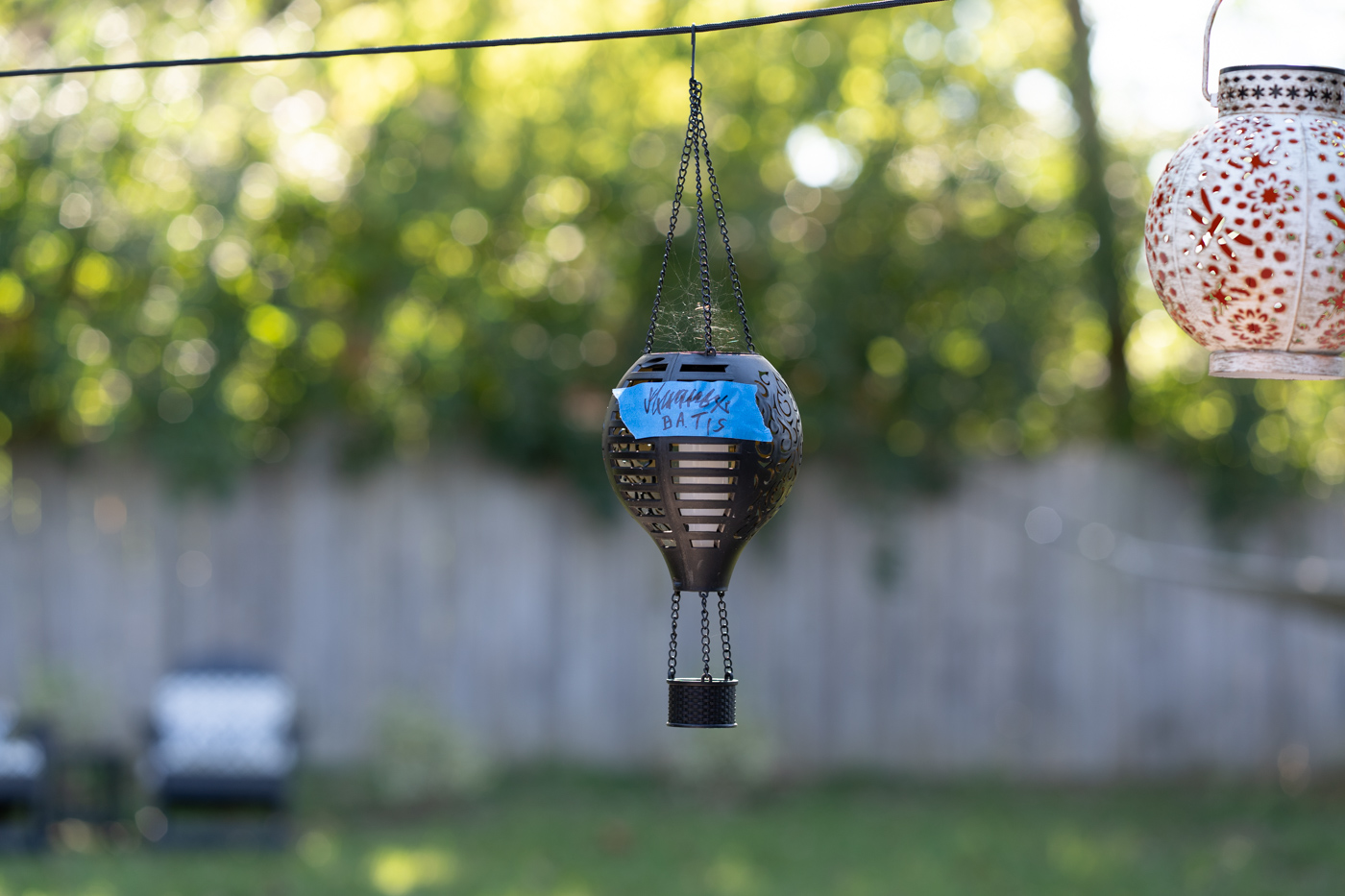
(It’s important to see these images at longer distances, around the diagonal times two – you see the images better, both as a whole and how each image object fits into the whole – the gestalt view.)
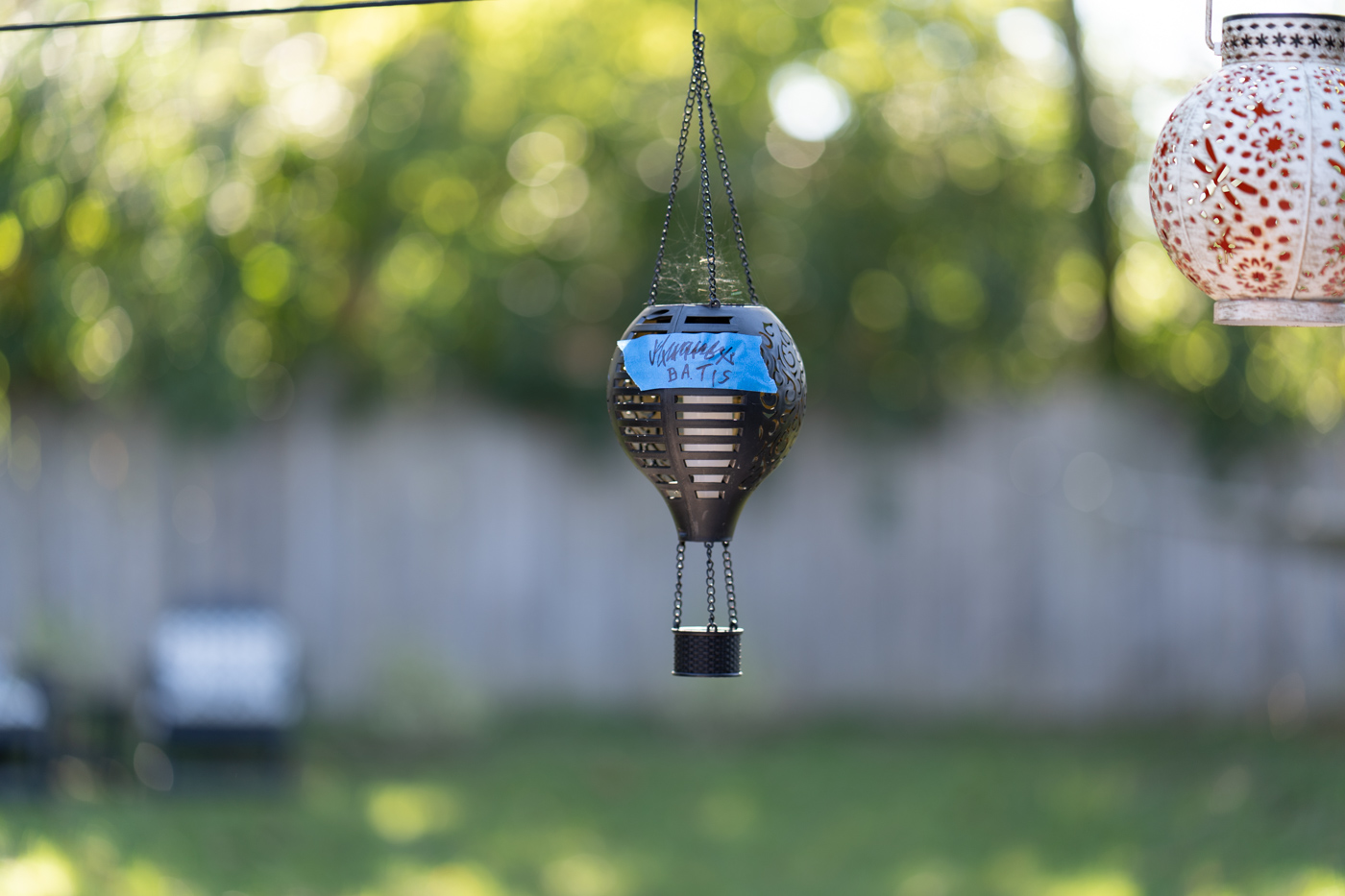
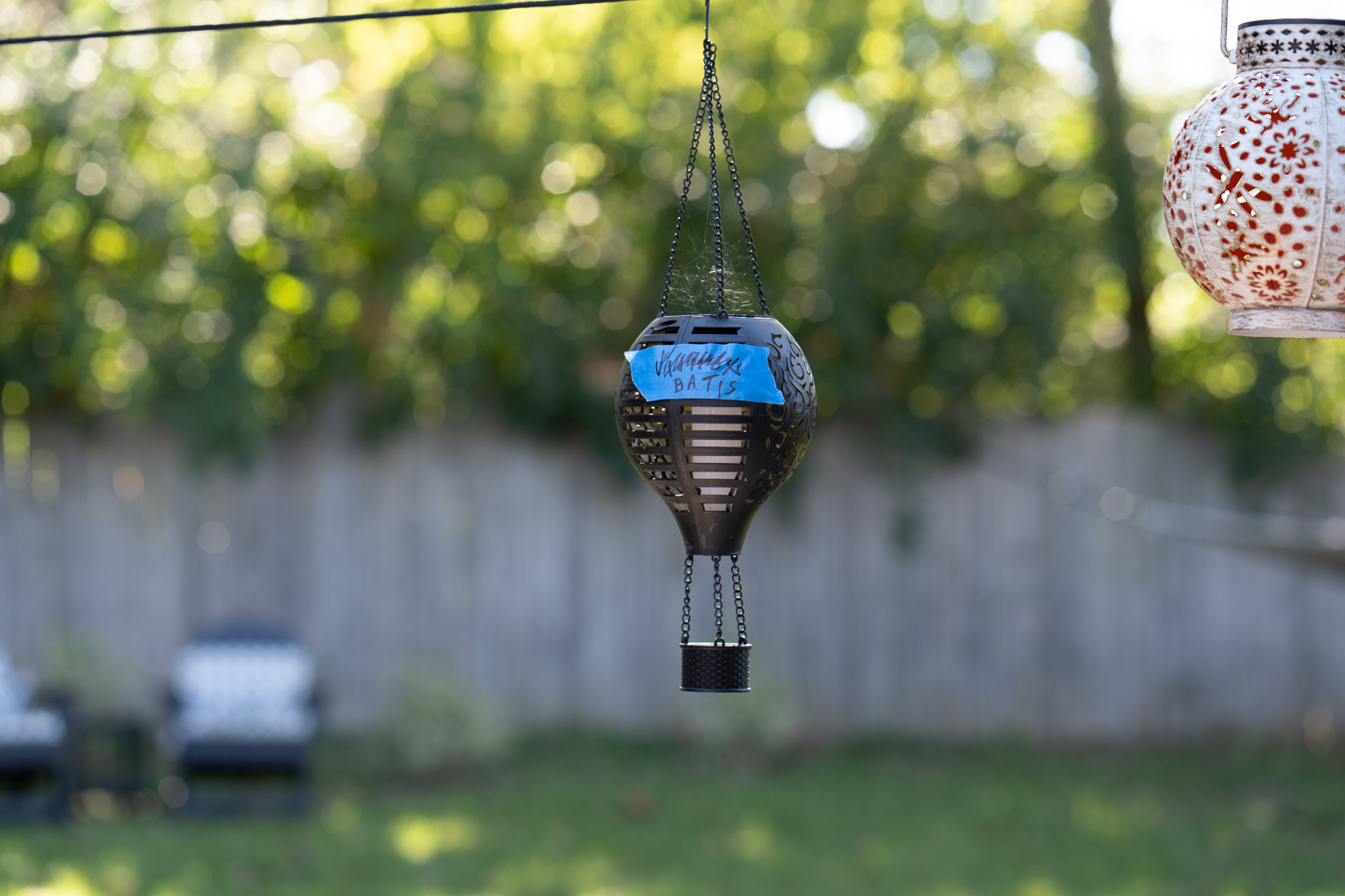
It’s reassuring when lens makers are consistent. Zeiss apply this very soft billowy out-of-focus overlay to their modern lenses in both cine and stills photography. This means the image contents are embedded deeper inside the ‘fog’ of more advanced bokeh. The bokeh dominates. It’s a key component of the Zeiss bokeh style, and they call the formula ‘3D Pop’.
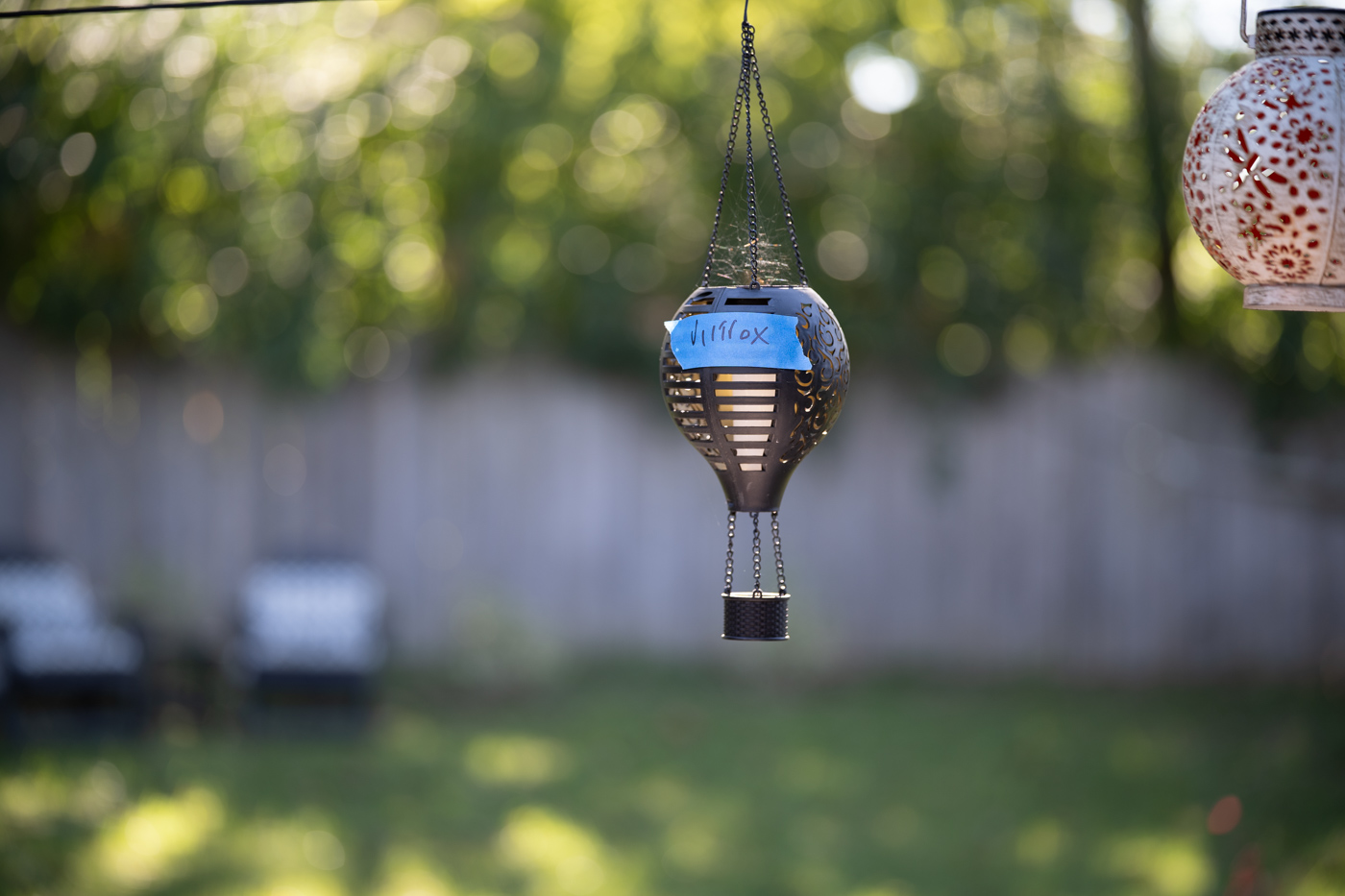
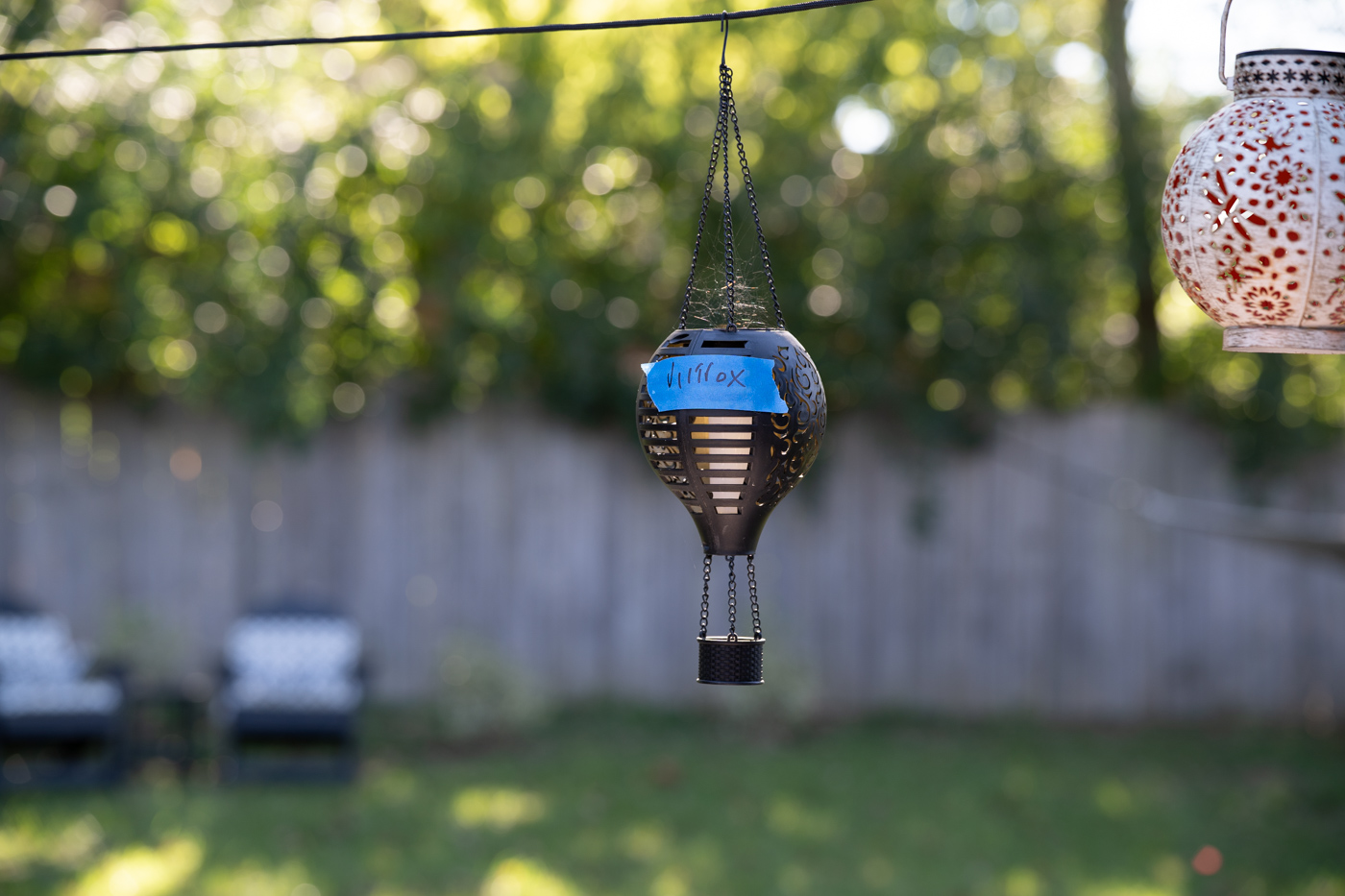
Viltrox have adopted a bokeh style that is less concerned with rapid blur transitions, and se we see (f2) more visual cues still present in the fence posts, and the chairs are identifiable as such. Blacks are blacker and less blue, the image divides into trees, fence and lawn, where the Zeiss image has all objects more or less buried or heavily distorted – no one will want to climb that tree on the right side.
The Zeiss image’s color is not pleasant. Greens are more lemon colored, and the image is cooler.
The frame is noticeably tighter due to the lens’s large degree of focus breathing (many 85s are 90s at short focus distances).
YouTube demo of Batis 85mm focus breathing title:
‘Zeiss Batis 85mm f1.8 Focus Breathing Test’
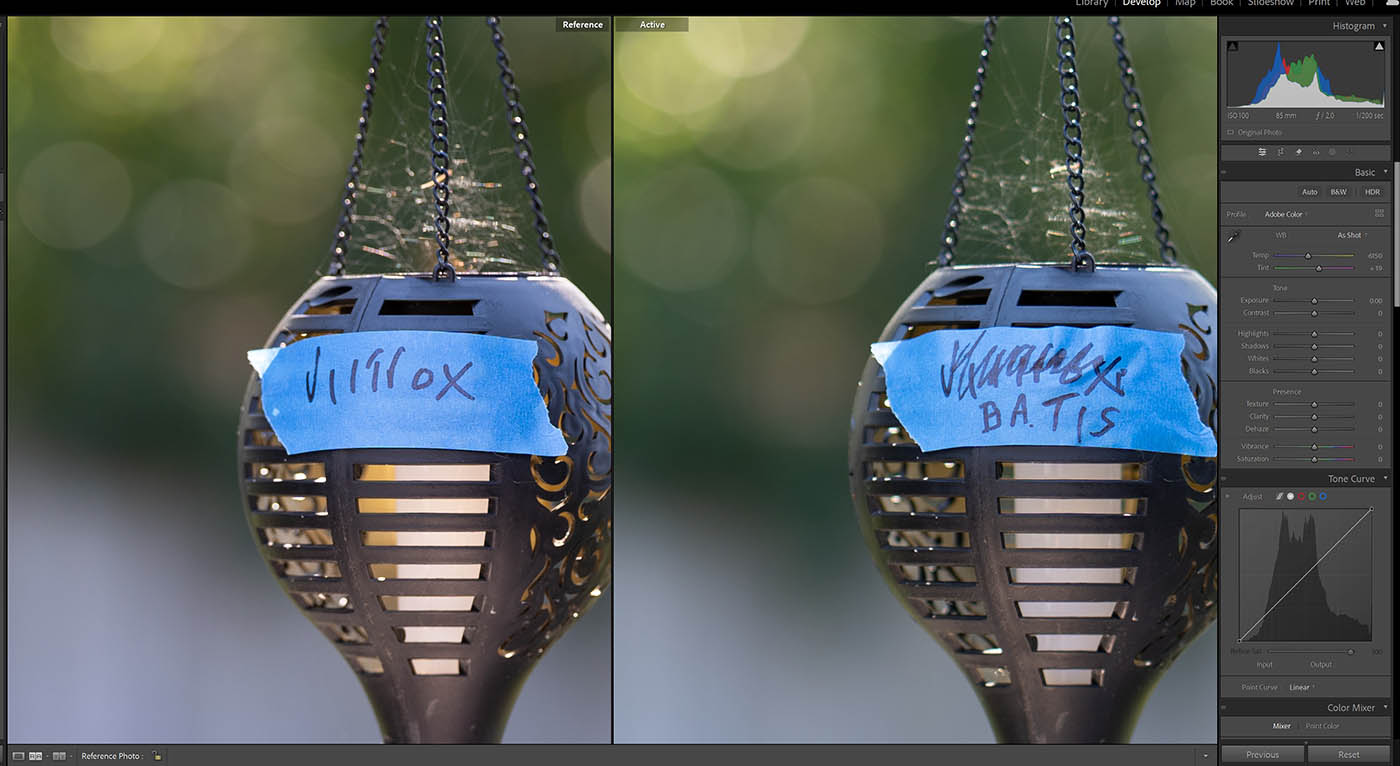
Zeiss’s PR material touts their bokeh as directing your eye to the in-focus material, but the paradox here is that the huge bokeh ball field of the Batis is very ‘in your face’ and itself attracts (steals) the visual attention. Reds and oranges are subdued (the blue overlay of the image). Macro-contrast is lower.
Highlights drift off the top left of the frame, the Viltrox corners direct the eye back into the centre – the time-honored cine method. The Zeiss at f2.8 has about the same discernible detail as the Viltrox at f2. This is why wide-open images give us great clues about the pattern of focus-fade at mid-apertures – the pattern does not actually change, it simply concentrates more.
At f3.5, the Zeiss is still foggy with heavier bokeh. Some emerging balls (chairs, the close-by branch middle right) replace the increasing softly drawn detail seen in the Viltrox lens. The Viltrox’s balls are more serene, less ‘pushy’. The Batis is also showing several jagged edge balls, one unfortunately right behind the subject (above and to the left), and there is no consistency to ball treatment across the frame.
The Viltrox crop has more life, more contrast and very good highlight control. As a result, the subject is better shaped, the Batis version is flatter, and sombre. You may find the histos are quite different too.
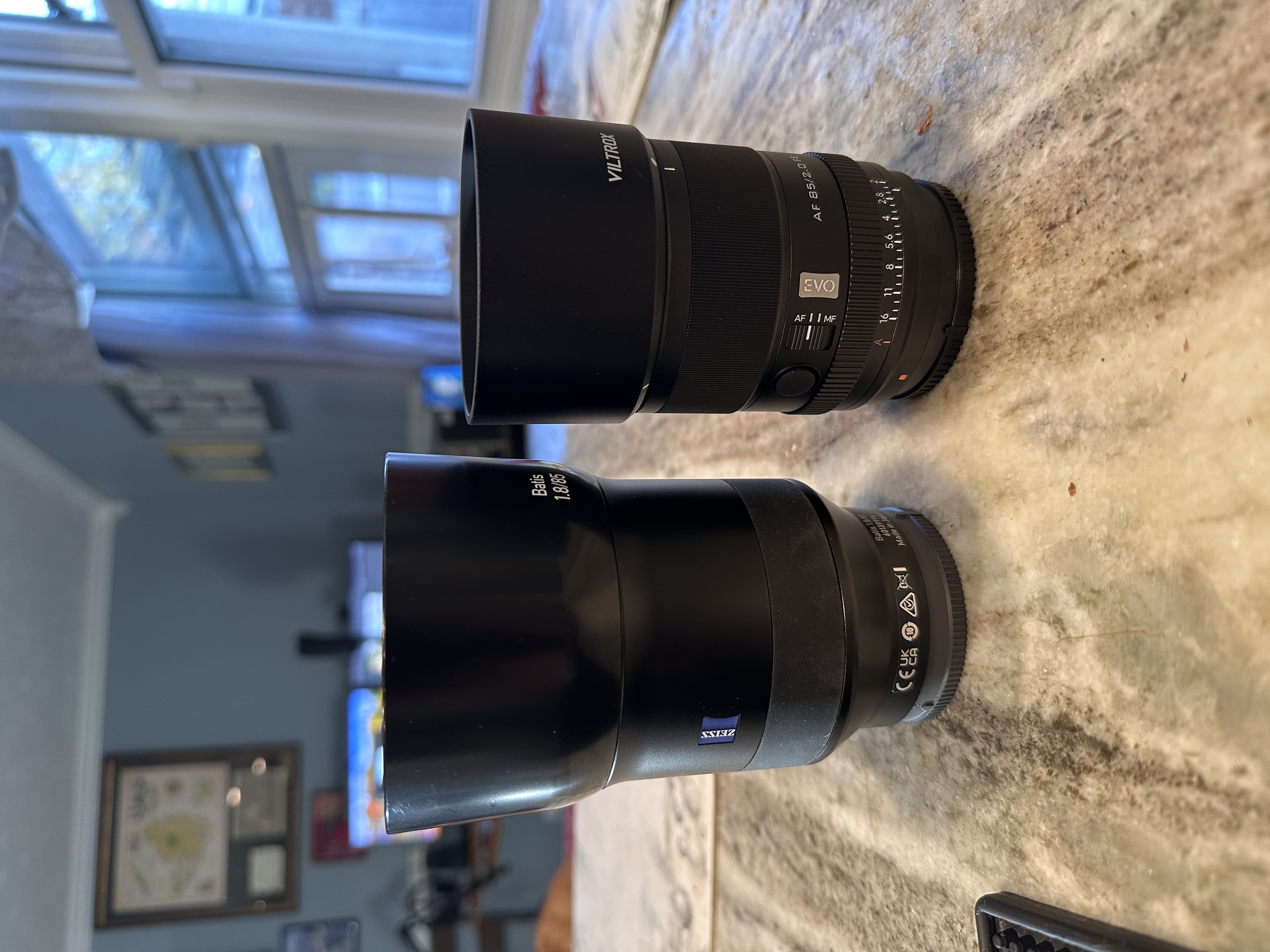
Rounding out, Batis 85 (Viltrox EVO): weight 450g (340g); MFD 0.8m (0.74m); filters 67mm (58mm); iris blades 9 (9); W/L 92mm x 92mm (69mm x 76mm), RRP $1250 ($275) – ratio 4.5x. Actually, the Viltrox site lists it at $261, with 5% more off.
Congrats, 3catsinky, you have managed to do a more informative comparative bokeh review than just about everyone else. I’ll save this one.
PS Many people here (some of my haters too) think this effect quoted below is impossible, but it is one of my criteria for image dimensionality, such is the effect I see from my Thypoch lenses. They use high refractive glass too (this Viltrox lens has a 2/2 ED/HRI balance). I believe it’s the HRI they use that is great for portraits. Minus the PR fluff, this is it:
‘Under natural daylight, the lens renders skin tones with depth and fidelity. Each highlight and texture remains crisp yet organic, balancing vibrant contrast with delicate tonal transitions. Faces feel alive, sculpted by the precision of optical refinement.’ ‘When shadows fall, the wide F2.0 aperture gathers every fragment of light into luminous detail.’
https://viltrox.com/products/af-85mm-f2-0-fe
(Their websites are a pleasure to read, nicely laid out, informative.)
|