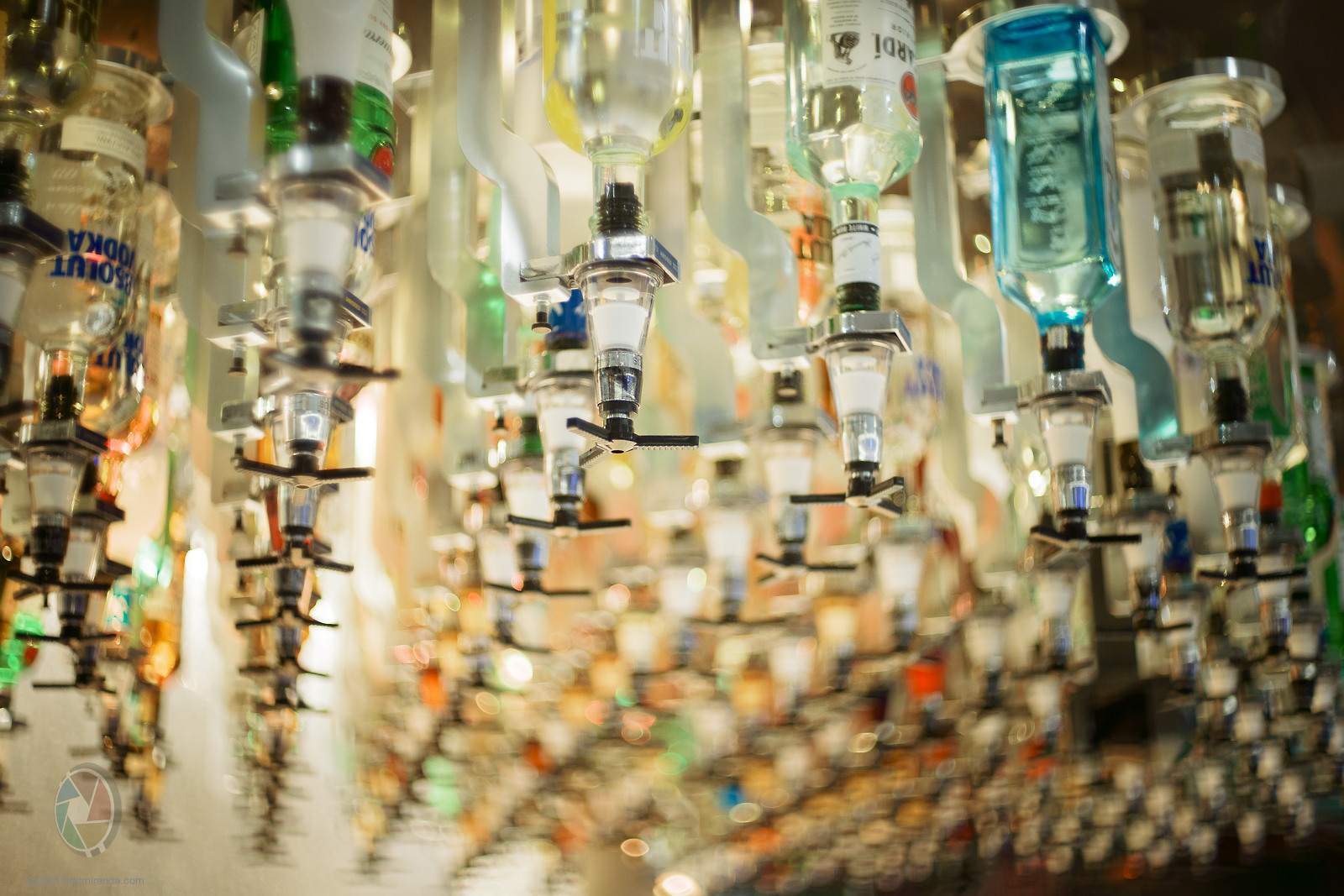
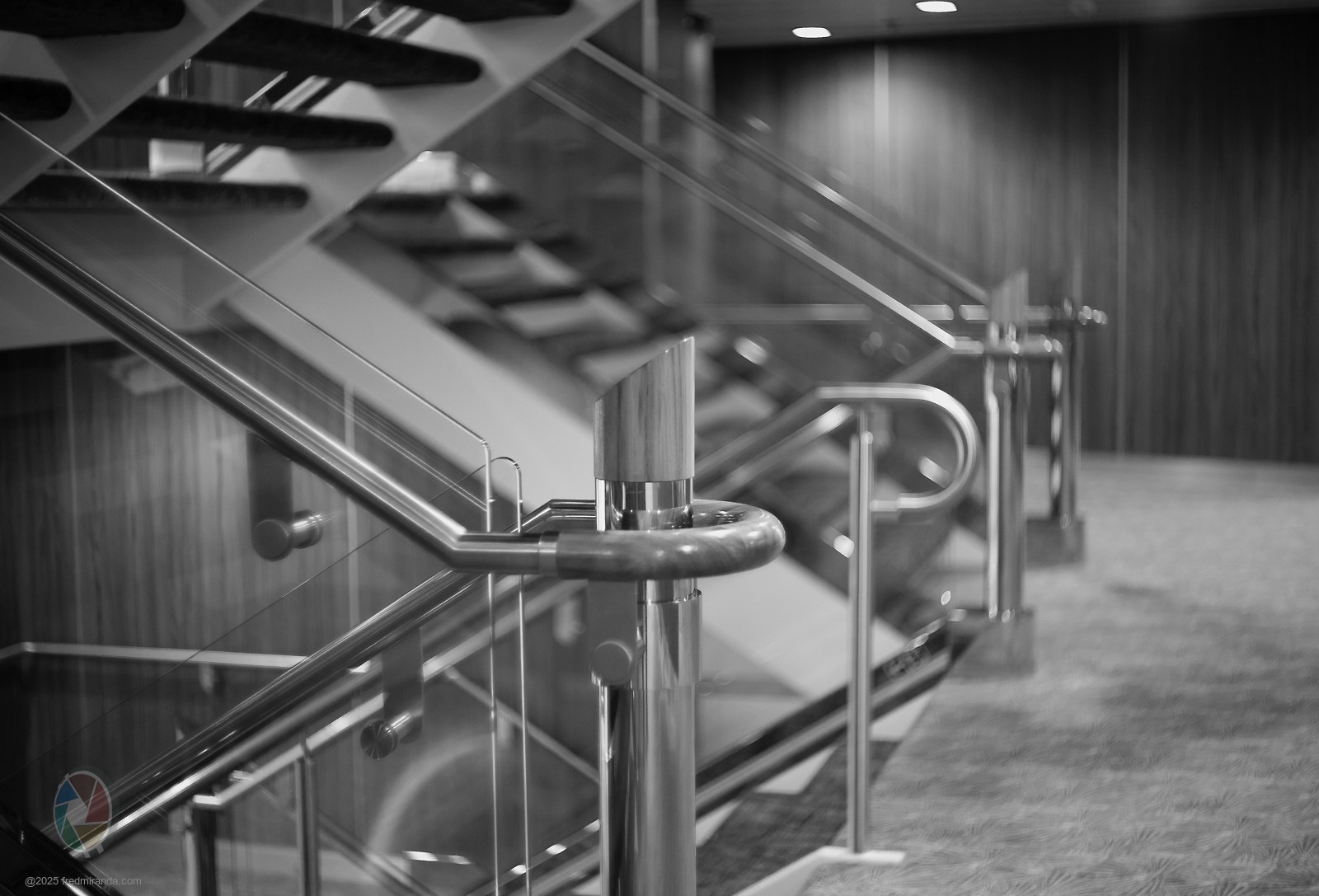
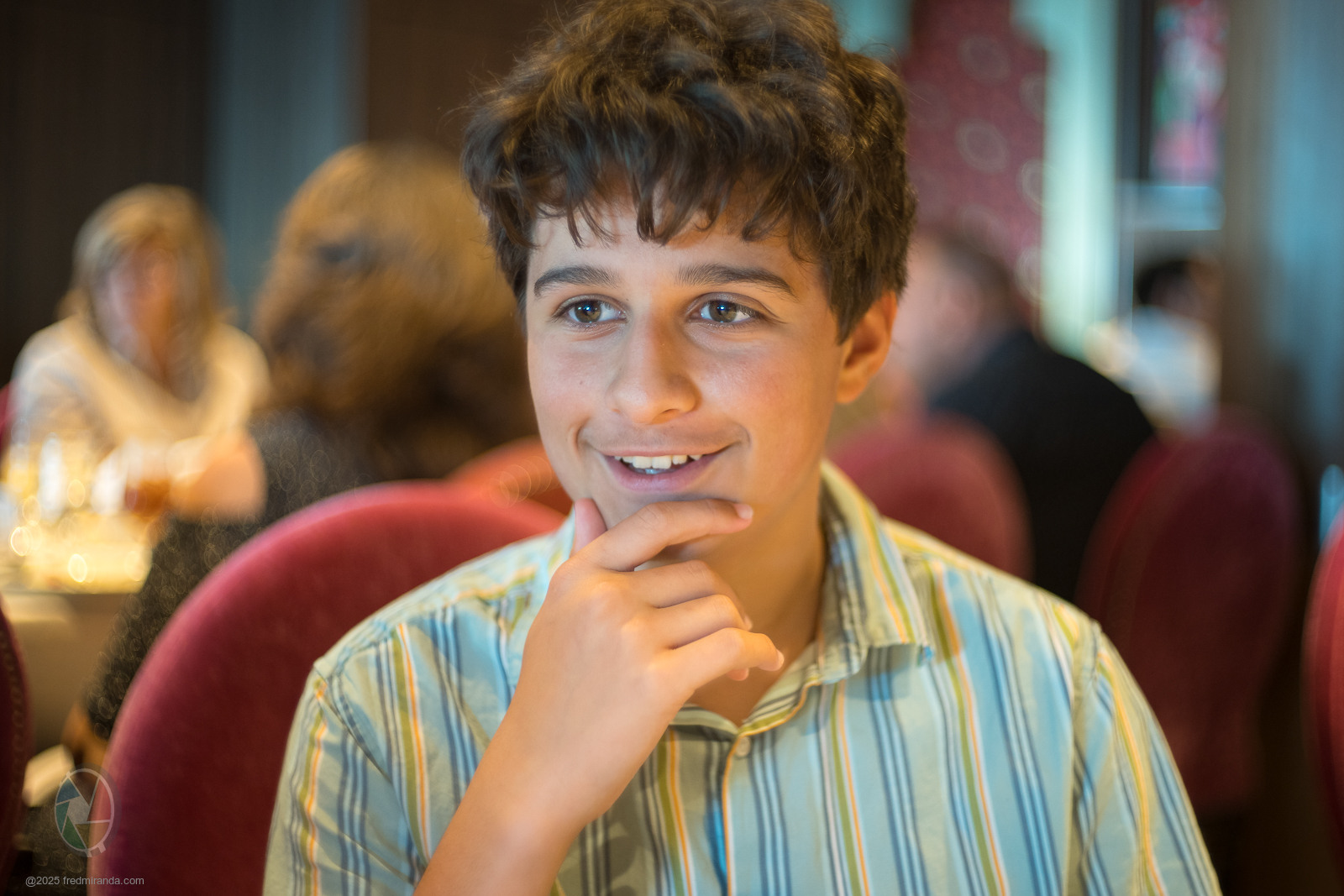
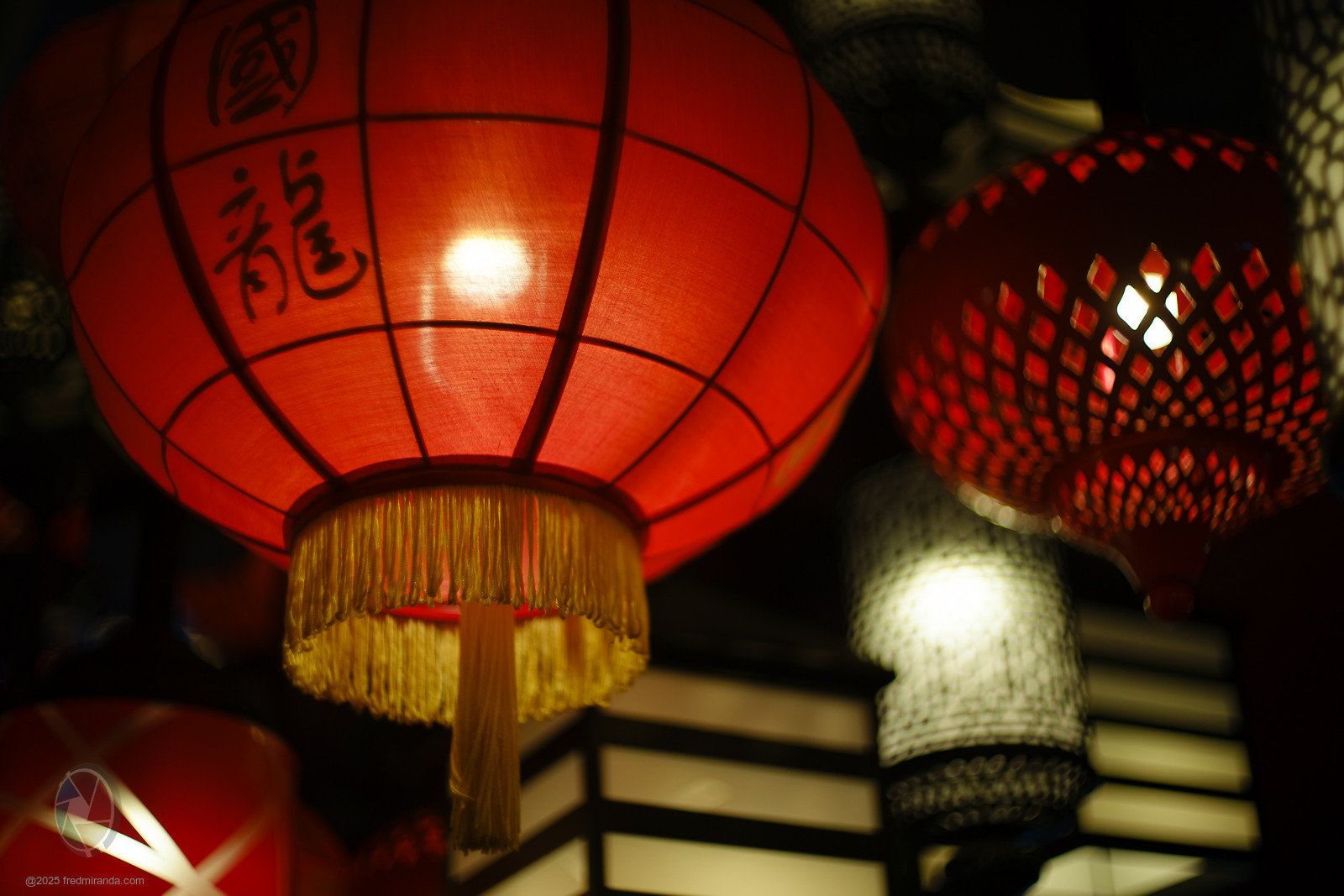
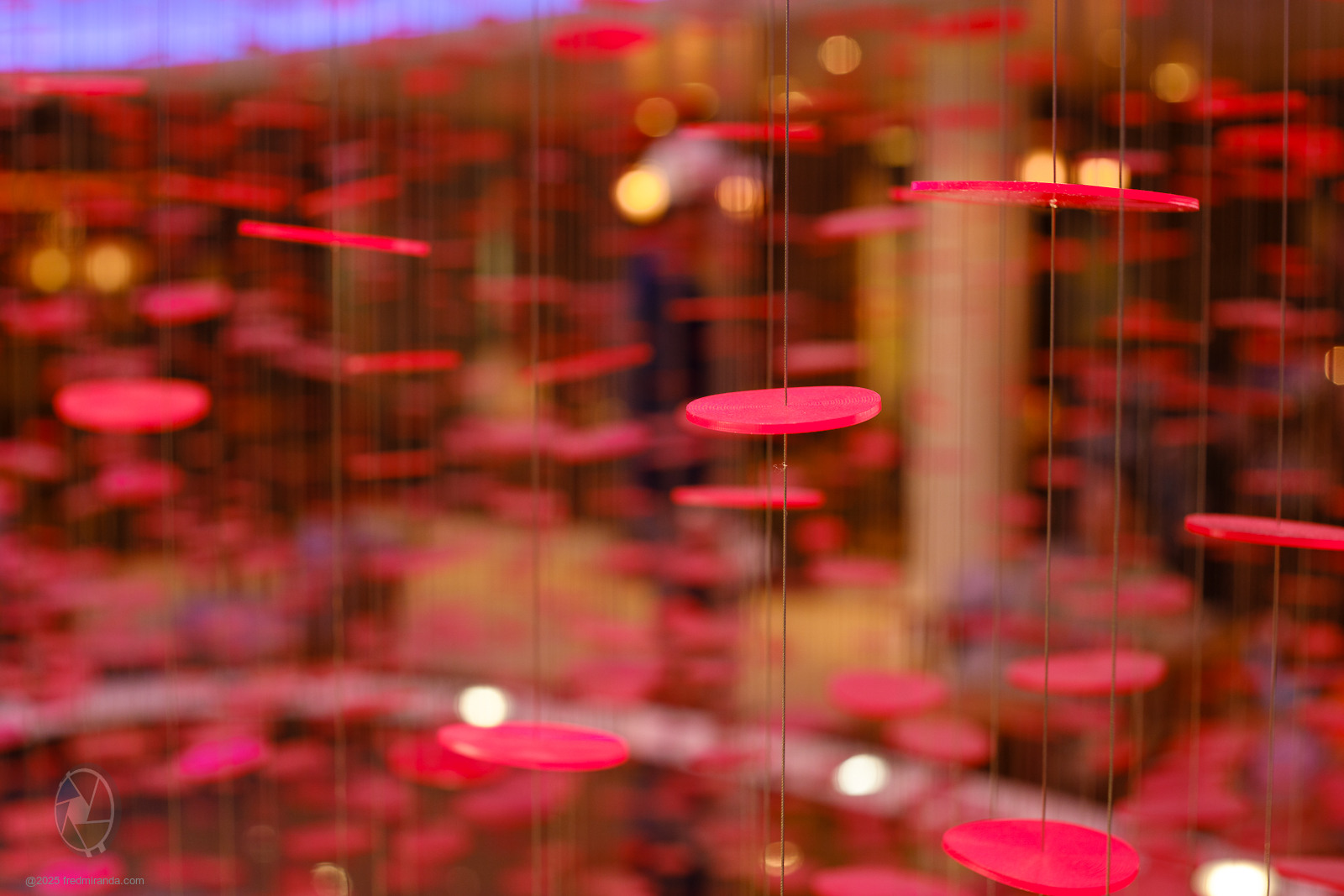
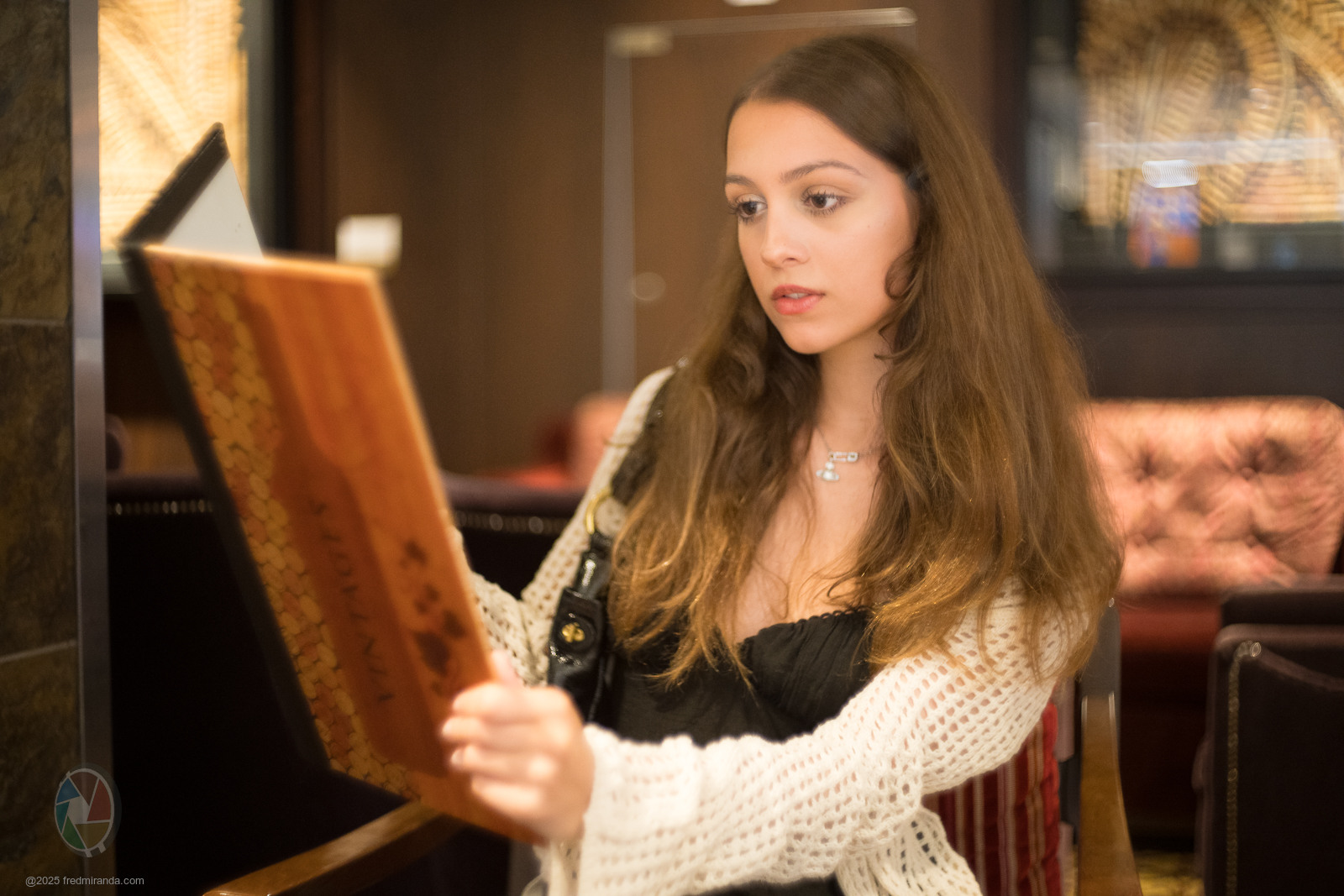
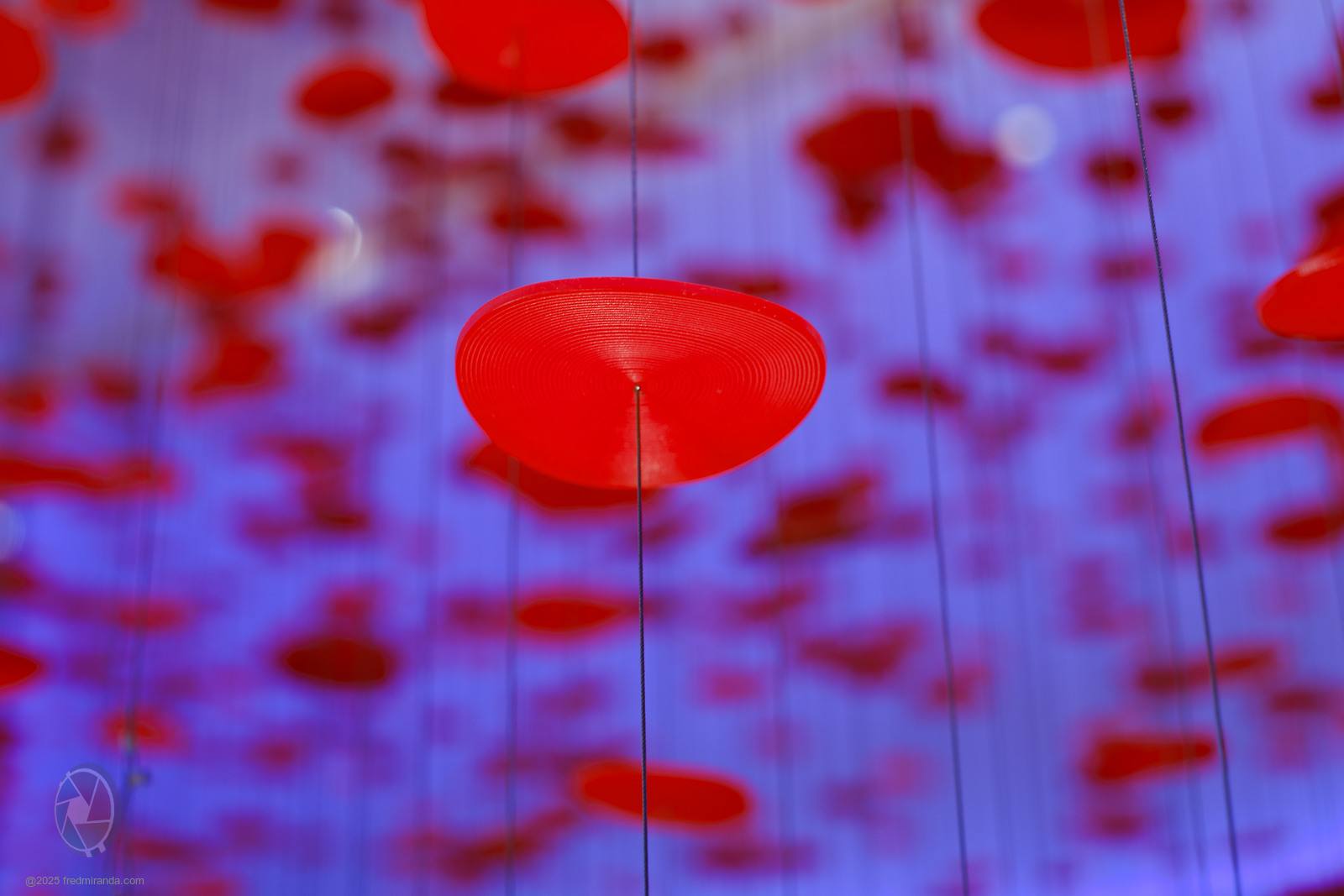
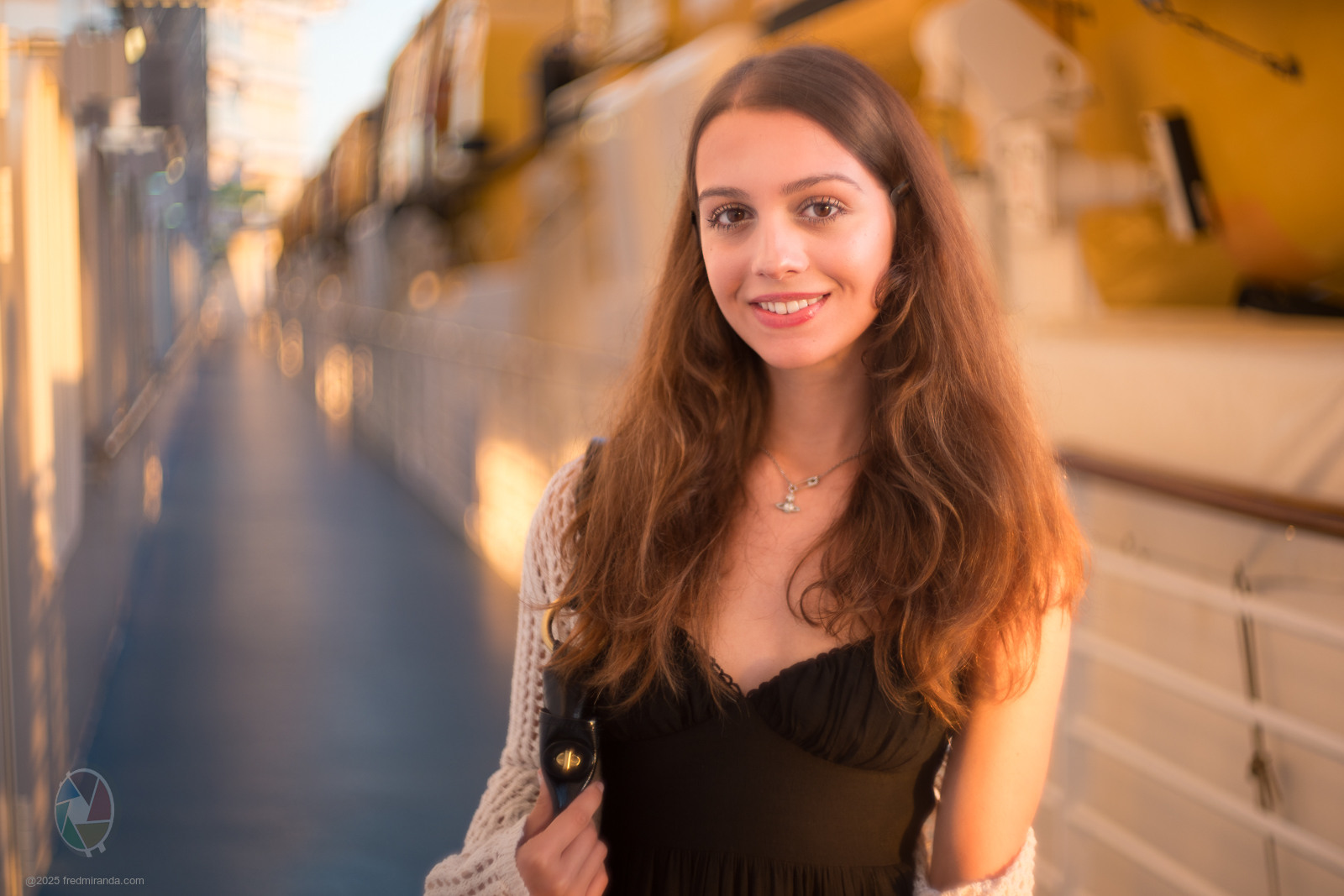
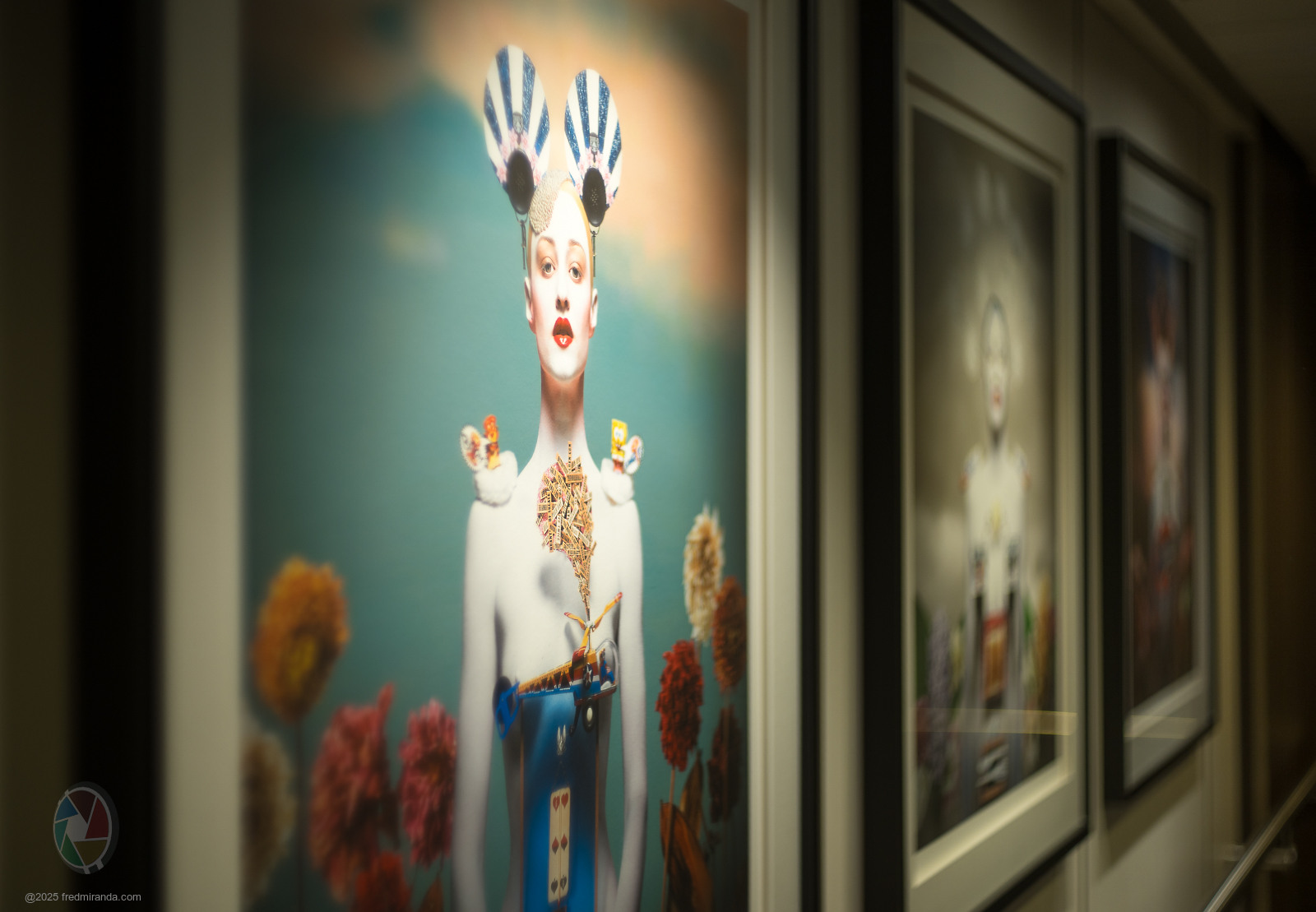
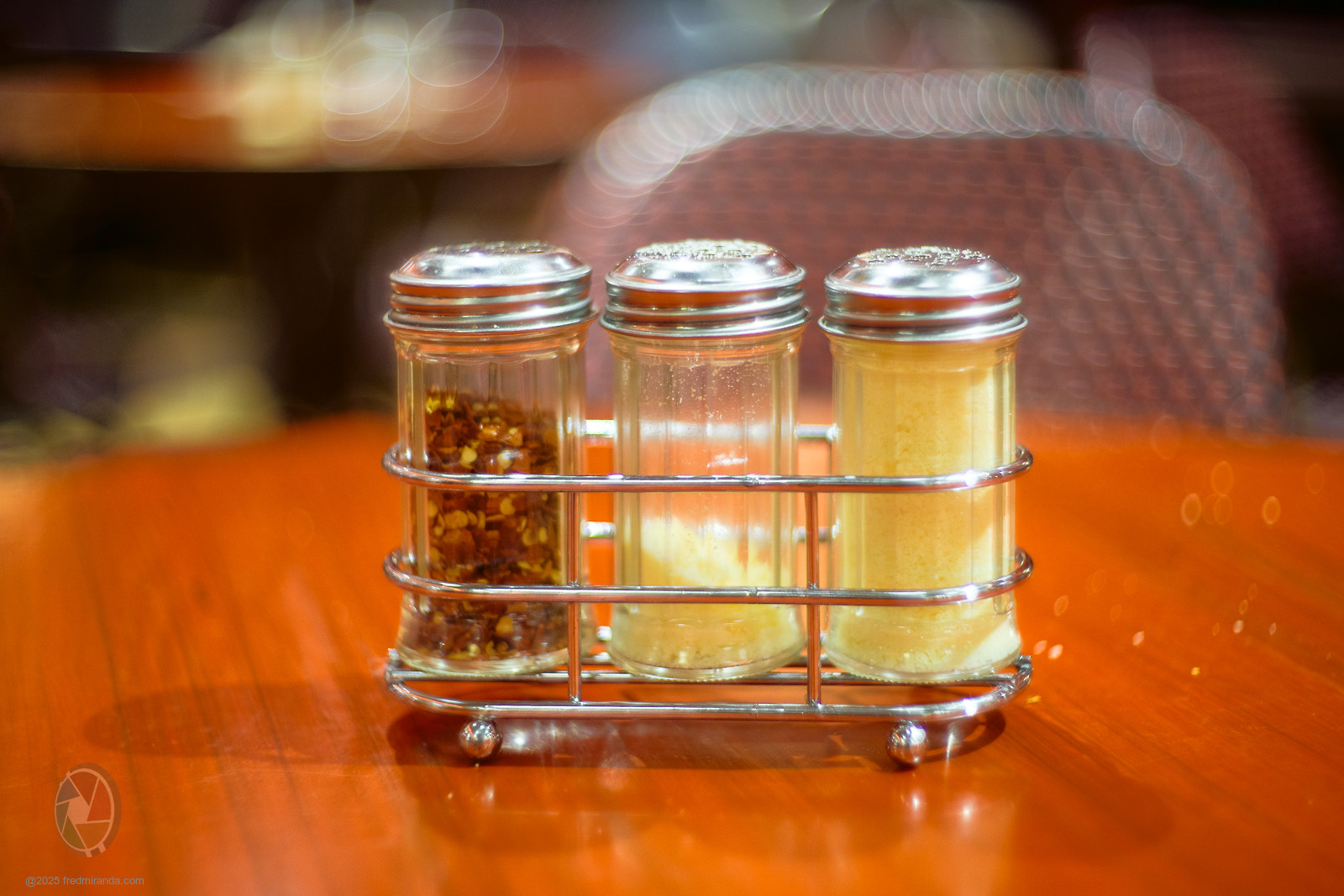
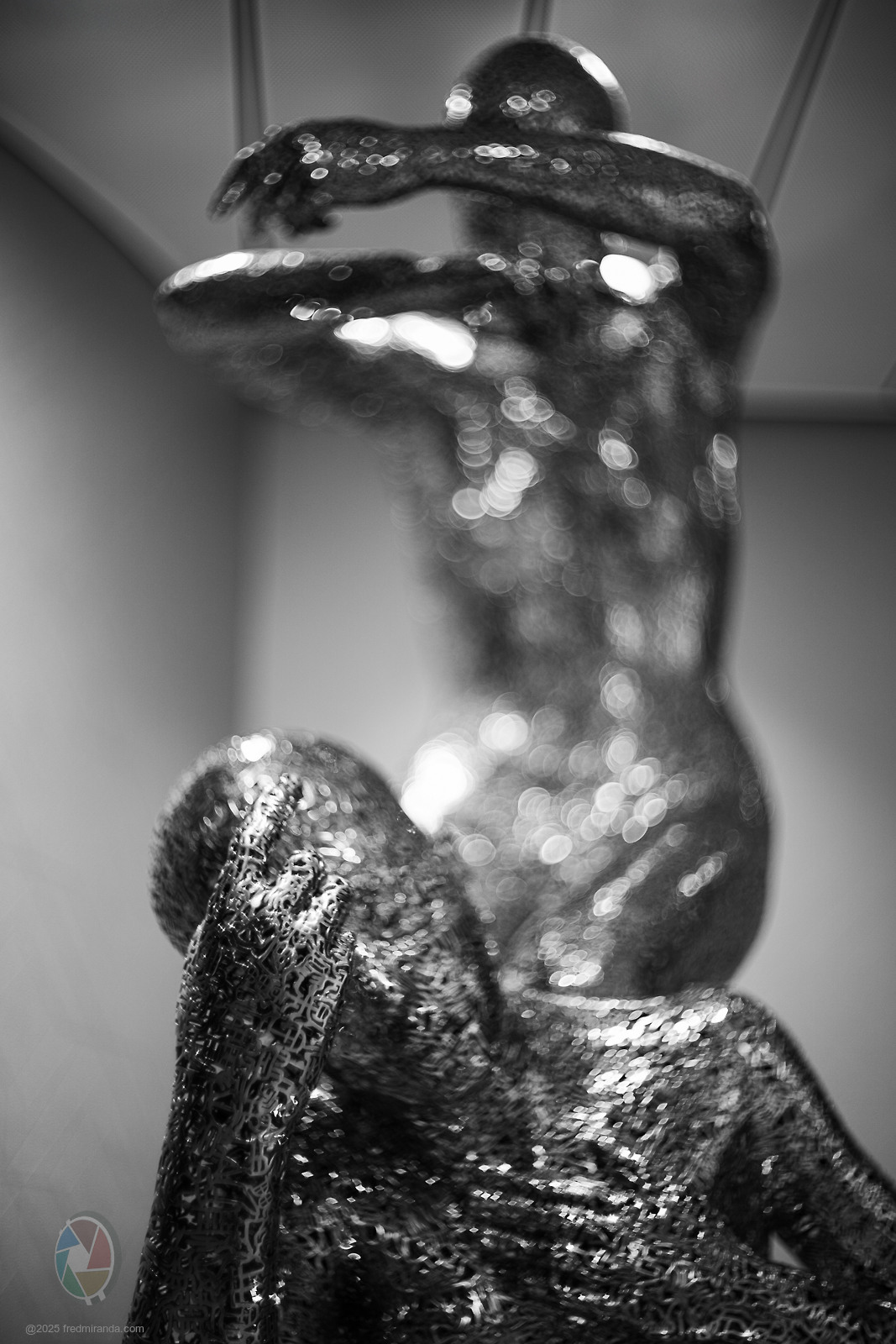
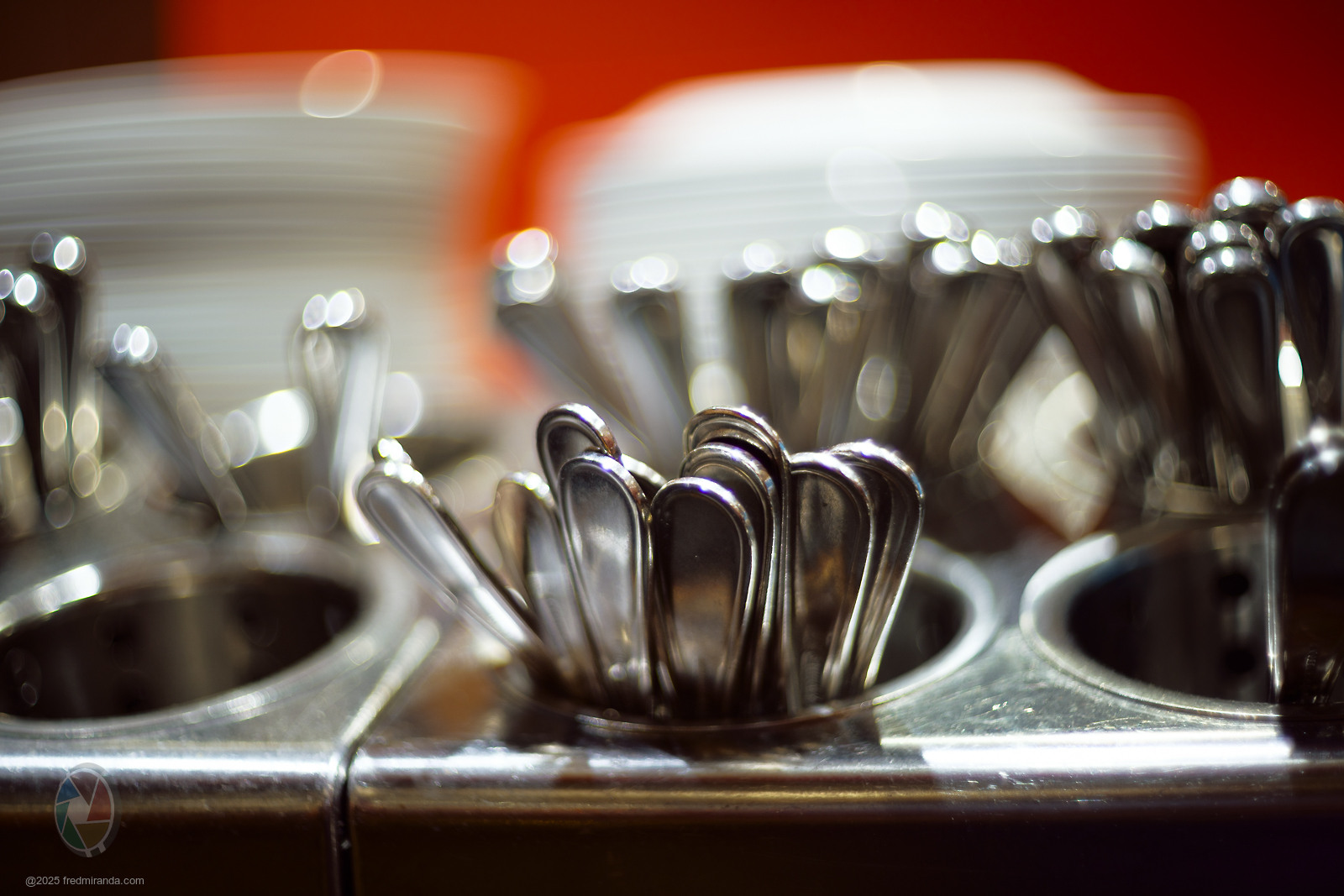
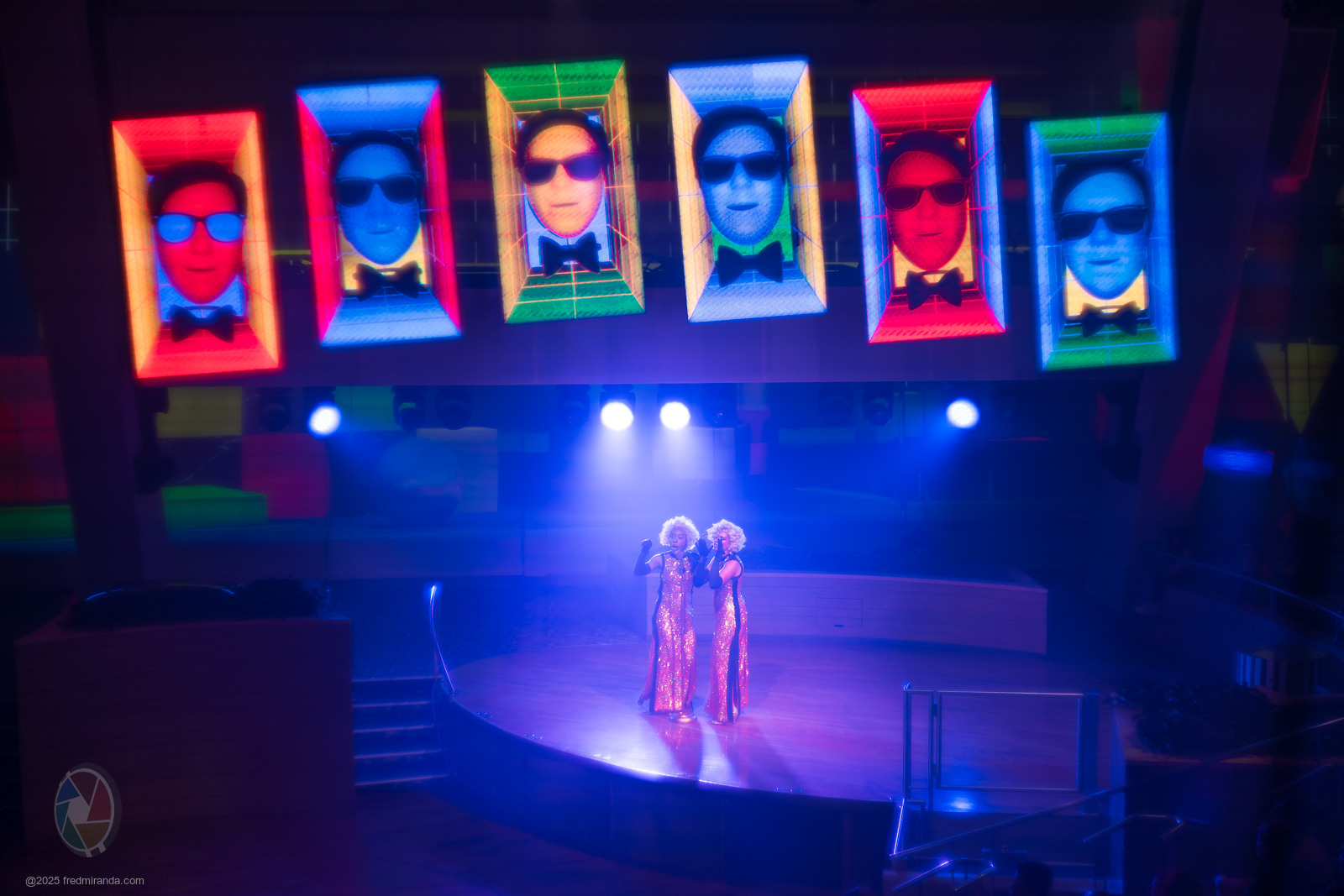
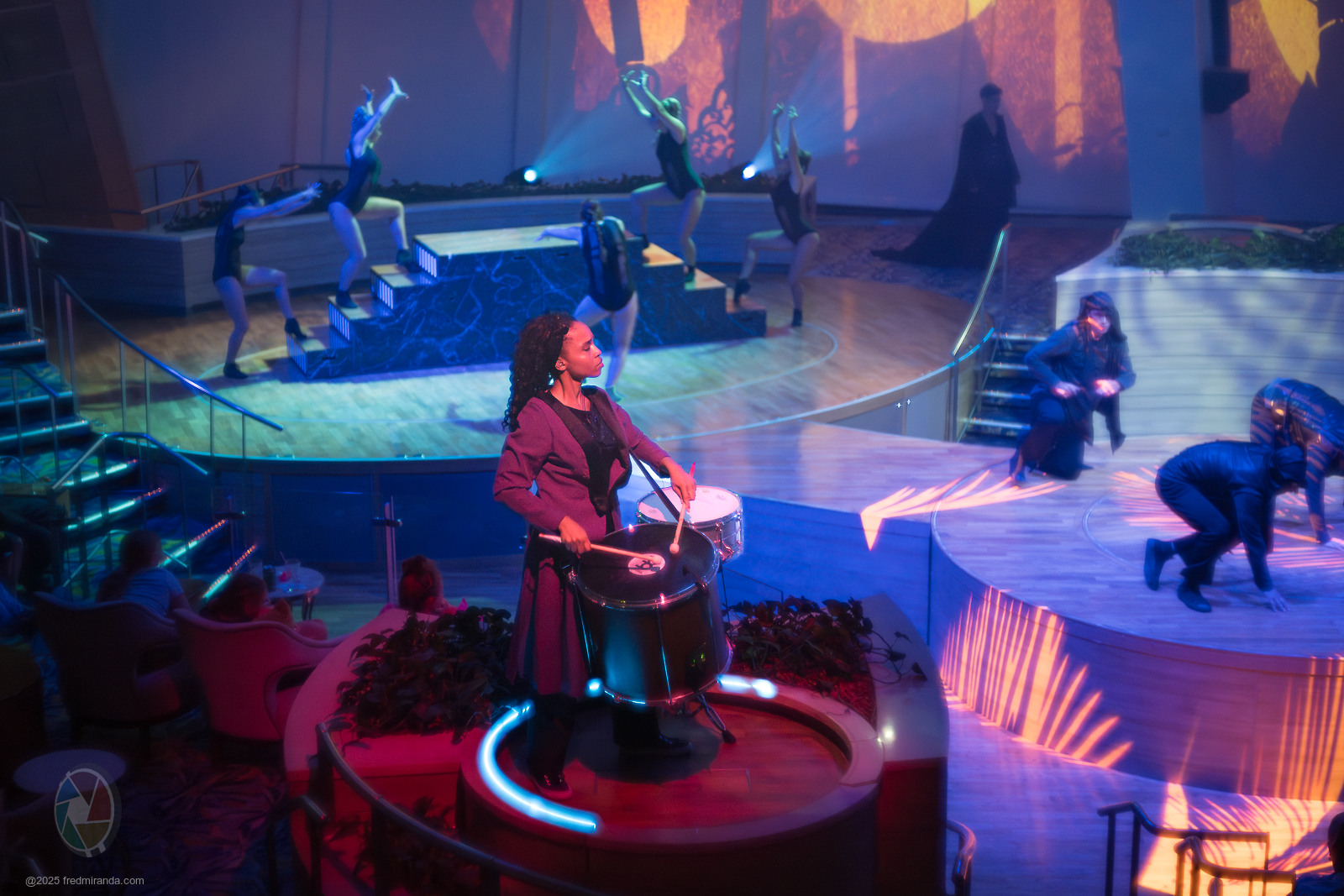
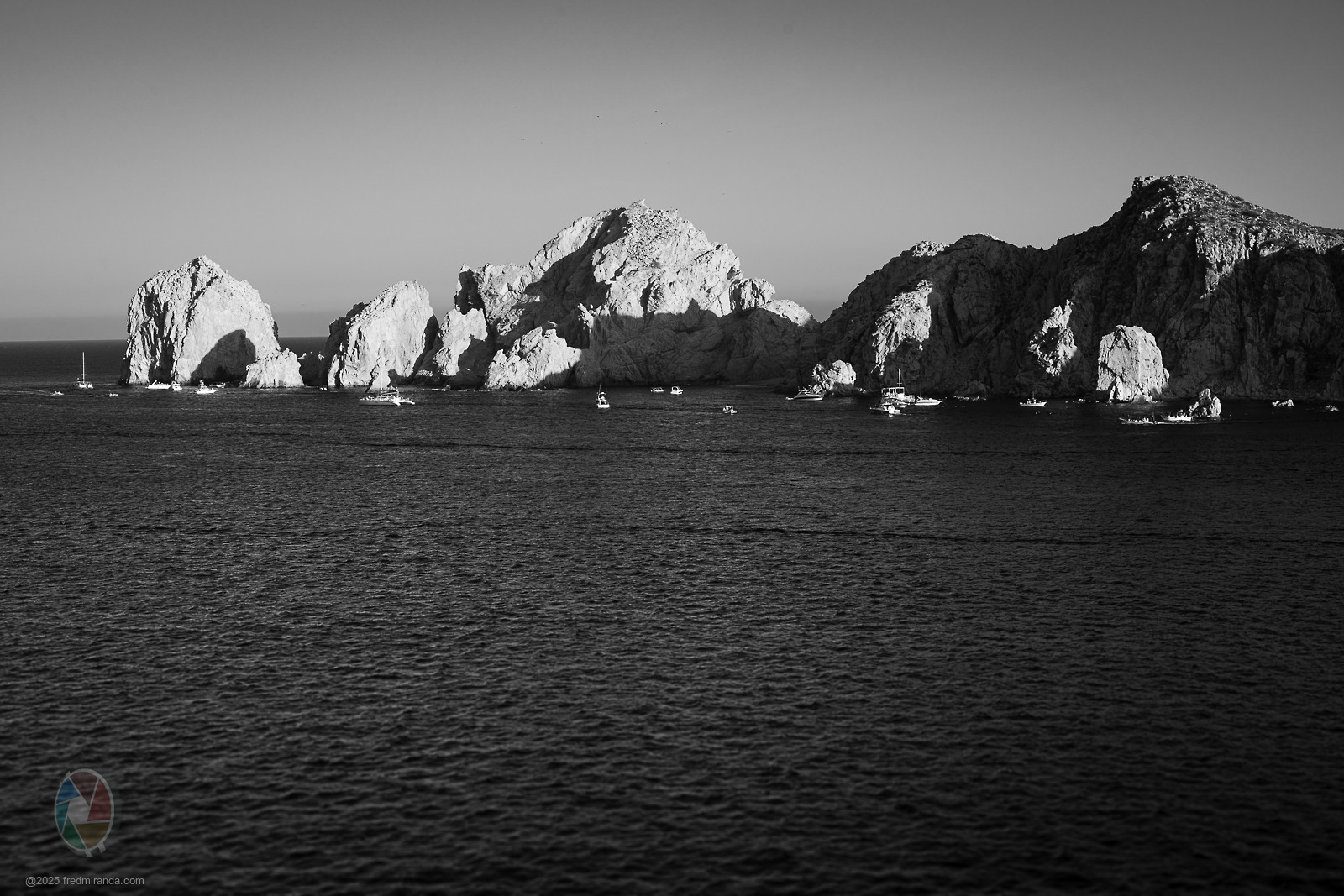
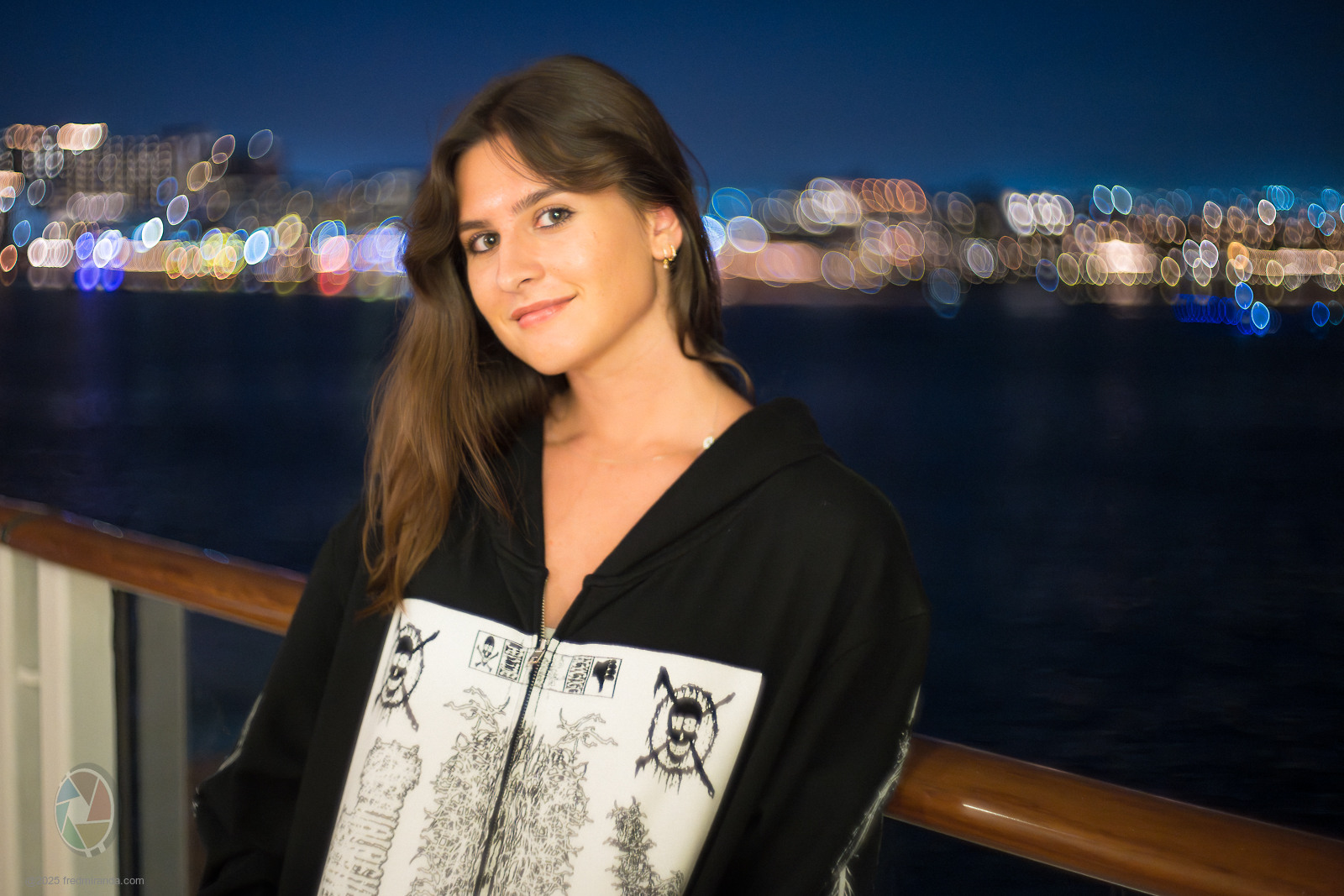
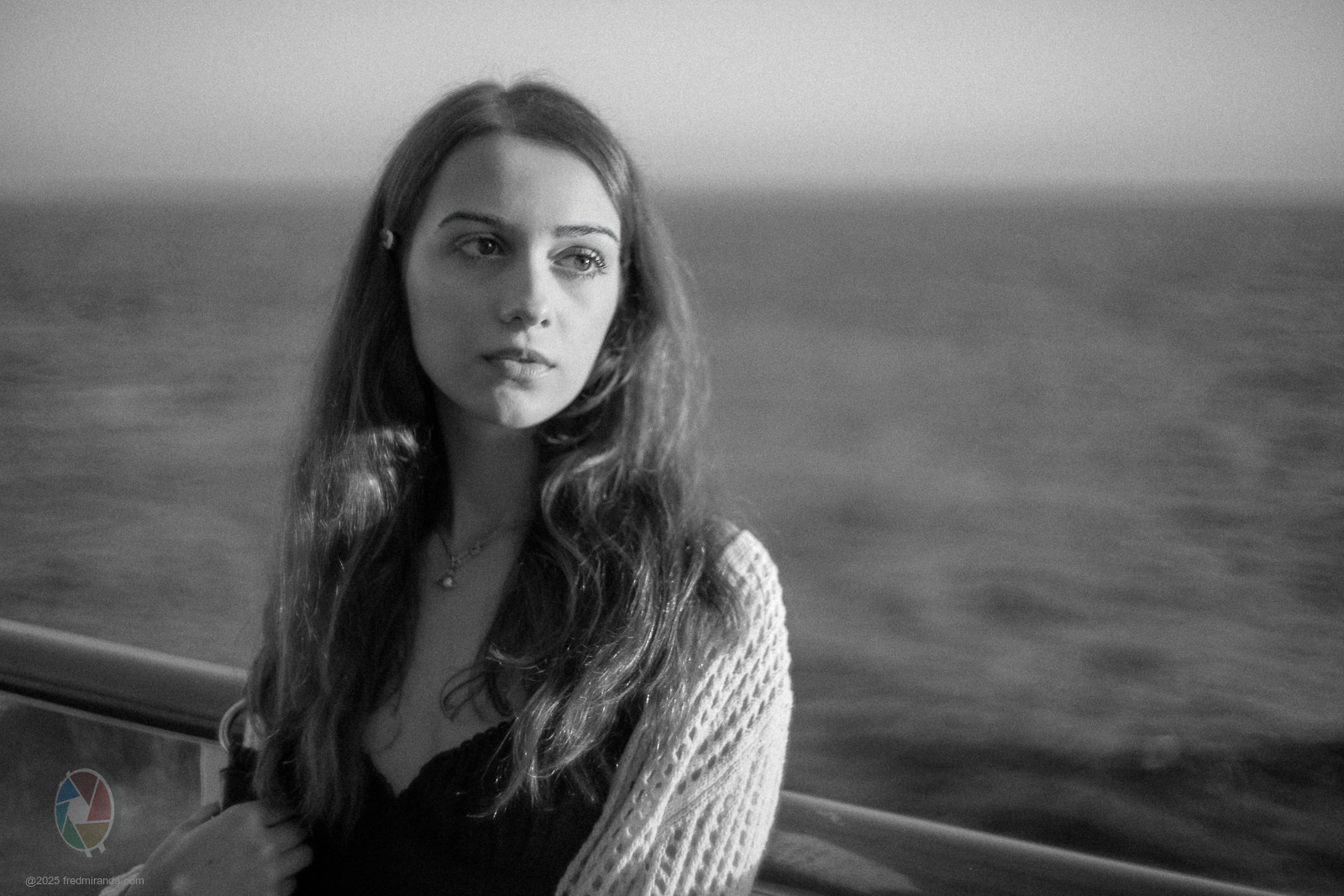
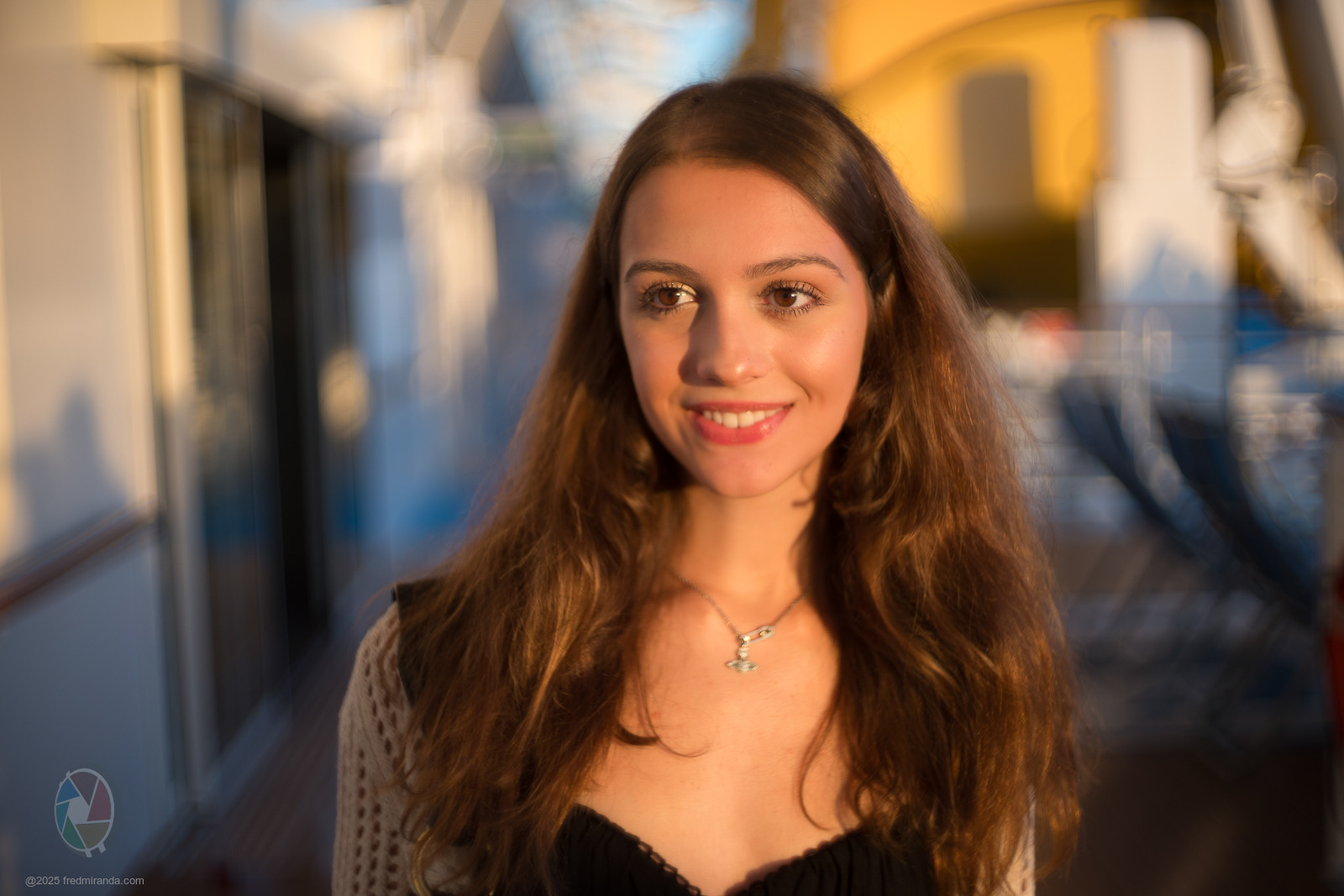
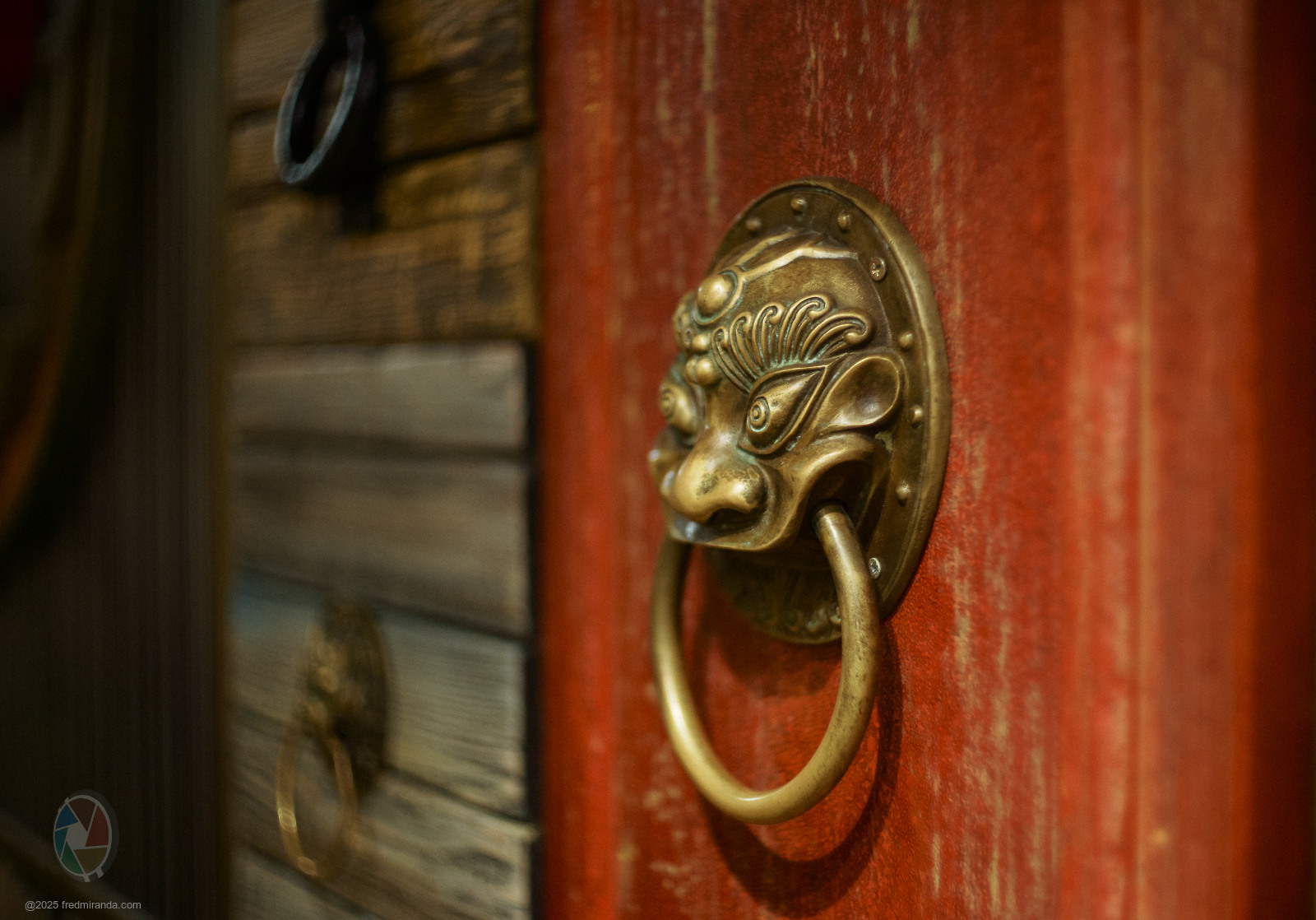
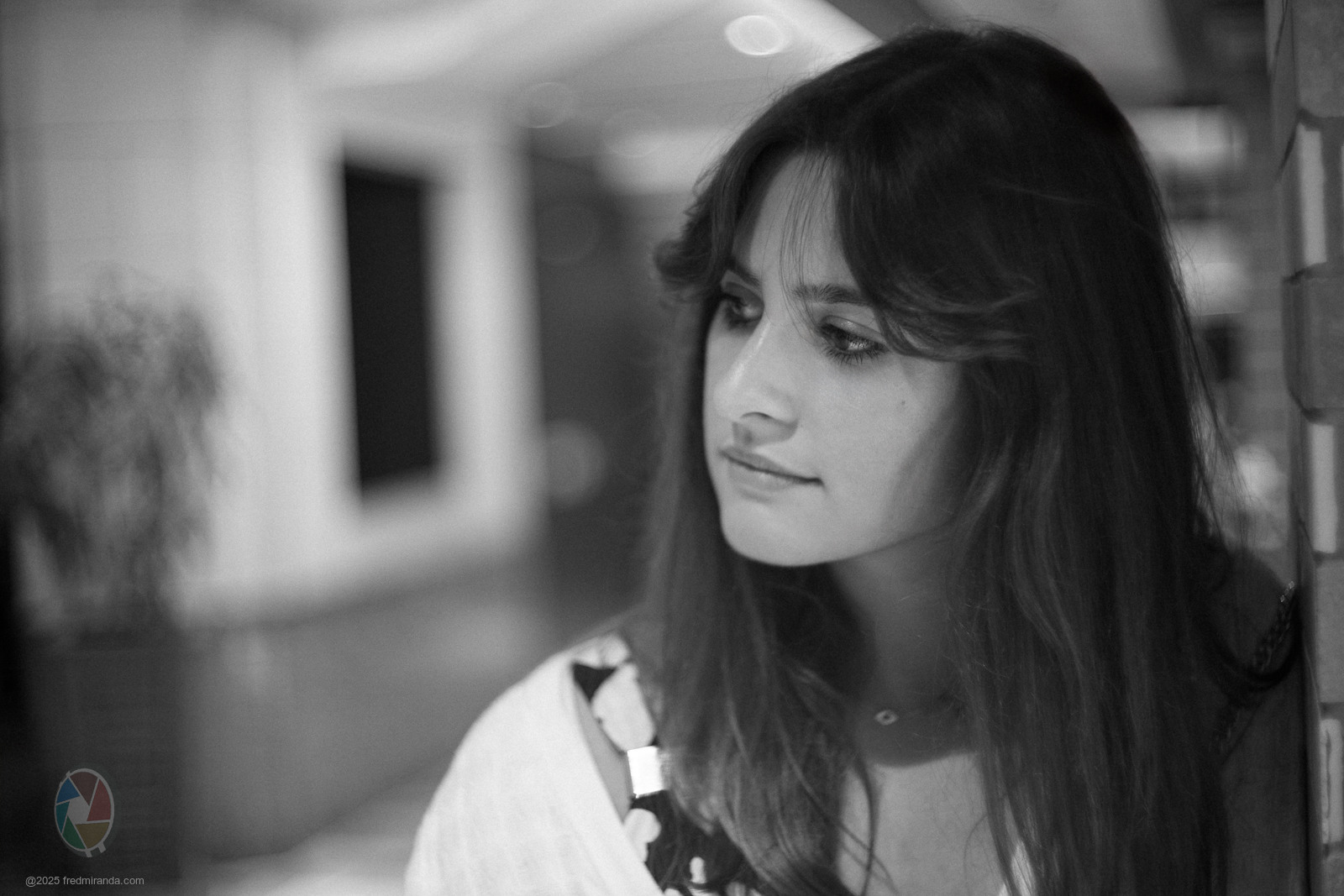
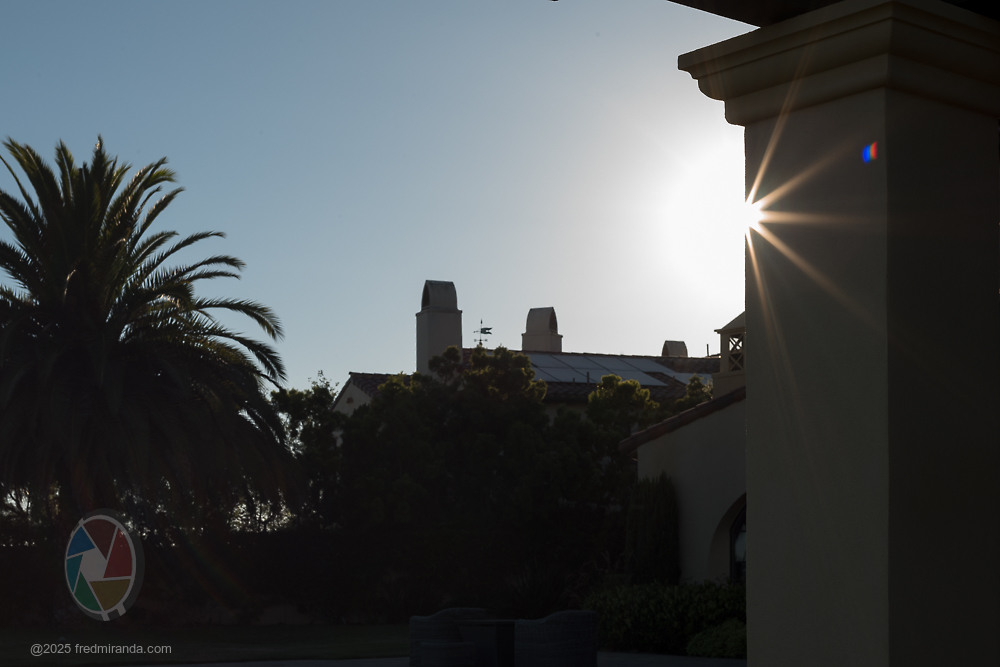
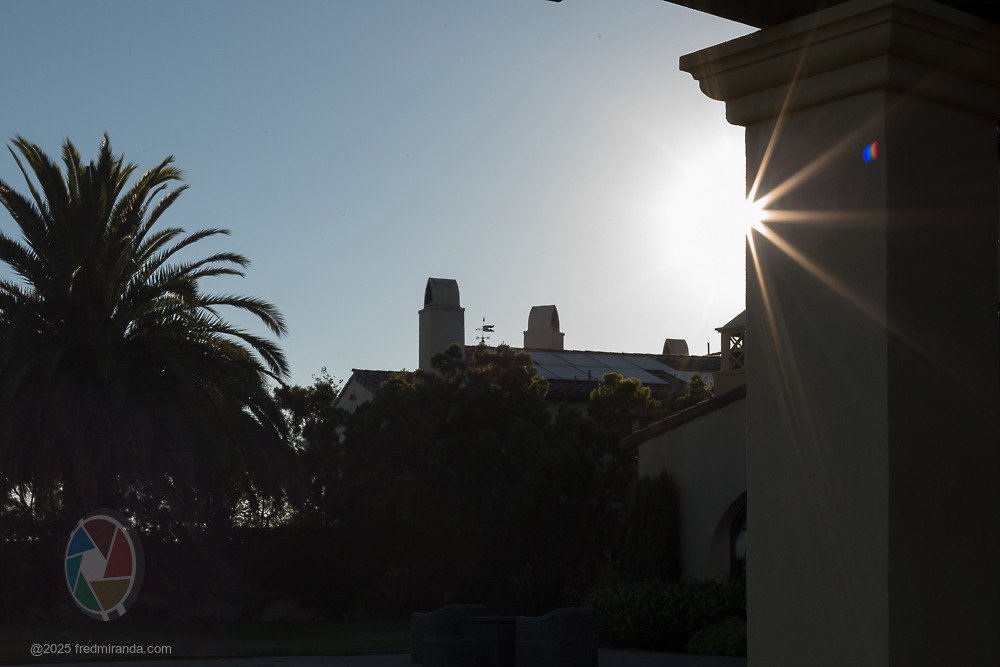
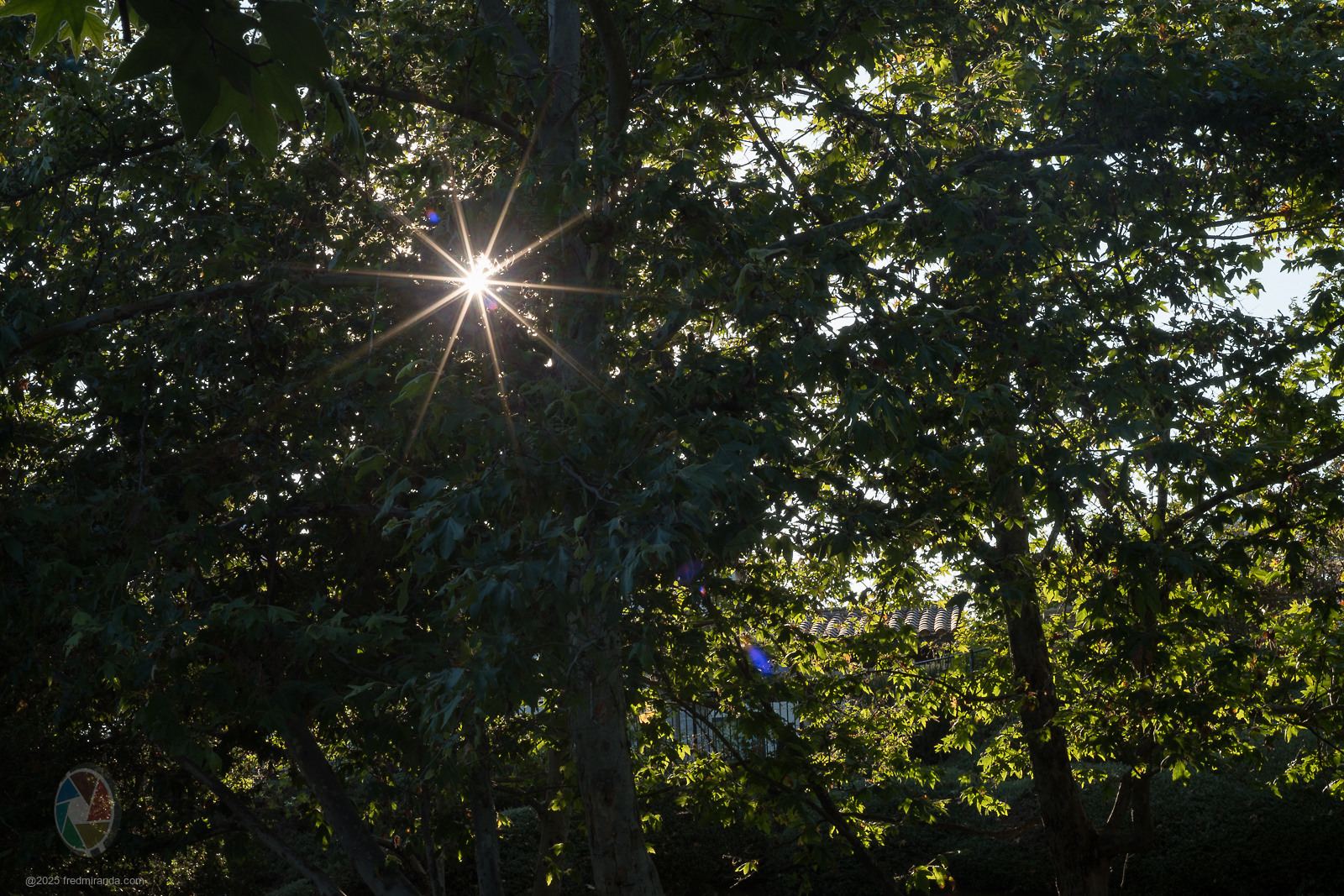
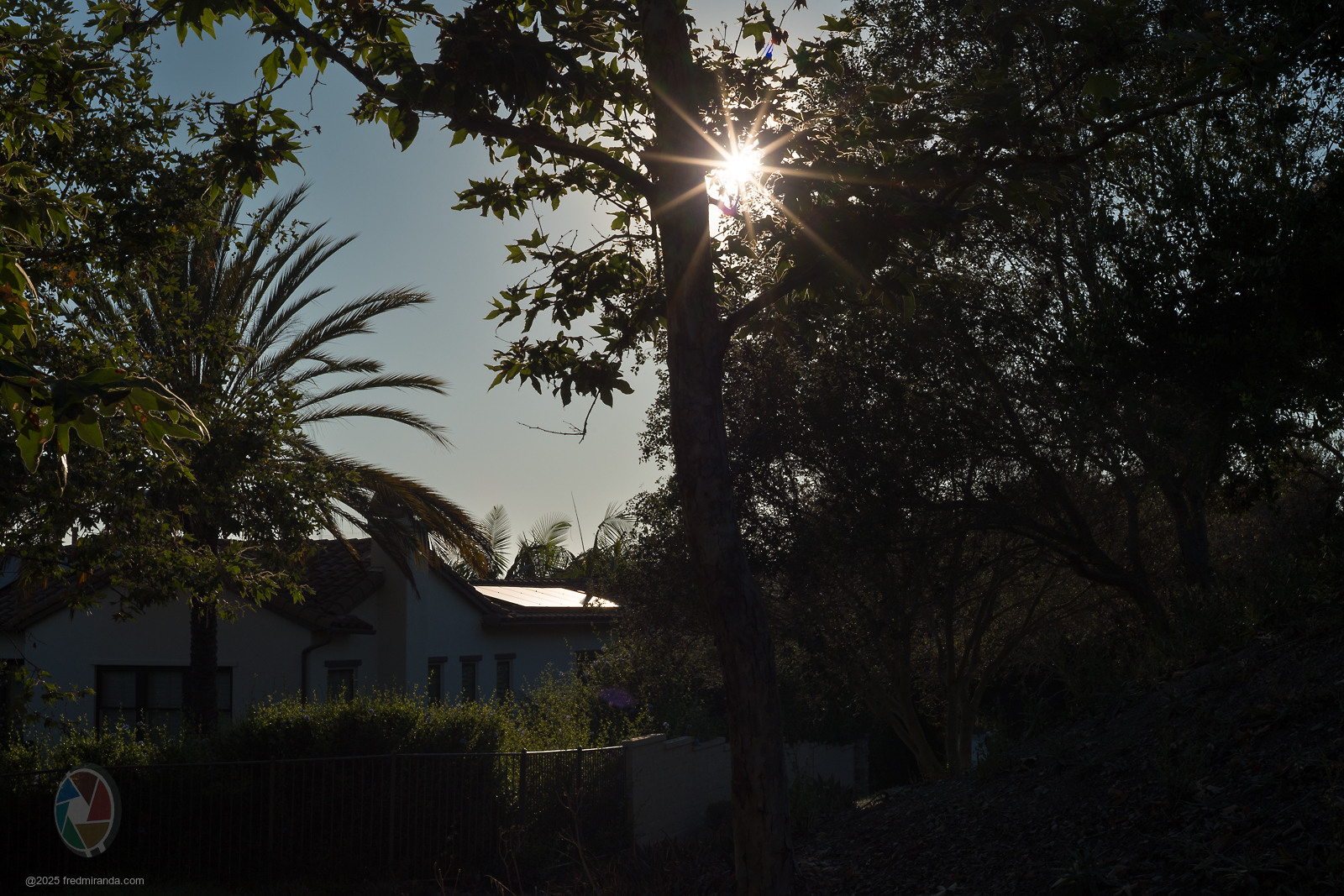
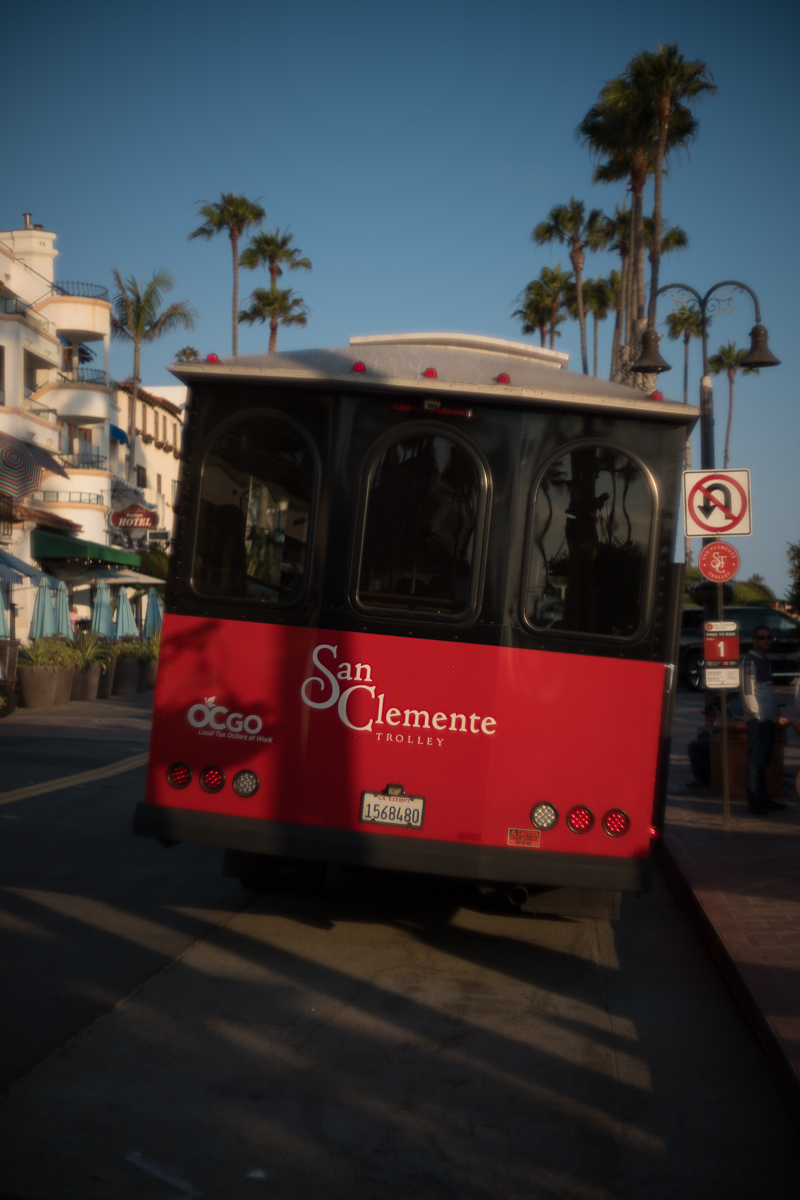
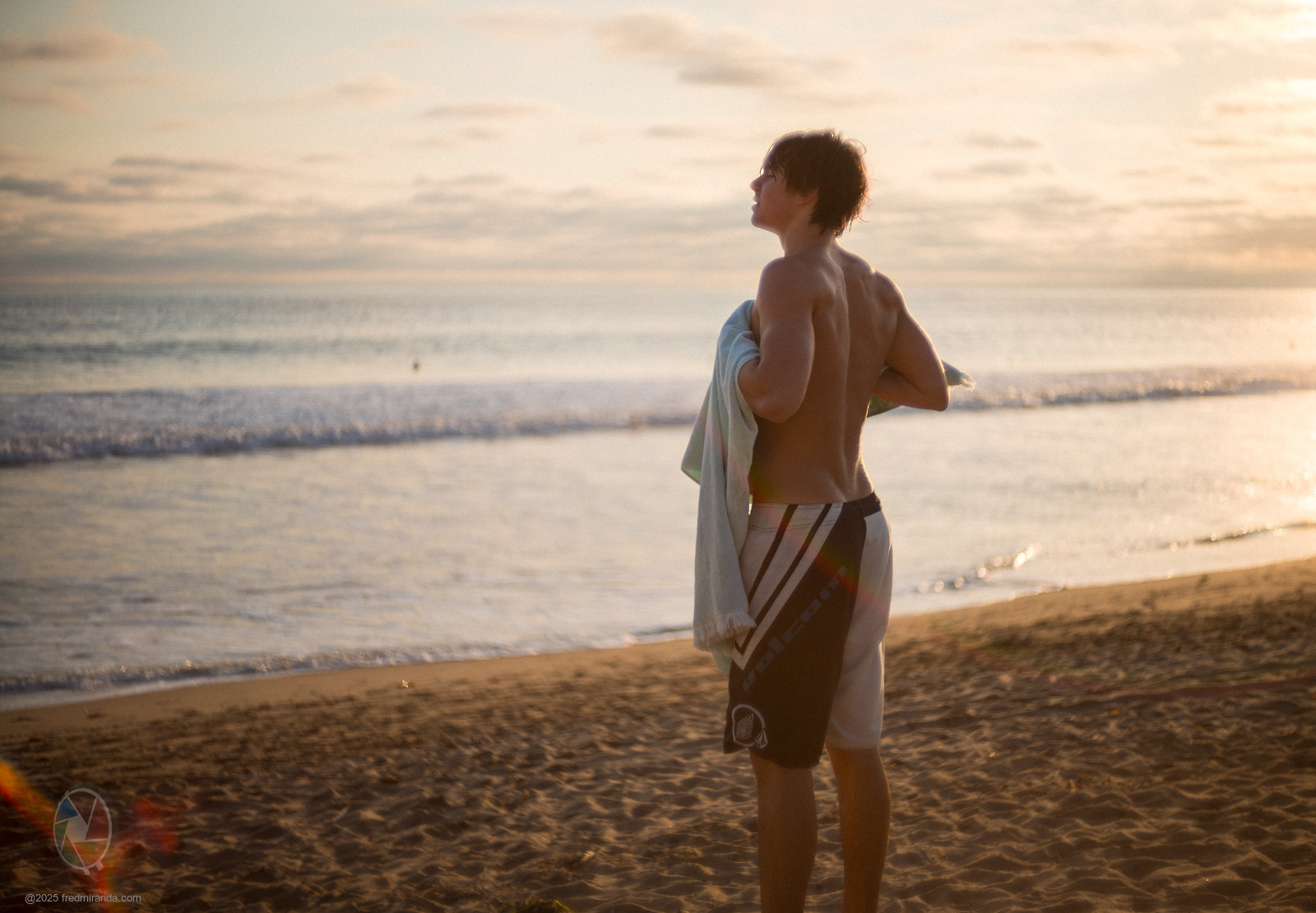
All images were shot wide open at f/1.5 under various lighting conditions and subject distances. I used the M10-R for all the samples.
Post-processing was minimal...just a bit of added sharpening and slight exposure adjustment. I used the Adobe Standard profile to give a clearer view of the lens's color rendering. (One image converted to BW)
LEICA M10-RLight Lens Lab 50mm f/1.5 Z21 lens50mmf/2.01/125s250 ISO0.0 EV
LEICA M10-RLight Lens Lab 50mm f/1.5 Z21 lens50mmf/2.01/60s1000 ISO0.0 EV
LEICA M10-RLight Lens Lab 50mm f/1.5 Z21 lens50mmf/2.01/60s800 ISO0.0 EV
LEICA M10-RLight Lens Lab 50mm f/1.5 Z21 lens50mmf/2.01/320s100 ISO0.0 EV
All images were shot wide open at f/1.5 under various lighting conditions and subject distances. I used the M10-R for all the samples.
Post-processing was minimal...just a bit of added sharpening and slight exposure adjustment. I used the Adobe Standard profile to give a clearer view of the lens's color rendering. (One image converted to BW)
Those shots are really great, they showcase gracefully the strengths of that lens. It’s a glass that can produce some beautiful renderings.
@Fred Miranda
The lens has a very nice vintage character, the same pattern can be seen in movies from the 1930-50s. This lens deserves close attention.
@Sonnar-7
How strong is the vignetting of the Z21 on the GFX? Here in the link they say that vignetting appears at medium and long distances: https://chan.nds.hk/blog/?p=13825.
Does it decrease with closing the aperture? Is it possible to get a picture at infinity without vignetting?
Listopad44 wrote:
@Fred Miranda@
The lens has a very nice vintage character, the same pattern can be seen in movies from the 1930-50s. This lens deserves close attention.
@Sonnar-7@
How strong is the vignetting of the Z21 on the GFX? Here in the link they say that vignetting appears at medium and long distances: https://chan.nds.hk/blog/?p=13825.
Does it decrease with closing the aperture? Is it possible to get a picture at infinity without vignetting?
I haven’t tested it yet much on the GFX but the vignetting seems really minimal for a 35mm lens, but I noticed with the Fuji that testing at home doesn’t translate well the real limitations of a full frame lens on medium format.
I have yet to test it more but it’s not just all talk from LLL, I believe they did manage to make it somewhat usable on medium format in the likes of an Helios or a Minolta MC lens.
@Sonnar-7
I have not yet seen examples of Z21 images from medium format taken at infinity. The examples on the LLL's website are portraits taken in the near field. And vignetting increases as you focus closer to infinity.
All images were shot wide open at f/1.5 under various lighting conditions and subject distances. I used the M10-R for all the samples.
Post-processing was minimal...just a bit of added sharpening and slight exposure adjustment. I used the Adobe Standard profile to give a clearer view of the lens's color rendering.
I actually prefer placing my subject off-center to reduce contrast, as shown in these portrait samples.
LEICA M10-RLight Lens Lab 50mm f/1.5 Z21 lens50mmf/2.01/60s500 ISO-0.3 EV
LEICA M10-RLight Lens Lab 50mm f/1.5 Z21 lens50mmf/2.01/60s2000 ISO-0.3 EV
LEICA M10-RLight Lens Lab 50mm f/1.5 Z21 lens50mmf/2.01/60s250 ISO-0.3 EV
LEICA M10-RLight Lens Lab 50mm f/1.5 Z21 lens50mmf/2.01/640s100 ISO-0.3 EV
Here are a few more samples, including a closer shot and one converted to black and white.
The rendering reminds me of the Light Lens Lab 50mm f/2 SP2, but with more swirl due to stronger optical vignetting and slightly more blur from the faster aperture. Still, both share a similar structured, painterly look.
LEICA M10-RLight Lens Lab 50mm f/1.5 Z21 lens50mmf/1.41/60s400 ISO-0.3 EV
LEICA M10-RLight Lens Lab 50mm f/1.5 Z21 lens50mmf/1.41/125s100 ISO0.0 EV
LEICA M10-RLight Lens Lab 50mm f/1.5 Z21 lens50mmf/1.41/125s640 ISO0.0 EV
LEICA M10-RLight Lens Lab 50mm f/1.5 Z21 lens50mmf/1.41/60s500 ISO-0.3 EV
LEICA M10-RLight Lens Lab 50mm f/1.5 Z21 lens50mmf/1.41/60s160 ISO-0.3 EV
Except for the B&W image, shot at f/5.6, all images were shot wide open at f/1.5 under various lighting conditions and subject distances.
Post-processing was minimal...just a bit of added sharpening and slight exposure adjustment. I used the Adobe Standard profile to give a clearer view of the lens's color rendering.
I actually prefer placing my subject off-center to reduce contrast, as shown in these portrait samples.
LEICA M10-RLight Lens Lab 50mm f/1.5 Z21 lens50mmf/1.41/125s500 ISO-1.0 EV
LEICA M10-RLight Lens Lab 50mm f/1.5 Z21 lens50mmf/1.41/250s125 ISO-1.0 EV
LEICA M10-RLight Lens Lab 50mm f/1.5 Z21 lens50mmf/1.41/250s1600 ISO-1.0 EV
At f/5.6, sharp across the field at infinity.
LEICA M10-RLight Lens Lab 50mm f/1.5 Z21 lens50mmf/5.61/320s100 ISO-0.7 EV
LEICA M10-RLight Lens Lab 50mm f/1.5 Z21 lens50mmf/1.41/125s2500 ISO-1.0 EV
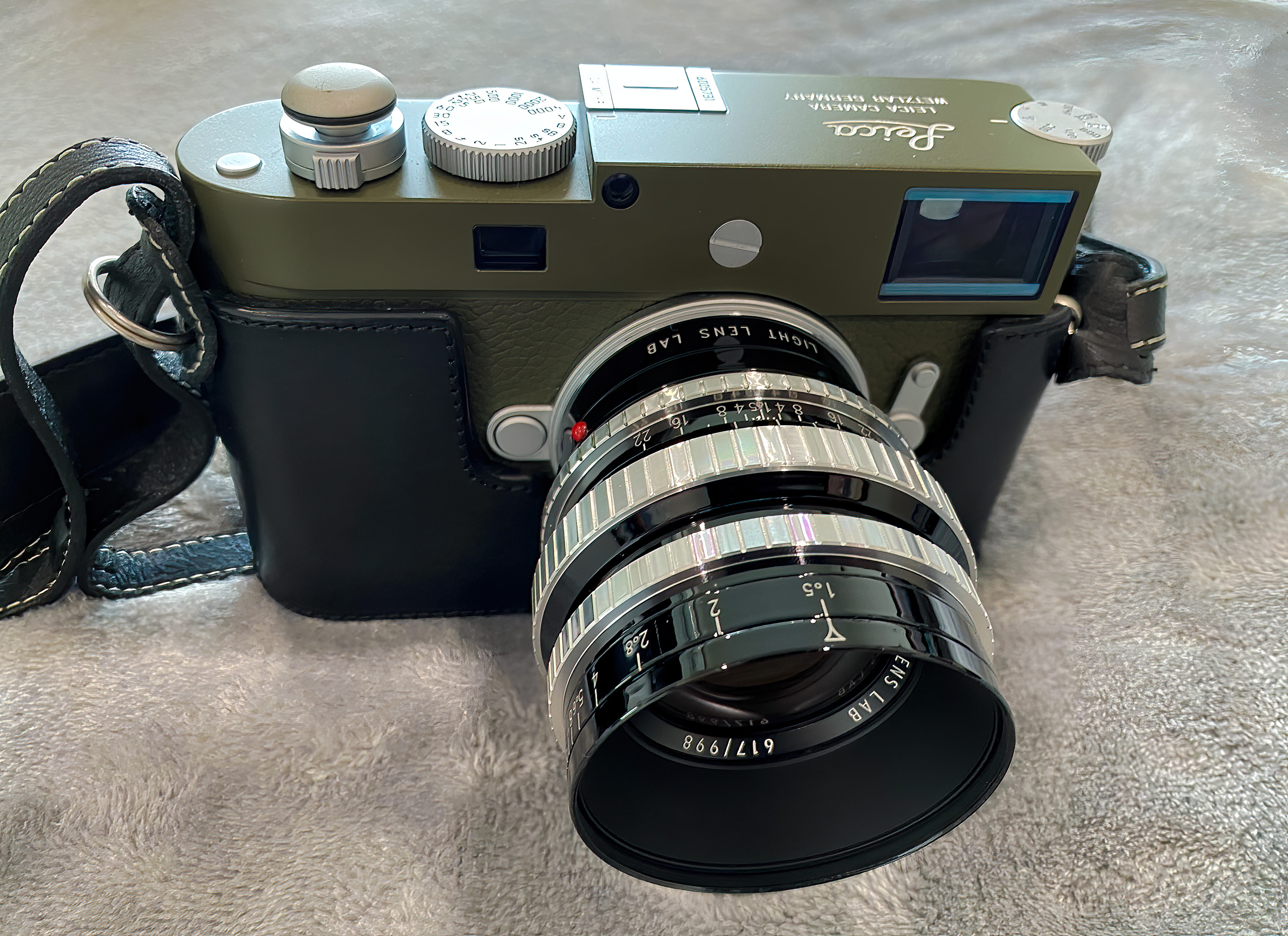
I just got my Z21 via Japan, I ordered a day before LLL posted a direct order system, Oddly I was not charged a tariff, but not complaining. This is it mounted on M11P safari, they only had glossy rather than matte finish, looks fine I think and it is the silver accents that offset the safari anyways. Looks flashy- no way this will be ignored. I have a project for it next weeks where vintage will be good capturing vintage Alaska site.
EMH2025 wrote:
I just got my Z21 via Japan, I ordered a day before LLL posted a direct order system, Oddly I was not charged a tariff, but not complaining. This is it mounted on M11P safari, they only had glossy rather than matte finish, looks fine I think and it is the silver accents that offset the safari anyways. Looks flashy- no way this will be ignored. I have a project for it next weeks where vintage will be good capturing vintage Alaska site.
You beat me to posting a photo of the Z21 on the Leica M Safari!
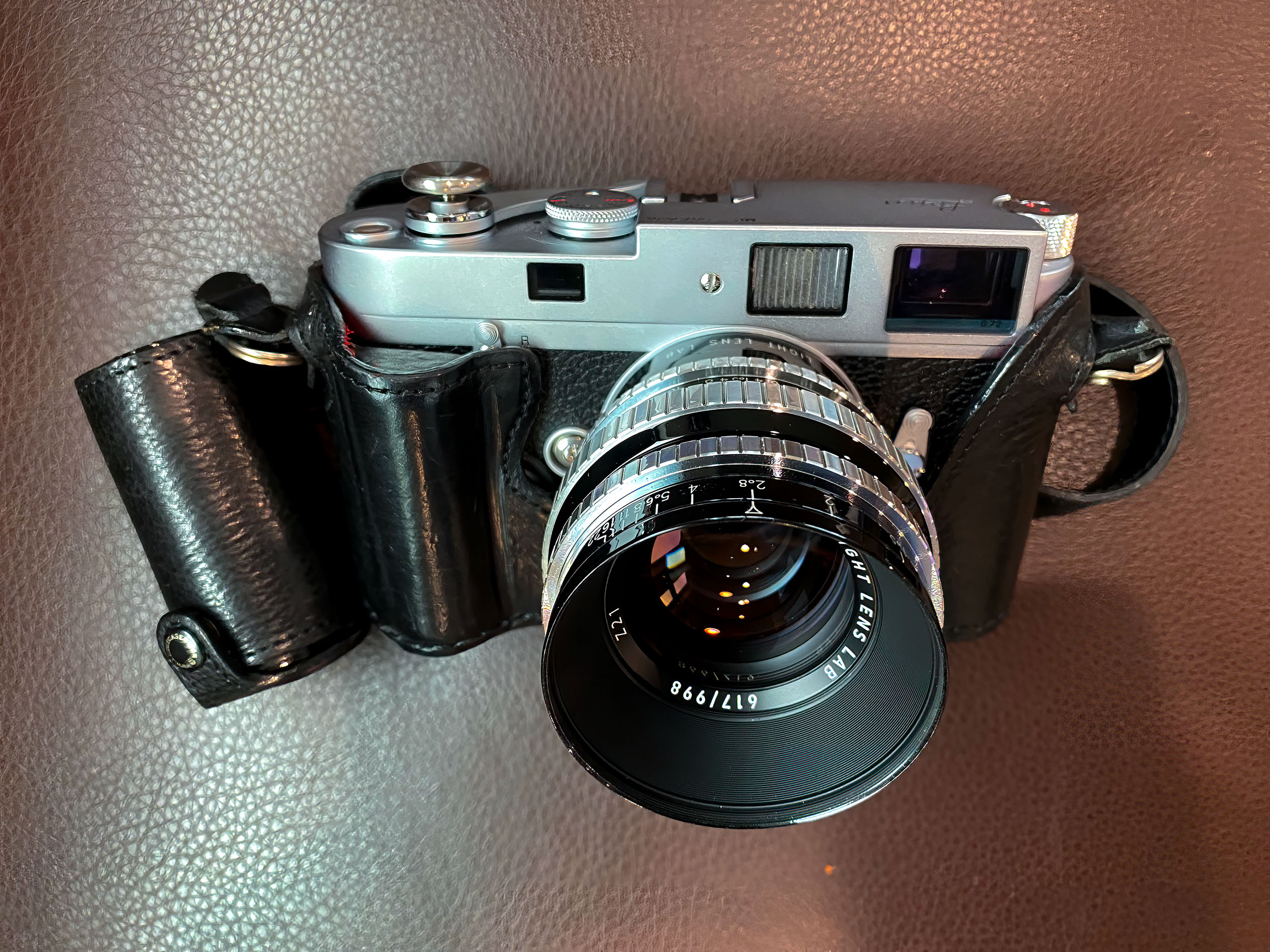
I've been using mine on the M10-P, and I think it looks great since the chrome rings on the lens match the silver on the camera. It's definitely flashy, but it actually looks heavier than it really is. I’m using mine with a glossy thumbs-up grip support, and I really like the overall aesthetics.
I am going to have to try the Z21 on a Leica M film, a M3 would be more authentic for recreation of a 1950s lens, even my 1960s M4 would be closer, but this is it on my MP and Luigi black leather. I think it looks good on silver chrome, probably even better on black chrome but I do not have one. The lens has been optimized for digitals, but I'll have to try it on film as well and see how it does, hopefully soon when I have good subject (thinking a fishing port activity might do it next week).
Fred Miranda wrote:
You beat me to posting a photo of the Z21 on the Leica M Safari!
I've been using mine on the M10-P, and I think it looks great since the chrome rings on the lens match the silver on the camera. It's definitely flashy, but it actually looks heavier than it really is. I’m using mine with a glossy thumbs-up grip support, and I really like the overall aesthetics.
Minimal Focus Distance performance and Focus Shift
The original Angenieux has a long minimum focus distance of 1 meter, so I think Light Lens Lab made a smart move by updating the 1950s design to focus down to 0.7 meters. But the question is, how does it actually perform at that distance?
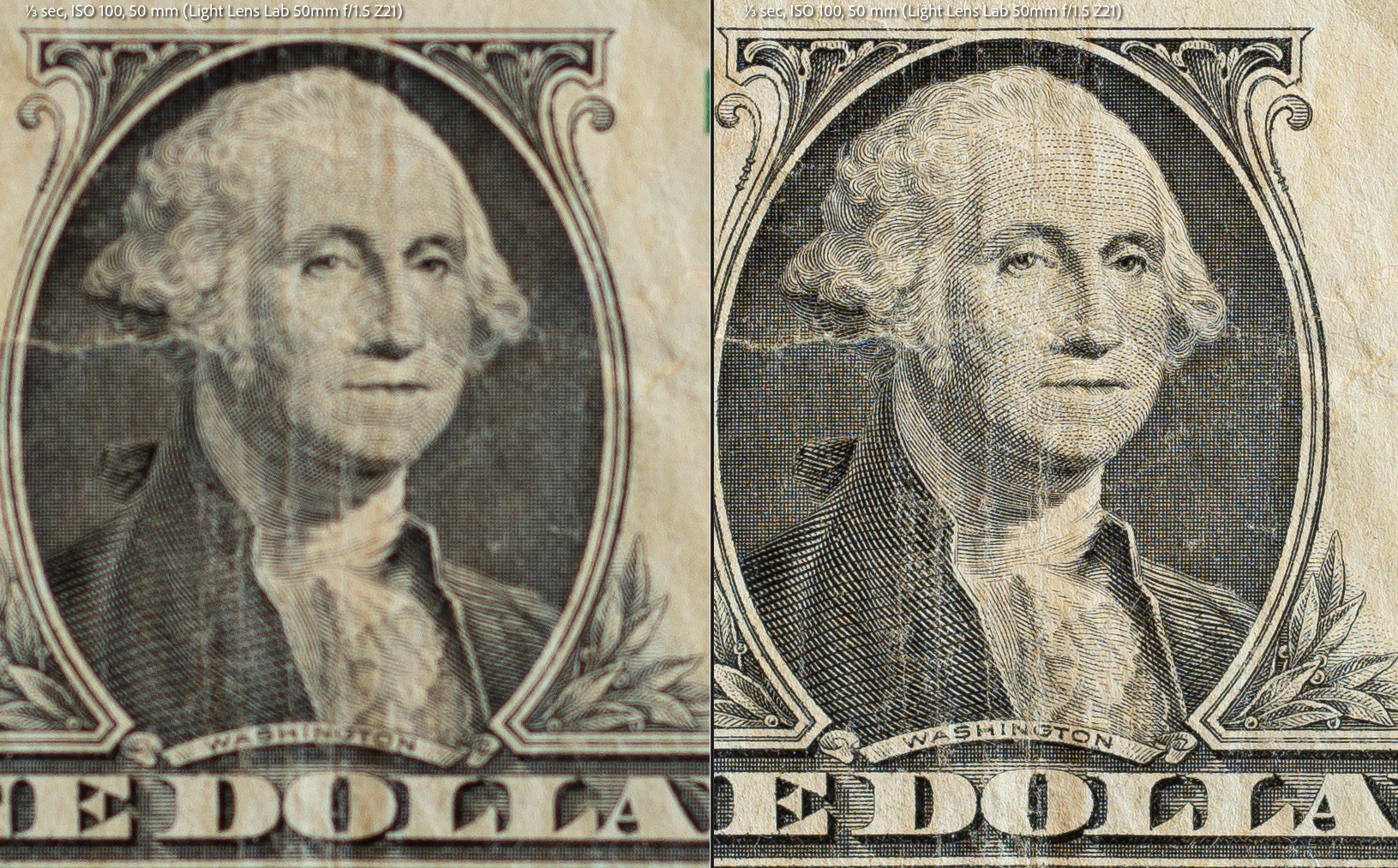
As expected, performance wide open at minimum focus distance is just okay, but it improves significantly when stopped down and refocused. Because the lens isn’t corrected for spherical aberration, there’s noticeable softness at close range when shot wide open. On top of that, there’s a clear focus shift when stopping down, so if you want sharp results, you’ll need to refocus at each aperture. This makes it less ideal for rangefinder use when shooting stopped down. However, if you're adapting the lens to a mirrorless body, just be sure to refocus after changing the aperture from wide open.
This seems to be a known behavior of the 50mm f/1.5 S21, and it looks like Light Lens Lab chose to replicate that characteristic rather than correct it, which in my opinion is the right call for a faithful reproduction.
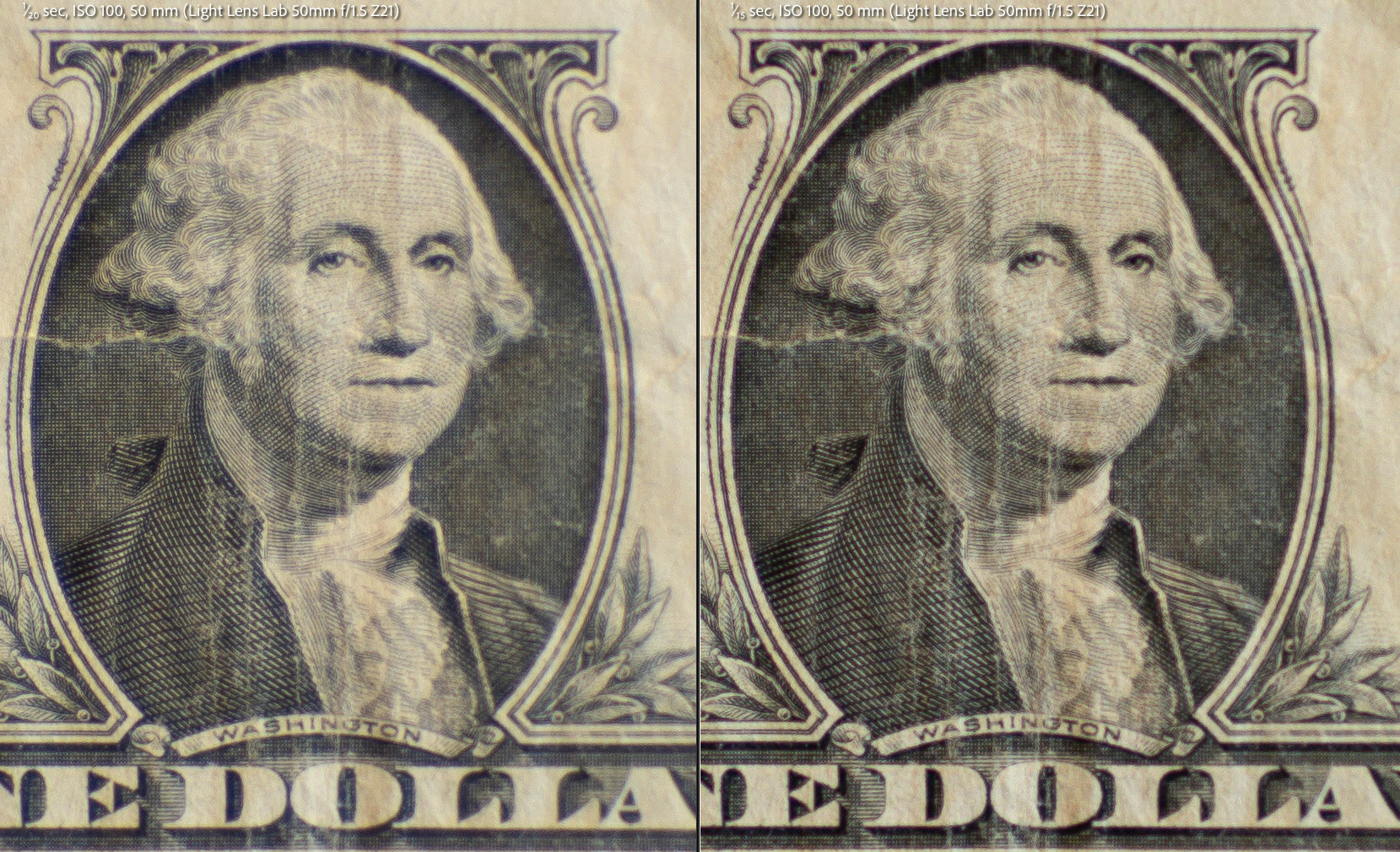
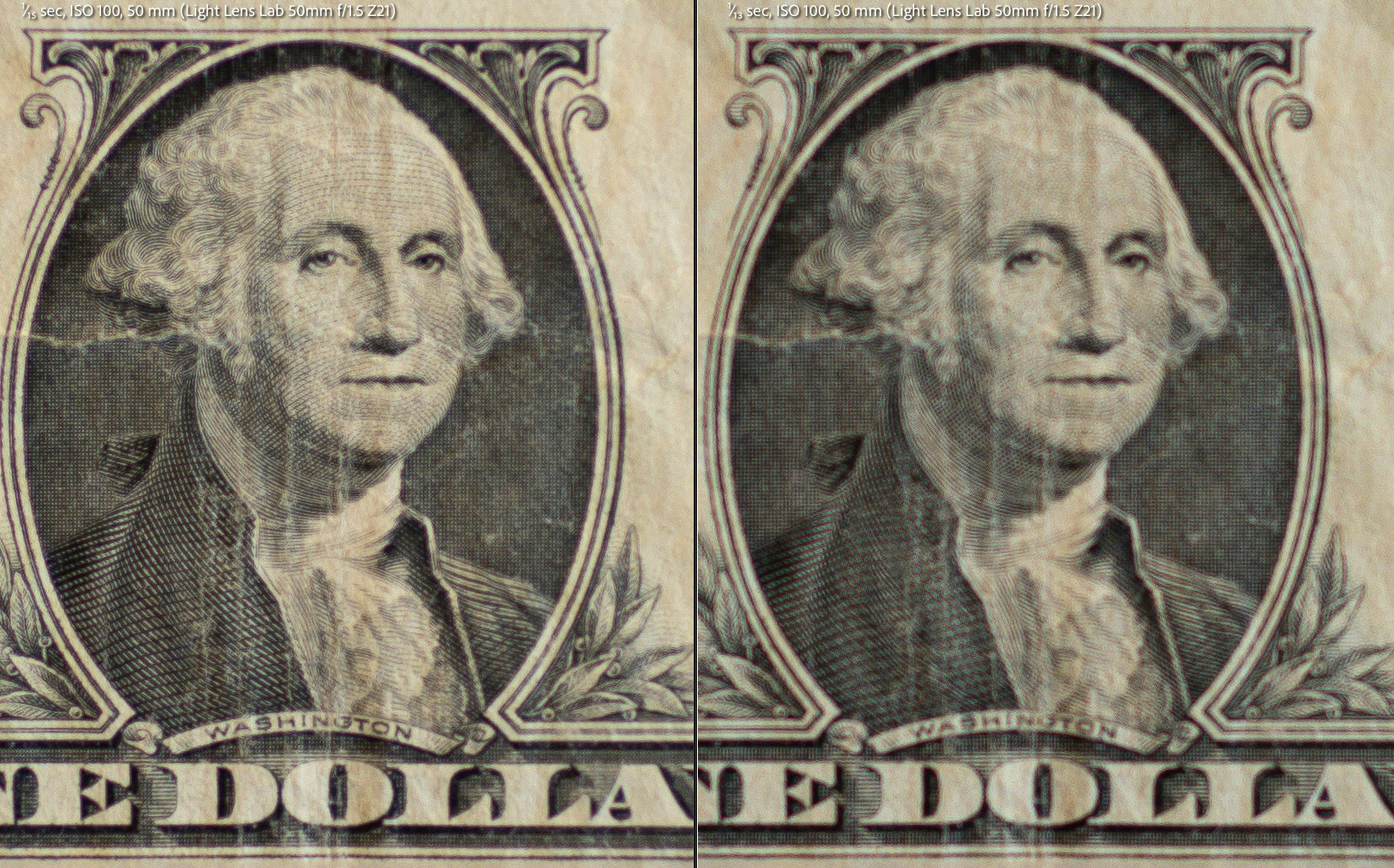
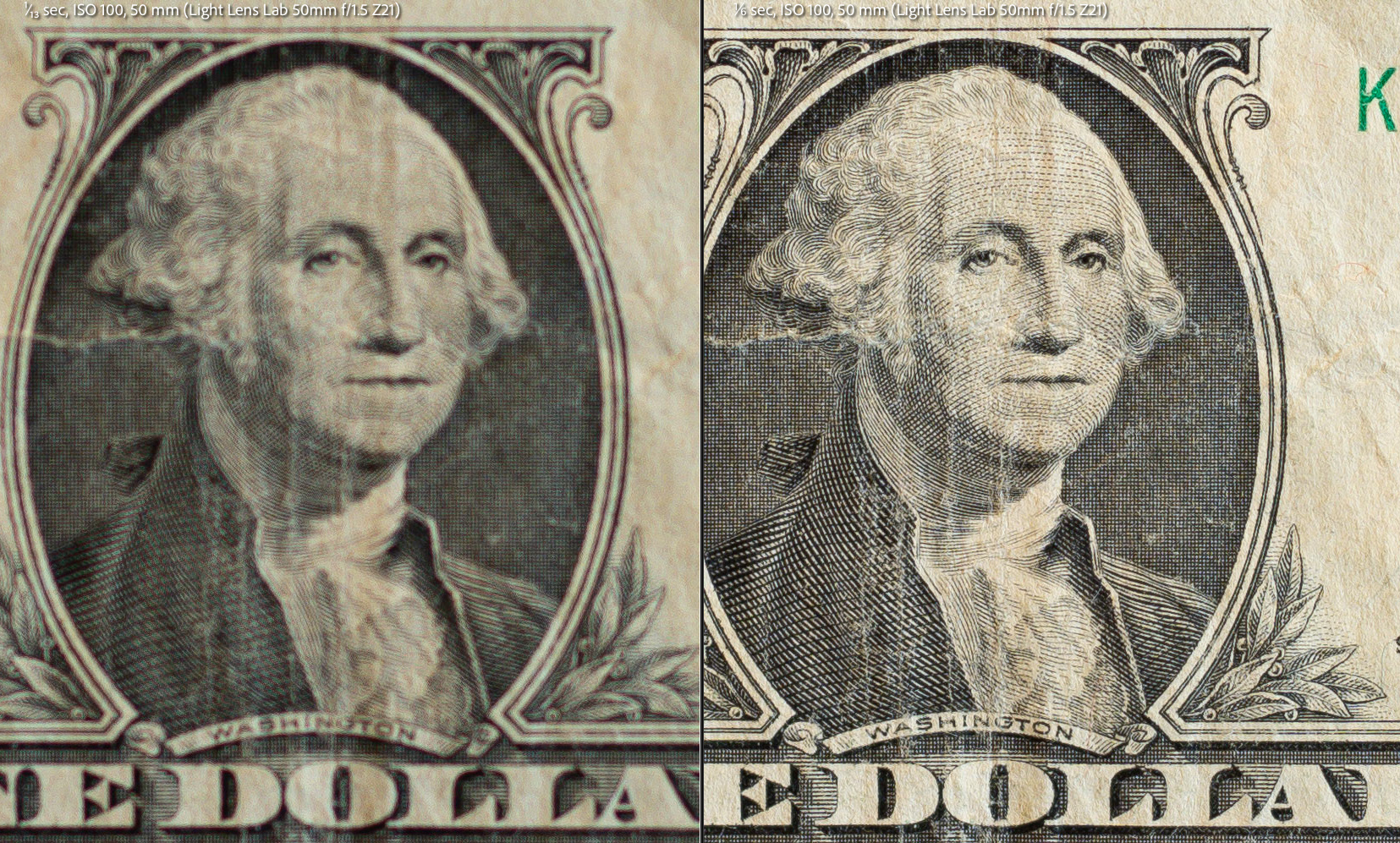
To test focus shift, I shot a sequence at f/2, f/2.8, and f/4 without refocusing. Then I took additional frames at f/2.8 and f/4 with refocusing for comparison.
The following images show how the lens performs across those apertures.
At 0.7m MFD using LiveView for precise focusing
***Expand the browser window to view the full image without any resizing.
Focused at f/1.5: f/1.5 (LEFT) | f/2 (RIGHT)
Focused at f/1.5: f/2 (LEFT) | f/2.8 (RIGHT) - notice the focus shift
f/2.8 shot with focus set at f/1.5 (LEFT) | f/2.8 shot with focus set at f/2.8 (RIGHT) — much better performance when refocused at the working aperture.
f/4 shot with focus set at f/1.5 (LEFT) | f/4 shot with focus set at f/4 (RIGHT) — much better performance when refocused at the working aperture.
For those who appreciate well-defined sunstars, the Light Lens Lab 50mm f/1.5 Z21 starts producing them around f/5.6, with optimal results from f/8 to f/16. They still hold up at f/22. Thanks to its 10 straight-blade aperture and tight manufacturing tolerances, the sunstars appear with evenly spaced and clean rays.
One distinct trait of this LLL 50/1.5 is that it doesn’t maintain a perfectly circular aperture at mid-range settings like f/2.8 or f/5.6. Instead, the aperture consistently forms a decagon shape across the entire range.
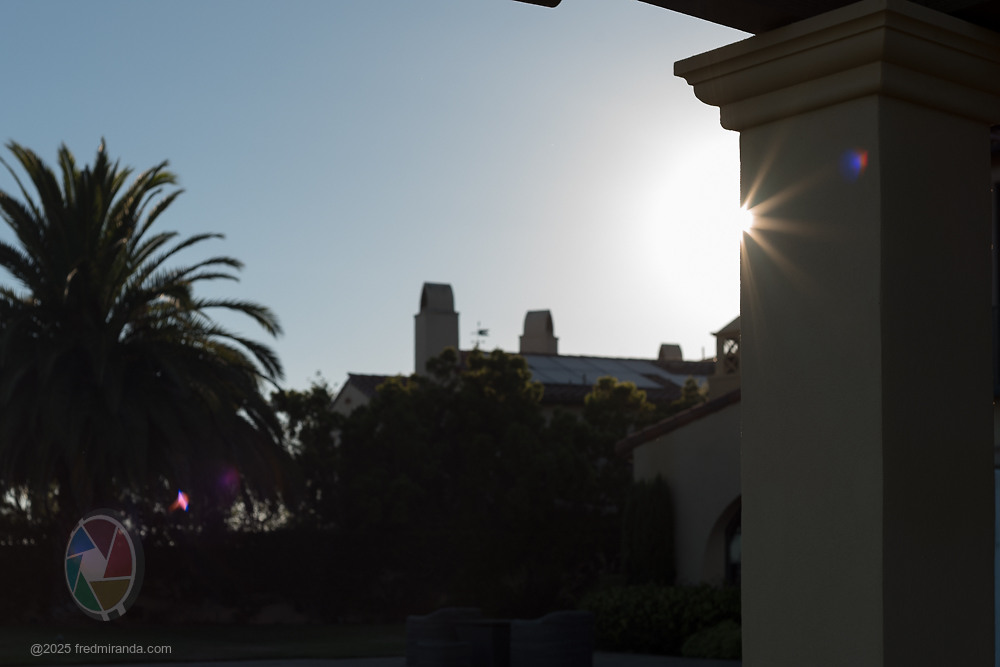
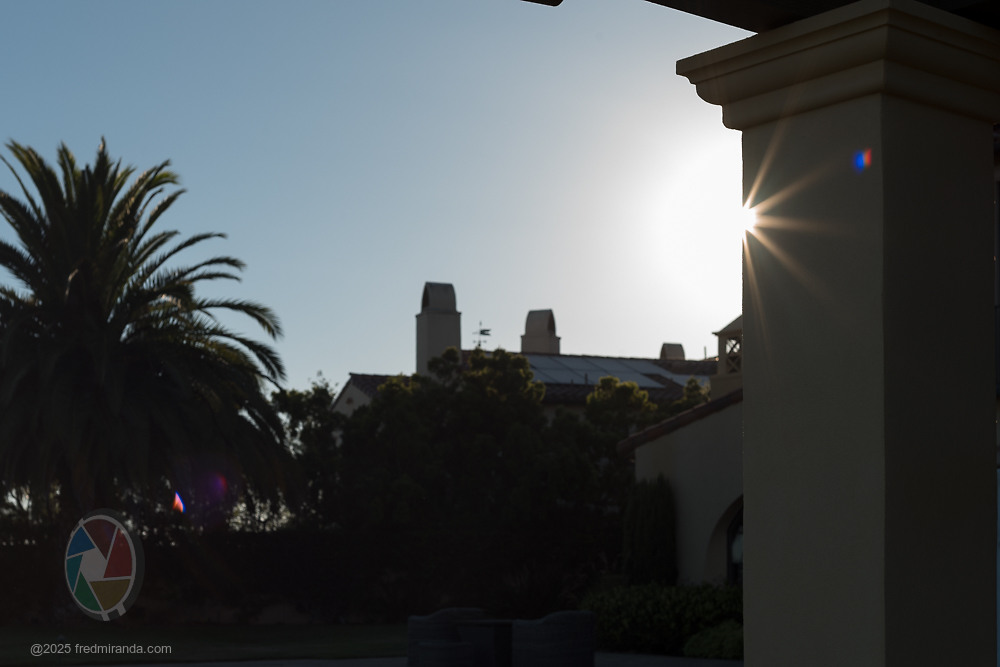
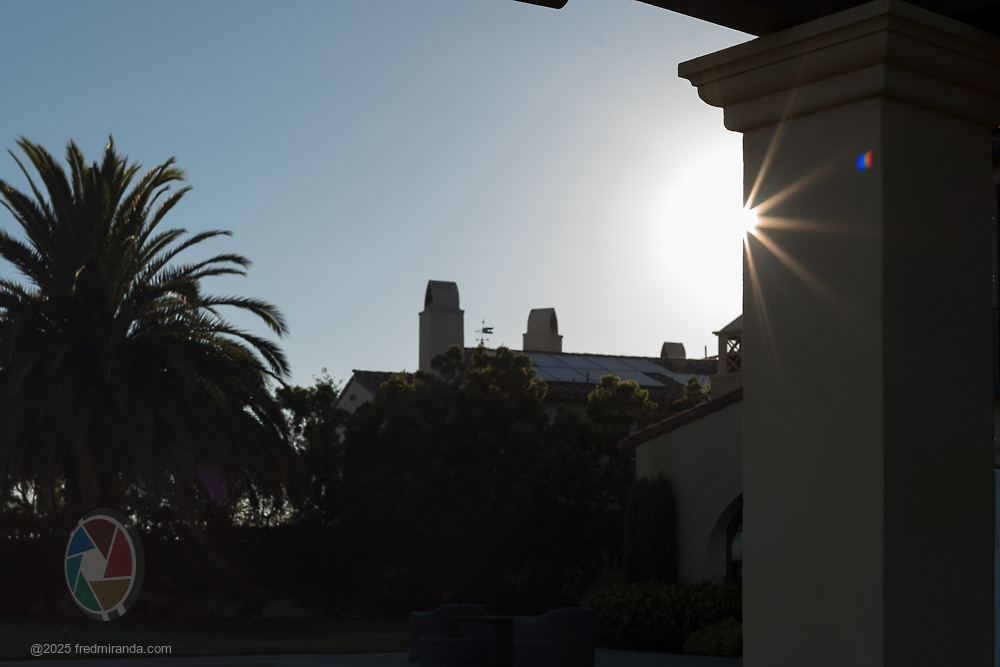
Below is a series of images showing how the sunstars evolve from f/2 to f/22 in one-stop steps. The lens produces 10-point sunstars that are sharp and symmetrical, though some ghosting flare is always present.
f/2
LEICA M10-RLight Lens Lab 50mm f/1.5 Z21 lens50mmf/4.01/4000s200 ISO-0.3 EV
f/2.8
LEICA M10-RLight Lens Lab 50mm f/1.5 Z21 lens50mmf/2.01/2000s200 ISO-0.3 EV
f/4
LEICA M10-RLight Lens Lab 50mm f/1.5 Z21 lens50mmf/2.01/1500s200 ISO-0.3 EV
f/5.6
LEICA M10-RLight Lens Lab 50mm f/1.5 Z21 lens50mmf/2.01/750s200 ISO-0.3 EV
f/8
LEICA M10-RLight Lens Lab 50mm f/1.5 Z21 lens50mmf/2.01/350s200 ISO-0.3 EV
f/11
LEICA M10-RLight Lens Lab 50mm f/1.5 Z21 lens50mmf/2.41/250s200 ISO-0.3 EV
f/16
LEICA M10-RLight Lens Lab 50mm f/1.5 Z21 lens50mmf/2.81/125s200 ISO-0.3 EV
f/22
LEICA M10-RLight Lens Lab 50mm f/1.5 Z21 lens50mmf/4.81/60s250 ISO-0.3 EV
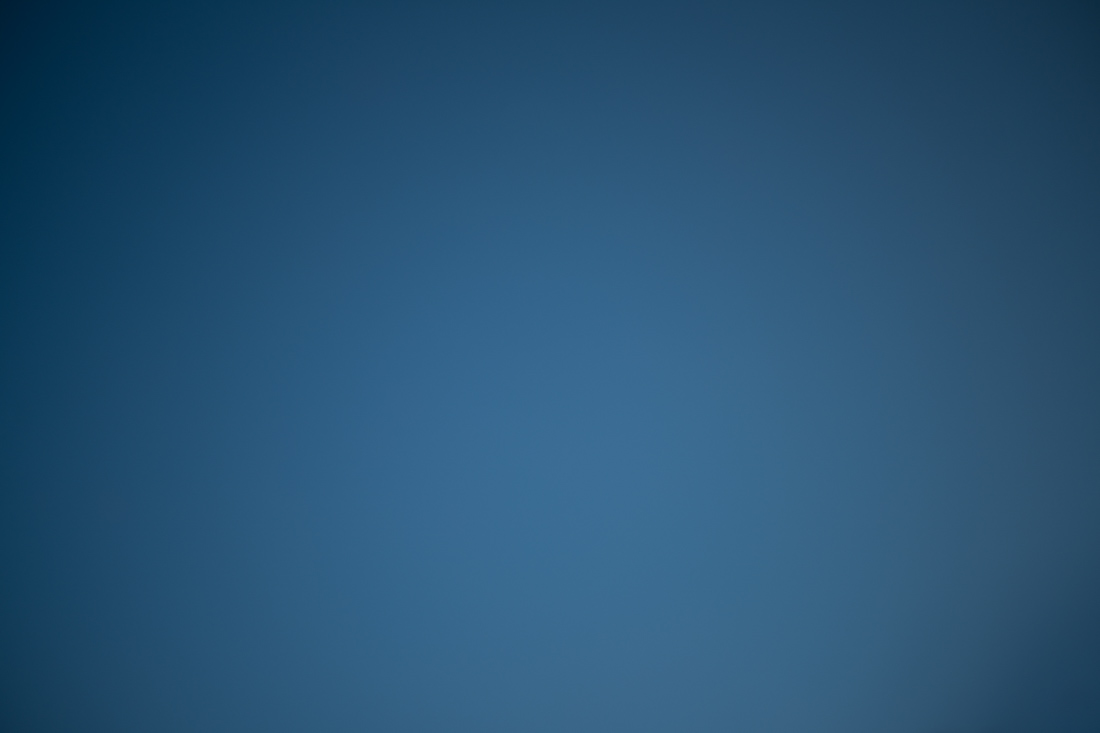
Vignetting on the Light Lens Lab 50mm f/1.5 Z21 is well controlled, but still noticeable when shooting wide open. It performs better than many other 50mm f/1.4 lenses in this regard, though you'll still want to correct it in post or in-camera if you prefer a more evenly lit frame. Many will leave this uncorrected since this is a character lens.
Below is a blue sky sample showing the vignetting at f/1.5, followed by an image that illustrates how it affects the overall look without any correction applied.
LEICA M10-RLight Lens Lab 50mm f/1.5 Z21 lens50mmf/1.41/4000s100 ISO-0.7 EV
LEICA M10-RLight Lens Lab 50mm f/1.5 Z21 lens50mmf/1.41/4000s100 ISO-0.7 EV
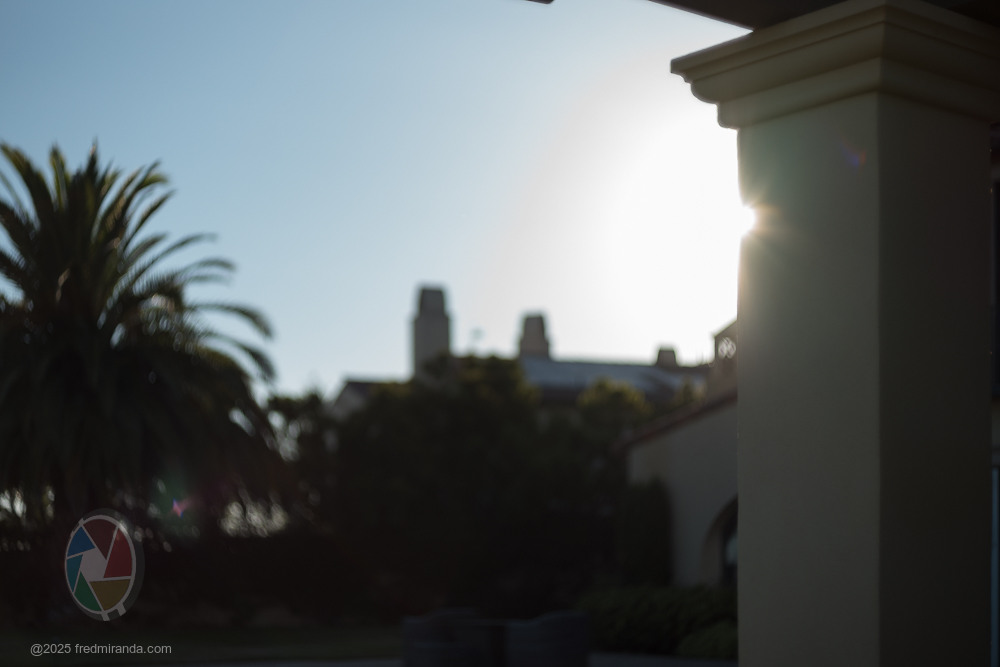
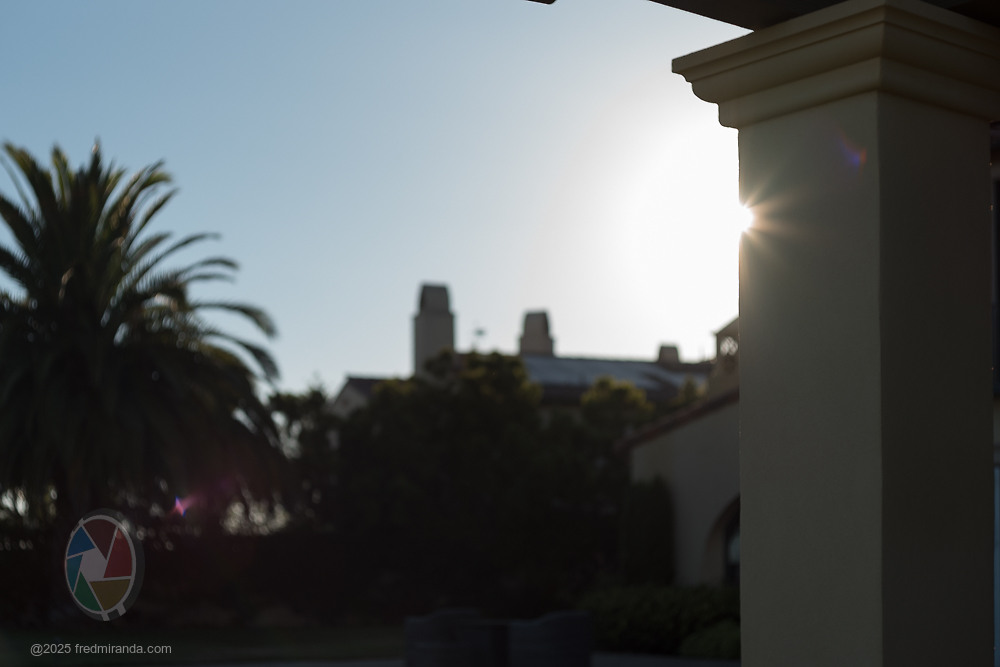
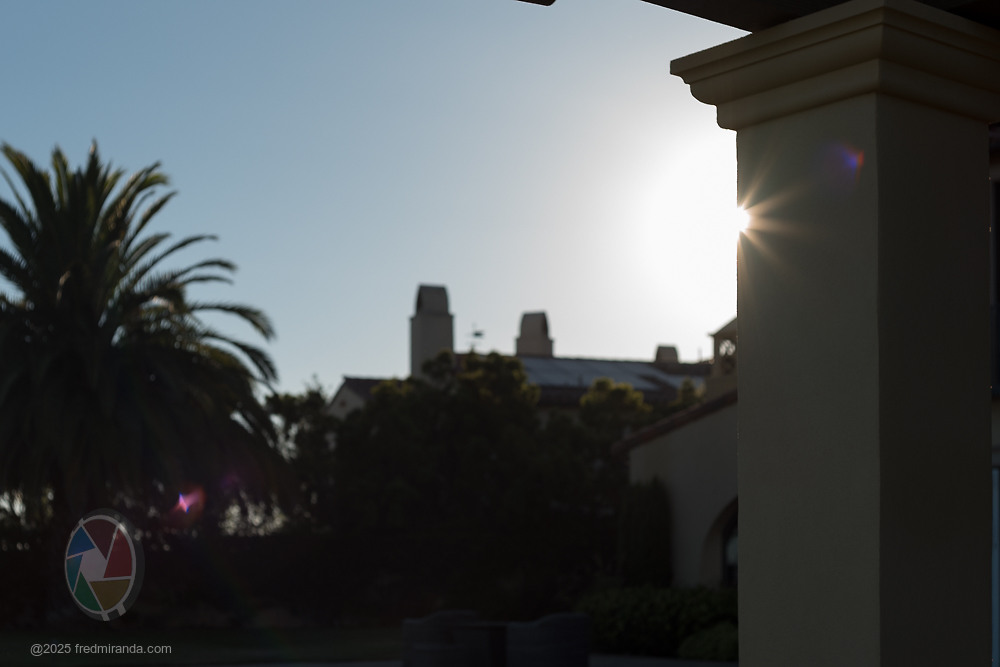
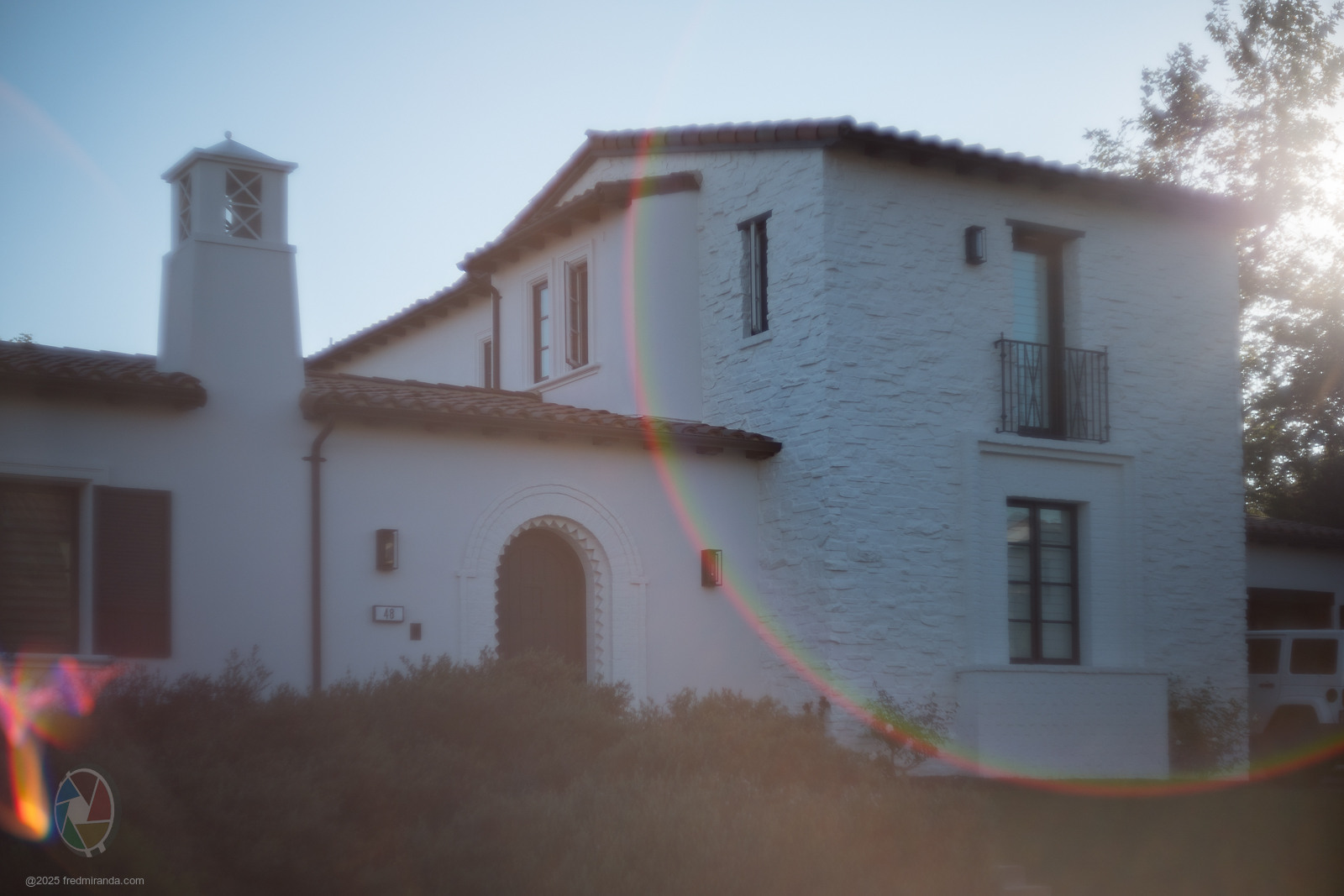
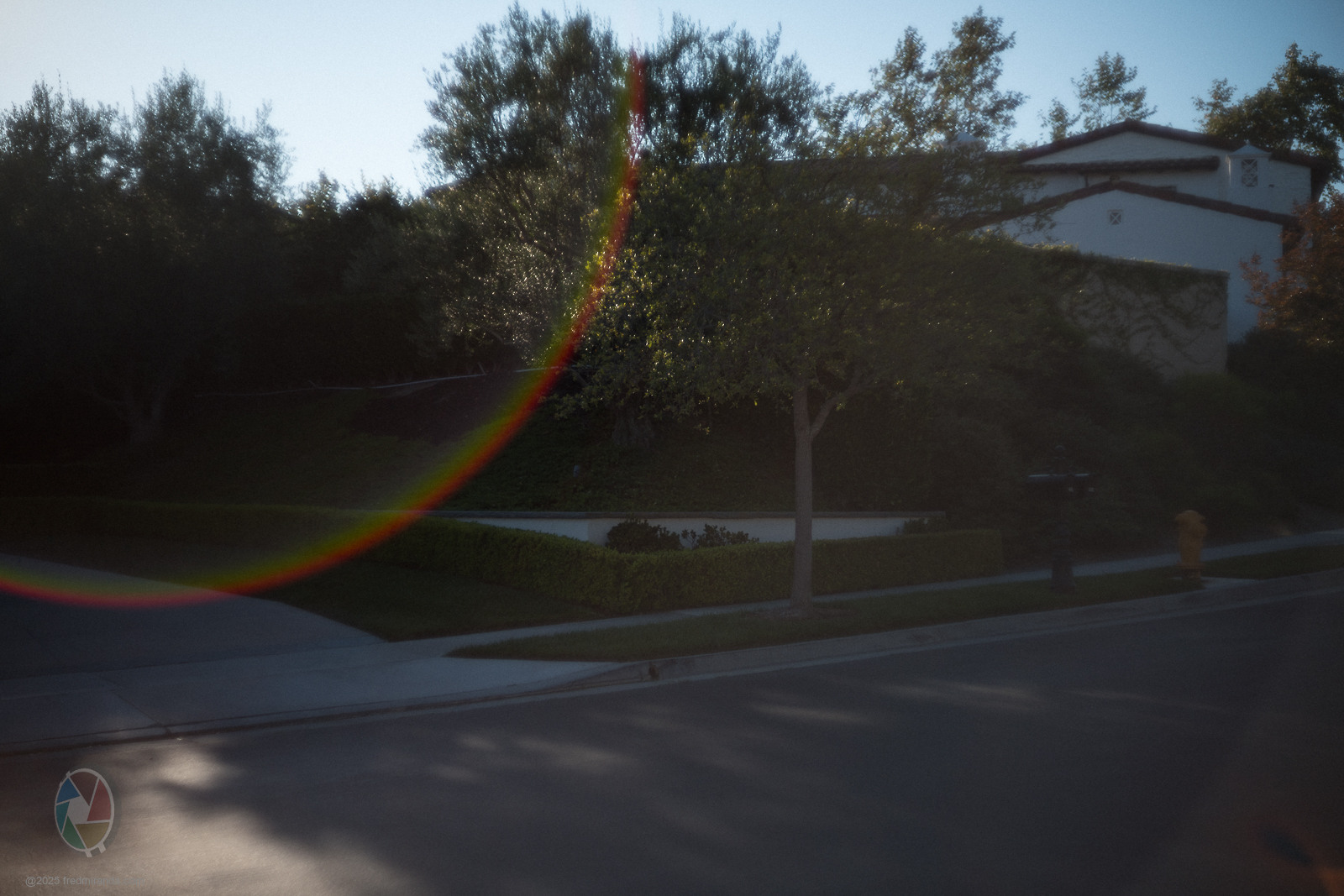
The Light Lens Lab 50mm f/1.5 Z21 tends to show both ghosting and veiling flare, especially when shooting into strong light sources. While these traits may be seen as flaws in modern lens design, many photographers will find them part of the charm. The unique flare signature can add a nostalgic or cinematic feel to images, and in the right situations, it elevates the mood rather than detracts from it.
That said, flare behavior can sometimes be unpredictable when using a rangefinder, especially with shifting light angles or complex scenes. Still, for those drawn to vintage character, these imperfections often feel like creative tools.
Below are a few examples showing the signature "rainbow" flare that this lens is known for, along with samples that highlight the veiling effect when shooting against the light.
Ghosting and rainbow
LEICA M10-R50mmf/1.41/4000s100 ISO
Ghosting and rainbow
LEICA M10-RLight Lens Lab 50mm f/1.5 Z21 lens50mmf/1.41/4000s100 ISO0.0 EV
Veling Flare
LEICA M10-RLight Lens Lab 50mm f/1.5 Z21 lens50mmf/1.41/4000s100 ISO-0.7 EV
Rendering compared to Light Lens Lab 50mm f/2 Speed Panchro II
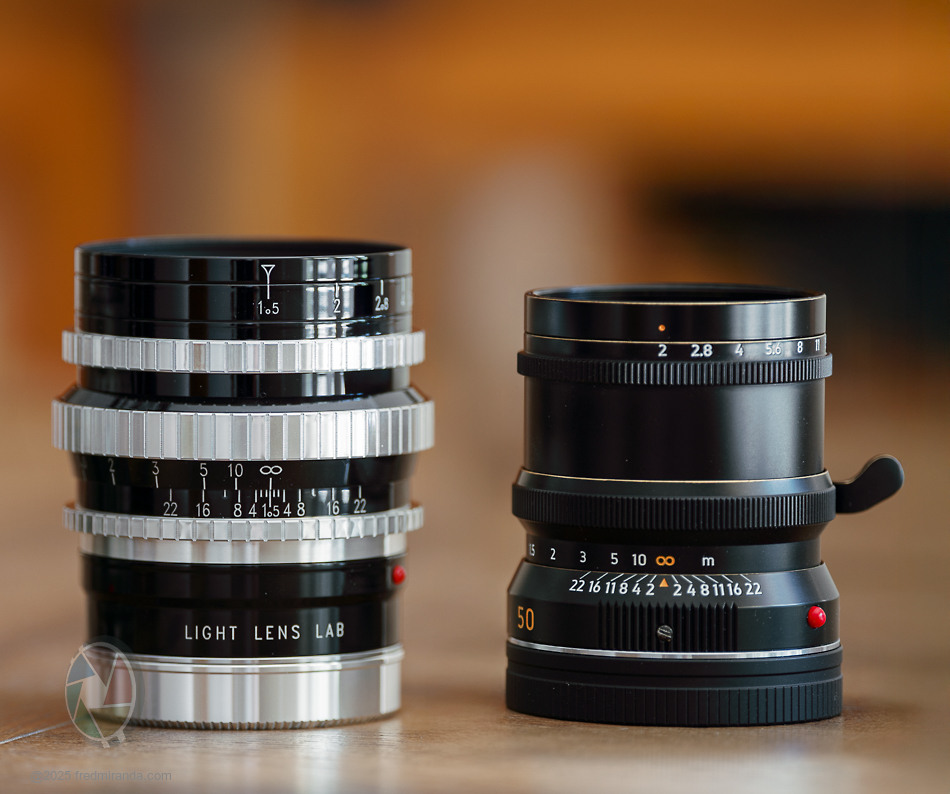
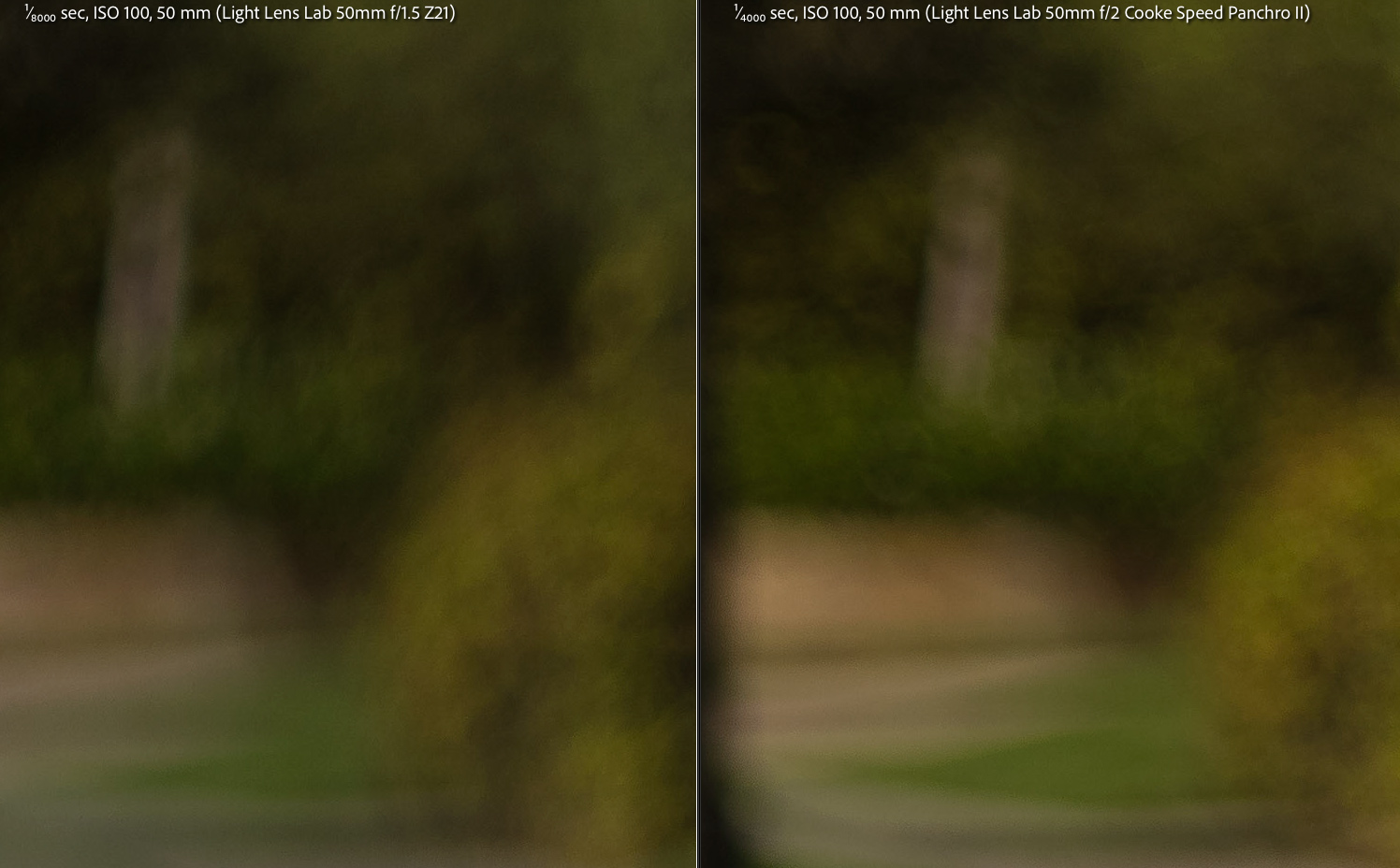
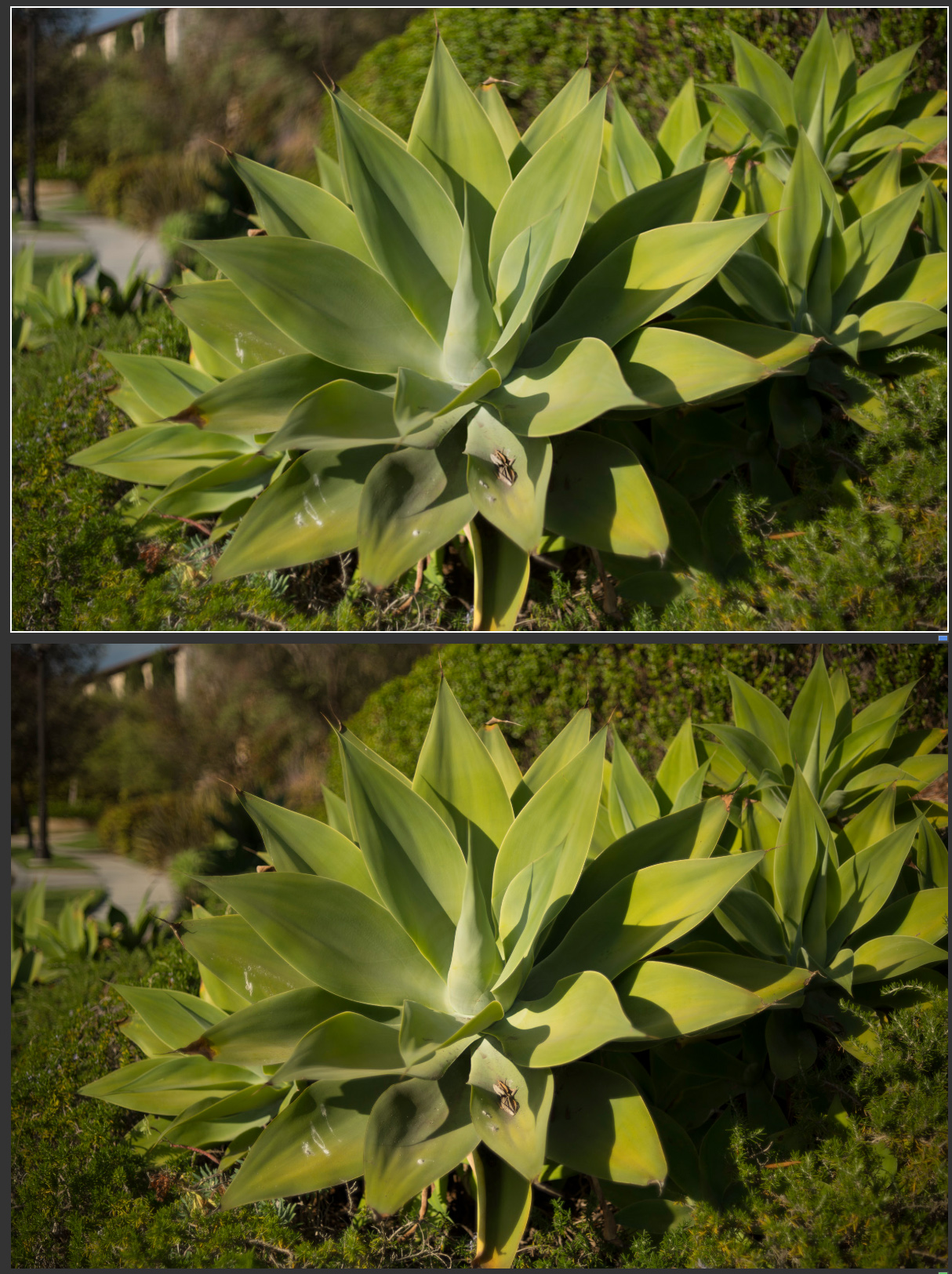
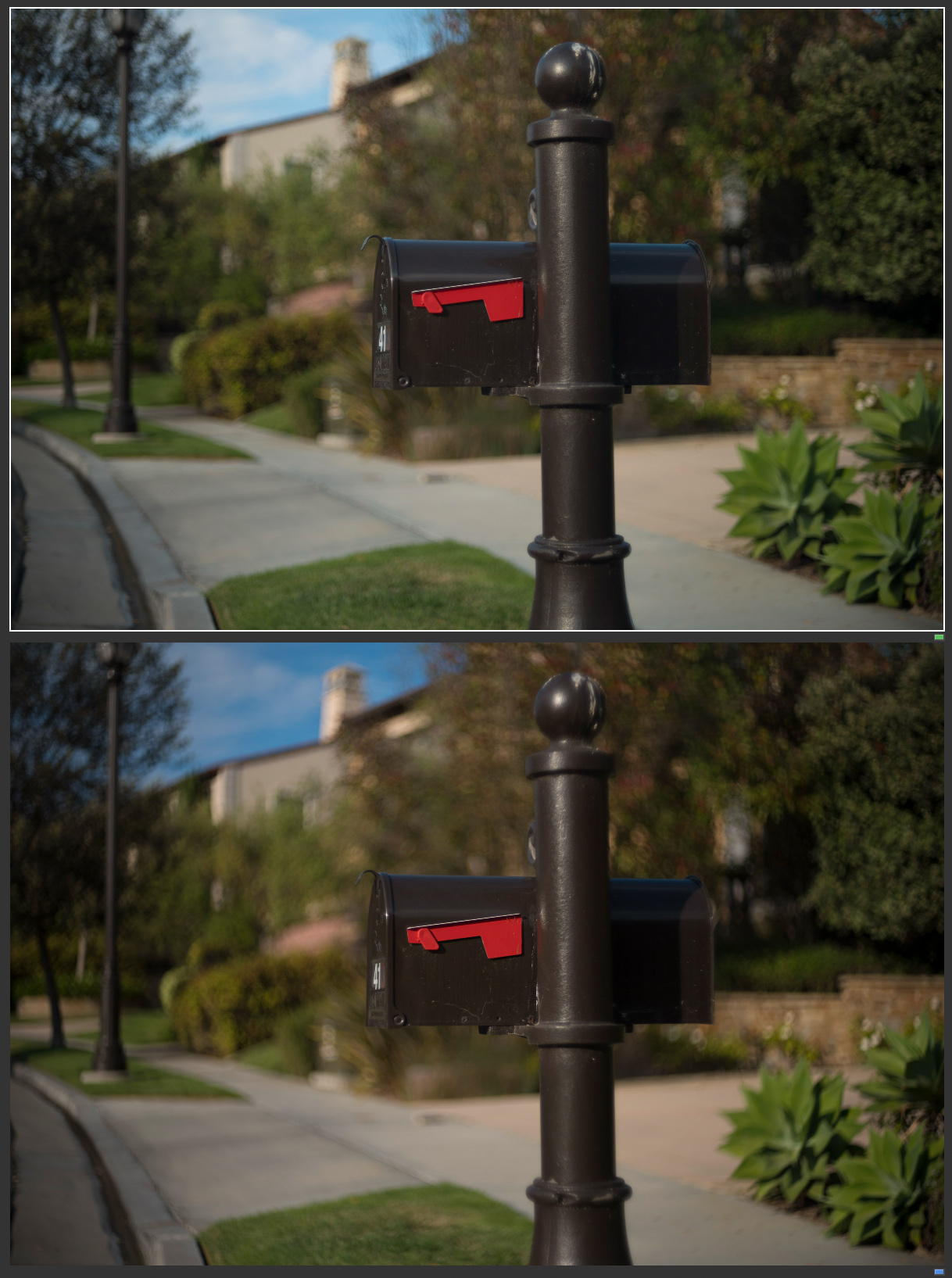
I was really curious to compare the Light Lens Lab 50mm f/2 "Cooke" SP2 to the "Angenieux" Z21 since they both follow a very similar optical design style from the same era. While the SP2 has one additional element, it's actually a noticeably smaller lens, though it's a stop slower at f/2.
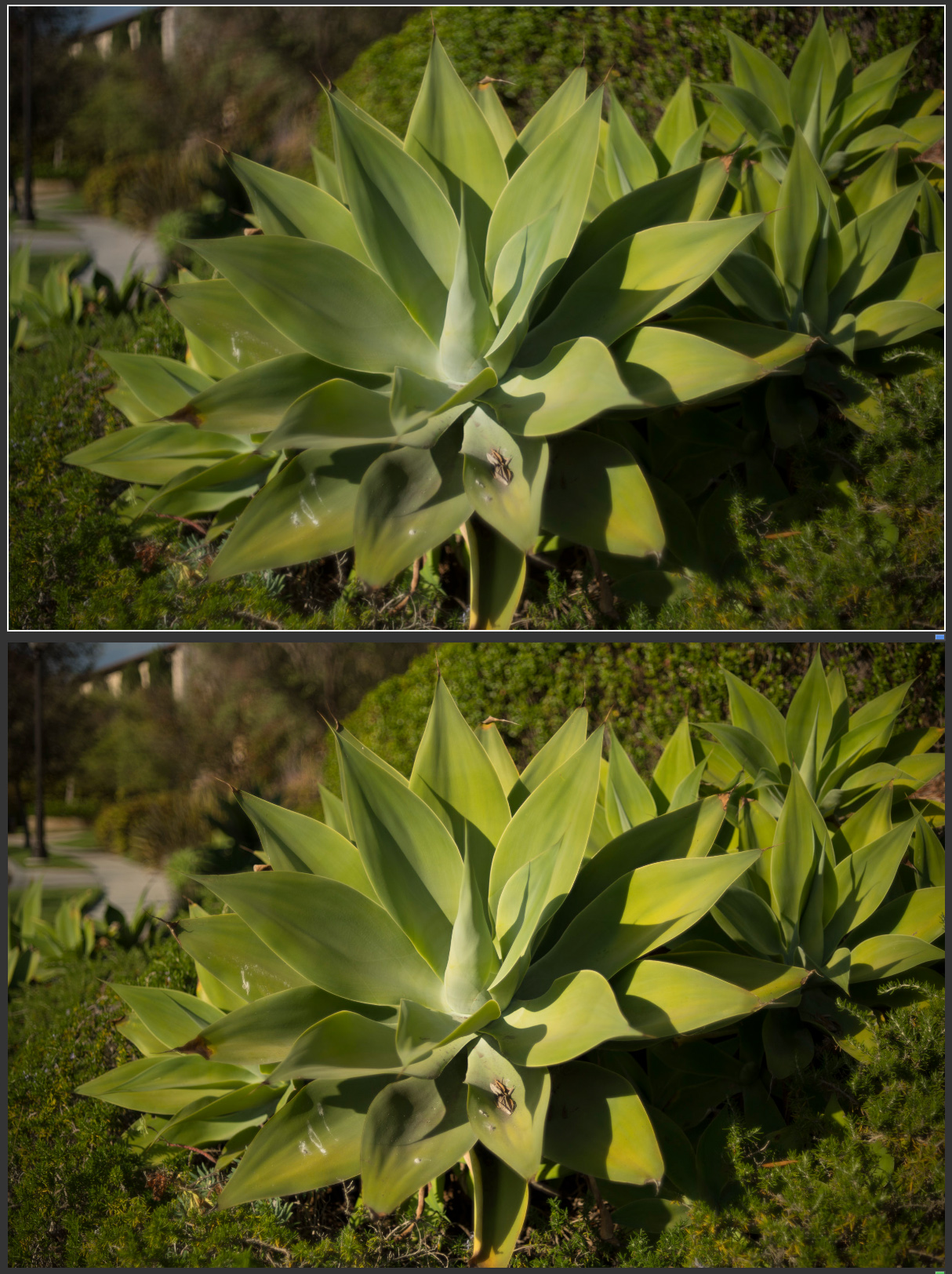
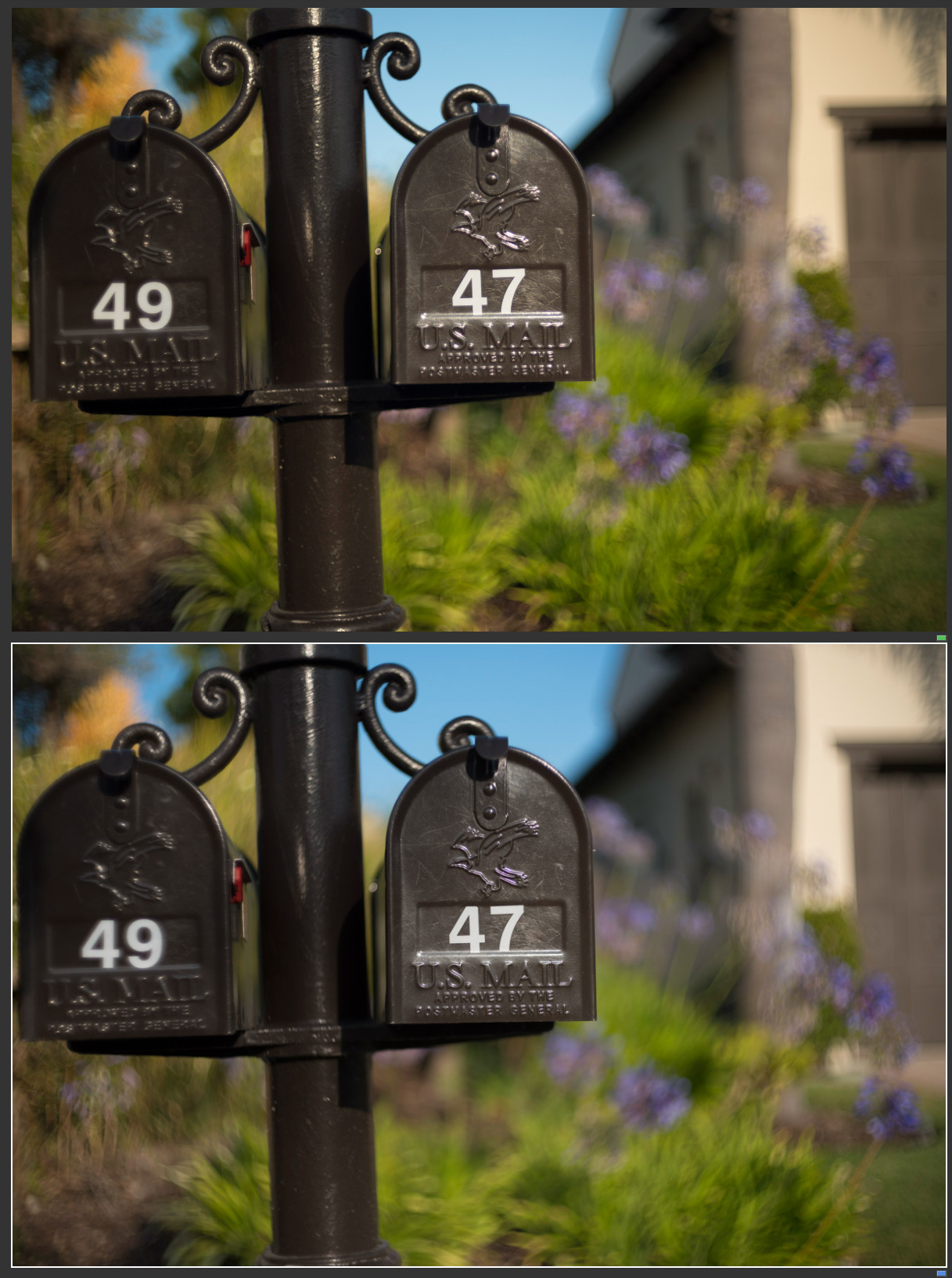
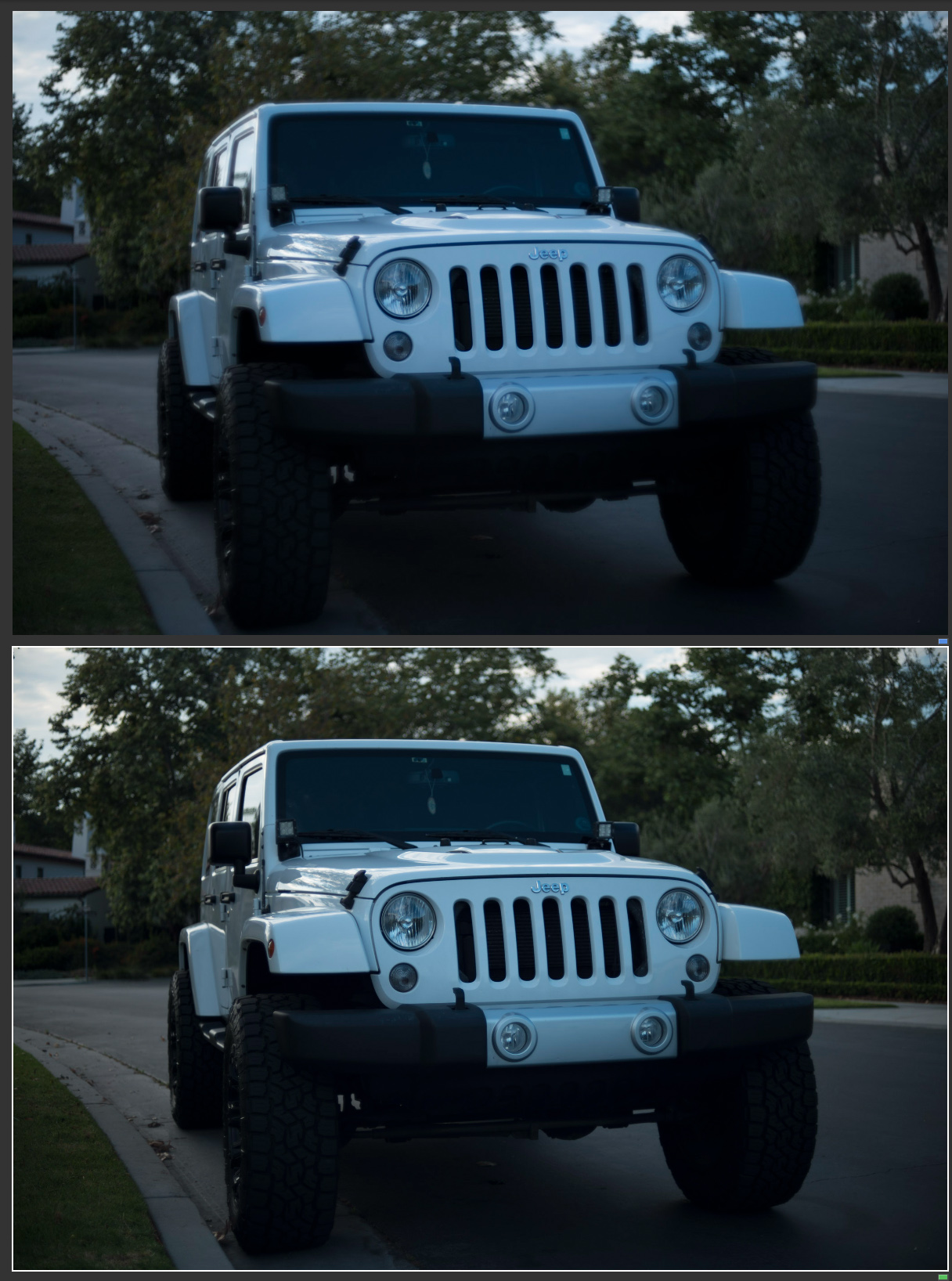
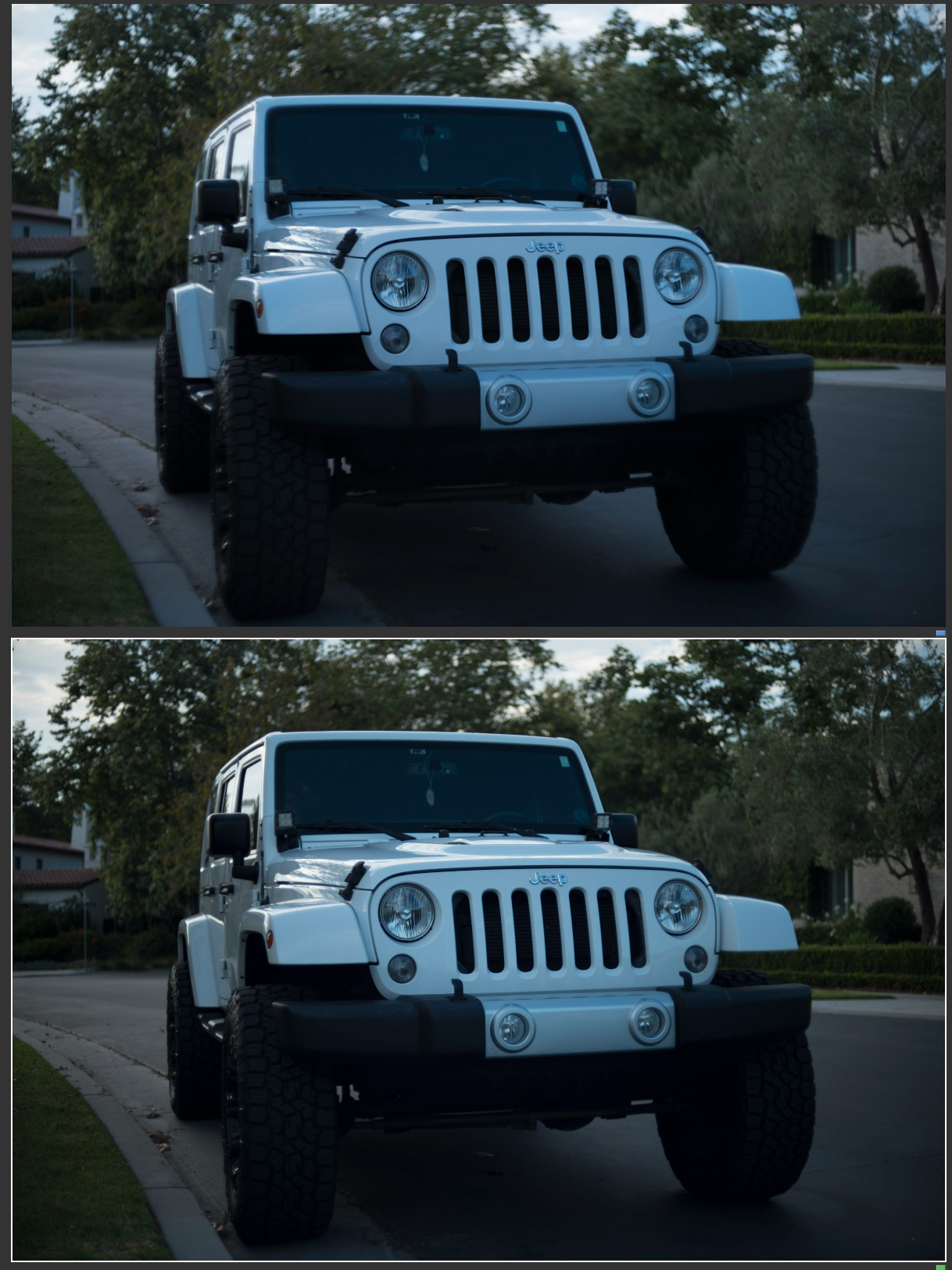
At first glance, both lenses have a painterly, classic look that leans into vintage character. Their rendering has enough structure that the faster Z21 doesn't produce dramatically more blur than the slower SP2, even with both shot wide open. But when you look more closely, a few key differences begin to stand out:
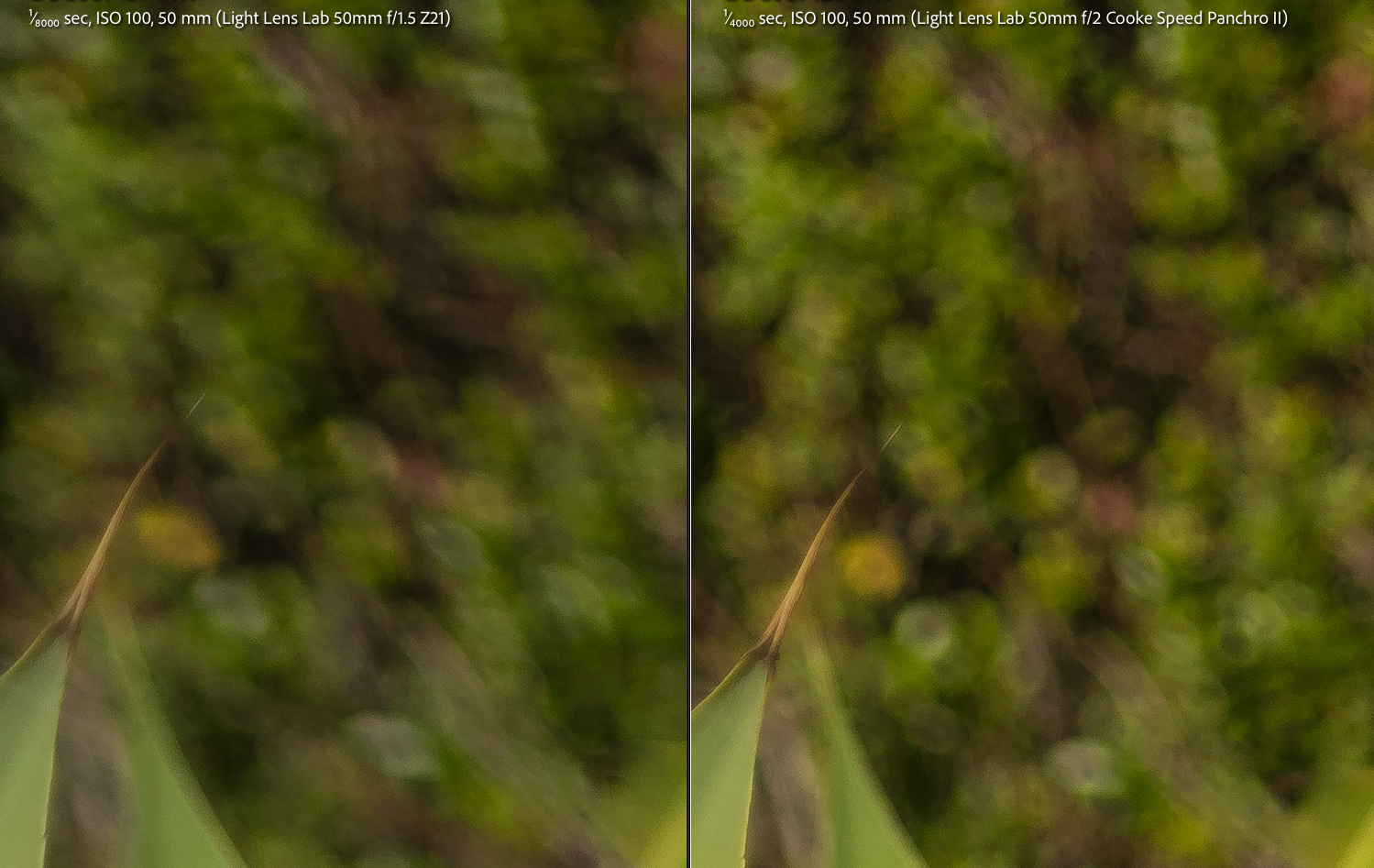
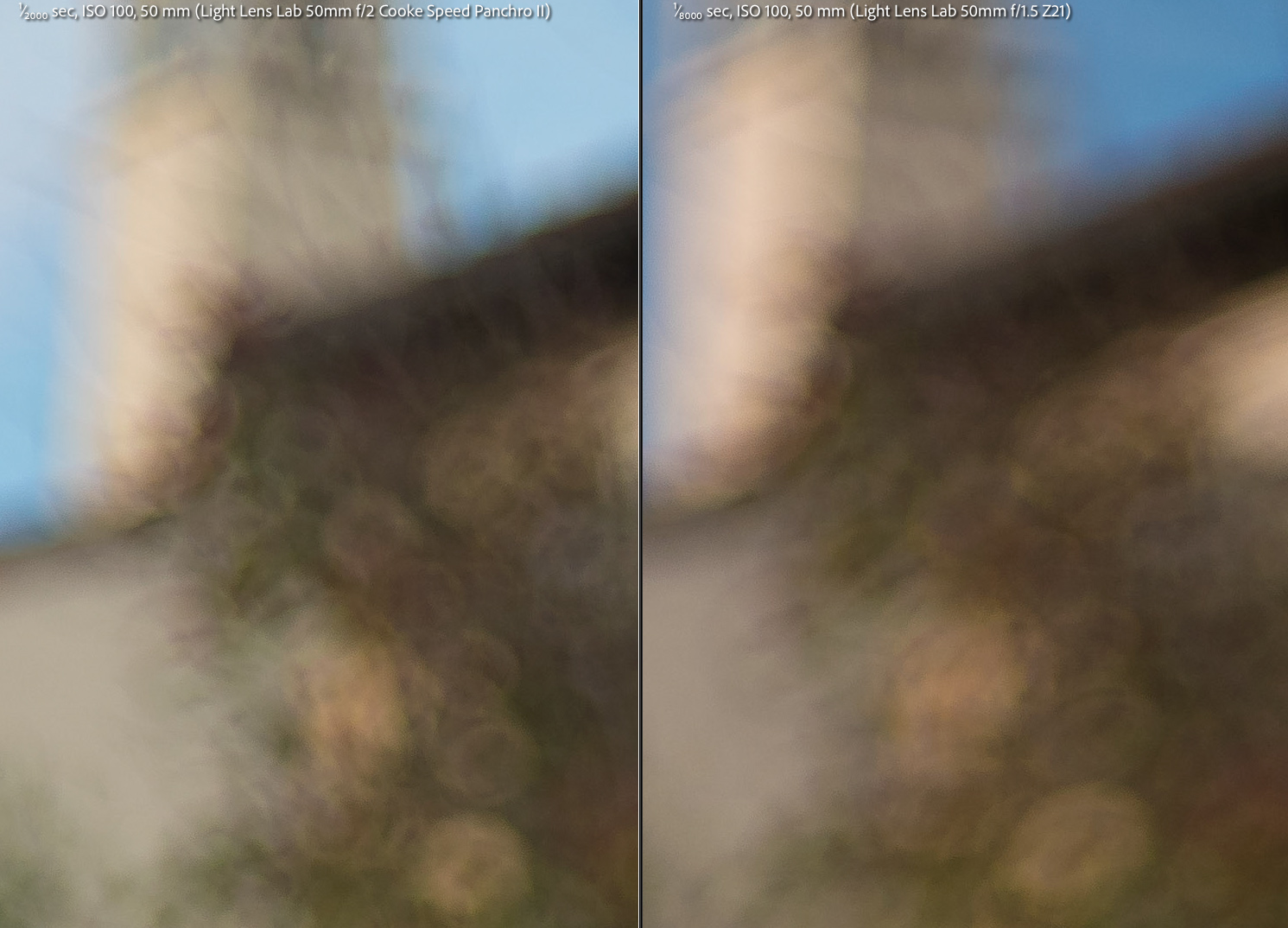
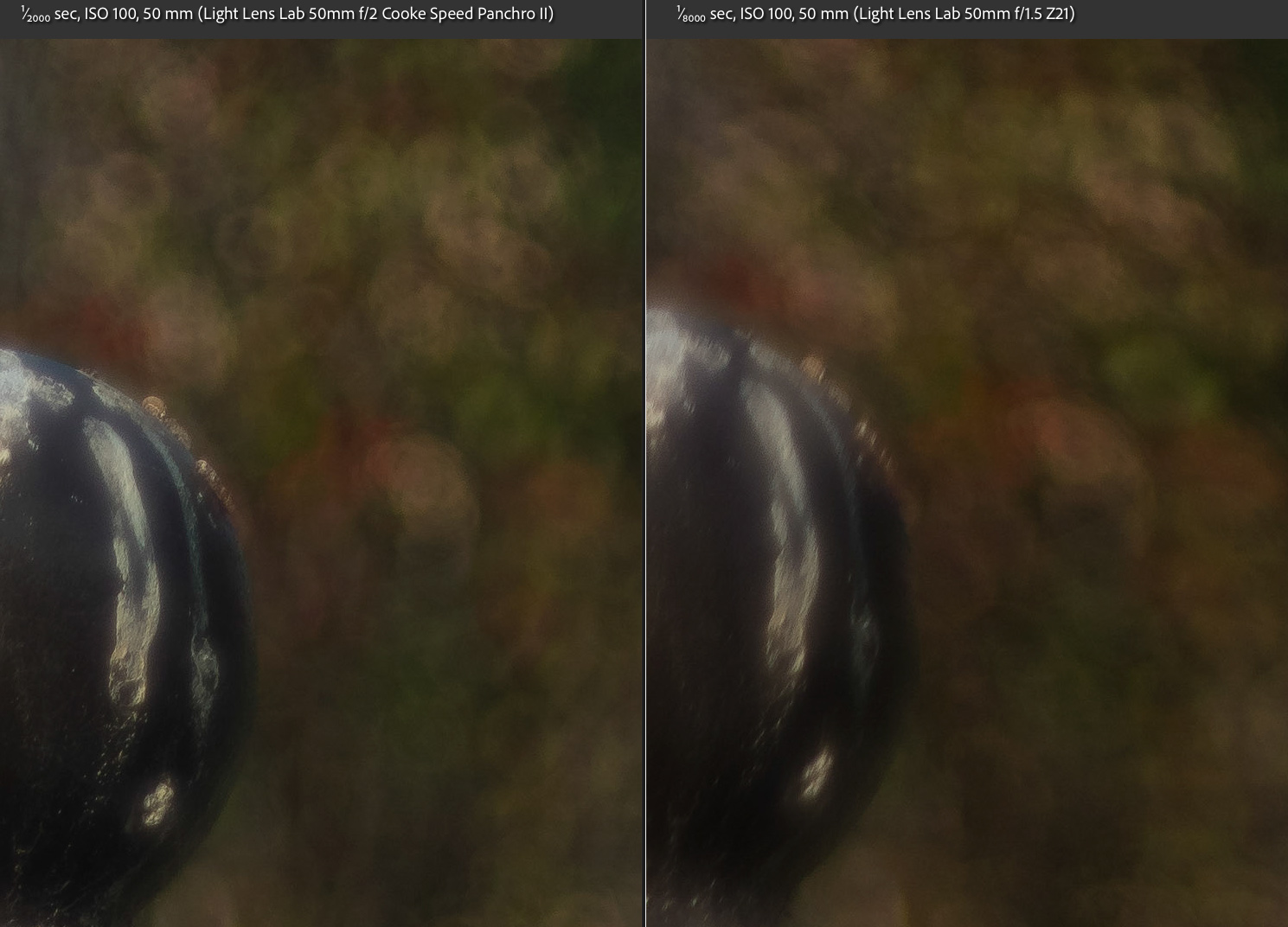
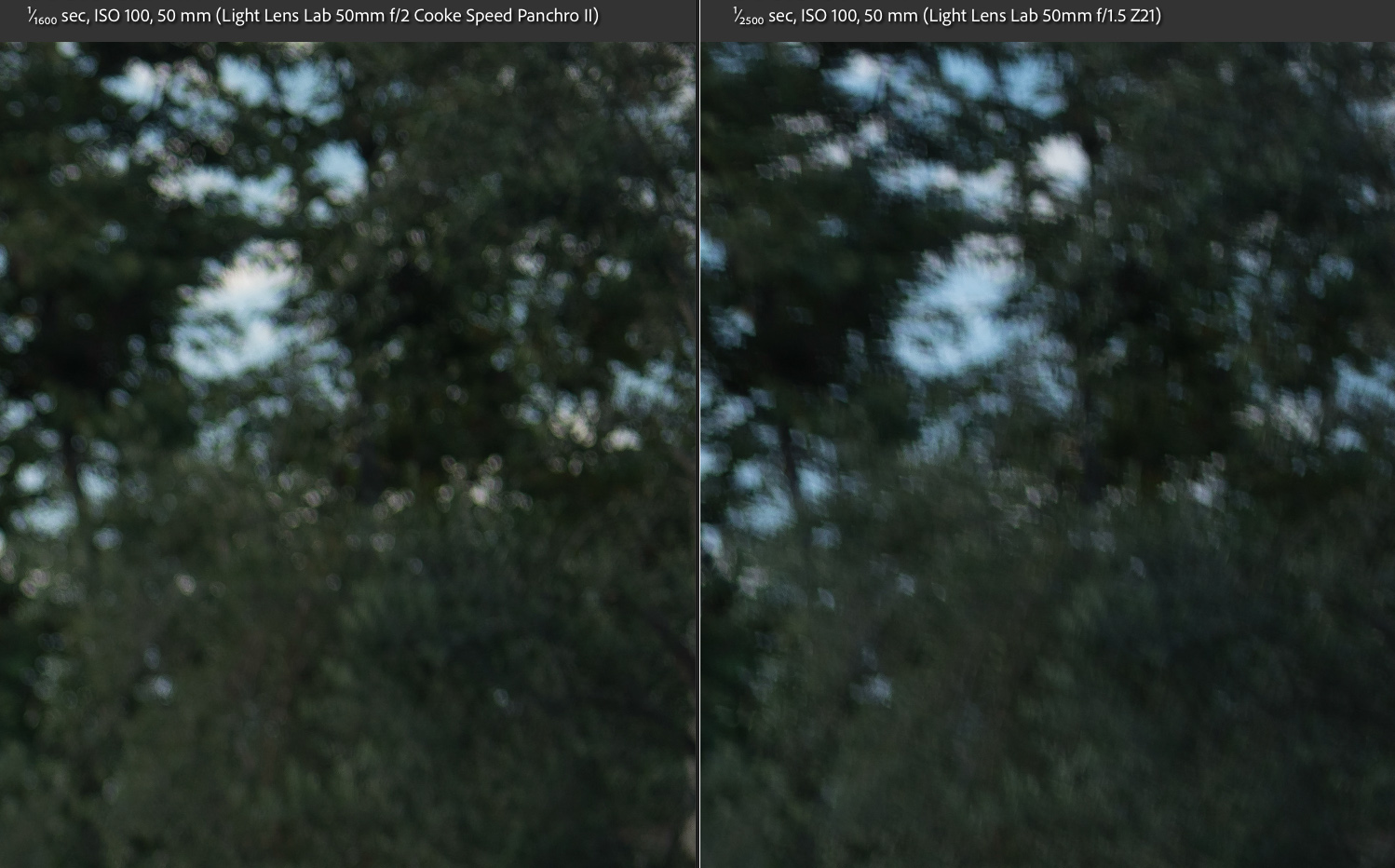
Bokeh shape and optical vignetting: The SP2 shows much less optical vignetting than the Z21, which results in much rounder specular highlights across the frame. By contrast, the Z21 is known for its signature swirly bokeh, caused by its strong cats-eye shapes away from the center.
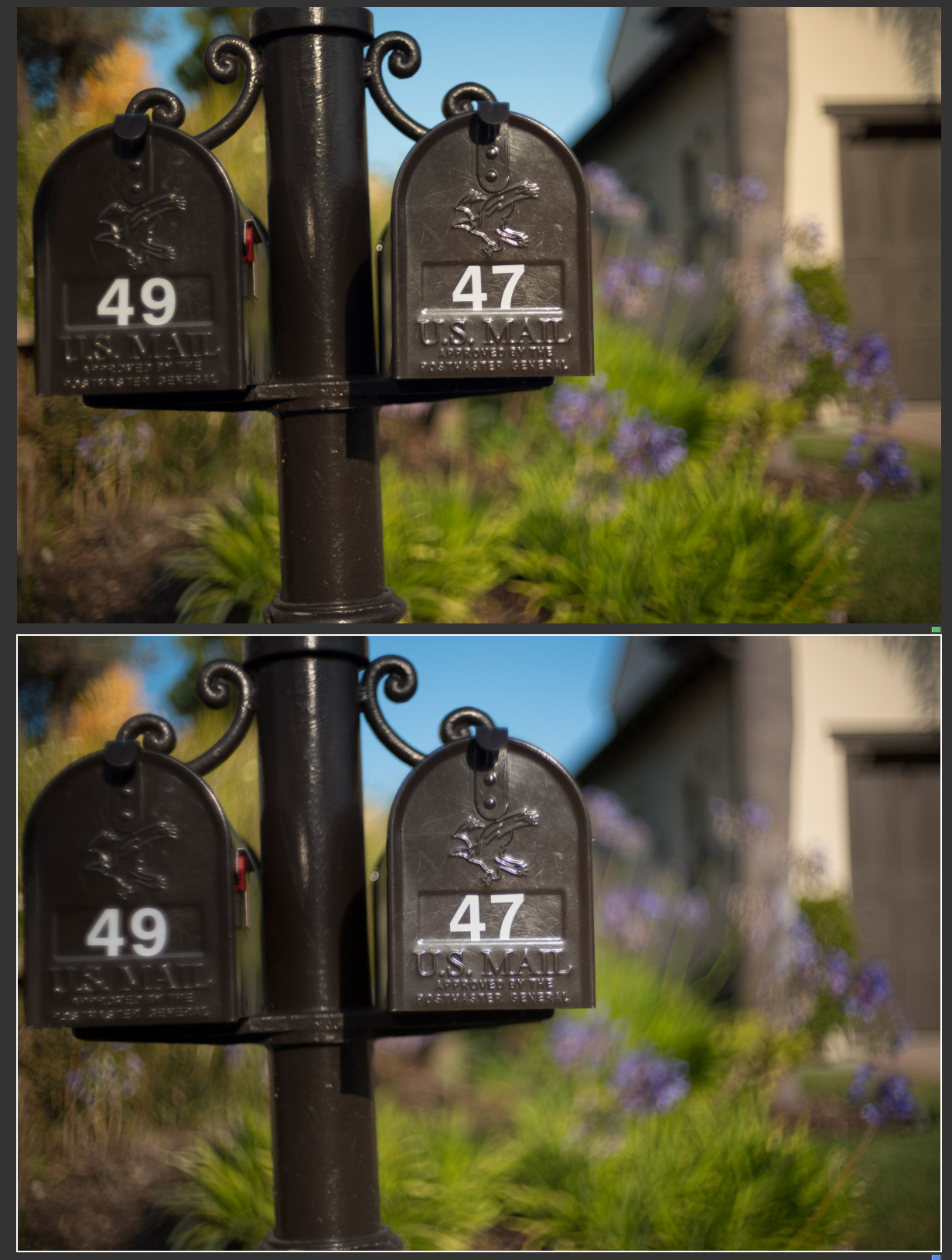
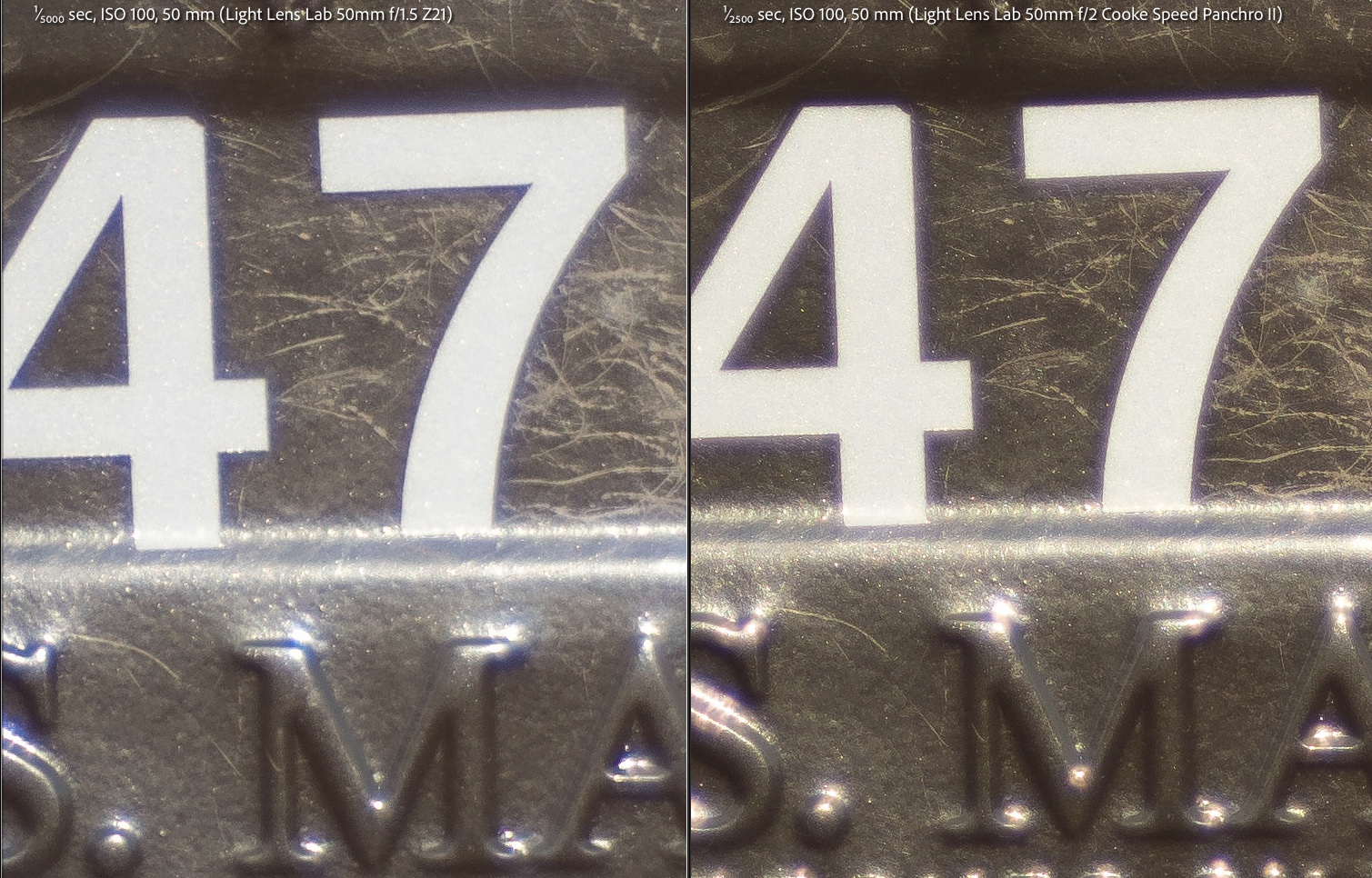
Field uniformity: The SP2 delivers more even resolution and contrast across the entire frame. The Z21, on the other hand, concentrates sharpness more toward the center, and this becomes pretty clear when looking at the side-by-side samples below.
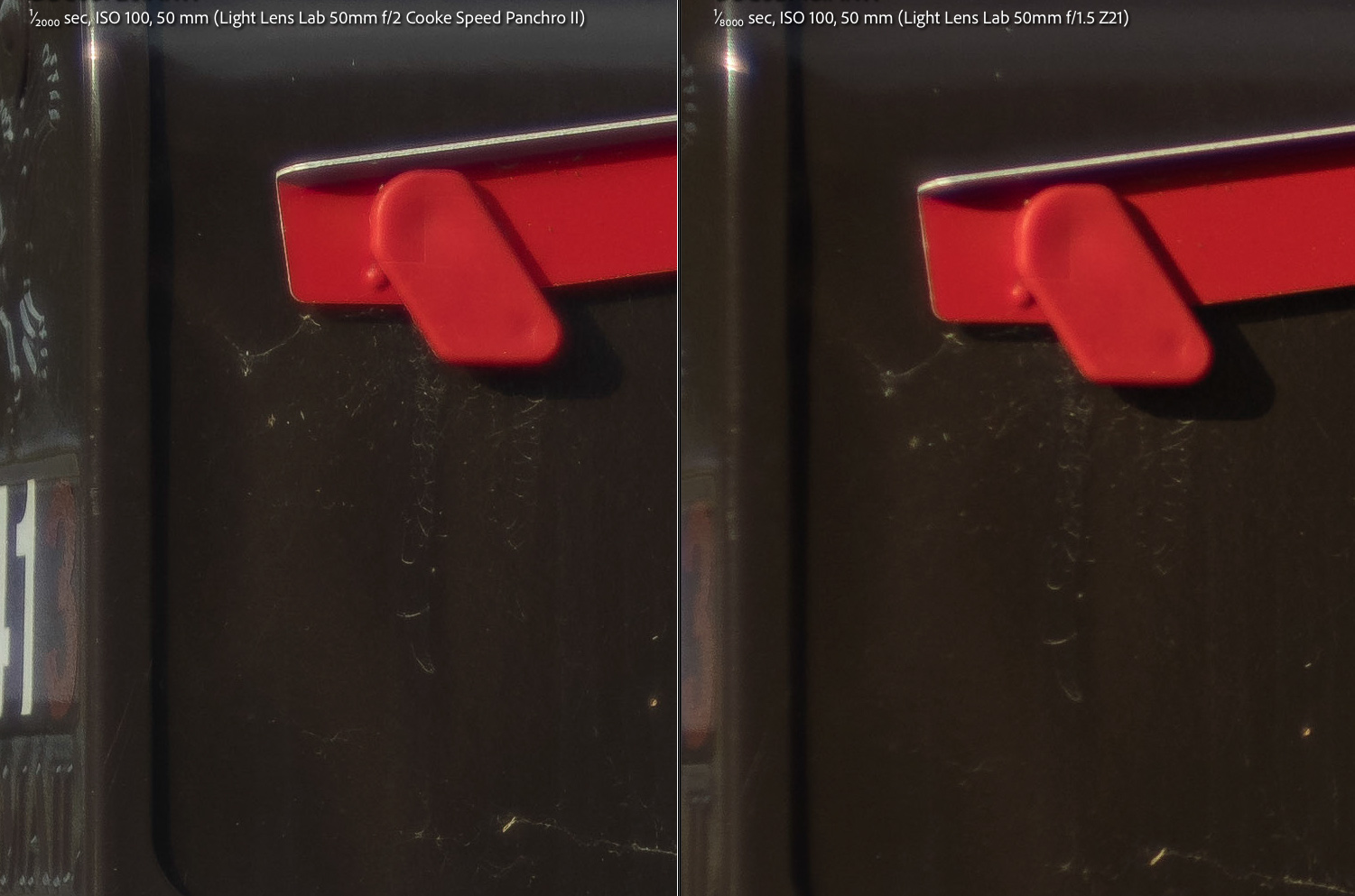
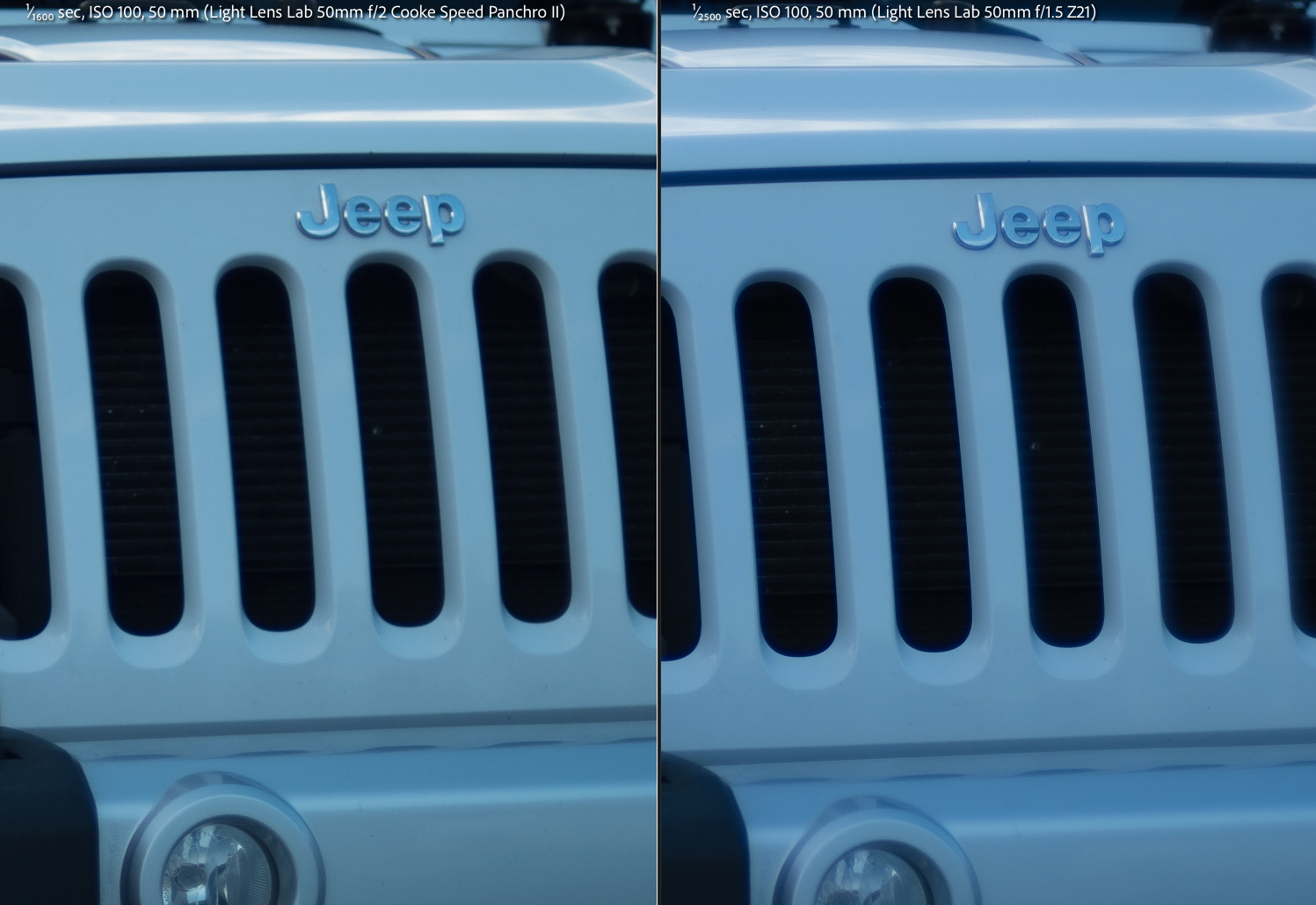
Detail and glow: The SP2 can resolve finer detail overall (especially off-axis) and it shows slightly more spherical aberration glow at center compared to the Z21, likely due to slightly looser correction in that area.
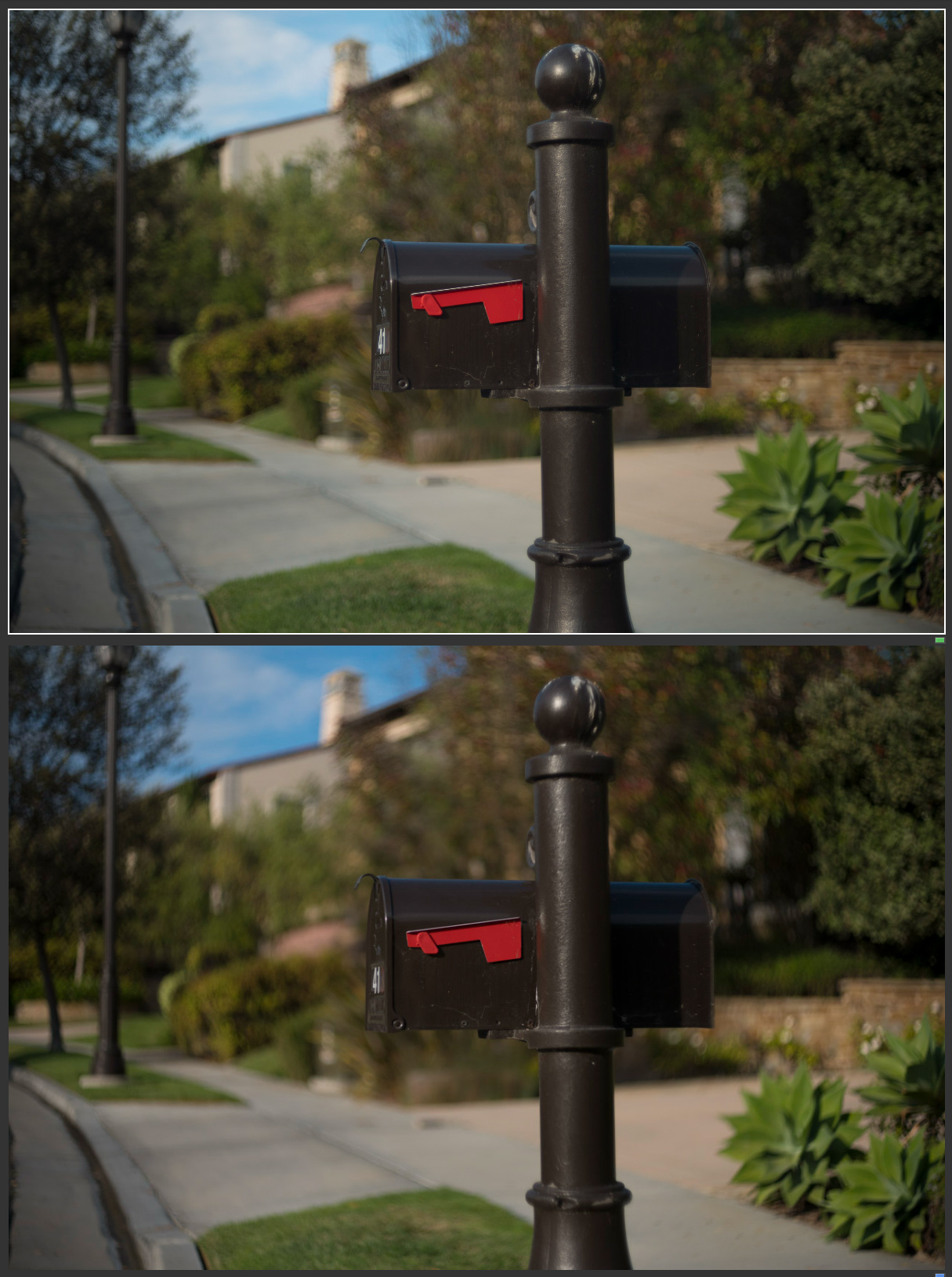
Color rendition: It's immediately clear that the SP2's coatings give the image a warmer, amber tone compared to the much cooler rendering of the Z21. Most Light Lens Lab lenses I've tested lean toward cooler tones, but the Speed Panchro II stands out as an exception. The coolest rendering I've seen is from the LLL 50/1.2 (As seen in the resolution comparison). In addition to the warmer color, the SP2 also shows stronger saturation than the Z21. While both lenses are low in contrast when shot wide open when compared to modern lenses, the SP2 has slightly more contrast, which you can see not just in the focused areas but also in the out-of-focus rendering.
So while both have a vintage look and beautiful rendering, they diverge in their technical strengths and field behavior. The SP2 comes across as more refined in terms of balance and field performance, whereas the Z21 leans more into character with its central punch and dramatic bokeh swirl.
Now let's dive into the details of the comparison. The images shown are straight out of the camera with no processing, and both have the Adobe Standard profile applied.
For each scene, I'll present the comparisons in the following order:
• A resized full-image comparison with both lenses shot wide open (Z21 at f/1.5 and SP2 at f/2)
• Pixel-level crops to highlight rendering differences
• A resized comparison of both lenses at f/2
Sample 1: Out of focus background a close and long distance