p.4 #1 · What Zeiss lenses have the most Zeiss "magic"?
Edward Teller wrote:
Simpler for me to list the one Zeiss lens that I have owned that don't exhibit Zeiss magic of some sort to me: the Contax 45/2.8 Tessar. And some people love that one. Steve Spencer and Nehiamiahphoto have done a masterful job at naming specific lenses, and specifying the why's, I won't do that as I have too many in too many different mounts. But, would like to put in a plug for all the Contarex lenses, except perhaps the 135/4. The Contarexes are a Zeiss sweet spot for me, though it's a matter of rendering and not ultimate mtf charts, so it's a personal opinion only. They're subtle.
p.4 #2 · What Zeiss lenses have the most Zeiss "magic"?
Love the Contarex lenses. Zeiss had different priority with Contarex than current modern lenses. Below is Contarex MTF graphs and interpretation by Erwin Puts:
"The Zeiss Contarex lenses, manufactured for the redoubtable Contarex line of cameras from 1958 to 1973. The lenses were quite big and the color balance was adjusted such that all lenses would give the same color rendition, a first in its day. Most lenses focused more closely than the competition and Zeiss put an enormous effort in the optical performance. These lenses were designed around 1955 to 1965 and the MTF graphs are calculated and drawn on graphing paper.
The graphs do show one major characteristic. Zeiss designers gave the most attention to flatness of field and the reduction of astigmatism. This can be seen most clearly in the MTF for the Planar 50mm lens. The graphs are almost straight lines and the difference between sagittal and tangential lines is marginal. Note too than stopping down does improve the definition of fine detail, but not the overall contrast, which stays at the same level frm f/2 to f/5.6. Here we see quite clearly that the choice for high overall contrast (the Leica option) does imply a reduction in the correction for flatness of field and astigmatism.
The special smoothness and depth of the Contarex lenses can be explained by these curves. The characteristics of the Contarex lenses are reminiscent of the Hasselblad lenses. Stopped down a bit they exhibit a remarkable finesse of gradation and depth. They may not be the sharpest lenses ever, but the rendition of shape outlines and surface details is most pleasing and subtle like a poem."
Edward Teller wrote:
But, would like to put in a plug for all the Contarex lenses, except perhaps the 135/4. The Contarexes are a Zeiss sweet spot for me, though it's a matter of rendering and not ultimate mtf charts, so it's a personal opinion only. They're subtle.
p.4 #3 · What Zeiss lenses have the most Zeiss "magic"?
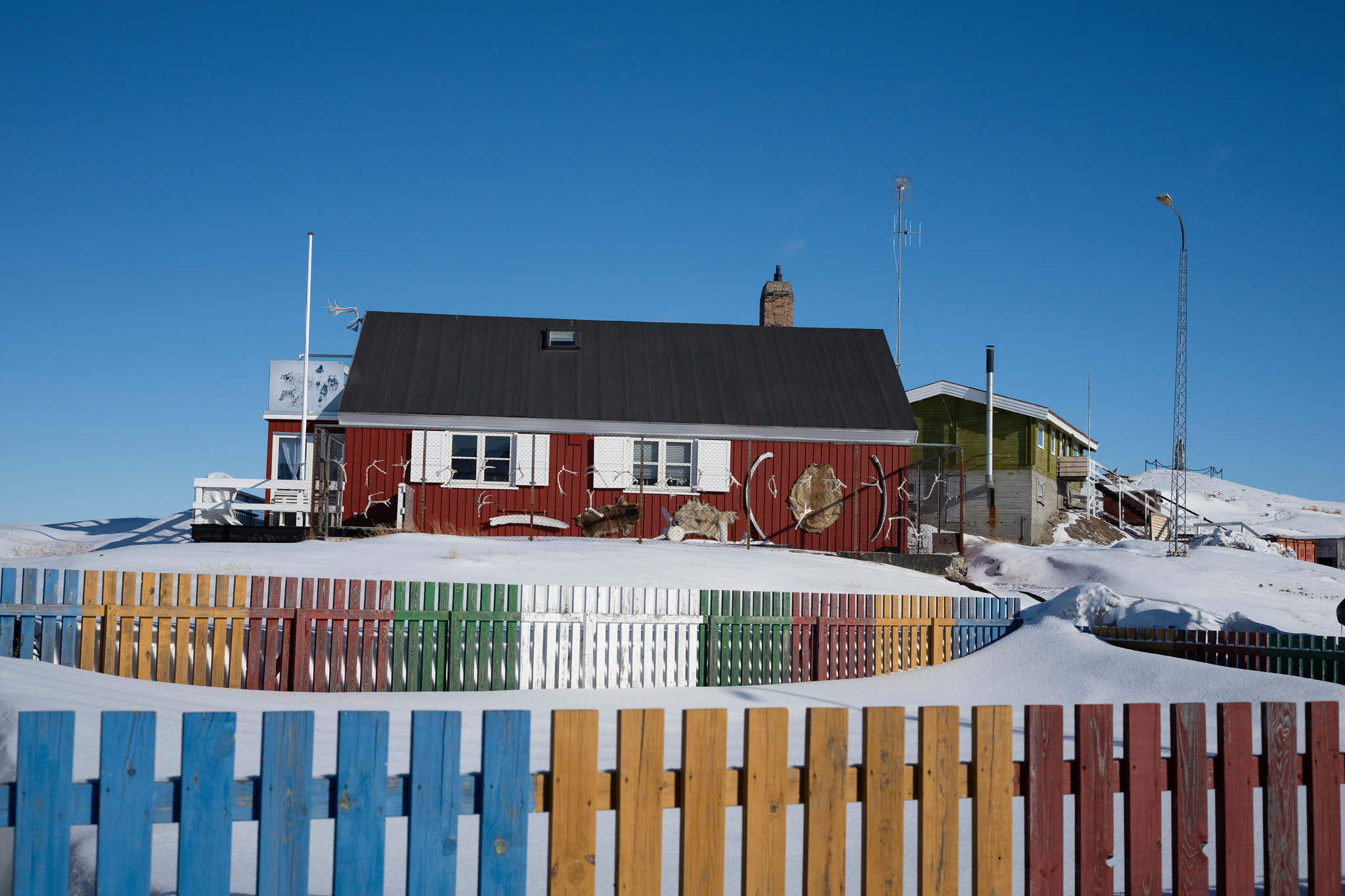
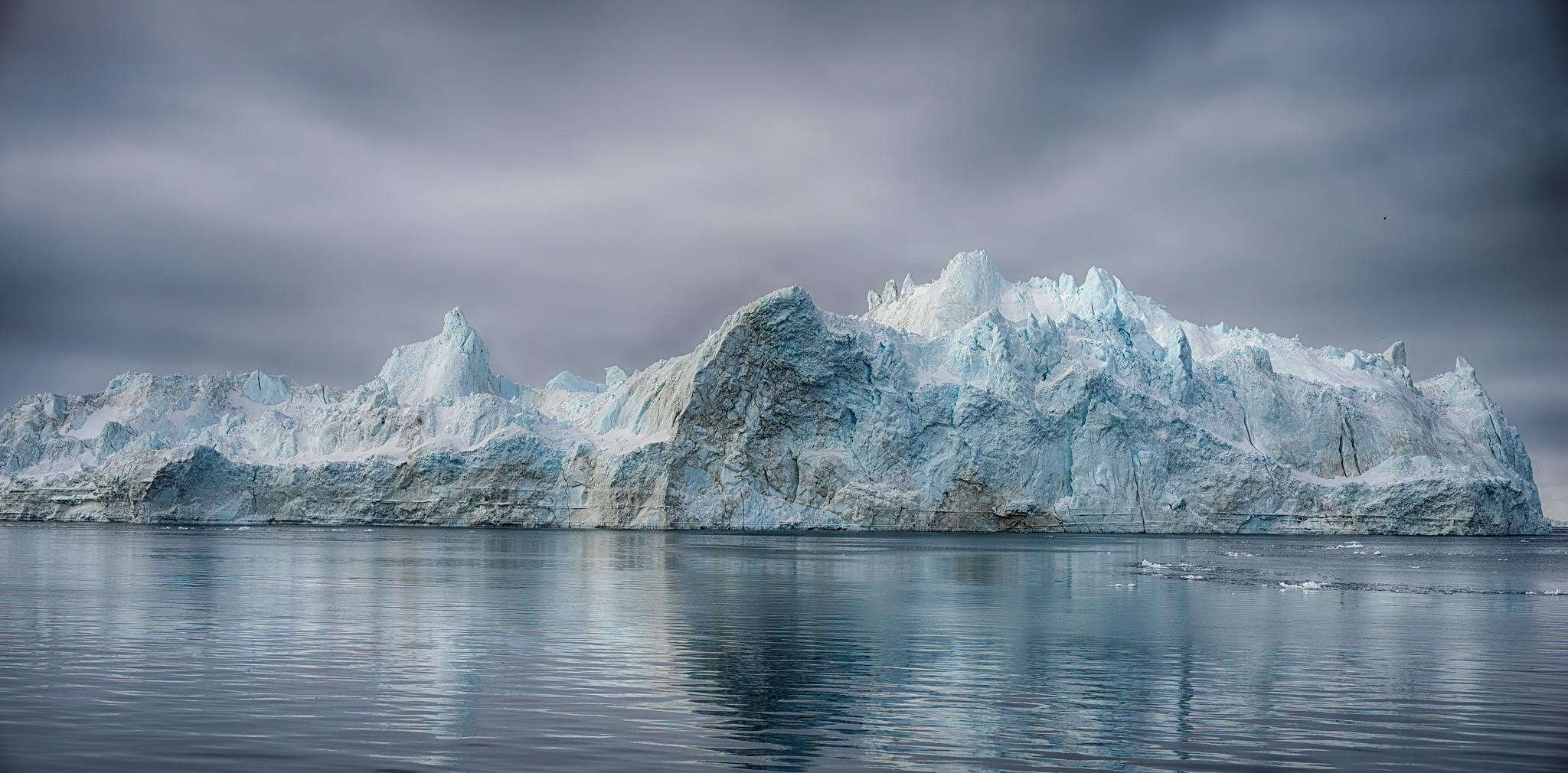
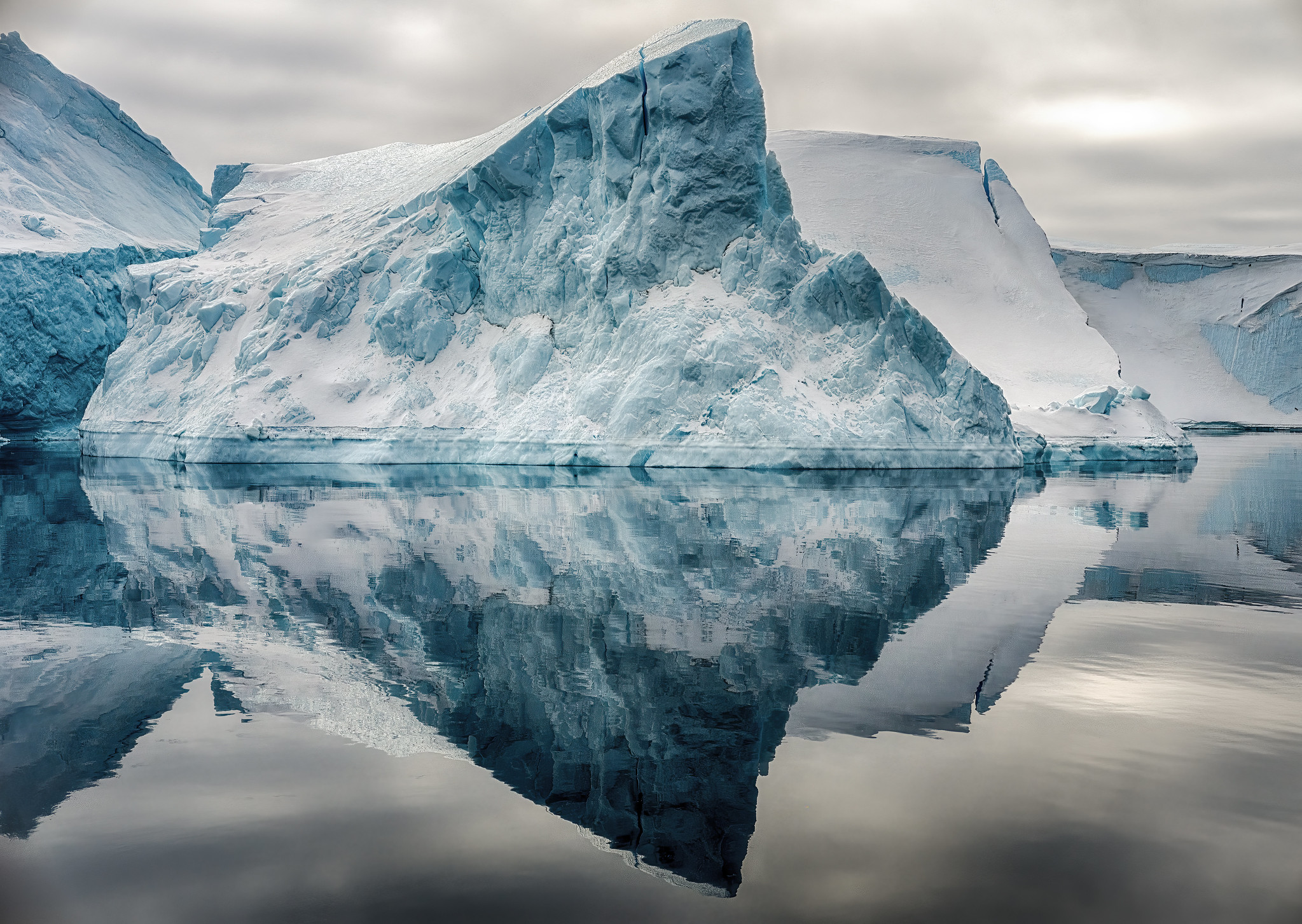
I am very fond of the 45mm f/2 Planar made for Contax G, It was my go to lens in the 90s with the Contax G when I bought the system in Japan, later I used it with Contax adapters but was never happy with either the manual or autofocus versions all being clunky, but now the lens is rehoused by Funleader it is having a new life as a M mount manual and I am happy with it again. Sharp and natural color, at least as my eye sees natural. Next days I want to put it side by side with the LLL rigid and see the comparison of a 1990s lens (Contax) and a 1960s design the LLL. These images were from Greenland end of March 2025.
p.4 #4 · What Zeiss lenses have the most Zeiss "magic"?
Zeiss worked hard to eradicate astigmatism-induced CA in those early days. They worked with the glass they had at the time in simple designs. The low contrast look melded exceptionally well with the direction they took, resulting in the dream-like rendering now associated with 'period' cinema and even modern vintage styles.
The awareness that the bold look had to be reined in seems to date from the mid-teens decade. It's important to see that these styles are 'designed for' outcomes (whether back in the 50s/60s, in the last decade and in the present day), and not correction fails or aberration re-inclusions.
It's gaining ground more in stills lenses where more facile greater lens speed gives designers the ability to extend the look into transition apertures that have been somewhat neglected recently, to then give way to fine performance in the landscape apertures, that nevertheless retains rendering elements.
I recall reading Dr Nasse saying he thought the Planars' bold impact (which Zeiss also worked hard on, along with the Distagons) was coming to its end in design terms. One style welcomes the viewer into the image, the other reaches out with its impact. The low contrast style looks to have more design headroom in the modern day, and it's something to look forward to.
The field of bokeh design is still novel and very much in play, as is the process of focus transition design at other than wide apertures. They are starting to model off human perception backwards to design, rather than the other way round. We find it easier to 'fill in the details' as needed than to visually ameliorate and remediate excess sharpness, which is beyond natural vision.
What the eagle sees, misses the forest for the trees.
p.4 #5 · What Zeiss lenses have the most Zeiss "magic"?
i own the 35mm f1,4 distagon zm and use it on my M262 camera.
its a modern type lens that renders beautifully as well as being razor sharp in my view but in Leica m land it is simply too big which of course is true.