p.3 #1 · Your experience having a Sony camera converted to Monochrome?
Nifty Fifty wrote:
And who can guarantee that the photo that looks comparatively worse is because it was taken with this or that camera and not because more effort was put into editing the photo that you wanted to make look better?
Exactly.
Best thing is to try out or rent a monochrome body, and shoot it side-by-side with your usual color camera.
Pentax and Leica make monochrome cameras, I'm sure in larger cities these would be available to rent.
p.3 #3 · Your experience having a Sony camera converted to Monochrome?
I recently discovered that I really like black and white photos, specifically with lightroom's adobe 3/4 profiles. The Leica q2 monochrom is 4 years old now, with no q3 version in sight. The Pentak is a dslr, which...well, I'm not going back to that. The M11 monochrom is manual only, which I am not crazy about. So, the best options for me would be to convert a sony camera(I am in the sony ecosystem) or wait for a possible q3 monochrom, which may or may never come.
From this thread, people are not convinced that sending a sony camera in to turn it into monochrom is of any real advantage. Any more thoughts?
p.3 #4 · Your experience having a Sony camera converted to Monochrome?
Higher resolution aside, IMHO what remains to be demonstrated with side-by-side comparison images, is that a monochrome sensor + filters, gives an aesthetic or creative advantage over conversion in post-processing. Where are the compelling examples ?
p.3 #5 · Your experience having a Sony camera converted to Monochrome?
Kenneth Lee wrote:
Higher resolution aside, IMHO what remains to be demonstrated with side-by-side comparison images, is that a monochrome sensor + filters, gives an aesthetic or creative advantage over conversion in post-processing. Where are the compelling examples ?
In my experience, it also remains to be demonstrated that the monochrome sensors provide a _visible_ technical advantage.
It is an undeniable fact that we can produce truly first-rate monochromatic photographs using the native color sensors in modern cameras.
p.3 #6 · Your experience having a Sony camera converted to Monochrome?
gdanmitchell wrote:
In my experience, it also remains to be demonstrated that the monochrome sensors provide a _visible_ technical advantage.
It is an undeniable fact that we can produce truly first-rate monochromatic photographs using the native color sensors in modern cameras.
To me, this isn't really the point of owning a dedicated mono camera.
Sure, a mono camera has less noise and offer some ISO gains.
It also offers a cleaner, sharper mono image compared to converting from color.
These are small differences, and not immediately obvious when making comparisons.
But you do see them after some time spent using a monochrome camera.
What I like about shooting a mono camera:
1. Fewer choices. I'm all in with black and white, no option for color. A simpler mindset when working.
2. Faster workflow. I don't want to spend 30 minutes or more on an image.
I can get top results in a few minutes in LR with a properly-exposed image from the Mono cameras.
The tonal transitions are smoother and the image comes out of camera needing mostly very basic work.
3. I generally prefer B&W images and used to spend a lot of time converting color images.
Thus, getting a monochrome camera is a natural fit for people like me, who shoot a lot of B&W.
The image below was underexposed (mine are always 1-stop under).
I boosted exposure, dropped the blacks slightly, and dodged the woman's face a little.
All of a minute's work, but I may revisit it later on to tweak something.
it prints beautifully, too.
So it really depends on your preferred subject matter, your style of working and how fussy you want to be in post.
I like shooting, and I don't want to spend more time at a desk than behind a camera.
YMMV
p.3 #7 · Your experience having a Sony camera converted to Monochrome?
ATPphoto wrote:
What I like about shooting a mono camera:
1. Fewer choices. I'm all in with black and white, no option for color. A simpler mindset when working.
That’s a preference, I guess. But you can be all in on producing monochrome results using a camera that records full color data, too.
2. Faster workflow. I don't want to spend 30 minutes or more on an image.
Not sure I’m following you here. It doesn’t take 30 minutes to click the “B&W” button in post-processing software if your goal is to just get out of camera BW images. It takes about 1 second. Heck, you can click that and then scan through the Adobe monochrome profiles and select on in a few seconds.
I can get top results in a few minutes in LR with a properly-exposed image from the Mono cameras.
Likewise with the same software starting with full image data files.
The tonal transitions are smoother and the image comes out of camera needing mostly very basic work.
Two points to deal with there.
First, I would challenge you to put prints using the same printer technology and produced by excellent practitioners who make beautiful monochrome images from full color source files and from those who shoot monochrome cameras side by side and ask viewers who don’t know which are which to identify them. They will not be able to do it.
Your second point does not make sense. Black and white film photographers (I was one) are famed for the extensive reliance on all kinds of optical/chemical post-processing maneuvers, from altering development processes to selecting different contrast papers and extensively dodging and burning in post. There is nothing about digital monochrome capture that makes this any less the case than it was with film.
3. I generally prefer B&W images and used to spend a lot of time converting color images.
Thus, getting a monochrome camera is a natural fit for people like me, who shoot a lot of B&W.
I spent years as a BW photographer and spent quality darkroom time getting images to look the way I wanted. It takes less time to do this with digital, and using full color data original files gives me even more control when I need it.
The image below was underexposed (mine are always 1-stop under).
I boosted exposure, dropped the blacks slightly, and dodged the woman's face a little.
All of a minute's work, but I may revisit it later on to tweak something.
it prints beautifully, too.
I have prints that work that way, too. But I have others that only achieve their potential (in color or monochrome) with some degree of post-processing, and I have a few that rely extensively on work in post.
So it really depends on your preferred subject matter, your style of working and how fussy you want to be in post.
I like shooting, and I don't want to spend more time at a desk than behind a camera.
YMMV
Here we differ a bit, though I don’t see that the difference is related to a choice to use a monochrome-limited sensor camera or a camera that records full image data to produce monochrome output.
And, indeed, YMMV.
(Note: I have few illusions about talking you out of your position, so in a sense I’m writing this more for others who may be reading about this subject and who need to hear both sides of this question.)
p.3 #8 · Your experience having a Sony camera converted to Monochrome?
ATPphoto wrote:
To me, this isn't really the point of owning a dedicated mono camera.
Sure, a mono camera has less noise and offer some ISO gains.
It also offers a cleaner, sharper mono image compared to converting from color.
These are small differences, and not immediately obvious when making comparisons.
But you do see them after some time spent using a monochrome camera.
What I like about shooting a mono camera:
1. Fewer choices. I'm all in with black and white, no option for color. A simpler mindset when working.
2. Faster workflow. I don't want to spend 30 minutes or more on an image.
I can get top results in a few minutes in LR with a properly-exposed image from the Mono cameras.
The tonal transitions are smoother and the image comes out of camera needing mostly very basic work.
3. I generally prefer B&W images and used to spend a lot of time converting color images.
Thus, getting a monochrome camera is a natural fit for people like me, who shoot a lot of B&W.
The image below was underexposed (mine are always 1-stop under).
I boosted exposure, dropped the blacks slightly, and dodged the woman's face a little.
All of a minute's work, but I may revisit it later on to tweak something.
it prints beautifully, too.
So it really depends on your preferred subject matter, your style of working and how fussy you want to be in post.
I like shooting, and I don't want to spend more time at a desk than behind a camera.
YMMV...Show more →
That’s a beautiful image.
And I see you are the FLM Canada owner, very cool. I have an FLM head on my smallest legset I use for travel or long hikes.
p.3 #9 · Your experience having a Sony camera converted to Monochrome?
gdanmitchell wrote:
That’s a preference, I guess. But you can be all in on producing monochrome results using a camera that records full color data, too.
Not sure I’m following you here. It doesn’t take 30 minutes to click the “B&W” button in post-processing software if your goal is to just get out of camera BW images. It takes about 1 second. Heck, you can click that and then scan through the Adobe monochrome profiles and select on in a few seconds.
Likewise with the same software starting with full image data files.
Two points to deal with there.
First, I would challenge you to put prints using the same printer technology and produced by excellent practitioners who make beautiful monochrome images from full color source files and from those who shoot monochrome cameras side by side and ask viewers who don’t know which are which to identify them. They will not be able to do it.
Your second point does not make sense. Black and white film photographers (I was one) are famed for the extensive reliance on all kinds of optical/chemical post-processing maneuvers, from altering development processes to selecting different contrast papers and extensively dodging and burning in post. There is nothing about digital monochrome capture that makes this any less the case than it was with film.
I spent years as a BW photographer and spent quality darkroom time getting images to look the way I wanted. It takes less time to do this with digital, and using full color data original files gives me even more control when I need it.
I have prints that work that way, too. But I have others that only achieve their potential (in color or monochrome) with some degree of post-processing, and I have a few that rely extensively on work in post.
Here we differ a bit, though I don’t see that the difference is related to a choice to use a monochrome-limited sensor camera or a camera that records full image data to produce monochrome output.
And, indeed, YMMV.
(Note: I have few illusions about talking you out of your position, so in a sense I’m writing this more for others who may be reading about this subject and who need to hear both sides of this question.)
Re-reading this, some of this post is unclear in spots. I apologize.
Previously, when shooting color then converting to B&W, I would go through several steps in PS just to get the monochrome look I wanted. More involved than just clicking on de-saturate or a similar function.
Then I'd adjust all the color channels, one by one. There was another third step, but I don't remember it now.
At that point, I'd be ready to open the image in LR and make adjustments and dodge and burn.
Working this way yielded excellent results, but if I had a final edit of 30 images (or more!), it would be a ton of work.
So I can now get straight to the LR part immediately, straight out of camera, and the adjustments needed there are often minimal. Certainly not as involved as before.
Like I said, the differences between the color shots and B&W shots are minimal, but they're there. For me it comes down to editing and the look I get, which I prefer to a converted color image.
p.3 #11 · Your experience having a Sony camera converted to Monochrome?
ATPphoto wrote:
Previously, when shooting color then converting to B&W, I would go through several steps in PS just to get the monochrome look I wanted. More involved than just clicking on de-saturate or a similar function.
Then I'd adjust all the color channels, one by one. There was another third step, but I don't remember it now.
I still don't follow. First of all, there are B&W profiles in LR that mimic spectral response of B&W film perfectly, in fact you could have them applied automatically as you import images into LR.
ATPphoto wrote:
So I can now get straight to the LR part immediately, straight out of camera, and the adjustments needed there are often minimal. Certainly not as involved as before.
Again, you get this for free with a color sensor. About 60% of my images are B&W. I have 3 presets that I built once on top of LR's B&W profiles: panchromatic, panchromatic+yellow, panchromatic+red. They show up in the dropdown when I import images into LR. Same in Capture One.
Moreover, the point I made earlier was that these options are actually better than a monochrome camera, because they mimick the response of B&W film, and films sensitization has evolved over many years to deliver the response that's pleasing to a viewer, particularly when it comes to skin tones and foliage. Meanwhile, monochromatic sensors simply deliver desaturated color, e.g. unfiltered color. Unfiltered color is not a good thing. This is where the sensitivity boost comes from, it comes at the expense of a pleasant spectral response. There is no free lunch.
My position is that a mono-converted camera delivers strictly worse results than a color camera with intelligent B&W filtration applied digitally.
To clearly see this inferiority, set up a studio scene: 100% white backdrop and a model with a lot of exposed skin. Look at your B&W image from a mono-camera, and then compare to an identical color image with the LR's BW preset applied. I am convinced that the latter will win in a blind test with random viewers.
[EDIT] Thank you @freaklikeme for correcting me regarding the green response.
p.3 #13 · Your experience having a Sony camera converted to Monochrome?
old-gregg wrote:
I still don't follow. First of all, there are B&W profiles in LR that mimic spectral response of B&W film perfectly, in fact you could have them applied automatically as you import images into LR.
Again, you get this for free with a color sensor. About 60% of my images are B&W. I have 3 presets that I built once on top of LR's B&W profiles: panchromatic, panchromatic+yellow, panchromatic+red. They show up in the dropdown when I import images into LR. Same in Capture One.
Moreover, the point I made earlier was that these options are actually better than a monochrome camera, because they mimick the response of B&W film, and films sensitization has evolved over many years to deliver the response that's pleasing to a viewer, particularly when it comes to skin tones and foliage. Meanwhile, monochromatic sensors simply deliver desaturated color while boosting the green response. This is where the sensitivity boost comes from, essentially it comes at the expense of a quality tonal response. There is no free lunch.
My position is that a mono-converted camera delivers strictly worse results than a color camera with intelligent B&W filtration applied digitally.
To clearly see this inferiority, set up a studio scene: 100% white backdrop and a model with a lot of exposed skin. Look at your B&W image from a mono-camera, and then compare to an identical color image with the LR's BW preset applied. I am convinced that the latter will win in a blind test with random viewers....Show more →
That's fine. I'm not trying to convince you of anything.
I'm trying to relay my experiences and preferences, since I currently use both types of camera.
If my intent and desired result is B&W, I'll use the monochrome camera.
It's great and it delivers what I need without fuss. I did the color conversions for years and liked the results.
But once I got into the monochrome workflow, it made more sense to me and I got results that were vastly more pleasing.
I don't have time to pit one camera against the other. Wish I did.
I'm not a "testing" kind of guy, and I don't mess around with filters.
Smarter people than me have done that, and they figured that it was worth creating and using a monochrome camera.
Who knows? Maybe the boosted green response is what makes the monochrome sensor special to me, and to others.
p.3 #14 · Your experience having a Sony camera converted to Monochrome?
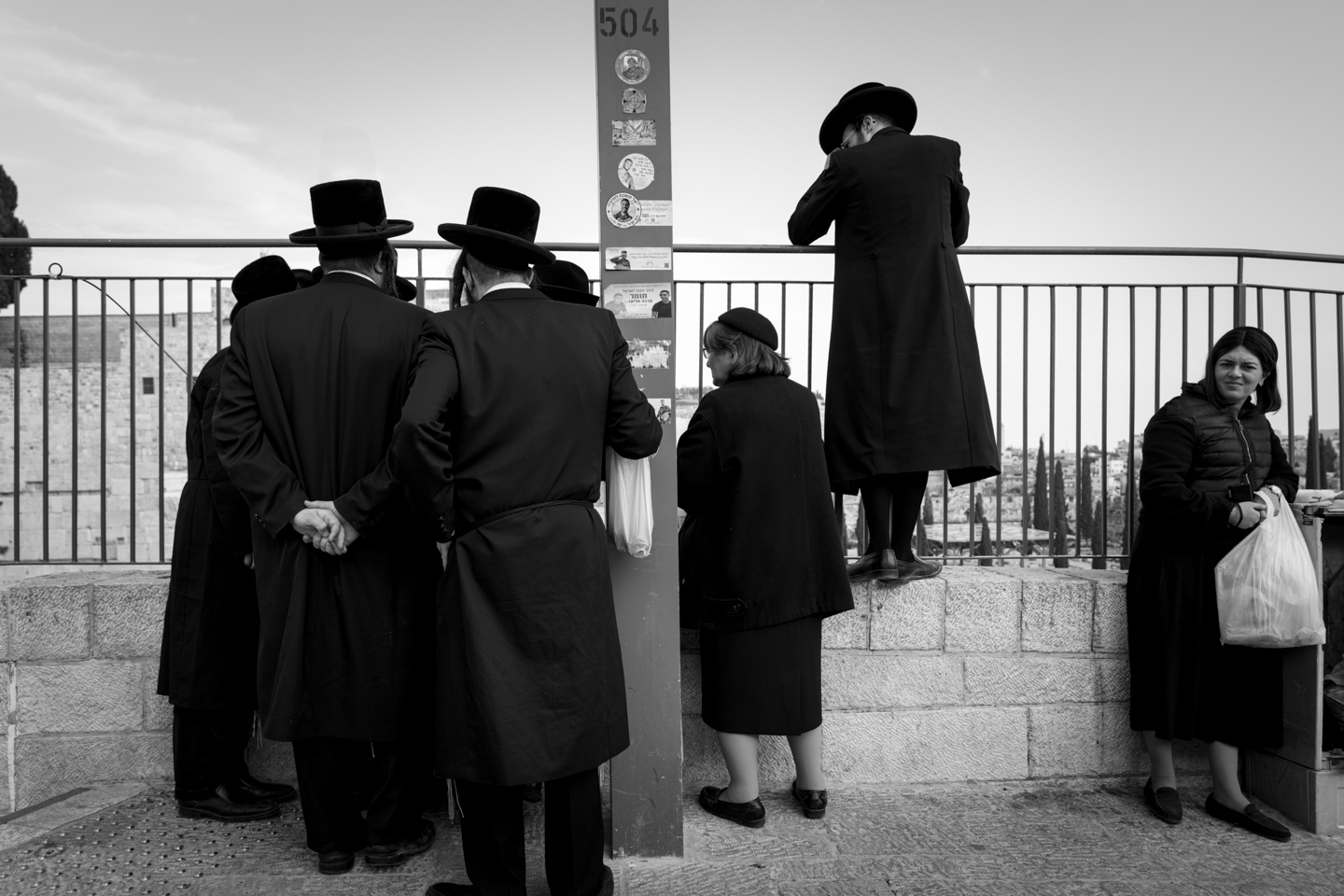
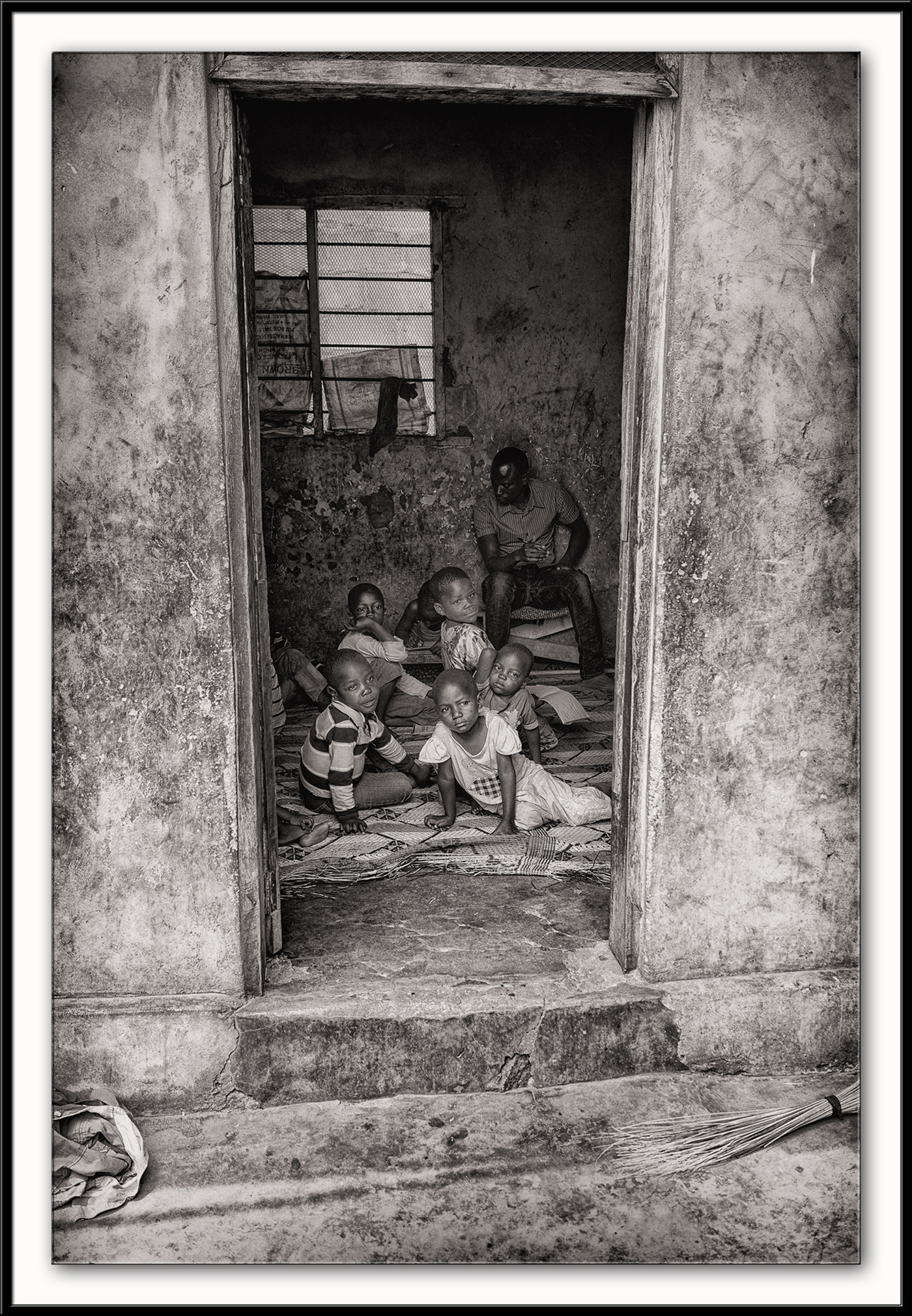
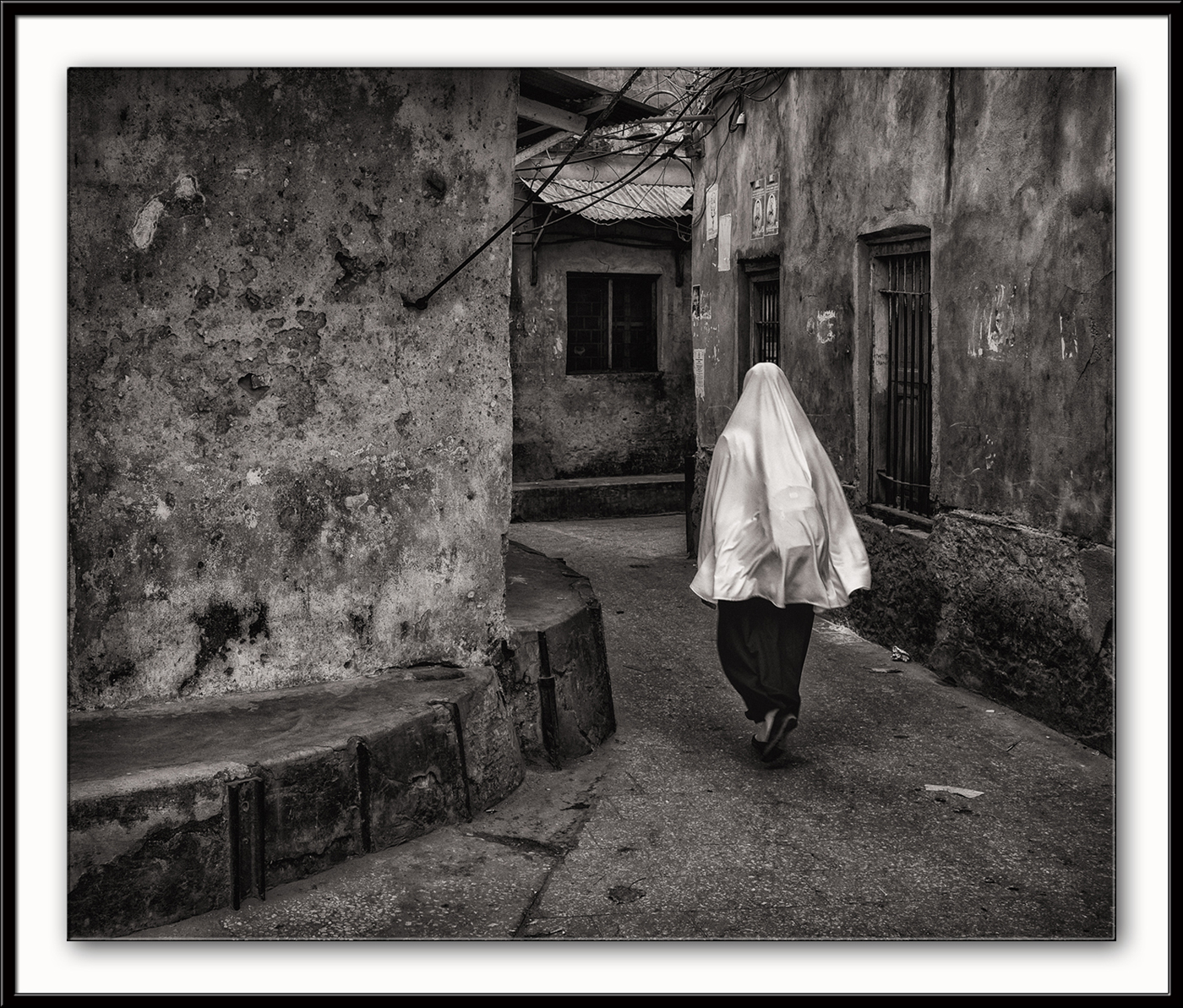
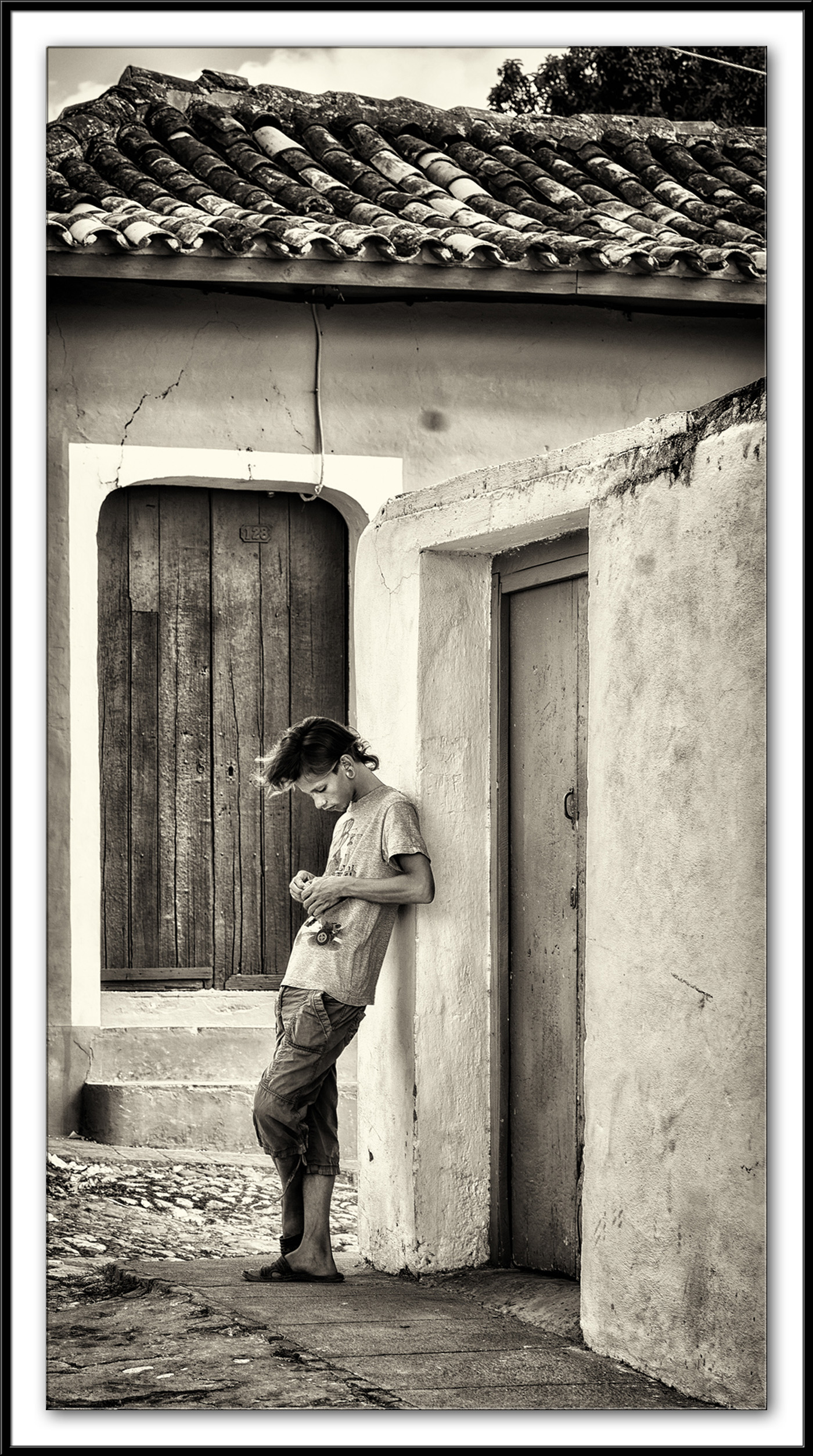
The ability to modify the B&W look when starting with a colour image to suite the image is what I find very powerful and why I shoot my B&W images using a colour sensor. I can tweak the mood in the image to enhance it's impact on the image. Here are a few examples of why I like to start with a colour image for my B&W work.
p.3 #15 · Your experience having a Sony camera converted to Monochrome?
old-gregg wrote:
I still don't follow. First of all, there are B&W profiles in LR that mimic spectral response of B&W film perfectly, in fact you could have them applied automatically as you import images into LR.
Again, you get this for free with a color sensor. About 60% of my images are B&W. I have 3 presets that I built once on top of LR's B&W profiles: panchromatic, panchromatic+yellow, panchromatic+red. They show up in the dropdown when I import images into LR. Same in Capture One.
Moreover, the point I made earlier was that these options are actually better than a monochrome camera, because they mimick the response of B&W film, and films sensitization has evolved over many years to deliver the response that's pleasing to a viewer, particularly when it comes to skin tones and foliage. Meanwhile, monochromatic sensors simply deliver desaturated color while boosting the green response. This is where the sensitivity boost comes from, essentially it comes at the expense of a quality tonal response. There is no free lunch.
My position is that a mono-converted camera delivers strictly worse results than a color camera with intelligent B&W filtration applied digitally.
To clearly see this inferiority, set up a studio scene: 100% white backdrop and a model with a lot of exposed skin. Look at your B&W image from a mono-camera, and then compare to an identical color image with the LR's BW preset applied. I am convinced that the latter will win in a blind test with random viewers....Show more →
Monochromatic sensors don't "boost the green response." The reason digital sensors are sensitive to green is because the CFA has twice as many green boxes in its pattern as it does red or blue, and all the tests you've seen on sensor sensitivity were completed with a CFA. The tonal response on a monochrome sensor is more even because it's not dealing with a CFA or any machine interpreted color, just pure black and white at 5500k, and all the greys in between. That's the gotcha of the monochrome- you have to treat it like daylight balanced film assuming you want to keep white objects white and black objects black, which means you need filters when shooting with any deep deviation from 5500k.
p.3 #17 · Your experience having a Sony camera converted to Monochrome?
shadow9d9 wrote:
Ok, how about a different approach.
Ignoring technical benefits, do people find it FUN to use a monochrom sensor because it forces you to look exclusively in a black and white photo way?
Or to put it another way: Is the Mono a camera for weak-willed photographers? ;-)
p.3 #19 · Your experience having a Sony camera converted to Monochrome?
wilshadow9d9 wrote:
Ok, how about a different approach.
Ignoring technical benefits, do people find it FUN to use a monochrom sensor because it forces you to look exclusively in a black and white photo way?
I don’t understand the need to have a camera that “forces” me to see the world in a particular way. If I prefer to “see” that way, I can do it with a full-color digital camera, either by pre-visualizing how the image will look in the end (which is exactly how we did it back when we actually put monochrome film in our cameras) or by setting the camera’s display mode to monochrome and shooting raw.
In general, when it comes to the notion that crippling a camera in some way makes one more creative, I think there’s a misconception about what this means. There’s also no evidence among the work of great photographers that using less versatile equipment makes photographers better — there are outstanding photographers using simple systems and outstanding photographers using very versatile gear.
One odd thing about the monochrome sensor fetish is that lots of folks who “go there” don’t really replicate how we shot film back in the day. For example, I used to carry around a whole set of colored filters (plus a CP) when I shot film, since the “color balance” of monochrome film often did not give us the optimum total characteristics and because the ONLY way we could adjust that was by applying these filers. But today, unless you are replicating that part of BW film photography and using those physical filters on the camera, you are giving up a form of controlling image quality that was _central_ to BW film photography… while if you bring a full color raw file into post you can still do that.
I suspect that, to some degree, the monochrome conversion thing is about feeling special and looking for some kind of photographic magic bullet that will make the buyer feel that they have separated themselves from the pack.
There’s another aspect to it that seems, on one level, admirable it also perhaps a bit misguided. In creative work there is always a tension between understanding and incorporating “classic” ideas and techniques versus being modern and edgy. Young and new artists in particular often struggle with this. In a way, restricting yourself to old approaches could be seen as an homage to the classic, established traditions and eschewing the seduction of the radical and new. So the thought process cold be (and in my experience at least sometimes is) that “if Ansel and Penn and Avedon and HCB did BW, then using BW-only today puts me in their lineage.”