hanay78
Offline
• • •
Upload & Sell: Off
|
Dear @RustyBug thank you very very much for your answer!!!!!! 
RustyBug wrote:
Twilight ... is tricky.
But, since there are actually THREE (3) twilights (civil / nautical / astronomical), the range of which you can land it, and it still be "twilight" gives you plenty of latitude.
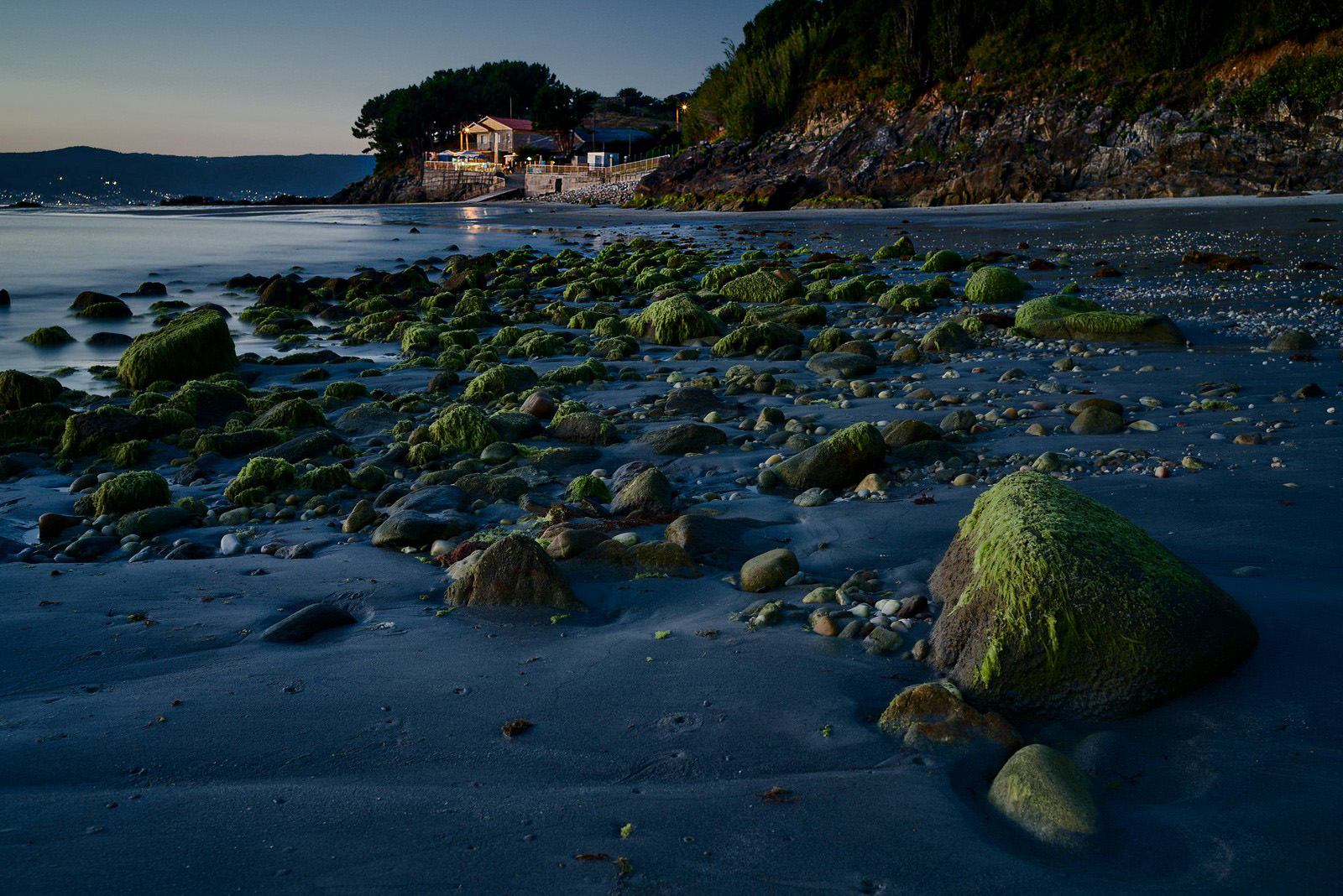
I have checked with suncalc. That day, when I took the photograph, the sun was 6.5 degrees under the horizon. That is, the moment represents the interface between the civil and the nautical twilight.
This is a moment in which I like a lot to shoot, since it represents the interface between seeing something and not seeing anything  Also, in terms of public lighting, it is already working, bulbs are hot delivering full light power, and landscape is still partially visible in a dim light. I suppose that the later, for many photographers, could be considered a boring light. I like it, but I find it very challenging Also, in terms of public lighting, it is already working, bulbs are hot delivering full light power, and landscape is still partially visible in a dim light. I suppose that the later, for many photographers, could be considered a boring light. I like it, but I find it very challenging
Imo, there are a few considerations that you have to decide among. Chief among those decisions is are you landing it to showcase the subject matter being illuminated by the twilight lighting (soft, dim, cool), and are trying to offset / correct / adjust for that soft, dim, cool illumination to present your subject well.
OR, are you landing it to showcase the "time of day" ... which during twilight is a time in which it is "difficult" to see things (soft, dim, cool light).
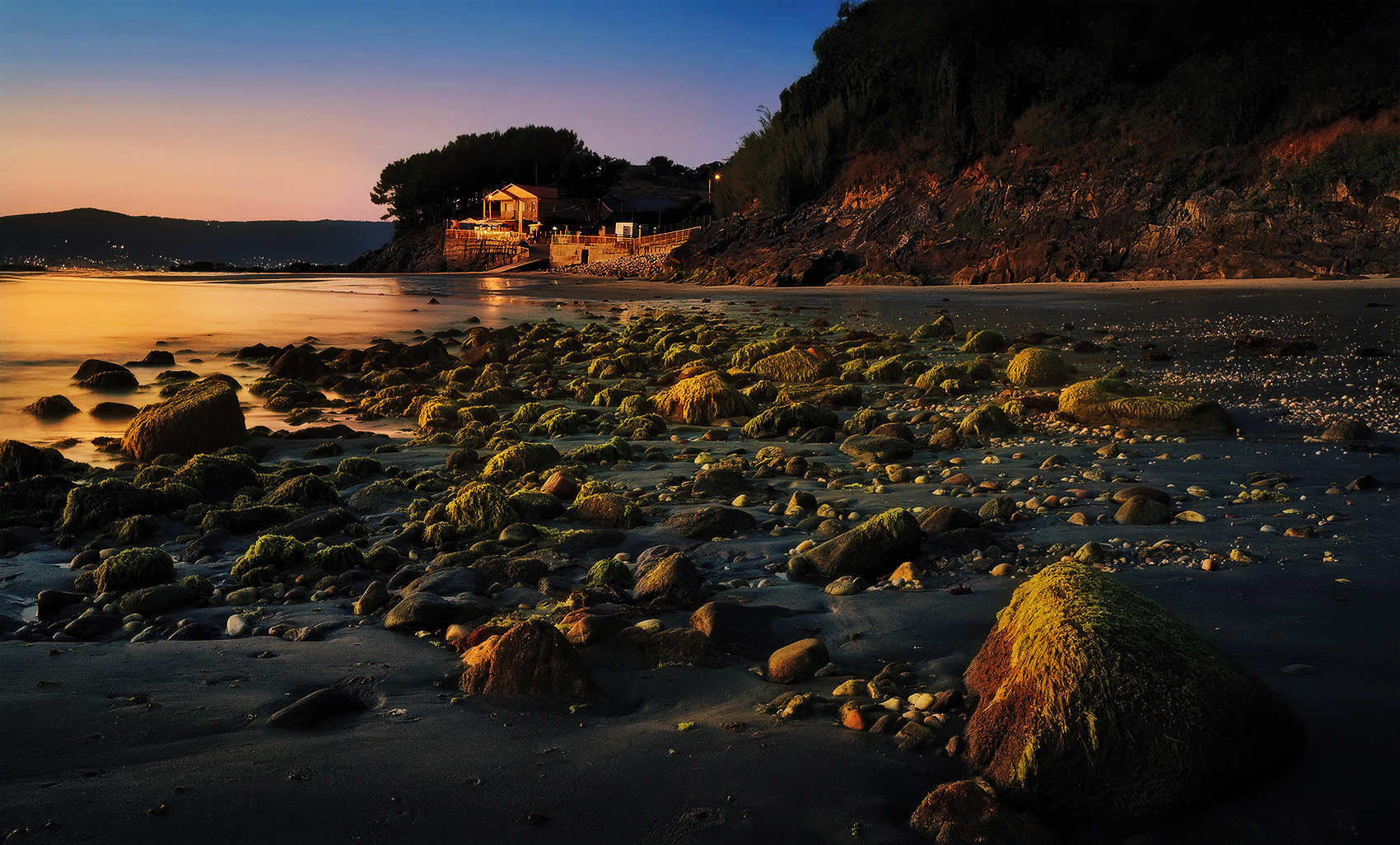
I do not want to correct for "good" lighting. I hope I know how to do it. Aesthetically, I do not like that at all. I want to present the subject in soft dim lighting. I cannot visually share the feeling of cool colors in twilight in general. But maybe this is me, or better said, that I cannot interpret what I see at twilight in terms of cool colors.
Imo, that is foremost understanding of what your objective for twilight is. Without that clarity of direction for your goals, it is very easy to get caught in "no man's land" between the two. I understand it can be an "odd" thing, to think "I want to make it so folks can't see it very well." But, in the realm of twilight ... that's part of the essence of its presence. The question is then ... does that jive with what you are trying to convey (i.e. mood / time of day)?
I can state my intentions as: I want to represent the beauty of a place with the delicacy of the dim soft colors of the twilight. For me this is a rich palette, and not forcefully a cold one thanks to westerly sky lighting, reflection of this in clouds, and public lighting. In terms of L, in Lab, I want things to be seen good enough but in the threshold of dimness. This is what I perceive in the field. That is also were I struggle with the equipment and my own incapacity, that gives me, with different equipment, very different results IMHO.
From what I read, in the field, my perception make a kind of HDR treatment. It produces, in the conditions in which I took these photographs, no shadow clipping in the field with my eyes. It produces deep shadows with texture, something I would recognize as zones 1 to 2. This is not in my photographs, in which deep shadows are much darker. I prefer aesthetically darker punchier deep shadows.
I am discussing not only this photograph but in general how to systematize the post-processing of these images, where I struggle systematically.
To reproduce a realistic dim light scene, in the threshold of civil and nautic twilight, what is in your opinion, the adequate L value of white things illuminated with natural light?
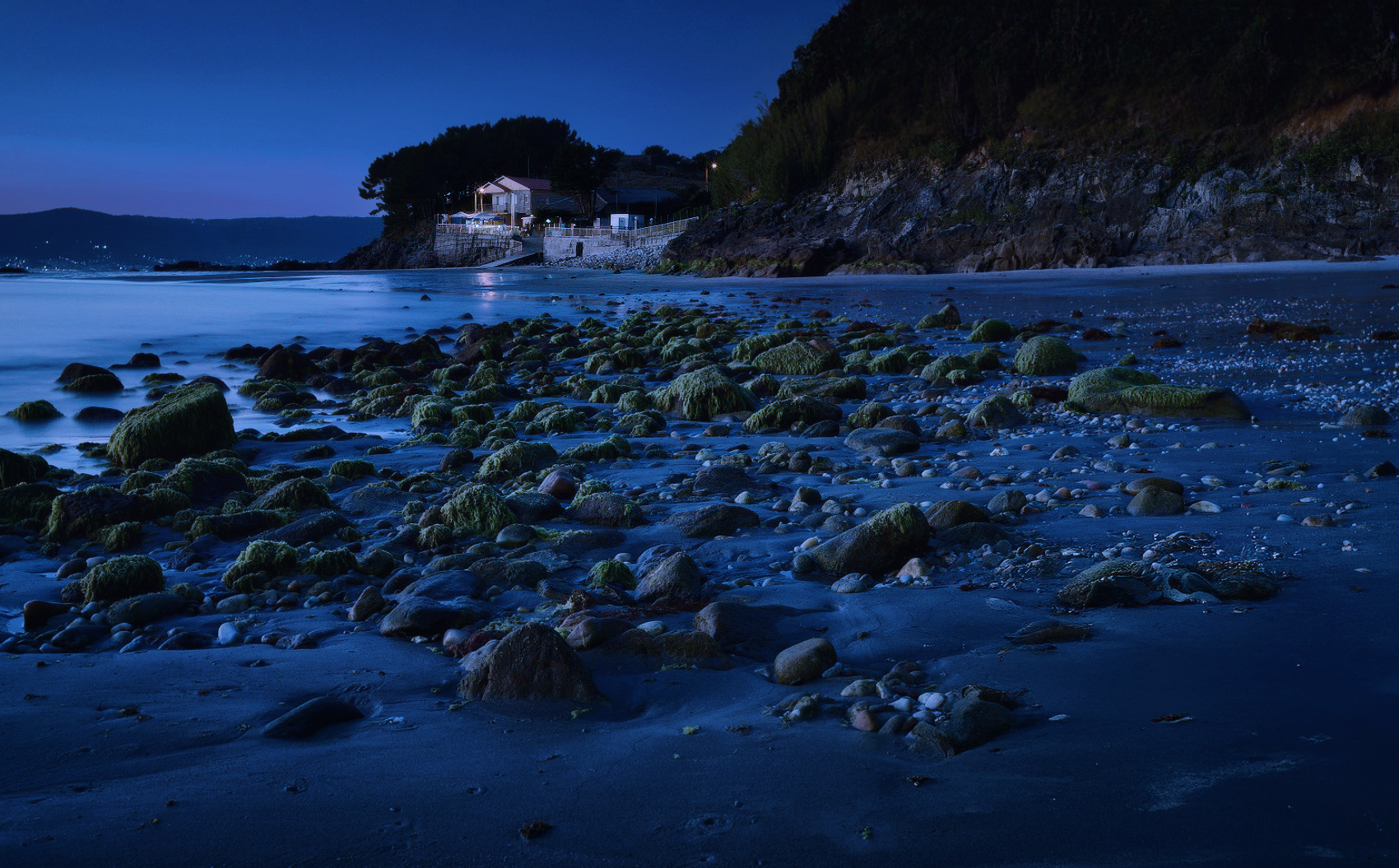
Here's a very quick edit. Duplicate Layer (using PS). Blending mode set to "Multiply". Opacity at 70% (dial to taste).
Shadow clipping ... who cares ... it IS freakin' DARK in the shadows during twilight. 
|


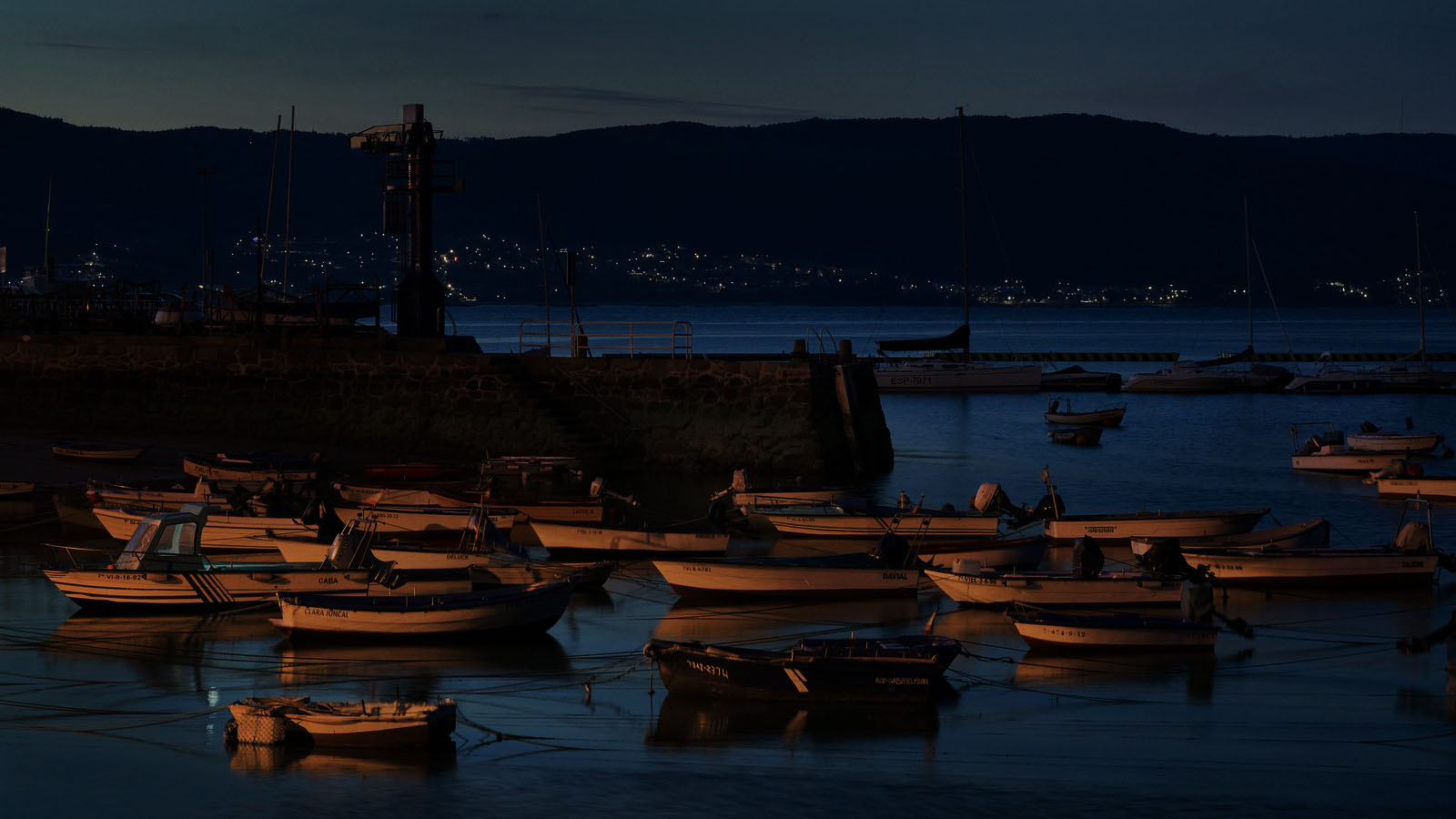
 This is a constant in many of my photographs lately. A technical camera, for an enthusiast, is probably too expensive, large and heavy. I am not so sure about the possibility to focus stack. The tripod in wet sand in a beach is not so stable. Then one have the huge change in the light conditions at this time of this day, with exposures of 30 seconds. Should I get TS-lenses for such photographs? I am not sure I will bring them to any trip. Maybe too large and heavy.