This topic is in the 2024 archive. You can read it and like its posts here. It is read only.
Archive 2024Thypoch Simera 28mm f1.4 E-mount
p.21 #1Thypoch Simera 28mm f1.4 E-mount
.
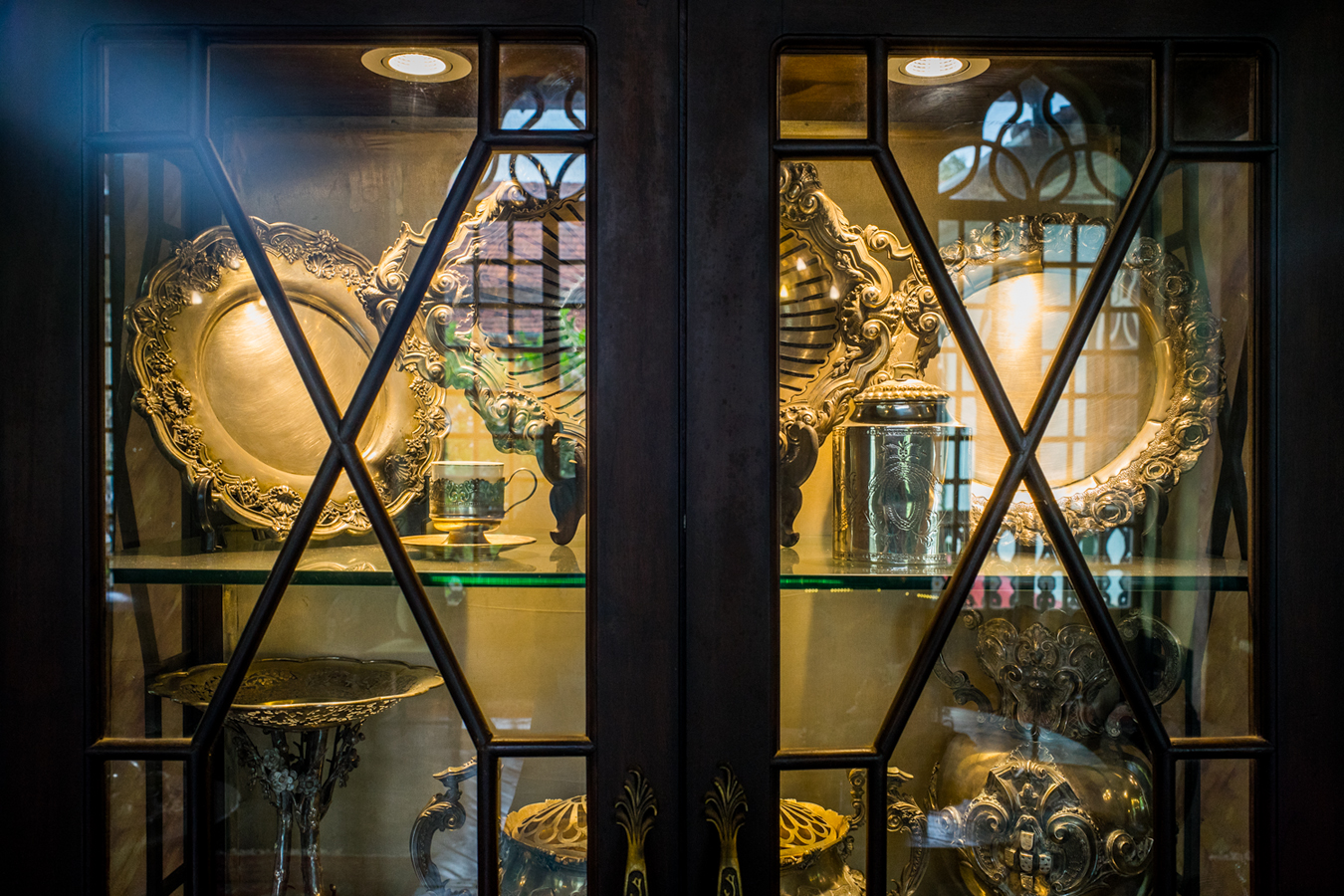
.. ISO 2000 / 1/50s ..
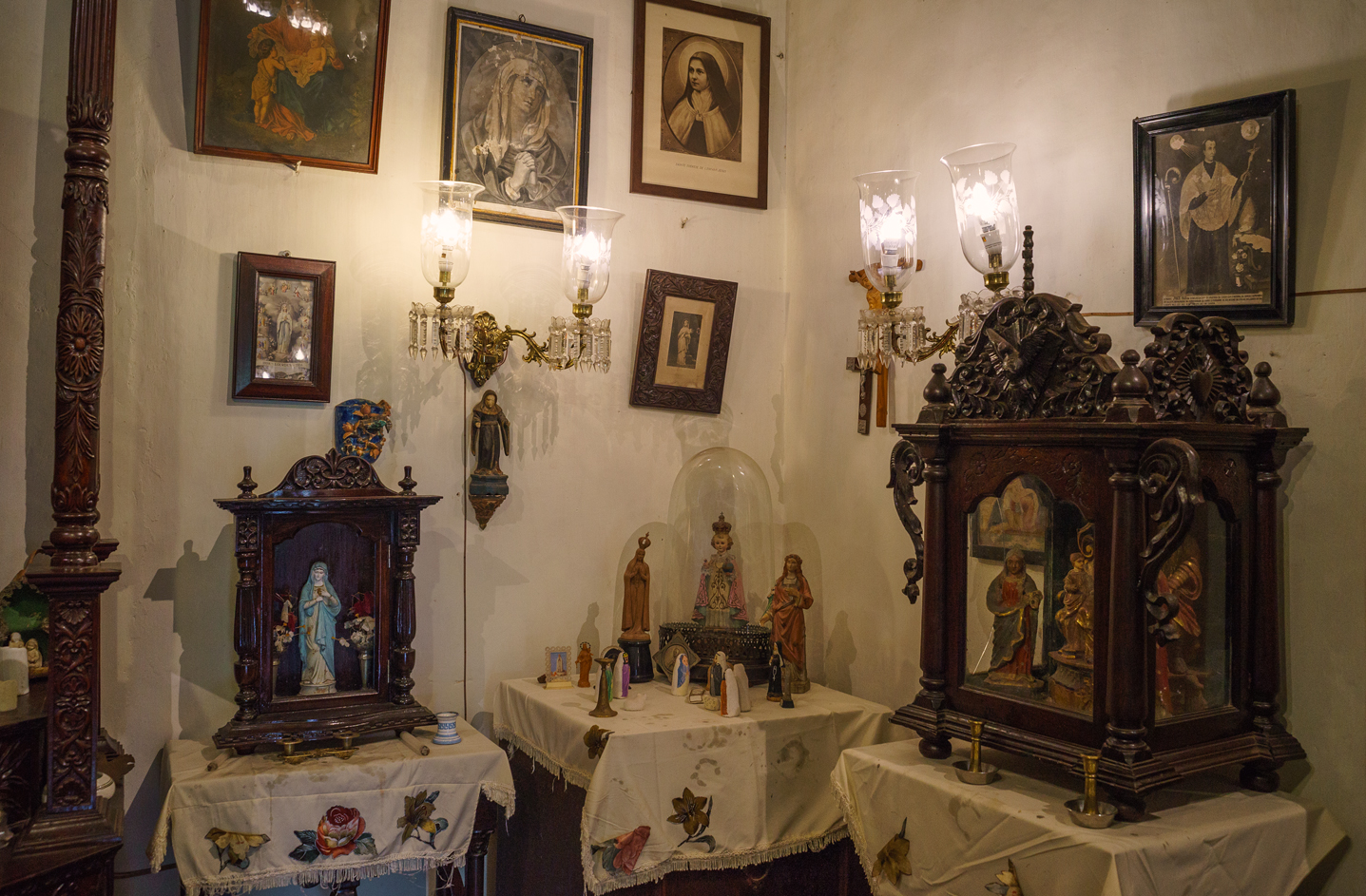
.. ISO 1000 / 1/50s ..
.. ISO 1000 / 1/60s ..
 |
||
 |
||
|
.. ISO 2000 / 1/50s ..
|
||
 |
||
|
.. ISO 1000 / 1/50s ..
|
||
 |
||
|
.. ISO 1000 / 1/60s ..
Jul 13, 2026 at 05:44 PM
p.21 #2Thypoch Simera 28mm f1.4 E-mount
philip_pj wrote:
For a lot of doc work, you want to ensure good definition of material, meaning you must shoot at mid apertures and use higher ISO settings than is ideal.
Thypoch were more conservative than Cosina in their 28mm, their one has an MFD of 40cms; the two Voigtlander 28s (APO-Lanthar and Nokton) both provide 0.28cms.
The direct competitor, the 28/1.5 Nokton, lacks FLE however. Near focus is very important in cine-oriented lenses, and this Simera is indeed solid, and it brings the slightly boisterous bokeh into play. I tend to shoot it at around f2 to get adequate DOF in...Show more →
The Voigtlander 28/1.5 is a better performing lens at a shorter MFD than the Simera 28/1.4 with its MFD. An FLE does not guarantee a better performance at MFD
“This Voigtländer VM 28mm 1.5 Nokton shows a surprisingly good performance at its minimum focus distance, especially when we compare its performance to the Thypoch Simera 28mm 1.4 with its floating elements design. Despite featuring a simpler unit focus design this Voigtländer corrects spherical aberration (glow) better, which leads to higher contrast and resolution. It does show stronger color aberrations though.”
The 35/1.4 Simera is even worse as than the 28/1.4 Simera—you need to stop down for decent performance. The CV 35/1.5 does better without an FLE:
“despite the lack of a floating elements design this Voigtländer 35mm 1.5 does pretty well at its minimum focus distance of 0.5”
The 35/1.4 Simera: “ his Thypoch Simera 35mm 1.4 features a floating elements design, so despite its comparably short minimum focus distances we should expect good performance at wider apertures here.
Fact is, it is still a bit soft at its maximum aperture and stopping down 1-2 stops increases contrast and resolution noticeably.”
But interestingly, the CV 50/1.5 or 50/1.2 doesn’t have an FLE and they do worse than the Simera 50/1.4. Same with the 75/1.4 Simera versus the Voight 75:1.5.
Jul 14, 2026 at 08:06 PM
p.21 #3Thypoch Simera 28mm f1.4 E-mount
philip_pj wrote:
For a lot of doc work, you want to ensure good definition of material, meaning you must shoot at mid apertures and use higher ISO settings than is ideal.
Thypoch were more conservative than Cosina in their 28mm, their one has an MFD of 40cms; the two Voigtlander 28s (APO-Lanthar and Nokton) both provide 0.28cms.
The direct competitor, the 28/1.5 Nokton, lacks FLE however. Near focus is very important in cine-oriented lenses, and this Simera is indeed solid, and it brings the slightly boisterous bokeh into play. I tend to shoot it at around f2 to get adequate DOF in...Show more →
The Voigtlander 28/1.5 is a better performing lens at MFD than the Simera 28/1.4 with its MFD. Both at 0.5 the Voigt does better. An FLE does not guarantee a better performance at MFD. From actual controlled testing and review at phillipreeve.net:
“This Voigtländer VM 28mm 1.5 Nokton shows a surprisingly good performance at its minimum focus distance, especially when we compare its performance to the Thypoch Simera 28mm 1.4 with its floating elements design. Despite featuring a simpler unit focus design this Voigtländer corrects spherical aberration (glow) better, which leads to higher contrast and resolution. It does show stronger color aberrations though.”
The 35/1.4 Simera is even worse as than the 28/1.4 Simera—you need to stop down for decent performance:
“This Thypoch Simera 35mm 1.4 features a floating elements design, so despite its comparably short minimum focus distances we should expect good performance at wider apertures here.
Fact is, it is still a bit soft at its maximum aperture and stopping down 1-2 stops increases contrast and resolution noticeably.”
The CV 35/1.5 does better without an FLE:
“despite the lack of a floating elements design this Voigtländer 35mm 1.5 does pretty well at its minimum focus distance of 0.5”
But interestingly, the CV 50/1.5 or 50/1.2 doesn’t have an FLE and they do worse than the Simera 50/1.4. Same with the 75/1.4 Simera versus the Voight 75/1.5.
Jul 14, 2026 at 08:07 PM
john9ol
Offline
Activity
[X]
Details
p.21 #4Thypoch Simera 28mm f1.4 E-mount
very beautiful love it
Jul 16, 2026 at 06:32 AM
p.21 #5Thypoch Simera 28mm f1.4 E-mount
.
.. ISO 1250 / 1/50s ..
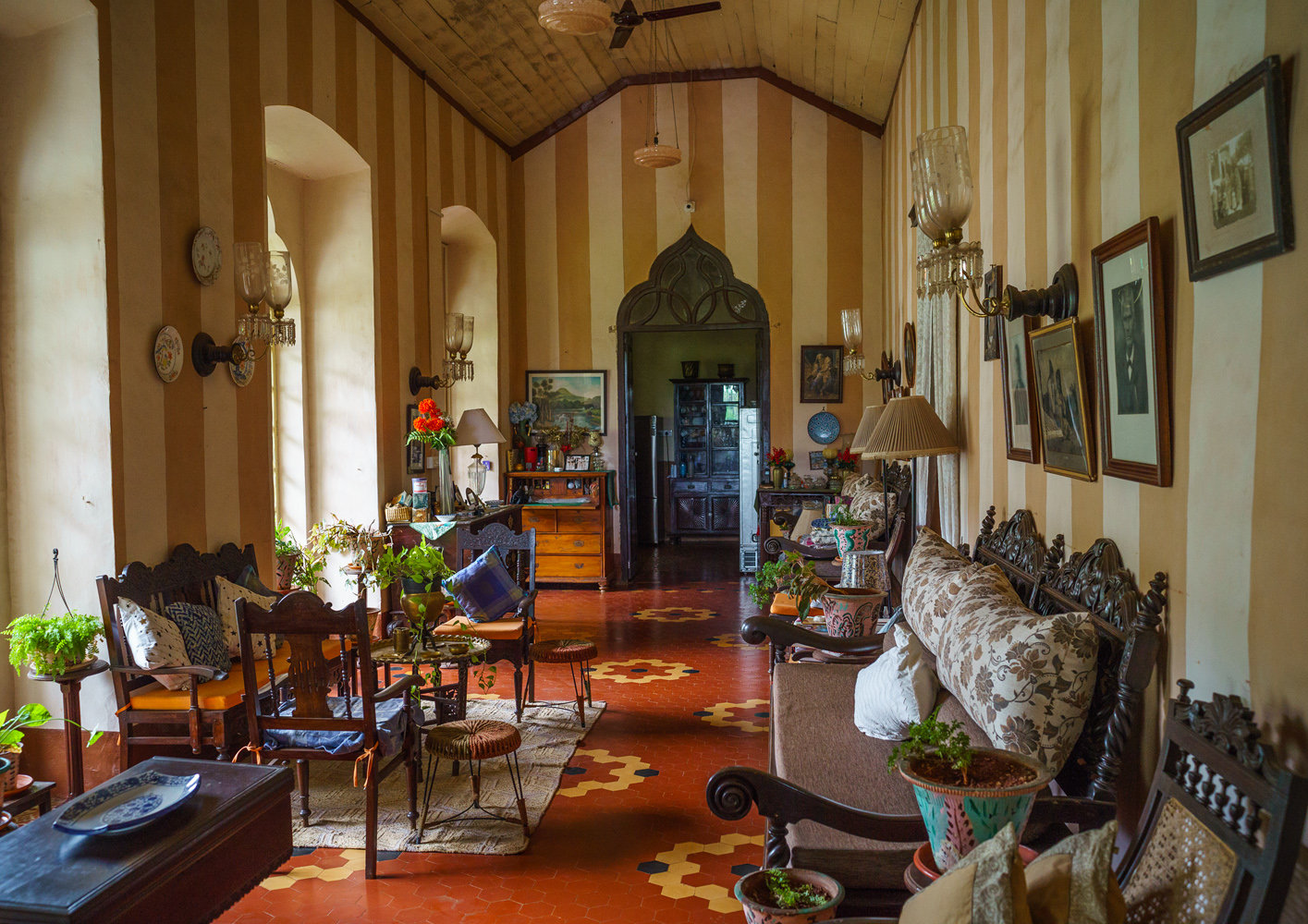
.. ISO 1000 / 1/100s ..
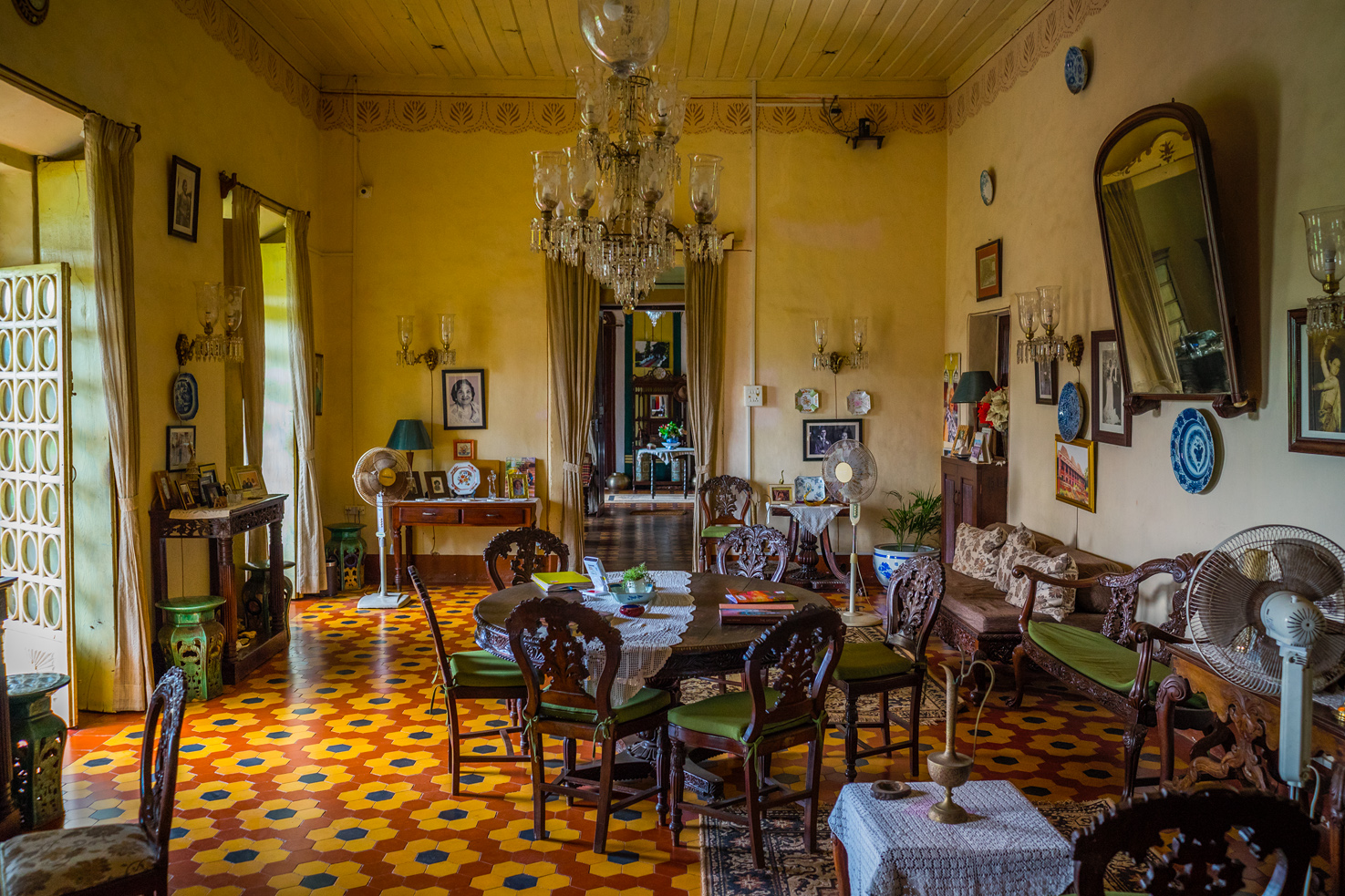
.. ISO 1000 / 1/60s ..
|
||
 |
||
|
.. ISO 1250 / 1/50s ..
|
||
 |
||
|
.. ISO 1000 / 1/100s ..
|
||
 |
||
|
.. ISO 1000 / 1/60s ..
Jul 16, 2026 at 11:49 PM
p.21 #6Thypoch Simera 28mm f1.4 E-mount
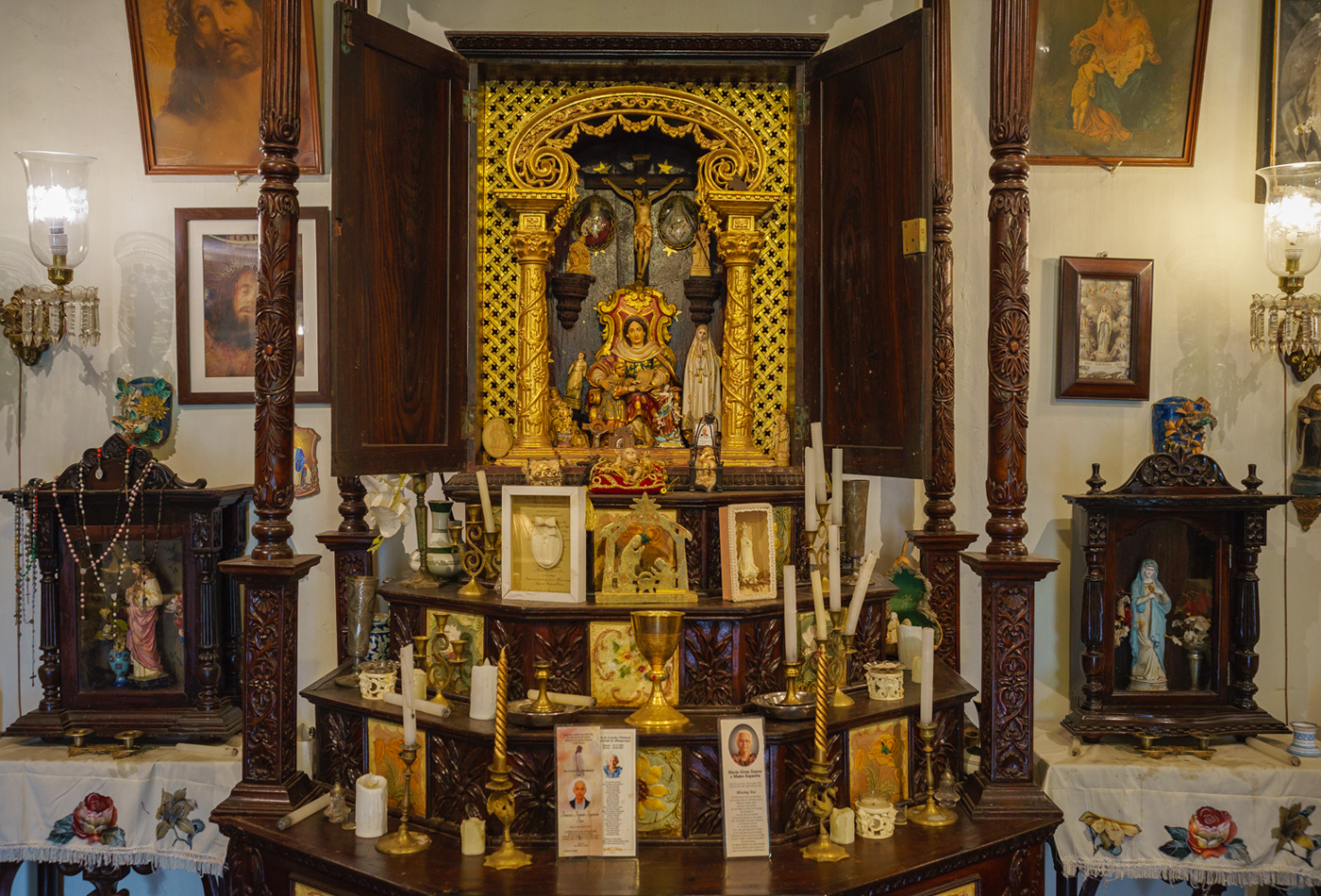
The last one seems like a perfect application for 28mm.
Jul 16, 2026 at 11:57 PM
p.21 #7Thypoch Simera 28mm f1.4 E-mount
Philip, great last set! Talk about an exercise in color balance. 
Jul 17, 2026 at 01:17 AM
p.21 #8Thypoch Simera 28mm f1.4 E-mount
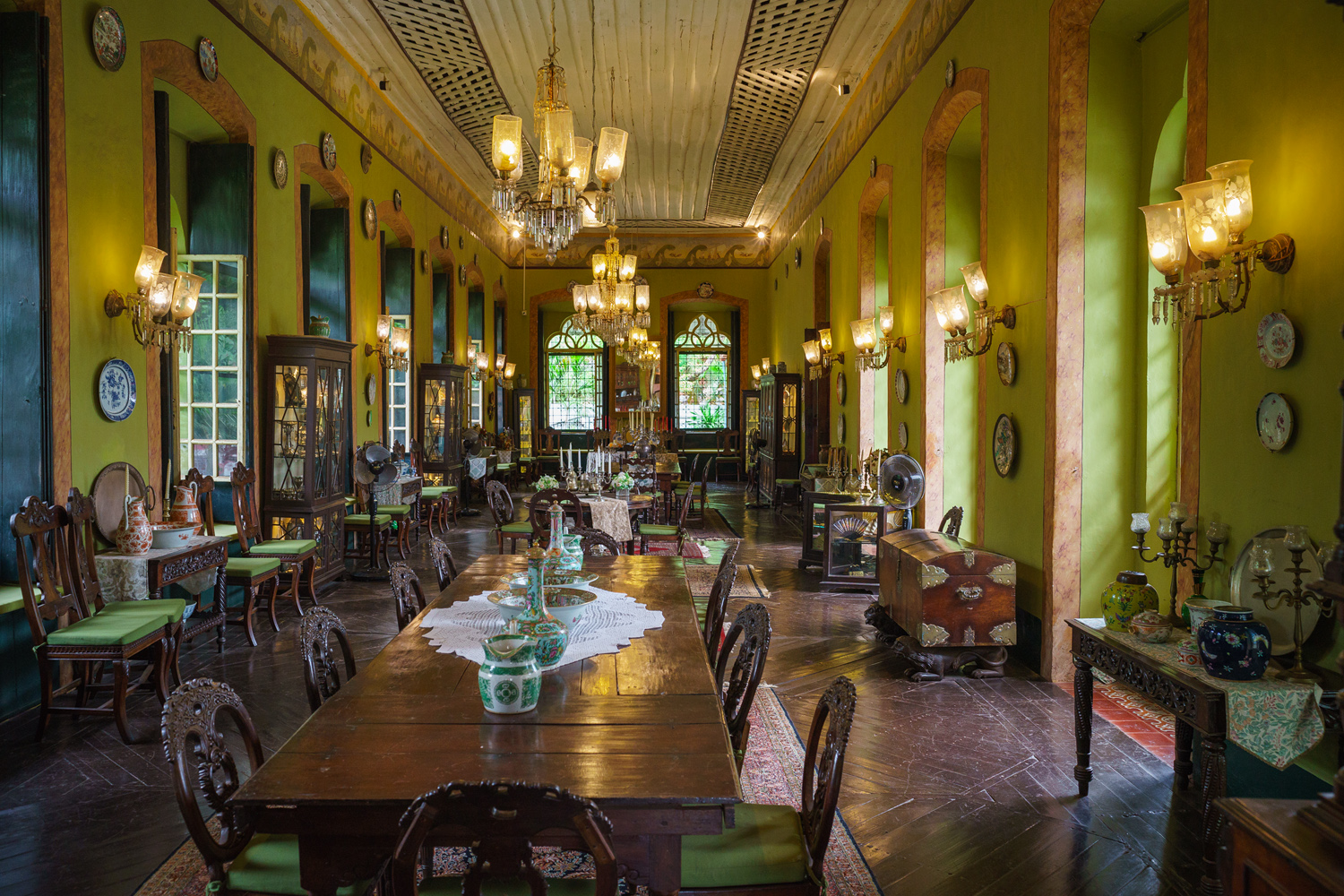
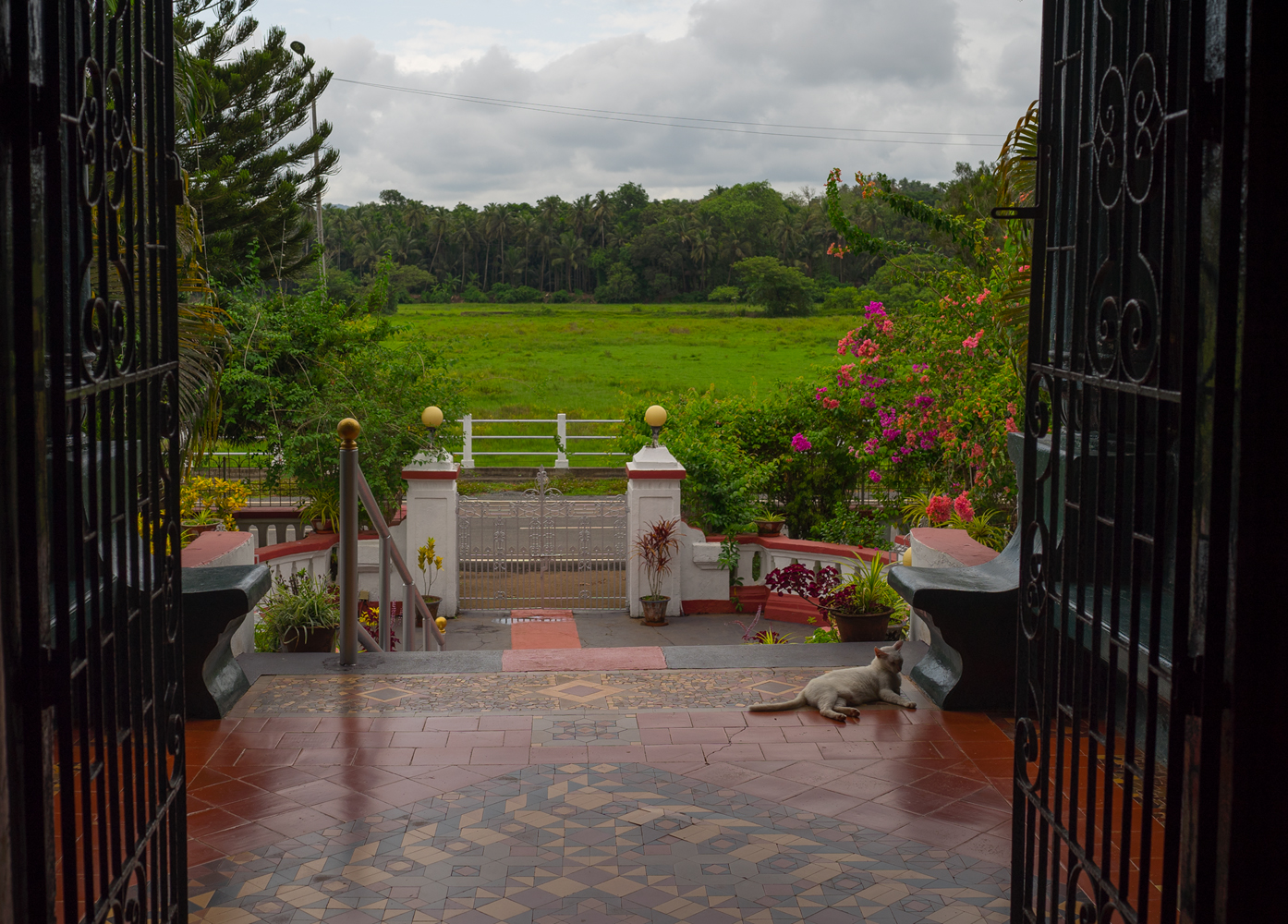
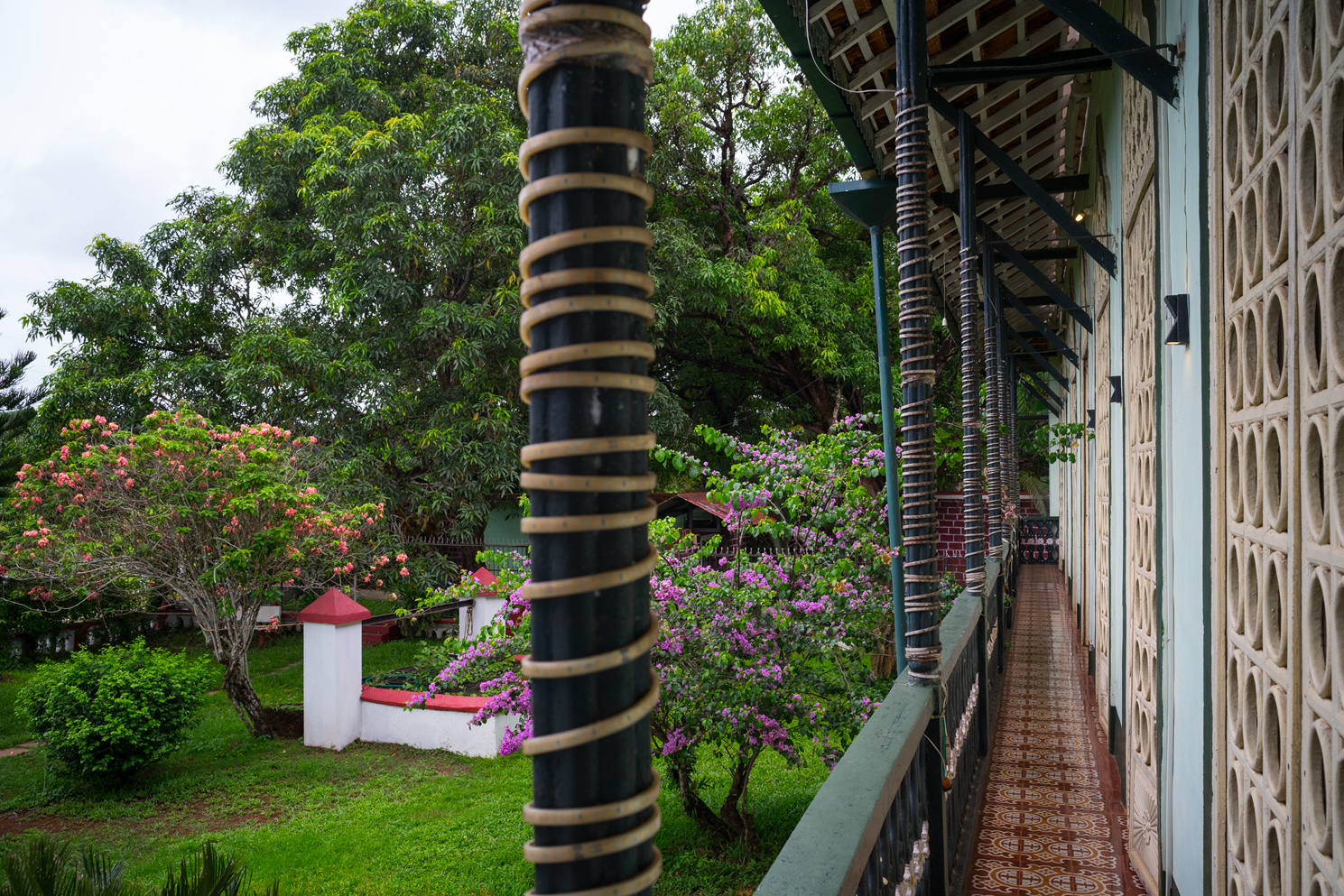
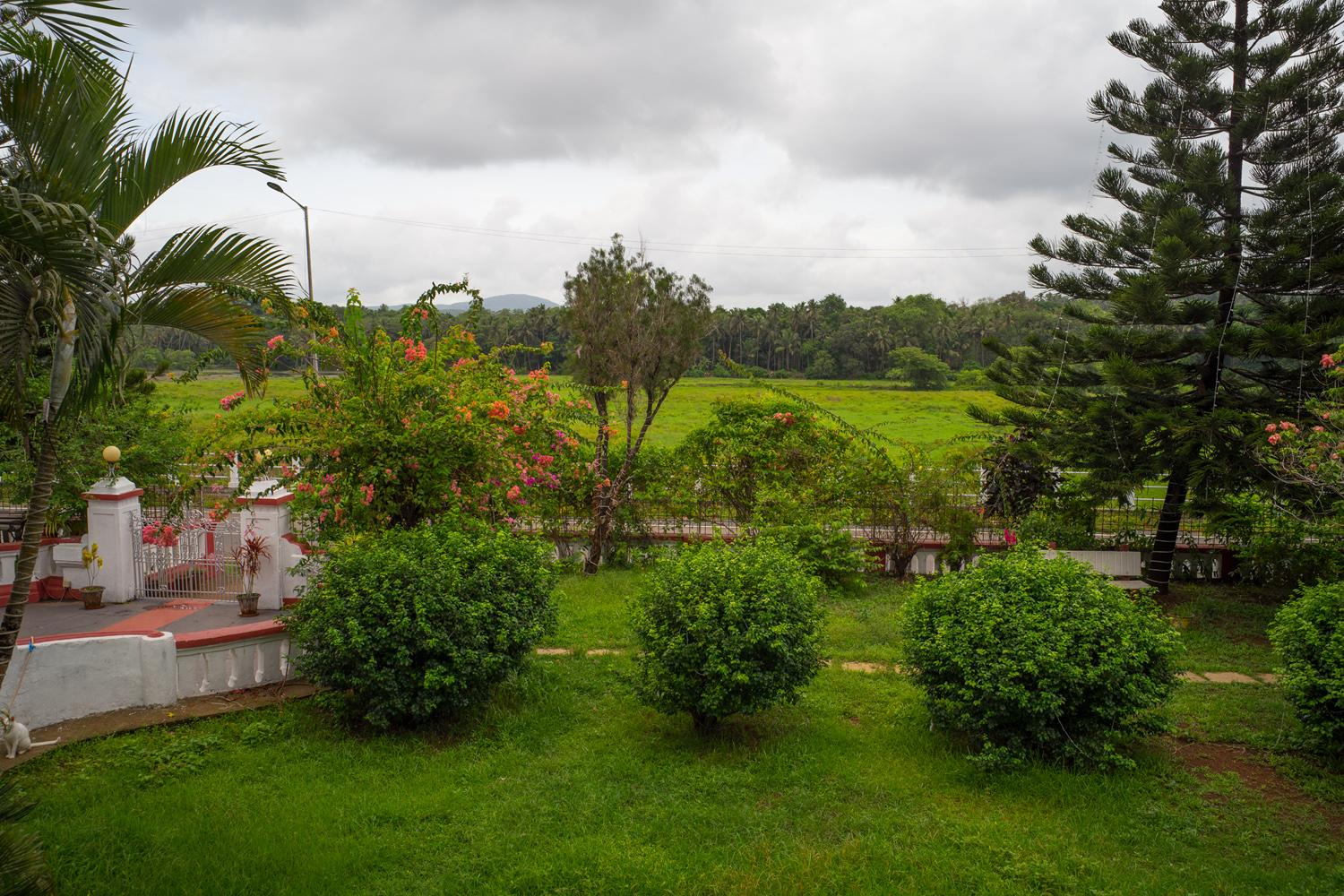
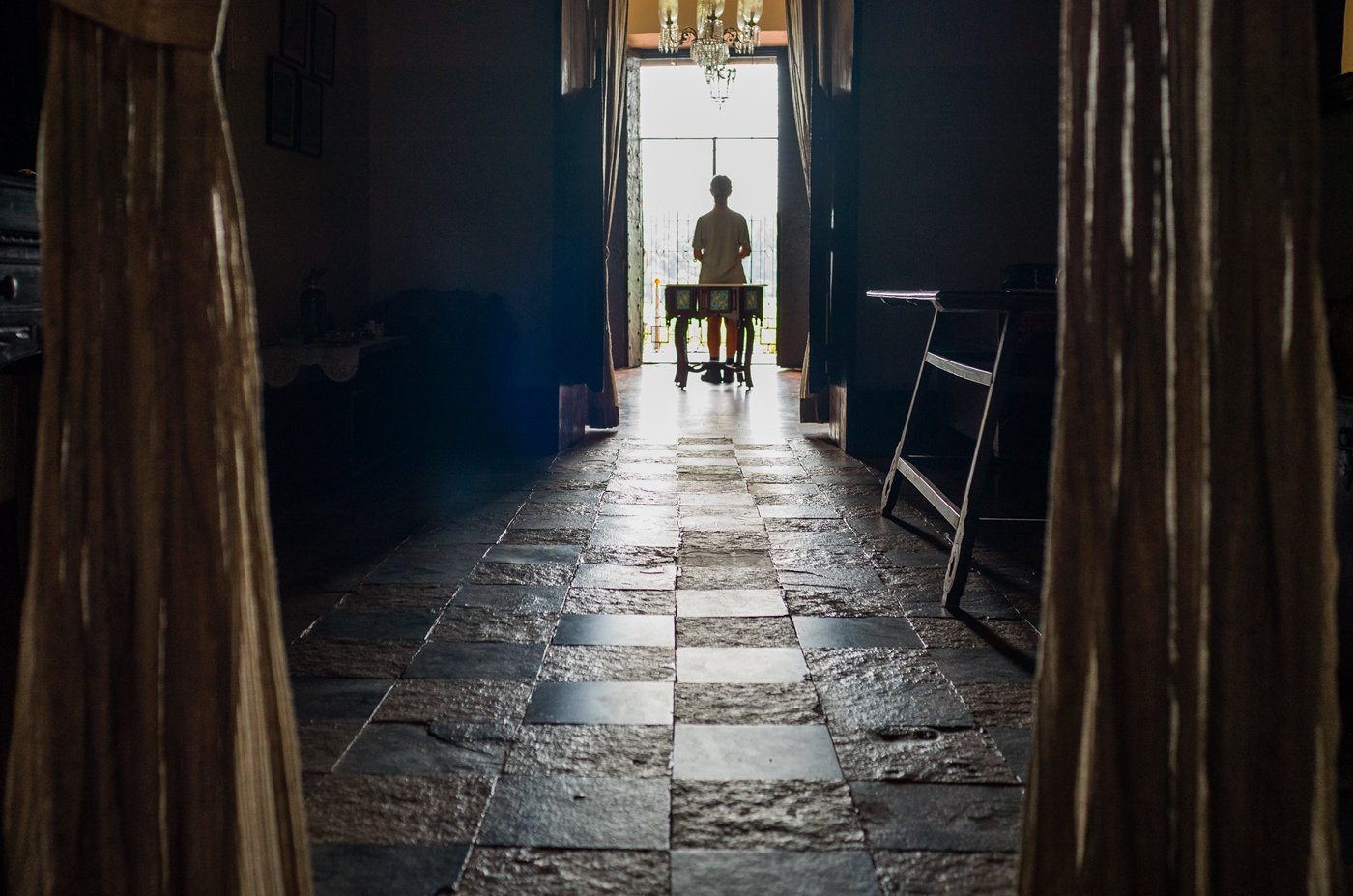
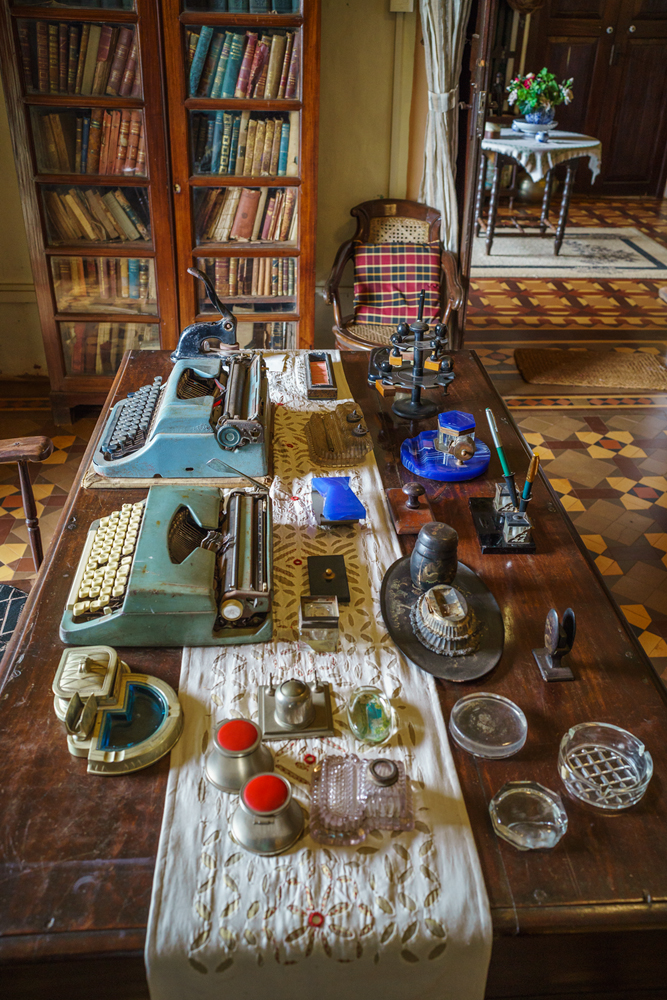
Thank for the kind words. I handpicked these lenses for the kind of work I do. I did two rounds, one with the 28/1.4 which did the heavy lifting, and the second with the Viltrox 14/4. Both went very well to my eyes, but the Simeras have a classy look to them.
Colours seem to fall into place easily, most retouching was for tonal control from window light. The Simeras are also kind under lighting of this kind, a real bonus in low light. This was just pre-monsoon, soft light admittedly - a big soft box in the sky! I don't know how the Portuguese handled the climate, they stayed in Goa/Kerala from 1498 until 1961.
Colours seem to fall into place easily, most retouching was for tonal control from window light. The Simeras are also kind under lighting of this kind, a real bonus in low light. This was just pre-monsoon, soft light admittedly - a big soft box in the sky! I don't know how the Portuguese handled the climate, they stayed in Goa/Kerala from 1498 until 1961.
Jul 17, 2026 at 04:55 PM
p.21 #10Thypoch Simera 28mm f1.4 E-mount
.
.. ISO 800 / 1/60s ..
.. ISO 1000 / 1/60s ..
|
||
 |
||
|
.. ISO 800 / 1/60s ..
|
||
 |
||
|
.. ISO 1000 / 1/60s ..
Jul 20, 2026 at 03:17 PM
p.21 #11Thypoch Simera 28mm f1.4 E-mount
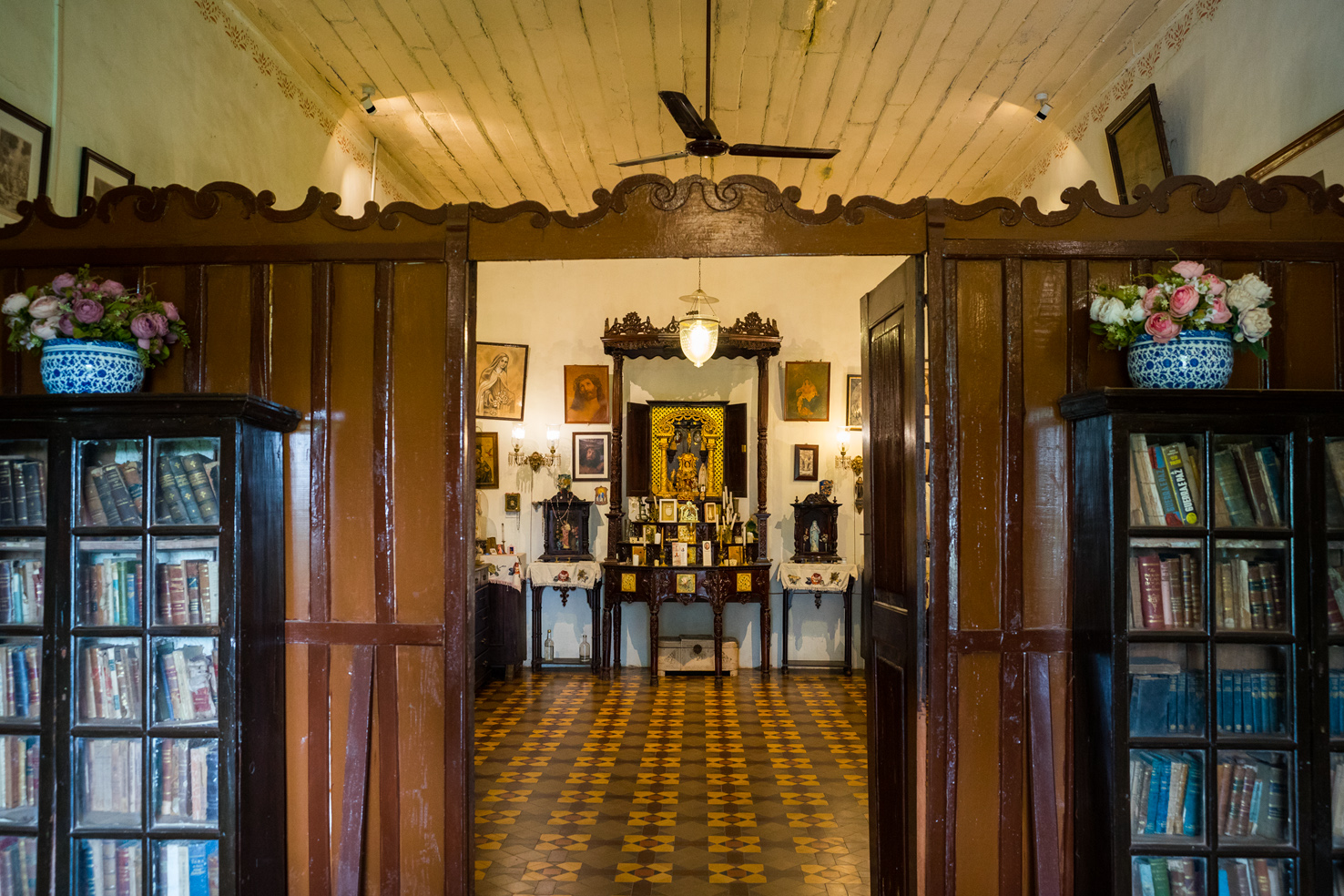
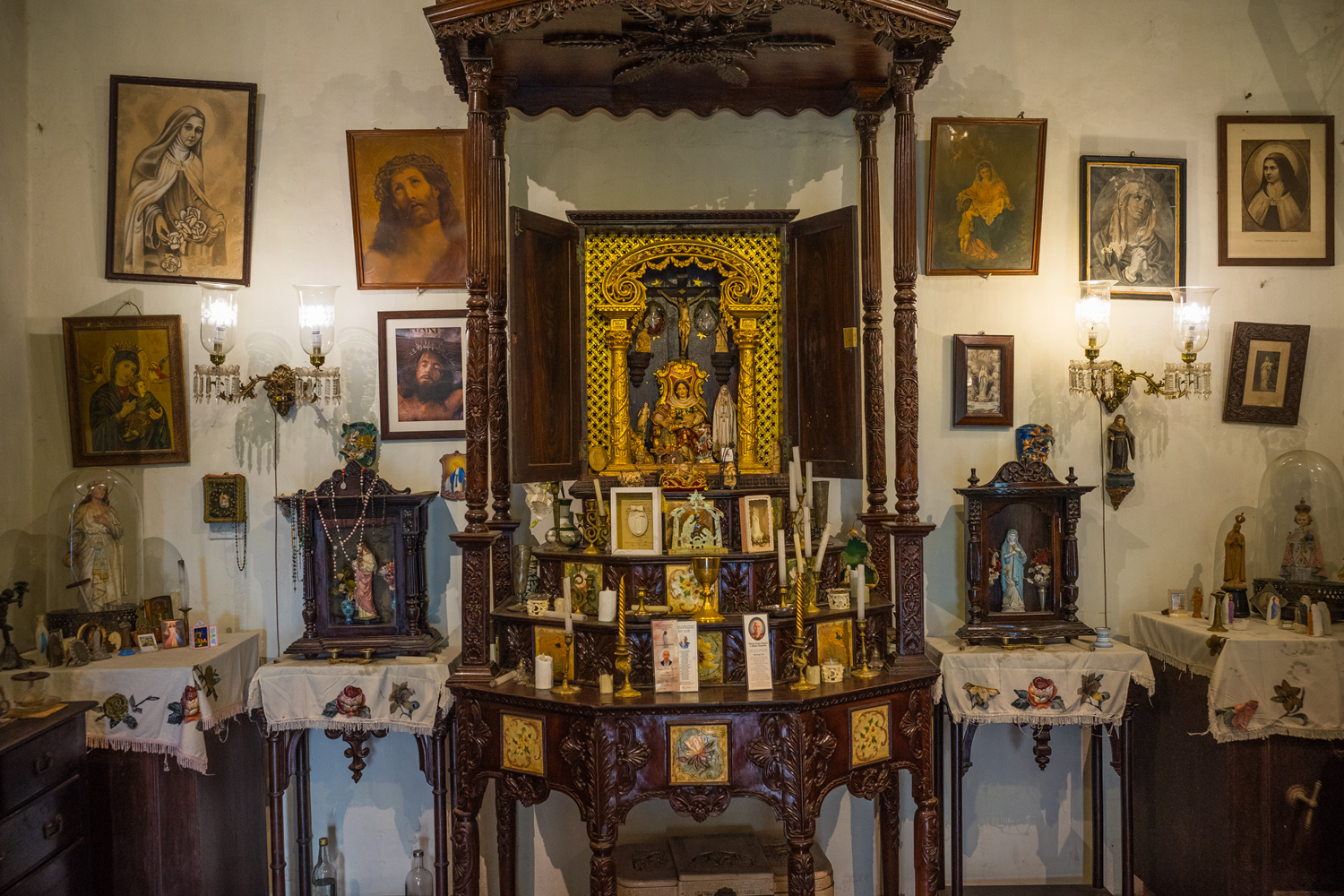
This 1770 part of the old mansion has a wonderful walk through to it, room after room.
..
..
|
||
 |
||
|
..
|
||
 |
||
|
..
|
||
 |
||
|
Jul 20, 2026 at 09:39 PM
p.21 #12Thypoch Simera 28mm f1.4 E-mount
For a lot of those who post a substantial number of images taken with edge-of-field lenses like the Simeras, the question arises as to where to post them. Having given this some thought, I think it's best to have separate categories for (i) image-centric content, and (ii) lens-centric content. For me, at least.
It will work better overall. Enthusiasts who already have some degree of interest in these lenses will visit the dedicated thread to find lens discussion, and the general membership will become more acquainted with what the lenses can achieve, if images are posted in the FE image thread. Of course some image will warrant being in both places.
It will work better overall. Enthusiasts who already have some degree of interest in these lenses will visit the dedicated thread to find lens discussion, and the general membership will become more acquainted with what the lenses can achieve, if images are posted in the FE image thread. Of course some image will warrant being in both places.
Jul 22, 2026 at 05:13 PM
p.21 #13Thypoch Simera 28mm f1.4 E-mount
I shoot a lot of depth-dependent imagery, where the sense of depth in the image is vital to its success. These lenses, and in particular the 28mm and 35mm, excel at this requirement. (Luckily, these are the two focal lengths made in E-mount, before the company decided to prevent E-mount users from having native mount options for the 21mm, 50mm and 75mm Simera lenses.)
A major benefit of a slower focus fade and greater retention of background content is that you can get away with a wider f-stop quite often; while still having the ability to blur the background using a closer camera-subject distance where possible.
I shoot a lot of material indoors - in museums, mansions, churches, monasteries, cafes and more besides. So my ability to have the luxury of simply stopping down and firing away is pretty much prevented. The ISO-S/s-Aperture juggle is ever-present for this kind of work.
The lens has many attributes that assist - color discrimination, warmth, fade character, fast aperture viability, size/weight, among others. As cine-oriented lenses, these characteristics are key.
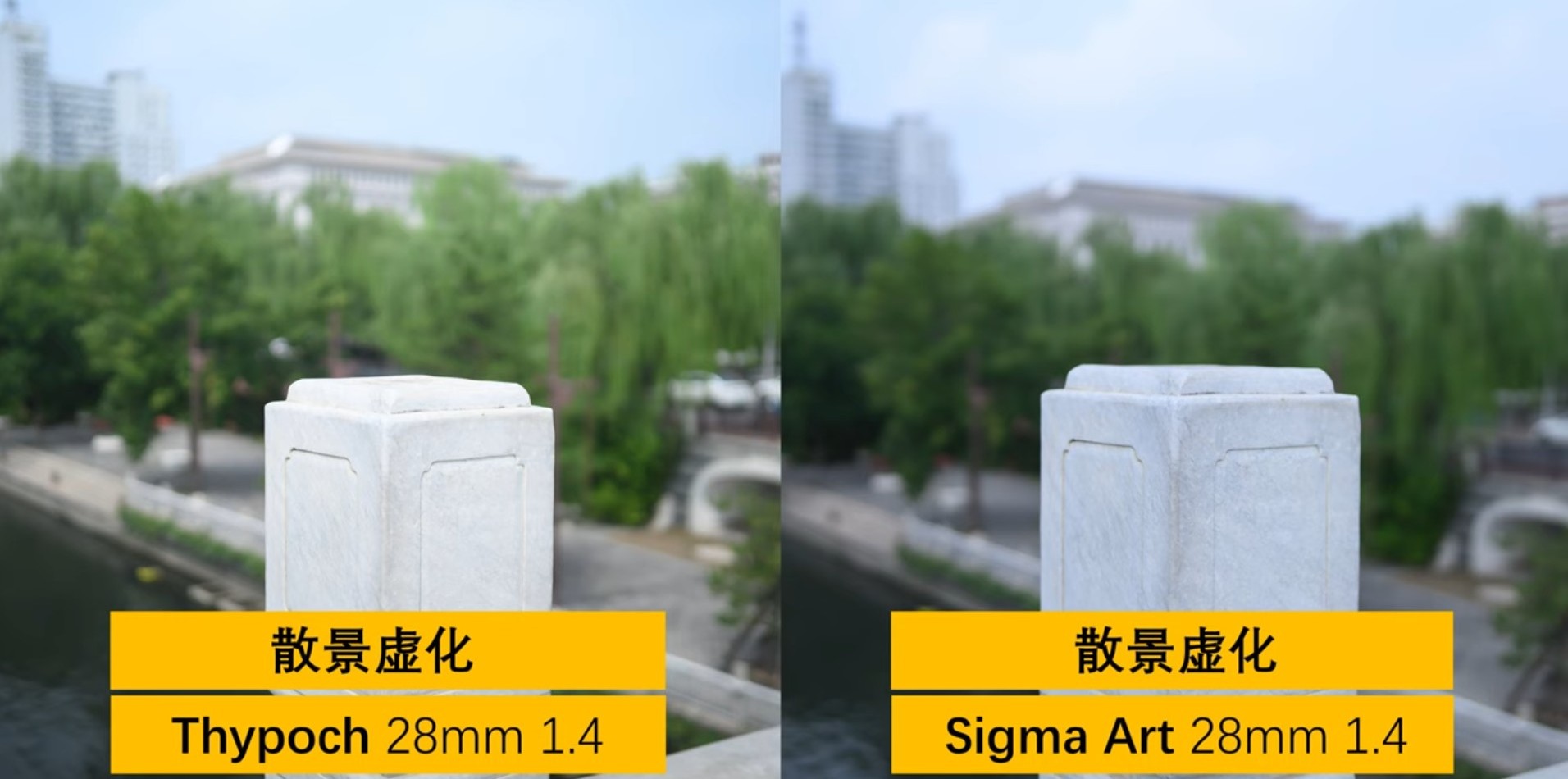
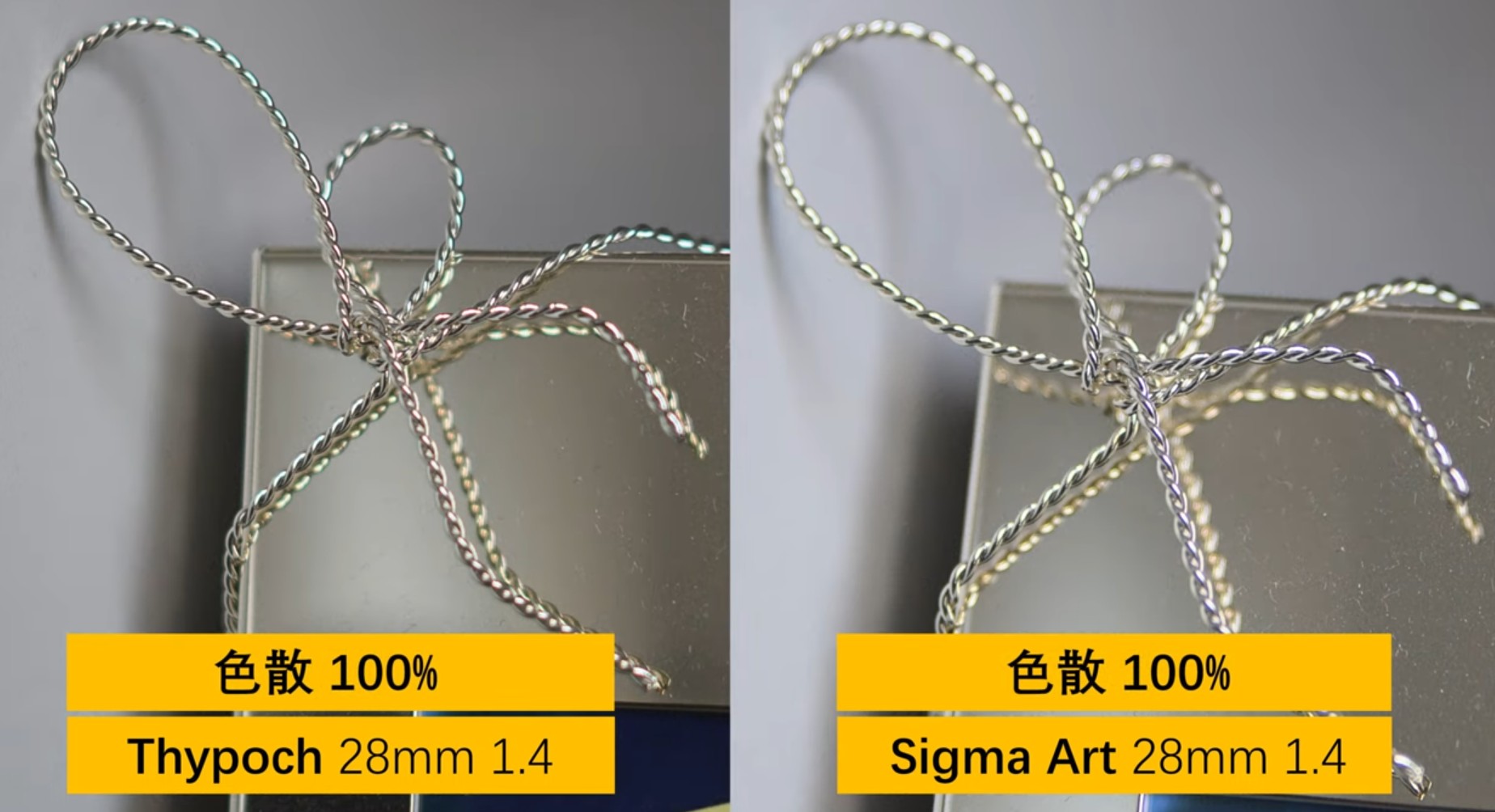
The one I want to highlight here is detail retention in bokeh. This issue is becoming prominent in the cine world, such that slower fade from focus and detail inside bokeh are now features of some high end lens ranges.
Below, see the extra valuable information to be see in the Simera 28/1.4 as compared to a Sigma lens of the same configuration. It's very obvious both in distance images and in close up images. The Sigma values its own out-of-focus material more than your image content. That's the upshot.
..
A major benefit of a slower focus fade and greater retention of background content is that you can get away with a wider f-stop quite often; while still having the ability to blur the background using a closer camera-subject distance where possible.
I shoot a lot of material indoors - in museums, mansions, churches, monasteries, cafes and more besides. So my ability to have the luxury of simply stopping down and firing away is pretty much prevented. The ISO-S/s-Aperture juggle is ever-present for this kind of work.
The lens has many attributes that assist - color discrimination, warmth, fade character, fast aperture viability, size/weight, among others. As cine-oriented lenses, these characteristics are key.
The one I want to highlight here is detail retention in bokeh. This issue is becoming prominent in the cine world, such that slower fade from focus and detail inside bokeh are now features of some high end lens ranges.
Below, see the extra valuable information to be see in the Simera 28/1.4 as compared to a Sigma lens of the same configuration. It's very obvious both in distance images and in close up images. The Sigma values its own out-of-focus material more than your image content. That's the upshot.
|
||
 |
||
|
..
|
||
 |
||
|
Jul 22, 2026 at 05:39 PM
p.21 #14Thypoch Simera 28mm f1.4 E-mount
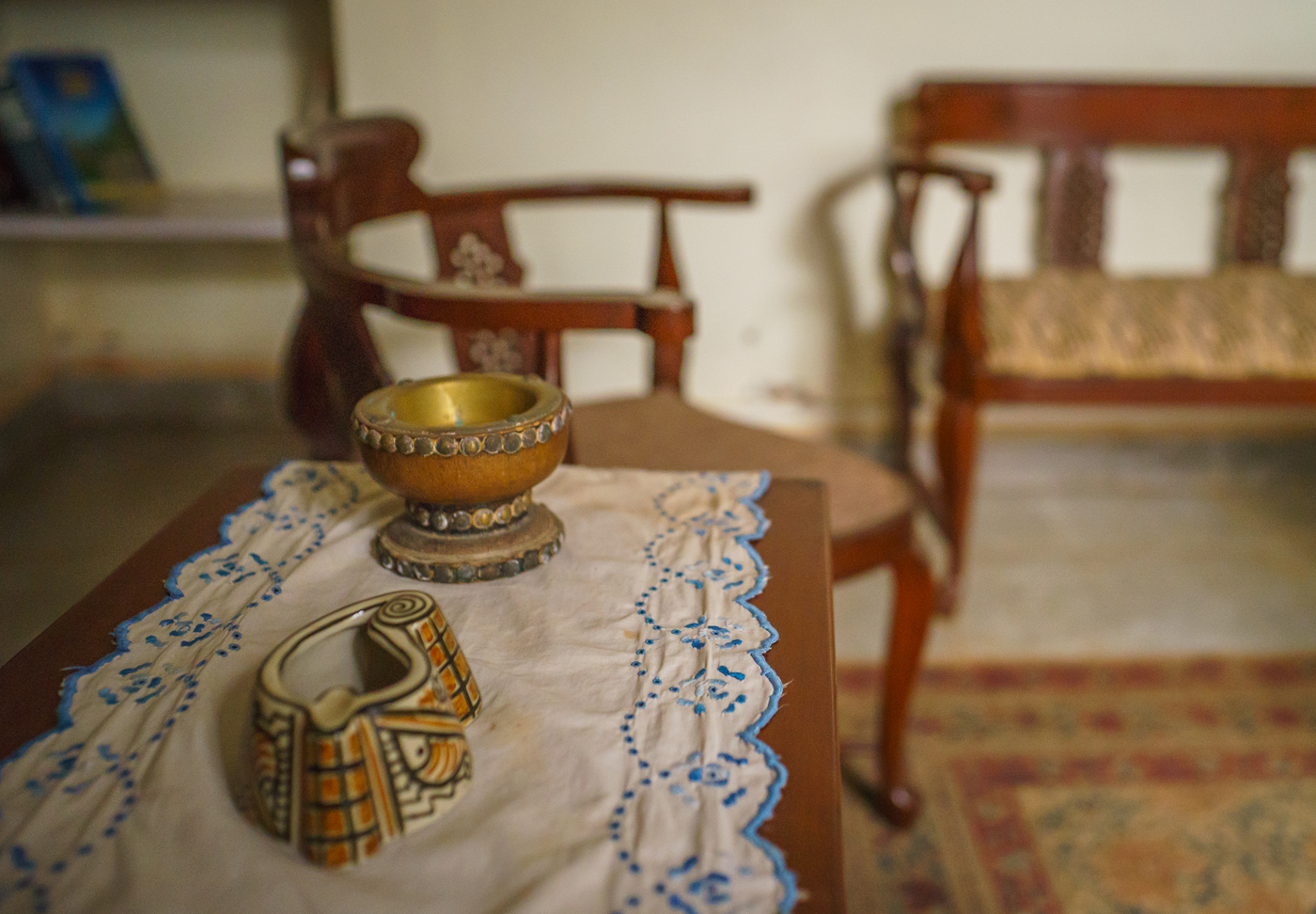
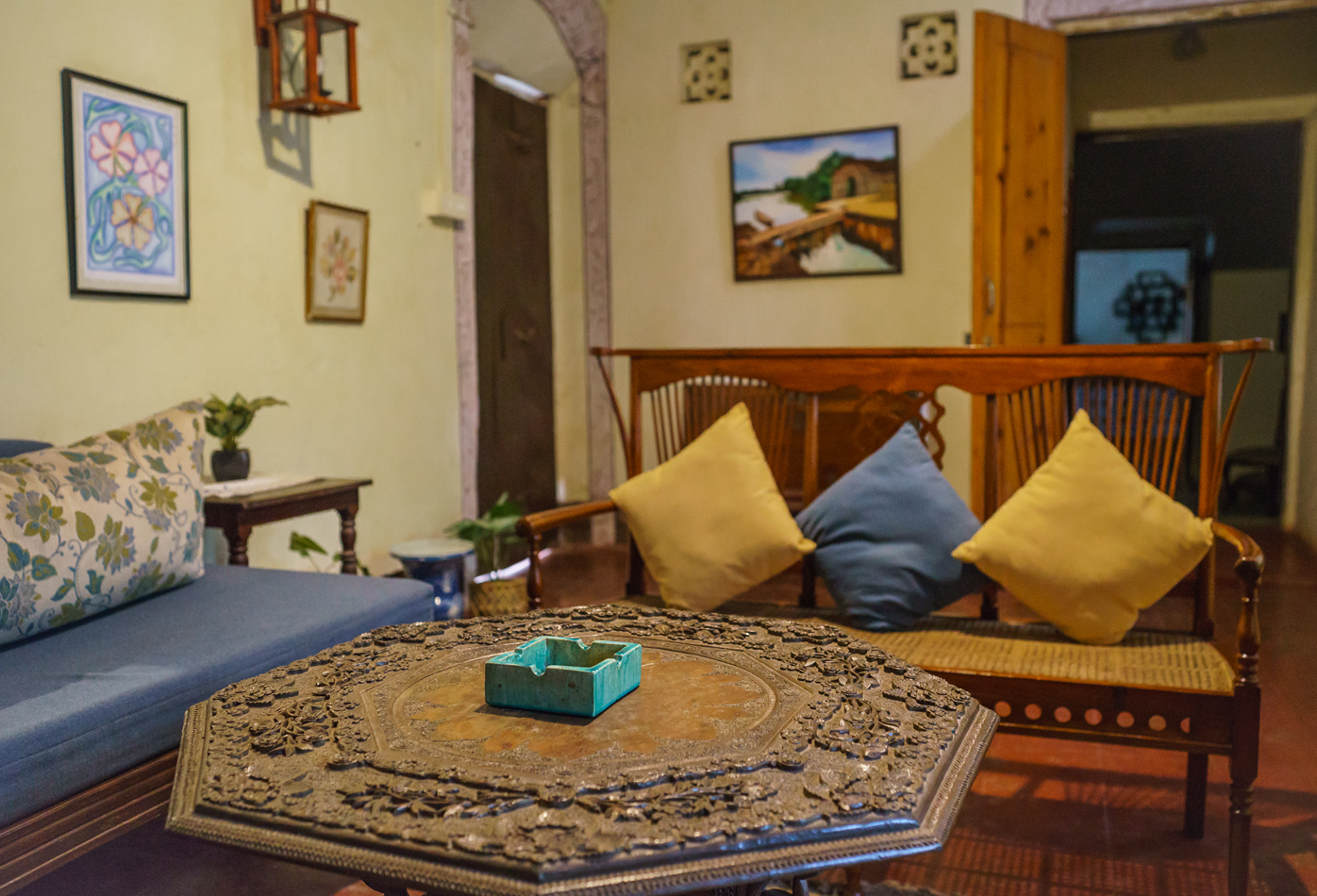
Here are a couple of images that show the attention Thypoch put into its fade character and out-of-focus detail depiction. It's a very enjoyable way to shoot certain subjects, even if (unlike me) you have to option to secure more DOF via better light. Both images feature a strong nearby focal plane (the ashtrays) yet give the viewer a pleasant entree into the background content.
.. ISO 3200 / 1/20s ..
.. ISO 3200 / 1/40s ..
|
||
 |
||
|
.. ISO 3200 / 1/20s ..
|
||
 |
||
|
.. ISO 3200 / 1/40s ..
Jul 22, 2026 at 05:47 PM
p.21 #15Thypoch Simera 28mm f1.4 E-mount
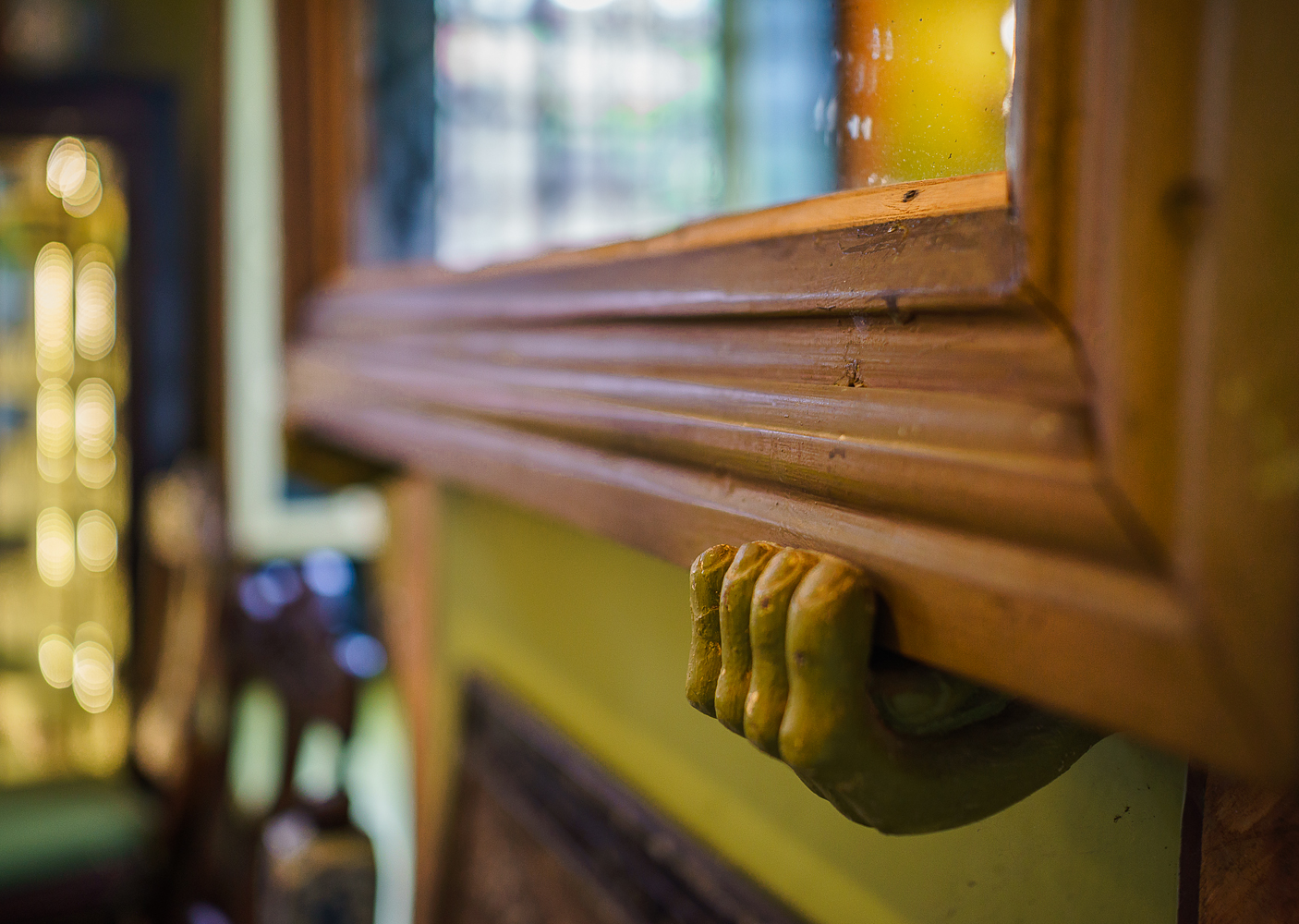
I really like 'arty' images nowadays, so here is one which also shows the close focus bokeh (and color) of the 28mm. This lens is still surprising me, even as I now have full confidence in its bokeh.
|
||
 |
||
|
Jul 22, 2026 at 05:52 PM
p.21 #16Thypoch Simera 28mm f1.4 E-mount
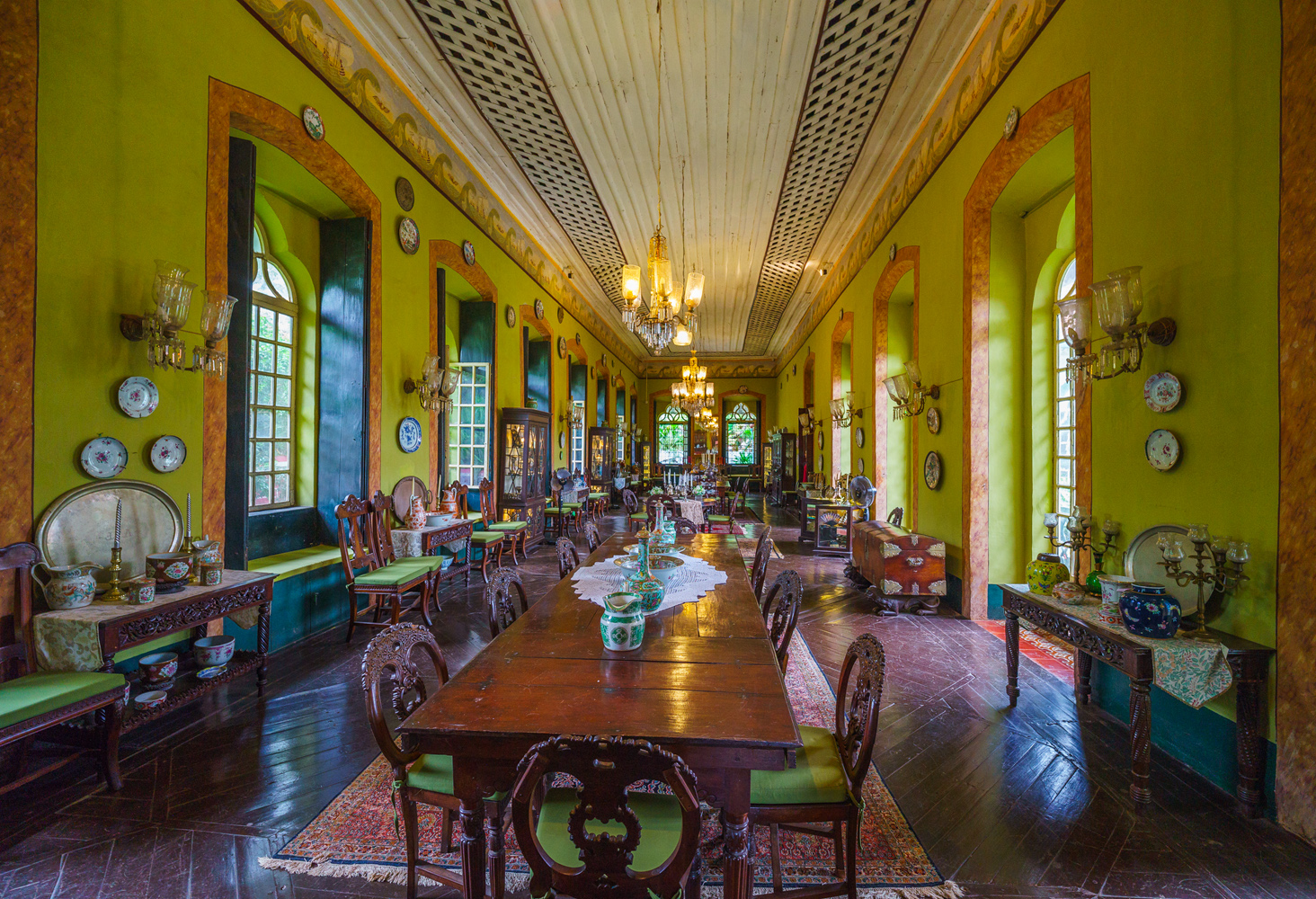
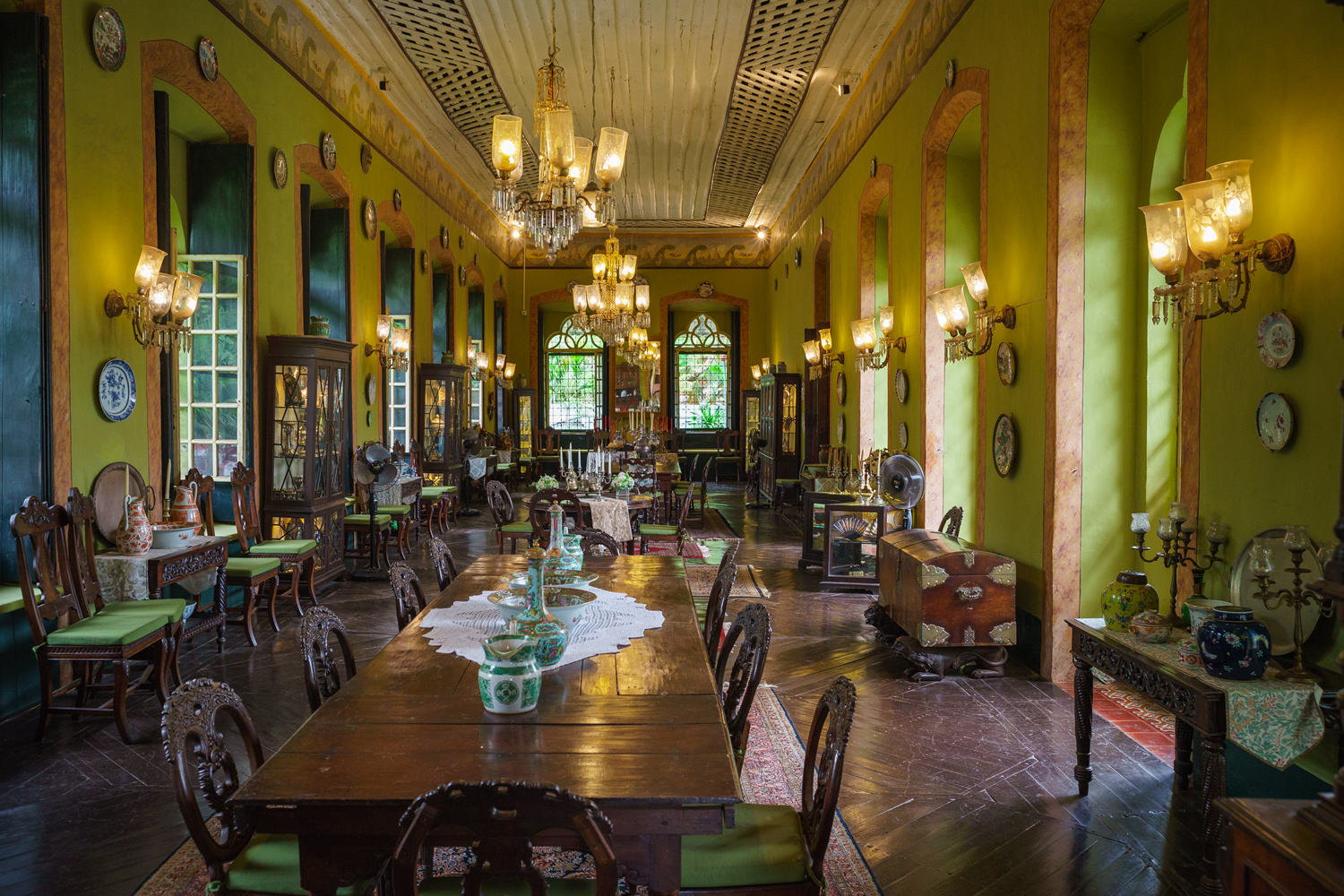
The same composition shot with (i) Viltrox 14/4 and (ii) Simera 28/1.4.
Viltrox 14/4
Simera 28/1.4
|
||
 |
||
|
Viltrox 14/4
|
||
 |
||
|
Simera 28/1.4
Jul 26, 2026 at 01:26 AM