Thypoch Simera 50mm f/1.4 ASPH. Review
p.9 #1Thypoch Simera 50mm f/1.4 ASPH. Review
Thypoch has announced a limited-time 15% discount on all their lenses, starting today. They are also offering free shipping to FM members with the code “FREDMIRANDA” at checkout.
For more details, visit their store: https://www.thypoch.store/products
I haven’t tried it myself, but the free shipping code should work. With the discount, the Simera 50mm f/1.4 ASPH should be priced at $599.
For more details, visit their store: https://www.thypoch.store/products
I haven’t tried it myself, but the free shipping code should work. With the discount, the Simera 50mm f/1.4 ASPH should be priced at $599.
Nov 11, 2024 at 10:47 AM
p.9 #2Thypoch Simera 50mm f/1.4 ASPH. Review
I just got surprise notification from that my copy will be delivered by 10:30am. Usually B&H notifies me when they ship. Somehow this was missed. But surprises are good.
Hopefully, I will be able to contribute to this thread soon.
Hopefully, I will be able to contribute to this thread soon.
Nov 11, 2024 at 10:51 AM
p.9 #3Thypoch Simera 50mm f/1.4 ASPH. Review
Since most characteristics about this lens are all but indistinguishable from the Leica 50mm Lux one of the big difference is the smoothness and shape of the bokeh. The Simera has gorgeous smooth round balls. The Lux has angular shapes which is very unattractive to me. The video below demonstrates this perfectly. Watch starting at minute 8:10 to see the difference clearly.
The monetary savings are very nice as well of course...
The monetary savings are very nice as well of course...
Nov 11, 2024 at 11:21 AM
p.9 #4Thypoch Simera 50mm f/1.4 ASPH. Review
Savings are on B&H also, not on the cine lenses....
https://www.bhphotovideo.com/c/search?q=Thypoch%20Simera%20&sts=ma
Fred Miranda wrote:
Thypoch has announced a limited-time 15% discount on all their lenses, starting today. They are also offering free shipping to FM members with the code “FREDMIRANDA” at checkout.
For more details, visit their store: https://www.thypoch.store/products
I haven’t tried it myself, but the free shipping code should work. With the discount, the Simera 50mm f/1.4 ASPH should be priced at $599.
Nov 11, 2024 at 11:40 AM
p.9 #5Thypoch Simera 50mm f/1.4 ASPH. Review
Fred Miranda wrote:
Thypoch has announced a limited-time 15% discount on all their lenses, starting today. They are also offering free shipping to FM members with the code “FREDMIRANDA” at checkout.
For more details, visit their store: https://www.thypoch.store/products
I haven’t tried it myself, but the free shipping code should work. With the discount, the Simera 50mm f/1.4 ASPH should be priced at $599.
Nice! Based on your review thus far I've decided to give it a shot--used the code.
Nov 11, 2024 at 11:44 AM
p.9 #6Thypoch Simera 50mm f/1.4 ASPH. Review
highdesertmesa wrote:
+1
Optically ... too close to call
Haptics ... personal preference
Budget vs. Size / Handling seems to be the most significant diff's, not IQ.I would say flare is the biggest difference. Just my two cents that the Lux flare is much more cinematic and appealing. The flare shots into the sun with the Lux in Fred's tests evoke a positive emotion to me, whereas the non-flaring Simera is just documentary in feel.
There actually is a 50 Lux ASPH "flare" thread here from a few years ago: https://www.fredmiranda.com/forum/topic/1688116
---------------------------------------------
serhan_ wrote:
You can add a mist filter if you want the flaring affect:
https://www.fredmiranda.com/forum/topic/1695216/0&year=2021#15557502
I'm guessing it won't be the same as natively available out of the Lux ASPH, such as its distinctive wide open 'ring' flare (see examples in the link above).
1bwana1 wrote:
Since most characteristics about this lens are all but indistinguishable from the Leica 50mm Lux one of the big difference is the smoothness and shape of the bokeh. The Simera has gorgeous smooth round balls. The Lux has angular shapes which is very unattractive to me. The video below demonstrates this perfectly. Watch starting at minute 8:10 to see the difference clearly.
The monetary savings are very nice as well of course...
Didn't Leica change the aperture design of the 50 Lux ASPH refresh so that they're rounder? Of course, the 'ninja star' bokeh effect is definitely a downside of the original version in the f/2.5-4.5 range.
RustyBug wrote
rji2goleez wrote
The thing is, if we have to look this closely to find differences, and those differences are so subtle and small, it's a win for the Simera.Optically ... too close to call
Haptics ... personal preference
Budget vs. Size / Handling seems to be the most significant diff's, not IQ.
There actually is a 50 Lux ASPH "flare" thread here from a few years ago: https://www.fredmiranda.com/forum/topic/1688116
---------------------------------------------
serhan_ wrote:
You can add a mist filter if you want the flaring affect:
https://www.fredmiranda.com/forum/topic/1695216/0&year=2021#15557502
I'm guessing it won't be the same as natively available out of the Lux ASPH, such as its distinctive wide open 'ring' flare (see examples in the link above).
1bwana1 wrote:
Since most characteristics about this lens are all but indistinguishable from the Leica 50mm Lux one of the big difference is the smoothness and shape of the bokeh. The Simera has gorgeous smooth round balls. The Lux has angular shapes which is very unattractive to me. The video below demonstrates this perfectly. Watch starting at minute 8:10 to see the difference clearly.
The monetary savings are very nice as well of course...
Didn't Leica change the aperture design of the 50 Lux ASPH refresh so that they're rounder? Of course, the 'ninja star' bokeh effect is definitely a downside of the original version in the f/2.5-4.5 range.
Nov 11, 2024 at 11:46 AM
p.9 #7Thypoch Simera 50mm f/1.4 ASPH. Review
Yes- @rscheffler Leica Changed the Aperture blades from 9 to 11 with the updated version.
So Fred is comparing the older model lens with the new Simera- So take that for what its worth-
Edited on Nov 11, 2024 at 12:15 PM · View previous versions
So Fred is comparing the older model lens with the new Simera- So take that for what its worth-
Edited on Nov 11, 2024 at 12:15 PM · View previous versions
Nov 11, 2024 at 12:12 PM
p.9 #8Thypoch Simera 50mm f/1.4 ASPH. Review
Steve Spencer wrote:
My guess is that Thypoch wanted more consistency between the 35mm and 50mm given they are part of the same set of cine lenses too. To my eye the 35 lux Asph FLE doesn't look much like the 50 lux Asph, so it seems they may have tried to create a consistent look and they went with the look of the 50 lux Asph as a template. If that is what they did, then the 50 would be a very close replica of the 50 lux Asph, but the 35 although clearly based on the lens design from the 35 lux Asph FLE, appears to have been tweaked more and perhaps those tweaks were to try to make it look more like the 50 (and therefore the 50 lux Asph).Good thought Steve but not sure I agree. From what we are seeing from Fred, this 50/1.4 is pretty high contrast (aside from flare interference)--maybe not quite as high as the 50 Lux, but pretty similar with a better midzone. The 50 Lux and 35 Lux (you have owned both, but tell me if you disagree) are both quite high contrast WO, especially centrally.
The 35/1.4 Simera is soft WO. My copy, even centrally, shot on a modded sensor or Stock, had pretty diminished contrasts. Resolution was fine.
So, to my mind, we have 3 of 4 lenses with quite high contrast WO, and one outlier. Having said that, your theory might hold and be right with the other aspecs from Thypoch--like flare, bokeh with the rounded many blades, etc.
We see they already dropped the horrible infinite lock. So there is inconsistency there already. I just think they released a not great 35mm, and they are learning as they go, as many newer companies do.
Makes me wonder what the 75mm will shoot like.
And now that I think about it, what Thypoch did reminds me a bit of the ZA 35/1.4 and ZA 50/1.4, with one being much high contrast than the other.After reviewing more pictures from the Simera 35, I think you are right that it really has fairly low contrast even in the center and in that way it is quite different from the Leica M 35 lux Asph FLE, the Leica 50 lux Asph, and the Simera 50 f/1.4. Thanks for pointing that out. If Thypoch was aiming for a similar look for the 35 f/1.4 and 50 f/1.4 Simera then they really didn't achieve that for contrast, perhaps in bokeh and perhaps in more even performance across the frame, but not in contrast which I find pretty...Show more →
I ordered the lens out of curiosity and because it had an optical lens very similar to the 35 Lux FLE. The bokeh seems to be smother, both in structure and because it's lower contrast from what I could tell, though I did not compare them directly.
One thing about the 35/1.4 Simera, when it's as soft (as in low contrast, resolution is fine), and with the short focus throw from .7 to infinite, cramped focus ring because of the Bolox, it's really easy to misfocus. I have been using EVF to MF fast lenses since the a7 I purchased at launch, and I found this lens exceptionally frustrating. And then add the infinite lock lol.
For me, the 35/1.4 is low contrast with pretty unremarkable color and fairly smooth bokeh. So super boring. The 28/1.4 follows a similar draw. The reason this 50/1.4 interest me is because at least we have strong micro-contrast and punch. As far as M-35mm's, I keep a CV 35/2 ultron as my constant. I like the ZM 35/1.4, 35 Lux FLE as the faster alternatives with a lot of bite. I like the CV 35/1.7 and 35/1.2 vIII, but less so. All have issues--I bounce between them over the years depending on what I want at that moment.
Just a thought, I can't recommend highly enough modding your sensor. I have an a7rII since 2020 and it's been fantastic. But I might look into NKIR over Kolari. Having used both, I much prefer the NKIR, and sebboh, no longer too active, is looking to get another camera modded. He's going with NKIR over another Kolari UT.
What I am very curious about now is how the 21 and 75 will render--closer to the 50 or the 28mm and 35mm's...
nehemiahphoto wrote
Steve Spencer wrote
nehemiahphoto wrote
I really wish Thypoch would have copied the 35 Lux FLE so closley.The 35/1.4 Simera is soft WO. My copy, even centrally, shot on a modded sensor or Stock, had pretty diminished contrasts. Resolution was fine.
So, to my mind, we have 3 of 4 lenses with quite high contrast WO, and one outlier. Having said that, your theory might hold and be right with the other aspecs from Thypoch--like flare, bokeh with the rounded many blades, etc.
We see they already dropped the horrible infinite lock. So there is inconsistency there already. I just think they released a not great 35mm, and they are learning as they go, as many newer companies do.
Makes me wonder what the 75mm will shoot like.
And now that I think about it, what Thypoch did reminds me a bit of the ZA 35/1.4 and ZA 50/1.4, with one being much high contrast than the other.
I ordered the lens out of curiosity and because it had an optical lens very similar to the 35 Lux FLE. The bokeh seems to be smother, both in structure and because it's lower contrast from what I could tell, though I did not compare them directly.
One thing about the 35/1.4 Simera, when it's as soft (as in low contrast, resolution is fine), and with the short focus throw from .7 to infinite, cramped focus ring because of the Bolox, it's really easy to misfocus. I have been using EVF to MF fast lenses since the a7 I purchased at launch, and I found this lens exceptionally frustrating. And then add the infinite lock lol.
For me, the 35/1.4 is low contrast with pretty unremarkable color and fairly smooth bokeh. So super boring. The 28/1.4 follows a similar draw. The reason this 50/1.4 interest me is because at least we have strong micro-contrast and punch. As far as M-35mm's, I keep a CV 35/2 ultron as my constant. I like the ZM 35/1.4, 35 Lux FLE as the faster alternatives with a lot of bite. I like the CV 35/1.7 and 35/1.2 vIII, but less so. All have issues--I bounce between them over the years depending on what I want at that moment.
Just a thought, I can't recommend highly enough modding your sensor. I have an a7rII since 2020 and it's been fantastic. But I might look into NKIR over Kolari. Having used both, I much prefer the NKIR, and sebboh, no longer too active, is looking to get another camera modded. He's going with NKIR over another Kolari UT.
What I am very curious about now is how the 21 and 75 will render--closer to the 50 or the 28mm and 35mm's...
Nov 11, 2024 at 12:13 PM
p.9 #9Thypoch Simera 50mm f/1.4 ASPH. Review
serhan_ wrote:
Savings are on B&H also, not on the cine lenses....
https://www.bhphotovideo.com/c/search?q=Thypoch%20Simera%20&sts=ma
For more details, visit their store: https://www.thypoch.store/products
I haven’t tried it myself, but the free shipping code should work. With the discount, the Simera 50mm f/1.4 ASPH should be priced at $599.
Thanks for the heads up on the discount. B&H had shipped my lens on Friday at full price. It is not even delivered yet, so I called. They instantly adjusted the price down by the $150 discount and refunded the difference to my CC. B&H is awesome when it comes to customer service. The Fred Miranda community is awesome at everything!
Savings are on B&H also, not on the cine lenses....
https://www.bhphotovideo.com/c/search?q=Thypoch%20Simera%20&sts=ma
Fred Miranda wrote
Thypoch has announced a limited-time 15% discount on all their lenses, starting today. They are also offering free shipping to FM members with the code “FREDMIRANDA” at checkout.For more details, visit their store: https://www.thypoch.store/products
I haven’t tried it myself, but the free shipping code should work. With the discount, the Simera 50mm f/1.4 ASPH should be priced at $599.
Thanks for the heads up on the discount. B&H had shipped my lens on Friday at full price. It is not even delivered yet, so I called. They instantly adjusted the price down by the $150 discount and refunded the difference to my CC. B&H is awesome when it comes to customer service. The Fred Miranda community is awesome at everything!
Nov 11, 2024 at 12:59 PM
p.9 #10Thypoch Simera 50mm f/1.4 ASPH. Review
Fred Miranda wrote:
Thypoch has announced a limited-time 15% discount on all their lenses, starting today. They are also offering free shipping to FM members with the code “FREDMIRANDA” at checkout.
For more details, visit their store: https://www.thypoch.store/products
I haven’t tried it myself, but the free shipping code should work. With the discount, the Simera 50mm f/1.4 ASPH should be priced at $599.
Just when I think I can resist they tempt me again. Have we confirmed that this lens suffers like the Summilux in corners when adapted to a mirrorless camera with thick sensor glass? Thus, best used on an M body or a thin glass sensor?
Nov 11, 2024 at 01:59 PM
|
p.9 #11Thypoch Simera 50mm f/1.4 ASPH. Review
cbass wrote:
I don't notice any meaningful differences either. It is impressive the Simera can keep up wide open and draws like the Summilux. I wonder if Leica at some point will get annoyed and try to sue.
Sue a Chinese company, presumably in China? Good luck with that! Maybe Leica could try to block imports into the EU and/or US. They might find a more sympathetic audience with the next administration, or not. Recall the previous Trump administration levied a 25% tariff on German optics, which Leica bypassed with their Portugal-made series of lenses. What are the odds we'll see a repeat of that?
Leica is probably better off to focus the resources on a true 50 Lux redesign that once again pushes the envelope for a compact 50/1.4 (though $$$$$). Sure, some aspect of the Leica user base won't care because Leica is Leica and still has the better overall ergonomic/user experience. I'm guessing it won't be easy to create something that is optically unique this time around, given how good the competition has become over the past 10 years.
I don't notice any meaningful differences either. It is impressive the Simera can keep up wide open and draws like the Summilux. I wonder if Leica at some point will get annoyed and try to sue.
Sue a Chinese company, presumably in China? Good luck with that!
Maybe Leica could try to block imports into the EU and/or US. They might find a more sympathetic audience with the next administration, or not. Recall the previous Trump administration levied a 25% tariff on German optics, which Leica bypassed with their Portugal-made series of lenses. What are the odds we'll see a repeat of that? Leica is probably better off to focus the resources on a true 50 Lux redesign that once again pushes the envelope for a compact 50/1.4 (though $$$$$). Sure, some aspect of the Leica user base won't care because Leica is Leica and still has the better overall ergonomic/user experience. I'm guessing it won't be easy to create something that is optically unique this time around, given how good the competition has become over the past 10 years.
Nov 11, 2024 at 03:48 PM
p.9 #12Thypoch Simera 50mm f/1.4 ASPH. Review
Back to Quick Links
Focus Shift
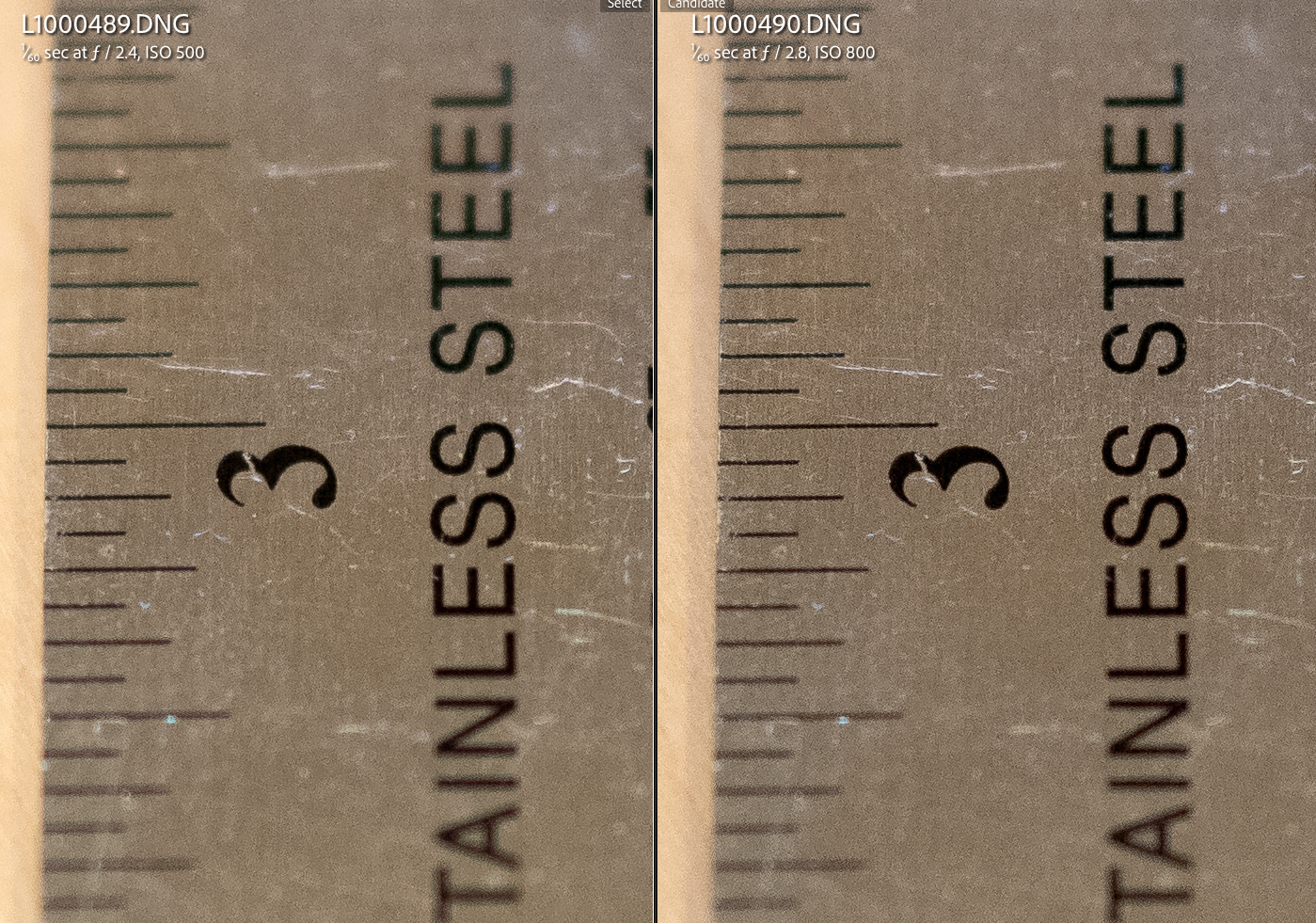
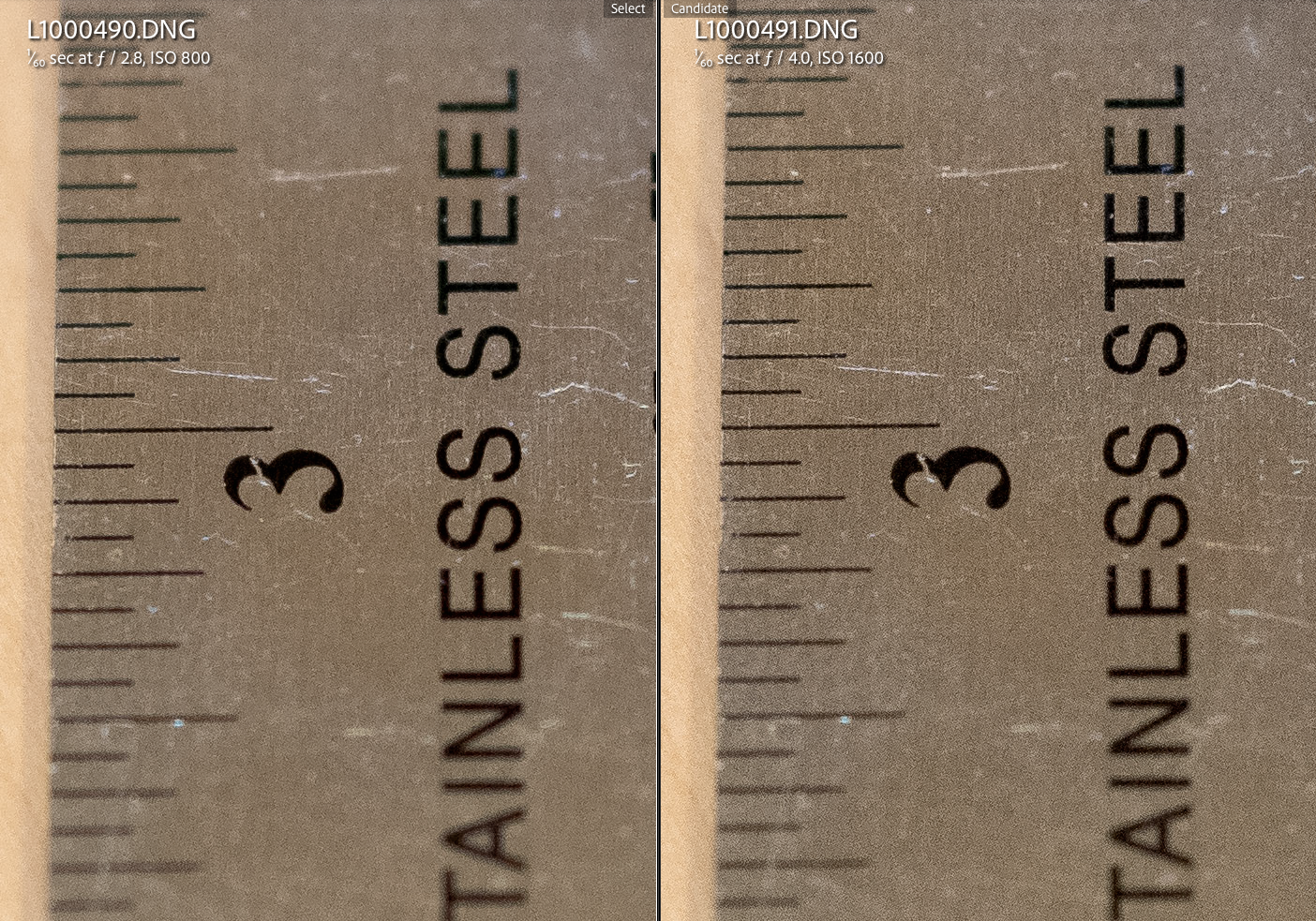
The Simera 50mm f/1.4 ASPH. lens is well-corrected for spherical aberration, even at close distances, thanks to its floating group. This design keeps focus shift nearly negligible. Although I believe no fast lens can be 100% free of focus shift --- which only matters when changing the aperture without refocusing, primarily affecting rangefinder shooters --- this lens performs well.
I observed a tiny shift, but that's only noticeable when analyzing the image at the pixel level. Even at this magnification, it remains unnoticeable in practical use.
For this test, I focused the lens at its widest aperture on the focal point (NUMBER 3) and then gradually stopped it down while maintaining the same focus.
Below is a comparison that demonstrates the focus shift by comparing the lens's performance at one-stop intervals from f/1.4, f/2 and f/2.8
 |
||
 |
||
|
LEFT (f/1.4) | RIGHT (f/2)
|
||
 |
||
|
LEFT (f/2) | RIGHT (f/2.8
Nov 11, 2024 at 03:59 PM
p.9 #13Thypoch Simera 50mm f/1.4 ASPH. Review
Back to Quick Links
Optical Vignetting and Specular Highlights shape
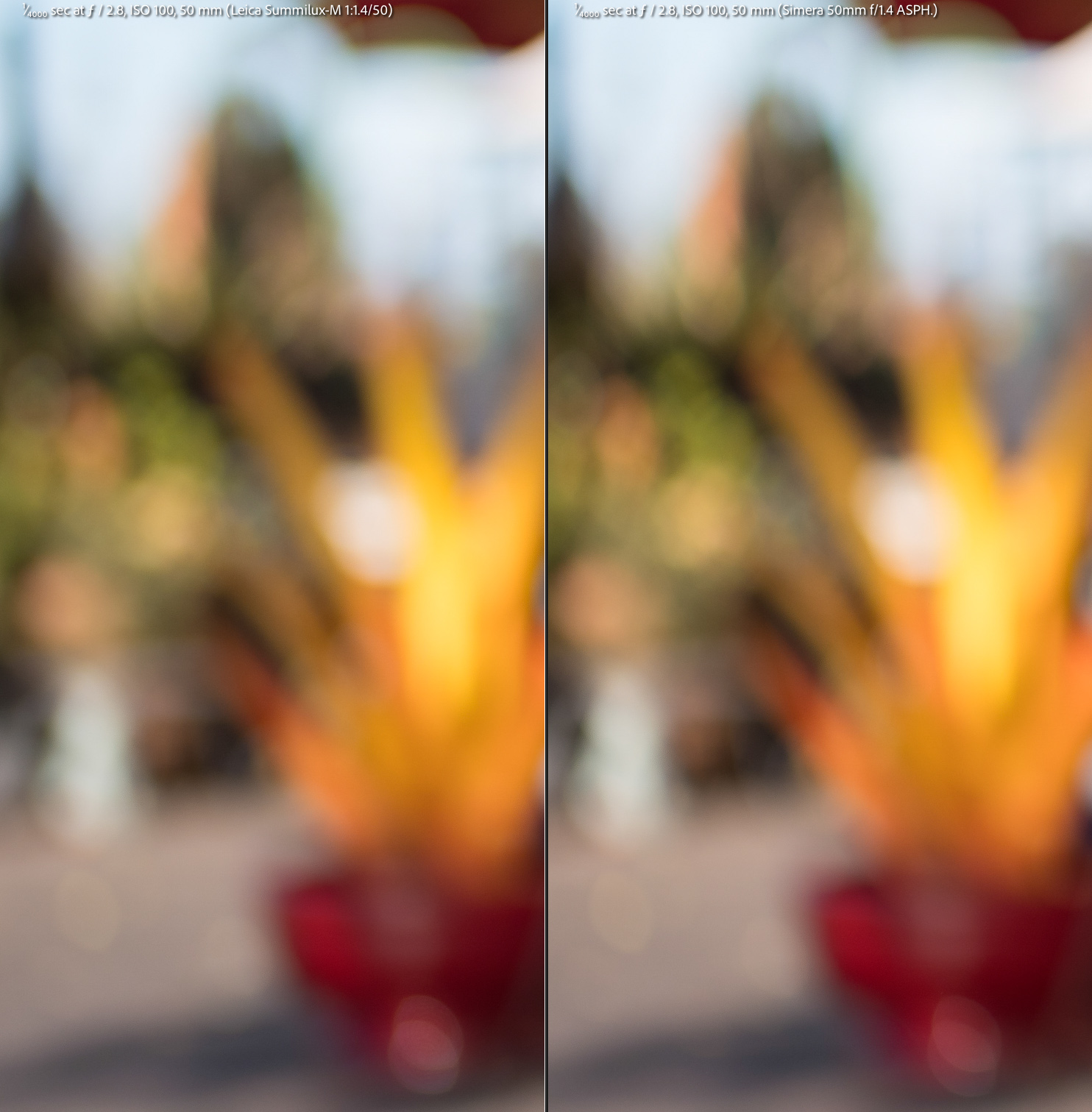
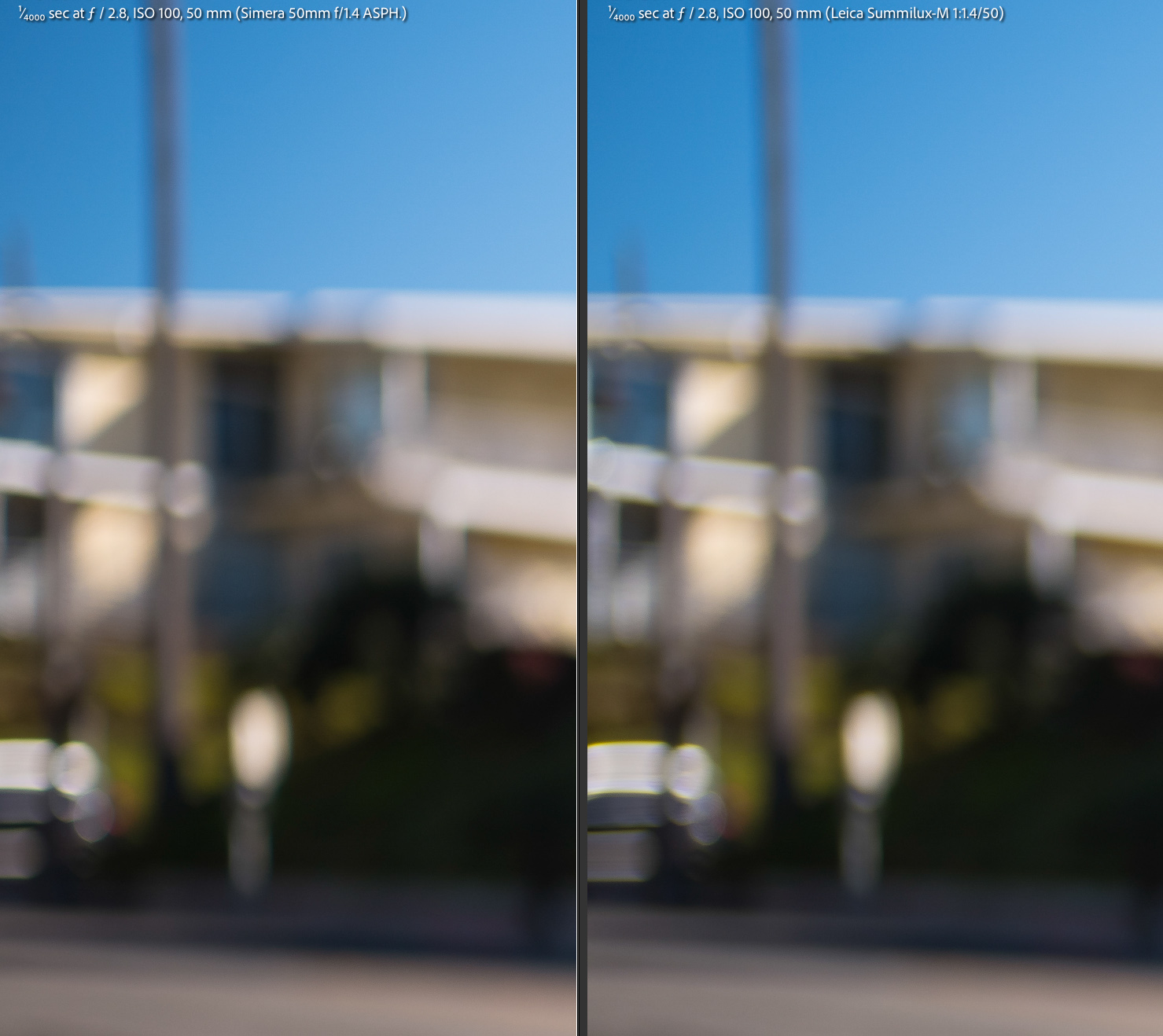
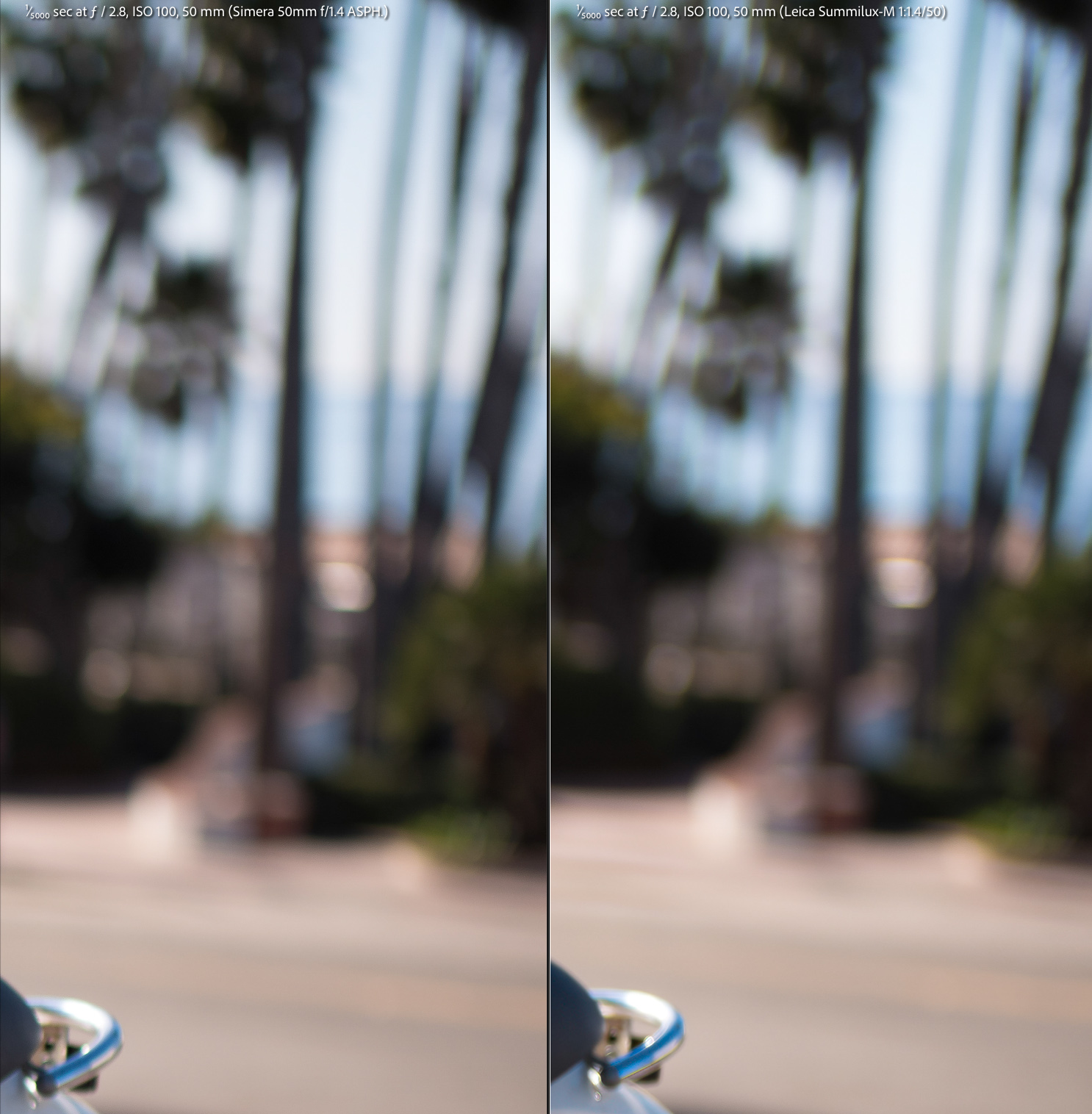
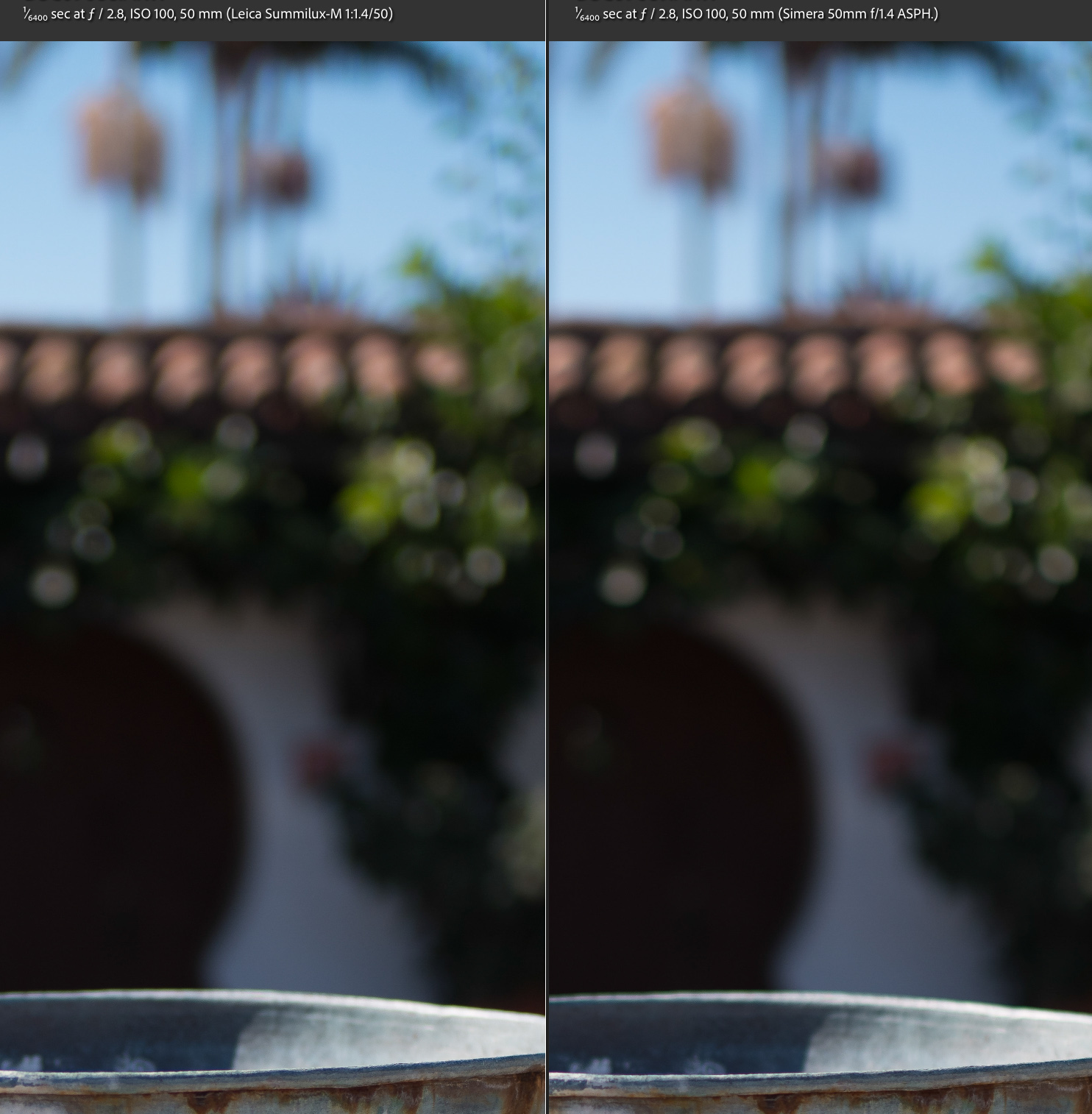
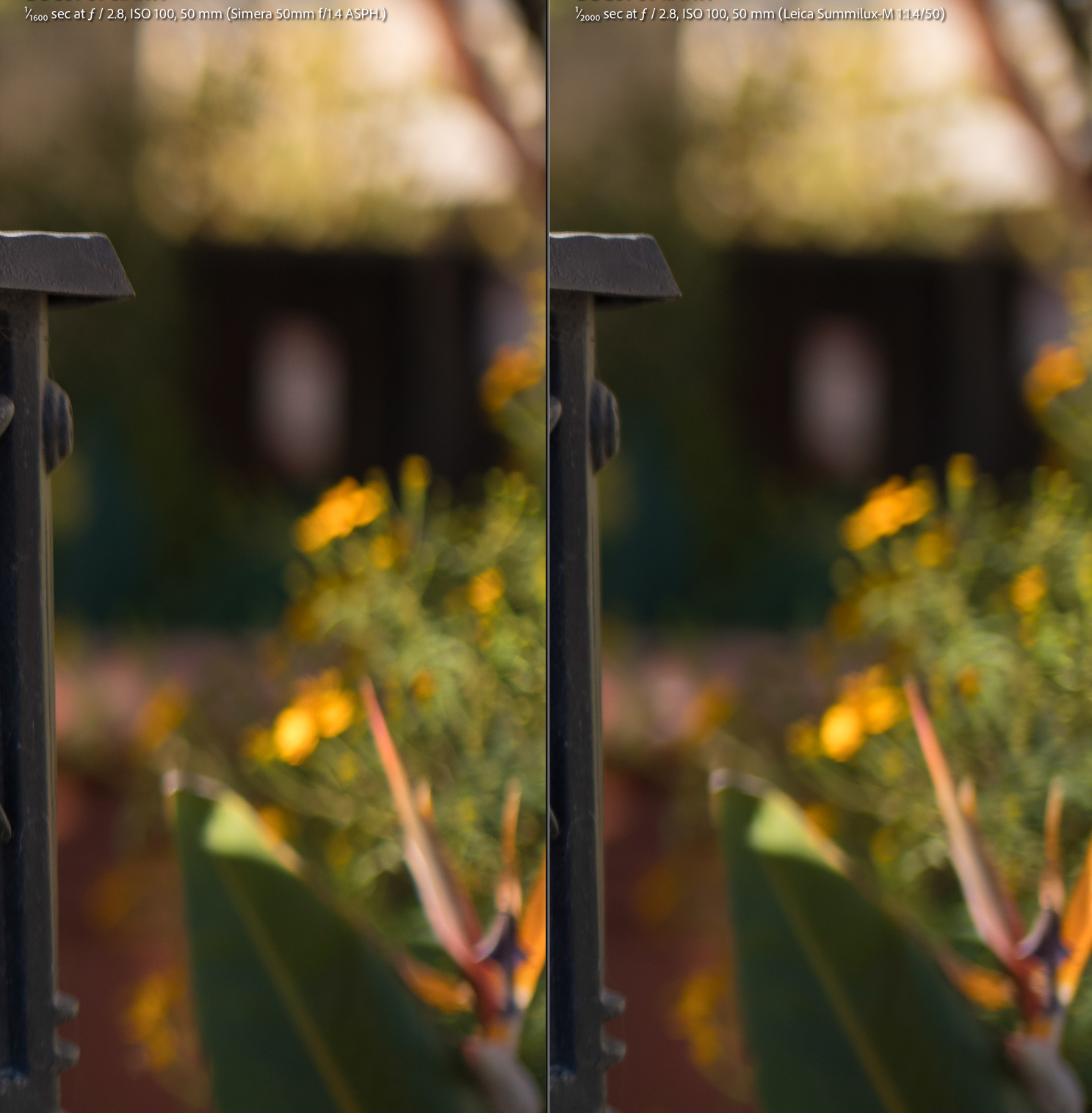
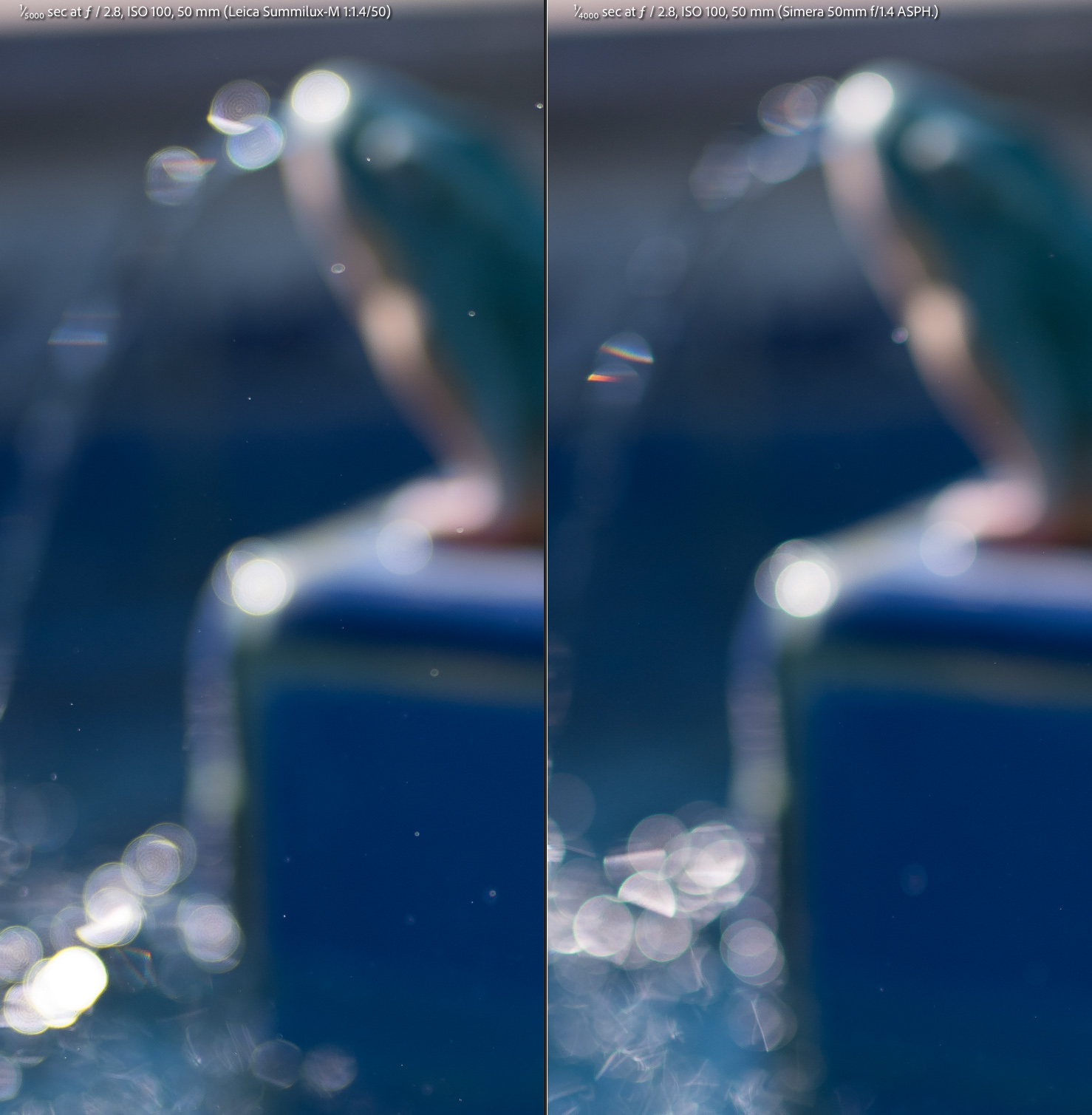
When it comes to optical vignetting and the shape of specular highlights, the Simera performs similarly to the Leica. In my comparisons, I see slightly higher vignetting (light fall-off) with the Simera, but this does not noticeably affect the shape of the specular highlights, resulting in no significant difference in 'optical' vignetting. Both lenses exhibit some cat's-eye-shaped bokeh towards the edges of the out-of-focus areas, but the shape is not extreme and is actually more rounded than many other fast 50mm lenses. Overall, there's nothing to worry about with either lens during normal shooting..
However, I did notice a more pronounced inner structure in the specular highlights of the Leica. While both lenses feature an aspherical surface, the Simera's inner structure appears much cleaner.
See the sample crops below:
|
||
 |
||
|
Similar shaped specular highlights are seen towards the corners, with the Leica showing more inner structure.
|
||
 |
||
|
Similar shaped specular highlights are seen towards the corners with the Simera slighly rounder, with the Leica showing more inner structure.
|
||
 |
||
|
Similar shaped specular highlights are seen towards the corners.
|
||
 |
||
|
Similar shaped specular highlights are seen towards the corners.
|
||
 |
||
|
Similar shaped specular highlights are seen towards the corners.
|
||
 |
||
|
Specular highlights towards the corners have similar shapes, but the Leica shows more inner structure. Though this effect is rare and occurs only when the blur doesn't fully mask it, the onion ring pattern is quite noticeable with the Leica here.
Nov 11, 2024 at 04:22 PM
p.9 #14Thypoch Simera 50mm f/1.4 ASPH. Review
Back to Quick Links
Chromatic Aberration Control
Axial CA:
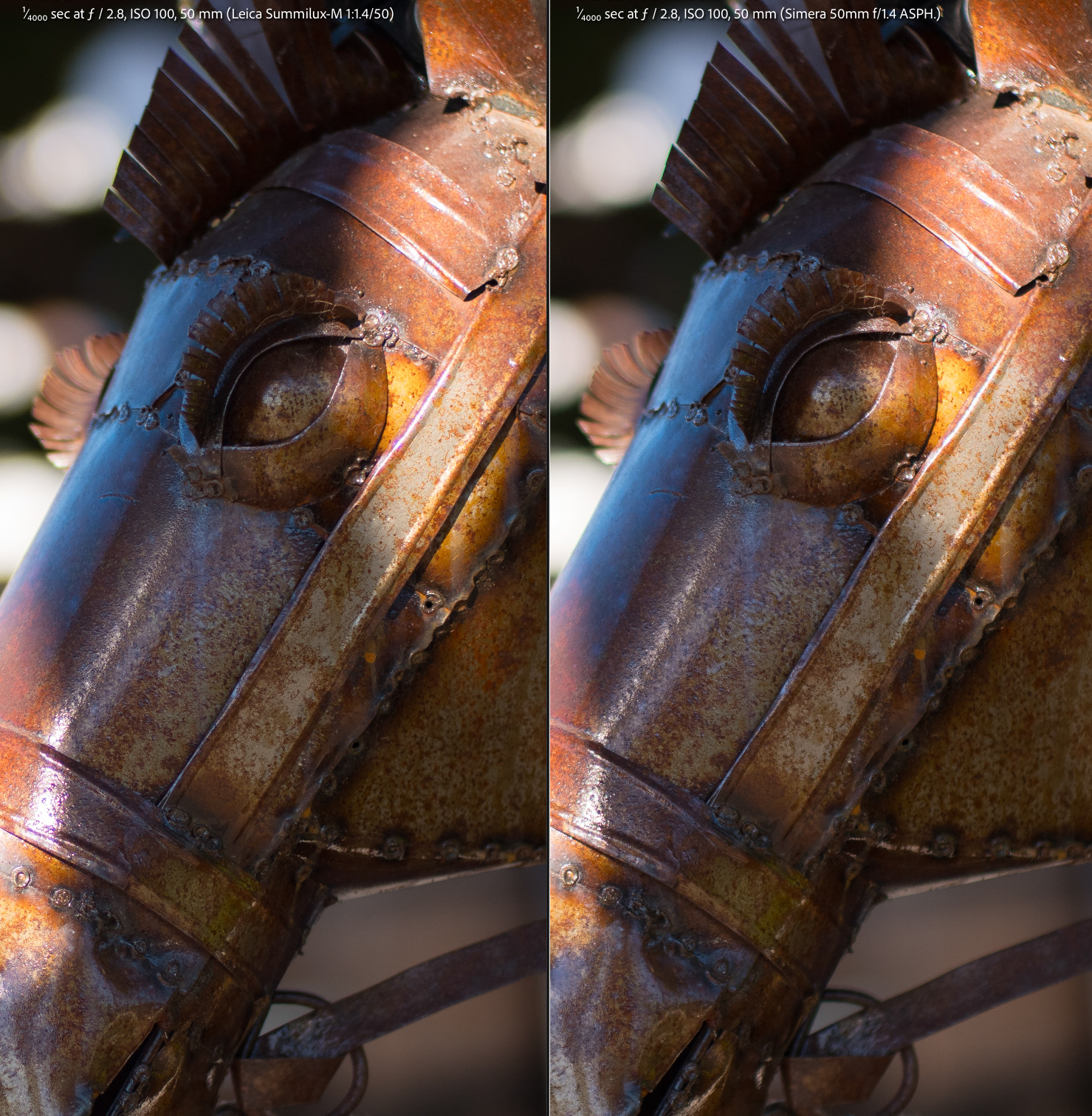
The Leica 50mm f/1.4 Summilux is renowned for its excellent correction of axial chromatic aberration. Axial CA, appearing as purple fringing on the focus plane and magenta/green fringing off-axis, becomes noticeable only under extreme high contrast conditions. Some even suggest that the Leica should be named "APO," though f/1.4 APO lenses are quite rare.
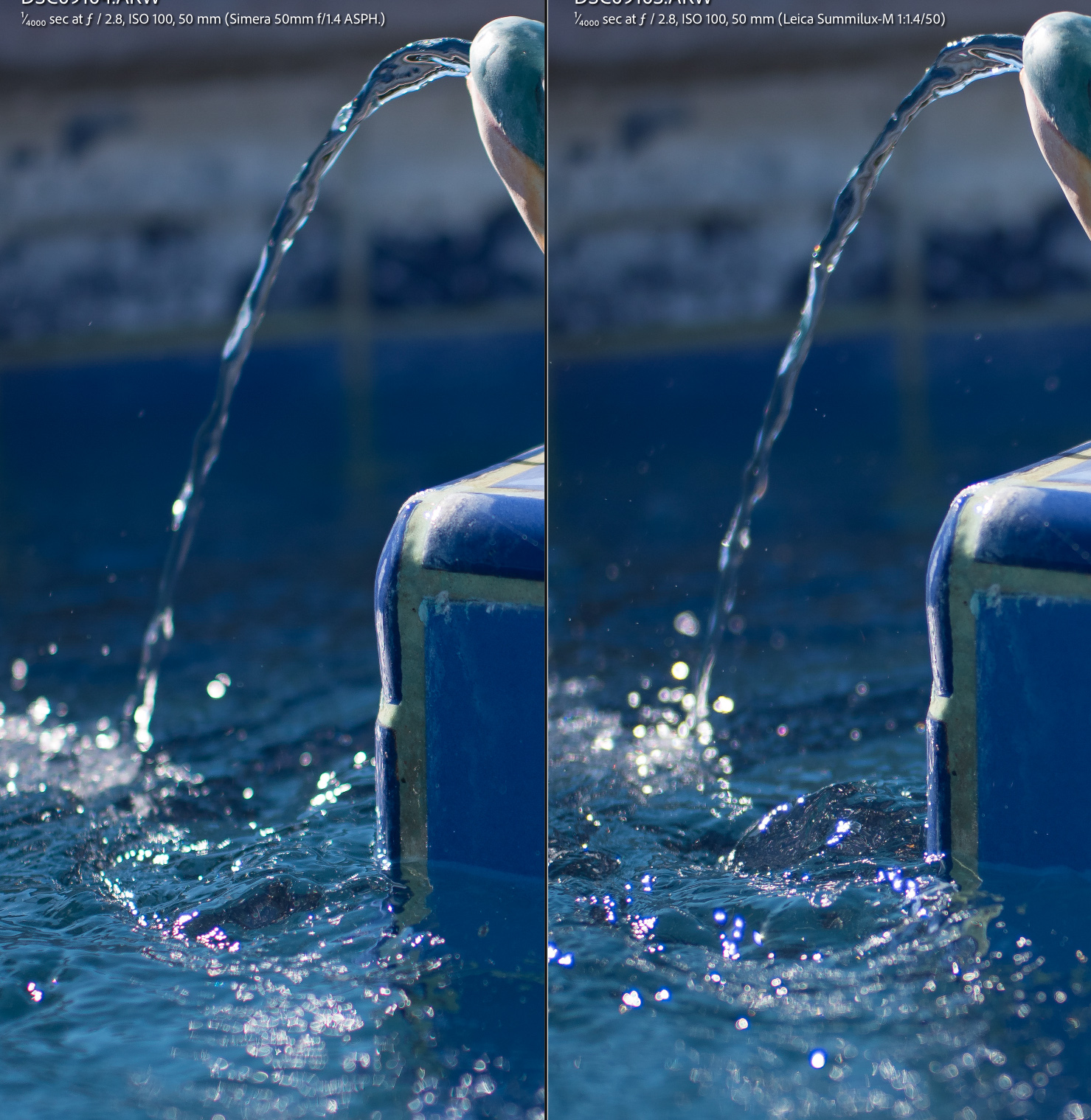
The Simera lens follows a similar pattern, with axial CA visible only in ultra-high contrast areas. However, I've noticed that the Leica can occasionally show slightly more purple fringing in certain instances (see example).
|
||
 |
||
|
Slightly higher purple fringing for the Leica
|
||
 |
||
|
Both lenses exhibit fringing under extremely high contrast lighting. However, in normal usage, it's rare to see any axial chromatic aberration in either lens.
Nov 11, 2024 at 05:01 PM
p.9 #15Thypoch Simera 50mm f/1.4 ASPH. Review
Lateral CA:
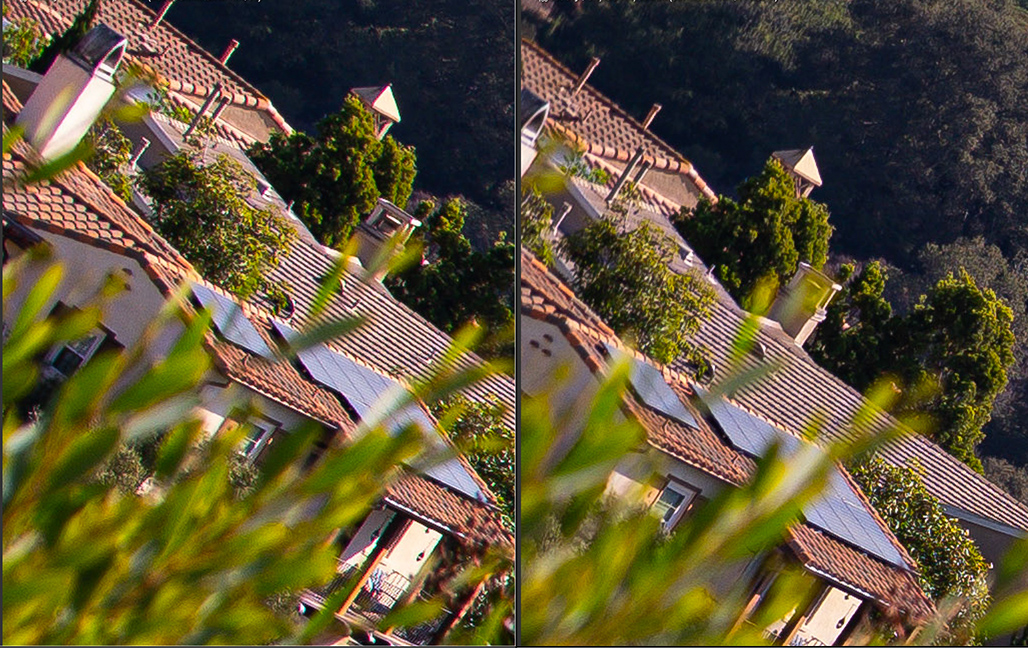
In terms of lateral chromatic aberration, which appears towards the corners of the frame at any aperture, the Simera performs significantly better with much better correction.
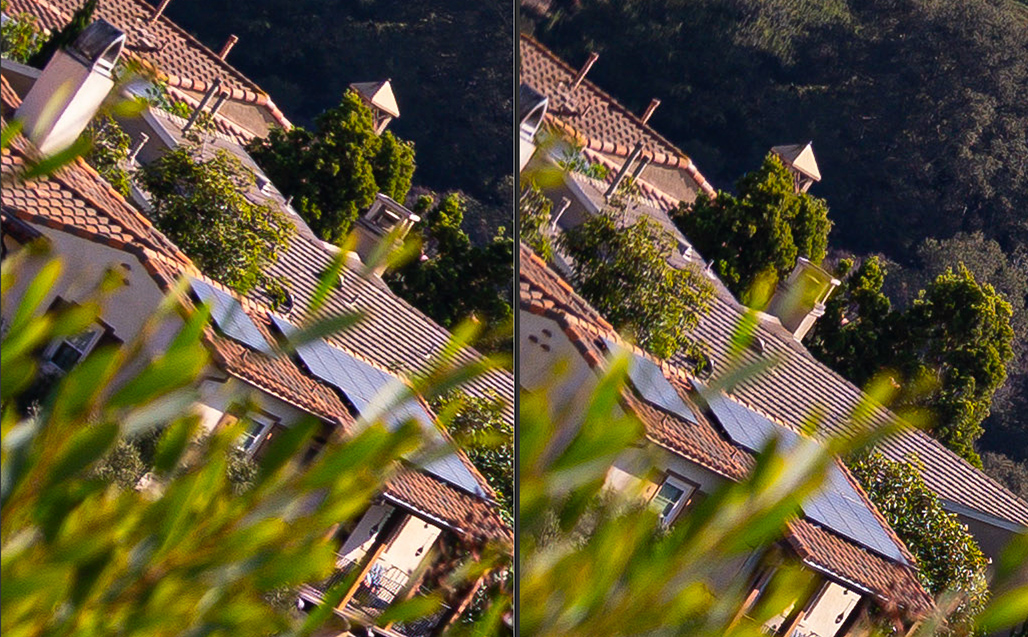
I've posted a comparison at 200% magnification to show the color error more effectively. When activating Lightroom's auto CA correction, there is no noticeable change to the Simera crop, while there is a significant improvement for the Leica.
Before LaCA correction: Leica (LEFT), Simera (RIGHT). The Leica crop exhibits noticeably more fringing compared to the Simera.
After LaCA correction: Leica (LEFT), Simera (RIGHT). The Leica shows significant correction, while the Simera remains mostly unchanged.
In terms of lateral chromatic aberration, which appears towards the corners of the frame at any aperture, the Simera performs significantly better with much better correction.
I've posted a comparison at 200% magnification to show the color error more effectively. When activating Lightroom's auto CA correction, there is no noticeable change to the Simera crop, while there is a significant improvement for the Leica.
|
||
 |
||
|
Before LaCA correction: Leica (LEFT), Simera (RIGHT). The Leica crop exhibits noticeably more fringing compared to the Simera.
|
||
 |
||
|
After LaCA correction: Leica (LEFT), Simera (RIGHT). The Leica shows significant correction, while the Simera remains mostly unchanged.
Nov 11, 2024 at 05:06 PM
p.9 #16Thypoch Simera 50mm f/1.4 ASPH. Review
Mine has arrived. Here are my initial impressions.
Packaging is nice enough, not special for those who care about such things. There is a card inside that contains a hand signed quality check statement, a two line warranty statement that says1.5 years coverage. But, says you should go through the dealer where you bought the lens for service. There is a link to online documentation through QR code instead of a manual. There seems to be no provision for product registration. All of this is fine in my opinion.
It is a very handsome lens. The build seems excellent. Nice clicks for aperture, smooth focus, excellent machining and finish. Markings are clean and easy to read. The weird DOF system looks cool, but will take some time to get used to before it is useful. I love the look of the super round and larger aperture opening. They provide both a round lens cap for when you are not using the hood, and a square cap with the hood. The hood cap was on upside down and the hood could never be properly lined up in this position. Everything was fine once switched.
The problems I forsee are:
Both caps are held on by friction of a rubber liner on the inside of the cap. I don't expect that will last the lifetime of the lens so keeping the caps on will likely become a problem over time.
The front element moves a significant distance during focus. This and other elements of the design I don't think are as weather/dust resistant as other designs. I will put a high quality protection filter on the front to help that area. It will be black so it will also help eliminate reflections on the otherwise silver lens. I will likely not shoot this lens in dusty or wet conditions until I read reports from other users indicating no problems.
The lens seems to focus accurately at all distances using either the range finder or the rear screen or Visiflex. That says good things about the manufacturing and QA at Thypoch.
I will need to shoot a variety of subjects, in different conditions before I pass judgment on the optics. I can say already that it looks to be more than acceptably sharp wide open, and extremely sharp when stopped down even a little. My initial opinion of OOF areas, and bokeh is very positive . I will get out a couple of times this week to try and learn the lens in preparation for a night street shoot with friends this Saturday evening. I will post results nad sample images during this process.
At only $599, right now this lens is looking like a great bargain option for M shooters or those wanting to adapt M lenses to their mirrorless bodies.
Nov 11, 2024 at 06:07 PM
p.9 #17Thypoch Simera 50mm f/1.4 ASPH. Review
Back to Quick Links
Samples 2
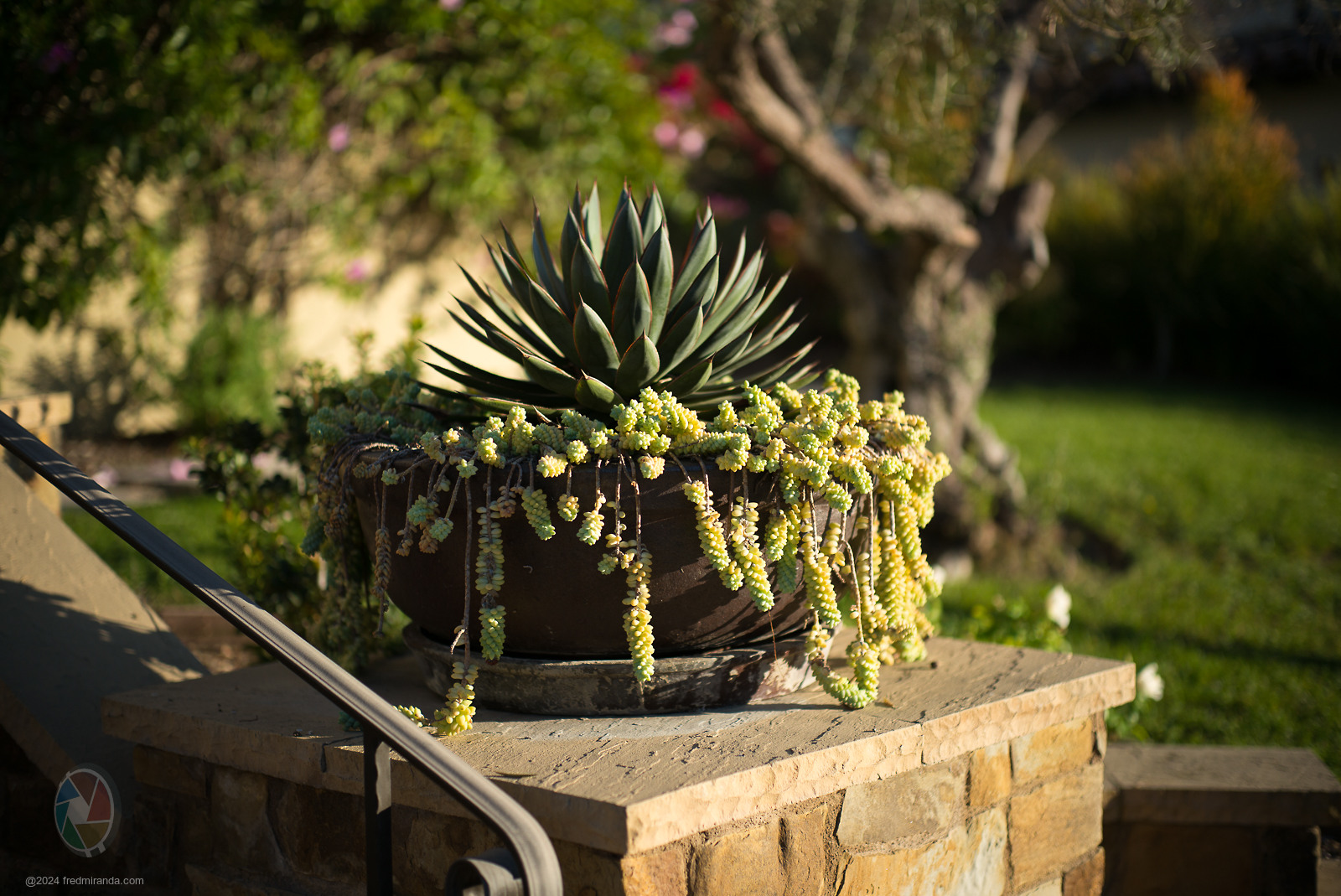
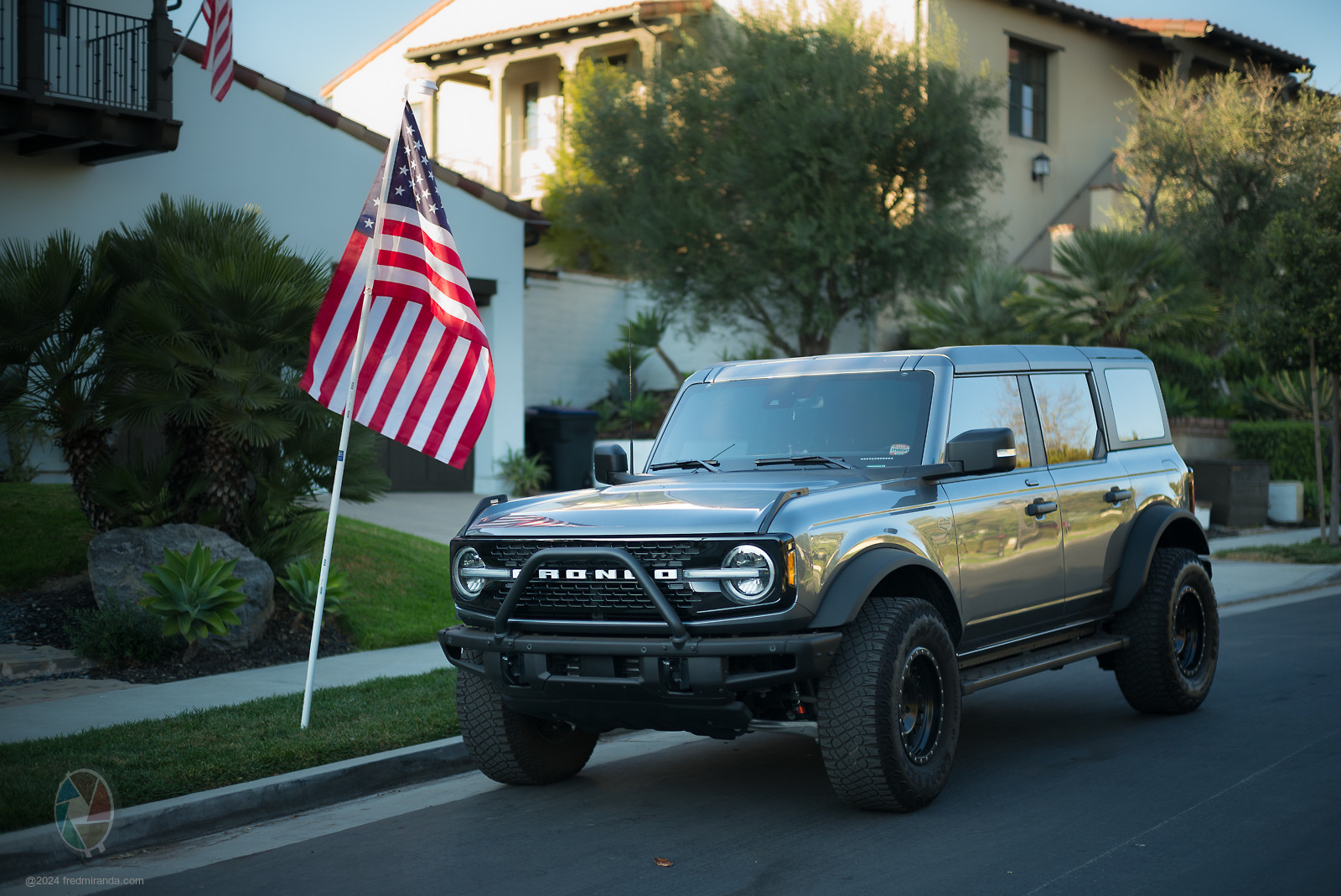
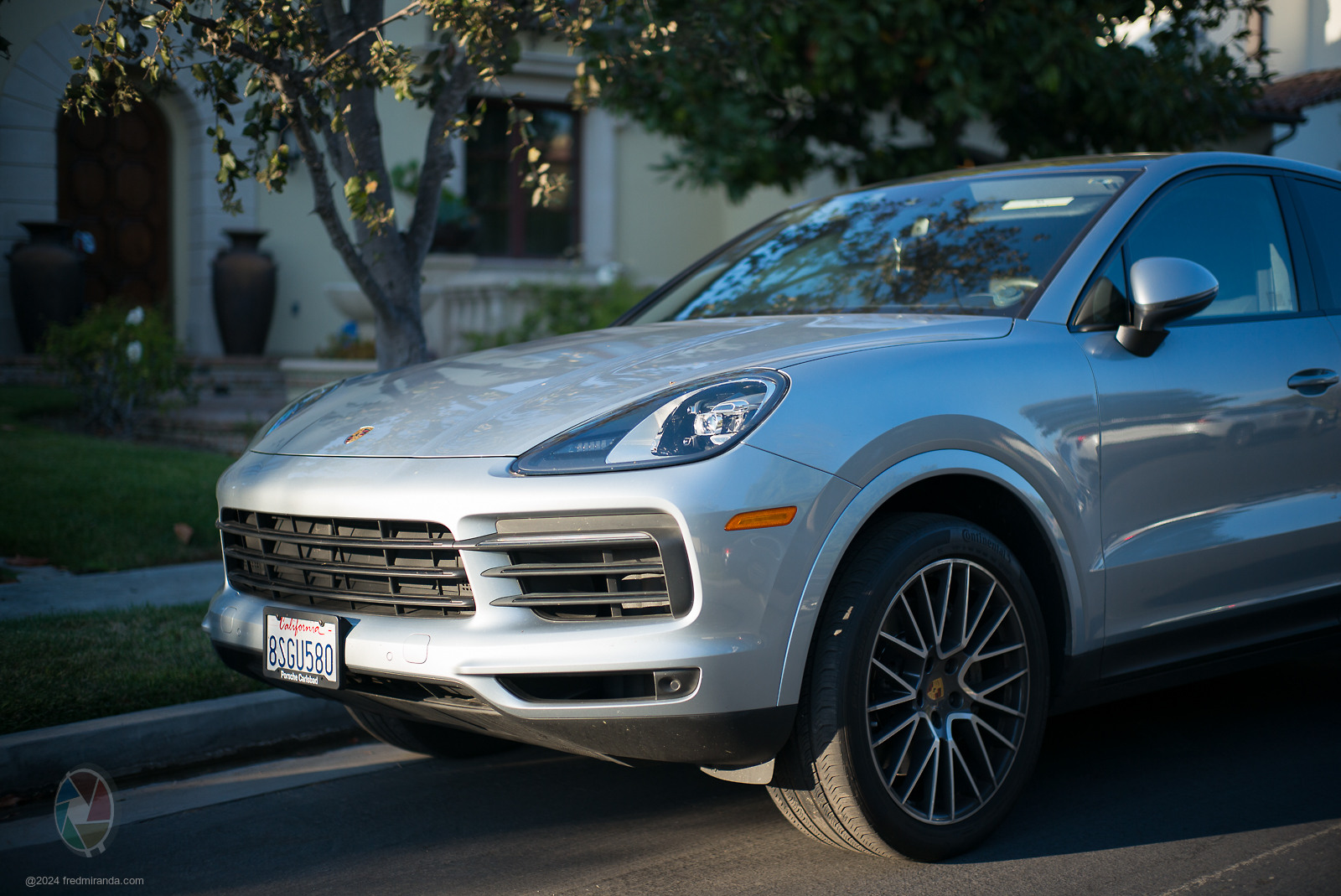
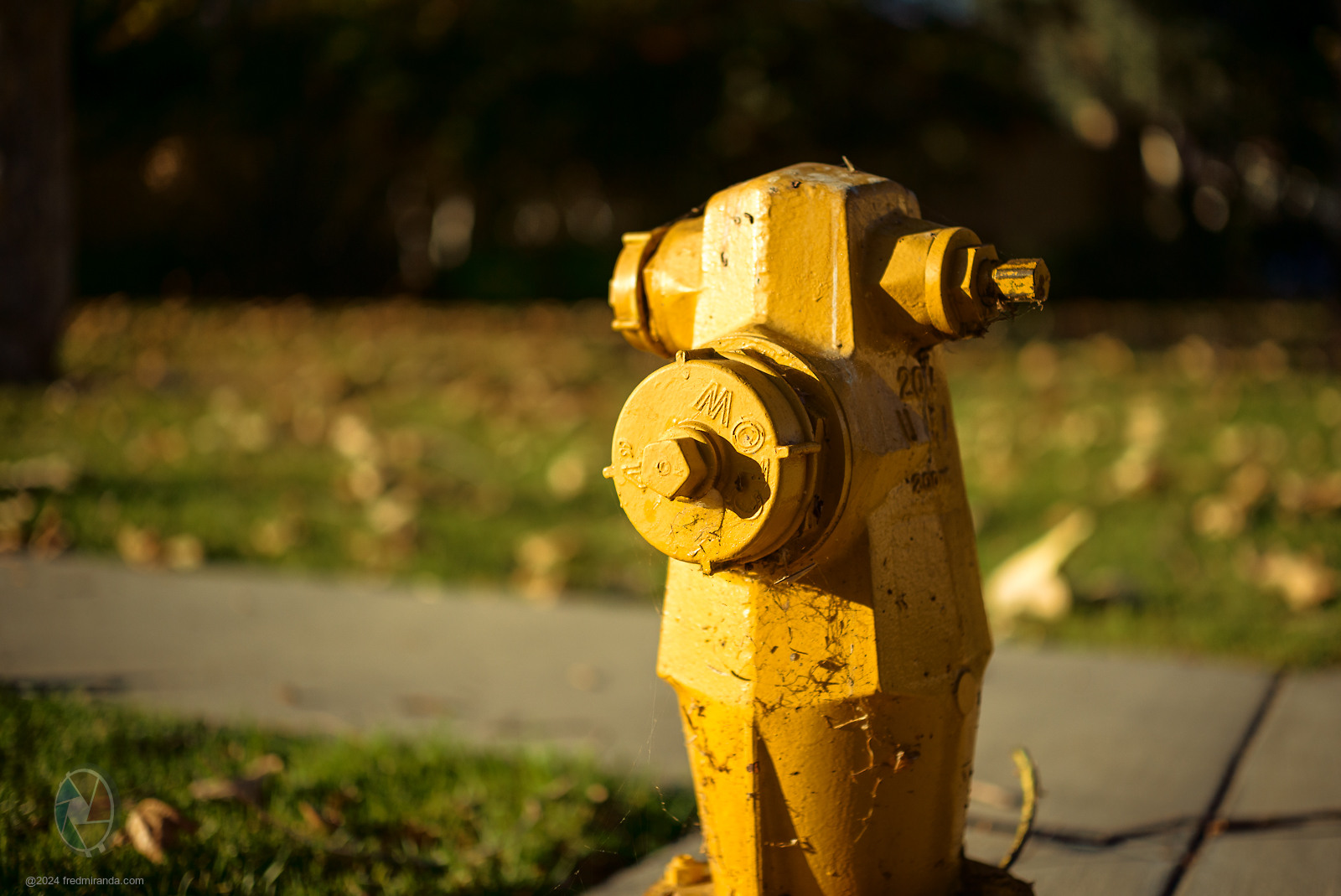
A walk around my neighborhood, all shots taken wide open at varying distances with the Leica M-D.
The flower close-ups were captured at the 0.7m minimum focus distance of the rangefinder.
This is straight from the camera with added sharpening and the Adobe Standard profile --- no other adjustments.
 |
||
 |
||
|
LEICA M-D (Typ 262) not selected lens f/4.8 1/350s 200 ISO 0.0 EV
|
||
 |
||
|
LEICA M-D (Typ 262) not selected lens f/4.8 1/500s 200 ISO 0.0 EV
|
||
 |
||
|
LEICA M-D (Typ 262) not selected lens f/4.8 1/1000s 200 ISO 0.0 EV
|
||
 |
||
|
LEICA M-D (Typ 262) not selected lens f/4.8 1/500s 200 ISO 0.0 EV
|
||
 |
||
|
LEICA M-D (Typ 262) not selected lens f/4.8 1/250s 200 ISO 0.0 EV
|
||
 |
||
|
LEICA M-D (Typ 262) not selected lens f/5.6 1/125s 200 ISO 0.0 EV
|
||
 |
||
|
LEICA M-D (Typ 262) not selected lens f/5.6 1/90s 200 ISO 0.0 EV
|
||
 |
||
|
LEICA M-D (Typ 262) not selected lens f/4.8 1/45s 200 ISO 0.0 EV
|
||
 |
||
|
LEICA M-D (Typ 262) not selected lens f/4.8 1/1000s 200 ISO 0.0 EV
|
||
 |
||
|
LEICA M-D (Typ 262) not selected lens f/4.0 1/350s 200 ISO 0.0 EV
|
||
 |
||
|
LEICA M-D (Typ 262) not selected lens f/4.8 1/1000s 200 ISO 0.0 EV
|
||
 |
||
|
LEICA M-D (Typ 262) not selected lens f/6.8 1/30s 200 ISO 0.0 EV
Nov 11, 2024 at 06:13 PM
p.9 #18Thypoch Simera 50mm f/1.4 ASPH. Review
Mid apertures is where you would expect the 14 blade aperture to become more important. Bokeh is very personal but many will surely enjoy this one. The 50mm and the (hoped for, and anticipated) 75/1.5 are a little cooler than the 28mm and 35mm, in the Simera-C rehoused versions.
Nov 11, 2024 at 06:25 PM
p.9 #19Thypoch Simera 50mm f/1.4 ASPH. Review
edit
Edited on Nov 11, 2024 at 11:36 PM · View previous versions
Edited on Nov 11, 2024 at 11:36 PM · View previous versions
Nov 11, 2024 at 06:41 PM

p.9 #20Thypoch Simera 50mm f/1.4 ASPH. Review
philip_pj wrote:
From Jack Wang's review of the Simera 50/1.4, a side-by-side lens cut of the earlier Summilux and the Simera lens, showing the rather different element shaping, thickness and arrangement in these eight element lenses: two doublets instead of three, as well as the front location of the floating element grouping.
Interesting. The second element in that diagram for the 50 lux Asph looks a lot thinner and a bit different shape than the one in the diagram from the official Leica data sheet here:
https://www.summilux.net/m_system/images/Summilux50Asph.pdf
And the third element is a different shape as well. I wonder where Jack got that diagram. I think the first 3 elements look a lot more similar to the Simera in the official Leica data sheet. The aspherical element looks to have a similar shape in both as does the sixth element (but the fifth element is a lot thicker in the Leica diagram). Of course the last two are a group for the Leica and separate elements for the Simera and they are of quite different shapes as well. No doubt the floating element is done quite differently as well.
Nov 11, 2024 at 07:12 PM