This sort of reinforces why I never delete my RAW files...I was going through old images from my 30D, because I just bought another one to sort of have on the shelf and shoot a little with for nostalgia. It was my second DSLR, and my first prosumer grade camera of any sort. I was going back through old images and found a few shots I took in Pittsburgh and I had never processed any of them. I think because at the time, the software or my own knowledge of how to postprocess the images was inadequate to create something nice out of the massive exposure difference between the parts of this image in sunshine and shadow. Now, it was very easy with masking in Lightroom and such. Actually had a decent image hiding there that was never processed until today.
Jman13 wrote:
This sort of reinforces why I never delete my RAW files...I was going through old images from my 30D, because I just bought another one to sort of have on the shelf and shoot a little with for nostalgia. It was my second DSLR, and my first prosumer grade camera of any sort. I was going back through old images and found a few shots I took in Pittsburgh and I had never processed any of them. I think because at the time, the software or my own knowledge of how to postprocess the images was inadequate to create something nice out of the massive exposure difference between the parts of this image in sunshine and shadow. Now, it was very easy with masking in Lightroom and such. Actually had a decent image hiding there that was never processed until today.
Jman13 wrote:
This sort of reinforces why I never delete my RAW files...I was going through old images from my 30D, because I just bought another one to sort of have on the shelf and shoot a little with for nostalgia. It was my second DSLR, and my first prosumer grade camera of any sort. I was going back through old images and found a few shots I took in Pittsburgh and I had never processed any of them. I think because at the time, the software or my own knowledge of how to postprocess the images was inadequate to create something nice out of the massive exposure difference between the parts of this image in sunshine and shadow. Now, it was very easy with masking in Lightroom and such. Actually had a decent image hiding there that was never processed until today.
I wish Canon and ACR/Lightroom could go back to this. School book example of the old beautiful vintage colors. This type of rendering is what coined the "Canon colors" reference. Rich reds and pinks, cobalt blues (instead of the horrible purple/magenta blues these days) and vivid yellows and greens without giving the image a color cast. Top notch.
This look can of course be replicated to a certain extent in post with profiles and presets but it is not as easy as it sounds to get a consistent result. Maybe AI can give us this look soon
Jman13 wrote:
This sort of reinforces why I never delete my RAW files...I was going through old images from my 30D, because I just bought another one to sort of have on the shelf and shoot a little with for nostalgia. It was my second DSLR, and my first prosumer grade camera of any sort. I was going back through old images and found a few shots I took in Pittsburgh and I had never processed any of them. I think because at the time, the software or my own knowledge of how to postprocess the images was inadequate to create something nice out of the massive exposure difference between the parts of this image in sunshine and shadow. Now, it was very easy with masking in Lightroom and such. Actually had a decent image hiding there that was never processed until today.
boldcolors wrote:
I wish Canon and ACR/Lightroom could go back to this. School book example of the old beautiful vintage colors. This type of rendering is what coined the "Canon colors" reference. Rich reds and pinks, cobalt blues (instead of the horrible purple/magenta blues these days) and vivid yellows and greens without giving the image a color cast. Top notch.
This look can of course be replicated to a certain extent in post with profiles and presets but it is not as easy as it sounds to get a consistent result. Maybe AI can give us this look soon
It's a very pleasing image that is also very high in contrast, which is a significant reason why the colors pop the way they do. As mentioned in the 30D nostalgia thread, it's an inherent aspect of using a camera with a narrower dynamic range sensor. Blacks block up faster, whites blow out faster... Everyone now wants maximum DR to tone map their images as much as possible, it seems. But more mid tone shades mean more grays and lower saturation colors.
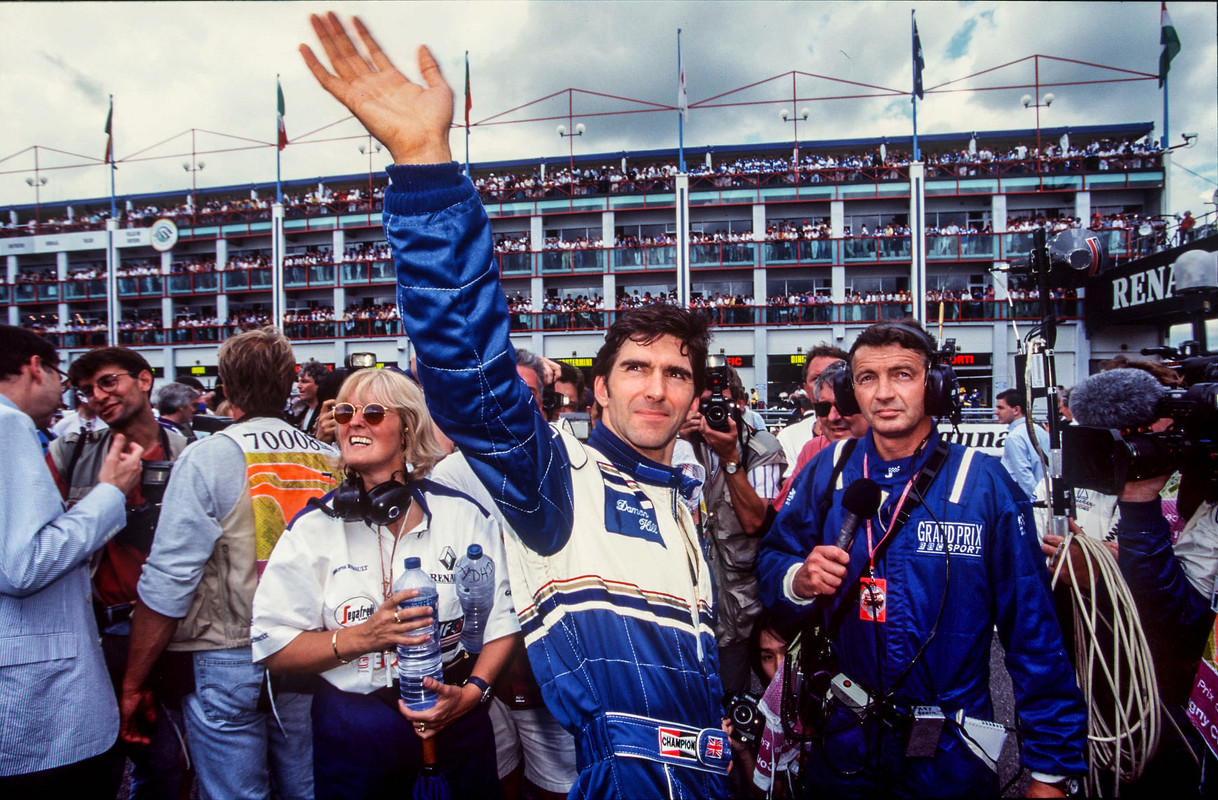
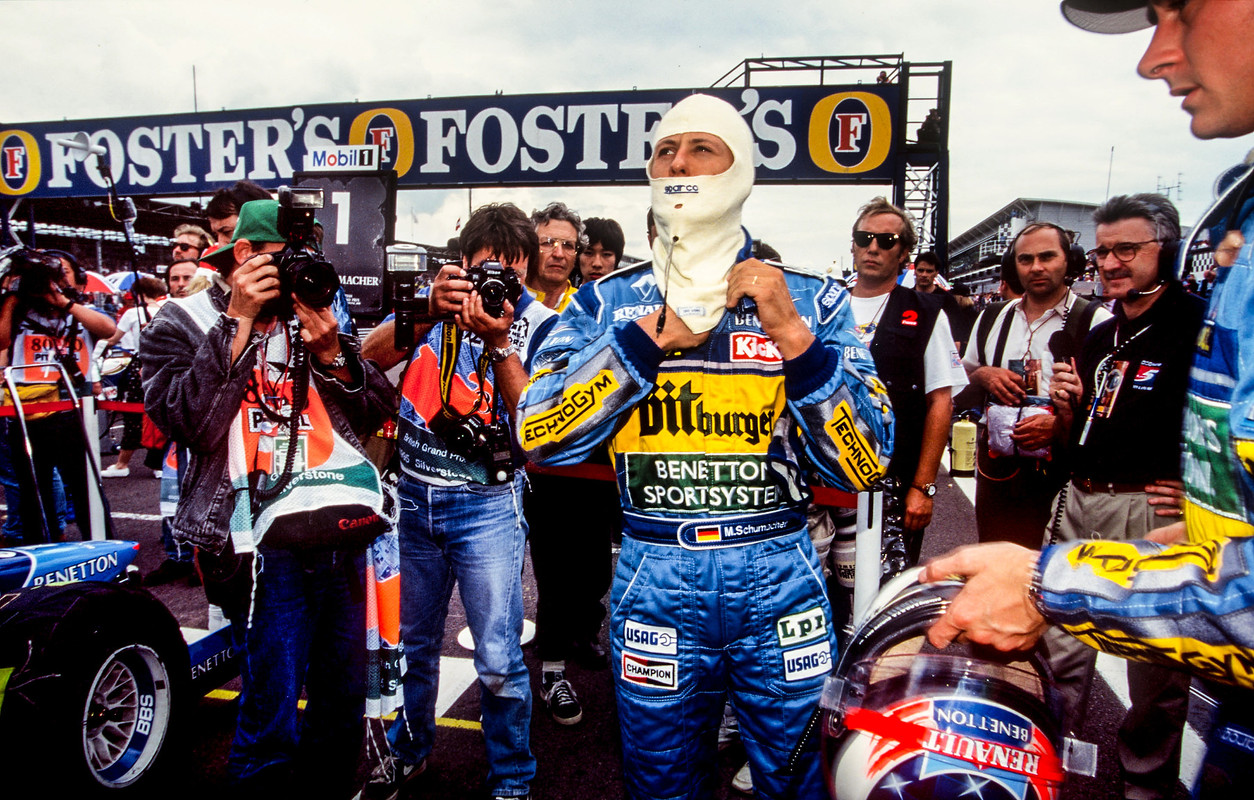
Here are a couple from the 1995 British Grand Prix of Damon Hill and Michael Schumacher getting ready for the race.
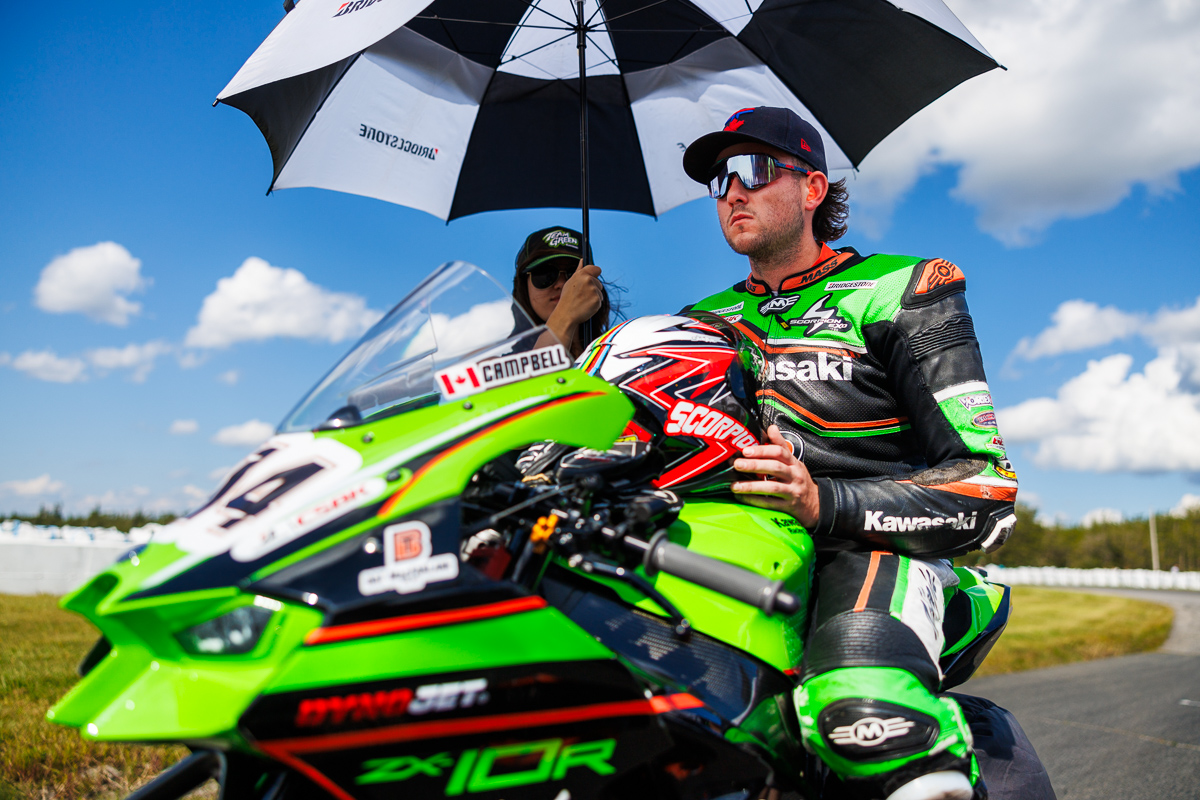
Note the use of flash. Note that all the other photographers were using flash. Why? Dull overcast light and limited dynamic range of the film (in my case, probably Fujichrome 100 in either an EOS-1 or 1N camera with the EF 20-35/2.8L). Flash balanced the exposure to within the film's dynamic range and added some pop/saturation. Nowadays I would not use flash and just fix it in post thanks to ample DR and the great AI masking tools in Lightroom. For example, this image with the R6II a month ago where the rider was shaded by an umbrella but the file had loads of DR to allow easy recovery:
jgoetz4 wrote:
Ok, I'm in with various cameras/lenses
Jim
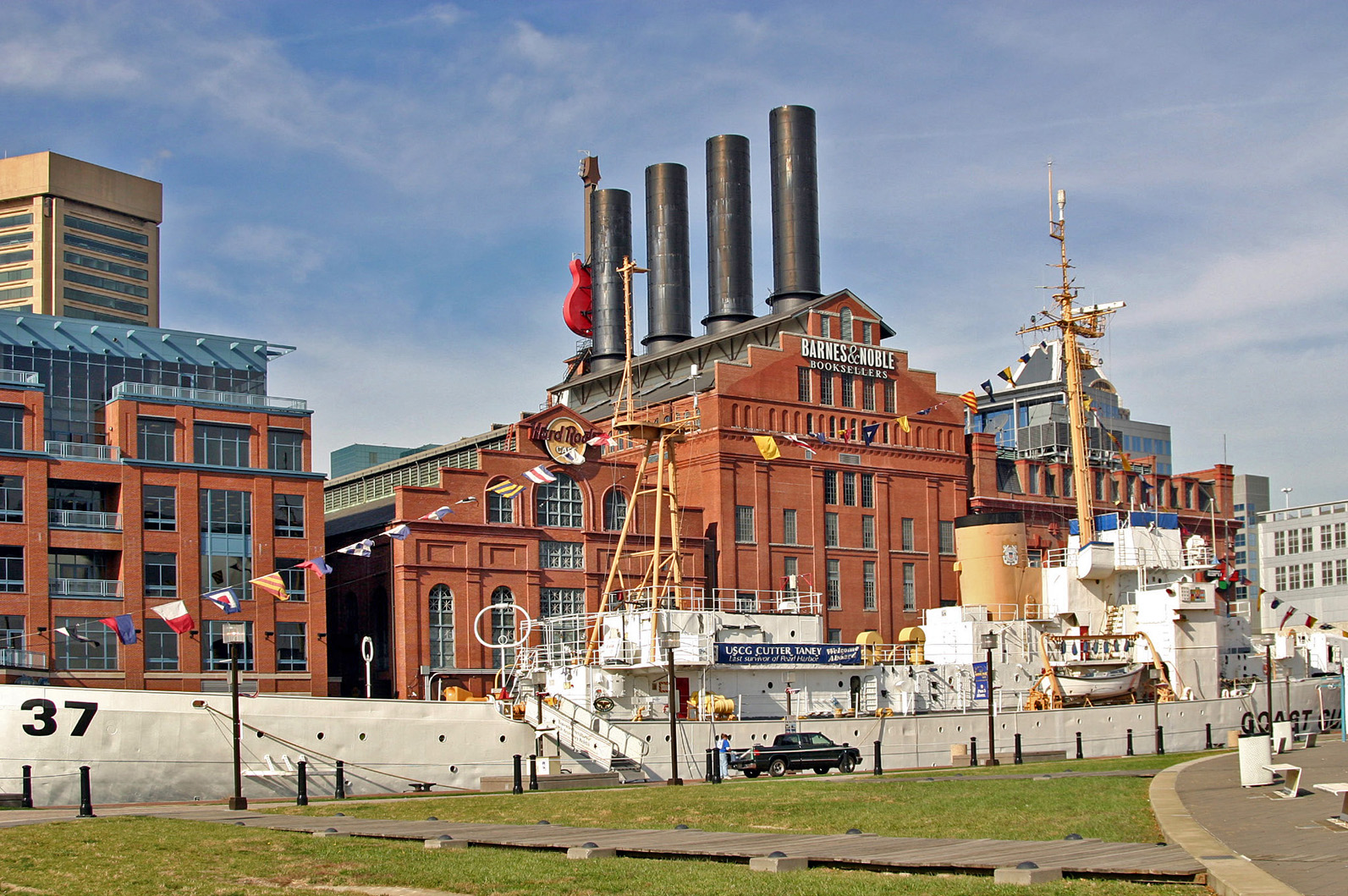
Beautiful images Jim! I especially love the Inner Harbor shots!
For a PS fantastic sharp images!
Bravo!
Dan
I know that all of these wonderful images are fake. Anybody with half a brain realizes that you need the latest $6000 camera capable of shooting 50 frames a second and at least a 60mp sensor and a $10000 lens to take beautiful photos. Sarcasm off. Great photos everyone.
rscheffler wrote:
Nowadays I would not use flash and just fix it in post thanks to ample DR and the great AI masking tools in Lightroom. For example, this image with the R6II a month ago where the rider was shaded by an umbrella but the file had loads of DR to allow easy recovery:
Nice contrast and umph in the riders colors. May I ask how you processed this/settings to get those colors and especially greens explode like that? Canon has had quite weak greens for a while but it got better with the R62/R8. This processing you have here really boosts those colors to max. Like it. Doesn't fit all images (or everyone) but here it is just perfect! Good job.
jgoetz4 wrote:
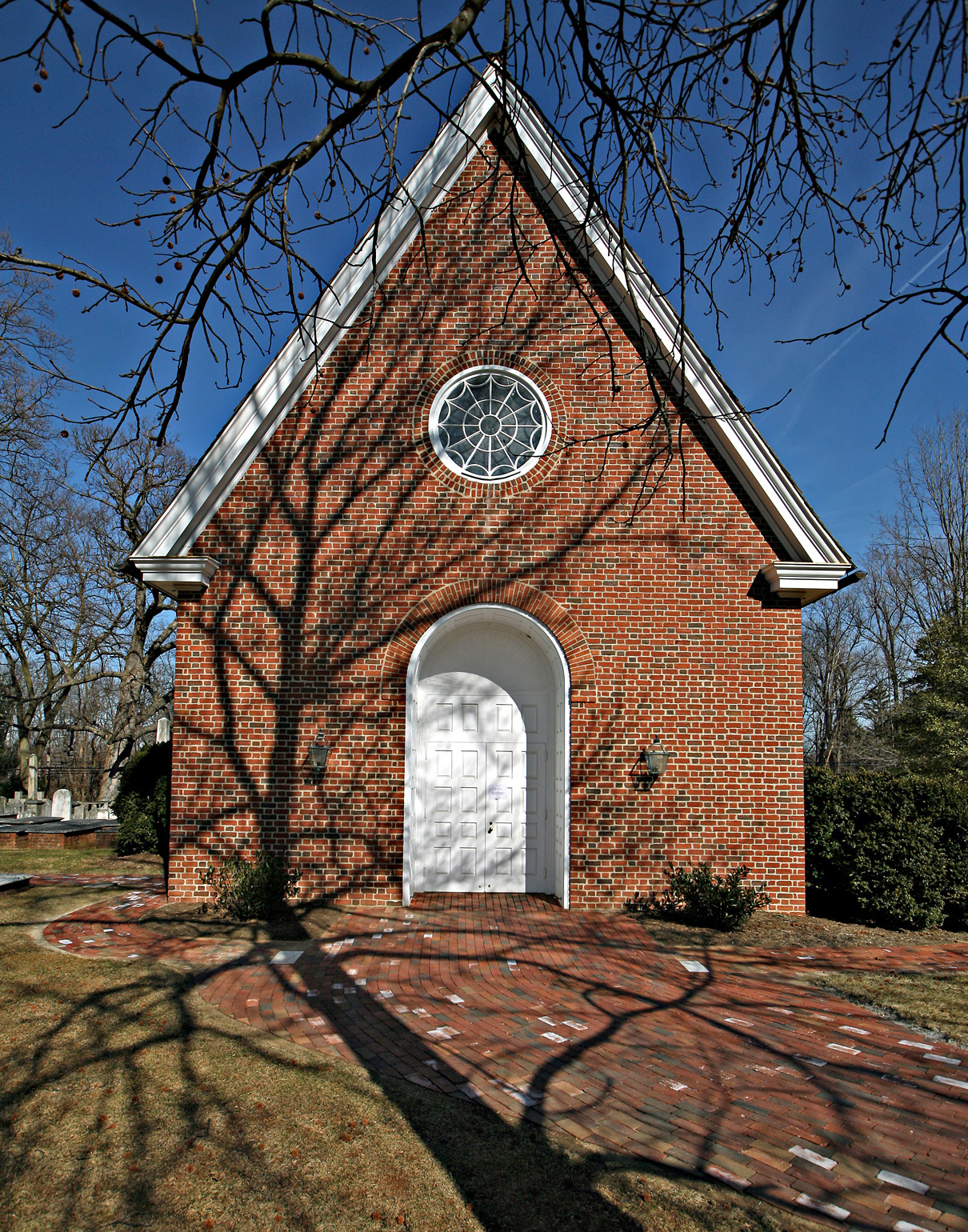
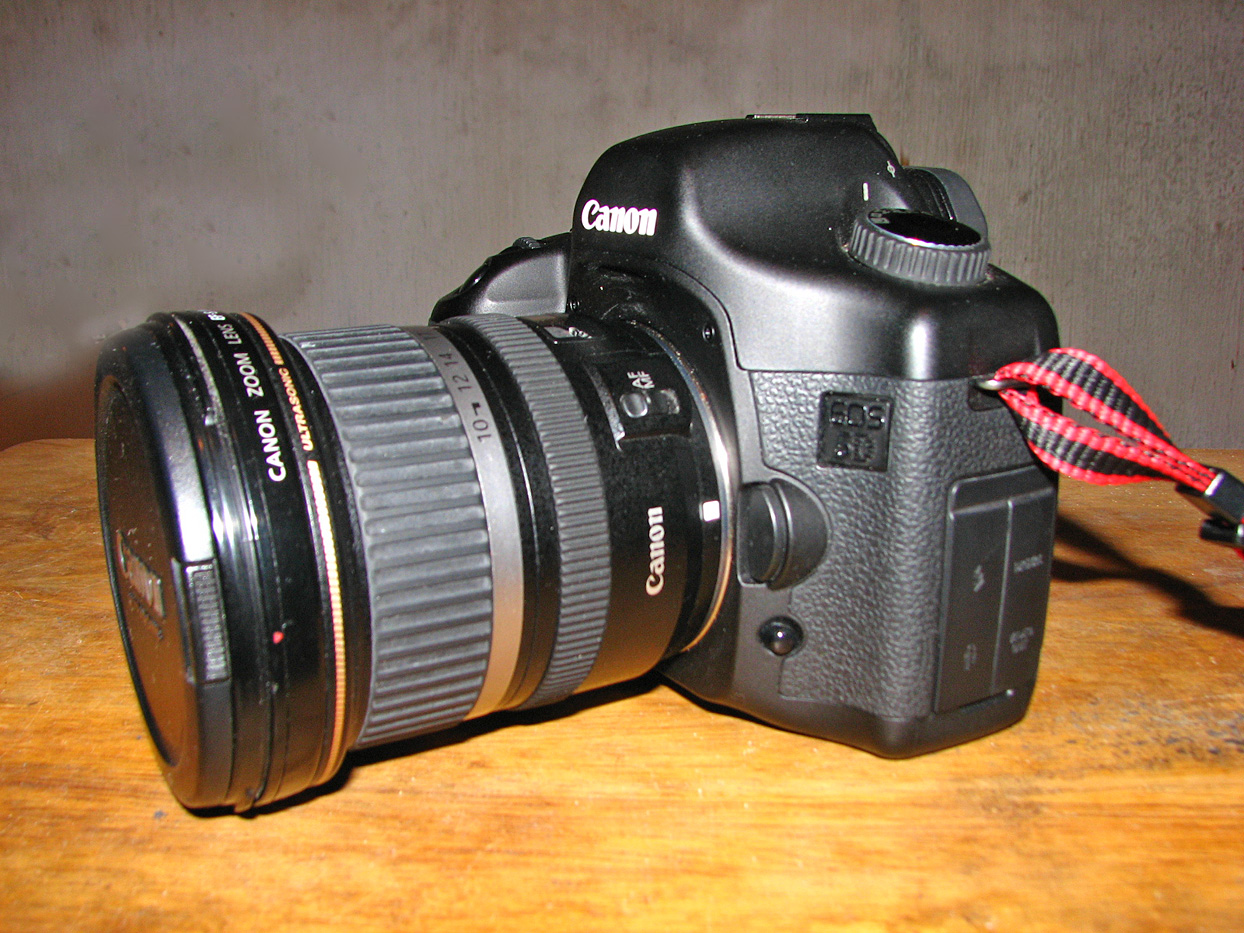
By the way, the church picture was taken with a modified 10-22 EF-s lens on the 5D.
Thanks Dan
Jim
The 5D was one of Canon's finest bodies IMHO Jim! The rendering of your modified lens is excellent!
I am not familiar with that church.
Again WELL DONE!
Dan
Danpbphoto wrote:
The 5D was one of Canon's finest bodies IMHO Jim! The rendering of your modified lens is excellent!
I am not familiar with that church.
Again WELL DONE!
Dan
Thanks Dan.
I removed the baffle from the lens and cut off a piece of the rear. It fit well, but would hit the mirror at 10mm, vignette like crazy until around 14mm, but was very sharp. That church is in Garrison Forest Cemetery in Owings Mills.
Jim
Love this idea of revisiting old pictures. My first dSLR was a Canon 20D. I also have film scans of pictures taken with a Canon Elan 7NE and Canon 1N but it seems we're only sharing digital pics.
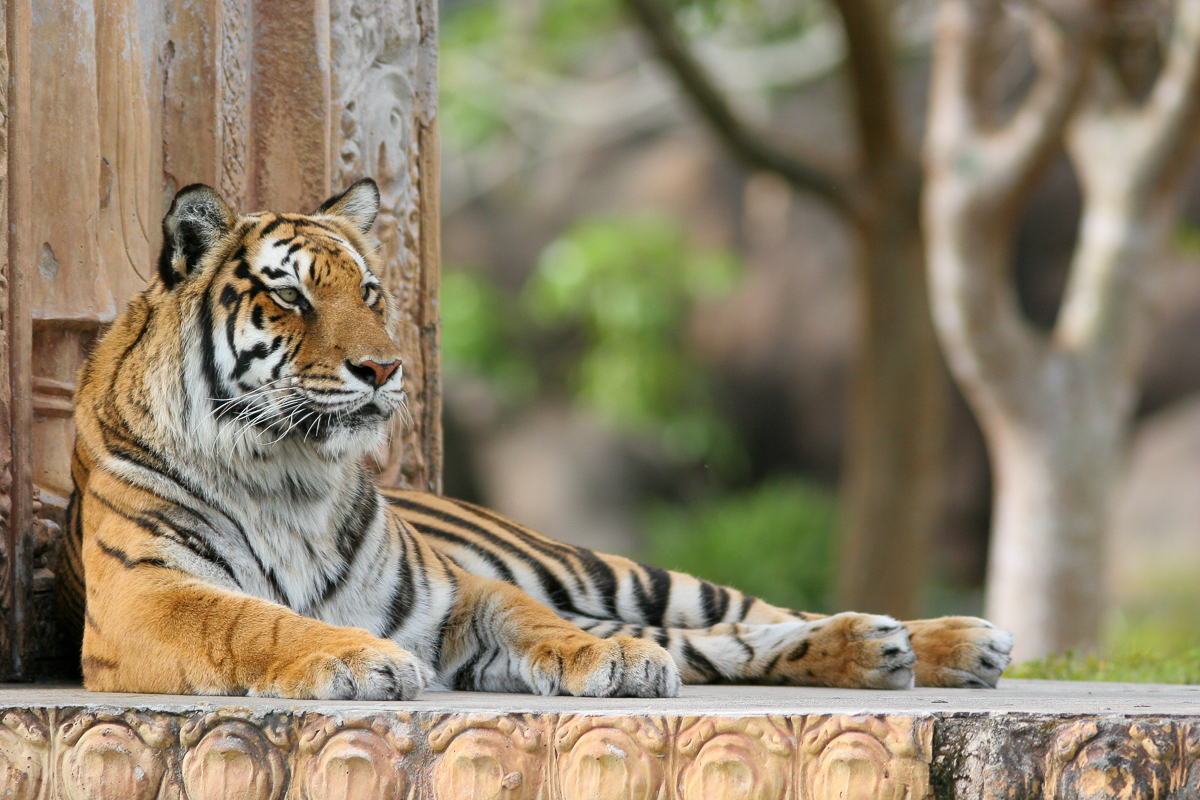
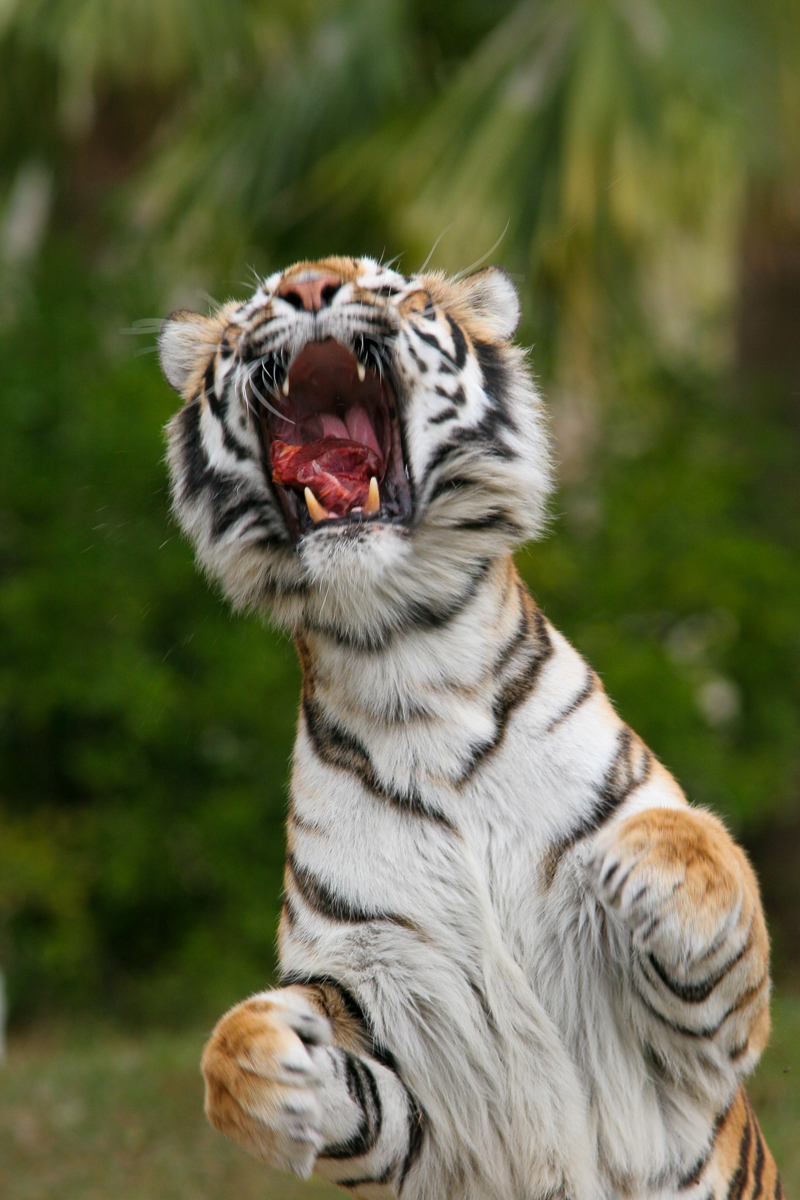
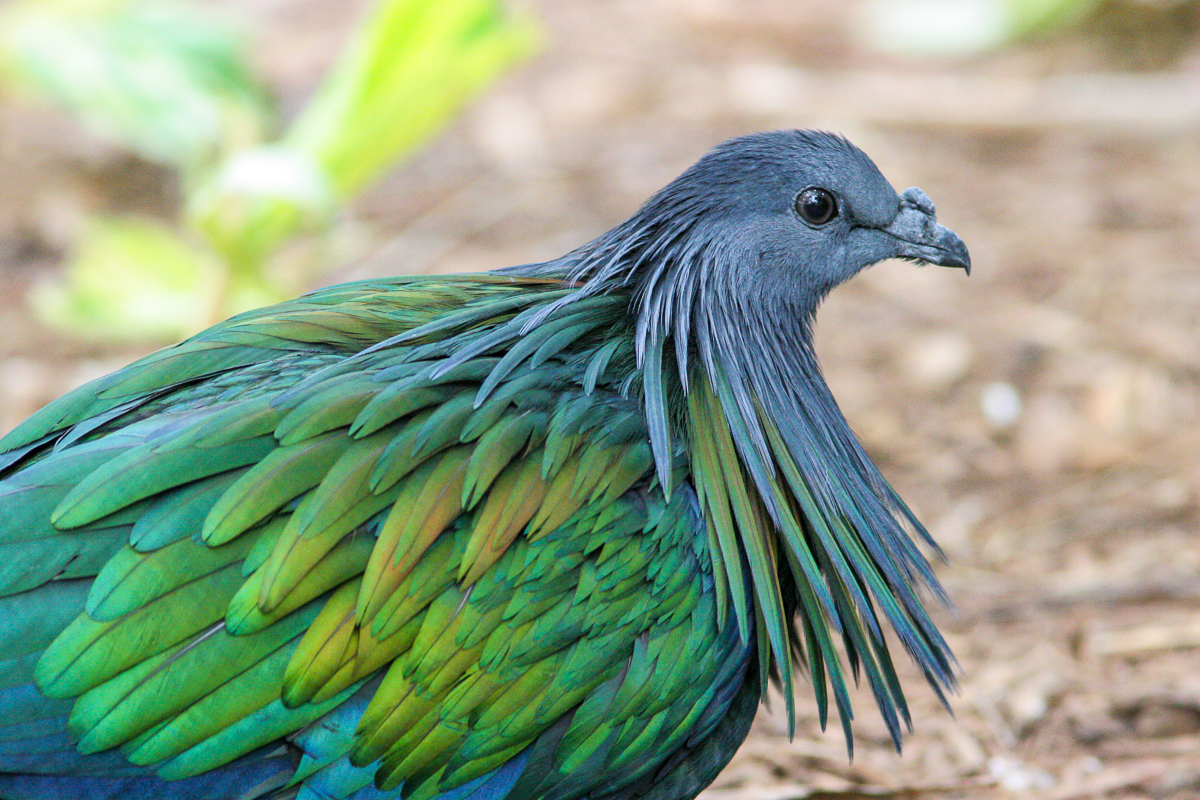
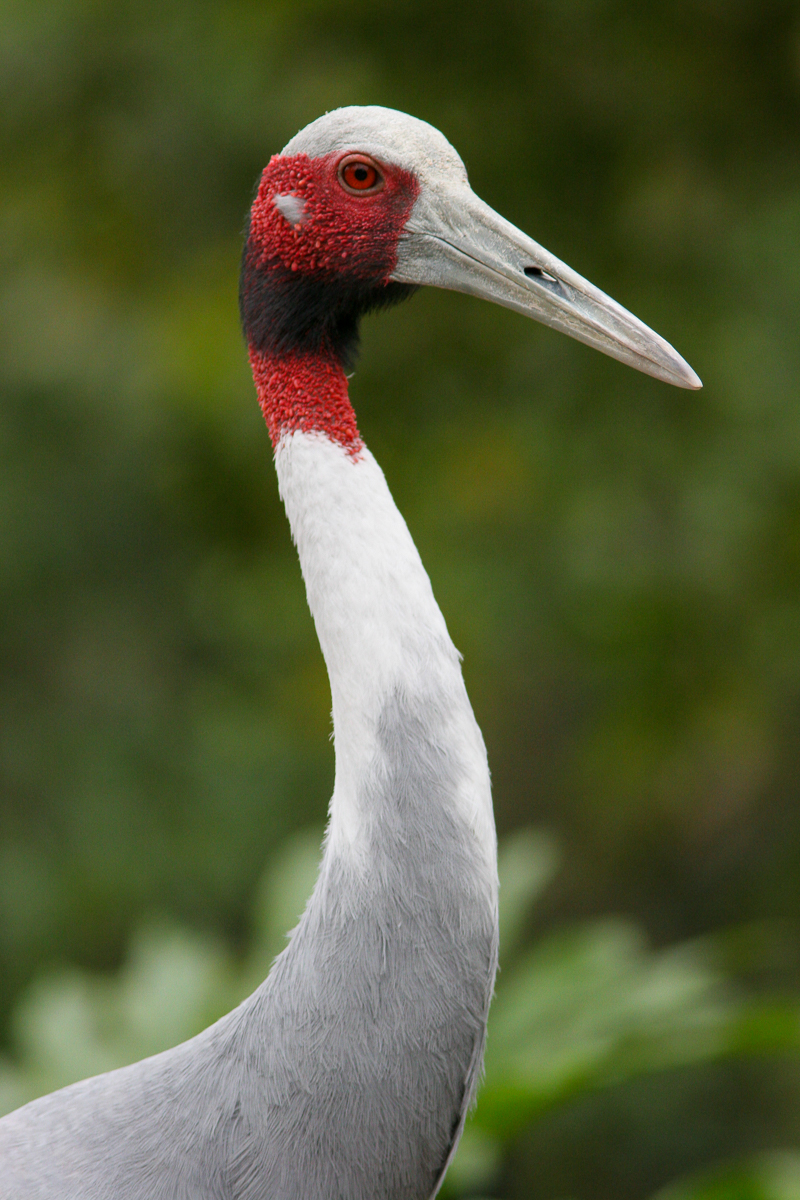
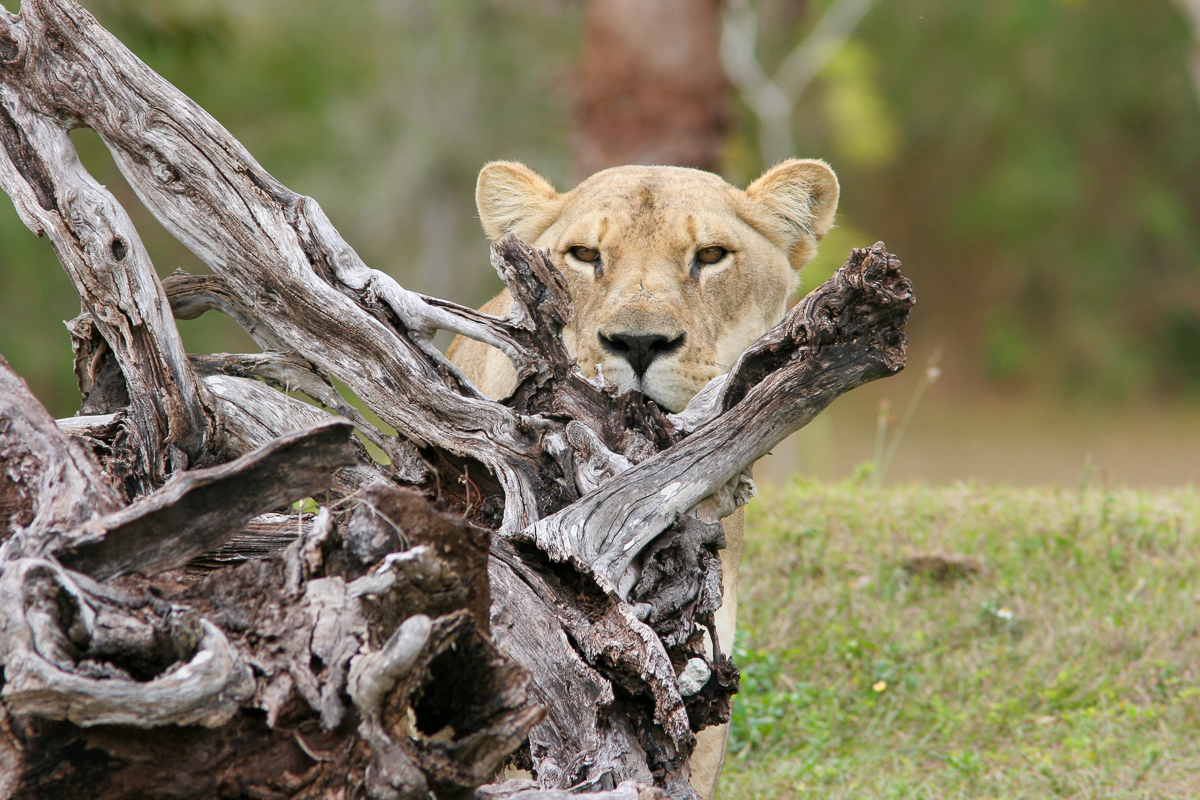
These five were taken at Zoo Miami (then called Miami-Dade Metro Zoo I think) on January 29, 2006 using a 20D + 300mm f/4L IS + 1.4x TC.
jgoetz4 wrote:
Thanks Dan.
I removed the baffle from the lens and cut off a piece of the rear. It fit well, but would hit the mirror at 10mm, vignette like crazy until around 14mm, but was very sharp. That church is in Garrison Forest Cemetery in Owings Mills.
Jim
Jim, just FYI..I have a 14mm Canon and it vignets as well but is razor sharp. I think it is the "nature of the beast"! Actually it doesn't bother me because sometimes the vignetting works very well with directing the viewers vision to the subject. Otherwise at 14mm I can crop it out!
I may be starting a project for the "http://paintedscreens.org/" later this year, Elaine Eff. Maybe we can have lunch it Little Italy?
Take care!
Dan
Max_Pain wrote:
Love this idea of revisiting old pictures. My first dSLR was a Canon 20D. I also have film scans of pictures taken with a Canon Elan 7NE and Canon 1N but it seems we're only sharing digital pics.
These five were taken at Zoo Miami (then called Miami-Dade Metro Zoo I think) on January 29, 2006 using a 20D + 300mm f/4L IS + 1.4x TC.
That was my 1st DSLR also Max!
I came from the Canon AE-1 and TLb.
I loved it! I stayed with that "line" , in addition to other Canon FF bodies, and have the 90D now. I love the AP-S sensor for macro and close crop images. Your tigers and lion is great!
Dan
LR Classic stitch of 30D + Tamron 17-50 images, basically on auto to see how it does. I recall trying to stitch these together in I think PS CS3 on an old Pentium 4 back in the day, running out of patience and then forgetting about them...15 odd years later and with a monstrously more powerful PC, it's no hassle at all.
Jman13 wrote:
This sort of reinforces why I never delete my RAW files...
I’m with you on that! Reasons?
1. Modern post-processing software can often make previously marginal images usable. In particular, the ability of the newest Adobe RAW processing software to reduce noise is remarkable. (And over the years, my own ability to get the most out of images in post has improved.)
2. I don’t always see the potential in images right away, and only by back to them later (sometimes much later) do I understand it. I’m continuously surprised by some of the images that I overlooked right after I made them.
3. Hard drive space is relatively cheap, while the lost photos that were unnecessarily deleted can never be recovered.