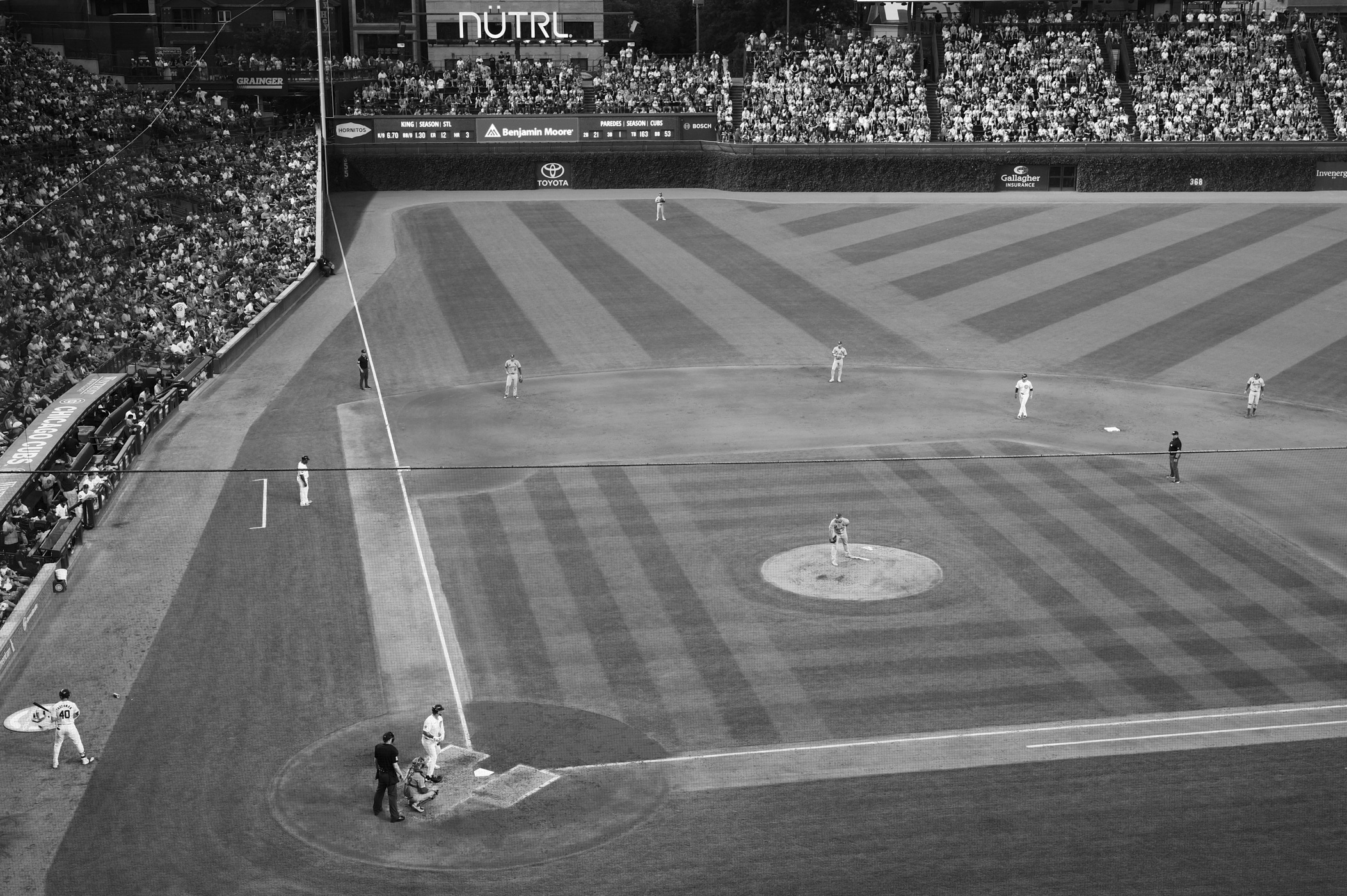
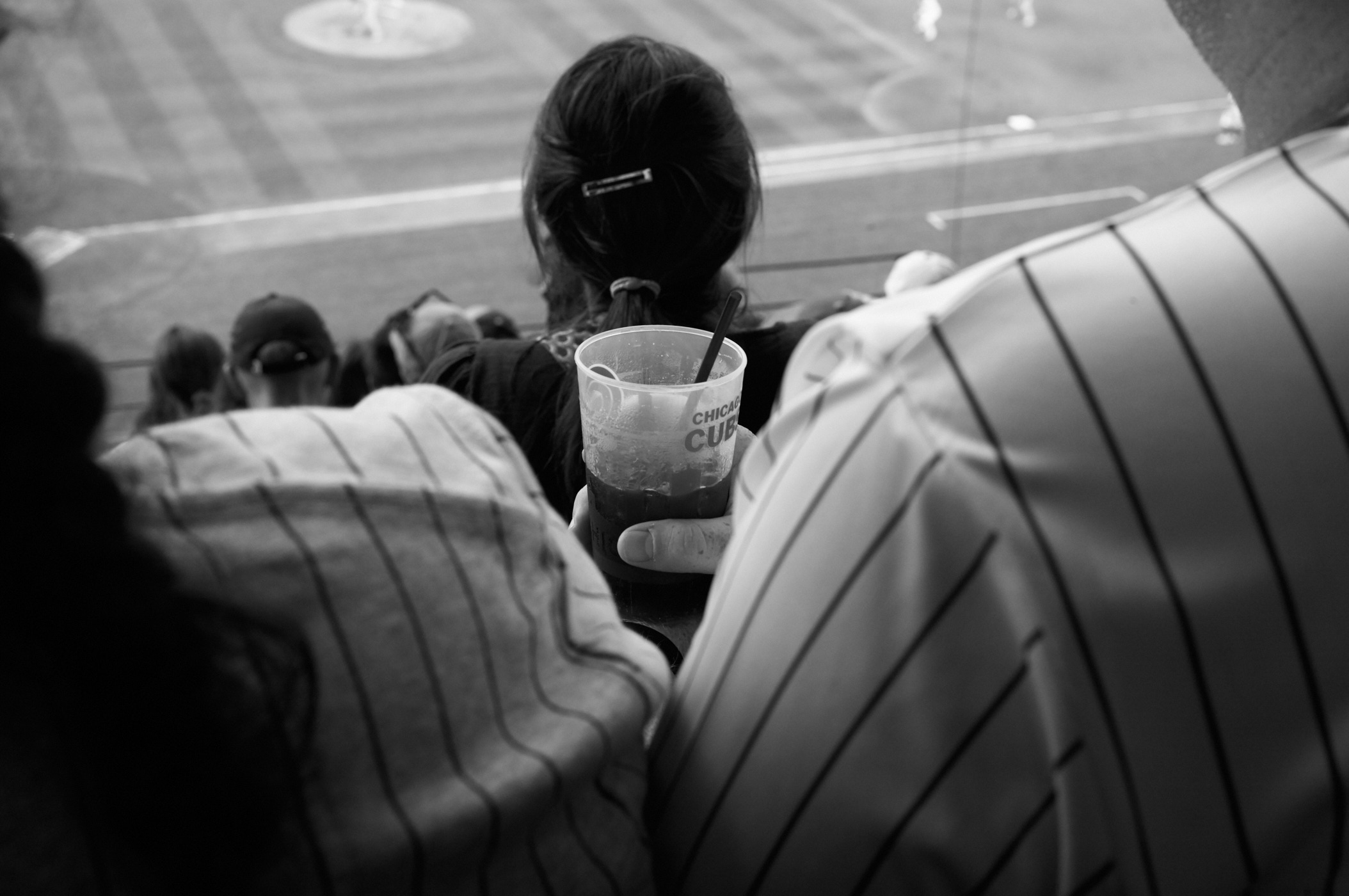
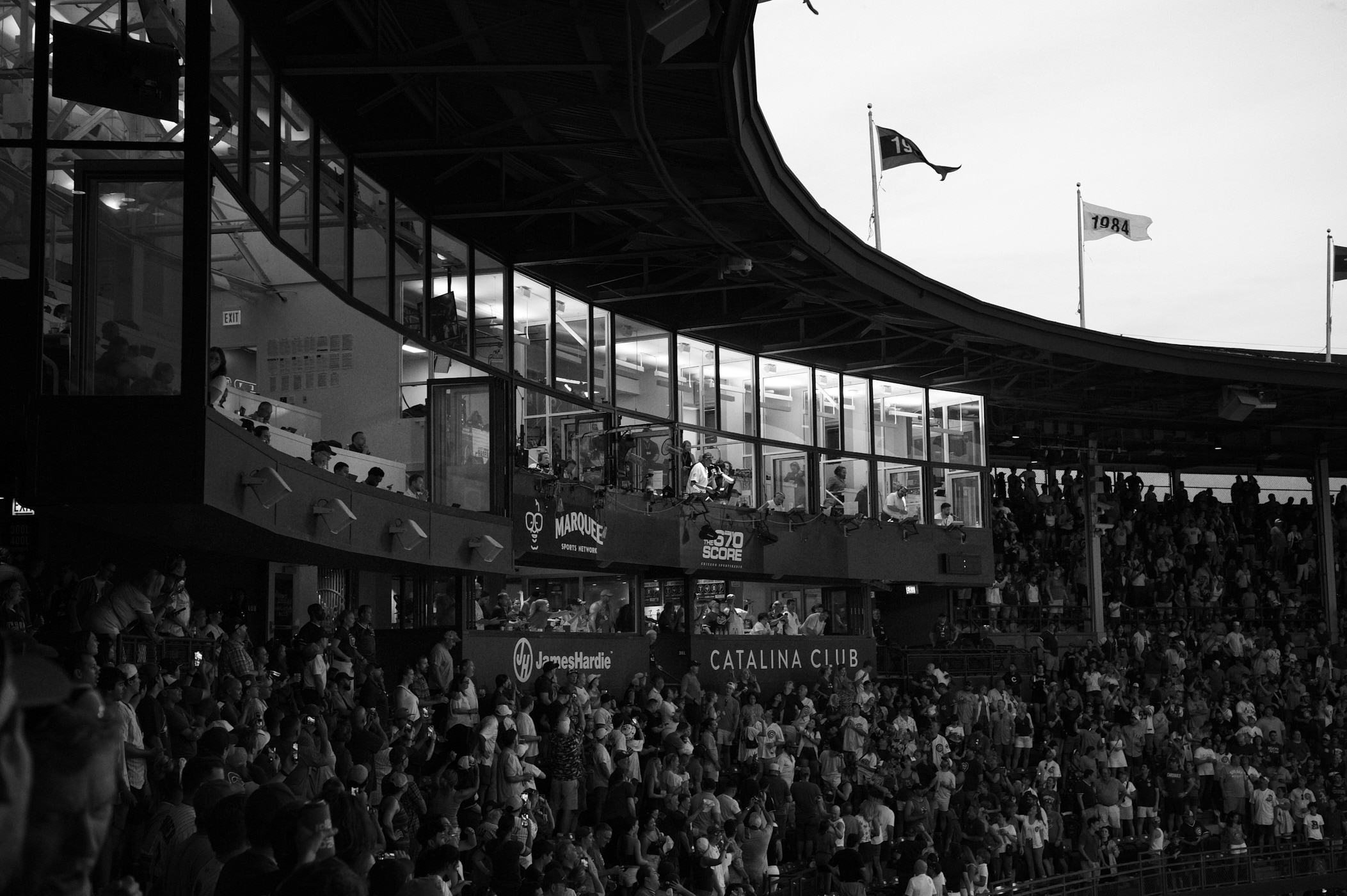
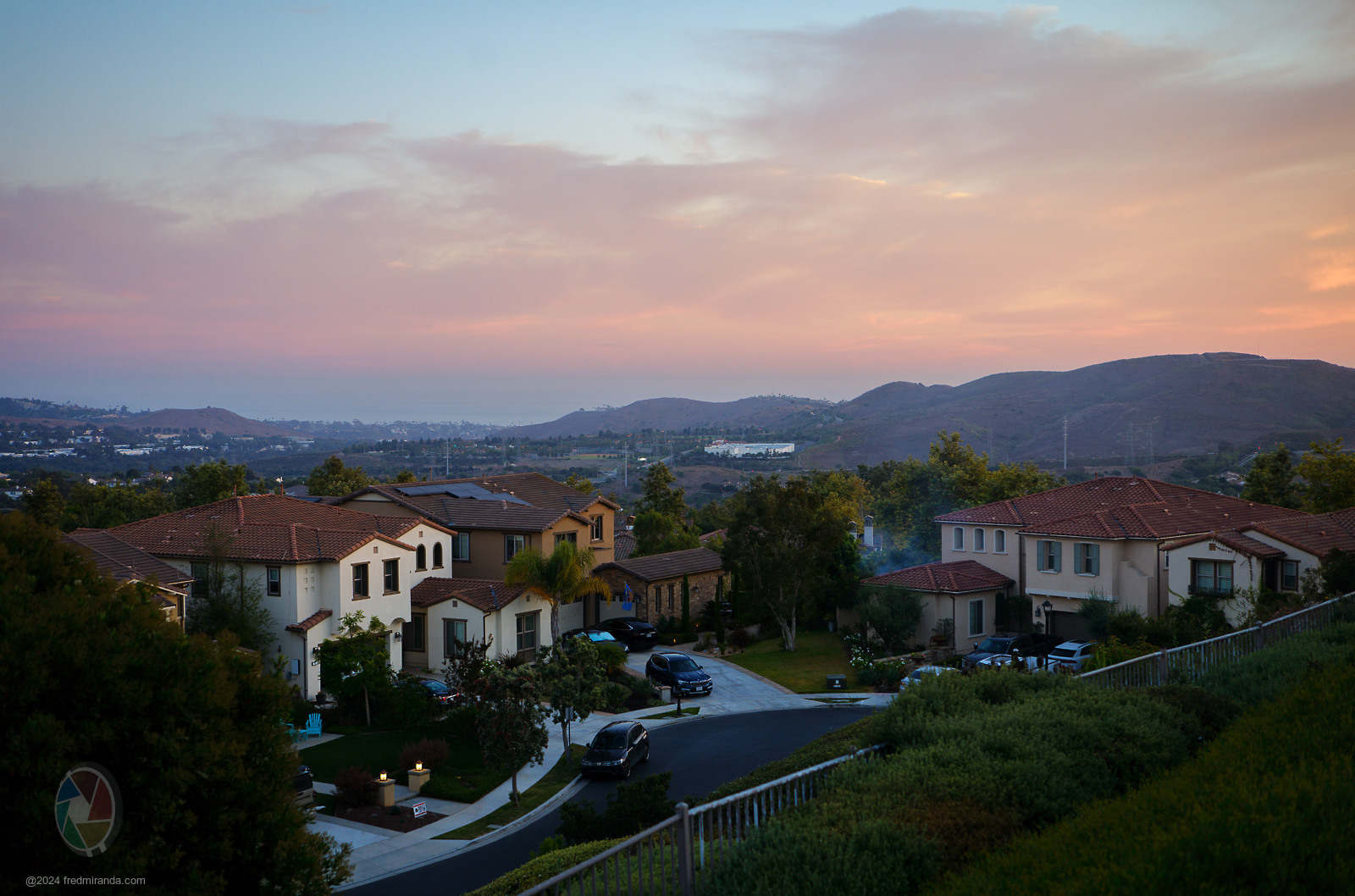
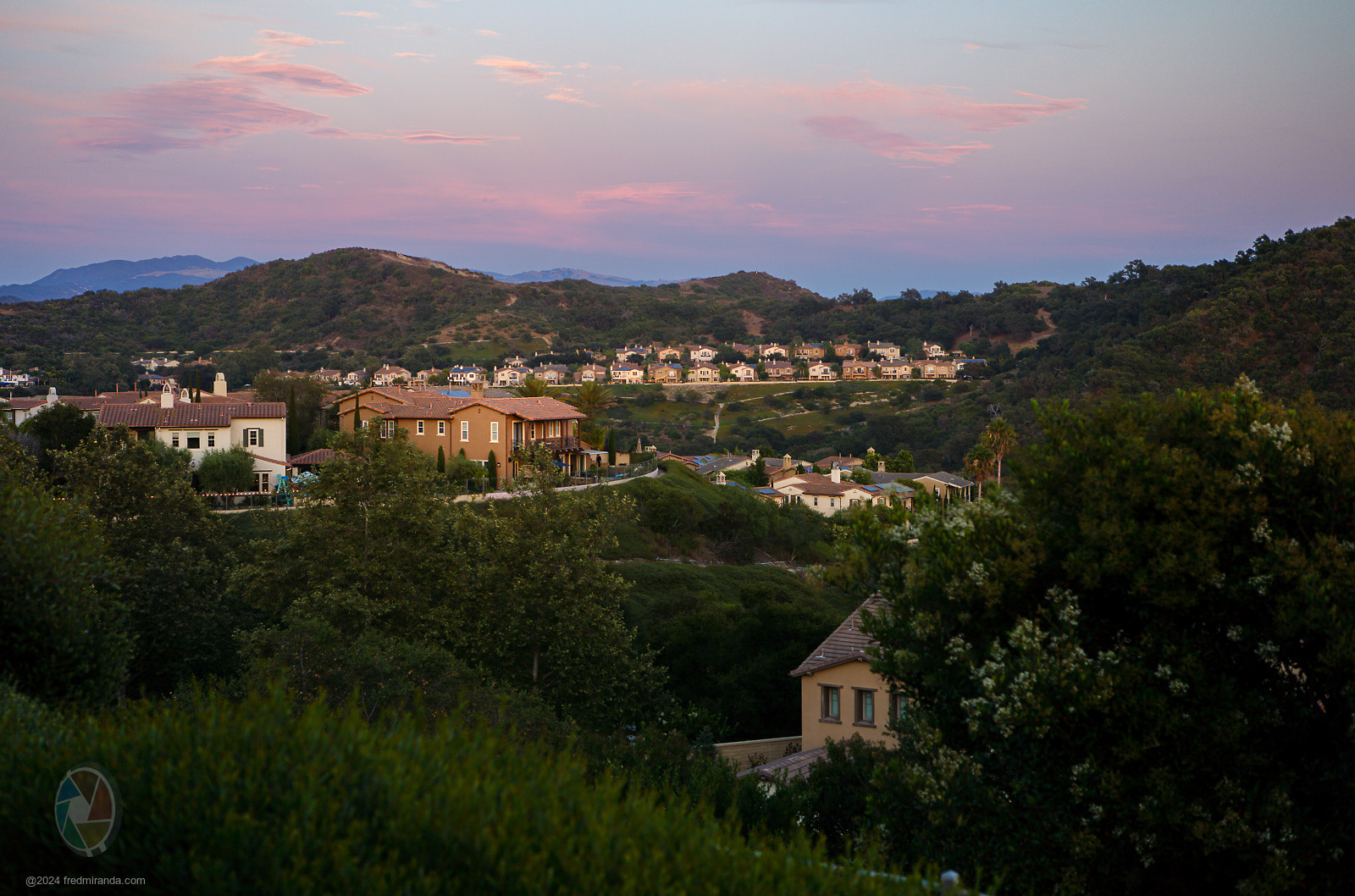
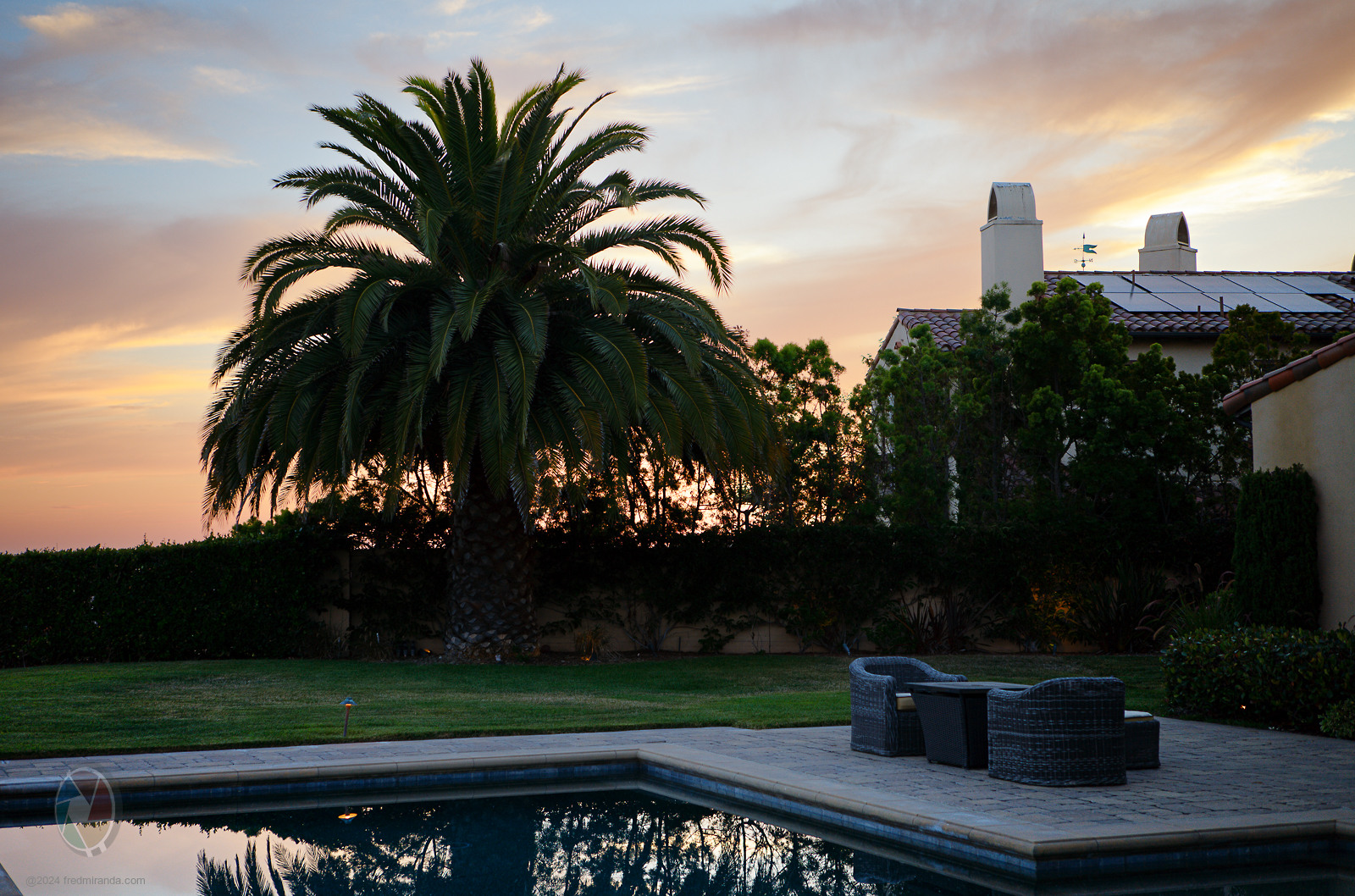
I experimented with the in-camera 'Lens Detection' settings yesterday and discovered that the "1.2/50mm" lens offers the best vignetting correction straight from the camera.
These images were shot wide open, with no additional vignetting correction applied in post-processing, using this code:
LEICA M10-RNoctilux-M 1:1.2/50 lens50mmf/1.21/60s100 ISO0.0 EV
LEICA M10-RNoctilux-M 1:1.2/50 lens50mmf/1.21/60s100 ISO0.0 EV
LEICA M10-RNoctilux-M 1:1.2/50 lens50mmf/2.01/60s100 ISO0.0 EV
Fred Miranda wrote:
I experimented with the in-camera 'Lens Detection' settings yesterday and discovered that the "1.2/50mm" lens offers the best vignetting correction straight from the camera.
These images were shot wide open, with no additional vignetting correction applied in post-processing, using this code:
Cool! Easy to remember too! For the 2.2, use the 1.2!
ok, examples of lens flare. Important note - I was using a B+W MRC UV filter (as well as the lens hood) with these pics as I was at and/or headed to the beach where it was windy/blowing sand.
B+W filters have a good reputation - German! Brass rings! - but in tests, and from my own experience - are not as good as the top Hoyas and not close to Leica's filters. What I am trying to say here is the B+W filter would not help w/re. to lens flare suppression. It would make things worse.
But who knows, maybe it would have flared the same way w/o it? As I did not remove the filter for a comparison.
First pic of Riley - no flare even though the sun is just out of image so pretty much setting it up for some image degradation:
Different angle, note the red ring flare on Riley:
Flare from sun coming through trees, even though all the other sun through trees had no flare!
Last ones. Normally I would have straightened these images before posting, but I wanted the complete uncropped image for this thread so people can see what they look like on film before any meddling! Vignette, distortion etc.
Any ground the Color Skopar may gives up in resolution at/near MFD it makes up with its high contrast. While we need high levels of both, contrast is the essence of image quality at regular focus distances. Over 40% of its glass is Cosina's APD formulations that also power its high end lenses.
@Fred Miranda can you test the actual light transmission of this lens vs a Summicron or Planar? While it may say max aperture 2.2, light transmission values are not necessarily the same.
Desmolicious wrote:
@Fred Miranda@ can you test the actual light transmission of this lens vs a Summicron or Planar? While it may say max aperture 2.2, light transmission values are not necessarily the same.
This process appears to be quite complicated. I don't know of an easy method to test a lens for light transmission (true T-stop). What I can do is compare these two lenses (CV 50/2 and CV 50/2.2) by stopping them down to f/2.8 and check the differences in light transmission.
If you’re aware of a reliable test for this, please share.
I think I'll be ordering one of the new APO 50mm f/3.5 lenses...
I really like the form factor and the feel of the Skopar but I'm not convinced I'll enjoy using it for its optical performance over what I already have with the Summicron