This topic is in the 2024 archive. You can read it and like its posts here. It is read only.
Archive 2024Canon Spring 2024
p.23 #1Canon Spring 2024
lighthound wrote:
Two panel stitch of the Vela Supernova Remnant (over 800 light years away and exploded around 11000 years ago) with the goal of creating a 4 panel mosaic. So far I've gotten about 13 hours total integration time between the 2 panels and would like to get more but with the target setting super early now it's going to be a challenge if I were to have any chance of completing the mosaic (ie I have to try to move onto shooting the other 2 panels...if the amazing run of clear nights we've been getting holds up).Mind blowing goodness! Fantastic work.Thanks man! If only I got to start shooting it earlier in the season...the supernova remnant has very faint signals left and I was actually surprised at how much I was able to pull out from just 6-7 hours on each panel. I think if I can get to 15-20 hours there''ll be some very sizeable improvements still (mostly in the fine details and structure and just overall cleaner image).I've always been fascinated with this type of photography but the amount of time and work, let alone price of gear, has kept me away from pursuing it. So kudos for all your hard work you have put into images like this one.
You have to wonder when viewing an image like this. If there is other life or civilizations out there, how many were wiped out of existence when just this one super nova blew. And likely still destroying anything in it's monstrous path, which is over 100 light years across.
Yea man, definitely a very steep learning curve involved from setting up all the way to editing your data. But the point of entry has been made more accessible than it's ever been I think; a lot of budget but quality mounts and software/hardware that makes life easier are now available not to mention the wealth of info online. For example I only very recently spent money on a new equatorial mount and finally a telescope (equivalent to a 500mm f/5.6 but highly corrected, sharp stars to the corner with practically no chromatic aberration, image circle covers full frame WITH the 0.7x reducer on), fantastic pieces of kit and together only cost roughly the price of an R5. But yes along with the steep learning curve you're also at the mercy of the weather in that you need clear, moonless nights (though there are ways to help deal with the moon somewhat, along with light pollution). So a lot of things need to go right even before you take your first shot haha.
I am sure there are life forms and civilisations out there, all you have to do is look at the countless number of galaxies that exist in the universe. Even the whole concept of time travel, the image I posted there was from over 800 years ago, like it literally took over 800 years for the light to hit my my camera sensor, screws with your brain if you try to think about it too much lol.
Feel free to reach out if you ever need hints on getting started, not that I am pro at this or anything haha.
bballfreak6 wrote
lighthound wrote
bballfreak6 wrote
https://live.staticflickr.com/65535/53790520311_d4af9b6f74_b.jpgVela Supernova Remnant by Tony, on FlickrTwo panel stitch of the Vela Supernova Remnant (over 800 light years away and exploded around 11000 years ago) with the goal of creating a 4 panel mosaic. So far I've gotten about 13 hours total integration time between the 2 panels and would like to get more but with the target setting super early now it's going to be a challenge if I were to have any chance of completing the mosaic (ie I have to try to move onto shooting the other 2 panels...if the amazing run of clear nights we've been getting holds up).
You have to wonder when viewing an image like this. If there is other life or civilizations out there, how many were wiped out of existence when just this one super nova blew. And likely still destroying anything in it's monstrous path, which is over 100 light years across.
Yea man, definitely a very steep learning curve involved from setting up all the way to editing your data. But the point of entry has been made more accessible than it's ever been I think; a lot of budget but quality mounts and software/hardware that makes life easier are now available not to mention the wealth of info online. For example I only very recently spent money on a new equatorial mount and finally a telescope (equivalent to a 500mm f/5.6 but highly corrected, sharp stars to the corner with practically no chromatic aberration, image circle covers full frame WITH the 0.7x reducer on), fantastic pieces of kit and together only cost roughly the price of an R5. But yes along with the steep learning curve you're also at the mercy of the weather in that you need clear, moonless nights (though there are ways to help deal with the moon somewhat, along with light pollution). So a lot of things need to go right even before you take your first shot haha.
I am sure there are life forms and civilisations out there, all you have to do is look at the countless number of galaxies that exist in the universe. Even the whole concept of time travel, the image I posted there was from over 800 years ago, like it literally took over 800 years for the light to hit my my camera sensor, screws with your brain if you try to think about it too much lol.
Feel free to reach out if you ever need hints on getting started, not that I am pro at this or anything haha.
Jun 14, 2024 at 04:32 PM

p.23 #3Canon Spring 2024
Dragonfly
Edited on Jul 20, 2024 at 10:43 PM · View previous versions
Edited on Jul 20, 2024 at 10:43 PM · View previous versions
Jun 14, 2024 at 08:04 PM
p.23 #4Canon Spring 2024
Rudy Pohl wrote:
Northern Shoveler male feeding. Canon R5, RF100-500 - 500 mm, ƒ/7.1, 1/1600, ISO 3200
https://live.staticflickr.com/65535/53725973014_6a9977e9ef_h.jpg
Really nice shot Rudy. I love you point of view on this one.
Dave
Northern Shoveler male feeding. Canon R5, RF100-500 - 500 mm, ƒ/7.1, 1/1600, ISO 3200
https://live.staticflickr.com/65535/53725973014_6a9977e9ef_h.jpg
Really nice shot Rudy. I love you point of view on this one.
Dave
Jun 14, 2024 at 08:30 PM
p.23 #5Canon Spring 2024
Peregrine Falcon family of Hannibal, Mo. June 9, 2024. The three young Falcons are losing their fluff, and video starts with two interacting on top of the Mississippi River bridge pier out in the river at Hannibal, MO where they were hatched, soon joined by the third one. Continues and dad stops to check on them for a few seconds without food. Then they hang out and soon mom is there with food and one gets it and scurries between the bridge beams in a hurry and mom leaves the pier. Videoed from 1/4 mile away. Very high magnification due to distance, Canon R5 RF200-800 2X extender 4k crop mode (2560mm field of view). I also picked up a bit of sound of the eyas hollering for mom or dad to bring food.
Jun 15, 2024 at 04:02 AM
p.23 #6Canon Spring 2024
dj63401 wrote:
https://live.staticflickr.com/65535/53725973014_6a9977e9ef_h.jpgReally nice shot Rudy. I love you point of view on this one.
Dave
Thanks very much, Dave.
Rudy Pohl wrote
Northern Shoveler male feeding. Canon R5, RF100-500 - 500 mm, ƒ/7.1, 1/1600, ISO 3200https://live.staticflickr.com/65535/53725973014_6a9977e9ef_h.jpg
Dave
Thanks very much, Dave.
Jun 15, 2024 at 06:25 AM
p.23 #7Canon Spring 2024
I got there well before sunrise hoping the Owl would be out and active, and it was. It was perched high in a tree scanning for prey and then suddenly flew down and landed on the fallen tree seen here. It stayed there for quite a long time. The scene was very dark and in deep shadow with just a touch of ambient sunlight hitting a spot in the forest behind it. The sun had not fully emerged above the horizon.
Canon R5 + RF100-500: 500mm, ƒ/7.1, 1/800, ISO 1600
https://live.staticflickr.com/65535/53593127413_1950e4b6f1_b.jpg
Canon R5 + RF100-500: 500mm, ƒ/7.1, 1/800, ISO 1600
https://live.staticflickr.com/65535/53593127413_1950e4b6f1_b.jpg
Jun 15, 2024 at 07:26 AM
p.23 #9Canon Spring 2024
dj63401 wrote:
This is quite beautiful Rudy! Well done.
I agree beautiful image !
This is quite beautiful Rudy! Well done.
I agree beautiful image !
Jun 15, 2024 at 11:22 AM
p.23 #10Canon Spring 2024
Water Lily
Edited on Jul 20, 2024 at 10:43 PM · View previous versions
Edited on Jul 20, 2024 at 10:43 PM · View previous versions
Jun 15, 2024 at 11:31 AM
p.23 #11Canon Spring 2024
.
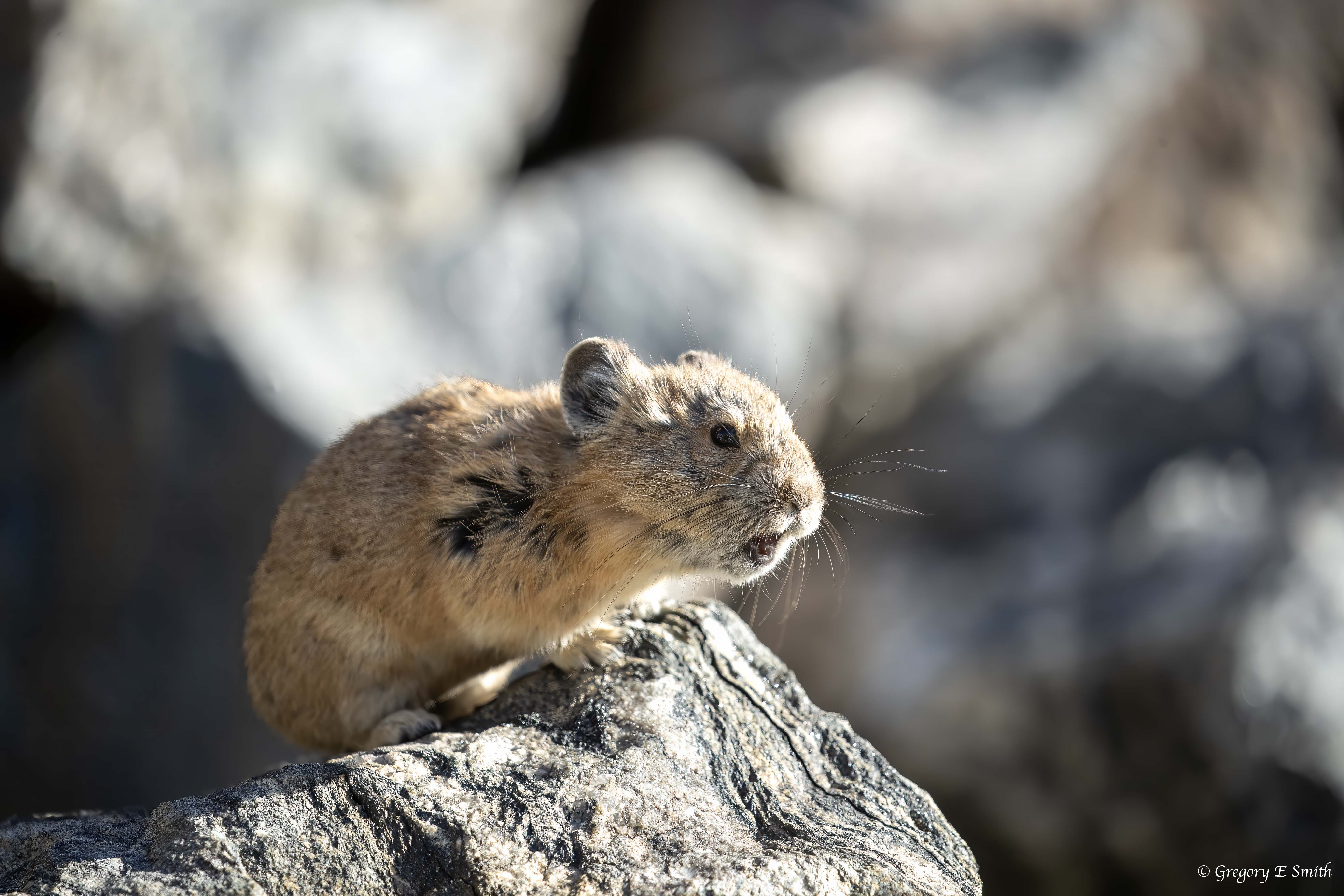
Pika
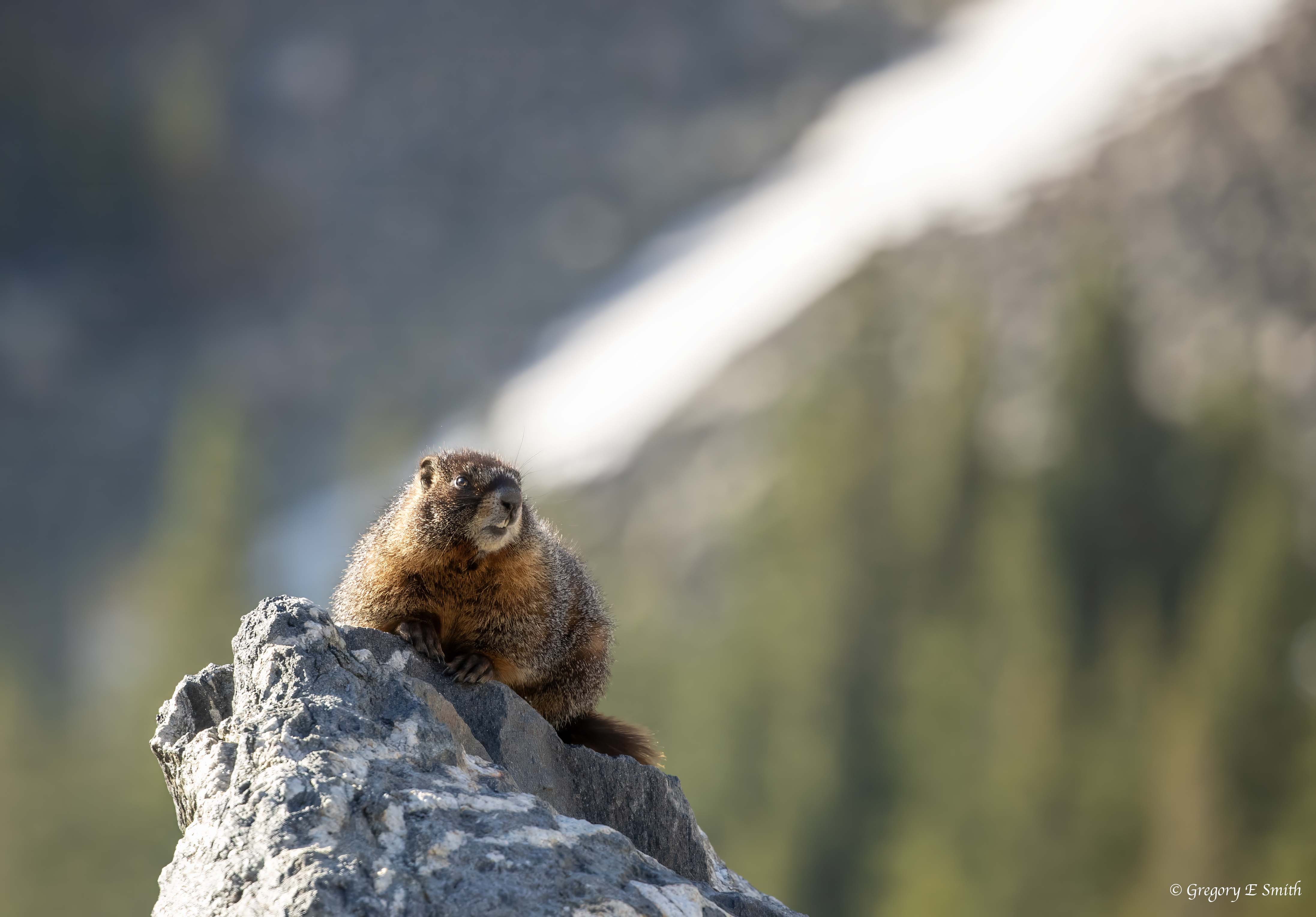
Marmot
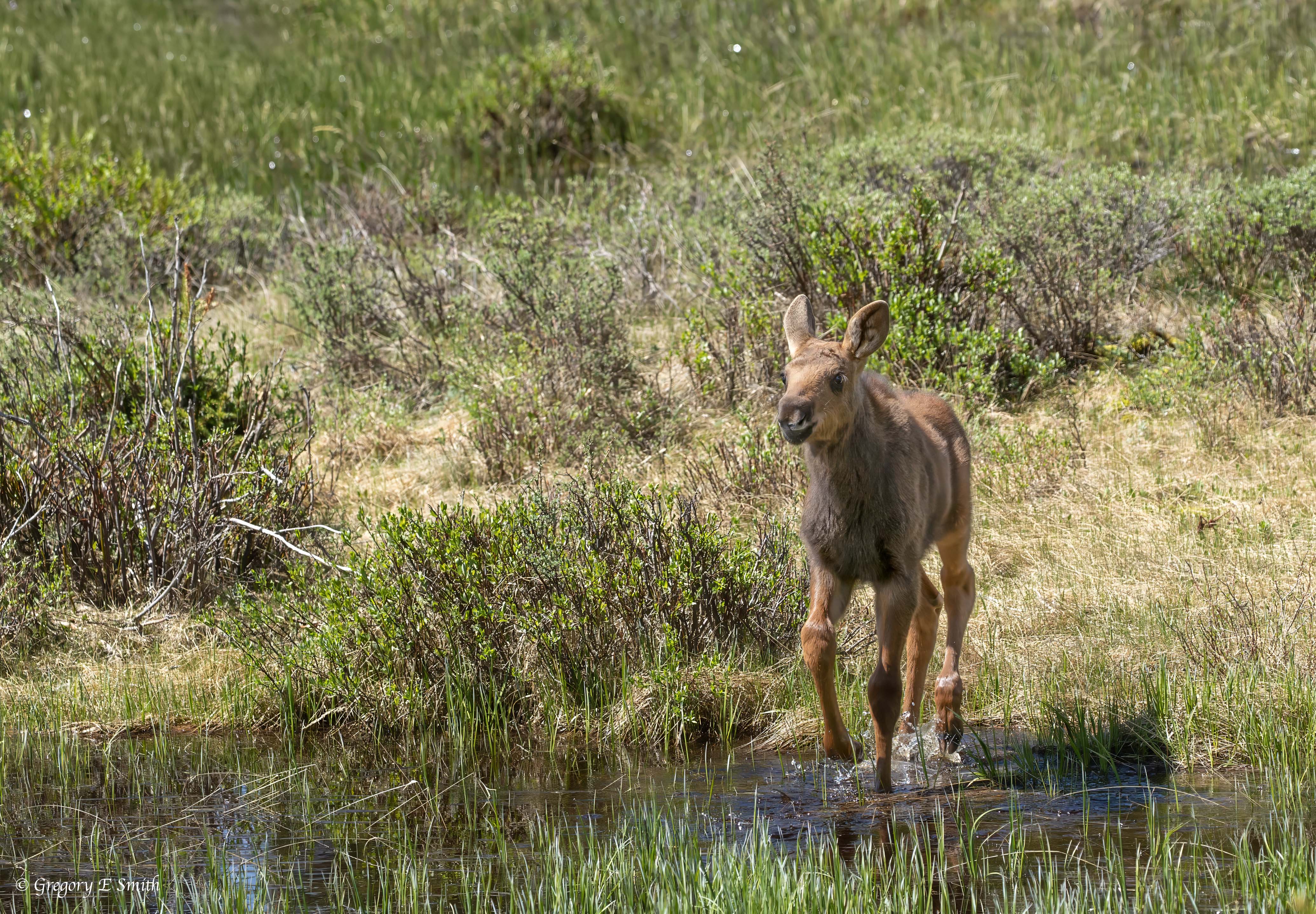
Moose Calf
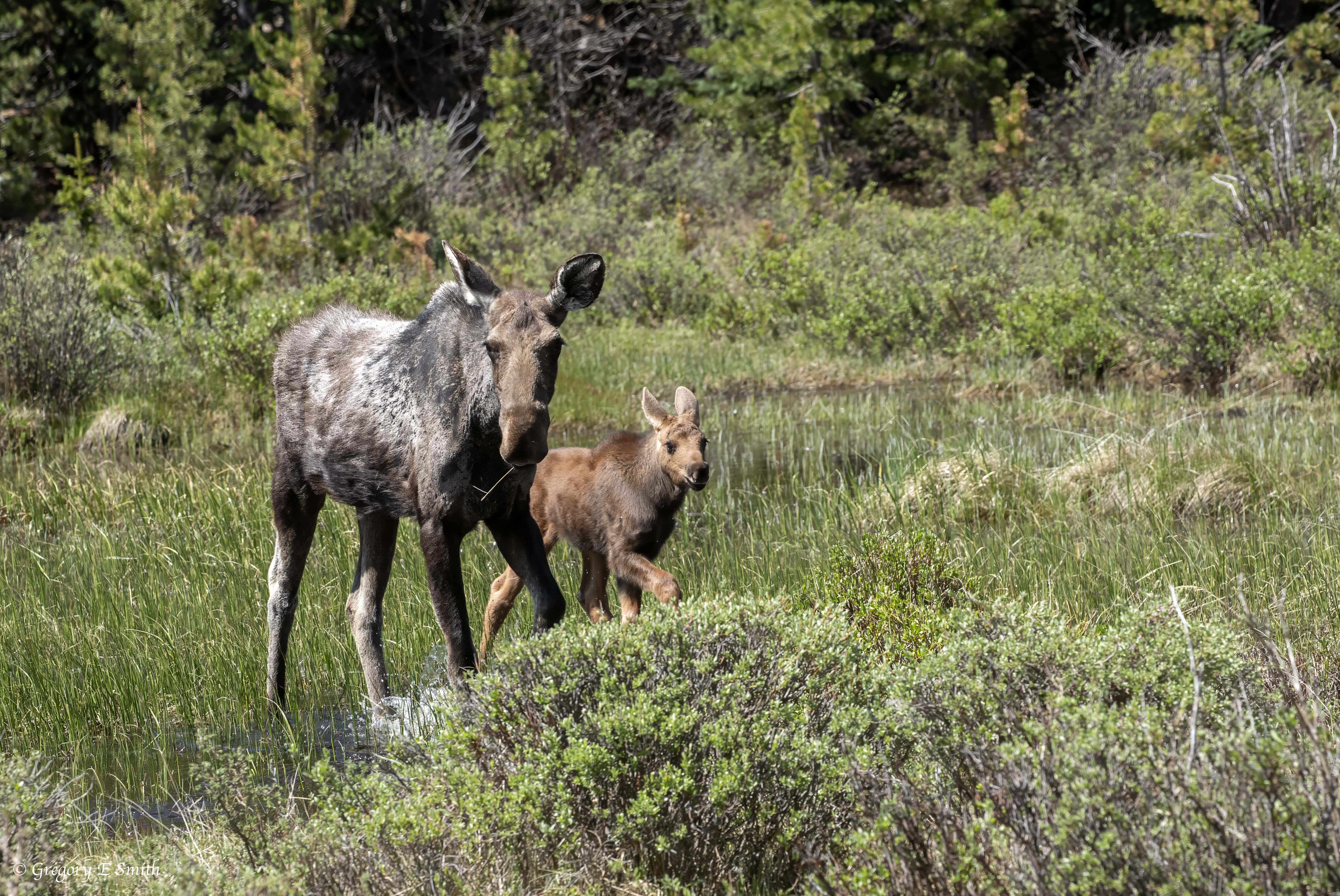
Moose Cow and Calf
Edited on Jun 15, 2024 at 02:56 PM · View previous versions
Pika
Marmot
Moose Calf
Moose Cow and Calf
Edited on Jun 15, 2024 at 02:56 PM · View previous versions
Jun 15, 2024 at 01:14 PM
p.23 #12Canon Spring 2024
'Perch Duel'
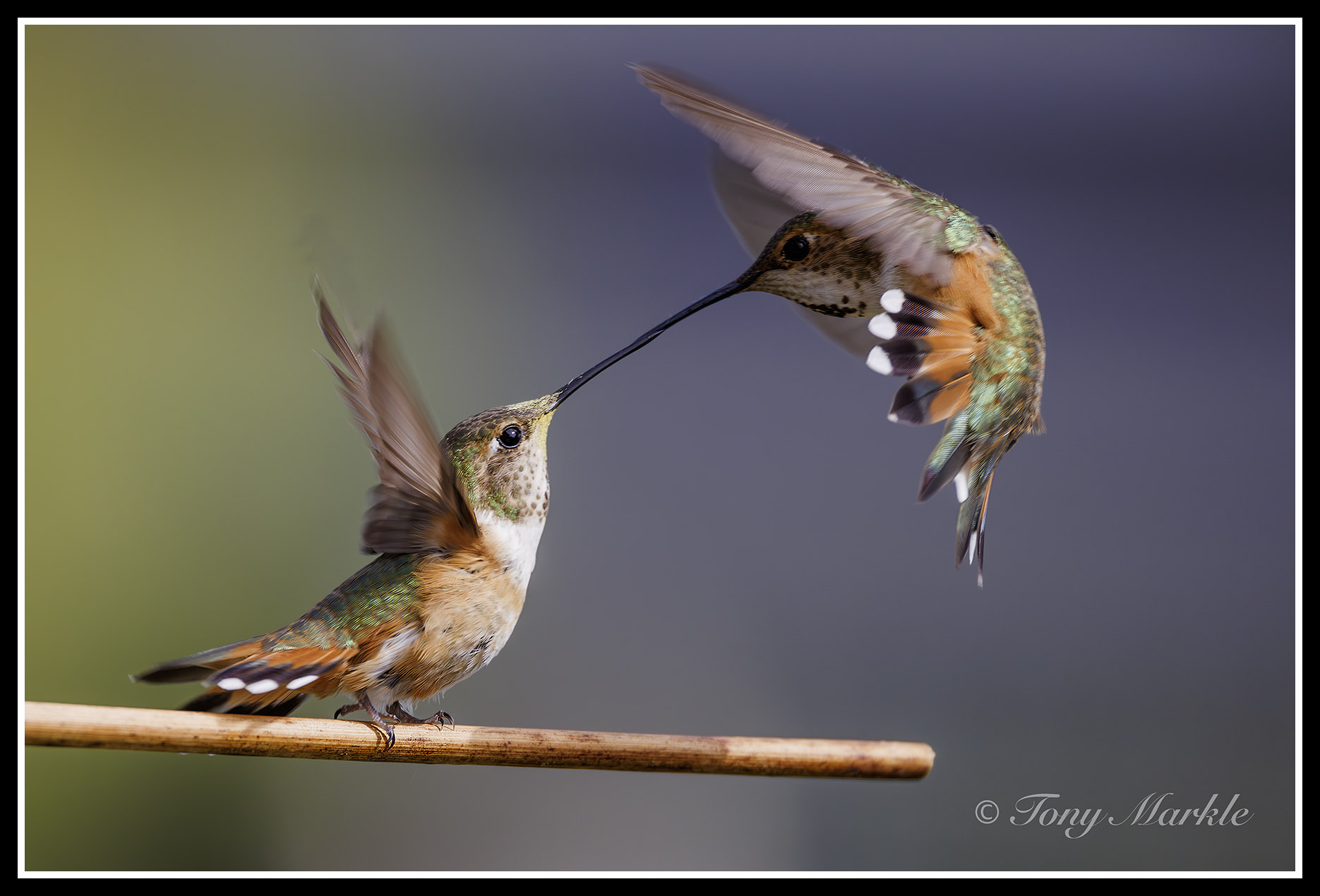
Canon EOS R5 RF200-800mm F6.3-9 IS USM lens 800mm f/9.5 1/2000s 1000 ISO -0.5 EV
Jun 15, 2024 at 01:54 PM
p.23 #14Canon Spring 2024
Rudy Pohl wrote:
Wow Tony! Awesome shot!
Rudy
Thanks Rudy,
Tony
Wow Tony! Awesome shot!
Rudy
Thanks Rudy,
Tony
Jun 15, 2024 at 08:48 PM
p.23 #15Canon Spring 2024
American Goldfinch. Composite of three images. Male standing guard while female in background is getting her beak full of fluff from cattails, probably for nesting material.
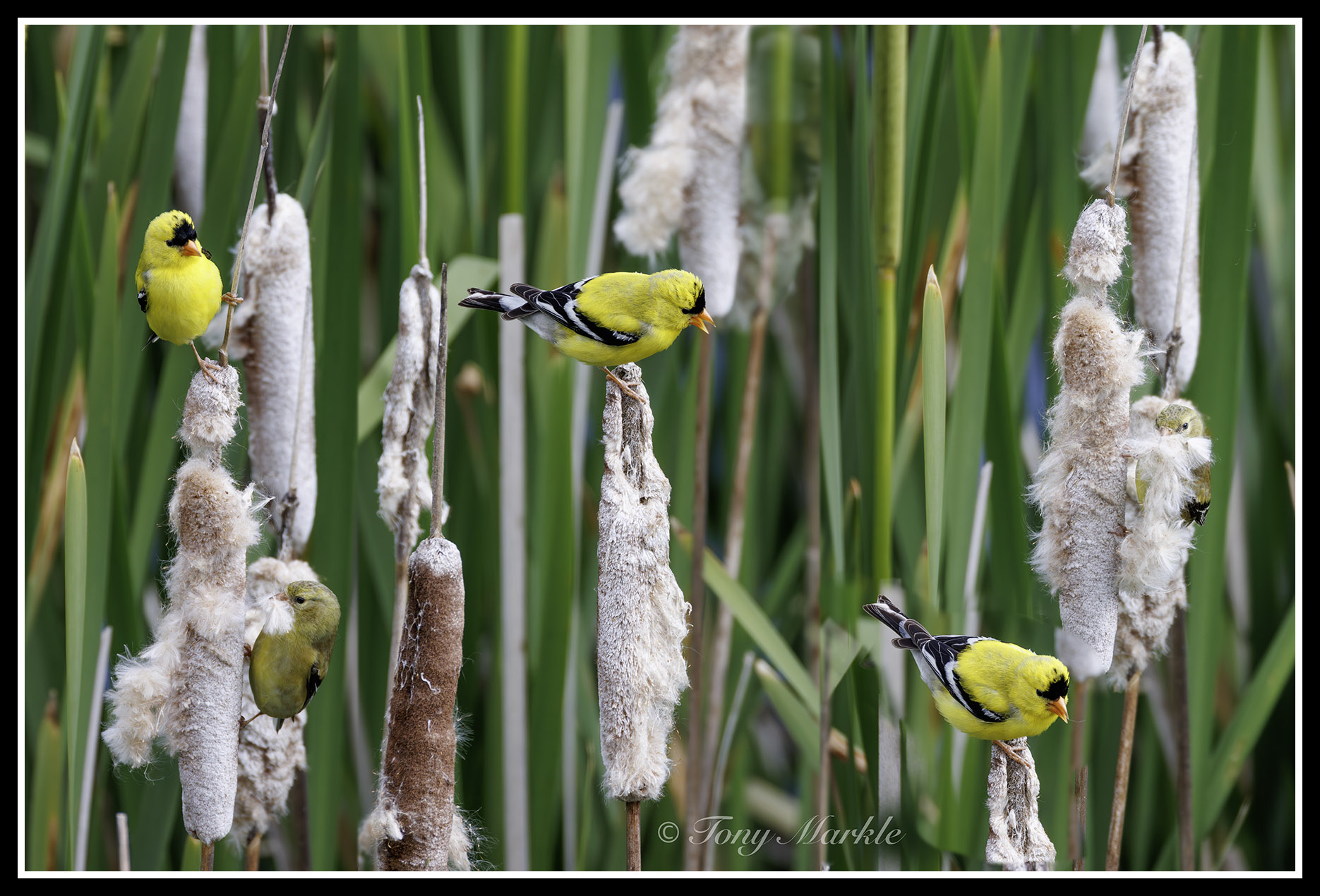
Canon EOS R5 RF200-800mm F6.3-9 IS USM lens 800mm f/9.5 1/1000s 1250 ISO 0.0 EV
Jun 15, 2024 at 08:49 PM

p.23 #18Canon Spring 2024
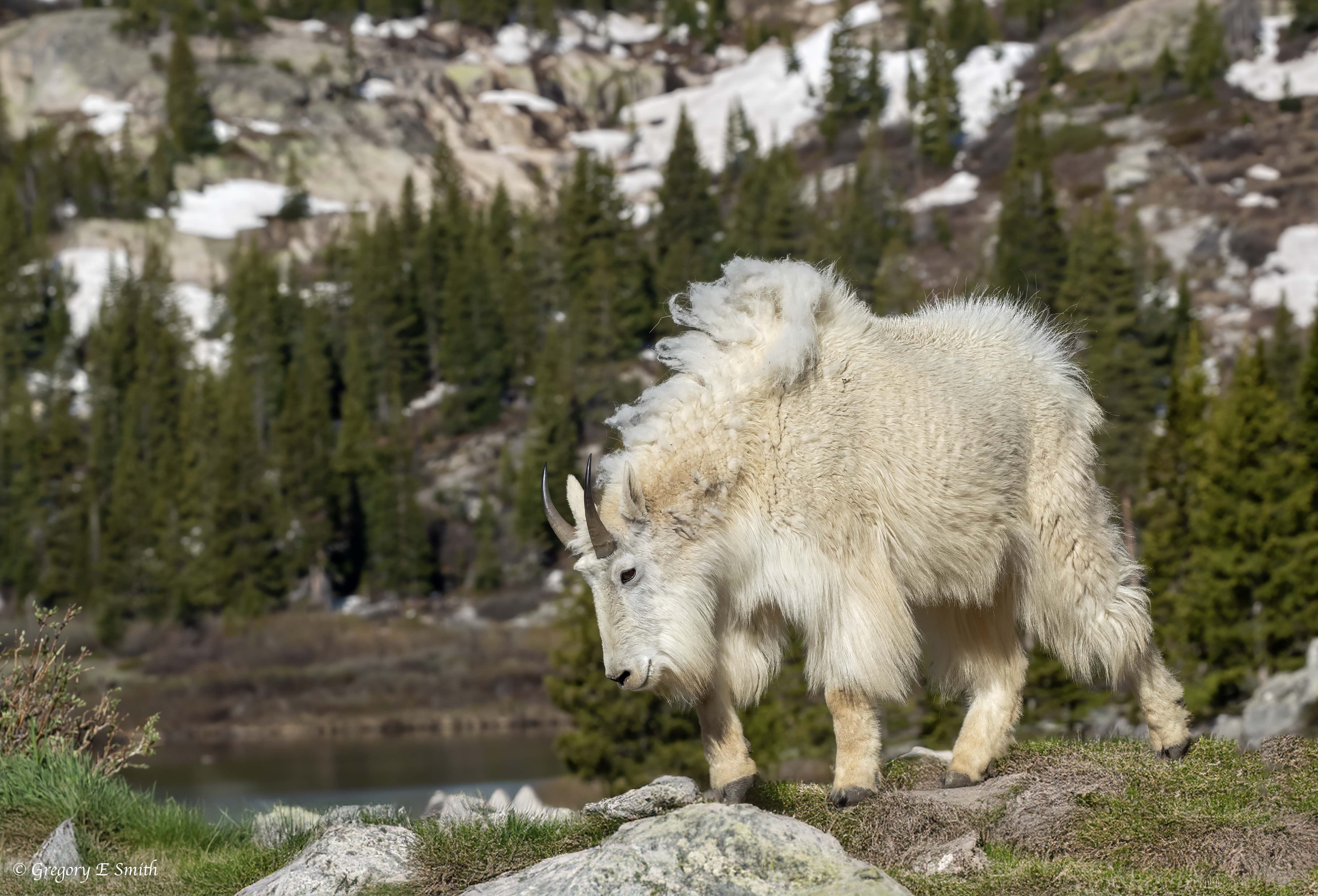
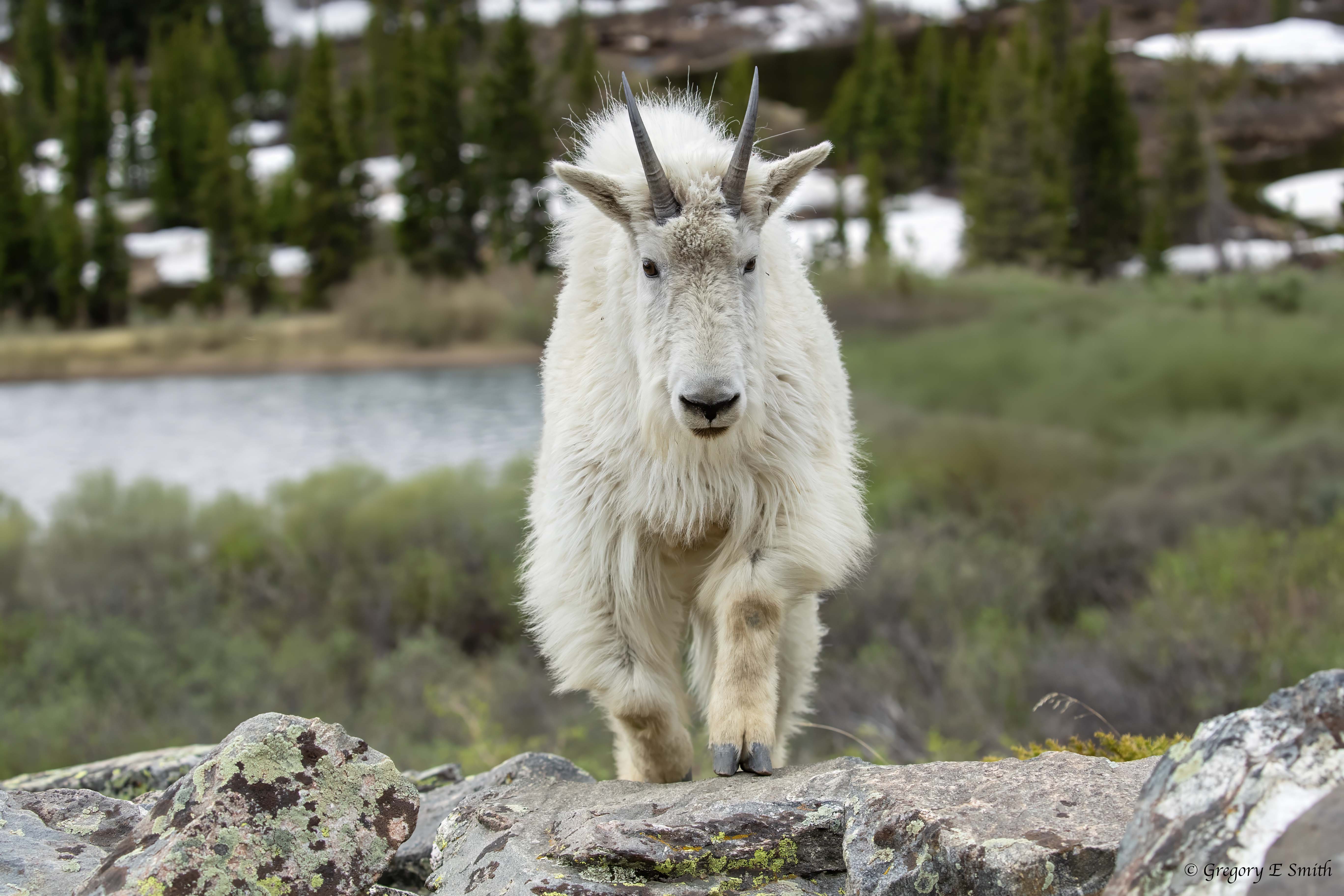
Good Evening,
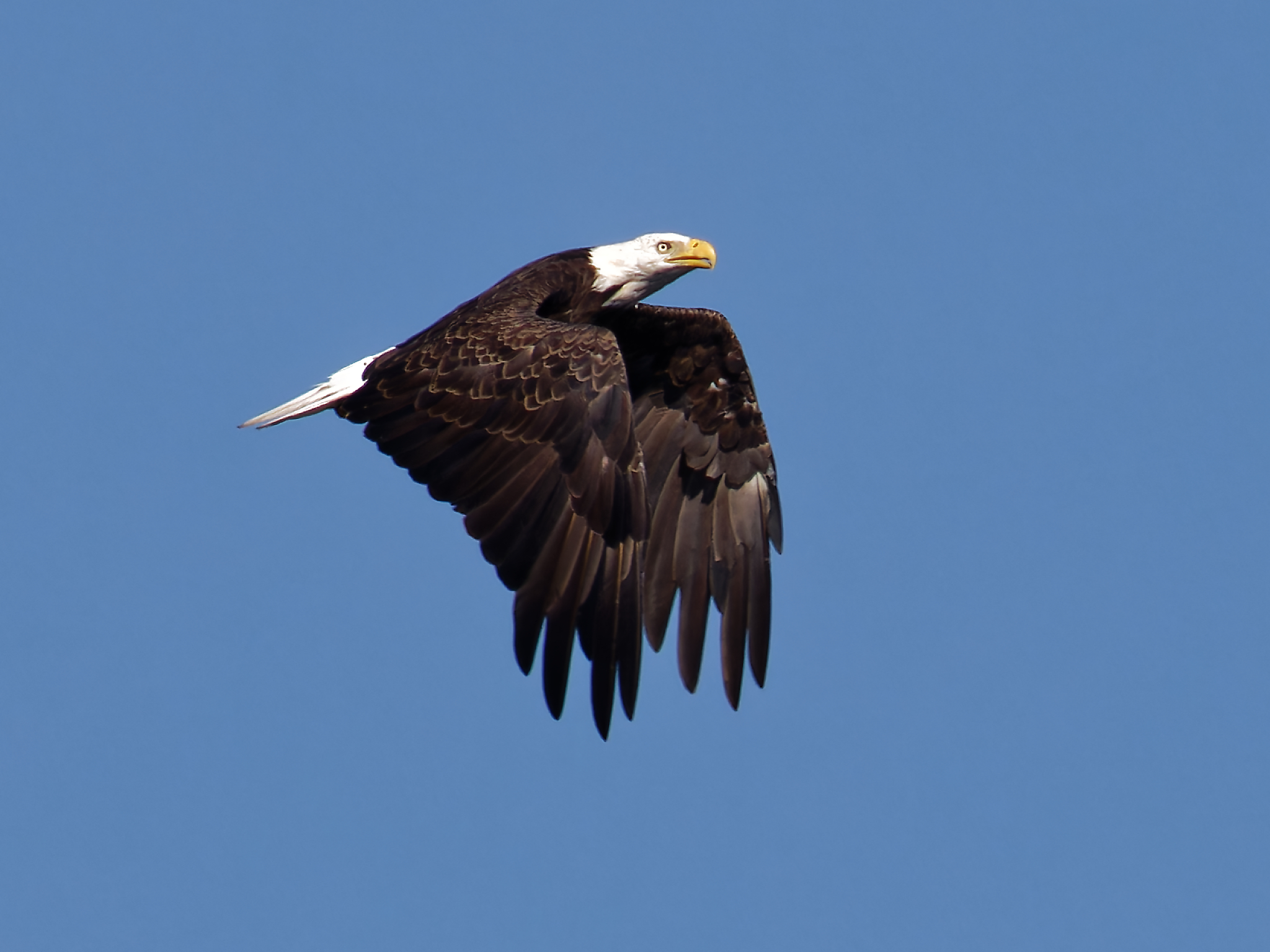
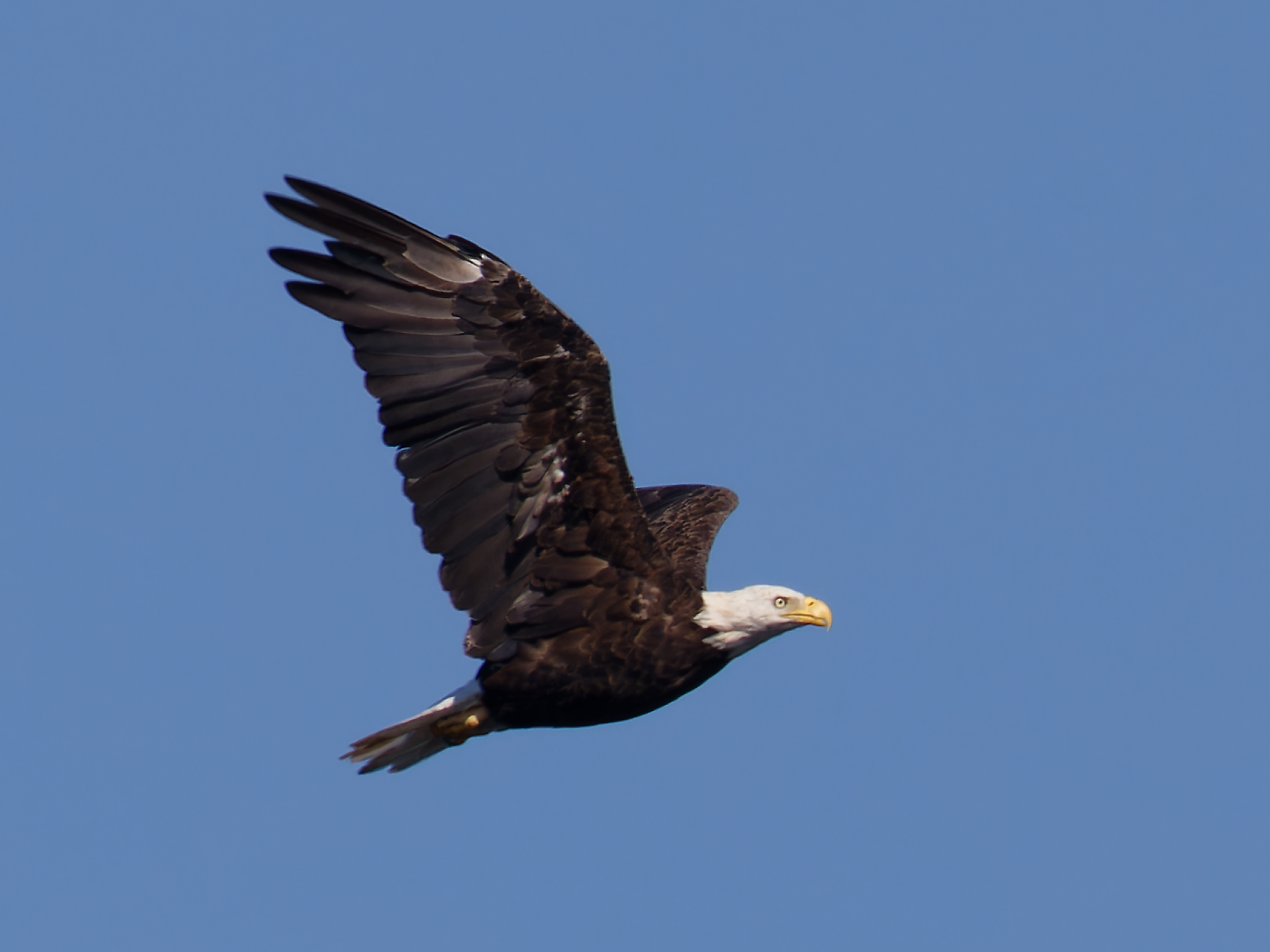
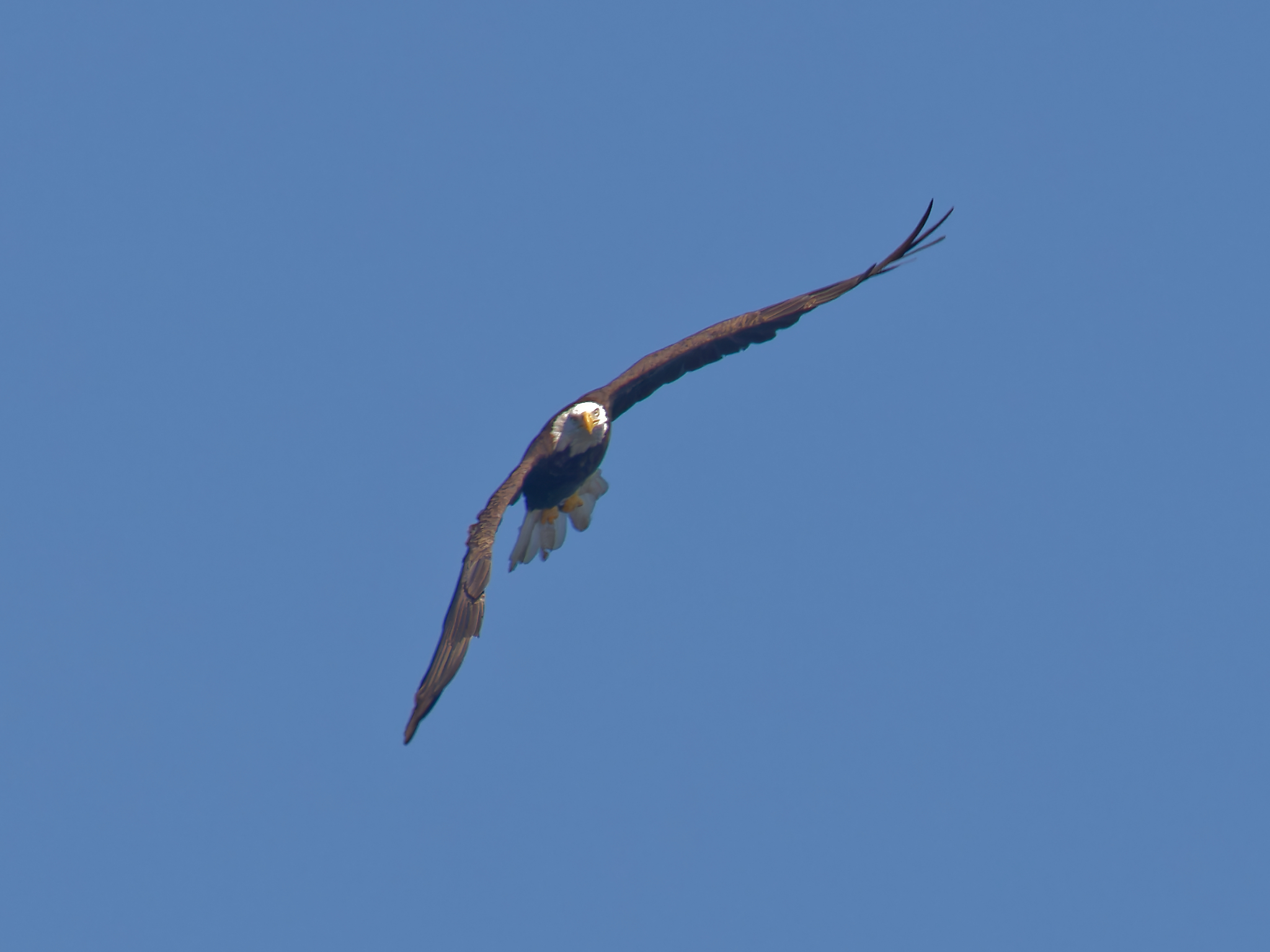
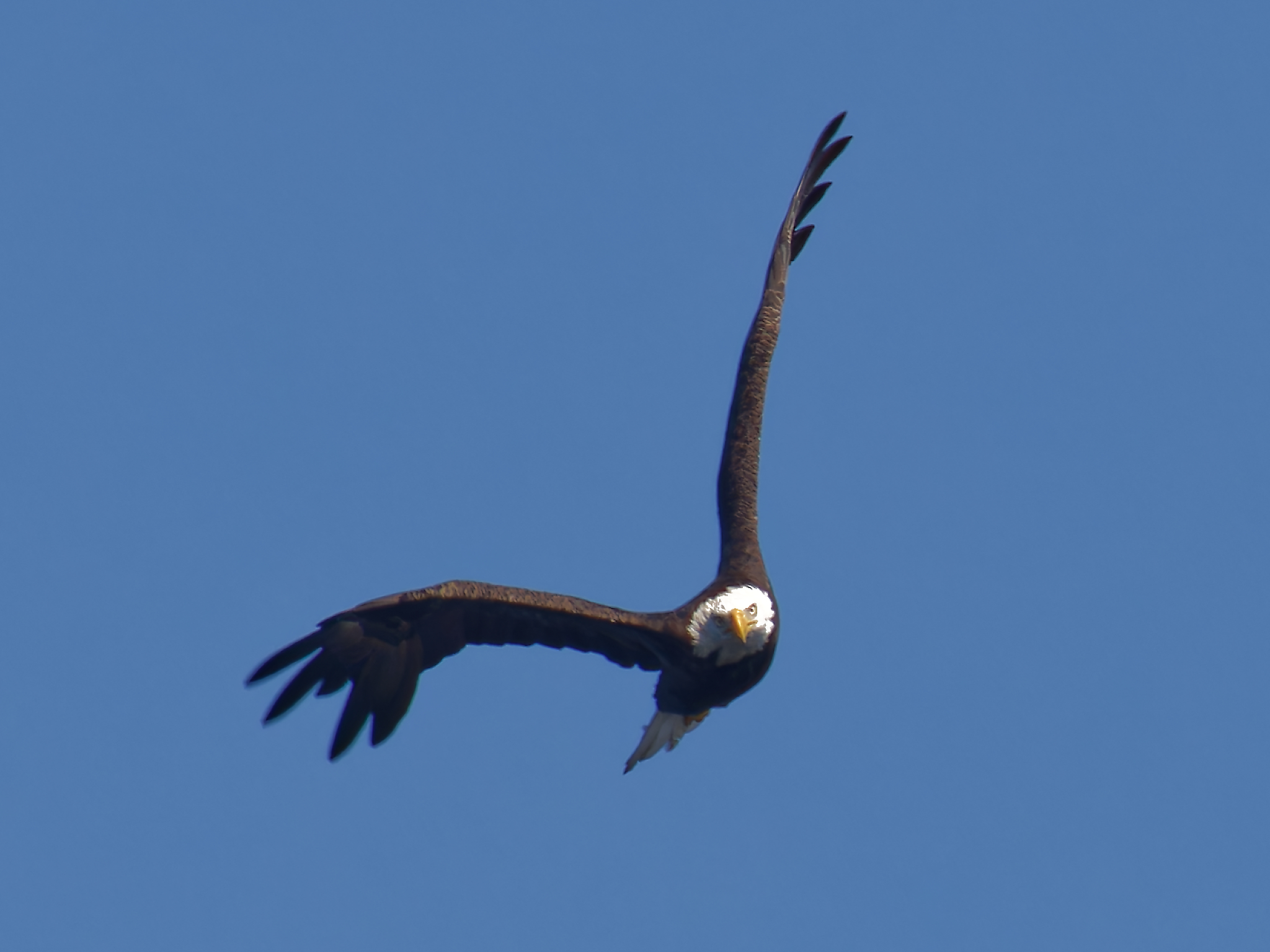
A bit of simulating what my RF 200-800mm might do for me if it comes in prior to Christmas 2024 (used EF100-400 Mk II with 2X Mk III T.C.)... All shot from the kayak in ~15 MPH headwinds.
Regards,
Edd
A bit of simulating what my RF 200-800mm might do for me if it comes in prior to Christmas 2024 (used EF100-400 Mk II with 2X Mk III T.C.)... All shot from the kayak in ~15 MPH headwinds.
Regards,
Edd
 |
||
 © roboticspro 2024 |
||
|
Canon EOS R5 EF100-400mm f/4.5-5.6L IS II USM +2x III lens 800mm f/11.0 1/1000s 400 ISO 0.0 EV
|
||
 © roboticspro 2024 |
||
|
Canon EOS R5 EF100-400mm f/4.5-5.6L IS II USM +2x III lens 800mm f/11.0 1/1000s 400 ISO 0.0 EV
|
||
 © roboticspro 2024 |
||
|
Canon EOS R5 EF100-400mm f/4.5-5.6L IS II USM +2x III lens 800mm f/11.0 1/1000s 500 ISO 0.0 EV
|
||
 © roboticspro 2024 |
||
|
Canon EOS R5 EF100-400mm f/4.5-5.6L IS II USM +2x III lens 800mm f/11.0 1/1000s 500 ISO 0.0 EV
Jun 16, 2024 at 04:23 PM
p.23 #19Canon Spring 2024
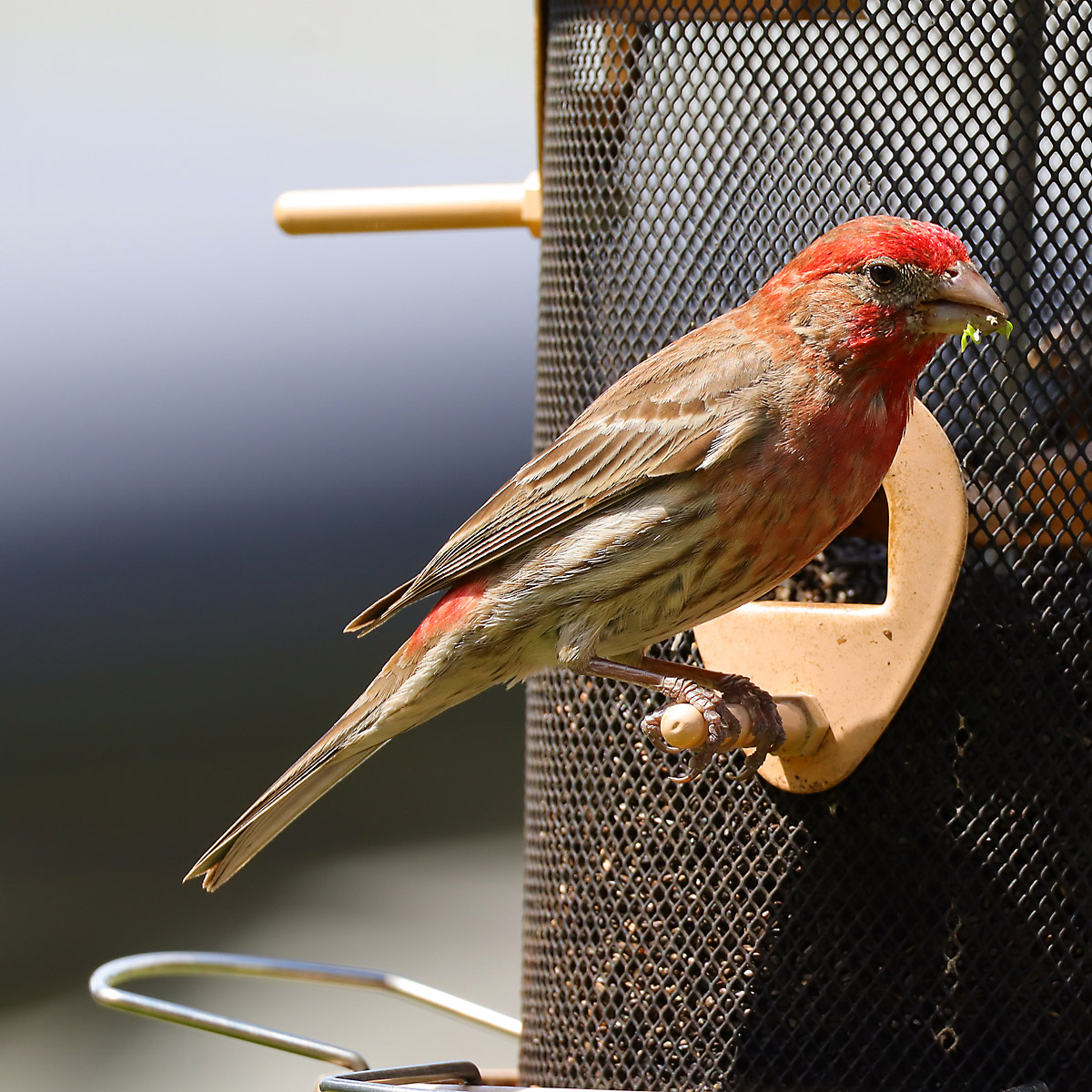
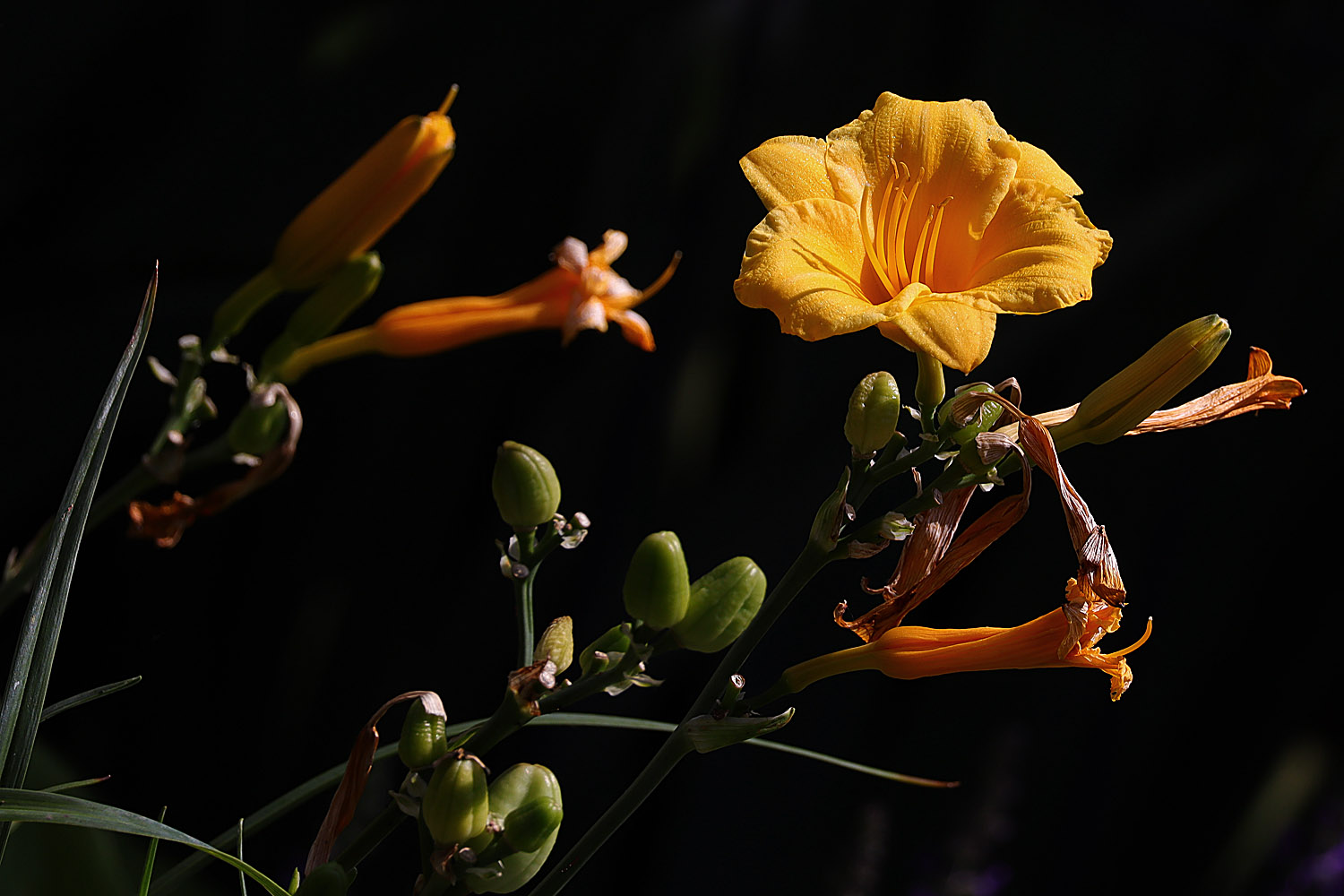
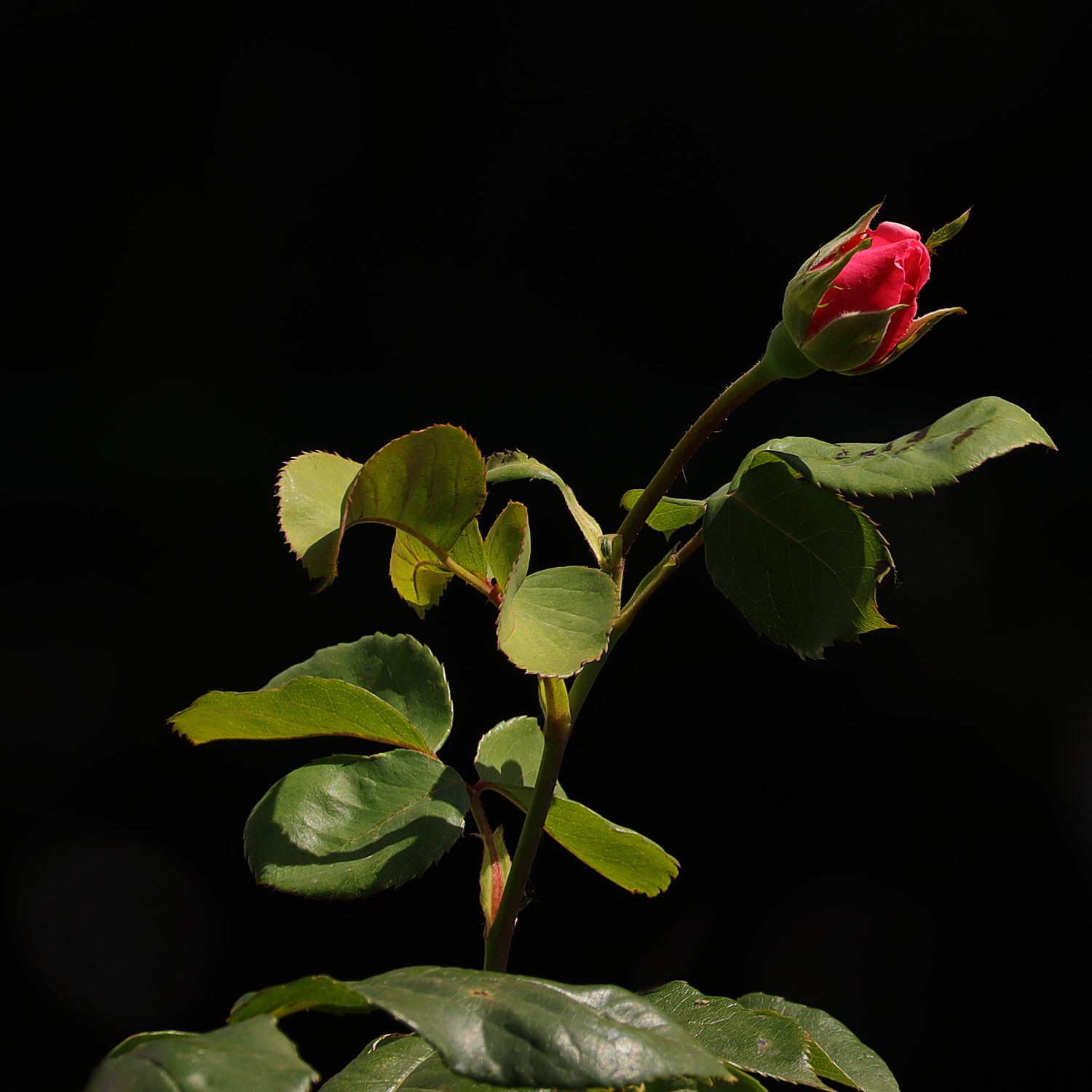
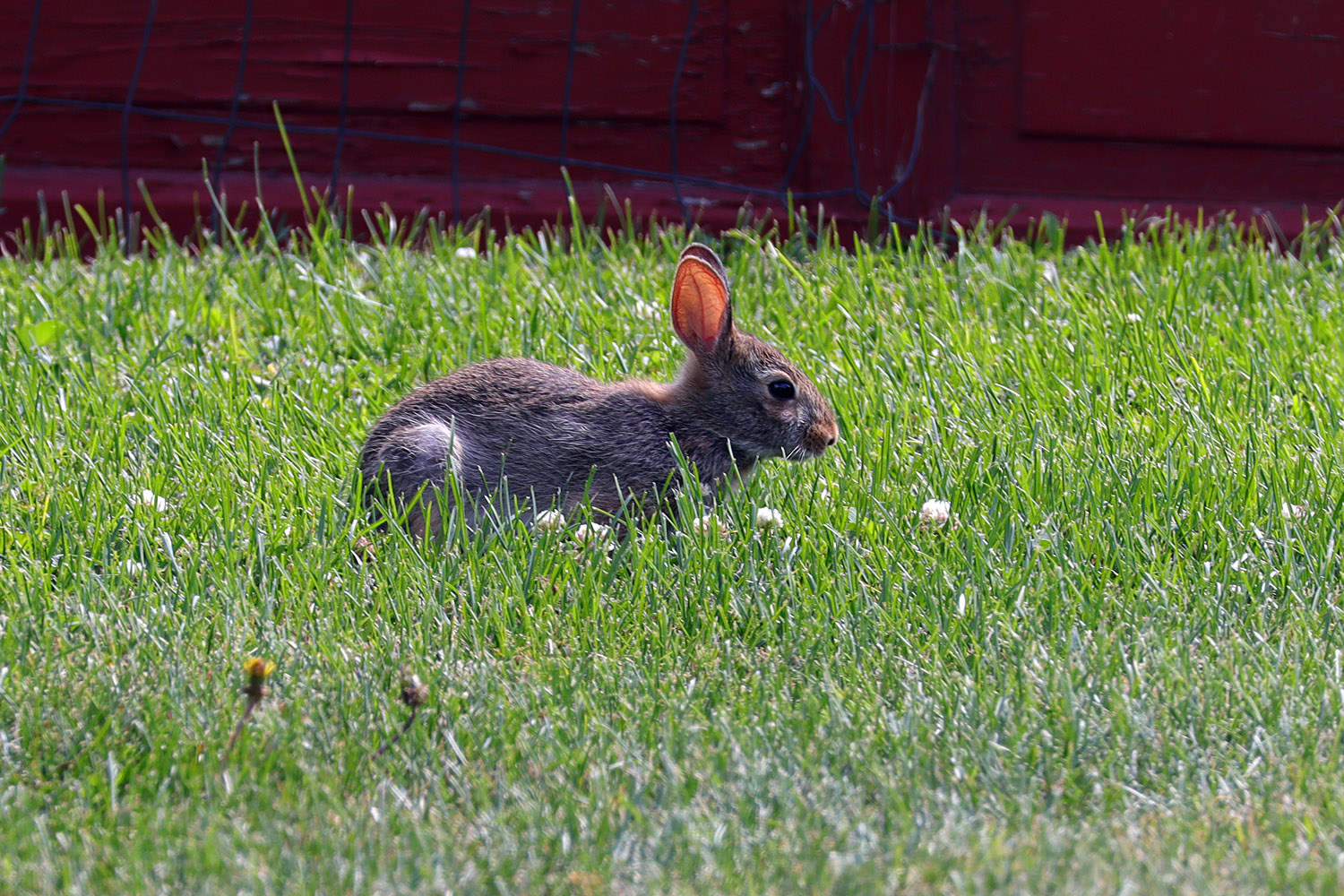
A few from the back yard.
 |
||
 |
||
 |
Canon EOS R100 RF100-400mm F5.6-8 IS USM lens 400mm f/9.0 1/400s 400 ISO 0.0 EV
 |
||
 |
||
 |
Canon EOS R100 RF100-400mm F5.6-8 IS USM lens 400mm f/8.0 1/400s 100 ISO 0.0 EV
|
||
 |
||
|
Canon EOS R100 RF100-400mm F5.6-8 IS USM lens 400mm f/9.0 1/250s 100 ISO 0.0 EV
|
||
 |
||
|
Canon EOS R100 RF100-400mm F5.6-8 IS USM lens 400mm f/9.0 1/80s 100 ISO 0.0 EV
Jun 16, 2024 at 04:54 PM
p.23 #20Canon Spring 2024
.
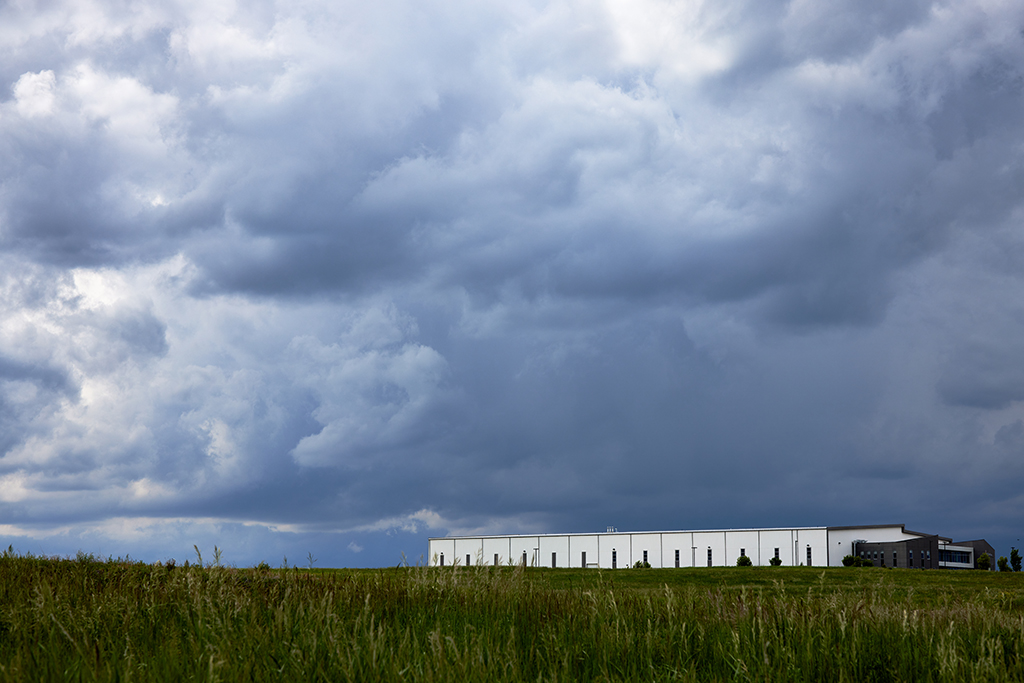
Canon EOS R5 Voigtlander NOKTON 75mm F1.5 lens 75mm f/8.0 1/400s 100 ISO 0.0 EV
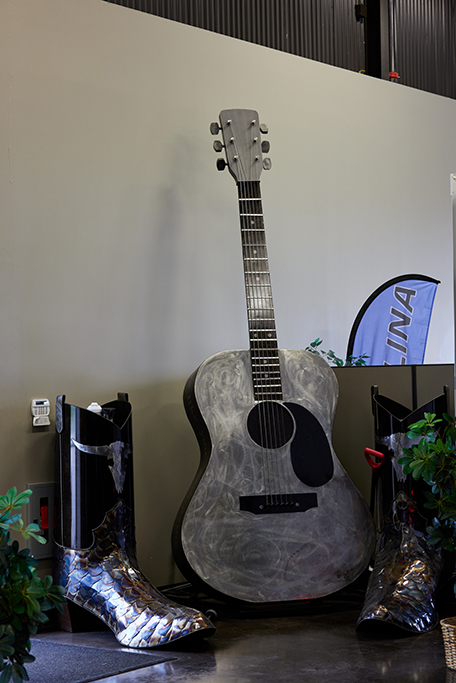
Canon EOS R5 Voigtlander NOKTON 75mm F1.5 lens 75mm f/4.0 1/125s 800 ISO 0.0 EV
Jun 16, 2024 at 09:52 PM