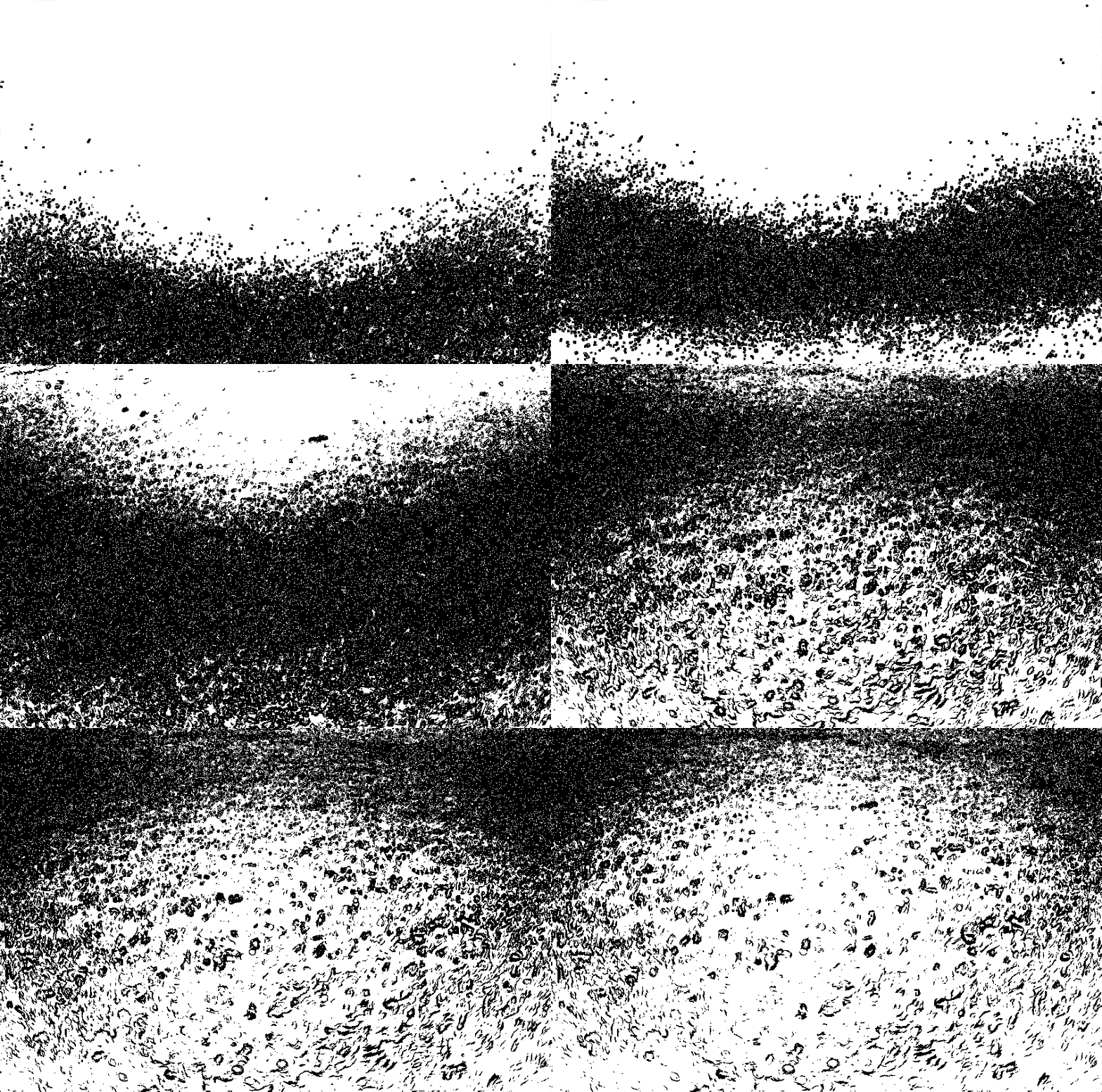
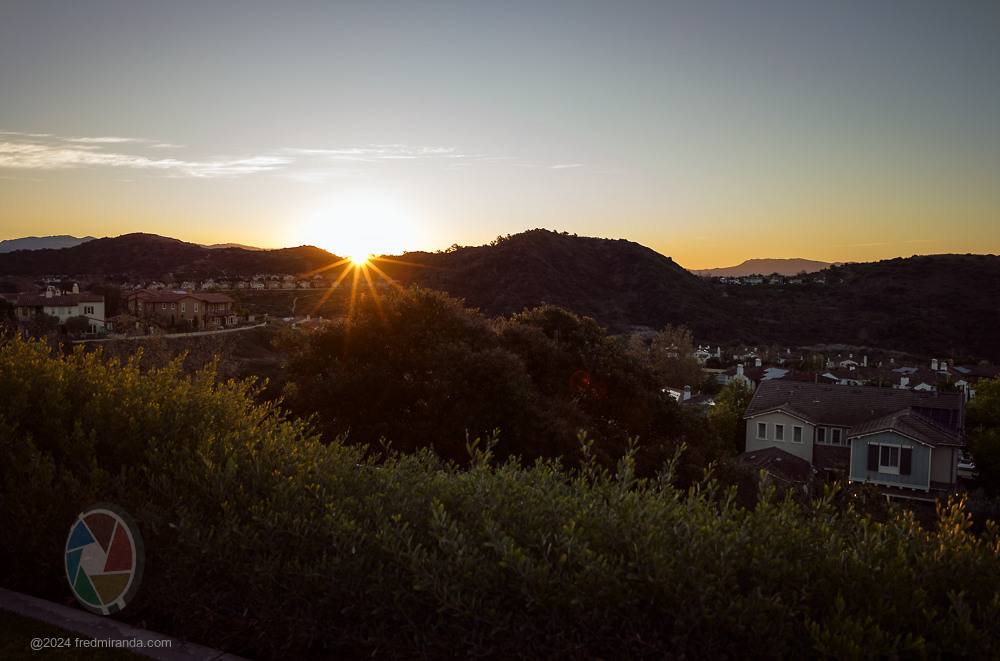
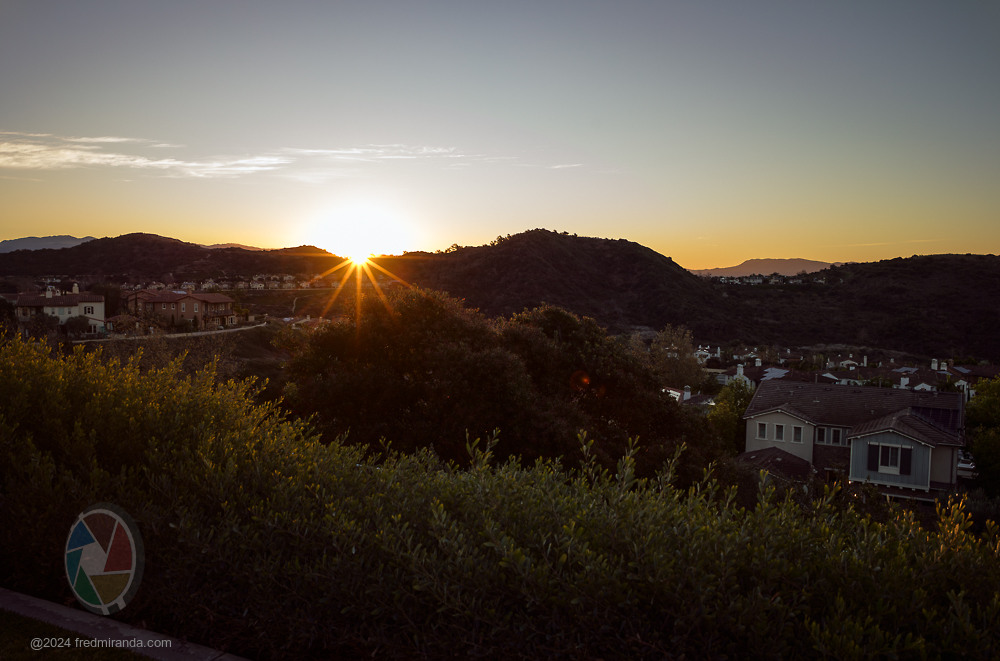
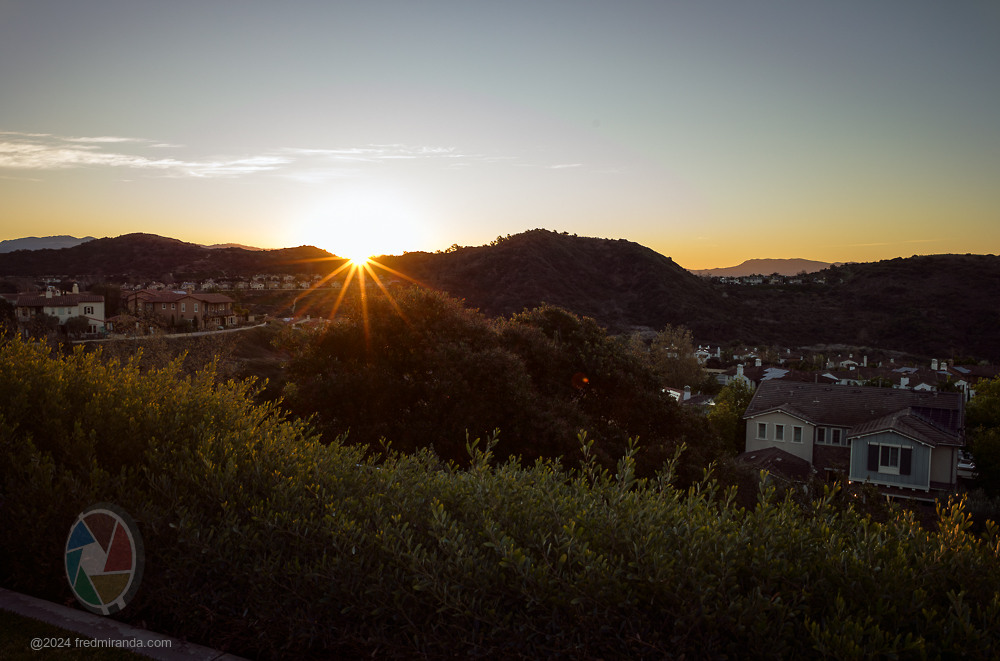
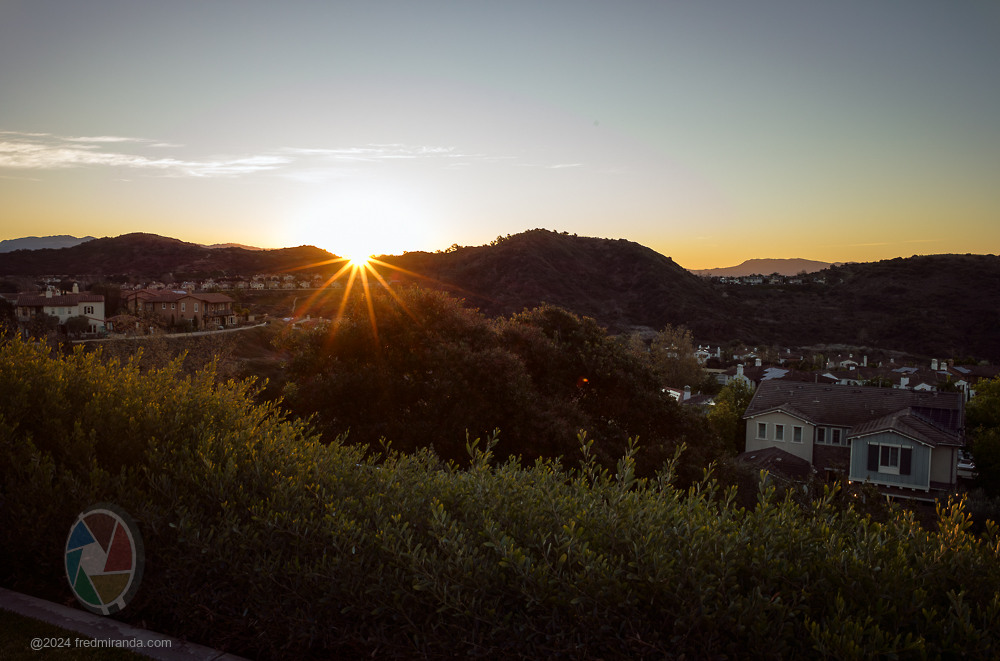
The field curvature of the Voigtlander 28mm f/1.5 Nokton changes with distance. At close range, it curves outward, while beyond 3 meters towards infinity, it curves inward. I appreciate this feature for landscape photography as it enhances resolution for both distant and foreground elements. It reminds me of the behavior in my previous Zeiss 28mm f/2 Distagon.
To illustrate this, I captured a series of images from the minimum focus distance to near infinity. For a clearer view, I converted the images to black and white, highlighting the sharp areas in black in this animation. Enjoy!
I see it differently. I see fairly consistently less veiling flare and less CA (seems to be lateral CA that ought to be correctable) from the Summilux. The veiling flare would be a concern for me.
thrice wrote:
Hi Fred, did you code the Voigtlander as the summicron? Or was there just an error in naming the crops?
I mistakenly used the incorrect tag. I used LensTagger to properly name the CV 28/1.5 Nokton for these crops. Thanks for pointing it out; I have fixed it now.
Great review, it astounds me how similar they are with such different optical designs (and price points). That Voigtlander managed to do it for so much cheaper, without a floating element design and in a smaller housing is so very impressive.
I love my 35/1.5 Nokton but I fear this will have to replace it. I don't like running more than 3 lenses on my M kit.
After seeing the infinity shots and Bastian Kratzkes optical vignetting test yesterday evening, I ordered the 28mm Nokton which means my Ultron II will be up for sale soon.
One drawback, I noticed in the infinity comparison versus the Summilux, is that the Nokton has quite marked lateral chromatic aberration already in the mid-frame. Hopefully that goes away when processing RAW files.
Perhaps it would be of value for the readers to see a with / without CA correction in your RAW-processor, Fred?
Great review and comparisons, Fred. Can you do a worst-case scenario purple fringing comparison? I know they'll both have it, but I wonder if the CV will be a little better.
At a granular level they are very close (in the crops). CV seems to be better for infinity corners. But looking at the entire image, they render like very different lenses to me. If I didn't see these side-by-side, I would swear their focal lengths are further apart than they really are, especially the close distance wide open shots. Close up and wide open, the Lux renders a feeling I associate more with 24/21mm lenses, but the CV renders a feeling more like I'd expect from a 35mm lens. Does the Lux have more barrel distortion than the CV? It feels like at close distance the Lux pulls the subject in closer but pushes the background further away.
The CV looks like a great 28mm lens, but honestly I wouldn't put its close up wide open rendering in the same class as the Lux.
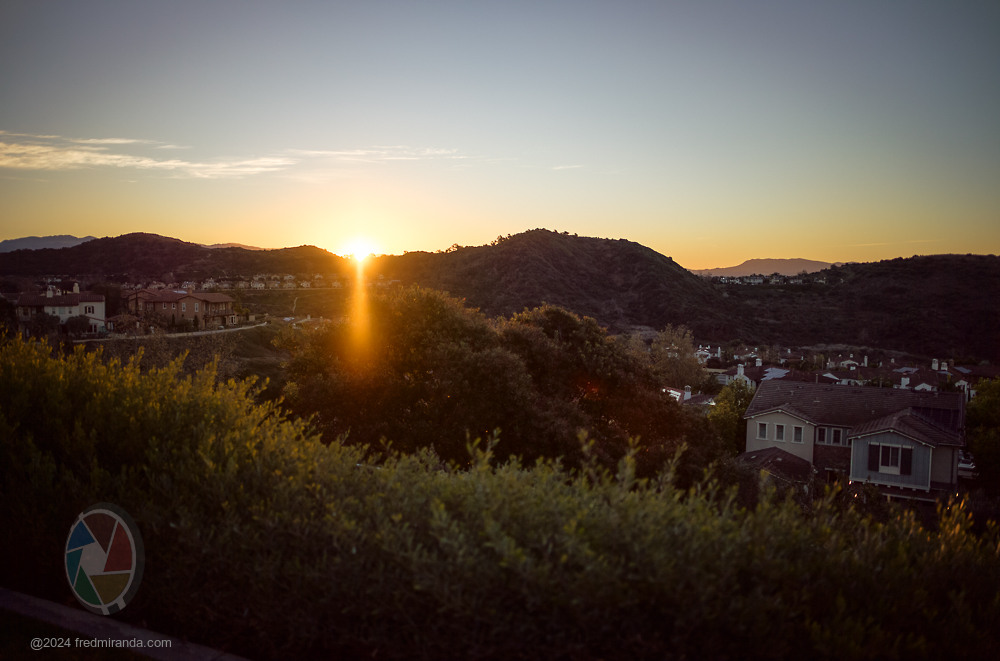
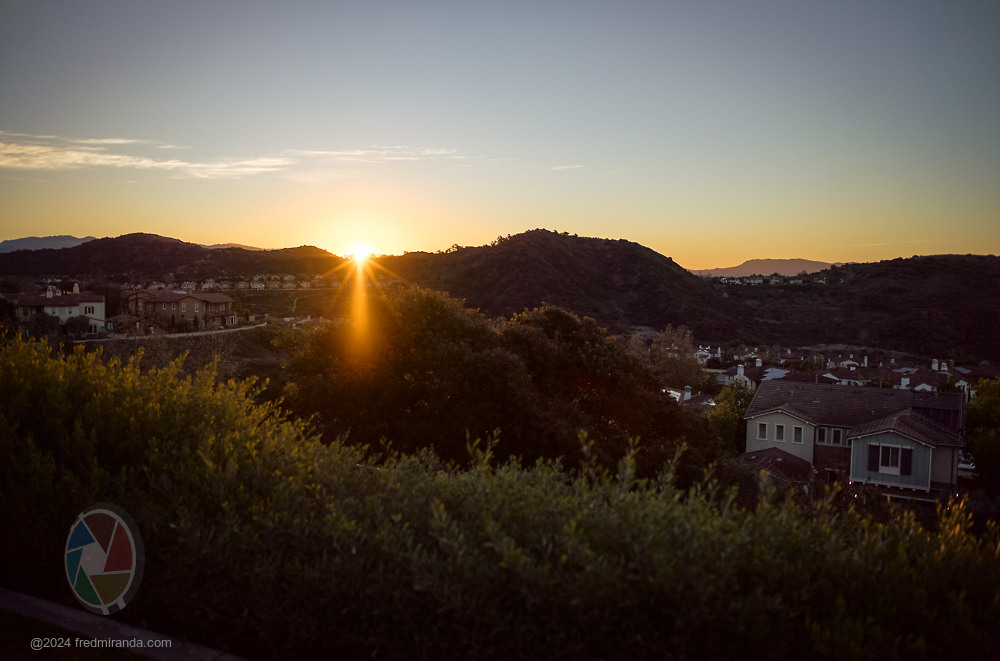
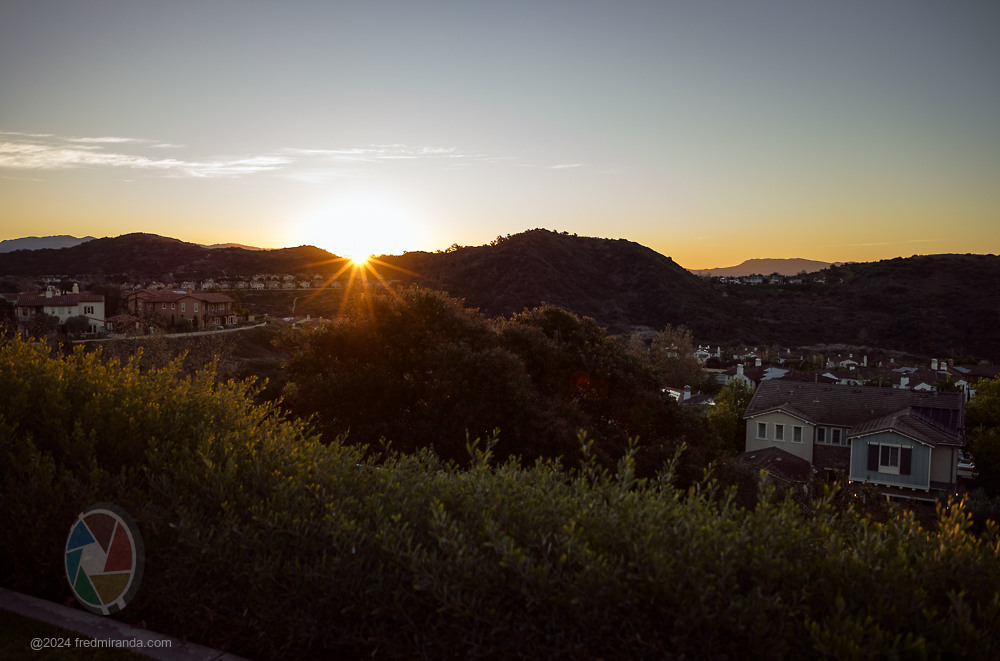
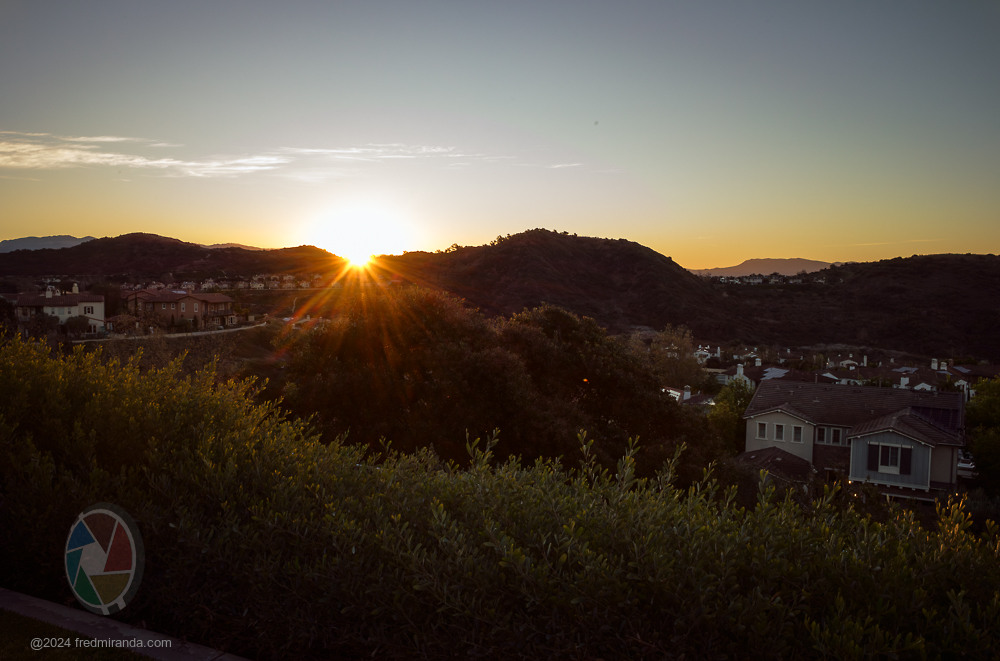
For those who like clear and defined sunstars in their photos, Voigtlander excels in this area. Most of their M-mount lenses have an aperture mechanism with straight blades, creating sunstars with precise definition and symmetrical rays. The Voigtlander 28mm f/1.5 Nokton continues this trend, showcasing distinct sunstars from f/2.8 onwards.
The sunstar pattern becomes well-defined starting at f/2.8 and looks best from f/4 to f/8.
Up to this point, the lens has been resisting ghosting flare well, similar to the performance of the Voigtlander 28mm f/2 Ultron II lens. However, the lens is a bit more susceptible to veiling flare compared to the 28/2 Ultron II, especially when the light source is directly on or above the frame.
Below, you can see a series of aperture settings from f/1.5 to f/16 in 1-stop increments, revealing the sunstar shape of the Voigtlander 28mm f/1.5 Nokton lens. With its 12 straight aperture blades, it produces 12-point sunstars.
Could you comment Fred on how the glossy black lacquer finish compares to the finish of your MP / M10-R BP? Are they equivalent? Or is the Voigtlander lens a little less glossy?
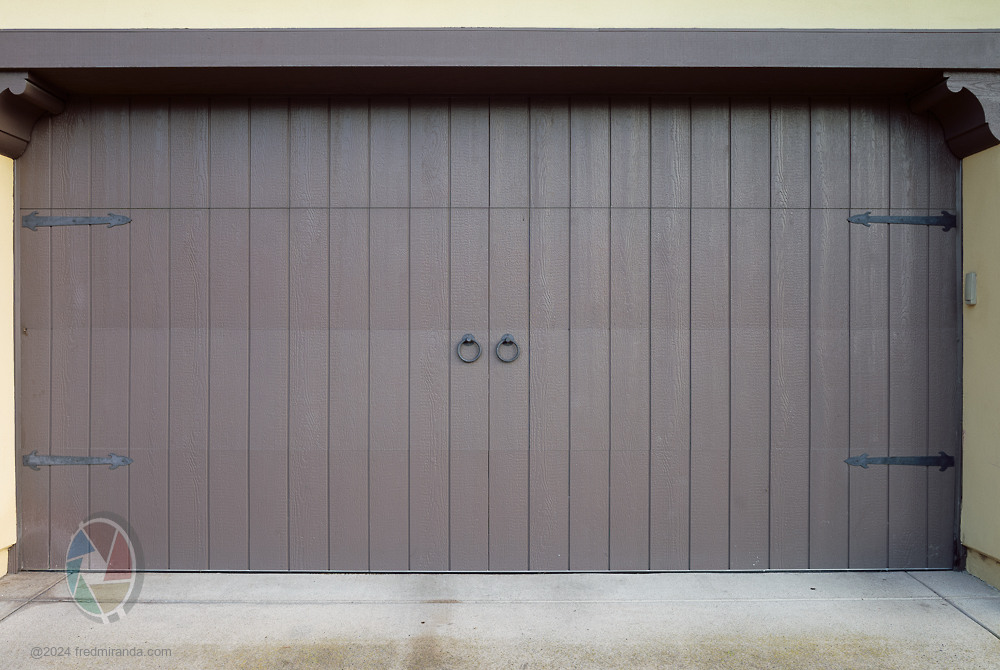
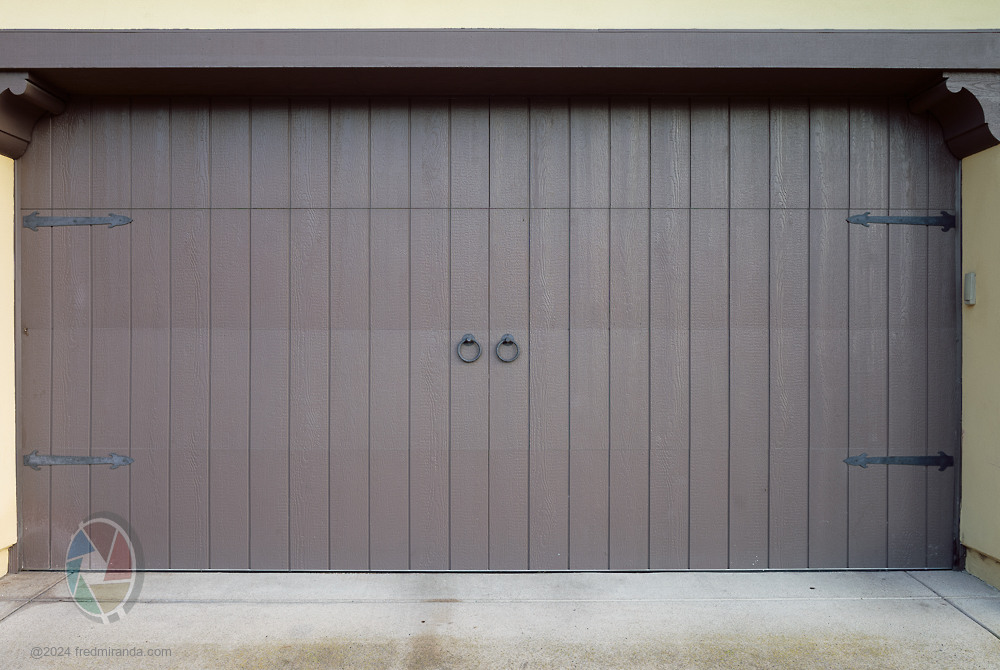
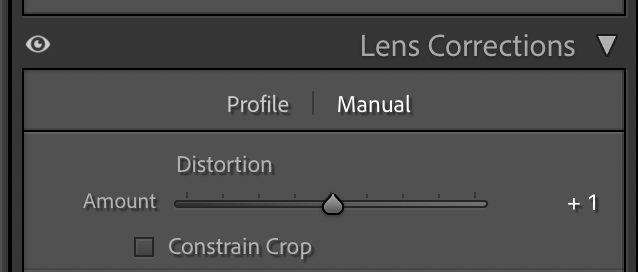
The Voigtlander 28mm f/1.5 Nokton demonstrates excellent distortion correction, and any potential distortion is virtually negligible when capturing real-world images. In Lightroom, I wouldn't even need to correct for any distortion, but maybe a "+1" wouldn't hurt.
This feature makes it an excellent choice for street and architecture photographers.
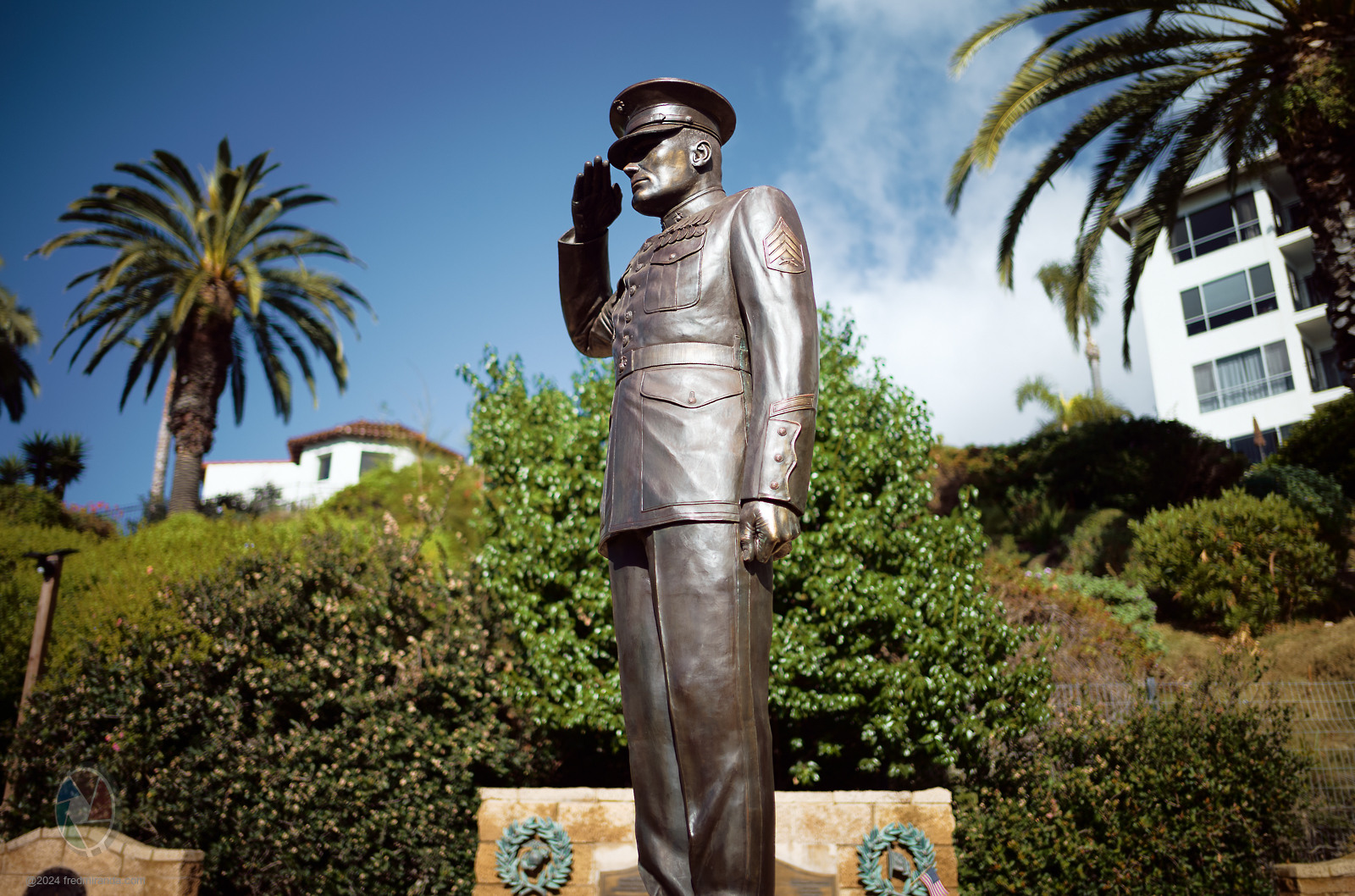
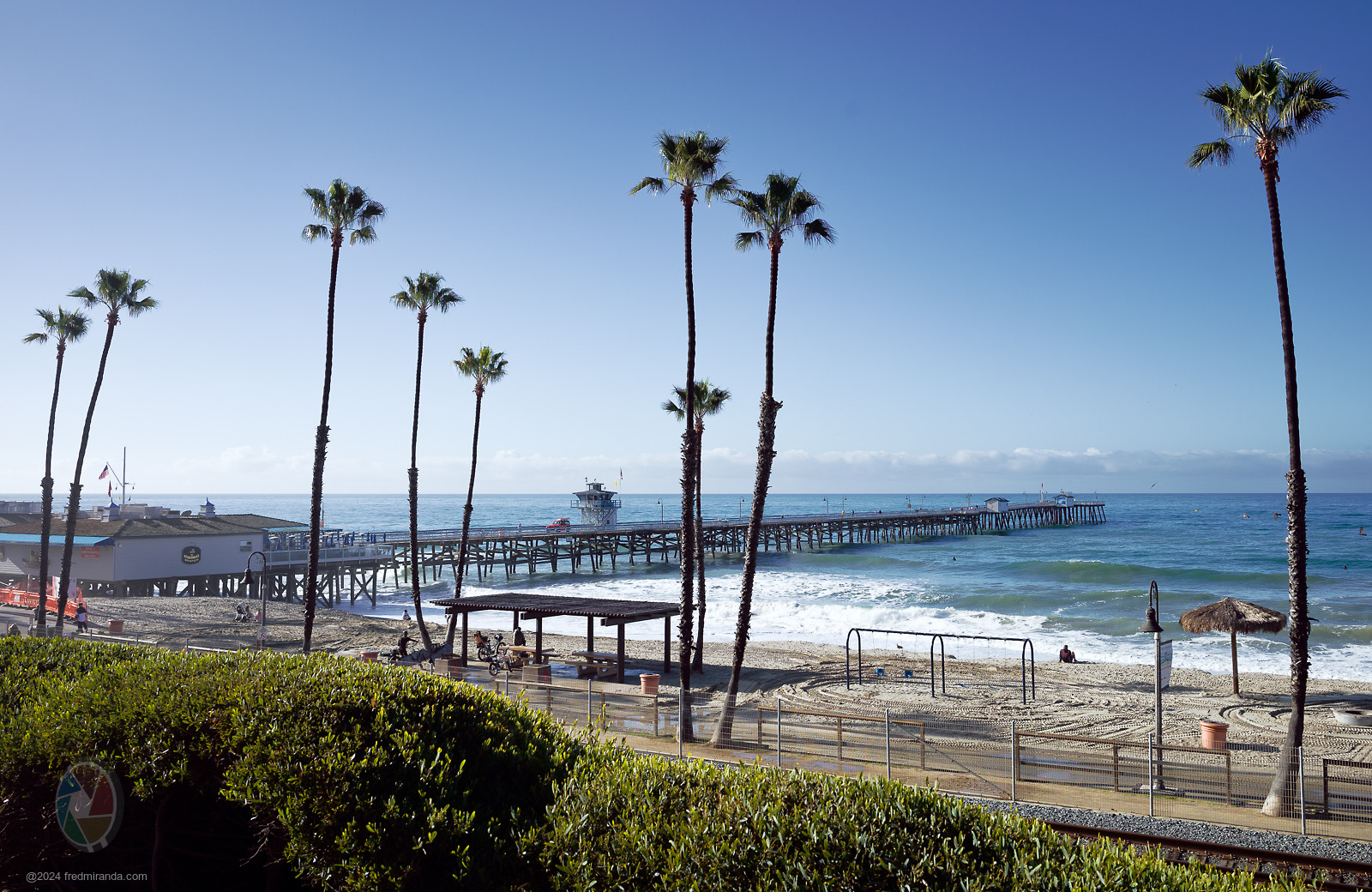
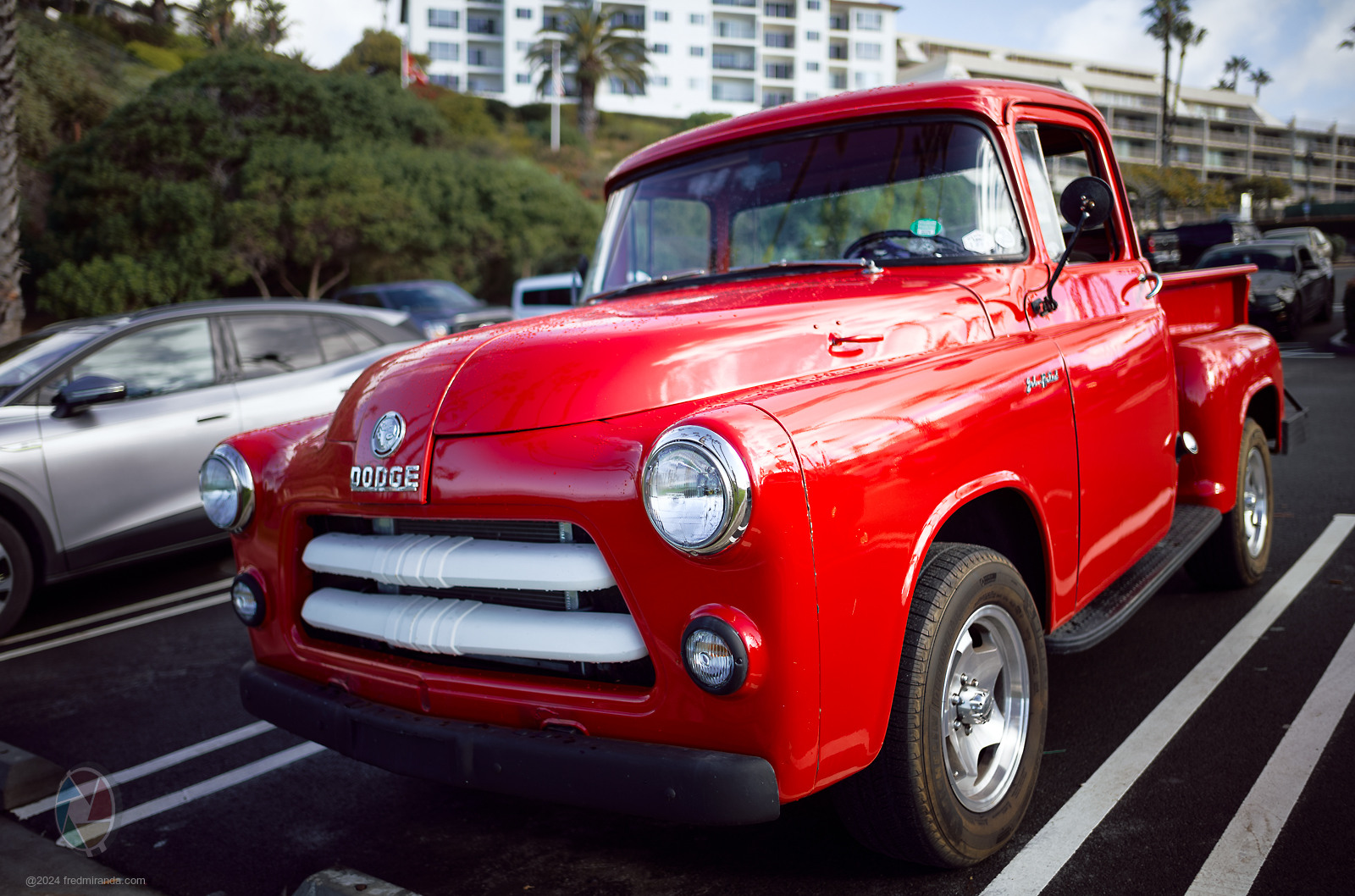
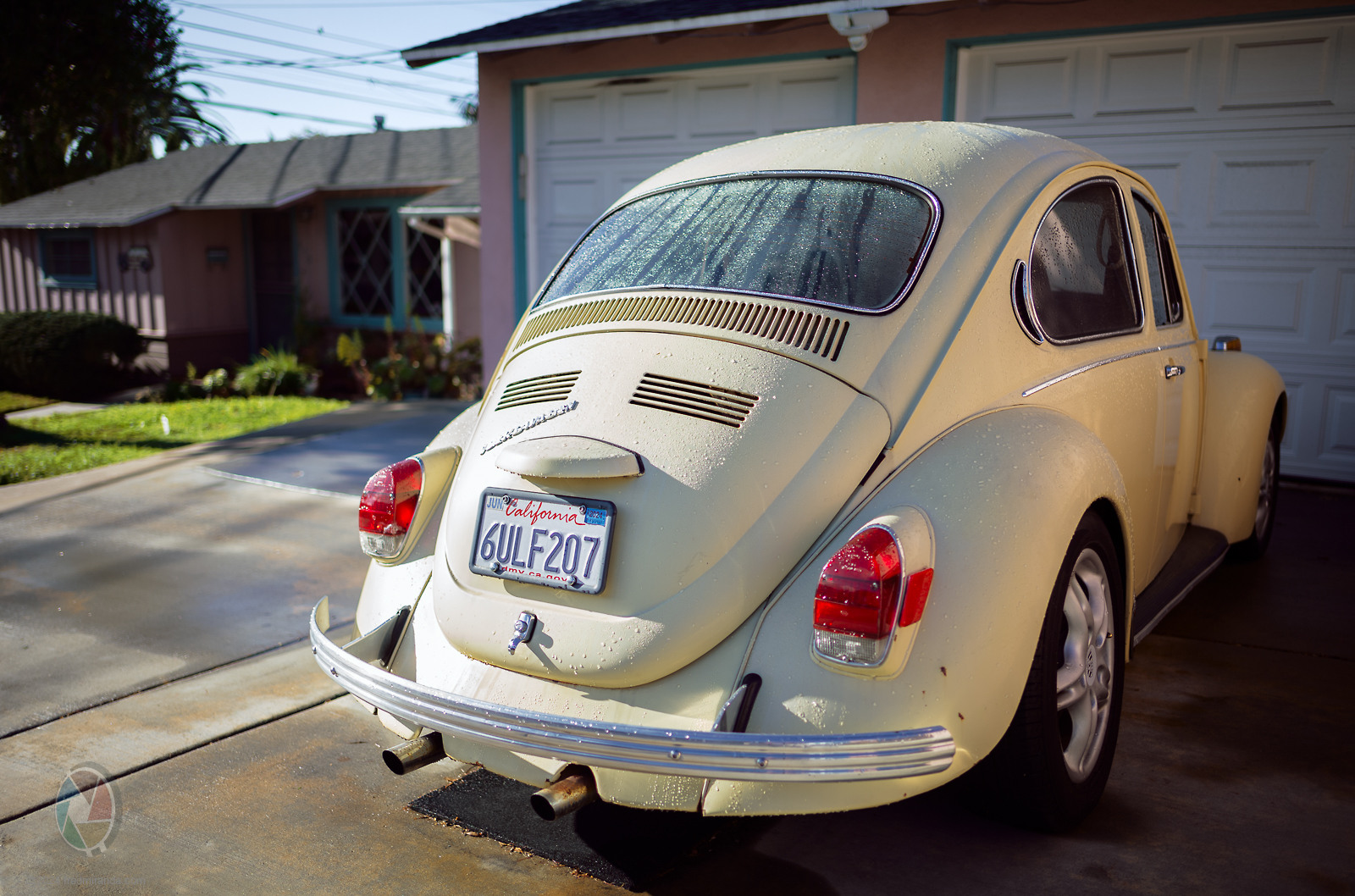
Here is an image showcasing the minimal distortion straight out of the camera.
dystorsion wrote:
Could you comment Fred on how the glossy black lacquer finish compares to the finish of your MP / M10-R BP? Are they equivalent? Or is the Voigtlander lens a little less glossy?
In my view, the Type II black paint looks equally glossy compared to my M10-R BP and MP bodies. It seems like Cosina made sure the lens matches these cameras. Haha!