Desmolicious wrote:
I know that you sort of, kinda answered this before. But now seeing the lens on your film MP (I have a .58 MP) - do you feel the brass version will ruin the handling/shooting experience compared to the aluminum? Ruin may be too harsh a word, but if the package feels perfect with the lighter version..
When I use lenses, I pretty much attach one for the day and head out with that.
I have a different preference. I really like the brass and black paint combination for my black paint camera bodies. If I owned a Black Chrome M, maybe I would incline towards the Type I. But when it comes to aesthetics, I personally lean towards the Type II style.
thrice wrote:
Damn that's more impressive than I expected.
If the swirl caused by optical vignette isn't too pronounced this will be the deal of the century for me.
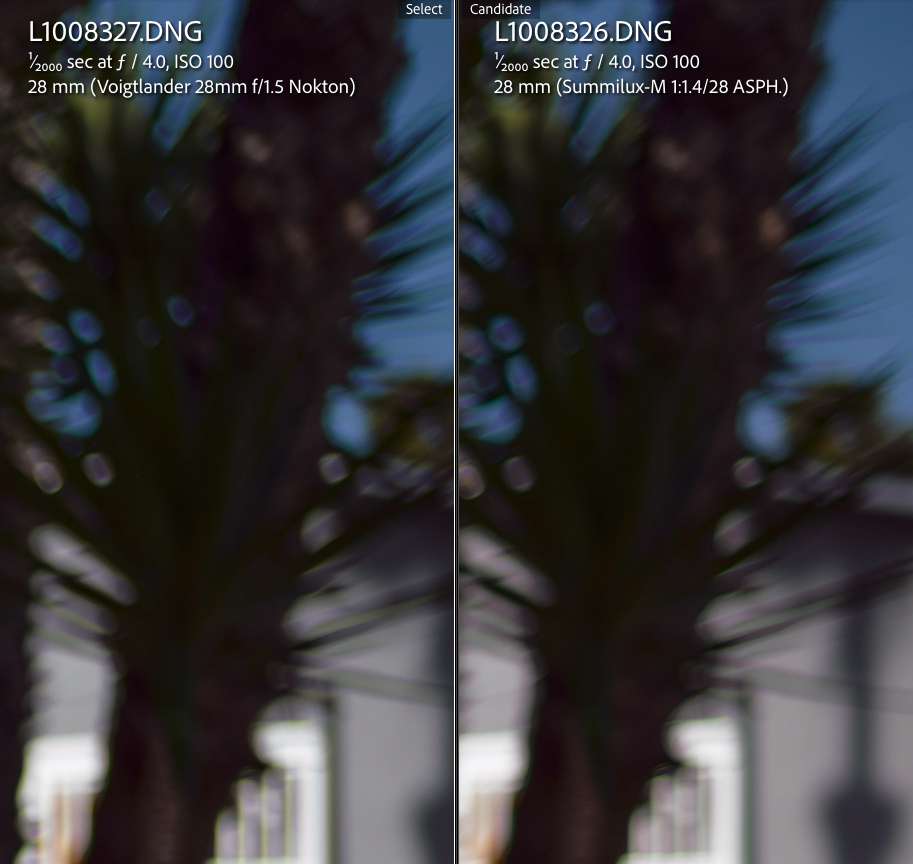
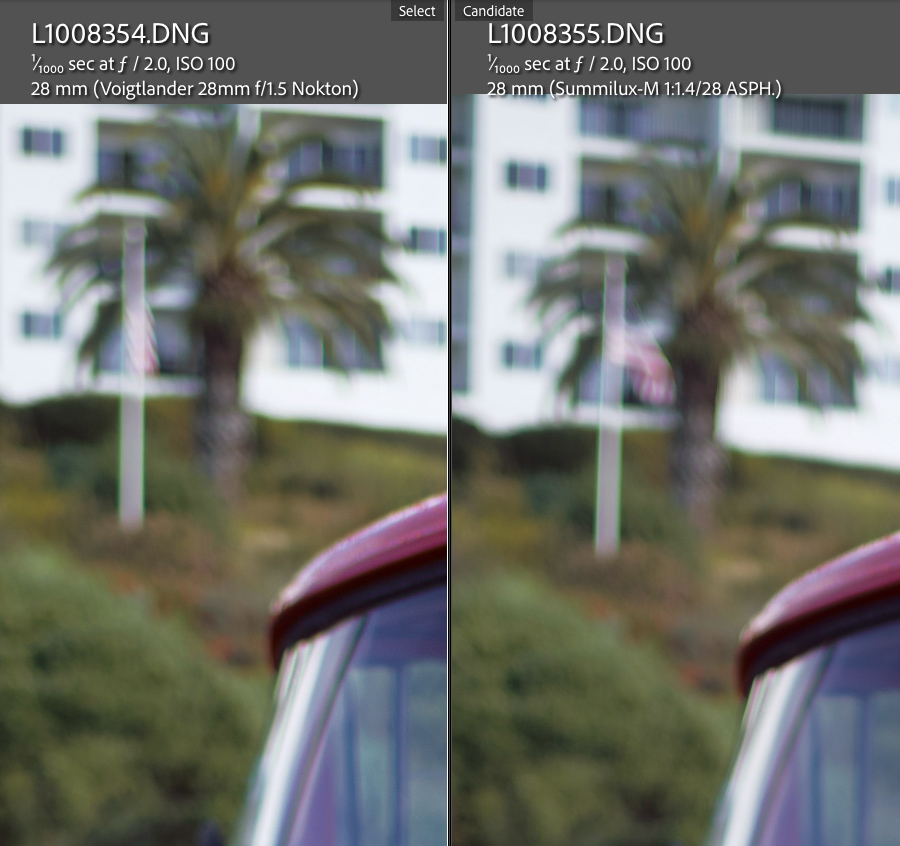
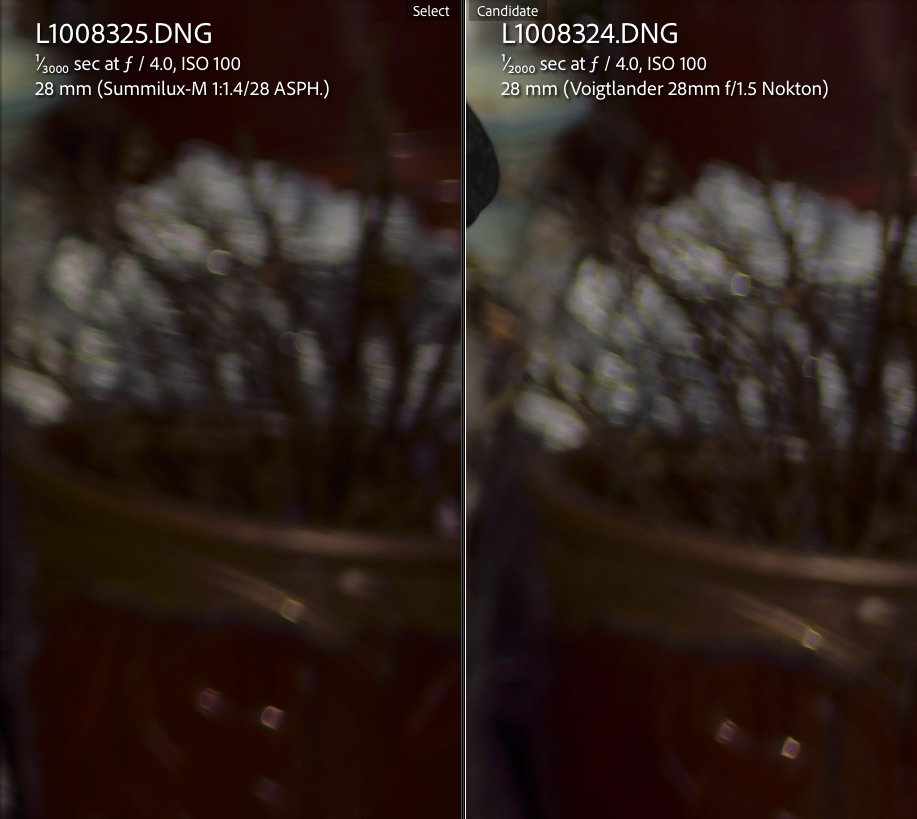
Certainly not as pronounced as the Voigtlander 28mm f/2 Ultron II. The optical vignetting is similar to the Leica. That was the first positive surprise with this lens.
Fred, if you are able to, it would be interesting to see the differences in viewfinder blockage between the VM and 28 Lux with/without hood.
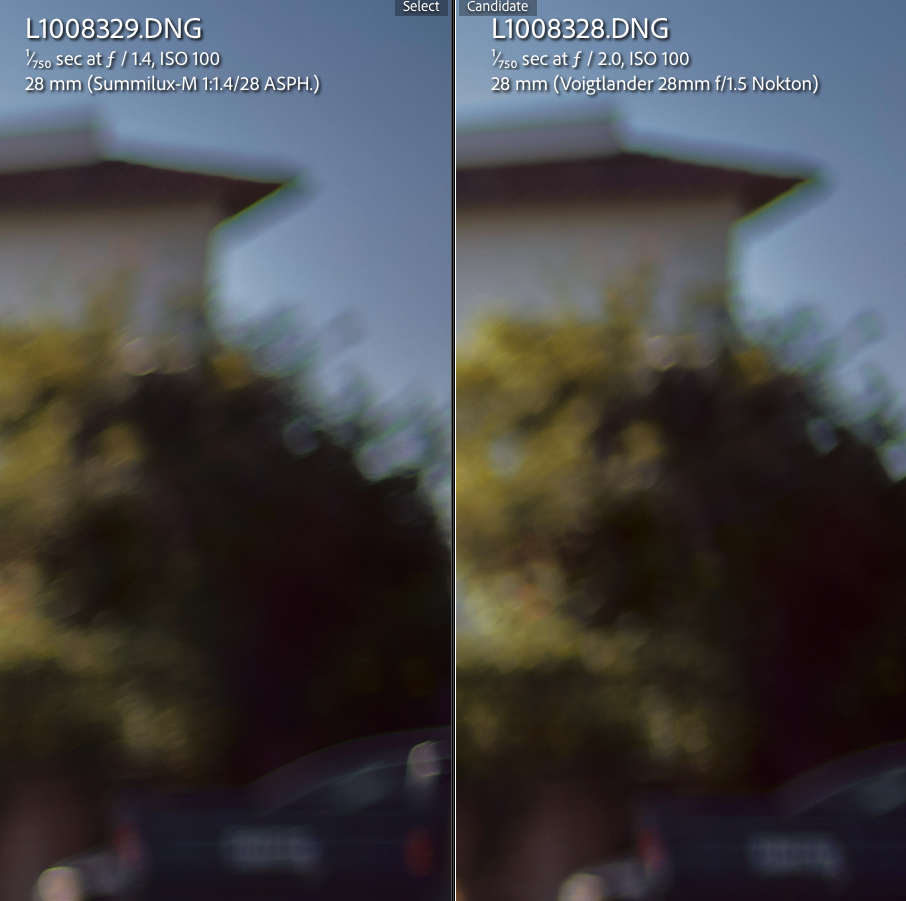
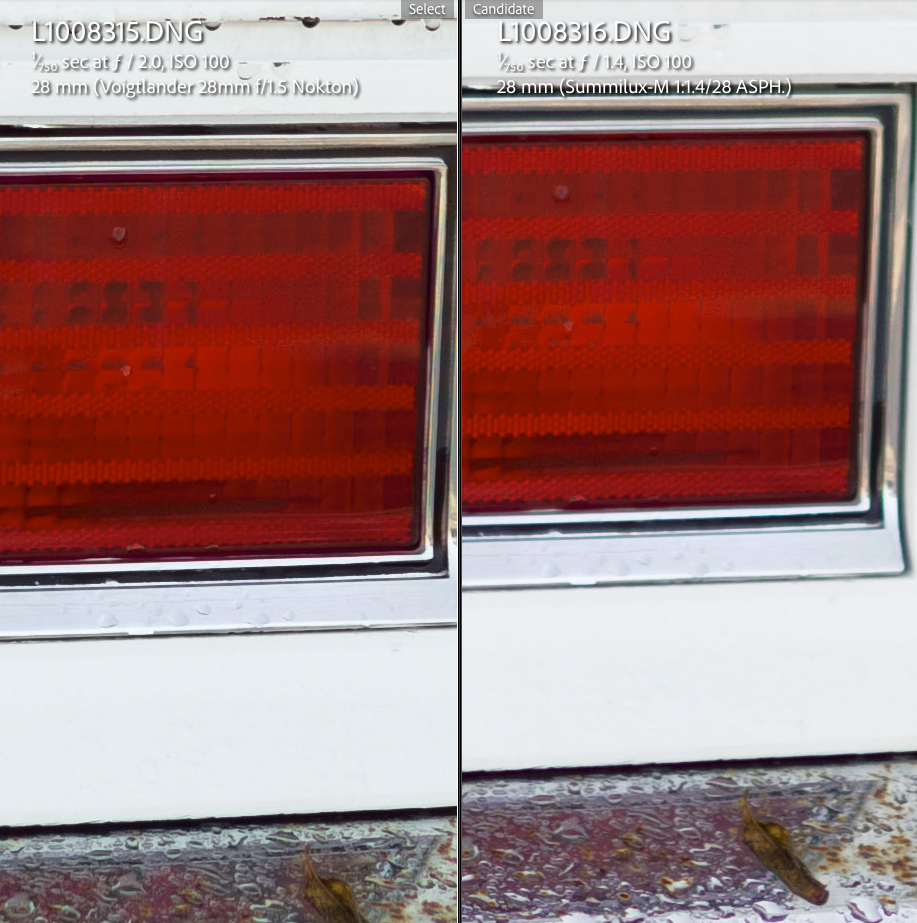
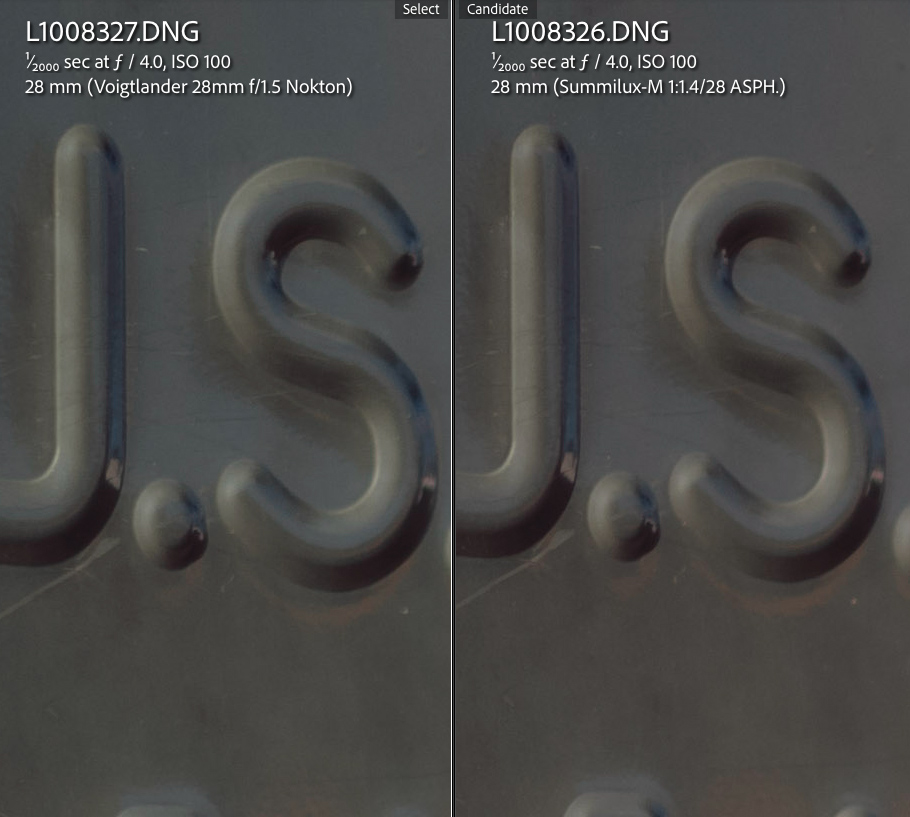
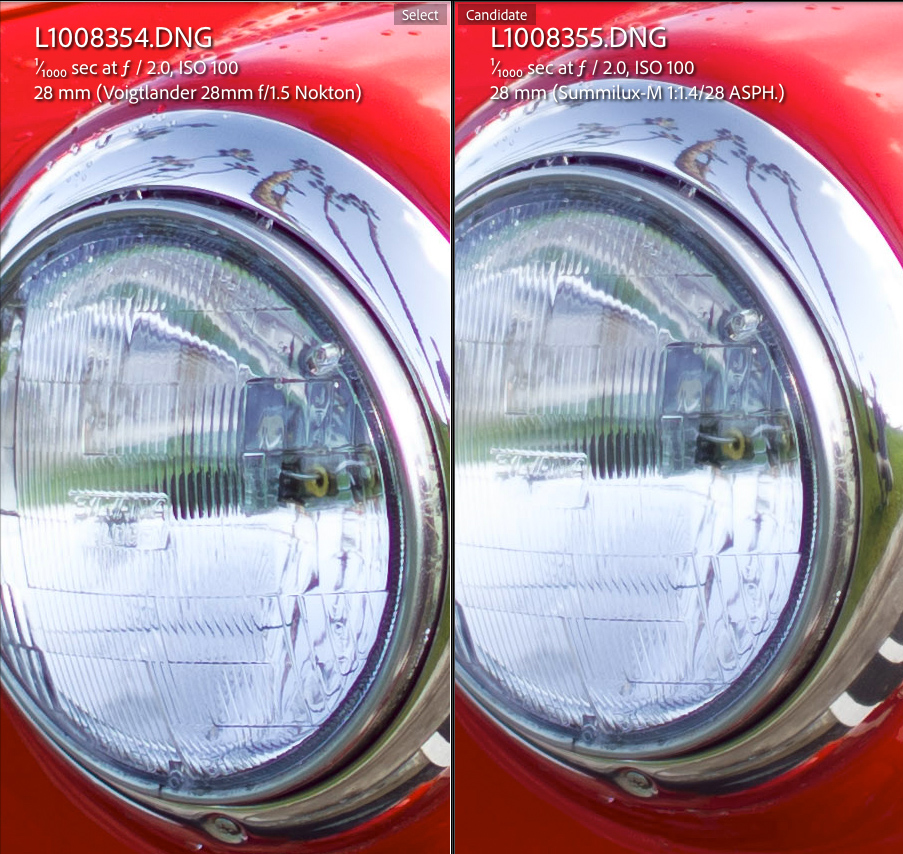
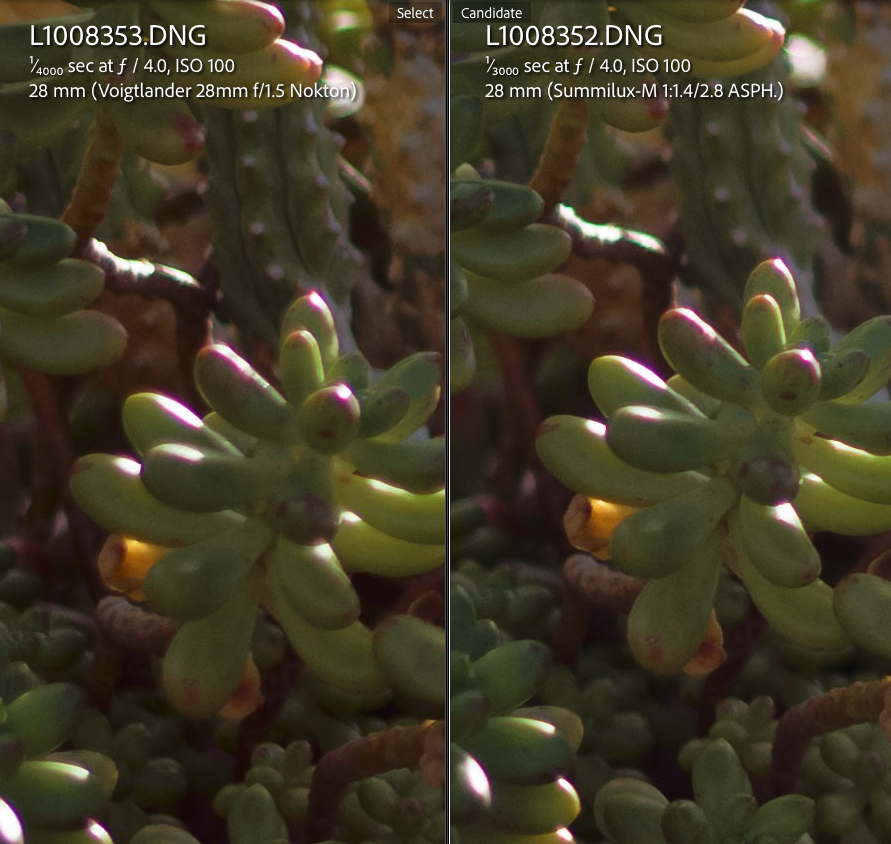
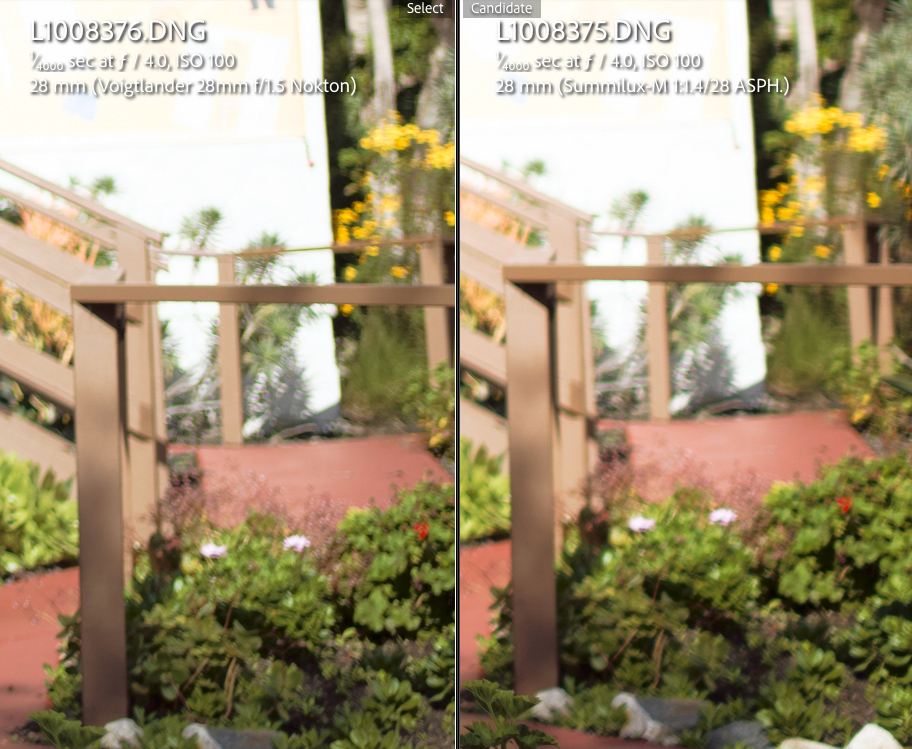
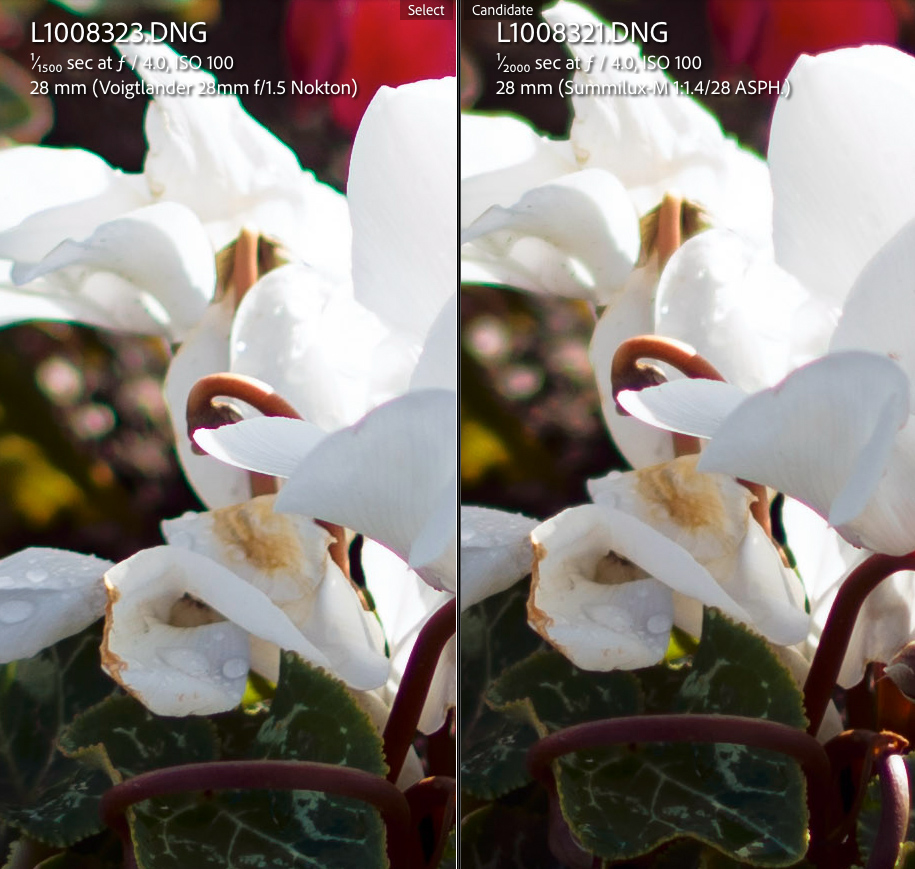
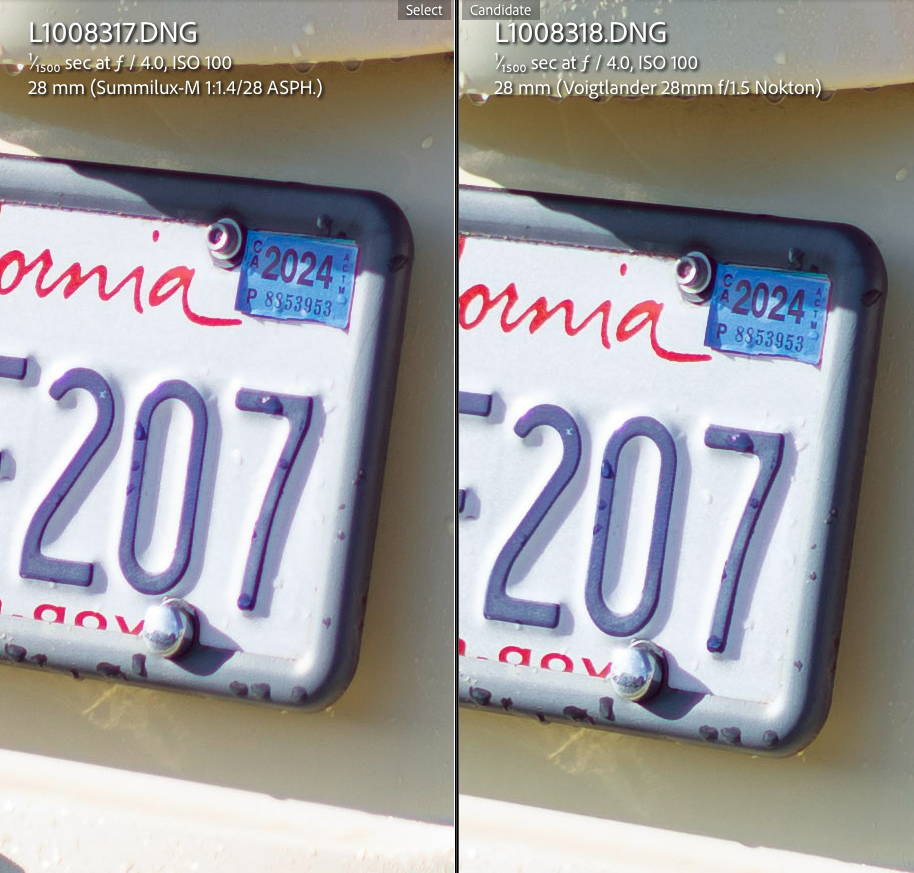
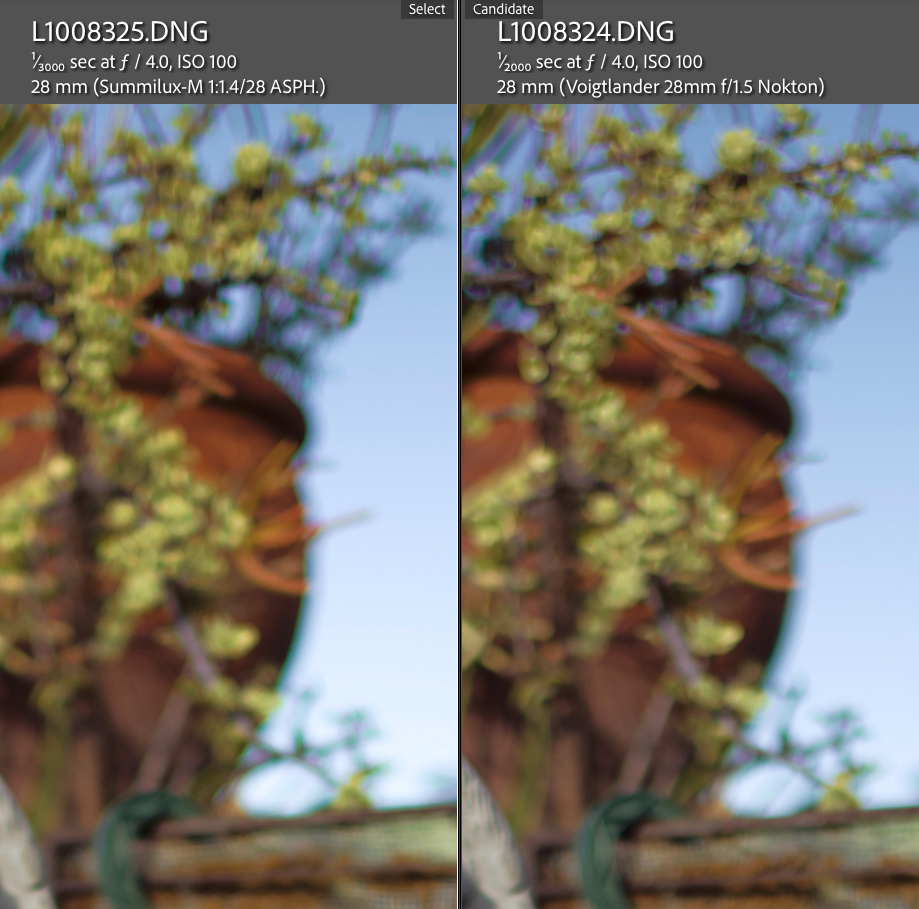
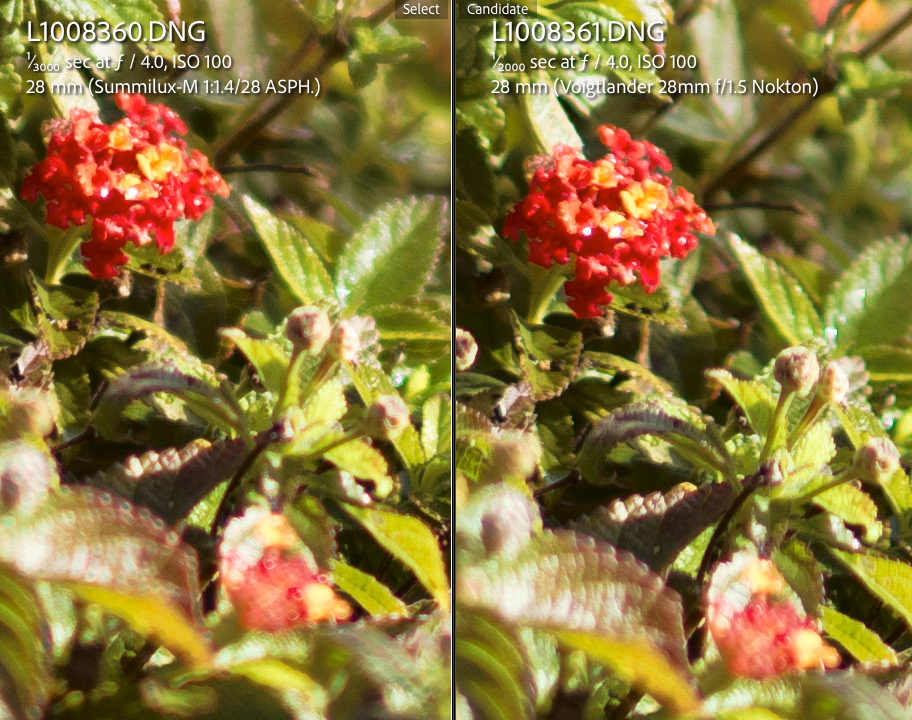
In the Lux corner crops you see its persistent blue fringing in the image periphery that can be quite noticeable in certain types of scenes. Along this line, it would be interesting to see how each lens handles color fringing at or near wide open in bright light high contrast transitions. The Lux purple fringes quite significantly here.
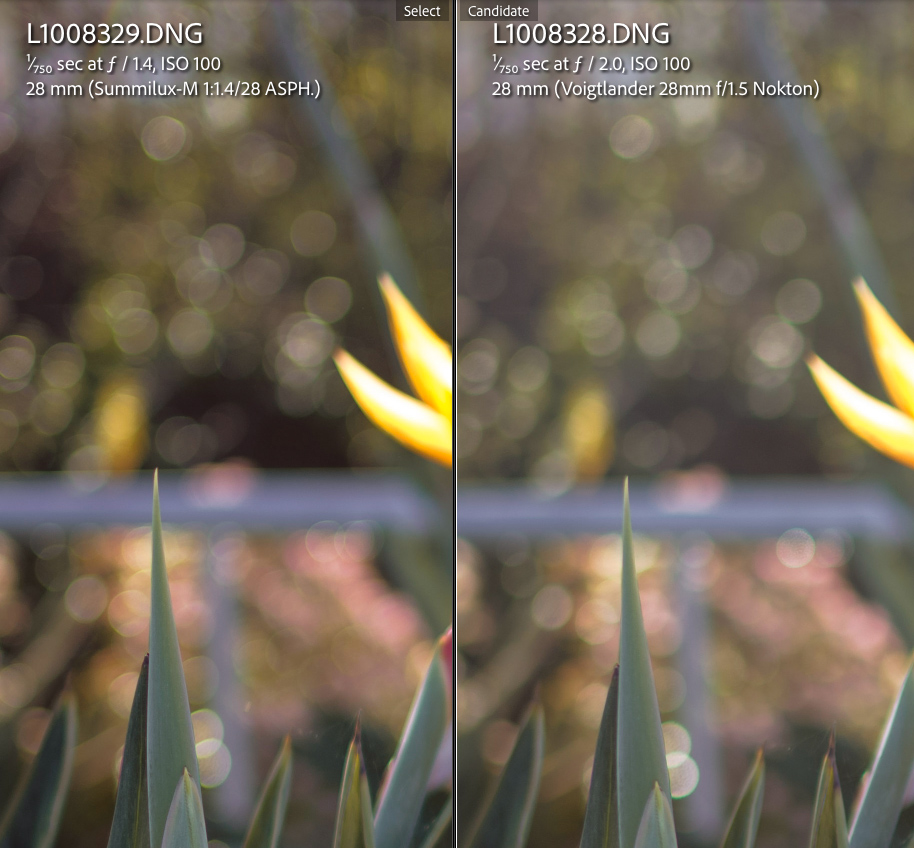
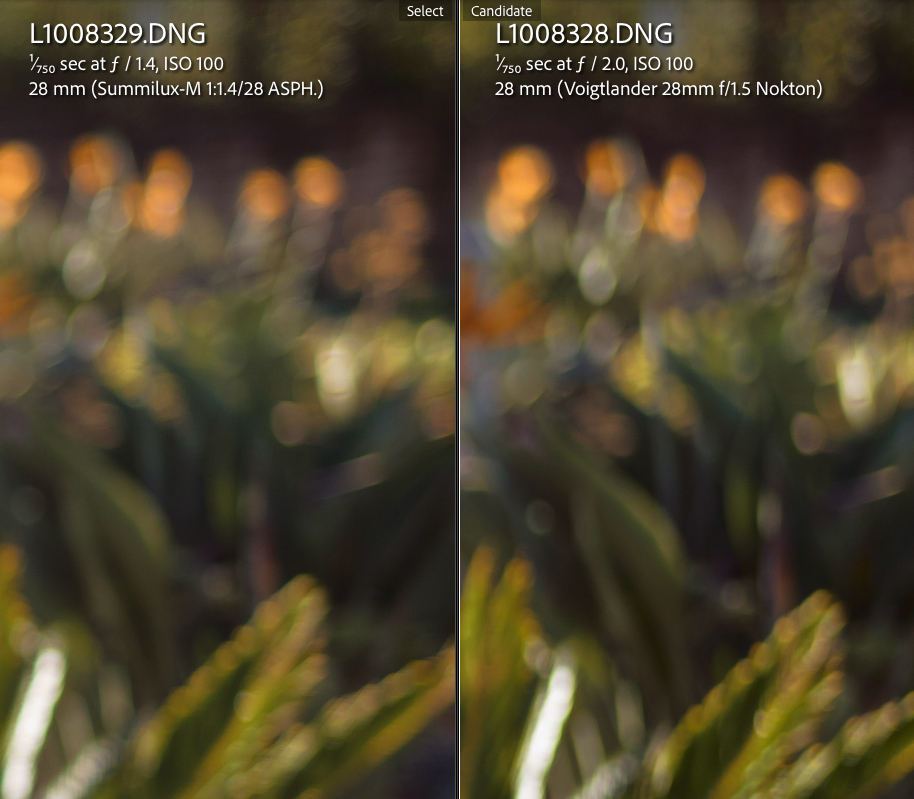
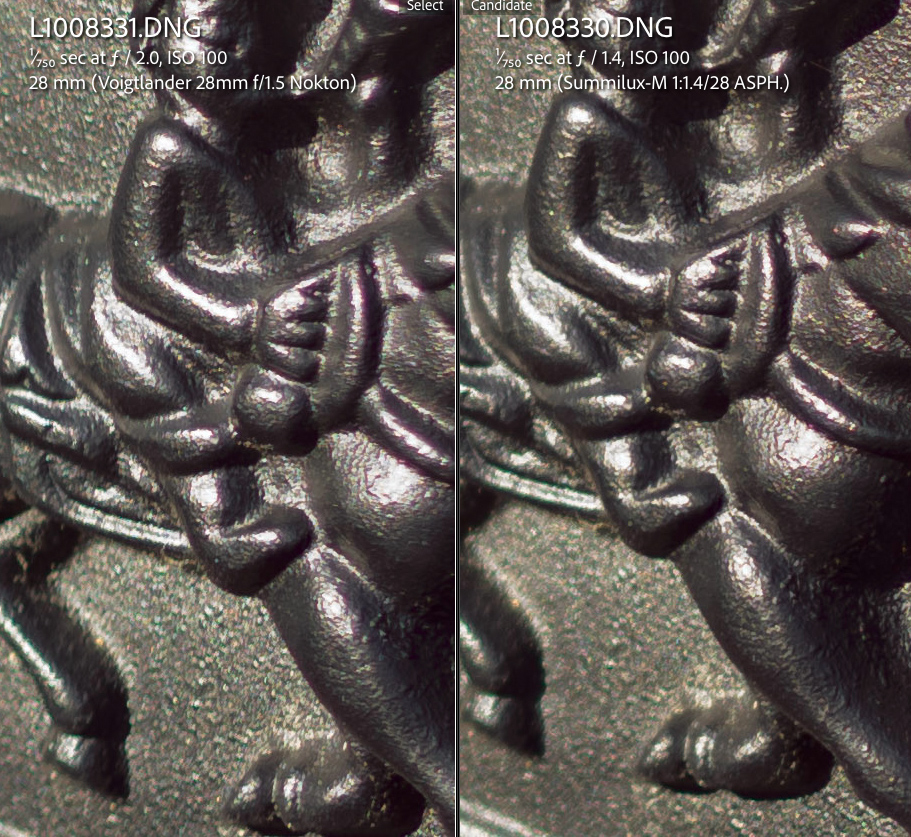
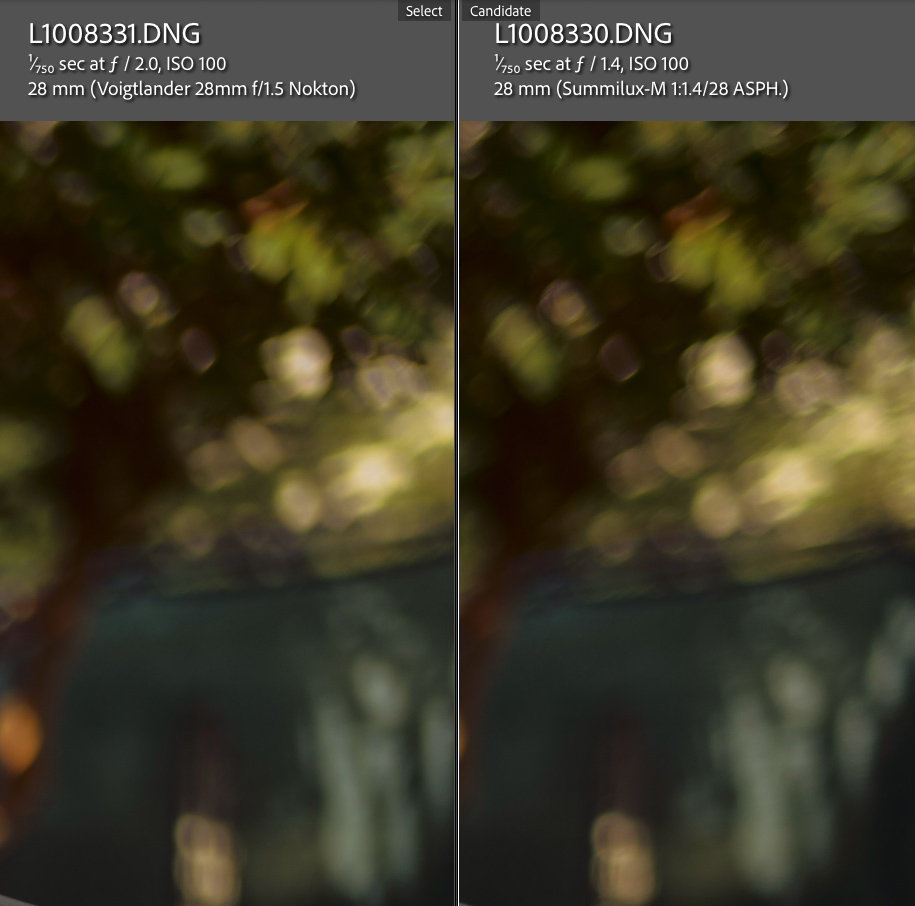
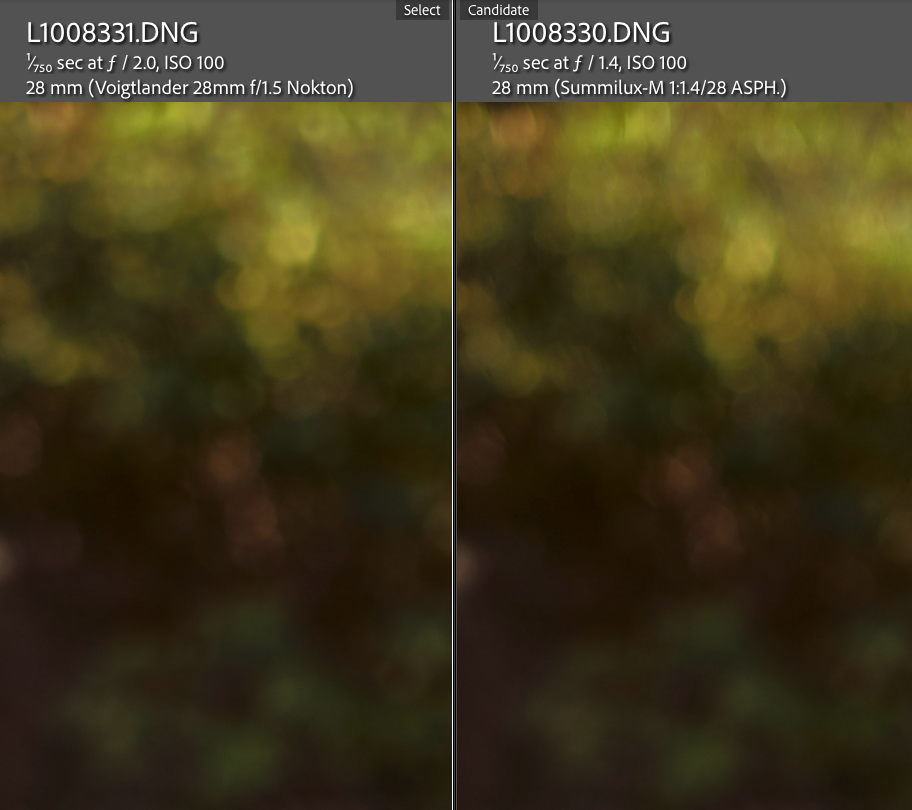
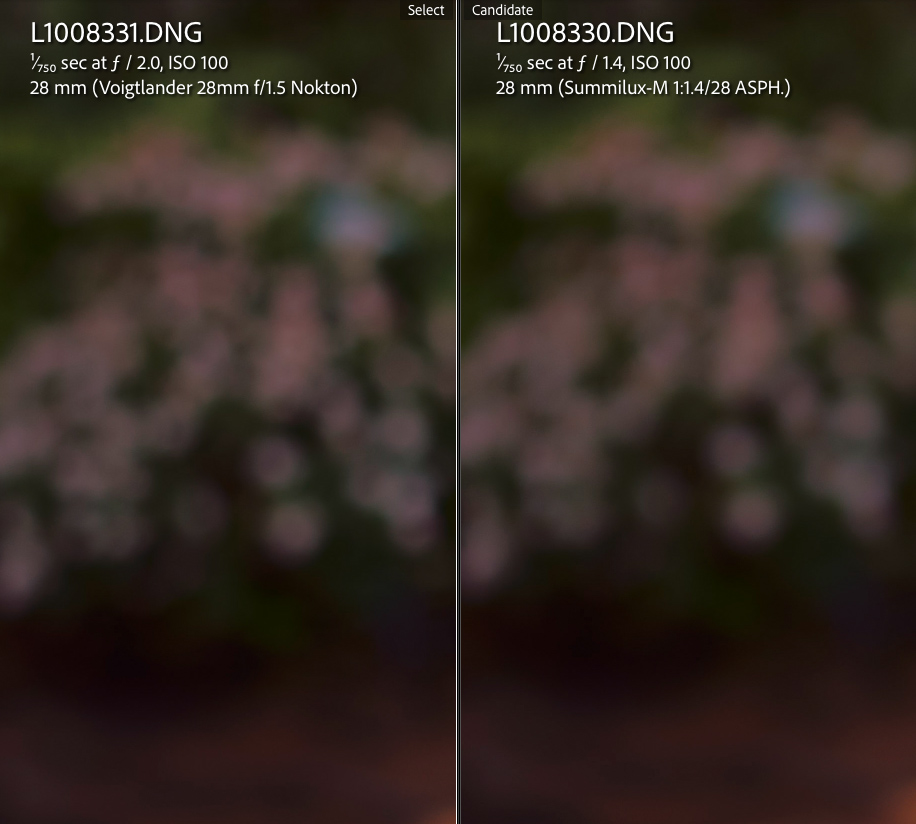
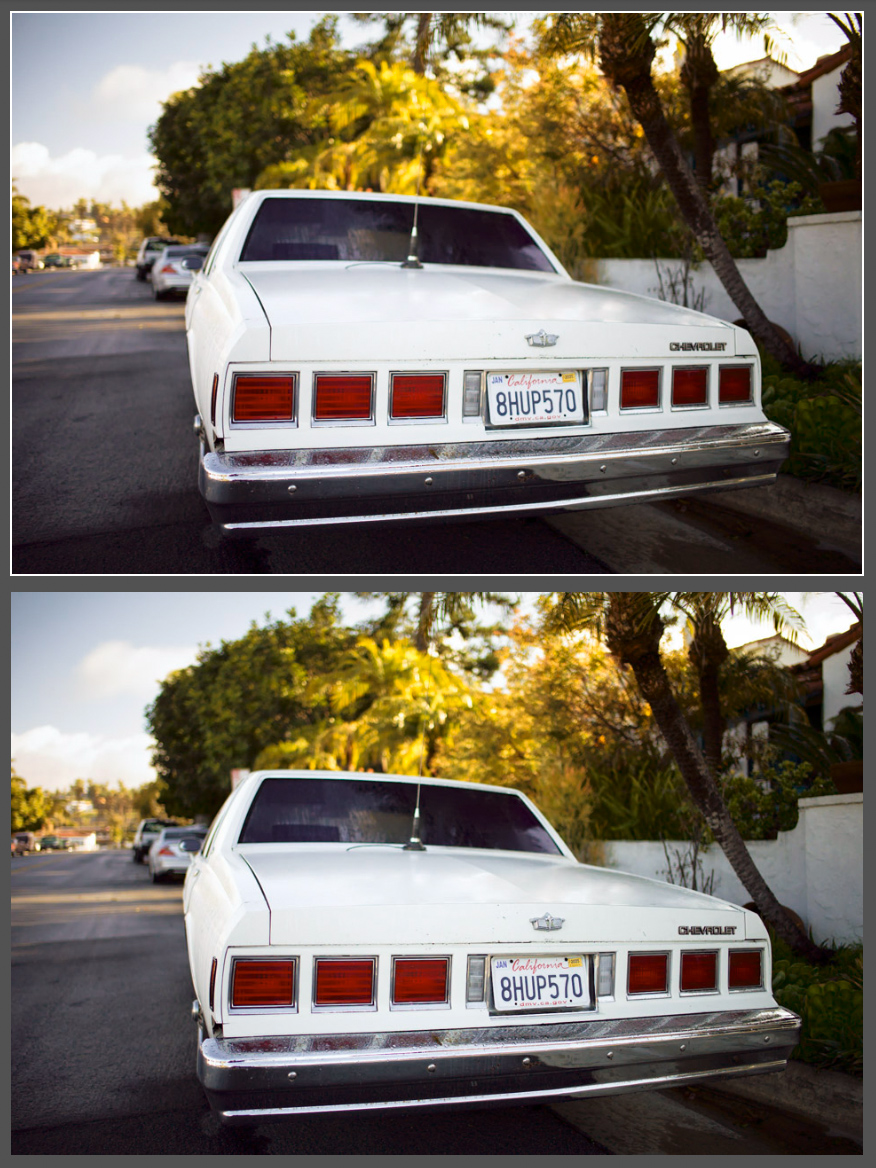
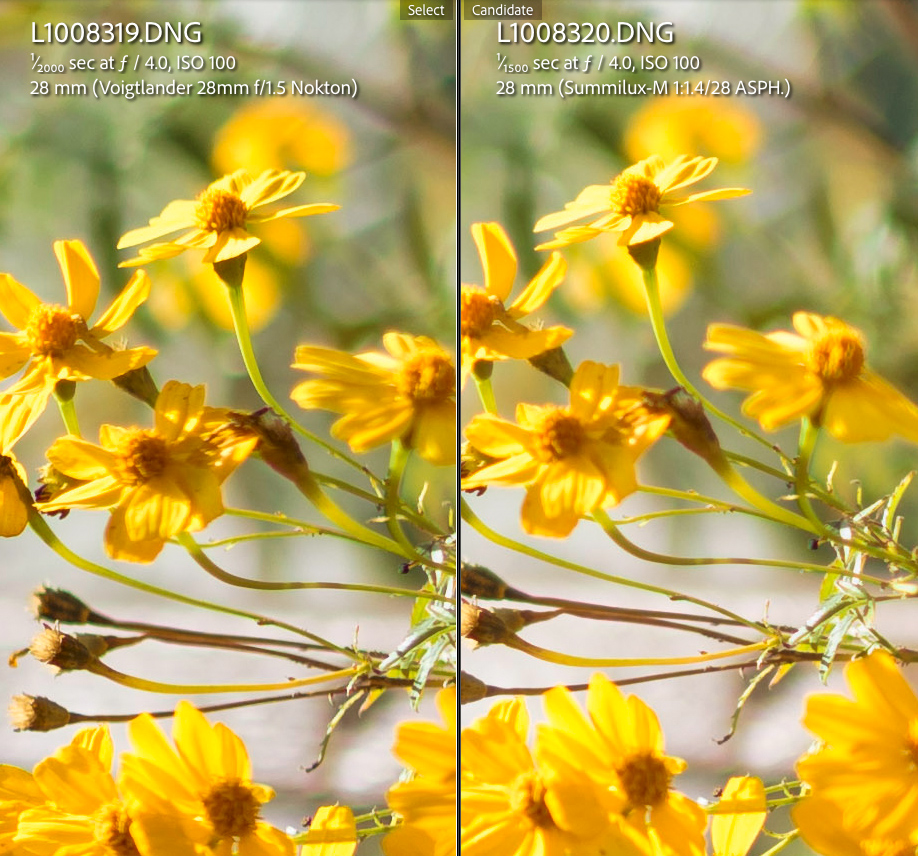
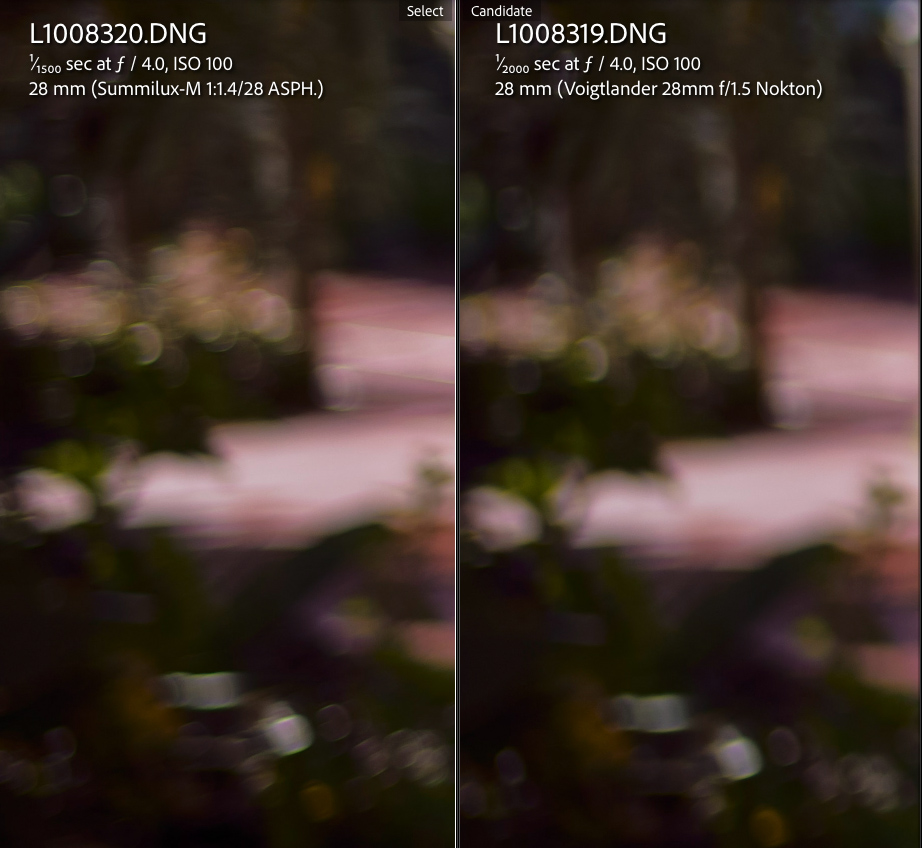
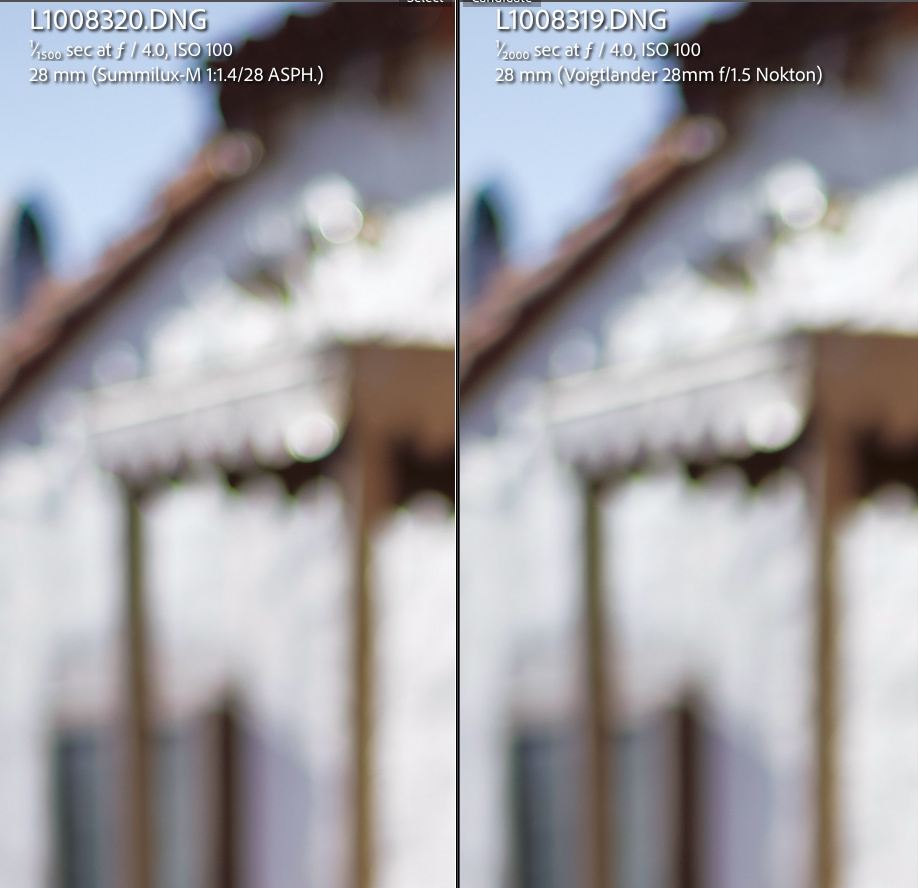
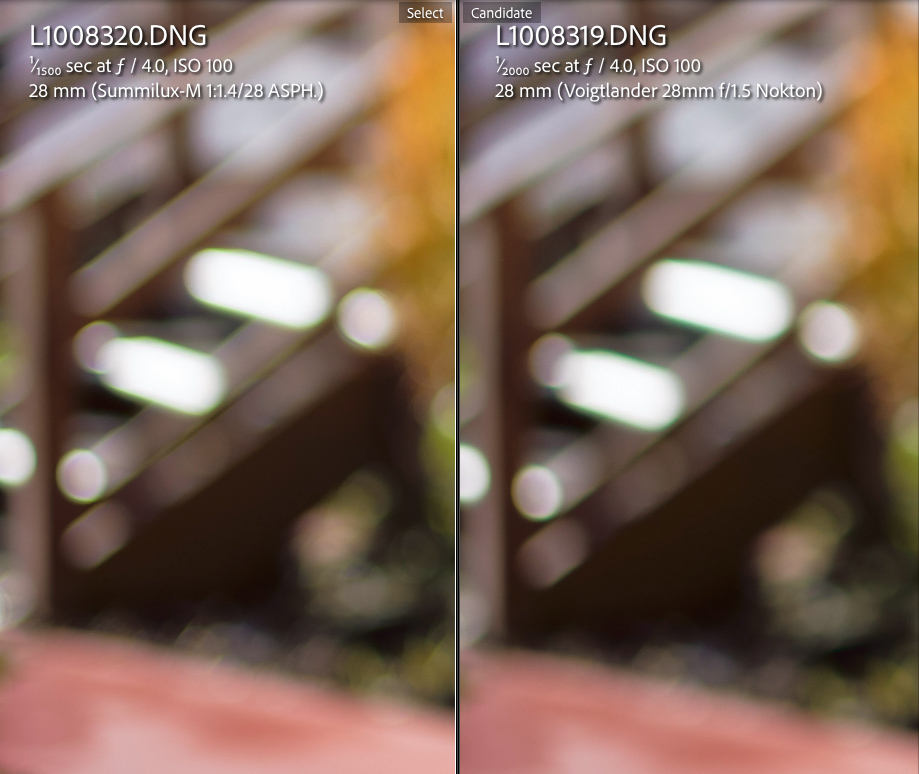
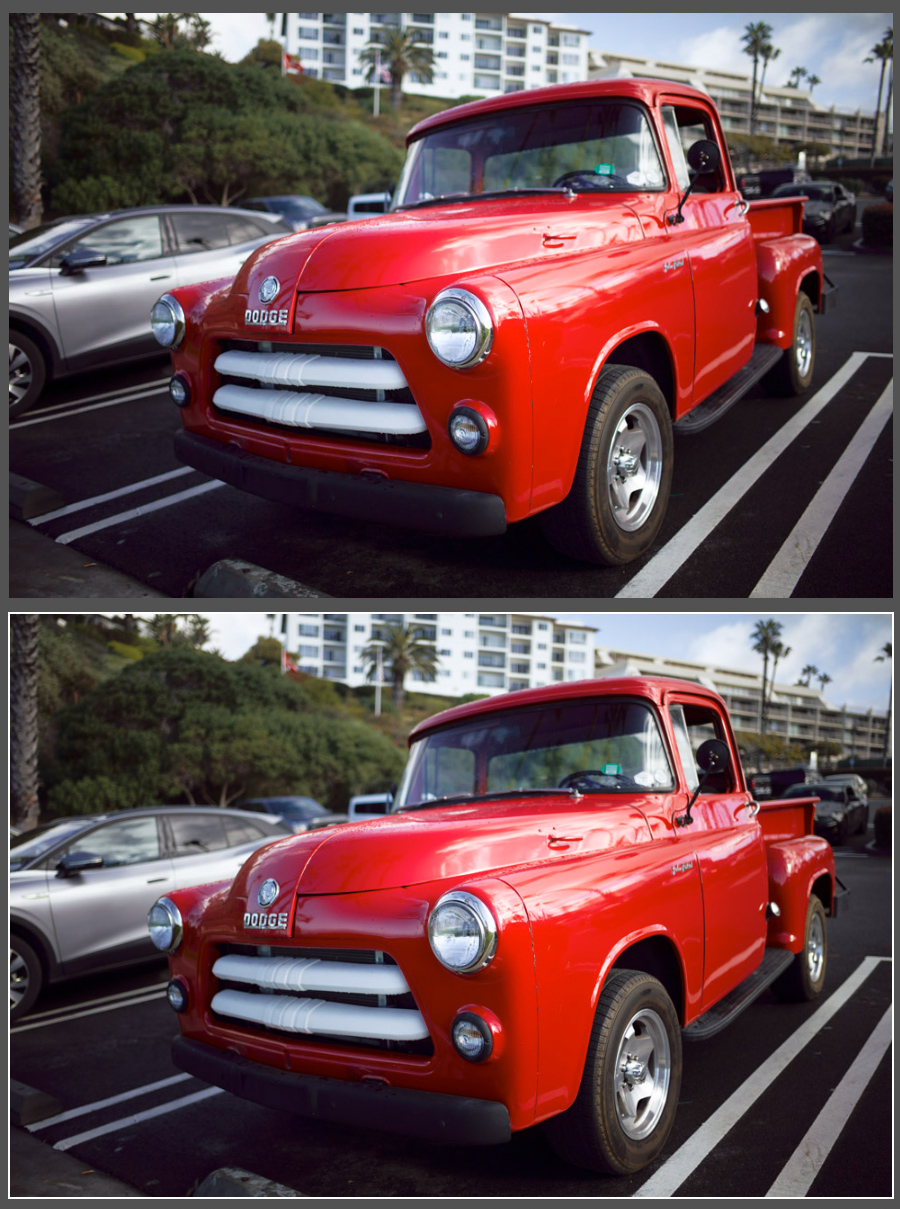
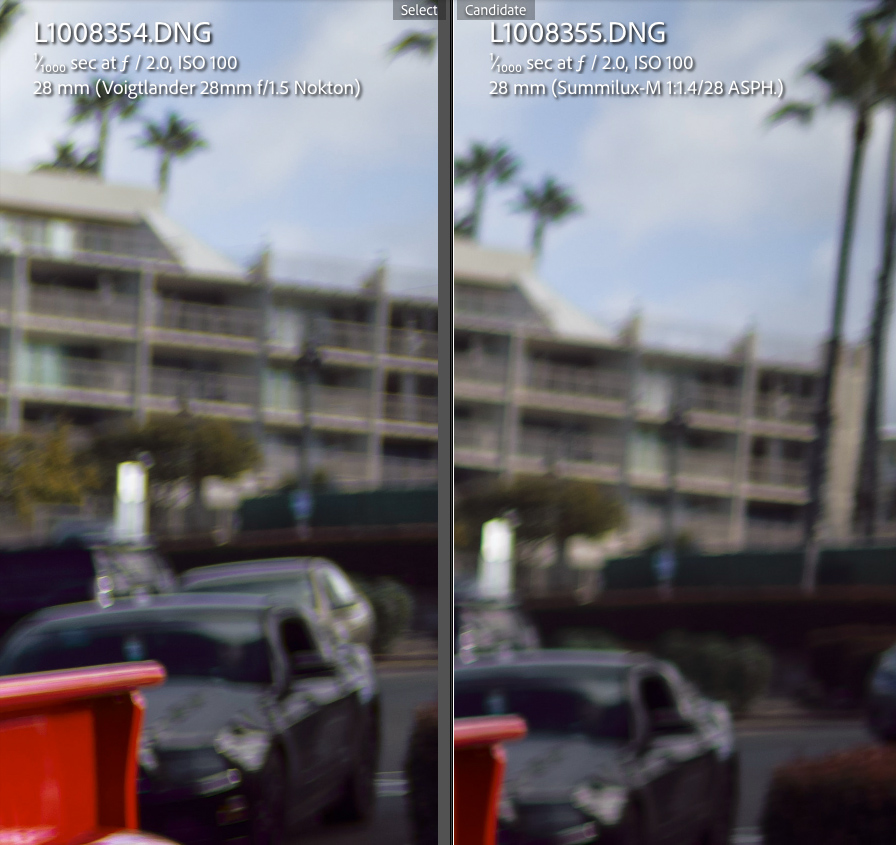
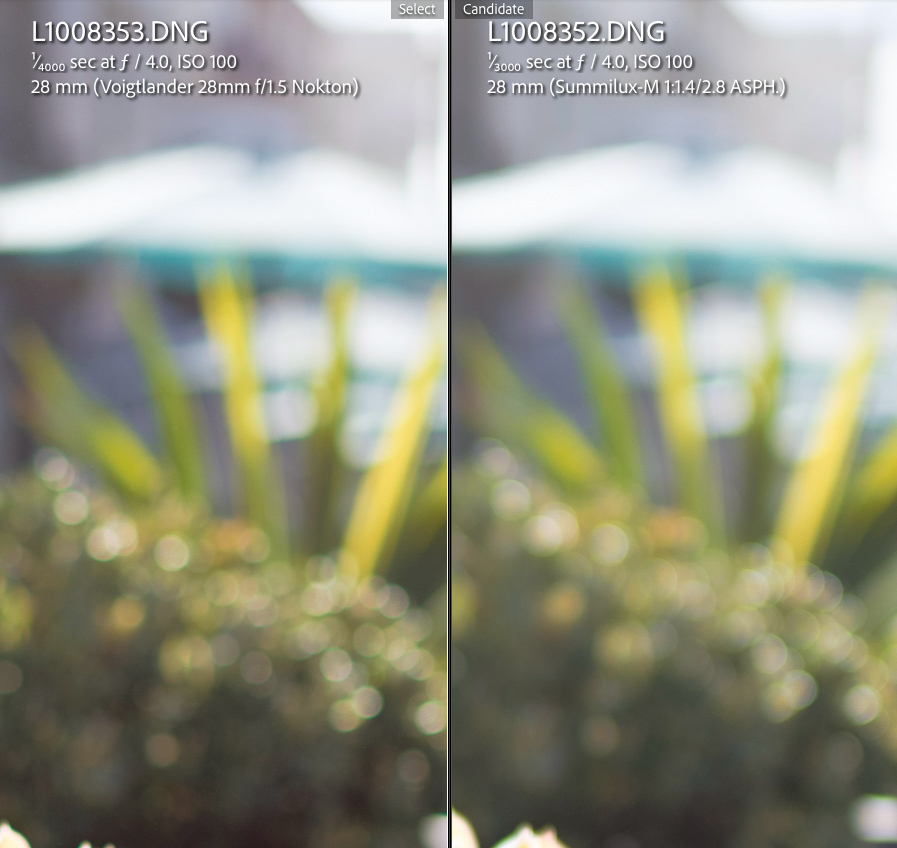
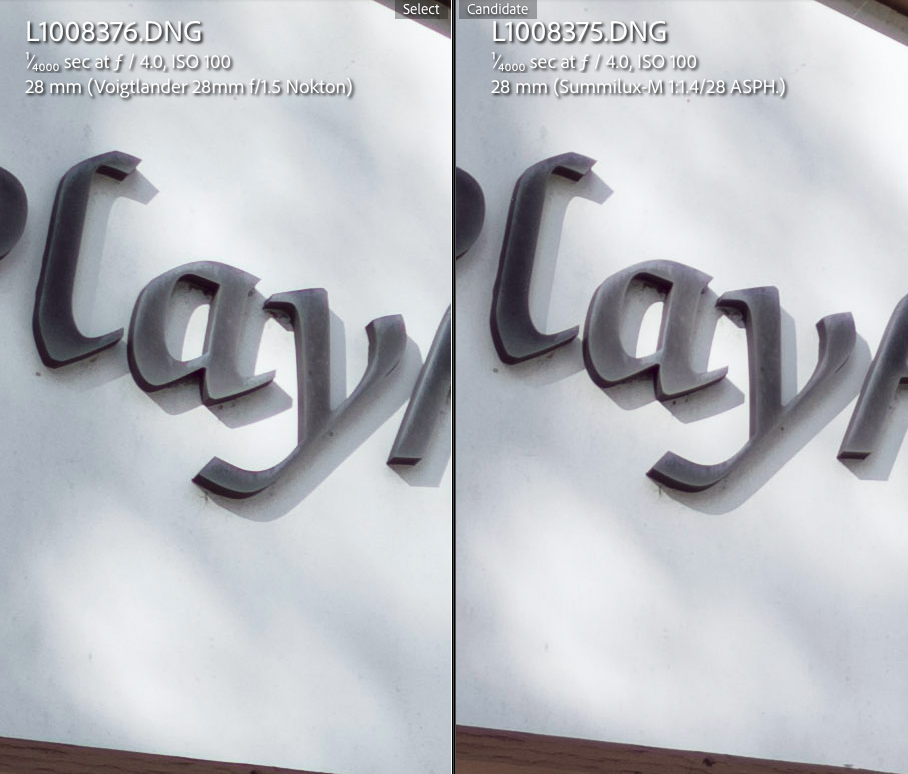
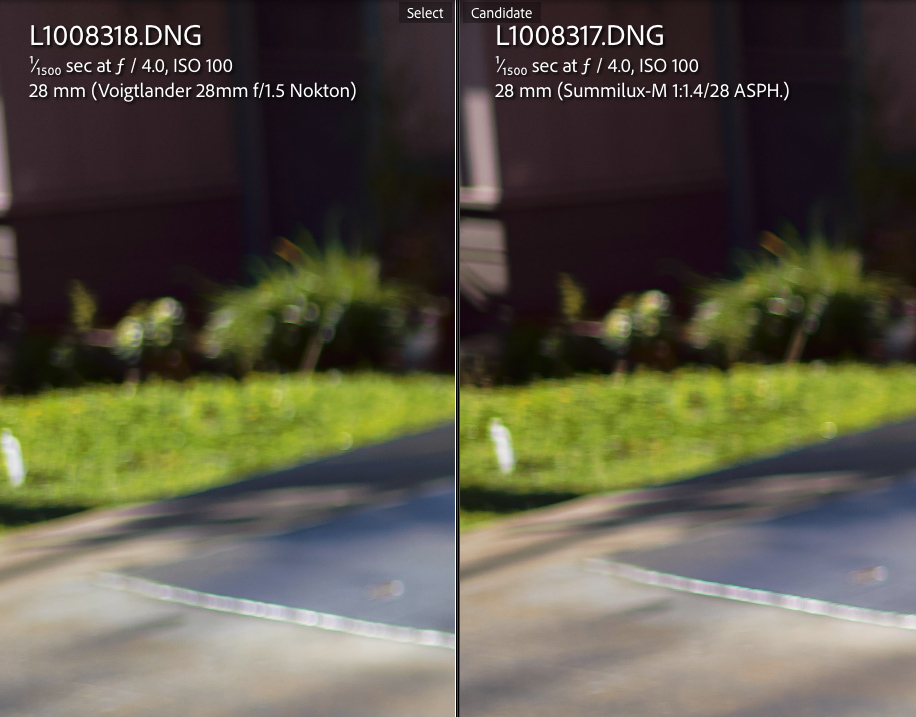
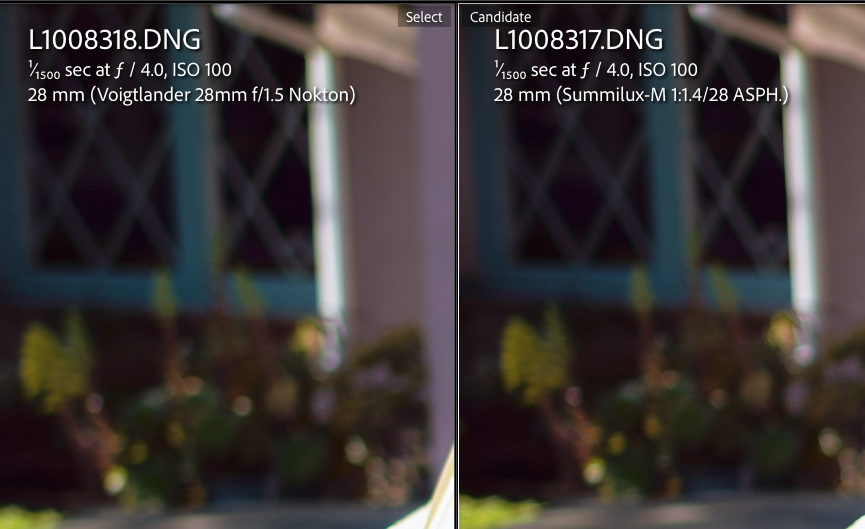
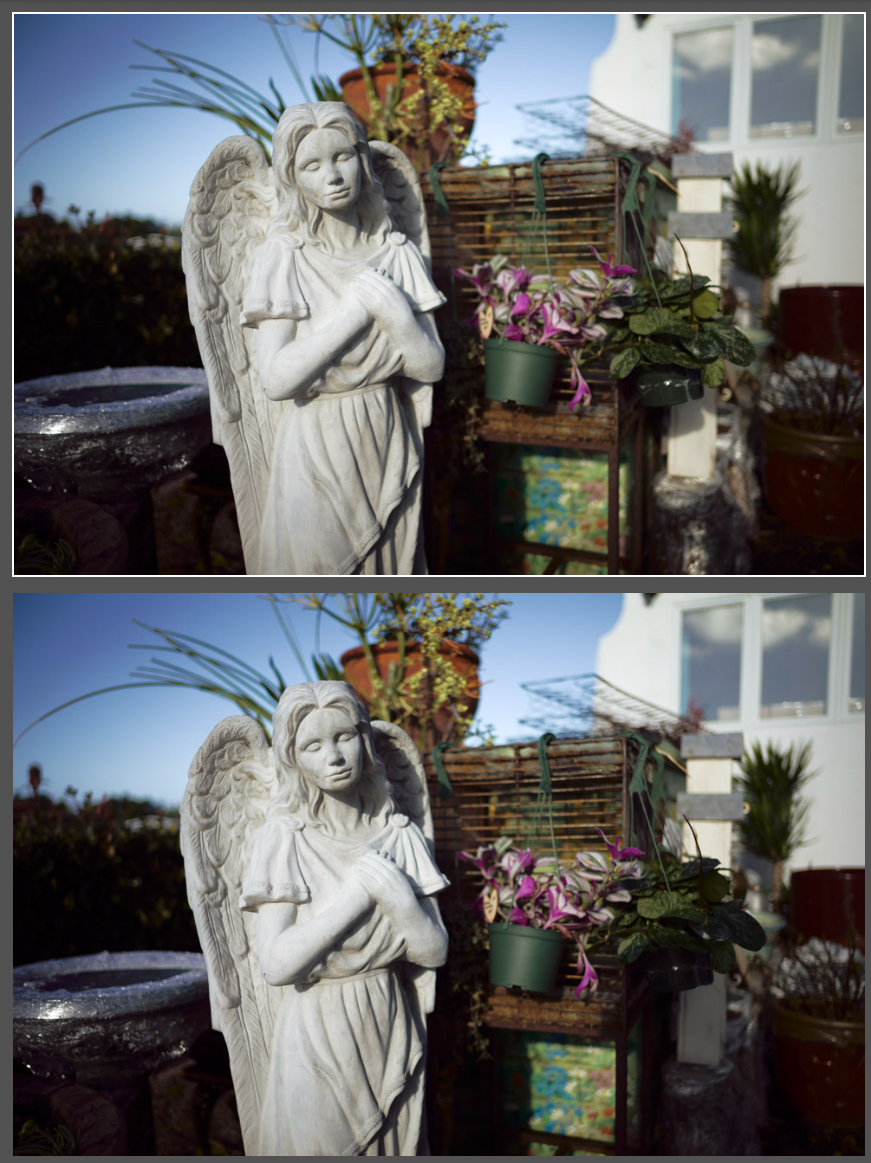
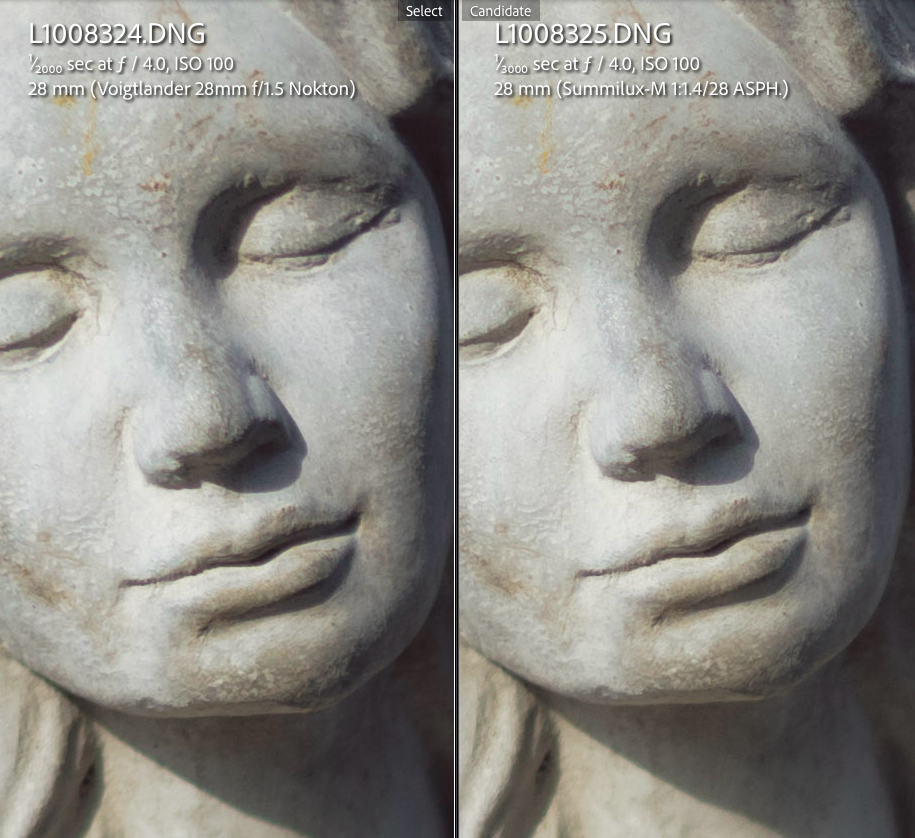
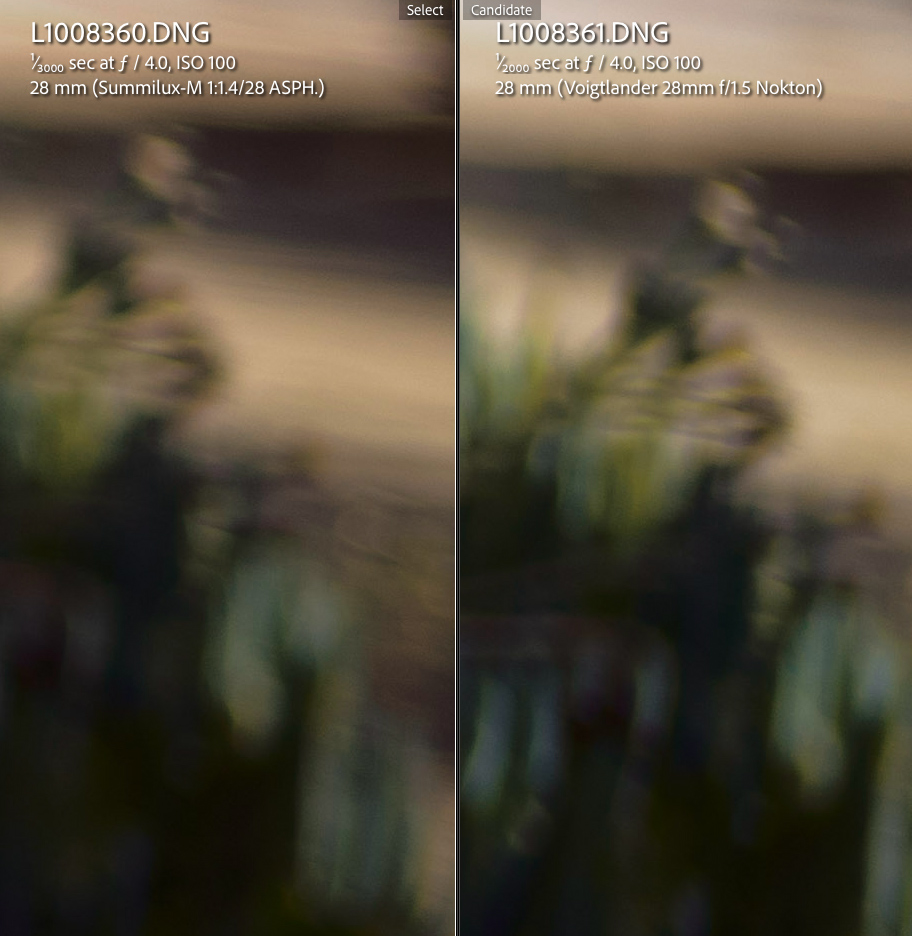
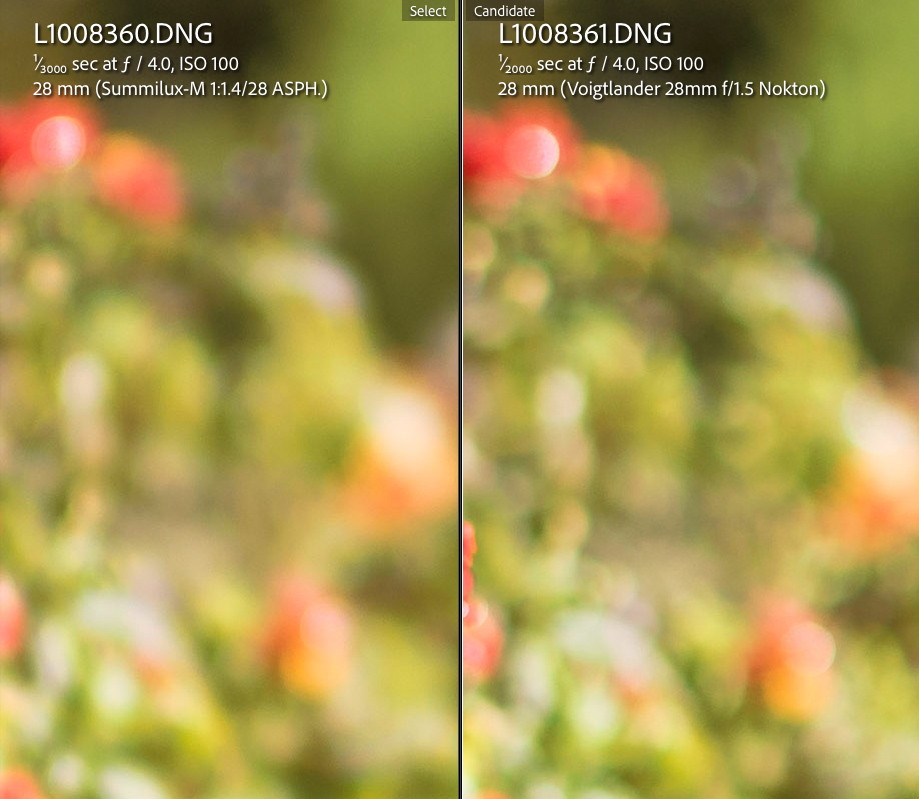
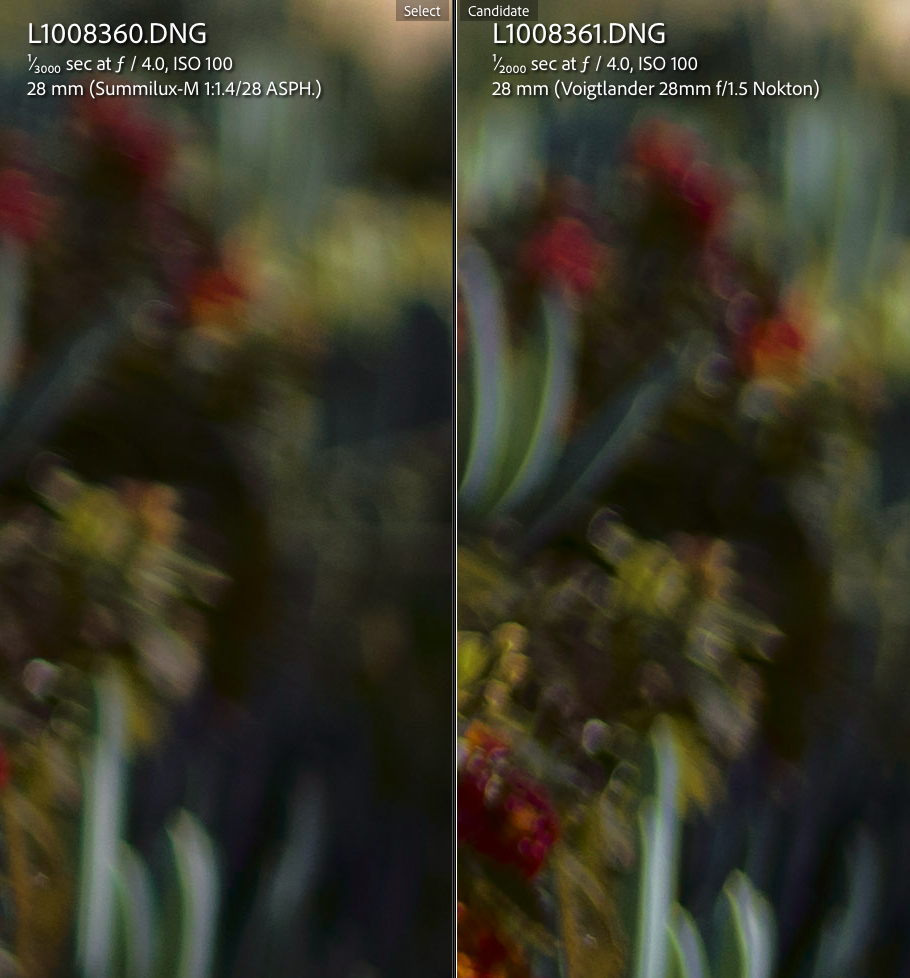
The Voigtlander 28mm f/1.5 Nokton impresses with its resolution and contrast. Now, let's discuss rendering. Does it resemble the Leica 28mm f/1.4 Summilux? To find out, I did a side-by-side comparison on my Leica M10-R, exploring different scenes and lighting conditions, ranging from the Leica's minimum focus distance of 0.7m to about 3-4 meters.
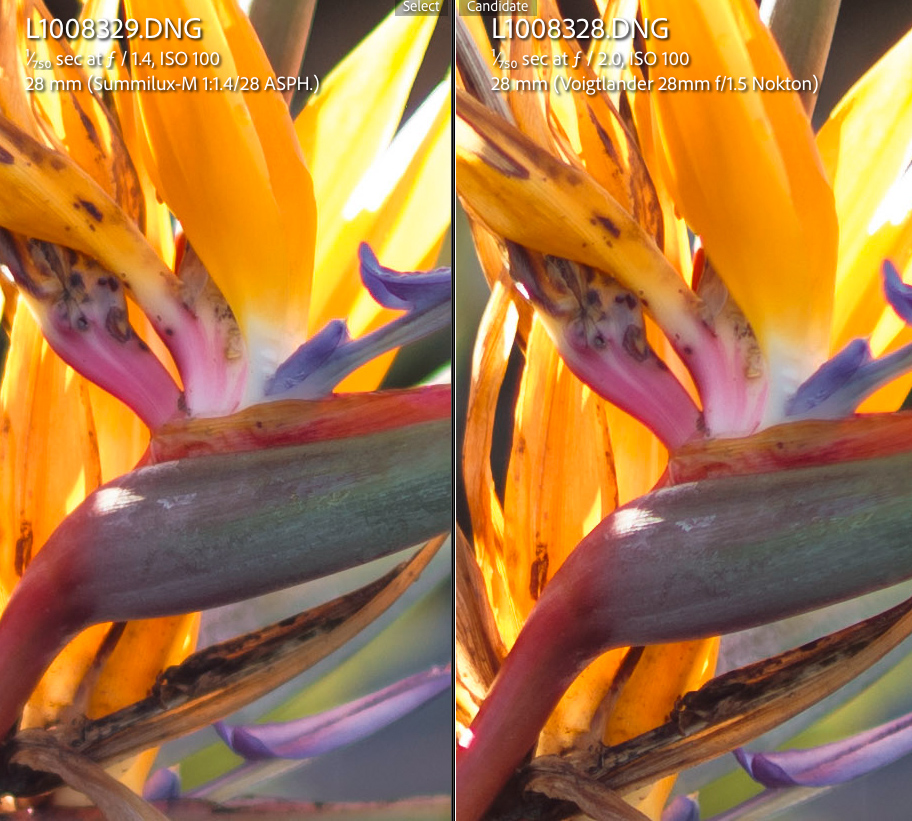
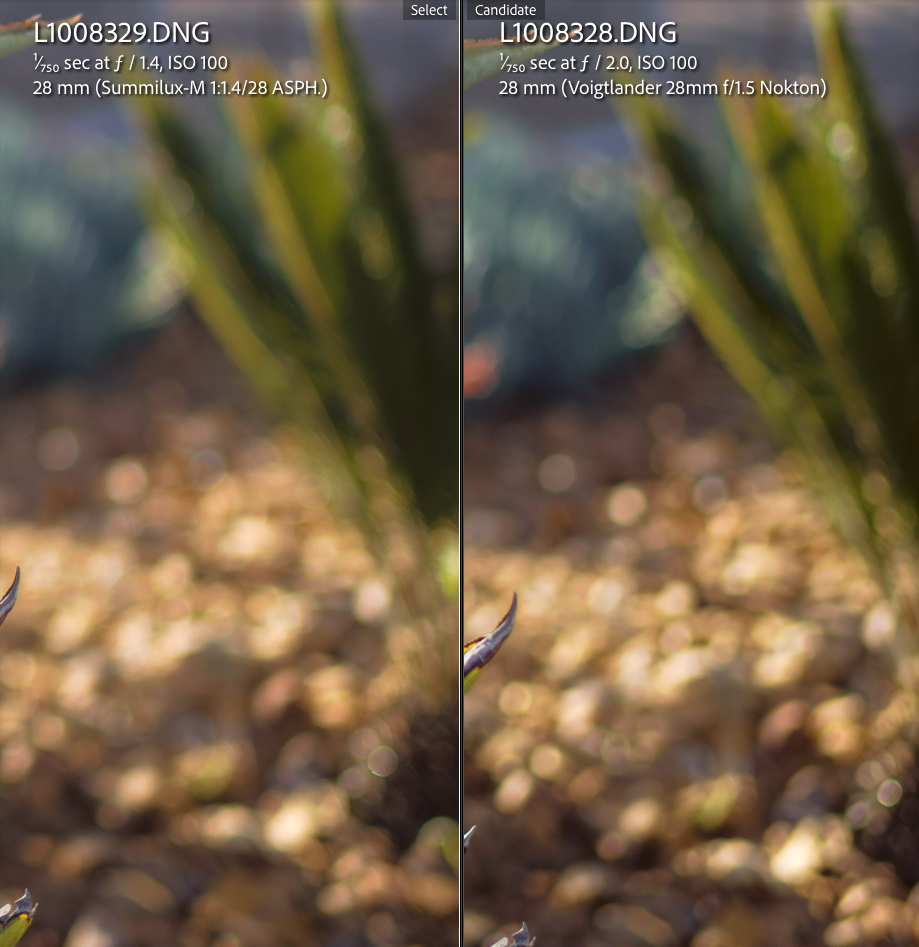
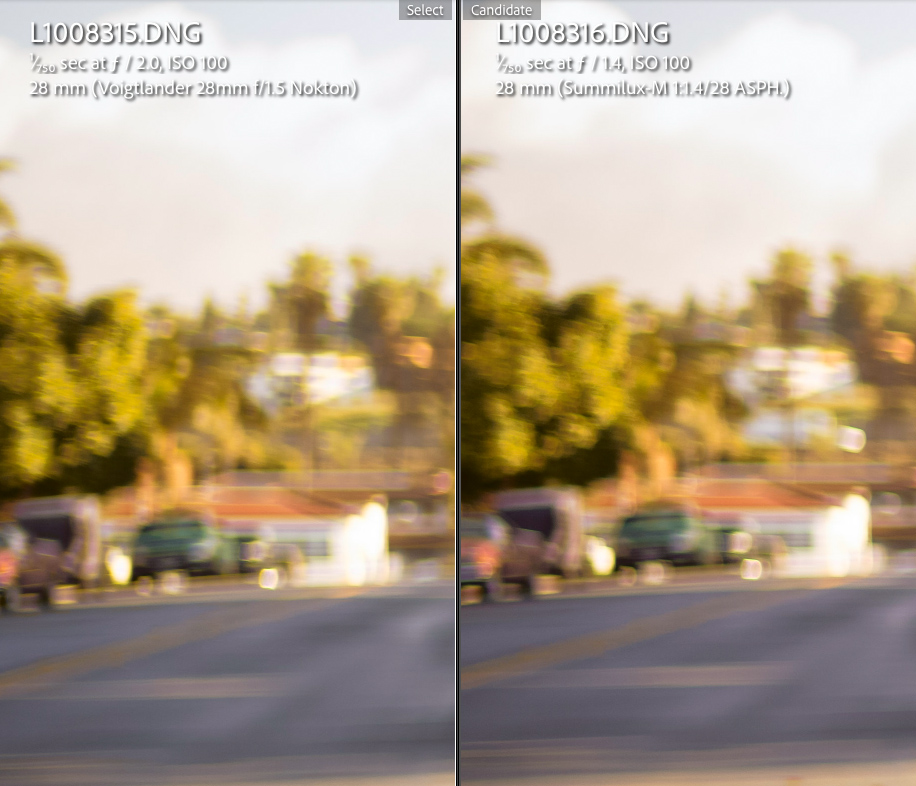
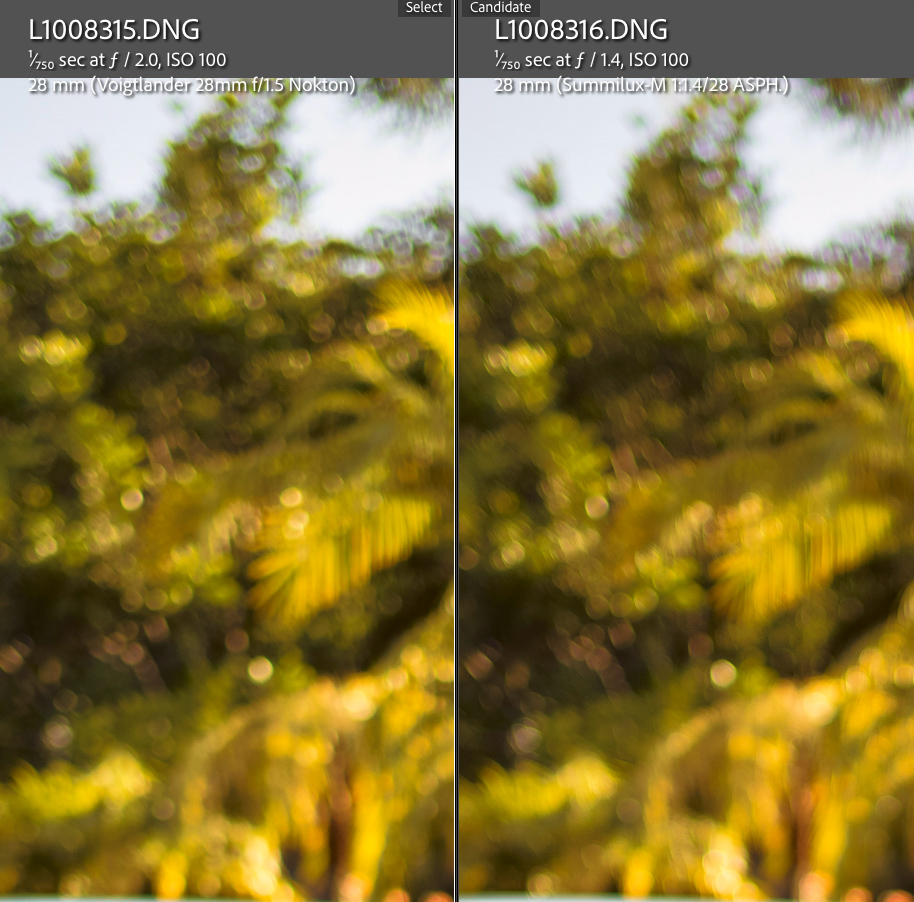
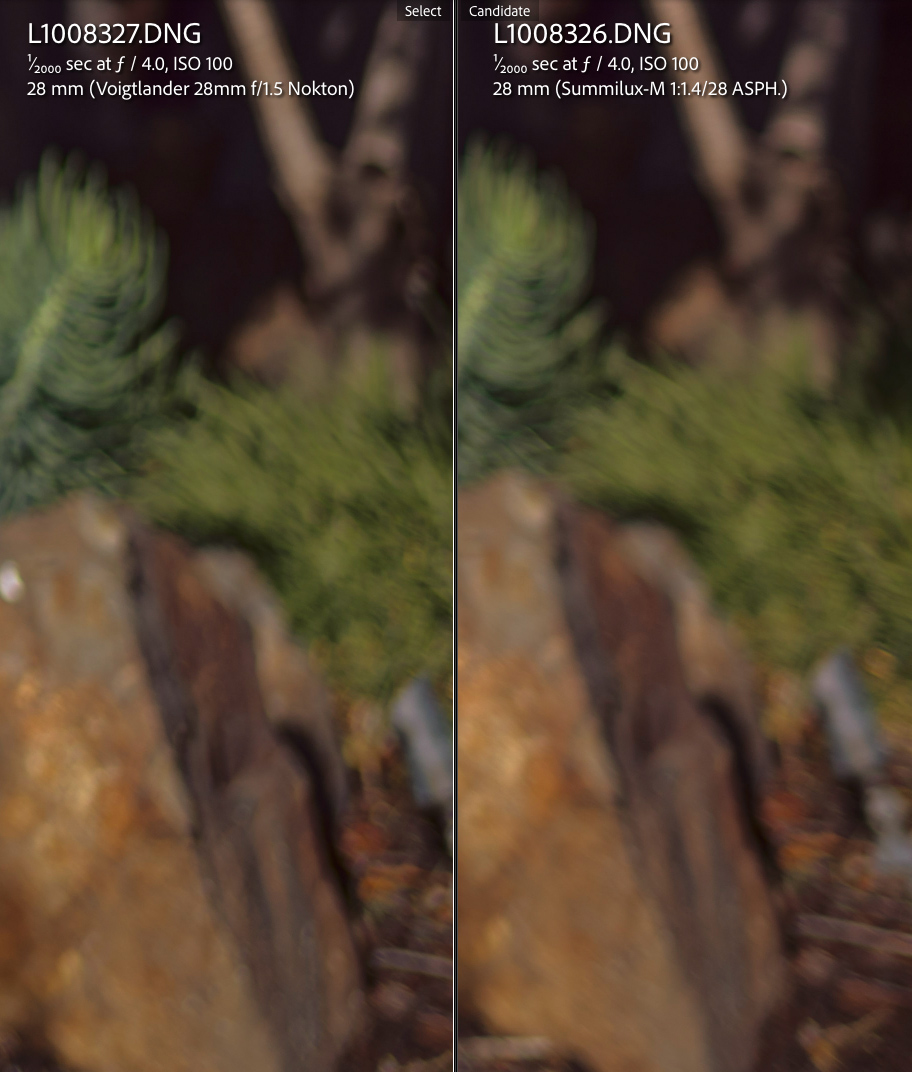
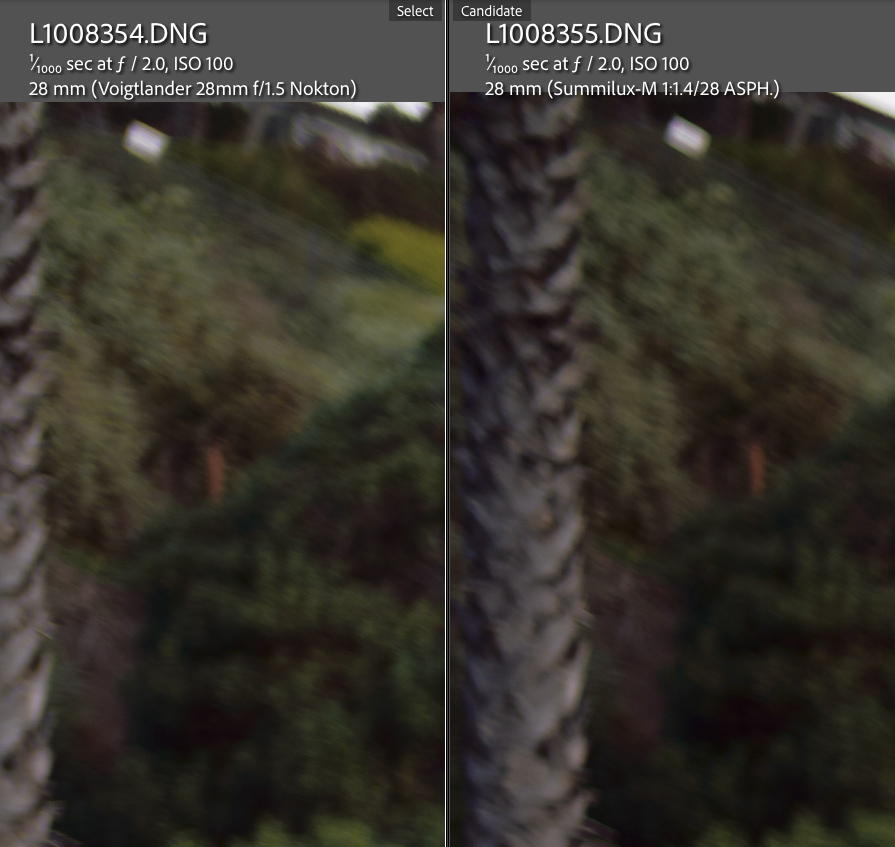
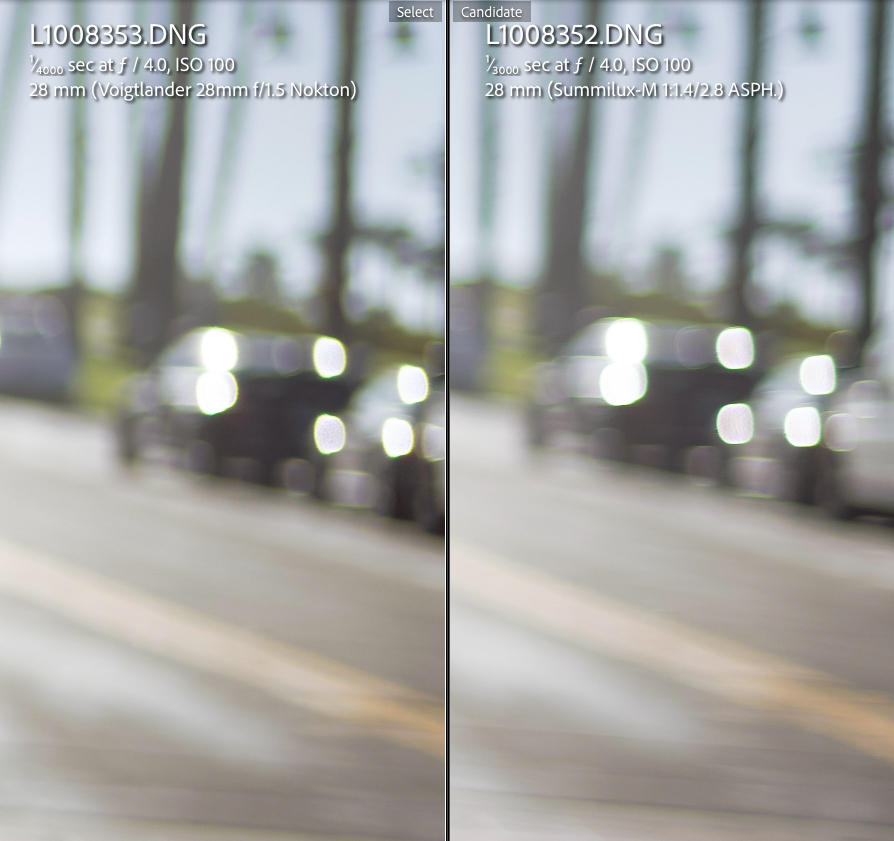
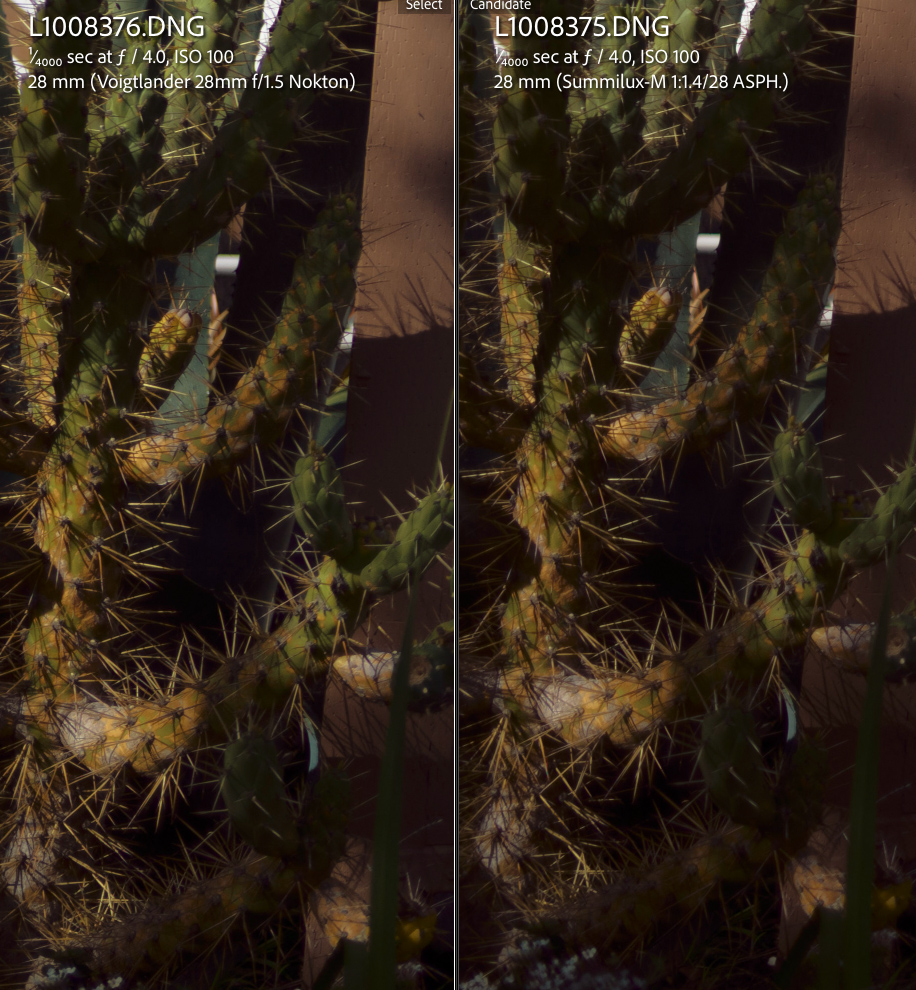
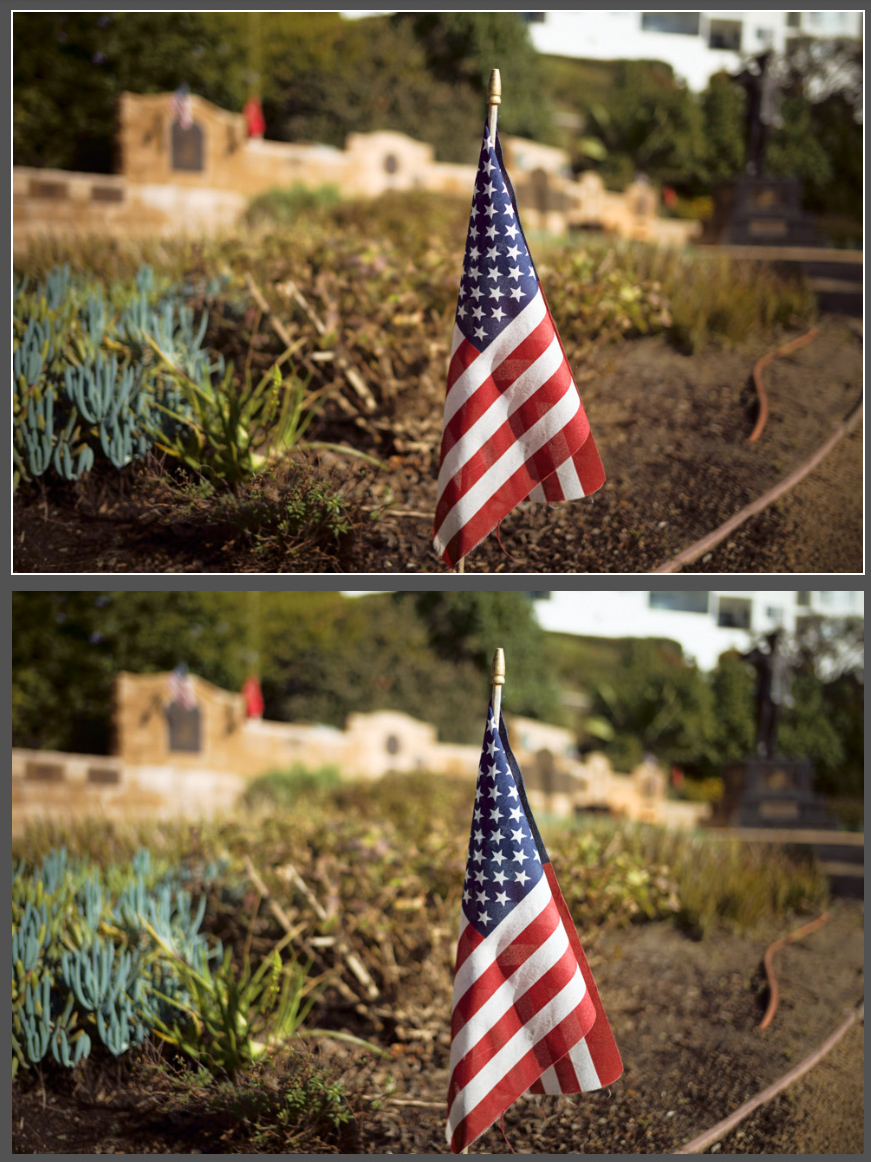
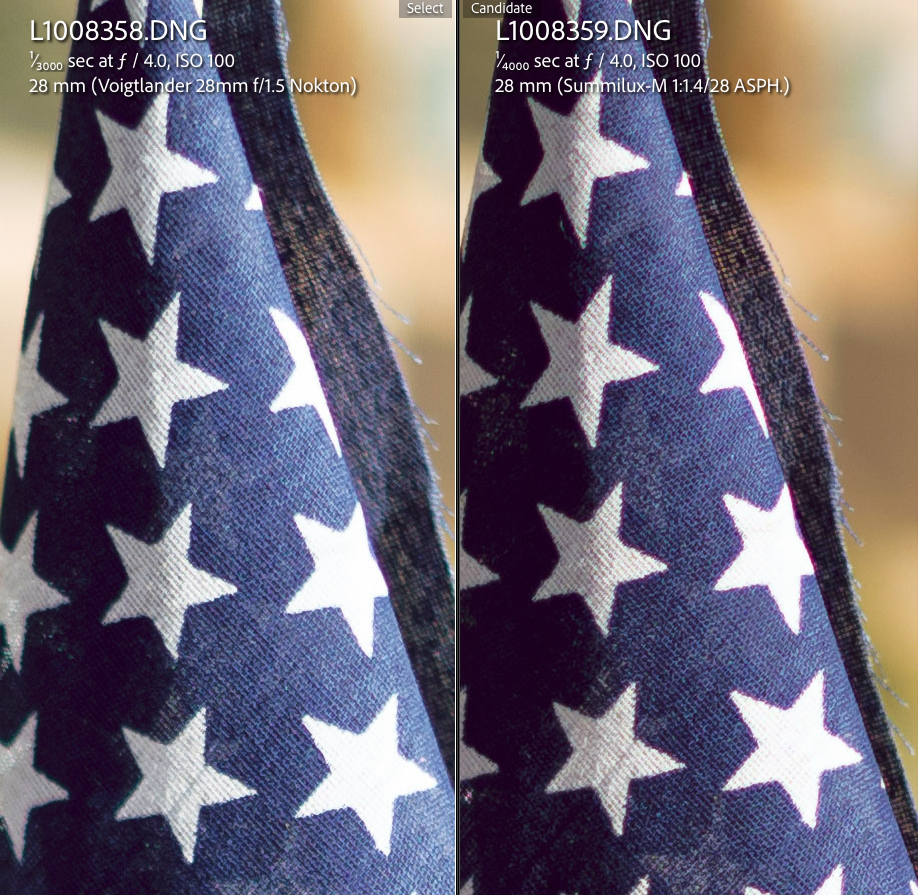
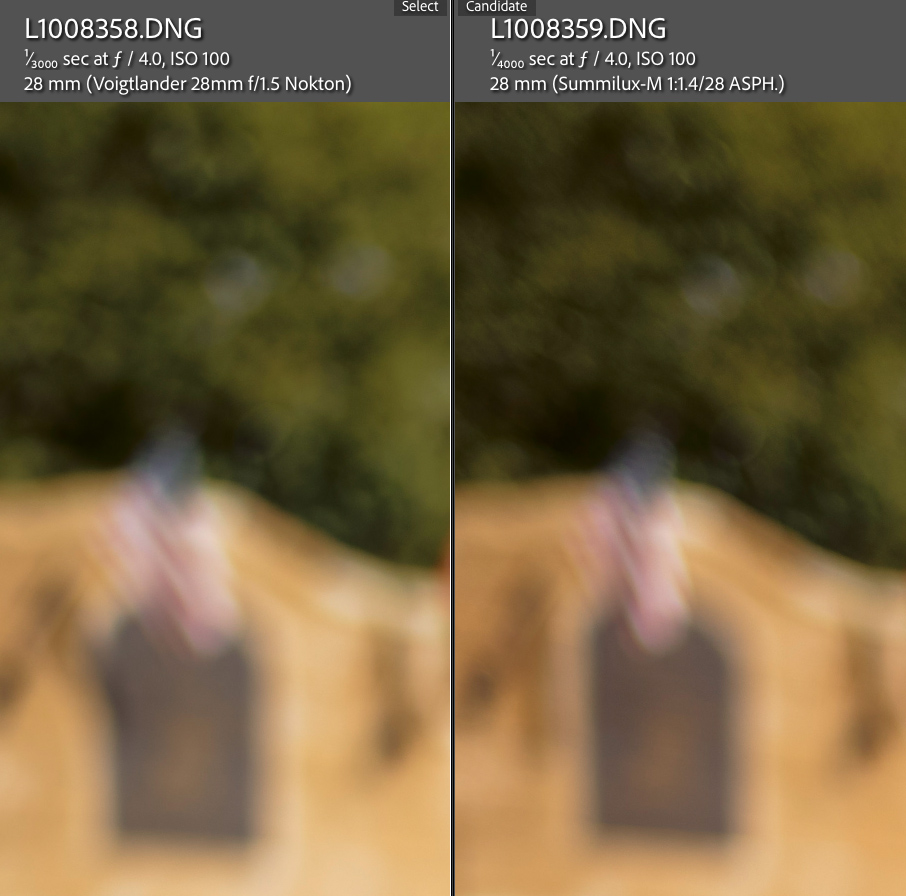
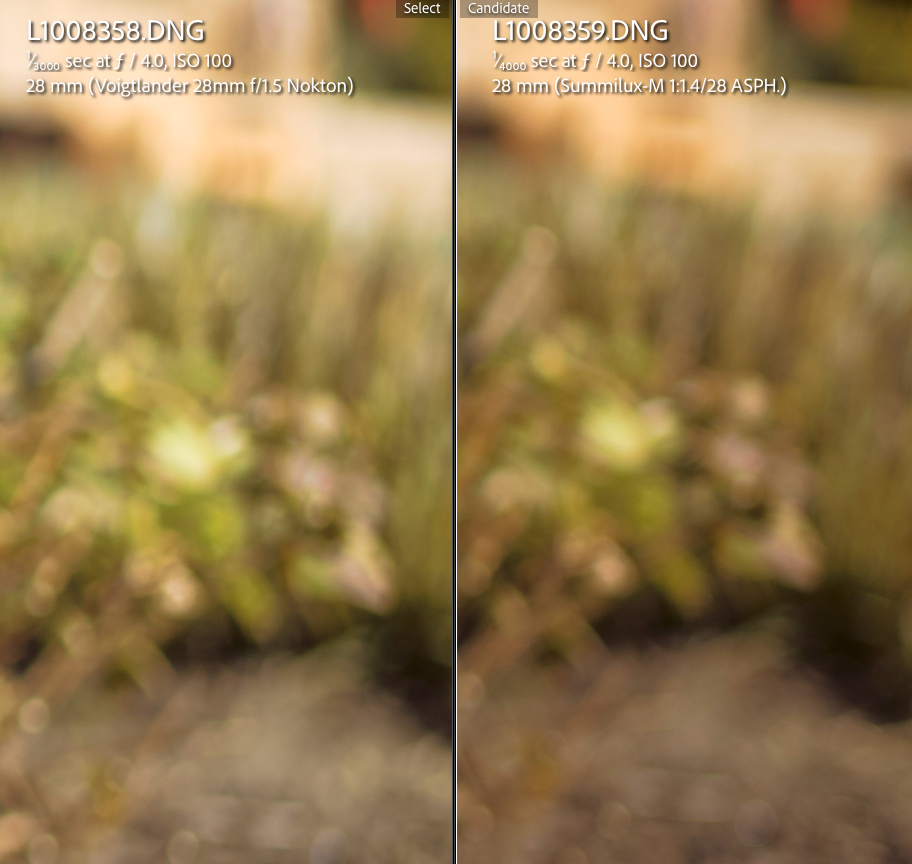
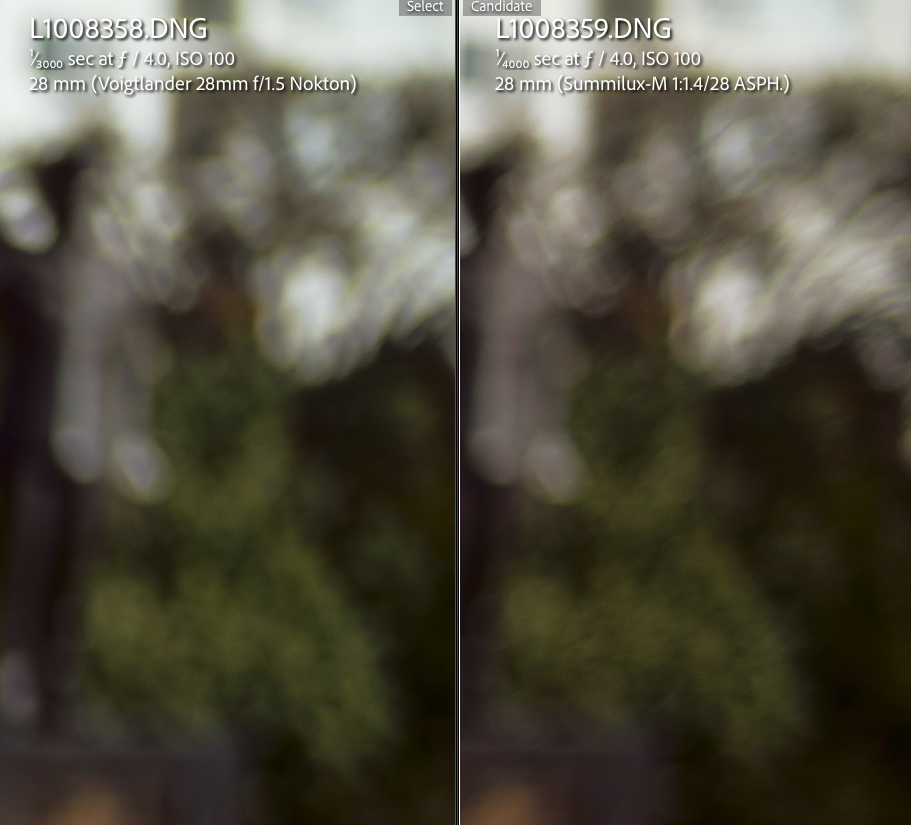
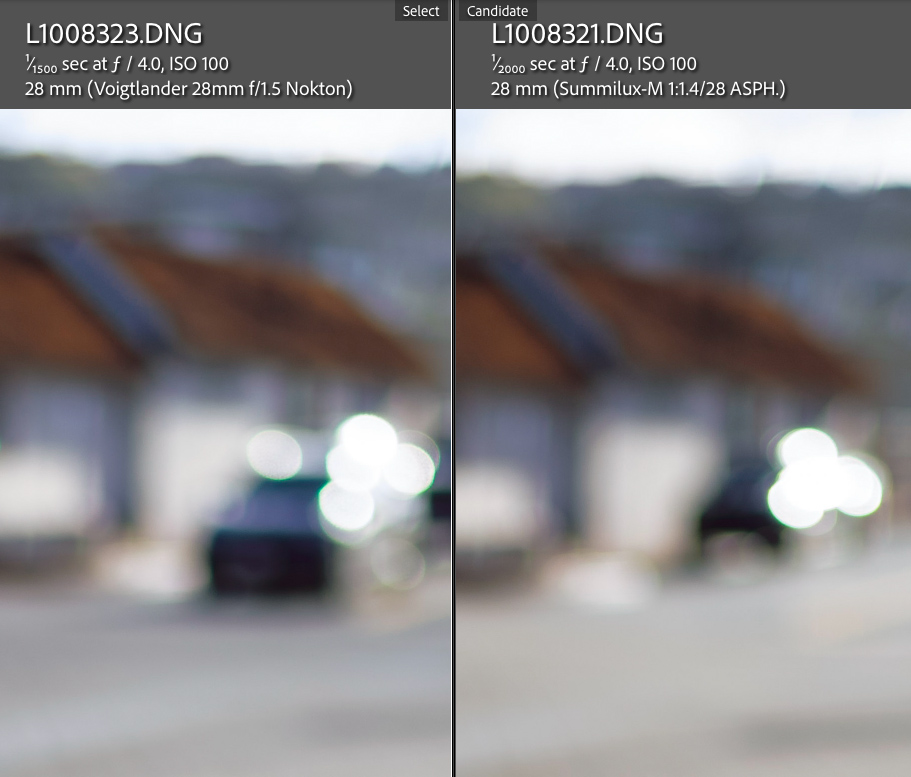
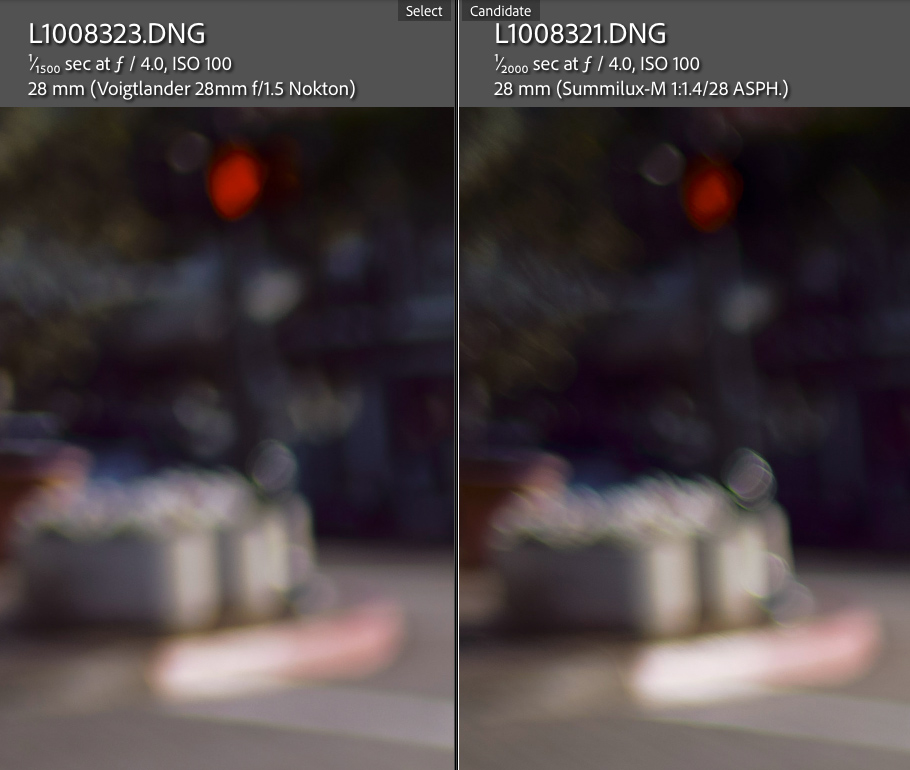
My conclusion is that their rendering is remarkably similar. Any distinctions are only visible when closely examining at the pixel level, which doesn't make much sense and is unnoticed in regular image viewing. Both lenses show some structure in rendering due to slight bokeh outlining, and the transition zone is abrupt. Along with their high contrast output, this adds a pop to the images.
I'm pleasantly surprised by what Cosina achieved here – crafting a super compact and fast 28mm with only moderate optical vignetting, comparable to the Leica. This means minimal swirling, and specular highlights are more rounded compared to previous Nokton lenses, even surpassing the Voigtlander 28mm f/2 Ultron II significantly in this aspect. Now, let's dive into the comparison.
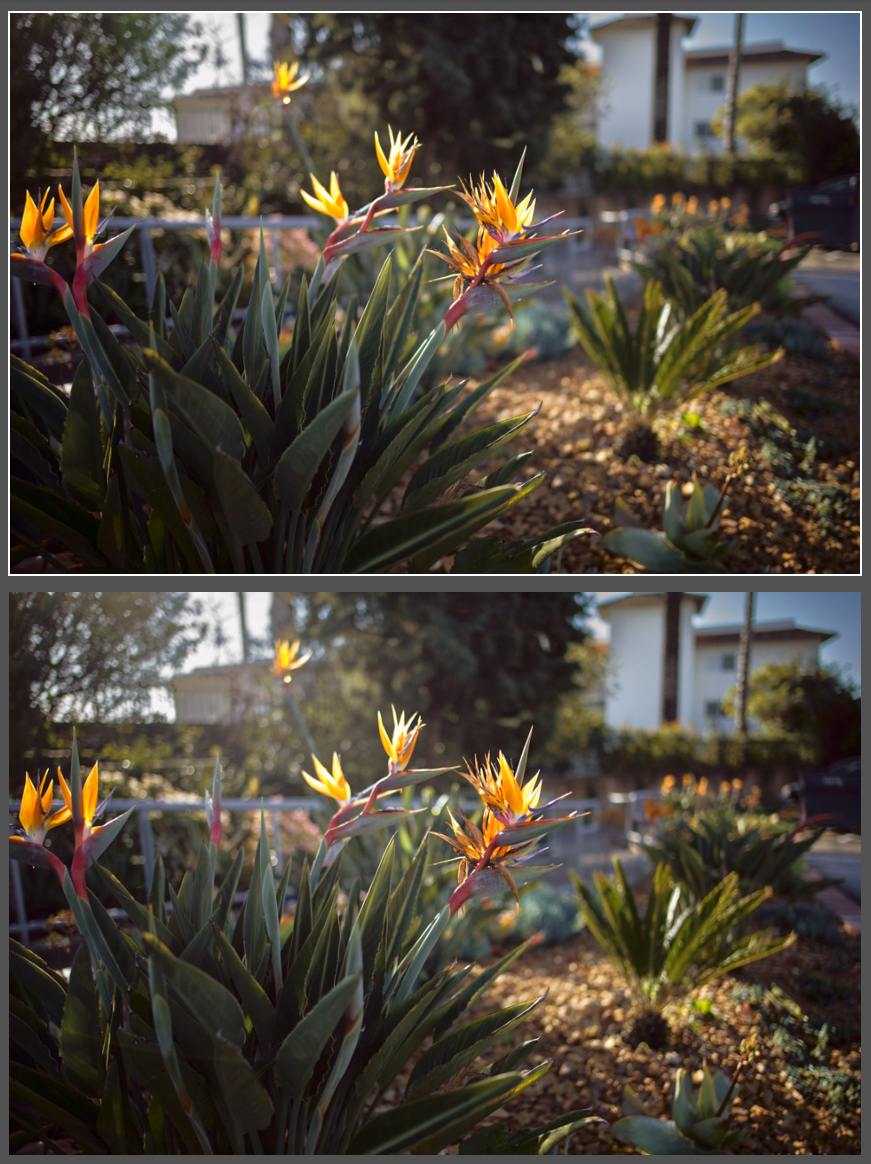
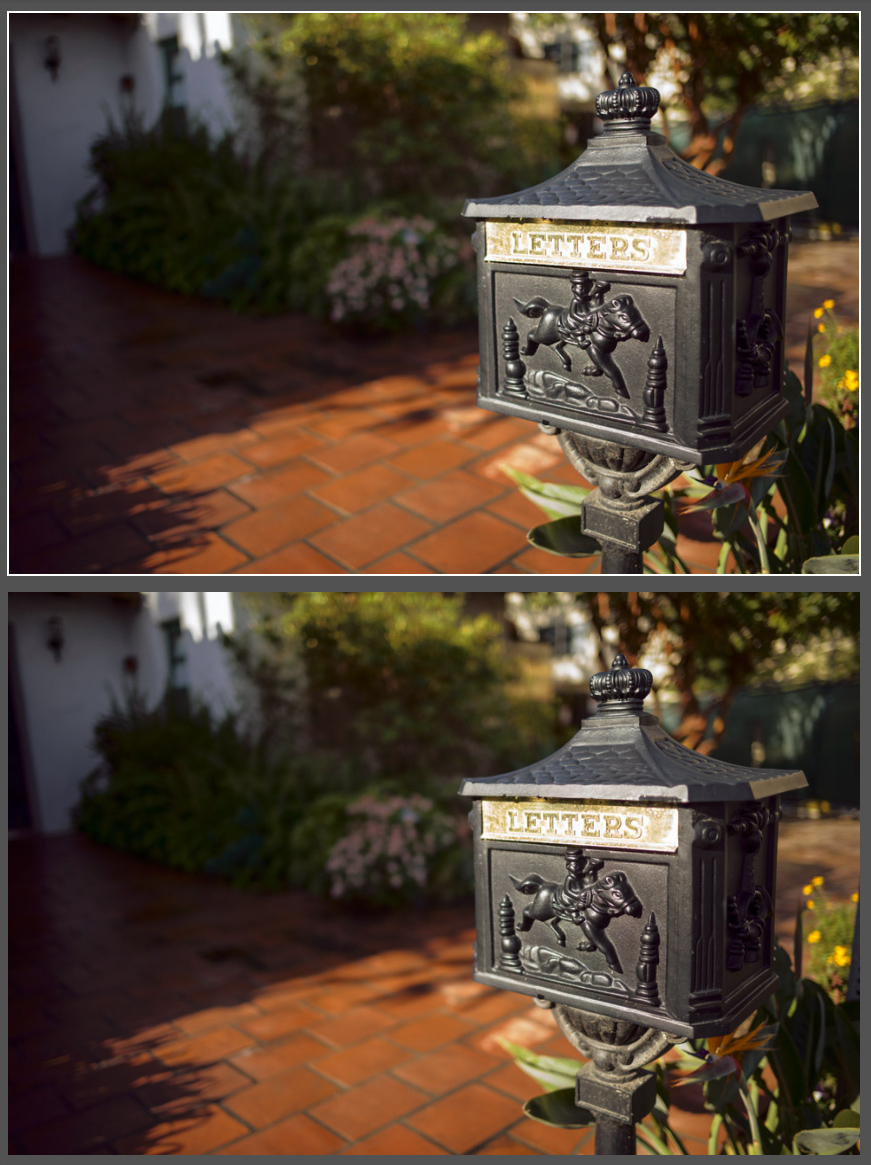
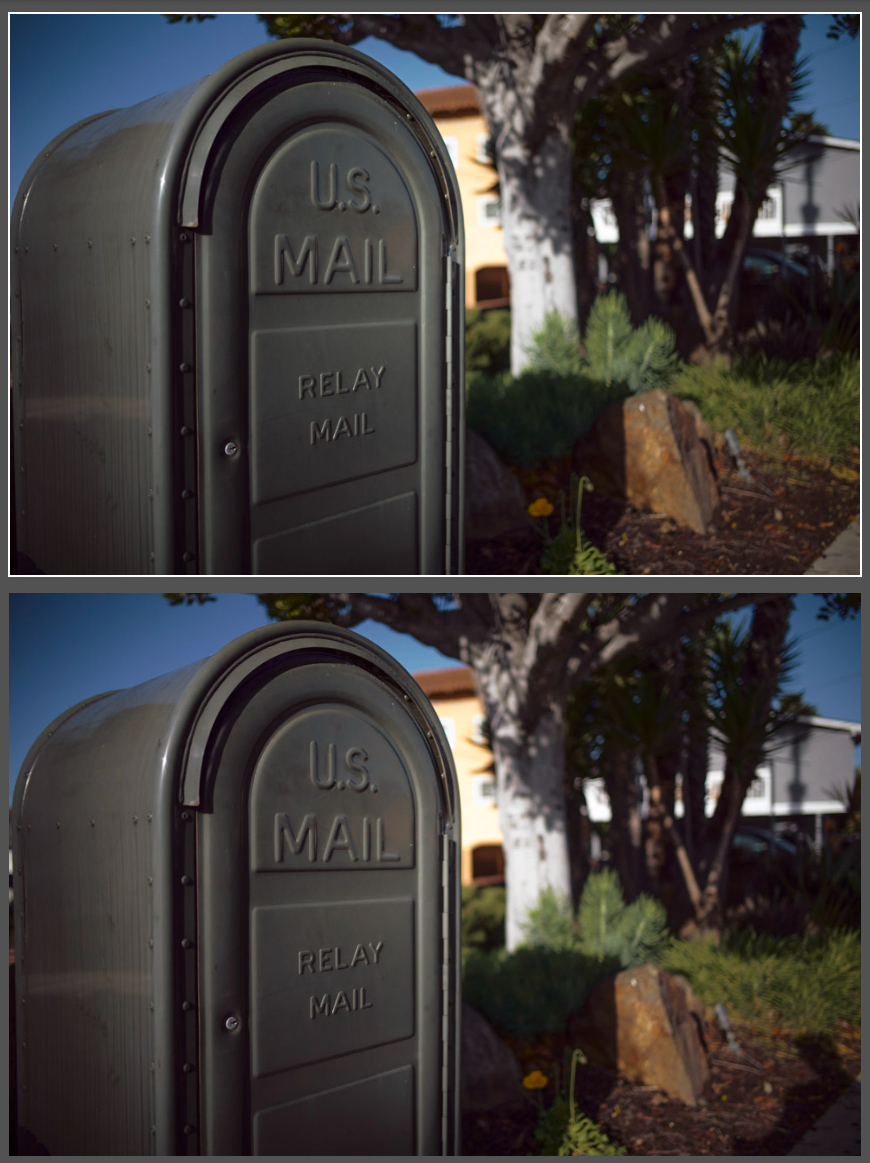
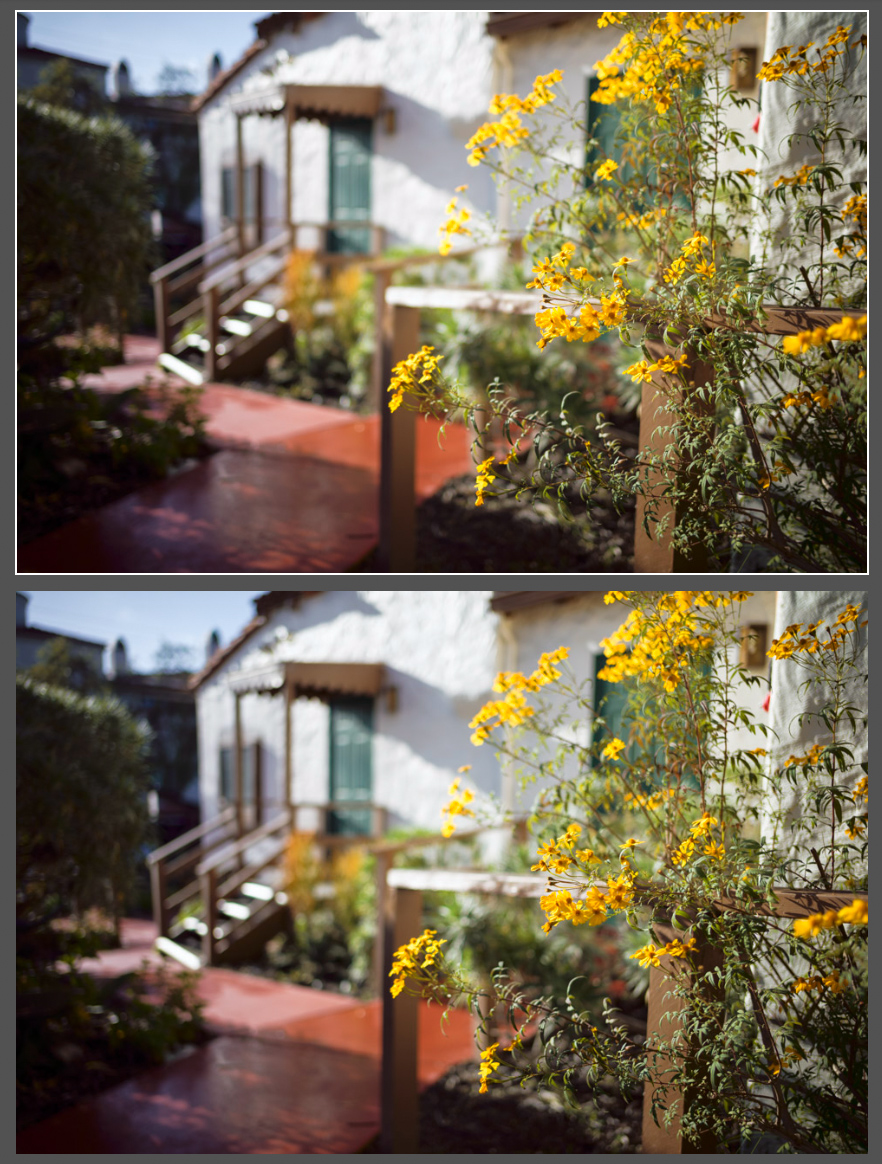
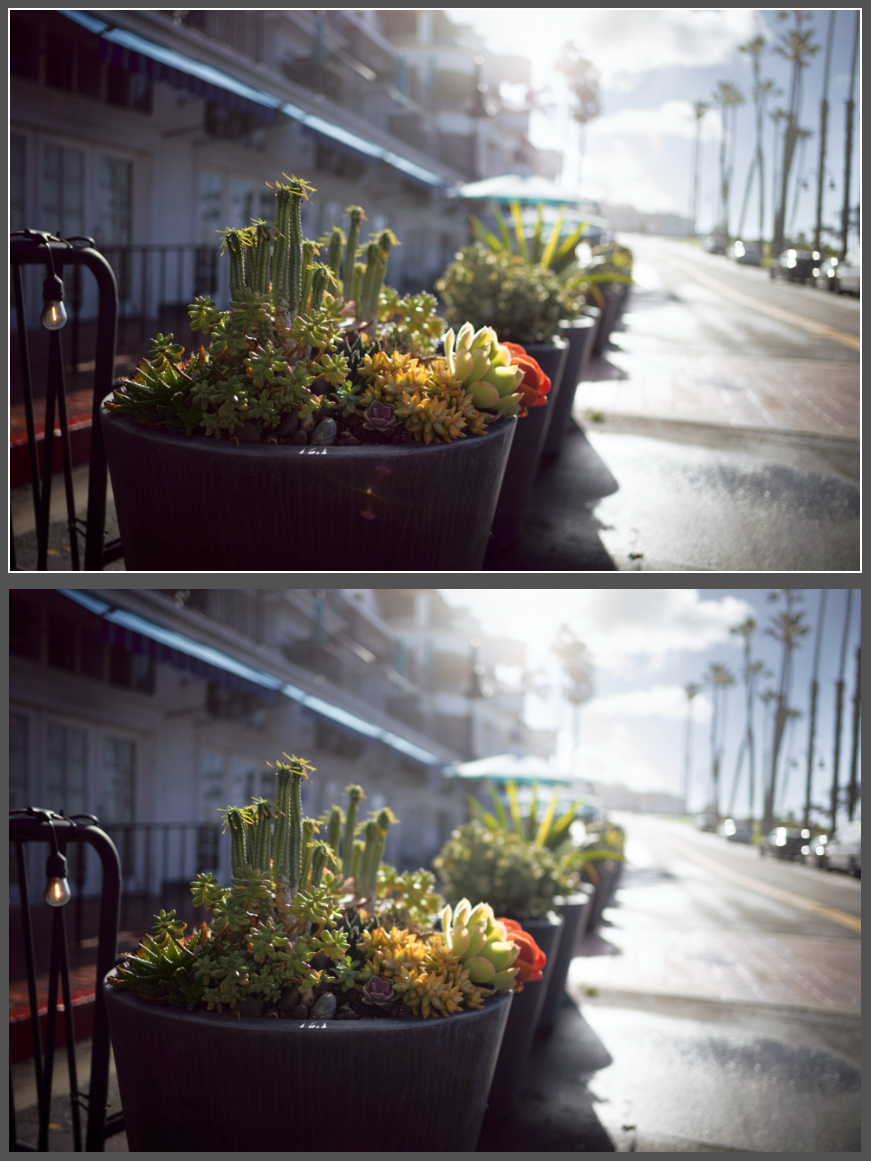
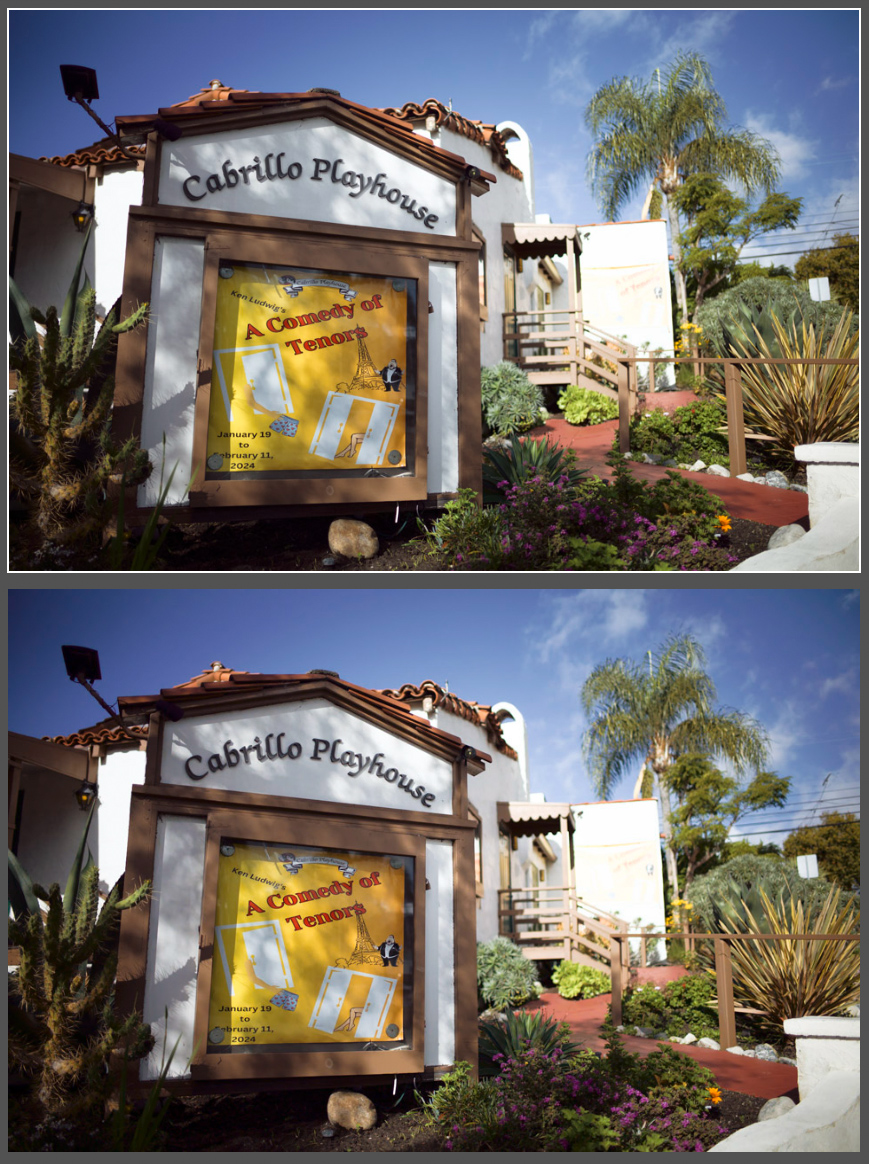
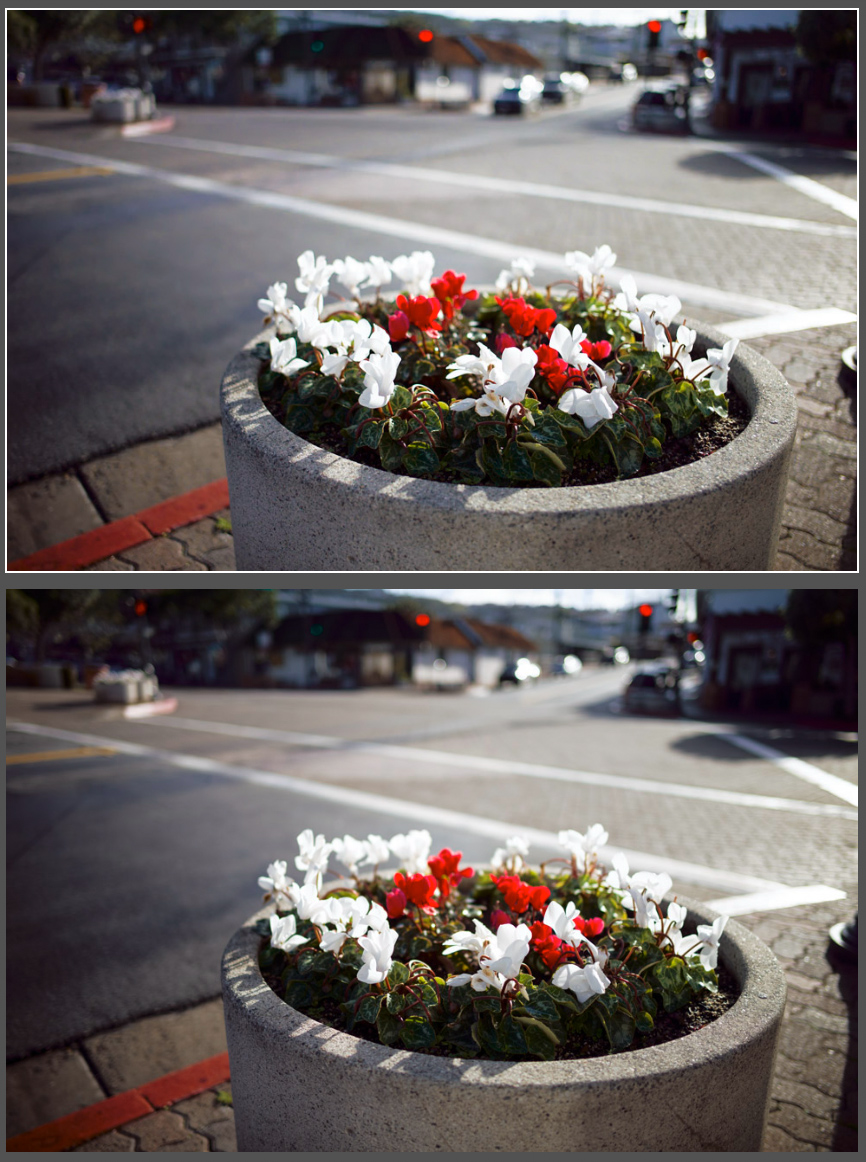
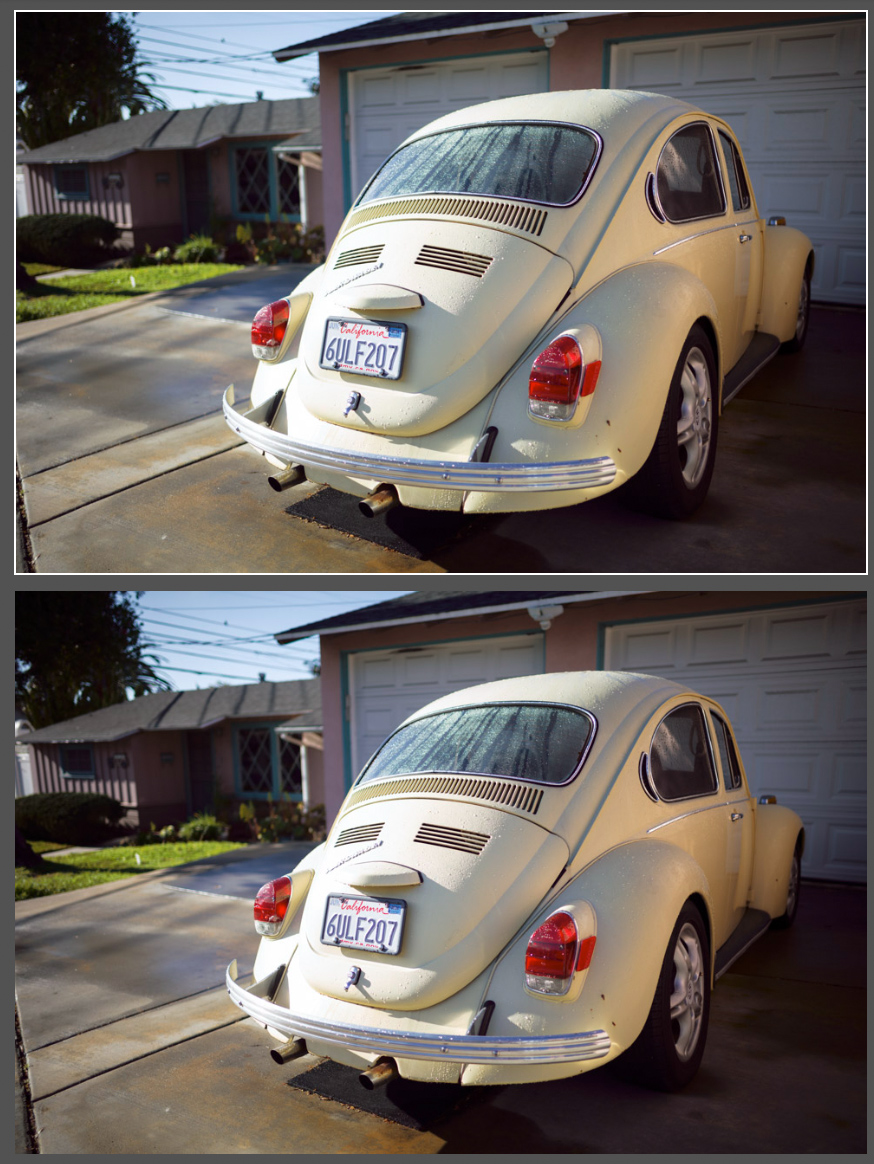
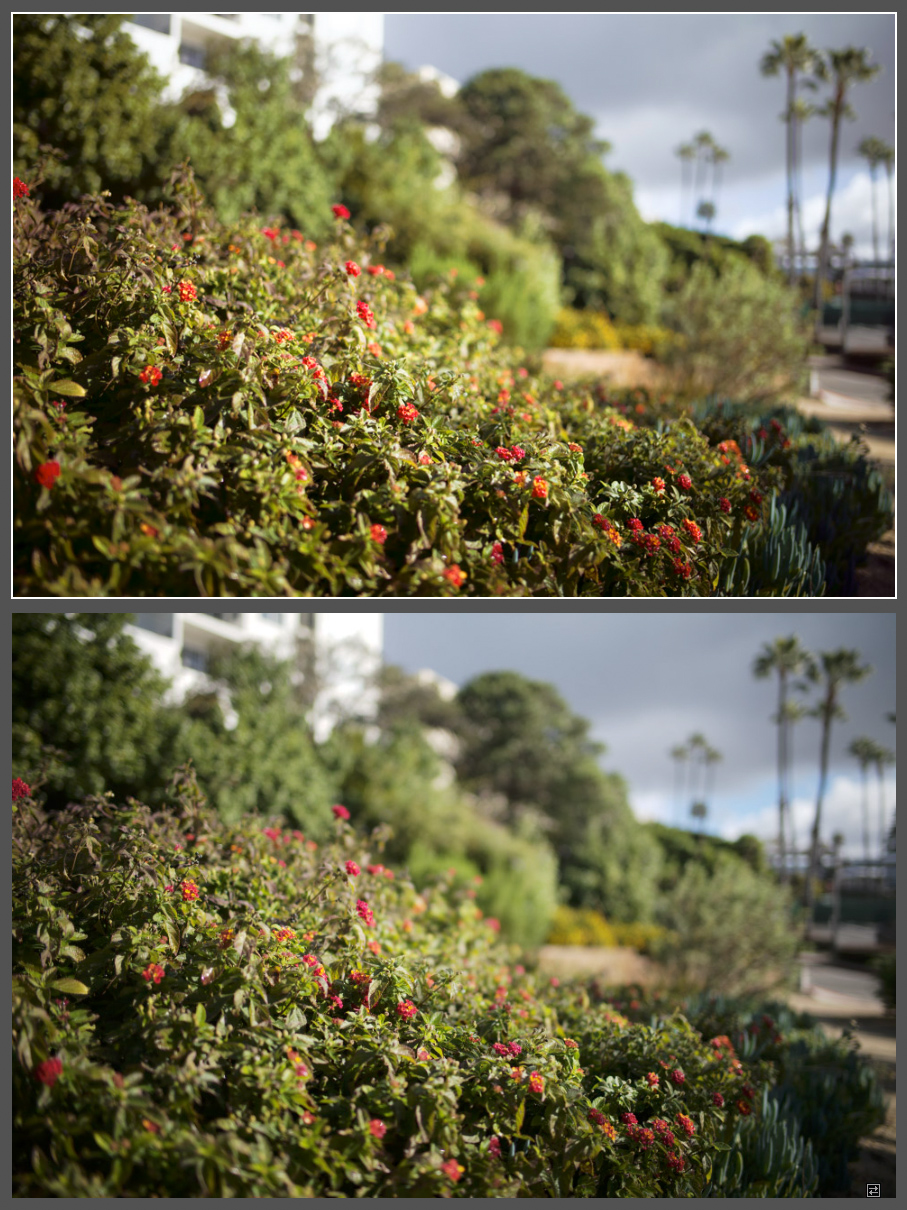
Sample 1: At 1m
Verify the lens name when comparing cropped images. The clue is that the Leica angle of view is slightly wider.
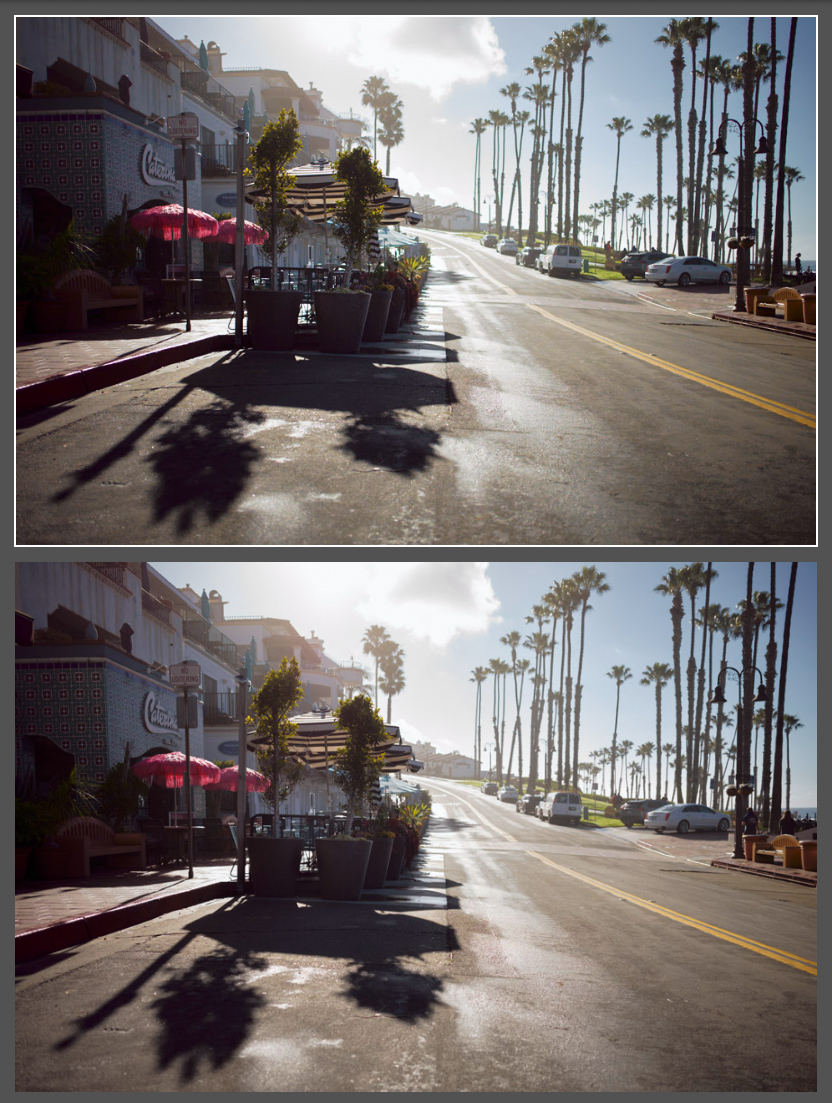
In this scene, notice the slightly higher veiling flare on the Voigtlander.