p.2 #1 · What system is really the best handheld in low light?
Yeah, it certainly is difficult. I'm only focusing on the tool for now, but it calls all of these properties into question and in conjunction:
- Effect of total weight on stability
- Effect of stablization either with or without optical stabilization (can't just compare CIPA ratings for this reason, that is almost always taken with optical stabilization included)
- Lens transmission and versatility
- Noise from raising exposure (ISO or pushing in post)
So really I don't even expect an objective answer since to be fair it is a tall order. I'll likely just have to test things for myself and use "good enough" as the stopping criteria.
Still interested in any thoughts that people have, especially with examples of this kind of shooting in practice.
sjms wrote:
that is truly a personal and tough to be objective question to answer.
it deals with 2 levels:
1 the actual shooting both tools and technique
2 the post handling of the image tools and technique
p.2 #3 · What system is really the best handheld in low light?
OregonSun wrote:
I would think you'd want to look for a system that combines fast lenses, low noise at high ISO, and some kind of effective stabilization, whether it be in body or lens or both.
As noted above, things like shooting technique, focal length selection and post processing tools/technique will all play a part in the final outcome.
surprisingly my standard lens for shooting in low light has been the 24-120/4 both G and S
p.2 #4 · What system is really the best handheld in low light?
GroovyGeek wrote:
1/10th of a second is typically NOT considered long exposure photography. When I read the title of this thread my first thought was "only a dead man can handhold at 1s+"
I don't believe that a scenario exists under which an iPhone at night will outperform Z9 at light levels that enable 1/10th of a second hand held exposure. Just crank up the ISO to 52,000, shoot wide at 1/10th of a second and wipe the floor with the iPhone.
It is not embarrassing at all that your mirrorless camera is not as good as your iPhone at computational photography. The iPhone ASIC costs in excess of $5B in RnD to design and figure out the manufacturing and software. That gets amortized over 100M+ units. No camera maker will ever be able to do that because they amortize development costs over 10k-100k units.
It is important to realize that computational photography often bears a tenuous relationship to reality. When the S23 Ultra first came out people were blown away by the quality of the moon shots taken with the 10x optical zoom lens. Then someone realized that it is physically impossible for the phone to capture images of that clarity and did a simple experiment - took pictures of a blurry moon from a computer screen. The images from the phone came out... sharp.
You want to draw arbitrary boundaries, more power to you. If I can get motion blur easily at a certain shutter speed, then I consider it long exposure. If you care so much about long exposures but for some reason you don't care at all about blurring moving objects then, again, more power to you.
Personally, based on my experience trying to blur out movement, I would define long exposure as 1/8 second or slower. That is 7 stop difference compared to a 1/1000 second exposure outdoors in the sun, and 3 stops away from your arbitrary definition of 1 second.
As for iPhones, my examples were actually from an Olympus camera at ISO 250. Which I stated very clearly multiple times in my post.
The question was not whether or not the shutter speed of Nikon Z9 can be adjusted to 1/10 second, but rather how handholdable it is at 1/10 of second. I was just saying that I can achieve tack sharp images at 1/6 second at wide angle with very little effort with my Olympus system. That is all. I wasn't talking about the handholdability of iPhone or the S23 at all. My post only mentioned Olympus, Micro Four Thirds, and Panasonic.
The OP talked about a Panasonic lens, so I talked a little about that Panasonic lens. I did not make any mention of smartphones in my post. I don't own a smartphone. I have never owned a smartphone. I have never used a smartphone in my life and I never will. I am not promoting the use of smartphones at all.
I was just trying to show how handholdable my OIympus is at low shutter speeds. With a compact, bright wide angle lens, the camera is light enough to hold steady at 1/6 second, and at the same time the higher ISOs can be avoided due to the largest aperture without worrying about degradation in the corners.
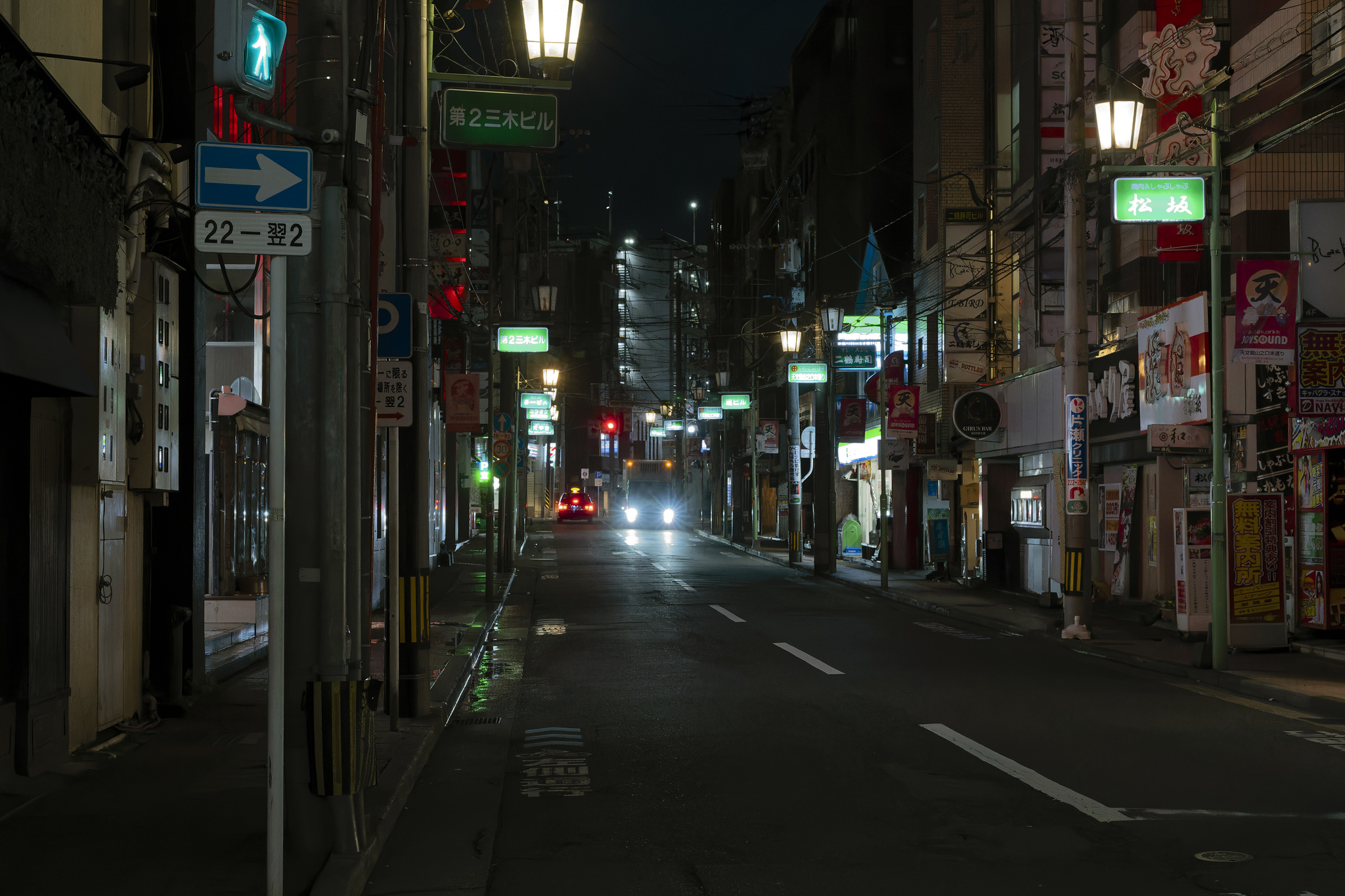
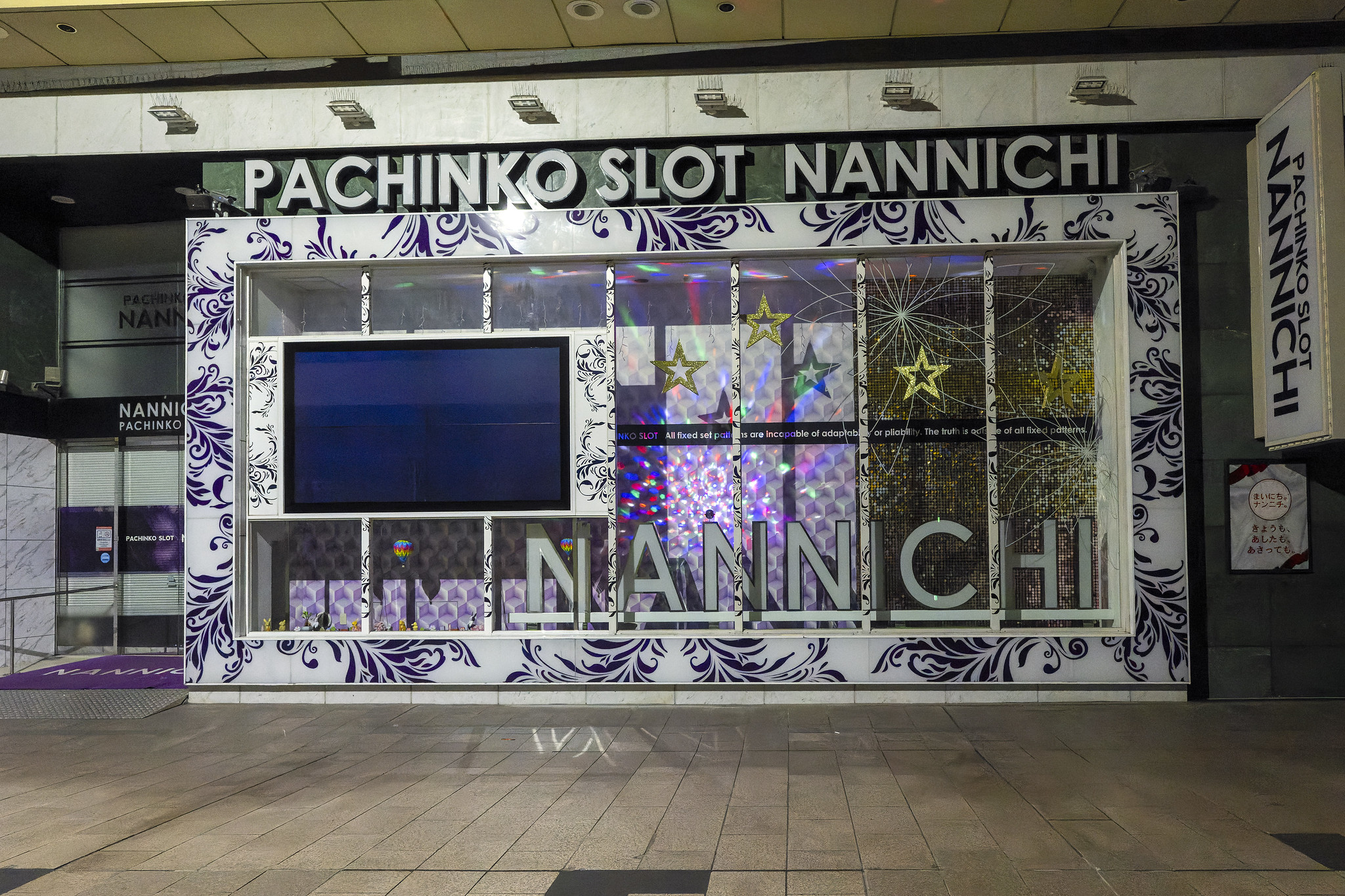
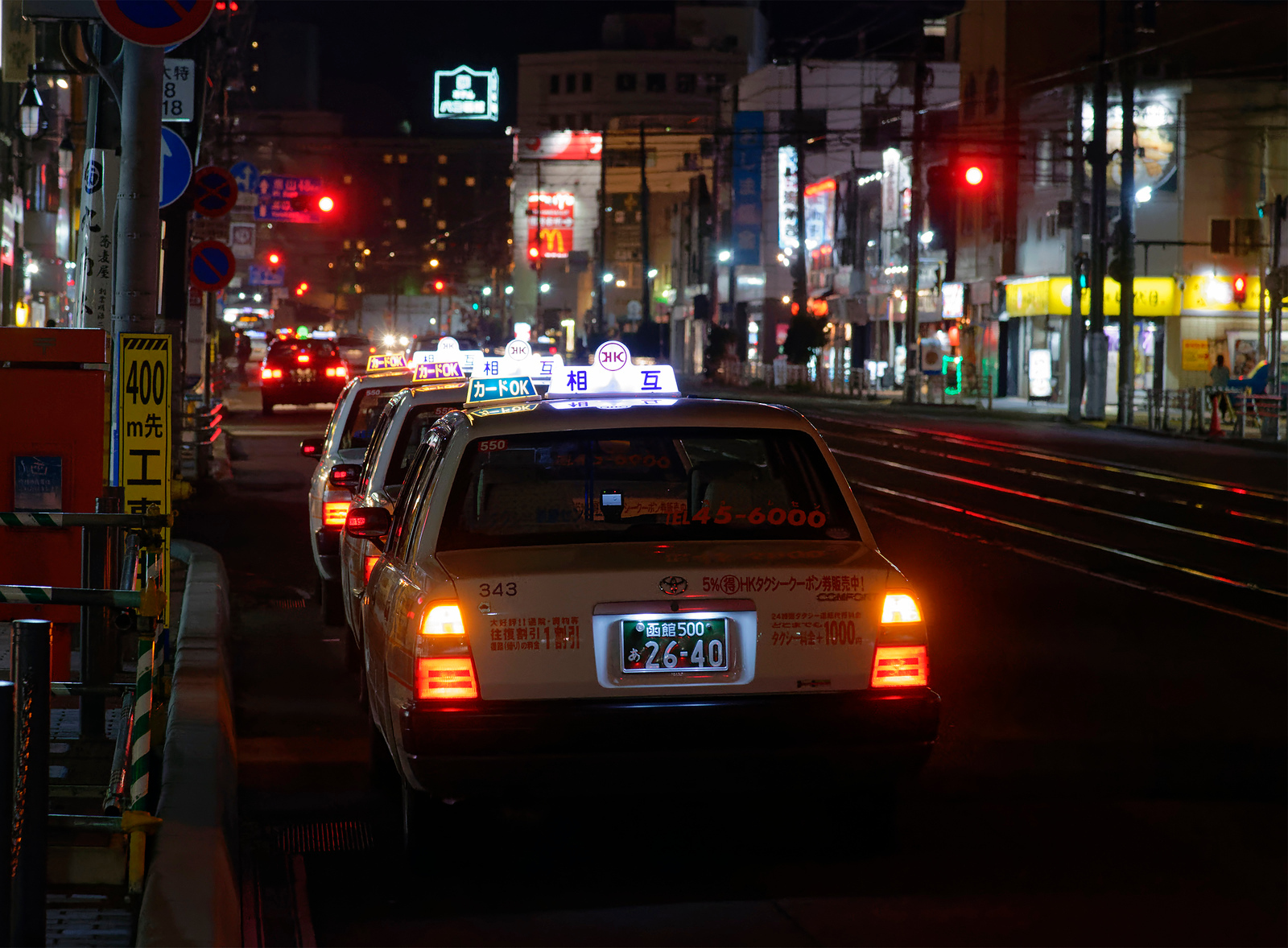
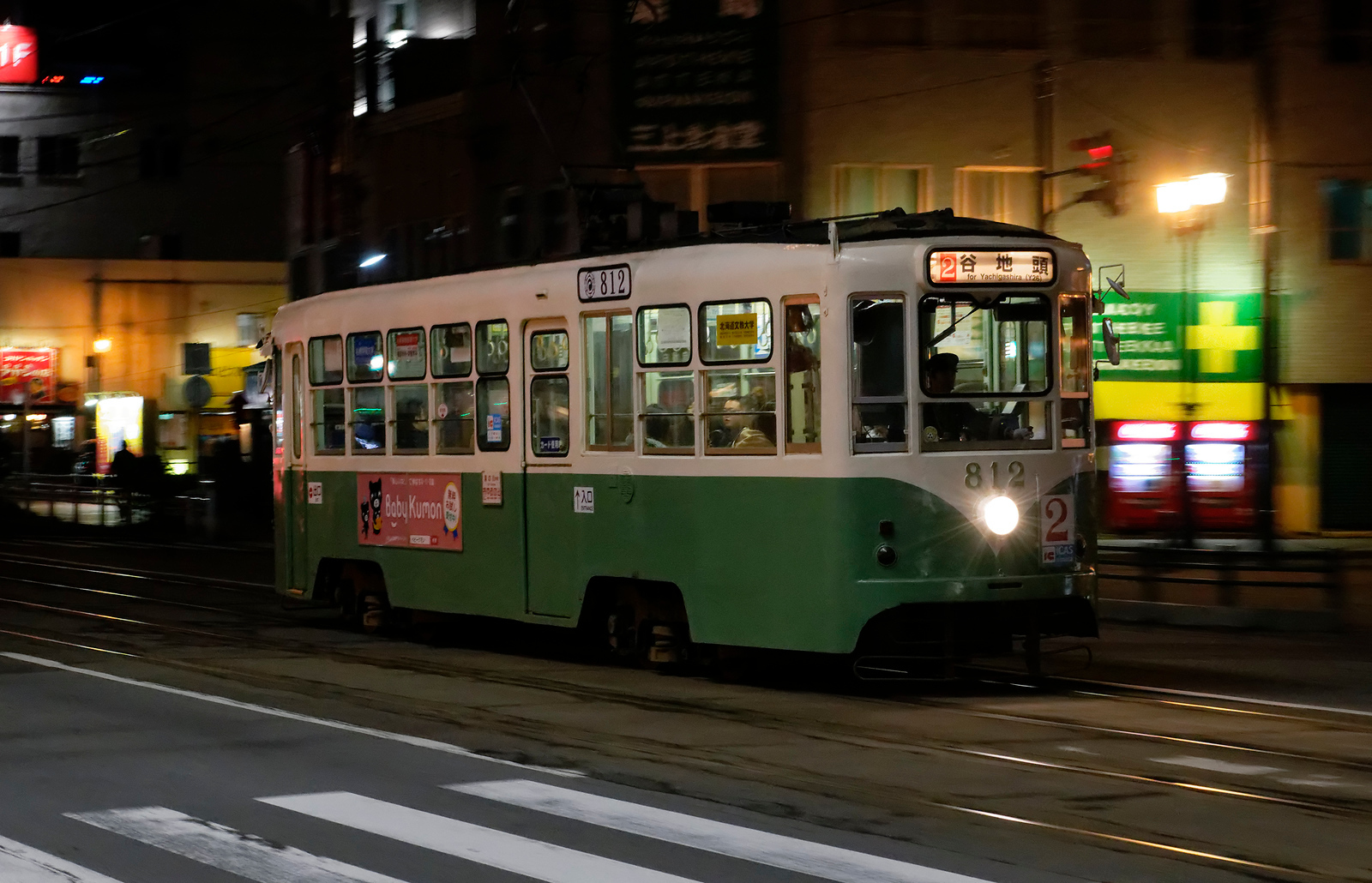
Here are some photos at 1/6 second and ISO 250 from a couple weeks ago, part of set of ~350 images I took that night in a 3-hour span, just walking down the street:
Again, I must emphasize, these photos were taken with an Olympus camera, not an Apple smartphone. The outdated Olympus E-M1 II and 8mm f/1.8 Fisheye Pro, NOT my mom's cutting-edge Apple iPhone 14 Pro Max. My photos are not computational in any way. It is just a regular camera body and regular lens and regular raw files processed in Capture One Pro.
p.2 #5 · What system is really the best handheld in low light?
its all a matter of what you want to see and are thinking of using your image for. my not so little beasts manage to help keep me employed 24hrs a day. we have different "views".
i primarily use my S23 as a phone.
i think i demonstrated the handleability of the D500, the D850, the D3 (no stabilization anywhere on it or the lens used) and the Z9. i could have added the D7200, Sony RX100v and the Z6 too. that of course its how i prefer to see things.
preferences, variables and methodologies.
your preference/methodologies tend to be blurred movement and the use of a super wide view optic
p.2 #6 · What system is really the best handheld in low light?
The string to foot idea is great. Also, improve *you* by using the same techniques of breathing and arm triangulation to your chest that target shooters do.
p.2 #7 · What system is really the best handheld in low light?
Absolute IQ is a rabbit hole I don't enjoy going down, but I'll just throw out there that Olympus IBIS is crazy good.
Shooting at 1/8 at 24/28mm equivalent is mindless (I like to shoot around those shutter speeds for water movement). Traveling abroad I don't like carrying a tripod and I've got some shots at 45mm (90mm equivalent) at 1 second exposures that came out really well.
Obviously one could argue I could've used a larger sensor camera and bumped the ISO, which is valid, but when I think about good IBIS, Olympus comes to mind.
p.2 #9 · What system is really the best handheld in low light?
I shoot musicians live performance. Local venues with very poor light. I use m4/3, currently OM-1. IBIS is of relatively little importance for me because my subjects are moving and I try to keep my shutter speed 1/200 or above. This results in very high ISO's, 12,800 being common. With current software denoisers the noise is not a problem. I often convert to B/W because the color of the ambient light is often so bad. In this case I leave a little grain and the results look great. Sort of like when I shot Tri X back in the day. Good results for color also when LED's are used, just don't use electronic shutter or you will get banding.
I find m4/3 ideal for me. I am 83 now and cannot handle larger cameras and even if I could I would still prefer m4/3 for the quality, variety, and reasonable cost of the glass. I have a large investment in glass and these are the lenses I use most frequently for this kind of work.
75 1.8 my go to lens, hard to find a 150 1.8 full frame lens. Could use 135 but it would be big and heavy.
10-25 1.7 and 25-50 1.7 relatively large for m4/3 but manageable. Zooms this fast, that are sharp wide open, Wow.
150 2.0 old 4/3 lens. The magic lens. Head shot have a quality that I just don't get with any other lens regardless of how sharp it is. It is very heavy and I usually use it on a monopod. Have to be far back because it is 300 ff.
Most shoot hand held but use a monopod when I am trying focus and hold. Focus and hold is when performer has the mike in front of their face. I focus and hold the camera until I get a clear shot when they move to the side or I get a good composition. The problem is with the hold part. The performer can stay behind the mike for a pretty long time and my arms get tired hand holding. The monopod solves this.
I can not post pictures here but I can give you a link to some of my work:
p.2 #11 · What system is really the best handheld in low light?
The just announced Nikon Zf looks like it's a real candidate for this title. 8 stop IBIS, -10ev focusing, solid 24.5 meg sensor that does well in low-light. That combo would be great for low-light, hand-held work. Add in that when in manual focus the eye-AF will zoom in on the target for you, making it easier to manually focus. I can see myself adding this to the kit before my next trip to the EU.
p.2 #12 · What system is really the best handheld in low light?
I agree that the Zf looks very appealing here, especially for the price. I can also appreciate that they still let manual lens users take advantage of subject recognition—not enough cameras do that, in fact most of them seem not to. Seems like such an obvious inclusion.
I think for me though, M43 is probably going to be the sweet spot. I like to use focal lengths in the 20-50mm equivalent range, and coincidentally that's exactly the lens that Panasonic has. And it's even a constant f1.7. I picked one up today, and with the G9 it's surprisingly a pretty light package. Maybe even too light for users who shake a lot.
If we look at any format paired with a standard zoom, M43 maybe loses by a stop or so assuming that each one gets 8 stops of compensation and every step up in sensor size nets you an extra stop in low-light performance:
That is of course with the assumption, and there are average differences in resolution as well. I don't think APSC goes above 7 stops of compensation either.
Still, I think that's good enough to go by. Especially with cost considered and with the G9ii around the corner, it seems like the best choice for me personally.