p.1 #1 · What system is really the best handheld in low light?
To me this is a difficult question because of the differences in noise, IBIS, and lens selection. M43 is usually praised for having great IBIS and there are special lenses like the 10-25f1.7, but there is more noise. Then you have other systems up to medium format with darker lenses and seemingly less effective IBIS but with less noise.
I just hate using tripods and want to know what gets the closest to not needing one. Since whatever info is out there is complicated and even incomplete, I'd like to see what people here have to say about the state of things.
p.1 #2 · What system is really the best handheld in low light?
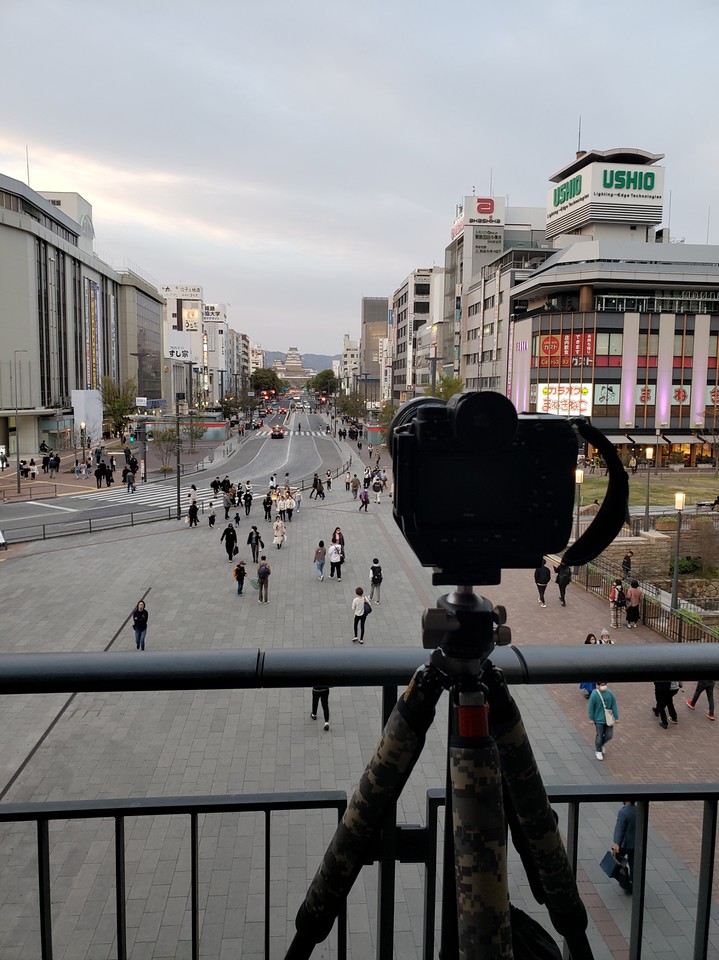
hand held long exposure usage and success is dependent on the user in the end. i do a fair amount of low light shooting and for me when its definitive long exposure its going to have 3 legs under it along with an appropriate head to line it up to get it right.
my standard line: there are variables to be taken into account.
p.1 #4 · What system is really the best handheld in low light?
well if you have one leg which has a lot more limitations in movement you might as well have 3 which is by far more stable.
me i have both but they both serve different purposes in the long run.
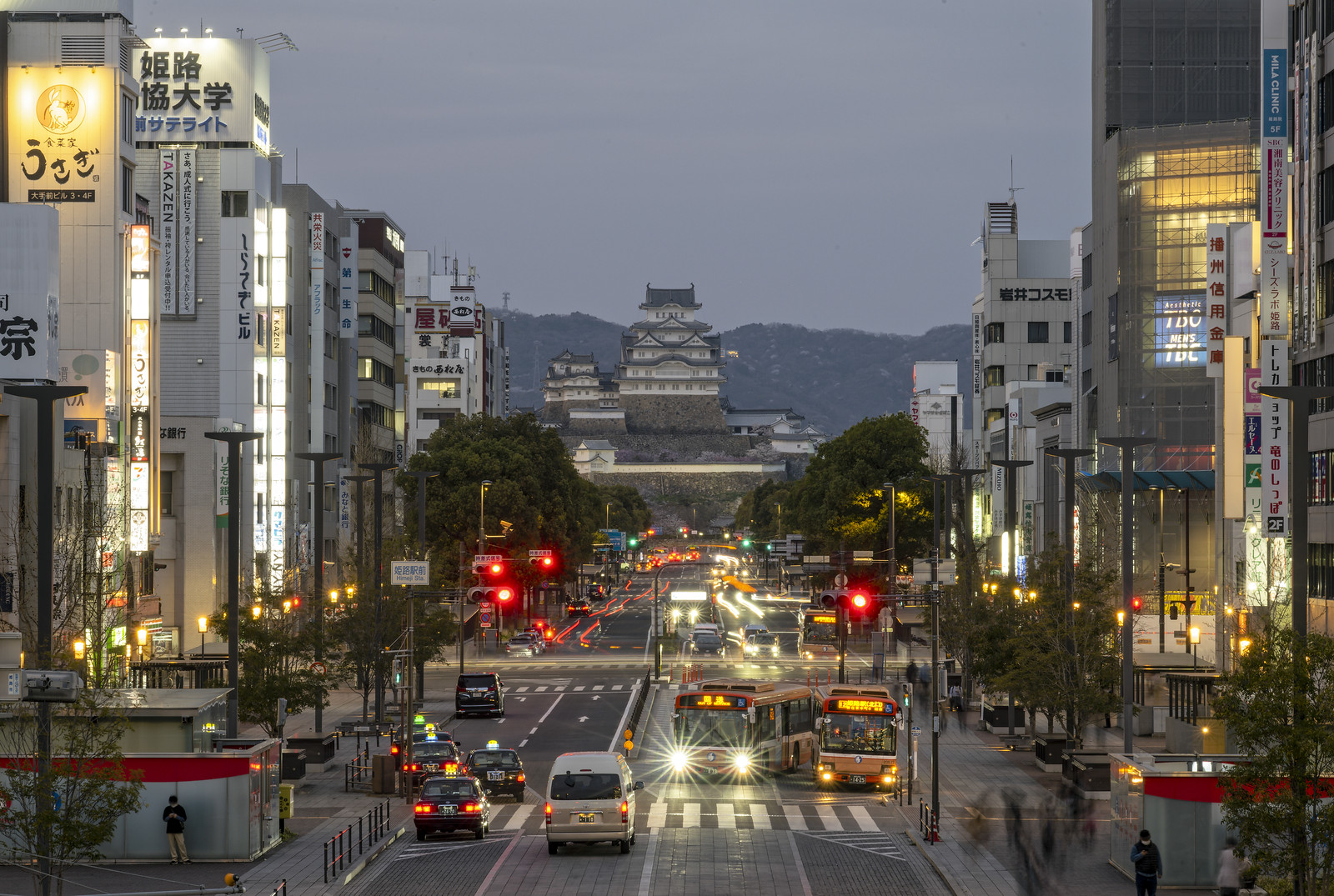
Camera Nikon NIKON Z 9
Lens NIKKOR Z 24-120mm f/4 S
Focal Length 120.0 mm (120.0 mm in 35mm)
Aperture f/22
Exposure Time 10s (10)
ISO 64
Copyright sjms 2023
p.1 #5 · What system is really the best handheld in low light?
iPhone.
If it’s night and you can’t use a tripod, computational photography gets good exposures, easily. I’ve printed up to 11x17, and while it doesn’t look as good as my GFX on a tripod, handheld night exposures at high ISO aren’t great, either, due to noise and reduced DR.
I can’t wait to see computational photography come to mirrorless cameras. It’s frankly embarrassing that my iPhone can get night photos that my Z9 can’t.
p.1 #7 · What system is really the best handheld in low light?
This thread is about handheld shooting, but somehow people feel the need to promote monopods and tripods.
Anyways, I say just get an Olympus/OM with a bright prime and set to base ISO 200 (minimize noise, maximize dynamic range). I've done street photography at night with the 8mm f/1.8 Fisheye Pro no problem, and I expect to use it for interiors as well. And of course, for interiors, a tripod is often not an option anyways. Some sort of bright prime is must-have regardless. DOF at maximum aperture is not such a problem on m4/3. Corner shading and softness at max aperture should not be a problem either, especially with the right lens.
10-25mm f/1.7 is very heavy so I would avoid that or any other bright zoom for that matter. On the Panasonic side, the 9mm f1.7 would be a better and cheaper choice if you want wide angle.
p.1 #8 · What system is really the best handheld in low light?
doady wrote:
This thread is about handheld shooting, but somehow people feel the need to promote monopods and tripods.
Anyways, I say just get an Olympus/OM with a bright prime and set to base ISO 200 (minimize noise, maximize dynamic range). I've done street photography at night with the 8mm f/1.8 Fisheye Pro no problem, and I expect to use it for interiors as well. And of course, for interiors, a tripod is often not an option anyways. Some sort of bright prime is must-have regardless. DOF at maximum aperture is not such a problem on m4/3. Corner shading and softness at max aperture should not be a problem either, especially with the right lens.
10-25mm f/1.7 is very heavy so I would avoid that or any other bright zoom for that matter. On the Panasonic side, the 9mm f1.7 would be a better and cheaper choice if you want wide angle.
p.1 #9 · What system is really the best handheld in low light?
your relevant statement was "best at hand-held long exposures". not exactly long exposures there. but if that is what you are after i apologize for going afield.
none of those images are in reality long exposures at 1/10
p.1 #10 · What system is really the best handheld in low light?
I am not sure about Panasonic IBIS but I can get down to 1/5 or 1/6 second consistently without blur with Olympus at wide angle. And by blur, I mean blur from camera shake. There is plenty of motion blur at such shutter speeds, which of course is a defining characteristic of long exposure photography...
Smaller lens could be easier to hold steady, so that could be another important advantage of both primes and m4/3. My Olympus 8mm f/1.8 is a little over 300g. A big, heavy lens like Panasonic 10-25mm f/1.7 might be more difficult...
p.1 #12 · What system is really the best handheld in low light?
A serious photographer (not just a PJ) will normally use a tripod to get the best IQ. I don't find the IBIS very accurate compared to the claims. However, if you must compromise IQ for legal or safety reasons then µ4/3 is good because the moving mass is smaller that the other formats. You will note that the best µ4/3 lens ever is the 150-400/4.5 and it has optical stabilization. I don't know about the G9 II yet, but the OM-1 is very good. I suppose it is also due for an update.
p.1 #13 · What system is really the best handheld in low light?
1/10th of a second is typically NOT considered long exposure photography. When I read the title of this thread my first thought was "only a dead man can handhold at 1s+"
I don't believe that a scenario exists under which an iPhone at night will outperform Z9 at light levels that enable 1/10th of a second hand held exposure. Just crank up the ISO to 52,000, shoot wide at 1/10th of a second and wipe the floor with the iPhone.
It is not embarrassing at all that your mirrorless camera is not as good as your iPhone at computational photography. The iPhone ASIC costs in excess of $5B in RnD to design and figure out the manufacturing and software. That gets amortized over 100M+ units. No camera maker will ever be able to do that because they amortize development costs over 10k-100k units.
It is important to realize that computational photography often bears a tenuous relationship to reality. When the S23 Ultra first came out people were blown away by the quality of the moon shots taken with the 10x optical zoom lens. Then someone realized that it is physically impossible for the phone to capture images of that clarity and did a simple experiment - took pictures of a blurry moon from a computer screen. The images from the phone came out... sharp.
doady wrote:
This thread is about handheld shooting, but somehow people feel the need to promote monopods and tripods.
Anyways, I say just get an Olympus/OM with a bright prime and set to base ISO 200 (minimize noise, maximize dynamic range). I've done street photography at night with the 8mm f/1.8 Fisheye Pro no problem, and I expect to use it for interiors as well. And of course, for interiors, a tripod is often not an option anyways. Some sort of bright prime is must-have regardless. DOF at maximum aperture is not such a problem on m4/3. Corner shading and softness at max aperture should not be a problem either, especially with the right lens.
10-25mm f/1.7 is very heavy so I would avoid that or any other bright zoom for that matter. On the Panasonic side, the 9mm f1.7 would be a better and cheaper choice if you want wide angle.
p.1 #14 · What system is really the best handheld in low light?
I'd tend to agree that even with the impressive computational capabilities in phones, they still lag behind in terms of image quality.
I do wonder if the lower-noise sensors can make up for a lack in IBIS or bright zooms, maybe even still surpass the ability of m/43 in low light by underexposing and pushing in post or just raising ISO pre-capture. Of course that's not necessarily talking about long exposures anymore. I think I'll adjust the title to capture this.
And just to avoid confusion, I still am interested in hand-held long exposures. Maybe 1/5th of a second doesn't count, but I would say whichever system does best there would also do best at longer exposures. I probably wouldn't go longer than 2 seconds though, if it's even possible.
p.1 #16 · What system is really the best handheld in low light?
Personally I would only consider price, but for the purpose of the discussion I'll just say that the only constraint is human-only support. In case anyone else is looking into it and price is less of a factor.
sjms wrote:
Being that you have changed to arc by changing the title my I ask are there other limits in place other then human only support such as iso usage?
p.1 #20 · What system is really the best handheld in low light?
I would think you'd want to look for a system that combines fast lenses, low noise at high ISO, and some kind of effective stabilization, whether it be in body or lens or both.
As noted above, things like shooting technique, focal length selection and post processing tools/technique will all play a part in the final outcome.