p.50 #1 · Official Nikon Z 180-600mm f5.6-6.3 VR Image Thread
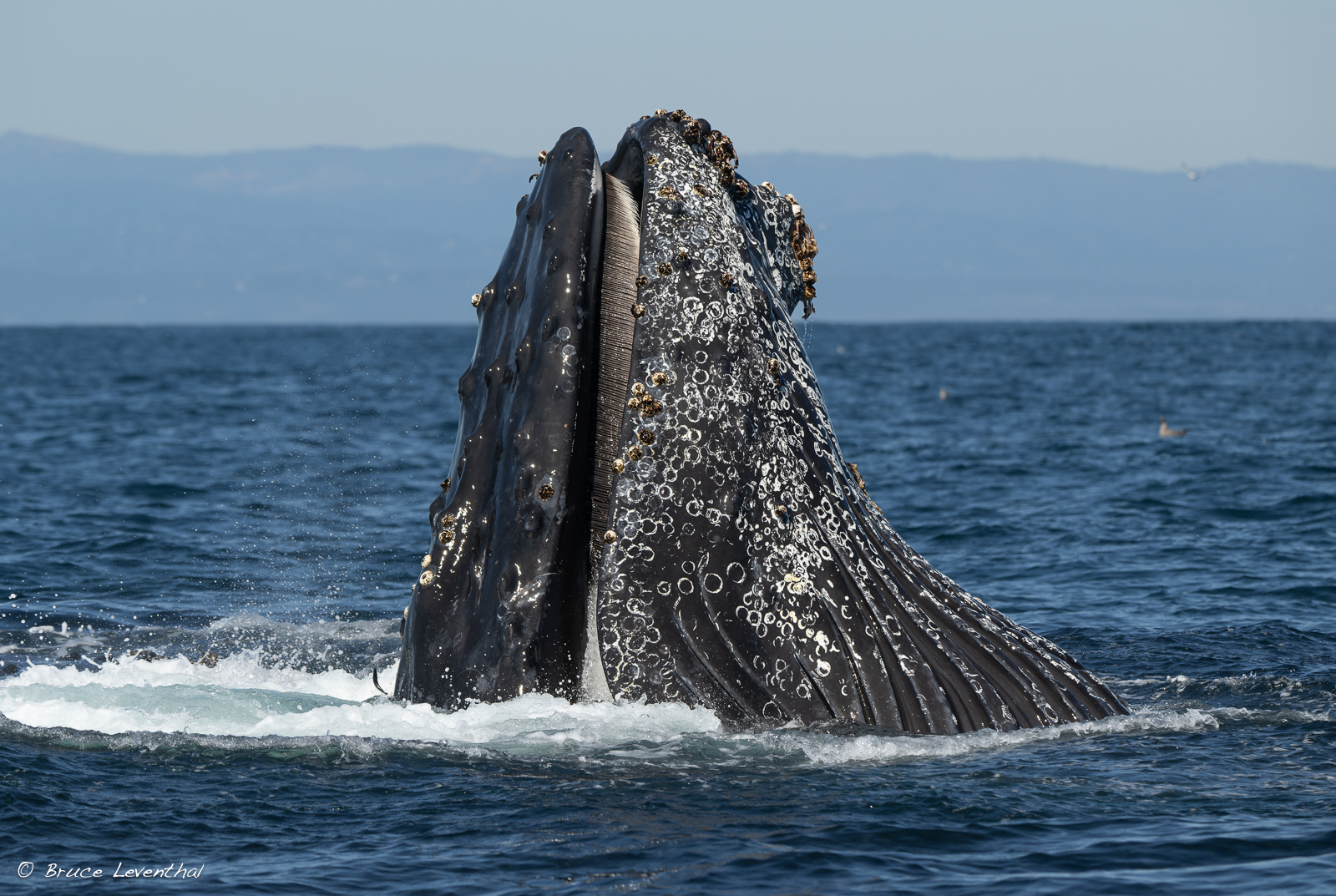
Lunge Feeding...
It is hard to photograph whales when they are just being whales. I like the way this image shows the scars of life and the "jewels" a whale collects as it lives it life in the sea.
bruce
NIKON Z 9NIKKOR Z 180-600mm f/5.6-6.3 VR lens250mmf/8.01/1250s360 ISO0.0 EV
p.50 #3 · Official Nikon Z 180-600mm f5.6-6.3 VR Image Thread
armd wrote:
Love the shot and the baleen is sick. Were you in a small boat and what AF mode?
Thanks... There is a ton of detail in this one, thus the baleen is very visible.
I was on a zodiac-like boat that holds 8 people. I did all of the shooting from the back of the boat so I could stay as low as possible.
I was using a custom wide area AF with animal detect on. The light was pretty bright, so that AF mode worked well in spite of the wet black surface of the head.
p.50 #5 · Official Nikon Z 180-600mm f5.6-6.3 VR Image Thread
OwlsEyes wrote:
Lunge Feeding...
It is hard to photograph whales when they are just being whales. I like the way this image shows the scars of life and the "jewels" a whale collects as it lives it life in the sea.
bruce
Wow!
I like your descriptions Bruce, including techniques and the biology/ecology. Hope to see and read more of your whale images/descriptions, and hopefully some video clips in the future. Interesting and fun stuff!
p.50 #7 · Official Nikon Z 180-600mm f5.6-6.3 VR Image Thread
bs kite wrote:
Wow!
I like your descriptions Bruce, including techniques and the biology/ecology. Hope to see and read more of your whale images/descriptions, and hopefully some video clips in the future. Interesting and fun stuff!
Robert
Thanks Robert,
Now that I live near the coast, I am spending a lot more time photographing marine mammals and coastal bird species. I've done a number of extended (multi-day) marine mammal trips in the past, and I've always enjoyed the experience. Photographically, it can be a frustrating subject because it is hard to know where and when an animal will surface. The result is a lot of very bad pictures or just missed shots. I've considered shooting in pre-capture, but I often need to readjust exposures due to the challenging light one confronts at sea.
Regarding gear, I've been using both the 180-600 and 100-400 for this type of photography. While the 180-600 serves me well when the animals are at a distance, the 100-400 has been the better choice this season. I've photographed a number of breeching whales in the last month and I was able to keep their entire body in the frame a little better with the wider lens.
p.50 #15 · Official Nikon Z 180-600mm f5.6-6.3 VR Image Thread
Recently took my 180-600 and my Z6III to an airshow. Question for those of you using them with the lens, any monopod and head recommendations? My wrists got a workout after 4 hours of tracking and shooting the various planes.
p.50 #16 · Official Nikon Z 180-600mm f5.6-6.3 VR Image Thread
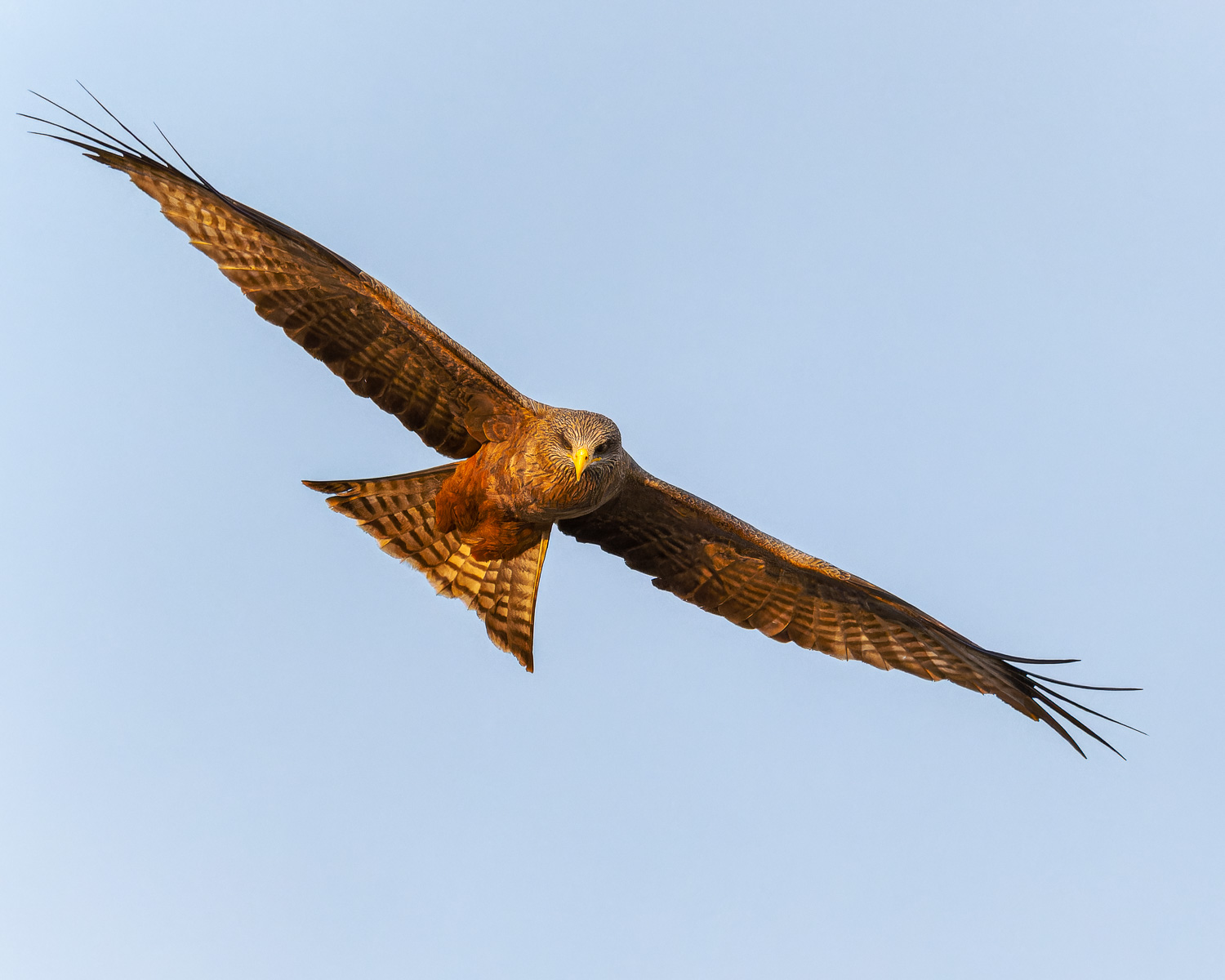
I love the Wimberly MH-100 monopod head. I currently have that head attached to a Robus RCM-633 but any decent monopod will do. I still find it easier to track in flight shots with this combo as opposed to handheld. It removes one axis of movement from the equation and I find that helpful. Others obviously may disagree.
NIKON Z 9NIKKOR Z 180-600mm f/5.6-6.3 VR lens600mmf/6.31/2500s1250 ISO-2.3 EV
p.50 #17 · Official Nikon Z 180-600mm f5.6-6.3 VR Image Thread
EeyoreSadFace wrote:
Recently took my 180-600 and my Z6III to an airshow. Question for those of you using them with the lens, any monopod and head recommendations? My wrists got a workout after 4 hours of tracking and shooting the various planes.
https://i.imgur.com/ddzl89m.jpg
From my perspective, this is a great question you asked. I have been using the 200-500 for years and the 180-600 is my next lens. In past years shooting my 200-500 was easy. But now there is too much muscle fatigue ...... especially when waiting for the subject to fly, so I can catch some frames or a short vid clip.
*I have been doing a lot of research on monopod set-ups*
Firstly, I have two high-end gimbal heads that have been sitting unused for several years now. That's because they offer no dampening of movement.
I use the Manfrotto MVH500AH with its fluid drag system *for all stills and video*. It never comes off my tripod. I no longer use the long stick handle; after using it for many months I decided it just gets in the way and I believe I can pan as smoothly without it. The shortest video I found on this head:
I should clarify that to-date I have only used this head on my Inburo carbon fiber tripod (15 years of flawless service). For me, a tripod does have its place (long video maybe?), but in most of my situations, the tripod is awkward to work with vs a monopod.
Following is what I have learned about monopods so far.
The one in the following link is incredibly innovative and flagged as the best monopod in the world. It probably is.
However, I am going to stick with my Giottos MML3290B. But two alterations must happen to my Giottos: I will be adding a 3 legged or 4 legged foot with a universal ball joint at the base. I do not want the monopod to rotate *at all*. when I pan or recompose laterally/horizontally. Not sure what head I will use but I am quite it will not be a gimble. My opinions/suggestions.
p.50 #18 · Official Nikon Z 180-600mm f5.6-6.3 VR Image Thread
sum1sgrampa wrote:
I love the Wimberly MH-100 monopod head. I currently have that head attached to a Robus RCM-633 but any decent monopod will do. I still find it easier to track in flight shots with this combo as opposed to handheld. It removes one axis of movement from the equation and I find that helpful. Others obviously may disagree.
That is exactly how I feel about a monopod Gary. And I too think any decent monopod will do.
For me it is so much easier than battling muscle fatigue.
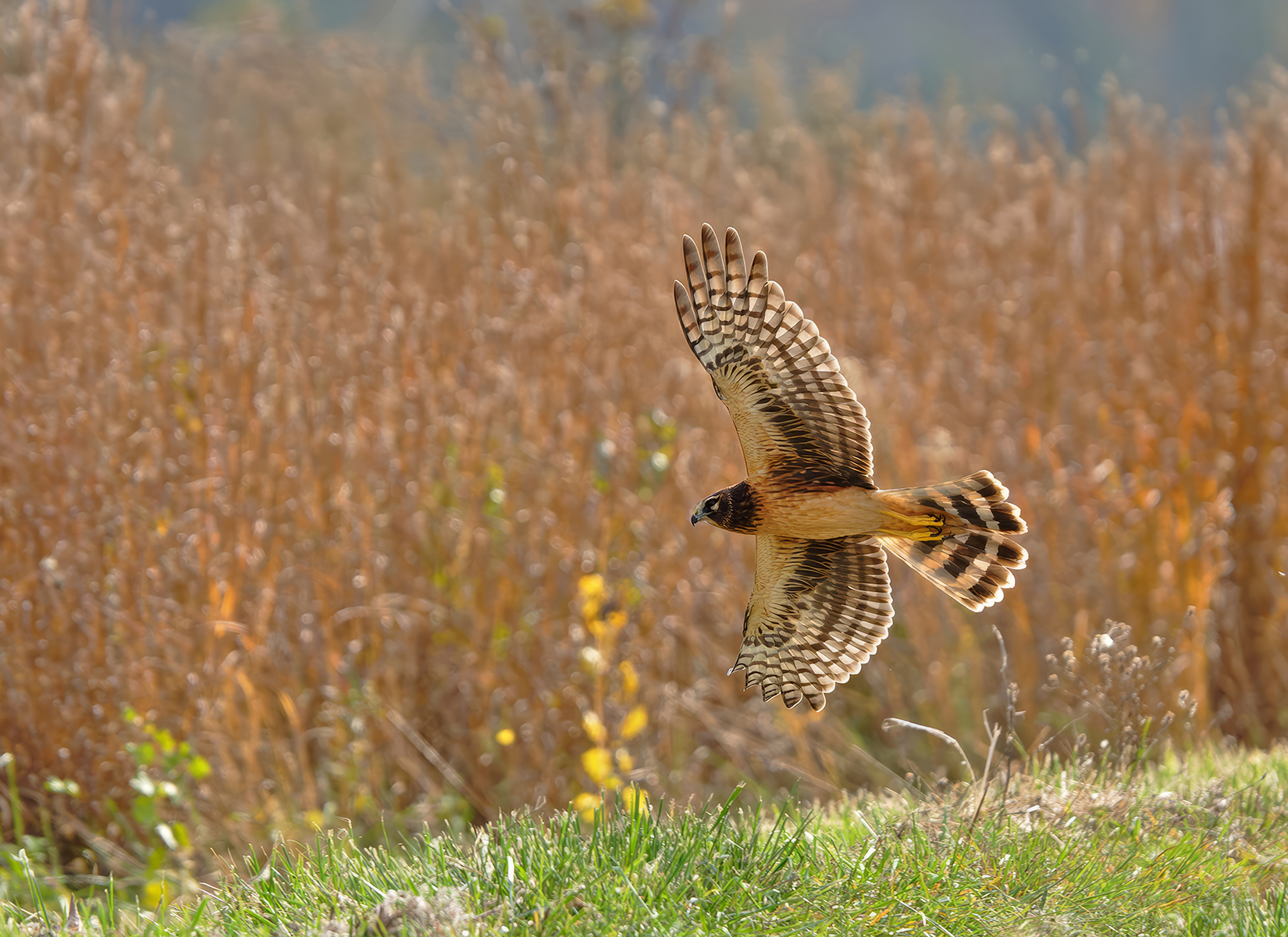
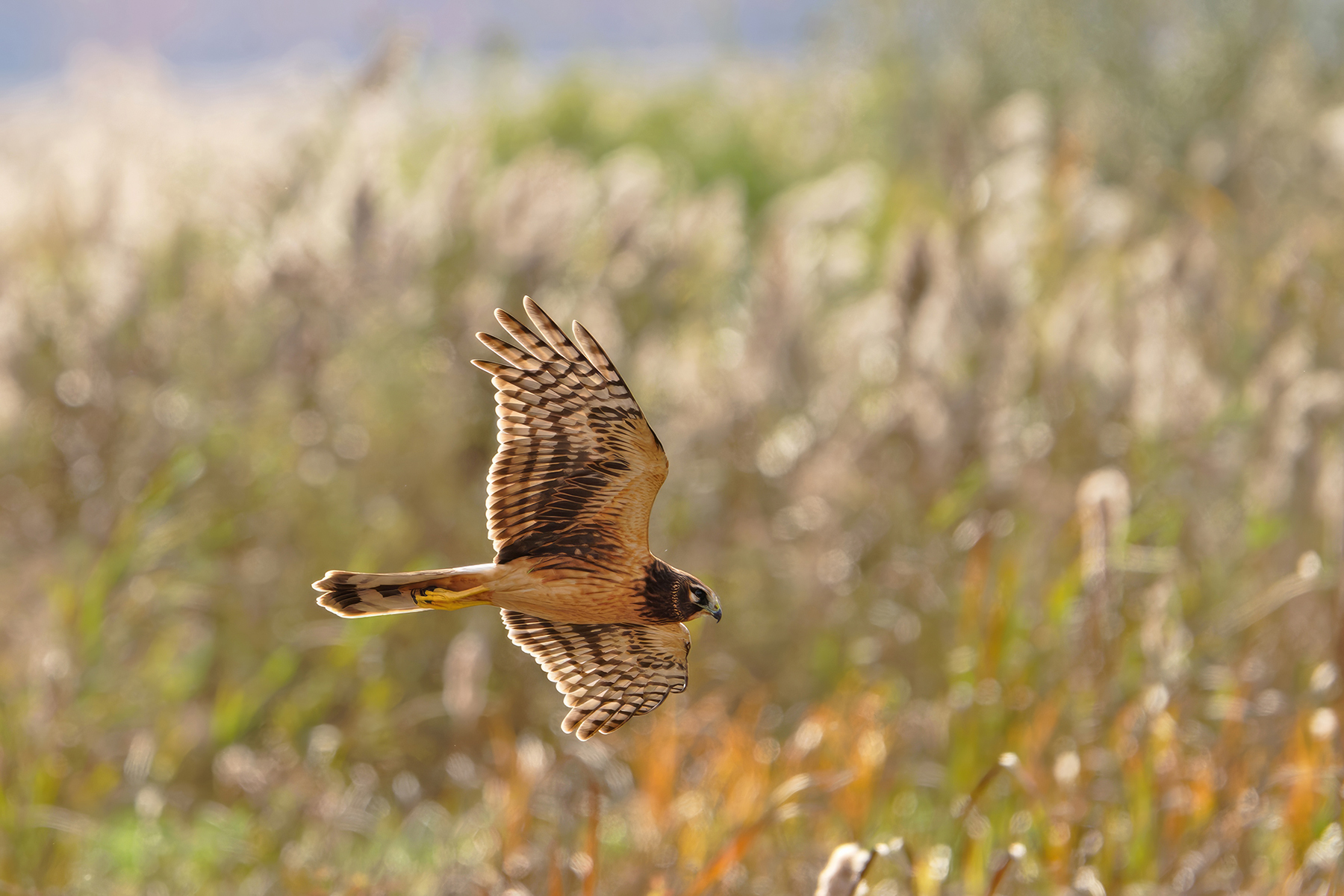
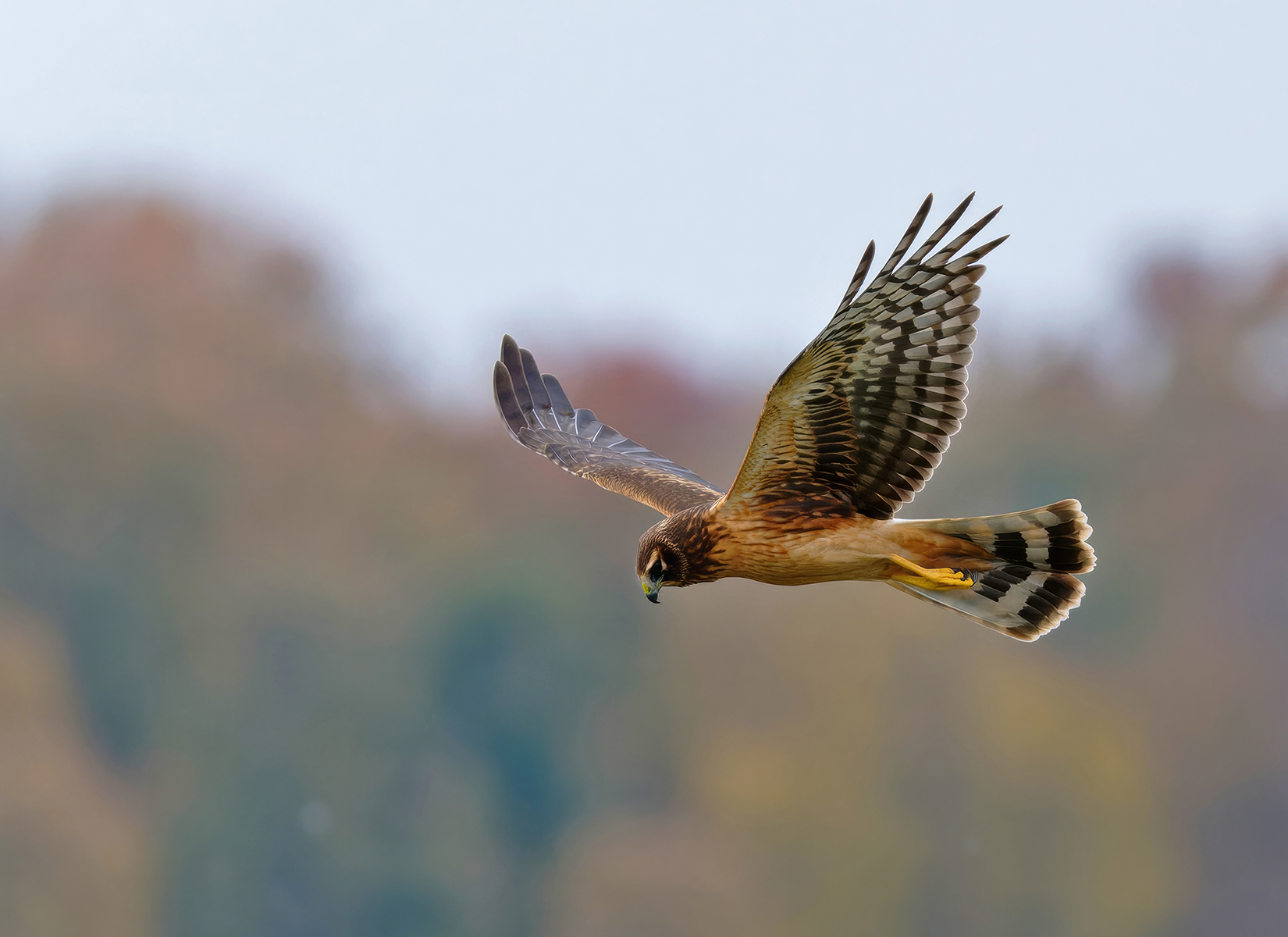
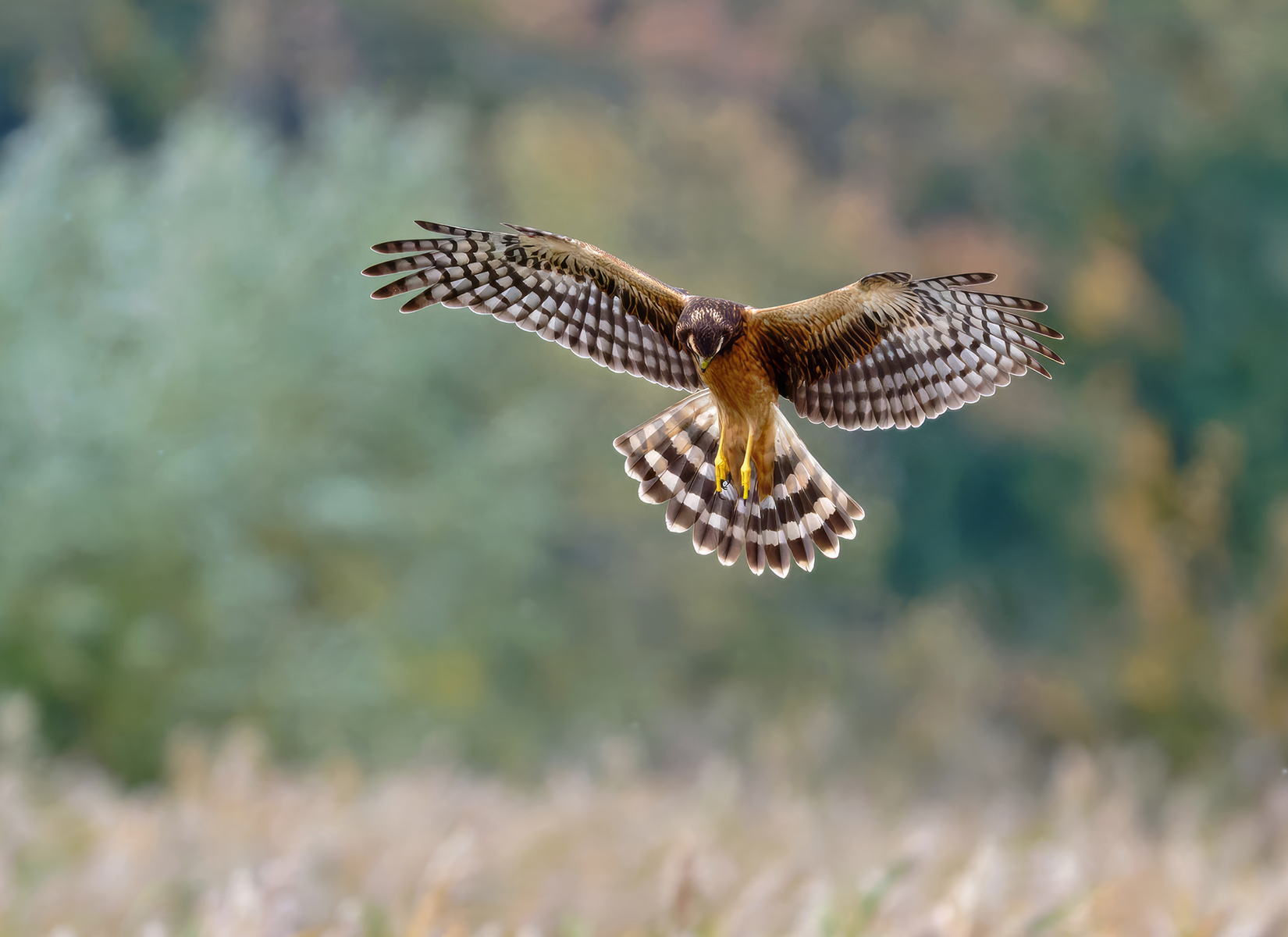
If you found a N. Harrier hunting a strip, you found a honey hole . Hope to see more images of this hawk.