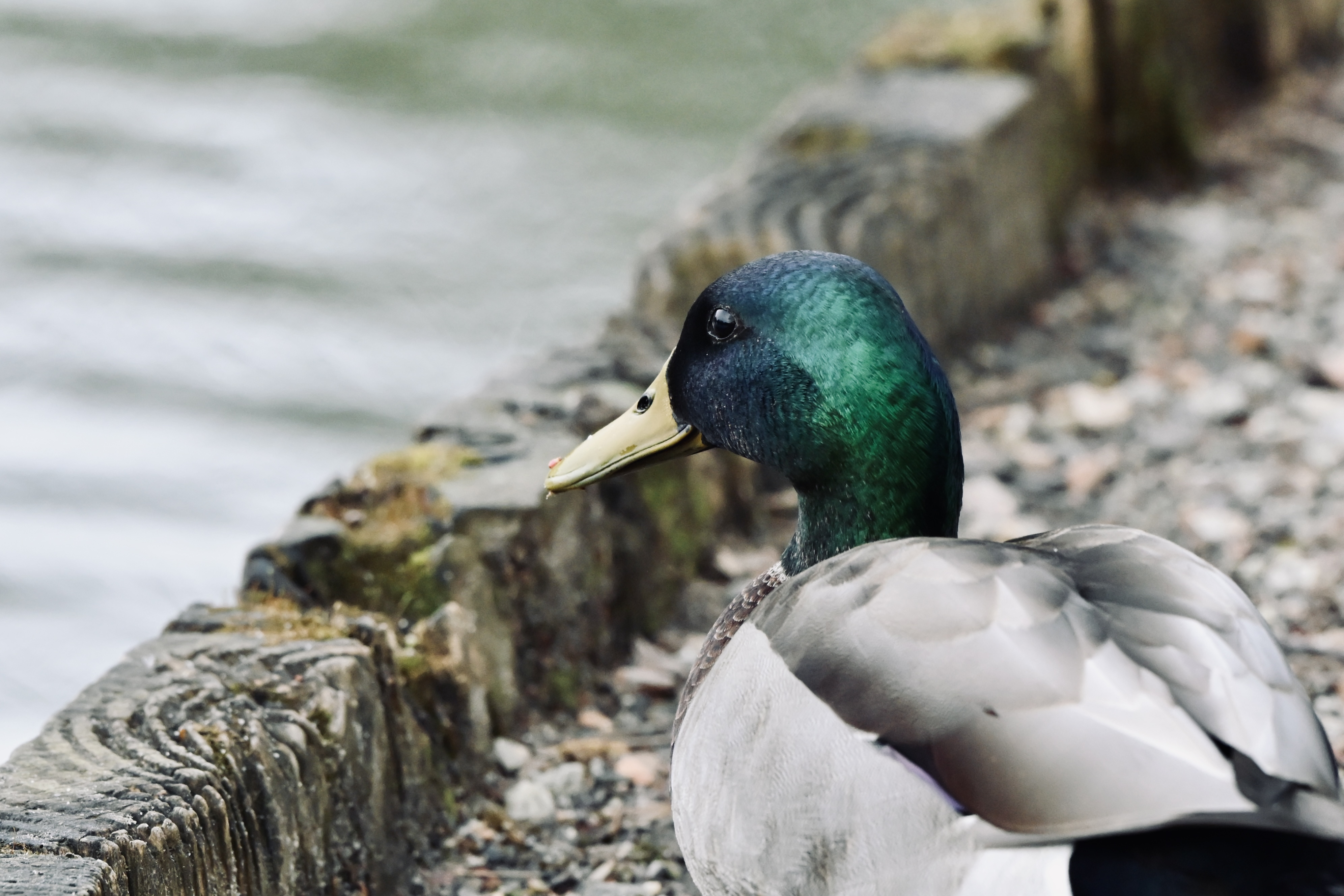
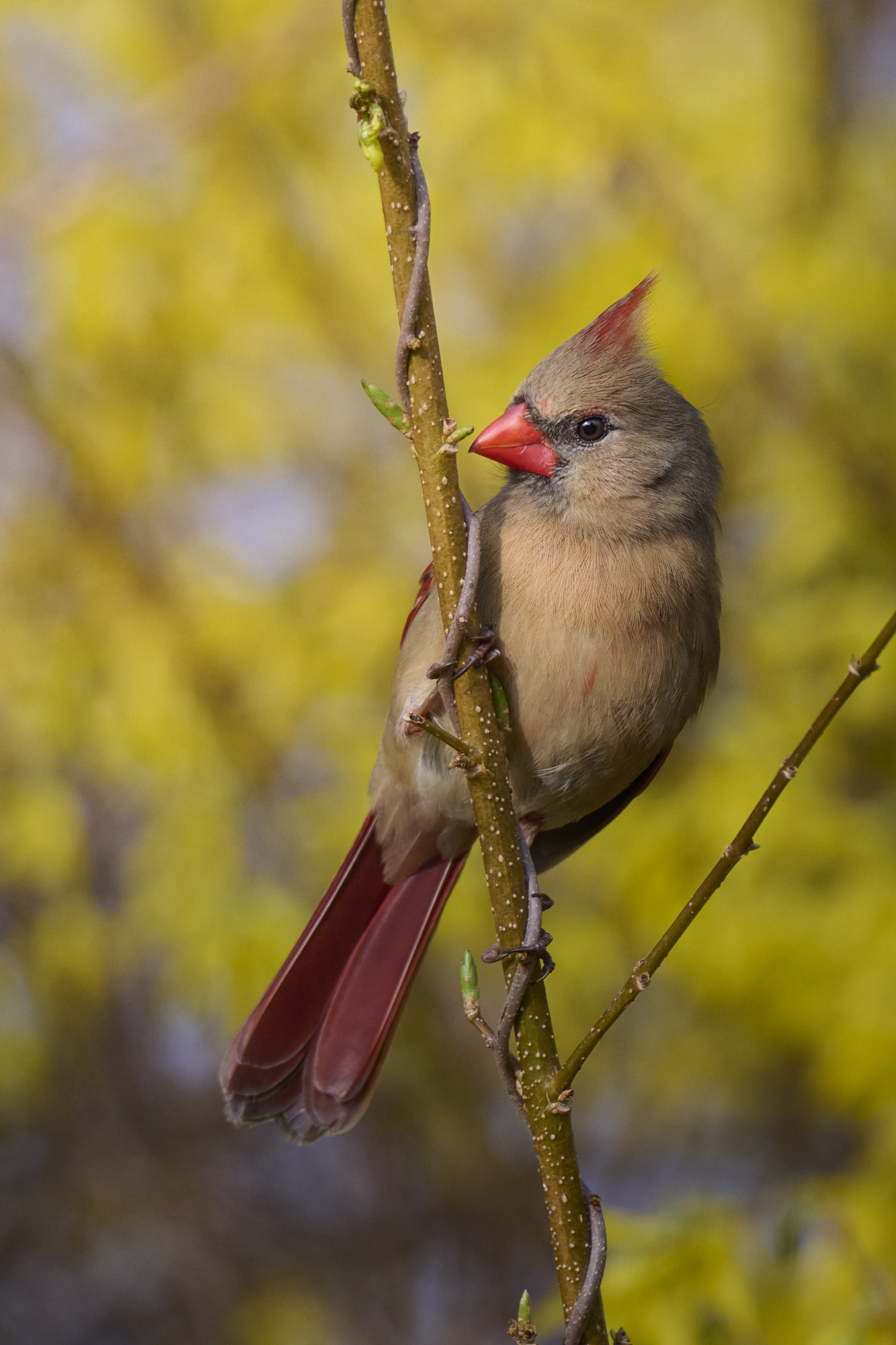
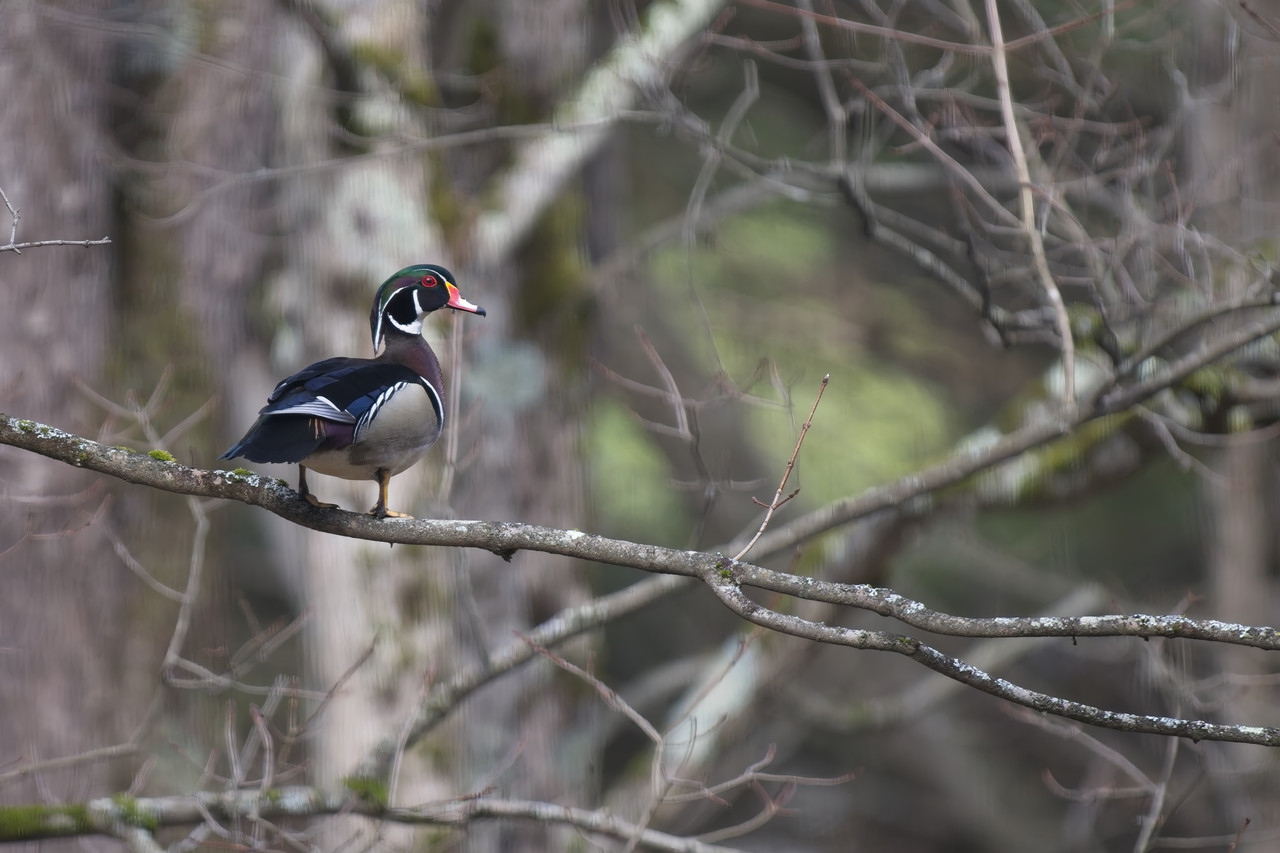
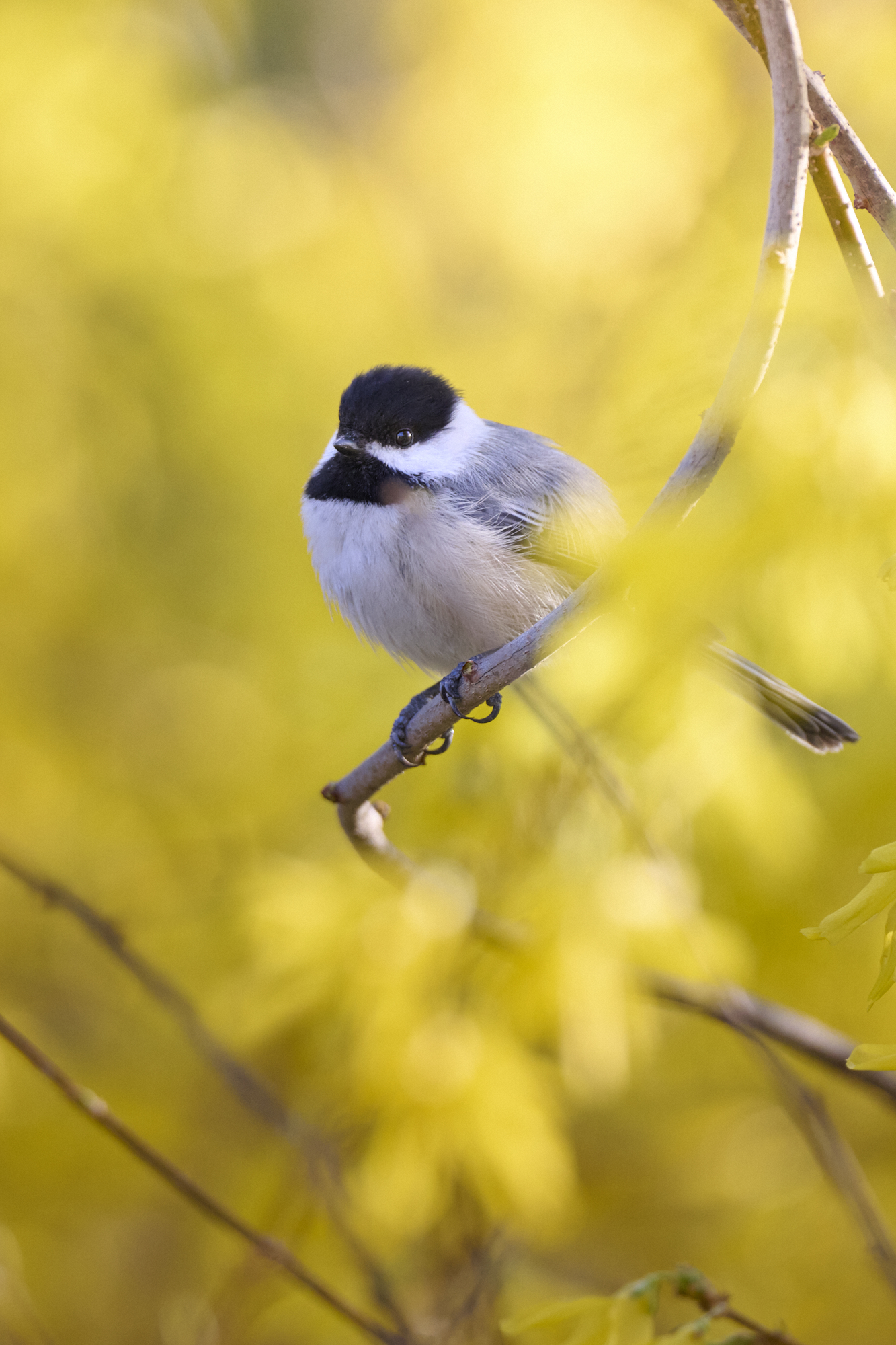
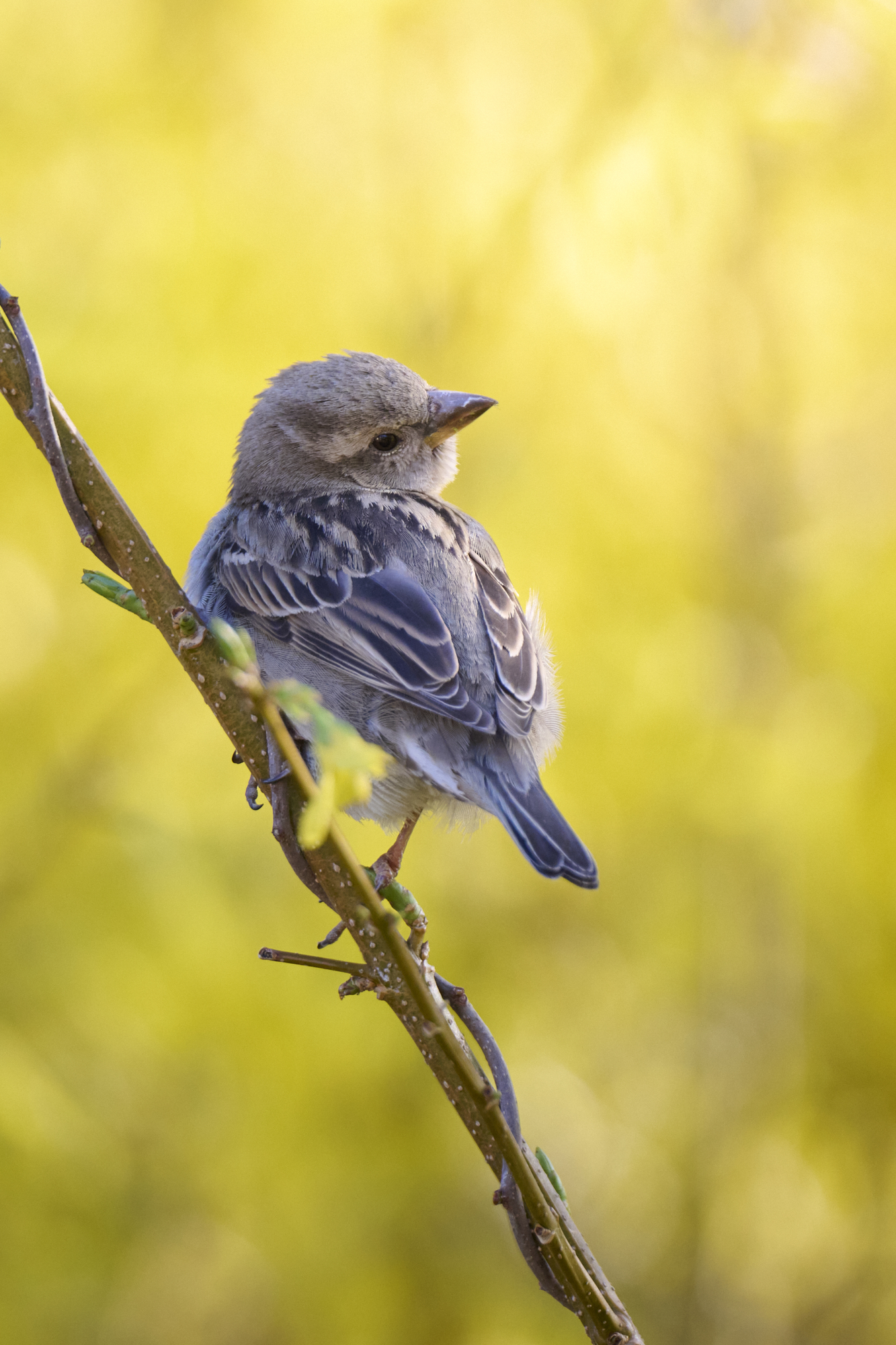
p.78 #3 · Official Nikon Z 180-600mm f5.6-6.3 VR Image Thread
Superscroll wrote:
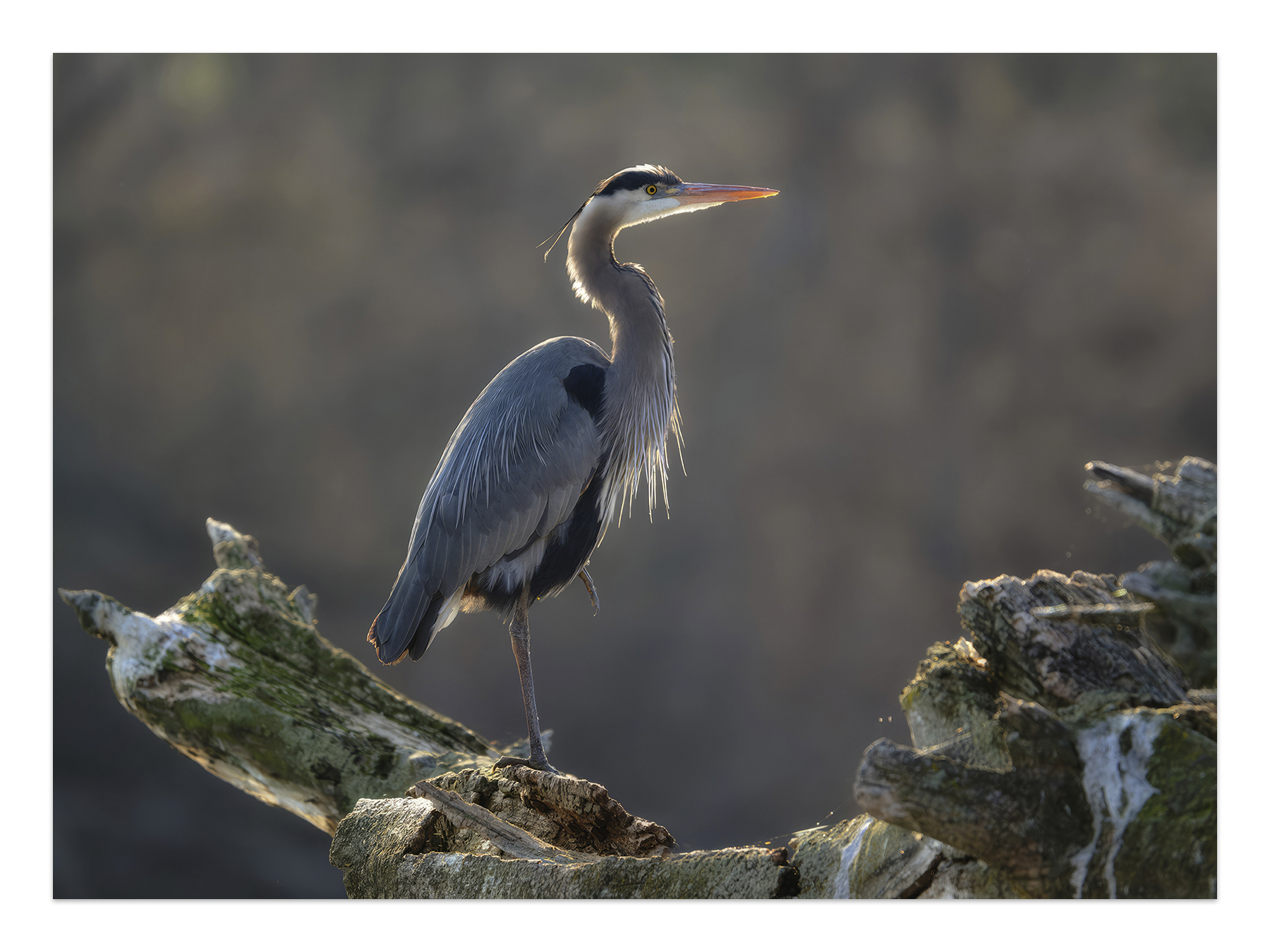
Sum1 that backlit heron is impressive for the feather detail.
I'm not gonna lie. I've switched to OM System because I was finding the Z combo too large and heavy to the point where I wasn't using it enough, but there are plenty of days that I regret my decision. I always thought that lens had very nice oof rendering for a 6.3 lens.
p.78 #4 · Official Nikon Z 180-600mm f5.6-6.3 VR Image Thread
I've been enjoying the performance of mine, though I haven't quite adapted to the handling with zoom ring way out front yet. I don't find that layout as steady for handholding as being able to lock an elbow in against my body for bracing with a closer zoom ring (my previous long lens comparison was a Tamron 150-600 on a D7200). I'm sure I'll get used to the handling though.
p.78 #7 · Official Nikon Z 180-600mm f5.6-6.3 VR Image Thread
A few from the zoo comparing the experience using Z 180-600 to the new Z 70-200 f2.8 VR S II which I had done a few days earlier. I still think this is such an underrated lens. Most are very high ISO.
1) Blue-faced Parrot Finch
Z8 + 180-600 f5-6.3 VR, 1/320s f/6.3 at 600.0mm iso10000
2) Golden Whistler
Z8 + 180-600 f5-6.3 VR, 1/320s f/6.0 at 370.0mm iso8000
3) Rose-crowned Fruit Dove
Z8 + 180-600 f5-6.3 VR, 1/200s f/6.0 at 370.0mm iso4500
4) Zebra Finch
Z8 + 180-600 f5-6.3 VR, 1/200s f/6.3 at 600.0mm iso1800
5) Wandering Whistling Duck
Z8 + 180-600 f5-6.3 VR, 1/100s f/6.0 at 320.0mm iso7200
p.78 #12 · Official Nikon Z 180-600mm f5.6-6.3 VR Image Thread
34 shot flight sequence of an Osprey with the Z9 + 180-600, 3D Tracking, Bird Eye Detect, Back Button AF. It was being chased by an Australian Magpie which can be seen in the background of a few of the images. Just under a 2 second burst and all in focus. First image and second image in the sequence are the same photo and shows how much I cropped the rest of the images equally as the bird approached and filled the frame more at the cropped amount. They were fairly high ISO, underexposed by up to two stops - I boosted shadows due to the backlighting. Best to click under each image on the "Auto" sizing so that it has the best sized image for your specific screen res.
p.78 #15 · Official Nikon Z 180-600mm f5.6-6.3 VR Image Thread
This image was taken April 22. So, the Daffodils are just beginning to blossom in southern Maine.
F8, 290mm, f8, 1/200, iFootage low tripod
AI Overview
The yellow daffodil (Narcissus) is not a North American wildflower; it is a non-native, introduced species widely considered an ornamental plant. While daffodils have naturalized in many areas and can be found growing along roadsides and in woods, they were originally brought to North America by European settlers in the 1600s.
www.nurturenativenature.com
www.nurturenativenature.com
+3
Here are the key details regarding the status of daffodils:
Origin: Daffodils are native to Europe and North Africa, particularly the Iberian Peninsula.
"Wild" vs. Naturalized: While they grow in "wild" areas and have become naturalized, they are not naturally occurring in North America. Their presence in forests often indicates the site of an old, abandoned homestead or garden, as they can persist for decades.