rsolti13 wrote:
These are great and show how different the lens renders at different apertures. I have a VII….similar characteristic to the VIII and wide open is just magical for softer portraits (great example is origami angel pic above). Once you stop it down, extremely sharp. Bokeh doesn’t have the rigidness of the ASPH at the f/2-f/4 range.
My favorite of the ones above is the pic of the dry aging, this lens + monochrom are meant for eachother
Thanks- Its a fantastic combo!
I wish I had more time with this lens in Hawaii- We did so much that it was hard to get the M11m out since we surfed, or where at the pool etc-
Fred Miranda wrote:
Here are a few shots from the M10-R with the Summarit 50/1.5, using Monochrome settings with high contrast to emulate the M10 Monochrom look. I only adjusted the Tone Curve and B&W Mix.
+1. I am also a big fan of the Summarit f/1.5 lens. It is one of my favorite Leica vintage lenses - the other one is the sharper but also quite unique rendering lens which is the Leica 50/2 DR. I just wish the latter would work with infinity focus on my M 240 based cameras.
retrofocus wrote:
+1. I am also a big fan of the Summarit f/1.5 lens. It is one of my favorite Leica vintage lenses - the other one is the sharper but also quite unique rendering lens which is the Leica 50/2 DR. I just wish the latter would work with infinity focus on my M 240 based cameras.
Off topic, the Summicron 50 DR is fully functional on M11 now, in both normal and close range.
ocean2059 wrote:
Off topic, the Summicron 50 DR is fully functional on M11 now, in both normal and close range.
correct, some conflicting reports about fitting to the M10 - infinity focus might work there also but described as harder to move to infinity focus when attached to a M10 (so I would be cautious here). Infinity focus does not work for sure with the M10-R. The M11 is the first digital M where the DR lens works well with. There are described ways to mechanically modify the DR lens to make it work with all digital M cameras, but I am not a big fan of filing off some metal part of this lens.
retrofocus wrote:
+1. I am also a big fan of the Summarit f/1.5 lens. It is one of my favorite Leica vintage lenses - the other one is the sharper but also quite unique rendering lens which is the Leica 50/2 DR. I just wish the latter would work with infinity focus on my M 240 based cameras.
What’s impressive about the Leica 50/1.5 Summarit is that it captures more fine detail than the Voigtlander 50/1.5 Heliar, especially with mid and long-distance subjects. The Voigtlander’s rendering is more similar to the Leica 50/1.4 Lux v2 and v3, while the Summarit resembles the Leica 50/1.4 Lux v1. (All pre-ASPH)
Hi Fred, I also love the rendering of summarit 50, it gives very unique bokeh and glowy portrait shots which isb very different from summilux V2 onwards. The low contrast character is very suitable for black and white, though I sometimes feel I need a copy of V1 for color photography and retain similar rendering. I am not sure there is significant difference to own both of them.
Fred Miranda wrote:
What’s impressive about the Leica 50/1.5 Summarit is that it captures more fine detail than the Voigtlander 50/1.5 Heliar, especially with mid and long-distance subjects. The Voigtlander’s rendering is more similar to the Leica 50/1.4 Lux v2 and v3, while the Summarit resembles the Leica 50/1.4 Lux v1. (All pre-ASPH)
Mayasan wrote:
Hi Fred, I also love the rendering of summarit 50, it gives very unique bokeh and glowy portrait shots which isb very different from summilux V2 onwards. The low contrast character is very suitable for black and white, though I sometimes feel I need a copy of V1 for color photography and retain similar rendering. I am not sure there is significant difference to own both of them.
I have never shot with the Lux v1, but from what I’ve seen in my Leica books and MTF graphs and descriptions, they seem to offer similar performance and rendering.
Fred Miranda wrote:
I just received the Leica 50mm f/1.5 Summarit. It's a beauty and reminds me of the Voigtlander 50/1.5 II Nokton with its double ring for focusing. The lens is compact, with a length of only 45mm, but it's quite dense due to its brass construction (320 grams), which is still half the weight of the Noct 50/1. It has a 41mm filter thread.
I tested it on the Leica M11, and it's aligned perfectly with the rangefinder, which is impressive for a lens produced in the 1950s, according to my serial number. There's no haze or scratches -- looks lovely.
Here are some samples I took about 30 minutes ago in the neighborhood. I used my Sony A7R II UT for these shots because I wanted to see the rendering in the EVF for this test. (All wide open at f/1.5)...Show more →
---------------------------------------------
nehemiahphoto wrote:
I absolutely love the Noct 50/1 for B/W images. It’s just sublime. The more I see of this 50/1.5, it would be a very nice stand in for the 50/1 Noct. I hate traveling with a 5 thousand dollar lens. And shooting it in tough environments.
Hello Fred
I realise that these posts are from a while ago, but I’d be interested to know if you ever did any direct comparisons of the Summarit 50/1.5 with the Noct f/1.0 wide-open?
Although I’ve long been keen on the v2/v3 Summilux pre-asph, I’d also like to compare the v1 or Summarit with my late-1930s Zeiss Jenna 50/1.5 Sonnar. And, in particular, I’d like to try the Summarit for B&W (digital and film). I share @nehemiahphoto ‘s admiration for the 50/1.0 but, similarly, I’d be uneasy about travelling with one. The size of the Summarit would also be an advantage for travel.
Any thoughts that any of you have on this would be most welcome.
Andrew CD wrote:
---------------------------------------------
Hello Fred
I realise that these posts are from a while ago, but I’d be interested to know if you ever did any direct comparisons of the Summarit 50/1.5 with the Noct f/1.0 wide-open?
Although I’ve long been keen on the v2/v3 Summilux pre-asph, I’d also like to compare the v1 or Summarit with my late-1930s Zeiss Jenna 50/1.5 Sonnar. And, in particular, I’d like to try the Summarit for B&W (digital and film). I share @nehemiahphoto@ ‘s admiration for the 50/1.0 but, similarly, I’d be uneasy about travelling with one. The size of the Summarit would also be an advantage for travel.
Any thoughts that any of you have on this would be most welcome.
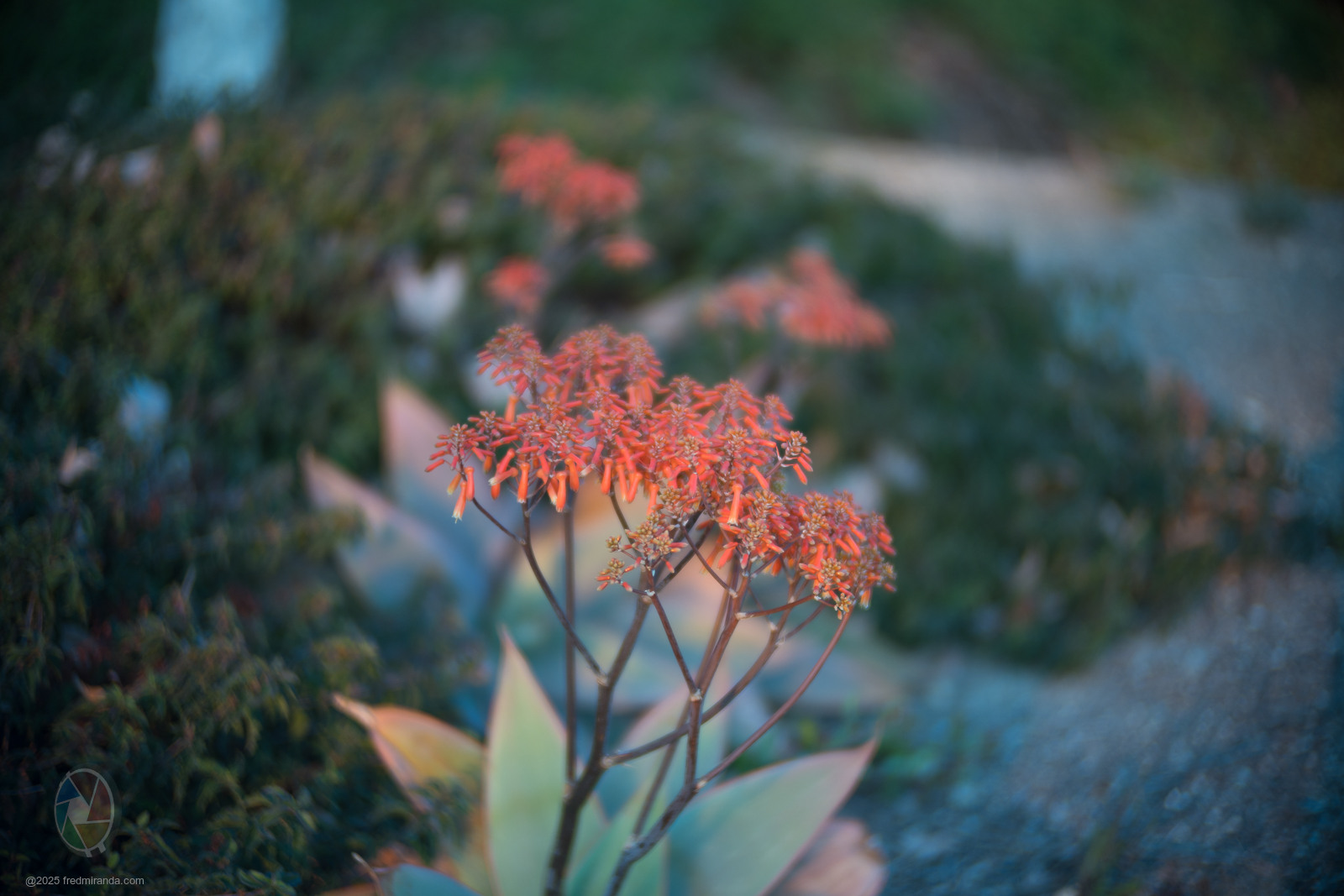
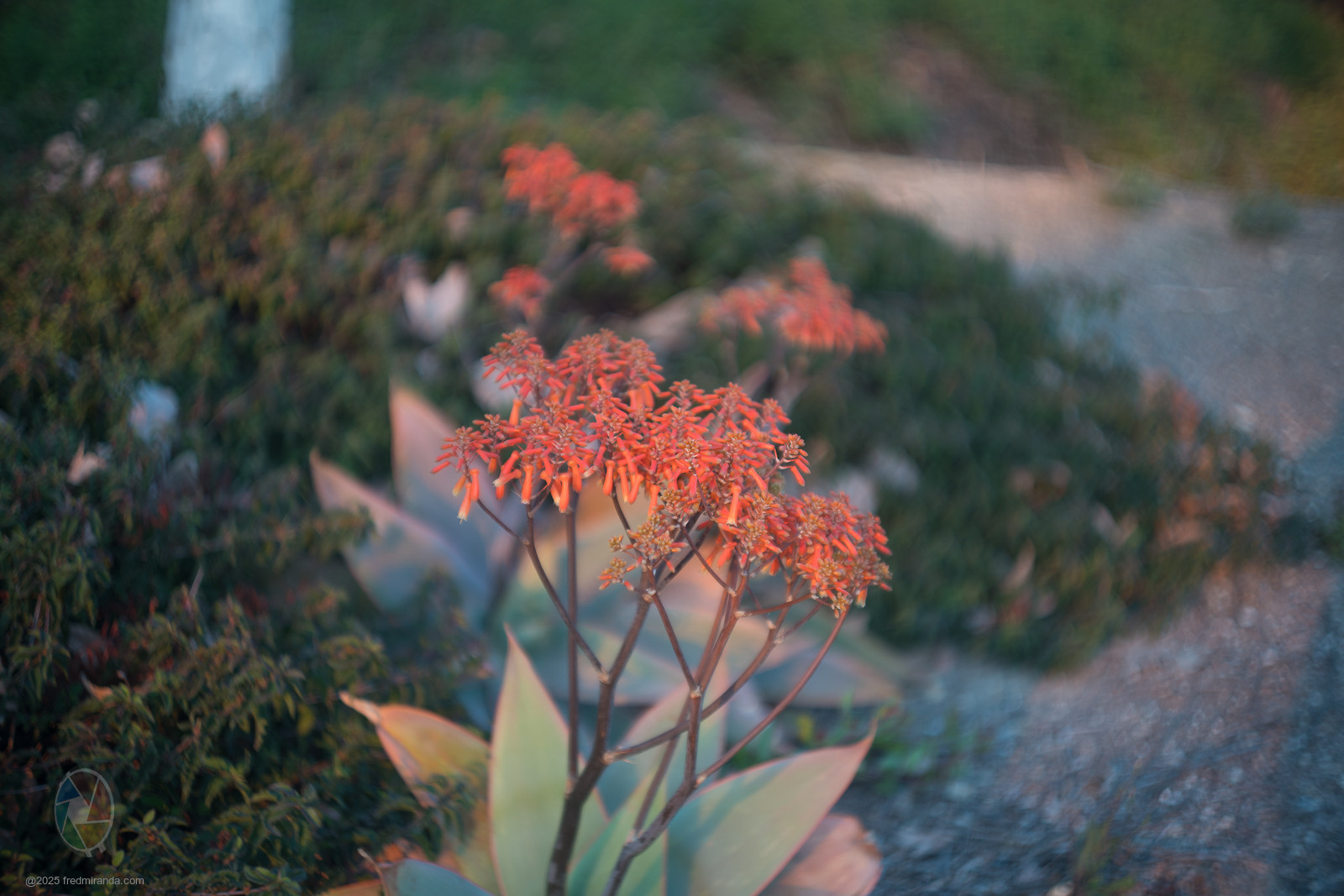
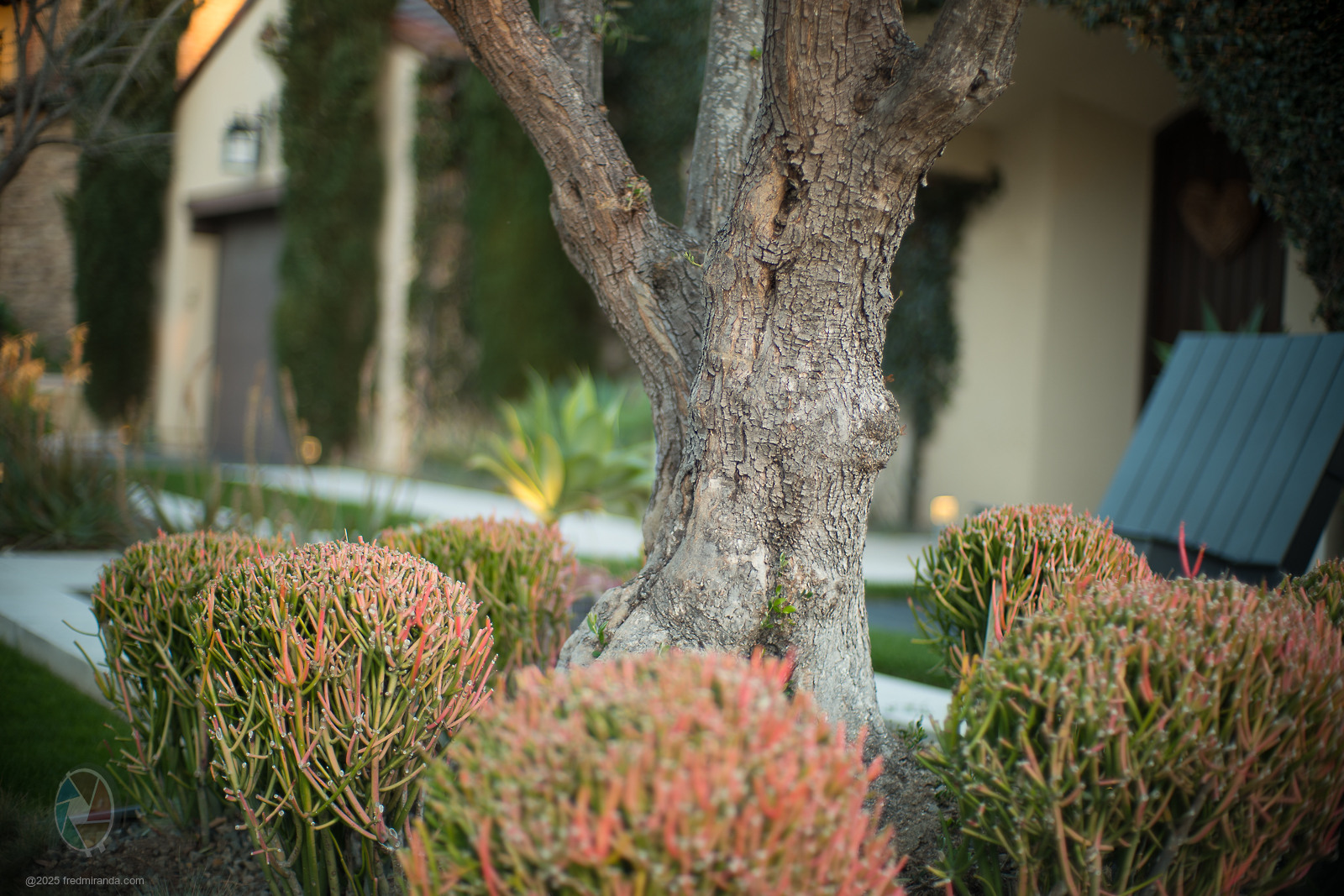
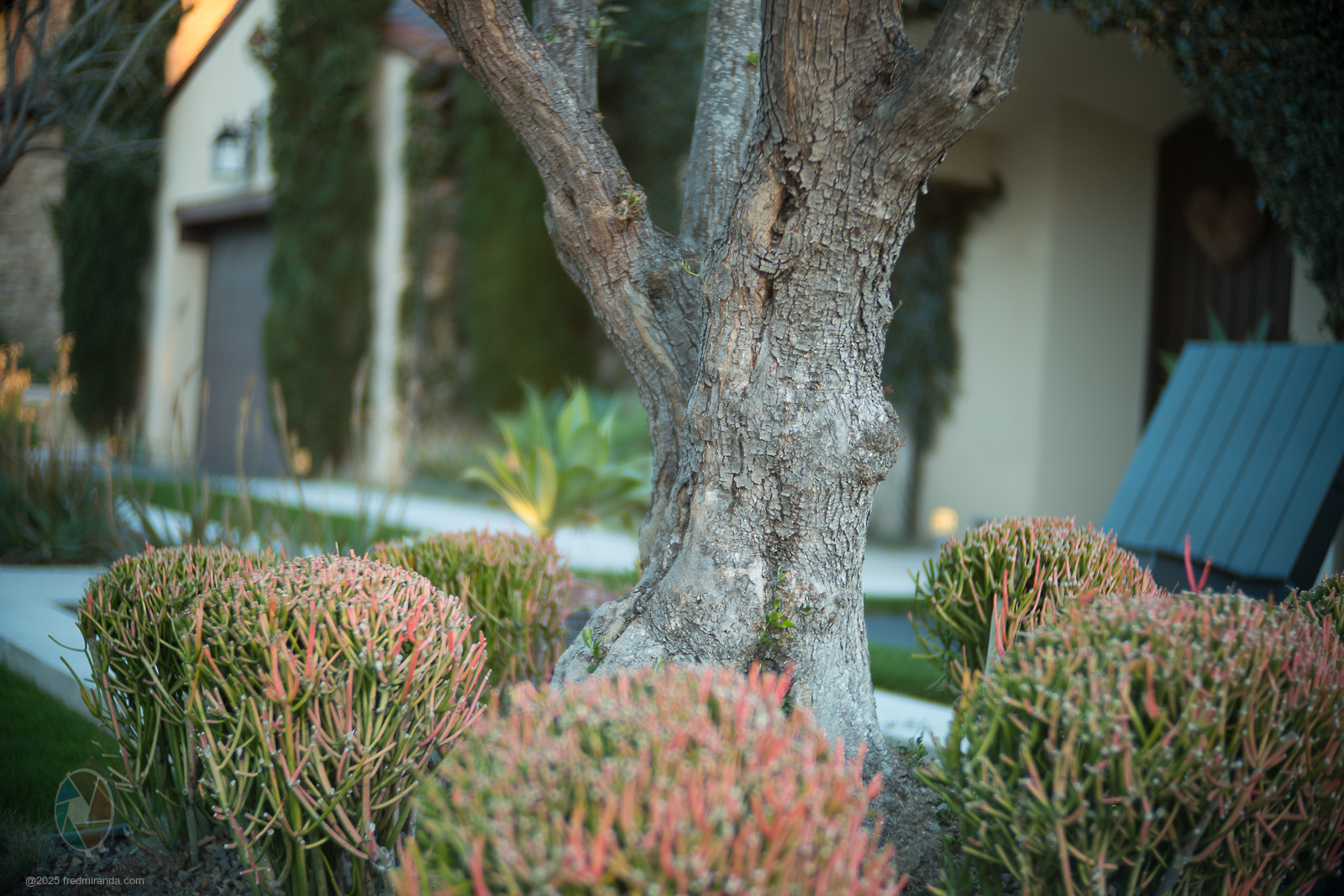
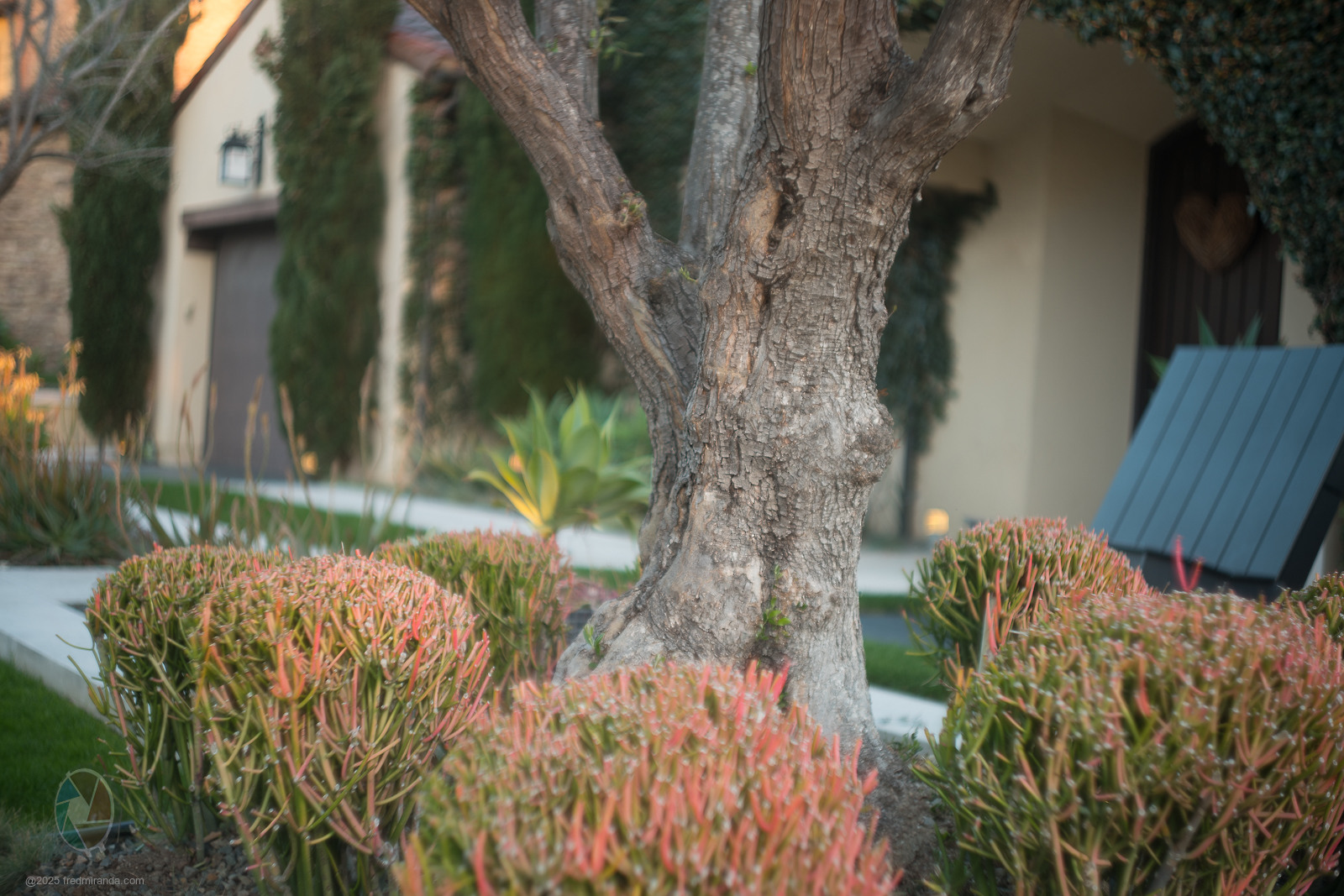
Here are a few comparisons (resized for rendering analysis) featuring the LLL 50mm f/1.2 Noctilux (EXIF shows Leica), the Leica 50mm f/1.5 Summarit, and the Leica 50mm f/1 Noctilux v3. These are straight out of the camera with no adjustments, using the Adobe Standard profile. At first glance, the most noticeable difference is in the blur. Both Noctilux lenses have a similar feel, with the Leica f/1 showing higher contrast and resolution wide open. The Summarit, on the other hand, has a more structured rendering with noticeably less blur and more glow. The LLL 50mm f/1.2 has lens coatings that produce a cooler look compared to the other two.
Just a note that I used my Sony A7CR for this comparison, but the camera has been Kolari modified with a Leica thin sensor. So you can expect similar performance and rendering to what you'd get on a Leica M.
Sample 1
ILCE-7CRNoctilux-M 1:1/50 lens50mm1/250s100 ISO0.0 EV
ILCE-7CRLeica 50mm f/1.2 Noctilux ASPH. lens50mm1/125s100 ISO0.0 EV
ILCE-7CRLeica 50mm f/1.5 Summarit lens50mm1/100s100 ISO0.0 EV
In the last sample, the contrast and resolution difference between the Noctilux and the Summarit really stands out. The Leica 50mm f/1 Noctilux almost comes across as a modern lens when compared to the other two.
For a lens of its age and specs, I actually find the Noct 50/1 to have pretty decent sharpness/contrast centrally. And yes, that shows even in your sample photos on my iphone.
Fred Miranda wrote:
In the last sample, the contrast and resolution difference between the Noctilux and the Summarit really stands out. The Leica 50mm f/1 Noctilux almost comes across as a modern lens when compared to the other two.
This is really most helpful, thanks Fred. Very good,of you to post these samples so quickly.
I would have expected the Summarit to have somewhat lower contrast and less blur than the Noctilux, but I’m slightly surprised by the difference in resolution in the third sample (looking at the tree trunk). When I looked at the Summarit samples that you posted last fall in isolation, I was impressed by just how well it did, but the comparison with the Noct is quite stark.
Nonetheless, for a lens of that vintage, it does have what is, for me, a really pleasing character. It’s hardly realistic to expect it to be anything like the Noct wide open (I quite agree with what you and Nehemiah say about the Noct f/1), and I could imagine it would be quite enjoyable to use for B&W in particular. The low contrast could have its advantages for film, too. And it would, I think, look quite nice on my ‘new’ M3 ….
Andrew CD wrote:
This is really most helpful, thanks Fred. Very good,of you to post these samples so quickly.
I would have expected the Summarit to have somewhat lower contrast and less blur than the Noctilux, but I’m slightly surprised by the difference in resolution in the third sample (looking at the tree trunk). When I looked at the Summarit samples that you posted last fall in isolation, I was impressed by just how well it did, but the comparison with the Noct is quite stark.
Nonetheless, for a lens of that vintage, it does have what is, for me, a really pleasing character. It’s hardly realistic to expect it to be anything like the Noct wide open (I quite agree with what you and Nehemiah say about the Noct f/1), and I could imagine it would be quite enjoyable to use for B&W in particular. The low contrast could have its advantages for film, too. And it would, I think, look quite nice on my ‘new’ M3 …. ...Show more →
You’re welcome. I am just as curious as you are, so it does not feel like any extra effort on my end.
There are two things I want to mention. Like many other lenses with uncorrected SA the Summarit is not easy to focus precisely (unless using the rangefinder). Using an electronic viewfinder with focus peaking actually makes it harder, because peaking reacts to contrast, and with this lens, the area of highest contrast is not always the area of best resolution. You can usually focus for either contrast or resolution, but not both at the same time. This is also true with the Leica 35mm f1.4 pre-asph and several other uncorrected vintage designs.
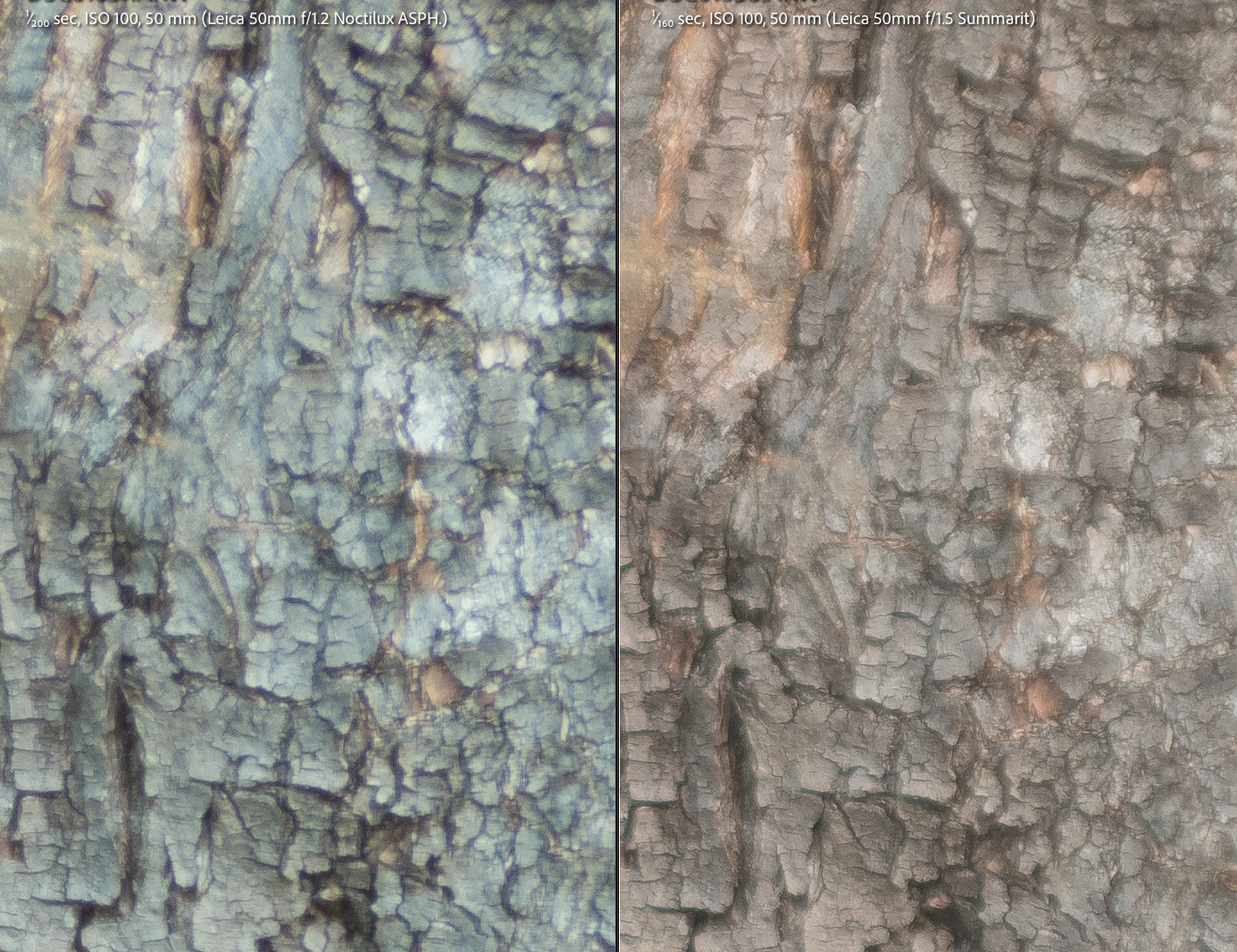
But if you take a closer look (especially the 100% crops comparing the LLL 50mm f1.2 and the Leica 50mm f1.5 Summarit below) you will notice that I focused for the highest resolution. The Summarit shows even more fine detail than the LLL, which shows more contrast. So yes, resized samples can sometimes be misleading, and that is part of why I find these lenses so fascinating.
Fred Miranda wrote:
You’re welcome. I am just as curious as you are, so it does not feel like any extra effort on my end.
There are two things I want to mention. Like many other lenses with uncorrected SA the Summarit is not easy to focus precisely (unless using the rangefinder). Using an electronic viewfinder with focus peaking actually makes it harder, because peaking reacts to contrast, and with this lens, the area of highest contrast is not always the area of best resolution. You can usually focus for either contrast or resolution, but not both at the same time. This is also true with the Leica 35mm f1.4 pre-asph and several other uncorrected vintage designs.
But if you take a closer look (especially the 100% crops comparing the LLL 50mm f1.2 and the Leica 50mm f1.5 Summarit below) you will notice that I focused for the highest resolution. The Summarit shows even more fine detail than the LLL, which shows more contrast. So yes, resized samples can sometimes be misleading, and that is part of why I find these lenses so fascinating....Show more →
I can’t believe you said that about focusing! Just a few hours ago, out for a quick walk, I was taking a few random shots with my late 1930s Carl Zeiss Jena 50mm f/1.5 Sonnar, and said to my wife that it was a good example of how the rangefinder could be easier and quicker to focus than the EVF (wide open, I just didn’t feel that focus peaking was picking on the sharpest area). It’s good of her to listen and to feign interest.
Anyway, I do see exactly what you mean in the LLL / Summarit comparison. I hadn’t spotted that when I looked at the third sample earlier (I must confess, I was focusing more on the Noct and Summarit samples (pun intended)). It’s fascinating. I hadn’t appreciated the contrast / resolution trade-off until now, but I see exactly what you mean.
One further question, if I may: which of the colour renditions would you say is the most accurate? If anything, I prefer the Summarit’s, but I obviously can’t tell which is closest to reality. (The fact that I’m viewing this on an iPad may make my impression somewhat meaningless, anyway.)