This topic is in the 2023 archive. You can read it and like its posts here. It is read only.
Archive 2023Infrared Thread - Digital or Film

p.2 #1Infrared Thread - Digital or Film
Joe Colson wrote:
Thank you Dan. That's in Cottonwood, SD (population 9).
A Iowan neighbor. I spent my 1st 10 yrs of life in Des Moines then Ft Dodge. Then we moved to Mary-land 1957..
Thanks Joe!
Dan
Thank you Dan. That's in Cottonwood, SD (population 9).
A Iowan neighbor. I spent my 1st 10 yrs of life in Des Moines then Ft Dodge. Then we moved to Mary-land 1957..
Thanks Joe!
Dan
Jun 19, 2023 at 11:04 AM
p.2 #2Infrared Thread - Digital or Film
The first batch were from a Canon 5D that Life Pixel had converted to 665nm IR, and I purchased it off ebay. After about 18 months I sent in my 5DmkII for the same 665nm conversion. It is much easier to get critical focus on the 5dmkII due to live view, and I also can see exposure in real time to get the highlights correct. These are from the new conversion to a camera I bought in 2009.
Lens - Nikkor 20mm f2.8 ais
http://www.photomatter.com/2023/Edit_5DmkII-IR_w-Nikkor_20mm-f2.8-ais_10-image_GrandRvPk-6485.jpg
http://www.photomatter.com/2023/Edit_5DmkII-IR_w-Nikkor_20mm-f2.8-ais_GrandRvPk-6463-crop.jpg
http://www.photomatter.com/2023/Edit_5DmkII-IR_w-Nikkor_20mm-f2.8-ais_9-image_GrandRvPk-6529.jpg
Jun 19, 2023 at 10:00 PM
p.2 #3Infrared Thread - Digital or Film
Again just super looking images Jim!
I really like the wavelength used to make the leaves standout so great and the stream/ water so dark!
Fine work Jim!
Dan
I really like the wavelength used to make the leaves standout so great and the stream/ water so dark!
Fine work Jim!
Dan
Jun 20, 2023 at 08:44 AM
p.2 #4Infrared Thread - Digital or Film
Dan, there is bit of a learning curve to IR.
#1-Autofocus is usually off - even if calibrated. Some services will calibrate for a particular lens. Therefore, manual focus is really the best way to go. Some MF lenses have a red dot near infinity focus to approximate where infinity is in the infrared spectrum. With my 5D I had to chimp for focus, and exposure, but once you have it nailed it works well. Otherwise, I would get a camera that has excellent live view with almost no lag to the rear screen
#2-some lenses are not good at IR. They generate "hot shots" usually in the middle of the frame, and worsen as you stop down. Almost all my Nikkor lenses work great at any f-stop, but I do have one that has stellar performance in the visible light spectrum, but makes hot spots in IR. A separate F-ring is a big plus for me.
#3-Generating a white balance profile is done a number of ways. I initially followed Robert Reiser's tutorial using Adobe's free DNG profile editor. There are some really wacky colors in IR, but I prefer the black and white profiles I created. However, you can approximate a 830nm profile easily in Photoshop. ctrl + U and desaturate completely. Find the D-max and D-min (brightest highlight, darkest shadow). Then ctrl + M click highlight eye dropper on D-min, repeat clicking the shadow eyedropper on D-max. If it removes too many gray levels use the fade adjustment.
Jim
Danpbphoto wrote:
Super composition Joe. Along with the church! I must start experimenting with IR.
Anyone have a suggestion for a novice?
Thanks!
Dan
Jun 20, 2023 at 09:32 AM
p.2 #5Infrared Thread - Digital or Film
James Markus wrote:
Dan, there is bit of a learning curve to IR.
#1-Autofocus is usually off - even if calibrated. Some services will calibrate for a particular lens. Therefore, manual focus is really the best way to go. Some MF lenses have a red dot near infinity focus to approximate where infinity is in the infrared spectrum. With my 5D I had to chimp for focus, and exposure, but once you have it nailed it works well. Otherwise, I would get a camera that has excellent live view with almost no lag to the rear screen
#2-some lenses are not good at IR....Show more →
Anyone have a suggestion for a novice?
Thanks!
Dan
Thanks for all the info Jim! Yes I realized it was lot more "involved" than just a filter. You, and others, make it look so easy IMHO..and I know it isn't.
My post processing skils are minimal at best but Adobe, and your advice, make it a bit more understandable Ps wise!
THANKS!
Dan
Dan, there is bit of a learning curve to IR.
#1-Autofocus is usually off - even if calibrated. Some services will calibrate for a particular lens. Therefore, manual focus is really the best way to go. Some MF lenses have a red dot near infinity focus to approximate where infinity is in the infrared spectrum. With my 5D I had to chimp for focus, and exposure, but once you have it nailed it works well. Otherwise, I would get a camera that has excellent live view with almost no lag to the rear screen
#2-some lenses are not good at IR....Show more →
Danpbphoto wrote
Super composition Joe. Along with the church! I must start experimenting with IR.Anyone have a suggestion for a novice?
Thanks!
Dan
Thanks for all the info Jim! Yes I realized it was lot more "involved" than just a filter. You, and others, make it look so easy IMHO..and I know it isn't.
My post processing skils are minimal at best but Adobe, and your advice, make it a bit more understandable Ps wise!
THANKS!
Dan
Jun 20, 2023 at 11:20 AM
p.2 #6Infrared Thread - Digital or Film
http://lazlo.us/pictures/Infrareds/Spring2023/DSC_2064-copy.jpg
Nikon d90 720 nm
Jun 20, 2023 at 02:29 PM
p.2 #8Infrared Thread - Digital or Film
lazlo369 wrote:
http://lazlo.us/pictures/Infrareds/Spring2023/DSC_2064-copy.jpg
Nikon d90 720 nm
Beautiful lazlo! Snow in the summer!

Dan
http://lazlo.us/pictures/Infrareds/Spring2023/DSC_2064-copy.jpg
Nikon d90 720 nm
Beautiful lazlo! Snow in the summer!
Dan
Jun 23, 2023 at 08:27 AM
p.2 #9Infrared Thread - Digital or Film
See Through
Leica TL (720nm) / Elmarit 18
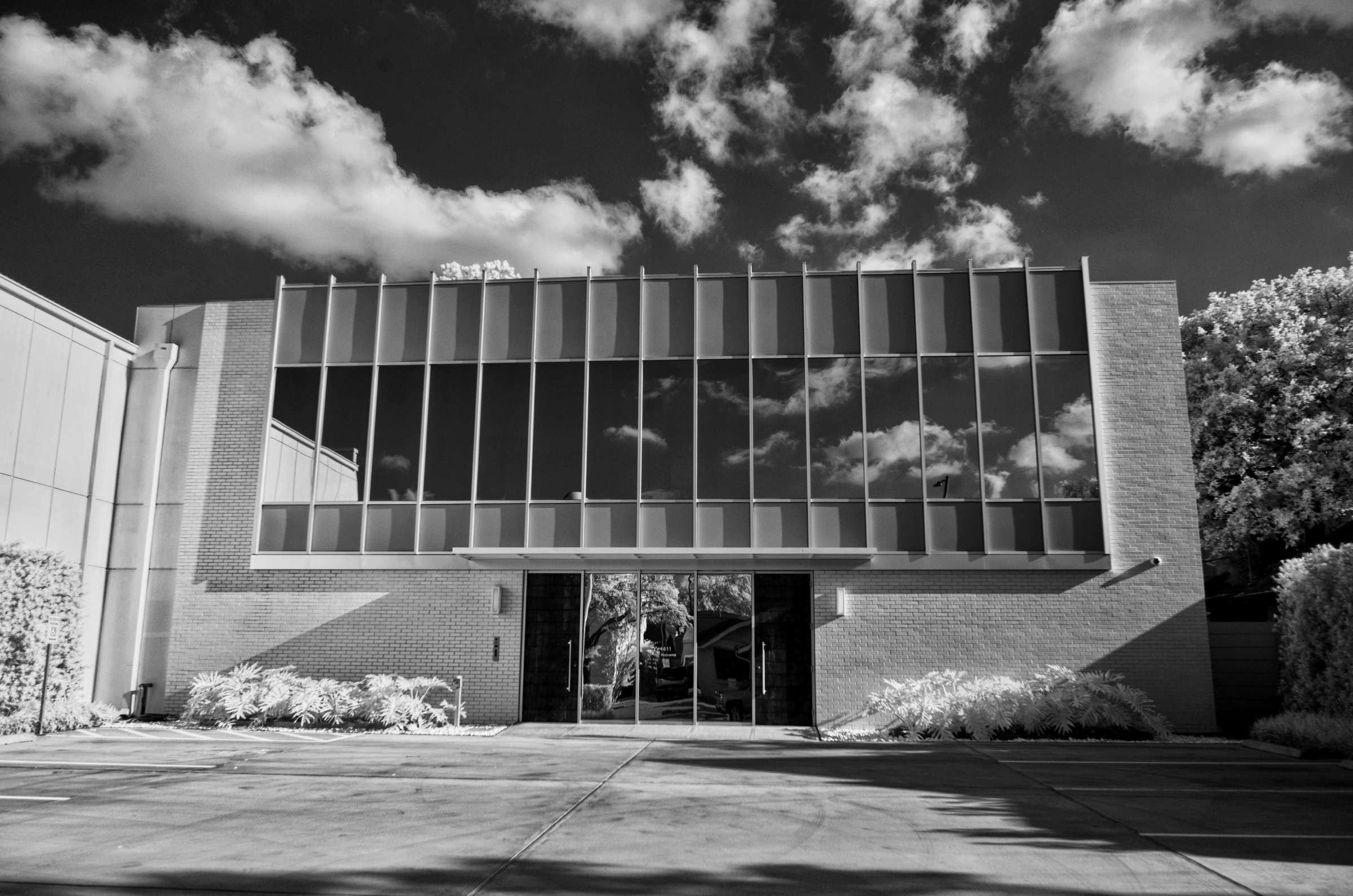
Leica TL (720nm) / Elmarit 18
Jun 23, 2023 at 11:51 AM
p.2 #10Infrared Thread - Digital or Film
A couple from yesterday morning. 5DmkII 665nm with f-mount Rokinon 14mm f2.8 adapted.
http://www.photomatter.com/2023/Edit_5DmkII-IR_w-Rokinon_14mm-f2.8-ED-AS-IF-UM_HemlockCrossing--6572-S.jpg
http://www.photomatter.com/2023/Edit_5DmkII-IR_w-Rokinon_14mm-f2.8-ED-AS-IF-UM_HemlockCrossing--6558-S.jpg
http://www.photomatter.com/2023/Edit_5DmkII-IR_w-Rokinon_14mm-f2.8-ED-AS-IF-UM_HemlockCrossing--6572-S.jpg
http://www.photomatter.com/2023/Edit_5DmkII-IR_w-Rokinon_14mm-f2.8-ED-AS-IF-UM_HemlockCrossing--6558-S.jpg
Jun 23, 2023 at 04:41 PM
p.2 #11Infrared Thread - Digital or Film
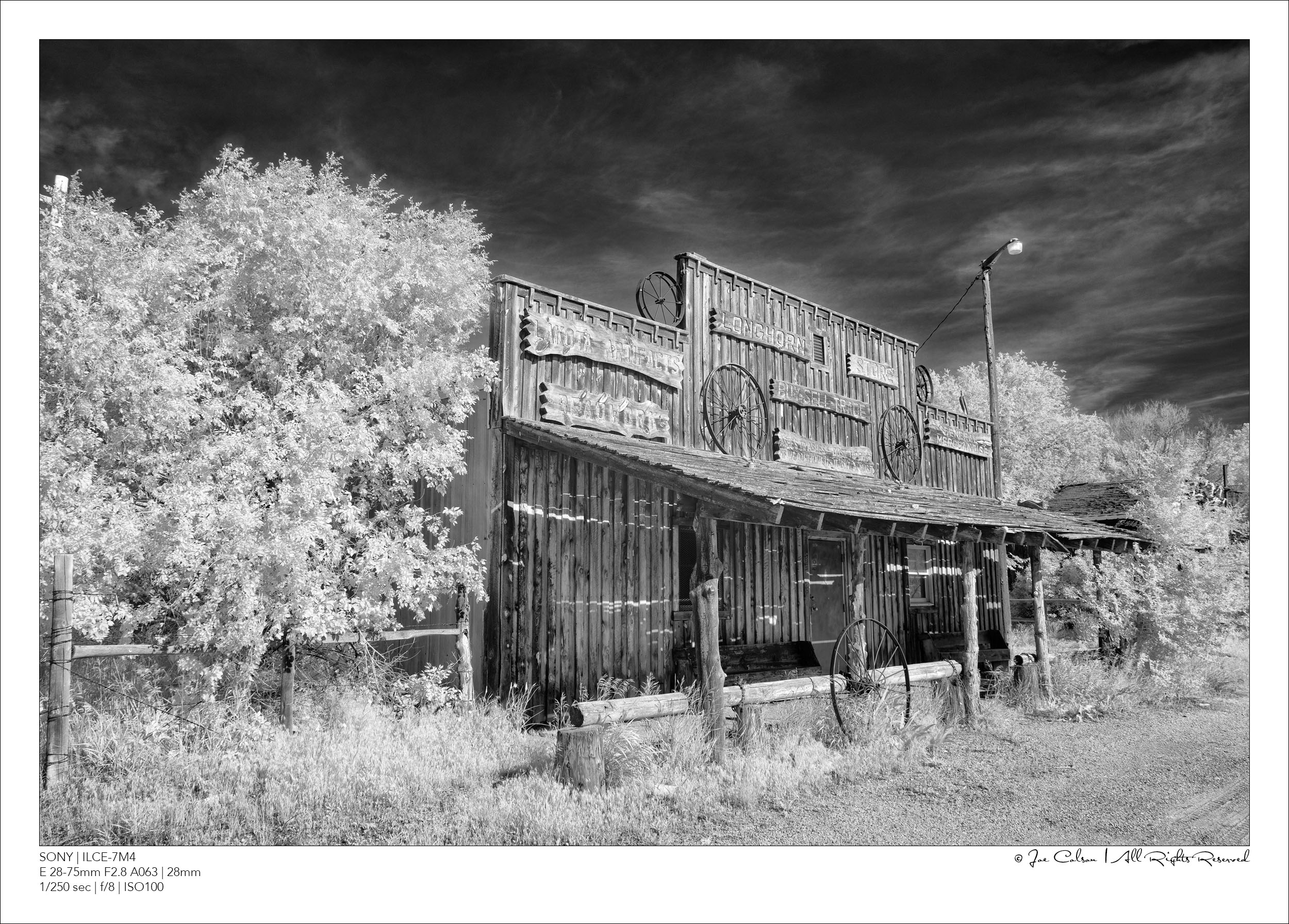
Full-spectrum Sony a7IV with 665nm Kolari magnetic drop-in filter
Jun 25, 2023 at 08:27 PM
p.2 #12Infrared Thread - Digital or Film
To everyone who posted images, they are great, well done. Now I am interested in trying this type of photography
so I will need and help from you people to get me started. I will be using my Z6 and I would need to buy a filter, so which make and what nm? And of course how to process the images, what software etc?
So if someone could give me advice on the above questions it will be much appreciated.
Regards Derek
Jun 26, 2023 at 12:35 PM
p.2 #13Infrared Thread - Digital or Film
Derek, this post might help you get started:
https://www.fredmiranda.com/forum/topic/1810819/0#16273825
Joe
https://www.fredmiranda.com/forum/topic/1810819/0#16273825
Joe
Jul 01, 2023 at 12:20 PM
p.2 #14Infrared Thread - Digital or Film
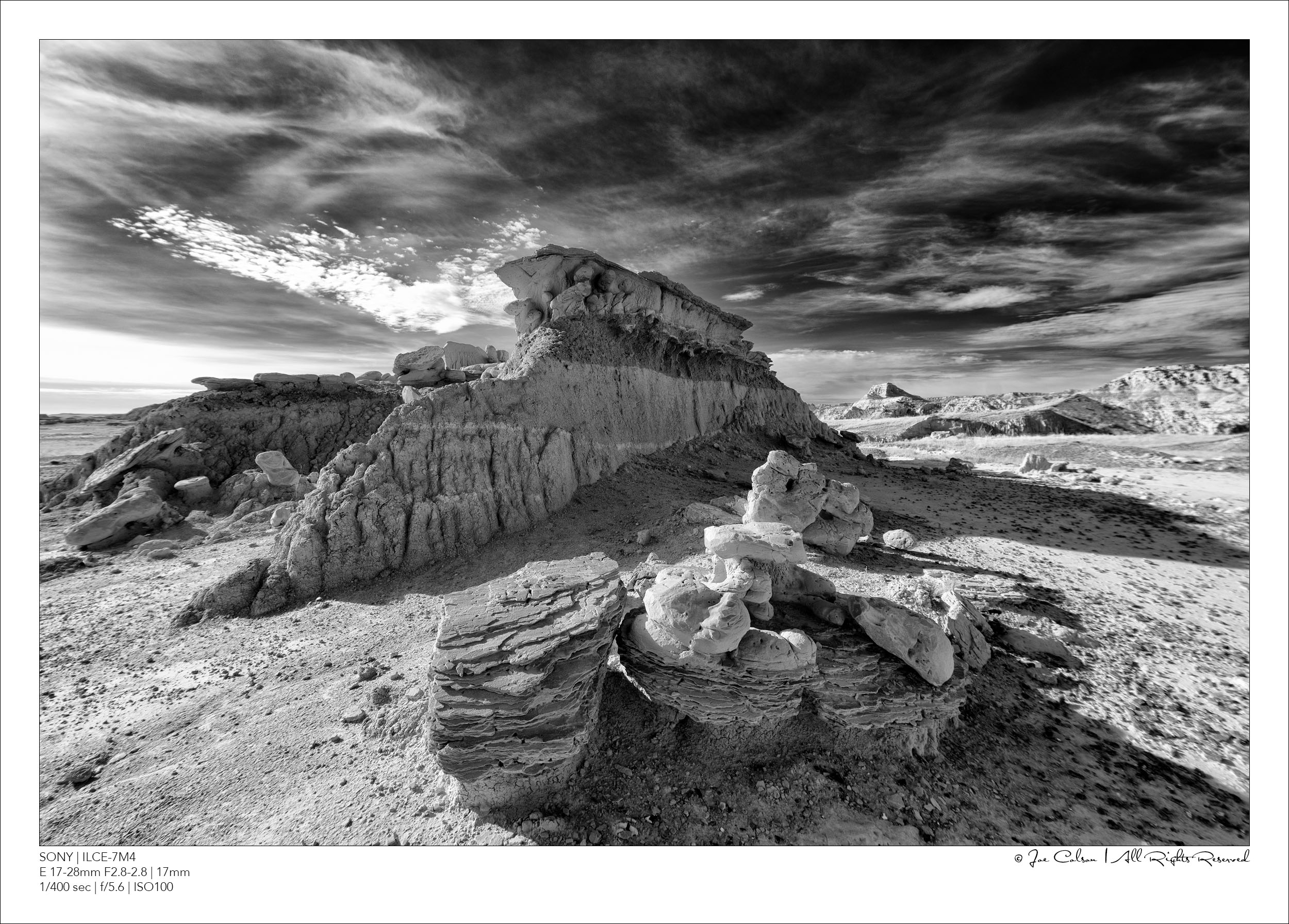
Full-spectrum Sony a7IV with 665nm Kolari magnetic drop-in filter
Jul 01, 2023 at 12:22 PM
p.2 #15Infrared Thread - Digital or Film
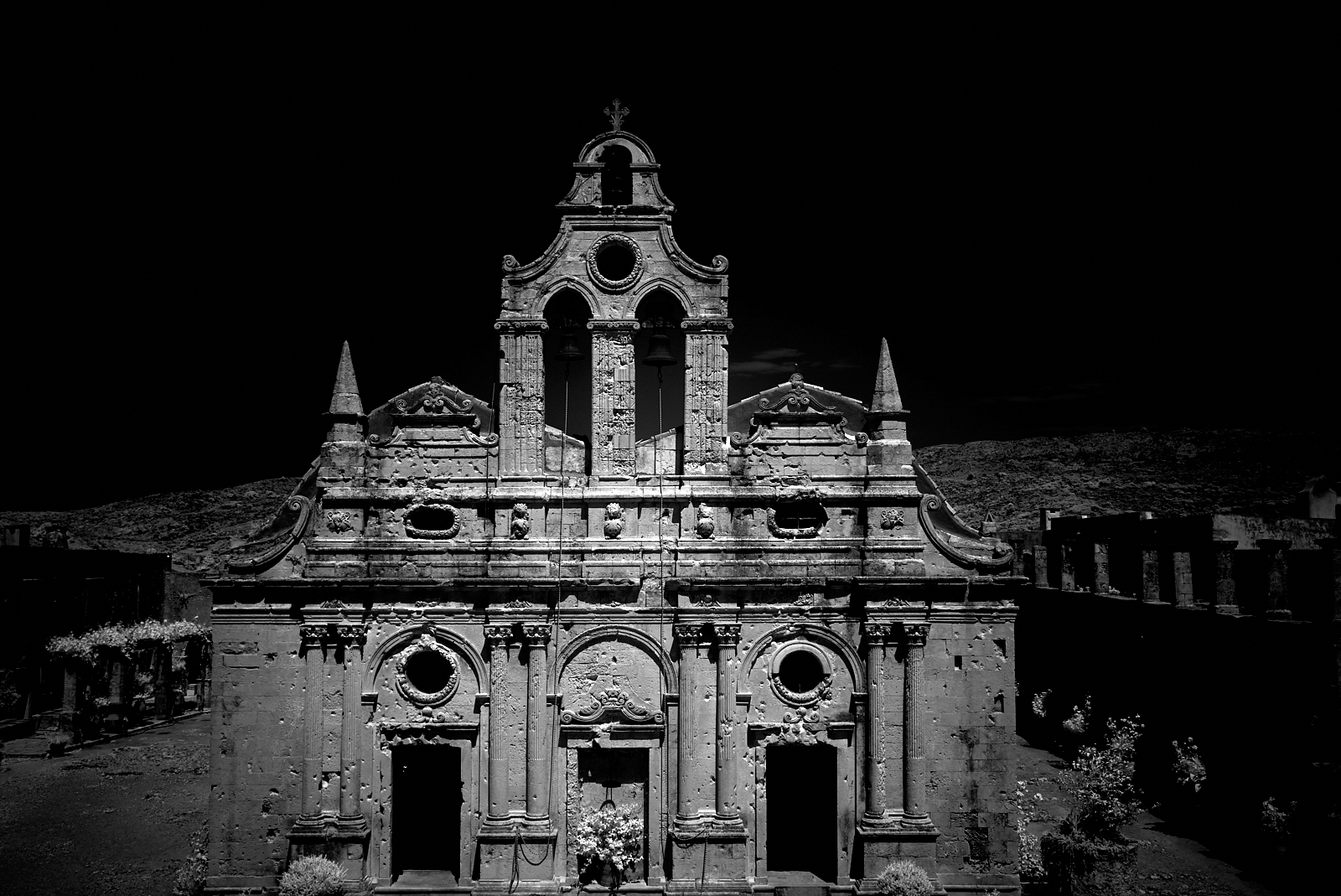
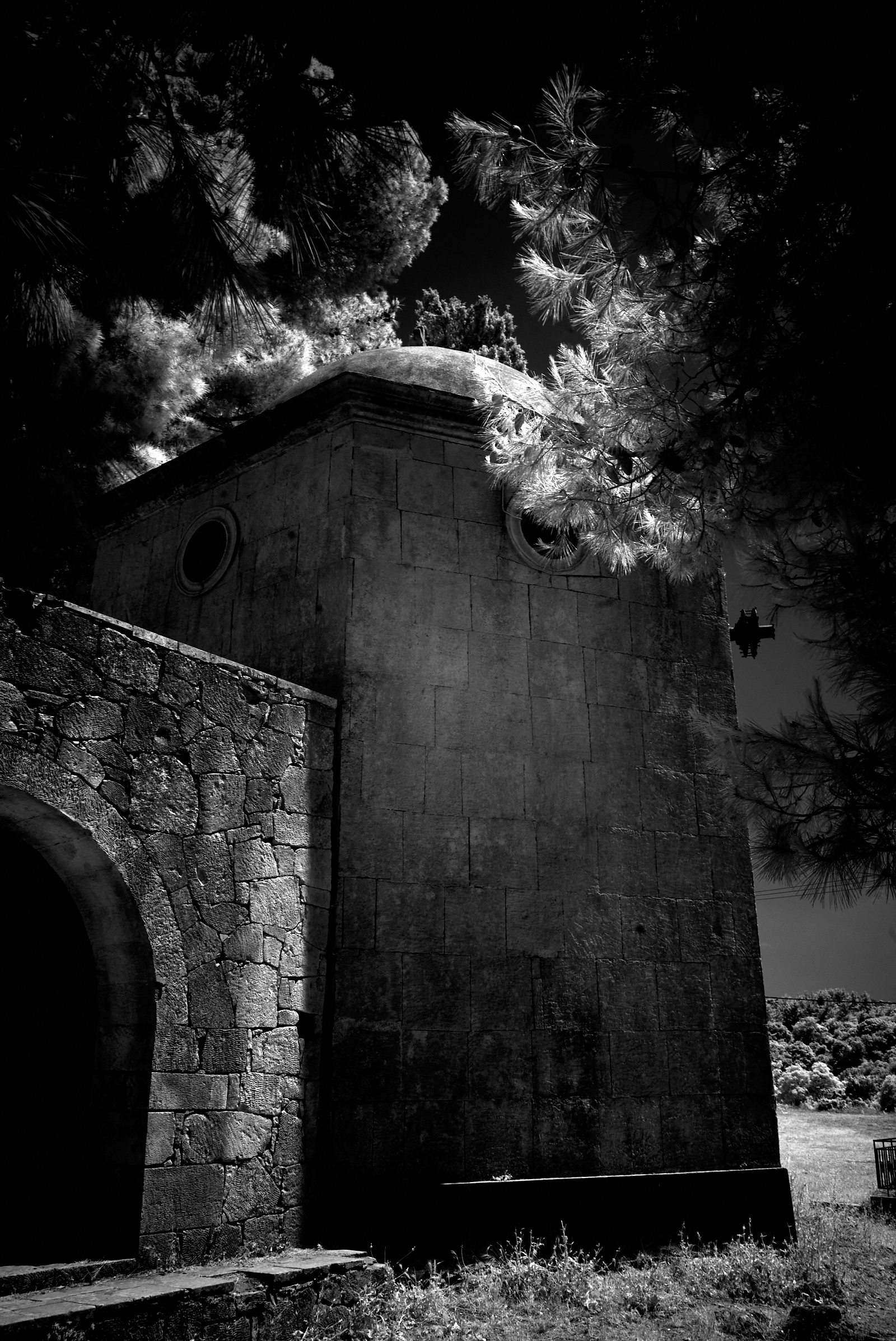
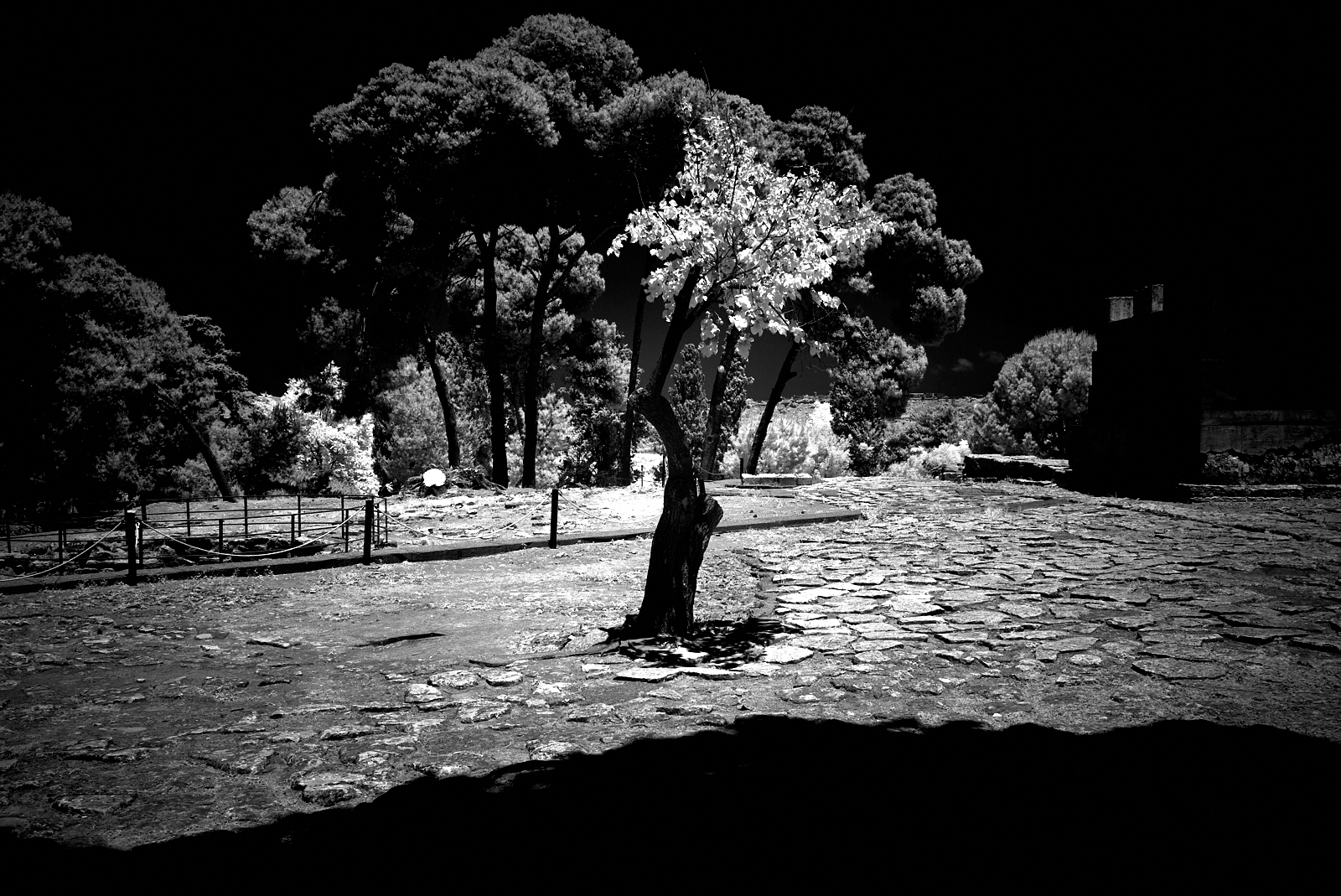
From a recent trip to France, all on a Ricoh GR2 converted to 720nm.
The camera is currently being converted again, this time to 850nm. I'm done with color infrared!
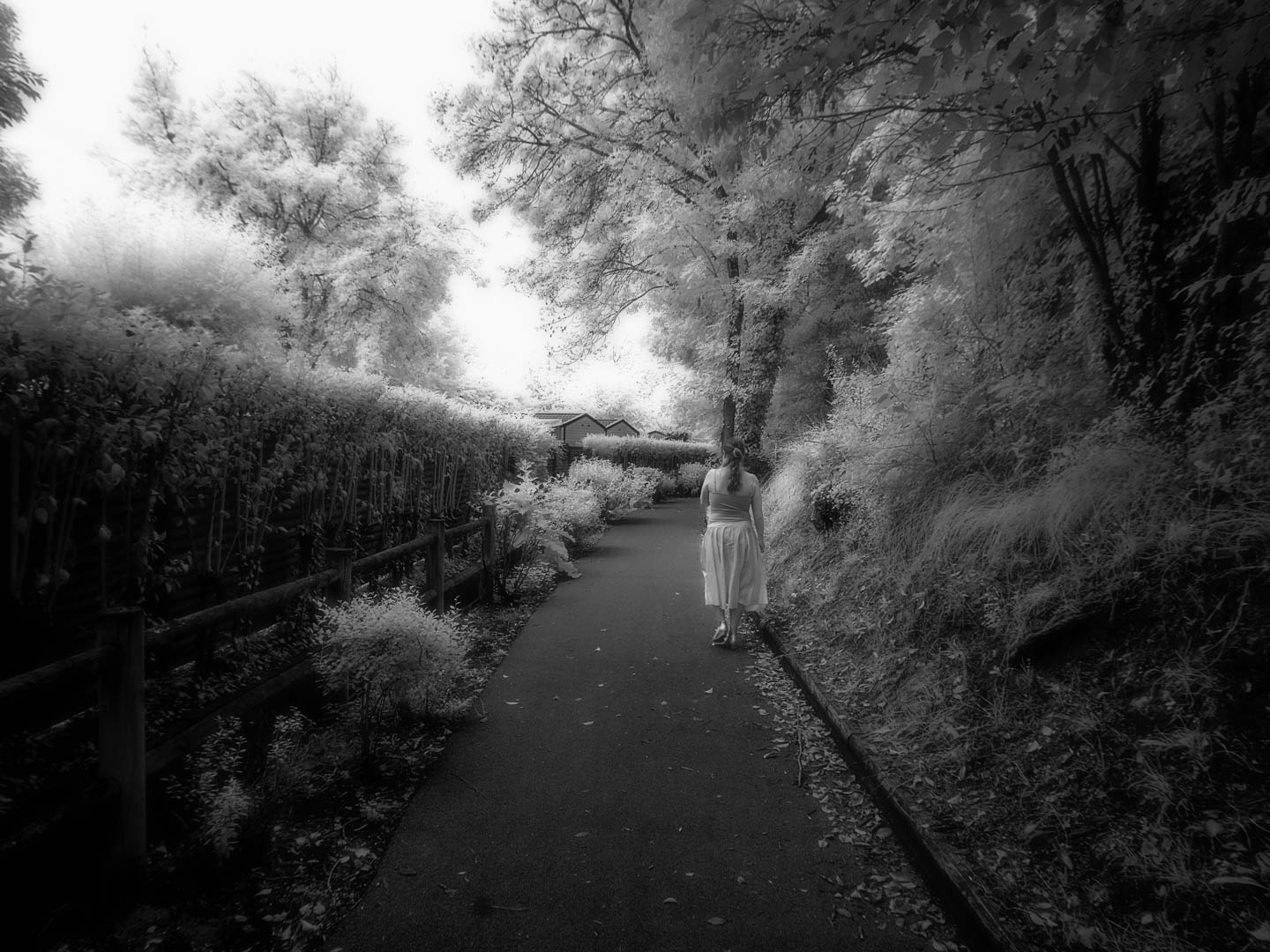
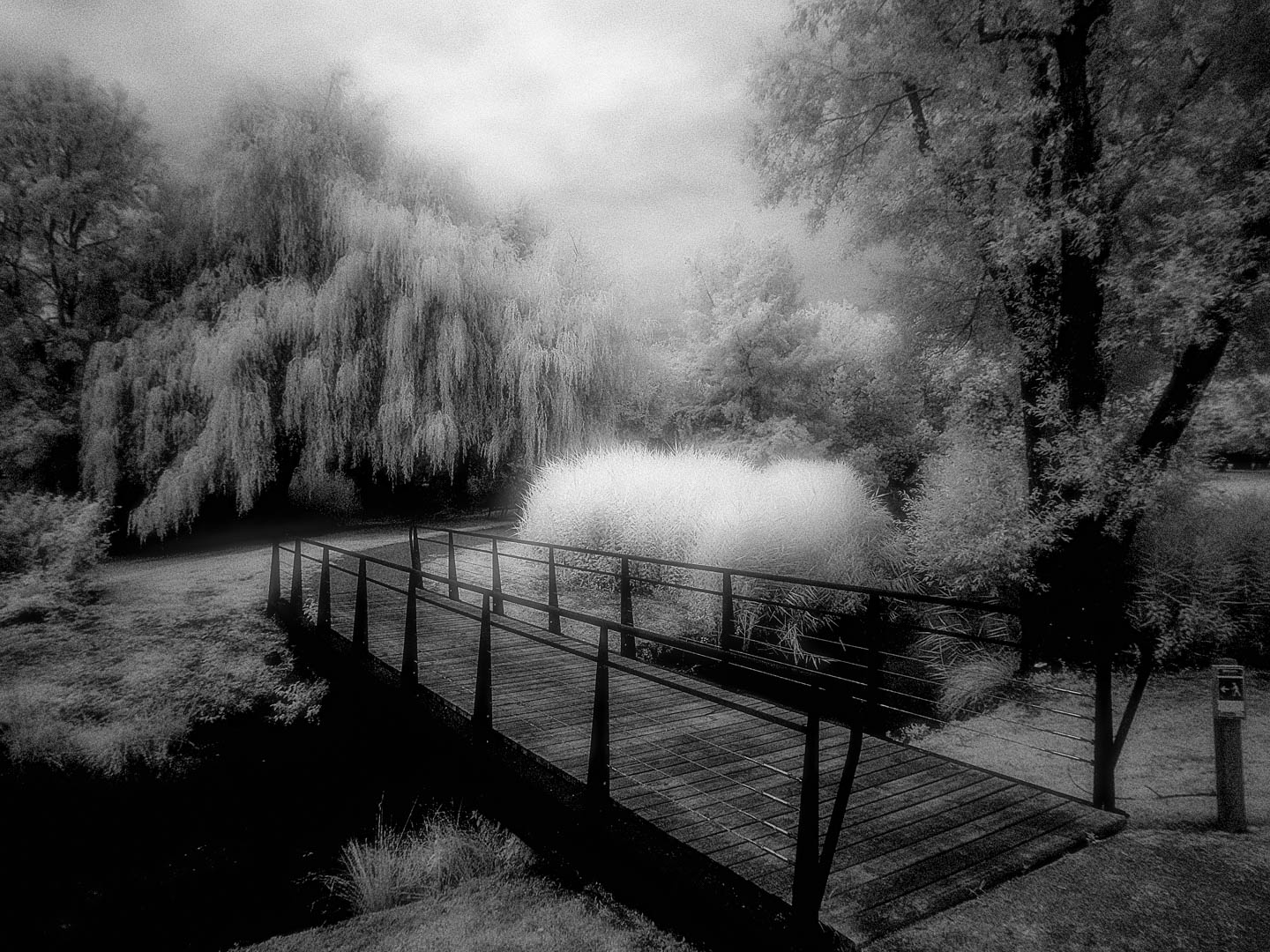
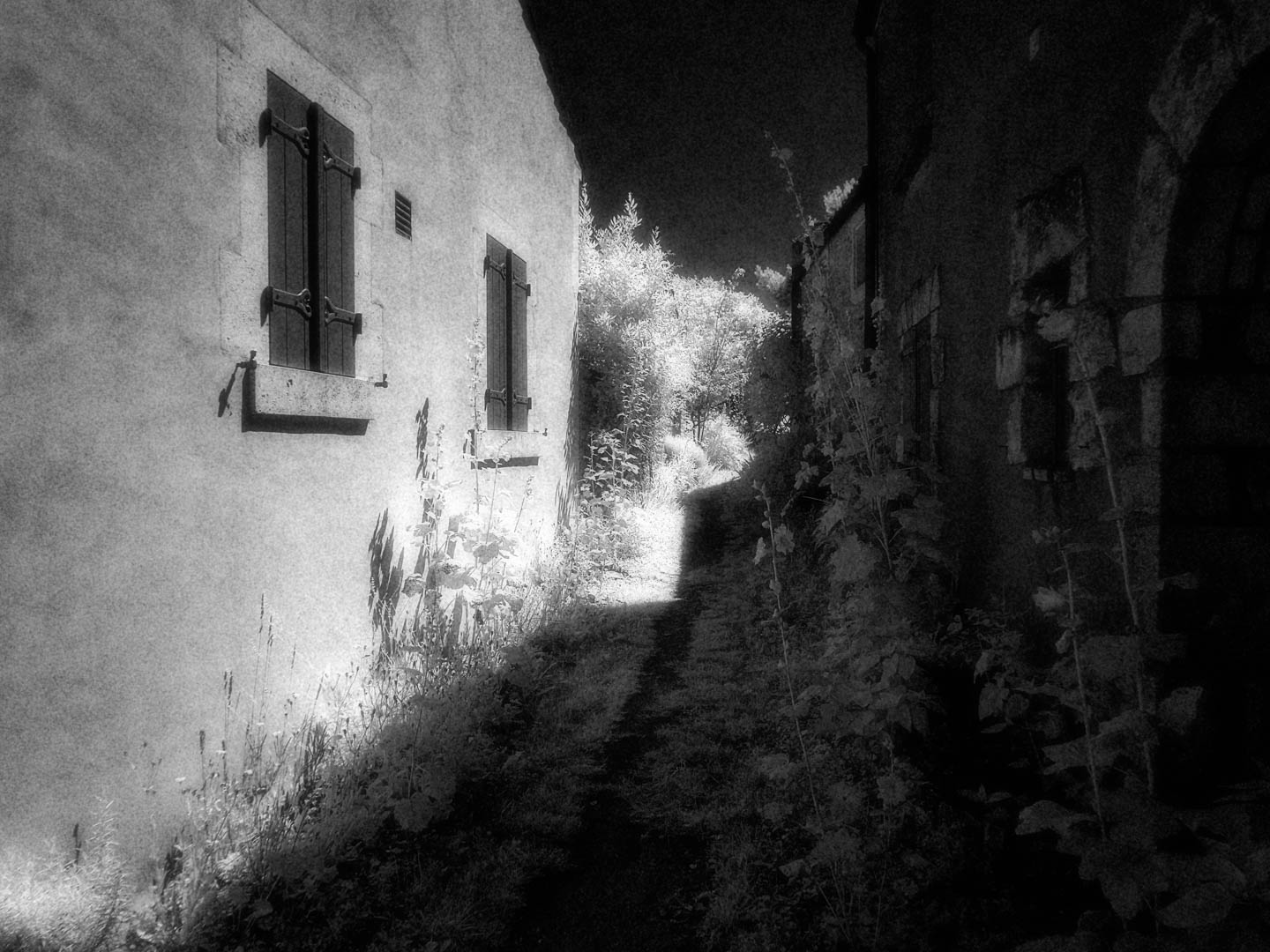
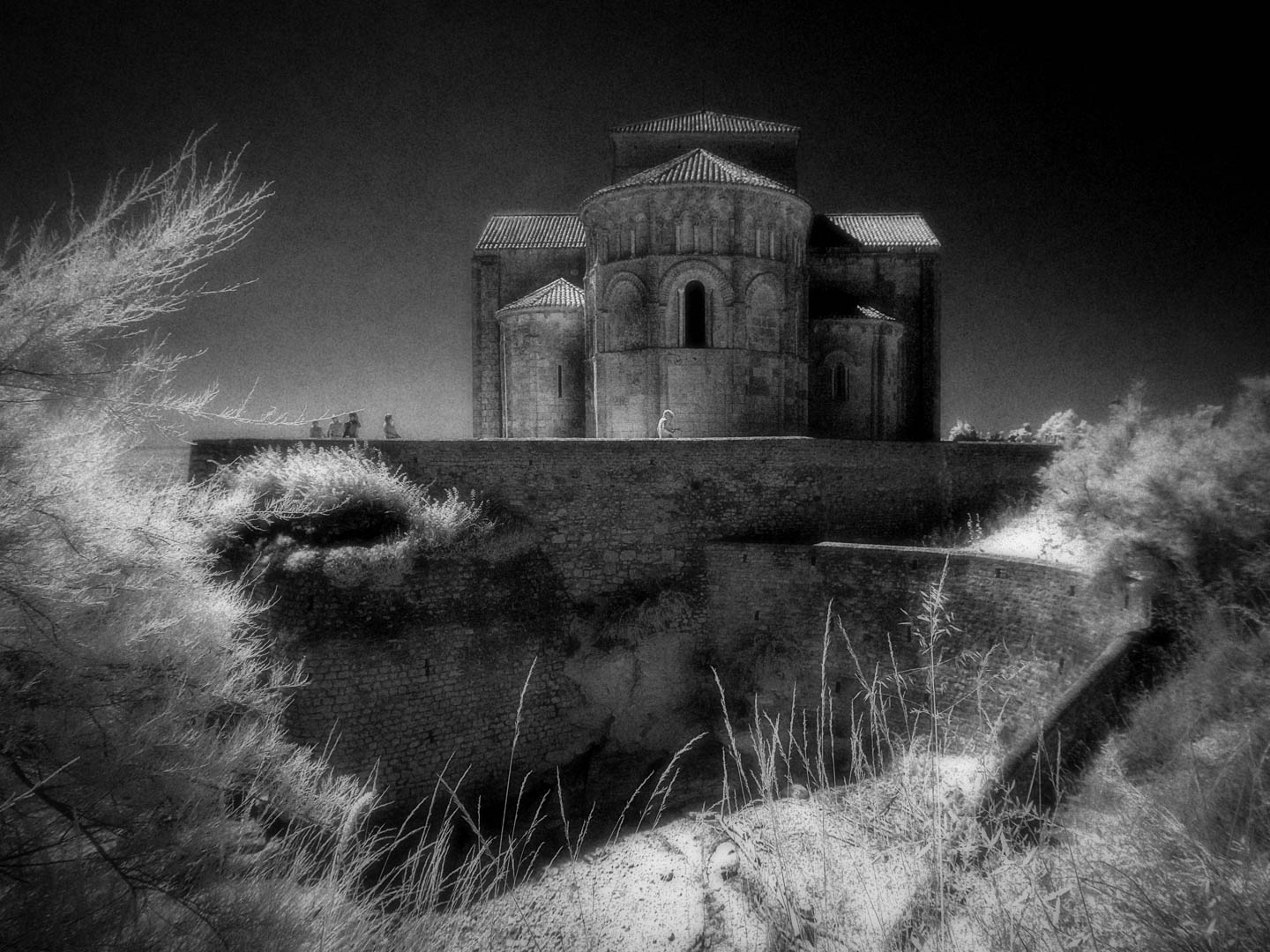
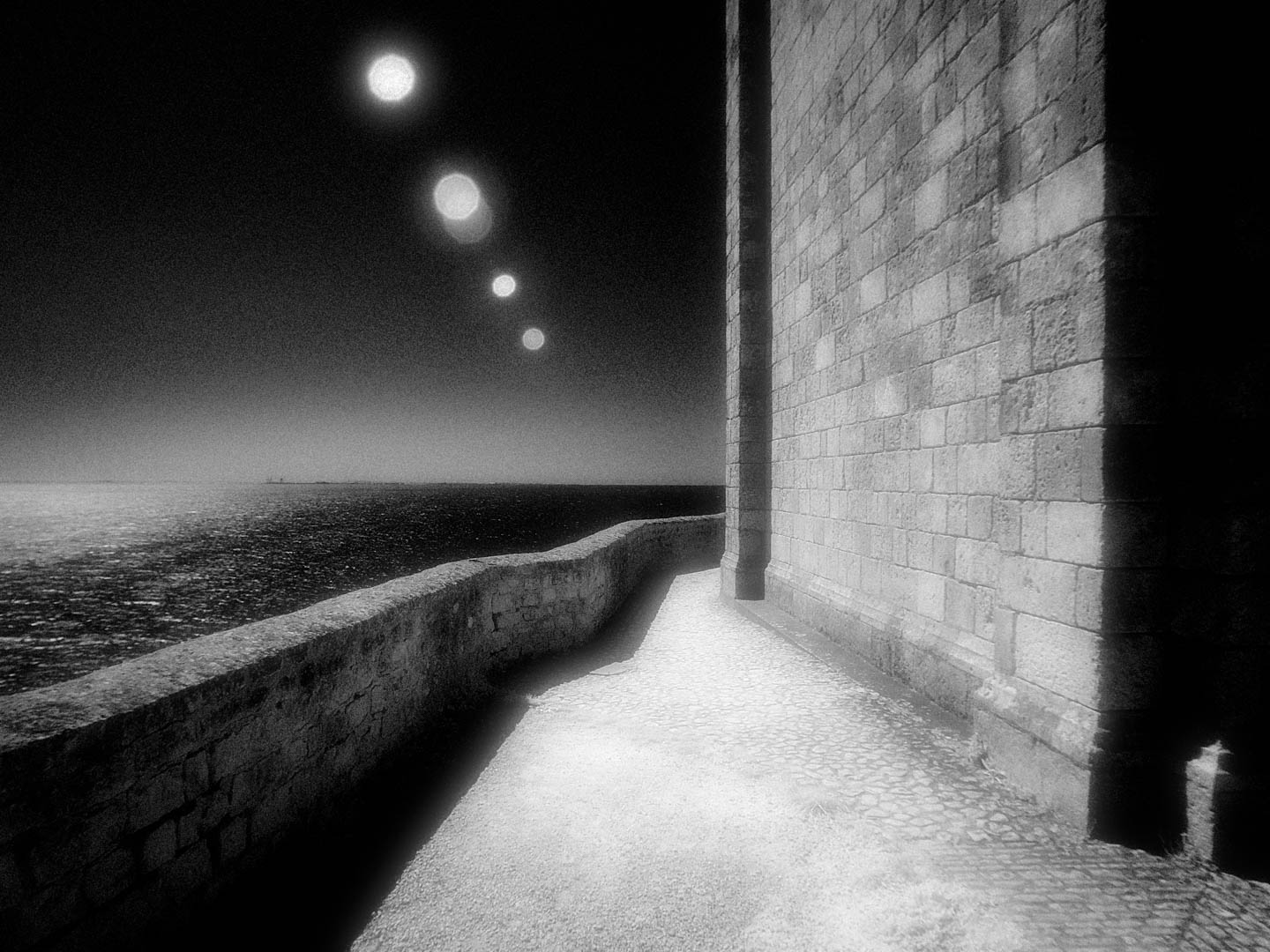
The camera is currently being converted again, this time to 850nm. I'm done with color infrared!
Jul 10, 2023 at 06:36 AM
p.2 #16Infrared Thread - Digital or Film
The shots from France have a nice feel to them. I assume you're adding a little glow in post, which I haven't tried yet.
I really debated between 720nm and 850nm when having my camera converted. My only plan was/is to shoot B&W, so I almost went 850. However, I kept reading how 720 was more flexible and 850 would be higher contrast (which I could always add in post). I ultimately went with 720nm. The useful information on the web is limited, and even the videos by the companies that do conversions seem to focus on color IR, which doesn't interest me. YouTube influencers are next to worthless for real info.
Good luck with the re-conversion. I'm sure it will work out great for you.
Jul 10, 2023 at 11:07 AM
p.2 #17Infrared Thread - Digital or Film
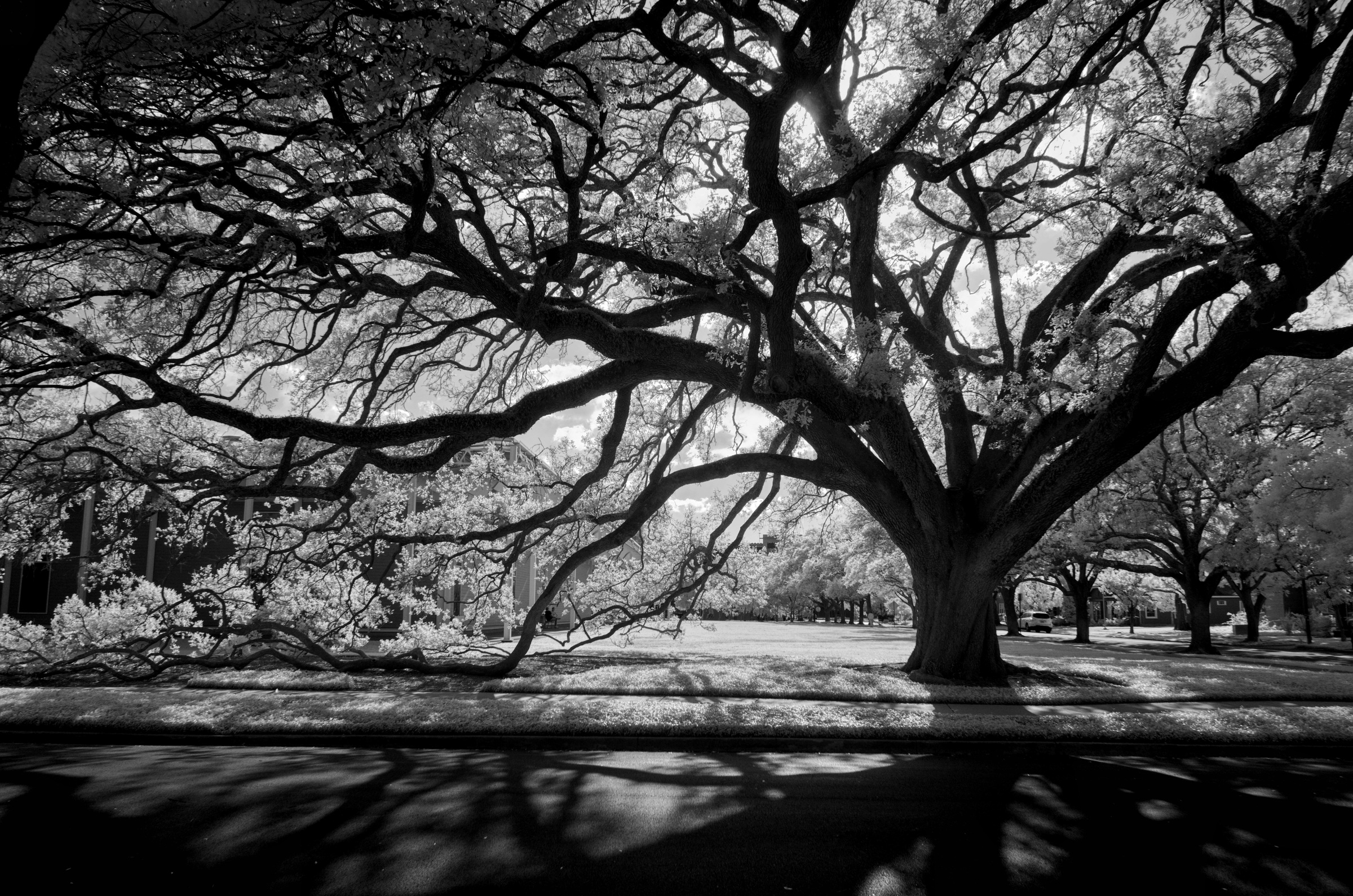
Some infrared from my last trip to Austin, TX
Leica TL converted to 720nm / Elmarit-TL 18mm
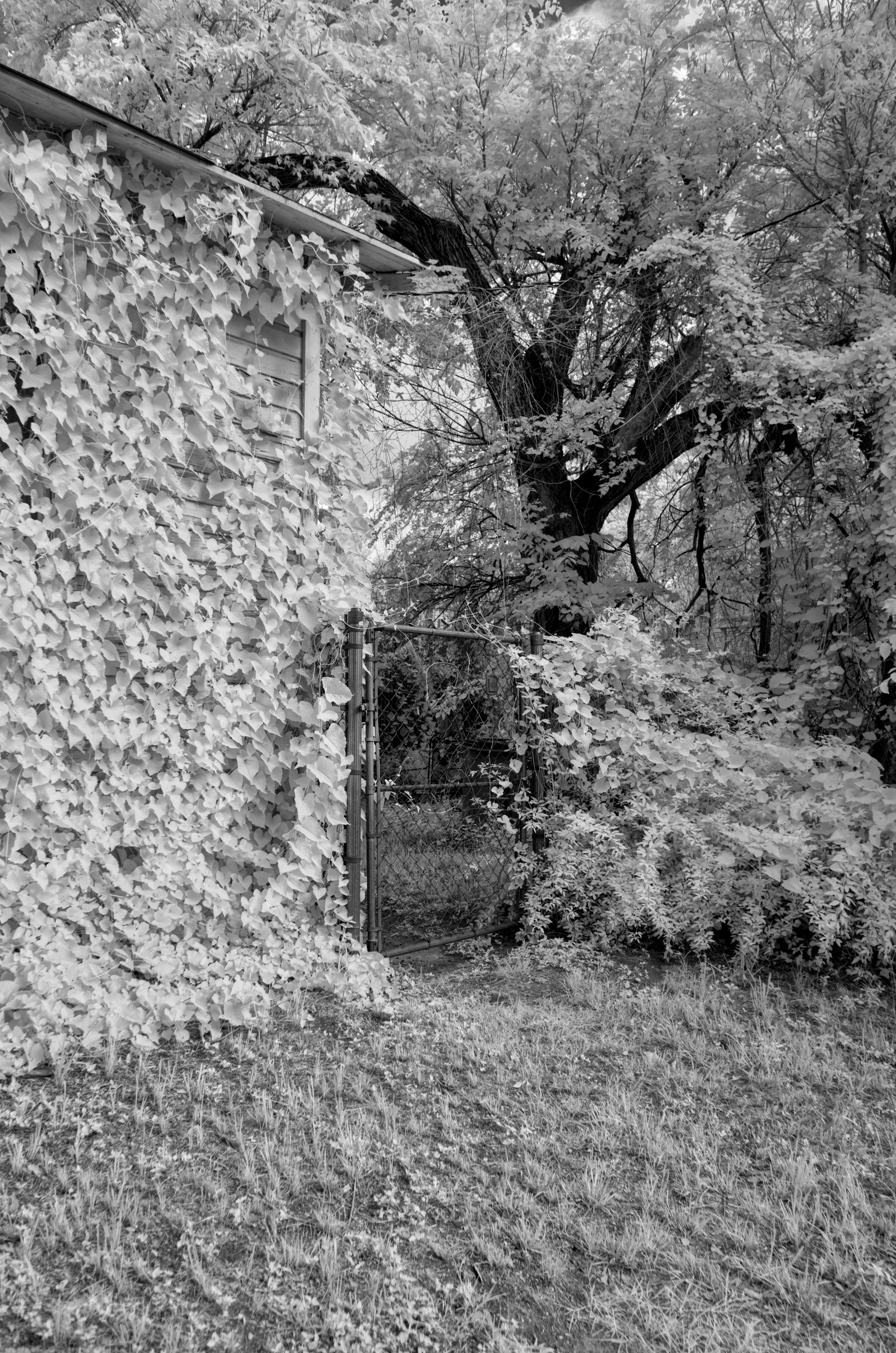
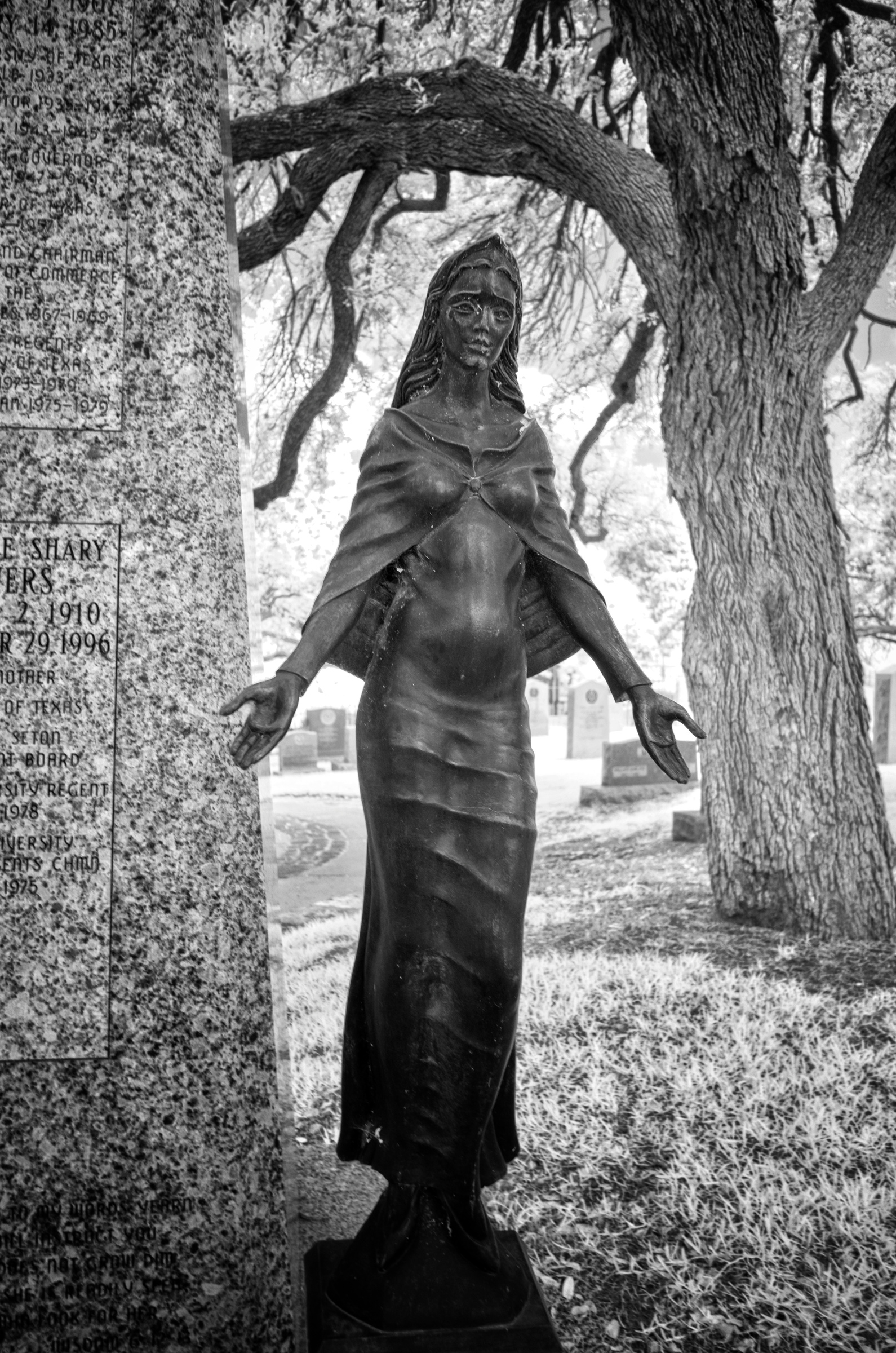
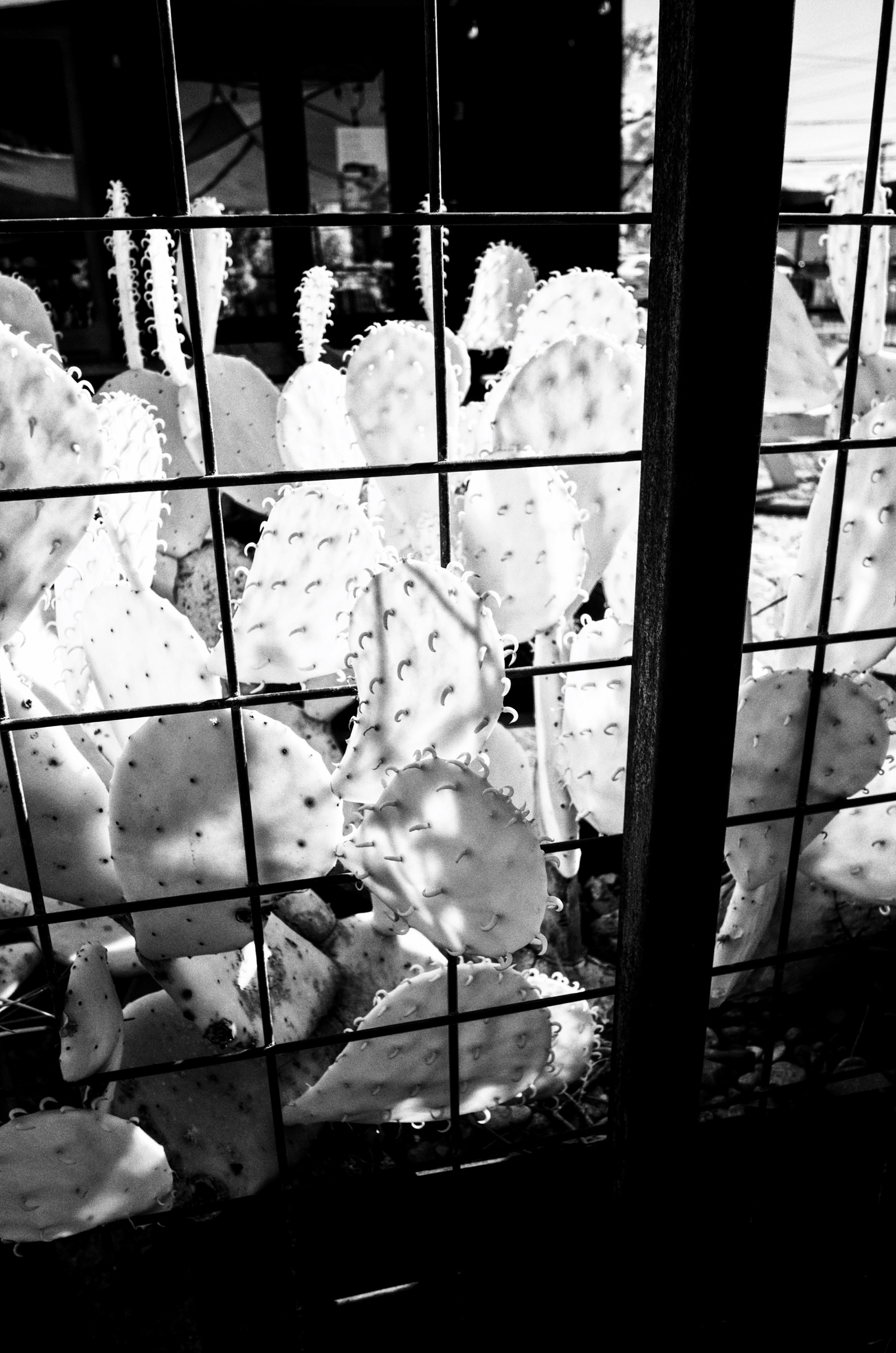
Leica TL converted to 720nm / Elmarit-TL 18mm
Jul 10, 2023 at 11:13 AM
p.2 #18Infrared Thread - Digital or Film
DougVaughn wrote:
The shots from France have a nice feel to them. I assume you're adding a little glow in post, which I haven't tried yet.
I really debated between 720nm and 850nm when having my camera converted. My only plan was/is to shoot B&W, so I almost went 850. However, I kept reading how 720 was more flexible and 850 would be higher contrast (which I could always add in post). I ultimately went with 720nm. The useful information on the web is limited, and even the videos by the companies that do conversions seem to focus on color IR, which doesn't...Show more →
Thanks, Doug.
Yes, I add halation, grain and contrast. It's sometimes tough to balance it all, the highlights can get quickly blown out.
Having a 720 camera is indeed the most versatile option. The colors aren't garish like at lower wavelengths and the B&Ws have excellent contrast.
My first IR camera was 850nm, and it made great images. I just didn't have the processing experience I do now, and I know that B&W is my preferred look for infrared.
I'm always after the Kodak HIE look, so figuring out how to do it well is half the fun.
Jul 10, 2023 at 11:21 AM
p.2 #19Infrared Thread - Digital or Film
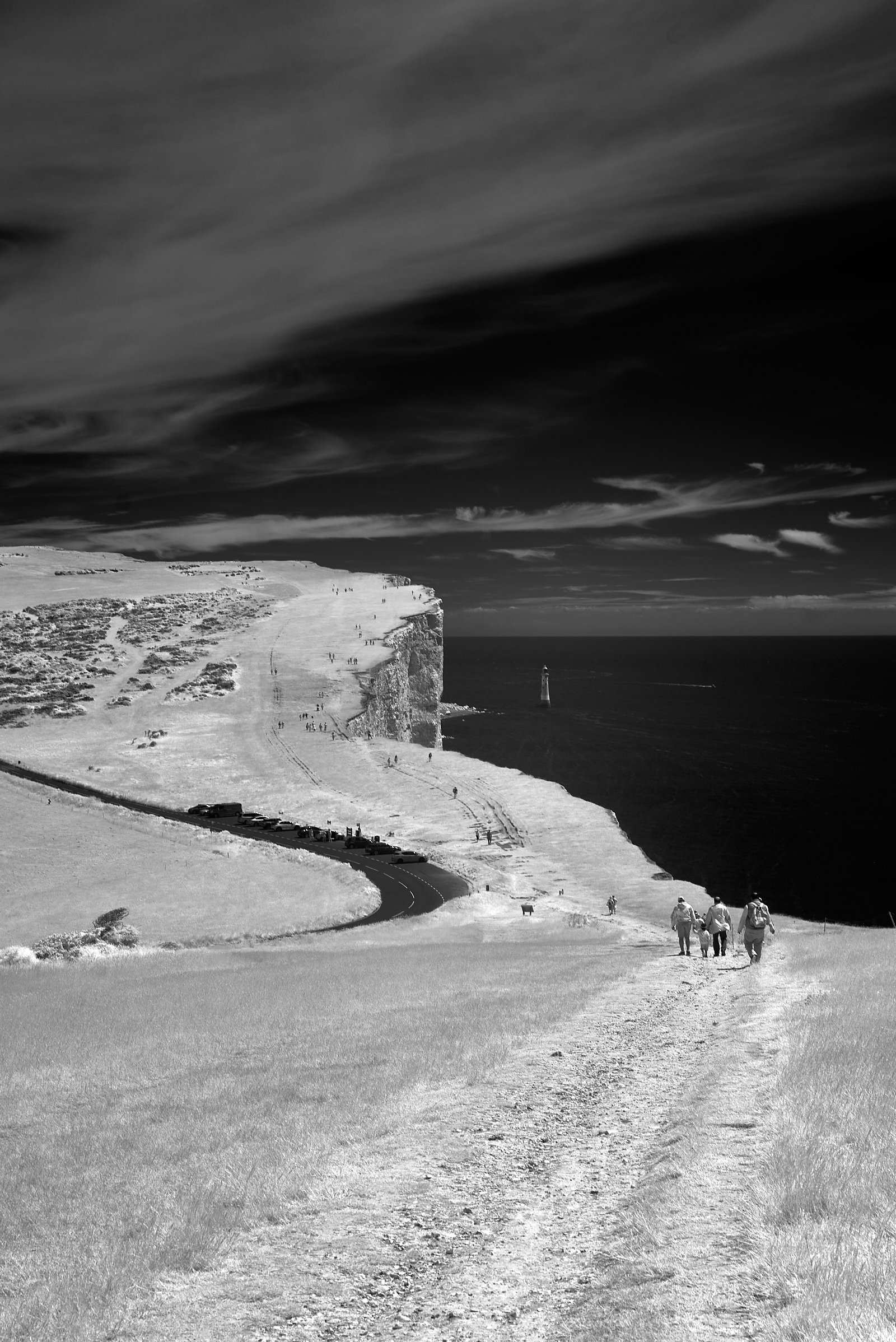
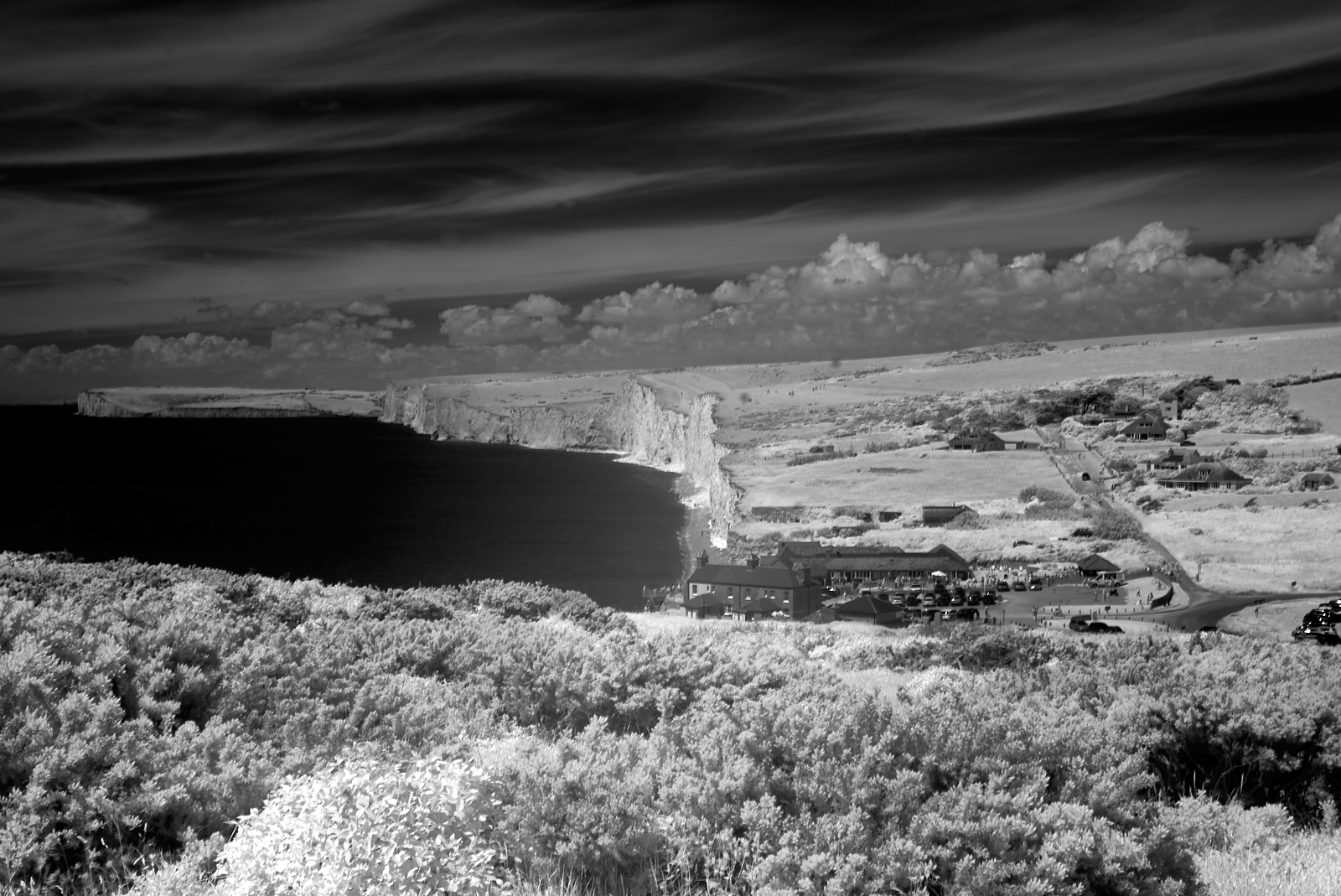
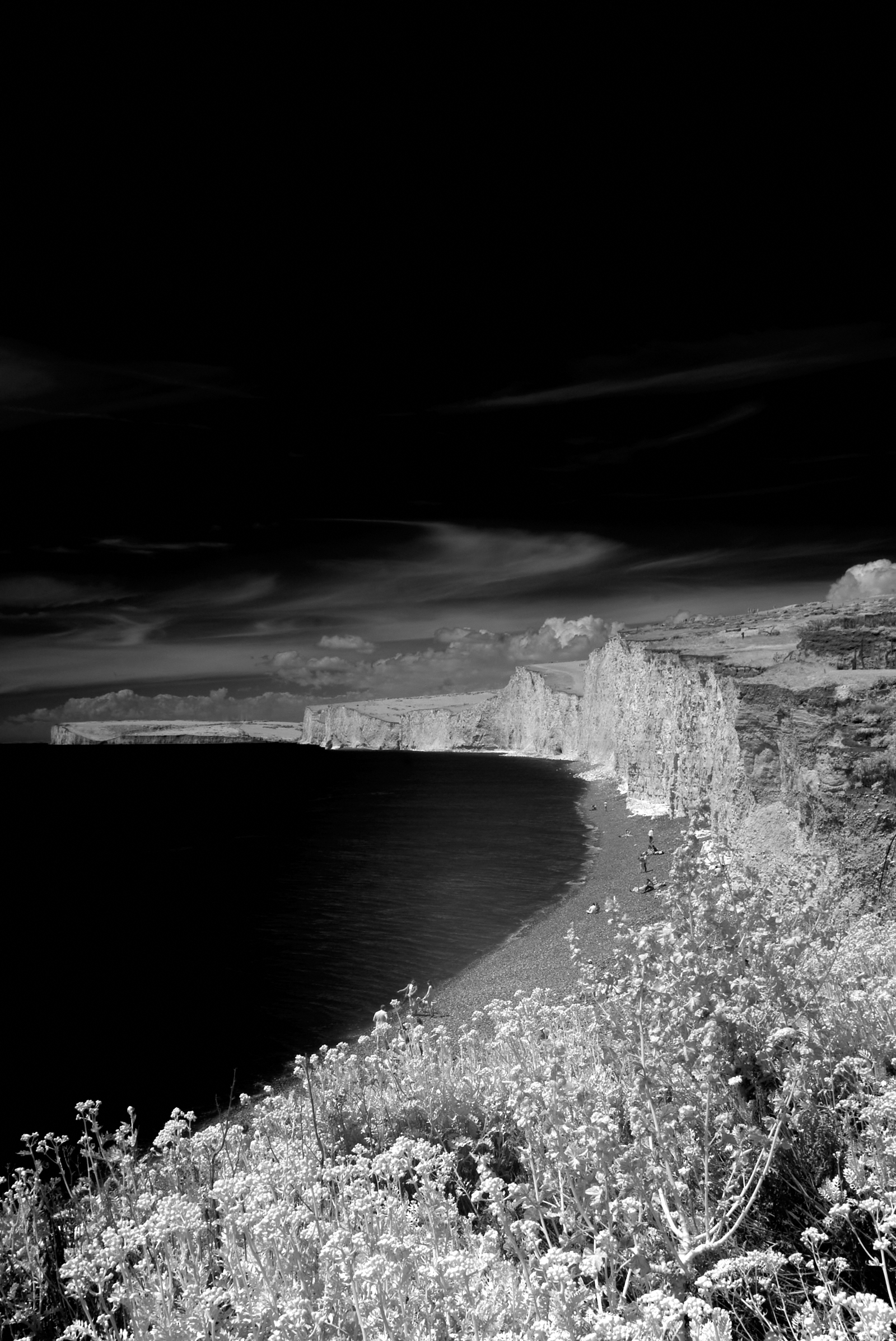
Beachy Head UK. Taken on a Sony A7S FS with 830nM filter.
Jul 10, 2023 at 06:11 PM