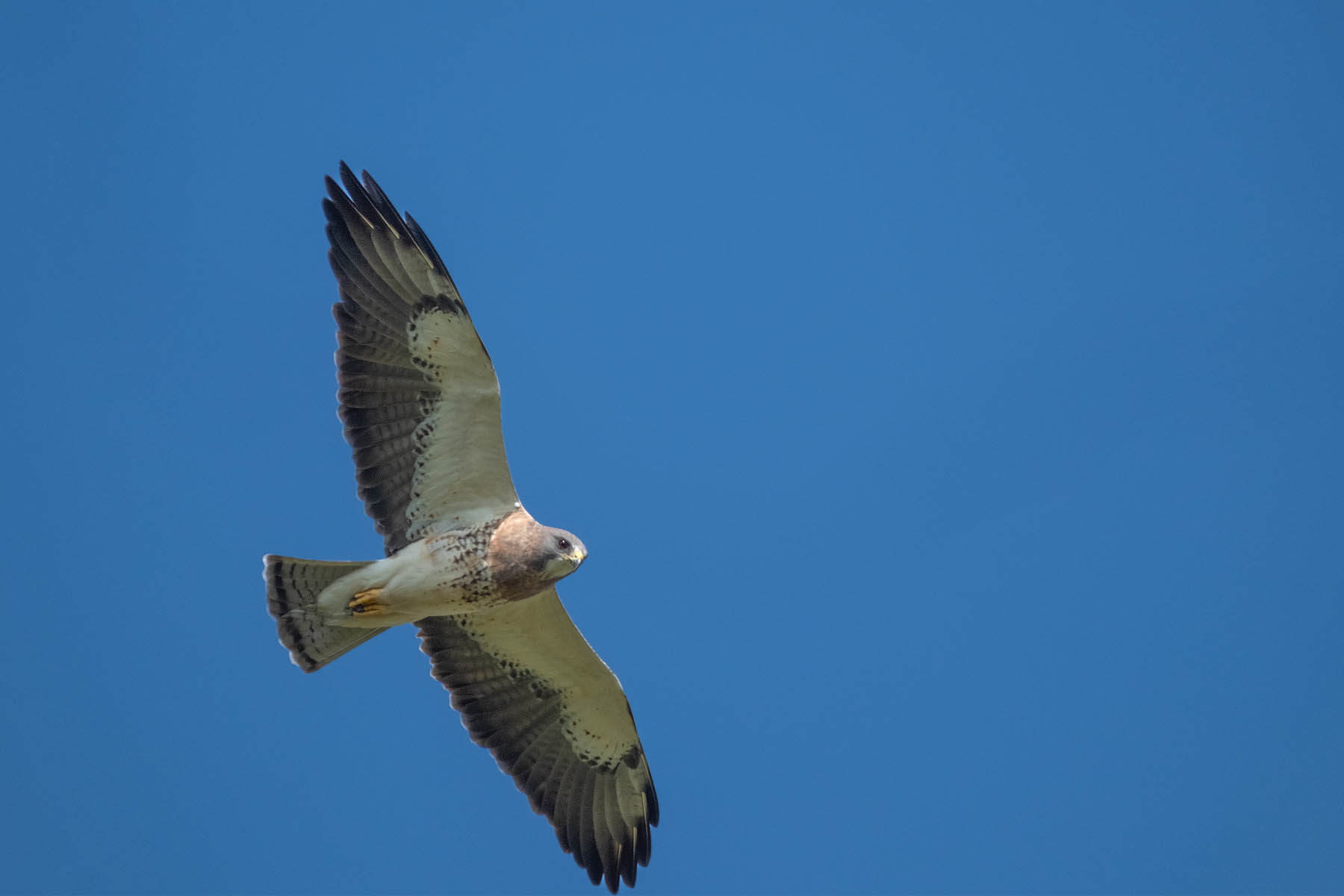
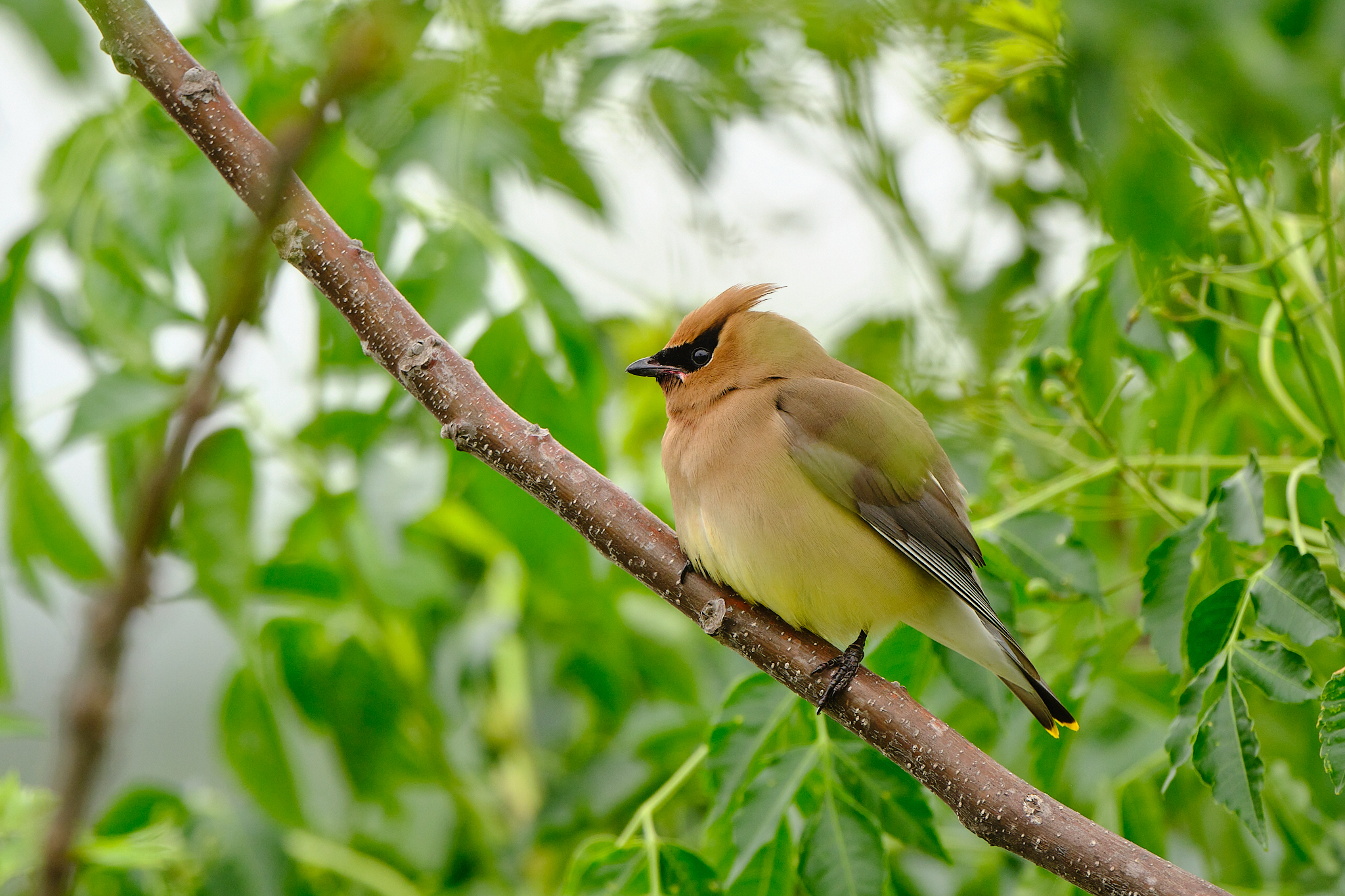
JustShootMe wrote:
Yes it counts .. they are pretty birds with a bad reputation
The flying rats have earned that bad reputation.
They constantly try to get into our barns and nest, crapping all over everything. They try to get into our grain bins, eat the crops & crap all over everything. A good high powered pellet rifle & dogs who love pigeon snacks is a nice solution.
Daniel Smith wrote:
The flying rats have earned that bad reputation.
They constantly try to get into our barns and nest, crapping all over everything. They try to get into our grain bins, eat the crops & crap all over everything. A good high powered pellet rifle & dogs who love pigeon snacks is a nice solution.
Lol , I’m not a fan either having lived in NYC for many years. Really there’s only one invasive species on the planet destroying everything … it ain’t the birds
There are a number of birds that can be thrown into the 'flying rat' category in my experience on this farm: Rock Doves (pigeons), European Starlings, House Sparrows, and... Canada Geese (ever heard the expression 'crap thru a goose'?).
Of this group, the only ones I have gone after are the Rock Doves (have to keep a pair from establishing themselves in the haylofts) and, in the past, the Canada Geese. There are a LOT of non-migratory CGs in the Northeast.
Years ago, in order to keep the pond and some of the grassy areas around it free of goose dung, I had to shoot a few. They seem to have gotten the message, and while there are a couple of pairs fighting it out for local supremacy as I write this, I have been able to keep things manageable by just removing any nests that get established (that can get interesting).
If you live on a farm, you will discover quickly that nothing out in the world is interested in co-existing with you. Everything, plant or animal, is devoted to spreading its DNA as far and wide as possible; you have to establish boundaries and then let some areas go to the wild (in our case, most of it).
Ah yes, birds we shoot and scare off to prevent crop loss. I shoot Canada Geese for neighboring farmers. State allows it. A pair of geese that stay in the Prairie Pothole ponds we have can eat$800 worth of crop a summer. One neighbor has 22 ponds on his land. Losses get expensive. We shoot them - legal here, for that reason. Very different than Goose Hunting during the season.
Then we have Blackbirds. Masses of them nest in the cattail sloughs and feed on corn and sunflowers. Cause a lot of crop damage. So we shoot them or near them to scare them up off the fields. Commercial sunflowers are genetically modified so they tip the head over as the birds can't feed upside down. They get the edge seeds but not the middle.
Rock doves spread leafy spurge so some shoot them to prevent it.
Photographing is fine and some of these same animals make for great images. But when one is faced with losing more than $20,000 due to them beauty takes a back seat.
Then he mink & weasels go after chickens. All kinds of hawks after chickens - so fenced runs have chicken wire covering the top and the wire sides get buried 18 inches deep to prevent the animals digging to get in. Don't even get started on raccoons...
Porcupines are a major danger to dogs. Same with coyotes - they try to draw the dogs away from the farmyard and gang up on them. Then will stalk calves and lifestock. Bears and mountain lions aren't much of a worry - not enough of them to be a bother. Moose will trample a garden area and deer munch it way down.
But pigeons - obnoxious and make good targets for the high powered pellet rifles. Have even taken three coyotes in the last year with two of mine.
With all the ponds and sloughs muskrats are a problem. Burrow under the road when ponds are alongside. Cause road damage. A few years ago when water level was high a combine broke through into a burrow under the roadbed(gravel road) and dropped almost 5 feet into the hole. Snapped an axle. Cost to replace was almost $225,000.
As nice as many species are to watch we compete for the same living space. At times it means someone gets rid of the competition.
SamuraiDog wrote:
Would love to see some teleprimes for the X-series. Even if it means Sigma, Tamron, or other manufacturers.
Yepper. I would like to see Fuji make a 400mm f/4.5 with built-in 1.4X extender. Should be able to keep the weight to 4lbs or so, especially since a Fuji lens would be optimized for an APS-C sensor and not a FF sensor.
Daniel Smith wrote:
Ah yes, birds we shoot and scare off to prevent crop loss. I shoot Canada Geese for neighboring farmers. State allows it. A pair of geese that stay in the Prairie Pothole ponds we have can eat$800 worth of crop a summer. One neighbor has 22 ponds on his land. Losses get expensive. We shoot them - legal here, for that reason. Very different than Goose Hunting during the season.
Then we have Blackbirds. Masses of them nest in the cattail sloughs and feed on corn and sunflowers. Cause a lot of crop damage. So we shoot them or near them to scare them up off the fields. Commercial sunflowers are genetically modified so they tip the head over as the birds can't feed upside down. They get the edge seeds but not the middle.
Rock doves spread leafy spurge so some shoot them to prevent it.
Photographing is fine and some of these same animals make for great images. But when one is faced with losing more than $20,000 due to them beauty takes a back seat.
Then he mink & weasels go after chickens. All kinds of hawks after chickens - so fenced runs have chicken wire covering the top and the wire sides get buried 18 inches deep to prevent the animals digging to get in. Don't even get started on raccoons...
Porcupines are a major danger to dogs. Same with coyotes - they try to draw the dogs away from the farmyard and gang up on them. Then will stalk calves and lifestock. Bears and mountain lions aren't much of a worry - not enough of them to be a bother. Moose will trample a garden area and deer munch it way down.
But pigeons - obnoxious and make good targets for the high powered pellet rifles. Have even taken three coyotes in the last year with two of mine.
With all the ponds and sloughs muskrats are a problem. Burrow under the road when ponds are alongside. Cause road damage. A few years ago when water level was high a combine broke through into a burrow under the roadbed(gravel road) and dropped almost 5 feet into the hole. Snapped an axle. Cost to replace was almost $225,000.
As nice as many species are to watch we compete for the same living space. At times it means someone gets rid of the competition. ...Show more →
You forgot ground hogs, aka Whistle Pigs... Better not drive your tractor too fast. Not an accident that only 2 per cent of the US population still lives on farms --- making a living is too hard. You have to have it in your blood or you won't do it.
Yes, farming and ranching is a hard way to go. Many in it love the life and are very good at it. Among those I know who live in our area one is a former University Prof, PhD in an ag field who decided to go back to the land rather than just talk about it. Three with Masters degrees. Many with Bachelors. A number with specialty programs that help them set up their own operation. A 2 year program in farm management. Helps them with instructors walking them through leasing/buying their own land and equipment - no 'daddy owned' stuff. They learn to be independent and operate the farm on their own. The instructors visit them in the field, go over operations, help with planning and obtaining financing. A solid program.
Then there is modern machinery. GPS systems that memorize fields and crops, accurate to +- one inch. Means no double planted rows and no missed areas. As they go over the land it measures ground moisture, temperature, crop yields and more. Long term records builds so fertilizing is more in poor soil and less in better. A tractor can haul a cultivator, air seeder and fertilizer so only one pass on a field is needed to plant it. Amazing to watch. In our area bigger tractors and combines are normal. Light hills, not like the Palouse region of Washington. Air seeders can plant 110 foot wide at one pass. Combines with massive headers mean fewer passes on the field and faster harvesting. All this needed as they race the weather to get crops in, fight weeds and insects and harvest.
Sure does make for some interesting images as the guys and gals work the fields. Computer technology and genetic modification has really helped with crop yields.
As one neighbor said, looking at a newer combine. "$570,000 and I am on the field two weeks a year with it. I can harvest in one day what my father and 10 hired hands could have done in that time." Add in that in North Dakota there are NO Corporate farming operations - other than closely held family corporations. No Monstanto and the like. It is illegal here. Family farms are just that - owned and operated by families.
With winter temperatures to and behond 40 below(f) it can be rough. Protected areas for animals. Big equipment sheds so stuff can be worked on during the off season as well as protected from weathering. Still have some who keep draft horses and use them for hauling feed to cattle at times, not just for parades and such.
Clean air, great light and some nice Northern Light shows in the night sky. Makes for some fun photos.
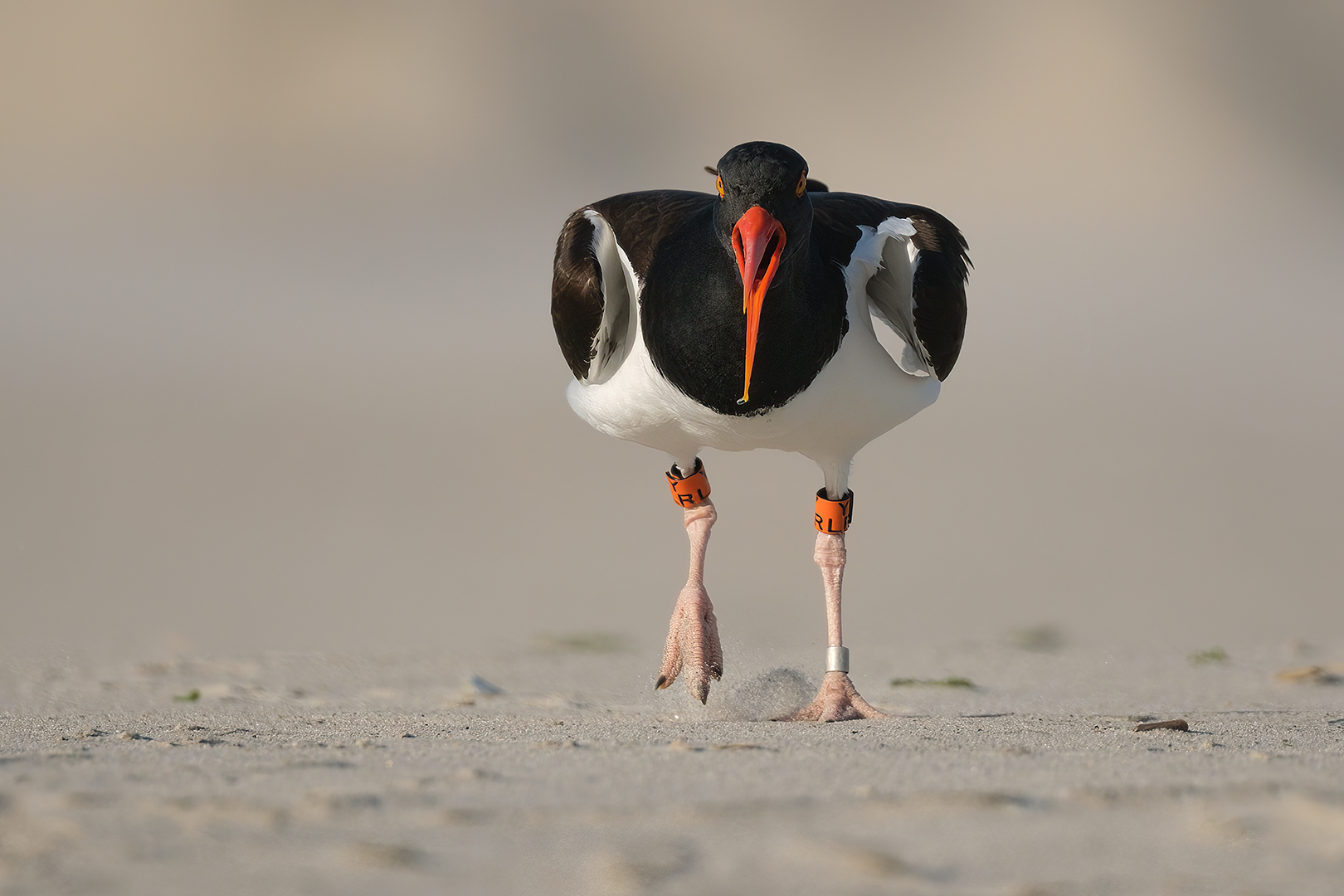
An American Oystercatcher approaches me at Nickerson Beach. Eventually it was too close to focus and we watched each other and the activity of the other Oystercatchers and the waves.
Morris
X-H2SNIKON AF-S NIKKOR 500mm f/5.6E PF ED VR lens500mmf/5.61/5000s400 ISO-0.3 EV
Lots of great bird pics here and yes probably enough wildlife photographers to have a dedicated thread/board.
I can wait to see what are Fuji next moves announcements. After the XH2S/XH2/XT5, I would love to see light/compact primes as nikon 300 or 500mm PF for example. I am also dreaming of a XT3S (old 26MP with next processor and algorithm middle range ) or a XT5S (new stacked 26MP, high end). Cheers everyone
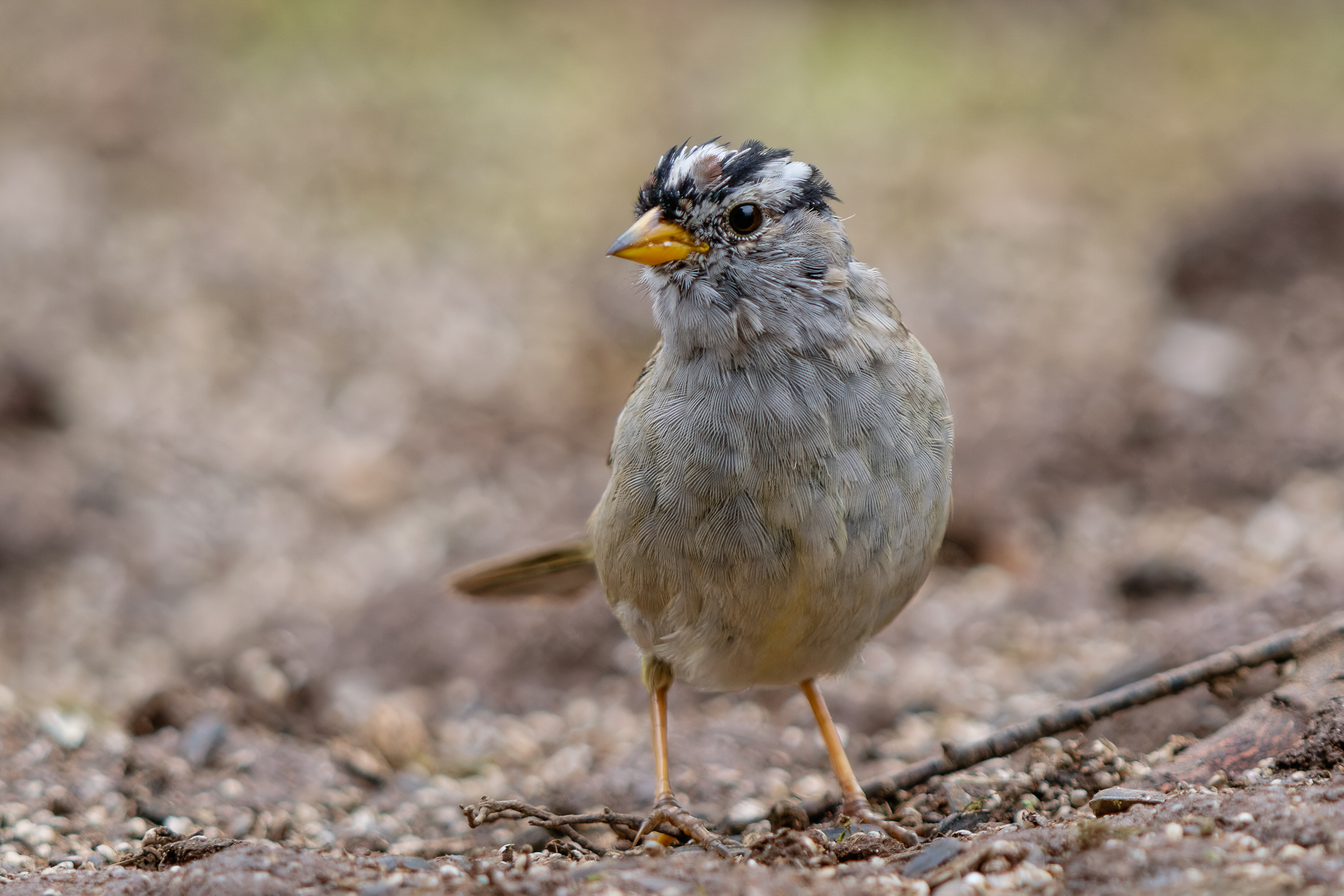
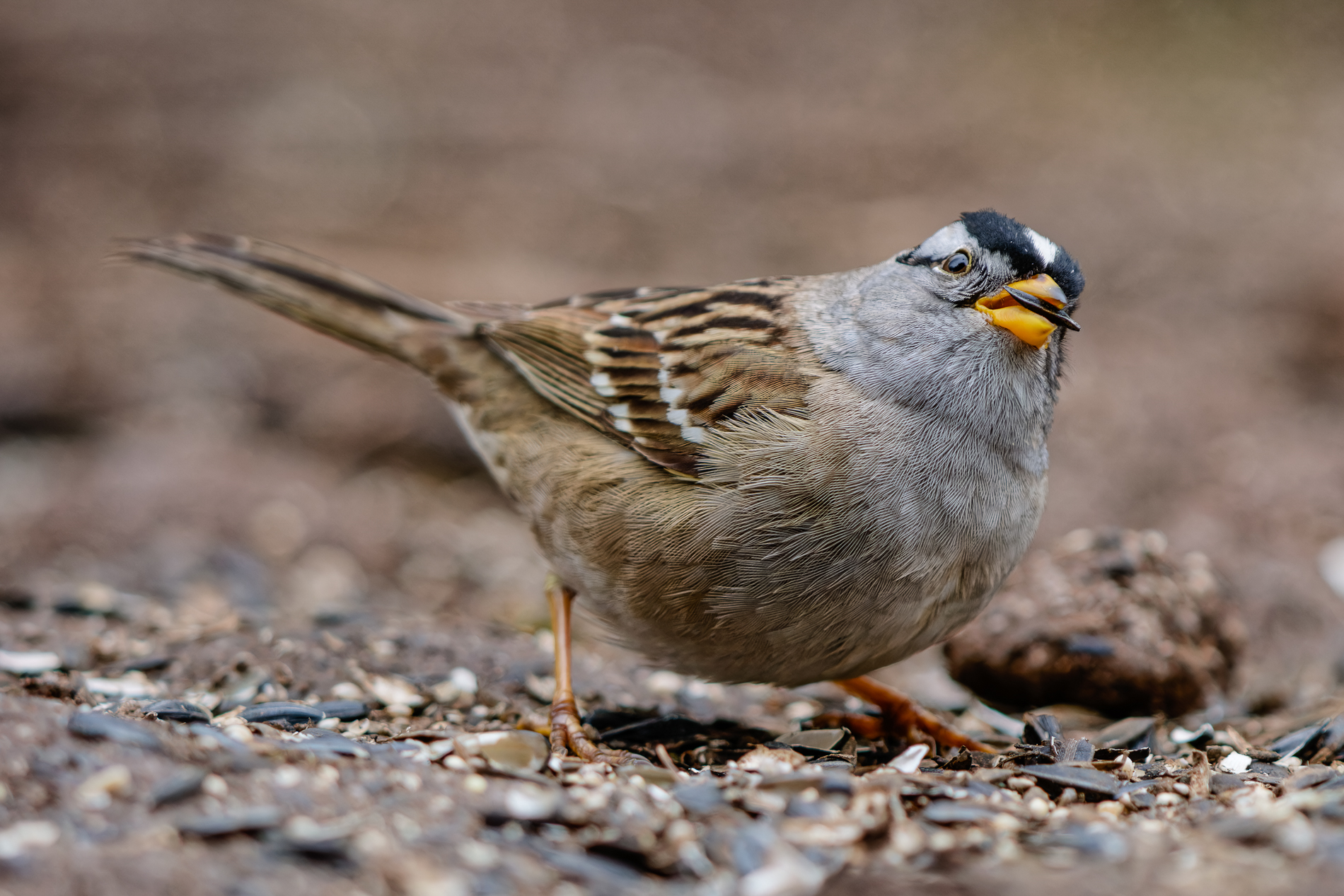
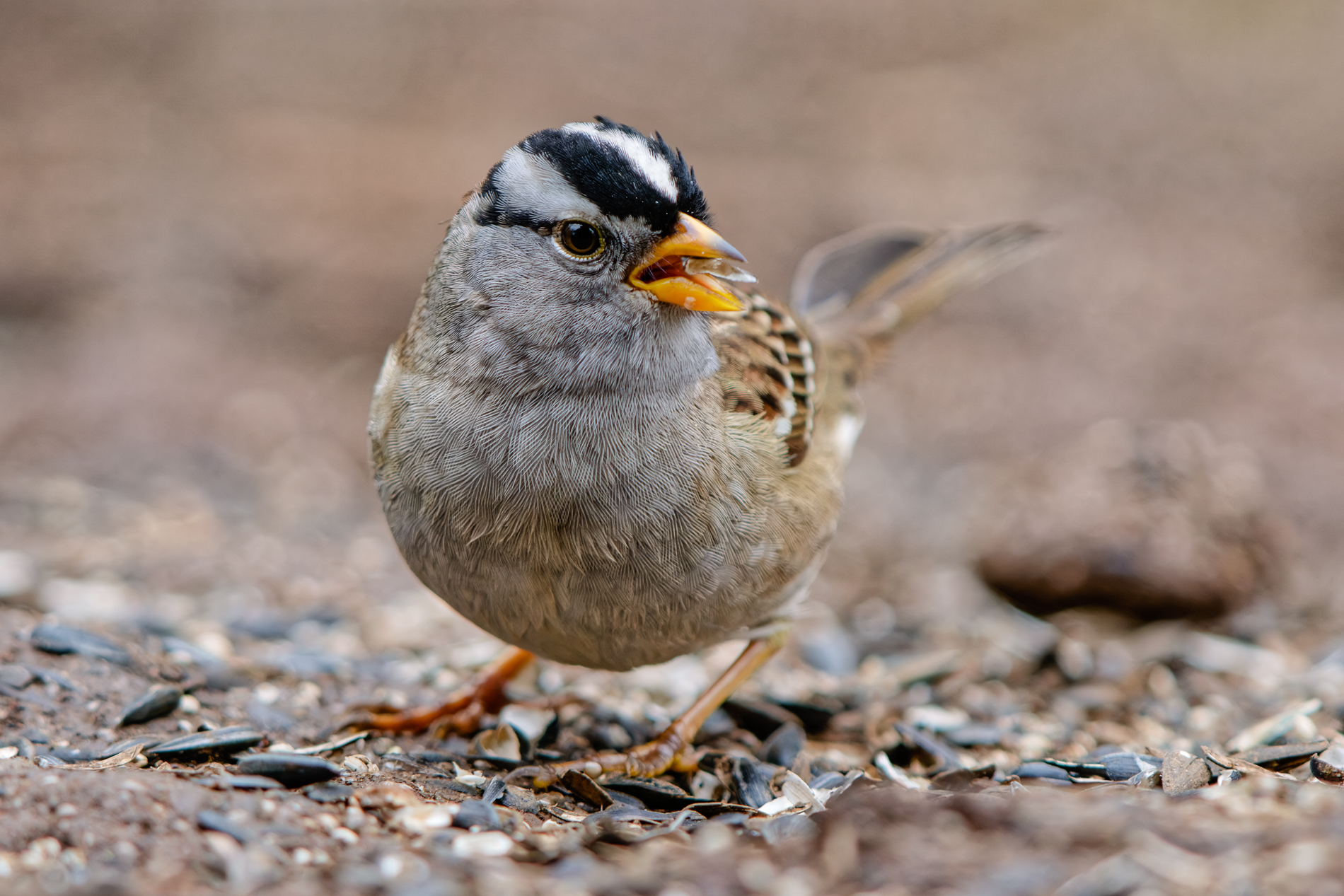
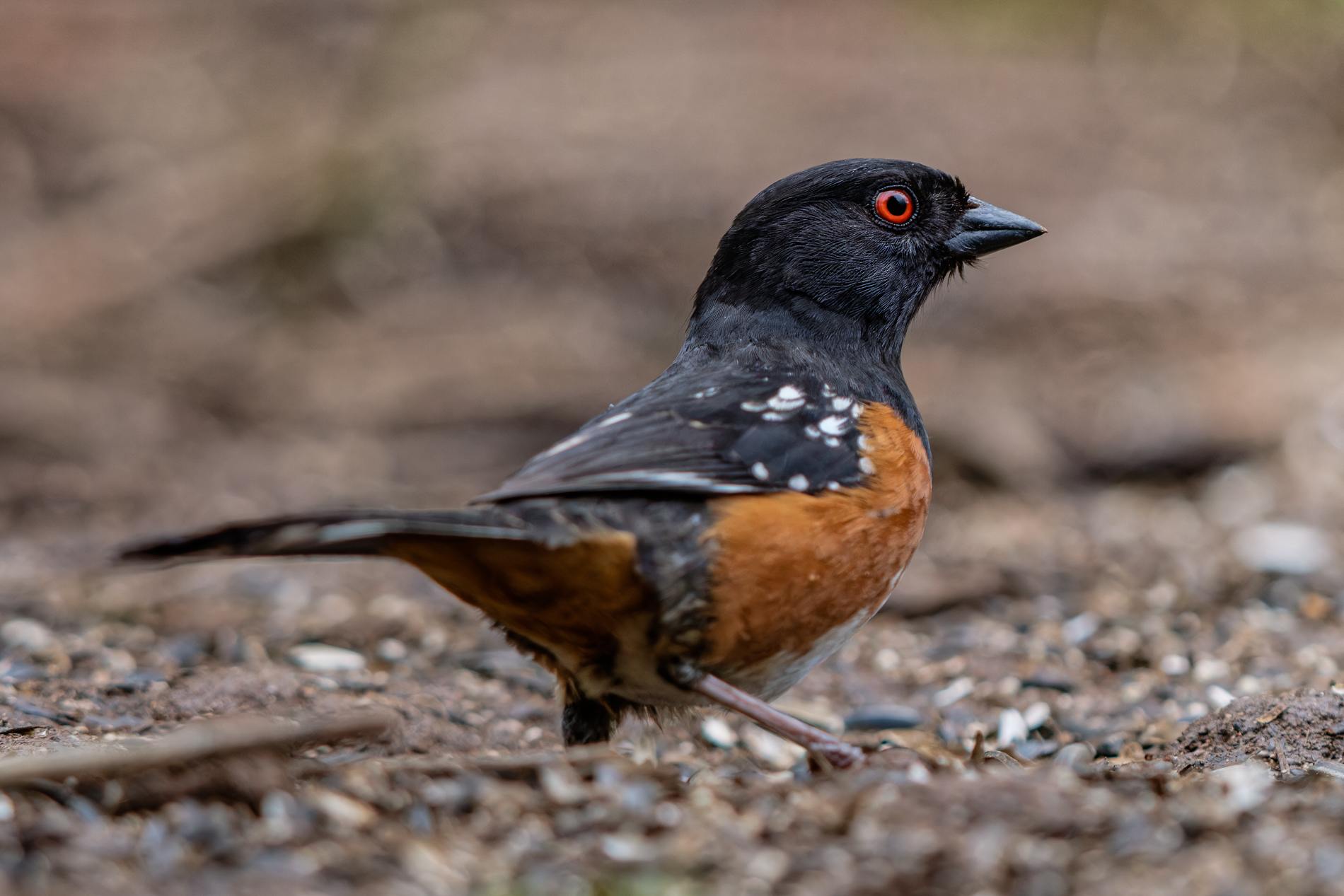
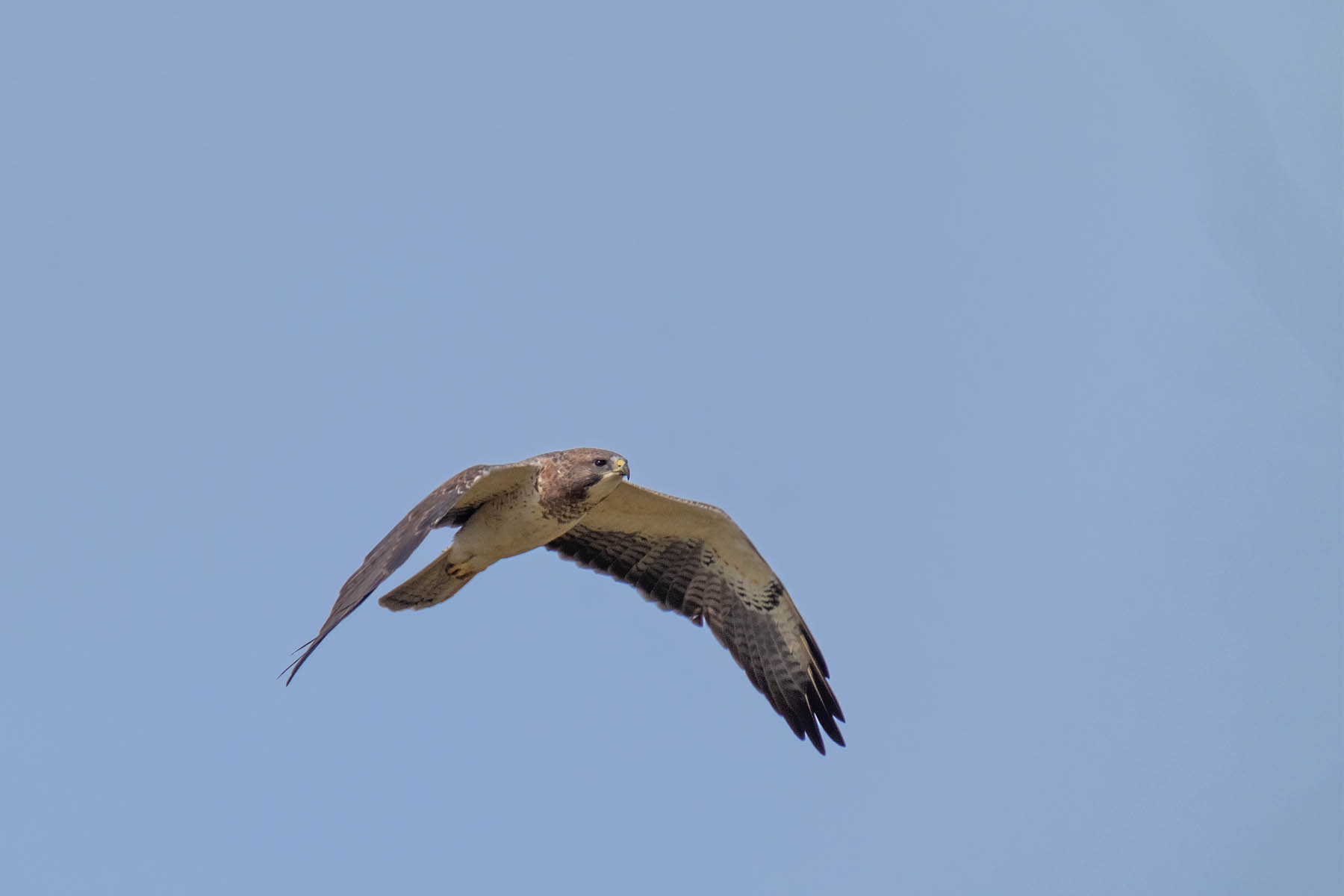
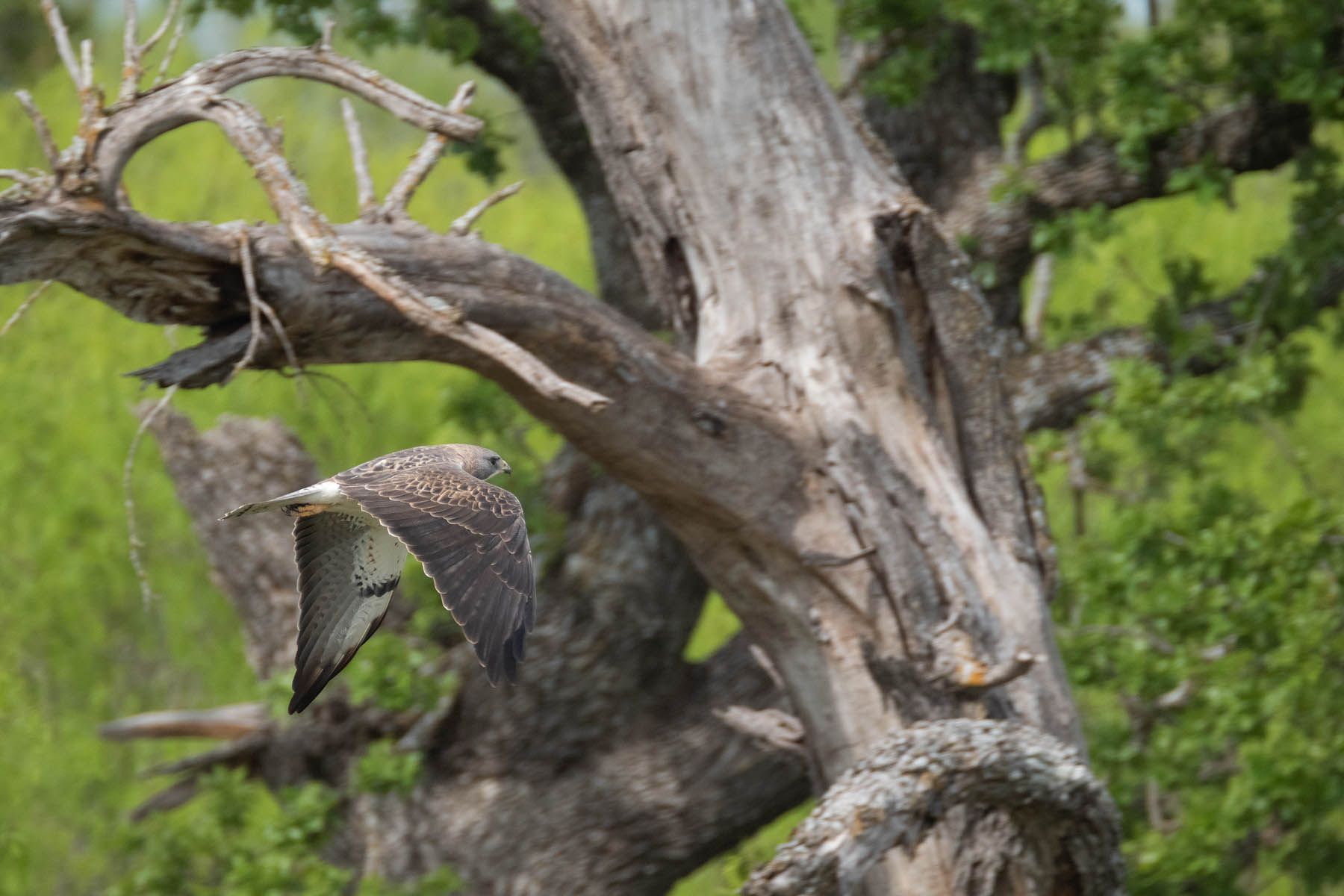
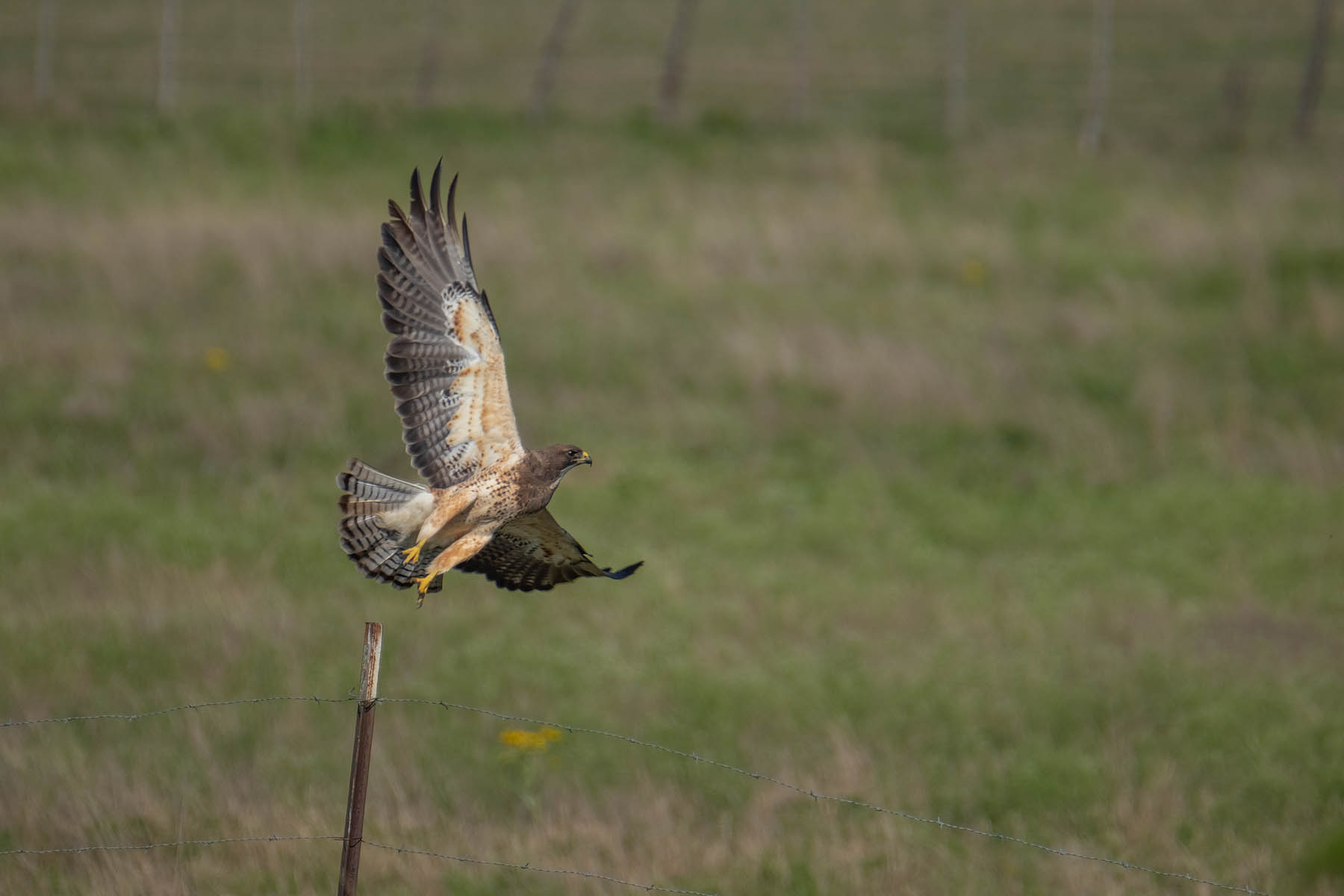
Finally I am finding some time to learn how to shoot the H2. It's tracking with the 100-400 w/1.4X is better than expected - even with cluttered background. Definitely preferring RAW's over jpeg's. However, I do wish it was a tad sharper with the 1.4X!
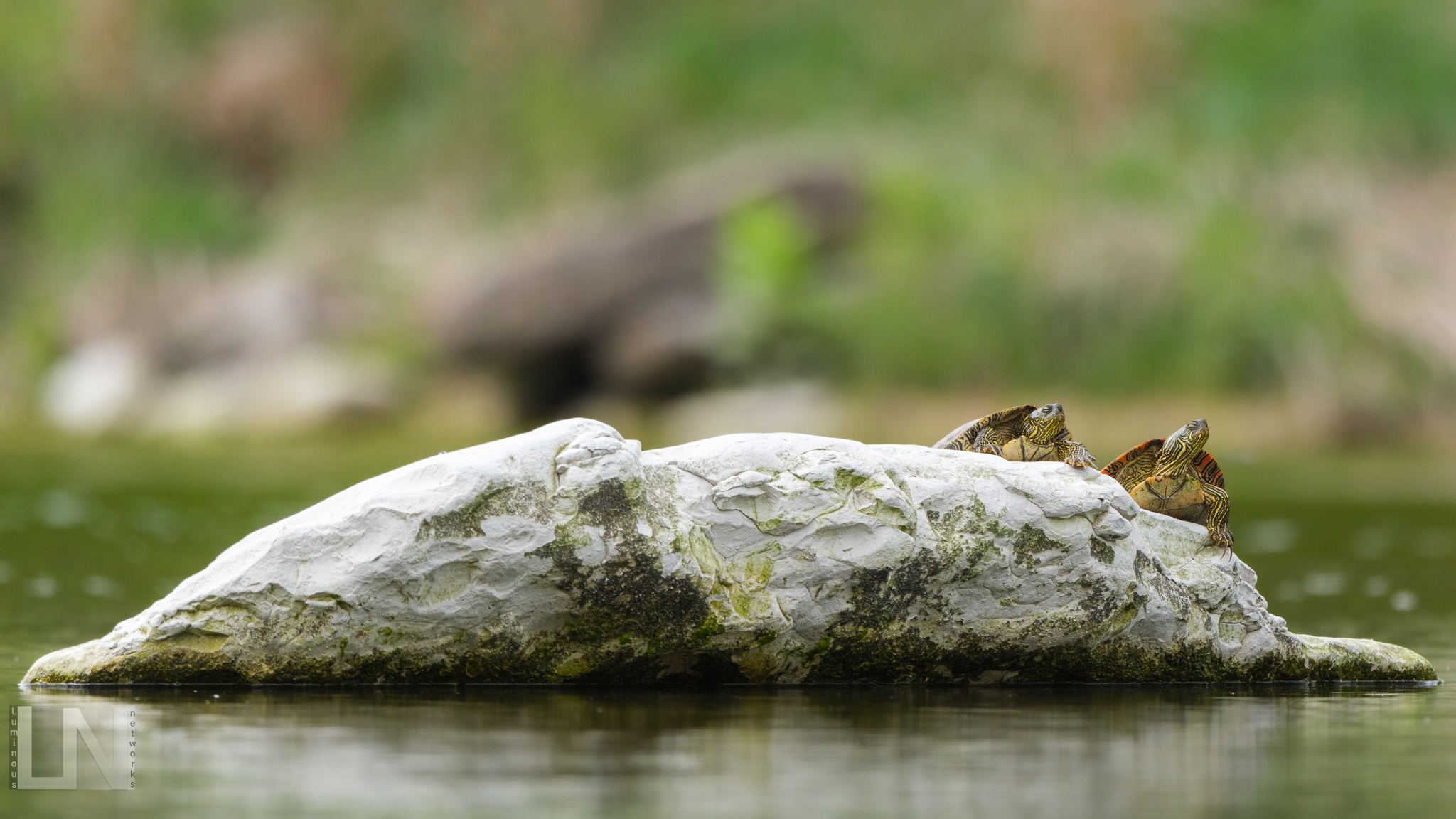
X-H2XF100-400mmF4.5-5.6 R LM OIS WR + 1.4x lens560mmf/9.01/1000s250 ISO0.0 EV
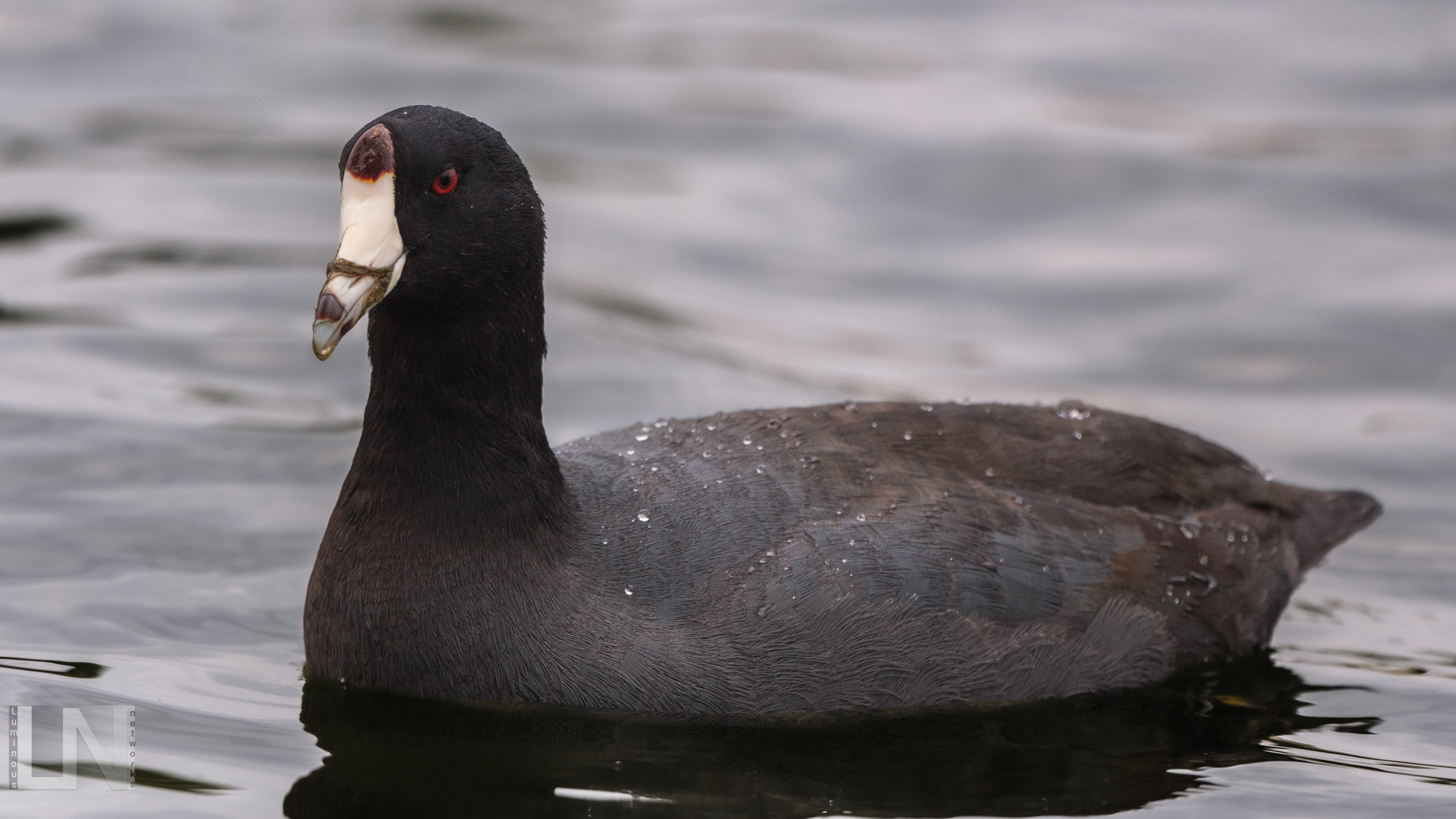
X-H2XF100-400mmF4.5-5.6 R LM OIS WR + 1.4x lens560mmf/8.01/1000s800 ISO0.0 EV
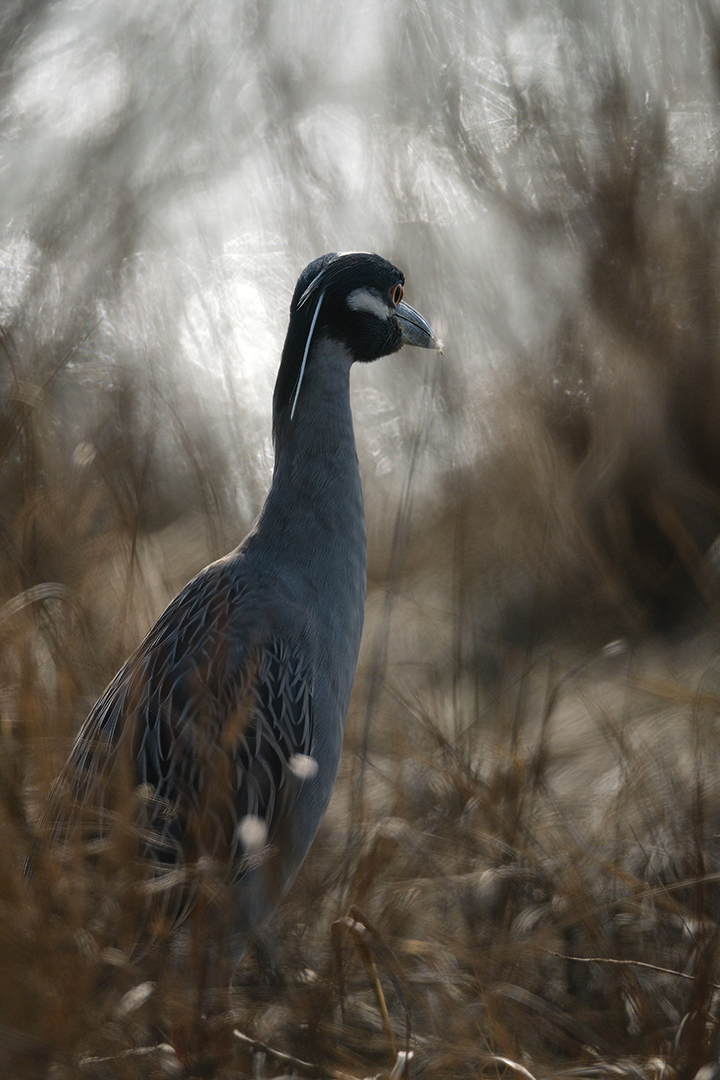
X-H2XF100-400mmF4.5-5.6 R LM OIS WR + 1.4x lens560mmf/8.01/1000s320 ISO0.0 EV
X-H2XF100-400mmF4.5-5.6 R LM OIS WR + 1.4x lens560mmf/8.01/1000s500 ISO0.0 EV
dbehrens wrote:
Finally I am finding some time to learn how to shoot the H2. It's tracking with the 100-400 w/1.4X is better than expected - even with cluttered background. Definitely preferring RAW's over jpeg's. However, I do wish it was a tad sharper with the 1.4X!
These look good. I have both the Canon 100-400 Mk2 and the Fuji 100-400 and use both with the Fuji X-H1. IMO, the Canon 100-400 Mk2 + Fuji 1.4X is very usable with the X-H1 and is a tad sharper than the Fuji 100-400 + Fuji 1.4X.
I usually stop the Canon + Fuji 1.4X down to f/9; seems to help local contrast a bit. I will use the Fuji 100-400 + 1.4X when I want a lighter rig as it is about 1lb lighter. Stop that down to f/9 as well.