gdanmitchell
Offline
• • • • • • •
Upload & Sell: Off
|
Joseph Marney wrote:
You are reading into my example quite a bit, and maybe haven't read my other posts. This was an example of an exposure pulled and downsized. I have also stated that the specks are visible in images that are not pushed. In this case, the right side of the image does not have visible specks when downsized, although it does at full size. Like most folks, my final images are not intended for 100% viewing, which typically allows for greater malleability - that's what I was looking for here.
I have already disclosed that I tend to push and pull a lot - particularly pushing shadows when exposed for the highlights. Doing so is far from a lens cap torture test. Nor am I in the habit of doing tests - I happened to notice the topic today and had seen it in images I'd recently taken, so I chimed in.
The discussion of what level of high ISO is right for each photographer is subject to tolerance, preference, display size, etc. The size and shape of the regular "grain" is definitely a matter of preference. But when we encounter irregular noise, such as banding, pattern noise, color shifts, and in this case, bright white specs, there is typically discussion about the phenomenon, if it is being experienced by all or most shooters of that camera, and if there is a way to mitigate it, such as using a different raw editor or adjusting NR setting in the camera.
For some use cases, ISO 6400 from an X-T4 is just fine. If, at the same settings, an X-H2 looks like it has dust on the photo...folks are going to point it out.
As an aside, I've gone through just about every brand and haven't found my glass slipper yet. For a while I was shooting GFX alongside X, which was great except for the price and weight of 2 systems. I travel a lot and prefer to have all my gear in my backpack when I fly. I also shoot a lot of hybrid events, photos and informal interview back to back.
Fuji X has a lot going for it in this workflow - I was able to capture a panel of space nerds at 8k, knowing I'd be producing at 1080P - allowing me to punch in to any of the panelists individually. Since I didn't have to work a second camera for video, I was able to work the room taking photos during the panel. The X system is the cheapest mirrorless setup that can do that right now, with the Canon R5 and glass being a significantly larger investment as the next step up. The lighter weight of the X system is also more gimbal friendly.
So there is a reason I'm shooting X, and no, it's not for high ISO malleability - but I'll always take what I can get. The "if it doesn't work for you shoot something else" is tiresome and unhelpful - every system has it's compromises, and folks are always going to try to get the most out of what they have. I could bitch about every one them.
All that being said, I probably will re-incorporate GFX back into my setup, or pivot back to Canon.
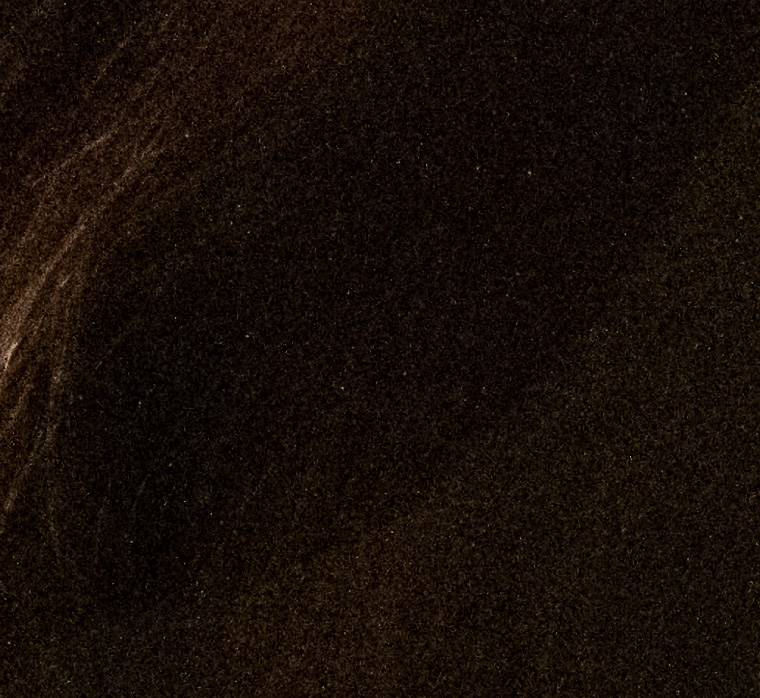
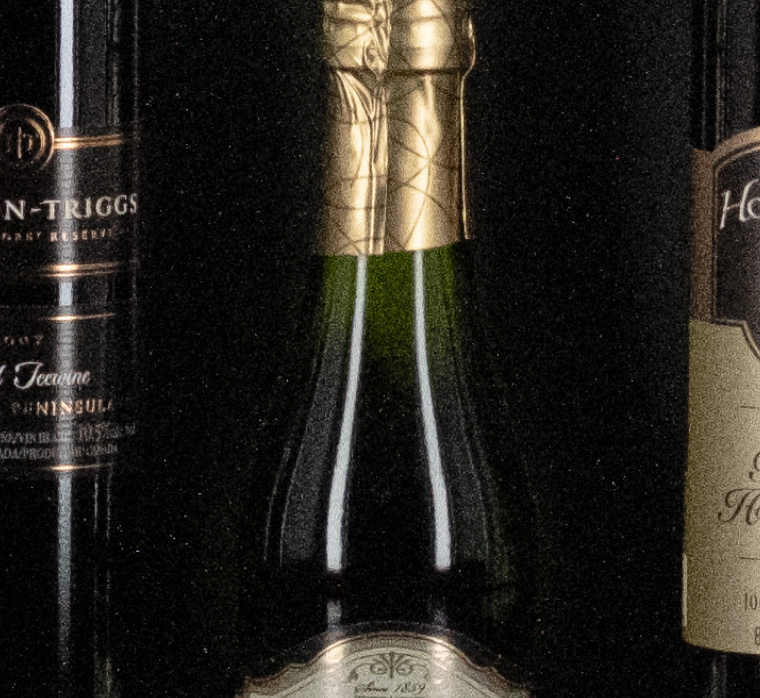
Anyway, I'm sorry if that image misled the discussion down a different path. The two images below are at correct, default exposure - the second being DPR's test studio scene.
...Show more →
I was actually going to mention GFX/Canon in my reply but decided to keep it generic and just mention larger sensor and lower MP count. Of course, Sony has some cameras that can do very well at super-high ISOs, and although I'm not familiar with them I'll be Nikon does, too.
|