Checklist When Buying an Used M10

p.2 #1Checklist When Buying an Used M10
Yes I echo all of the above. Congrats!!!!!
Now lets see a few photogrpahs.
Now lets see a few photogrpahs.
Aug 15, 2022 at 05:43 AM

p.2 #3Checklist When Buying an Used M10
Fred Miranda wrote:
For my usage, most important things to check:
1) Check if the rangefinder is well calibrated by testing it with a lens known to be calibrated. Test the vertical and horizontal alignment.
2) Check if the camera is fully functional but taking some pictures with it.
3) Test the hot-shoe electronics. See if it works with the Visoflex.
4) Turn off the camera and see if it fully turns off. (instead of just going in standby). I've seen cameras that do not shutdown completely.
5) Check for sensor bifurcation.
6) Check sensor for scratches. Dust is fine.
I've had my mind back / forth on which M10 for a while now. The potential issue of sensor bifurcation throws a new wrench into things. Raises a few questions:
1) How to best check for bifurcation when purchasing from fellow FM'ers
2) If a camera checks out at purchase, can the issue develop over time
3) What is Lecia's response to when you do find out that yours has an issue
4) Can it be resolved, or are you "stuck" with it.
Fred, did you ever see a bifurcation issue with any of the M10's (R / M) that you shot, owned or tested?
Aug 15, 2022 at 06:08 AM
p.2 #4Checklist When Buying an Used M10
Again the 24mp M 10 bifurcation is not an issue.
I believe it to be rare and not be the norm on the M 10 Mono or M 10 R.
I believe it to be rare and not be the norm on the M 10 Mono or M 10 R.
Aug 15, 2022 at 07:20 AM
p.2 #5Checklist When Buying an Used M10
RustyBug wrote:
1) Check if the rangefinder is well calibrated by testing it with a lens known to be calibrated. Test the vertical and horizontal alignment.
2) Check if the camera is fully functional but taking some pictures with it.
3) Test the hot-shoe electronics. See if it works with the Visoflex.
4) Turn off the camera and see if it fully turns off. (instead of just going in standby). I've seen cameras that do not shutdown completely.
5) Check for sensor bifurcation.
6) Check sensor for scratches. Dust is fine.I've had my mind back / forth on which M10 for a while now. The potential issue of sensor bifurcation throws a new wrench into things. Raises a few questions:
1) How to best check for bifurcation when purchasing from fellow FM'ers
2) If a camera checks out at purchase, can the issue develop over time
3) What is Lecia's response to when you do find out that yours has an issue
4) Can it be resolved, or are you "stuck" with it.
Fred, did you ever see a bifurcation issue with any of the M10's (R / M) that you shot, owned or tested?
You can check it by taking a picture of a solid color (like the sky) and in post, increasing contrast/clarity. It seems to be an issue with cameras with sensors that are optically stitched together. The sensor for certain M bodies are imaged during production in two halves, left and right.
The effect can be subtle or more severe. Apparently only Leica can fix it but I've read reports of people unhappy with the outcome.
It looks like it's more of an issue with the M9, M10-M, M10-R and M11 cameras.
I've seen it on a M10-R which was returned.
My advise when buying used is to ask the seller to take a picture of a blue sky. You will be able to check this before buying the camera. RF calibration is another issue but can be adjusted by the user.
Fred Miranda wrote
For my usage, most important things to check:1) Check if the rangefinder is well calibrated by testing it with a lens known to be calibrated. Test the vertical and horizontal alignment.
2) Check if the camera is fully functional but taking some pictures with it.
3) Test the hot-shoe electronics. See if it works with the Visoflex.
4) Turn off the camera and see if it fully turns off. (instead of just going in standby). I've seen cameras that do not shutdown completely.
5) Check for sensor bifurcation.
6) Check sensor for scratches. Dust is fine.
1) How to best check for bifurcation when purchasing from fellow FM'ers
2) If a camera checks out at purchase, can the issue develop over time
3) What is Lecia's response to when you do find out that yours has an issue
4) Can it be resolved, or are you "stuck" with it.
Fred, did you ever see a bifurcation issue with any of the M10's (R / M) that you shot, owned or tested?
You can check it by taking a picture of a solid color (like the sky) and in post, increasing contrast/clarity. It seems to be an issue with cameras with sensors that are optically stitched together. The sensor for certain M bodies are imaged during production in two halves, left and right.
The effect can be subtle or more severe. Apparently only Leica can fix it but I've read reports of people unhappy with the outcome.
It looks like it's more of an issue with the M9, M10-M, M10-R and M11 cameras.
I've seen it on a M10-R which was returned.
My advise when buying used is to ask the seller to take a picture of a blue sky. You will be able to check this before buying the camera. RF calibration is another issue but can be adjusted by the user.
Aug 15, 2022 at 09:24 AM
p.2 #6Checklist When Buying an Used M10
I think it is something one should check before buying but I have the origianl MM origianl M-E and I have an M 10 Mono and I have had no problems with it.
Aug 15, 2022 at 09:56 AM
p.2 #7Checklist When Buying an Used M10
airfrogusmc wrote:
Yes I echo all of the above. Congrats!!!!!
Now lets see a few photogrpahs.
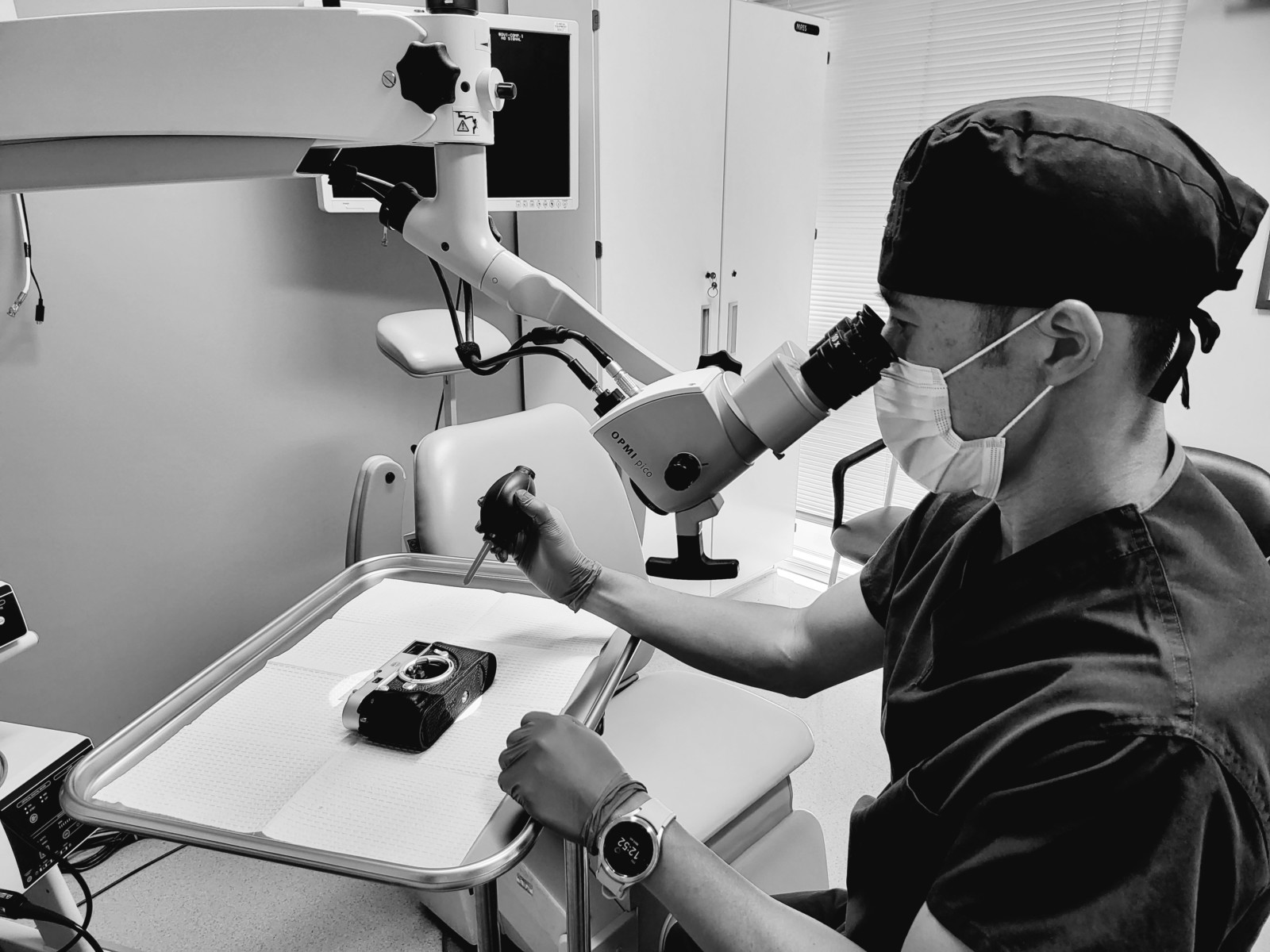
I refuse to take any real pictures until I get every last dust out.
Yes I echo all of the above. Congrats!!!!!
Now lets see a few photogrpahs.
I refuse to take any real pictures until I get every last dust out.
Aug 15, 2022 at 02:00 PM
p.2 #8Checklist When Buying an Used M10
Why didnt I make this thread when I was looking for a used m10 ?
?Aug 15, 2022 at 02:04 PM
p.2 #9Checklist When Buying an Used M10
gordec wrote:
Now lets see a few photogrpahs.I refuse to take any real pictures until I get every last dust out.
Ha ha looks like a surgical procedure. I hope it's outpatient...
airfrogusmc wrote
Yes I echo all of the above. Congrats!!!!!Now lets see a few photogrpahs.
Ha ha looks like a surgical procedure. I hope it's outpatient...
Aug 15, 2022 at 02:10 PM
p.2 #10Checklist When Buying an Used M10
crazeazn wrote:
Why didnt I make this thread when I was looking for a used m10?
How are you getting on with your M 10?
Why didnt I make this thread when I was looking for a used m10
?How are you getting on with your M 10?
Aug 15, 2022 at 02:11 PM
|
p.2 #11Checklist When Buying an Used M10
gordec wrote:
I refuse to take any real pictures until I get every last dust out.
A quick wet cleaning and the patient will be healed.
I refuse to take any real pictures until I get every last dust out.
A quick wet cleaning and the patient will be healed.
Aug 15, 2022 at 02:30 PM
p.2 #12Checklist When Buying an Used M10
1bwana1 wrote:
A quick wet cleaning and the patient will be healed.
There is actually a spot I just can't get out with the blower. Only noticeable f8 or higher. Not sure why I'm obsessing over it. Which wet cleaning do you use? Leica recommends using this sensor gel stick to remove stubborn dust. I'm a bit hesitant to try it.
gordec wrote
I refuse to take any real pictures until I get every last dust out.There is actually a spot I just can't get out with the blower. Only noticeable f8 or higher. Not sure why I'm obsessing over it. Which wet cleaning do you use? Leica recommends using this sensor gel stick to remove stubborn dust. I'm a bit hesitant to try it.
Aug 15, 2022 at 02:48 PM
p.2 #13Checklist When Buying an Used M10
I have never wet cleaned any of my Leica's. I do use an eyelead. Works great. Bought my last one from the Leica store im Miami.
Aug 15, 2022 at 03:20 PM
p.2 #14Checklist When Buying an Used M10
I've been using Eyelead adhesion swabs to dry clean all my camera sensor cover glass since I saw a Leica factory video with Leica employee using Eyelead swabs to dry clean Leica camera sensors before they were shipped out. Great product that goes along way to avoid a wet cleaning.
https://leicastoremiami.com/collections/eyelead/products/eyelead-sensor-cleaning-stick-kit-for-leica?variant=34243200123011
https://leicastoremiami.com/collections/eyelead/products/eyelead-sensor-cleaning-stick-kit-for-leica?variant=34243200123011
Aug 15, 2022 at 03:27 PM
p.2 #15Checklist When Buying an Used M10
LBJ2 wrote:
I've been using Eyelead adhesion swabs to dry clean all my camera sensor glass covers since I saw a Leica factory video with Leica employee using Eyelead swabs to dry clean Leica camera sensors before they were shipped out. Great product that goes along way to avoid a wet cleaning.
https://leicastoremiami.com/collections/eyelead/products/eyelead-sensor-cleaning-stick-kit-for-leica?variant=34243200123011
Thanks. That's the one I saw from the Leica Youtube video. I ordered this one from Amazon. Looks like the same thing. When you are using it, do you release the gel at an angle to avoid damage to the sensor like in this Leica video.
Cleaning Stick
Aug 15, 2022 at 03:35 PM
p.2 #16Checklist When Buying an Used M10
LBJ2 wrote:
I've been using Eyelead adhesion swabs to dry clean all my camera sensor cover glass since I saw a Leica factory video with Leica employee using Eyelead swabs to dry clean Leica camera sensors before they were shipped out. Great product that goes along way to avoid a wet cleaning.
https://leicastoremiami.com/collections/eyelead/products/eyelead-sensor-cleaning-stick-kit-for-leica?variant=34243200123011
I know the Eyelead is highly recommended but it left a mark on my Sony sensor once. To remove it I had to do a wet cleaning.
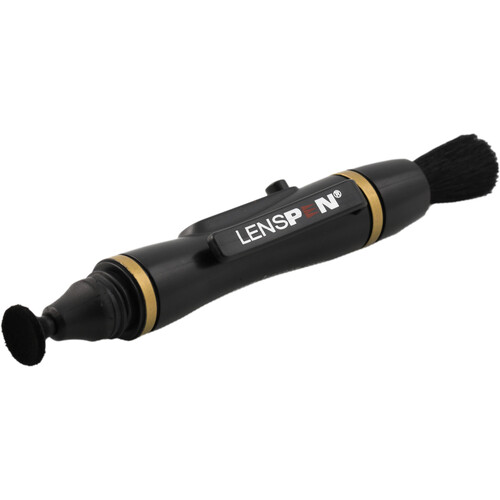
When there is stubborn dust, I use a LensPen instead. It works like a charm and I never had any issues.
I've been using Eyelead adhesion swabs to dry clean all my camera sensor cover glass since I saw a Leica factory video with Leica employee using Eyelead swabs to dry clean Leica camera sensors before they were shipped out. Great product that goes along way to avoid a wet cleaning.
https://leicastoremiami.com/collections/eyelead/products/eyelead-sensor-cleaning-stick-kit-for-leica?variant=34243200123011
I know the Eyelead is highly recommended but it left a mark on my Sony sensor once. To remove it I had to do a wet cleaning.
When there is stubborn dust, I use a LensPen instead. It works like a charm and I never had any issues.
Aug 15, 2022 at 03:38 PM
p.2 #17Checklist When Buying an Used M10
gordec wrote:
https://leicastoremiami.com/collections/eyelead/products/eyelead-sensor-cleaning-stick-kit-for-leica?variant=34243200123011Thanks. That's the one I saw from the Leica Youtube video. I ordered this one from Amazon. Looks like the same thing. When you are using it, do you release the gel at an angle to avoid damage to the sensor like in this Leica video.
Cleaning Stick
The good news is that we are actually dabbing/cleaning a sensor cover glass, not the sensor itself.
Here's an old video cleaning a DSLR, but gives you an idea how how to use the gel stick to dab spots off the sensor cover glass
https://fstoppers.com/reviews/how-clean-dust-your-dslr-sensor-sensor-gel-stick-8226#comment-thread
I'm not sure I understand your question "When you are using it, do you release the gel at an angle?" its a solid gel stick so you lightly press straight down on the spot(s) on the cover glass to lift off the spot. BTW I shine a small LED light to see the spots to clean, and then to confirm clean after wards. Personally, I only clean the spots, never the whole sensor/cover glass.
Edited on Aug 15, 2022 at 04:20 PM · View previous versions
LBJ2 wrote
I've been using Eyelead adhesion swabs to dry clean all my camera sensor glass covers since I saw a Leica factory video with Leica employee using Eyelead swabs to dry clean Leica camera sensors before they were shipped out. Great product that goes along way to avoid a wet cleaning.https://leicastoremiami.com/collections/eyelead/products/eyelead-sensor-cleaning-stick-kit-for-leica?variant=34243200123011
Cleaning Stick
The good news is that we are actually dabbing/cleaning a sensor cover glass, not the sensor itself.
Here's an old video cleaning a DSLR, but gives you an idea how how to use the gel stick to dab spots off the sensor cover glass
https://fstoppers.com/reviews/how-clean-dust-your-dslr-sensor-sensor-gel-stick-8226#comment-thread
I'm not sure I understand your question "When you are using it, do you release the gel at an angle?" its a solid gel stick so you lightly press straight down on the spot(s) on the cover glass to lift off the spot. BTW I shine a small LED light to see the spots to clean, and then to confirm clean after wards. Personally, I only clean the spots, never the whole sensor/cover glass.
Edited on Aug 15, 2022 at 04:20 PM · View previous versions
Aug 15, 2022 at 04:05 PM
p.2 #18Checklist When Buying an Used M10
Fred Miranda wrote:
https://leicastoremiami.com/collections/eyelead/products/eyelead-sensor-cleaning-stick-kit-for-leica?variant=34243200123011I know the Eyelead is highly recommended but it left a mark on my Sony sensor once. To remove it I had to do a wet cleaning.
When there is stubborn dust, I use a LensPen instead. It works like a charm and I never had any issues.
I use these lens pens to clean all my lenses, filters and even the EVF/OVF. They have different products for lenses, filters and EVF. I really like this product works very well for dry cleaning lenses, filters and EVF--I've never used it to clean a camera sensor.

https://lenspen.com/products/dslr-pro-kit
LBJ2 wrote
I've been using Eyelead adhesion swabs to dry clean all my camera sensor cover glass since I saw a Leica factory video with Leica employee using Eyelead swabs to dry clean Leica camera sensors before they were shipped out. Great product that goes along way to avoid a wet cleaning.https://leicastoremiami.com/collections/eyelead/products/eyelead-sensor-cleaning-stick-kit-for-leica?variant=34243200123011
When there is stubborn dust, I use a LensPen instead. It works like a charm and I never had any issues.
I use these lens pens to clean all my lenses, filters and even the EVF/OVF. They have different products for lenses, filters and EVF. I really like this product works very well for dry cleaning lenses, filters and EVF--I've never used it to clean a camera sensor.
https://lenspen.com/products/dslr-pro-kit
Aug 15, 2022 at 04:12 PM
p.2 #19Checklist When Buying an Used M10
Be careful. I have read some of the sticks from China and others that are not eyelead made for Leica are to sticky and can damage sensors.
Heres the Leica one from the Leica store in Miami
https://leicastoremiami.com/products/eyelead-sensor-cleaning-stick-kit-for-leica?variant=34243200123011
OPPPS looks like Fred beat me to the punch. Sorry.
Heres the Leica one from the Leica store in Miami
https://leicastoremiami.com/products/eyelead-sensor-cleaning-stick-kit-for-leica?variant=34243200123011
OPPPS looks like Fred beat me to the punch. Sorry.
Aug 15, 2022 at 04:17 PM
p.2 #20Checklist When Buying an Used M10
gordec wrote:
There is actually a spot I just can't get out with the blower. Only noticeable f8 or higher. Not sure why I'm obsessing over it. Which wet cleaning do you use? Leica recommends using this sensor gel stick to remove stubborn dust. I'm a bit hesitant to try it.
I had a bad experience with a gel stick back in my DSLR days. I bought what was supposed to be a top of the line German stick setup. It left residue on my sensor. I had to wet clean it to get it off. Possible it was a Chinese copy fraudulently sold as the good one. I know many Leica users have great success with the recommended gel stick so I would be tempted to try that first if you are not experienced with wet cleaning. Get the one from a Leica store to be safe. I will be ordering one myself.
I am pretty comfortable wet cleaning. I have done it many times now with good results. I have not yet had to do it on my M10-P. Blowing has always been enough. The closed shutter of the M10-P has worked very well in my experience.
I currently use this kit with Eclipse fluid wet cleaning.
https://www.bhphotovideo.com/c/product/1165579-REG/photographic_solutions_ultra_swab_type_3.html/qa
Aug 15, 2022 at 04:39 PM