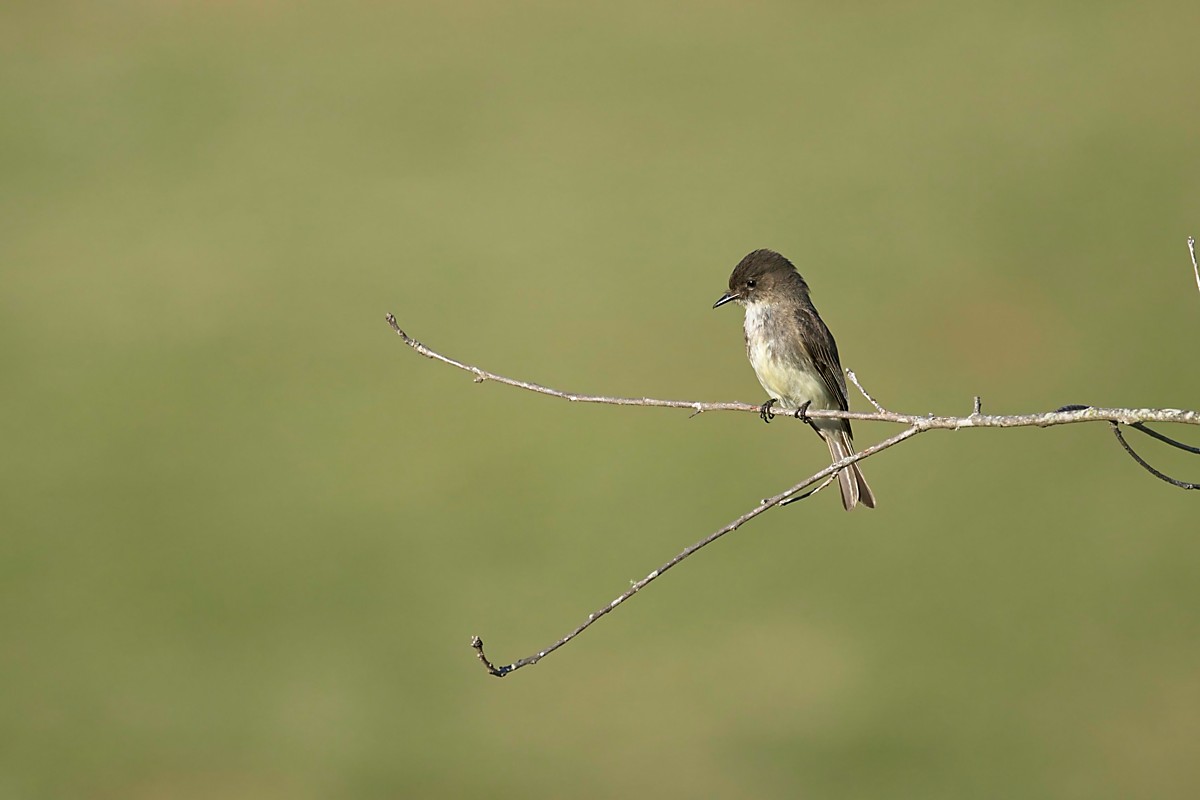
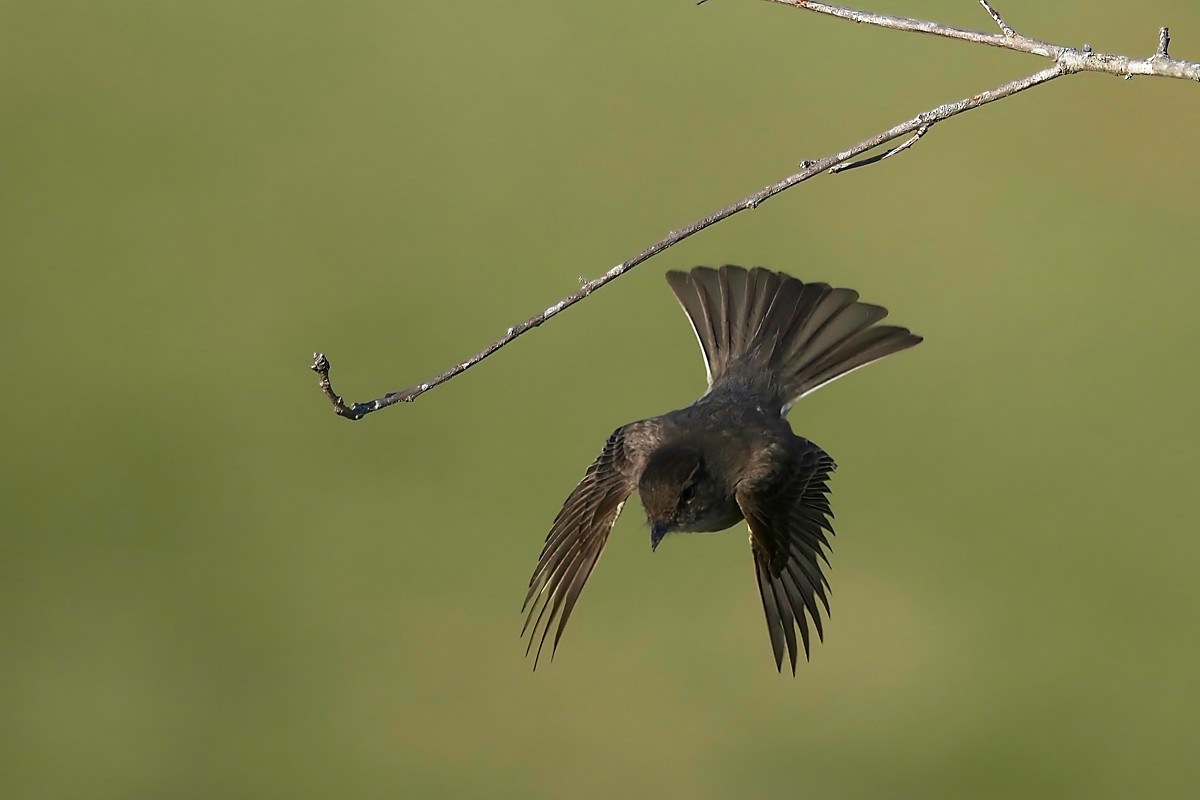
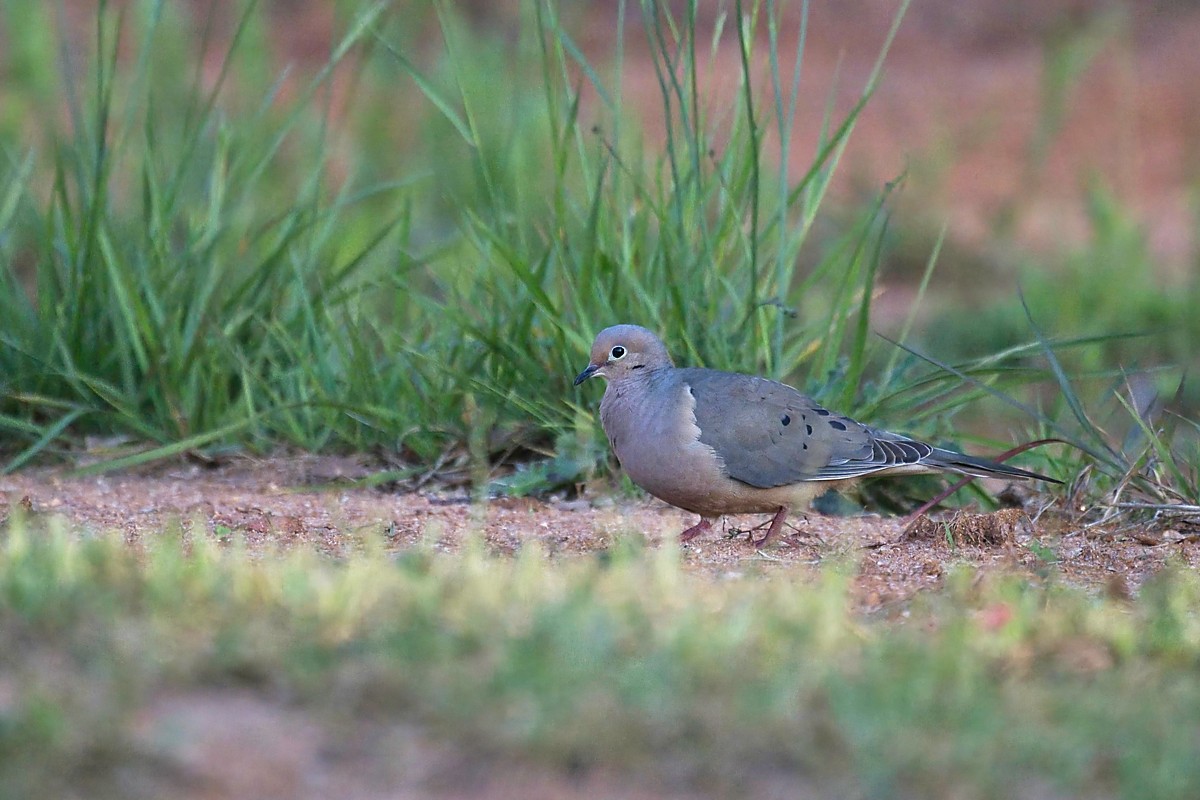
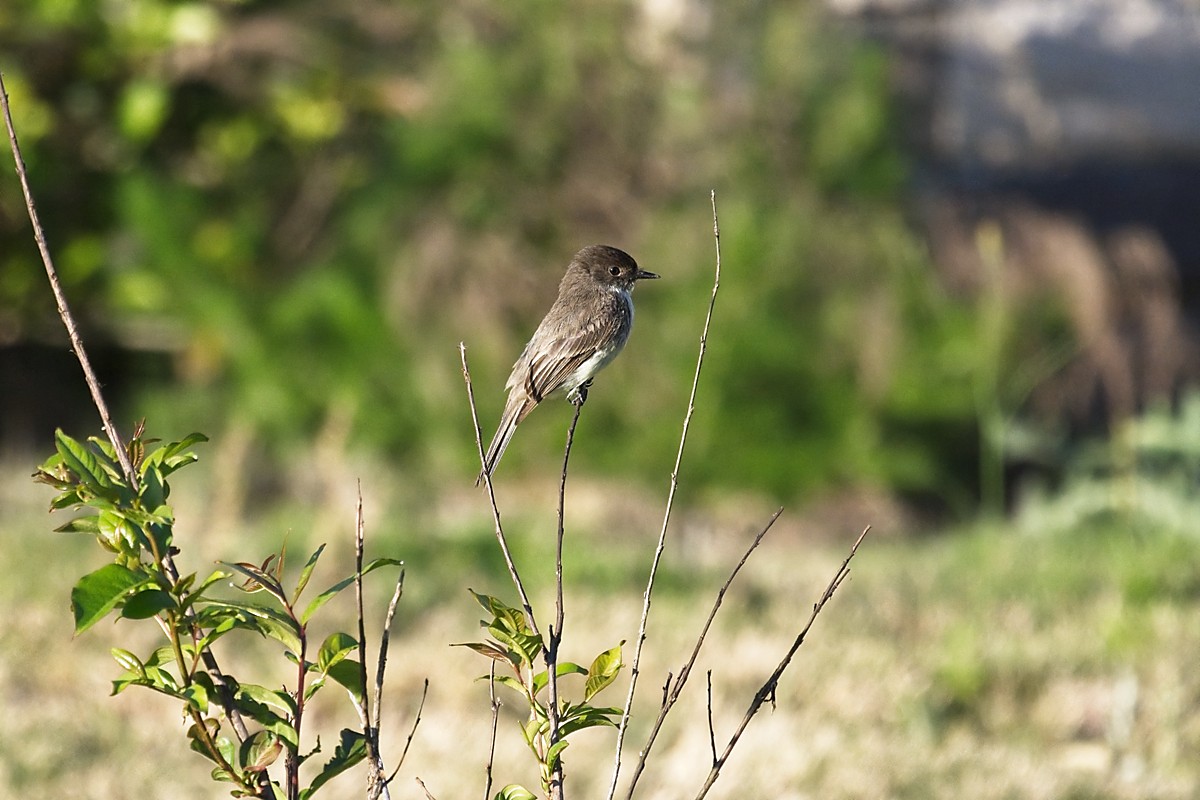
p.57 #1 · Official 800PF image and discussion thread
And Lance, those are super images too. Wow!
I read your point about the swallows. Yes, it must be very difficult to keep one of these speedsters (Ricky Simpson's name for them ) in the viewfinder.
I wonder if *some* (surely not all) of the outstanding swallow shots we see are gotten by setting up over small, natural pools that the birds are sure to pass over.
p.57 #2 · Official 800PF image and discussion thread
bs kite wrote:
Another spectacle of nature! Good job George! Thanks for description.
Did light from the flower help illuminate the bird?
Robert
Thanks Robert! The light from the flower is really the only illumination, no flash. I was surprised I got to see the bird this well when I checked it on the computer!
p.57 #8 · Official 800PF image and discussion thread
bs kite wrote:
And Lance, those are super images too. Wow!
I read your point about the swallows. Yes, it must be very difficult to keep one of these speedsters (Ricky Simpson's name for them ) in the viewfinder.
I wonder if *some* (surely not all) of the outstanding swallow shots we see are gotten by setting up over small, natural pools that the birds are sure to pass over.
Robert
Thank you very much, Robert. Much appreciated!
I am sure that the best swallow shots are in areas where there are easier to follow flight paths compared to where I was. Either that or there are many shots taken but many deleted. I would also say that there are people with better swallow following skills than I. 🙂
p.57 #9 · Official 800PF image and discussion thread
The spring has been pretty cold but the weather has finally changed & the migration picked up in the last couple weeks. A bunch of my keepers from the last weekend.
p.57 #13 · Official 800PF image and discussion thread
First time birding. It was really fun and I’m hooked. A lot to learn about this type of shooting. Nothing special but fun. These were all 800mm with tc 2x. Very relaxing and addictive.
Still learning the z9 and the focusing modes and options. Always used single point on dslr’s, this auto tracking is fun to play with.
p.57 #15 · Official 800PF image and discussion thread
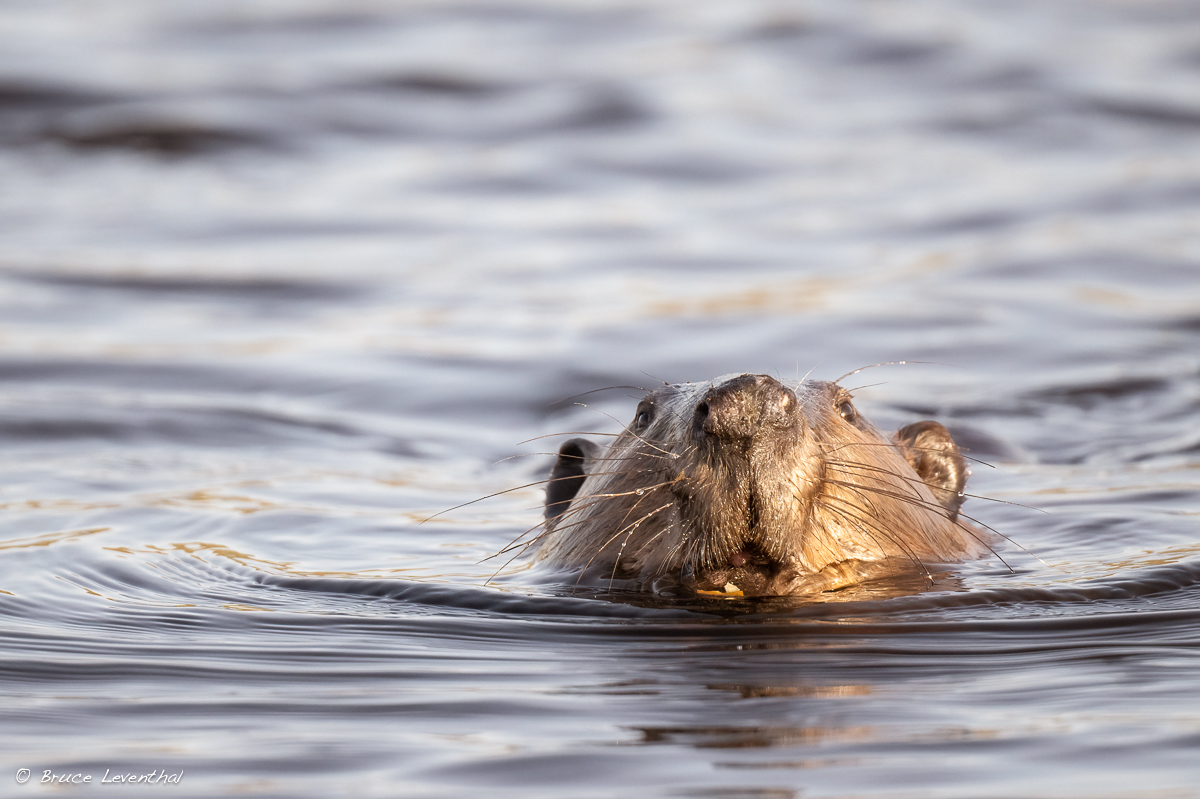
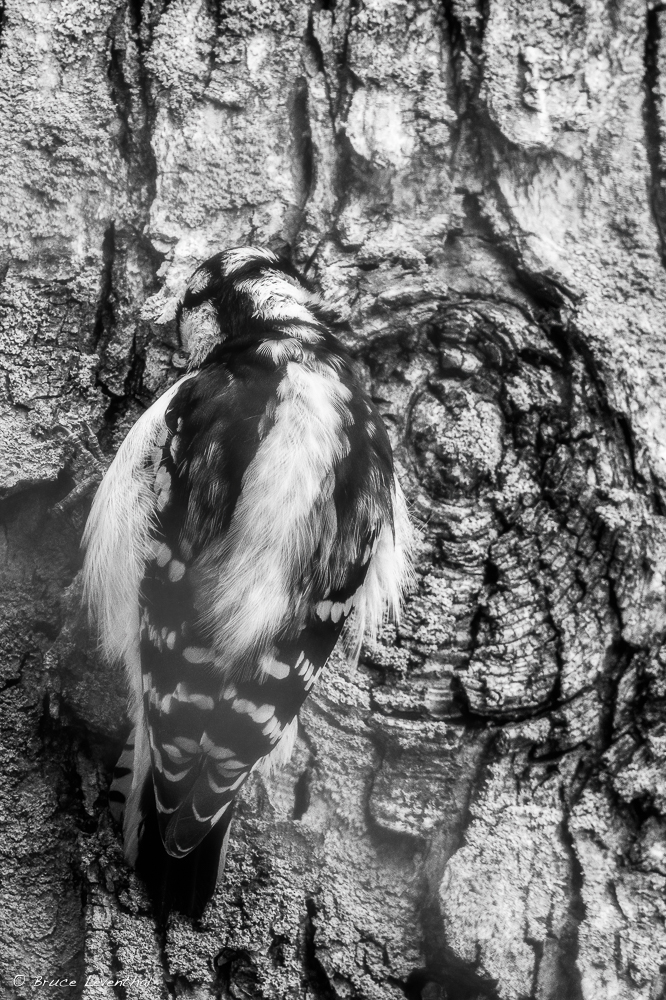
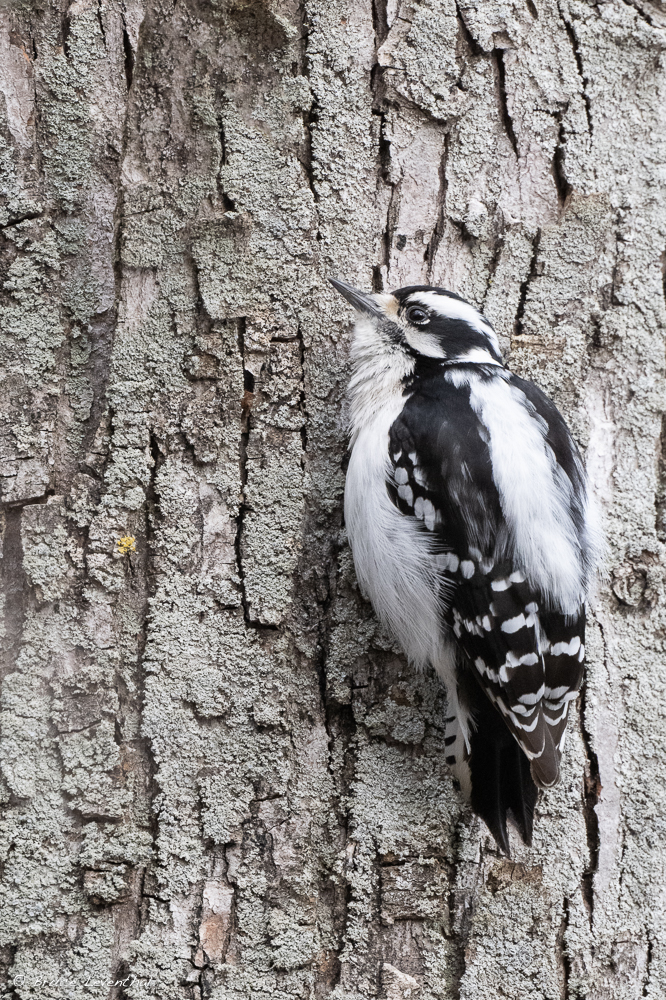
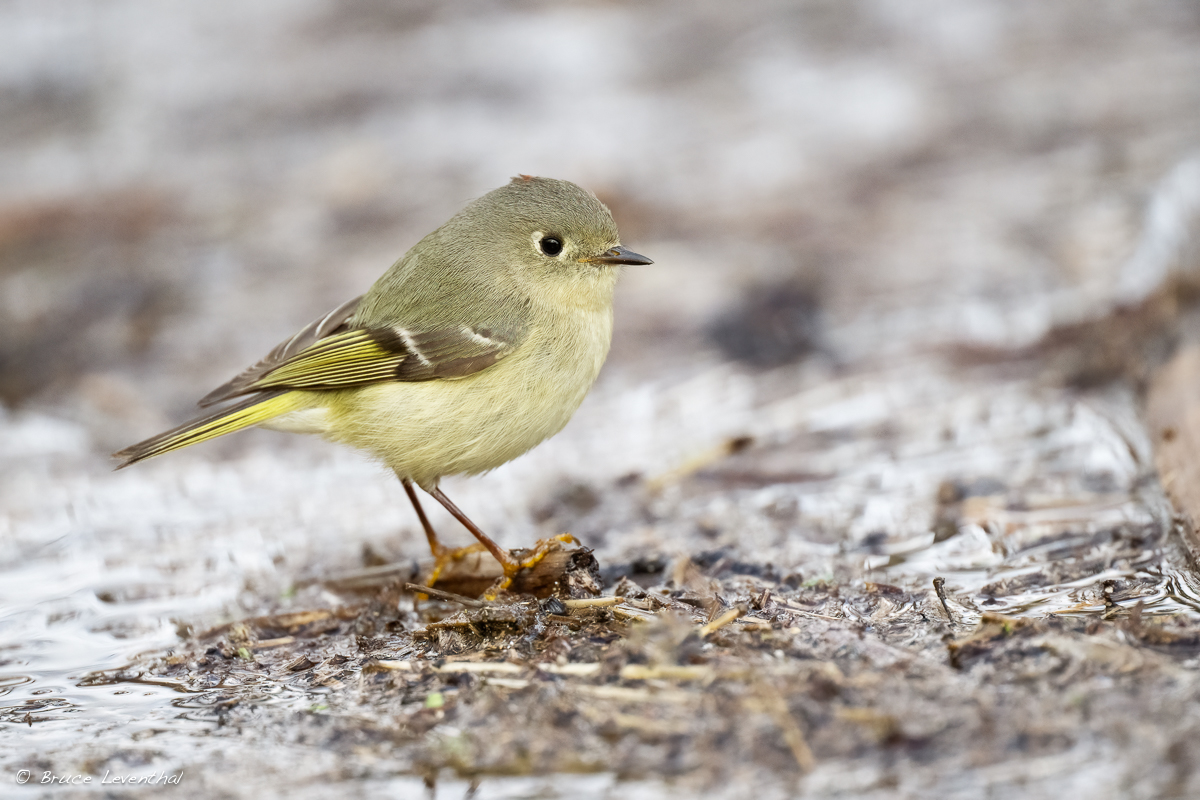
I'm still trying to figure out how this lens fits into my photography... it definitely allows me to narrow my perspective and focus on the core elements of my subjects. However, the lens requires a full commitment to its use... not an easy lens to change into or away from when trying to work fast...
bruce
NIKON Z 9NIKKOR Z 800mm f/6.3 VR S lens800mmf/6.31/2000s1800 ISO+0.7 EV
p.57 #16 · Official 800PF image and discussion thread
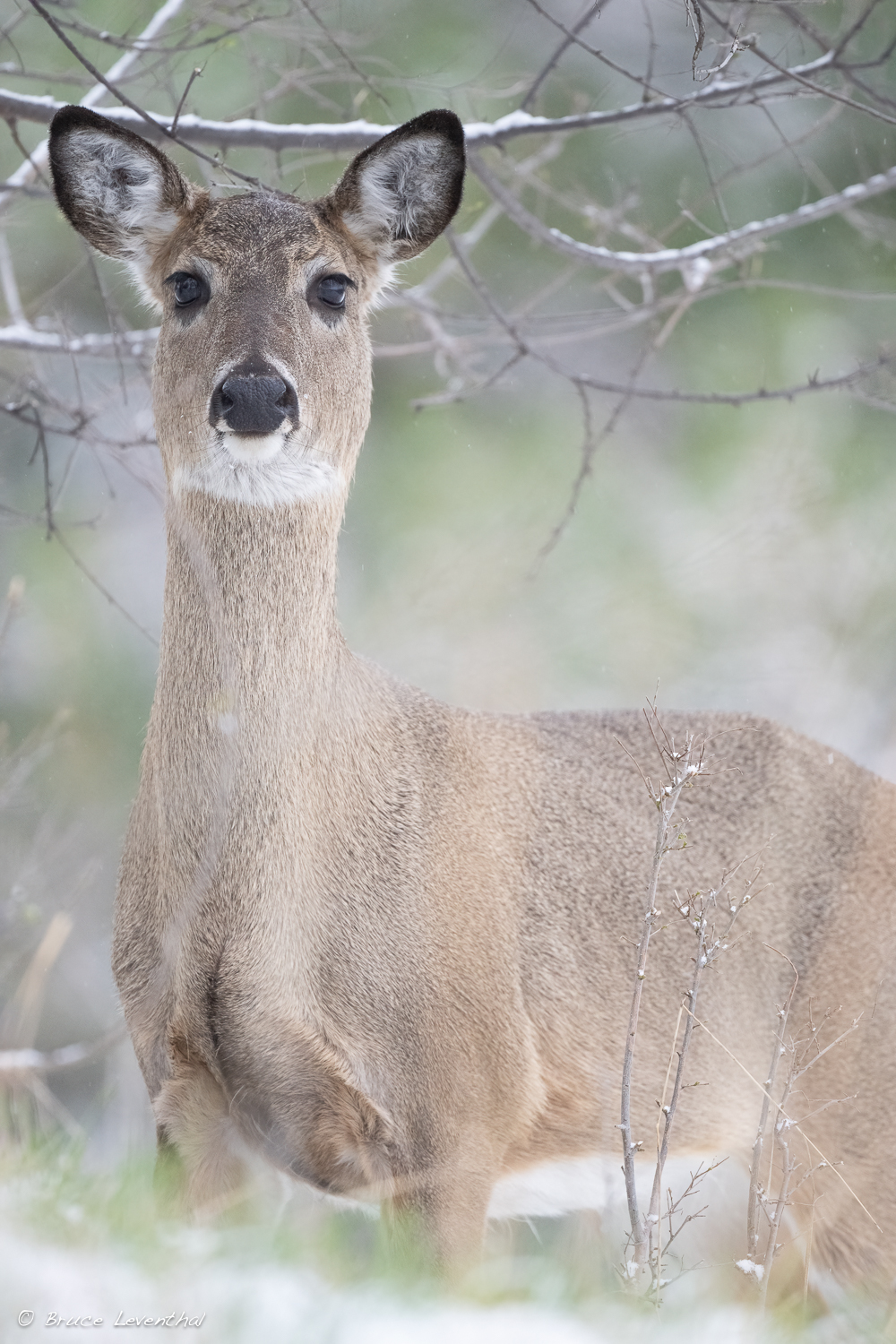
What I got from your posts and images in the past is that you enjoy woodland habitats. I can recall many portraits of individual deer looking back at you from short distances in a local woodland you frequent. And I seem to recall that you like to include more habitat in the image than most wildlife photographers will include.
You may still be anticipating the 200-600. I am too. Weight has become a limiting and deciding factor for me. I'm tired of lugging/lifting my bazooka (200-500). And I almost always favor the 500PF.
Now that new 400 that everyone raves about is an exciting lens.
p.57 #17 · Official 800PF image and discussion thread
bs kite wrote:
What I got from your posts and images in the past is that you enjoy woodland habitats. I can recall many portraits of individual deer looking back at you from short distances in a local woodland you frequent. And I seem to recall that you like to include more habitat in the image than most wildlife photographers will include.
You may still be anticipating the 200-600. I am too. Weight has become a limiting and deciding factor for me. I'm tired of lugging/lifting my bazooka (200-500). And I almost always favor the 500PF.
Now that new 400 that everyone raves about is an exciting lens. ...Show more →
I am at a crossroads with my gear right now and trying build a kit that is portable, flexible, and versatile. The 800PF has been a remarkable lens, but owning it has caused me to change my focus away from subjects that excite me to subjects I can photograph with an 800mm lens... does this make sense? Some of this shift is due to my love affair with the Z9. The cameras is so good and enjoyable to shoot that the lens with that camera attached is the lens that I use.
As of this moment, I currently have a Z9, Z6II, 24-120, 100-400, 400 f4.5, and 800PF. Ideally, I'd replace the Z6II with another Z9 to have a one battery system and the 400 f/4.5/800PF with the 400mm f2.8S w/ built-in 1.4x. Unfortunately, the lens solution is quite cost prohibitive, as is the body solution. While the 200-600 appears to be a versatile alternative, its designation as a non-S lens suggests that its build will be less robust and it will lack some of the exotic glass and coatings that make the 400 f4.5S a remarkable lens.
My do no harm solution would be to sell the Z6II and replace it with the Z8. While I will not gain battery compatibility, I will get the AF and ergonomics that I love in the Z9. I can add a 1.4x converter to my kit and create a "light" bag that omits the 800PF. If I go this route, the 800PF will be relegated to "special" situations like roadtrips and seasonal migrations. I tend to be a practical guy who likes to carry and shoot what they own... owning a $6700 lens that does not get a lot of use rubs me wrong, but I think I just need to get over it.
Attached are a few more w/ the 800PF, as this is an 800PF thread.
cheers,
bruce
NIKON Z 9NIKKOR Z 800mm f/6.3 VR S lens800mmf/6.31/250s3200 ISO+0.3 EV
NIKON Z 9NIKKOR Z 800mm f/6.3 VR S lens800mmf/9.01/800s3200 ISO0.0 EV
NIKON Z 9NIKKOR Z 800mm f/6.3 VR S lens800mmf/9.01/800s3200 ISO0.0 EV
NIKON Z 9NIKKOR Z 800mm f/6.3 VR S lens800mmf/6.31/1600s3200 ISO+0.3 EV
p.57 #18 · Official 800PF image and discussion thread
Just came back from a short camping vacation in the south central BC and while it was a 1st such trip with our 7 month toddler I still managed to fit a bit of birding in and photograph some species I've never photographed before.
"Through the summer months, Clark's nutcrackers supplement their diet with insects and berries but, come early fall, they start to collect and store their favourite food: the seeds of limber and whitebark pine. Both species have challenges of their own. Neither has a "seed wing" to help with distribution of seeds. The heavy limber pine seeds fall straight to the ground under the tree, while whitebark seeds are trapped in the cone, until Clark's nutcracker breaks them free with its beak.
Then the hard work really begins. Individuals have been reported to collect as many as 35,000 seeds in a year, carrying them more than 10 kilometres away. The bird then uses its beak to dig shallow holes in the ground, typically hiding four to five seeds, though sometimes as many as 15, in each cache.
Clark's nutcracker will never eat all the seeds. It stores them as an insurance policy against theft by squirrels and other animals. That means only a portion of the seeds are ever recovered and the rest may take root, resulting in new trees."
p.57 #19 · Official 800PF image and discussion thread
OwlsEyes wrote:
I am at a crossroads with my gear right now and trying build a kit that is portable, flexible, and versatile. The 800PF has been a remarkable lens, but owning it has caused me to change my focus away from subjects that excite me to subjects I can photograph with an 800mm lens... does this make sense? Some of this shift is due to my love affair with the Z9. The cameras is so good and enjoyable to shoot that the lens with that camera attached is the lens that I use.
As of this moment, I currently have a Z9, Z6II, 24-120, 100-400, 400 f4.5, and 800PF. Ideally, I'd replace the Z6II with another Z9 to have a one battery system and the 400 f/4.5/800PF with the 400mm f2.8S w/ built-in 1.4x. Unfortunately, the lens solution is quite cost prohibitive, as is the body solution. While the 200-600 appears to be a versatile alternative, its designation as a non-S lens suggests that its build will be less robust and it will lack some of the exotic glass and coatings that make the 400 f4.5S a remarkable lens.
My do no harm solution would be to sell the Z6II and replace it with the Z8. While I will not gain battery compatibility, I will get the AF and ergonomics that I love in the Z9. I can add a 1.4x converter to my kit and create a "light" bag that omits the 800PF. If I go this route, the 800PF will be relegated to "special" situations like roadtrips and seasonal migrations. I tend to be a practical guy who likes to carry and shoot what they own... owning a $6700 lens that does not get a lot of use rubs me wrong, but I think I just need to get over it.
Attached are a few more w/ the 800PF, as this is an 800PF thread.
cheers,
bruce
All that seems very understandable. I imagine that using the 800mm for something other than birds would be a little difficult. I seem to remember that you’ve always wanted the 180-400mm from Nikon. They’ve come down on the used market to about the same price as the 800mm. Just curious, but would you ever sell/trade the 800mm for rhe 180-400mm? If not, is it because you’d find the adapter too annoying to deal with?
p.57 #20 · Official 800PF image and discussion thread
I was supposed to post more birds from the interior of BC but I got something even more exciting during my sunrise outing today (last day of my mini vacation before I get back to the dull corporate life tomorrow).
A group of American White Pelicans (likely en route to their colony near Williams Lake). Lifer and a real rarity to see in Metro Vancouver. TC1.4 was useful for some of those (the birds were out in the marsh without any closer access possible). Made my morning.
White Pelican Provincial Park, located northwest of Williams Lake on the Chilcotin Plateau, provides a sanctuary for one of the world’s most beautiful birds, the White Pelican. The park incorporates and completely surrounds Stum Lake, and is managed exclusively to protect the provincial pelican population.
Stum Lake (also known as Pelican Lake) is closed to the public from March 1 to August 31 every year to protect the White Pelican nesting colony, as they are very sensitive to disturbance during nesting. The park provides a critical buffer to the only nesting colony in B.C. At other nesting locations in North America, disturbances caused by boats, low flying aircraft or people walking through the colonies have resulted in serious losses, even the complete abandonment of the nests. The park closure prohibits canoeing, boating, hunting, trapping, discharge of firearms, aircraft operation below 600 metres in elevation, and aircraft are prohibited from landing on Stum Lake during this period.


 ) in the viewfinder.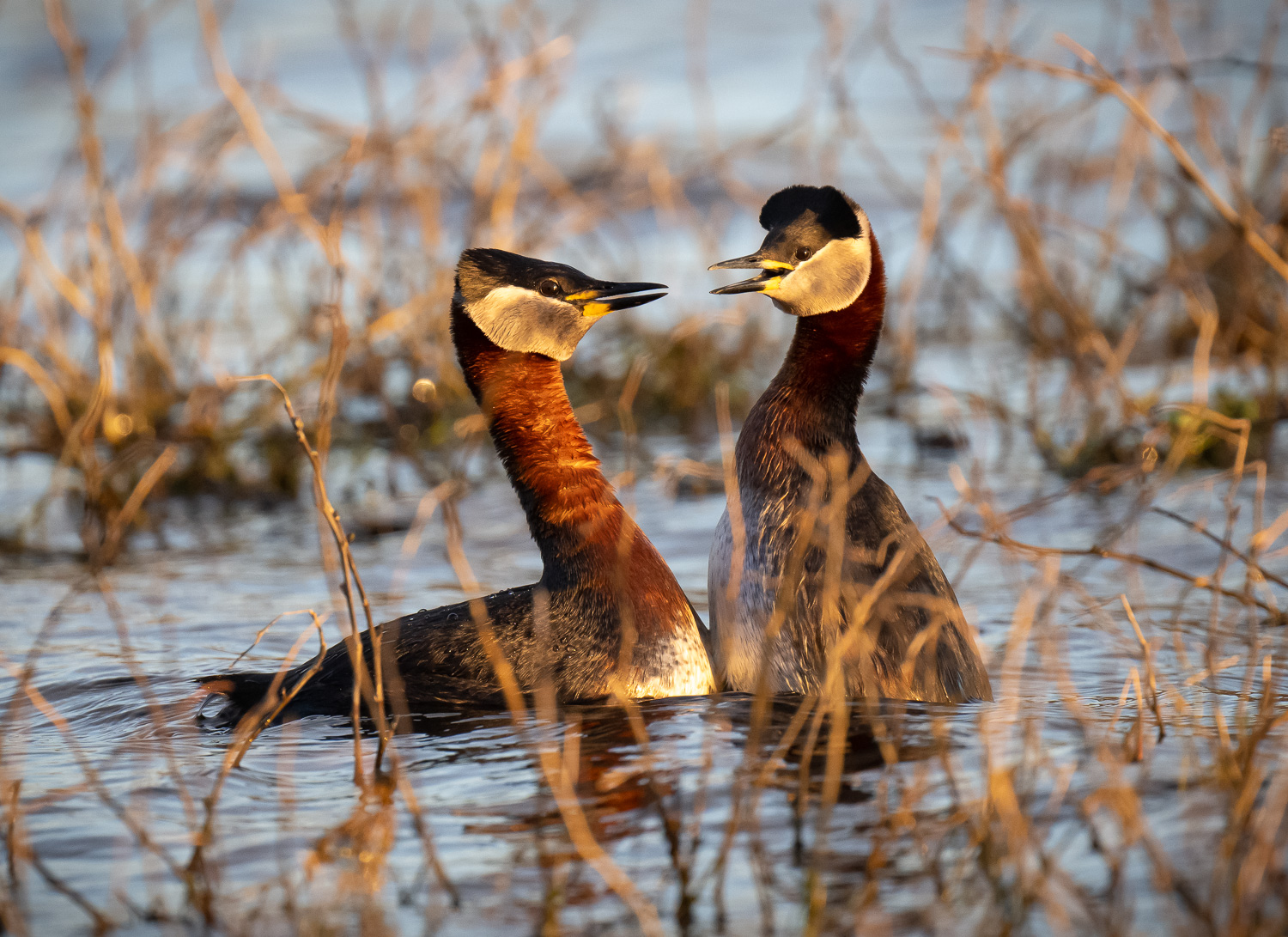

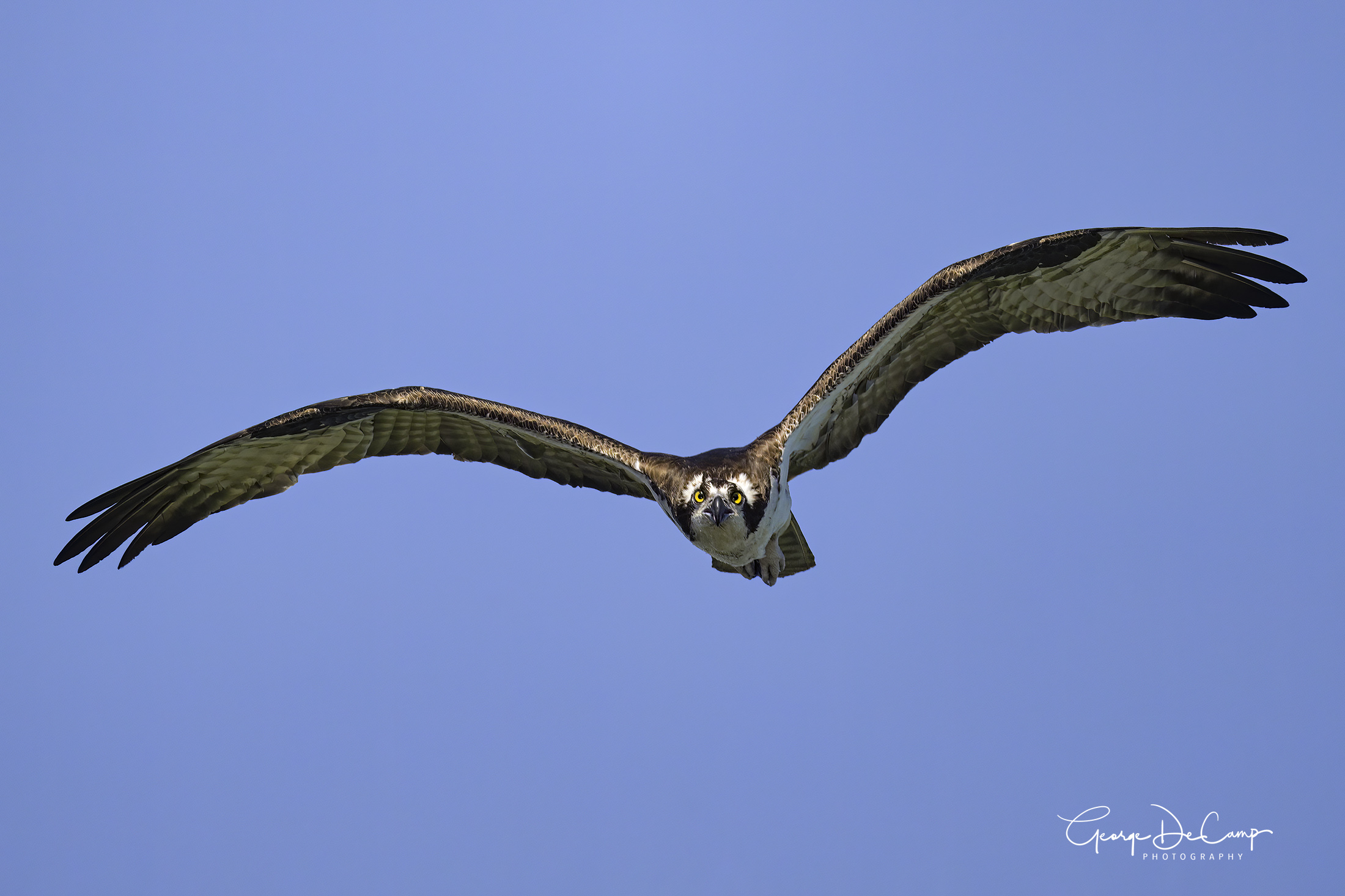
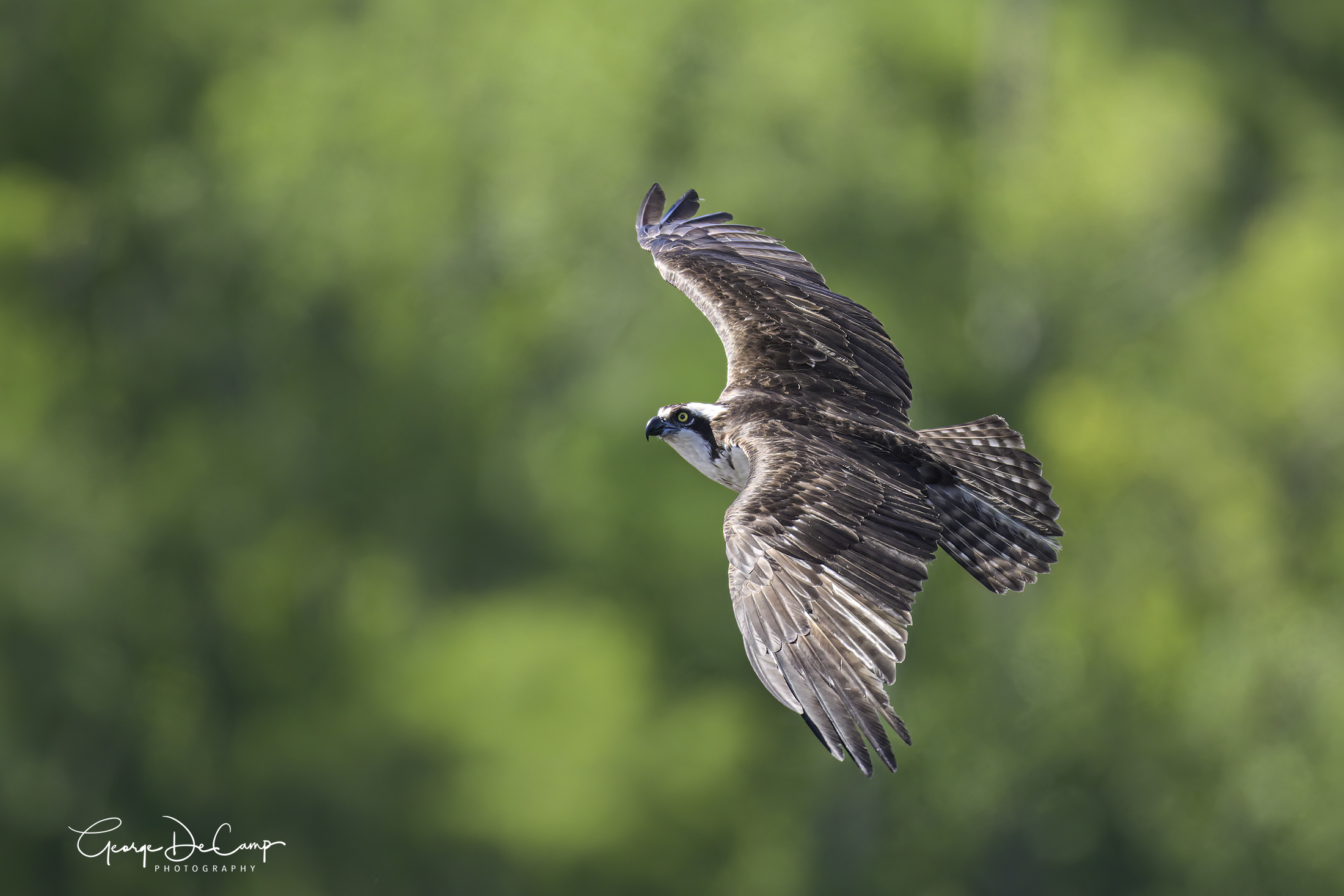
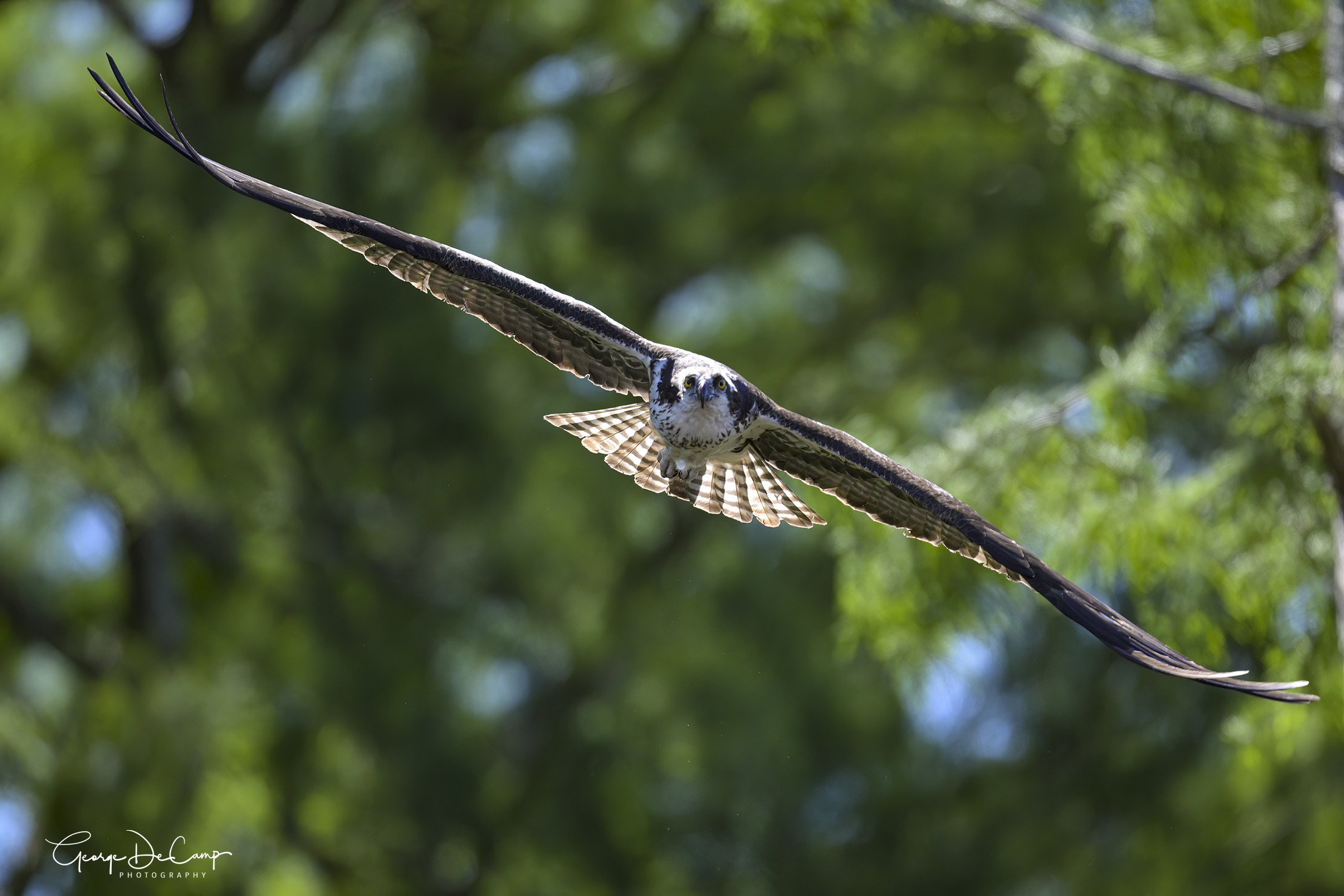
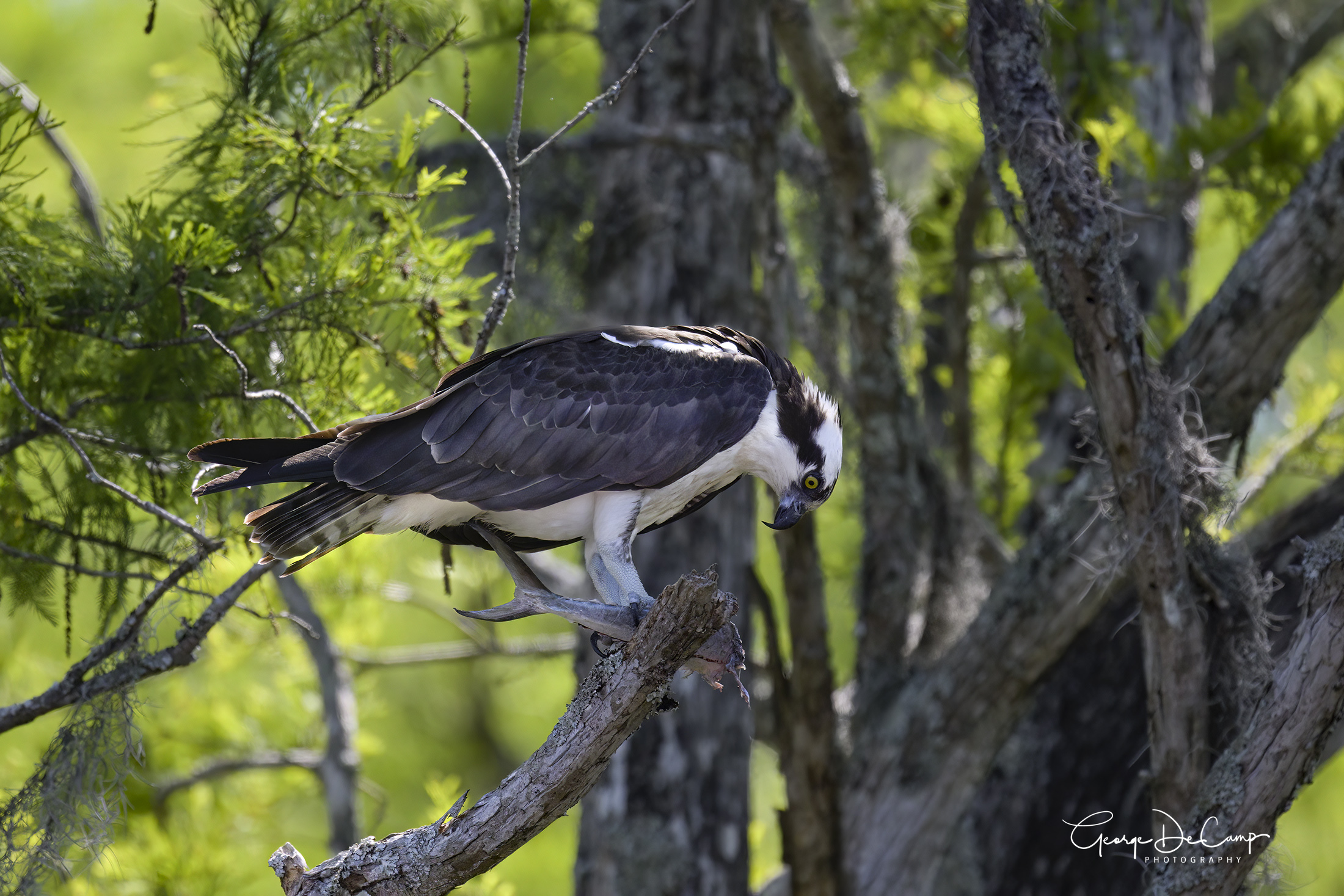


 This lens definitely makes it easier to capture those smaller birds.