Fred Miranda wrote:
Rich,
It does not look centered from this test but...
It's hard to know if you were squared with the target, so I suggest doing this test at infinity distance so we can remove this variable and get an accurate assessment.
I have tried 3 loan copies and they were all centered. One was perfectly centered even on my A7R IV and the other two were almost as good. The issue with some copies was rangefinder calibration, not centering.
Fred
PS: You only need to test this at f/2.8.
FWIW my copy of the APO-Skopar 90/2.8 is also perfectly centered (tested on M10-P).
genji wrote:
FWIW my copy of the APO-Skopar 90/2.8 is also perfectly centered (tested on M10-P).
Hi Gengi,
Does your copy focus accurately when using your M10-P's rangefinder?
It's easy to test: Focus on a target at around 2m with the rangefinder while in live view. Compare the accuracy between the rangefinder and LCD. You may use peaking as well.
Two of my copies were front focusing and other was perfect.
Steve Spencer wrote:
Sorry, judging micro contrast is an objective measurement and doesn't have to be done in the context of all other lenses on the market. Sure, the Otus has wonderful micro contrast, but it is a lens that weighs 1.5 kg and is nothing like any of the lenses we are discussing here. One would be unlikely to buy the Voigtlander 90 f/2.8 APO or the Sigma 90 f/2.8 as an alternative to the Otus. If you are willing to pay over $4,000 for the 1.5kg Otus, then you probably aren't considering the sub 300g less than $800 Voigtlander 90 f/2.8 APO or Sigma 90 f/2.8 (these lenses are literally 5 times lighter and 5 times less money). Because of the difference in size we are talking lenses that aren't really in the same category. So comparing them, to me anyway, makes little sense. I think Fred's tests and Rich's tests provide useful information. I would love to see MTF charts as well, but so far Cosina hasn't proved them (they do for the APO Lanthars, however, so they might; Sigma typically does not provide measured MTFs). What we really want to know for landscapes is how well a lens renders fine detail at a distance. Fred and Rich tests are not perfect, but they do help us answer that question. The question of whether it resolves such fine detail as well as the 100 Otus is not really relevant (of course they don't) but comparing them might be interesting to see how close they get. Maybe you or someone else would like to do that test....Show more →
Unless you have an MTF optical bench in your spare room, there's nothing objective about looking at a screen and proclaiming a lens has 'great' anything: its an inherently subjective assessment, unique to the individual, and based on everything from image maturity, eyesight, monitor quality, to psychological factors such as confirmation bias and cognitive dissonance.
You can't judge things in a vacuum. I only picked the Otus because it represents a 10/10 for microcontrast, and is therefore the benchmark which tells you how good other lenses actually are, in relative terms. If you want to claim that the Sigma has good microcontrast compared to a small subset of lenses of similar style, then that's ok as well, but that's a separate issue. The Sigma, for example, has poor microcontrast if compared to the Loxia 85, which is a lens I would put in that small subset (you may not and that's fine): as I said its subjective.
Dec 30, 2021 at 08:48 PM
Steve Spencer Offline • • • • • • • Upload & Sell: On
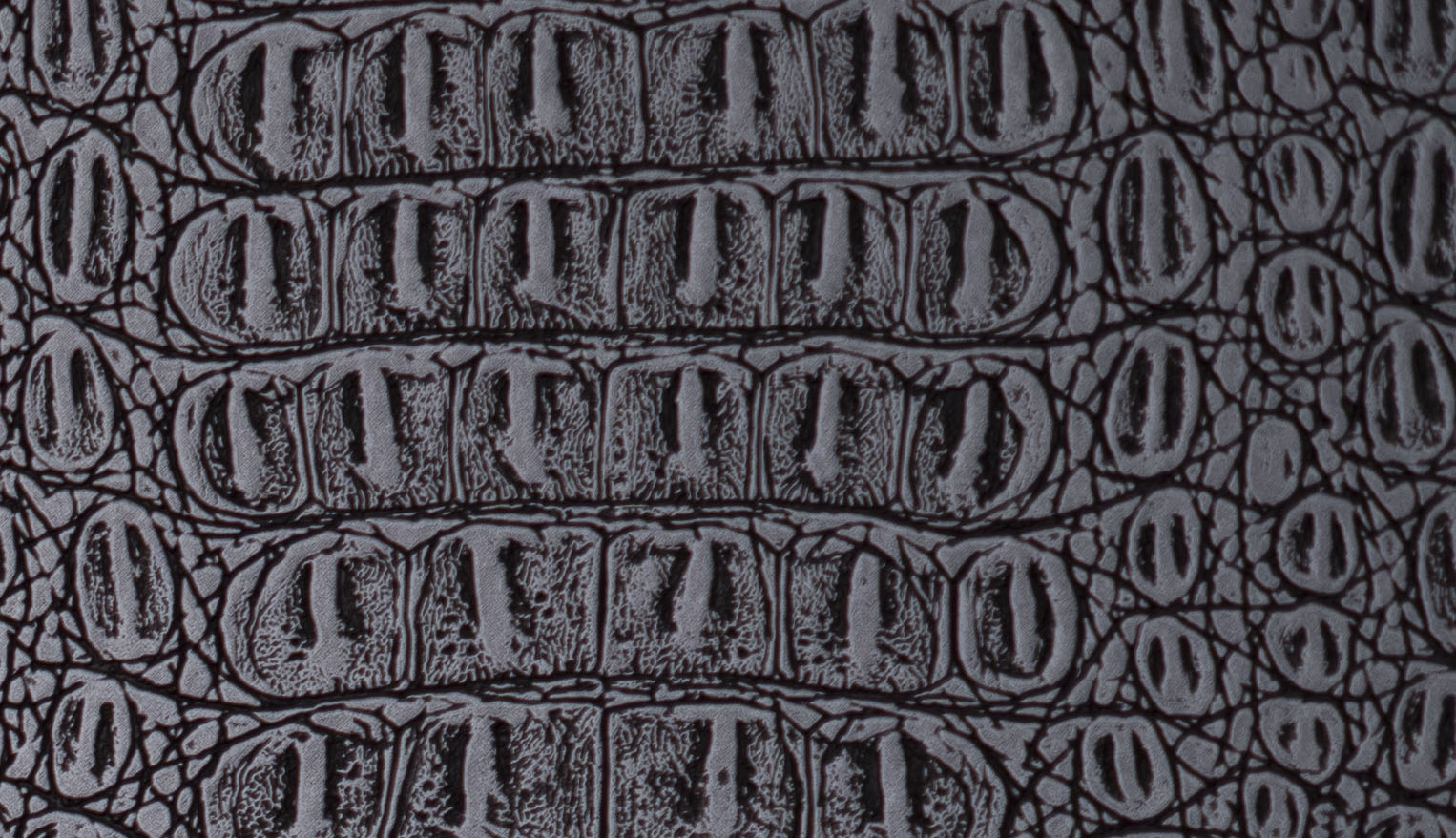
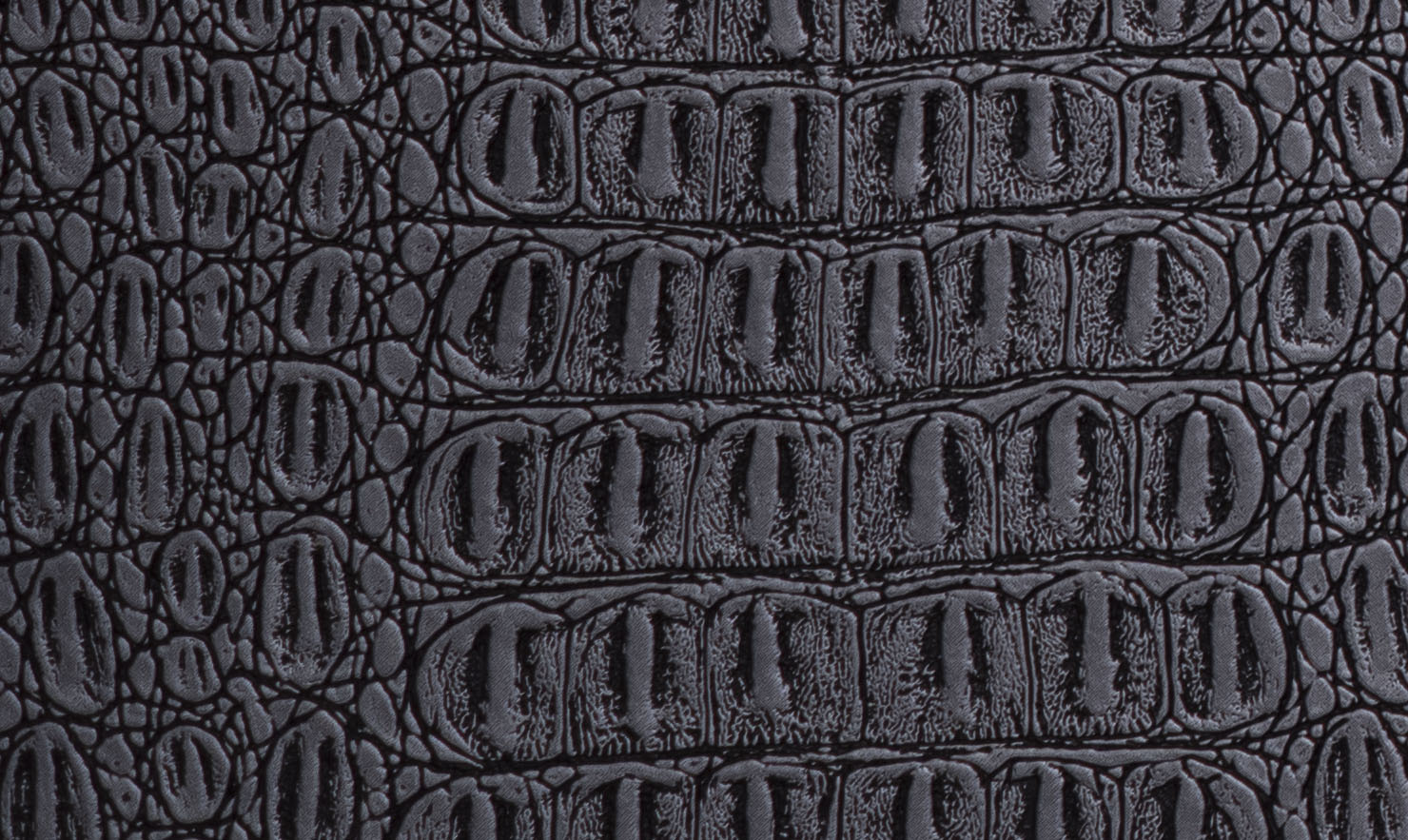
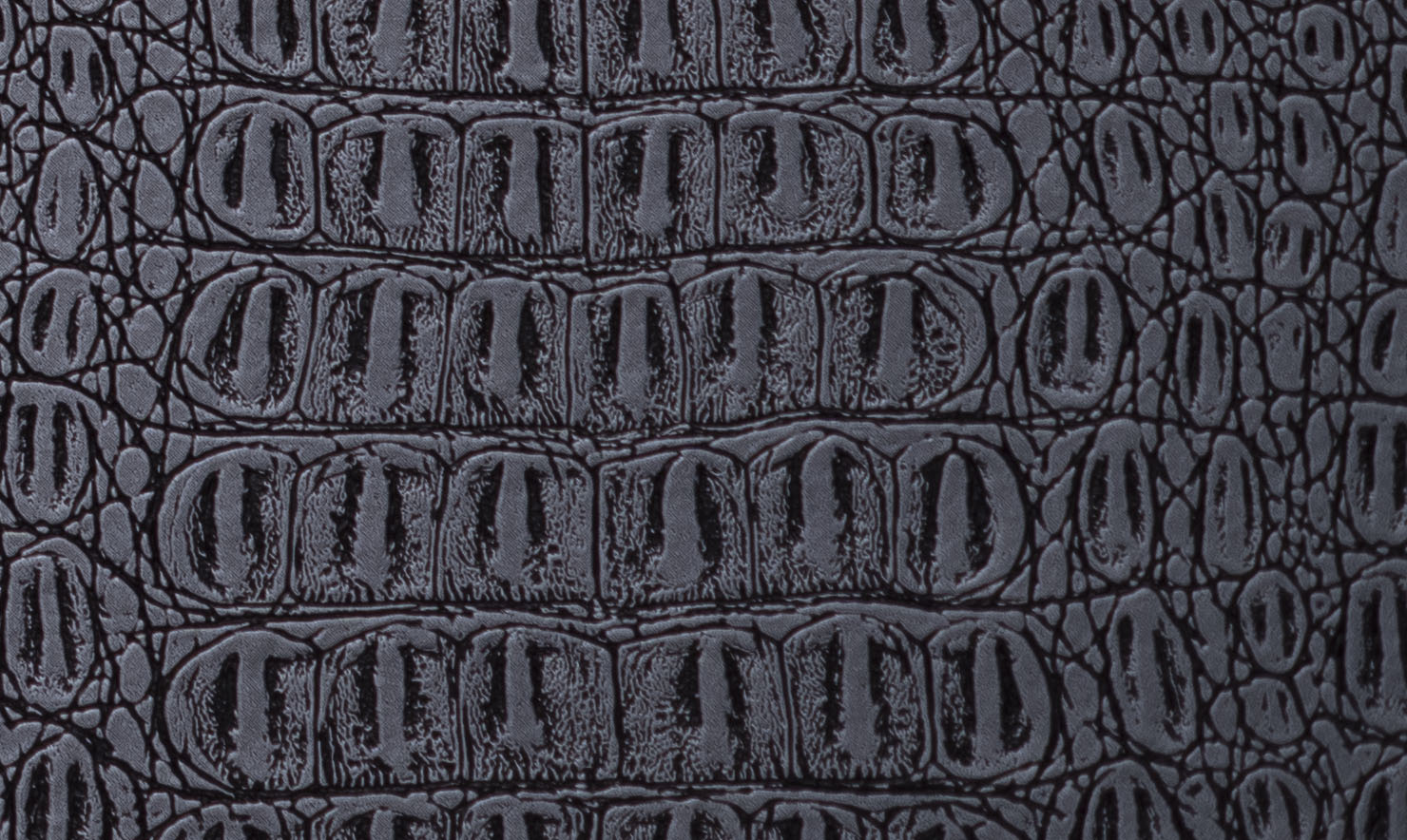
Since you have brought up the question of the centering of my lens, I will present my photos taken of a wall hanging with my tripod mounted A1 and the lens. These were taken of a wall hanging in our Dining Room. Unfortunately there is a rod that is visible in the lower right corner, but you can still get an idea from these images. The wall hanging was about 7' away from the tripod mounted camera which was leveled using the level on the tripod head and the camera. I can not guarantee how accurately the camera was equi distant from the left side and the right side to the wall hanging. Images are SOC camera with LR defaults and only made into JPEGs from the original RAW Compressed files.
Rich, since to my eyes both the upper left and lower left are a bit weaker, it is difficult to tell whether you weren't quite square to the target or whether it is decentered. For such close distances it is really hard to get your set up exactly square. Like Fred said, if you can get an infinity distance shot being square to the target won't be important.
Dec 30, 2021 at 08:58 PM
Steve Spencer Offline • • • • • • • Upload & Sell: On
Petegh wrote:
Unless you have an MTF optical bench in your spare room, there's nothing objective about looking at a screen and proclaiming a lens has 'great' anything: its an inherently subjective assessment, unique to the individual, and based on everything from image maturity, eyesight, monitor quality, to psychological factors such as confirmation bias and cognitive dissonance.
You can't judge things in a vacuum. I only picked the Otus because it represents a 10/10 for microcontrast, and is therefore the benchmark which tells you how good other lenses actually are, in relative terms. If you want to claim that the Sigma has good microcontrast compared to a small subset of lenses of similar style, then that's ok as well, but that's a separate issue. The Sigma, for example, has poor microcontrast if compared to the Loxia 85, which is a lens I would put in that small subset (you may not and that's fine): as I said its subjective....Show more →
I only said micro contrast is an objective thing, not that the tests that Fred and Rich have done are objective. They aren't perfect tests, but they are useful. I think we agree comparing the lenses shot on this thread with an Otus 100 would be good. Are you willing to do such tests?
I think comparing the lenses shot so far with the Loxia 85 would also be an instructive test, but I can tell you there is very little difference between the Loxia 85 and the Leica 90 f/2 AA when both are stopped down to f/4 or narrower (at least in terms of micro contrast). Both my experience shooting these lenses side by side and the MTFs from the two manufacturers suggest the same. So, we do have the Voigtlander 90 f/2.8 APO compared to the Leica 90 f/2 AA and I am pretty sure that the Loxia would quite similarly be clearly better (as was the ZM 85 f/4, which has great performance stopped down and very similar performance to the Loxia 85 f/2.4 and that too is consistent with the Zeiss MTFs). But how much is the difference? That is where Fred's and Rich's tests are really useful in giving us some examples of the differences.
Fred Miranda wrote:
Rich,
It does not look centered from this test but...
It's hard to know if you were squared with the target, so I suggest doing this test at infinity distance so we can remove this variable and get an accurate assessment.
I have tried 3 loan copies and they were all centered. One was perfectly centered even on my A7R IV and the other two were almost as good. The issue with some copies was rangefinder calibration, not centering.
Fred
PS: You only need to test this at f/2.8.
Steve Spencer wrote:
Rich, since to my eyes both the upper left and lower left are a bit weaker, it is difficult to tell whether you weren't quite square to the target or whether it is decentered. For such close distances it is really hard to get your set up exactly square. Like Fred said, if you can get an infinity distance shot being square to the target won't be important.
Hi Fred and Steve,
I just don't have time now to do this outside and at infinity. I am leaving in the morning and I either have to send the lens back or this latest indoor test is going to have to demonstrate it is or isn't centered (or close enough).
I went back and reset up the whole camera set-up and tried to level everything and square things as closely as we could with a tape measure, though I can't guarantee that my wife got the measurements exactly correct.
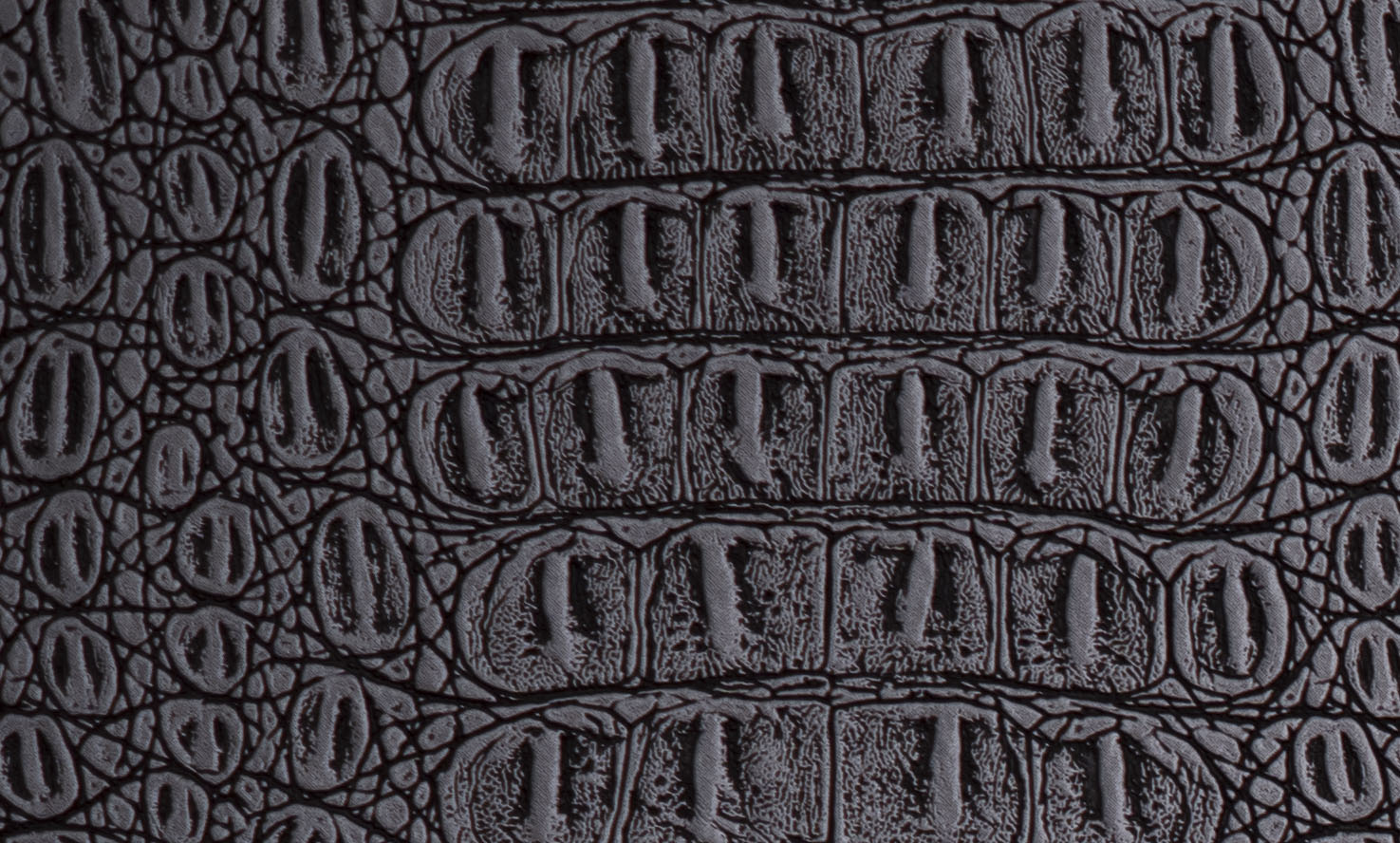
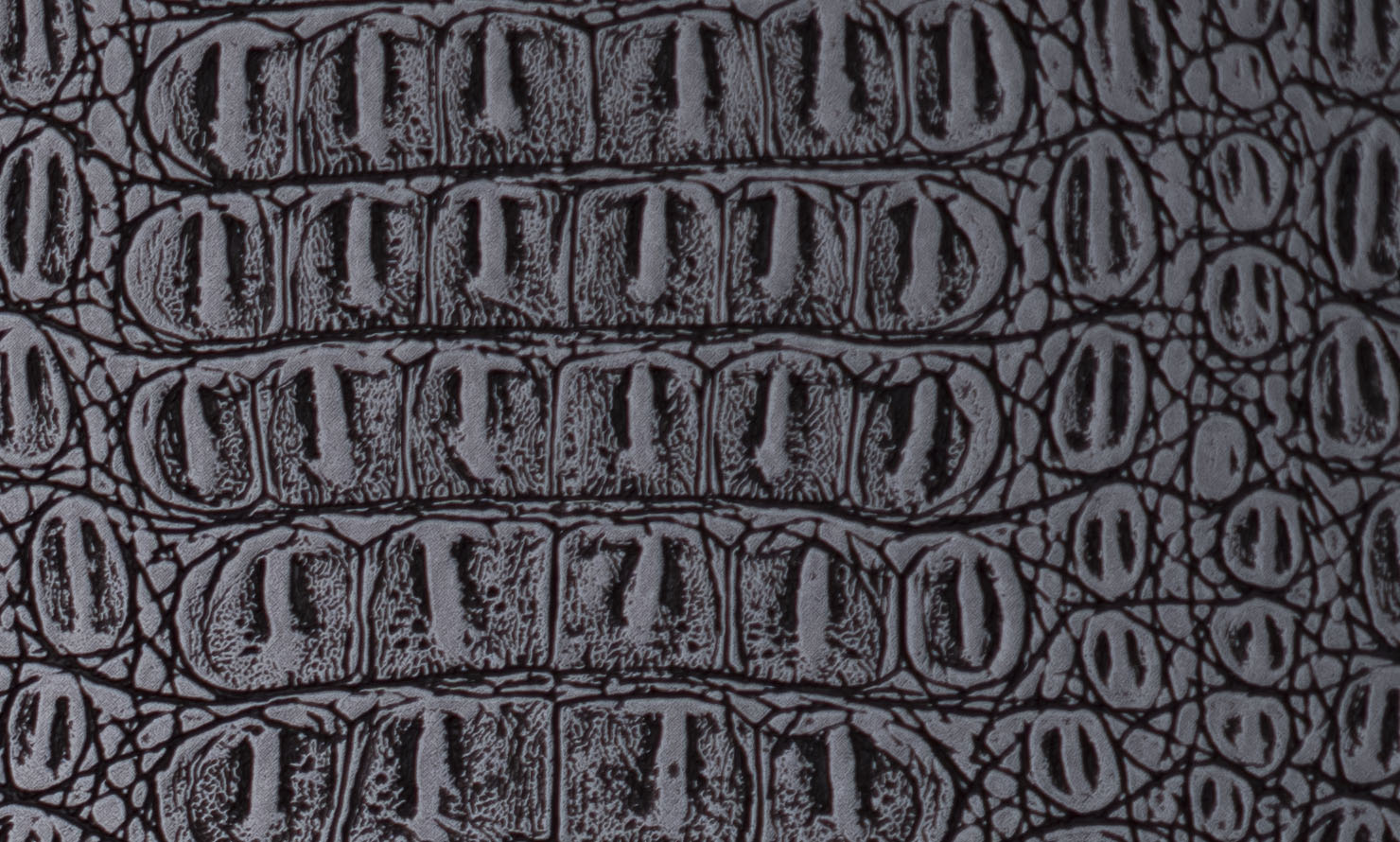
Shot this again at f2.8 with my tripod mounted A1, silent shutter, of the same target wall hanging. Results are SOC with LR defaults and saved as JPEG files but shot in RAW.
I just don't have time now to do this outside and at infinity. I am leaving in the morning and I either have to send the lens back or this latest indoor test is going to have to demonstrate it is or isn't centered (or close enough).
I went back and reset up the whole camera set-up and tried to level everything and square things as closely as we could with a tape measure, though I can't guarantee that my wife got the measurements exactly correct.
Shot this again at f2.8 with my tripod mounted A1, silent shutter, of the same target wall hanging. Results are SOC with LR defaults and saved as JPEG files.
Steve Spencer wrote:
Looks quite well centered to me.
Hi Steve,
Thank you. Unless Fred says to the contrary then I will keep the lens and send an e-mail to Stephen that we reassessed the lens and I will keep it. As mentioned, for purposes like my trip to Italy, this may well be a better option than my Zeiss 85mm ZM. I would expect to use the Zeiss more often of the 2 for landscape work. But, when I have a mix of work, the Apo-Skopar may be the better choice to use.
The right edge of the upper right crop looks slightly weaker. That's also the corner you used for the infinity crop. But it might be splitting hairs too much.
That said, are you sure that's the correct crop for center? If it's dead center, it shouldn't be that part of the skin pattern. What you show as the center crop is also softer in the upper right quadrant than the rest of the crop.
IMO I would test the lens at the distances you will most likely photograph. As we know, lens performance can change from far to near. But if you don't have time and Stephen is good with the return, I'd probably still do so.
Fred Miranda wrote:
Hi Gengi,
Does your copy focus accurately when using your M10-P's rangefinder?
It's easy to test: Focus on a target at around 2m with the rangefinder while in live view. Compare the accuracy between the rangefinder and LCD. You may use peaking as well.
Two of my copies were front focusing and other was perfect.
Fred, I no longer have the M10-P but I’d say that my copy is perfect on both my M246s (with which I’m most likely to use it) and “near perfect” on the M10-R (i.e. very slight front focus that I’d regard as within the margin of error for rangefinder focusing)
rscheffler wrote:
The right edge of the upper right crop looks slightly weaker. That's also the corner you used for the infinity crop. But it might be splitting hairs too much.
That said, are you sure that's the correct crop for center? If it's dead center, it shouldn't be that part of the skin pattern. What you show as the center crop is also softer in the upper right quadrant than the rest of the crop.
IMO I would test the lens at the distances you will most likely photograph. As we know, lens performance can change from far to near. But if you don't have time and Stephen is good with the return, I'd probably still do so....Show more →
Hi Ron,
No, I can not guarantee that the center shots are perfectly centered. I kept cropping several times so, it may be close.
I also can't guarantee that the wall hanging is perfectly flat. My wife stretched this on a frame some years ago.
Fred indicated in a PM that the lens looked much better in the last set that was reshot. I could try something while in am in Maryland, but I am not sure if that will happen. Possibly I could shoot something is weather permits on the way. I may also try to stop at Conowingo on my return, but have to set up my A1 properly for that.
Rich, another factor could be the adapter. If my understanding is correct, slight adapter misalignment will be more critical at infinity compared to closer distances. If the test was on a Leica M, I'd be more suspicious about the lens. As it is now, there are a few variables that are difficult to rule out, the adapter being one. Sensor stack thickness is another that is more critical at infinity, but from what Fred indicated, he didn't see differences between Leica M, Kolari modded and stock Sony.
If you're not going to send the lens back tomorrow, then take it with you and just use it as you normally would. Don't go out of your way to do a formal infinity test again. Look at your real-world results and go from there.
BTW, I agree the crops above look better than your outdoor crops. But it's also a 2D subject vs. real-world 3D landscape. It could be, as has been suggested, that the lens performs better at nearer distances. Maybe it's optimized for portraits?
Fred, have you made any portraits with it, or tested it a nearer distances?
rscheffler wrote:
Rich, another factor could be the adapter. If my understanding is correct, slight adapter misalignment will be more critical at infinity compared to closer distances. If the test was on a Leica M, I'd be more suspicious about the lens. As it is now, there are a few variables that are difficult to rule out, the adapter being one. Sensor stack thickness is another that is more critical at infinity, but from what Fred indicated, he didn't see differences between Leica M, Kolari modded and stock Sony.
If you're not going to send the lens back tomorrow, then take it with you and just use it as you normally would. Don't go out of your way to do a formal infinity test again. Look at your real-world results and go from there.
BTW, I agree the crops above look better than your outdoor crops. But it's also a 2D subject vs. real-world 3D landscape. It could be, as has been suggested, that the lens performs better at nearer distances. Maybe it's optimized for portraits?
Fred, have you made any portraits with it, or tested it a nearer distances?...Show more →
Hi Ron,
Thanks for the additional input. The adapter that I was using was my first Novoflex Leica M to NEX adapter. They are known for their accuracy in machining but... I have never noticed a problem with either of my Novoflex adapters with my other M-mount lenses, but I could have missed it. I could also try switching to my second Novoflex Leica M to NEX adapter that my Voigtlander 28mm f2 Ultron II VM is mounted on.
I can also opt to use the lens on my A7rII Kolari Vision UT Sensor modified camera. But, I was trying to see if it would hold up to the 50 mp camera sensor.
If you really think that I should send the lens back I will. But, there is no guarantee whatever I get in exchange would be any better.
If we do find that there is a slight softness on the right side, I suppose that I could also try to favor that side for focus. But, I am not sure if there would be any benefit. My shots close up have really been strong particularly when stopped down a little, but I have not really tried to have focus to the corners.
At this point, I am not sure what to do.
Rich
Dec 31, 2021 at 12:00 AM
Steve Spencer Offline • • • • • • • Upload & Sell: On
Thanks for the additional input. The adapter that I was using was my first Novoflex Leica M to NEX adapter. They are known for their accuracy in machining but... I have never noticed a problem with either of my Novoflex adapters with my other M-mount lenses, but I could have missed it. I could also try switching to my second Novoflex Leica M to NEX adapter that my Voigtlander 28mm f2 Ultron II VM is mounted on.
I can also opt to use the lens on my A7rII Kolari Vision UT Sensor modified camera. But, I was trying to see if it would hold up to the 50 mp camera sensor.
If you really think that I should send the lens back I will. But, there is no guarantee whatever I get in exchange would be any better.
If we do find that there is a slight softness on the right side, I suppose that I could also try to favor that side for focus. But, I am not sure if there would be any benefit. My shots close up have really been strong particularly when stopped down a little, but I have not really tried to have focus to the corners.
Rich if there is some slight decentering, I don't think it is going to affect pictures in the real world. Many if not most lenses are slightly decentered. Personally minor decentering is not a problem for me and how I shoot. For stopped down shooting the extra depth of field will cover the centering issues if they are minor. For wide open shooting I almost never care about the corners and have them in focus. To me there are so many other things I care so much more about that any minor decentering like you might have here is just not worth being concerned about, IMO.
DavidBM wrote:
If money is unlimited, and there are few constraints on size, optical correction can be relatively unlossy, though not completely so. Or so a lens designer tells me.
But for a fixed size and to some extent budget if you want optical correction it will trade off against other things, so that you often end up with a better result concentrating on resolution and contrast, and correcting distortion in post.
Thus you’d expect big no holds barred lenses to sometimes be best if corrected optically, and compact premium ones and budget ones to usually be best if correct electronically.
Thanks David. Great that someone on this forum has access to lens engineers.
As philip says though, my concern is that it is all too easy for designers to convince themselves of a fact, that, lets face it, makes their job a lot easier (so there's already natural bias there), and never bother to even consider optical correction again. The history of science is full of such mistakes.
Steve Spencer wrote:
I only said micro contrast is an objective thing, not that the tests that Fred and Rich have done are objective. They aren't perfect tests, but they are useful. I think we agree comparing the lenses shot on this thread with an Otus 100 would be good. Are you willing to do such tests?
I think comparing the lenses shot so far with the Loxia 85 would also be an instructive test, but I can tell you there is very little difference between the Loxia 85 and the Leica 90 f/2 AA when both are stopped down to f/4 or narrower (at least in terms of micro contrast). Both my experience shooting these lenses side by side and the MTFs from the two manufacturers suggest the same. So, we do have the Voigtlander 90 f/2.8 APO compared to the Leica 90 f/2 AA and I am pretty sure that the Loxia would quite similarly be clearly better (as was the ZM 85 f/4, which has great performance stopped down and very similar performance to the Loxia 85 f/2.4 and that too is consistent with the Zeiss MTFs). But how much is the difference? That is where Fred's and Rich's tests are really useful in giving us some examples of the differences....Show more →
Thanks Steve. It was your use of the word 'judging', that threw me: It implies a human making a qualitative assessment of something.
Petegh wrote:
Thanks David. Great that someone on this forum has access to lens engineers.
As philip says though, my concern is that it is all too easy for designers to convince themselves of a fact, that, lets face it, makes their job a lot easier (so there's already natural bias there), and never bother to even consider optical correction again. The history of science is full of such mistakes.
very true, but it seems fortunately not to be happening here; plenty of optical correction in the larger lenses where it makes sense! I also think that it's not that easy (this is just my own hunch rather than that of an optical expert) that designing compact lenses such that the resolution pattern uncorrected is such that you don't notice diminution when corrected is unlikely to make things easier on the design side - it requires if anything a sharper outer field than centre uncorrected, or at very least even sharpness of an extremely high kind.
So I assume the whole optical vs digital correction is dissing on the Sigma 90mm, because they chintzed out and have higher distortion than we'd like?
We have 2 relatively compact 90mm lenses here. The Voigtlander APO being a 7/7 design with 5 APD elements, and the Sigma Contemporary with a 11/10 design, having 5 SLD elements and an aspherical element.
And the Sigma is arguably sharper than the Voigtlander AFTER correction. Lens design has always involved compromises, even more-so with compact lenses. Maybe the Voigtlander wins on aberrations (not sure, we haven't really seen that comparison.) But there Sigma has a pretty strong showing here, at least in my book.
Cripes, the Zeiss/Contax 90mm was a 5/4 design, so it's hard to see how either of these lenses as not being more complex. Would the Zeiss trounce either of these lenses, it would be an interesting comparison.
Jan 01, 2022 at 08:30 AM
Steve Spencer Offline • • • • • • • Upload & Sell: On
tsdevine wrote:
So I assume the whole optical vs digital correction is dissing on the Sigma 90mm, because they chintzed out and have higher distortion than we'd like?
We have 2 relatively compact 90mm lenses here. The Voigtlander APO being a 7/7 design with 5 APD elements, and the Sigma Contemporary with a 11/10 design, having 5 SLD elements and an aspherical element.
And the Sigma is arguably sharper than the Voigtlander AFTER correction. Lens design has always involved compromises, even more-so with compact lenses. Maybe the Voigtlander wins on aberrations (not sure, we haven't really seen that comparison.) But there Sigma has a pretty strong showing here, at least in my book.
Cripes, the Zeiss/Contax 90mm was a 5/4 design, so it's hard to see how either of these lenses as not being more complex. Would the Zeiss trounce either of these lenses, it would be an interesting comparison....Show more →
We do have comparisons with the 5 element 3 groups Zeiss ZM 85 f/4 and the 5 element with 4 APD elements Leica 90 f/2 APO And both compete very well. We don't have comparisons with the Contax G Zeiss 90 f/2.8, but maybe we can add that next month when I get a chance to do some tests. I will also add tests with the Contax C/Y Zeiss 100 f/3.5 and Leica M 90 f/4 macro.
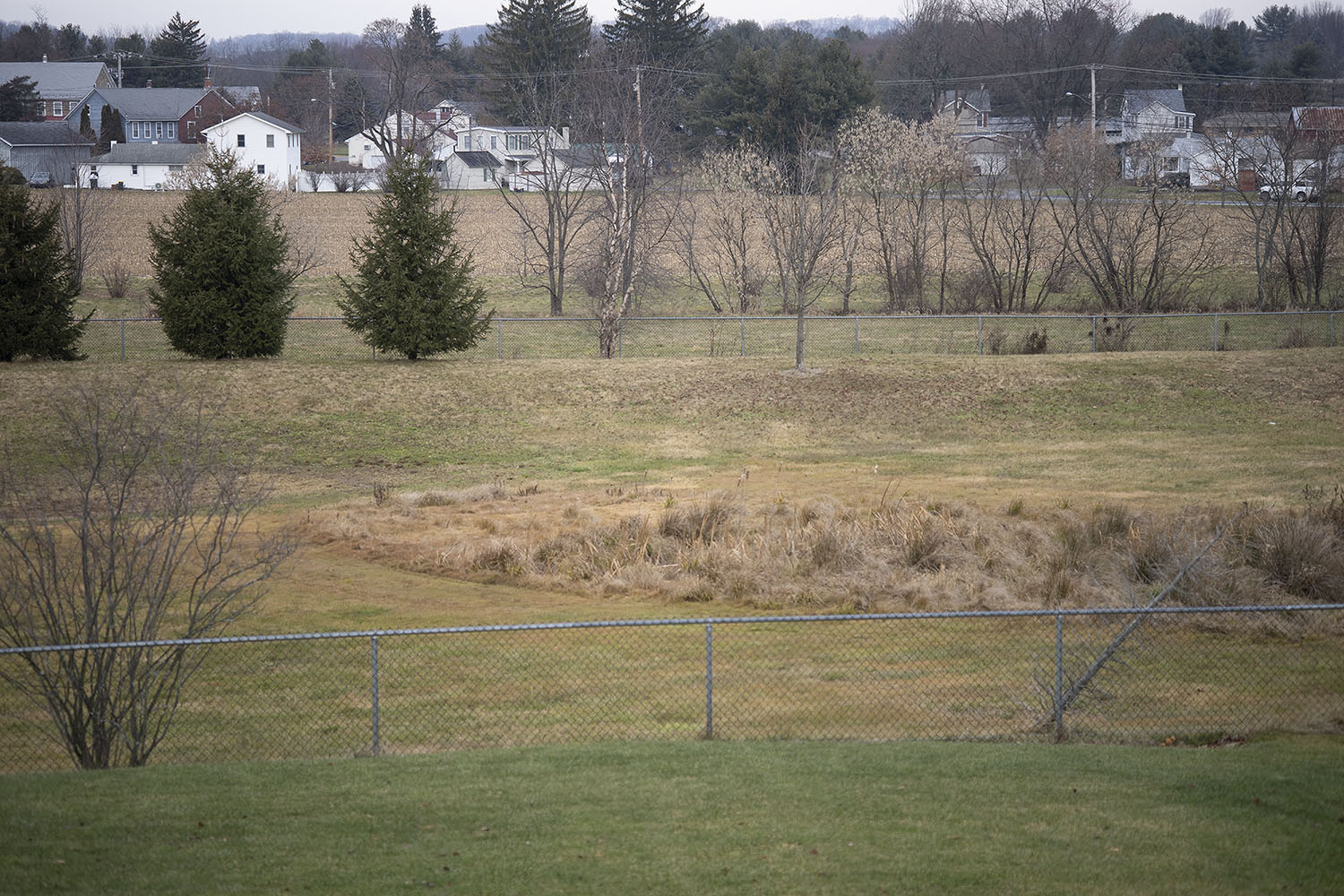
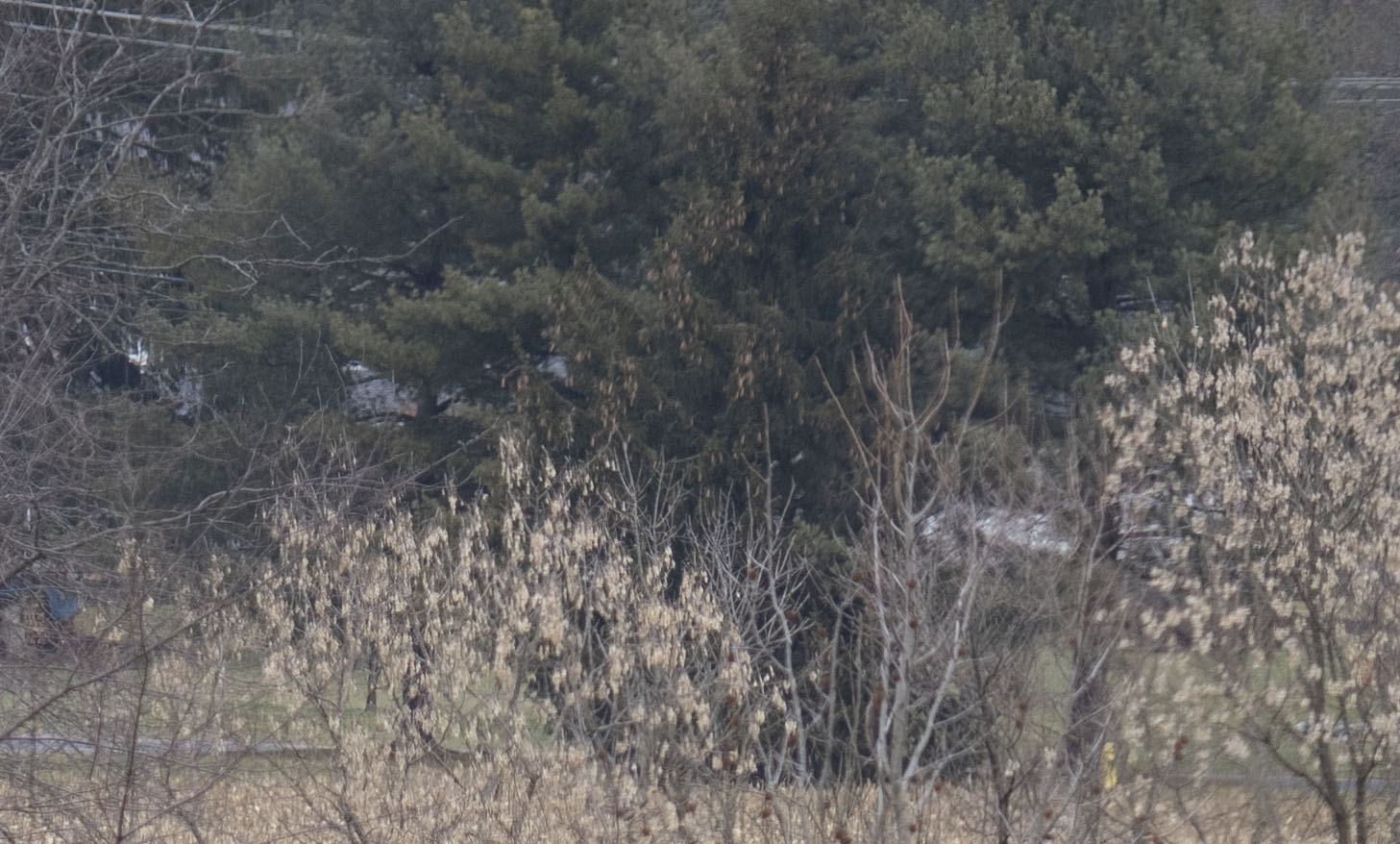
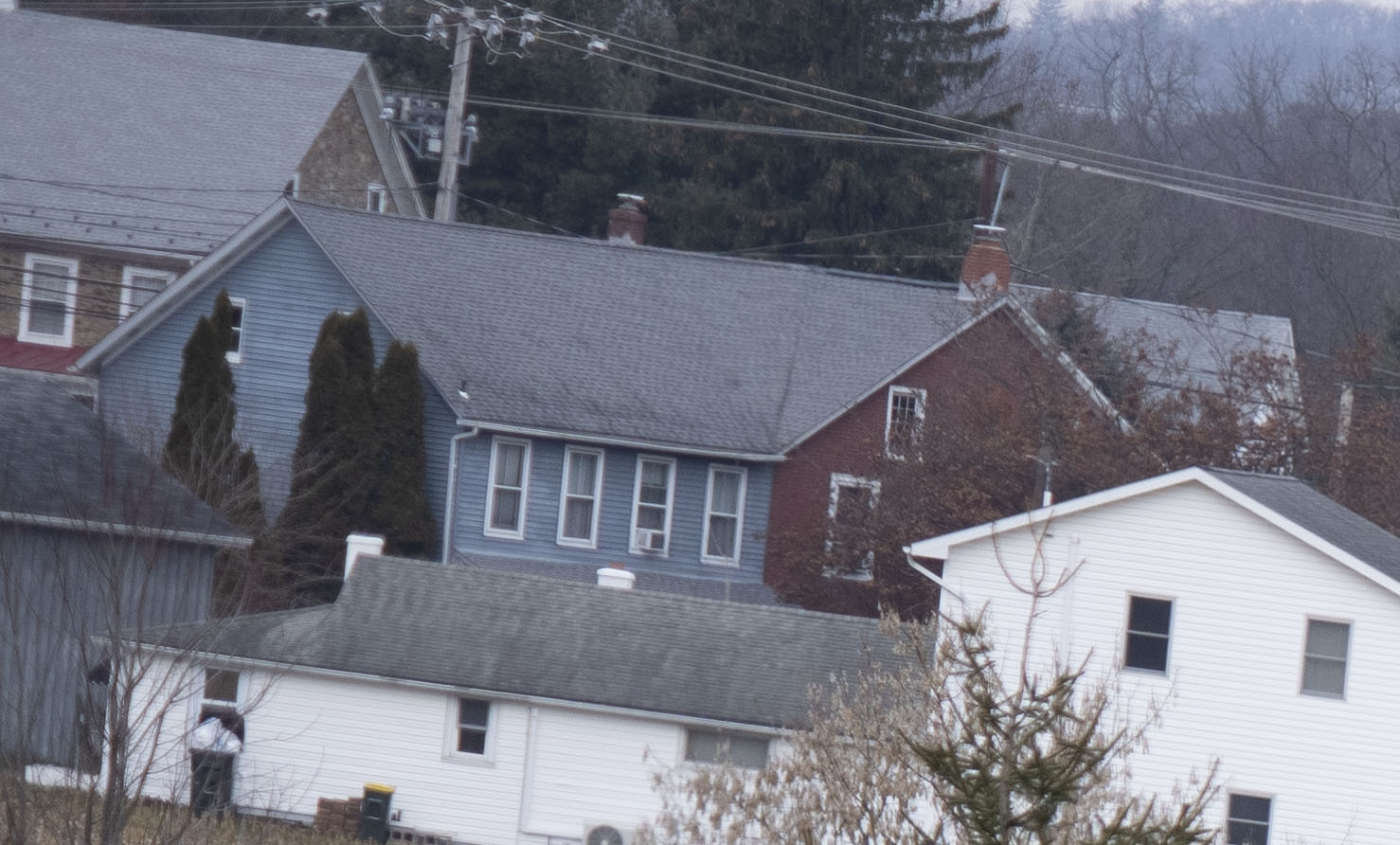
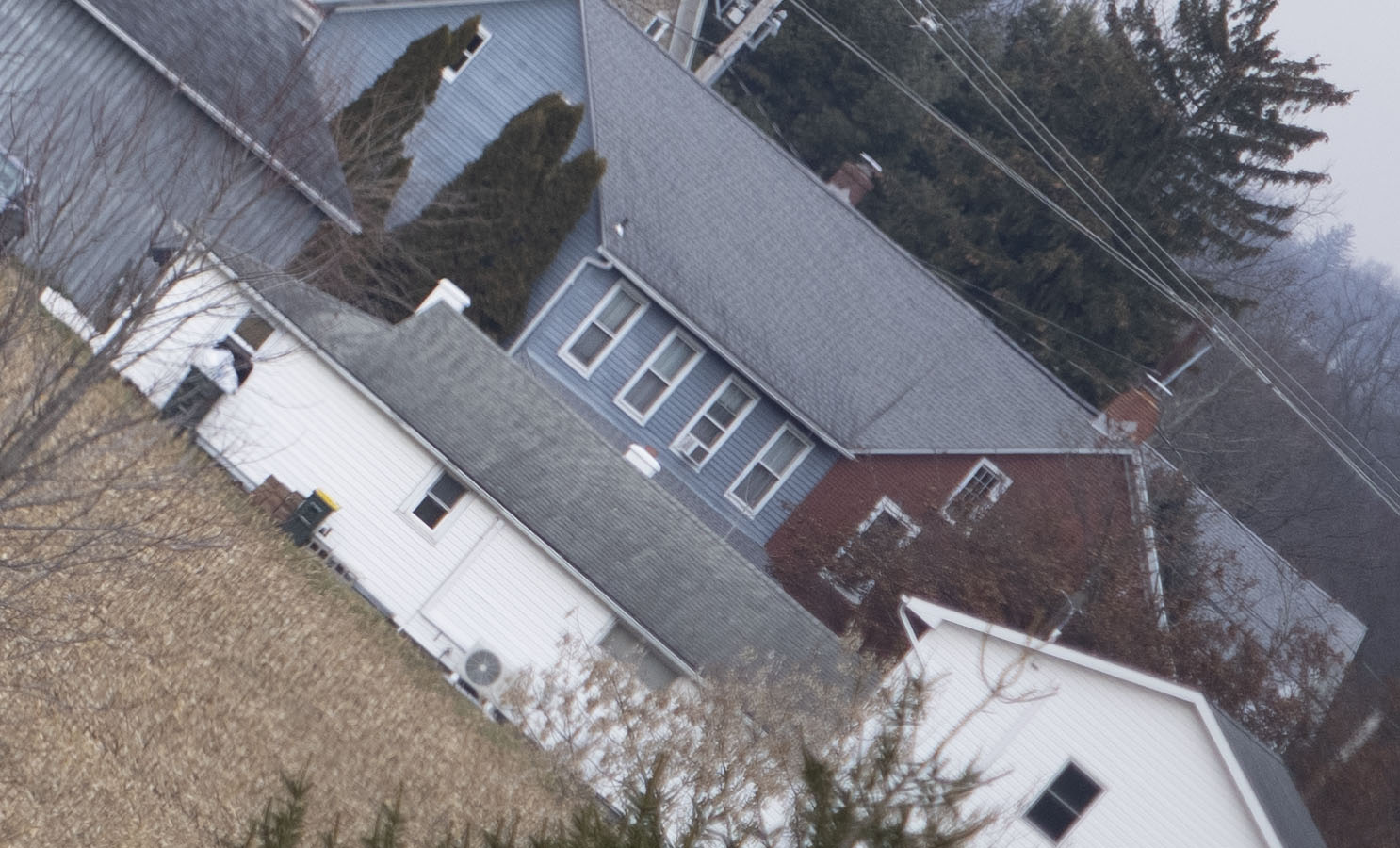
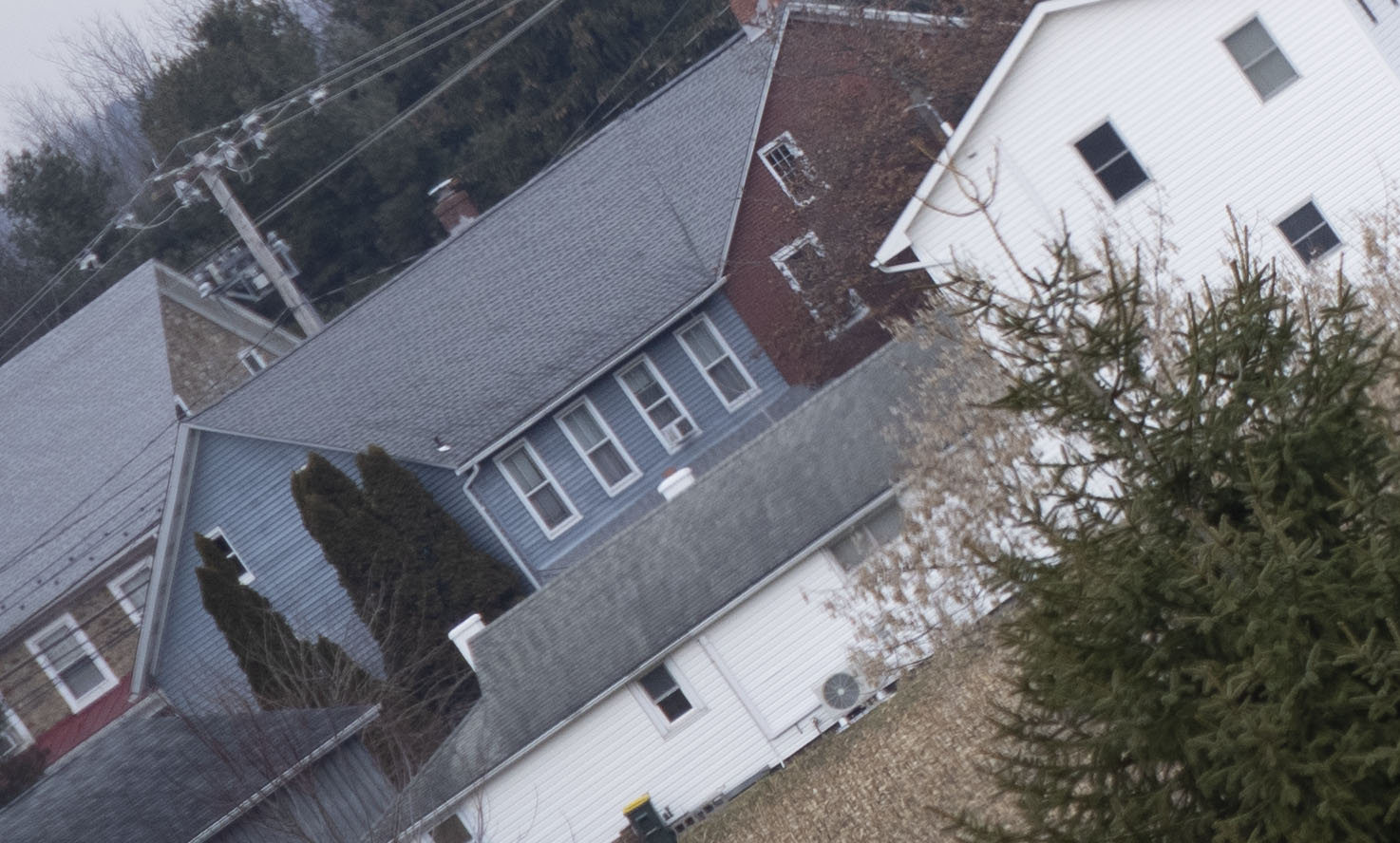
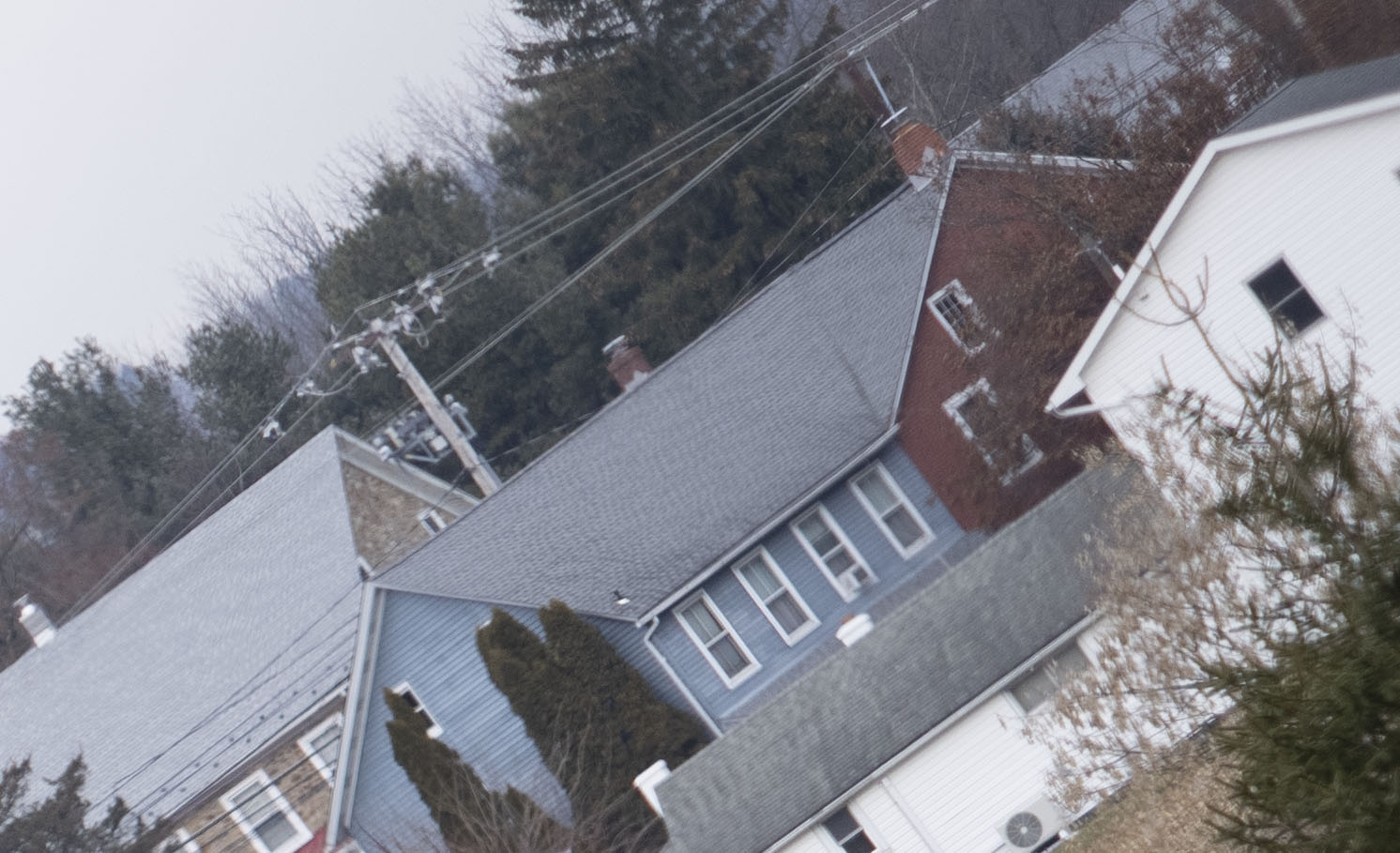
I went back and tried to test my 90mm f2.8 Apo-Skopar lens using Fred's convention for testing yesterday, but fouled up 1 or 2 of the image when the light was harsh and contrasty. I went back this morning and ran the tests again outside my kitchen sliding door under cloudy conditions. I did the best that I could and focused deep into the image near the upper third so, focus was not in the center of the image. Since the conditions were as they were, I conducted the test tripod mounted at ISO of 200 with using my Markins Q20i head along with a RRS rail and some back to back Promedia clamps that allowed me to mount my A1 and my 90mm Apo Skopar both right side up as well as upside down. I made sure not to bump the lens focus when performing switching the camera in the upside down position on both sides of the rail. I had to swing the camera and the lens and adjust the tilt as one would need if the camera were hand held.
Below are my results, but since the focus was taken it where it was there may be slight advantage to some of the images. One corner or side may be slightly softer than the other (s). But, I think that my copy is centered or quite close.