Voigtlander 90mm f/2.8 APO-Skopar Review
p.14 #1Voigtlander 90mm f/2.8 APO-Skopar Review
Sorry if its buried in the thread somewhere... has anyone applied any of the known 6-bit codes to this lens? If so, which one and what did it do for you?
Sep 12, 2024 at 05:16 PM
p.14 #2Voigtlander 90mm f/2.8 APO-Skopar Review
Interview with the bishop inside the Basilica of St. Paul Outside the Walls:
NIKON Z5 II w/Voigtlander 90/2.8 Apo-Skopar SL II s @ f/2.8, 1/50s, 3200 ISO
The columns of the Basilica of St. Paul Outside the Walls are the largest granite blocks ever set in place after the fall of the Roman Empire (see https://letterepaoline.net/2008/06/30/le-colonne-di-san-paolo-1/):
NIKON Z5 II w/Voigtlander 90/2.8 Apo-Skopar SL II s @ f/6.3, 1/50s, 1800 ISO
Edited on Oct 25, 2026 at 02:39 AM · View previous versions
 |
||
 |
||
|
The columns of the Basilica of St. Paul Outside the Walls are the largest granite blocks ever set in place after the fall of the Roman Empire (see https://letterepaoline.net/2008/06/30/le-colonne-di-san-paolo-1/):
|
||
 |
||
|
Edited on Oct 25, 2026 at 02:39 AM · View previous versions
Oct 24, 2026 at 04:14 AM
p.14 #3Voigtlander 90mm f/2.8 APO-Skopar Review
1Bwana1, these are all excellent shots. Great proximity with the subjects.
Joachim
Joachim
Oct 24, 2026 at 08:06 AM
p.14 #4Voigtlander 90mm f/2.8 APO-Skopar Review
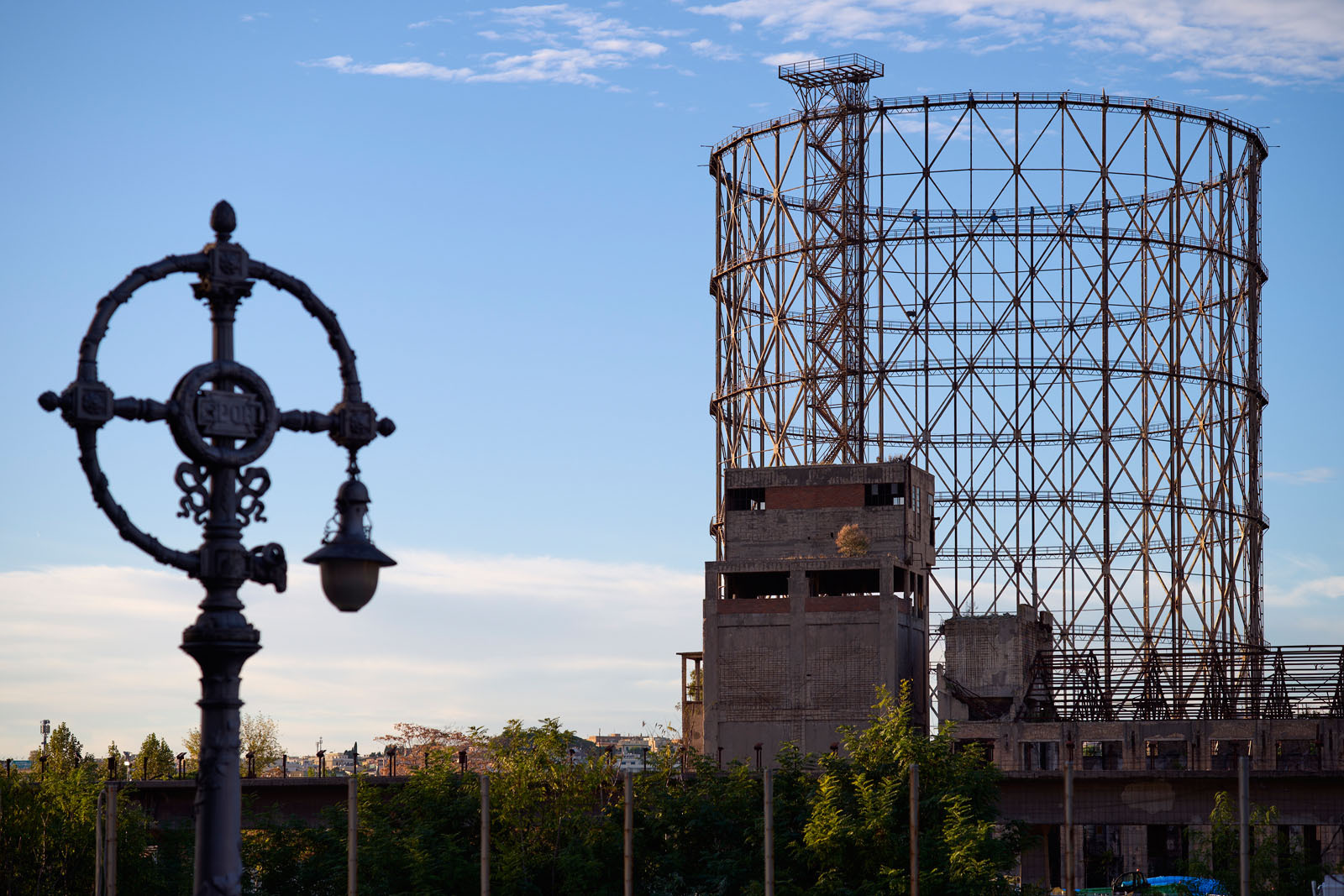
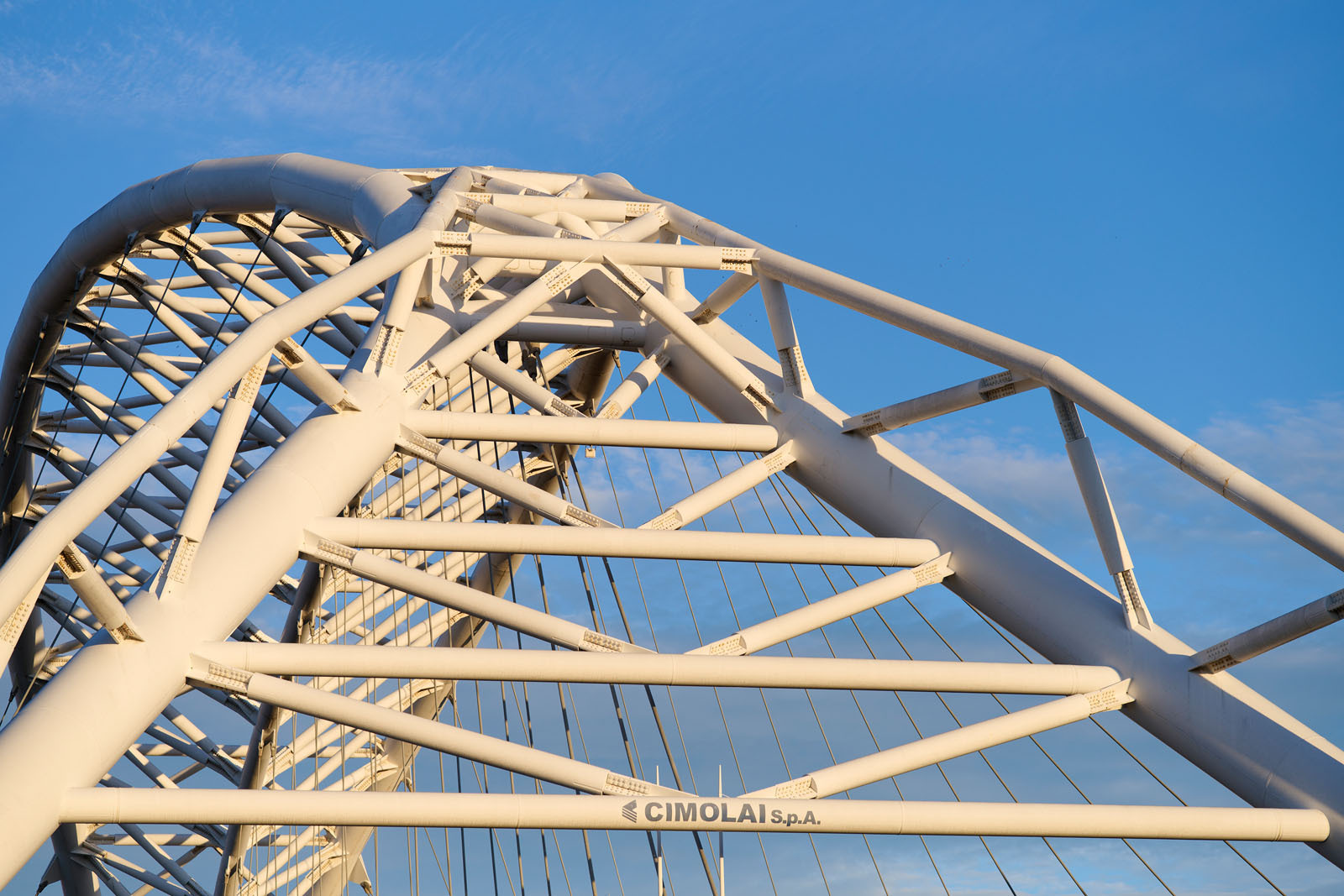
Z5 II & 90/2.8 APO_Skopar SL IIs @ f/5.6:
|
||
 |
||
|
|
||
 |
||
|
Oct 27, 2026 at 01:10 PM
p.14 #5Voigtlander 90mm f/2.8 APO-Skopar Review
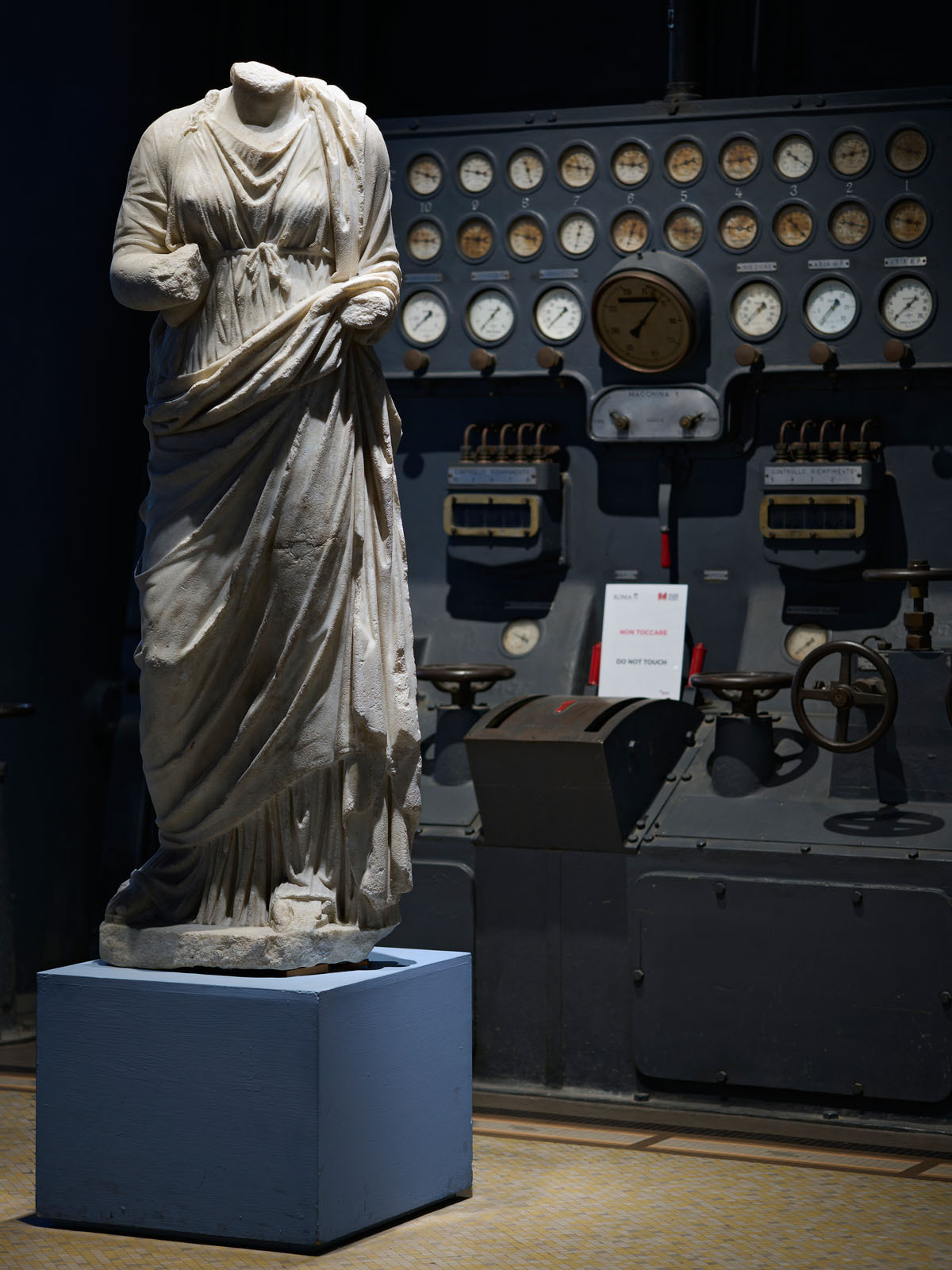
Z5 II & 90/2.8 APO-Skopar SL IIs @ f/2.8 (Impressive quality for such a small lens):
|
||
 |
||
|
|
||
 |
||
|
|
||
 |
||
|
|
||
 |
||
|
|
||
 |
||
|
|
||
 |
||
|
Oct 27, 2026 at 03:14 PM
p.14 #6Voigtlander 90mm f/2.8 APO-Skopar Review
You need to stop down to at least f/11 to get sunstars (Z5 II & 90/2.8 APO-Skopar). However, be careful how you position the lens relative to the light sources to minimize ghosting.
|
||
 |
||
|
Oct 27, 2026 at 03:24 PM

|
p.14 #8Voigtlander 90mm f/2.8 APO-Skopar Review
|
||
 |
||
|
Nov 01, 2026 at 12:17 PM
p.14 #9Voigtlander 90mm f/2.8 APO-Skopar Review
This is one of those lenses that seems to have lots of comparisons, my perspective is a little different. A comparison is great if you are going to own only one. If I am really planning a major 90mm use I'd take my ultron, but this lens is my just in case lens, for a small 3 lens kit, being a more of a 50 mm photographer I'll take a first rate 50 like an apo summicron or if I am looking more vintage maybe the omnar or the new LLL super six I seem to like, I'll take that one, the M camera, and put a 28 and 90 color skoper in my pocket or my bag for 28, 50, 90 with the 50 being a no compromise excellent lens. I am then covered for the in just case, all tiny e39/filters. Much of the time the other two stay in the pocket, but sometimes I want them, then I have them, and it is an effortless carry. The 90 2.8 is then my just in case lens. The 90 2.8 is a quite decent lens, especially for the money, and especially since it often remains in the pocket, just in case, and not a burden to carry for a day out and then I have the FL.
Nov 01, 2026 at 06:44 PM
p.14 #10Voigtlander 90mm f/2.8 APO-Skopar Review
Something will have to eventually be done about the term 'vintage'. The word merely describes a year's wine release or an edition, it's independent of time. It also has a kind of pejorative undertone to it, and it's too general, not specific enough.
I'll start by using 'mid-century' for 1945-1975 lenses; 'late century' for 1975-2000 lenses and 'modern' for lenses released in the period since the turn of the century until today. It won't change anything but I'll feel better about it. They are all of a certain vintage..
I'll start by using 'mid-century' for 1945-1975 lenses; 'late century' for 1975-2000 lenses and 'modern' for lenses released in the period since the turn of the century until today. It won't change anything but I'll feel better about it. They are all of a certain vintage..
Nov 01, 2026 at 07:40 PM
p.14 #11Voigtlander 90mm f/2.8 APO-Skopar Review
philip_pj wrote:
Something will have to eventually be done about the term 'vintage'. The word merely describes a year's wine release or an edition, it's independent of time. It also has a kind of pejorative undertone to it, and it's too general, not specific enough.
I'll start by using 'mid-century' for 1945-1975 lenses; 'late century' for 1975-2000 lenses and 'modern' for lenses released in the period since the turn of the century until today. It won't change anything but I'll feel better about it. They are all of a certain vintage..
I suppose that sorta works, then pre-1945 can be uncoated early (paleolithic) century optics, except times I like uncoated "crappy" optics look even though some of those that have what seems to be bottle glass lenses, those lenses can produce compelling images on the right subject-. lately I have been taken by the imagery shot on expeditions from early 1900s to late 30s, yes the images by todays standards are indeed crappy, but I look at them and especially some of the hand tinted ones and I really like it.... and it is the scenics of those expeditions I really like even though the detail and resolution is poor and certainly not the stopped down scenic of today. If anyone has family photos from WWI or the 1920s-30s look at them, they are actually fairly compelling just ordinary life photos, with early lenses and film. Lately I seem to be liking those mid century as well... height of M film and its lenses, lots of really good ones, not only Leica but also the M39s of nikkor and others, like a 1950s 35/2.5 I have been liking.
Nov 01, 2026 at 09:47 PM
p.14 #12Voigtlander 90mm f/2.8 APO-Skopar Review
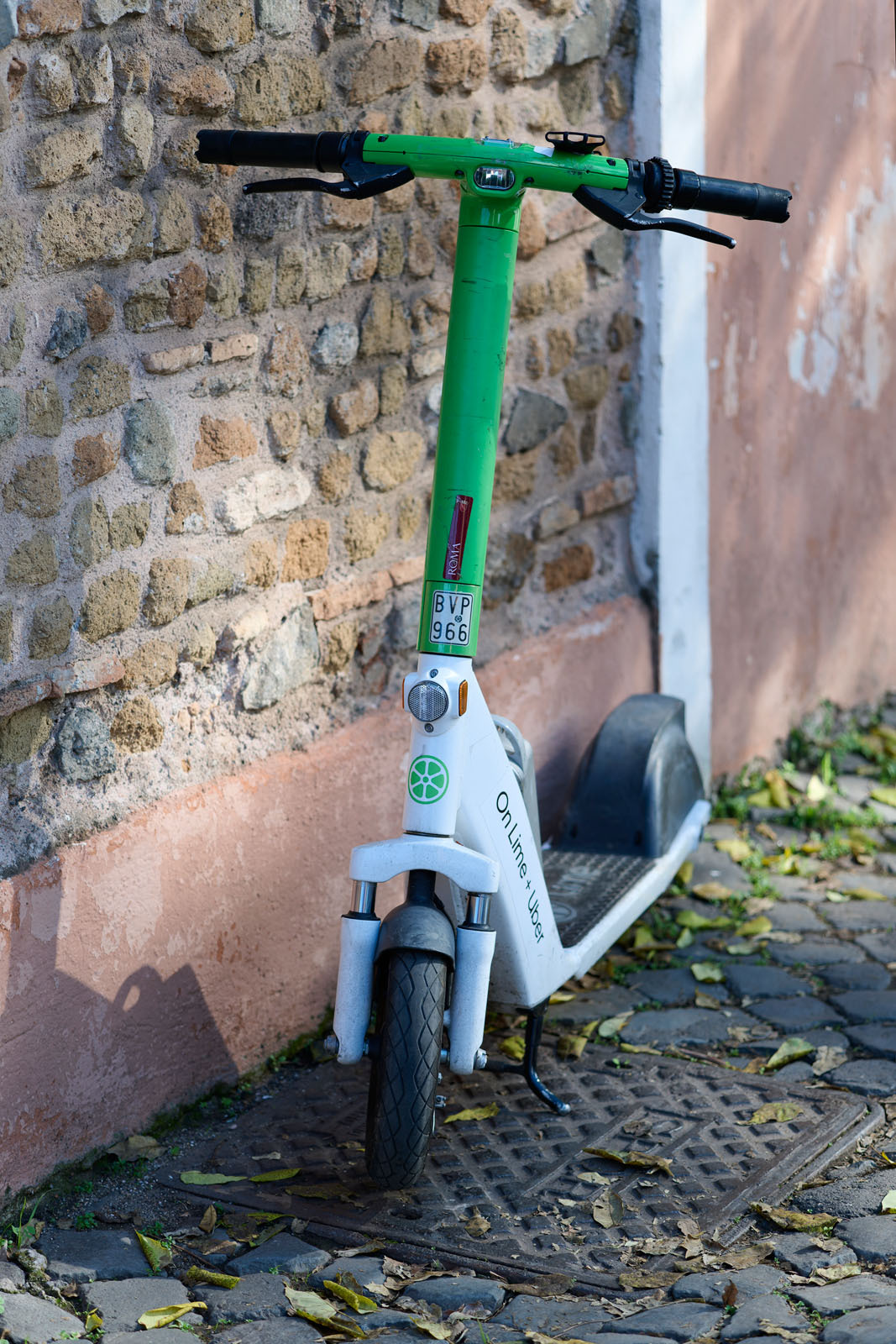
Wild parking of electric kickscooters in Rome:
NIKON Z5 II + 90/2.8 Apo-Skopar SL IIs @ f/2.8, 1/400 s, 100 ISO
|
||
 |
||
|
Nov 02, 2026 at 01:38 AM
p.14 #13Voigtlander 90mm f/2.8 APO-Skopar Review
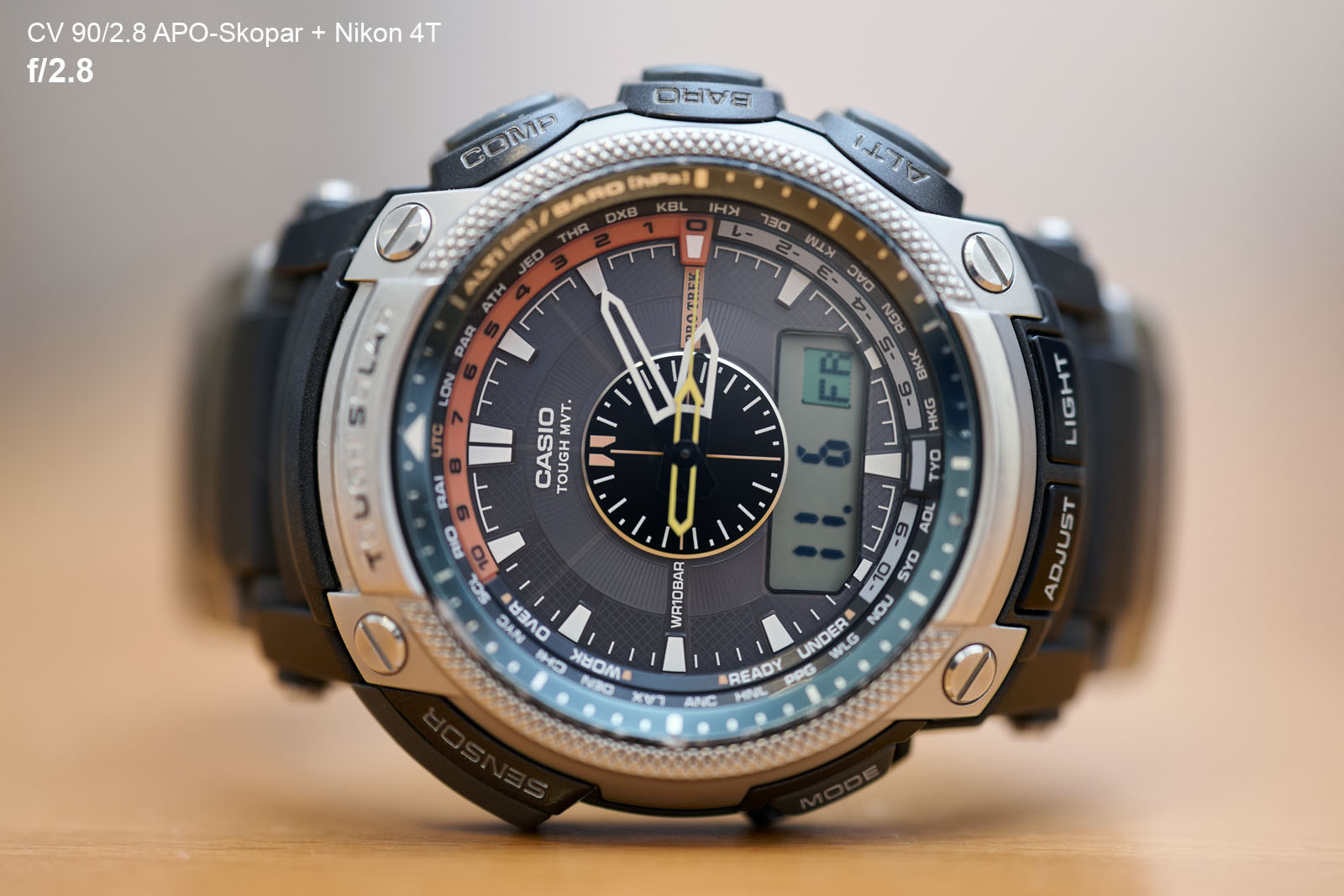
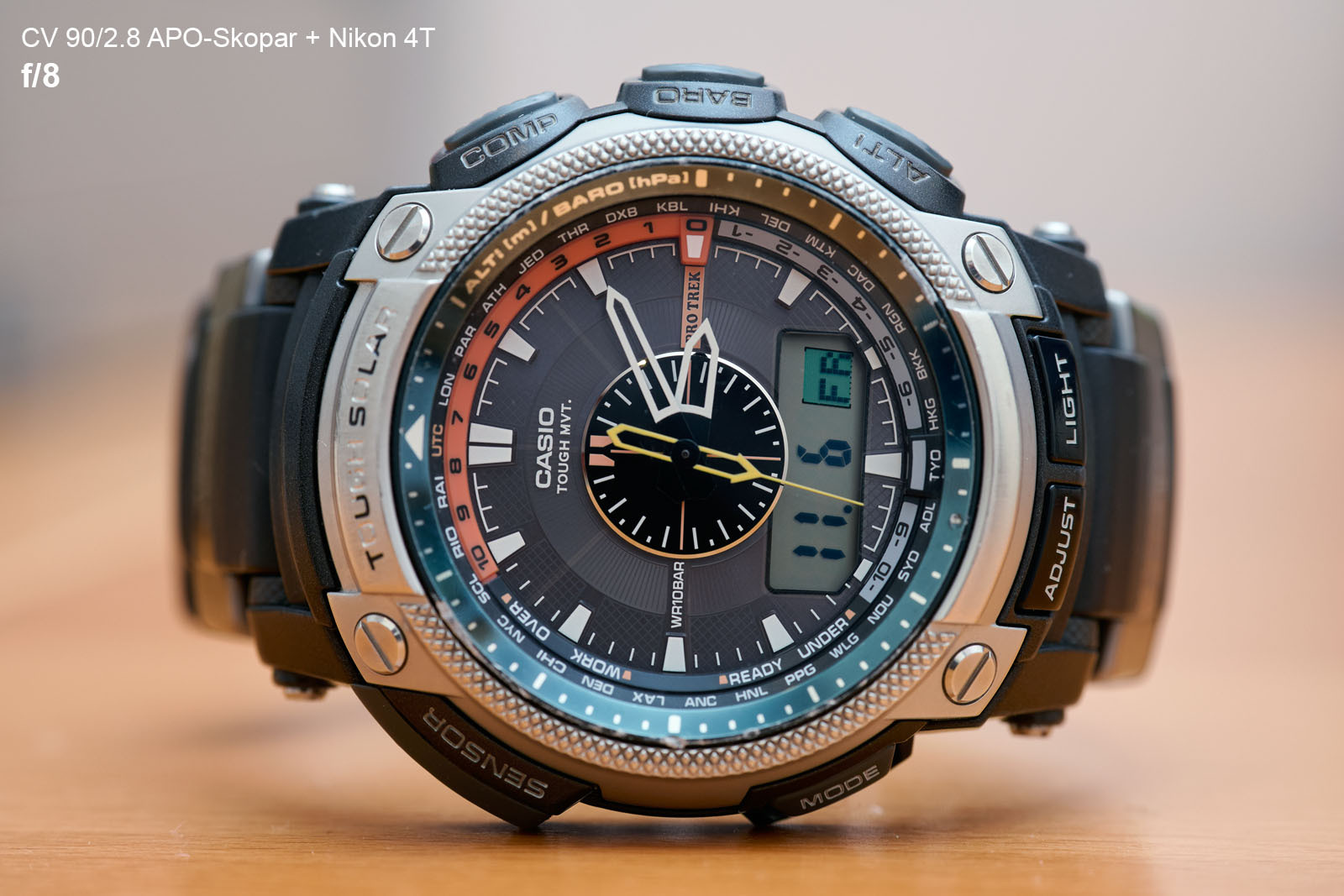
Today I played around with the Apo-Skopar and the Nikon 4T close-up attachment lens; the magnification ranges from 0.27X to 0.41X. Not too bad. The images below show my watch at 0.41X magnification:
|
||
 |
||
|
|
||
 |
||
|
Nov 06, 2026 at 09:35 AM