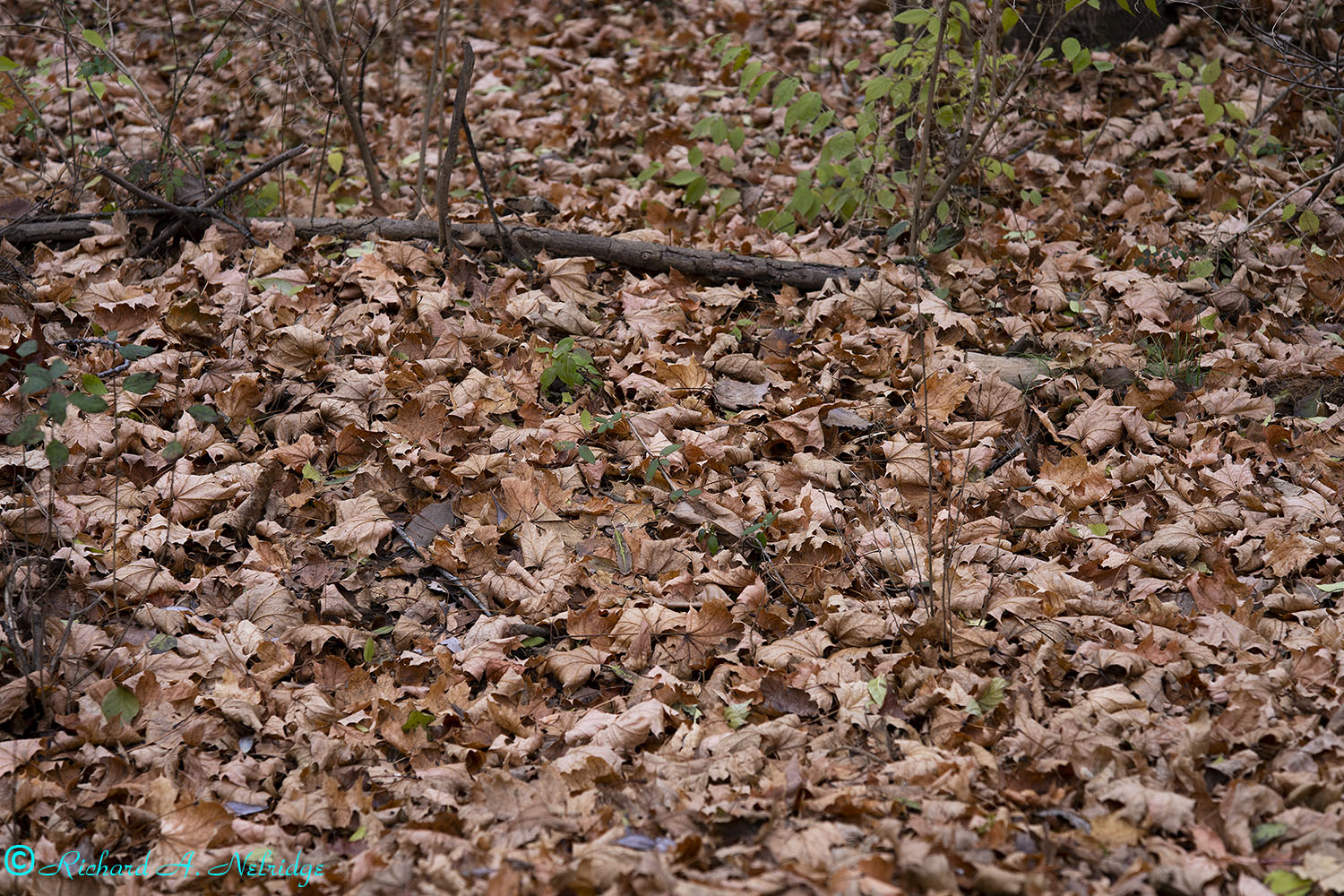
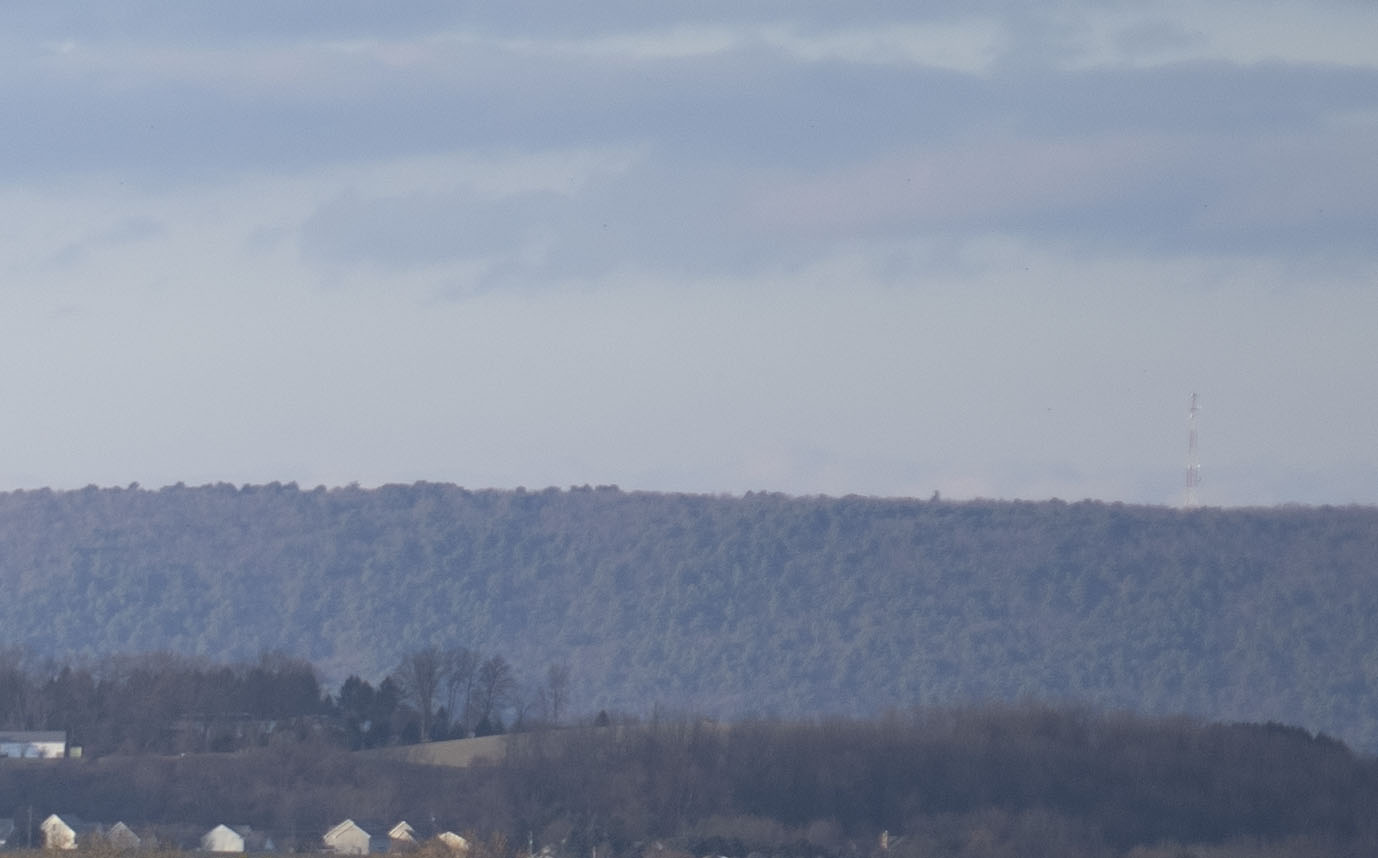
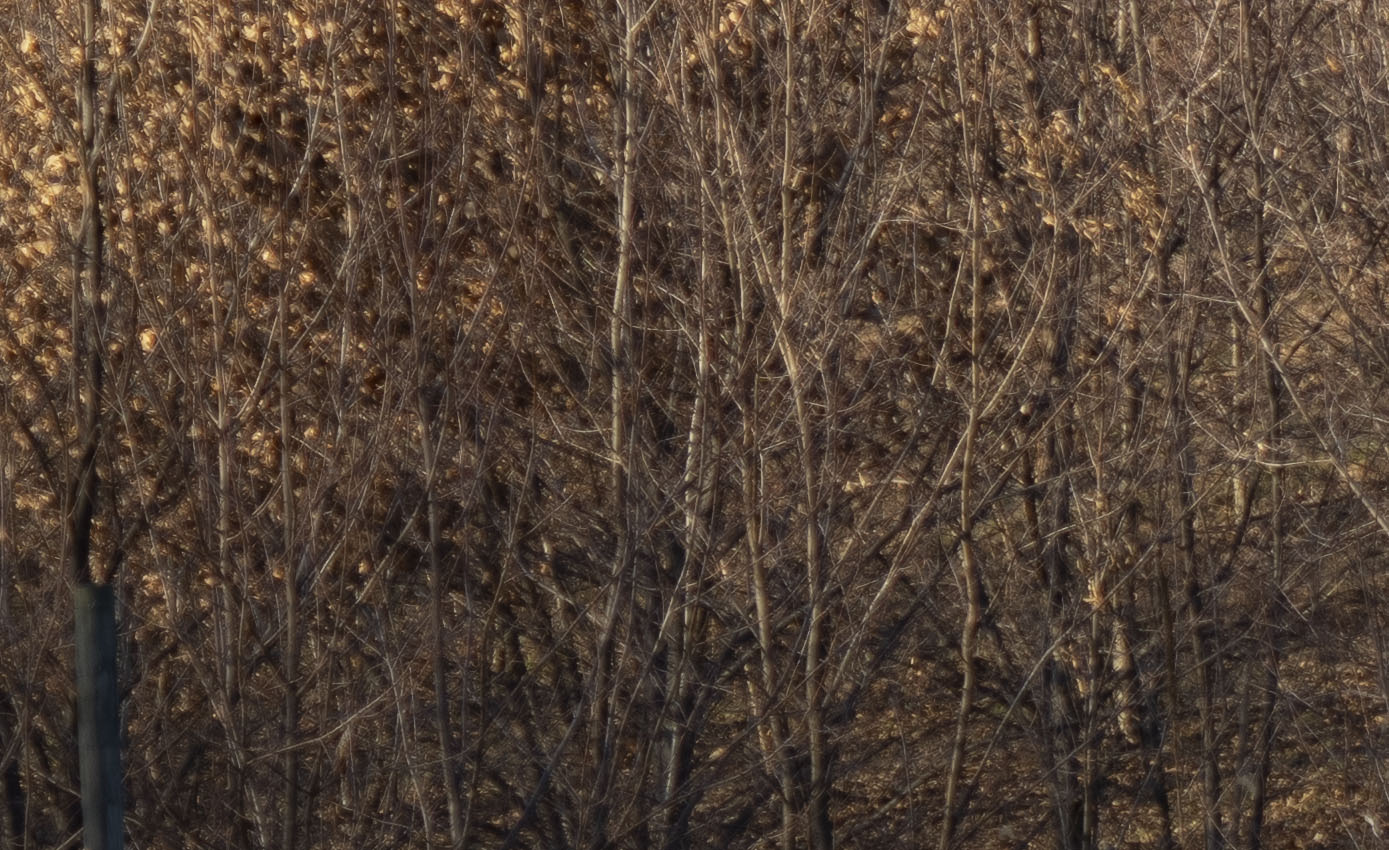
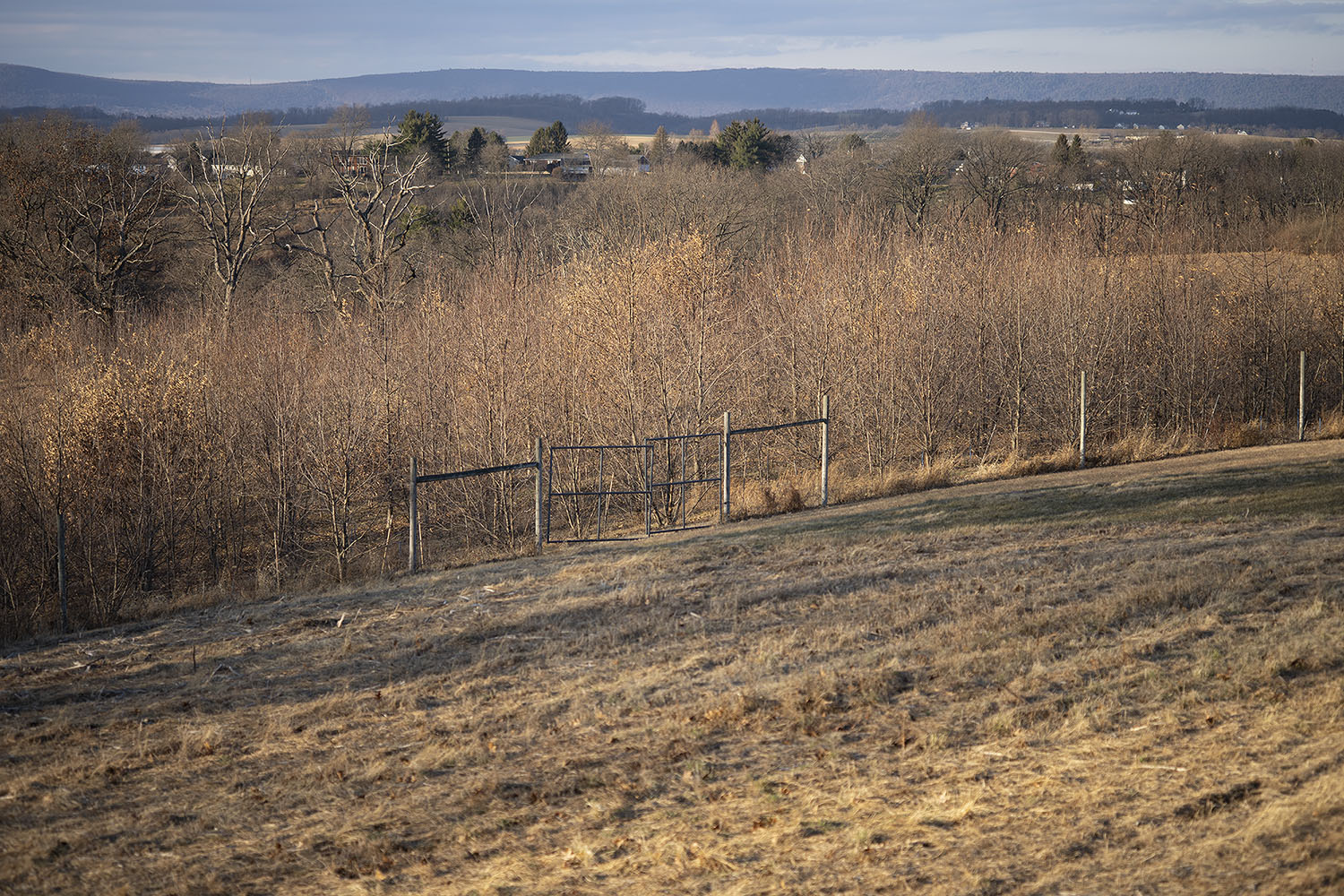
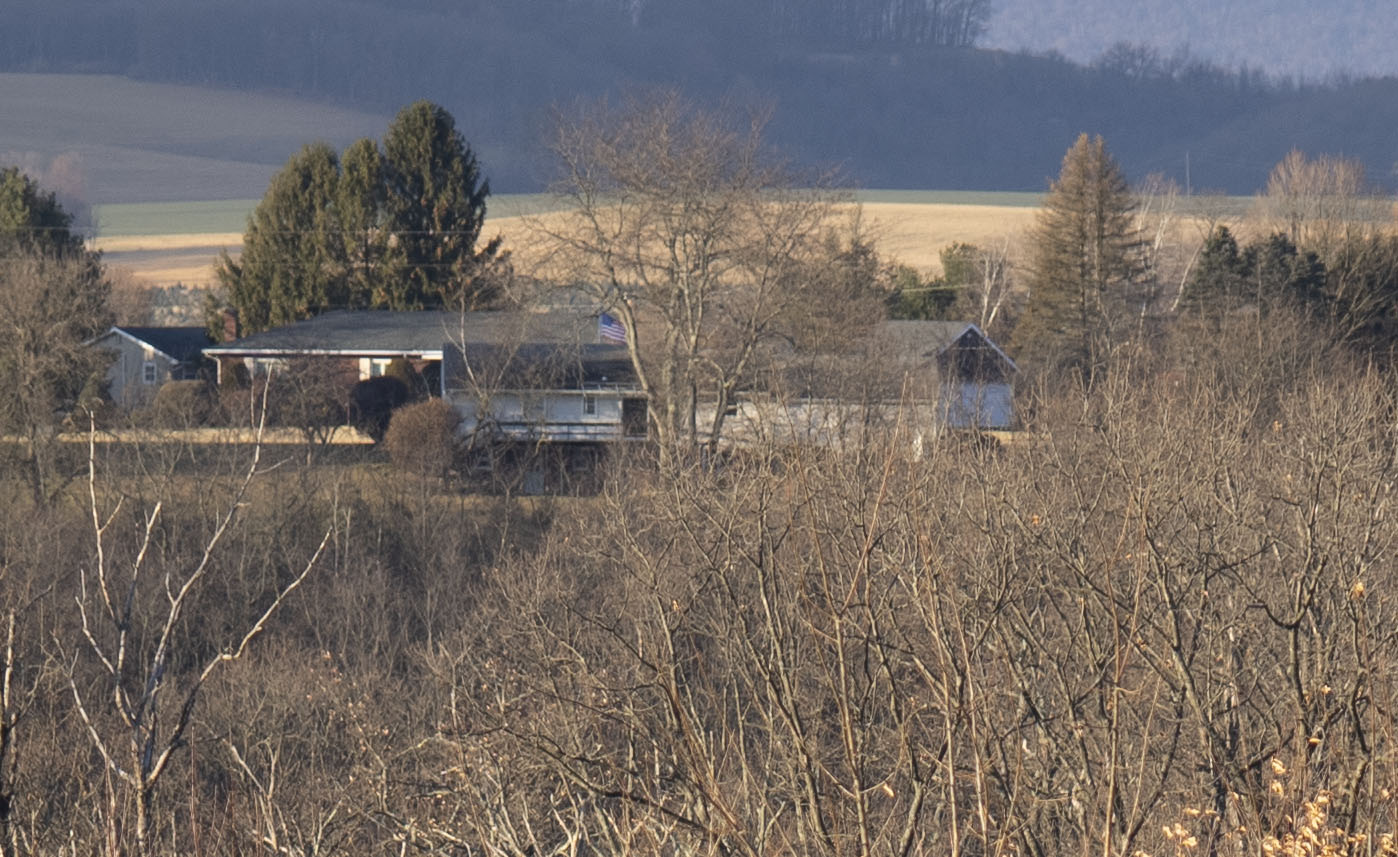
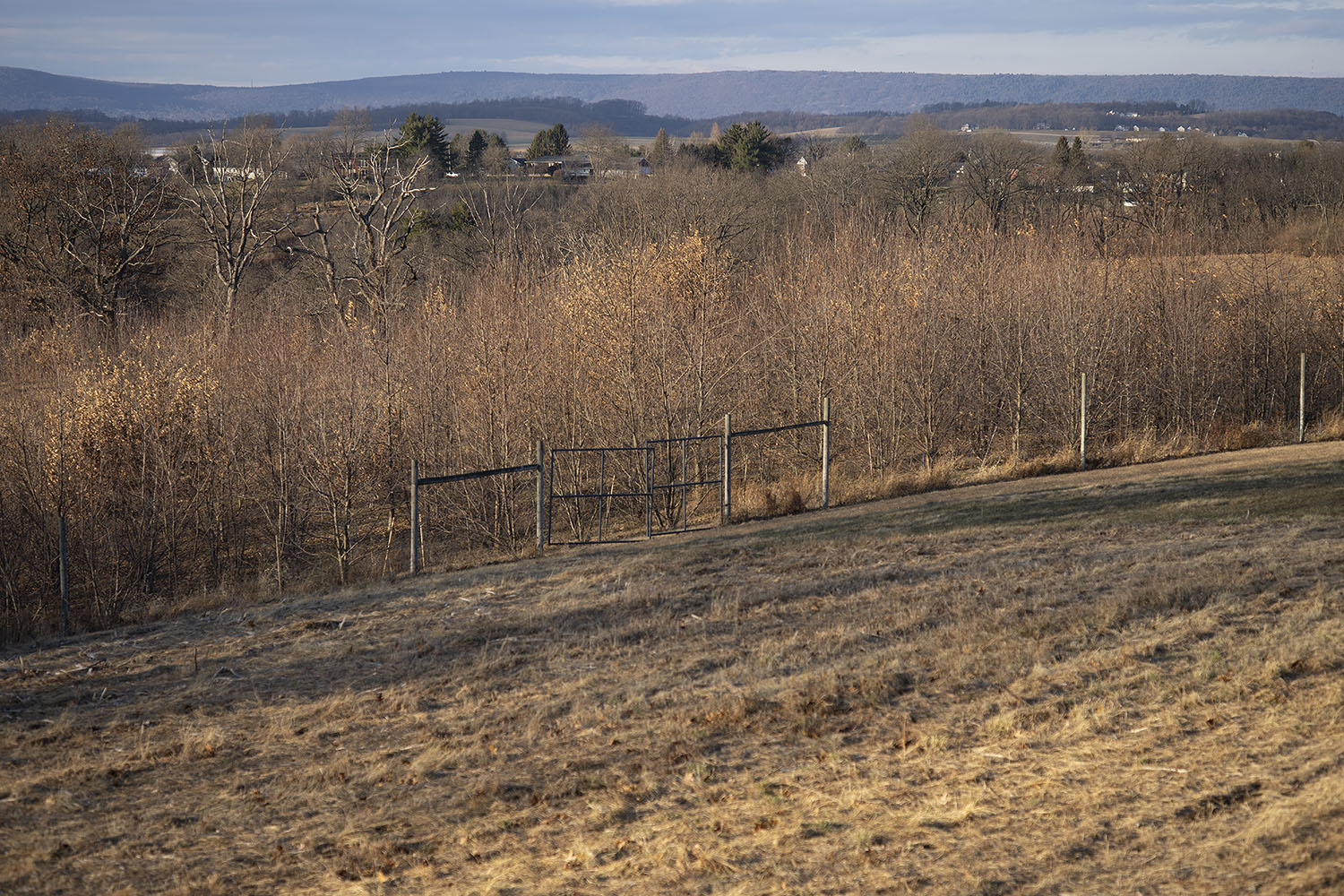
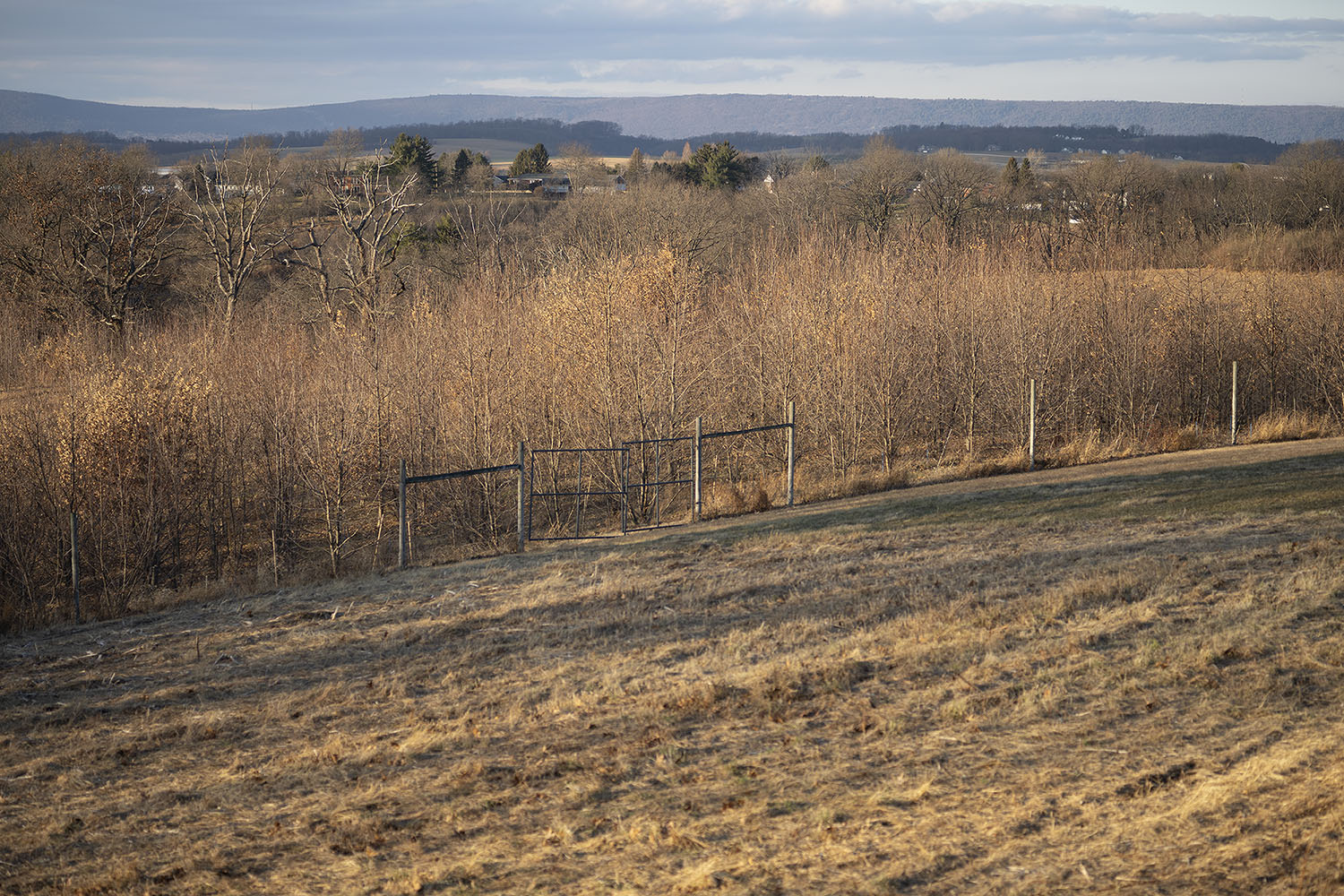
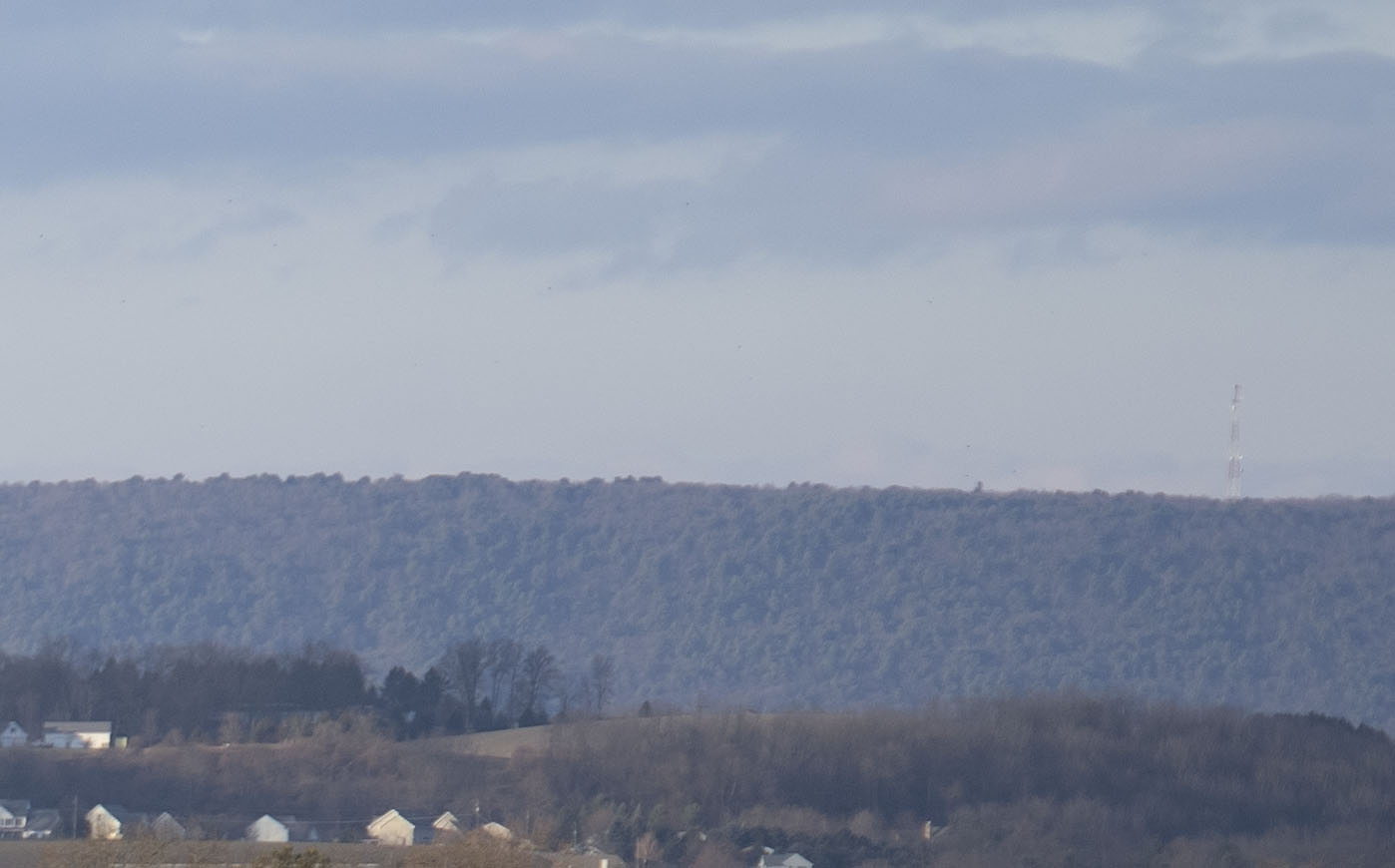
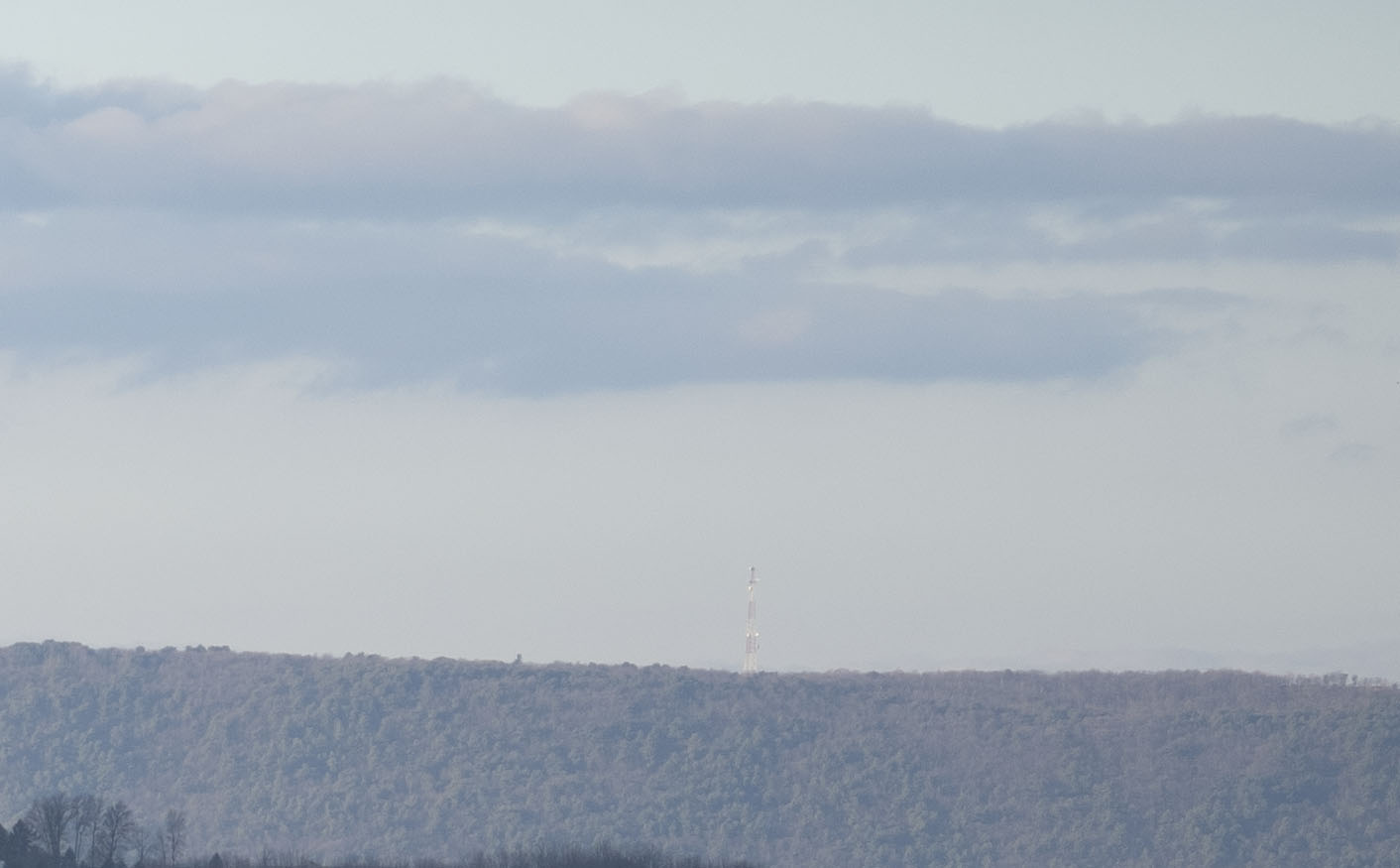
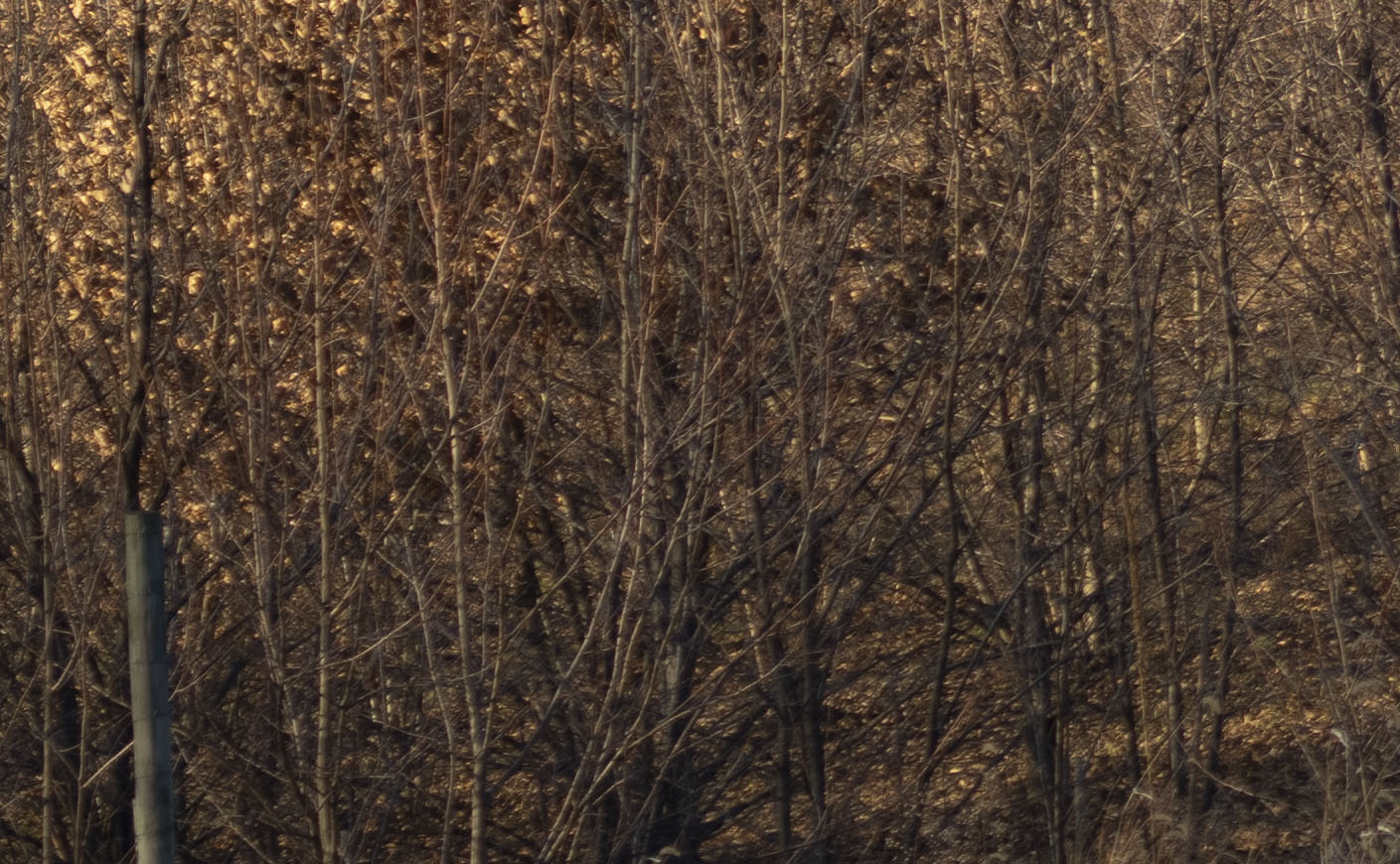
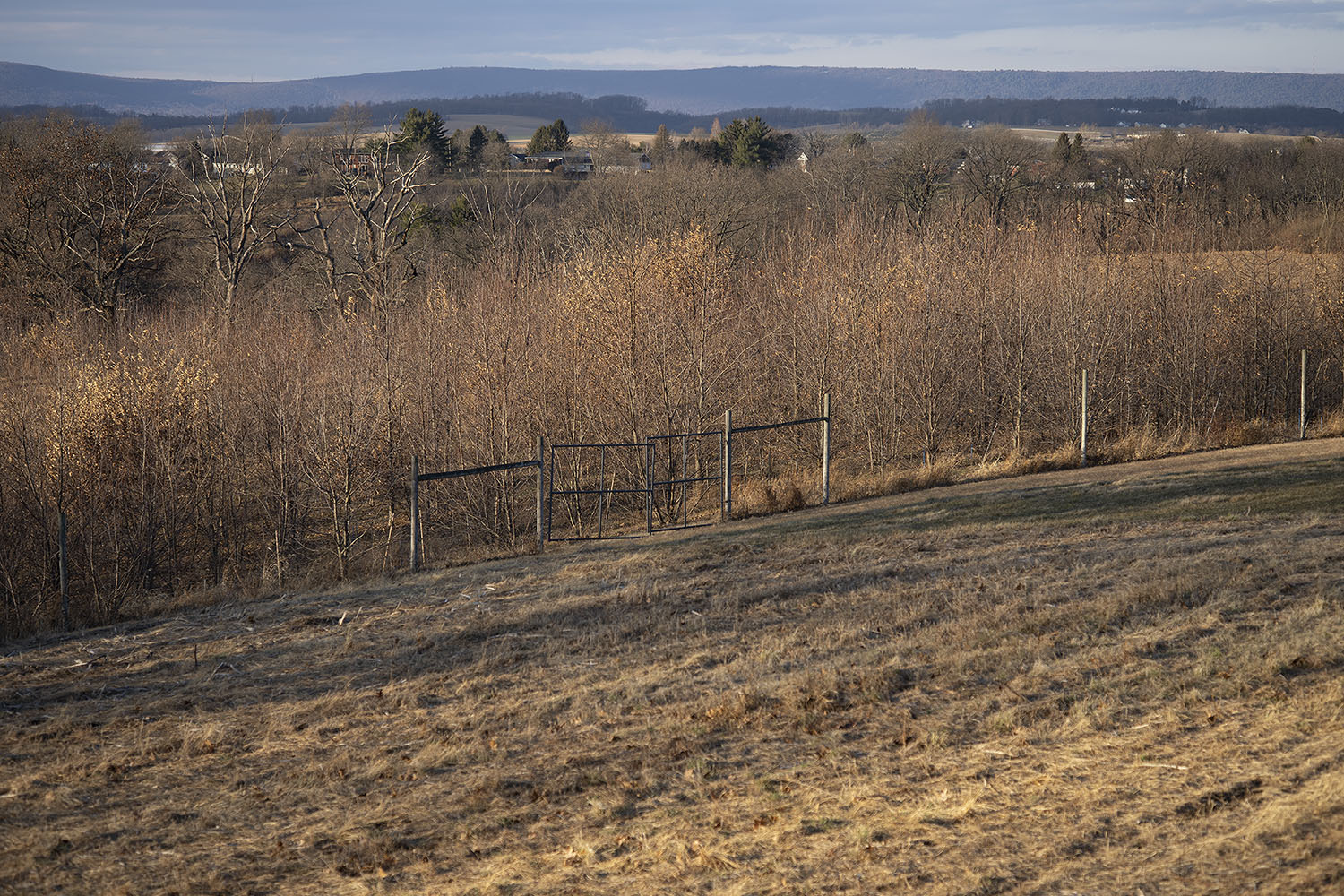
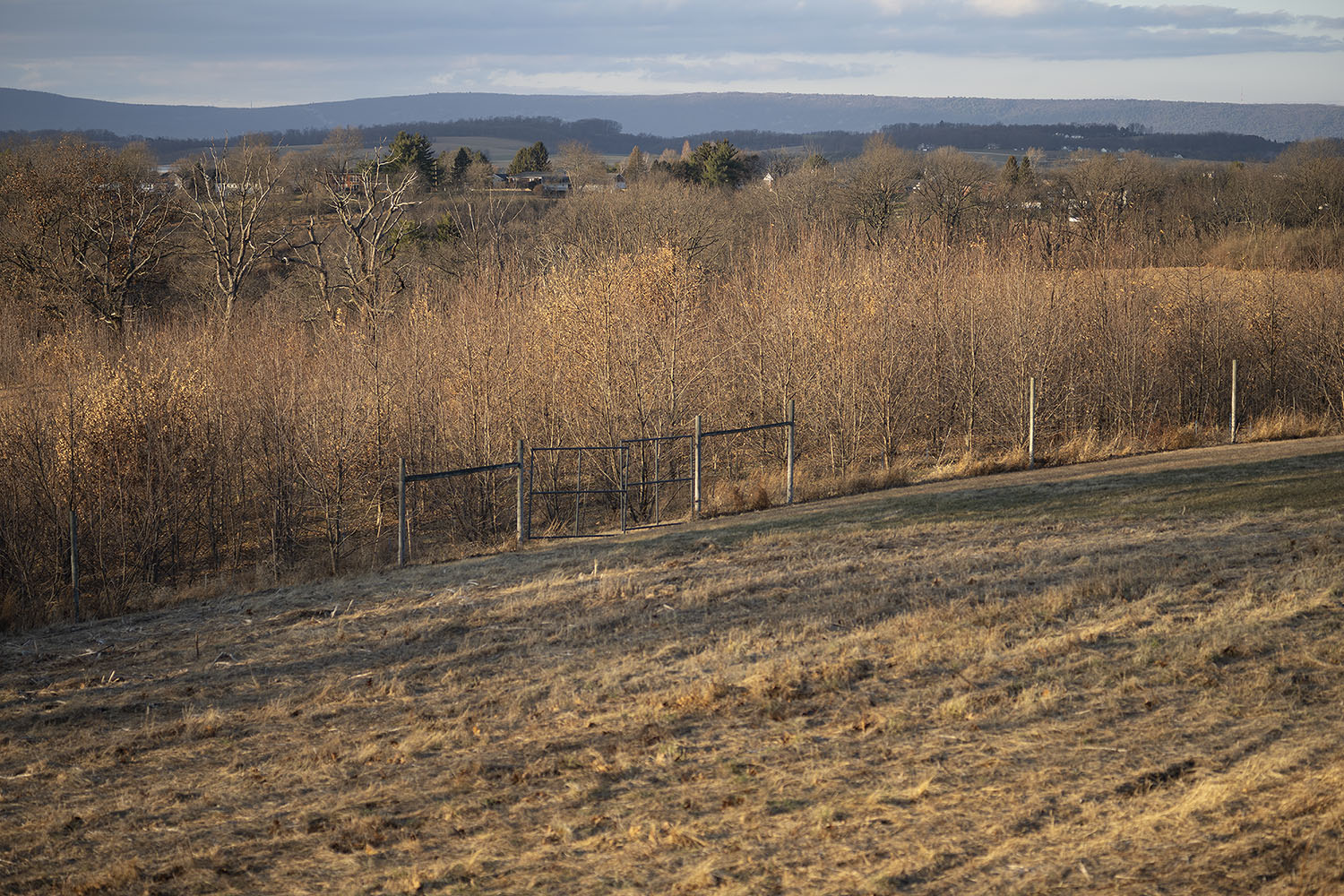
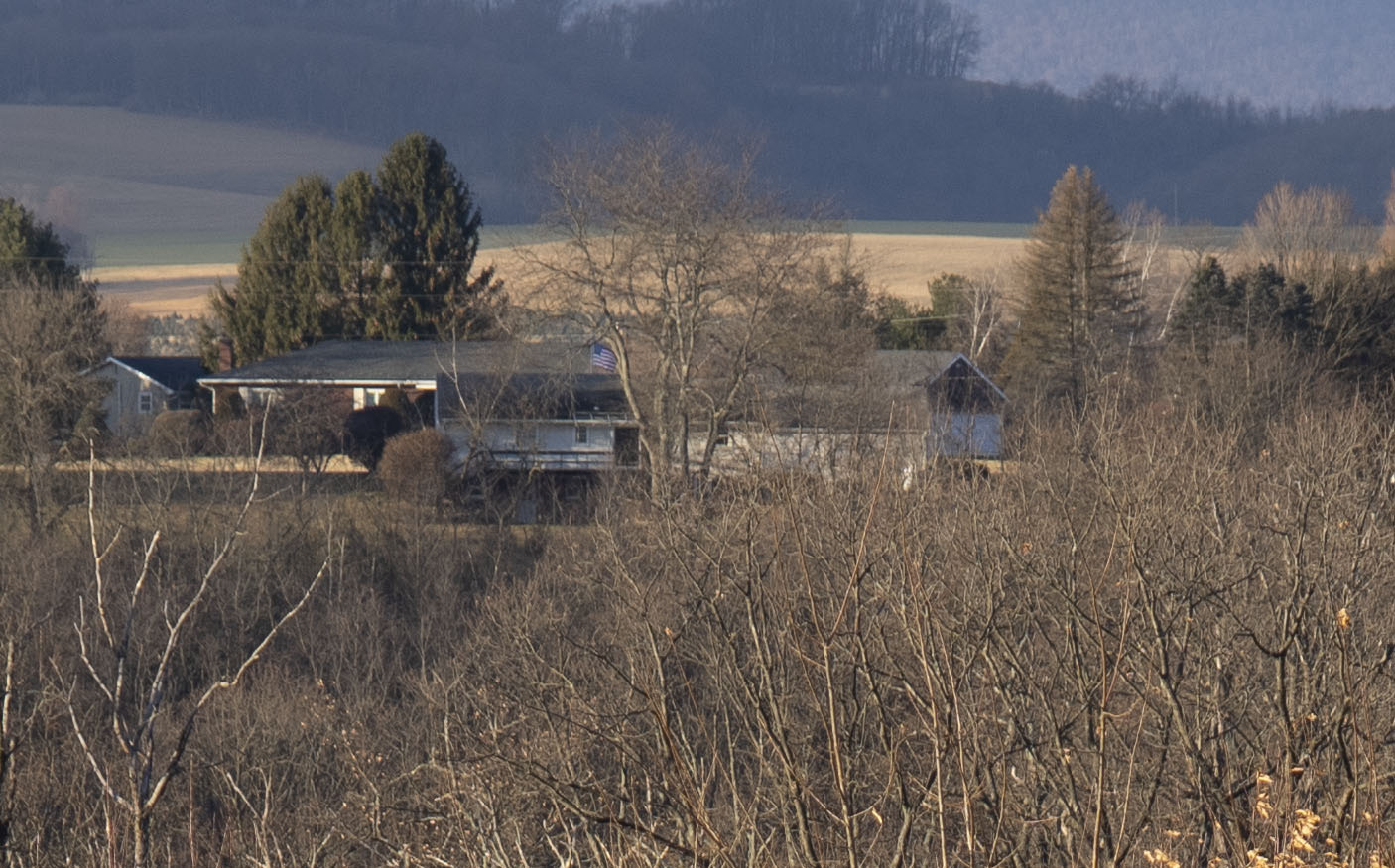
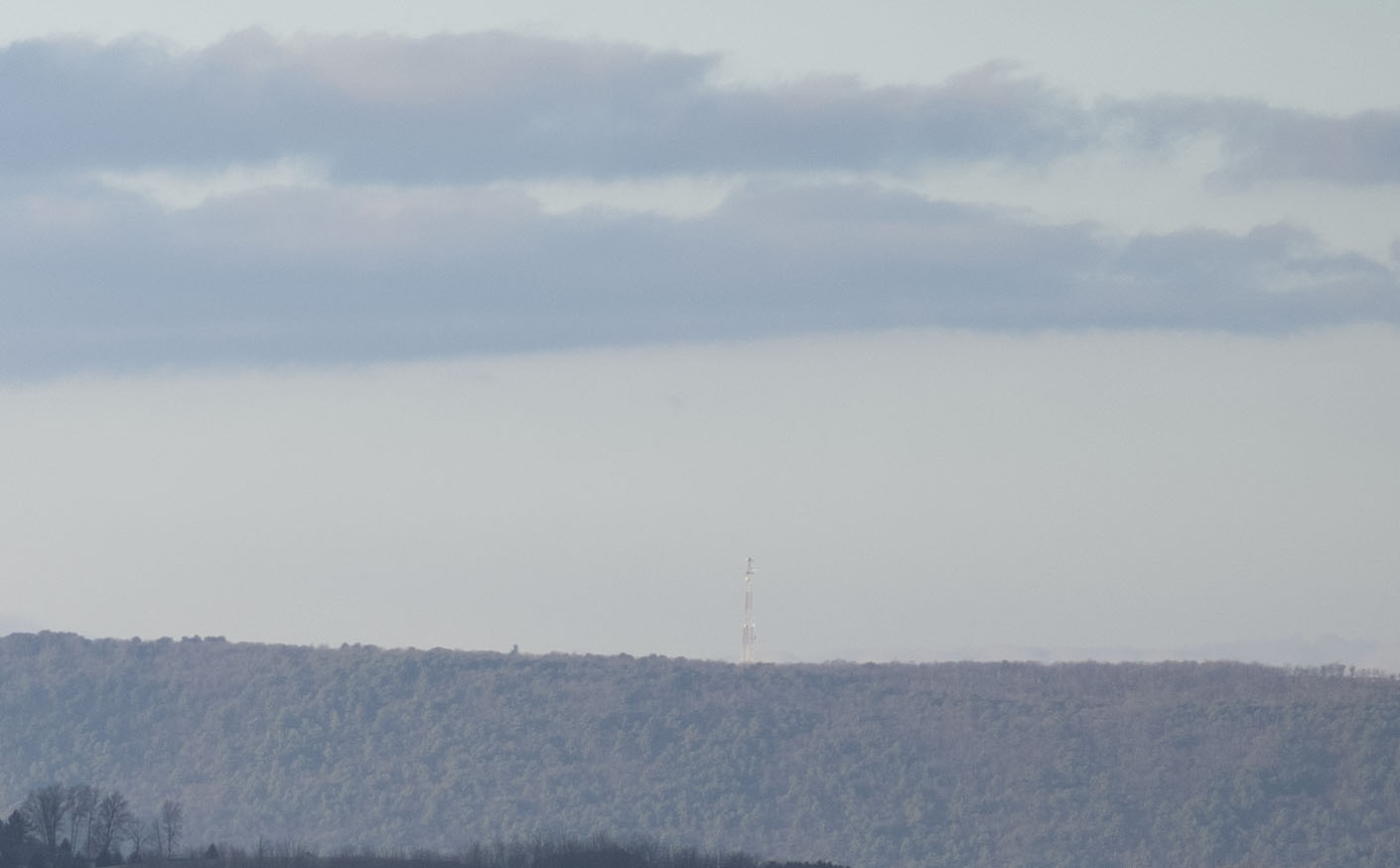
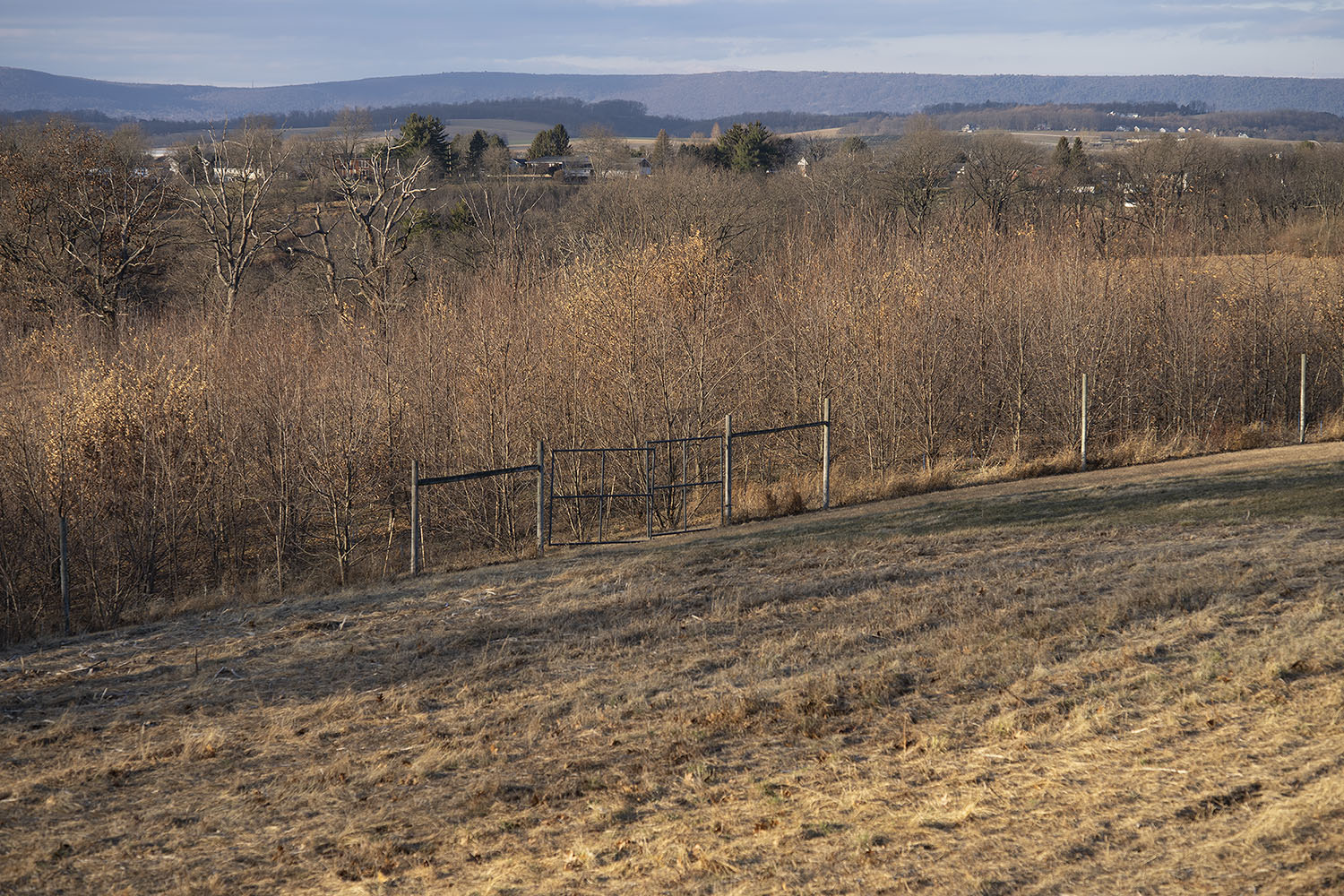
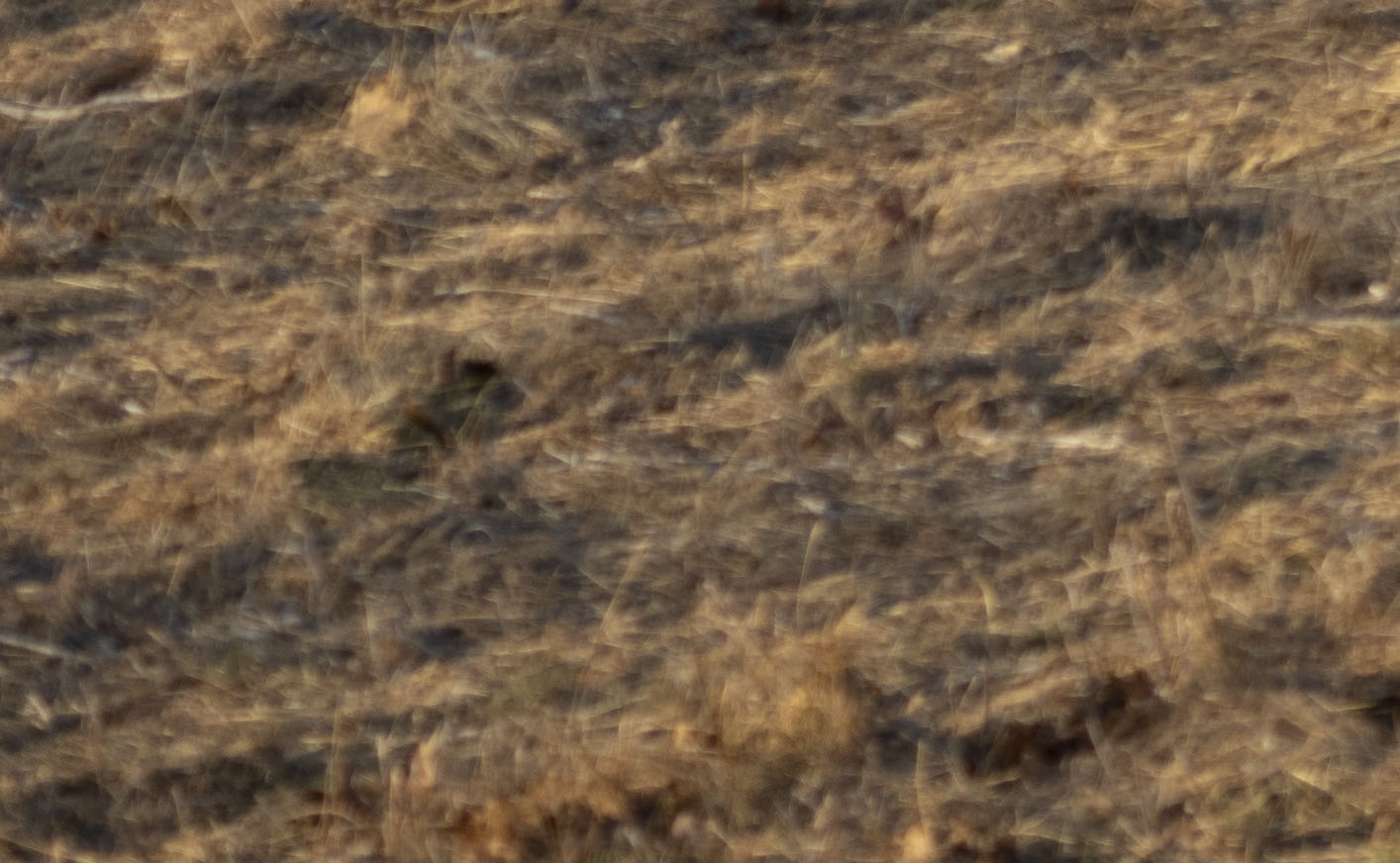
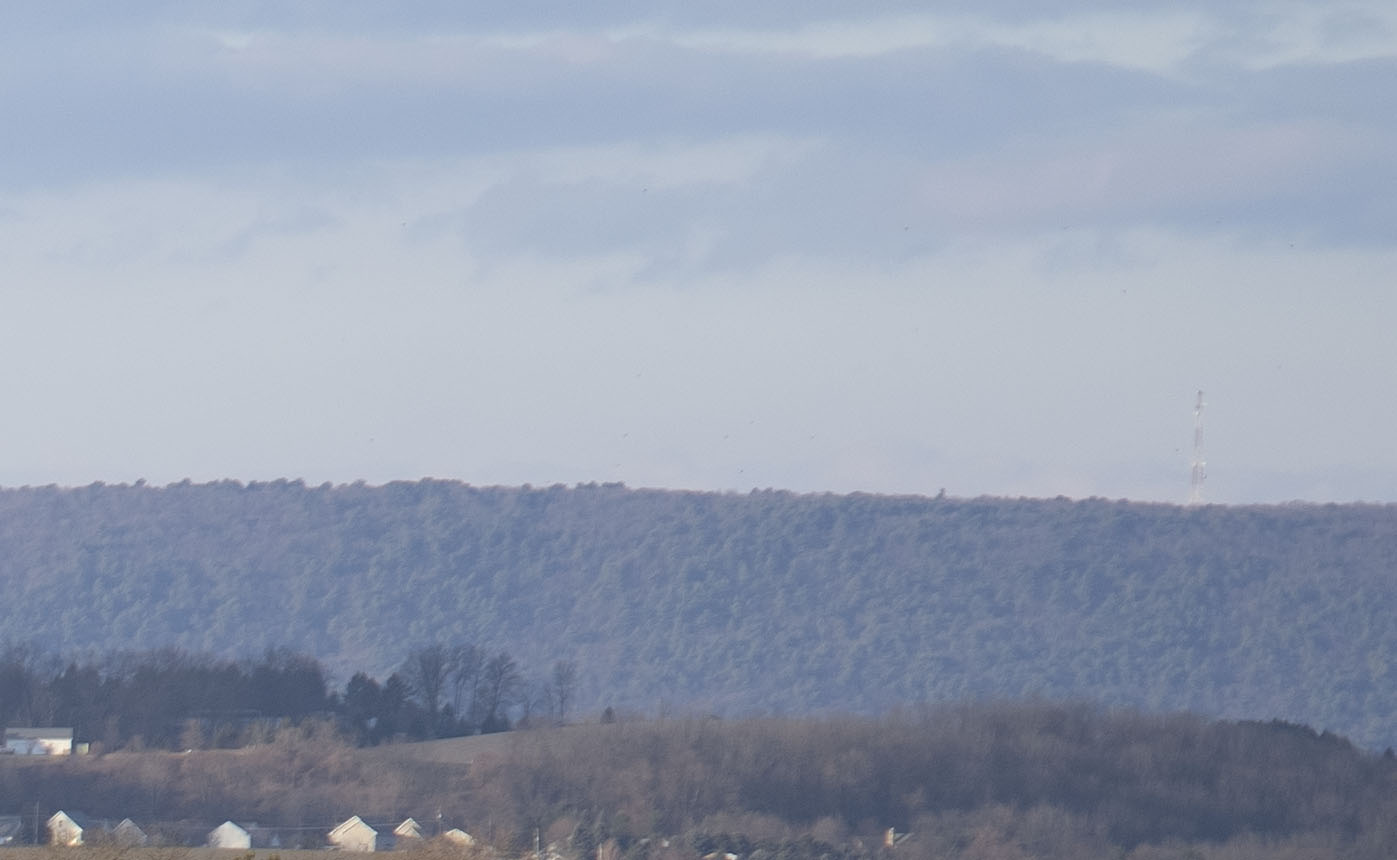
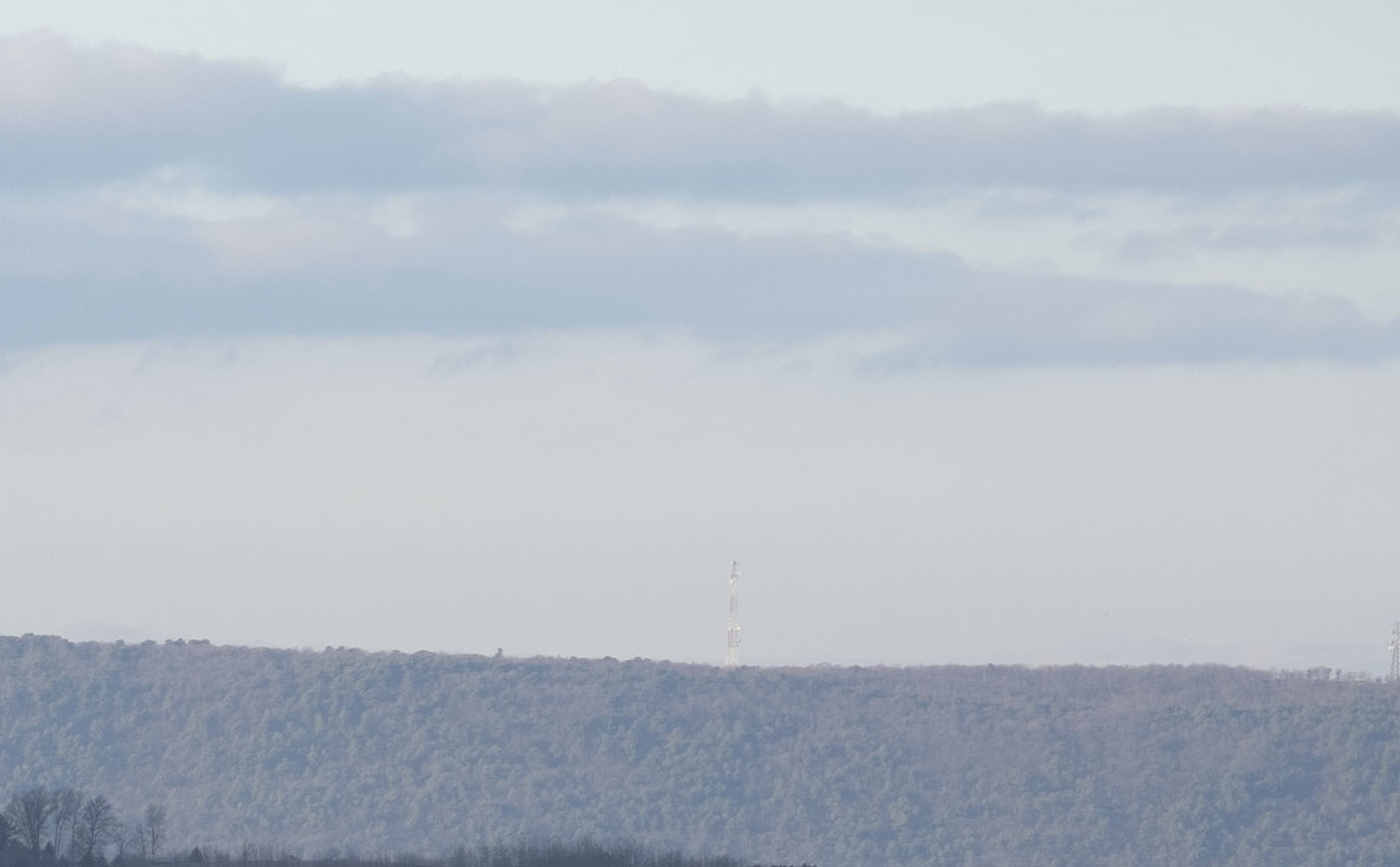
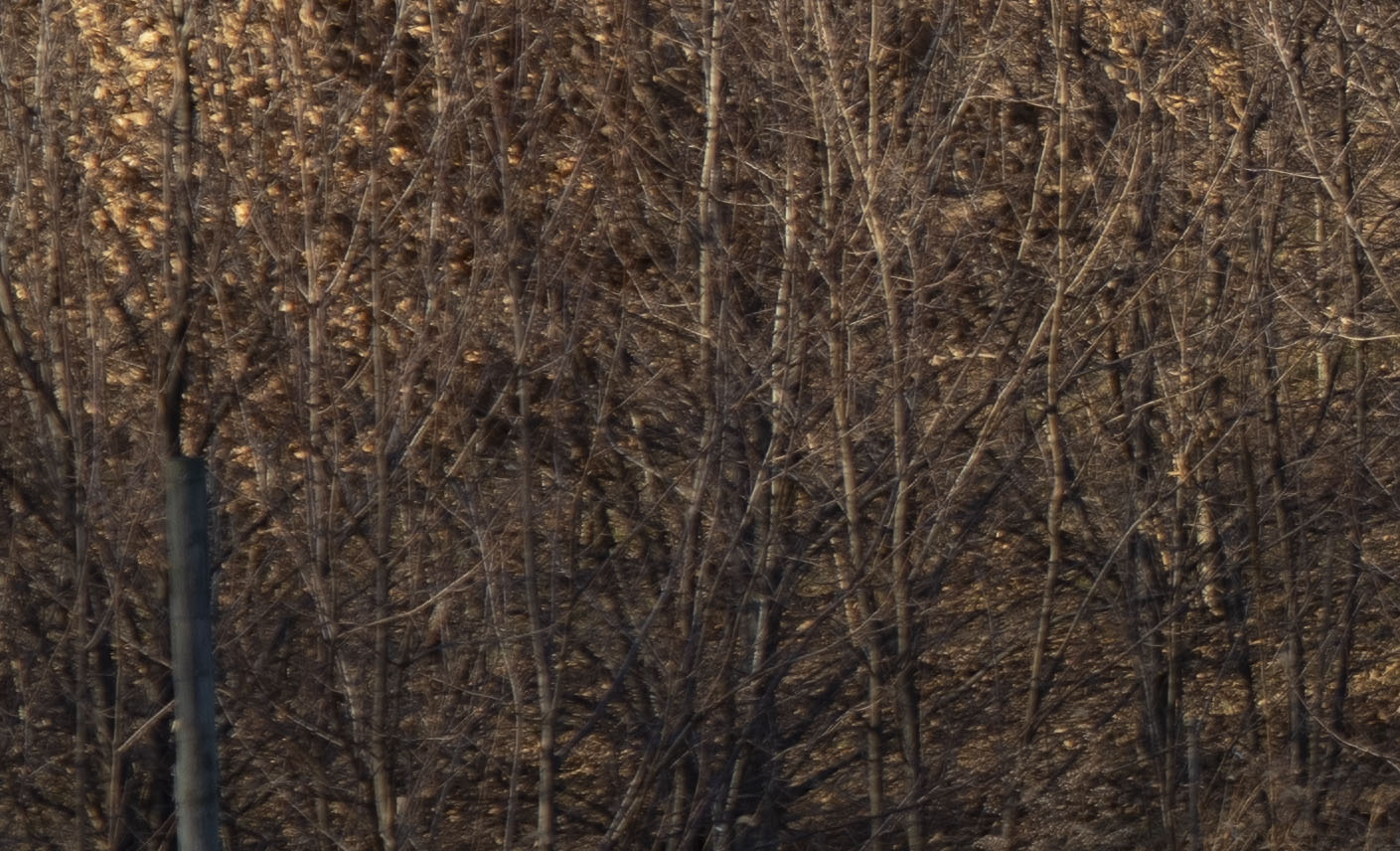
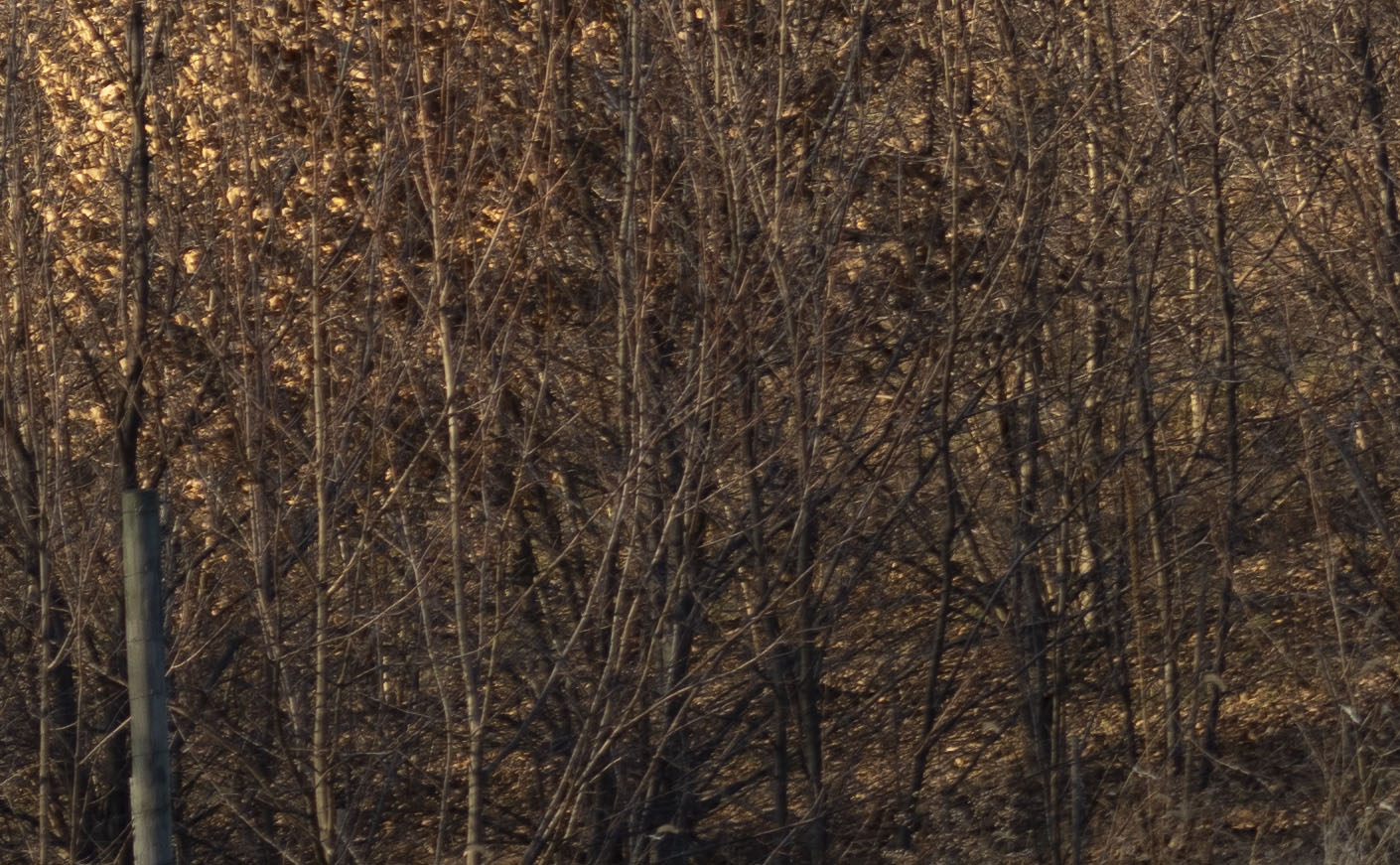
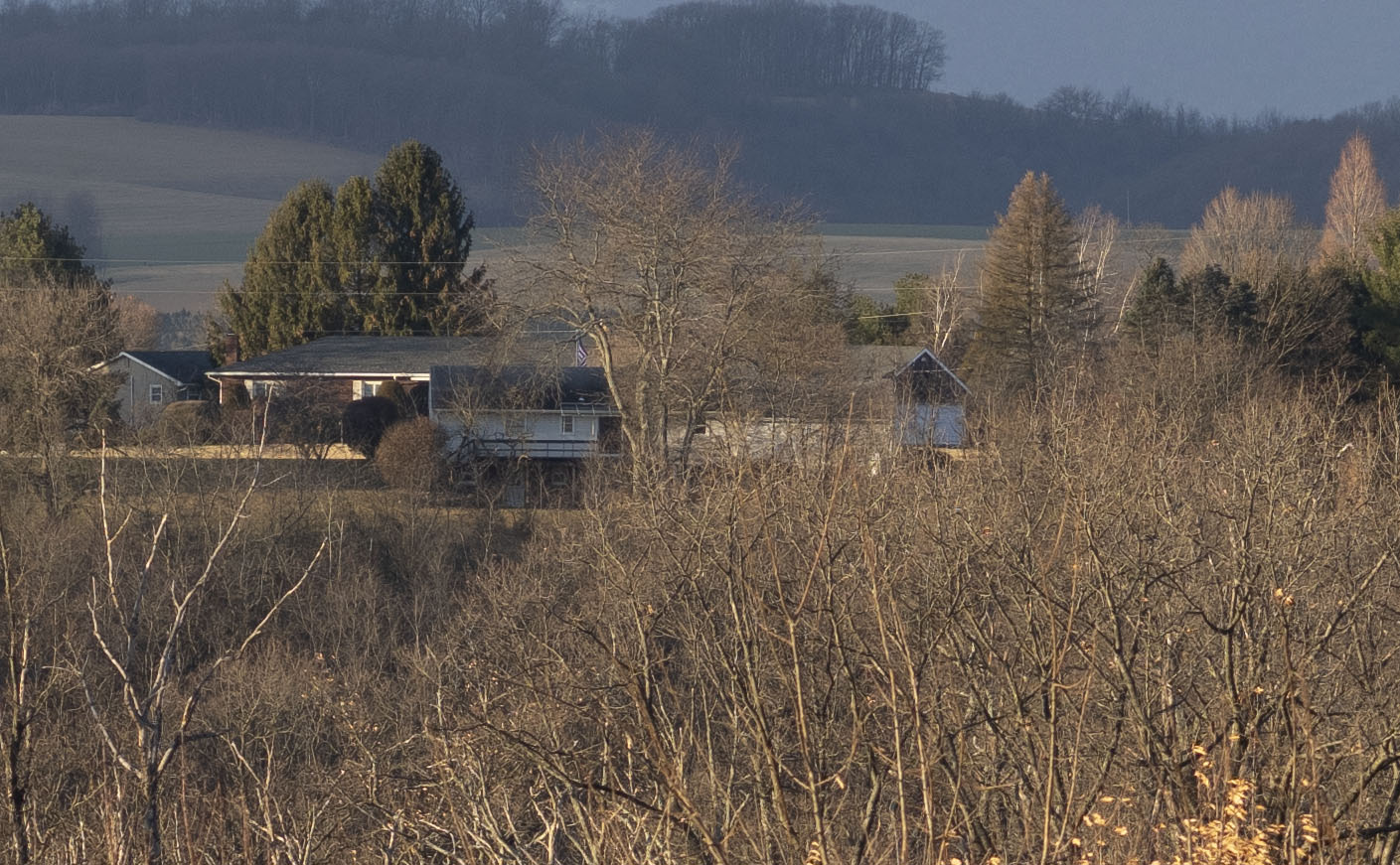
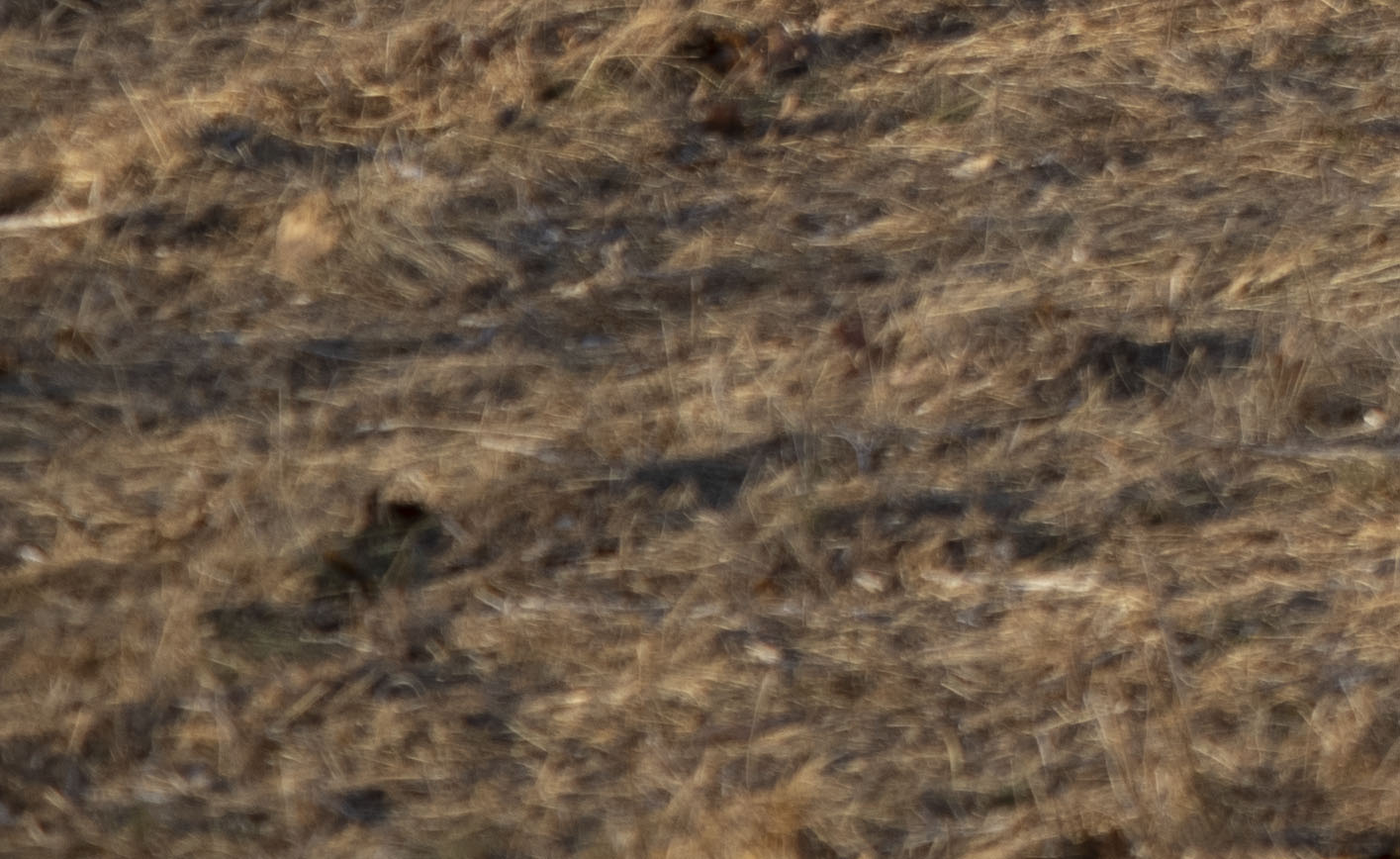
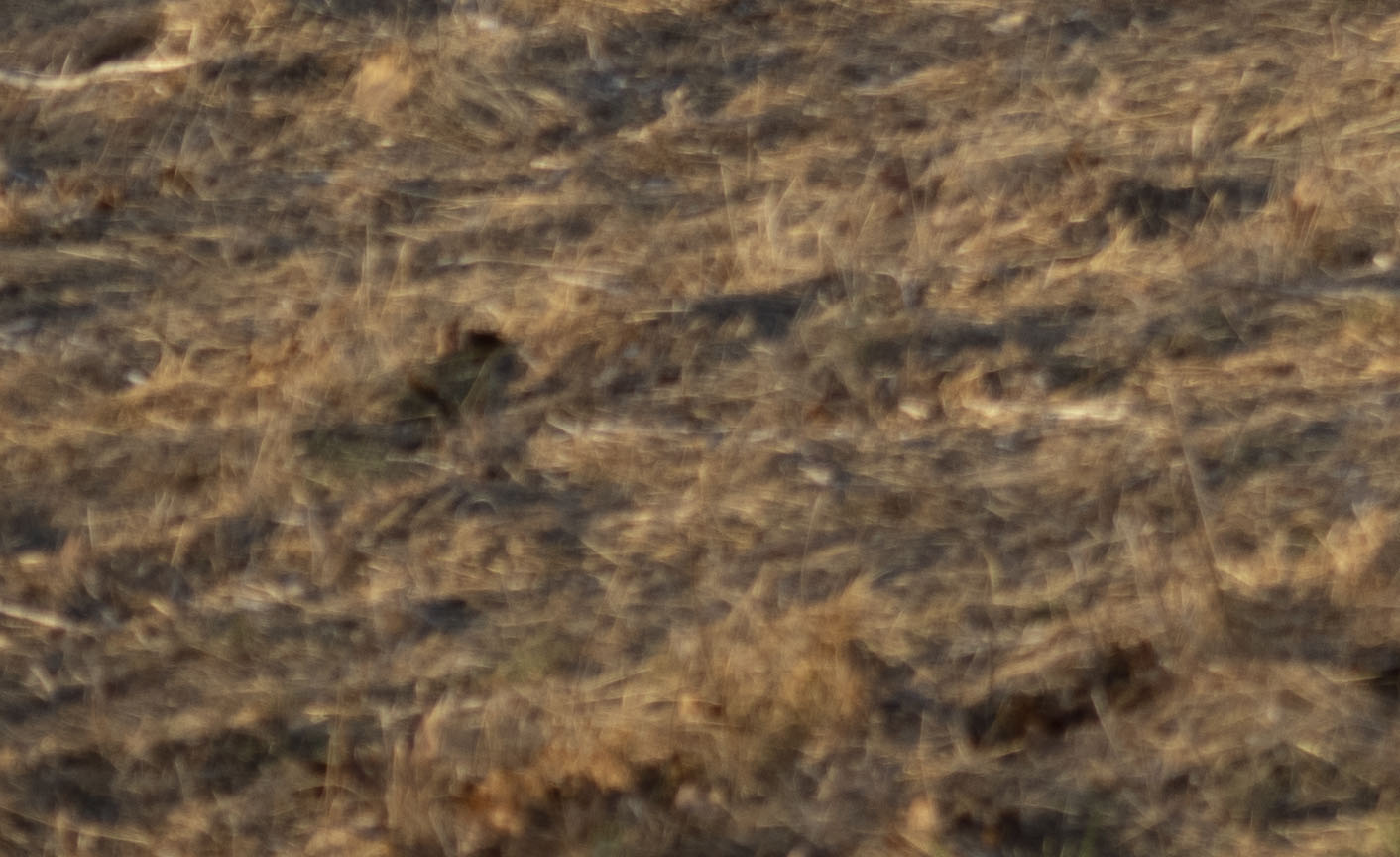
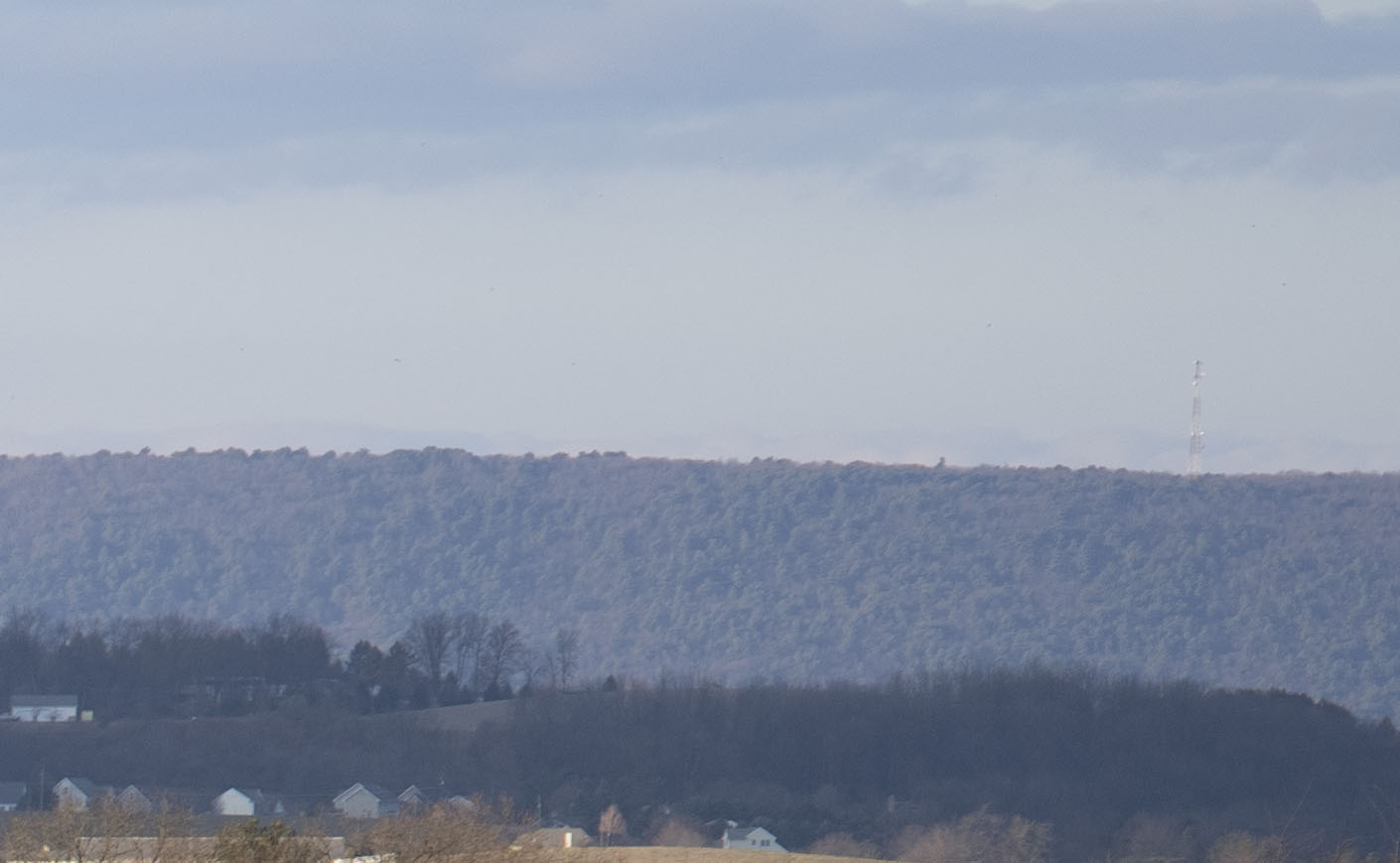
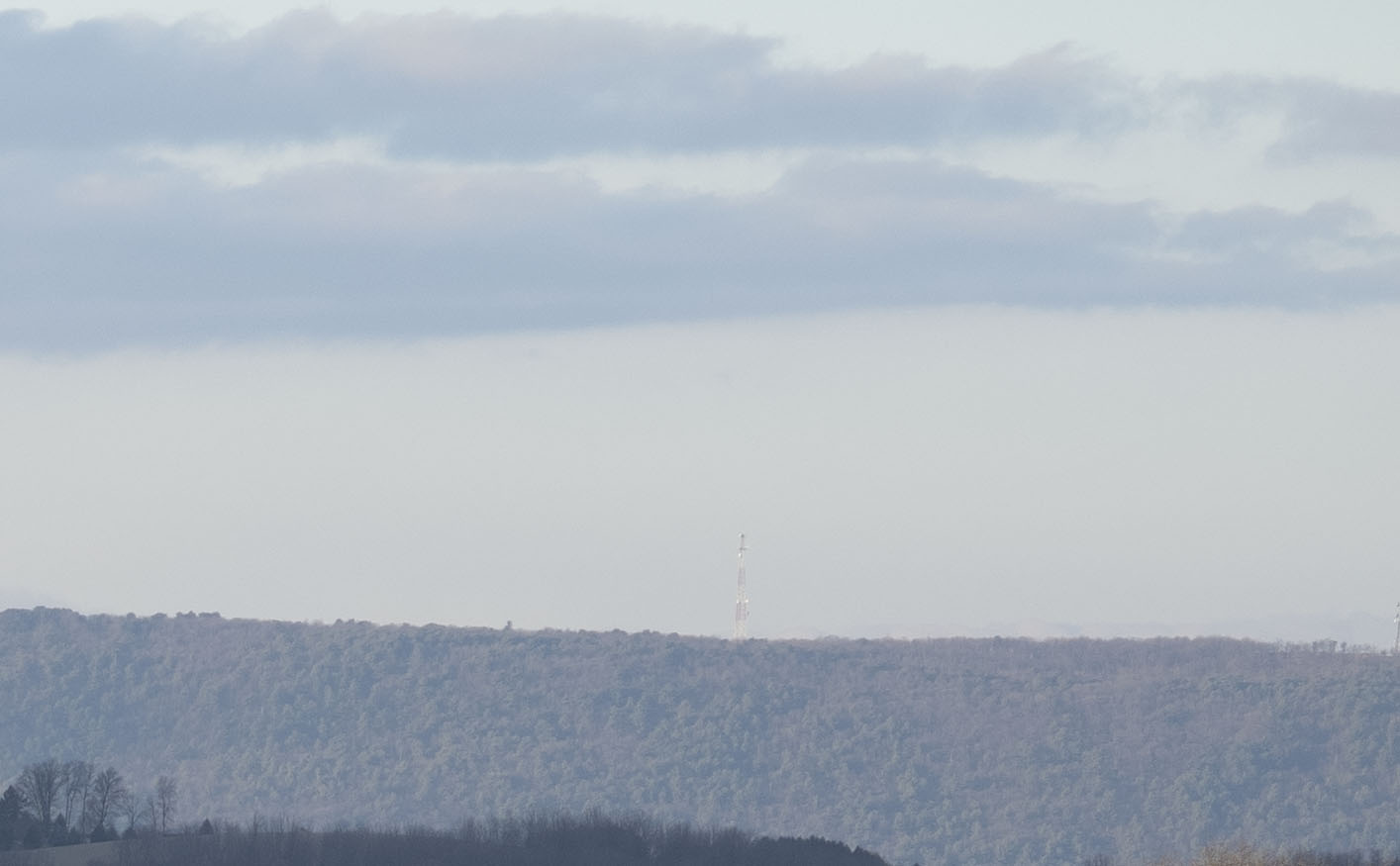
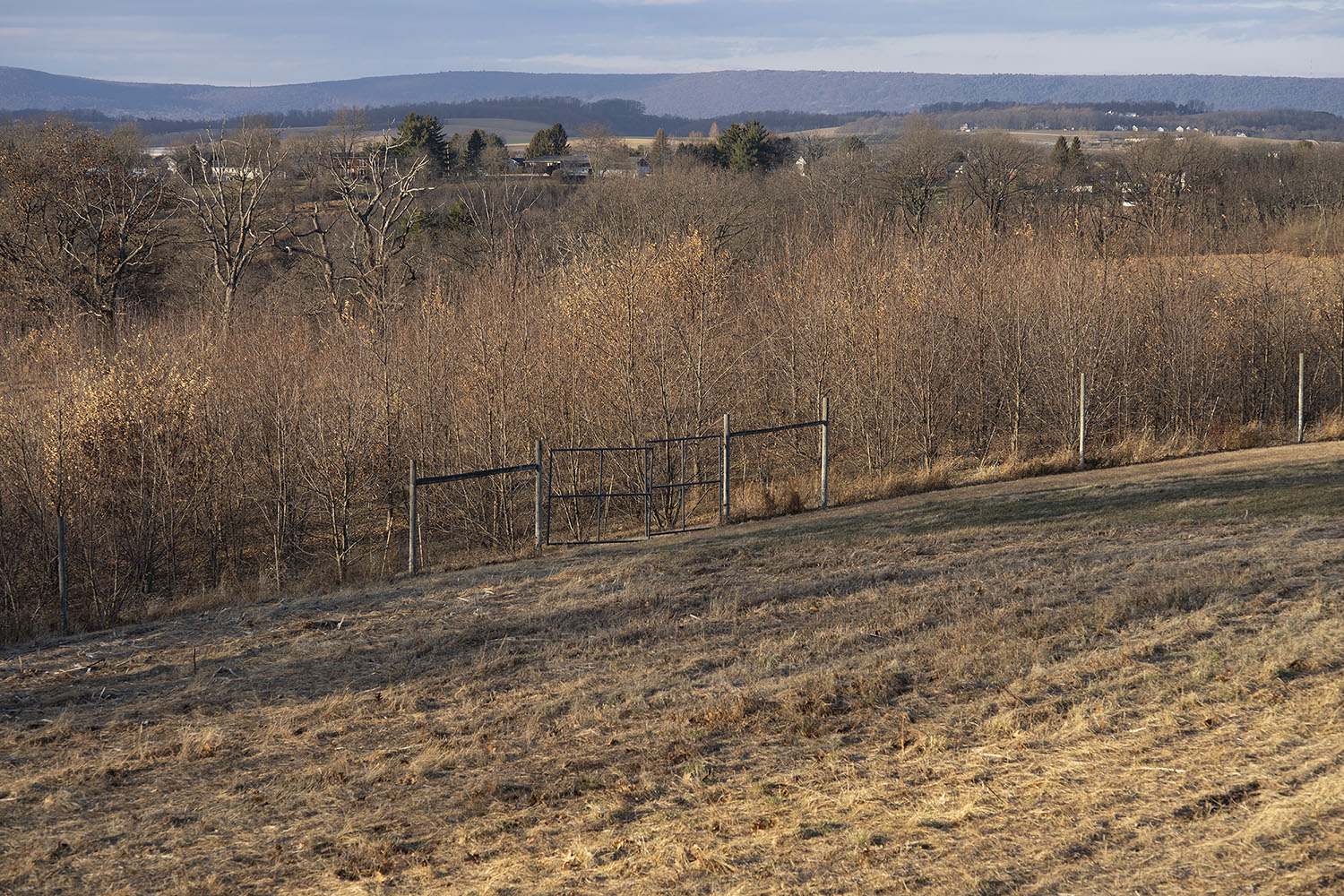
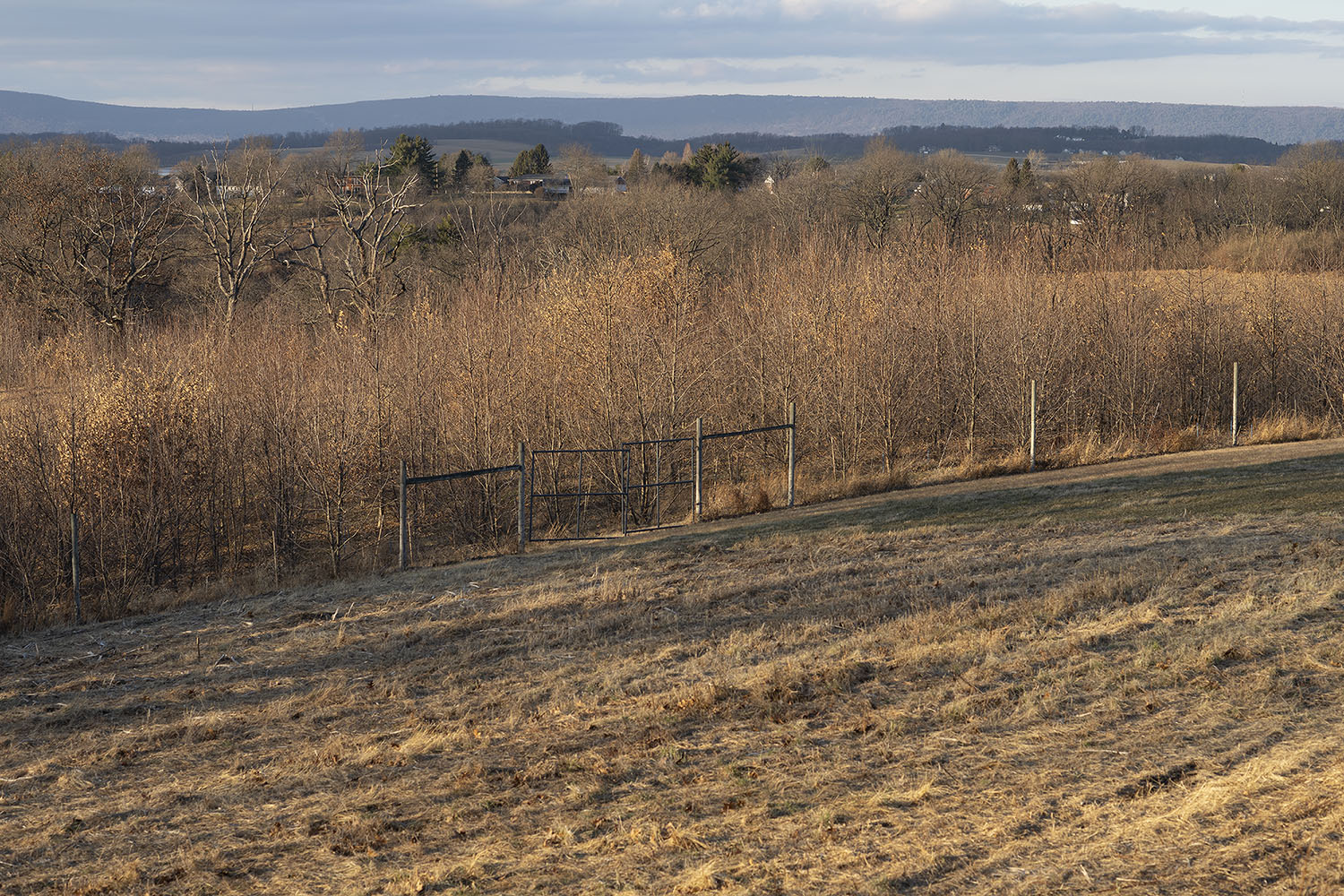
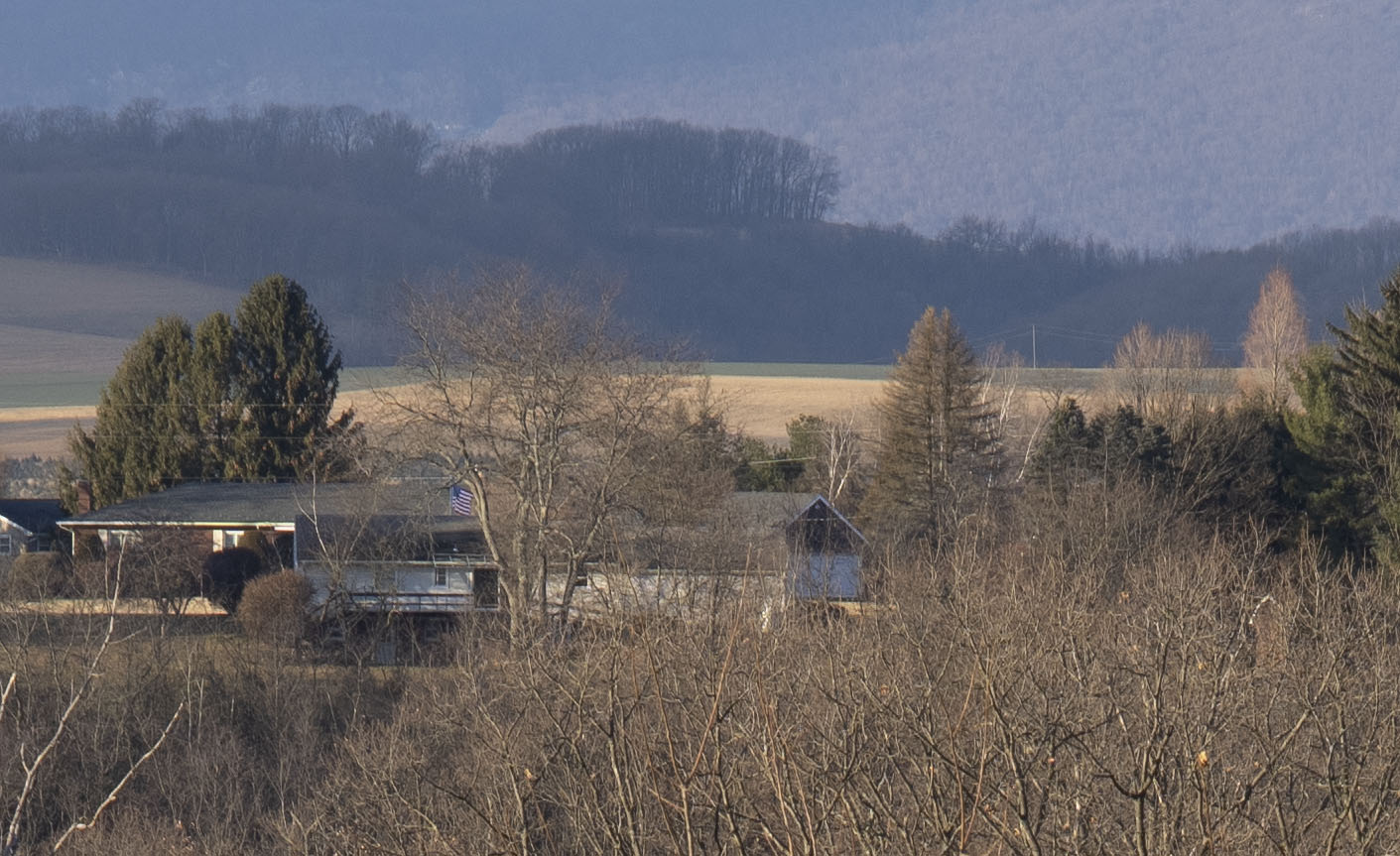
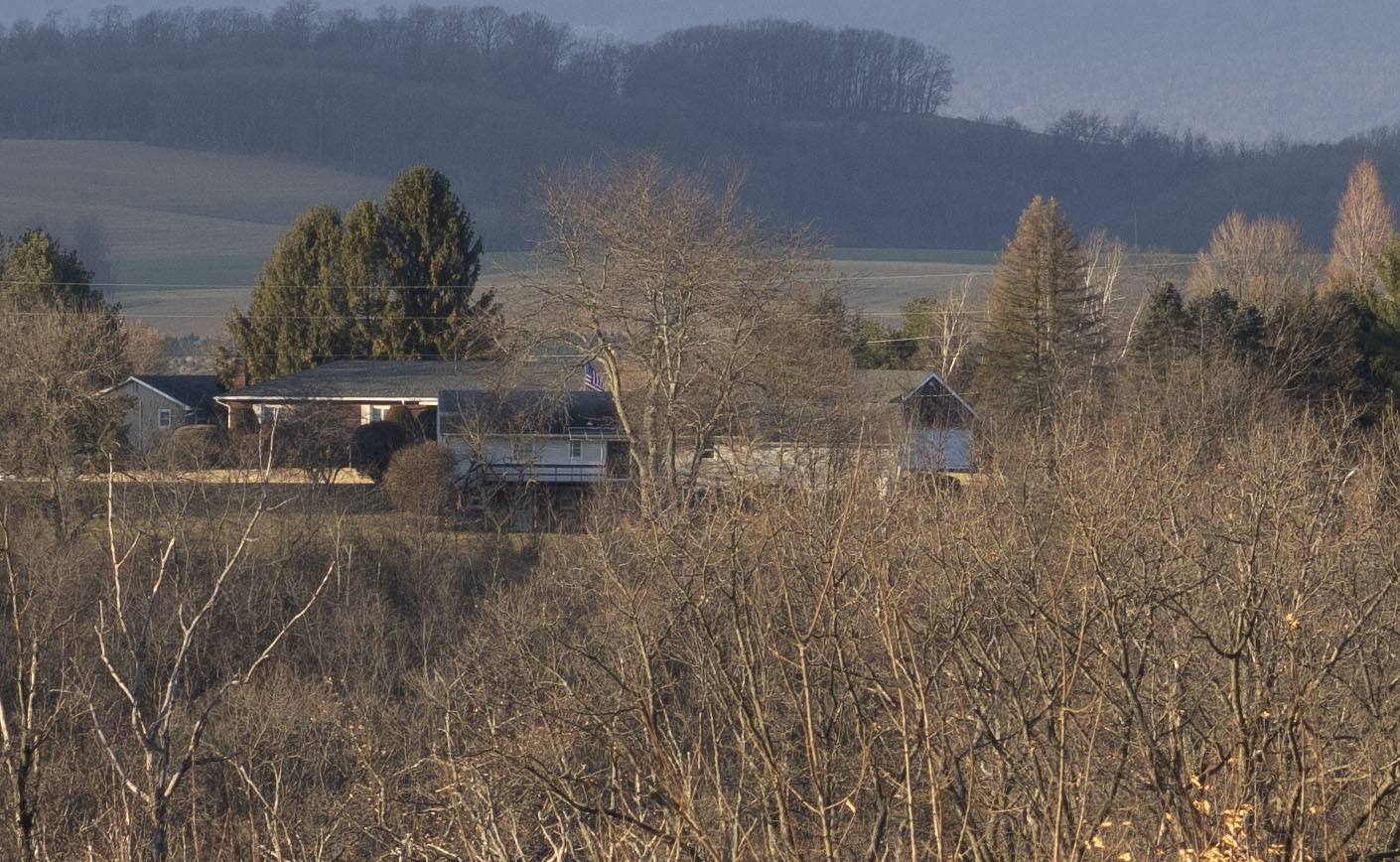
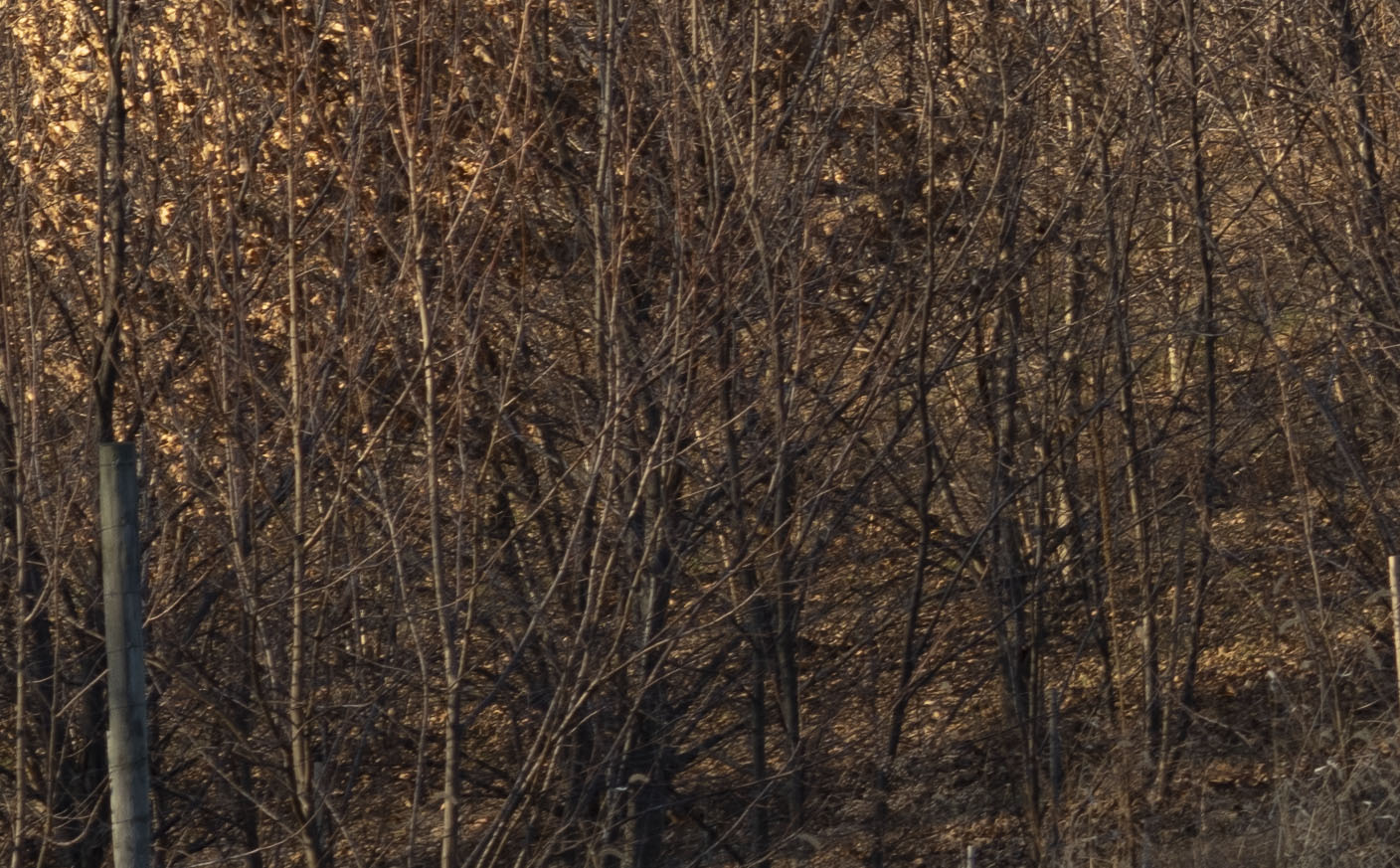
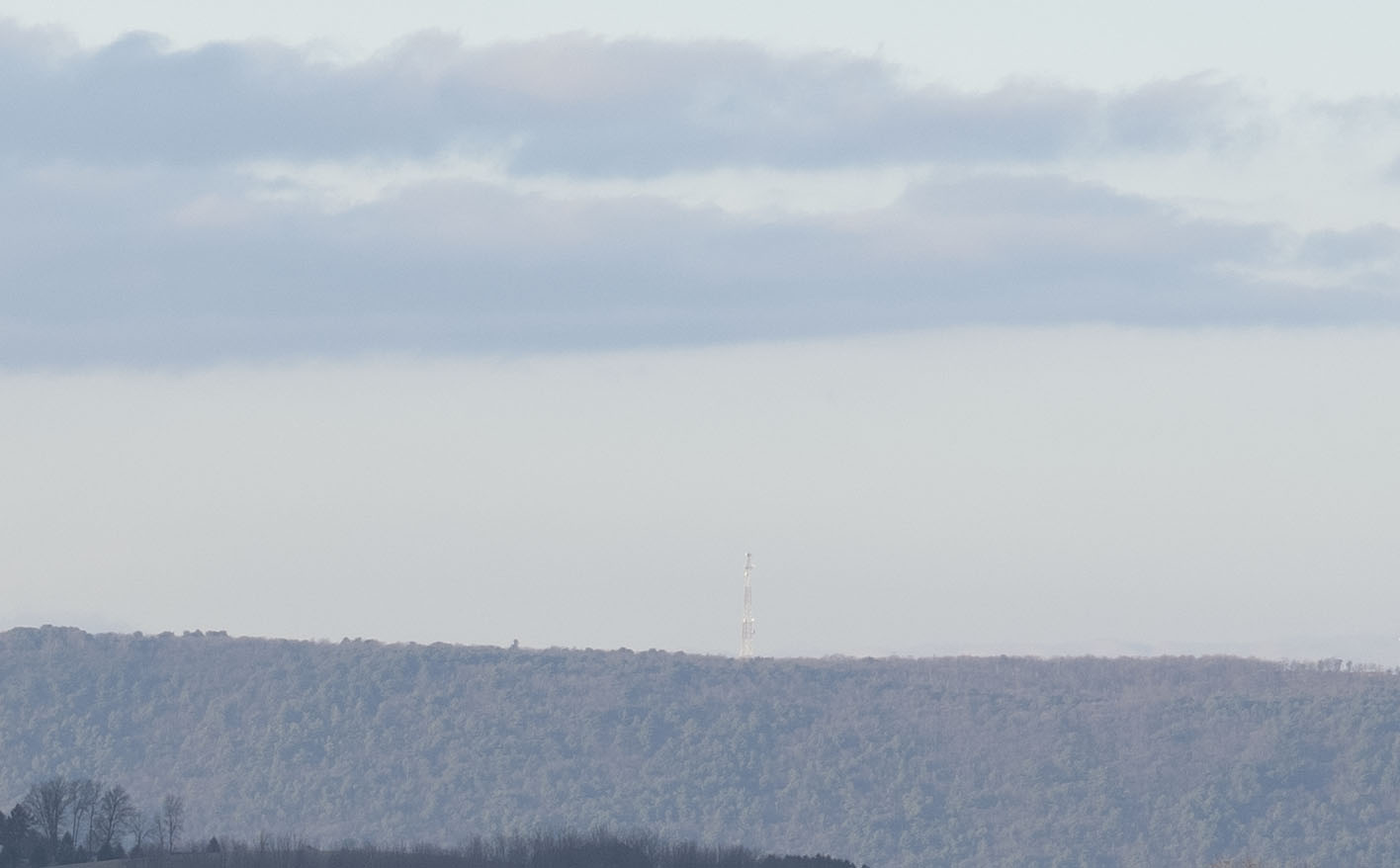
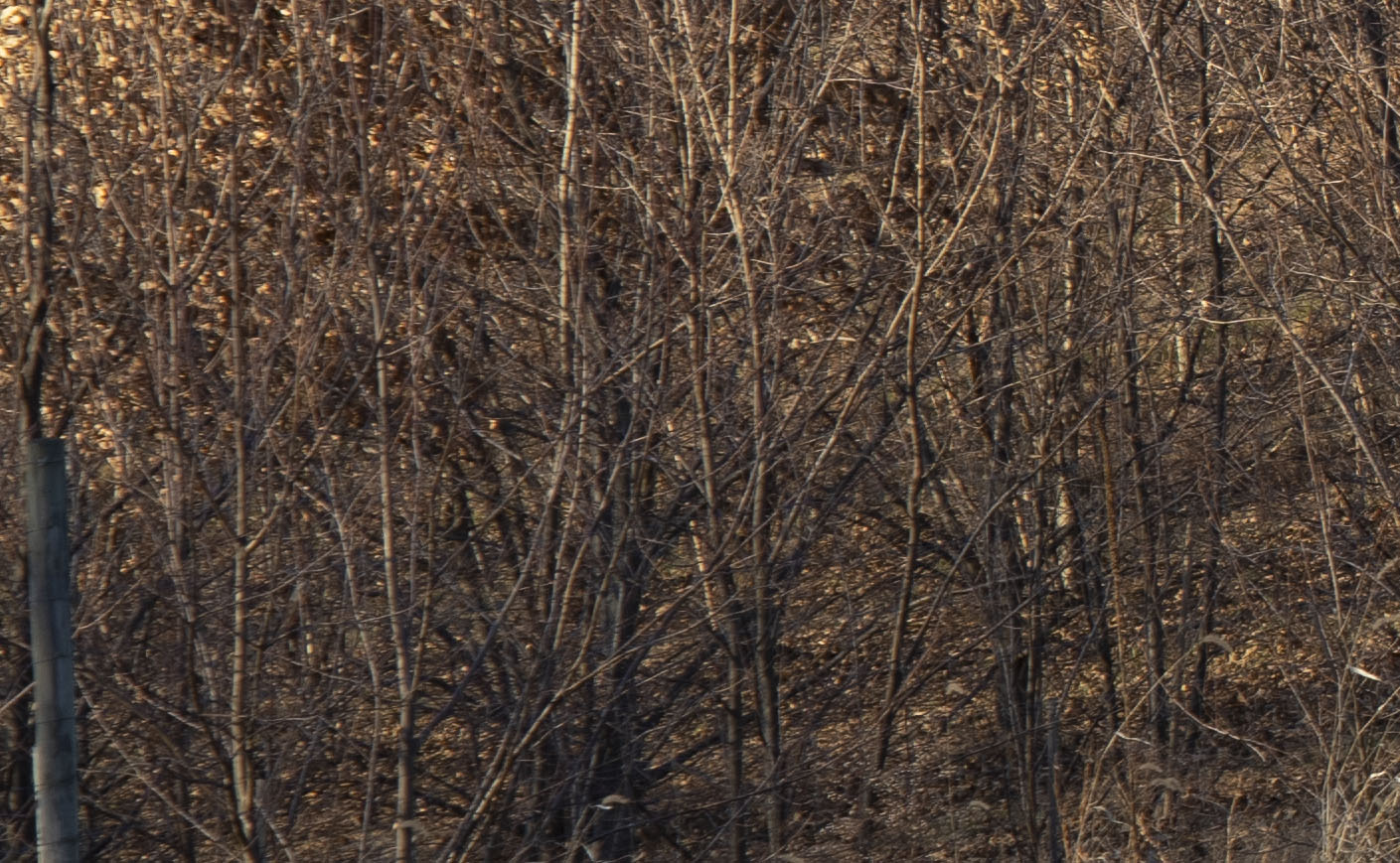
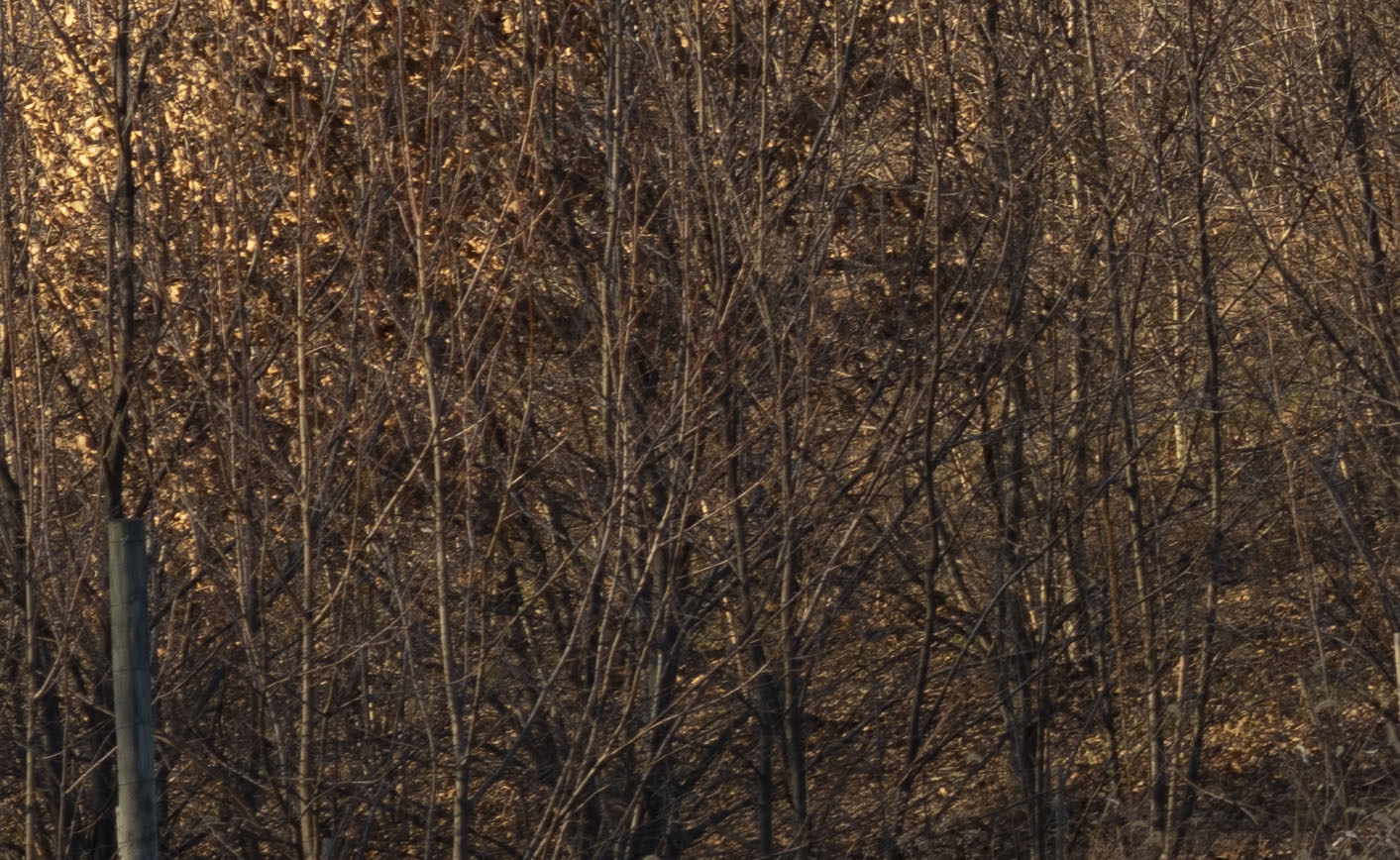
Photo cross posted in the Sony FE Image Thread and taken at 4:09 PM and processed in LR.
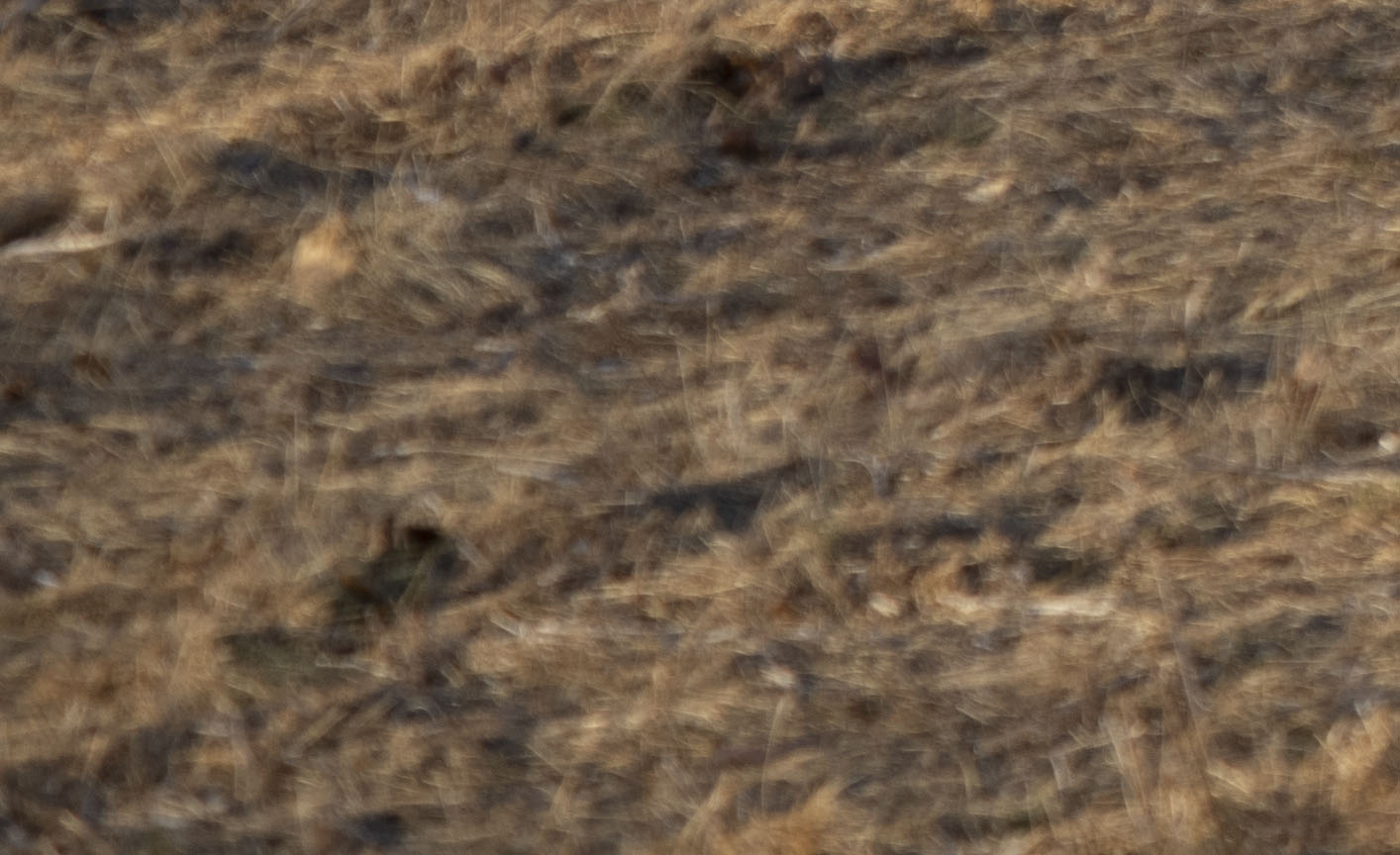
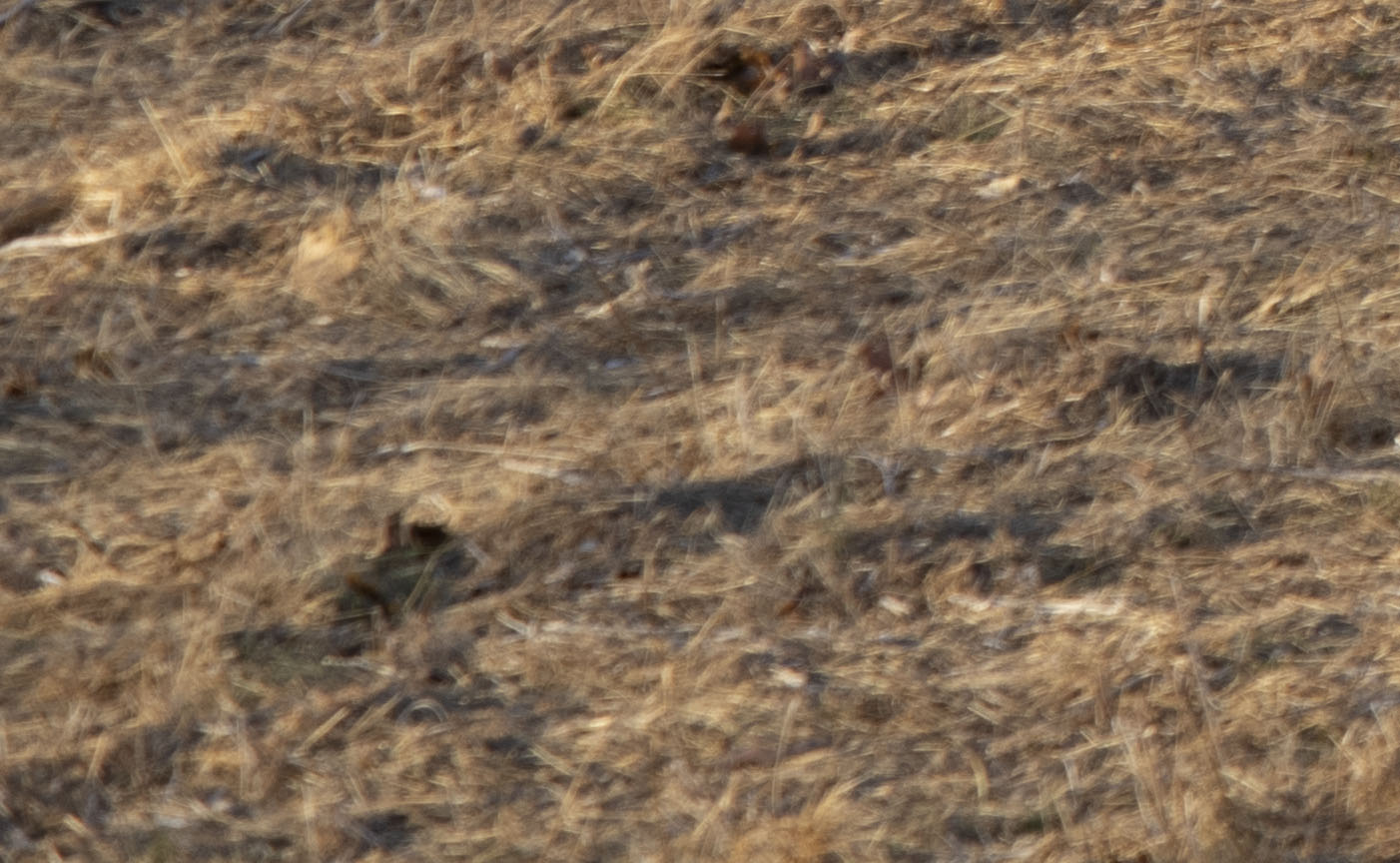
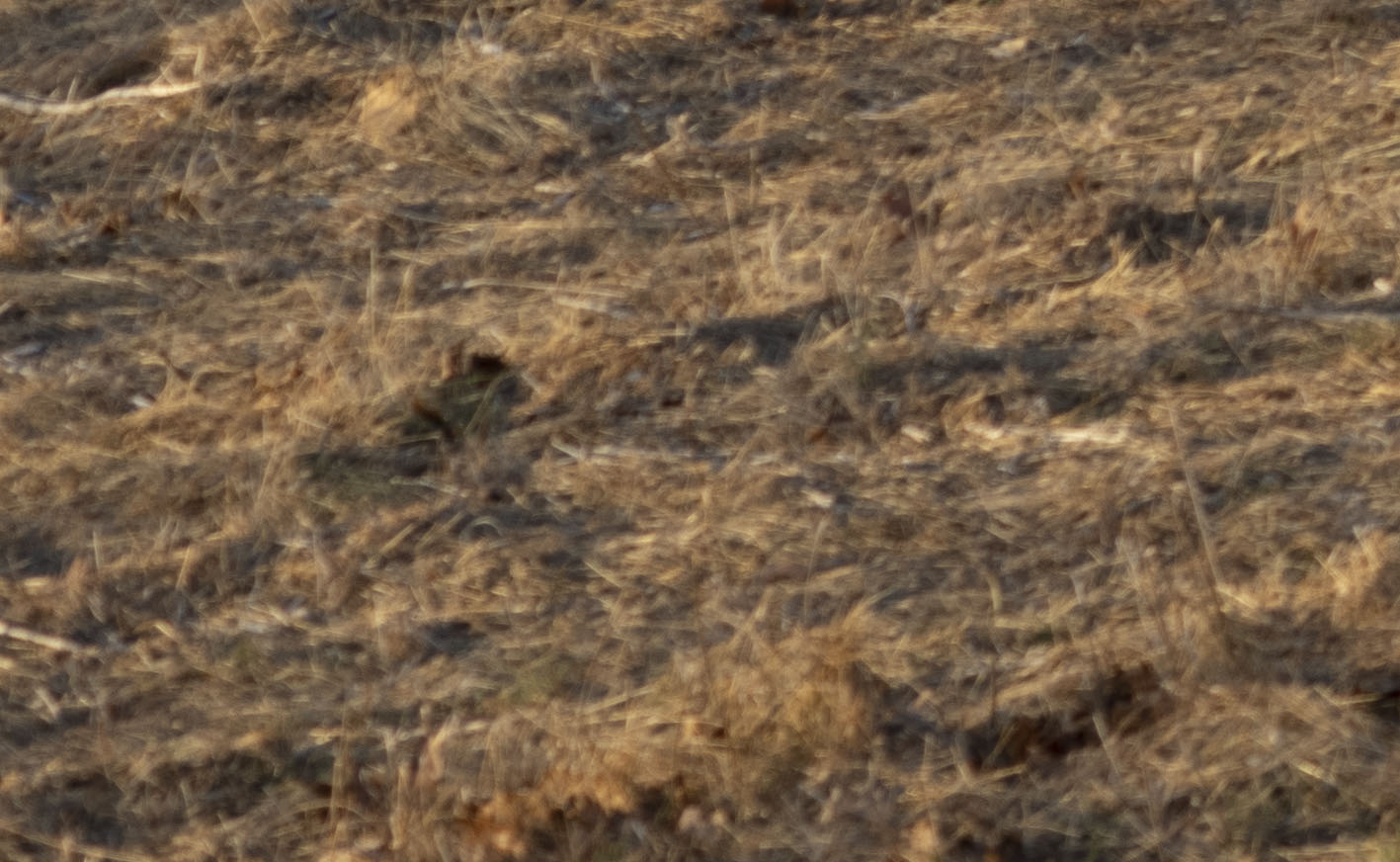
Looking at Fallen Browned Leaves on the ground.
Full Frame, tripod mounted Sony A1 and Voigtlander 90mm f2.8 Apo-Skopar VM lens; silent shutter.
ISO 100, f5.6?, 1/5 second.
December 8, 2021
At Lock Ridge Park in Alburtis, PA.
Fred Miranda wrote:
Yes, it will be a case of emperor's new clothes.
Some photographers will see a difference and others won't. To my eyes, any difference is negligible, especially considering we are analyzing this at pixel level. (100% mag.)
Yep I stared at the 85 and 90 before and after corrections, and trying to pick them blind I was at chance with foliage…
My hunch is that with the latest compact lenses they are bing designed with “excess” resolution in areas where correction will be applied, so that after correction resolution may in theory be lower, but is still above the threshold where you can’t see the difference. This may actually produce better results than trying to optically correct distortion, at least in the small form factor.
It would also explain why some older lenses looked noticeably worse fete correction: they had only “just enough” resolution before correction.
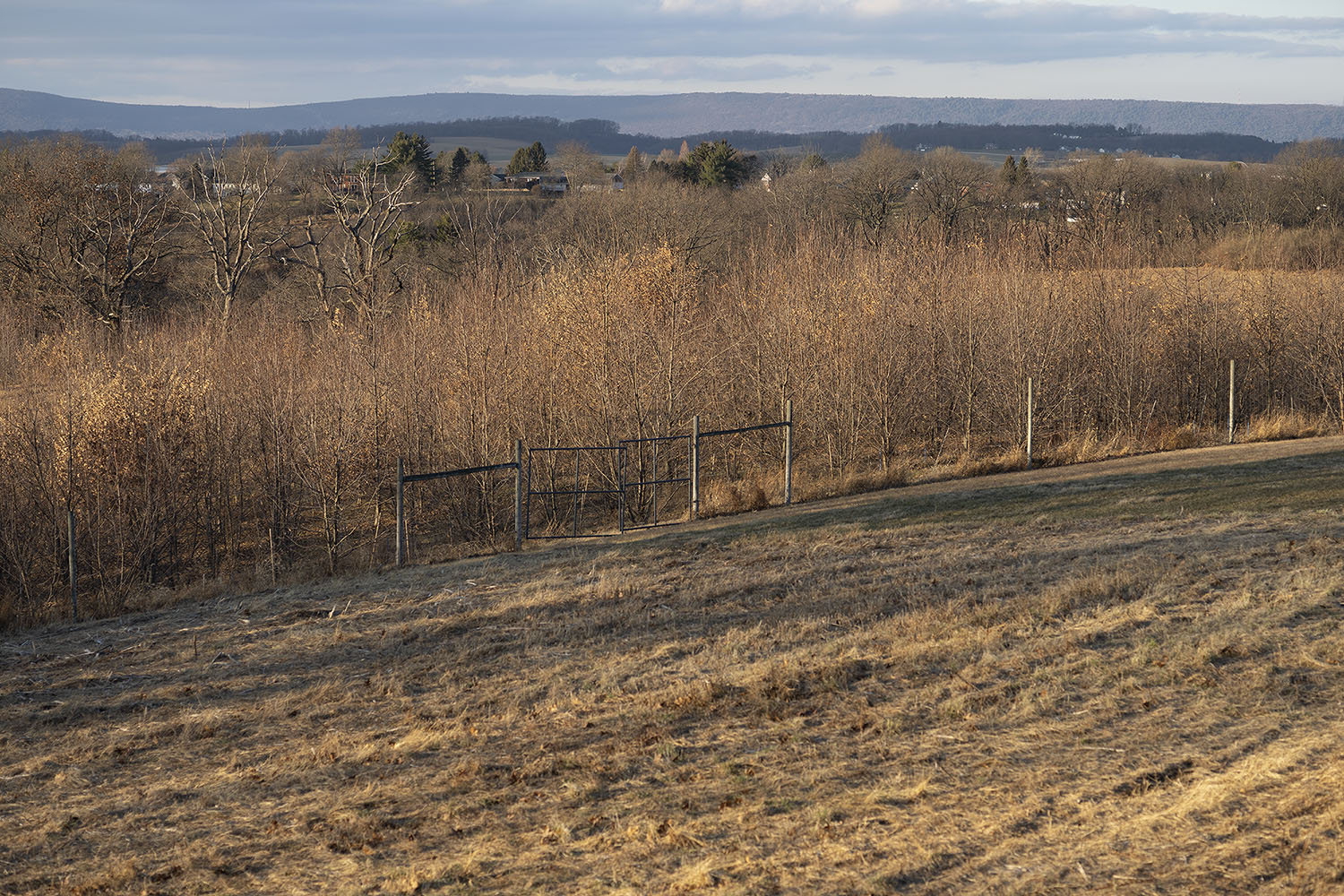
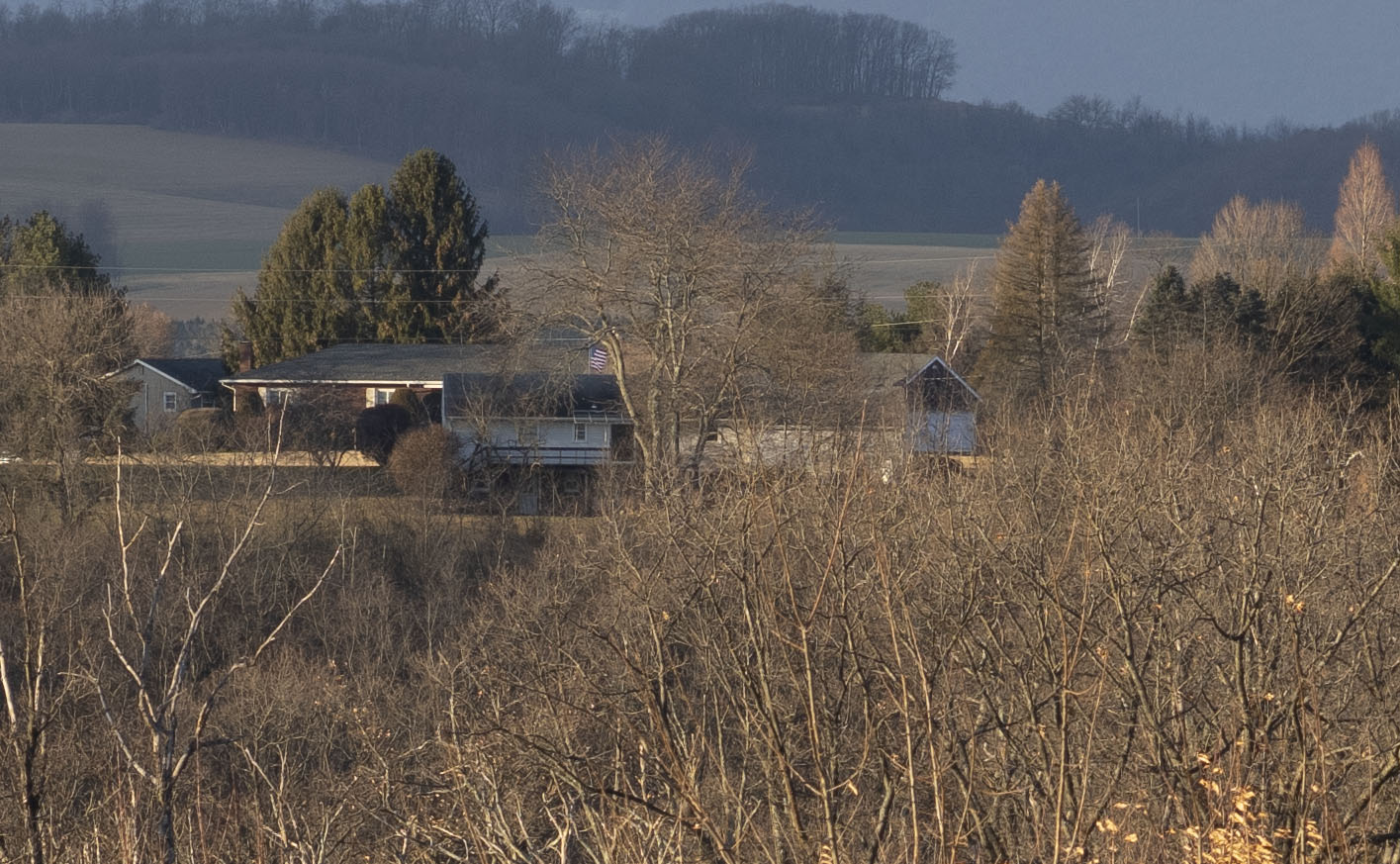
I was able to get out yesterday to the Trexler Nature Preserve and ran some quick tests comparing both my new Voigtlander 90mm f2.8 Apo-Skopar VM and my Zeiss 85mm f4 Tele-Tesar ZM lenses. Unfortunately, I do not have a location similar to that used by Fred so that I can angle my camera. I have done the best that I could for something that I could think of close by.
Also, due to what was photographed, infinity focus was deep into the images and high in the photos and as a result, there is a lot of shallow depth of field in the foreground of the images and I did not prepare a centered image of the work at 100%.
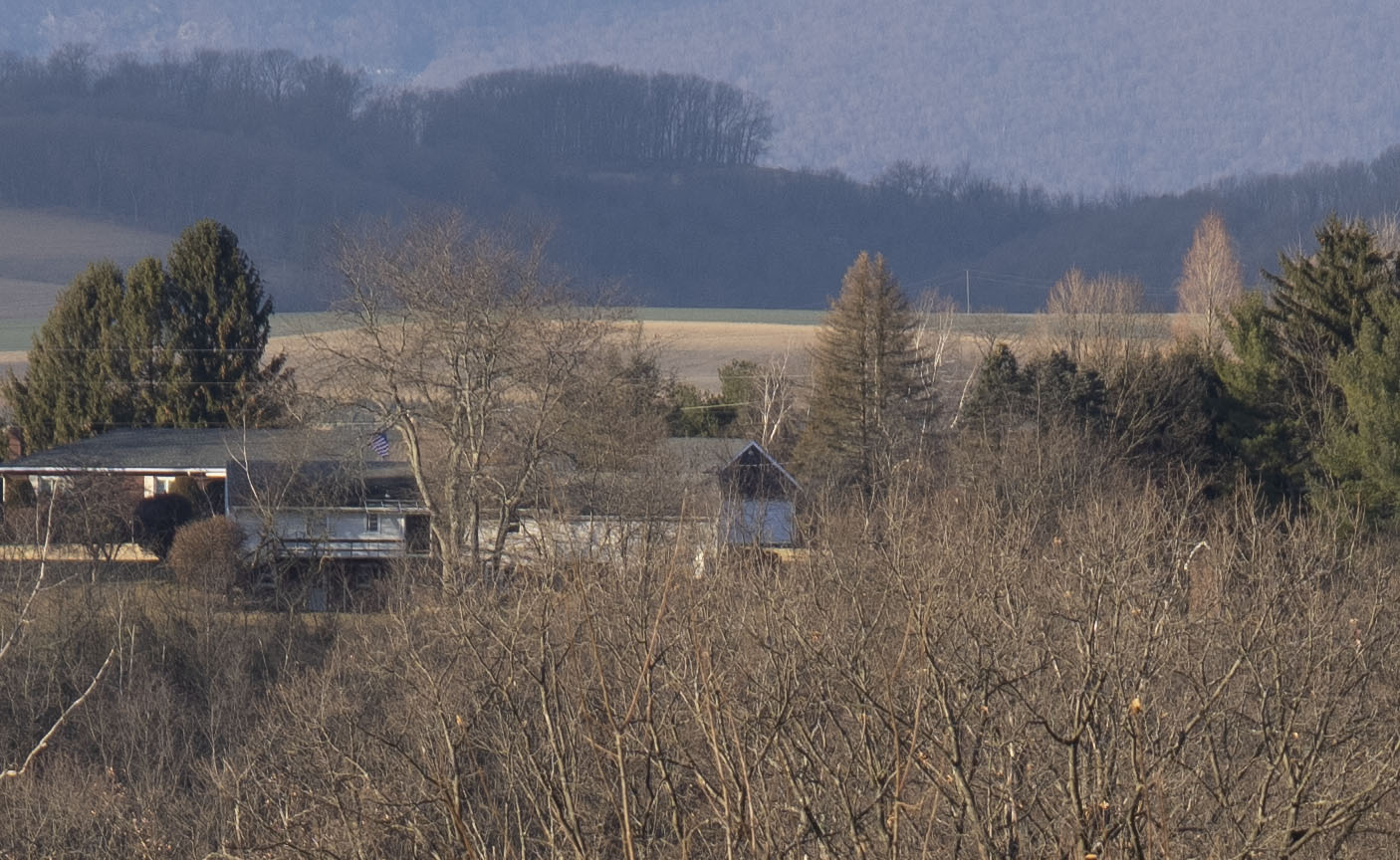
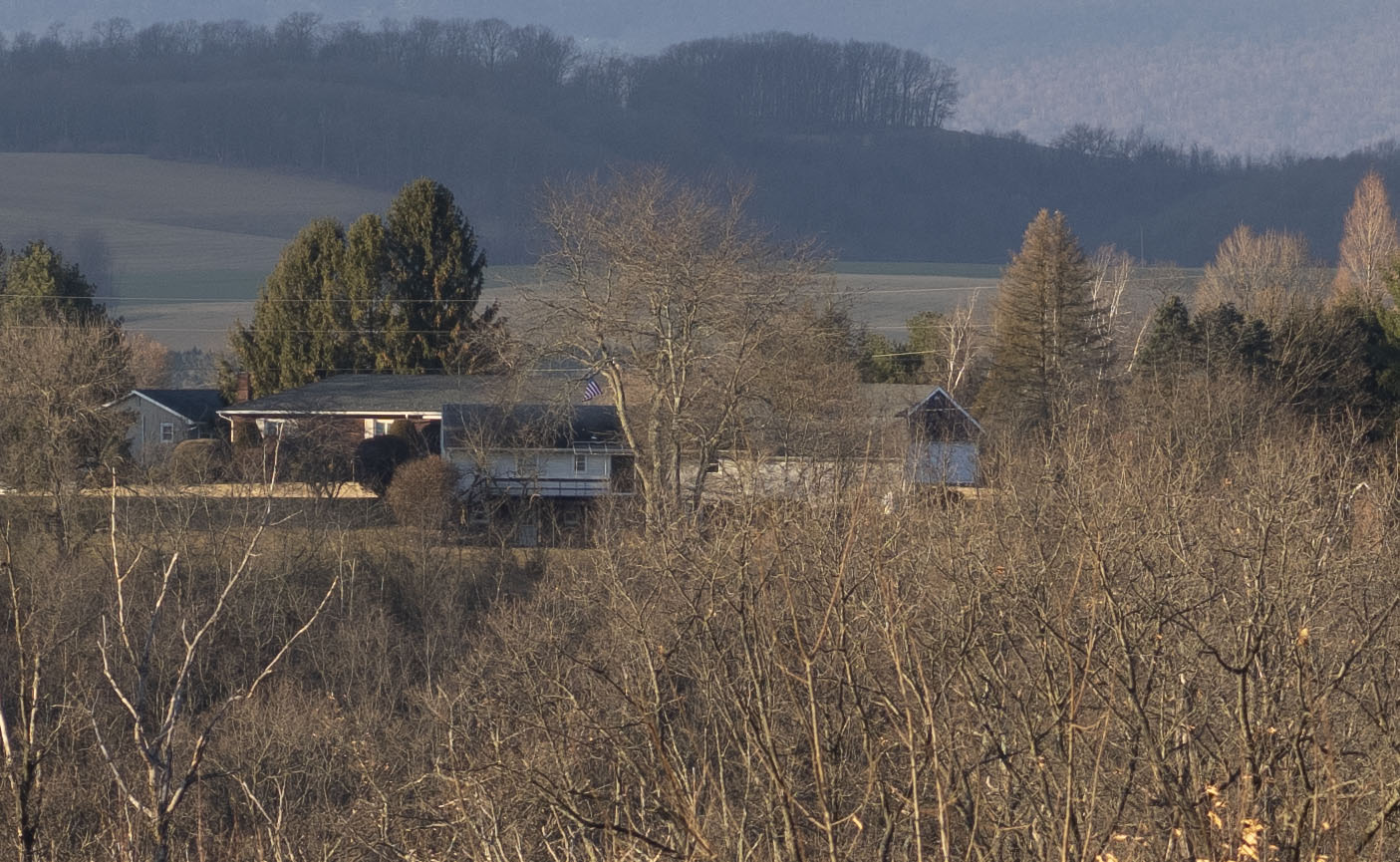
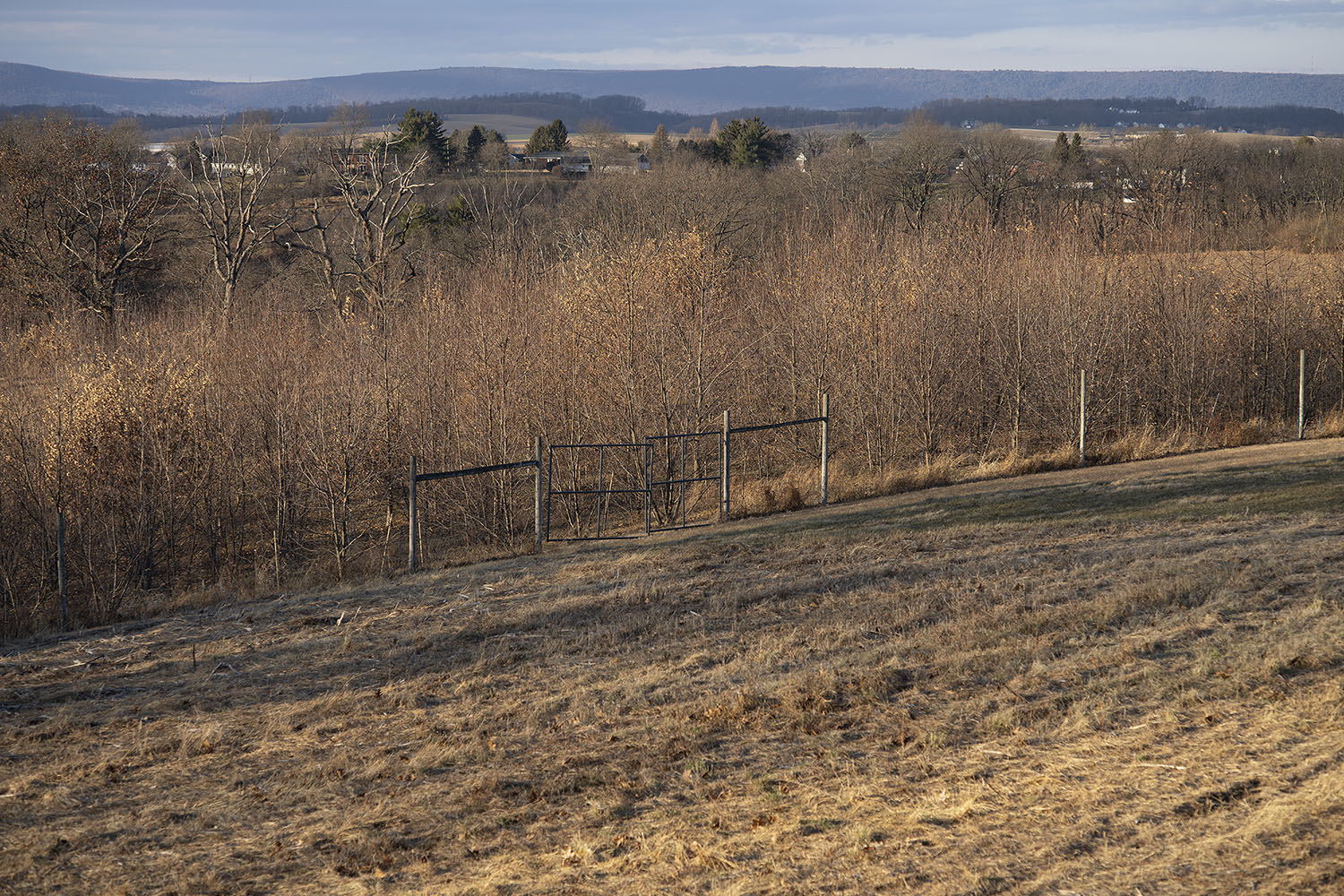
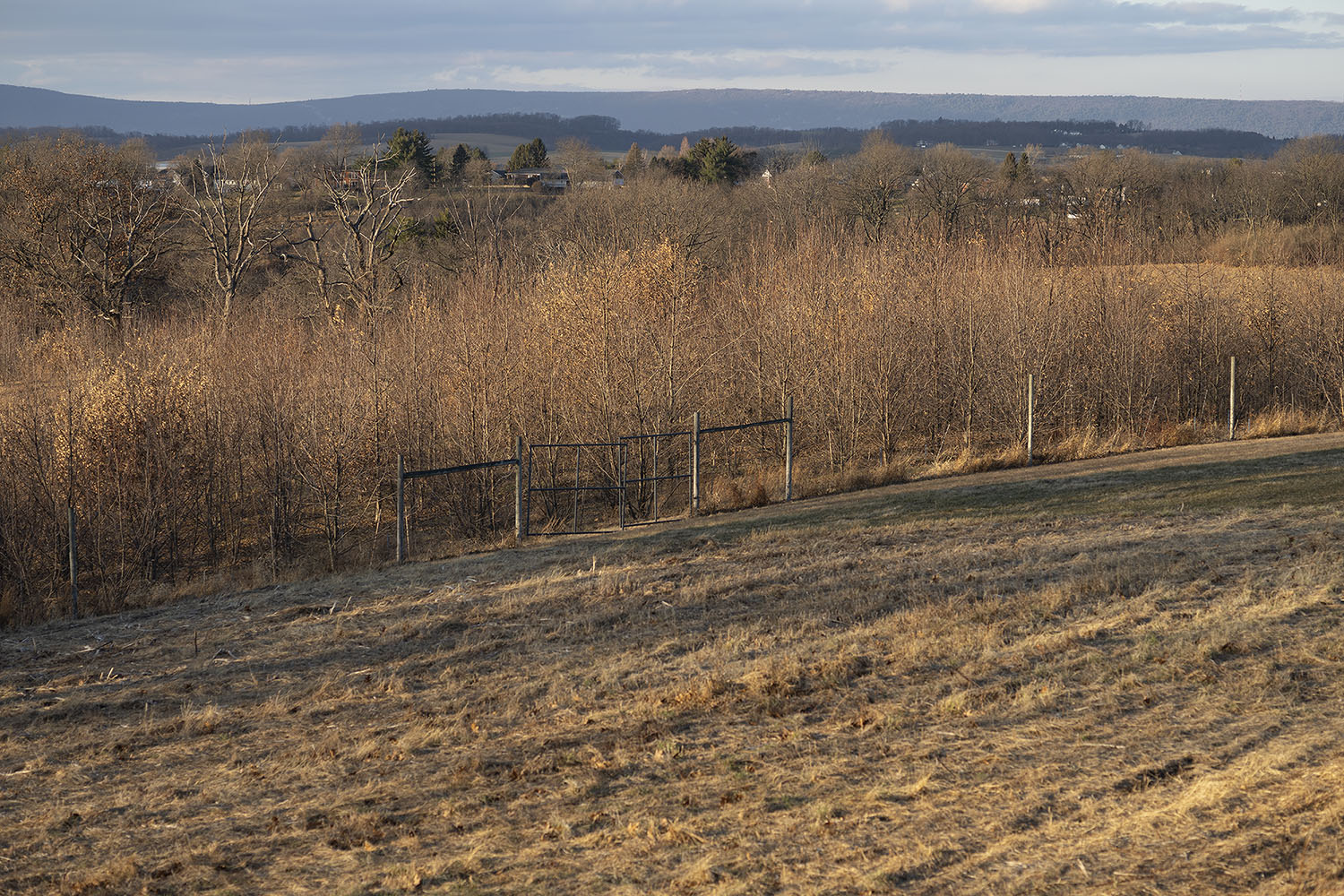
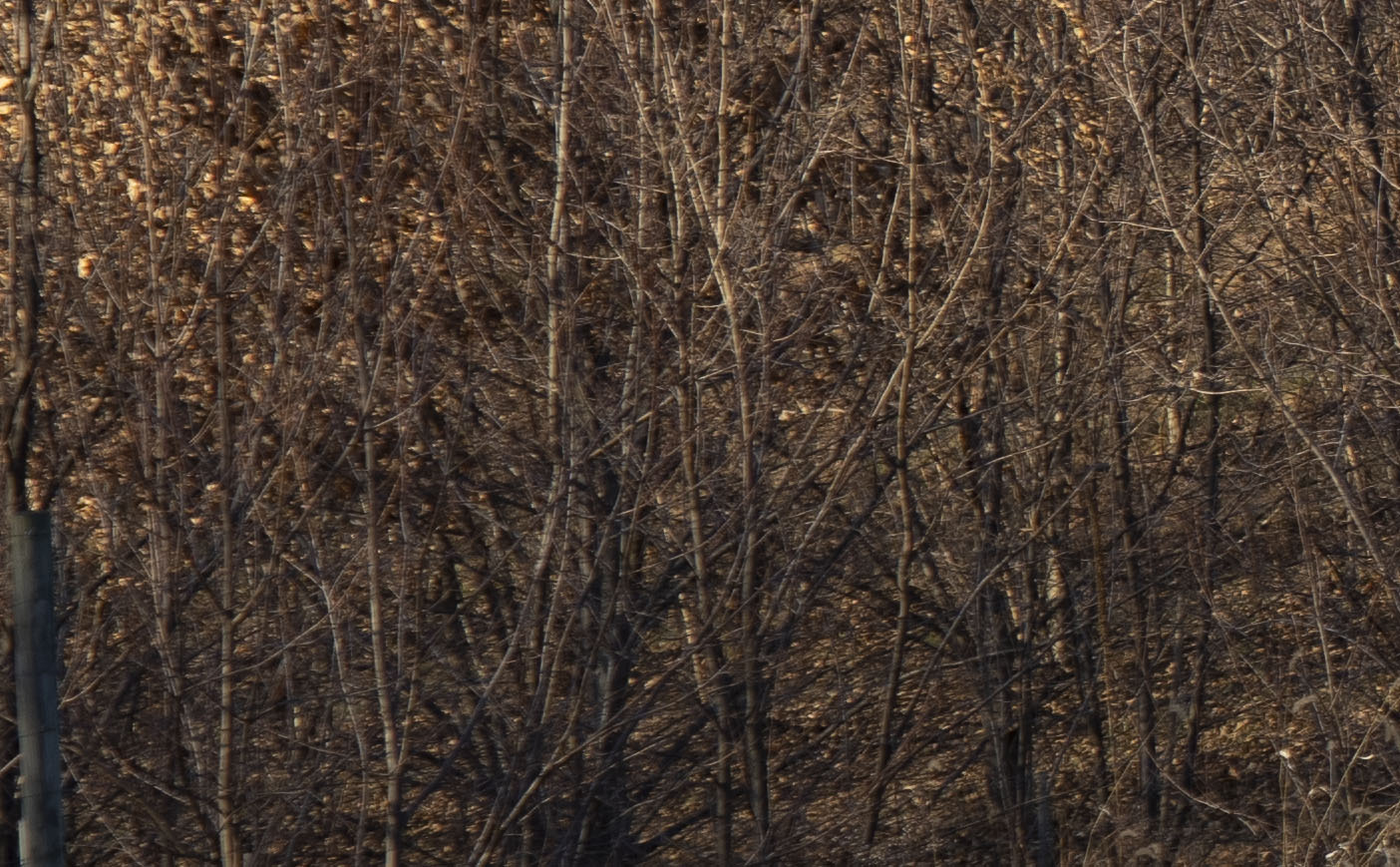
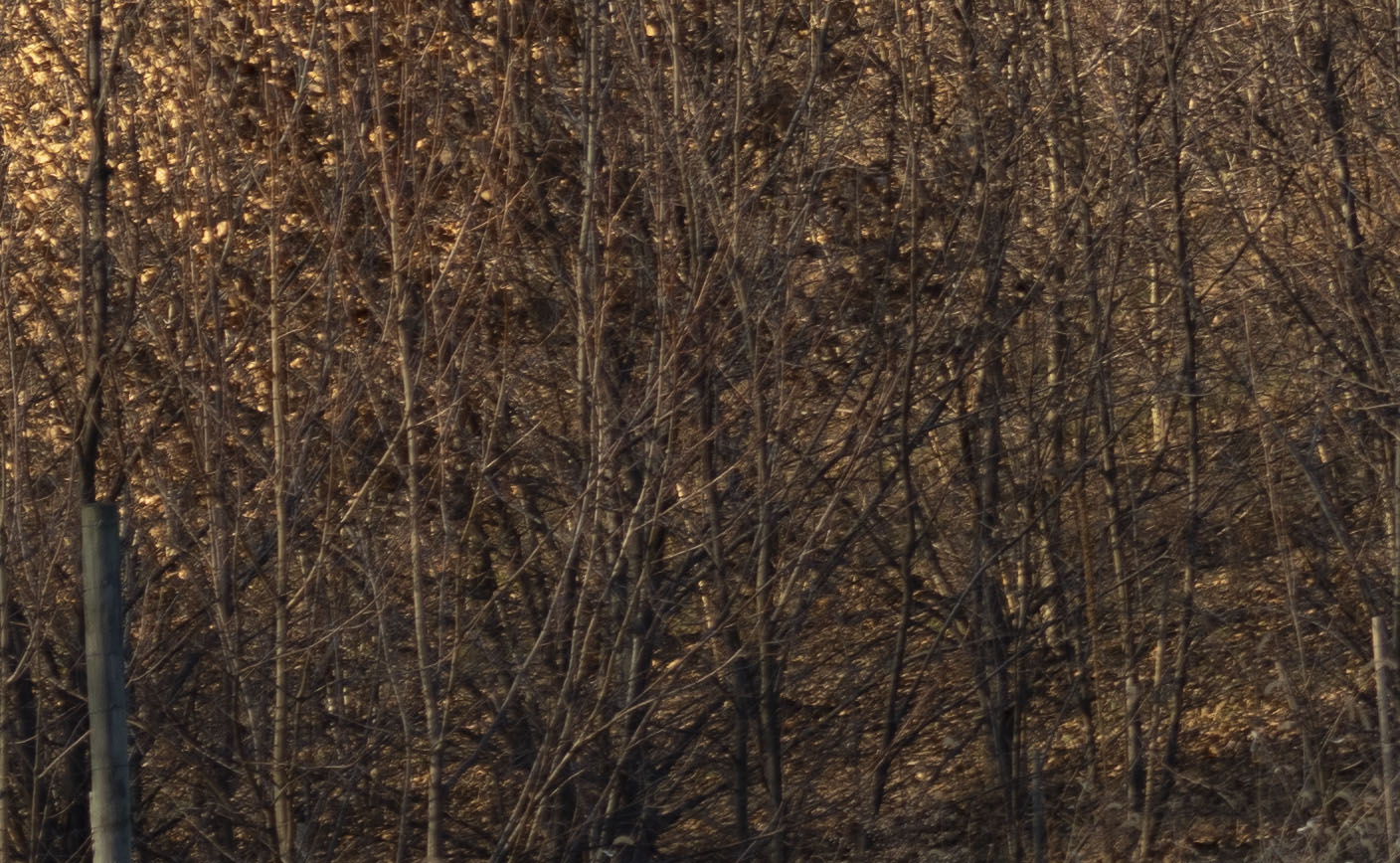
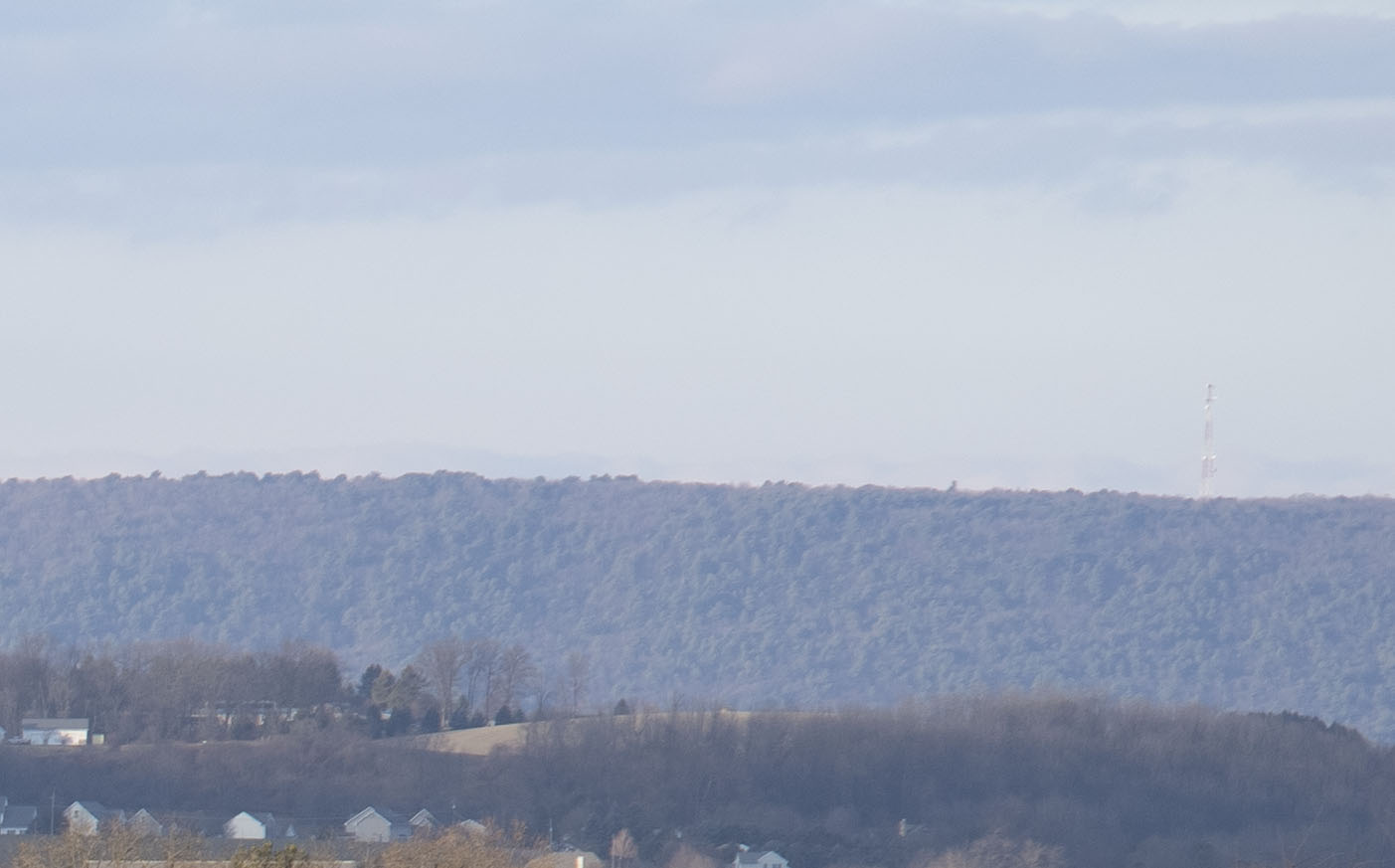
So, I am not sure how much value can be assessed from these photos. Additionally you can definitely see the difference in the focal length of the 85mm Zeiss and the 90mm Voigtlander lenses. Both lenses appear to be centered based upon my indoor tests viewing a wall hanging. Images taken with my tripod mounted A1 and each of the lenses. First set of photos taken with the Voigtlander and second set taken with the Zeiss. Images were taken between 3:37 and 3:50 PM.
All Images are SOC using LR defaults and exposures were Silent Shutter.
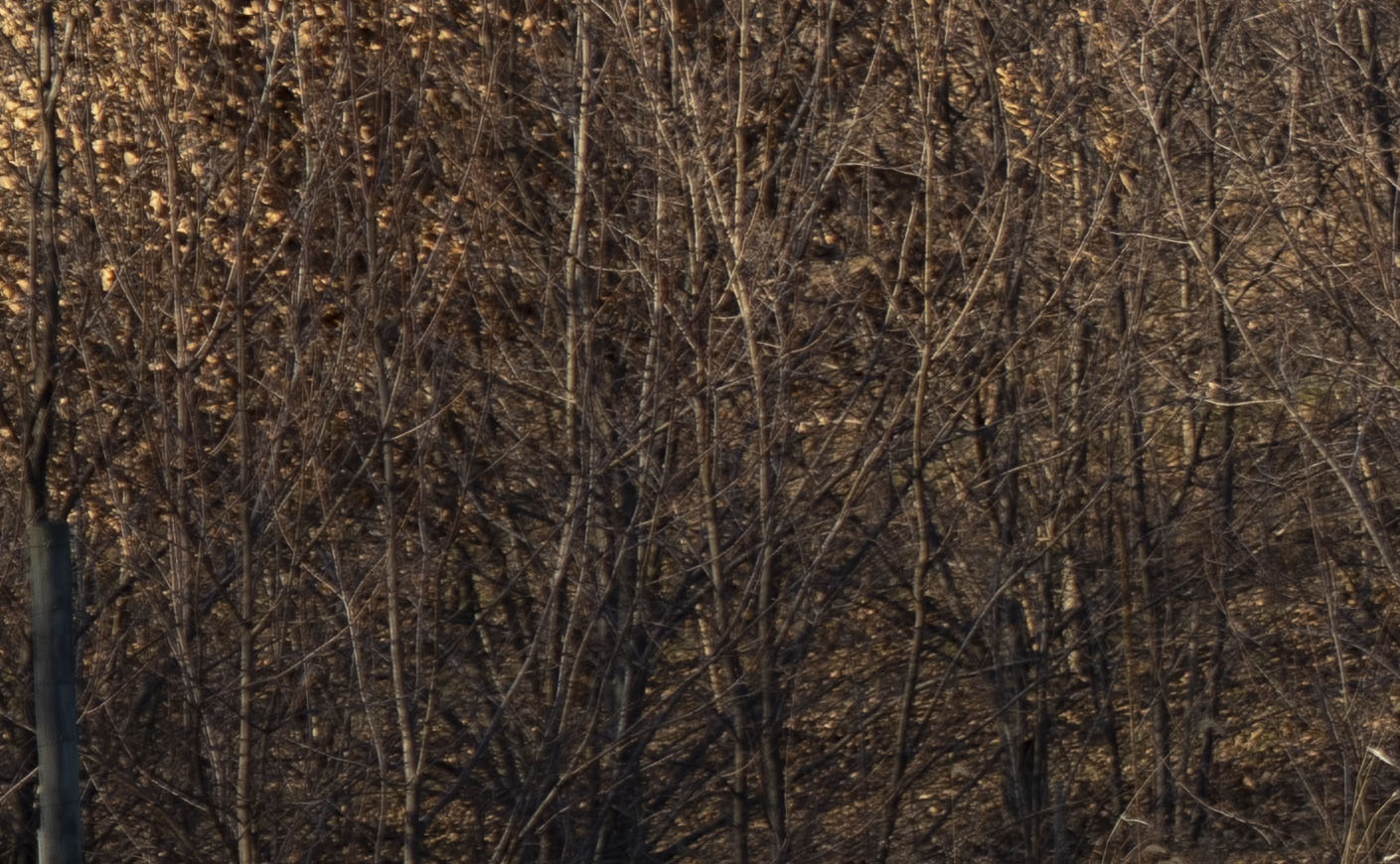
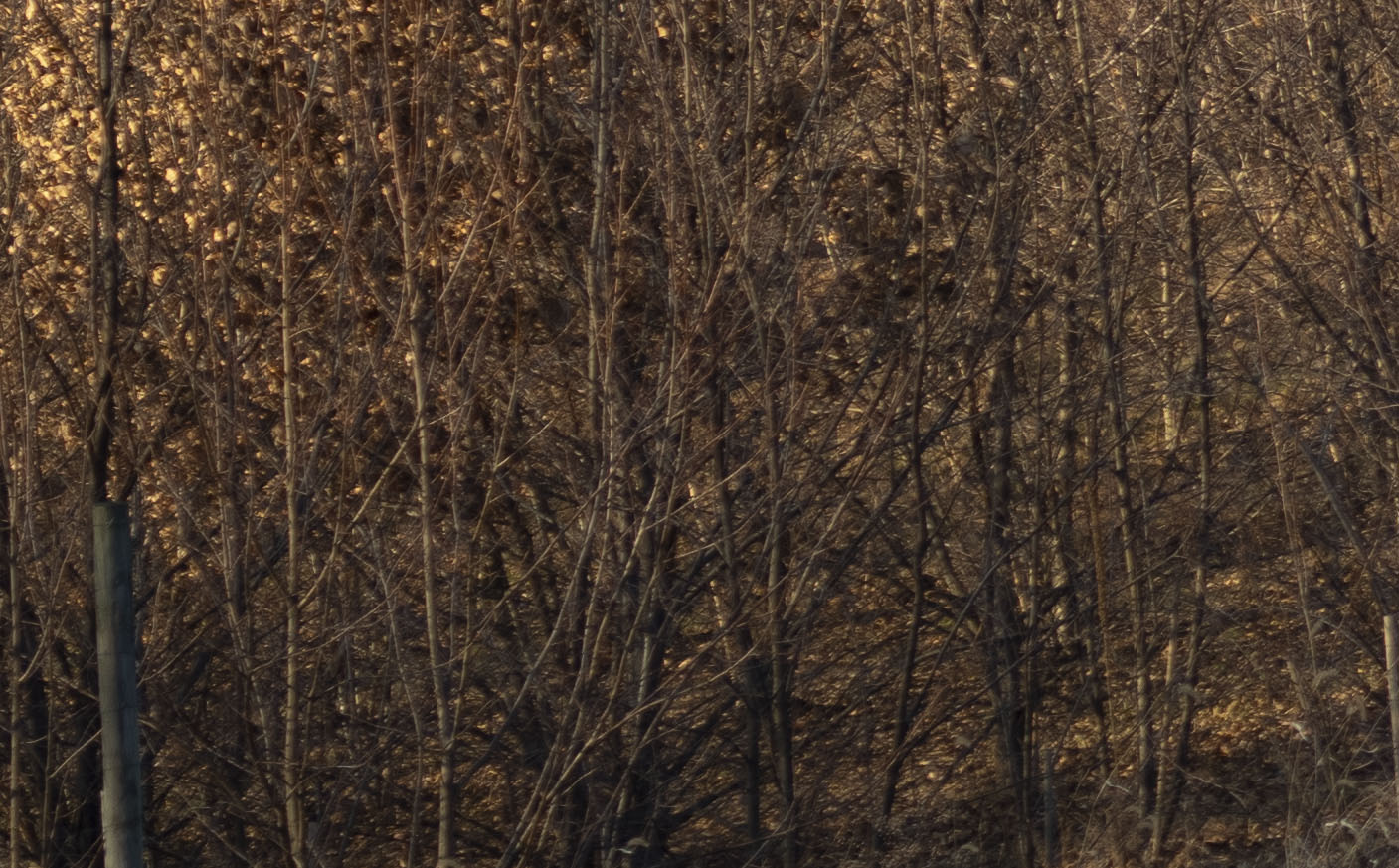
The results will be posted one atop of the other and not side by side and will be posted in a number of postings. Additionally, for the testing I shot 2 sets of photos, one focused at infinity at the infinity stop of the lens and the second set with the lenses focused somewhat closer.
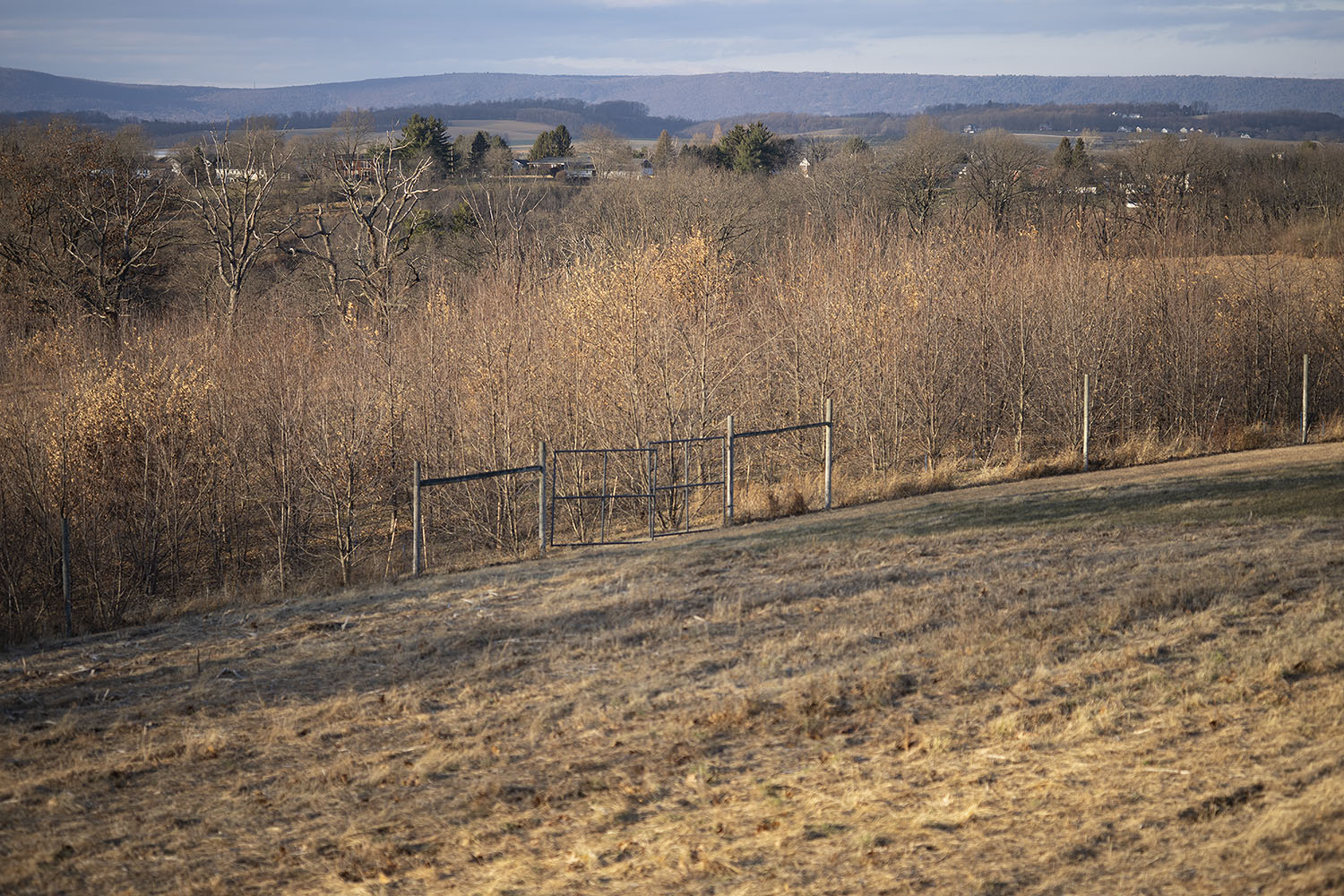
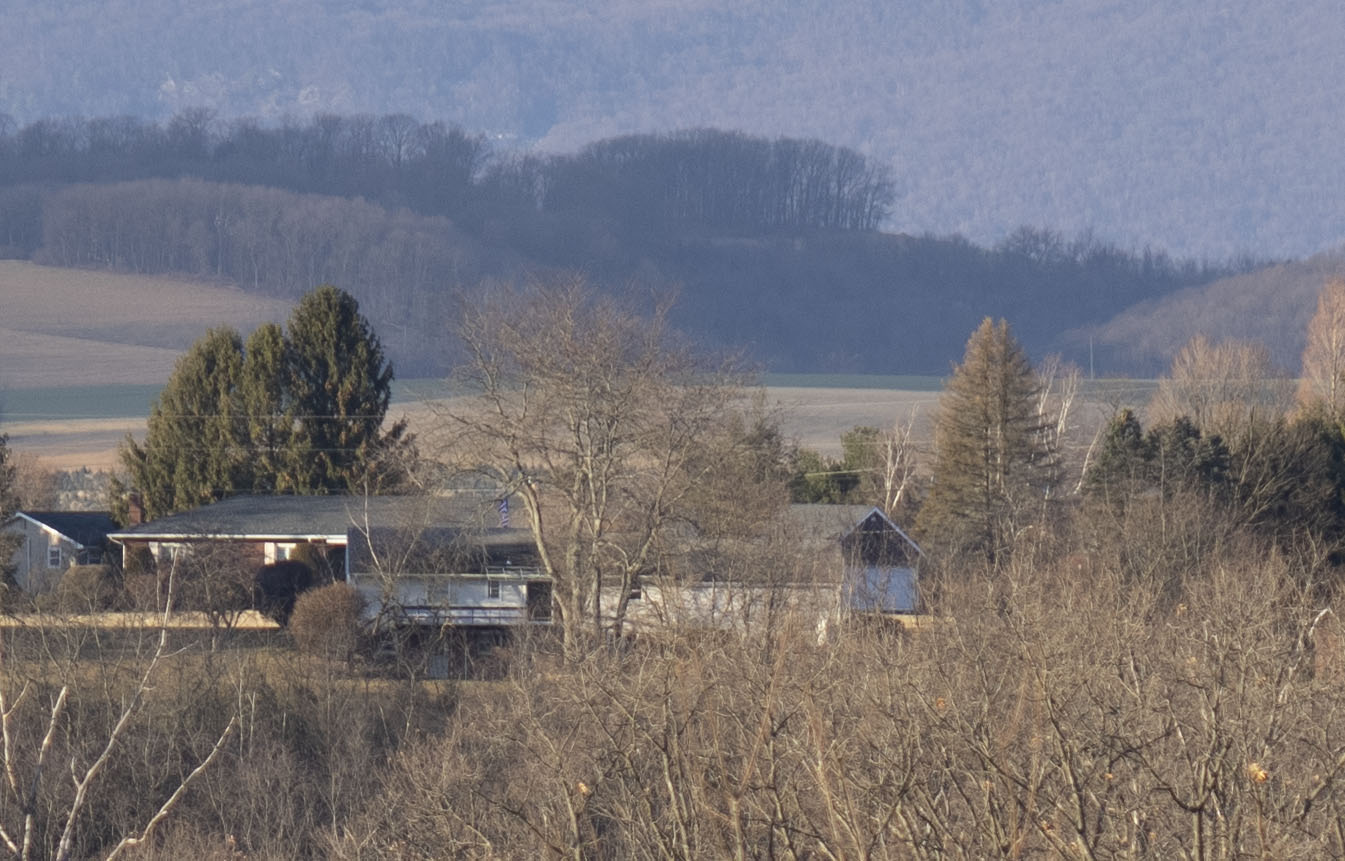
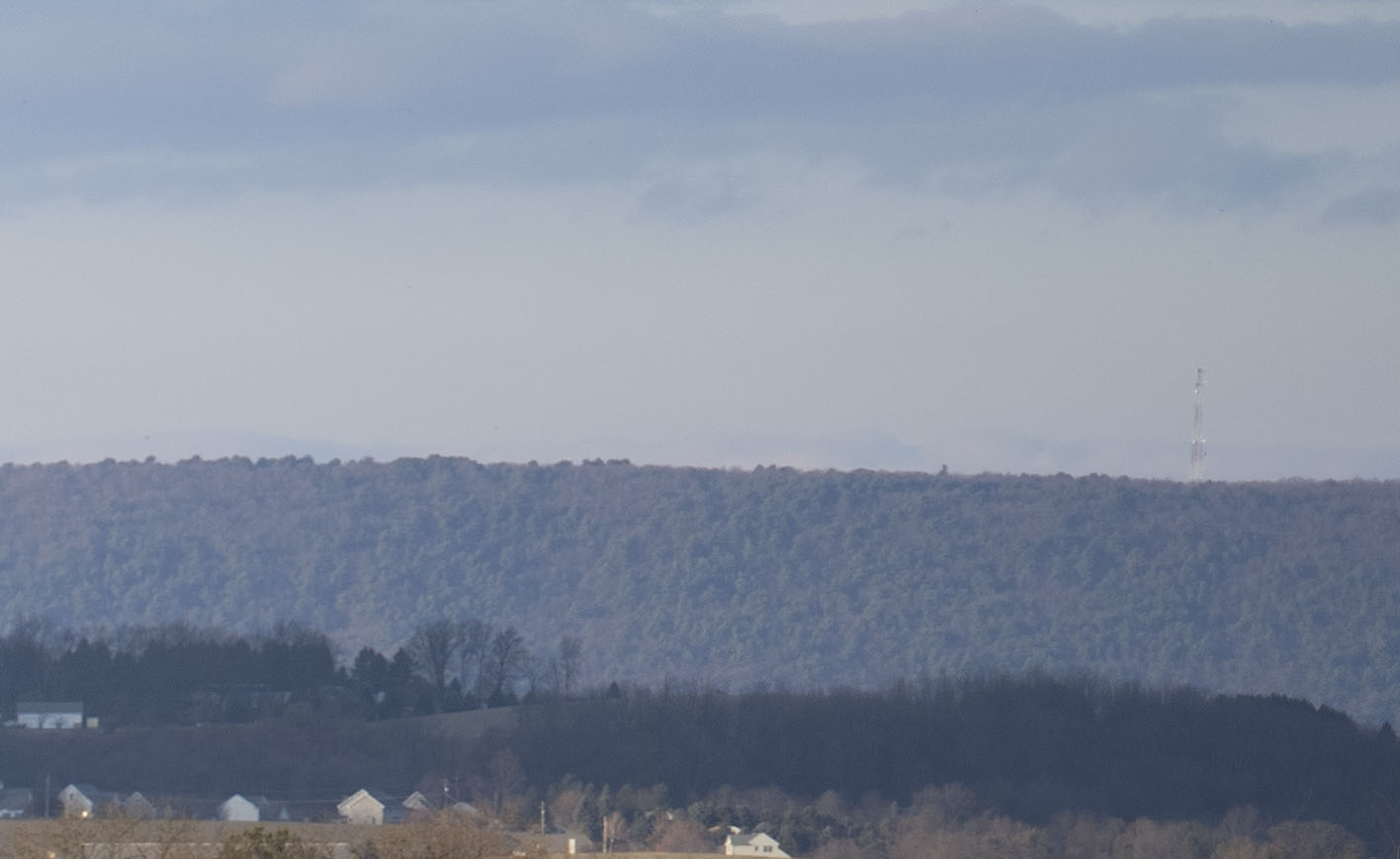
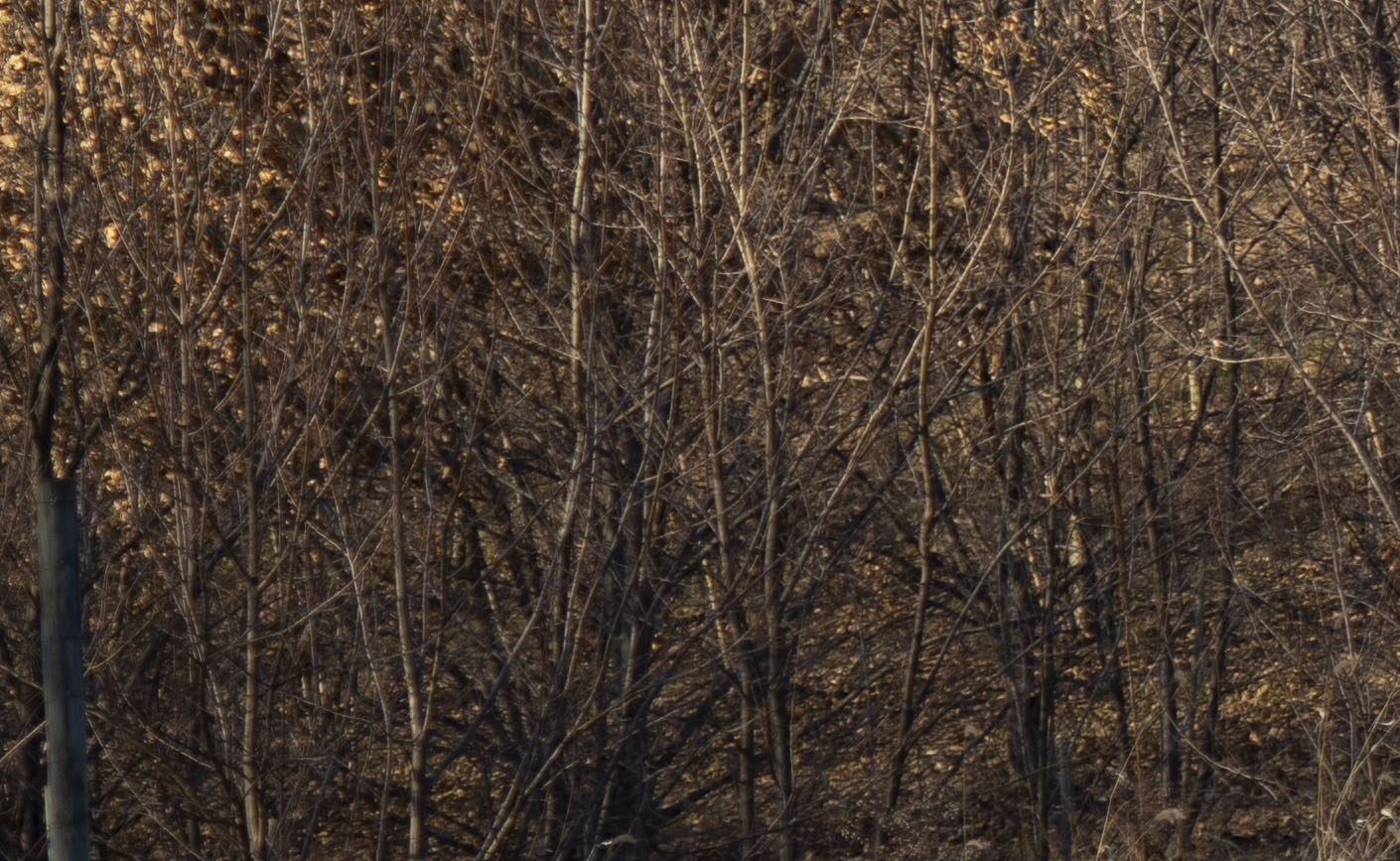
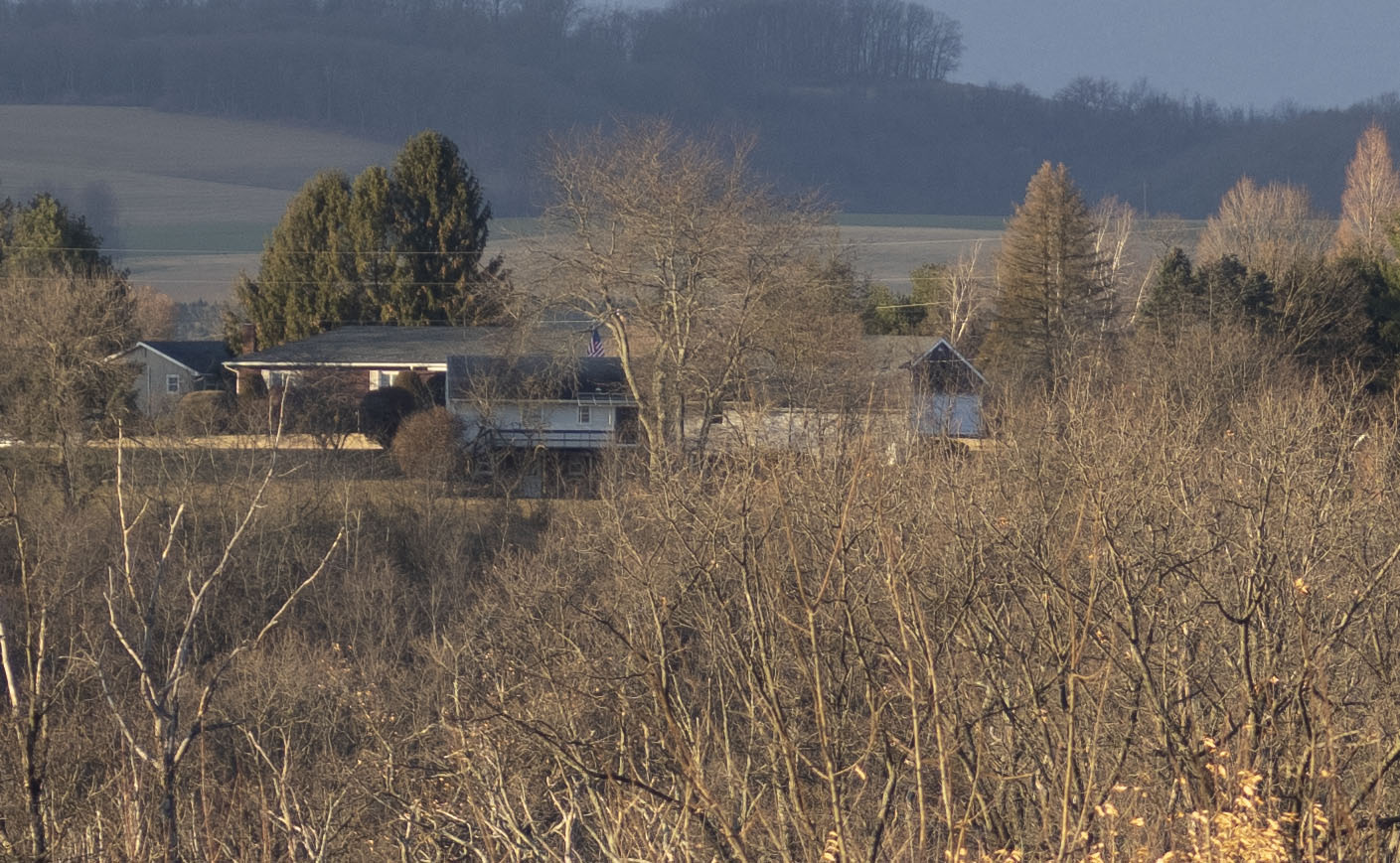
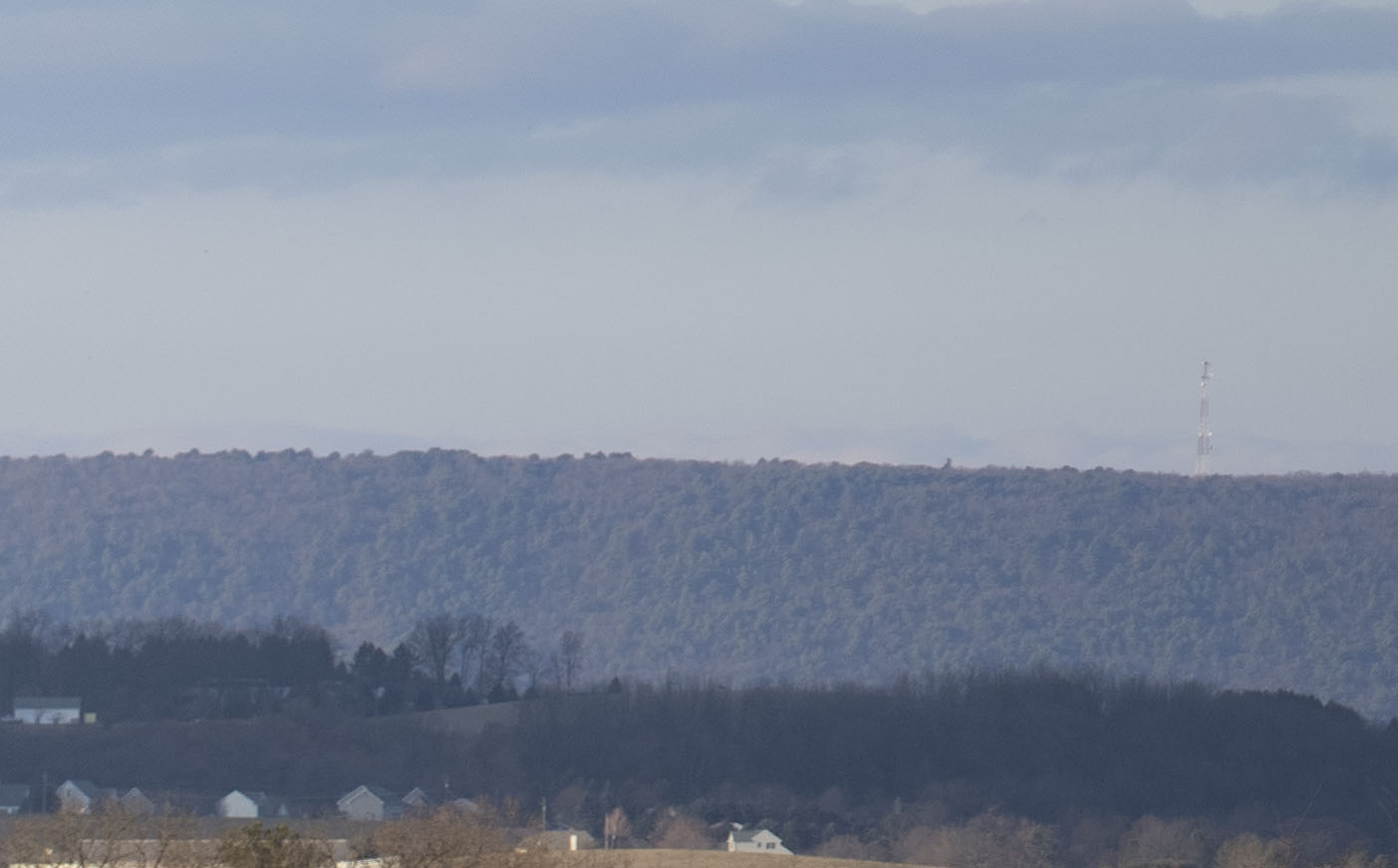
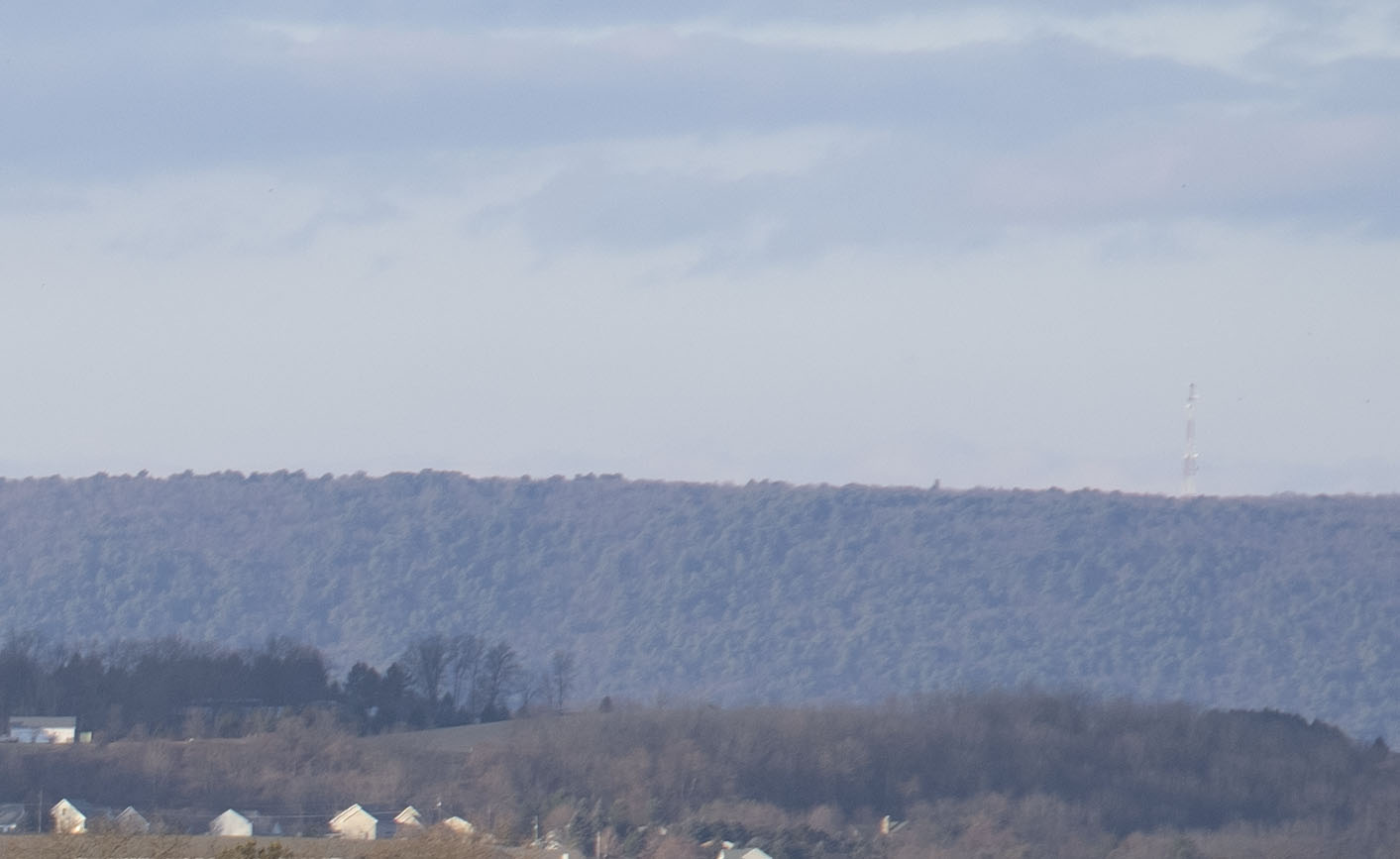
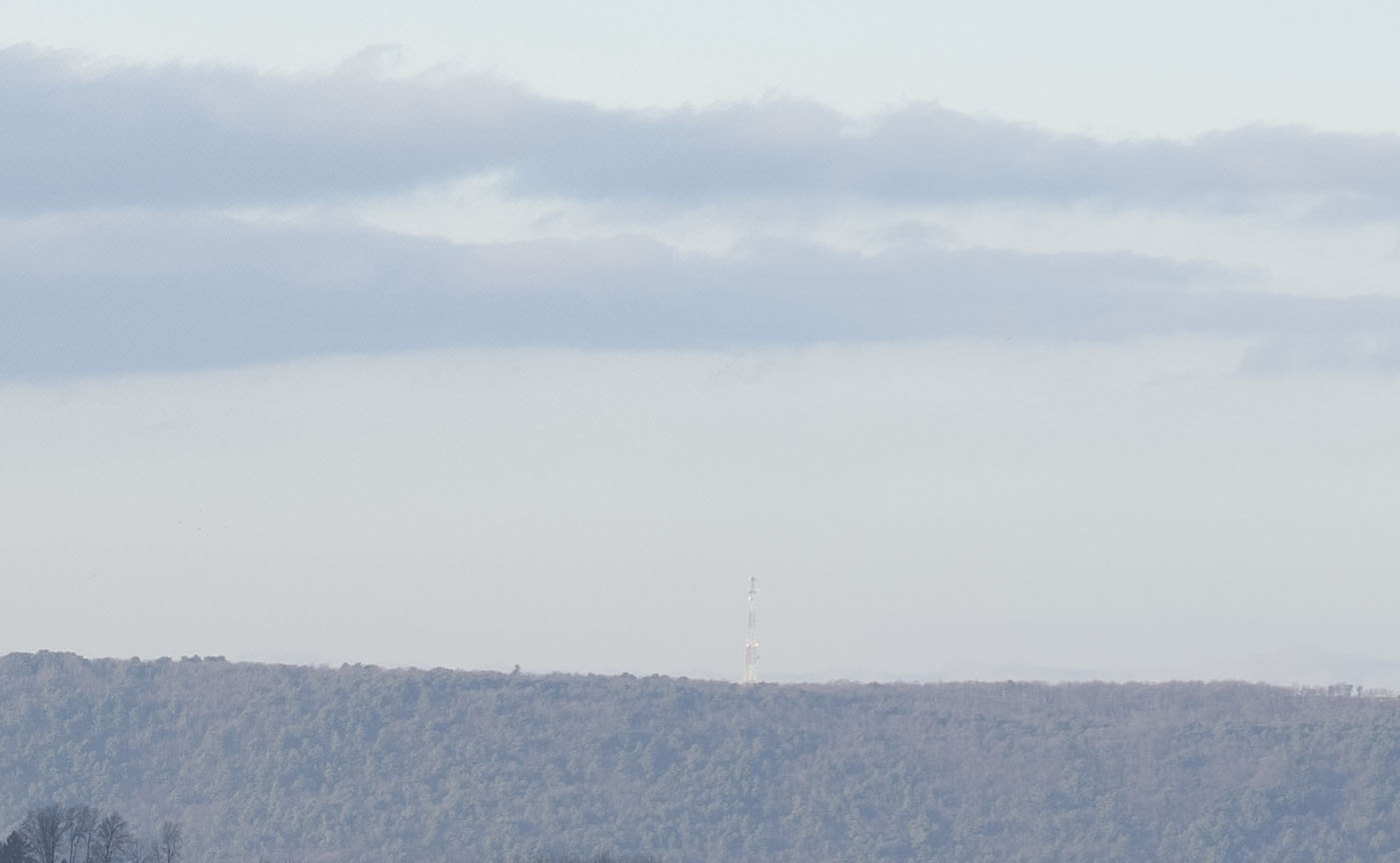
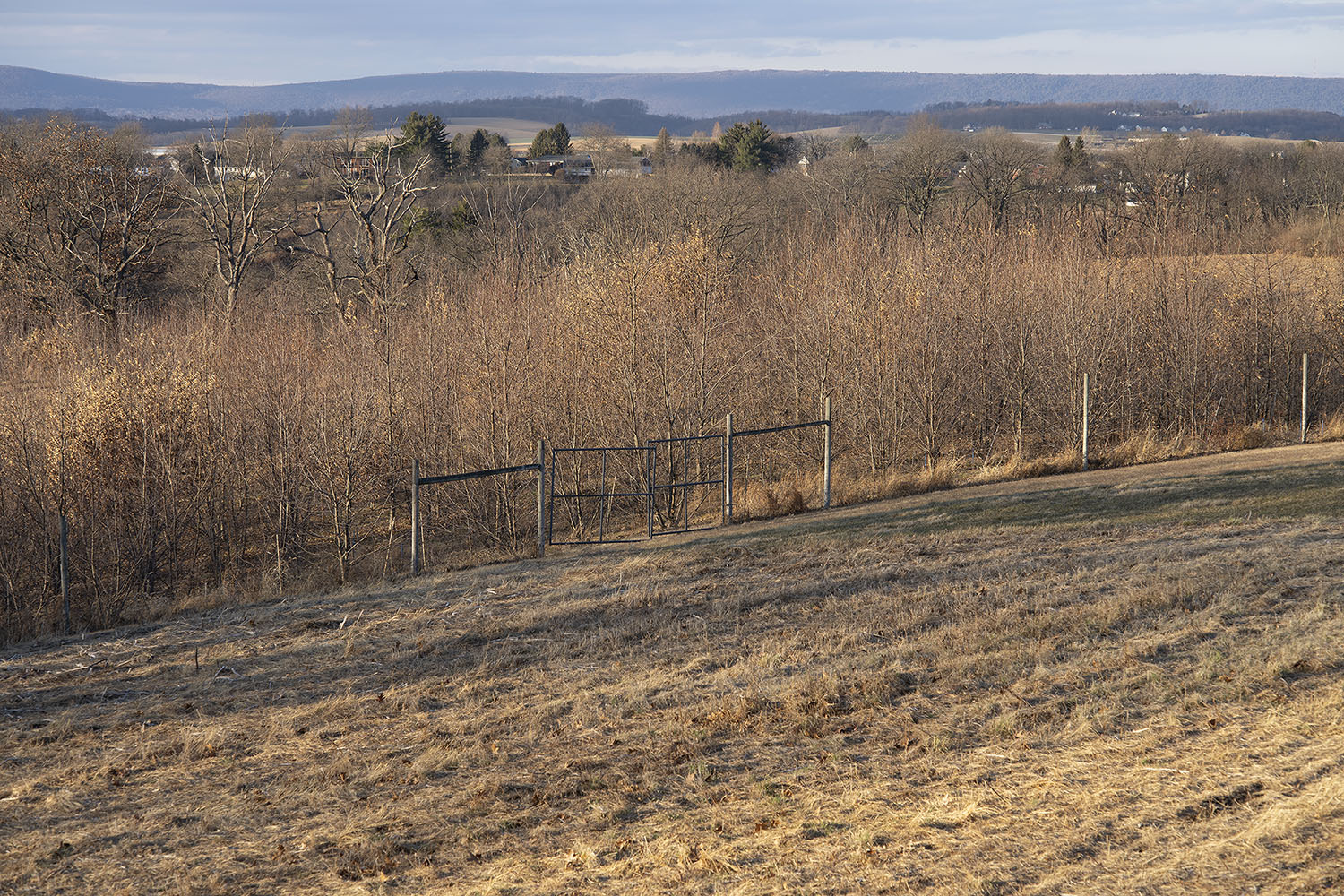
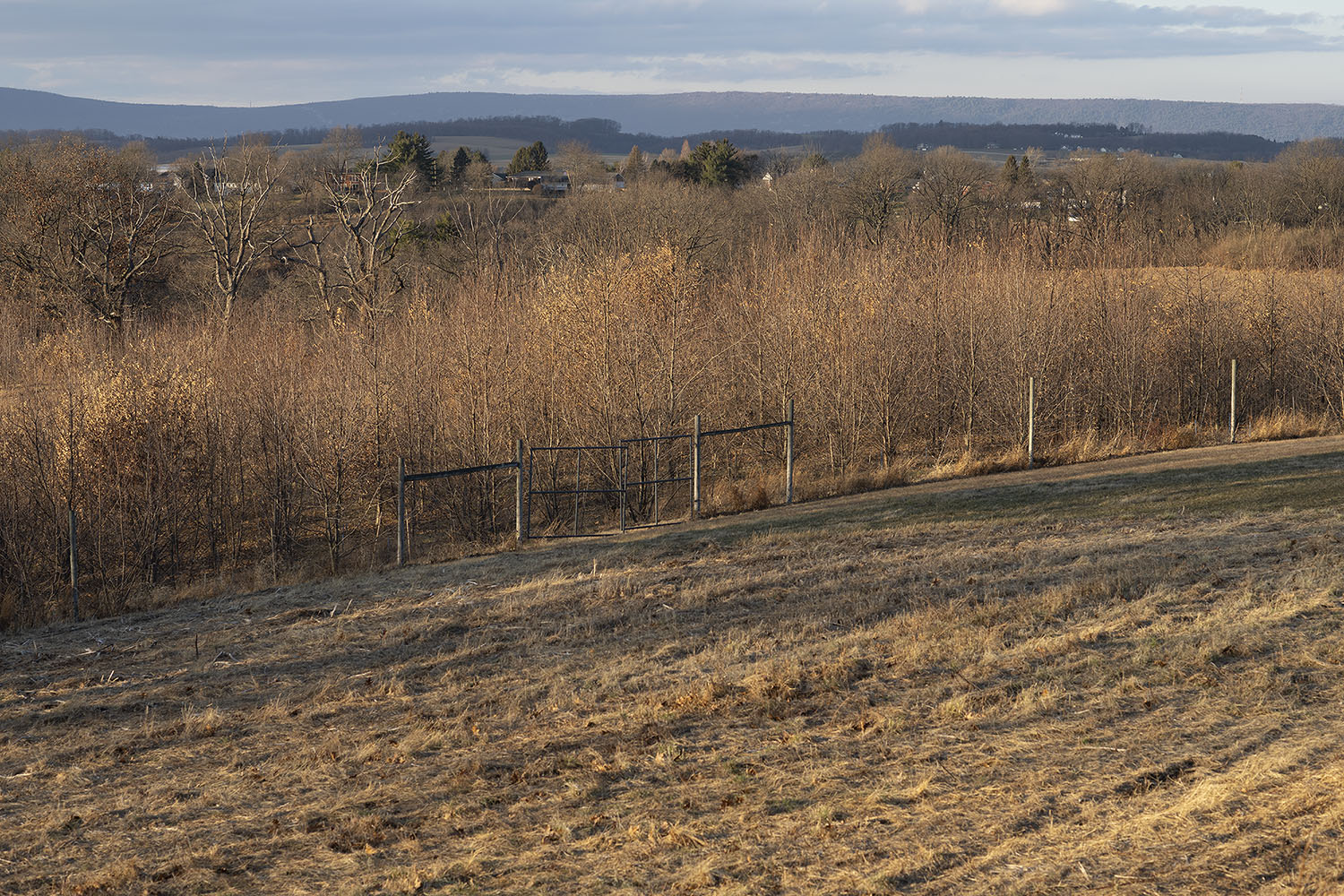
Photos were taken near the top of the Trexler Nature Preserve looking across a field, fenced 4 Acre American Chestnut test Grove, and across the preserve into the distance.
The first set of photos are taken with the Voigtlander 90mm f2.8 Apo Skopar lens alone as the lens has an aperture of f2.8 while the Zeiss maximum aperture is f4.
Rich
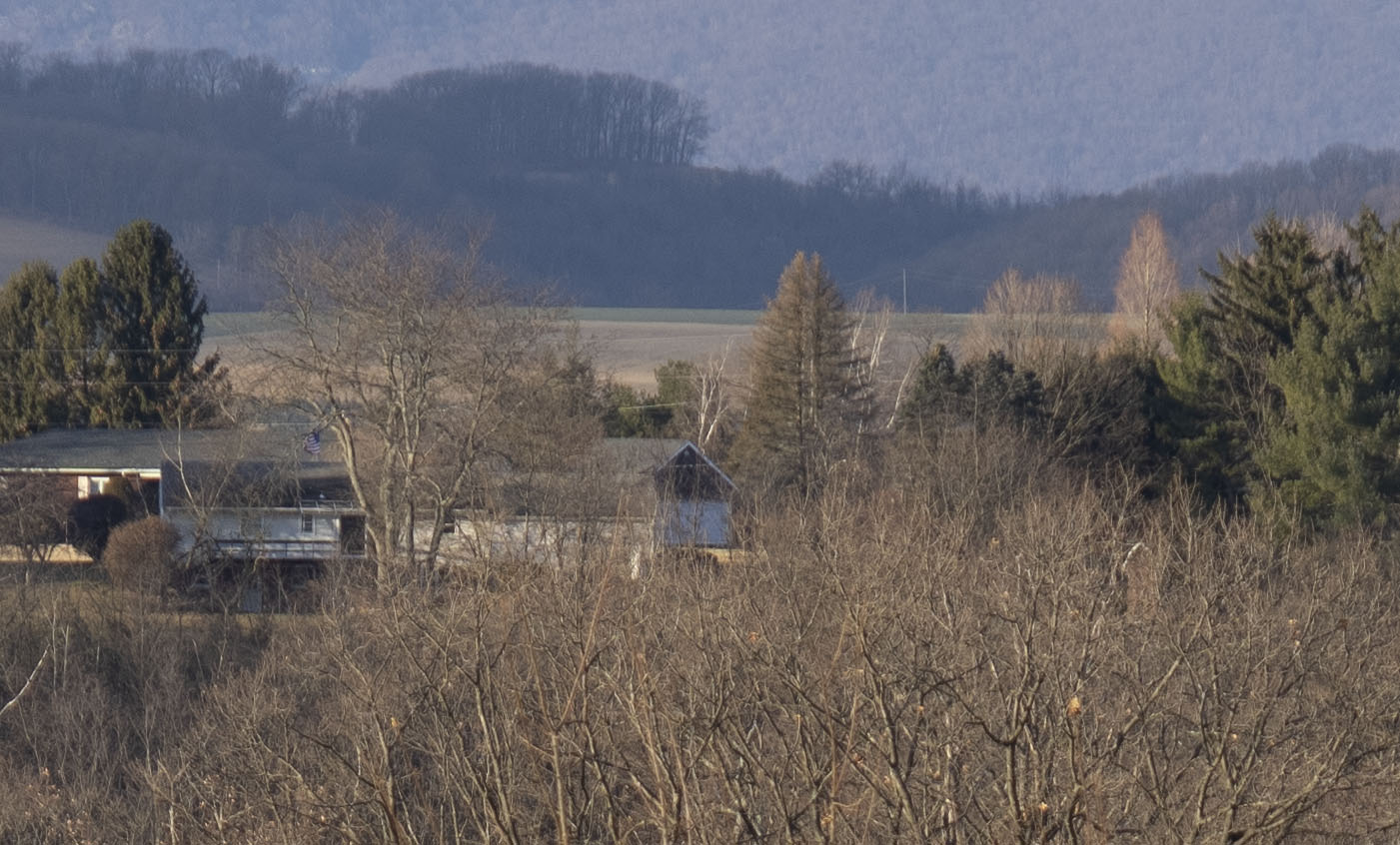
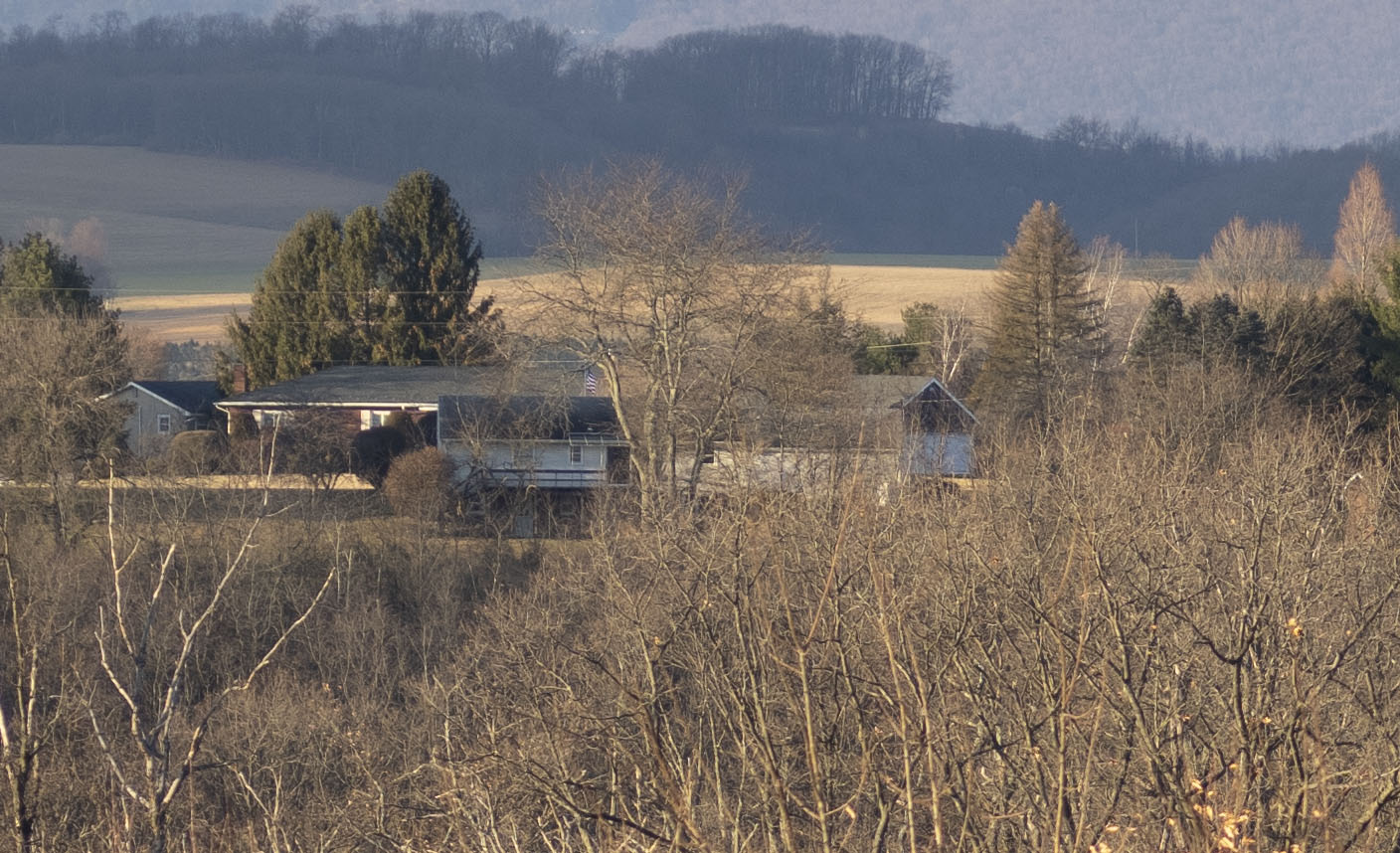
Full Frame, f2.8, focused to Hard Infinity Stop at the Dark Trees in Front of the lighter Hillside about 20% down from the top near the Center
Thanks Rich for these samples and I am looking forward to more to come. Was the CV 90 f/2.8 APO shot at f/2.8? Obviously the ZM 85 f/4 was not and I assume is wide open at f/4. From these samples they look pretty similar in the center, but the ZM looks a little better at mid frame and in the corners (at least to my eyes). It will be interesting to see if that difference persists as the lenses are stopped down.
Steve Spencer wrote:
Thanks Rich for these samples and I am looking forward to more to come. Was the CV 90 f/2.8 APO shot at f/2.8? Obviously the ZM 85 f/4 was not and I assume is wide open at f/4. From these samples they look pretty similar in the center, but the ZM looks a little better at mid frame and in the corners (at least to my eyes). It will be interesting to see if that difference persists as the lenses are stopped down.
Hi Steve,
I had to step out to the Post Office and am back now.
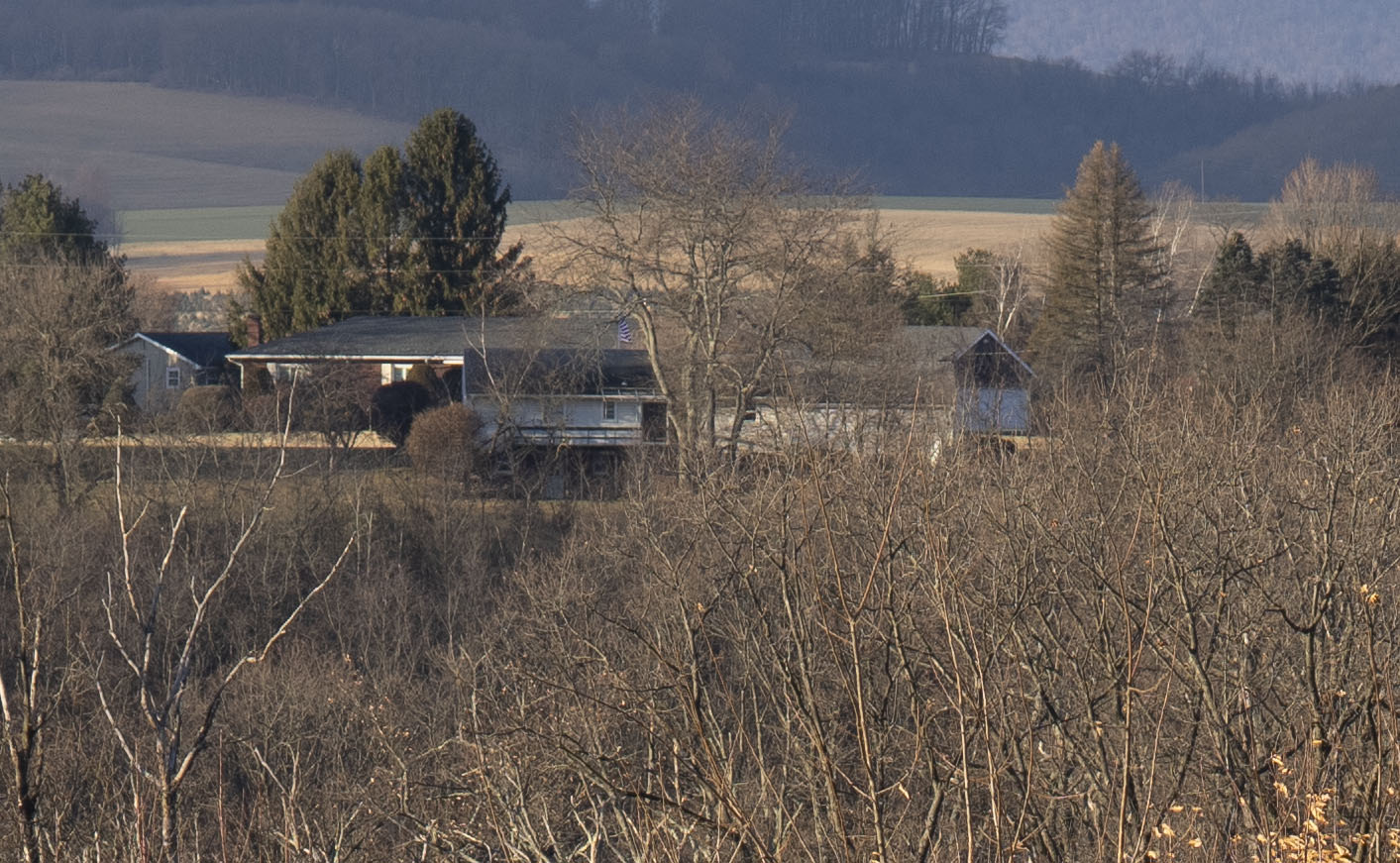
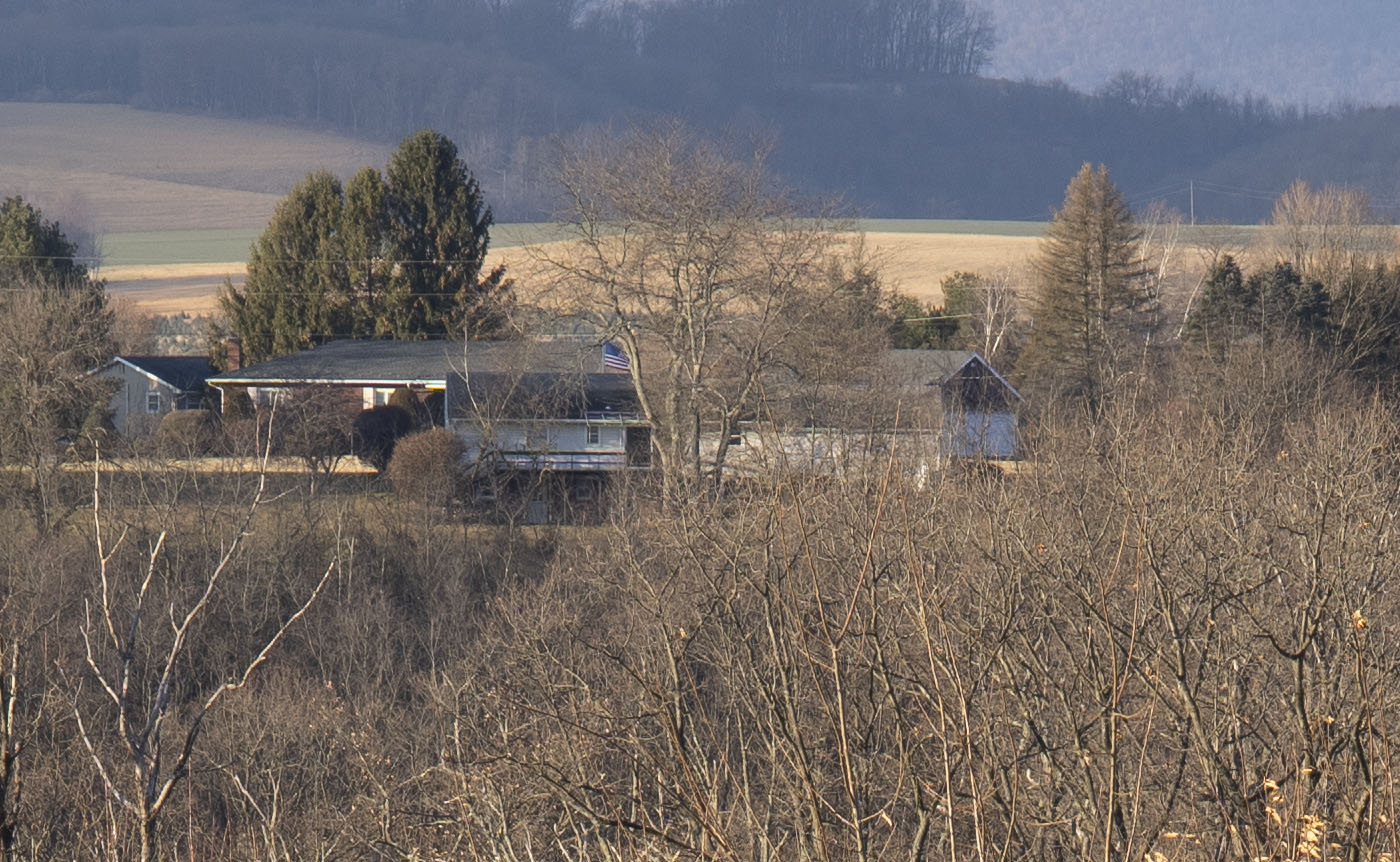
The first set in the previous post were shot at f2.8 and were only with the Apo Skopar at f2.8. The first set were shot at the infinity stop and the second set focused a little closer on the trees I believe behind the home. The next 2 set will be at f4 comparing both lenses with the fist set focused at the infinity stop and the second set focused closer. Following the next 2 sets will be set up the same way at f5.6 and then at f8.
These are going to take a little while to post as I have to make sure which set is being posted. The file names were saved with the information in the titles. It took quite a while to prepare these so, I hope that some will benefit.
Voigtlander Apo Skopar, f4 Full Frame, focused to Hard Infinity Stop at the Dark Trees in Front of the lighter Hillside about 20% down from the top near the Center
Zeiss 85mm f4, f4 Full Frame, focused to Hard Infinity Stop at the Dark Trees in Front of the lighter Hillside about 20% down from the top near the Center
Voigtlander 90mm Apo Skopar f5.6 Full Frame, focused to Hard Infinity Stop at the Dark Trees in Front of the lighter Hillside about 20% down from the top near the Center
Zeiss 85mm ZM f5.6 Full Frame, focused to Hard Infinity Stop at the Dark Trees in Front of the lighter Hillside about 20% down from the top near the Center
Voigtlander 90mm Apo Skopar, f8 Full Frame, focused to Hard Infinity Stop at the Dark Trees in Front of the lighter Hillside about 20% down from the top near the Center
Zeiss 85mm ZM, f8 Full Frame, focused to Hard Infinity Stop at the Dark Trees in Front of the lighter Hillside about 20% down from the top near the Center
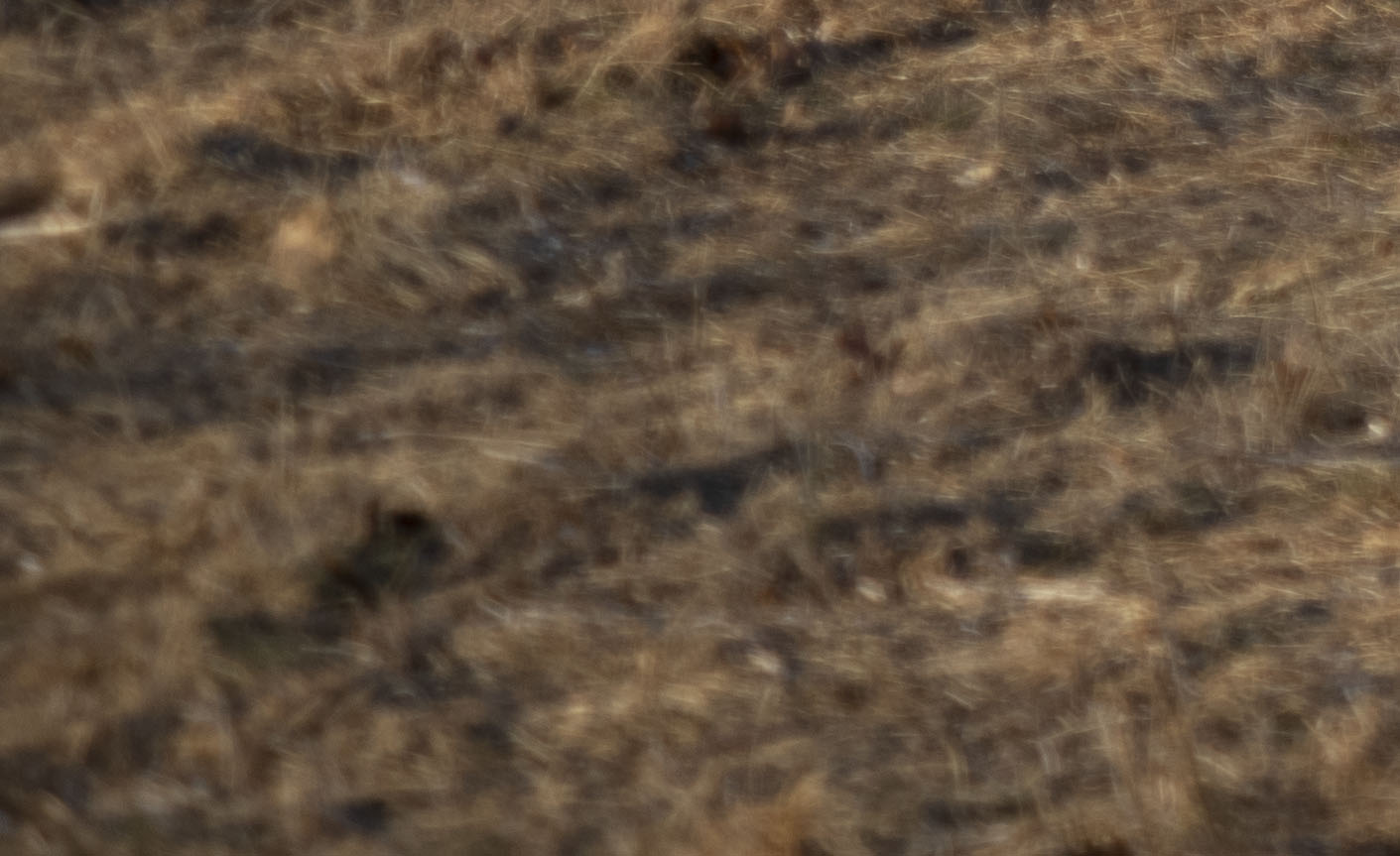
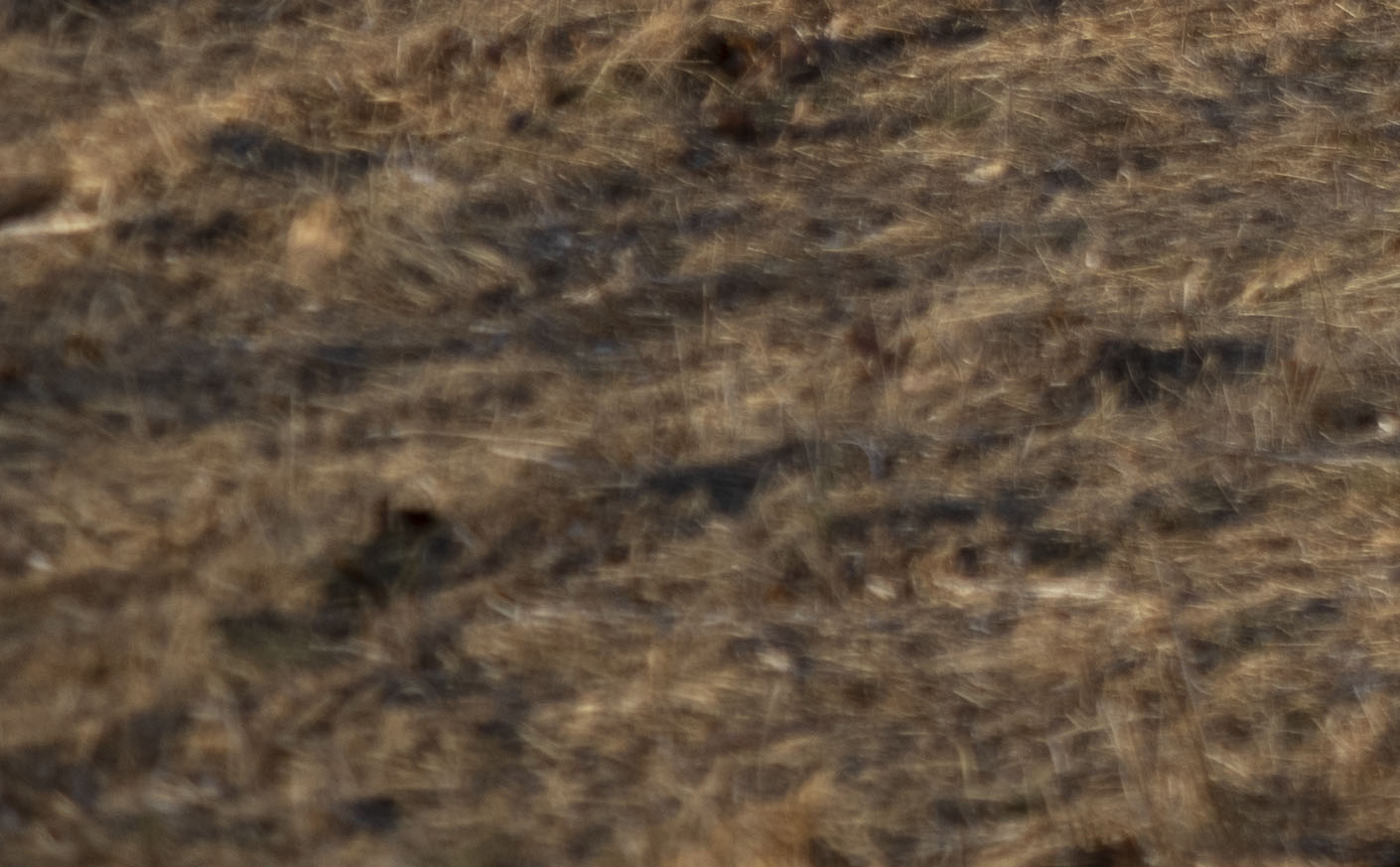
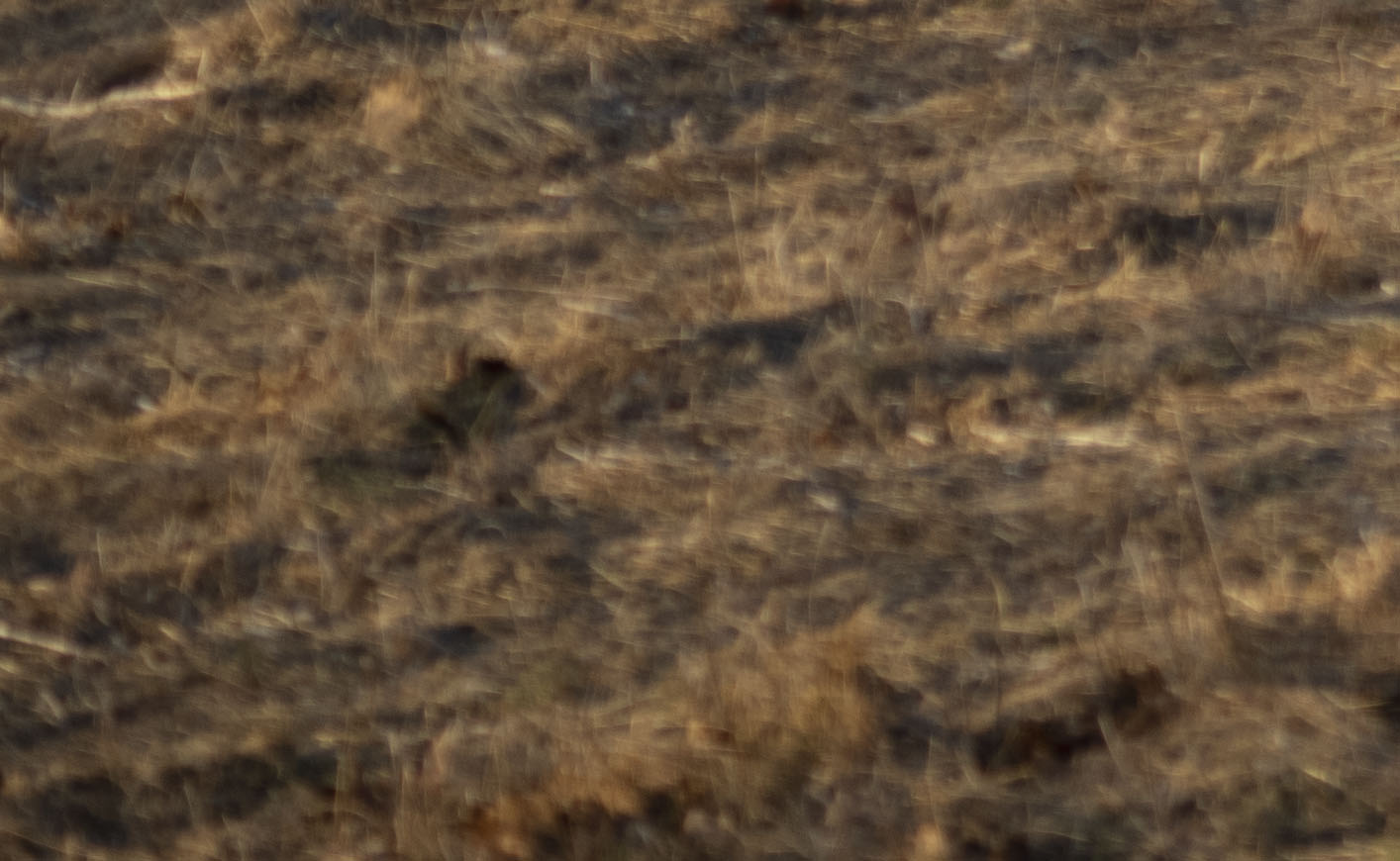
Thanks Rich, these are interesting. IMO the VM is weaker than the ZM until f/5.6 and remains weaker in the corner. This might be because your choice of subject for focus is not dead center and instead in the outer mid zone where Fred's tests have indicated some weakness in the VM. The left edge crop is interesting. On the VM it shows nervousness, as the lens is stopped down, the nervousness persists. On the ZM the left edge looks normal and improves with more depth of field by f/8.
rscheffler wrote:
Thanks Rich, these are interesting. IMO the VM is weaker than the ZM until f/5.6 and remains weaker in the corner. This might be because your choice of subject for focus is not dead center and instead in the outer mid zone where Fred's tests have indicated some weakness in the VM. The left edge crop is interesting. On the VM it shows nervousness, as the lens is stopped down, the nervousness persists. On the ZM the left edge looks normal and improves with more depth of field by f/8.
I agree with this assessment Ron. The left edge crop is mostly bokeh in front of the focus point and we saw that with some other samples this front bokeh looks a bit nervous, but bokeh behind the focus point is quite nice. It would seem that Cosina has slightly under corrected SA with this lens creating better bokeh behind the focus point with a bit worse bokeh in front of the focus point. The lens does quite well with landscapes, but it isn't quite up to the Leica 90 cron AA as we saw in Fred's tests or the ZM 85 f/4 as we see in Rich's tests here. The center sharpness is excellent, but there is some midzone weakness and to my eyes some corner weakness as well. That said, I am still quite interested in this lens as a small all arounder, a really jack of all trades and master of none.
rscheffler wrote:
Thanks Rich, these are interesting. IMO the VM is weaker than the ZM until f/5.6 and remains weaker in the corner. This might be because your choice of subject for focus is not dead center and instead in the outer mid zone where Fred's tests have indicated some weakness in the VM. The left edge crop is interesting. On the VM it shows nervousness, as the lens is stopped down, the nervousness persists. On the ZM the left edge looks normal and improves with more depth of field by f/8.
Steve Spencer wrote:
I agree with this assessment Ron. The left edge crop is mostly bokeh in front of the focus point and we saw that with some other samples this front bokeh looks a bit nervous, but bokeh behind the focus point is quite nice. It would seem that Cosina has slightly under corrected SA with this lens creating better bokeh behind the focus point with a bit worse bokeh in front of the focus point. The lens does quite well with landscapes, but it isn't quite up to the Leica 90 cron AA as we saw in Fred's tests or the ZM 85 f/4 as we see in Rich's tests here. The center sharpness is excellent, but there is some midzone weakness and to my eyes some corner weakness as well. That said, I am still quite interested in this lens as a small all arounder, a really jack of all trades and master of none....Show more →
Taking the photos, the Zeiss had an edge in the lighting color as we were getting into warmer light as late afternoon light was increasing as the time was approaching 4:00 PM.
I am a bit disappointed, I had hoped that the 90mm Apo Skopar was going to replace my Zeiss 85mm ZM. I am not sure how and when I will use which lens at this point.
I think that I have had better luck my my Voigtlander 24mm f2 Ultron II VM, Fred's Voigtlander 12mm f5.6 Heliar III VM, Voigtlander 50mm f2 Apo-Lanthar Asph, FE Mount, Voigtlander 65mm Macro Apo-Lanthar Asph FE mount, and Voigtlander 110mm F2.5 Macro Apo-Lanthar FE mount lenses.
Rich, I did get the feeling in the images where you focused on the house that the foreground tree branches looked sharper, if that's what you meant. From what Fred indicated, the VM's focus throw is very short/fast and it may be difficult to make such a fine adjustment backed off infinity. TBH, I thought the house already looked as sharp as it was going to be at the infinity hard stop. My impression is the VM f/2.8 corner crop backed slightly off infinity looks better than at the hard stop.
I viewed the left mid-distance crops again in a photo viewing app so I could flip through them quickly. The VM crops appear to have sagittal/tangential divergence, in that one direction (up/down) is sharper than the other (left/right). At wide open the left/right softness adds a glow and makes the sharpness of the up/down details stand out more, but stopped down it picks up definition and everything looks more nervous.
I wouldn't write off the lens just yet. Rather, use it how you would normally want to use it, and go from there. While at 100% it isn't as strong as the ZM or 90AA, that might not matter for the end results, depending on how large you print or view images. For example, the Light Lens Lab 35 Cron replica I received has quite strong focus shift and wavy field curvature. I can easily make bad looking test images. But in real world use, I'm not seeing these problems that often (24MP instead of 50 or 60 is also a factor), to the point where I'm using it instead of the VM35/1.7 most of the time because it's so much smaller. That said, it is a shame given the efforts by Cosina to make the 90/2.8 an APO lens, and the precedent set by the previous VM and FE APOs, that the 90 appears to fall somewhat short in sheer technical performance.
rscheffler wrote:
Rich, I did get the feeling in the images where you focused on the house that the foreground tree branches looked sharper, if that's what you meant. From what Fred indicated, the VM's focus throw is very short/fast and it may be difficult to make such a fine adjustment backed off infinity. TBH, I thought the house already looked as sharp as it was going to be at the infinity hard stop. My impression is the VM f/2.8 corner crop backed slightly off infinity looks better than at the hard stop.
I viewed the left mid-distance crops again in a photo viewing app so I could flip through them quickly. The VM crops appear to have sagittal/tangential divergence, in that one direction (up/down) is sharper than the other (left/right). At wide open the left/right softness adds a glow and makes the sharpness of the up/down details stand out more, but stopped down it picks up definition and everything looks more nervous.
I wouldn't write off the lens just yet. Rather, use it how you would normally want to use it, and go from there. While at 100% it isn't as strong as the ZM or 90AA, that might not matter for the end results, depending on how large you print or view images. For example, the Light Lens Lab 35 Cron replica I received has quite strong focus shift and wavy field curvature. I can easily make bad looking test images. But in real world use, I'm not seeing these problems that often (24MP instead of 50 or 60 is also a factor), to the point where I'm using it instead of the VM35/1.7 most of the time because it's so much smaller. That said, it is a shame given the efforts by Cosina to make the 90/2.8 an APO lens, and the precedent set by the previous VM and FE APOs, that the 90 appears to fall somewhat short in sheer technical performance....Show more →
HI Ron,
I think that the foreground trees in many instances appear to be the sharper than those taken with the Zeiss. I do like the feel, handling, balance, etc. for the Apo Skopar. Additionally, I much prefer the hood for the lens than the one for the Zeiss in terms of its easy mounting, reverse mounting for when the lens is not used, and just the feel and construction of the hood. I will have to use the lens more to get a better feel for it and how it performs under different circumstances.
I suspect that the Apo Skopar would be a good portrait lens, but I do not take many portraits. It may also prove excellent for closer work (as I have found) and also for short distance landscape work. But, it is going to take some thought as to deciding which lens to carry.
Thanks for the convo so far. I'm thinking Cosina made it for the Matt Osbornes of the world, not so much for the landscaper cohort. If someone was to ask what do most Leica Ms get used for, which would it be?
Many want today's lenses to be masters of all trades. It's great to find lenses you can keep for a decade or more, for all uses. The VM 90/2.8 design might be less sharp by intended use case, but how it goes in the market is what will sharpen up Cosina's thinking on its next short telephotos.
philip_pj wrote:
Thanks for the convo so far. I'm thinking Cosina made it for the Matt Osbornes of the world, not so much for the landscaper cohort. If someone was to ask what do most Leica Ms get used for, which would it be?
Many want today's lenses to be masters of all trades. It's great to find lenses you can keep for a decade or more, for all uses. The VM 90/2.8 design might be less sharp by intended use case, but how it goes in the market is what will sharpen up Cosina's thinking on its next short telephotos.
Yes, let's hope the 75mm f2APO, that Cosina recently patented, is more oriented for landscape shooting, and comes in an E-mount version. Its all very well for Cosina to say, 'just use the M-E adapter', on its telephotos, but then not provide us with a new chipped version of their current adapter - which I think they need to do asap!
Steve Spencer wrote:
I think for rangefinder shooting, which this lens was designed for, one of the big things this lens provides is a small size--small enough that it doesn't block the 90mm frame lines at all. It also is a great general purpose lens. A jack of all trades but master of none and that too is a great design goal for a rangefinder lens. I plan to pick it up and I think it will be great for my M10 travel kit.
Ok, sounds like it was a Leica design constraint then: I must confess I have no experience shooting M bodies, and from a practical point of view, not sure why someone would, versus a Kolari-modded Sony - perhaps you can enlighten me Steve? (better corner performance due to Leica's offset microlenses perhaps?)
DavidBM wrote:
Yep I stared at the 85 and 90 before and after corrections, and trying to pick them blind I was at chance with foliage…
My hunch is that with the latest compact lenses they are bing designed with “excess” resolution in areas where correction will be applied, so that after correction resolution may in theory be lower, but is still above the threshold where you can’t see the difference. This may actually produce better results than trying to optically correct distortion, at least in the small form factor.
It would also explain why some older lenses looked noticeably worse fete correction: they had only “just enough” resolution before correction. ...Show more →
The Sigma 90mm f2.8 isn't a high microcontrast lens to begin with (in fact I think Fred said as much in a prior post somewhere?), so I can understand why the difference may not be obvious; I'm more surprised that you can't detect a difference in your Sigma 85 f1.4 DG DN Art - that lens is a razor, with moderate to high amounts of microcontrast: the tests Lloyd did showed an obvious difference.
Its important to remember that only the focal plane, or close to it, will exhibit microcontrast. The MTF of high frequencies drops off quickly as you move away from the focal plane (defocus MTF), which destroys microcontrast. So, in a typical real-world 3D scene, you need to be careful you're not comparing parts of the image that are a tiny bit out of focus - which with a telephoto, will be most of your image!
Also, I think your 'hunch', David, is spot on: the more information there is in the original file, the better the software distortion correcton interpolation algorithm, should work.
Petegh wrote:
Ok, sounds like it was a Leica design constraint then: I must confess I have no experience shooting M bodies, and from a practical point of view, not sure why someone would, versus a Kolari-modded Sony - perhaps you can enlighten me Steve? (better corner performance due to Leica's offset microlenses perhaps?)
No. For the unique experience of using a rangefinder camera and the advantages it brings to certain (many would say niche) applications. That said, 90mm is not typically considered a core lens choice for rangefinder use. There is not an easy answer to the question of why use a rangefinder camera over a current mirrorless because it requires acceptance of subjective opinions taking precedence over objective facts. This is a potentially contentious topic that often quickly decays into polarized views and is a tangent for an entirely new thread. One that has been discussed ad nauseam here and in pretty much every other photo forum.
Also keep in mind that the president of Cosina has somewhat eclectic tastes and loyalty to rangefinders. Therefore don't be surprised by Voigtlander lens releases in M mount that may only be available in M mount. I'm not saying this is better or makes sense in respect to where the current ILC market is moving, though Cosina justify their choice of M mount as being widely adaptable. After all, Sony is not the only mirrorless system.