Voigtlander 28mm f/2 Ultron II Review
p.6 #1Voigtlander 28mm f/2 Ultron II Review
nehemiahphoto wrote:
@fredmiranda@ You're low key trying to start the CCD wars again
@naturephoto1@ Thanks for doing all that testing! What do you think of the colors and contrast of the CV 28/2v2 vs the R 28v2?
---------------------------------------------
jeffersoncasey wrote:
Being one that had a war with myself few months ago, I looked past it and moved on. Sensor tech has evolved so much that I'm test driving mirrorless bodies and it was such a relief to shoot in low light, stopped down. There are simply too many advantage to give up. One aspect that I didn't hear too many people speak of, is that M9, to my eyes, has narrower color gamut, for lack of better words. That will shine when you shoot a scene that's a little dull, but more often than not the colors can look a...Show more →
---------------------------------------------
nehemiahphoto wrote:
Being one that had a war with myself few months ago, I looked past it and moved on. Sensor tech has evolved so much that I'm test driving mirrorless bodies and it was such a relief to shoot in low light, stopped down. There are simply too many advantage to give up. One aspect that I didn't hear too many people speak of, is that M9, to my eyes, has narrower color gamut, for lack of better words. That will shine when you shoot a scene that's a little dull, but more often than not the colors can look a little lacking in terms of realism. It was addicting at first, but somehow the excitement quickly fade when I wanted something that better represent the actual scene.
I still keep the M9 as a rendering reference, and see what's the next generation M would be like.I agree with this. I used to shoot the D80--by todays standards, obviously no good. But, there was a certain way the colors and tones were rendered if you could keep with the DR (which usually meant drabber or softer evening light) that was just lovely. I am not saying the colors were uber accurate, but skin tones and such were just lovely.
And this is largely the story of (the best) character lenses too--shoot them in medium to soft light, there's a softness and richness to the tones that are magic (usually combined with SA). As you say, it's not...Show more →
One my first shooting day in Hawaii, I exposed the scenes like I usually do with my A7RIV and M10 but quickly realized when looking at the LCD, that when shooting at sunset/dusk, the M9's shadows were not holding much detail when whenever the scenes were properly exposed to hold on to the highlights.
So, I set the camera to (-2,0.2) bracketing and the results were great. (Will post some of them soon)
In the end, most of my scenes were 6-image composites where I would bracket the shots at two different distances for a latter focus stacking in post. I mostly shot at f/5.6 or f/6.7.
Another alternative way I found effective for battling the narrower SNR, was to shoot 4 images in continuous mode, exposing them to the highlights. When mean averaging them in post, noise would be well controlled and the files looked great as well. I could not shoot more than 4 images because of the limited camera's buffer.
All in all, these restrictions didn't stop me from getting the shots I wanted and I only had the rangefinder to rely on, so it's just a matter of adjustment. One night I mistakenly let ISO set to "auto" and when shooting long exposures on a tripod, the camera exposed my landscapes to ISO 2000, which I only realized the next day. ;-). That's deadly for the M9's files as things get quite noise above ISO 640.
This mistake was upsetting because the scenes I captured that night had incredible color and cloud formations but this mistake taught a lesson. This would not had happened if I was shooting with the M10 since I can see ISO settings at all times (dial on top). Now I have my M9 set to profiles like "landscapes", "Portraits", "general" where the camera has the correct settings for the type of shooting I'm going to do. This was quite ahead of its time! :-)
@fredmiranda@ You're low key trying to start the CCD wars again
@naturephoto1@ Thanks for doing all that testing! What do you think of the colors and contrast of the CV 28/2v2 vs the R 28v2?
---------------------------------------------
jeffersoncasey wrote:
nehemiahphoto wrote
@fredmiranda@@@ You're low key trying to start the CCD wars again---------------------------------------------
nehemiahphoto wrote:
jeffersoncasey wrote
nehemiahphoto wrote
@fredmiranda@@@@ You're low key trying to start the CCD wars againI still keep the M9 as a rendering reference, and see what's the next generation M would be like.
And this is largely the story of (the best) character lenses too--shoot them in medium to soft light, there's a softness and richness to the tones that are magic (usually combined with SA). As you say, it's not...Show more →
One my first shooting day in Hawaii, I exposed the scenes like I usually do with my A7RIV and M10 but quickly realized when looking at the LCD, that when shooting at sunset/dusk, the M9's shadows were not holding much detail when whenever the scenes were properly exposed to hold on to the highlights.
So, I set the camera to (-2,0.2) bracketing and the results were great. (Will post some of them soon)
In the end, most of my scenes were 6-image composites where I would bracket the shots at two different distances for a latter focus stacking in post. I mostly shot at f/5.6 or f/6.7.
Another alternative way I found effective for battling the narrower SNR, was to shoot 4 images in continuous mode, exposing them to the highlights. When mean averaging them in post, noise would be well controlled and the files looked great as well. I could not shoot more than 4 images because of the limited camera's buffer.
All in all, these restrictions didn't stop me from getting the shots I wanted and I only had the rangefinder to rely on, so it's just a matter of adjustment. One night I mistakenly let ISO set to "auto" and when shooting long exposures on a tripod, the camera exposed my landscapes to ISO 2000, which I only realized the next day. ;-). That's deadly for the M9's files as things get quite noise above ISO 640.
This mistake was upsetting because the scenes I captured that night had incredible color and cloud formations but this mistake taught a lesson. This would not had happened if I was shooting with the M10 since I can see ISO settings at all times (dial on top). Now I have my M9 set to profiles like "landscapes", "Portraits", "general" where the camera has the correct settings for the type of shooting I'm going to do. This was quite ahead of its time! :-)
Jun 19, 2021 at 04:00 PM
p.6 #2Voigtlander 28mm f/2 Ultron II Review
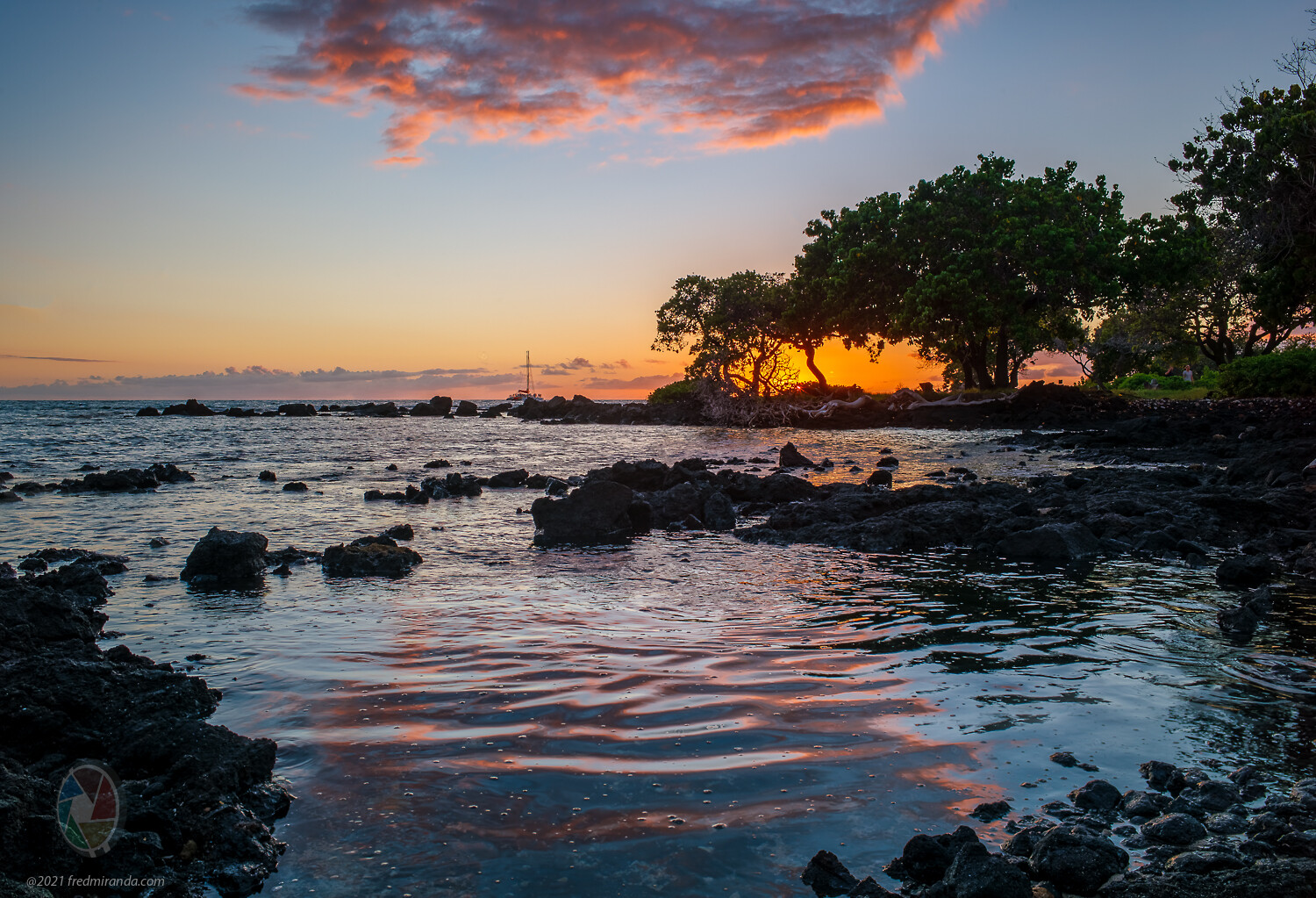
Here is a sample image showing what I described above:
Leica M9, 6-images
3-image (-2,0.+2) focused at infinity
3-image (-2,0,+2) focused at close range
Combined in Zerene
Voigtlander 28mm f/2 Ultron II (f/6.7 - focused stacked and bracketed)
Leica M9, 6-images
3-image (-2,0.+2) focused at infinity
3-image (-2,0,+2) focused at close range
Combined in Zerene
 |
||
 |
||
|
Voigtlander 28mm f/2 Ultron II (f/6.7 - focused stacked and bracketed)
Jun 19, 2021 at 06:07 PM
p.6 #3Voigtlander 28mm f/2 Ultron II Review
Fred Miranda wrote:
jeffersoncasey wrote
Fred Miranda wrote
More wide open samples:Good eyes!

Yes, this is the original CCD sensor. It has minimal corrosion and it's going to Kolari next month for coverglass replacement.
I only see some specks when shooting above f/5.6 but it's very easy to clone those out. ;-)
At some point I had 2 M9's in my possession, where the old CCD was like yours - only a few specks and only appear f5.6 and above. So I made some comparison shots to educate myself. It was a tough choice! On one hand the old CCD doesn't correct color shift as good as the new one, on the other hand the new one doesn't render quite the same punch in green, also orange and yellow. They tend to be subtle so many owners who send in their M9 for new sensors don't notice the differences immediately. Ultimately I decided that I don't want to deal the few specks that won't go away (and the need to fix in post all the time) and I don't feel comfortable shooting f8 which one of my lens render superbly at those apertures. And then I started to miss the old CCD colors, sort of. But like many things in life, nothing is perfect. 🤣
And there's quite a spirit you have there to get the best out of the CCD. That's why you attracts so many people alike to build the FM community. Love this forum.
Jun 19, 2021 at 09:49 PM
p.6 #4Voigtlander 28mm f/2 Ultron II Review
jeffersoncasey wrote:
Despite my post above, when light is sufficient, the way CCD render the green for example is hard to beat, and to my eyes that looks much more like the older CCD than the new one (or was I wrong?). The new one tend to dull down the green compared to the old one...Hi Jefferson,
Good eyes!
Yes, this is the original CCD sensor. It has minimal corrosion and it's going to Kolari next month for coverglass replacement.
I only see some specks when shooting above f/5.6 but it's very easy to clone those out. ;-)At some point I had 2 M9's in my possession, where the old CCD was like yours - only a few specks and only appear f5.6 and above. So I made some comparison shots to educate myself. It was a tough choice! On one hand the old CCD doesn't correct color shift as good as the new one, on the other hand the new one doesn't render quite the same punch in green, also orange and yellow. They tend to be subtle so many owners who send in their M9 for new sensors don't notice the differences immediately. Ultimately I...Show more →
Wow Jefferson,
I didn't know the Leica sensor replacement rendered colors differently. Thanks for letting us know.
I'm scheduled to send my M9 to Kolari next month to replace the corroded coverglass. Hopefully colors won't change with the new Scott glass as I was told they won't.
I will shoot my X-Rite Passport and compare colors before and after the fix. They have a 2-3 month waiting list right now! It's crazy.
Honestly I didn't have to repair it but I see some spots (looks like dust with a bright circular shape), which it's easy to clone out. However, I'm not sure if Kolari will be offering this service forever, so I better send mine in. :-)
Thanks for your kind works.
Fred Miranda wrote
jeffersoncasey wrote
Fred Miranda wrote
More wide open samples:Good eyes!
Yes, this is the original CCD sensor. It has minimal corrosion and it's going to Kolari next month for coverglass replacement.
I only see some specks when shooting above f/5.6 but it's very easy to clone those out. ;-)
Wow Jefferson,
I didn't know the Leica sensor replacement rendered colors differently. Thanks for letting us know.
I'm scheduled to send my M9 to Kolari next month to replace the corroded coverglass. Hopefully colors won't change with the new Scott glass as I was told they won't.
I will shoot my X-Rite Passport and compare colors before and after the fix. They have a 2-3 month waiting list right now! It's crazy.
Honestly I didn't have to repair it but I see some spots (looks like dust with a bright circular shape), which it's easy to clone out. However, I'm not sure if Kolari will be offering this service forever, so I better send mine in. :-)
Thanks for your kind works.
Jun 19, 2021 at 10:22 PM
p.6 #5Voigtlander 28mm f/2 Ultron II Review
I'm studying these ccd differences.
Many in the forum talk about M9 vs the rest of the world forgetting one simple fact: there are not just color differences.
The Kodak inside the M9 is a military-grade sensor made for different purposes than just leisure photography and the micro differences reading shades of colors on yellows, green or reds are under our eyes.
The funny thing is I found some differences in the rendition of the colors and in the realistic quality of them coming from other ccd cameras as Merrill by Sigma and P45+ by Phase one.
In the first instance I thought: "well .. one is Foveon.. and the other is a MF sensor..".
after years of tests, finding the same taste on images coming from :
a full-frame Bayer camera (M9)
an APS Foveon camera (Merrill dp1/dp2)
a Mf Bayer camera (P45+)
..made me think about some in common.
Yes the CCD rendition on base iso is great for color shades and the random noise on mdium high iso is great too for film taste.
BUT that is a result of a feeling of someone crazy about that over thousands of images in years.
Someone addicted to a PATTERN of results over the time.
Why?
Because if you put someone, the average photographer (but even the superpro), in front of a blind test session, same pictures of same scene using calibrated color profiles (or Cobalt ) would be almost IMPOSSIBLE to recognize which is CCD and which CMOS.
just IMHO
Many in the forum talk about M9 vs the rest of the world forgetting one simple fact: there are not just color differences.
The Kodak inside the M9 is a military-grade sensor made for different purposes than just leisure photography and the micro differences reading shades of colors on yellows, green or reds are under our eyes.
The funny thing is I found some differences in the rendition of the colors and in the realistic quality of them coming from other ccd cameras as Merrill by Sigma and P45+ by Phase one.
In the first instance I thought: "well .. one is Foveon.. and the other is a MF sensor..".
after years of tests, finding the same taste on images coming from :
a full-frame Bayer camera (M9)
an APS Foveon camera (Merrill dp1/dp2)
a Mf Bayer camera (P45+)
..made me think about some in common.
Yes the CCD rendition on base iso is great for color shades and the random noise on mdium high iso is great too for film taste.
BUT that is a result of a feeling of someone crazy about that over thousands of images in years.
Someone addicted to a PATTERN of results over the time.
Why?
Because if you put someone, the average photographer (but even the superpro), in front of a blind test session, same pictures of same scene using calibrated color profiles (or Cobalt
) would be almost IMPOSSIBLE to recognize which is CCD and which CMOS. just IMHO
Jun 20, 2021 at 06:16 AM
p.6 #6Voigtlander 28mm f/2 Ultron II Review
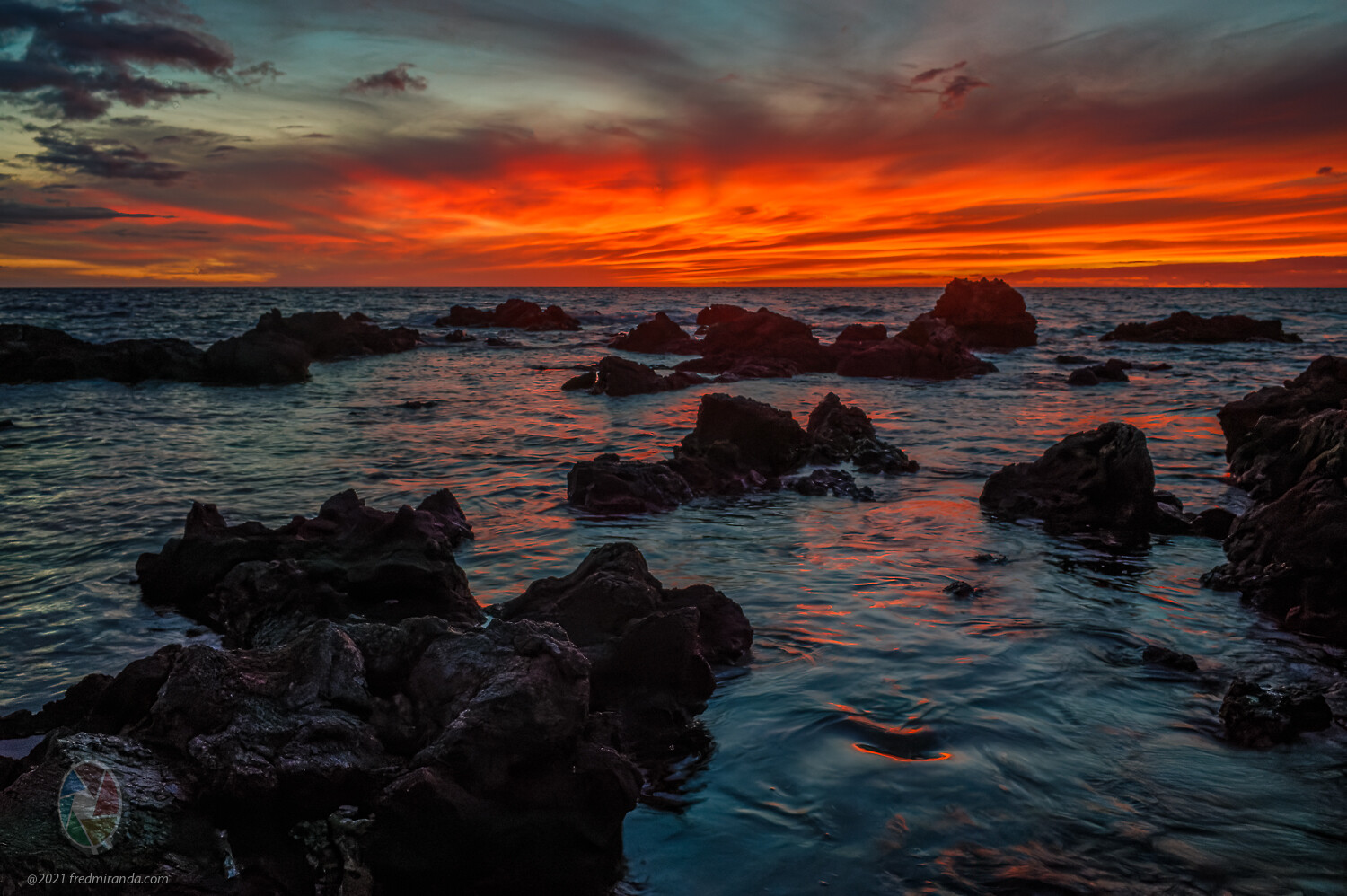
Here is an image taken from the Leica M9 + Voigt 28/2 Ultron II.
It was from the day I messed up the camera settings and used "auto ISO", as described here:
https://www.fredmiranda.com/forum/topic/1704868/5#15627952
The image was pretty much unusable at ISO 2000 but I used the below steps to restore it to acceptable levels:
1) Imported the ISO 2000 images using DXO Pure Raw (using DeepPrime noise reduction tech straight on the RAW file)
2) Combined the 3 brackets shots using LR's HDR function.
3) Run Lightroom's "super resolution" to increase detail level
The sky and rocks are pretty much noiseless now the colors are still vibrant.
Based on my samples so far, I find the Voigtlander 28mm f/2 Ultron II to be an amazing landscape lens. Sharp from wide open at f/2 and already optimal one or two stops down. I wish I had my M10-R with me. ;-)
Voigtlander 28mm f/2 Ultron II
It was from the day I messed up the camera settings and used "auto ISO", as described here:
https://www.fredmiranda.com/forum/topic/1704868/5#15627952
The image was pretty much unusable at ISO 2000 but I used the below steps to restore it to acceptable levels:
1) Imported the ISO 2000 images using DXO Pure Raw (using DeepPrime noise reduction tech straight on the RAW file)
2) Combined the 3 brackets shots using LR's HDR function.
3) Run Lightroom's "super resolution" to increase detail level
The sky and rocks are pretty much noiseless now the colors are still vibrant.
Based on my samples so far, I find the Voigtlander 28mm f/2 Ultron II to be an amazing landscape lens. Sharp from wide open at f/2 and already optimal one or two stops down. I wish I had my M10-R with me. ;-)
|
||
 |
||
|
Voigtlander 28mm f/2 Ultron II
Jun 20, 2021 at 12:37 PM
p.6 #7Voigtlander 28mm f/2 Ultron II Review
Ulysseita wrote:
Because if you put someone, the average photographer (but even the superpro), in front of a blind test session, same pictures of same scene using calibrated color profiles (or Cobalt
) would be almost IMPOSSIBLE to recognize which is CCD and which CMOS.I wanted to respond to this but I don't want to further hijack this thread so I'll do it on the Cobalt thread...
Jun 20, 2021 at 01:09 PM
p.6 #8Voigtlander 28mm f/2 Ultron II Review
Fred Miranda wrote:
I wish I had my M10-R with me. ;-)
You know that the color rendering will not be the same.
I tried so hard to match my M240 to M9, at least aesthetically instead of a straight copy, it wasn't even close.  I'm sure a calibrated profile like Cobalt will help though I'll hold my judgements until I've seen more examples...
Jun 20, 2021 at 01:23 PM
p.6 #9Voigtlander 28mm f/2 Ultron II Review
I also have the M240 and M9 (squeezed it in for the free sensor replacement just before it ended). Back in 2014 when I got the M240 I did some comparison tests between the two cameras (M9 with original sensor) with a range of lenses, including the 28 Cron v1. Processed through Lightroom using the embedded profile option, I did see some differences in default color rendering. As you've mentioned, deep greens were somewhat richer/lusher looking in M9 images. But I also noticed that vignetting correction between the two cameras differed, which can have some influence on aesthetic image quality aspects.
Jun 21, 2021 at 12:37 AM
p.6 #10Voigtlander 28mm f/2 Ultron II Review
It is a nice lens for sure 
 L1001162
 L1001176 full
L1001162 L1001176 full Jun 21, 2021 at 12:51 PM
|
p.6 #11Voigtlander 28mm f/2 Ultron II Review
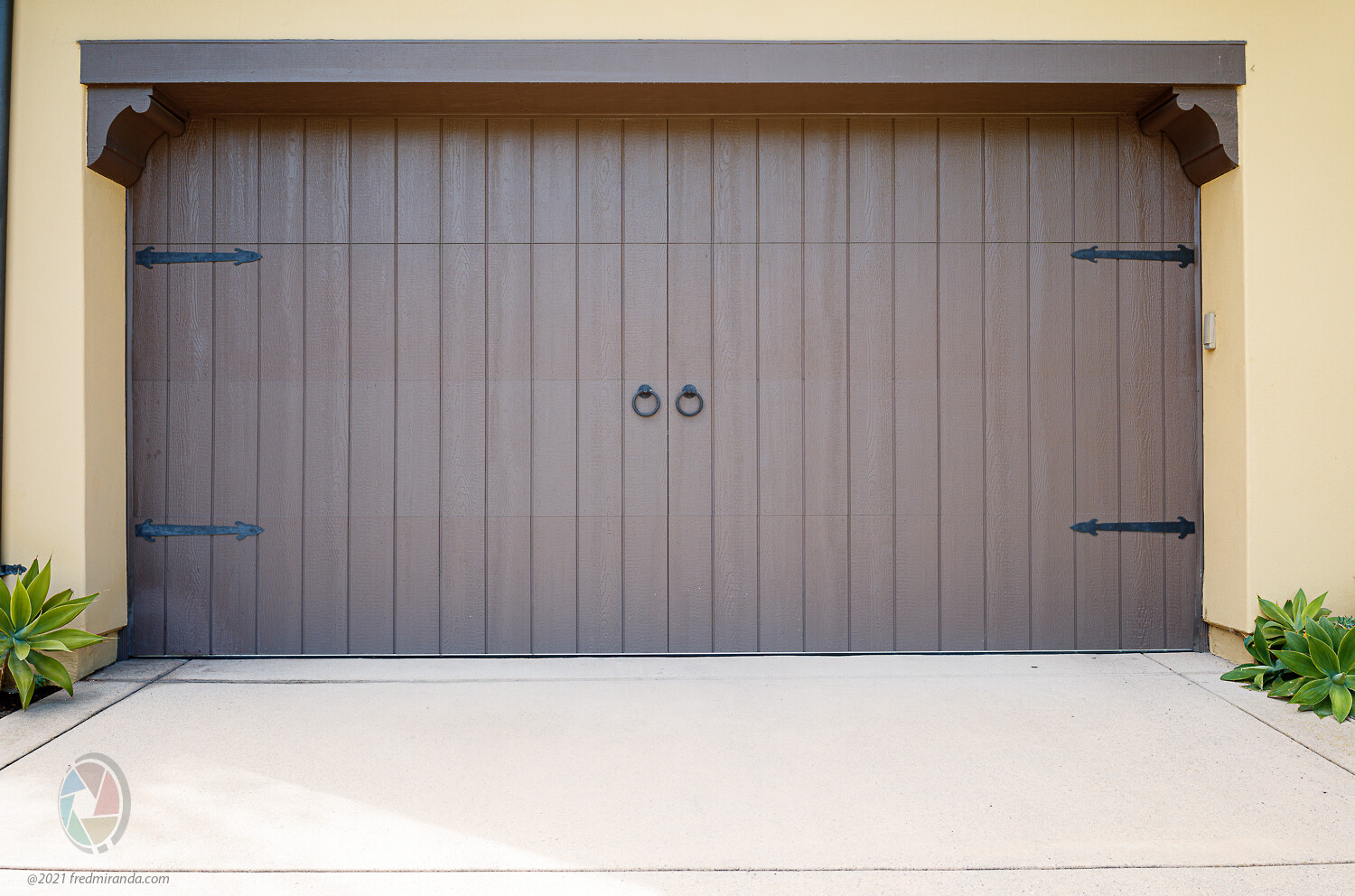
Distortion
The Voigtlander 28mm f/2 Ultron II exhibits remarkably minimal distortion, and any potential distortion present is practically negligible when capturing images. In Lightroom, a simple pincushion correction of "-2" effectively addresses it.
This characteristic makes it an excellent choice for street and architecture photographers.
Voigtlander 28mm f/2 Ultron II (My copy is coded for the Leica 28mm f/2 Summicron)
The Voigtlander 28mm f/2 Ultron II exhibits remarkably minimal distortion, and any potential distortion present is practically negligible when capturing images. In Lightroom, a simple pincushion correction of "-2" effectively addresses it.
This characteristic makes it an excellent choice for street and architecture photographers.
|
||
 |
||
|
Voigtlander 28mm f/2 Ultron II (My copy is coded for the Leica 28mm f/2 Summicron)
Jun 23, 2021 at 10:42 AM
p.6 #12Voigtlander 28mm f/2 Ultron II Review
Fred Miranda wrote:
<div id=distortion name=distortion></div>Distortion
The Voigtlander 28mm f/2 Ultron II is surprisingly well corrected for distortion. If there is any, I can't even detect it, so perhaps less than 0.2%, which I find negligible.
Here is a image showing my garage door. I don't see any barrel or pincushion distortion with this lens. This is great news for street and architecture photographers.
Hi Fred,
I like my Voigtlander 28mm f2 Ultron II so much on my Kolari Vision UT sensor modified A7rII that I have already sold and shipped my Leica R 28mm f2.8 Elmarit V2; in fact it was delivered to an FM member today.
Rich
Edited on Jun 23, 2021 at 04:58 PM · View previous versions
Jun 23, 2021 at 04:37 PM
p.6 #13Voigtlander 28mm f/2 Ultron II Review
Just finished my preliminary/technical review here: https://jacktaka.com/voigtlander-28mm-f2
Hoping to add sample photos soon but it may be a while.
Hoping to add sample photos soon but it may be a while.
Jun 23, 2021 at 04:50 PM
p.6 #14Voigtlander 28mm f/2 Ultron II Review
Thanks to sharing fwdesign, and enjoyed reading the article pleasantly.
Jun 23, 2021 at 05:14 PM
p.6 #15Voigtlander 28mm f/2 Ultron II Review
I am enjoying this lens
All wide open on the M10, under the harsh mid-day sun, Österlen.
 VM 28/2 II & Milk
 VM 28/2 II & Horses 1224
 VM 28/2 Ultron II & cows
Jun 24, 2021 at 12:39 AM

Jun 24, 2021 at 06:25 AM
p.6 #17Voigtlander 28mm f/2 Ultron II Review
Arvaker wrote:
I am enjoying this lens
All wide open on the M10, under the harsh mid-day sun, Österlen.
https://live.staticflickr.com/65535/51268085009_91ca311da3_o.jpgVM 28/2 II & Milk
https://live.staticflickr.com/65535/51268083694_d40772f280_o.jpgVM 28/2 II & Horses 1224
https://live.staticflickr.com/65535/51267351276_e49ed0af98_o.jpgVM 28/2 Ultron II & cows
I like your gentle processing here—the tones are deep and there’s a certain depth to the images.
On that first image, is it lightly processed? I am not liking the OOF areas.
Jun 24, 2021 at 10:46 AM

p.6 #18Voigtlander 28mm f/2 Ultron II Review
nehemiahphoto wrote:
All wide open on the M10, under the harsh mid-day sun, Österlen.
https://live.staticflickr.com/65535/51268085009_91ca311da3_o.jpgVM 28/2 II & Milk
https://live.staticflickr.com/65535/51268083694_d40772f280_o.jpgVM 28/2 II & Horses 1224
https://live.staticflickr.com/65535/51267351276_e49ed0af98_o.jpgVM 28/2 Ultron II & cowsI like your gentle processing here—the tones are deep and there’s a certain depth to the images.
On that first image, is it lightly processed? I am not liking the OOF areas.
I am liking quite a bit about the OOF areas with this lens (generally not too busy, ok transition zones, bokeh balls are fairly clean), but I am not liking the transition from blown out or nearly blown out to darker areas in the OOF areas. That transition just looks unpleasant. I can live with most of the bokeh shots that I have seen with this lens so far, but the ones with bright highlights OOF definitely are not my cup of tea.
Arvaker wrote
I am enjoying this lensAll wide open on the M10, under the harsh mid-day sun, Österlen.
https://live.staticflickr.com/65535/51268085009_91ca311da3_o.jpgVM 28/2 II & Milk
https://live.staticflickr.com/65535/51268083694_d40772f280_o.jpgVM 28/2 II & Horses 1224
https://live.staticflickr.com/65535/51267351276_e49ed0af98_o.jpgVM 28/2 Ultron II & cows
On that first image, is it lightly processed? I am not liking the OOF areas.
I am liking quite a bit about the OOF areas with this lens (generally not too busy, ok transition zones, bokeh balls are fairly clean), but I am not liking the transition from blown out or nearly blown out to darker areas in the OOF areas. That transition just looks unpleasant. I can live with most of the bokeh shots that I have seen with this lens so far, but the ones with bright highlights OOF definitely are not my cup of tea.
Jun 24, 2021 at 12:25 PM
p.6 #19Voigtlander 28mm f/2 Ultron II Review
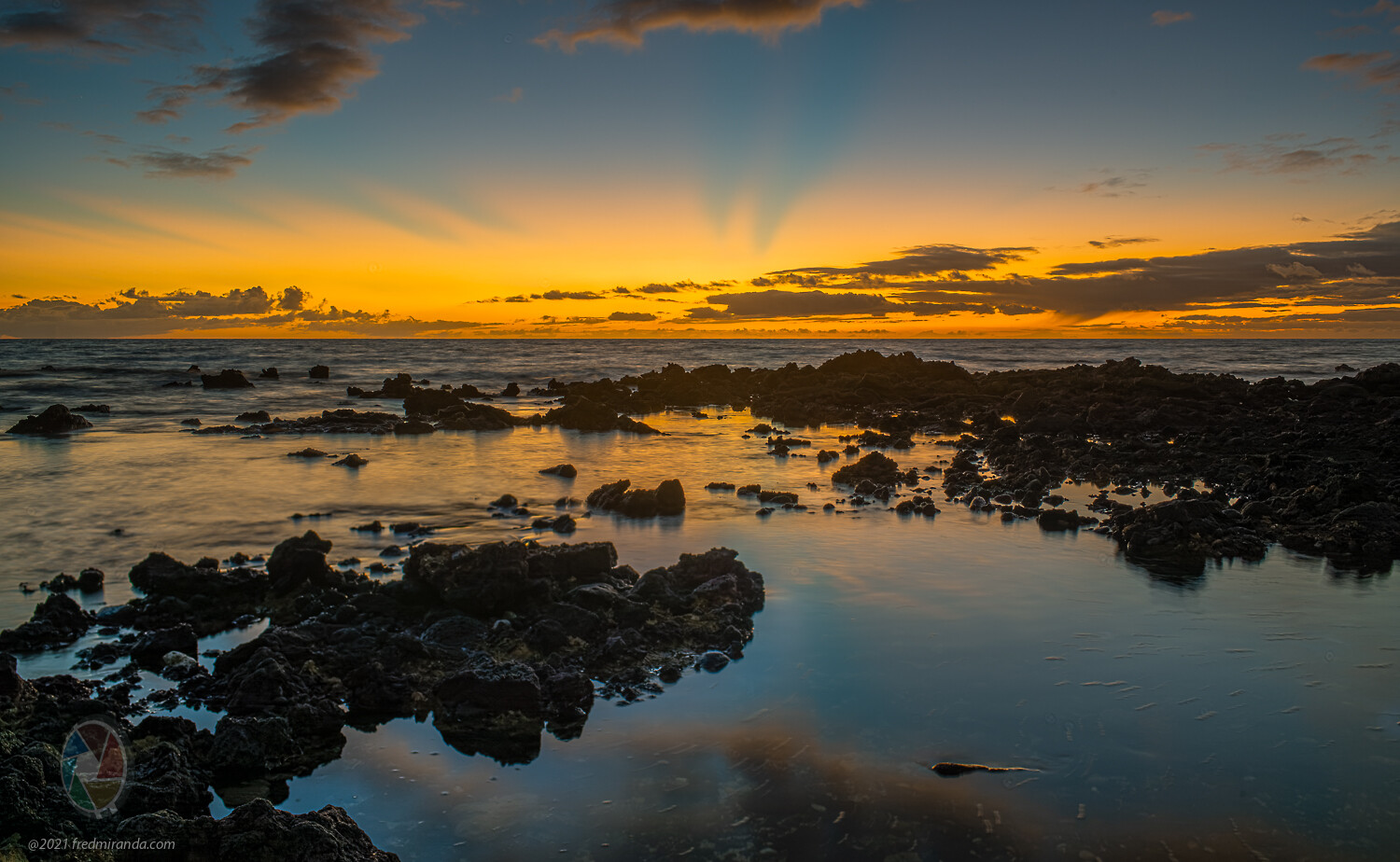
Kona, Hawaii,
Leica M9, Voigtlander 28mm f/2 Ultron II
Focused stacked and bracketed.
Leica M9, Voigtlander 28mm f/2 Ultron II
Focused stacked and bracketed.
|
||
 |
||
|
Jun 24, 2021 at 01:10 PM
p.6 #20Voigtlander 28mm f/2 Ultron II Review
nehemiahphoto wrote:
All wide open on the M10, under the harsh mid-day sun, Österlen.
https://live.staticflickr.com/65535/51268085009_91ca311da3_o.jpgVM 28/2 II & Milk
https://live.staticflickr.com/65535/51268083694_d40772f280_o.jpgVM 28/2 II & Horses 1224
https://live.staticflickr.com/65535/51267351276_e49ed0af98_o.jpgVM 28/2 Ultron II & cowsI like your gentle processing here—the tones are deep and there’s a certain depth to the images.
On that first image, is it lightly processed? I am not liking the OOF areas.
Yes, I just lifted the shadows a bit. Processed in Capture One 20.
Arvaker wrote
I am enjoying this lensAll wide open on the M10, under the harsh mid-day sun, Österlen.
https://live.staticflickr.com/65535/51268085009_91ca311da3_o.jpgVM 28/2 II & Milk
https://live.staticflickr.com/65535/51268083694_d40772f280_o.jpgVM 28/2 II & Horses 1224
https://live.staticflickr.com/65535/51267351276_e49ed0af98_o.jpgVM 28/2 Ultron II & cows
On that first image, is it lightly processed? I am not liking the OOF areas.
Yes, I just lifted the shadows a bit. Processed in Capture One 20.
Jun 25, 2021 at 01:57 AM