p.6 #2 · Z-Cameras Wildlife Images and Tips Thread
sandy27000 wrote:
How does the keeper rate compare to a D5, D500 and D850 for folks who are using the Z6II or Z7II for wildlife? Just curious. Thanks!
My keeper rate for wildlife overall is very good with my Z6 II, that includes mammals, perched birds as well as birds in flight. For pure BIF work I still prefer the D5 or D500 but the Z6 II is no slouch.
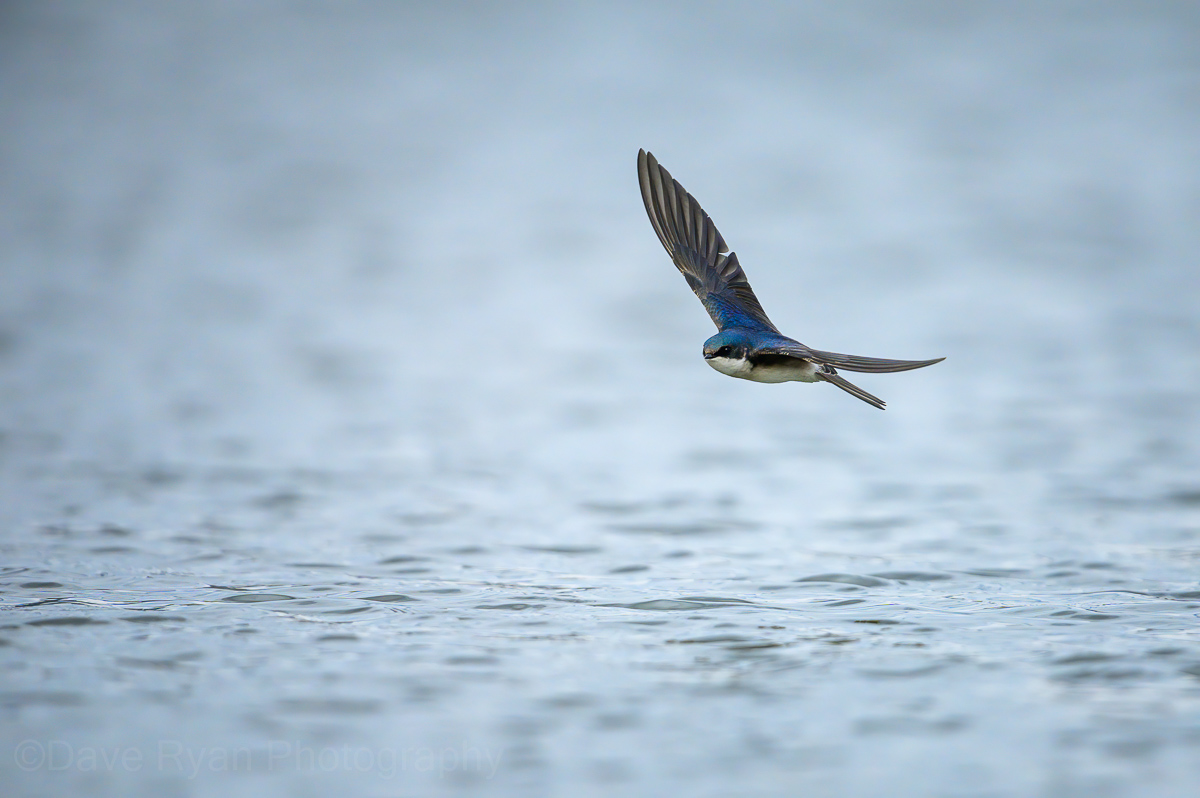
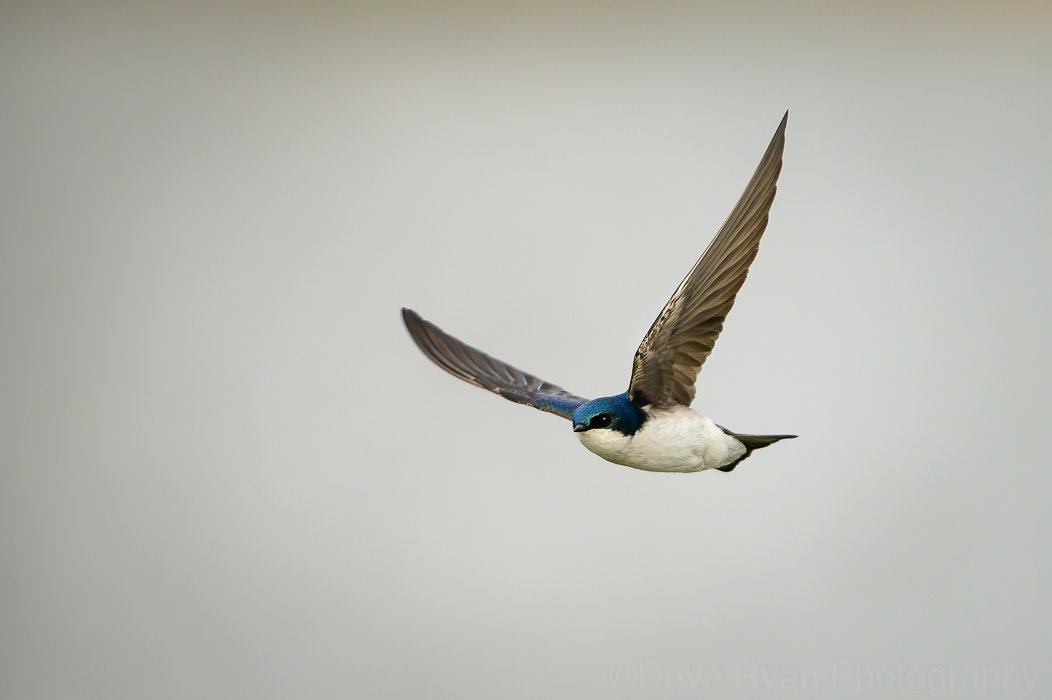
I did a session with Swallows earlier this summer where I swapped back and forth between the Z6 II and D5. I was running the Z6 II in Wide(small) AF Area Mode and the D5 in Group. The real trick was keeping the flying swallows in the frame at all as they change direction in mid air so quickly. But both cameras nailed sharp images. I did find that when the birds dropped right down to the water level to pick up a bug the D5 tracked better and the Z6 II would sometimes grab focus on the water and lose the bird but I came back with a lot of keepers with both cameras. In both cases the missed shots were mostly when the bird pivoted suddenly and flew right out of the frame and no AF system can make that easier.
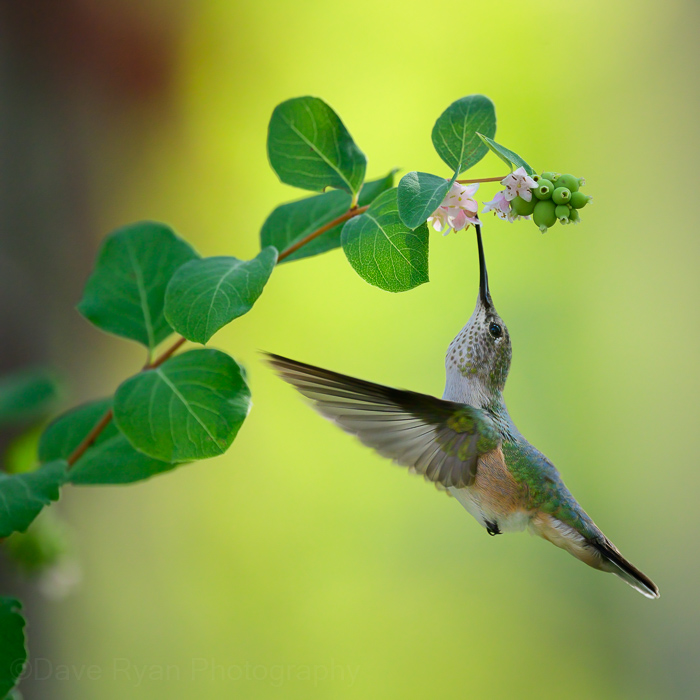
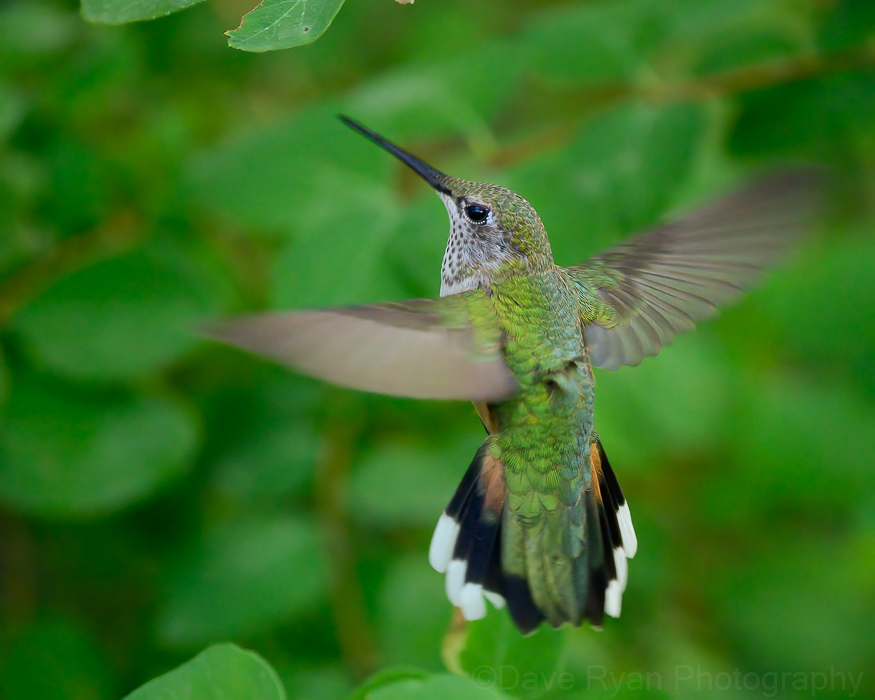
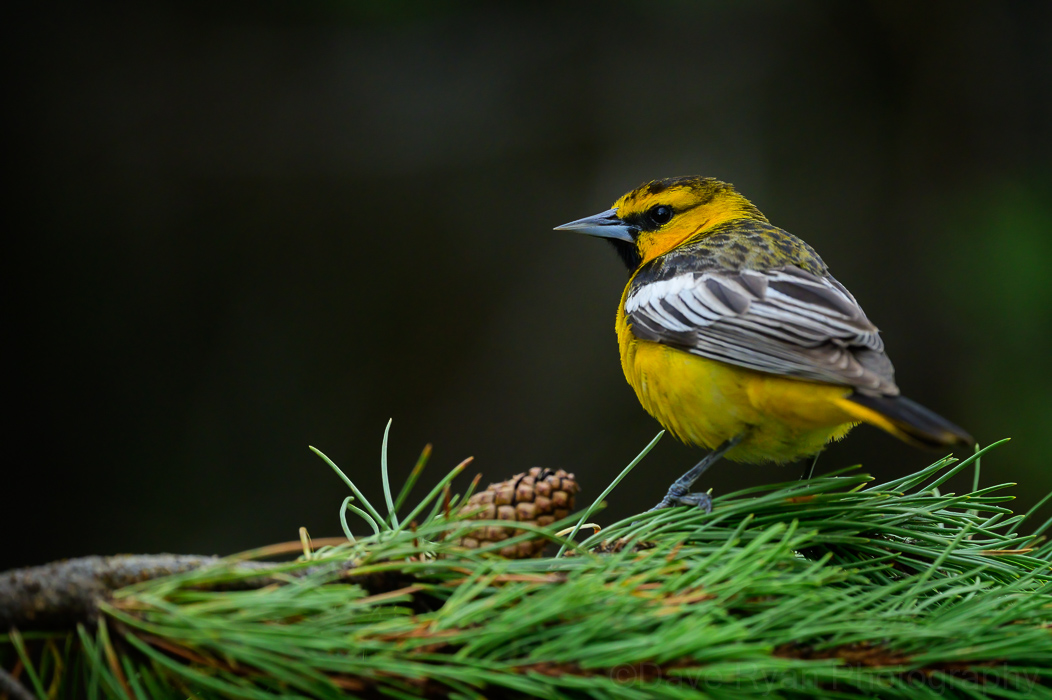
Here's a few recent Z6 II captures that I'm happy with:
p.6 #3 · Z-Cameras Wildlife Images and Tips Thread
Rimpson wrote:
Trying a Z7II. This image is with the 400 E/ FTZ adapter.
Any tips on how to overcome the"sleeping viewfinder". Presently hitting the shutter as I bring the camera to my eye. Tried covering the sensor with tape but doesnt seem to help.
I have found that the the viewfinder is quicker to turn on if you set the view mode to viewfinder only. This will require you to access menus and payback with you eye at the viewfinder (unless you switch modes). By setting it like this, the delay to "viewfinder on" seems to be reduced....
p.6 #4 · Z-Cameras Wildlife Images and Tips Thread
OwlsEyes wrote:
I have found that the the viewfinder is quicker to turn on if you set the view mode to viewfinder only. This will require you to access menus and payback with you eye at the viewfinder (unless you switch modes). By setting it like this, the delay to "viewfinder on" seems to be reduced....
bruce
I've found the same thing with my Z6 II, running EVF only seems to speed things up and of course it saves some battery life by not lighting up the rear panel display every time I pull back from the camera.
I've actually come to like image review and menu changes through the EVF as I don't have to pull out reading glasses the way I do when using the rear panel display. It's a bit awkward to hit the playback button with my eye up to the EVF but it's still quicker than fishing out my reading glasses though I do know some folks that have programmed image review to a button that's easier to access with their eye up to the EVF which would help.
p.6 #5 · Z-Cameras Wildlife Images and Tips Thread
OwlsEyes wrote:
I have found that the the viewfinder is quicker to turn on if you set the view mode to viewfinder only. This will require you to access menus and payback with you eye at the viewfinder (unless you switch modes). By setting it like this, the delay to "viewfinder on" seems to be reduced....
bruce
Actually I had just started using"viewfinder only" yesterday from my backyard blind setup........still making my way around the "mirrorless way". Love the silent shutter and real time exposure with the EVF but dont like the small form factor. Adding a grip to help with that.
And I have found that gaffers tape on the eye sensor does keep the viewfinder live when using viewfinder only. However it comes at a cost.......only about 3 hours of shooting on a single battery and roughly 400 images. I plan to get the vello grip to add another battery to extend shooting time. I expect the Z7II to be a D850 replacement for me and not an action camera since I will continue to use my D500's, D4S and D5 for "action" other than perched birds,etc. So 3 hours of continuous shooting will not be the norm with this body like my DSLR's.
Thanks for the comment and I hope this thread will continue to be a valuable resource for the mirrorless wildlife shooter.
p.6 #6 · Z-Cameras Wildlife Images and Tips Thread
OwlsEyes wrote:
While this may be a bit redundant with respect to the "Z-images" and Specific Lens threads, I thought it might be valuable to start a showcase of wildlife image possibilities when using a Z-system cameras. This thread has the potential to be a "one stop shop" for those wondering if the Z-cameras can be used when pursuing wildlife....
On that note, here's some Z6 II images illustrating things I like about the MILC platform:
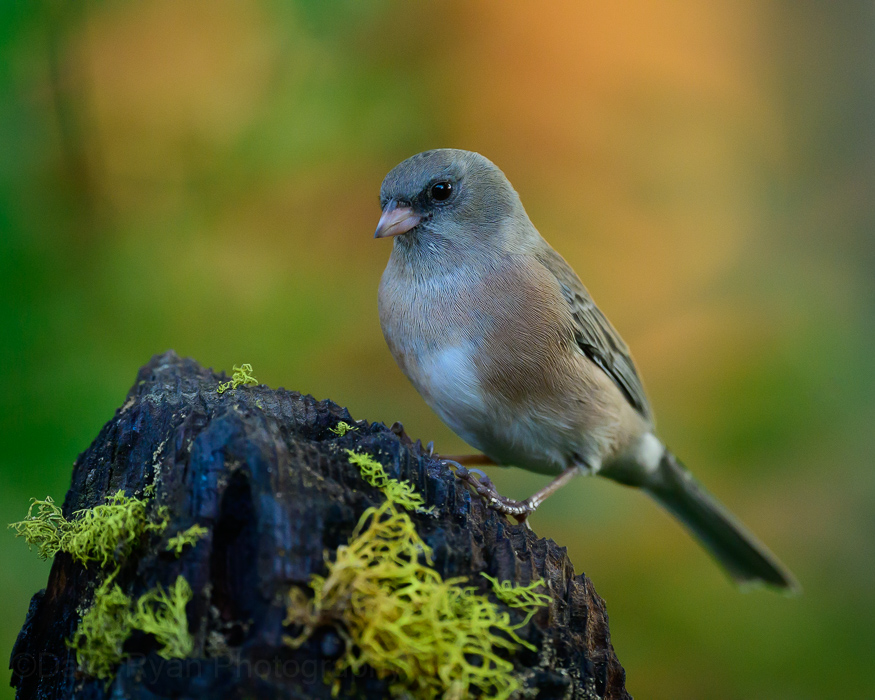
I was sitting quietly very close to this perch when this Dark Eyed Junco came in and sat for a short portrait session in the evening light. I rarely use the actual silent shutter but the normal mechanical shutter is so quiet on my Z6 ii that the bird didn't jump, flinch or visibly react at all as I captured a series of images. Though I've shot plenty of bird images with my DSLRs I've never seen birds so tolerant to the close range chatter of my DSLR shutters.
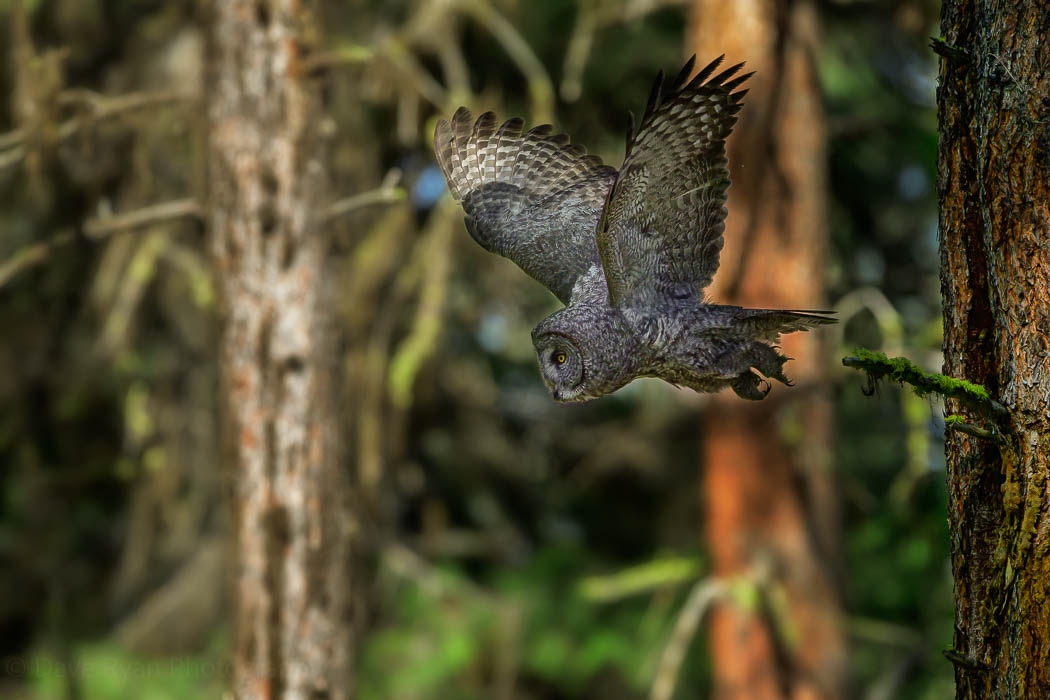
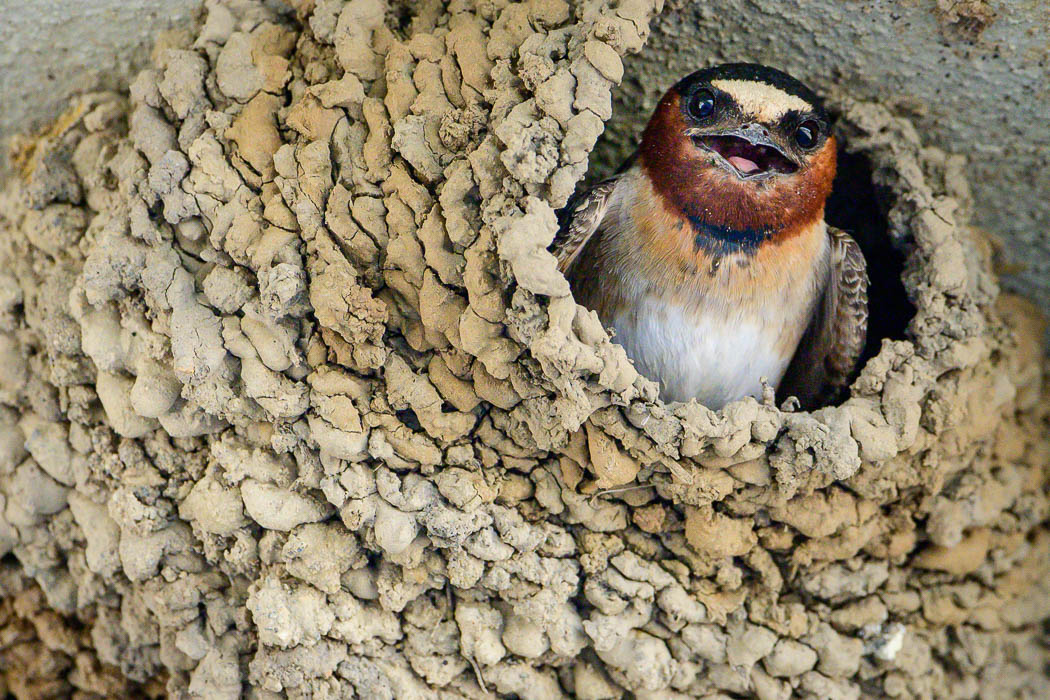
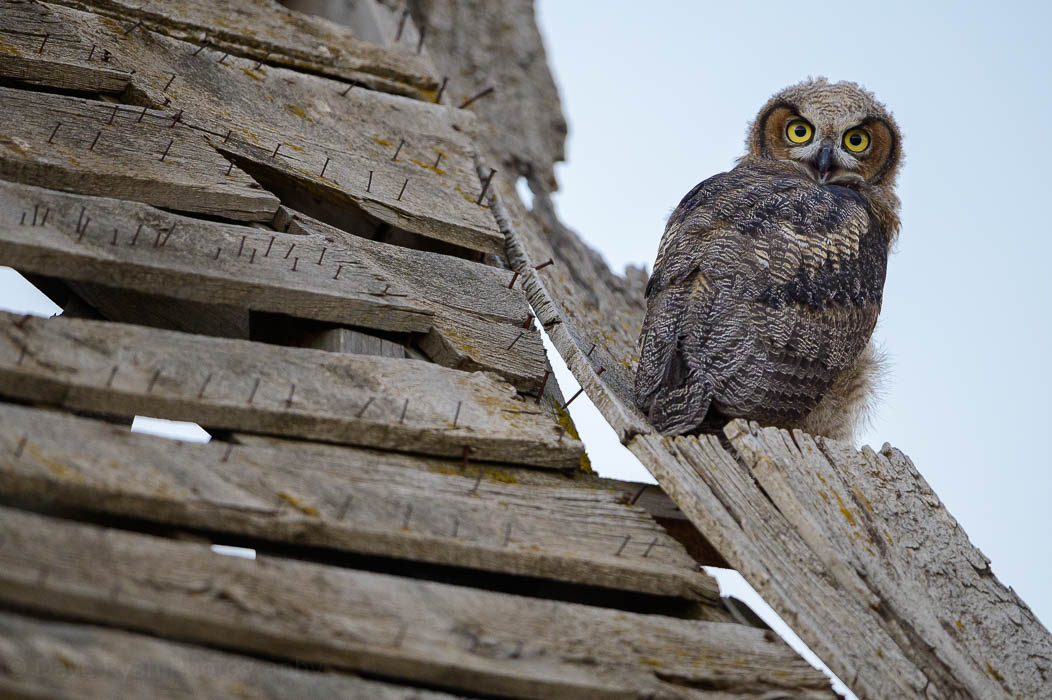
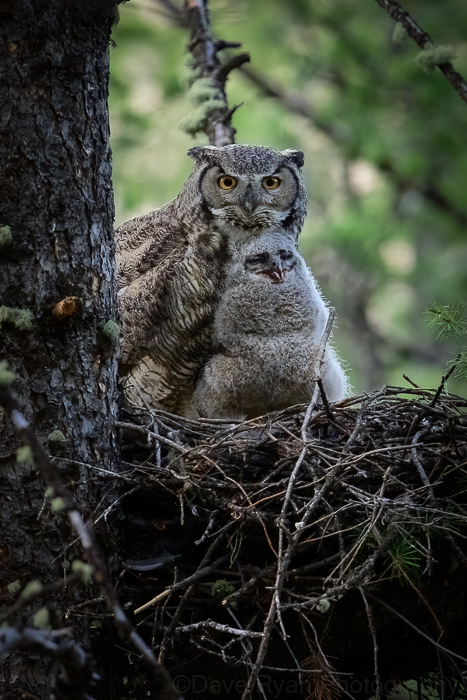
The other thing I really like about my MILC is the ability to place the focus point throughout the entire frame. The juvenile Great Horned Owl shot below and the Cliff Swallow were both images where I wanted my subject well off of frame center and both were twitchy enough that a focus - recompose method would likely get a blurry image. In cases like these the full frame AF point coverage in my Z6 II is really useful.
The owl shot was also one where the WYSIWYG nature of the MILC's EVF was super useful. Pushed against the evening sky it took a full stop of positive exposure compensation to get the shot I was after and seeing that in real time as I dialed in comp was much quicker and easier than taking test shots and checking the histogram or blinkies to get the exposure right.
p.6 #7 · Z-Cameras Wildlife Images and Tips Thread
Teleguy1 wrote:
On that note, here's some Z6 II images illustrating things I like about the MILC platform:
I was sitting quietly very close to this perch when this Dark Eyed Junco came in and sat for a short portrait session in the evening light. I rarely use the actual silent shutter but the normal mechanical shutter is so quiet on my Z6 ii that the bird didn't jump, flinch or visibly react at all as I captured a series of images. Though I've shot plenty of bird images with my DSLRs I've never seen birds so tolerant to the close range chatter of my DSLR shutters.
The other thing I really like about my MILC is the ability to place the focus point throughout the entire frame. The juvenile Great Horned Owl shot below and the Cliff Swallow were both images where I wanted my subject well off of frame center and both were twitchy enough that a focus - recompose method would likely get a blurry image. In cases like these the full frame AF point coverage in my Z6 II is really useful.
The owl shot was also one where the WYSIWYG nature of the MILC's EVF was super useful. Pushed against the evening sky it took a full stop of positive exposure compensation to get the shot I was after and seeing that in real time as I dialed in comp was much quicker and easier than taking test shots and checking the histogram or blinkies to get the exposure right.
p.6 #10 · Z-Cameras Wildlife Images and Tips Thread
3 images that I keep reading that the Z6II can't do, good job. Teleguy1 wrote:
My keeper rate for wildlife overall is very good with my Z6 II, that includes mammals, perched birds as well as birds in flight. For pure BIF work I still prefer the D5 or D500 but the Z6 II is no slouch.
I did a session with Swallows earlier this summer where I swapped back and forth between the Z6 II and D5. I was running the Z6 II in Wide(small) AF Area Mode and the D5 in Group. The real trick was keeping the flying swallows in the frame at all as they change direction in mid air so quickly. But both cameras nailed sharp images. I did find that when the birds dropped right down to the water level to pick up a bug the D5 tracked better and the Z6 II would sometimes grab focus on the water and lose the bird but I came back with a lot of keepers with both cameras. In both cases the missed shots were mostly when the bird pivoted suddenly and flew right out of the frame and no AF system can make that easier.
Here's a few recent Z6 II captures that I'm happy with:
p.6 #14 · Z-Cameras Wildlife Images and Tips Thread
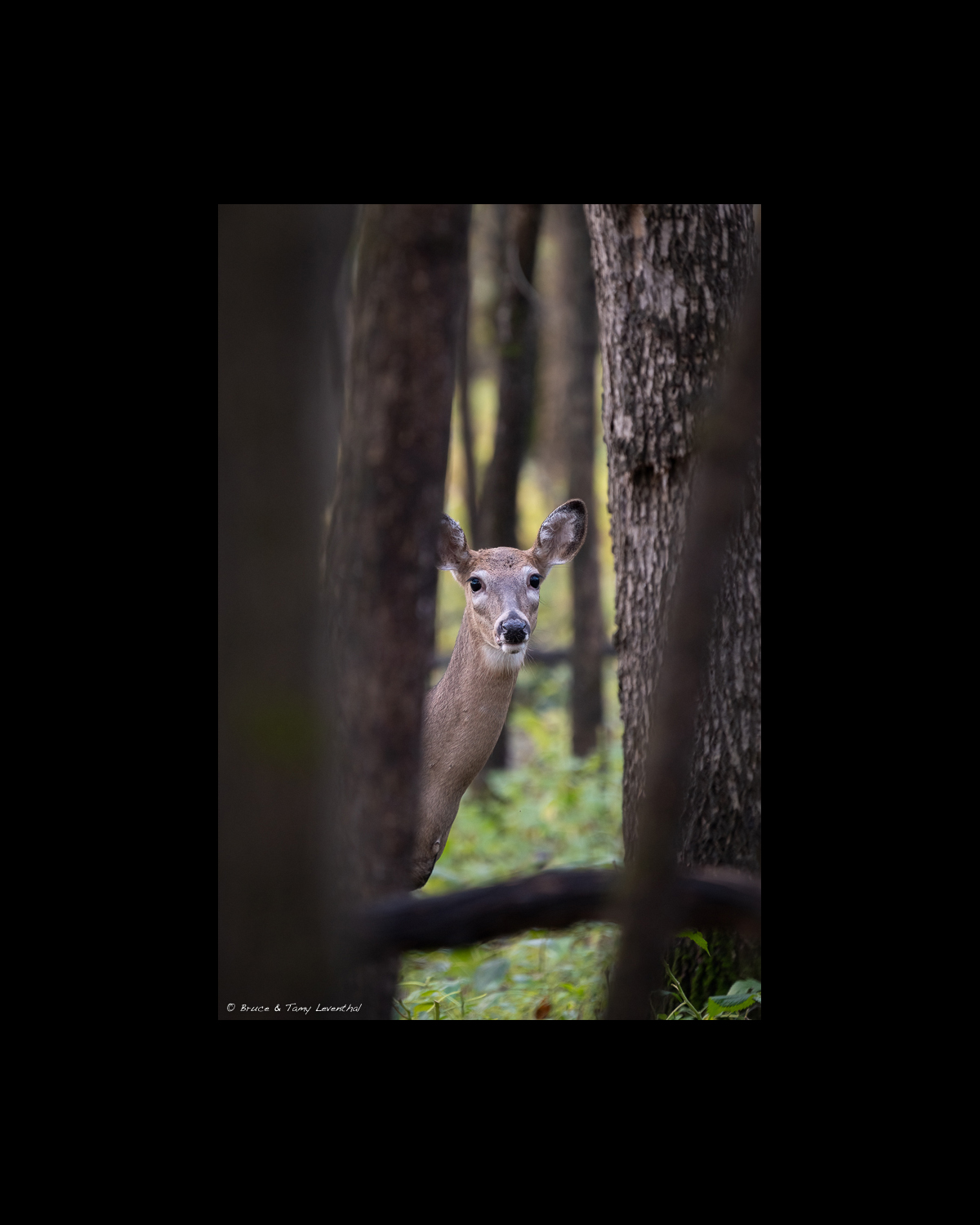
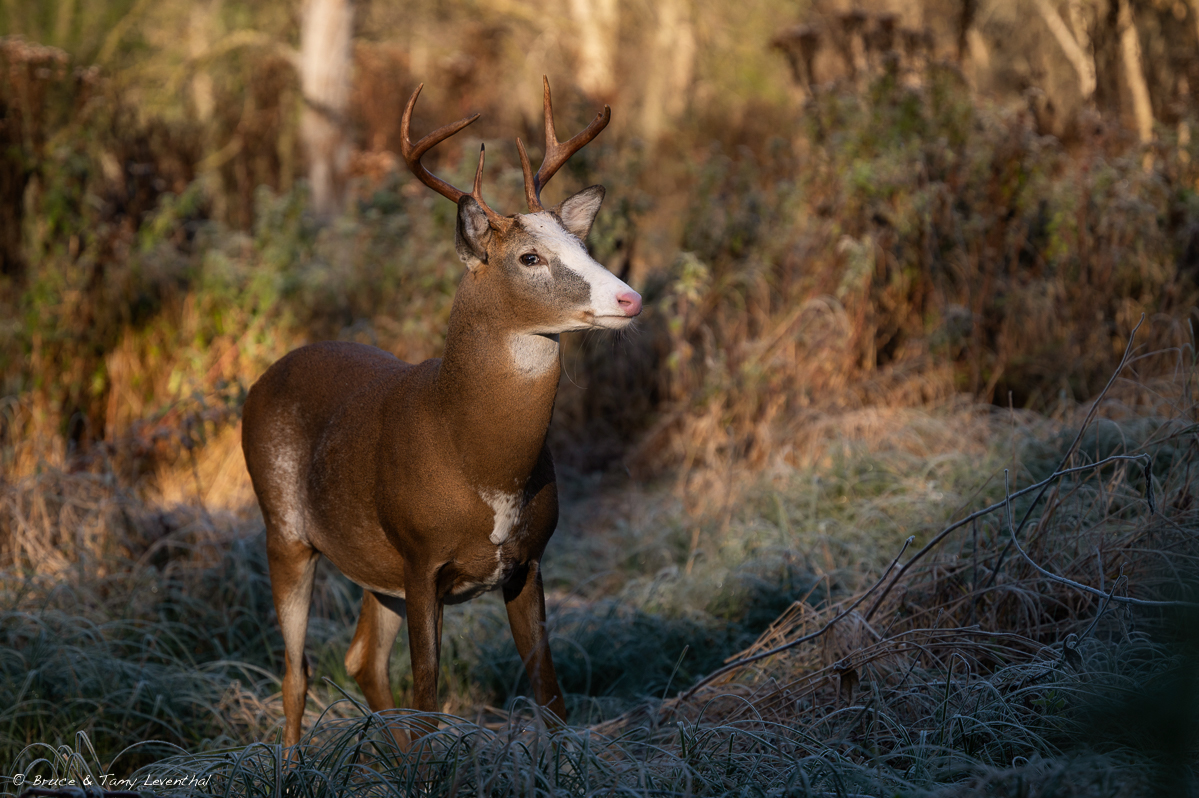
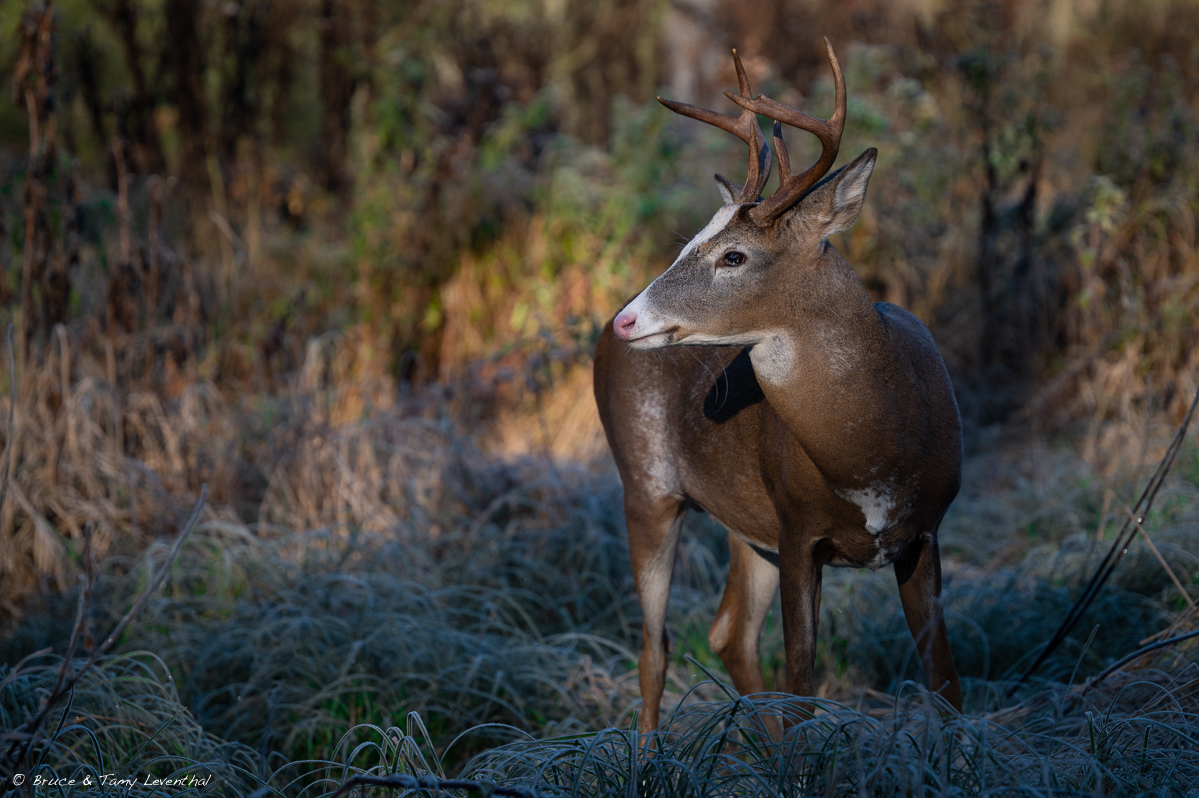
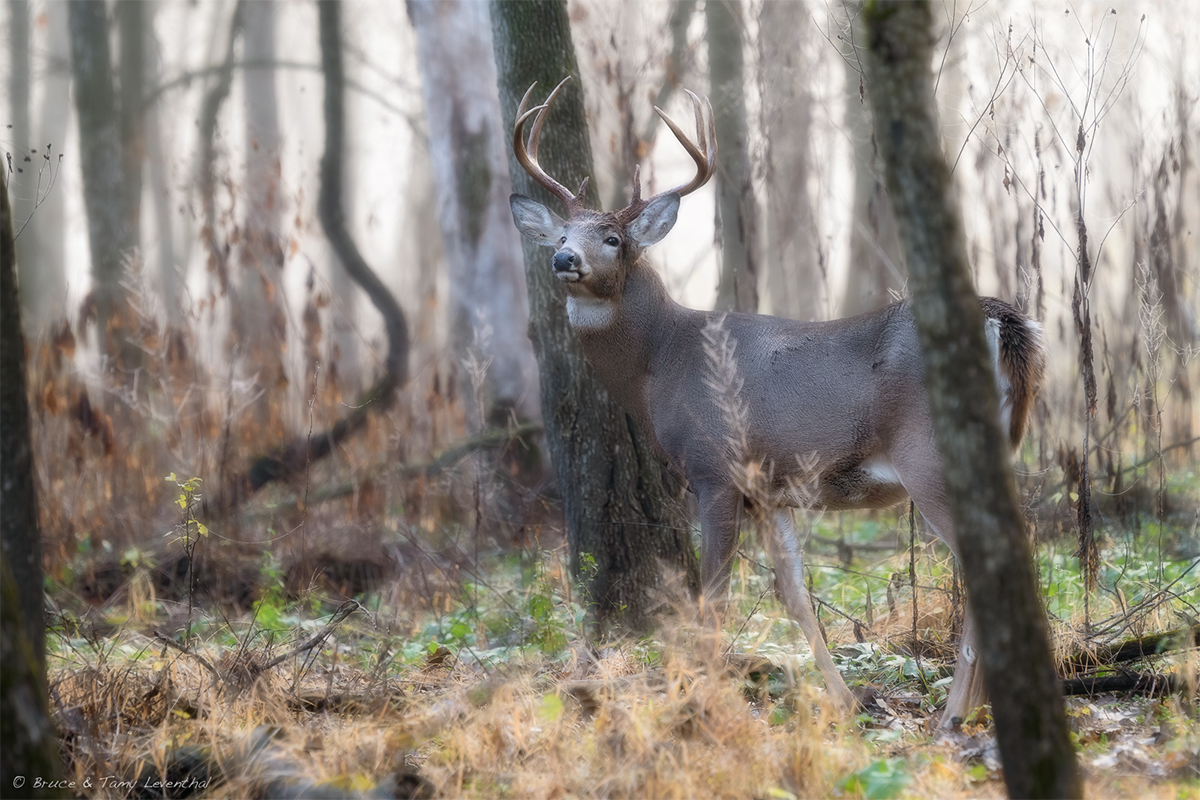
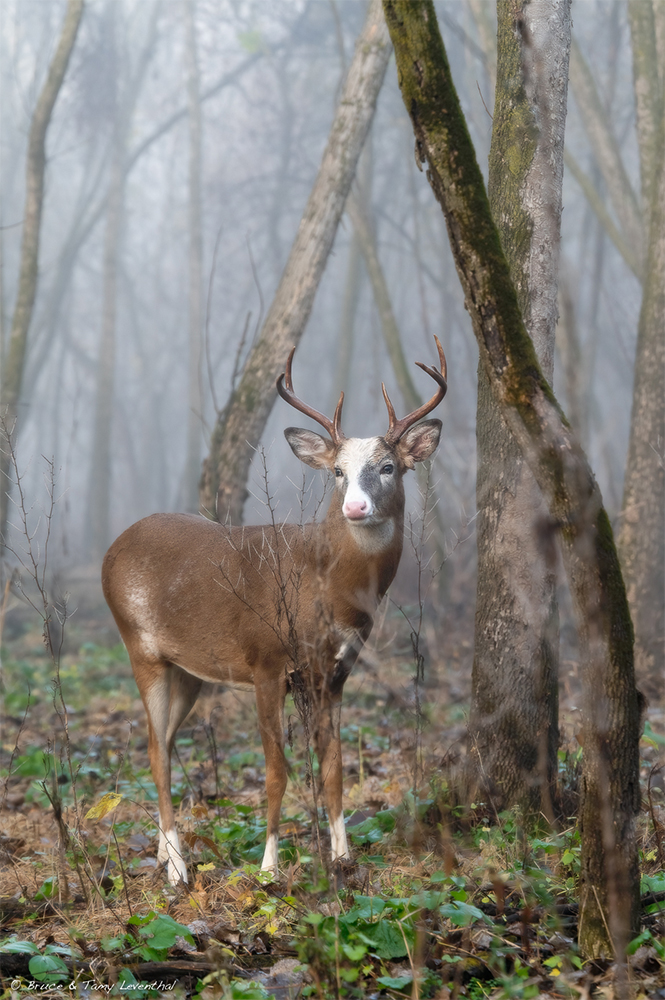
I still have quite a few images to edit, but these two illustrate how nicely the Z6II handles a wide range of lights and darks.
Regarding the subject,... I've been photographing this piebald buck since he was a fawn. It has been fun to watch his coat and rack change throughout the years.
p.6 #18 · Z-Cameras Wildlife Images and Tips Thread
OwlsEyes wrote:
... I thought it might be valuable to start a showcase of wildlife image possibilities when using a Z-system cameras. This thread has the potential to be a "one stop shop" for those wondering if the Z-cameras can be used when pursuing wildlife...
On that note, here's some wildlife images captured on my Z6 II.
I picked up my Z6 II intending to use it for landscapes, astro and macro but have found it to be surprisingly capable for wildlife work even some fairly fast moving wildlife. I still love my D5 for low light action work but I'm very pleasantly surprised at how well this Z6 II performs for wildlife work.
p.6 #19 · Z-Cameras Wildlife Images and Tips Thread
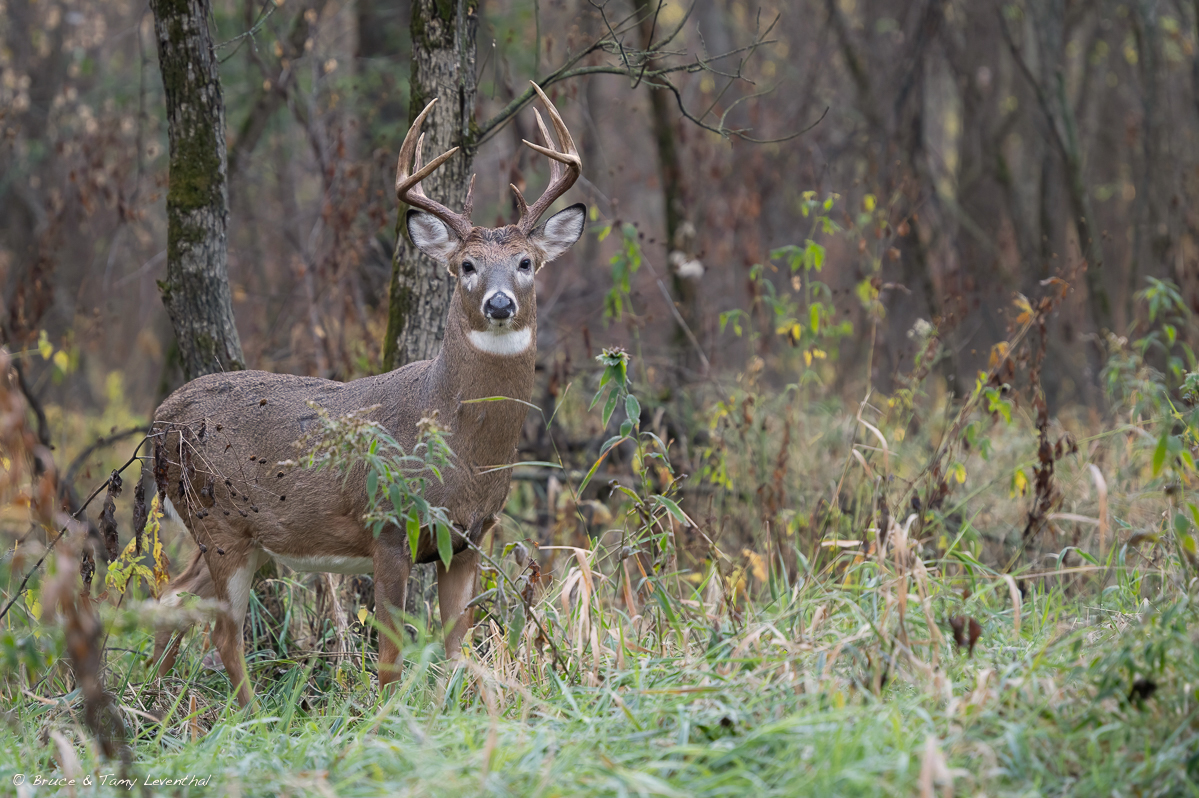
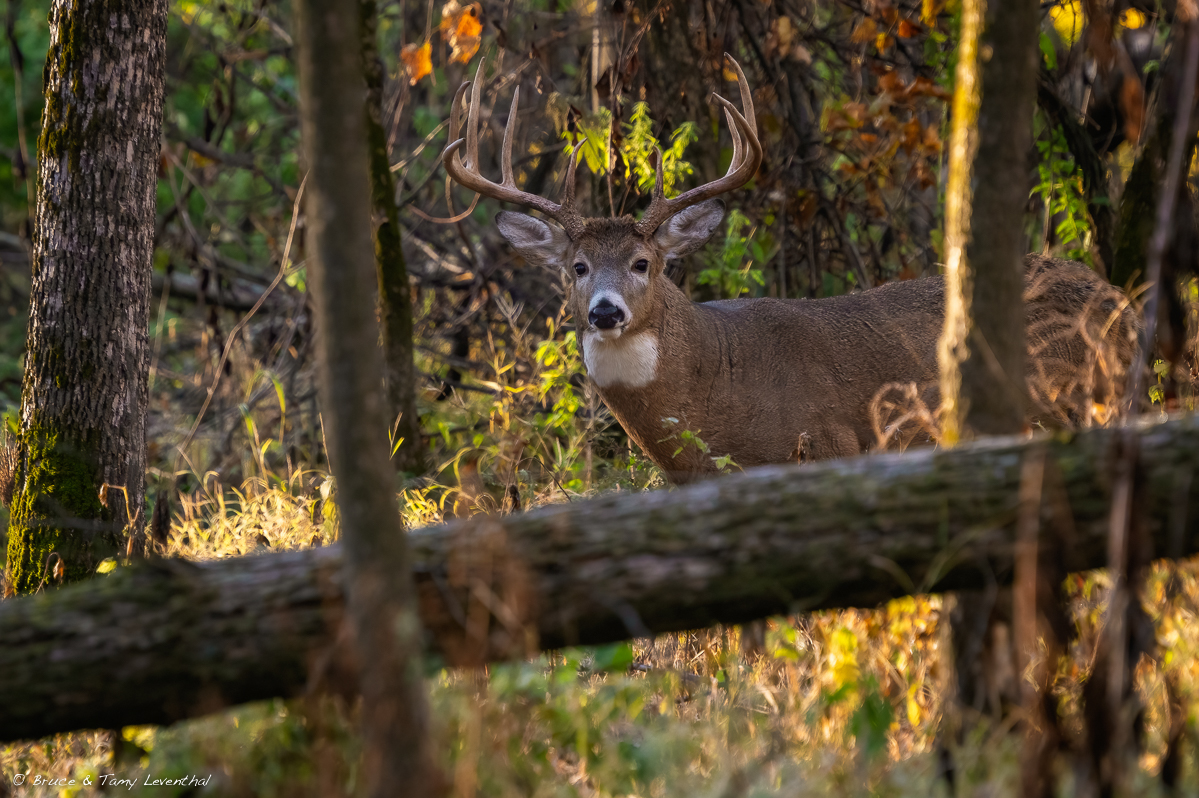
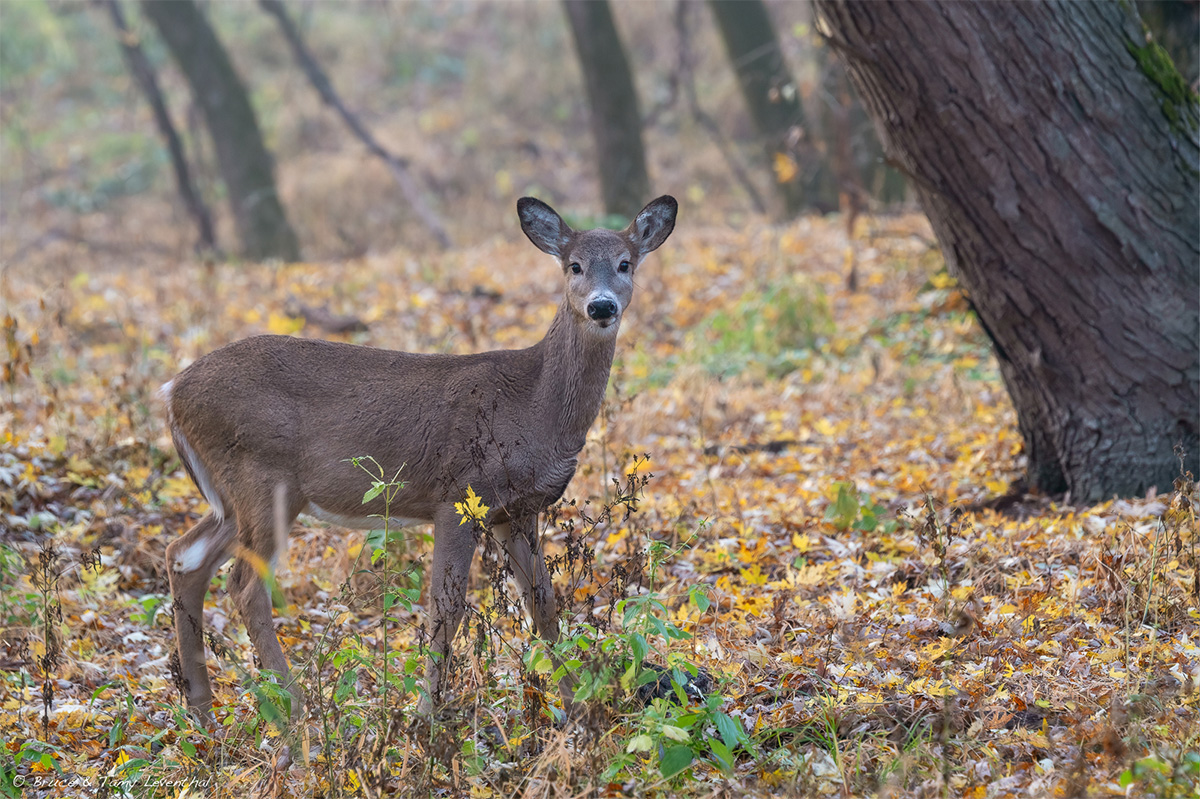
From Saturday morning at my usual location for rutting deer.
I am using my Z6ii + 70-200S + TC14 exclusively here. I am trying to refine my wildlife work with the Z6II, as I just ordered a Z7ii w/grip and will be using this in lieu of the D500 going forward. The Z9 is too rich for my blood, but I want to shoot the 500PF @ 500mm, when possible, and rely on some flexible cropping when I need more focal length. The move to mirrorless is very deliberate, as I will be investing in mirrorless (only) glass moving forward.
Using the Z6II here is allowing me to refine my AF technique with the mirrorless Z-system... I have not found my ideal settings yet, but I get closer with every shoot.