The GM is almost the same size as the Sigma 65, the GM is really not bad at all on the A7C. I have the Sigma 35 F2 as well but I maybe selling it. Have not decided it yet.
ramesesthe2nd wrote:
Definitely 35I with A7C. Although, I prefer small lenses on my A7III too. Really conflicted with the new 35s here. I think GM is the best compromise of weight, size and IQ, but I feel like I will be looking for a smaller, more compact, lens for everyday use if I pick up GM as my main lens and If i pick up 35I as my main lens, I will be missing the magical rendering of the Bigma.
It's a quandary for sure. 35i is notably smaller than GM. As an everyday lens, the difference in size between the GM and 35i is actually pretty material. The optical vignetting is a non-issue for most shooting....particularly the type of "everyday shooting" you'd do on a compact lens, but it wouldn't be my choice for outdoor posed portraiture because of it and because it's an F2 lens.
BUT for things like outdoor posed portraiture, the Bigma has the GM beat. GM is very good, and so is the 35i. But Bigma is the standout lens in terms of bokeh and rendering.
GM is the sharpest of the 3, but all 3 lenses are adequately sharp. 35i sharp enough for portraiture wide open, and very close the GM at landscape apertures.
Mystik wrote:
It's a quandary for sure. 35i is notably smaller than GM. As an everyday lens, the difference in size between the GM and 35i is actually pretty material. The optical vignetting is a non-issue for most shooting....particularly the type of "everyday shooting" you'd do on a compact lens, but it wouldn't be my choice for outdoor posed portraiture because of it and because it's an F2 lens.
BUT for things like outdoor posed portraiture, the Bigma has the GM beat. GM is very good, and so is the 35i. But Bigma is the standout lens in terms of bokeh and rendering.
GM is the sharpest of the 3, but all 3 lenses are adequately sharp. 35i sharp enough for portraiture wide open, and very close the GM at landscape apertures. ...Show more →
Yeah. GM is unfortunately not small enough and light enough to matter to me. It might as well just keep Bigma as I prefer its bokeh and rendering better than the GM.
Sigma's 35I (Babyma?) and Bigma (35/1.2) seems like what I want. 35I when portability matters. For everything else, there is Bigma. Bigma has been glued to my A7III permanently. I absolutely love it.
I've been very pleased with it. Nice bokeh minus the unavoidable cat's eye wide open, well built, a little bit to heavy for my taste. Af is ok. I would have loved to love the samyang 1.8 instead, which was cheaper, as sharp, lighter and probably a little bit faster to focus, but after 2 tilted samples, I didn't try again. (and it has more loca as well)
Nice review, i'm still deciding wich 35mm to buy. Rendering and colours: Sigma 35mm F1.2. Sharpness and compact weight (for F1.4, still looses quite hard to Sigma I series 35mm F2), AF, close focus, but rendering is not as good imo. Then there is Sigma 35mm F2, wich is the best compact imo (very good on everything, wich is the best result, most compact lenses have downside like lots of CA, field curvature etc.
Your review, 'keepcoding', makes me, think of not going GM (though i would love it's sharpness for landscapes), and still just get both Sigma's, the Bigma for work when weight doesnt matter, and the I-series as perfect travel lens. Hopefully more people will have 35mm Gmaster and i can inspect it's landscape performance a bit better by then. I'm also trying to inspect Bigma's sharpness for landscape but there's fewer images on the net. So far they don't dissapoint, but i'm curious how close to GM the best Sigma samples can go.
ramesesthe2nd wrote:
Definitely 35I with A7C. Although, I prefer small lenses on my A7III too. Really conflicted with the new 35s here. I think GM is the best compromise of weight, size and IQ, but I feel like I will be looking for a smaller, more compact, lens for everyday use if I pick up GM as my main lens and If i pick up 35I as my main lens, I will be missing the magical rendering of the Bigma.
The 35i + A7C is the closest thing we have to the RX1 in resolution, rendering and size for the E-mount. It does not have the super smooth focus transition nor the low optical vignetting but it's better corrected for CA, has negligible onion pattern bokeh, and it is capable of defined sunstars at small apertures. I'm pretty sure the Sigma has better flare resistance as well.
I find the bokeh more pleasing than my old FE, and the eye AF not much different. I can't say I've missed anything that I would have gotten with the Sony.
I’m still in debate about selling this lens as I really like it a lot and it’s so close to the GM on tests . I’mean really close. It is smaller for sure render maybe better on certain scenes and is built really nice with very competent AF system. I totally recommend buying one for sure if you don’t need 1.4 no question. It’s the next best AF lens to the GM at half the cost. I’m not trying to sell you mine with those comments. It will sell in seconds anyway on the board. It’s just a really nice lens besides that we are all probably going to start traveling again and shooting more with Covid getting under control.
35mm works well as a casual lens because the wide FOV works when you don't have a lot of space to work or are shooting while engaging (vs shooting from afar and disengaging). Usually this means you're framing shots pretty tight, and when you do so, the difference between f1.4 and f2 in terms of the quantity of blur is negligible.
I can't decide if I should swap out my Voigtlander 35mm 1.7 for this as a small 35mm option. The 35mm 1.7's bokeh is what I'm after. In some shots, the Sigma seems a bit nervous but the examples above look quite good.
Bokeh varies greatly by focal distance. I try to guesstimate the focal distance to get some idea how OOF behaves for each lens. Once familiar with the focal length it works quite well, you can see how rendering works for typical subjects (people are best).
It's one reason I look at reviews that report focus breathing - the focal length of lenses are measured at infinity, but many lenses are most often used for near subjects. And one lens can be in another class entirely compared to a competing lens, and of course if the others do it the temptation is to do it as well yourself, like with the distortion issue. Some of the breathing going on at the moment would shame a covid ICU.
Makers are looking for behaviours they can let slide in the ongoing manic drive to make ever-sharper optics. But it is what it is, and they don't want users making these inquiries. It would be pretty easy to build a rig that shows true focal length at typical focus distances used, like one metre or two metres. Even a rough idea would be better than what we have now - which is nothing, crickets.
Is my 35mm really a 30mm in my use of it to photograph the kids? Who knows?
An example here with a link to the observed focus breathing:
Mystik wrote:
35mm works well as a casual lens because the wide FOV works when you don't have a lot of space to work or are shooting while engaging (vs shooting from afar and disengaging). Usually this means you're framing shots pretty tight, and when you do so, the difference between f1.4 and f2 in terms of the quantity of blur is negligible.
I generally agree with this.
Where there might be more difference is the quality of blur. Some lenses are fairly consistent in their look as they're stopped down, while others tend to be busy wide open but become calmer one stop down (or slightly more). If a fast and a one stop slower lens are comparable in rendering wide open, say somewhat busy, you can stop down the faster lens to calm its rendering while achieving similar blur quantity of the slower lens. There's also the matter of things like cats eyes OOF specular highlights. A faster lens stopped down a stop or two will show rounder peripheral OOF specular highlights. I've also noticed that faster lenses, when stopped down to the same aperture as a slower lens wide open, render larger bokeh balls than the slower wide open lens.
But, if you take away the choice of fast vs. slow lens with only a stop difference, and show a person/client just one photo, how often are they going to say 'gee, I wish you shot this instead with a faster lens stopped down to calm the bokeh rendering and get rid of the peripheral cats eyes.' This is the exact reason why sometimes I'll shoot with a 'boring' 24-70 and other times with 35/50/85 fast primes.
1.4 is handy for full body shots with the subject in a third of the frame. Pin sharpness coupled with that extra stop does add a bit to the SDOF look (If that's what your going for). Problem for me at least is that those shots make up less than 5% of the type of shots I take with a 35mm.
...and these photos are def. convincing me I might have to give this Sigma a try.


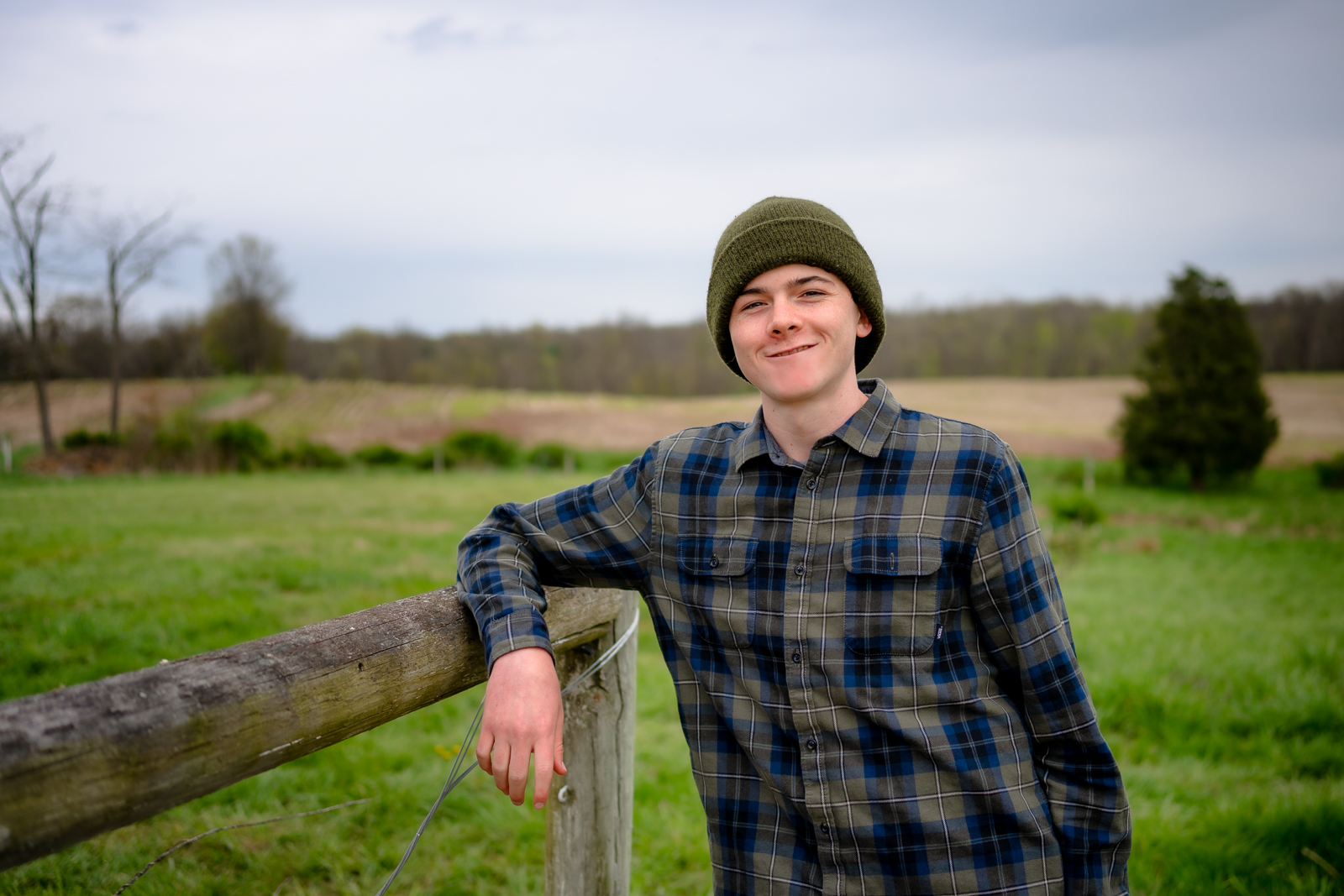
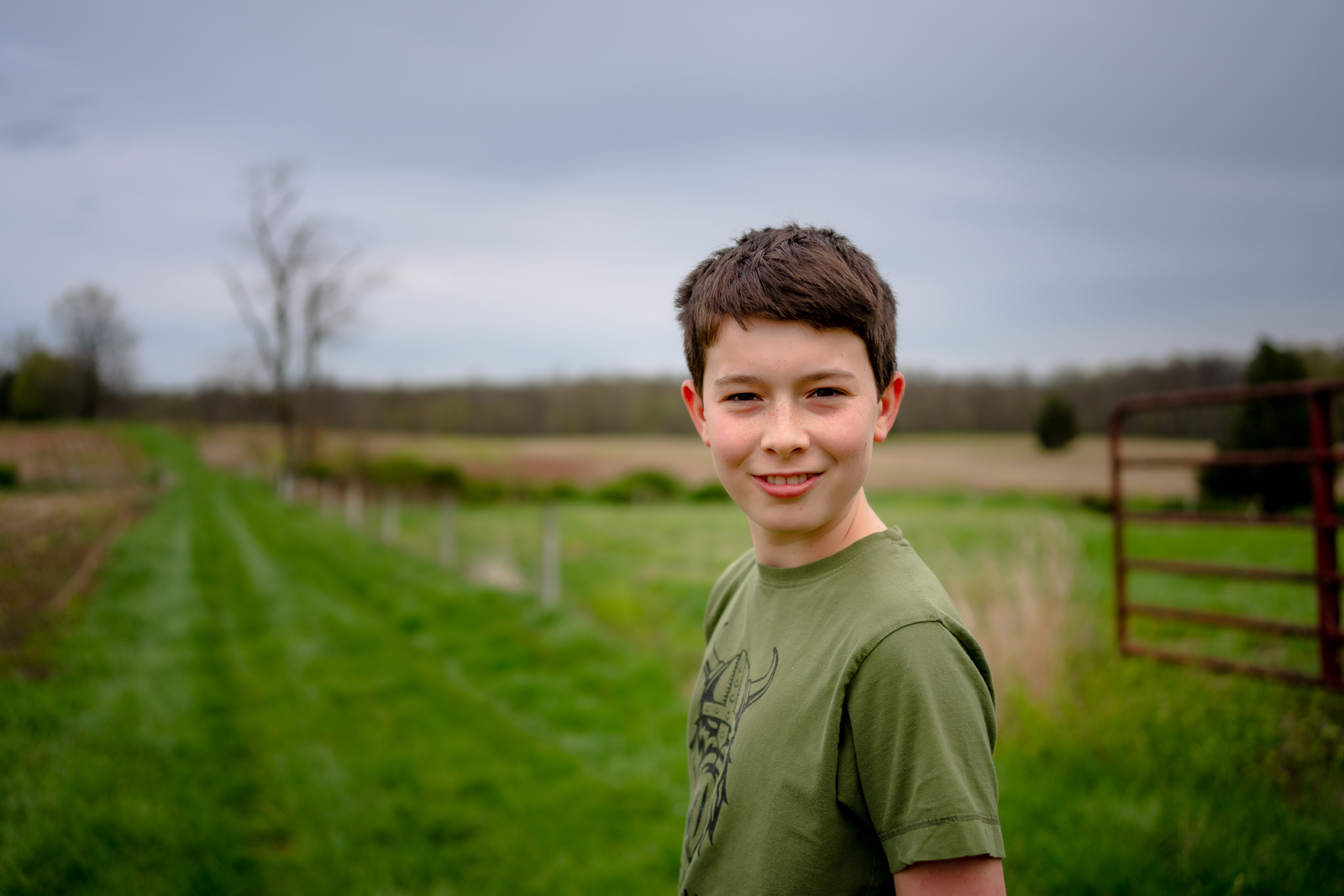


 This is the exact reason why sometimes I'll shoot with a 'boring' 24-70 and other times with 35/50/85 fast primes.