This topic is in the 2020 archive. You can read it and like its posts here. It is read only.
Archive 2020Canon Summer Image Thread...
p.4 #1Canon Summer Image Thread...
EOS R + 1200mm
 On the Cat of Nine Tails by A & R Photography, on Flickr
 Immature Robin by A & R Photography, on Flickr
 Baltimore Oriole by A & R Photography, on Flickr
On the Cat of Nine Tails by A & R Photography, on FlickrImmature Robin by A & R Photography, on FlickrBaltimore Oriole by A & R Photography, on FlickrJul 02, 2020 at 03:08 AM

p.4 #2Canon Summer Image Thread...
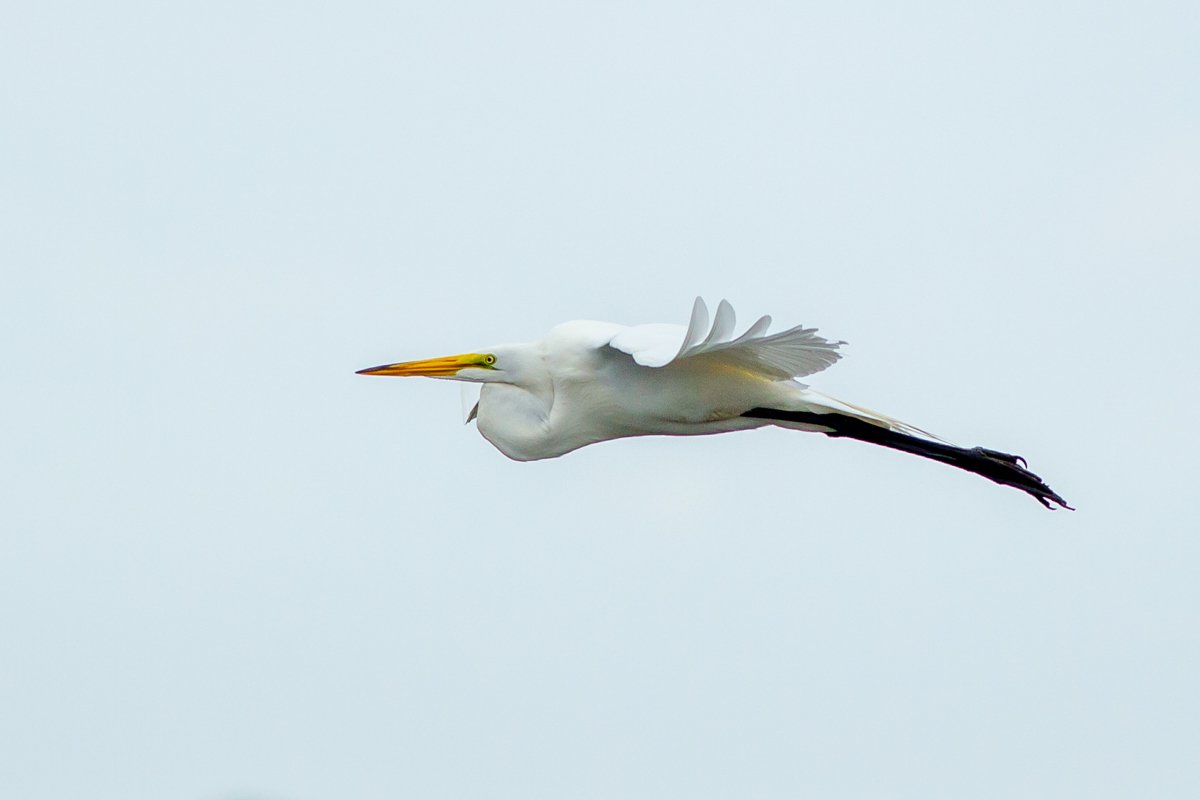
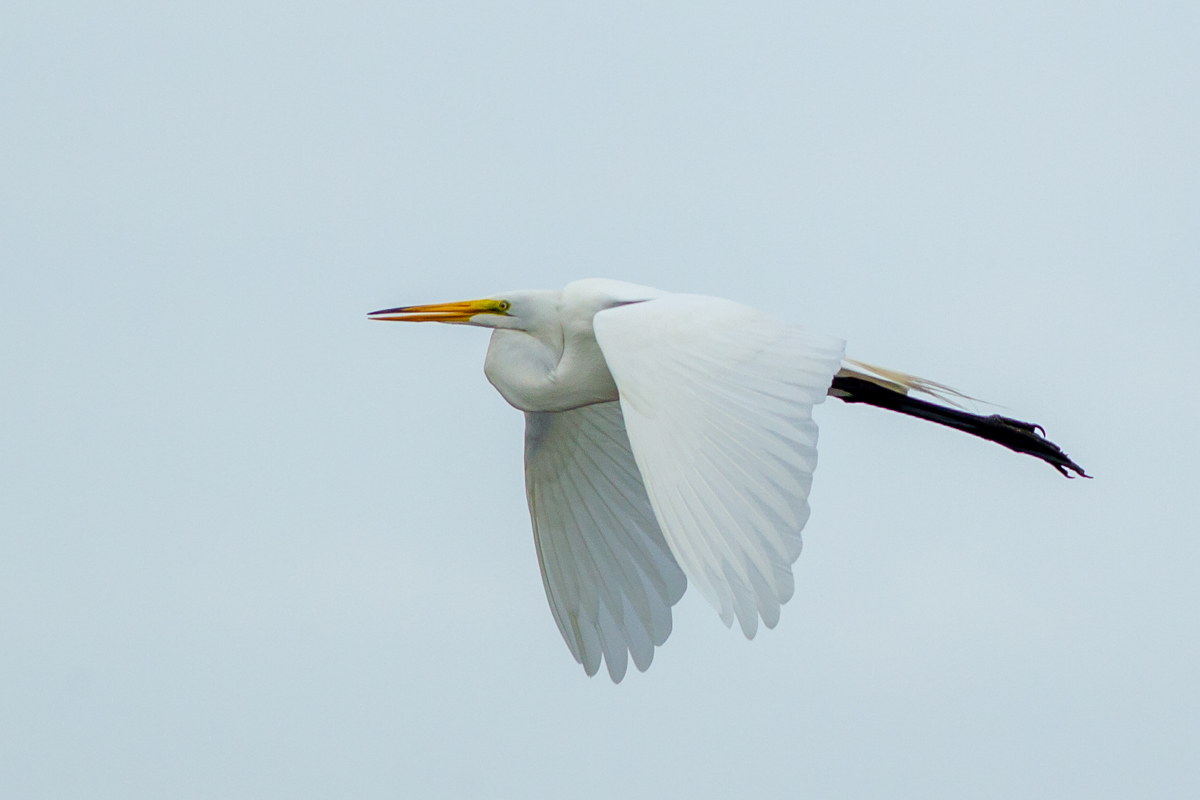
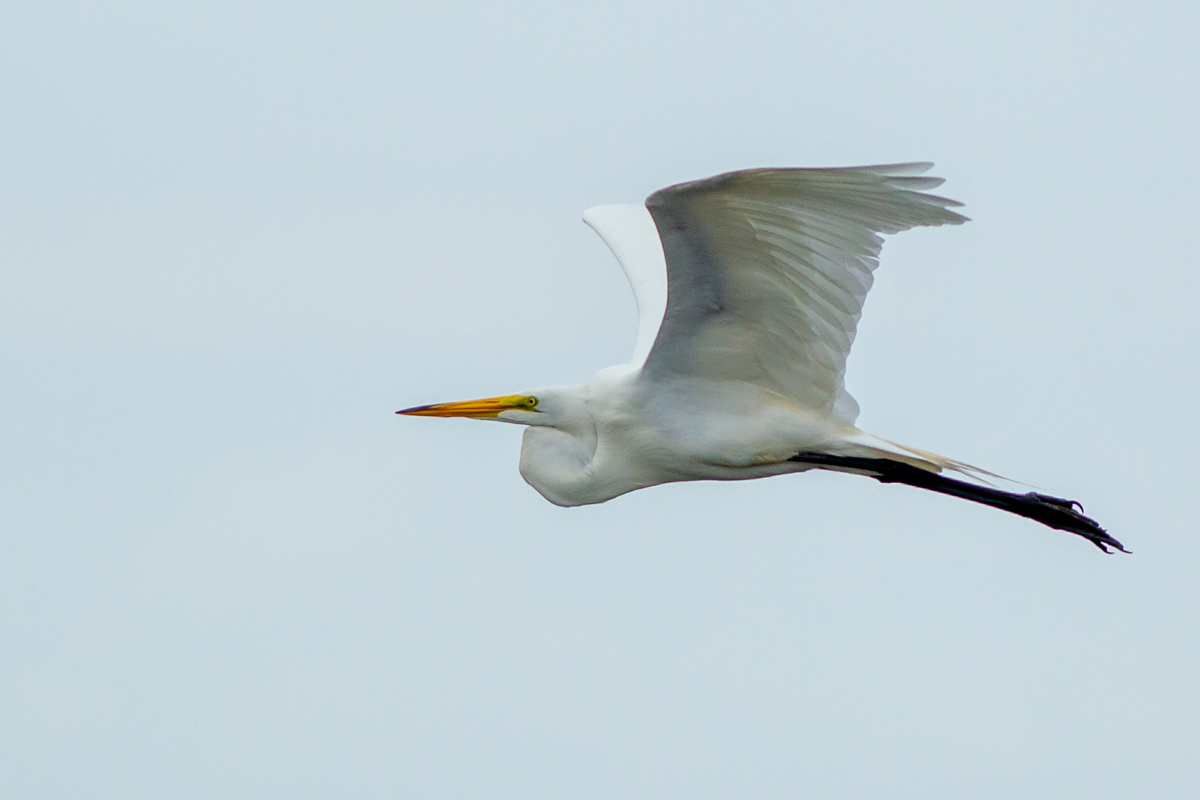
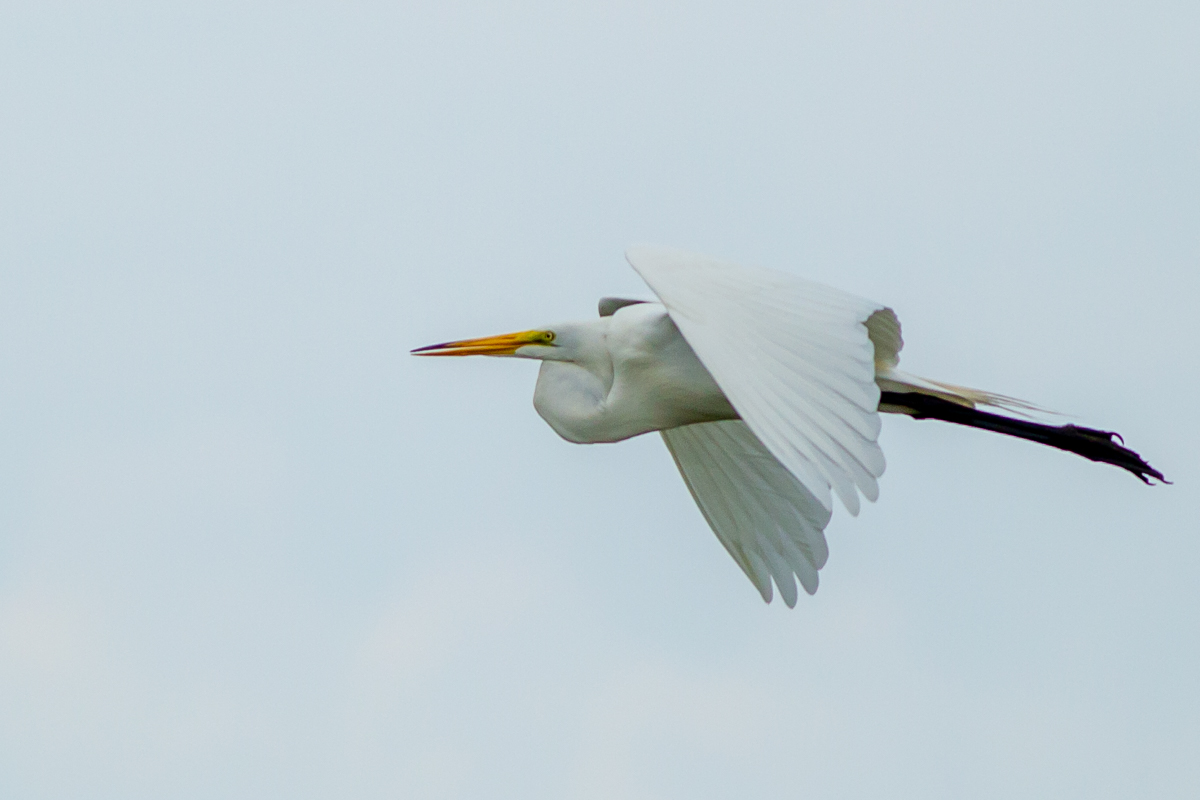
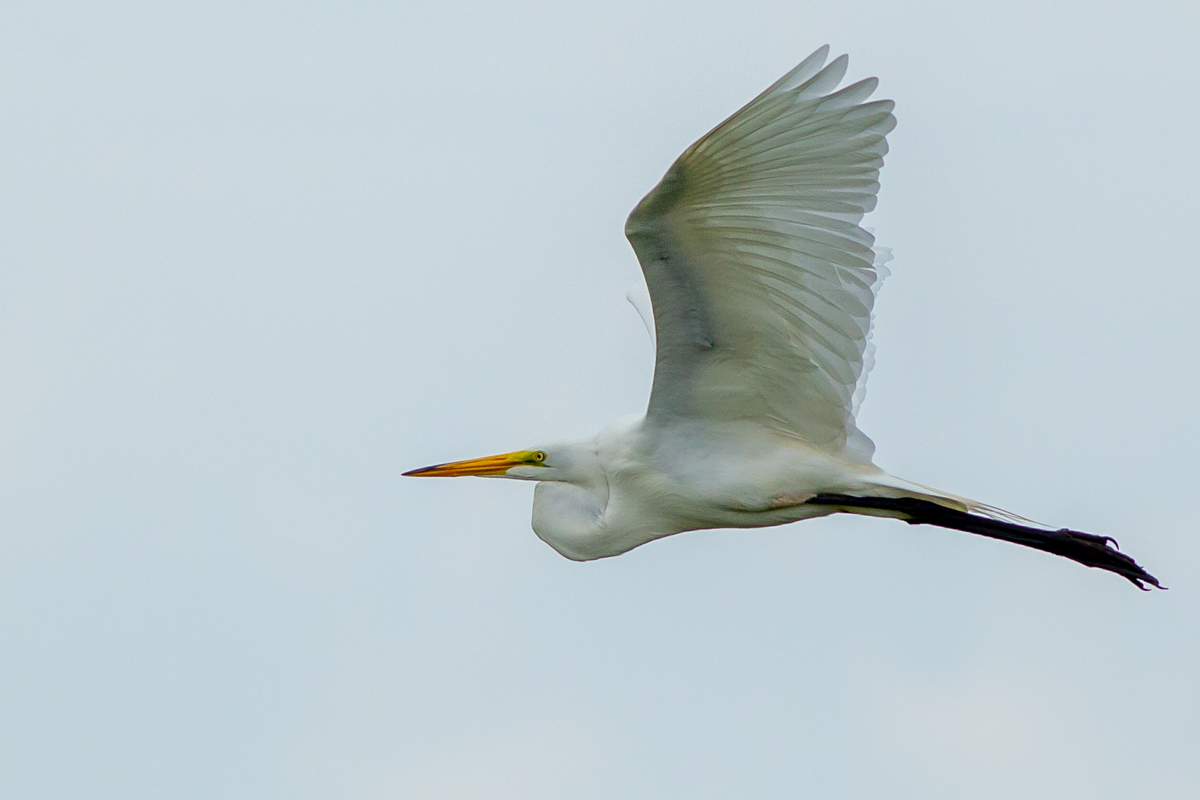
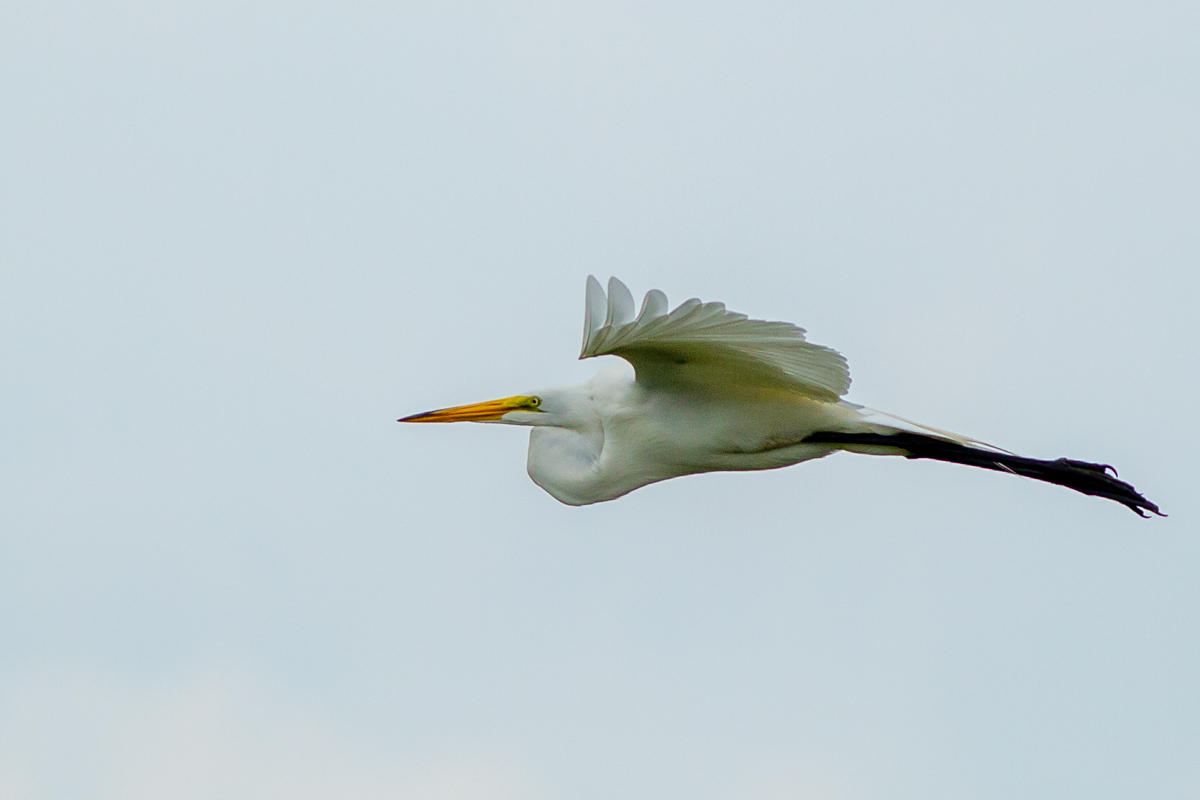
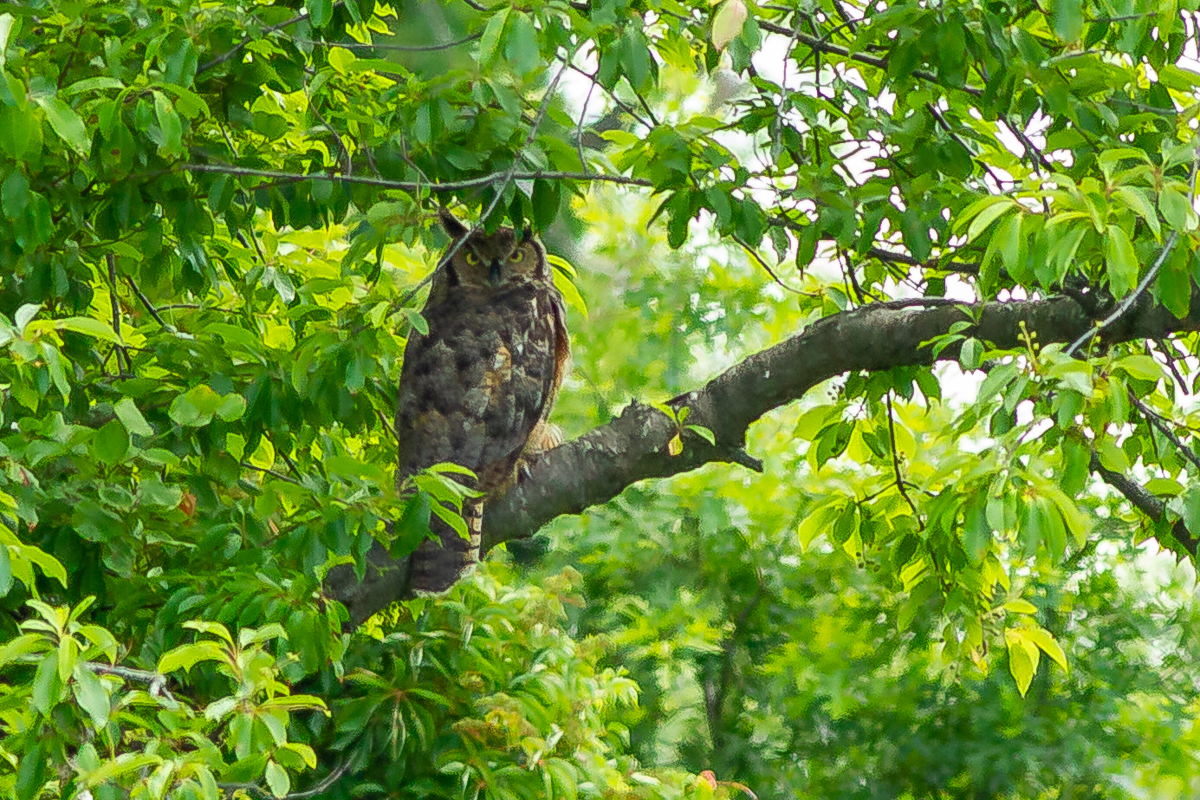
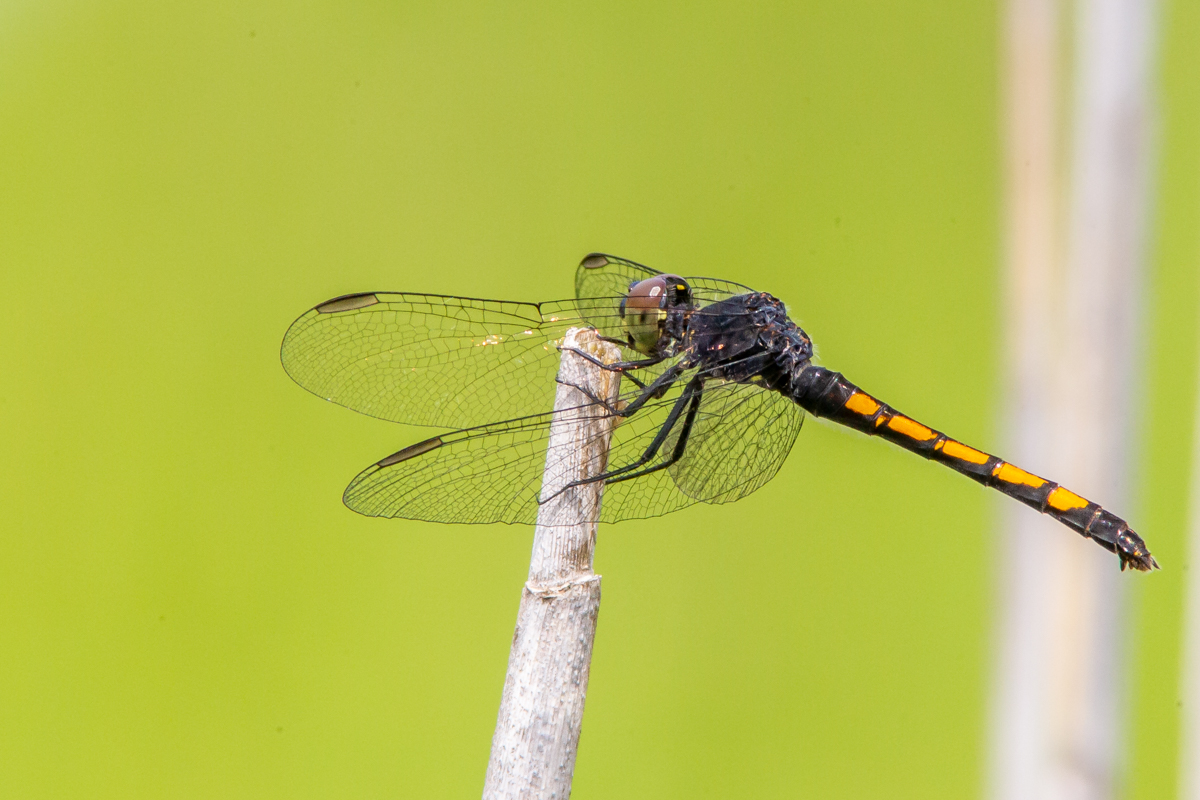
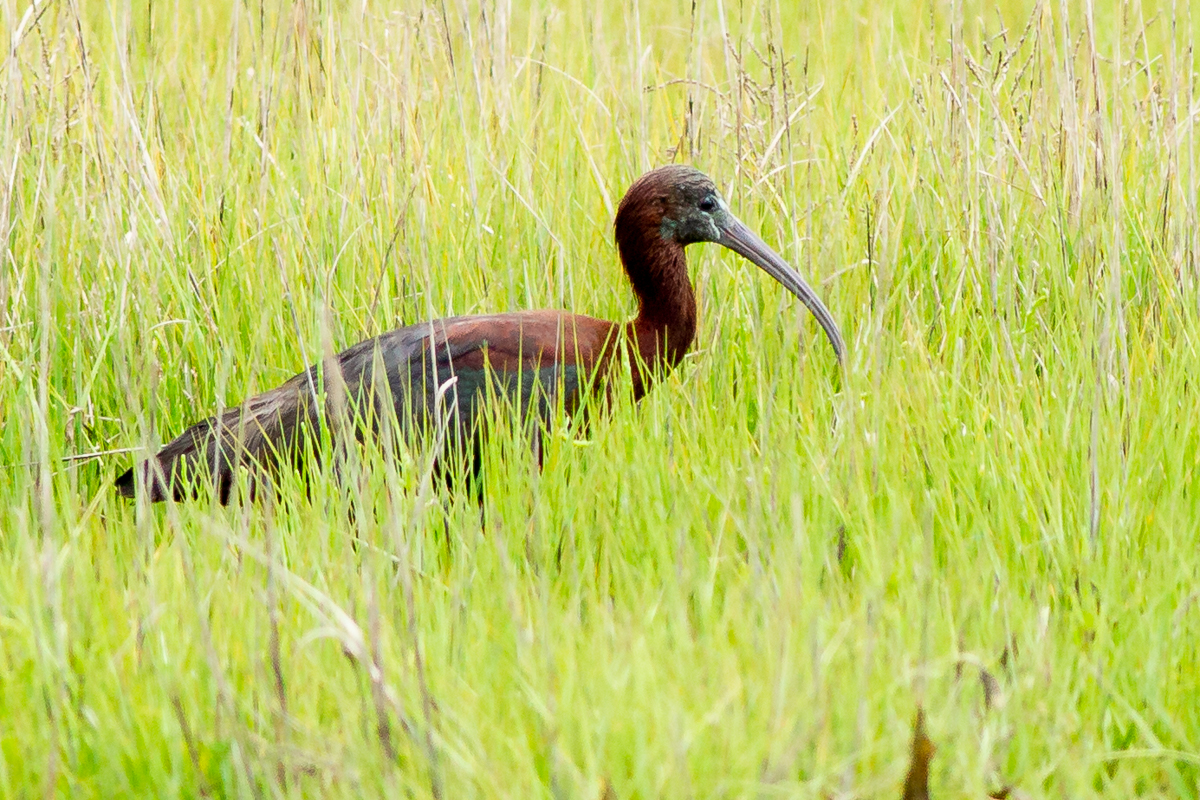
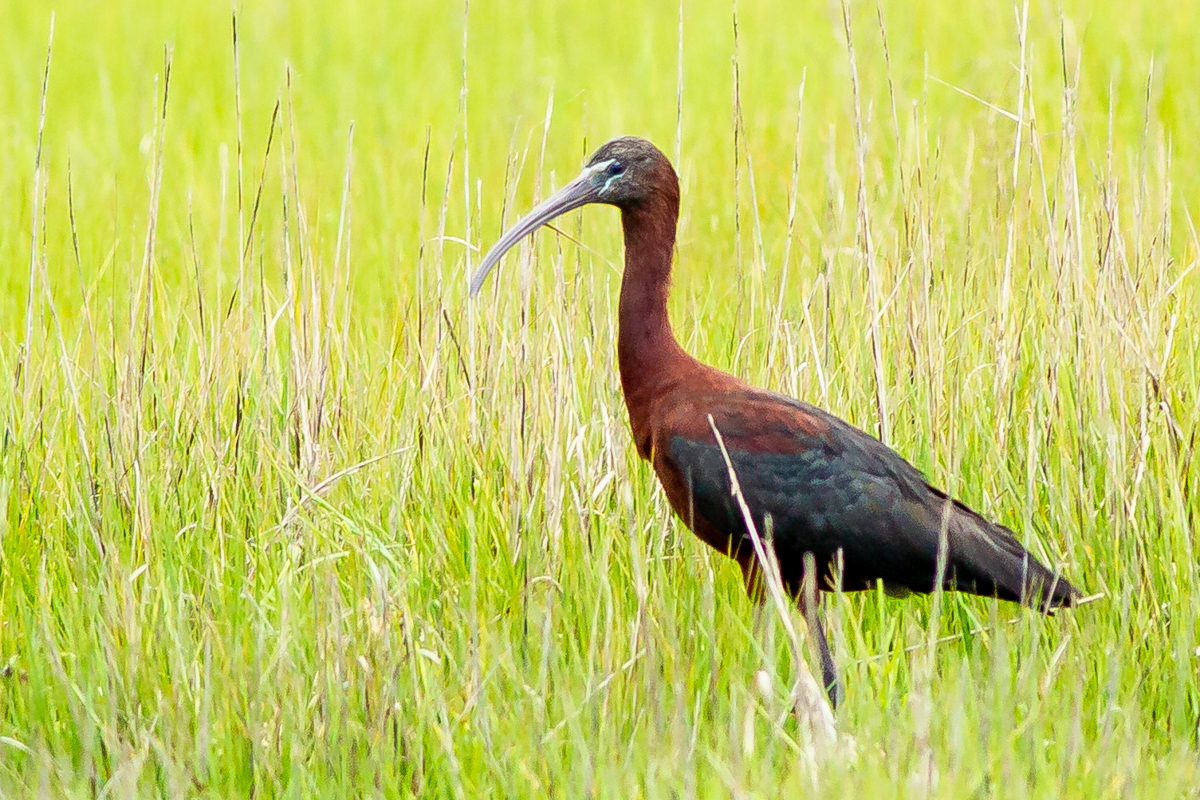
Great Horned across the marsh, a Dragonfly with a tube and an Ibis 
 |
||
 |
||
|
|
||
 |
||
|
|
||
 |
||
|
|
||
 |
||
|
Jul 02, 2020 at 04:56 AM
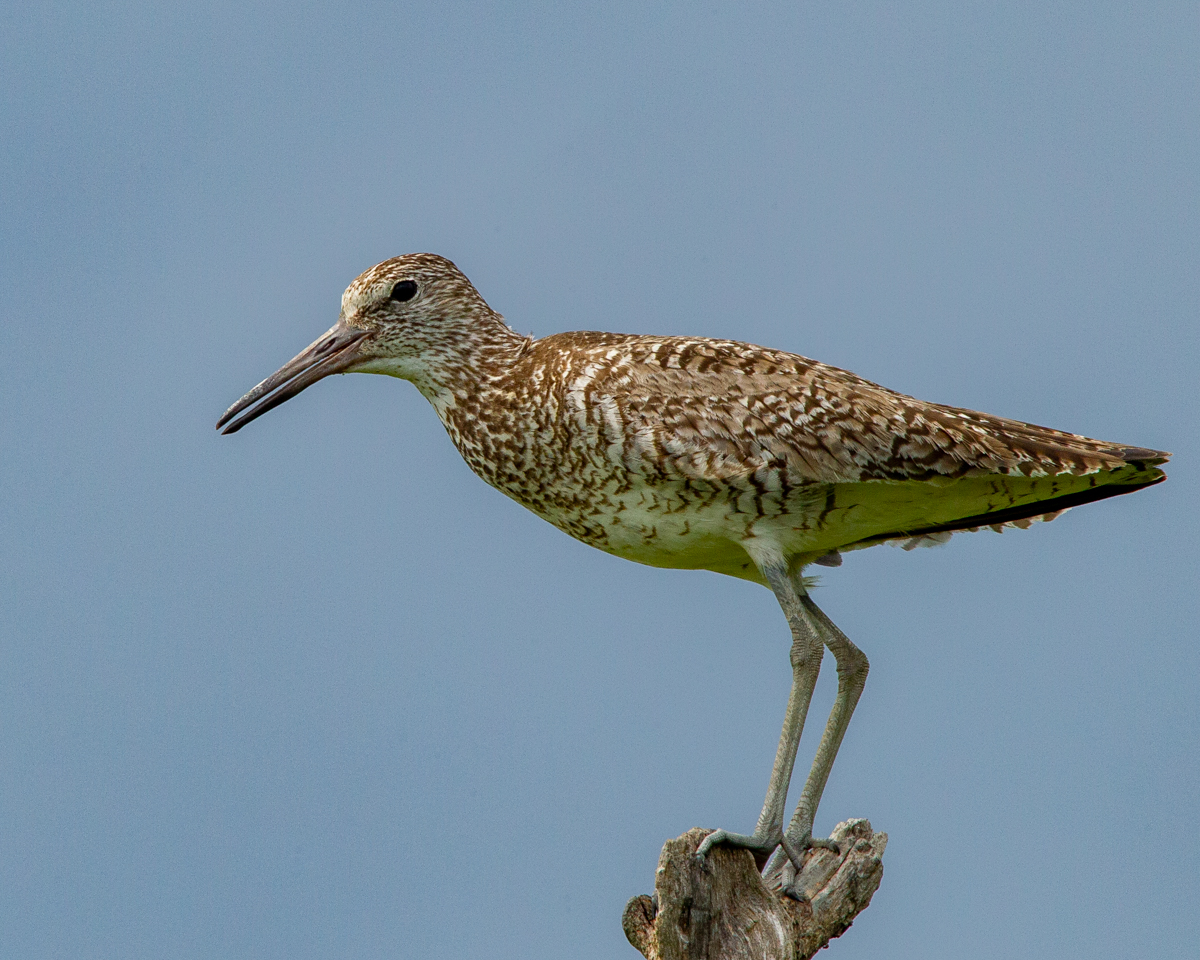
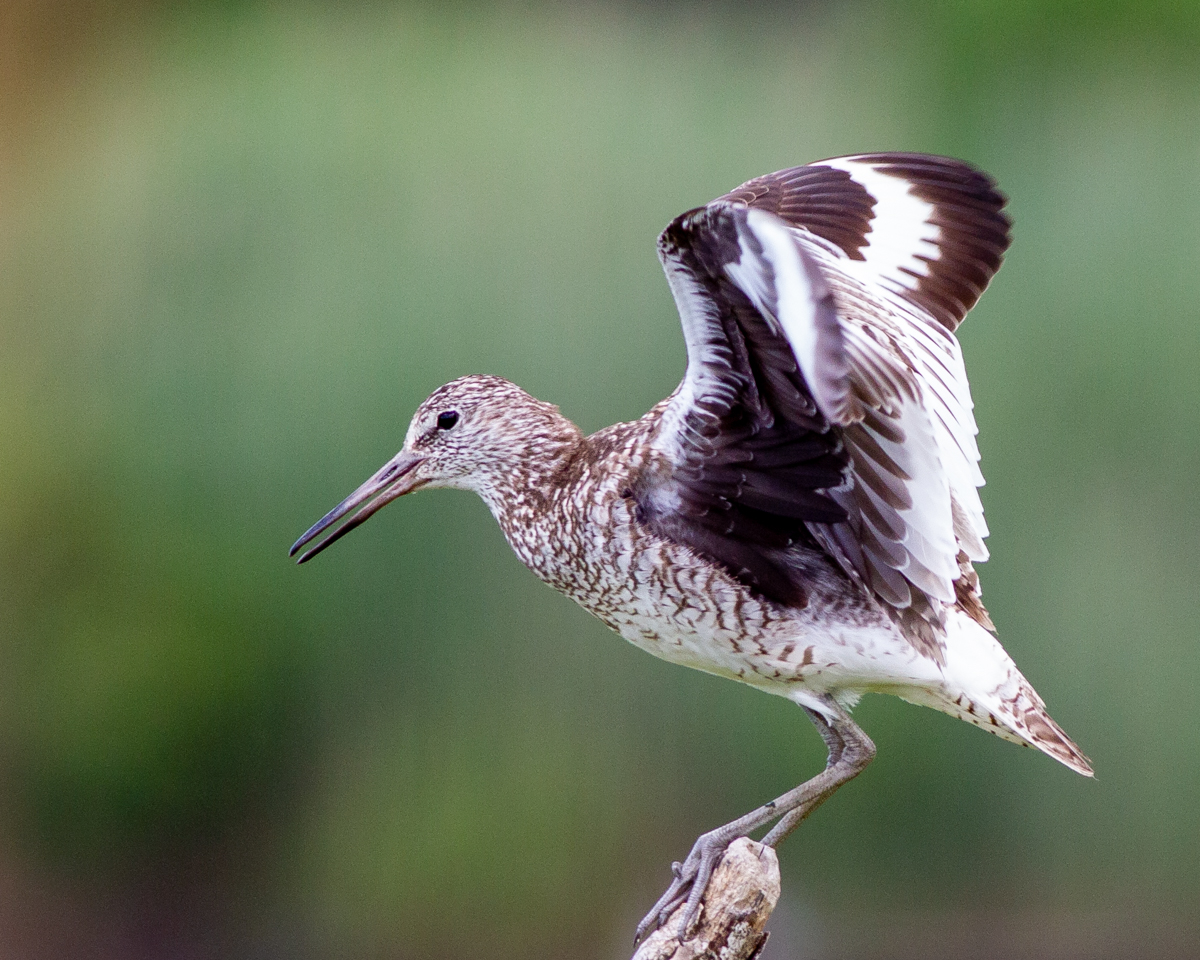
p.4 #5Canon Summer Image Thread...
A couple of recent pics with the R with the Bower 14mm 2.8
https://www.mikebons.com/img/s/v-10/p3921134621-5.jpg
https://www.mikebons.com/img/s/v-10/p3923432411-5.jpg
https://www.mikebons.com/img/s/v-10/p3921134621-5.jpg
https://www.mikebons.com/img/s/v-10/p3923432411-5.jpg
Jul 02, 2020 at 05:20 PM
p.4 #6Canon Summer Image Thread...
 Bluebird pair in the yard by A & R Photography, on Flickr
 Incoming Bluebird by A & R Photography, on Flickr
A behind the scenes shot while photographing the above shots with the 1dx Mark III at 1200mm
 Selfie with the 1dx Mark III by A & R Photography, on Flickr
Edited on Jul 03, 2020 at 04:03 AM · View previous versions
Jul 03, 2020 at 03:43 AM
p.4 #7Canon Summer Image Thread...
You have to get up very early to post before RobAmy 
Jul 03, 2020 at 04:02 AM
p.4 #8Canon Summer Image Thread...
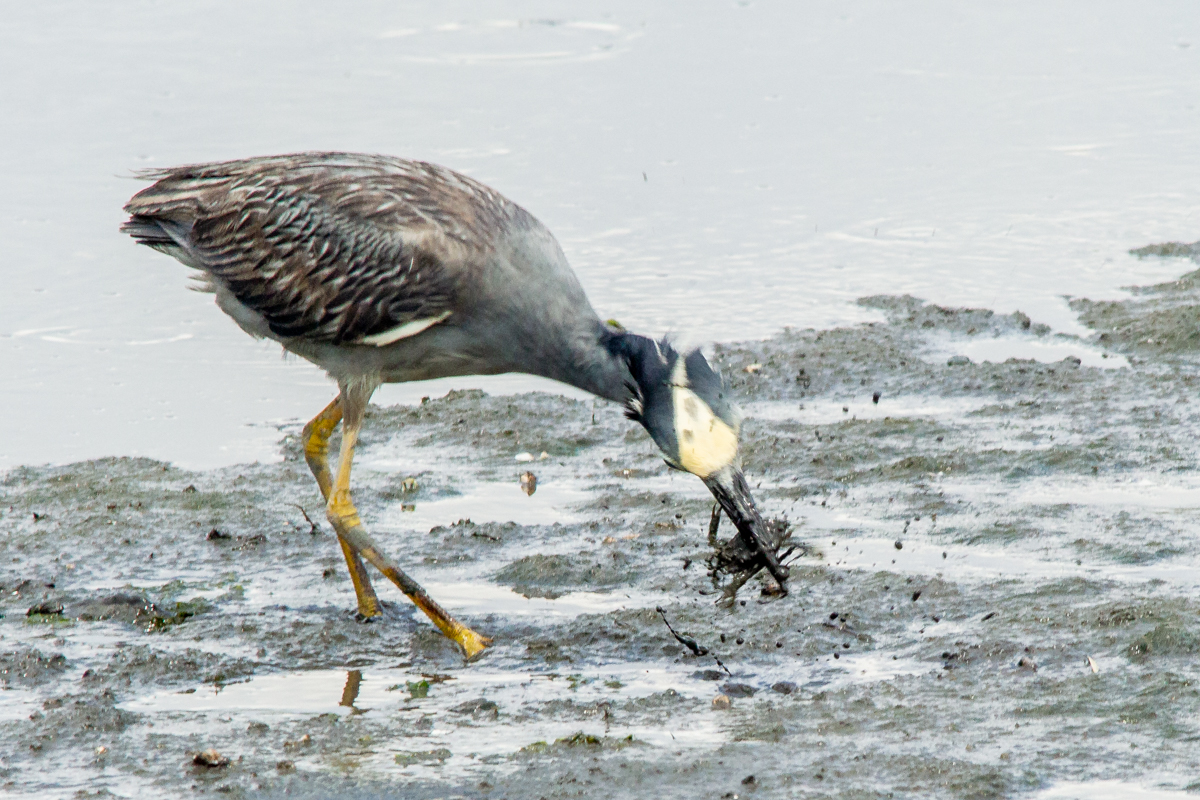
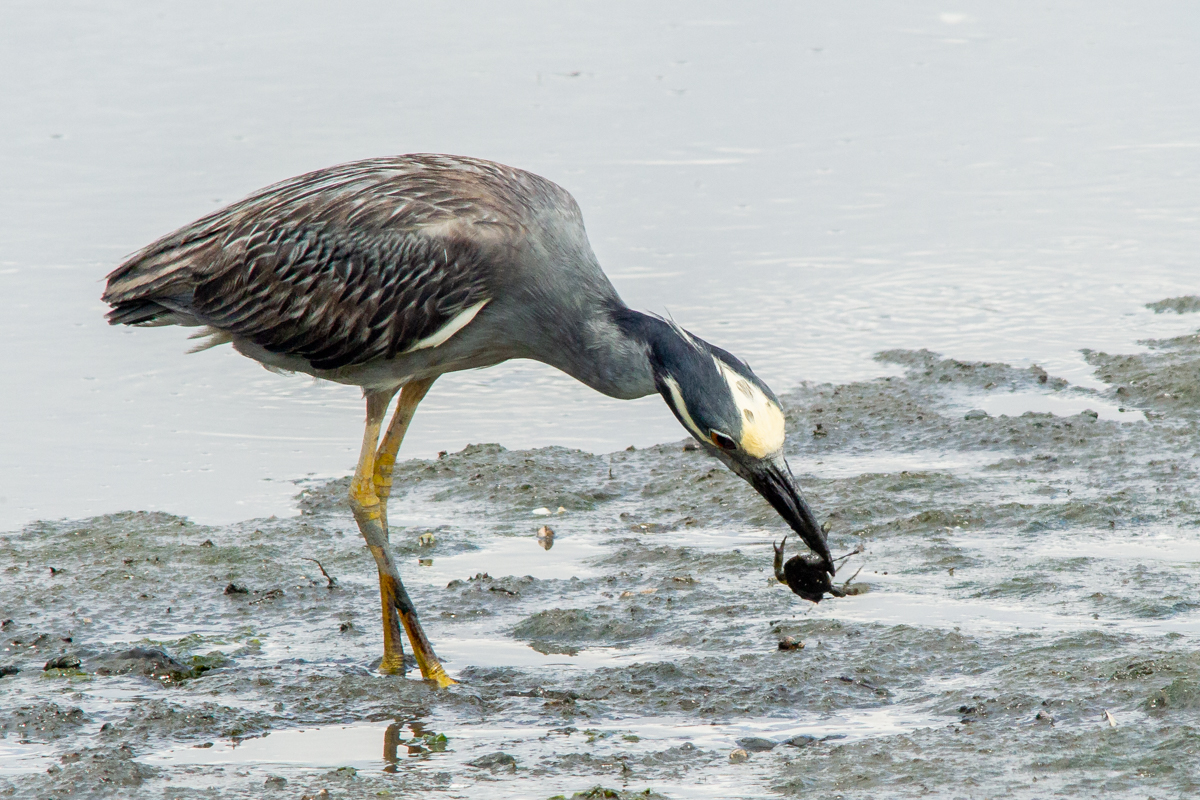
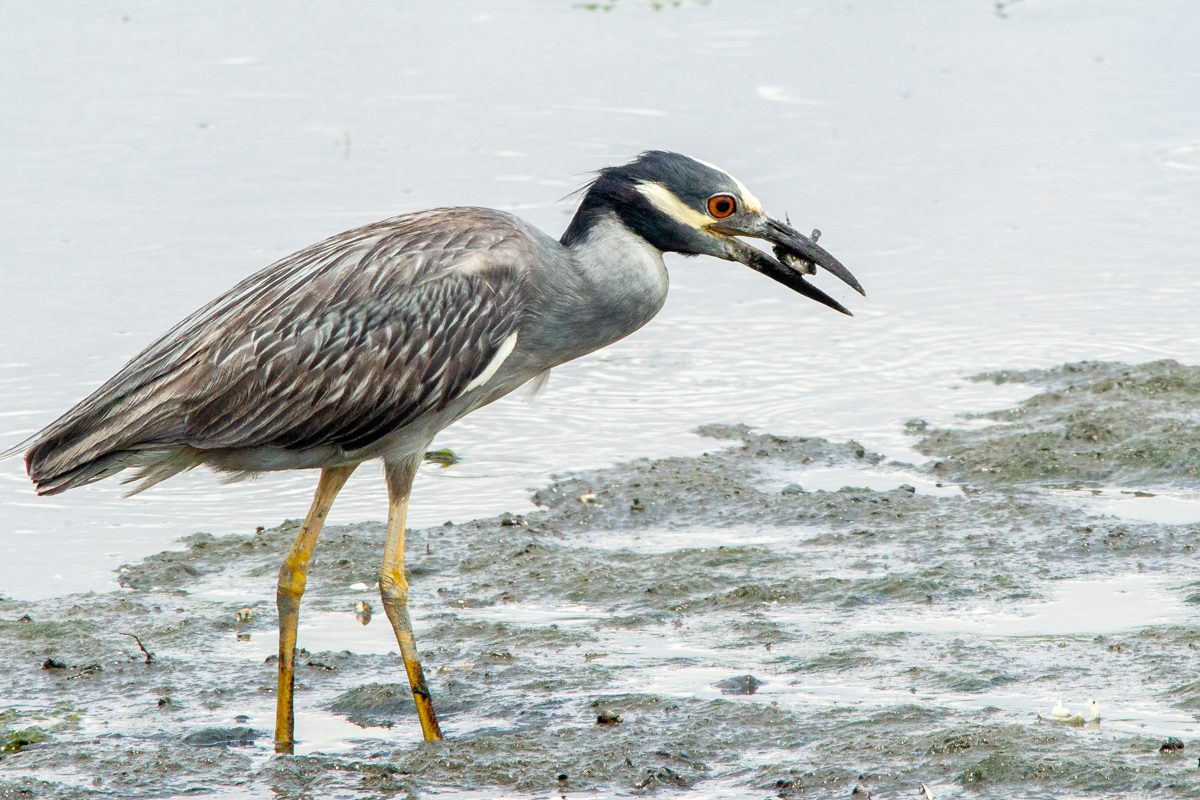
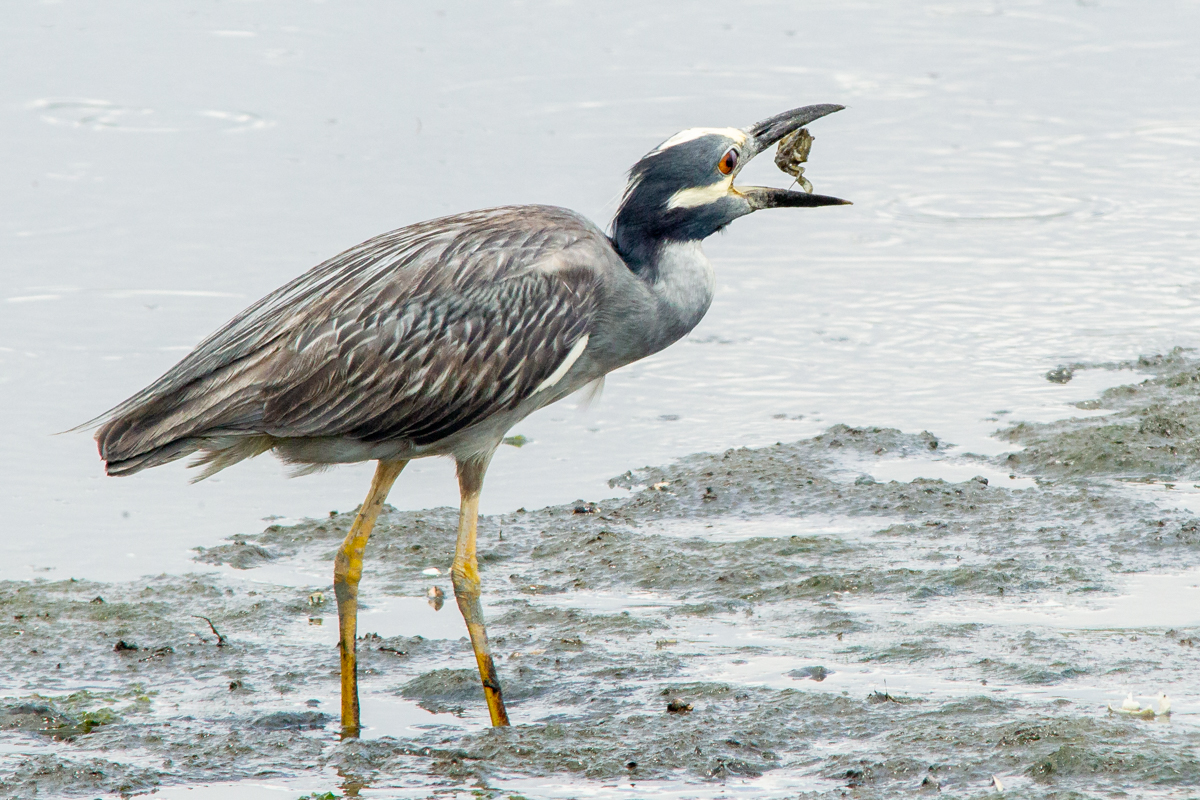
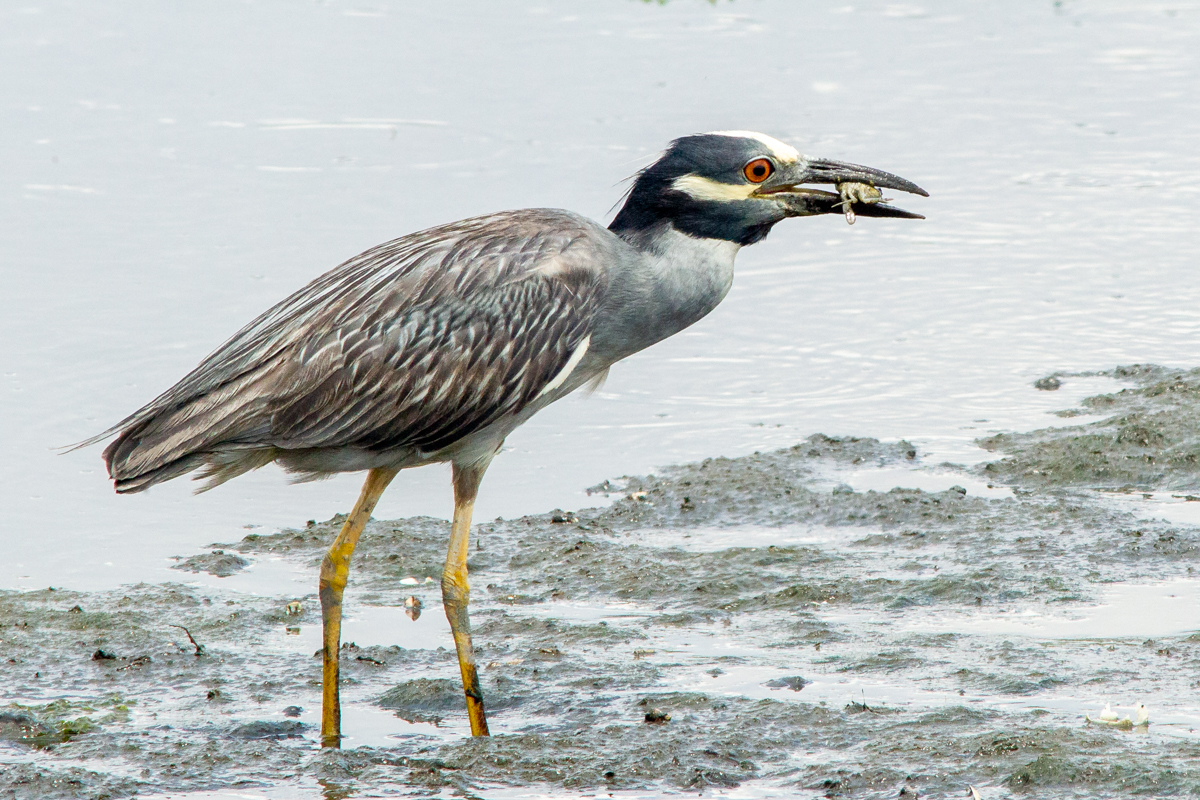
Yellow Crowned Night Heron with a Blue Claw crab
|
||
 |
||
|
|
||
 |
||
|
|
||
 |
||
|
|
||
 |
||
|
|
||
 |
||
|
Jul 03, 2020 at 04:04 AM
p.4 #9Canon Summer Image Thread...
Early this morning with the EOS R @ 1200mm. Using the flip screen to focus low to the ground with silent shutter.
 Bunny at sunrise by A & R Photography, on Flickr
Jul 03, 2020 at 08:27 AM
p.4 #10Canon Summer Image Thread...
Summer Tanager.
Don
https://i.ibb.co/JqjQYjM/Summer-Tanager.jpg
Don
https://i.ibb.co/JqjQYjM/Summer-Tanager.jpg
Jul 03, 2020 at 03:56 PM

p.4 #12Canon Summer Image Thread...
 Having an itch by A & R Photography, on Flickr
Jul 04, 2020 at 03:01 AM
p.4 #13Canon Summer Image Thread...
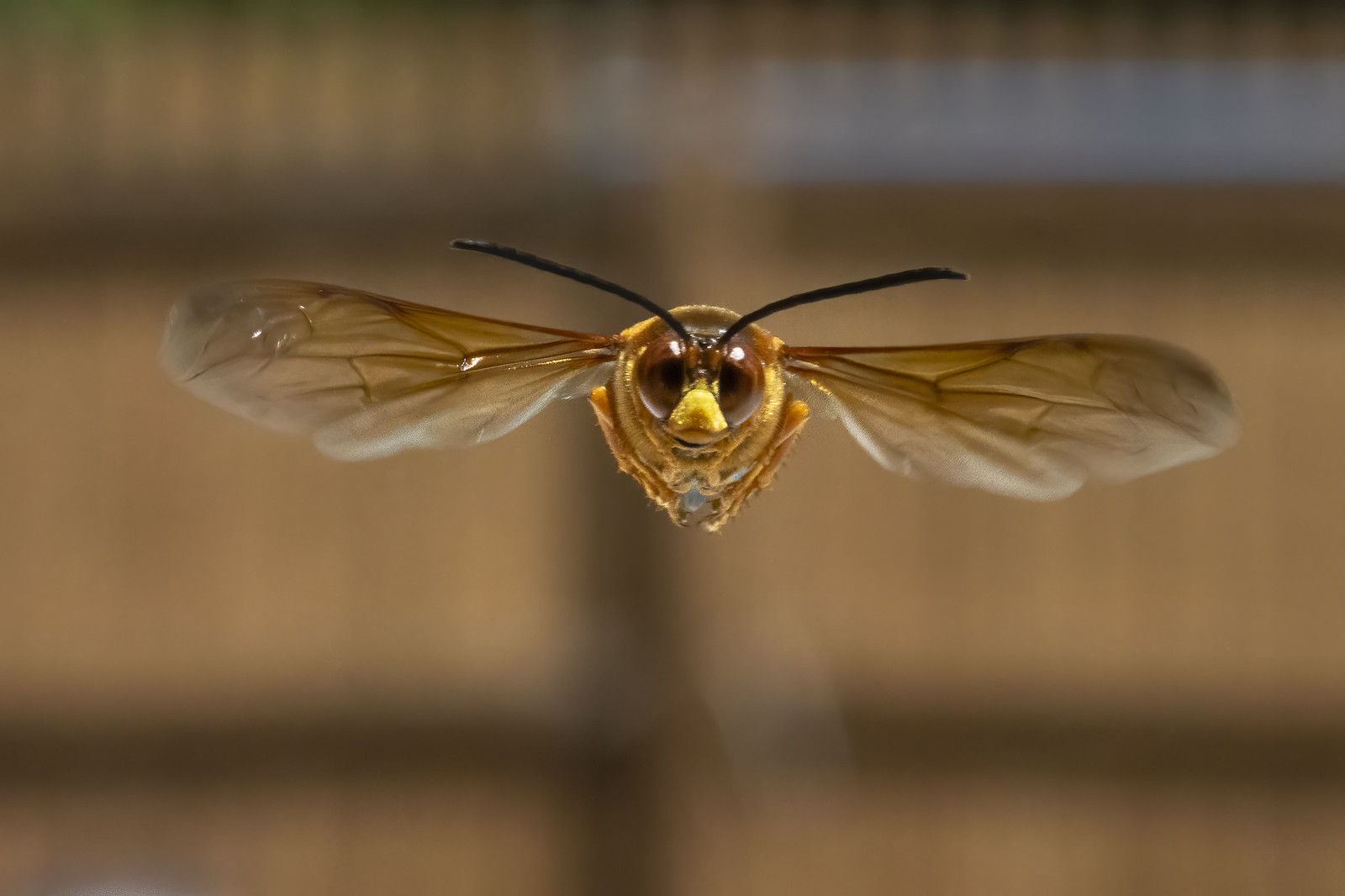
Eastern Cicada killers and a Velvet ant wasp.
Image heavy, sorry.
We've had these giant Wasp hanging around our pool for the past several years. It's very intimidating to sit next to the pool with 30 or more of these giant wasp buzzing around. The females are the only one that has a giant stinger, the males do not have stingers. Thankfully the females are not aggressive and will not sting unless they are threatened or sat/stepped on. After seeing the size of the stinger on the females, I'm pretty sure I'd pass-out if I ever got stung by one of these freakishly huge critters.
While laying down in front of their nest photographing them yesterday, I had several males smack me trying to intimidate me to move away.
The females are 2 inches long and have an incredible ability to fly/glide carrying the equally huge Cicada.
She stings the cicada to paralyze it and then carries it back to the nest where she then deposits an egg on a cicada and closes the cell with dirt. Male eggs are laid on a single cicada but female eggs are given two or sometimes three cicadas because they are twice the size of the males.
The egg hatches in one or two days, and the cicadas serve as food for the grub. The larvae complete their development in about 2 weeks.
This wasp is frequently attacked by the parasitic "velvet ant" wasp, also known as the "cow-killer" wasp. It lays an egg in the nest cell of the cicada killer, and when the cicada killer larva pupates, the parasitoid larva consumes the pupa.
I found a few of them running around the nest as well. They are incredibly fast runners.
Happy 4th to all.
Eastern cicada killers 1
 Eastern cicada killers 2
 Eastern cicada killers 3
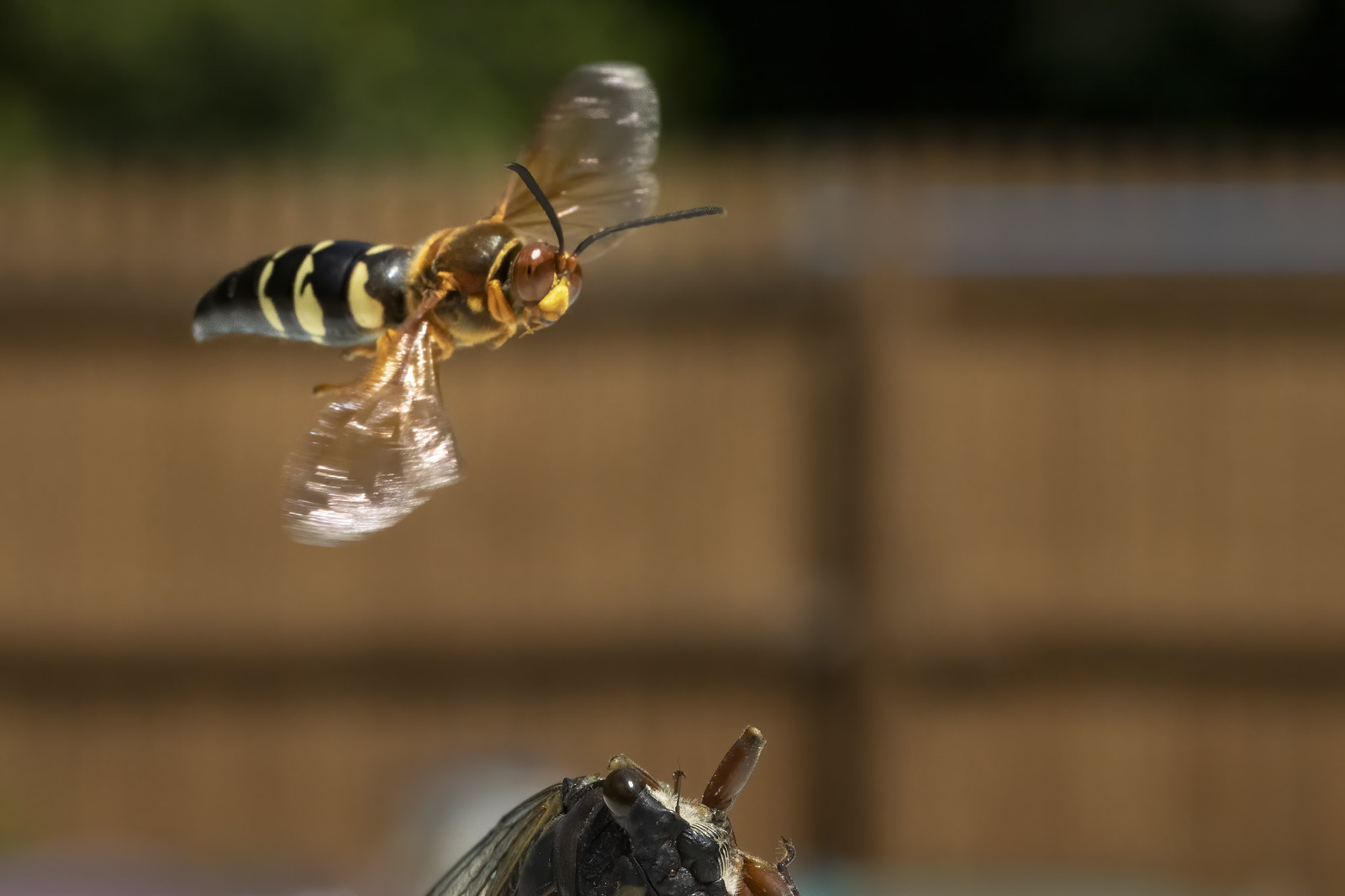 Eastern cicada killers 4
 Eastern cicada killers 5
 Eastern cicada killers 6
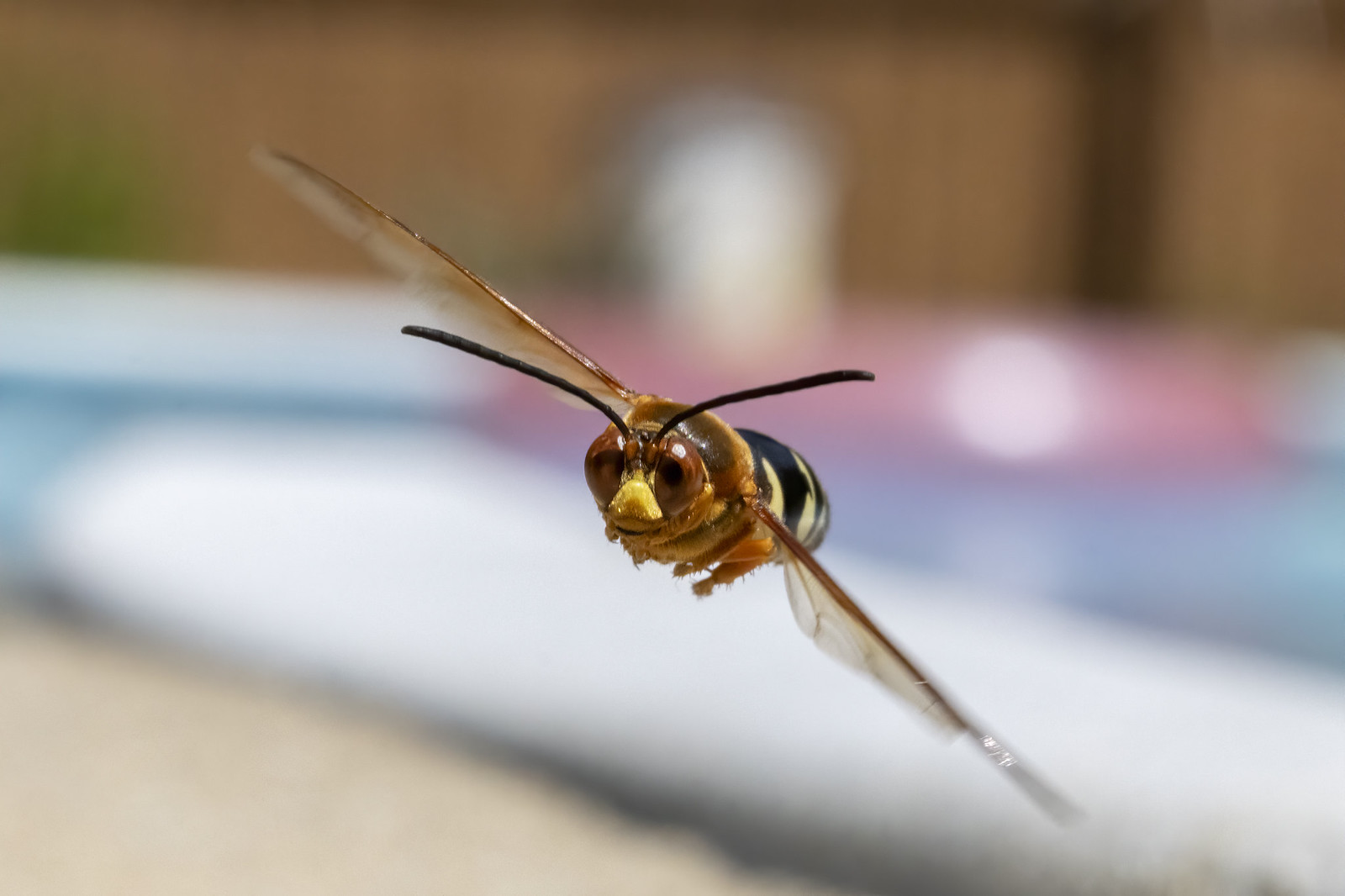 Eastern cicada killers 7
 Eastern cicada killers 8
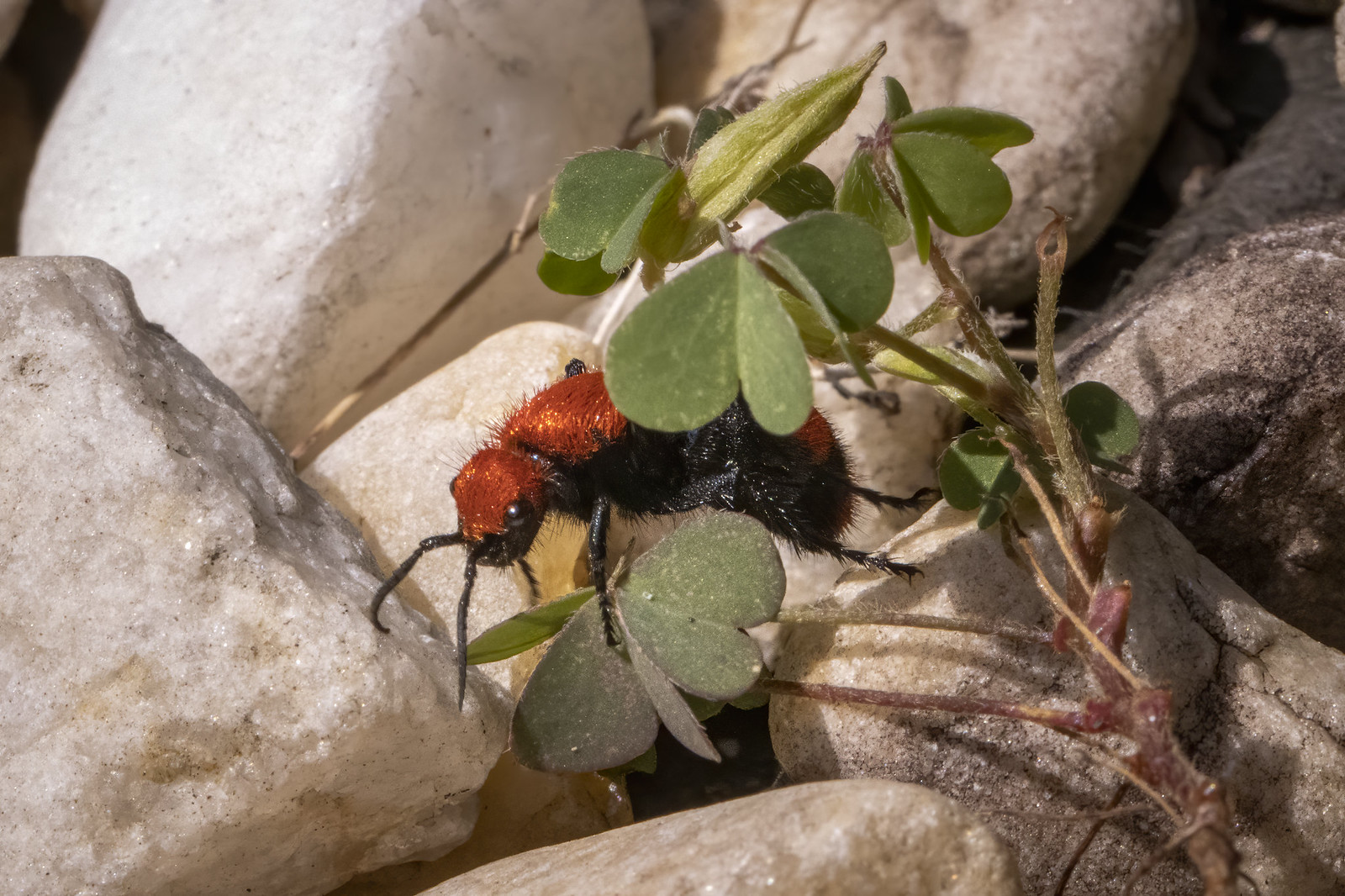 Velvet ant wasp
Image heavy, sorry.
We've had these giant Wasp hanging around our pool for the past several years. It's very intimidating to sit next to the pool with 30 or more of these giant wasp buzzing around. The females are the only one that has a giant stinger, the males do not have stingers. Thankfully the females are not aggressive and will not sting unless they are threatened or sat/stepped on. After seeing the size of the stinger on the females, I'm pretty sure I'd pass-out if I ever got stung by one of these freakishly huge critters.
While laying down in front of their nest photographing them yesterday, I had several males smack me trying to intimidate me to move away.
The females are 2 inches long and have an incredible ability to fly/glide carrying the equally huge Cicada.
She stings the cicada to paralyze it and then carries it back to the nest where she then deposits an egg on a cicada and closes the cell with dirt. Male eggs are laid on a single cicada but female eggs are given two or sometimes three cicadas because they are twice the size of the males.
The egg hatches in one or two days, and the cicadas serve as food for the grub. The larvae complete their development in about 2 weeks.
This wasp is frequently attacked by the parasitic "velvet ant" wasp, also known as the "cow-killer" wasp. It lays an egg in the nest cell of the cicada killer, and when the cicada killer larva pupates, the parasitoid larva consumes the pupa.
I found a few of them running around the nest as well. They are incredibly fast runners.
Happy 4th to all.
Eastern cicada killers 1
Eastern cicada killers 2 Eastern cicada killers 3 Eastern cicada killers 4 Eastern cicada killers 5 Eastern cicada killers 6 Eastern cicada killers 7 Eastern cicada killers 8 Velvet ant wasp Jul 04, 2020 at 07:44 AM
p.4 #14Canon Summer Image Thread...
lighthound wrote:
Eastern Cicada killers and a Velvet ant wasp.
Image heavy, sorry.
We've had these giant Wasp hanging around our pool for the past several years. It's very intimidating to sit next to the pool with 30 or more of these giant wasp buzzing around. The females are the only one that has a giant stinger, the males do not have stingers. Thankfully the females are not aggressive and will not sting unless they are threatened or sat/stepped on. After seeing the size of the stinger on the females, I'm pretty sure I'd pass-out if I ever got stung by one of...Show more →
Whoa....I"m glad we don't have these around here....they look nasty!! Cool shots.
Jul 04, 2020 at 08:30 AM
p.4 #15Canon Summer Image Thread...
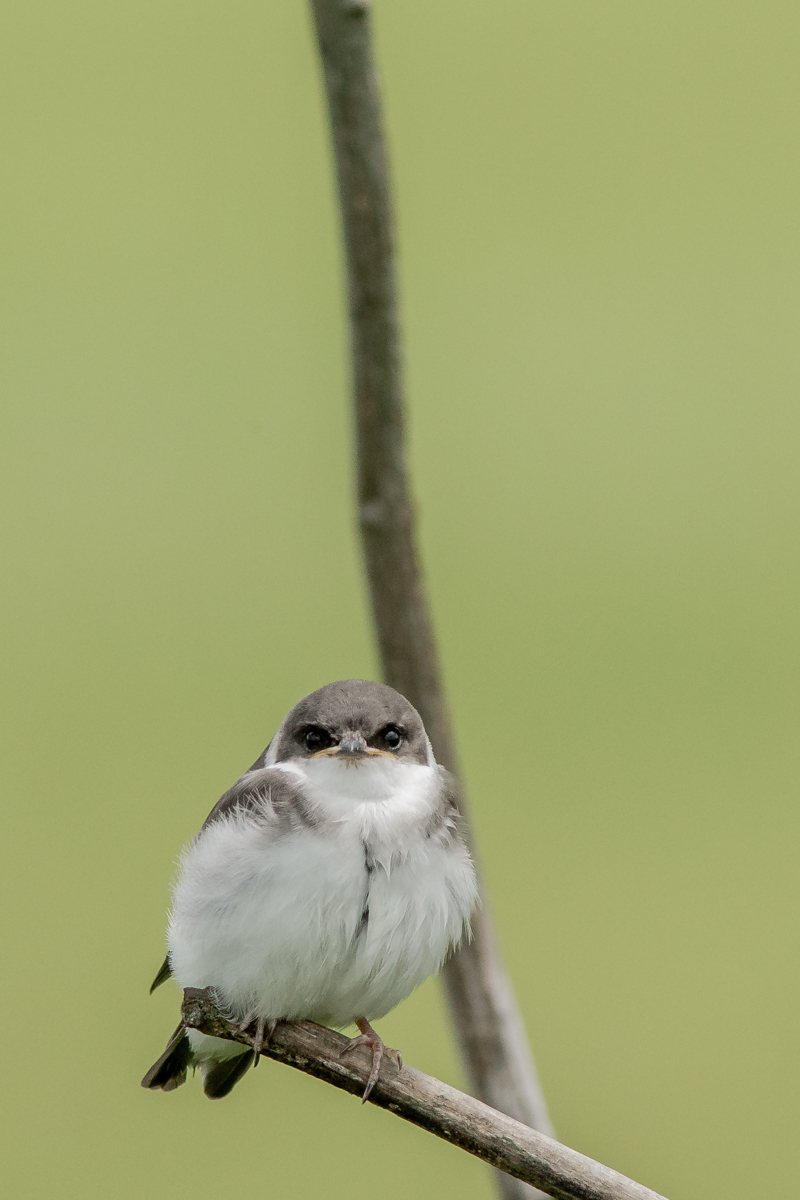
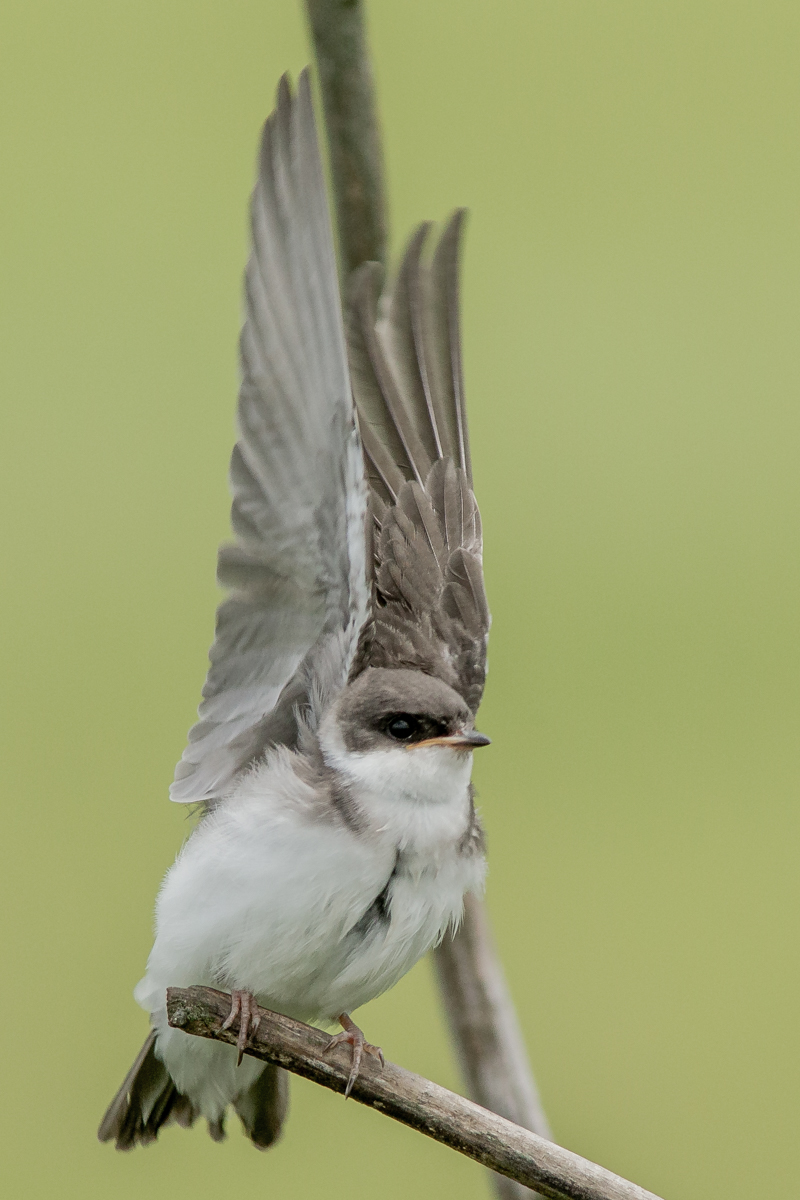
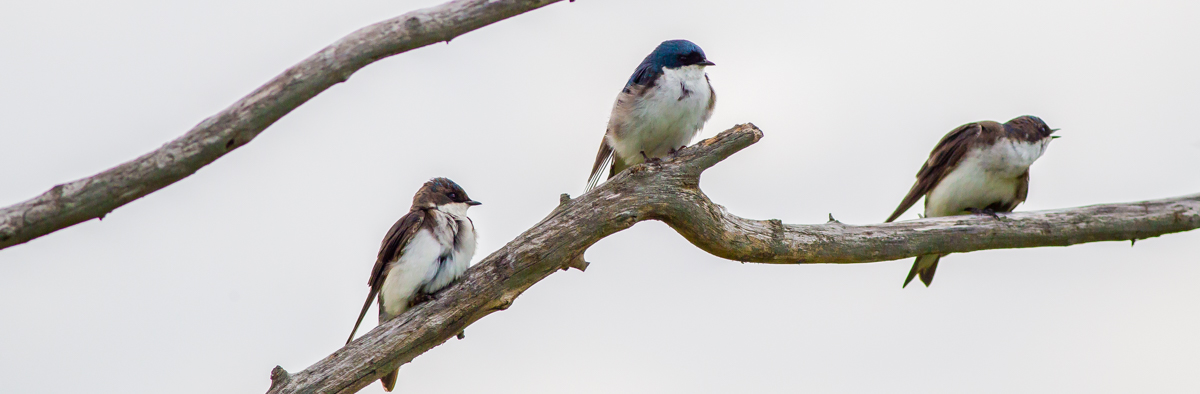
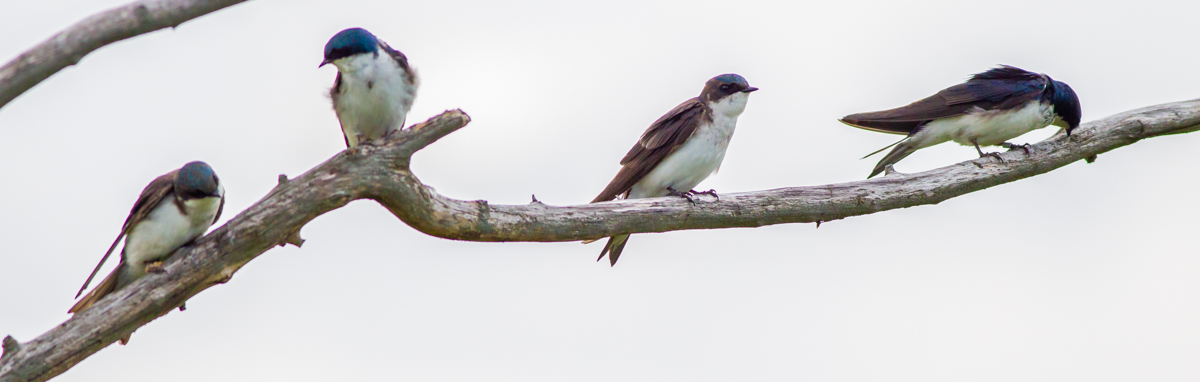
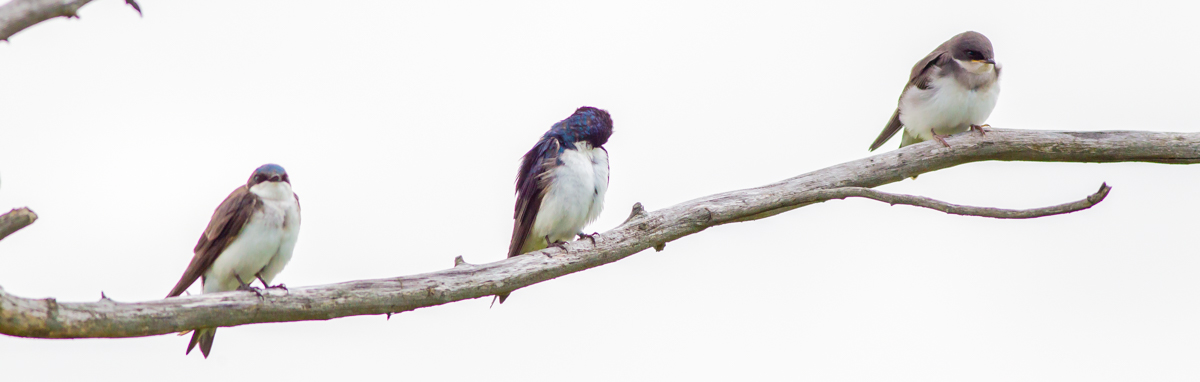
Tree Swallow babies waiting for breakfast Completely uncooperative despite my requests .
Completely uncooperative despite my requests . |
||
 |
||
|
|
||
 |
||
|
|
||
 |
||
|
Jul 04, 2020 at 08:59 AM
p.4 #16Canon Summer Image Thread...
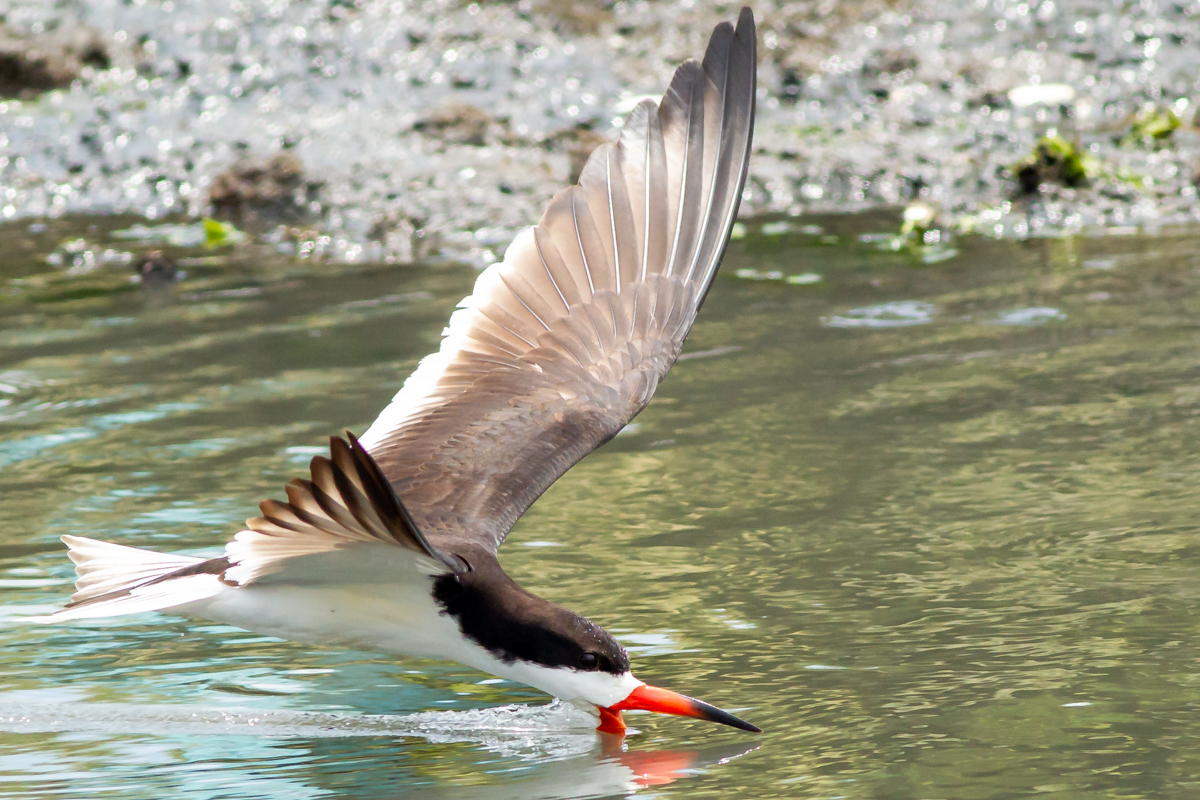
 Summer in the swamp by Daniel Kinner, on Flickr
Jul 04, 2020 at 12:10 PM
p.4 #18Canon Summer Image Thread...
 The Posing Couple by A & R Photography, on Flickr
 Fledgling wanting food by A & R Photography, on Flickr
 Eye Contact by A & R Photography, on Flickr
Jul 05, 2020 at 04:12 AM
p.4 #19Canon Summer Image Thread...
Last week I ran into some small red-eye damselflies who were ovipositing at a local pond. It's a nice photographic subject because of the "Terminator" eyes of the males, and their tendency to group together and fly around in tandem. But it is rare sight over here, last time I found significant numbers together is about five years ago.
They stay a bit away from the edge of the pond so you need a long lens which I hadn't with me - but fortunately I did have the tiny 55-250 IS STM which allowed me to get some decent shots. By dangling the camera just above the water you get that nice perspective and background blur. I guess this is an ideal subject for the new 11/800 DO lens because more focal length and more DOF doesn't hurt (DOF in these images is too small to have even one damselfly completely in focus, unless they happen to be exactly parallel to the focal plane). But I would feel less comfortable holding such expensive gear a few mm above the water ...


They stay a bit away from the edge of the pond so you need a long lens which I hadn't with me - but fortunately I did have the tiny 55-250 IS STM which allowed me to get some decent shots. By dangling the camera just above the water you get that nice perspective and background blur. I guess this is an ideal subject for the new 11/800 DO lens because more focal length and more DOF doesn't hurt (DOF in these images is too small to have even one damselfly completely in focus, unless they happen to be exactly parallel to the focal plane). But I would feel less comfortable holding such expensive gear a few mm above the water ...
Jul 05, 2020 at 06:02 AM