p.1 #1 · Canon 1dx III electronic read issues with (ES)
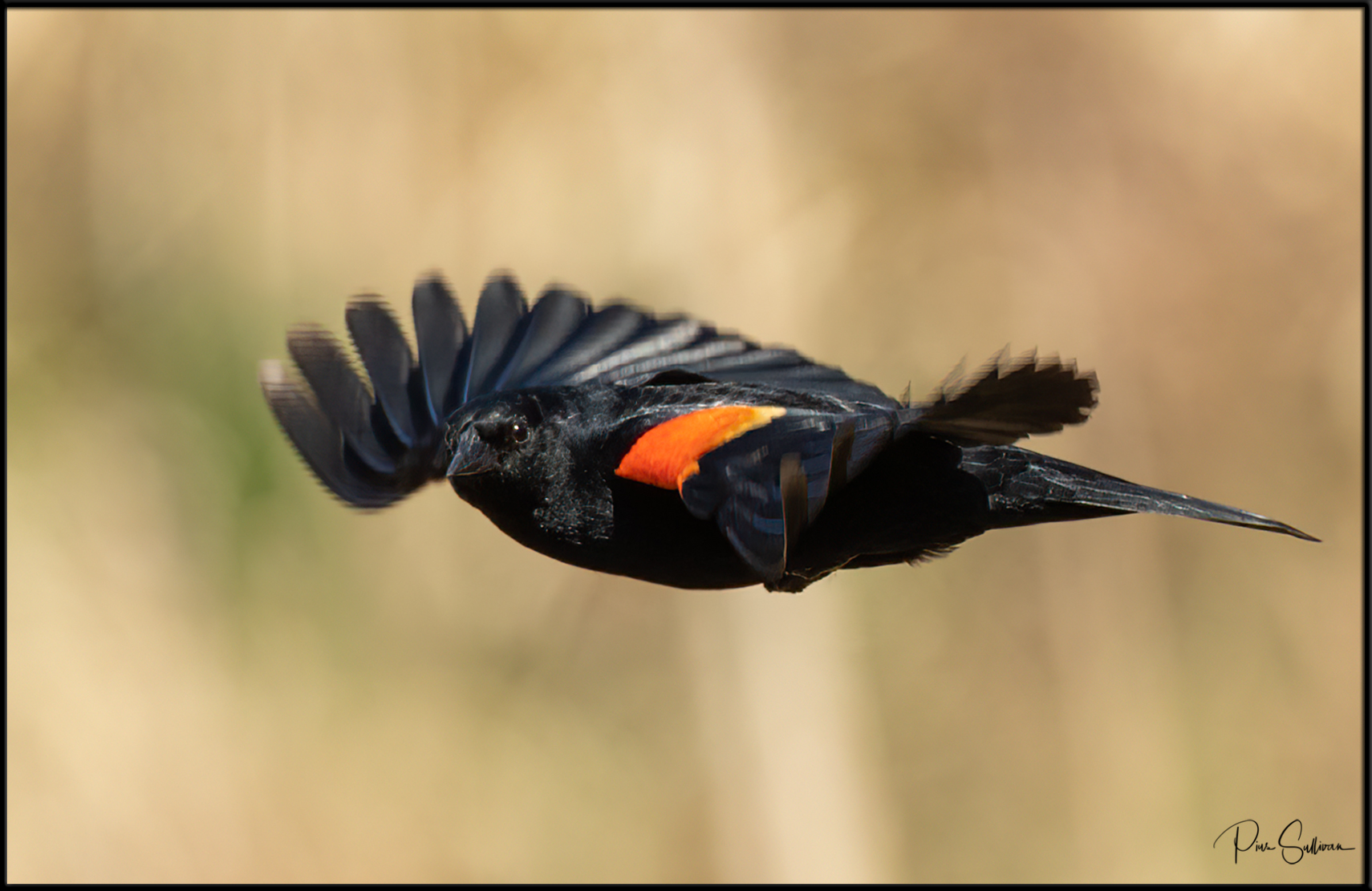
I took this photo in live view mode with the hoodman loupe attached using electronic shutter.
Would this be an example of rolling shutter on the 1dx III?
I cropped the photo tight so you can see what happening on the wing tips.
Geoff would know, he shoots Sony and RWB's lots...
p.1 #2 · Canon 1dx III electronic read issues with (ES)
I would assume that those lines and maybe the near wing distortion are the result of the sensor read speed in e-shutter.
I haven't really investigated what these artifacts or distortions look like because I shoot my A7RIV in mechanical only and the A9 doesn't have these issues as it can read fast enough.
I have experimented a couple times with e-shutter on my Z50 on hummers to see what it looks like and the wing just looks really twisted and distorted but I've never seen the banding that this image shows.
IME you can get away with e-shutter for slower BIF. I accidentally shot my A7RIV yesterday in e-shutter as a GBH flew by and didn't see any obvious distortions in the wings. But any of these smaller birds I would avoid it. If you want 20FPS and/or want to experiment with the LV AF vs the DSLR AF then I'd try the mechanical in LV instead.
p.1 #3 · Canon 1dx III electronic read issues with (ES)
arbitrage wrote:
I would assume that those lines and maybe the near wing distortion are the result of the sensor read speed in e-shutter.
I haven't really investigated what these artifacts or distortions look like because I shoot my A7RIV in mechanical only and the A9 doesn't have these issues as it can read fast enough.
I have experimented a couple times with e-shutter on my Z50 on hummers to see what it looks like and the wing just looks really twisted and distorted but I've never seen the banding that this image shows.
IME you can get away with e-shutter for slower BIF. I accidentally shot my A7RIV yesterday in e-shutter as a GBH flew by and didn't see any obvious distortions in the wings. But any of these smaller birds I would avoid it. If you want 20FPS and/or want to experiment with the LV AF vs the DSLR AF then I'd try the mechanical in LV instead....Show more →
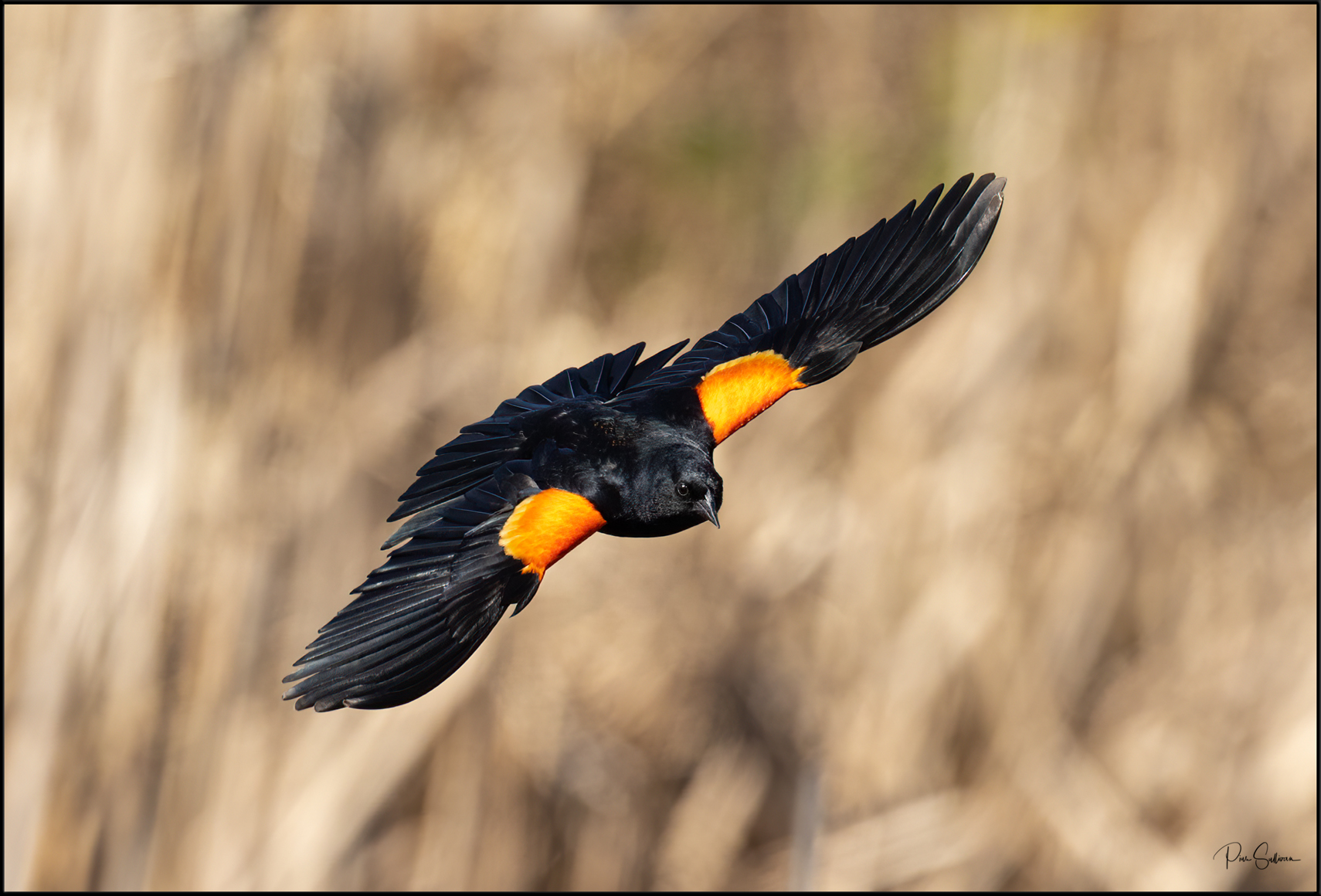
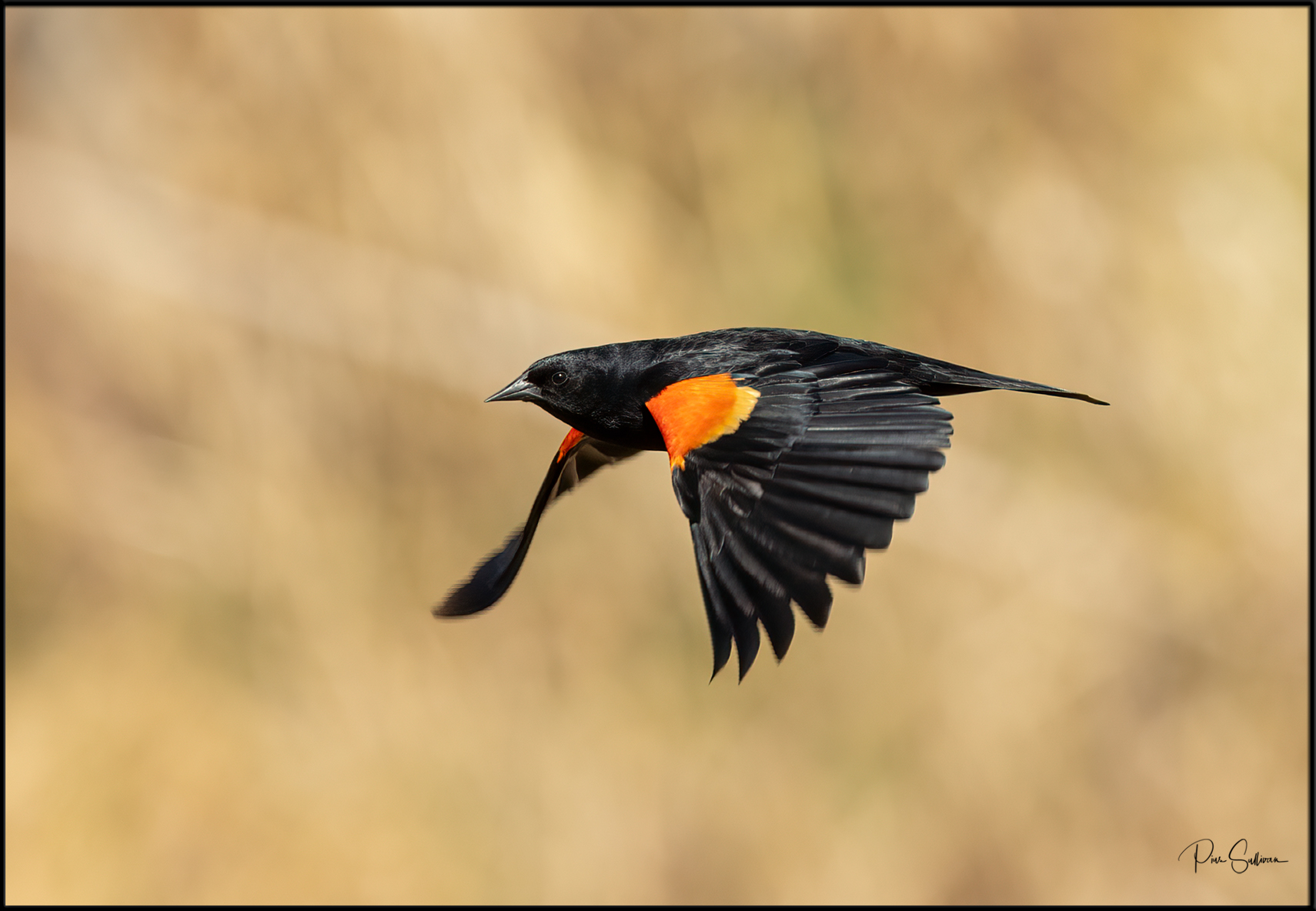
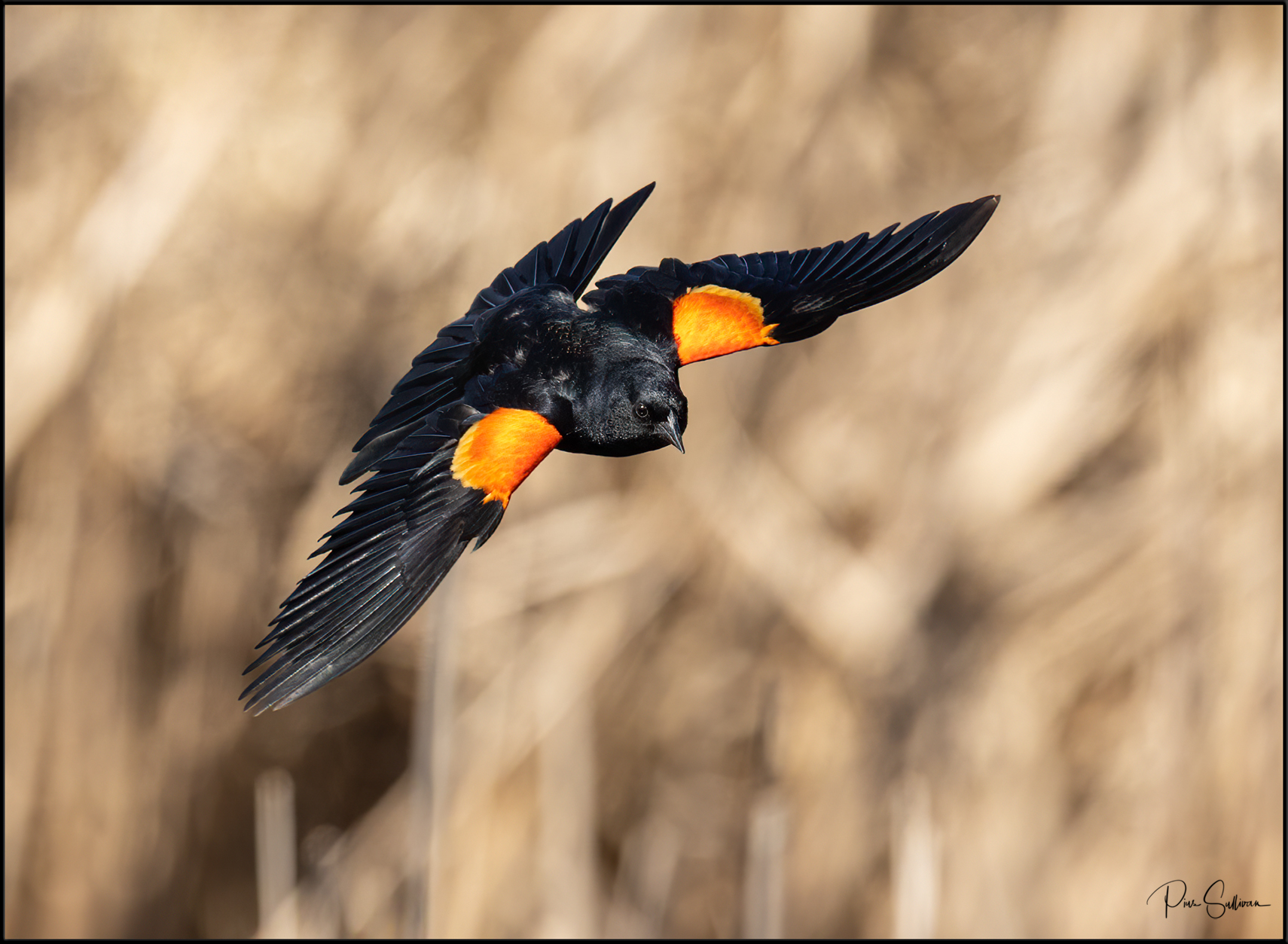
There is no distortion in the wing tips when the bird is gliding or flying slow, but when the bird is flying at full speed the distortion happens. Like you say maybe its the sensor read time.
You can see the distortion in # 3 and the bird is fly flat out at that time.
Maybe I start to shake hand-holding in my old age...
p.1 #4 · Canon 1dx III electronic read issues with (ES)
I agree with Geoff, I think the read speed was the issue. I have not shot much with fast movement yet but with the R I got some funny wing patterns with the fast flapping in electronic shutter. I tend to always use mechanical for flight work. I find the only benefit for e shutter is full silent which I usually do not need for flight. Sweet shots by the way.
p.1 #5 · Canon 1dx III electronic read issues with (ES)
Pius Sullivan wrote:
There is no distortion in the wing tips when the bird is gliding or flying slow, but when the bird is flying at full speed the distortion happens. Like you say maybe its the sensor read time.
You can see the distortion in # 3 and the bird is fly flat out at that time.
Maybe I start to shake hand-holding in my old age...
That makes sense to me as it seems from what I've seen to just be the fast beating wings that start to distort and in this case show the banding. With just a straight glide and you panning it seems to be okay which is what I've seen with slower birds and even slower reading sensors like Z7, Z50 and A7RIV. I also think if you had more defined vertical lines in the background like reeds or trees that weren't blown out in the creamy bokeh they might show distortion also.
p.1 #6 · Canon 1dx III electronic read issues with (ES)
arbitrage wrote:
That makes sense to me as it seems from what I've seen to just be the fast beating wings that start to distort and in this case show the banding. With just a straight glide and you panning it seems to be okay which is what I've seen with slower birds and even slower reading sensors like Z7, Z50 and A7RIV. I also think if you had more defined vertical lines in the background like reeds or trees that weren't blown out in the creamy bokeh they might show distortion also.
Well lets hope the R5 gets a faster read time on its sensor....
p.1 #10 · Canon 1dx III electronic read issues with (ES)
Pius Sullivan wrote:
Well lets hope the R5 gets a faster read time on its sensor....
Highly unlikely (but don't tell Dave that). I believe it is more difficult to do with a higher MP sensor as you'd be reading way more data at that high speed compared to what the A9 does at 24MP (assuming R5 is ~45MP).
But the question becomes, do you really need it? As Rob pointed out the e-shutter is mostly useful for being silent and with BIF you don't need to be silent. So 12FPS on the R5 ain't too shabby in mechanical and even if a future R1 doesn't have a faster read but has 20FPS mechanical that will still be excellent.
With my A7RIV which has a super slow read speed, I switch to e-shutter when trying to shoot in dim conditions with slow shutter speeds and perched birds. But otherwise I track BIF in mechanical and it isn't all that bad. The blackout/delay is not too bad and the 1DXIII LV seems to be even better which should translate over to the R series.
p.1 #14 · Canon 1dx III electronic read issues with (ES)
Pius Sullivan wrote:
I took this photo in live view mode with the hoodman loupe attached using electronic shutter.
Would this be an example of rolling shutter on the 1dx III?
I cropped the photo tight so you can see what happening on the wing tips.
Geoff would know, he shoots Sony and RWB's lots...
Pius
yes Pius this from the sensor readout with e-shutter that isn't able to catch up with the rapid wing flap the RWBB
wiht e-shutter camera cannot really read the entire sensor area in 1/2500 (400 usec) so it reads band-by-bnad each "band" at that speed and then stitches them. now if the subject moves withing these time frames there going to be shifts between the bands and these artifacts ... worse case would be a hummingbird that flaps even faster.
if you used high ISO with dark BG do you also see banding noise too in your 1dx3?
p.1 #15 · Canon 1dx III electronic read issues with (ES)
arbitrage wrote:
Highly unlikely (but don't tell Dave that). I believe it is more difficult to do with a higher MP sensor as you'd be reading way more data at that high speed compared to what the A9 does at 24MP (assuming R5 is ~45MP).
But the question becomes, do you really need it? As Rob pointed out the e-shutter is mostly useful for being silent and with BIF you don't need to be silent. So 12FPS on the R5 ain't too shabby in mechanical and even if a future R1 doesn't have a faster read but has 20FPS mechanical that will still be excellent.
With my A7RIV which has a super slow read speed, I switch to e-shutter when trying to shoot in dim conditions with slow shutter speeds and perched birds. But otherwise I track BIF in mechanical and it isn't all that bad. The blackout/delay is not too bad and the 1DXIII LV seems to be even better which should translate over to the R series....Show more →
the biggest advantage of e-shutter for me is the blackout free shooting, with mechanical shutter I still get blackout in the finder and the issue is that when the image starts it seems to have a tiny lag almost freezing for just an instant, it's not smooth like the e-shutter which is like "video tapping"
p.1 #16 · Canon 1dx III electronic read issues with (ES)
Read speed is no better than 1/60s, compare that to the Sony A9's 1/160s that also has DRAM directly attached to the sensor for fast readout. It has very little rolling shutter and of course blackout free shooting with the EVF. Without a stacked sensor or global shutter the 1DXIII was always going to have rolling shutter, even though it is no doubt the best Canon sensor in this regard.
it will be the one weakness of the R5 I suspect too, but hopefully it offers at least 1/60s read speed too, unlike the glacial 1/8s on the EOS R. Canon has patents for stacked sensors and R5 would be the ideal time to introduce such a sensor.
p.1 #17 · Canon 1dx III electronic read issues with (ES)
speedmaster20d wrote:
yes Pius this from the sensor readout with e-shutter that isn't able to catch up with the rapid wing flap the RWBB
wiht e-shutter camera cannot really read the entire sensor area in 1/2500 (400 usec) so it reads band-by-bnad each "band" at that speed and then stitches them. now if the subject moves withing these time frames there going to be shifts between the bands and these artifacts ... worse case would be a hummingbird that flaps even faster.
if you used high ISO with dark BG do you also see banding noise too in your 1dx3?
The only issue I've seen with banding so far is shooting with e shutter, m shutter at 20 fps not an issue but like you I would prefer e shutter for the exact same reasons. M shutter has that freeze for a nano second... not a deal breaker... It can track a RWB flat out, that impresses me....
But I will keep an eye out for the high iso and dark backgrounds.
p.1 #18 · Canon 1dx III electronic read issues with (ES)
speedmaster20d wrote:
the biggest advantage of e-shutter for me is the blackout free shooting, with mechanical shutter I still get blackout in the finder and the issue is that when the image starts it seems to have a tiny lag almost freezing for just an instant, it's not smooth like the e-shutter which is like "video tapping"
Yes, I do agree, the blackout free feature of the A9 is a big bonus. I know on the R4 and I assume on the A9II when in mechanical in H+ mode you are actually getting frame insertion. You need to use H or slower on the R4 to just get a mechanical blackout. I assume using M or slower on the A9II (because it doesn't have H+) is when you would get just the mechanical shutter blackout and not the frame insertion. I believe it is the frame insertion (ie slideshow) that gives that freeze.
p.1 #19 · Canon 1dx III electronic read issues with (ES)
arbitrage wrote:
Yes, I do agree, the blackout free feature of the A9 is a big bonus. I know on the R4 and I assume on the A9II when in mechanical in H+ mode you are actually getting frame insertion. You need to use H or slower on the R4 to just get a mechanical blackout. I assume using M or slower on the A9II (because it doesn't have H+) is when you would get just the mechanical shutter blackout and not the frame insertion. I believe it is the frame insertion (ie slideshow) that gives that freeze.
you lost me what is H and H+?
I think by frame insertion you mean the "stutter effect" with mechanical shutter when shooting a burst(?). I think this is a synchronization issue. the camera has to sync the EVF / LCD video feed with the shutter opening and closing and it struggle do that when the frame rate is high, which leads to a finite delay between the time shutter closes and the EVF/LCD images is refreshed. in the extreme case like the Nikon Z or the Fuji camera it feels like a slide show from the past...
in a DSLR there was never such delay since the the finder works at the speed of light! I much prefer the traditional mirror blackout of the DSLR to the EVF lag since I can't pan accurately with the latter. IMO all mirrorless cameras should focus on e-shutter and let go of mechanical shutter altogether. Sony A9II has almost solved the rolling shutter issue and it will only get better with newer models. I think the argument for a pro sports/wildlife mirrorless holds with a 100% electronic shutter with zero lag and rolling shutter artifacts, not to mentioned not worrying about shutter count. it will make the cameras a bit lighter and also reduce the cost and improve reliability (0 moving parts besides IBIS)
p.1 #20 · Canon 1dx III electronic read issues with (ES)
Pius Sullivan wrote:
The only issue I've seen with banding so far is shooting with e shutter, m shutter at 20 fps not an issue but like you I would prefer e shutter for the exact same reasons. M shutter has that freeze for a nano second... not a deal breaker... It can track a RWB flat out, that impresses me....
But I will keep an eye out for the high iso and dark backgrounds.
how do you even hand hold the 600 rig using LV? can't imagine holding it like a cell phone!





 ). I believe it is more difficult to do with a higher MP sensor as you'd be reading way more data at that high speed compared to what the A9 does at 24MP (assuming R5 is ~45MP).