This topic is in the 2020 archive. You can read it and like its posts here. It is read only.
Archive 2020Nikon PC-Nikkor 28mm f/3.5 shift lens question
p.1 #1Nikon PC-Nikkor 28mm f/3.5 shift lens question
Do you have a Nikon PC-Nikkor 28mm f/3.5?
If so, can you do me a favour and take a well-lit picture of the inside from the mount side?
This is the kind of picture I need. The lens in this picture is the PC-Nikkor 35mm f/3.5. I would like to know if the locking ring that you can see in this picture (see red arrow) is also used on the more recent PC-Nikkor 28mm f/3.5.

And for extra thanks, if you can give me the diameter of the locking ring (if it's present), that would be terrific.
If the same design is used on the 28/3.5 as on the 35/3.5, then I can have the tool I'm going to need to turn that ring when my PC-Nikkor 28/3.5 arrives from Japan in a couple weeks.
Thanks, Rob
P.S. This picture is from Richard Haw's Classic Nikon Maintenance Site (https://richardhaw.com/). Richard's site is a goldmine of information on lens repair, focusing on Nikon, but there's lots of generally useful information about cleaning and repairing old lenses.
If so, can you do me a favour and take a well-lit picture of the inside from the mount side?
This is the kind of picture I need. The lens in this picture is the PC-Nikkor 35mm f/3.5. I would like to know if the locking ring that you can see in this picture (see red arrow) is also used on the more recent PC-Nikkor 28mm f/3.5.
And for extra thanks, if you can give me the diameter of the locking ring (if it's present), that would be terrific.
If the same design is used on the 28/3.5 as on the 35/3.5, then I can have the tool I'm going to need to turn that ring when my PC-Nikkor 28/3.5 arrives from Japan in a couple weeks.
Thanks, Rob
P.S. This picture is from Richard Haw's Classic Nikon Maintenance Site (https://richardhaw.com/). Richard's site is a goldmine of information on lens repair, focusing on Nikon, but there's lots of generally useful information about cleaning and repairing old lenses.
Apr 01, 2020 at 12:01 PM
p.1 #2Nikon PC-Nikkor 28mm f/3.5 shift lens question
rdeloe wrote:
Do you have a Nikon PC-Nikkor 28mm f/3.5?
If so, can you do me a favour and take a well-lit picture of the inside from the mount side?
This is the kind of picture I need. The lens in this picture is the PC-Nikkor 35mm f/3.5. I would like to know if the locking ring that you can see in this picture (see red arrow) is also used on the more recent PC-Nikkor 28mm f/3.5.
https://i.ibb.co/Xk6DdkZ/Lens-rear.jpg
And for extra thanks, if you can give me the diameter of the locking ring (if it's present), that would be terrific.
If the same design...Show more →
Rob,
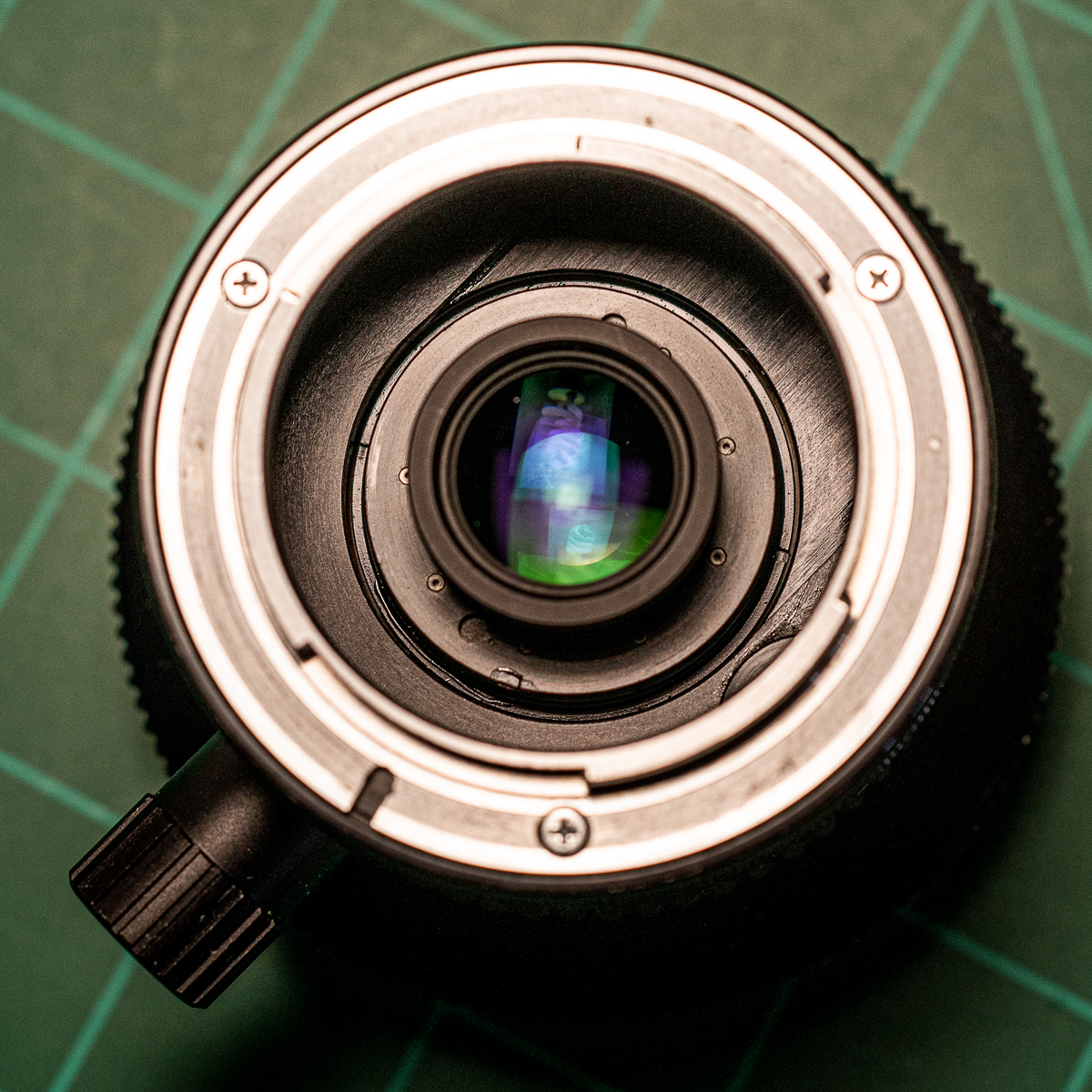
Here is a shot of my 28mm f/3.5 PC
I couldn't get my calipers completely in without disassembly but measured my spanner and it is approx 31mm. It is quite deep from the flange of the F mount ring - 27mm
George
Do you have a Nikon PC-Nikkor 28mm f/3.5?
If so, can you do me a favour and take a well-lit picture of the inside from the mount side?
This is the kind of picture I need. The lens in this picture is the PC-Nikkor 35mm f/3.5. I would like to know if the locking ring that you can see in this picture (see red arrow) is also used on the more recent PC-Nikkor 28mm f/3.5.
https://i.ibb.co/Xk6DdkZ/Lens-rear.jpg
And for extra thanks, if you can give me the diameter of the locking ring (if it's present), that would be terrific.
If the same design...Show more →
Rob,
Here is a shot of my 28mm f/3.5 PC
I couldn't get my calipers completely in without disassembly but measured my spanner and it is approx 31mm. It is quite deep from the flange of the F mount ring - 27mm
George
Apr 02, 2020 at 10:03 AM
p.1 #3Nikon PC-Nikkor 28mm f/3.5 shift lens question
gbohannon wrote:
Rob,
Here is a shot of my 28mm f/3.5 PC
I couldn't get my calipers completely in without disassembly but measured my spanner and it is approx 31mm. It is quite deep from the flange of the F mount ring - 27mm
George
George, you're the best! Thank you very much. That's perfect. I can see that they have not changed the design between the old PC 35/3.5 on Richard Haw's site and this much newer PC 28/3.5.
Yes, the ring is in there deep. I'm going to have to build some special extensions for my lens wrench so that it can reach in there to turn it. I might be able to build a pipe key if I can find a pipe with diameter roughly 31mm. Now I have some lead time.
What's really cool about these old PC-Nikkor lenses is the optics move as a unit. In other words, the focus helical just makes the whole mass of lenses go forwards and backwards. In the PC 35/3.5 that Richard disassembled on his website, the entire optical group is held to the shift mechanism and mount by that one ring. I'm hoping it's the same on the PC 28/3.5.
The reason this is exciting for me is that by removing the shift mechanism, I might be able to mount the optics to a lens board for my crazy digital view camera. The image circle covers my GFX 50R sensor and leaves me a few mm in all directions for shifting and tilting. If the image quality passes muster, it will be nice to have something a bit wider than my current widest lens (35mm).
And if image quality doesn't cut it, well, it was still a nice distraction from thinking about pandemics.
Anyway, thanks again!
Apr 02, 2020 at 10:42 AM
p.1 #4Nikon PC-Nikkor 28mm f/3.5 shift lens question
rdeloe wrote:
Rob,
Here is a shot of my 28mm f/3.5 PC
I couldn't get my calipers completely in without disassembly but measured my spanner and it is approx 31mm. It is quite deep from the flange of the F mount ring - 27mm
George
George, you're the best! Thank you very much. That's perfect. I can see that they have not changed the design between the old PC 35/3.5 on Richard Haw's site and this much newer PC 28/3.5.
Yes, the ring is in there deep. I'm going to have to build some special extensions for my lens wrench so that it can reach in there to turn it. I might be able to build a pipe key if I can find a pipe with diameter roughly 31mm. Now I have some lead time.
What's really cool about these old PC-Nikkor lenses is the optics move as a unit. In other words, the focus helical just makes the whole mass of lenses go forwards and backwards. In the PC 35/3.5 that Richard disassembled on his website, the entire optical group is held to the shift mechanism and mount by that one ring. I'm hoping it's the same on the PC 28/3.5.
The reason this is exciting for me is that by removing the shift mechanism, I might be able to mount the optics to a lens board for my crazy digital view camera. The image circle covers my GFX 50R sensor and leaves me a few mm in all directions for shifting and tilting. If the image quality passes muster, it will be nice to have something a bit wider than my current widest lens (35mm).
And if image quality doesn't cut it, well, it was still a nice distraction from thinking about pandemics.
Anyway, thanks again!
You will have to keep us updated on that view camera. There are a couple of us on the Nikon Manual Focus thread that shoot 4x5. Love DIY and home built stuff
G
gbohannon wrote
Here is a shot of my 28mm f/3.5 PC
I couldn't get my calipers completely in without disassembly but measured my spanner and it is approx 31mm. It is quite deep from the flange of the F mount ring - 27mm
George
George, you're the best! Thank you very much. That's perfect. I can see that they have not changed the design between the old PC 35/3.5 on Richard Haw's site and this much newer PC 28/3.5.
Yes, the ring is in there deep. I'm going to have to build some special extensions for my lens wrench so that it can reach in there to turn it. I might be able to build a pipe key if I can find a pipe with diameter roughly 31mm. Now I have some lead time.
What's really cool about these old PC-Nikkor lenses is the optics move as a unit. In other words, the focus helical just makes the whole mass of lenses go forwards and backwards. In the PC 35/3.5 that Richard disassembled on his website, the entire optical group is held to the shift mechanism and mount by that one ring. I'm hoping it's the same on the PC 28/3.5.
The reason this is exciting for me is that by removing the shift mechanism, I might be able to mount the optics to a lens board for my crazy digital view camera. The image circle covers my GFX 50R sensor and leaves me a few mm in all directions for shifting and tilting. If the image quality passes muster, it will be nice to have something a bit wider than my current widest lens (35mm).
And if image quality doesn't cut it, well, it was still a nice distraction from thinking about pandemics.
Anyway, thanks again!
You will have to keep us updated on that view camera. There are a couple of us on the Nikon Manual Focus thread that shoot 4x5. Love DIY and home built stuff
G
Apr 02, 2020 at 11:18 AM
p.1 #5Nikon PC-Nikkor 28mm f/3.5 shift lens question
gbohannon wrote:
You will have to keep us updated on that view camera. There are a couple of us on the Nikon Manual Focus thread that shoot 4x5. Love DIY and home built stuff
G
I used to shoot 4x5 too. It's in the bones now, so I really missed having a full range of movements when I switched to digital. A friend put me onto the Toyo VX23D, and now I'm a happy camper. The VX23D is a full-fledged view camera (specs at the link).
After a few people asked for details, I put up some information and pictures on my website.
https://www.robdeloephotography.com/Pages/Toyo-VX23D-and-Fuji-GFX-50R
Out of curiosity, a few weeks ago I did the calculations to see if a Nikon Z6 or Z7 would work with this outfit. Unfortunately, Nikon went with a big, comfortable grip. That grip prevents mounting a Z6/Z7 as close to the VX23D as is ideal. Ironically, this is where the tiny little grip on the Fuji GFX 50R makes that camera ideal. It's so small that the camera can lay flat on its mount, which means it can get very close to the body of the VX23D. A Sony A7RIV would also be a good match for a VX23D -- but same problem as the Z7. The grip gets bigger and bigger with each generation.
The one full frame camera that would be ideal for this kind of setup is the Sigma FP. However, medium format (33mm x 44mm) really is the way to go if you like even moderately wide lenses. With a mirrorless camera, you need medium format lenses anyway to have any ability to shift much. On a 33mm x 44mm sensor, my 35mm Pentax-A 645 lens has a usefully-wide angle of view, whereas on a full frame sensor it's just a wide normal. Ditto this PC-Nikkor 28/3.5. If it works, it's like a 21mm on full frame in terms of angle of view when used on a GFX 50R or other 33mm x 44mm sensor. That's hardly "ultra-wide" by today's standards, but it's very wide for me.
Of course if you have the money for a medium format back, then there are all kinds of excellent wide angle lenses you can use with digital view cameras and technical cameras. But I don't have the budget for that approach.
Anyway, I'll post an update here to close the circle on this thread. Fingers crossed that it works.
Apr 02, 2020 at 11:55 AM
p.1 #6Nikon PC-Nikkor 28mm f/3.5 shift lens question
rdeloe wrote:
GI used to shoot 4x5 too. It's in the bones now, so I really missed having a full range of movements when I switched to digital. A friend put me onto the Toyo VX23D, and now I'm a happy camper. The VX23D is a full-fledged view camera (specs at the link).
After a few people asked for details, I put up some information and pictures on my website.
https://www.robdeloephotography.com/Pages/Toyo-VX23D-and-Fuji-GFX-50R
Out of curiosity, a few weeks ago I did the calculations to see if a Nikon Z6 or Z7 would work with this outfit. Unfortunately, Nikon went with a big, comfortable grip. That...Show more →
Yeah the grip is definitely in the way on the Z cameras for better utilization in that application. Can't have it all I guess
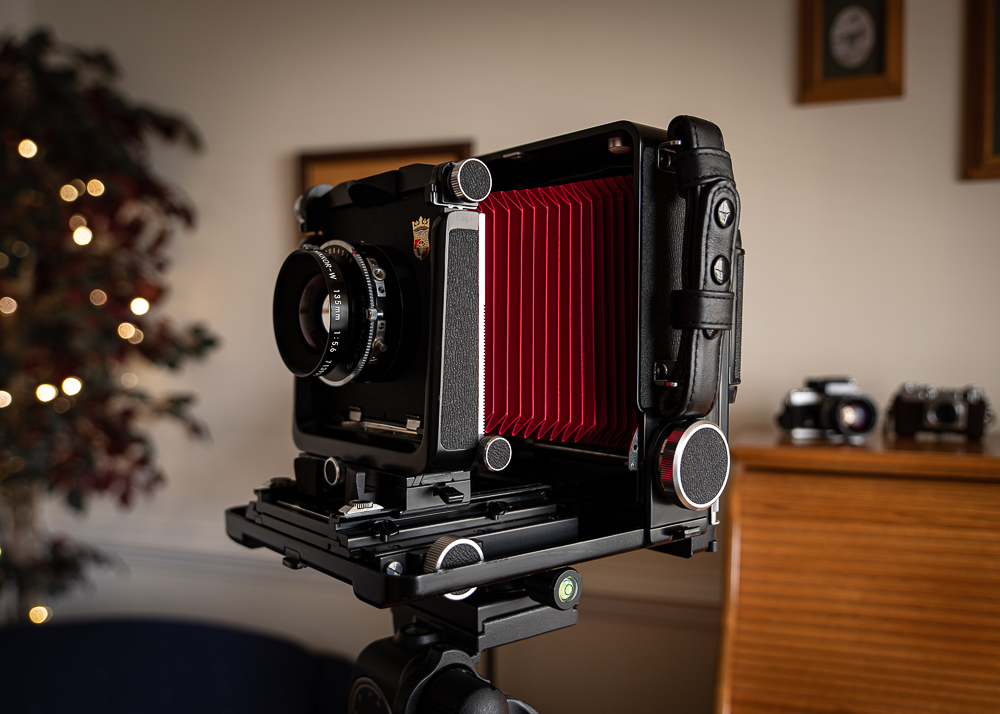
I have the Fotodiox Z to Graflok 4x5 adapter to use on my Wista VX. You have to take multiple shots as you shift the back, but is fun to use. 135mm lens on the Wista is about as wide as you can go and achieve infinity focus and still allow some movement of the lens in this setup.
http://fotodioxpro.com/collections/lens-mount-adapters/products/4x5-nkz-p
Fotodiox also have one for the Fuji GFX.
Below a shot of the set up and one shot with it.
Had to throw in a shot of the Wista I recently got and cleaned up. Put new bellows on too.
George


Six image stitch
gbohannon wrote
You will have to keep us updated on that view camera. There are a couple of us on the Nikon Manual Focus thread that shoot 4x5. Love DIY and home built stuffG
After a few people asked for details, I put up some information and pictures on my website.
https://www.robdeloephotography.com/Pages/Toyo-VX23D-and-Fuji-GFX-50R
Out of curiosity, a few weeks ago I did the calculations to see if a Nikon Z6 or Z7 would work with this outfit. Unfortunately, Nikon went with a big, comfortable grip. That...Show more →
Yeah the grip is definitely in the way on the Z cameras for better utilization in that application. Can't have it all I guess
I have the Fotodiox Z to Graflok 4x5 adapter to use on my Wista VX. You have to take multiple shots as you shift the back, but is fun to use. 135mm lens on the Wista is about as wide as you can go and achieve infinity focus and still allow some movement of the lens in this setup.
http://fotodioxpro.com/collections/lens-mount-adapters/products/4x5-nkz-p
Fotodiox also have one for the Fuji GFX.
Below a shot of the set up and one shot with it.
Had to throw in a shot of the Wista I recently got and cleaned up.
Put new bellows on too.George
Six image stitch
Apr 02, 2020 at 12:25 PM
p.1 #7Nikon PC-Nikkor 28mm f/3.5 shift lens question
Very nice! I had exactly that camera (sold it last year). It looks very sharp with the red bellows.
If you ever need to adjust the rear standard back to 90 degrees, I had to do that and posted detailed instructions over at the LargeFormatPhotography forum: https://www.largeformatphotography.info/forum/showthread.php?150387-Wista-45-90-degree-adjustment
If you ever need to adjust the rear standard back to 90 degrees, I had to do that and posted detailed instructions over at the LargeFormatPhotography forum: https://www.largeformatphotography.info/forum/showthread.php?150387-Wista-45-90-degree-adjustment
Apr 02, 2020 at 12:59 PM
p.1 #8Nikon PC-Nikkor 28mm f/3.5 shift lens question
You might want to consider Samyang's 24/3.5 as well. It's a very simple thing to remove the bellows and print a ring to hold the aperture ring in place. Then it's just four small screw holes in your mounting plate to attach it. I did this with a Cambo copal 0 plate and it worked quite well. You still focus with the lens' helicoid, which keeps the FLE in play.
Apr 03, 2020 at 02:05 PM
p.1 #9Nikon PC-Nikkor 28mm f/3.5 shift lens question
freaklikeme wrote:
You might want to consider Samyang's 24/3.5 as well. It's a very simple thing to remove the bellows and print a ring to hold the aperture ring in place. Then it's just four small screw holes in your mounting plate to attach it. I did this with a Cambo copal 0 plate and it worked quite well. You still focus with the lens' helicoid, which keeps the FLE in play.
Thanks for the feedback. Apparently this lens is the basis for the Cambo Actar 24mm f/3.5, which costs triple the Samyang/Rokinon/Bower. I read the disassembly post over at Roger's LensRentals blog and came to exactly the same conclusion: it would be relatively straightforward to put a disassembled Samyang onto a recessed board, or even a flat board depending on how far back I took the disassembly.
I didn't go this route for two reasons. First, 24mm on a GFX is really wide (for me) -- much wider than I like to be honest. Second, I've read so many negative reviews of the Samyang 24/3.5. It sounds like yours is working out though. Are you happy with the image quality?
Apr 03, 2020 at 03:38 PM
p.1 #10Nikon PC-Nikkor 28mm f/3.5 shift lens question
rdeloe wrote:
Thanks for the feedback. Apparently this lens is the basis for the Cambo Actar 24mm f/3.5, which costs triple the Samyang/Rokinon/Bower. I read the disassembly post over at Roger's LensRentals blog and came to exactly the same conclusion: it would be relatively straightforward to put a disassembled Samyang onto a recessed board, or even a flat board depending on how far back I took the disassembly.
I didn't go this route for two reasons. First, 24mm on a GFX is really wide (for me) -- much wider than I like to be honest. Second, I've read so many negative reviews...Show more →
I was about as happy with it as I was the Nikon PC 28/3.5, though I never removed the bellows and mounted the Nikon this way. The Samyang is so much like the original Canon TSE 24/3.5. It's decently sharp in the center wide open, so it's easy to use it with tilt and swing, but needs to be stopped down to f/8 minimum for any shift, rise, or fall. I sold off the Actus, though, so these days I just pano it out. I do still have my Toyo 23 and an APO 55 Grandagon, but if I ever decide to use them, it will be with film. More likely I'll end up selling them. I believe my days of exploration are now limited to, "Oh, there's a cheap Chinese lens that looks interesting." Otherwise, I'm trying to keep things simple.
freaklikeme wrote
You might want to consider Samyang's 24/3.5 as well. It's a very simple thing to remove the bellows and print a ring to hold the aperture ring in place. Then it's just four small screw holes in your mounting plate to attach it. I did this with a Cambo copal 0 plate and it worked quite well. You still focus with the lens' helicoid, which keeps the FLE in play.I didn't go this route for two reasons. First, 24mm on a GFX is really wide (for me) -- much wider than I like to be honest. Second, I've read so many negative reviews...Show more →
I was about as happy with it as I was the Nikon PC 28/3.5, though I never removed the bellows and mounted the Nikon this way. The Samyang is so much like the original Canon TSE 24/3.5. It's decently sharp in the center wide open, so it's easy to use it with tilt and swing, but needs to be stopped down to f/8 minimum for any shift, rise, or fall. I sold off the Actus, though, so these days I just pano it out. I do still have my Toyo 23 and an APO 55 Grandagon, but if I ever decide to use them, it will be with film. More likely I'll end up selling them. I believe my days of exploration are now limited to, "Oh, there's a cheap Chinese lens that looks interesting." Otherwise, I'm trying to keep things simple.
Apr 03, 2020 at 06:25 PM
p.1 #11Nikon PC-Nikkor 28mm f/3.5 shift lens question
freaklikeme wrote:
I was about as happy with it as I was the Nikon PC 28/3.5, though I never removed the bellows and mounted the Nikon this way. The Samyang is so much like the original Canon TSE 24/3.5. It's decently sharp in the center wide open, so it's easy to use it with tilt and swing, but needs to be stopped down to f/8 minimum for any shift, rise, or fall. I sold off the Actus, though, so these days I just pano it out. I do still have my Toyo 23 and an APO 55 Grandagon, but if I ever...Show more →
It's nice to have options. Fingers crossed the PC-Nikkor 28/3.5 is a good performer. And it's nice to know there's a potential wider option.
Enjoy those Chinese lenses. More and more are coming down the pike.
Apr 03, 2020 at 07:09 PM
p.1 #12Nikon PC-Nikkor 28mm f/3.5 shift lens question
freaklikeme wrote:
I believe my days of exploration are now limited to, "Oh, there's a cheap Chinese lens that looks interesting." Otherwise, I'm trying to keep things simple.
How the mighty fall, eh? <sigh>
Truth be told, I'm increasingly feeling the same way myself and focusing on ways to squeeze the money out of my photography hobby without significantly affecting the versatility of my gear or its image quality.
My days of solving problems by simply throwing money at them are over!
Apr 03, 2020 at 07:30 PM
p.1 #13Nikon PC-Nikkor 28mm f/3.5 shift lens question
Audii-Dudii wrote:
How the mighty fall, eh? <sigh>
Truth be told, I'm increasingly feeling the same way myself and focusing on ways to squeeze the money out of my photography hobby without significantly affecting the versatility of my gear or its image quality.
My days of solving problems by simply throwing money at them are over!
For me, it was mostly about exploring aspects of photography that were too expensive (4x5 film) for me when I was young, and then seeing how the experience translated with digital when decent medium format backs dropped to a decent price range. It was all great fun, but, with the amount of time I actually have to shoot now, it was time to narrow my focus to one format and simpler method of achieving the shots I want.
freaklikeme wrote
I believe my days of exploration are now limited to, "Oh, there's a cheap Chinese lens that looks interesting." Otherwise, I'm trying to keep things simple.Truth be told, I'm increasingly feeling the same way myself and focusing on ways to squeeze the money out of my photography hobby without significantly affecting the versatility of my gear or its image quality.
My days of solving problems by simply throwing money at them are over!
For me, it was mostly about exploring aspects of photography that were too expensive (4x5 film) for me when I was young, and then seeing how the experience translated with digital when decent medium format backs dropped to a decent price range. It was all great fun, but, with the amount of time I actually have to shoot now, it was time to narrow my focus to one format and simpler method of achieving the shots I want.
Apr 03, 2020 at 08:23 PM
p.1 #14Nikon PC-Nikkor 28mm f/3.5 shift lens question
The PC-Nikkor 28mm f/3.5 I bought arrived earlier this week and I've had a chance to use it quite extensively.
I'm very pleasantly surprised by how well this lens does on a GFX sensor. It covers the sensor with room to spare. Shifts of 5mm are reliably good, and larger shifts are possible depending on the scenario. It's nice and sharp and the colours are lovely. Its only weaknesses is it's crap (or my copy is anyway) on flat subjects at the minimum focus distance of 30 cm. By 1 metre it's terrific. Don't buy it to make copies of your paintings. But for many other types of photography it's really nice.
I posted a detailed review over here: https://www.dpreview.com/forums/thread/4482425
My plan for mounting the lens on my Toyo VX23D was to remove the shift mechanism (which is why in the original post I asked for pictures of the retaining ring). George kindly supplied a picture, and noted the space is tight. Well, the space is really tight. I couldn't loosen it with my lens wrench. I'd have to build a pipe key to get the ring loose. Fortunately, that isn't necessary. I was able to mount the whole lens to a flat Toyo-sized board by passing it through the hole in the board. It's not pretty, but it works.
Thanks again to everyone who posted on this thread, especially George for sharing that picture.
I'm very pleasantly surprised by how well this lens does on a GFX sensor. It covers the sensor with room to spare. Shifts of 5mm are reliably good, and larger shifts are possible depending on the scenario. It's nice and sharp and the colours are lovely. Its only weaknesses is it's crap (or my copy is anyway) on flat subjects at the minimum focus distance of 30 cm. By 1 metre it's terrific. Don't buy it to make copies of your paintings.
But for many other types of photography it's really nice.I posted a detailed review over here: https://www.dpreview.com/forums/thread/4482425
My plan for mounting the lens on my Toyo VX23D was to remove the shift mechanism (which is why in the original post I asked for pictures of the retaining ring). George kindly supplied a picture, and noted the space is tight. Well, the space is really tight. I couldn't loosen it with my lens wrench. I'd have to build a pipe key to get the ring loose. Fortunately, that isn't necessary. I was able to mount the whole lens to a flat Toyo-sized board by passing it through the hole in the board. It's not pretty, but it works.
Thanks again to everyone who posted on this thread, especially George for sharing that picture.
Apr 18, 2020 at 08:29 AM
p.1 #15Nikon PC-Nikkor 28mm f/3.5 shift lens question
rdeloe wrote:
The PC-Nikkor 28mm f/3.5 I bought arrived earlier this week and I've had a chance to use it quite extensively.
I'm very pleasantly surprised by how well this lens does on a GFX sensor. It covers the sensor with room to spare. Shifts of 5mm are reliably good, and larger shifts are possible depending on the scenario. It's nice and sharp and the colours are lovely. Its only weaknesses is it's crap (or my copy is anyway) on flat subjects at the minimum focus distance of 30 cm. By 1 metre it's terrific. Don't buy it to make copies of...Show more →
Rob - per our PM message here is mine at minimum focus.
D850 @ ISO64. Center is good, bad as it gets to the edges. In camera JPG files, resized for posting.
George
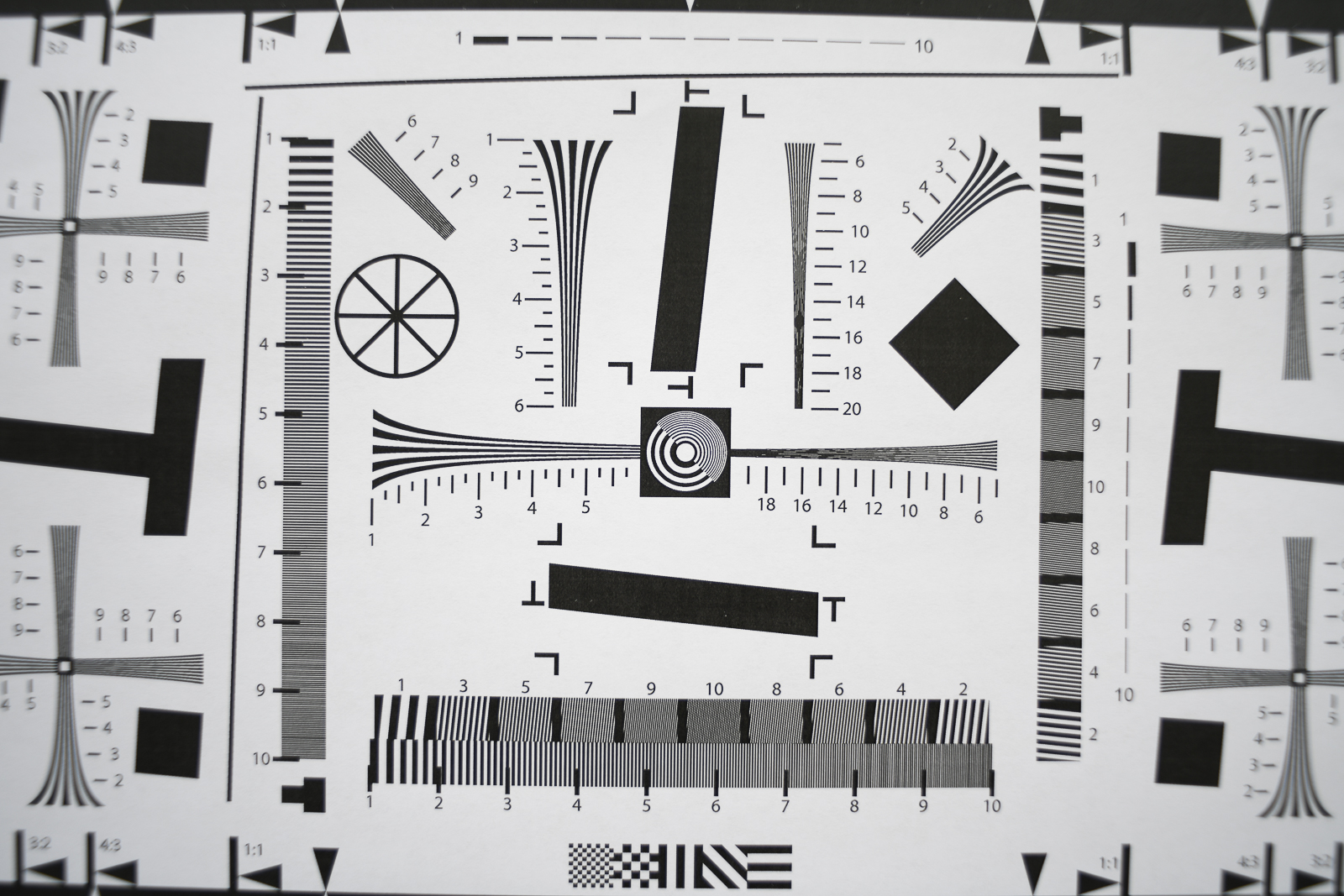
f/3.5
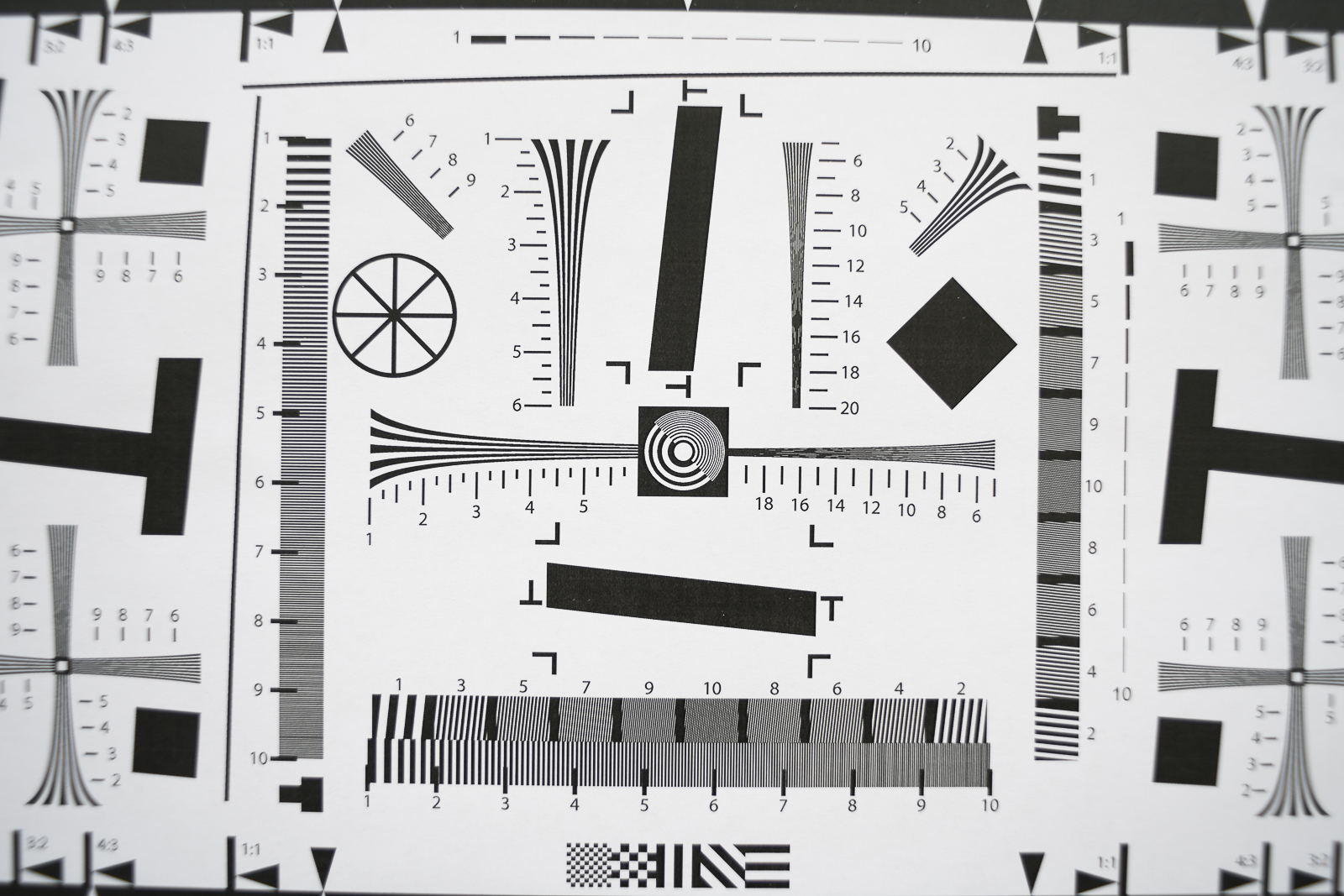
f/4
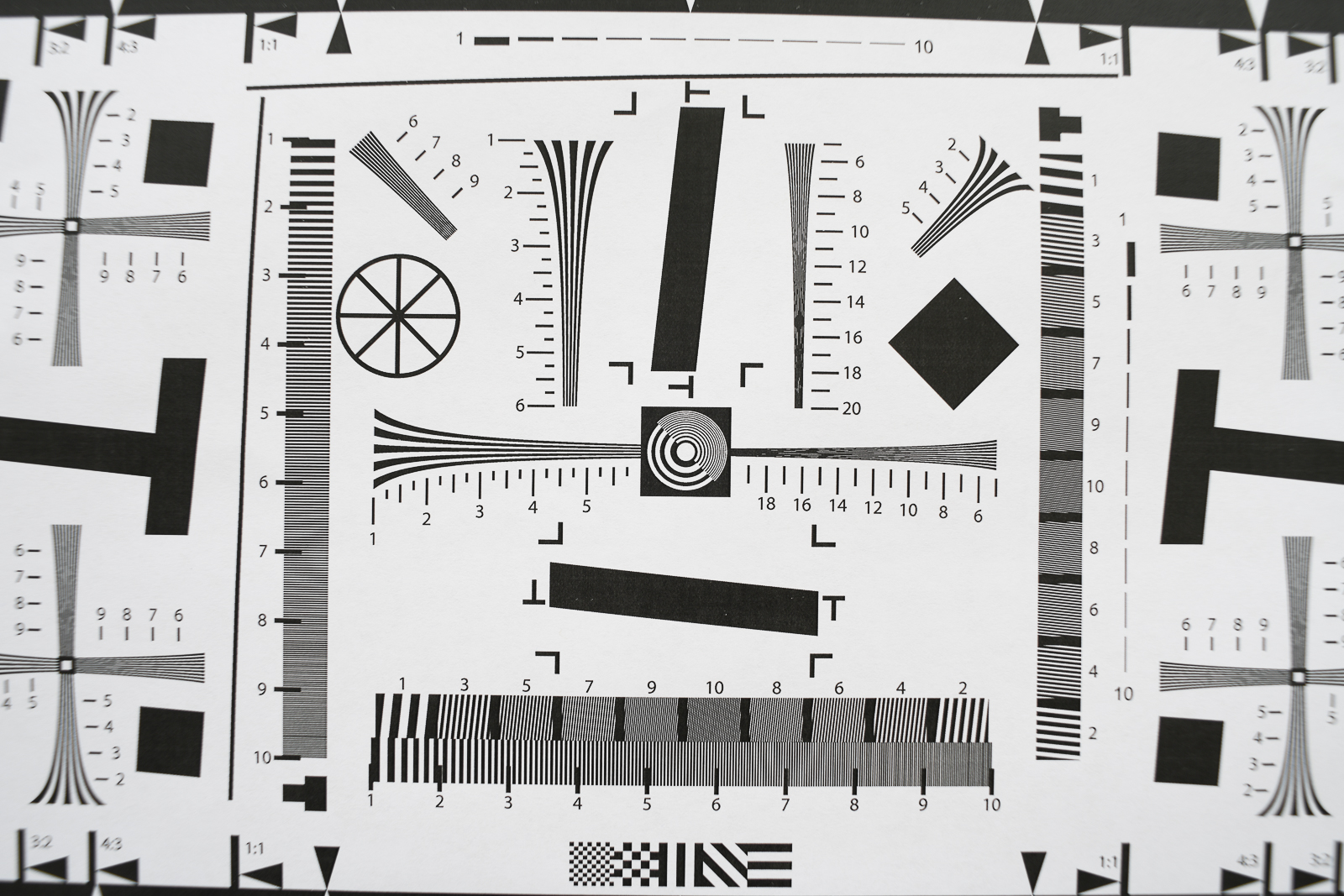
f/5.6
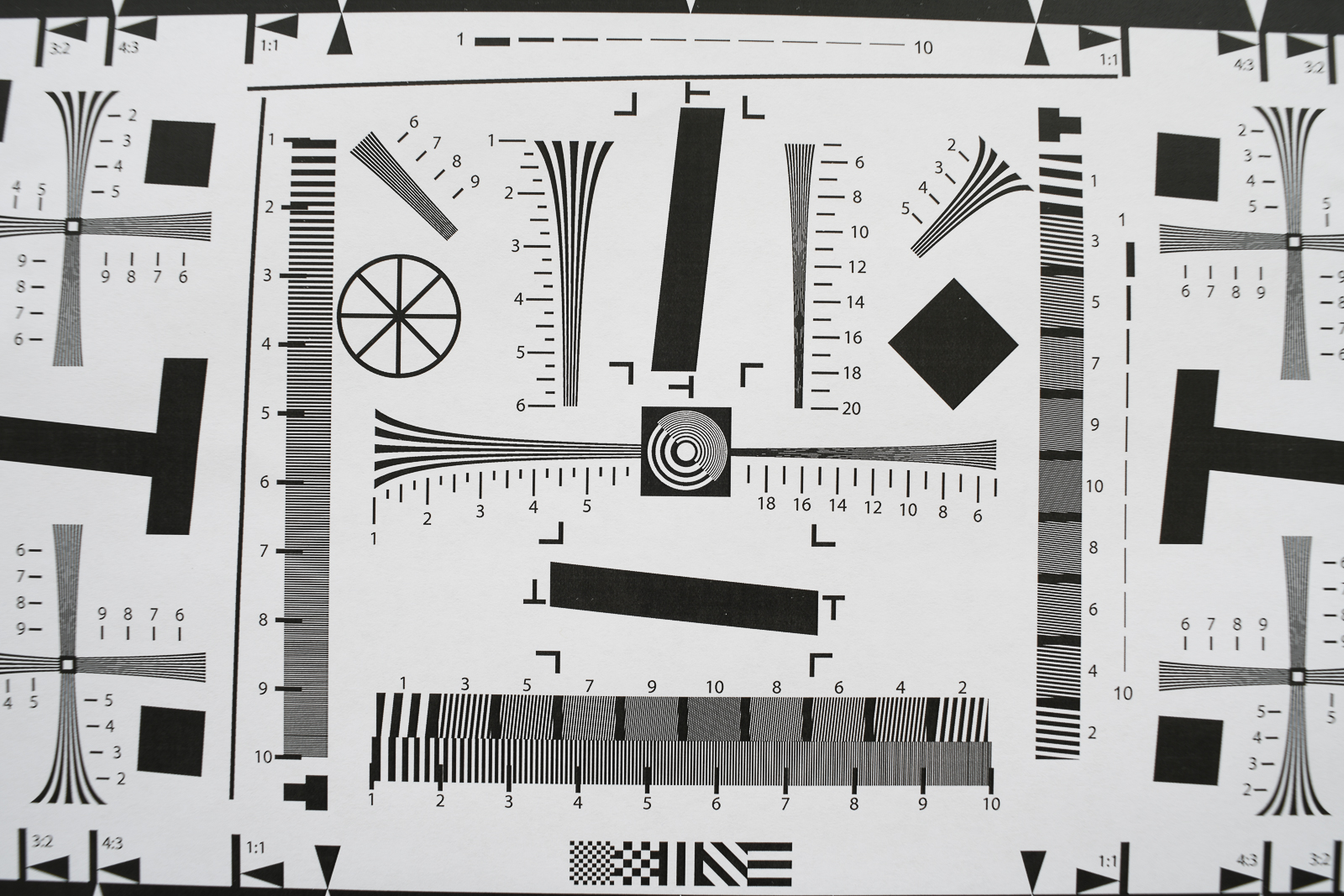
f/8
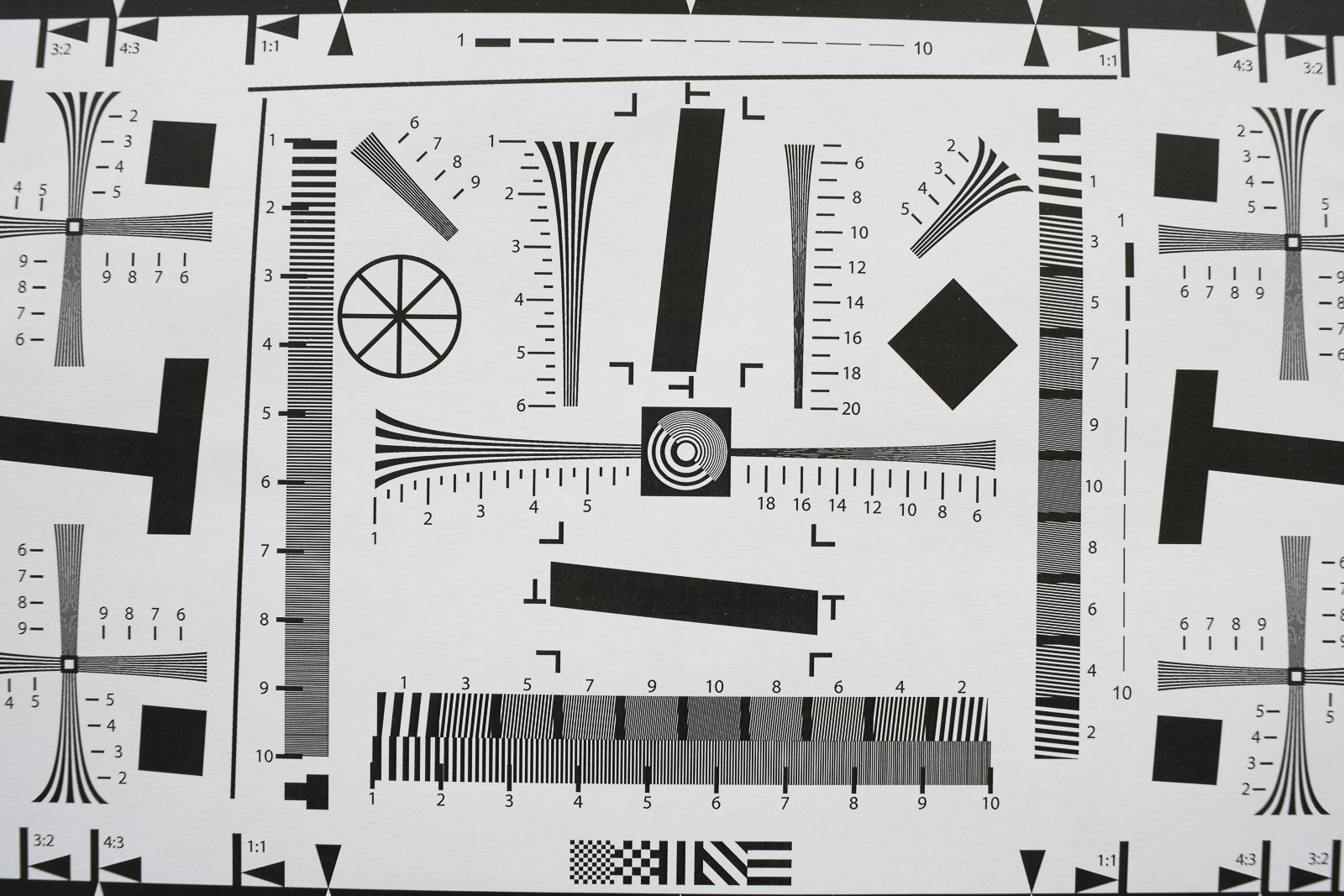
f/11

f/16

f/22
The PC-Nikkor 28mm f/3.5 I bought arrived earlier this week and I've had a chance to use it quite extensively.
I'm very pleasantly surprised by how well this lens does on a GFX sensor. It covers the sensor with room to spare. Shifts of 5mm are reliably good, and larger shifts are possible depending on the scenario. It's nice and sharp and the colours are lovely. Its only weaknesses is it's crap (or my copy is anyway) on flat subjects at the minimum focus distance of 30 cm. By 1 metre it's terrific. Don't buy it to make copies of...Show more →
Rob - per our PM message here is mine at minimum focus.
D850 @ ISO64. Center is good, bad as it gets to the edges. In camera JPG files, resized for posting.
George
f/3.5
f/4
f/5.6
f/8
f/11
f/16
f/22
Apr 19, 2020 at 12:13 PM
p.1 #16Nikon PC-Nikkor 28mm f/3.5 shift lens question
gbohannon wrote:
Rob - per our PM message here is mine at minimum focus.
D850 @ ISO64. Center is good, bad as it gets to the edges. In camera JPG files, resized for posting.
George
Fantastic, thanks George.
Those results on your D850 correspond generally to what I'm seeing on my GFX 50R. Mine are even worse because I'm going even further into the corners.
The good news is my copy is not defective!
The bad news is I'm right about close focus performance with this lens: don't buy it to use at the minimum focus distance... It lacks the close focusing elements needed to keep the corners good at minimum focus distance.
I expect that Nikon figured the target audience -- architectural photographers -- wouldn't ever shoot it that close so they didn't sweat performance at 30 cm. Where it should be good, it is.
Cheers, Rob
Apr 19, 2020 at 01:27 PM
p.1 #17Nikon PC-Nikkor 28mm f/3.5 shift lens question
Hi Rob,
My copy, purchased back in the late 80s for architectural work, was awful at longer distances shooting on FE2 camera. It had severe pincushion that was noticeable from around 6' to infinity. Very hard to correct back then in the lab. As soon as the Canon 24 TSE came out, I jumped on that and never looked back.
Also of note: I bought the Nikon 35 PC (latest black elevation screw) and found it awful too for architecture. Fortunately, I was able to clean it up enough in LR, but it was never "good". f
Completely different story with the newer 45 PC-E -- wonderful lens with great color and low distortion. One of the main reasons I have the Commlite Pro AF adapter is to use it on Sony FF.
I've not found any PC lenses to rival the Canon 17 TSE and 24 TSE II. Perhaps the Nikon 24 and recent 19, but those are so pricey, I don't see how then can compete and produce better images than the Canon line of TSE lenses.
Glad you are having fun and getting acceptable results. Looking forward to some real life images.
Apr 19, 2020 at 02:19 PM
p.1 #18Nikon PC-Nikkor 28mm f/3.5 shift lens question
Gunzorro wrote:
Hi Rob,
My copy, purchased back in the late 80s for architectural work, was awful at longer distances shooting on FE2 camera. It had severe pincushion that was noticeable from around 6' to infinity. Very hard to correct back then in the lab. As soon as the Canon 24 TSE came out, I jumped on that and never looked back.
Also of note: I bought the Nikon 35 PC (latest black elevation screw) and found it awful too for architecture. Fortunately, I was able to clean it up enough in LR, but it was never "good". f
Completely different story with the...Show more →
I'm always amazed at how people can have such different experiences with the same lens. Over at DPReview, on the post I made about this lens, I heard from a fellow who is getting great results with his Olympus OM 35mm f/2.8 shift lens. I owned two of those things and they were both terrible!
I wouldn't dare compare my humble PC-Nikkor 28/3.5 to modern Canon and Nikon TSE lenses! And yet, I can make it do nice things on my GFX 50R if I respect its limitations.
I was out today checking out shift performance at mid-distances, so this isn't a piece of great art! It's a scene I've used lots of times for this kind of purpose so I know what to look for. This picture used the PC-Nikkor 28/3.5. It's f/16 and I applied 5mm of rise. Distance to subject is around 8.25 metres. I used Adobe's Flat Field Correction tool to tidy up the light falloff and minor colour shift, and I tweaked the image a bit for appearance. One thing I didn't do is correct for distortion. This is how it came out of the camera.
https://i.ibb.co/RQk70Xq/Front-door-Basilica-of-Our-Lady-Guelph-ON.jpg
Here's what the detail of the mosaic above the door looks like (100% crop)
https://i.ibb.co/h1NW0vh/Lamb-details.jpg
Cheers, Rob
Edited on Apr 19, 2020 at 04:42 PM · View previous versions
Hi Rob,
My copy, purchased back in the late 80s for architectural work, was awful at longer distances shooting on FE2 camera. It had severe pincushion that was noticeable from around 6' to infinity. Very hard to correct back then in the lab. As soon as the Canon 24 TSE came out, I jumped on that and never looked back.
Also of note: I bought the Nikon 35 PC (latest black elevation screw) and found it awful too for architecture. Fortunately, I was able to clean it up enough in LR, but it was never "good". f
Completely different story with the...Show more →
I'm always amazed at how people can have such different experiences with the same lens. Over at DPReview, on the post I made about this lens, I heard from a fellow who is getting great results with his Olympus OM 35mm f/2.8 shift lens. I owned two of those things and they were both terrible!
I wouldn't dare compare my humble PC-Nikkor 28/3.5 to modern Canon and Nikon TSE lenses! And yet, I can make it do nice things on my GFX 50R if I respect its limitations.
I was out today checking out shift performance at mid-distances, so this isn't a piece of great art!
It's a scene I've used lots of times for this kind of purpose so I know what to look for. This picture used the PC-Nikkor 28/3.5. It's f/16 and I applied 5mm of rise. Distance to subject is around 8.25 metres. I used Adobe's Flat Field Correction tool to tidy up the light falloff and minor colour shift, and I tweaked the image a bit for appearance. One thing I didn't do is correct for distortion. This is how it came out of the camera. https://i.ibb.co/RQk70Xq/Front-door-Basilica-of-Our-Lady-Guelph-ON.jpg
Here's what the detail of the mosaic above the door looks like (100% crop)
https://i.ibb.co/h1NW0vh/Lamb-details.jpg
Cheers, Rob
Edited on Apr 19, 2020 at 04:42 PM · View previous versions
Apr 19, 2020 at 02:55 PM
p.1 #19Nikon PC-Nikkor 28mm f/3.5 shift lens question
The lens does have limitations and one needs to stay within those. But otherwise its a very dependable and relatively light architecture lens at a fraction of the cost of the current PC-E or TS lenses. One of the limitations is the top edge gets mushy and a bit distorted, especially when shifting. The 24 PC-E is superb and doesn't have that top edge distortion, but then its a lot bulkier and heavy.
Apr 19, 2020 at 03:30 PM
p.1 #20Nikon PC-Nikkor 28mm f/3.5 shift lens question
I think I'm more forgiving of flawed things than most people.
Were I a working pro who shot architecture, I would have moved on from this lens too because it has some limitations that would be challenging when time is money. However, in the photography I do for work and myself, I have the time to work around the limitations of the tools.
This lens is far from perfect, but on my GFX-based digital view camera, there really aren't any other choices I can see (and afford!) at this focal length. Yes, I could use Canon TS-E lenses with adapters, but then I can't get all the movements I have on my Toyo VX23D outfit.
Anyway, my little ugly duckling of a lens will serve me well!
Cheers, Rob
Apr 19, 2020 at 03:38 PM