Voigtlander 50mm f/2 APO-Lanthar Review
p.89 #1Voigtlander 50mm f/2 APO-Lanthar Review
DistantPlaces wrote:
https://i.imgur.com/dLH7776.jpg
Awe-inspiring image!
https://i.imgur.com/dLH7776.jpg
Awe-inspiring image!
Jul 15, 2023 at 02:38 PM
p.89 #2Voigtlander 50mm f/2 APO-Lanthar Review
OdS
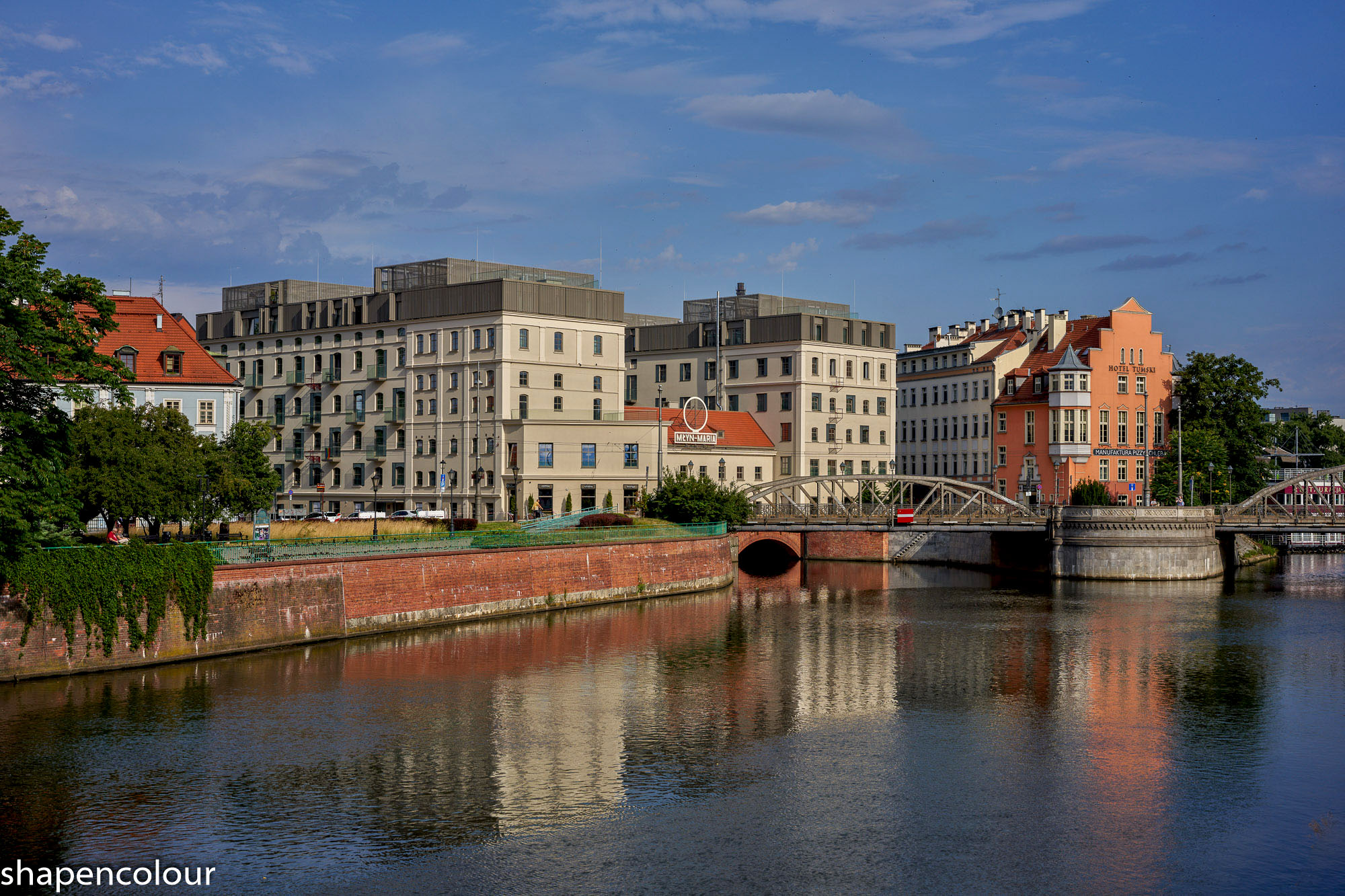
ILCE-7RM4A Voigtländer 50mm F/2 Apo-Lanthar (Sony E) lens 50mm f/8.0 1/400s 100 ISO 0.0 EV
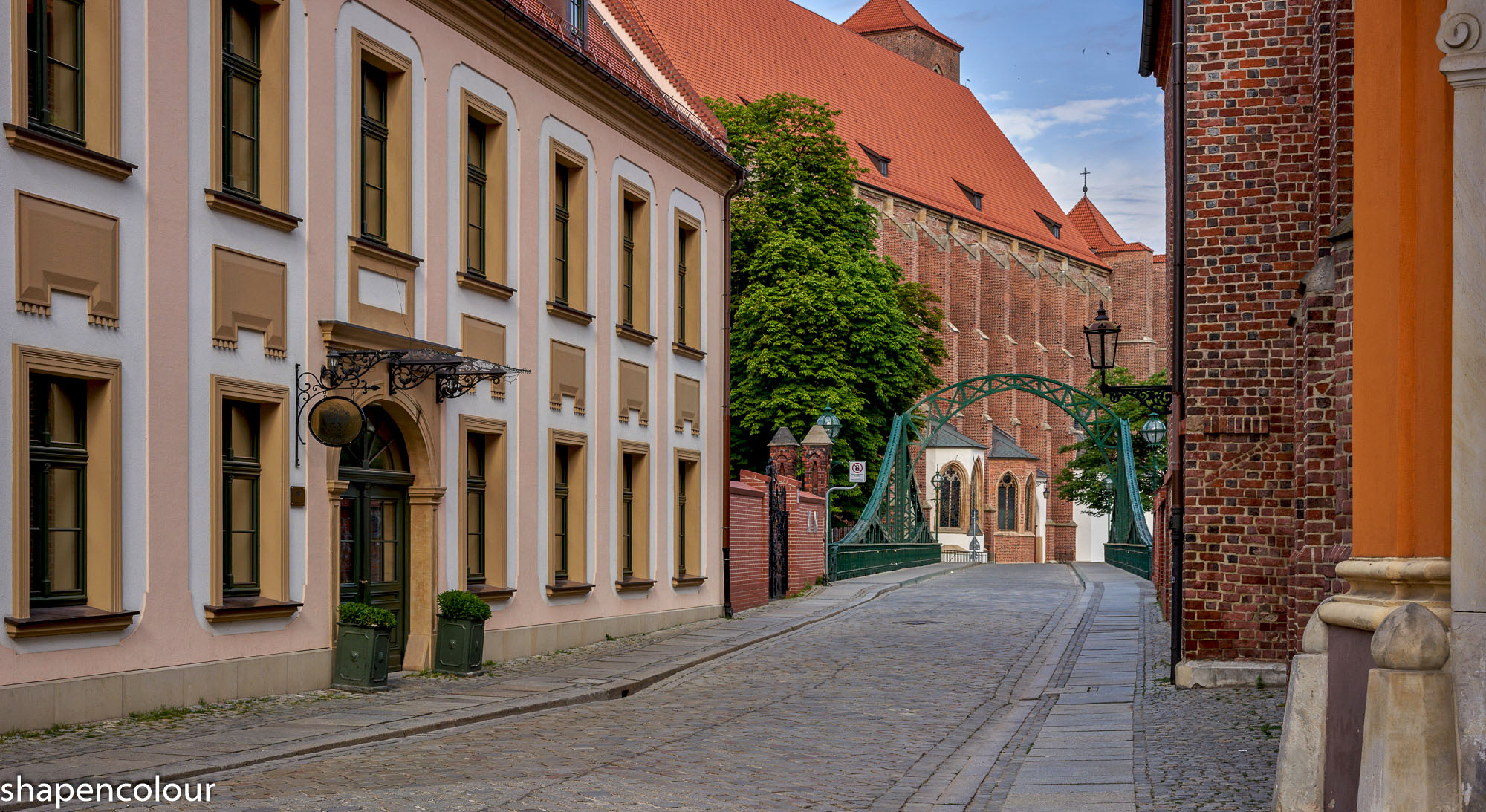
ILCE-7RM4A Voigtländer 50mm F/2 Apo-Lanthar (Sony E) lens 50mm f/8.0 1/125s 100 ISO 0.0 EV
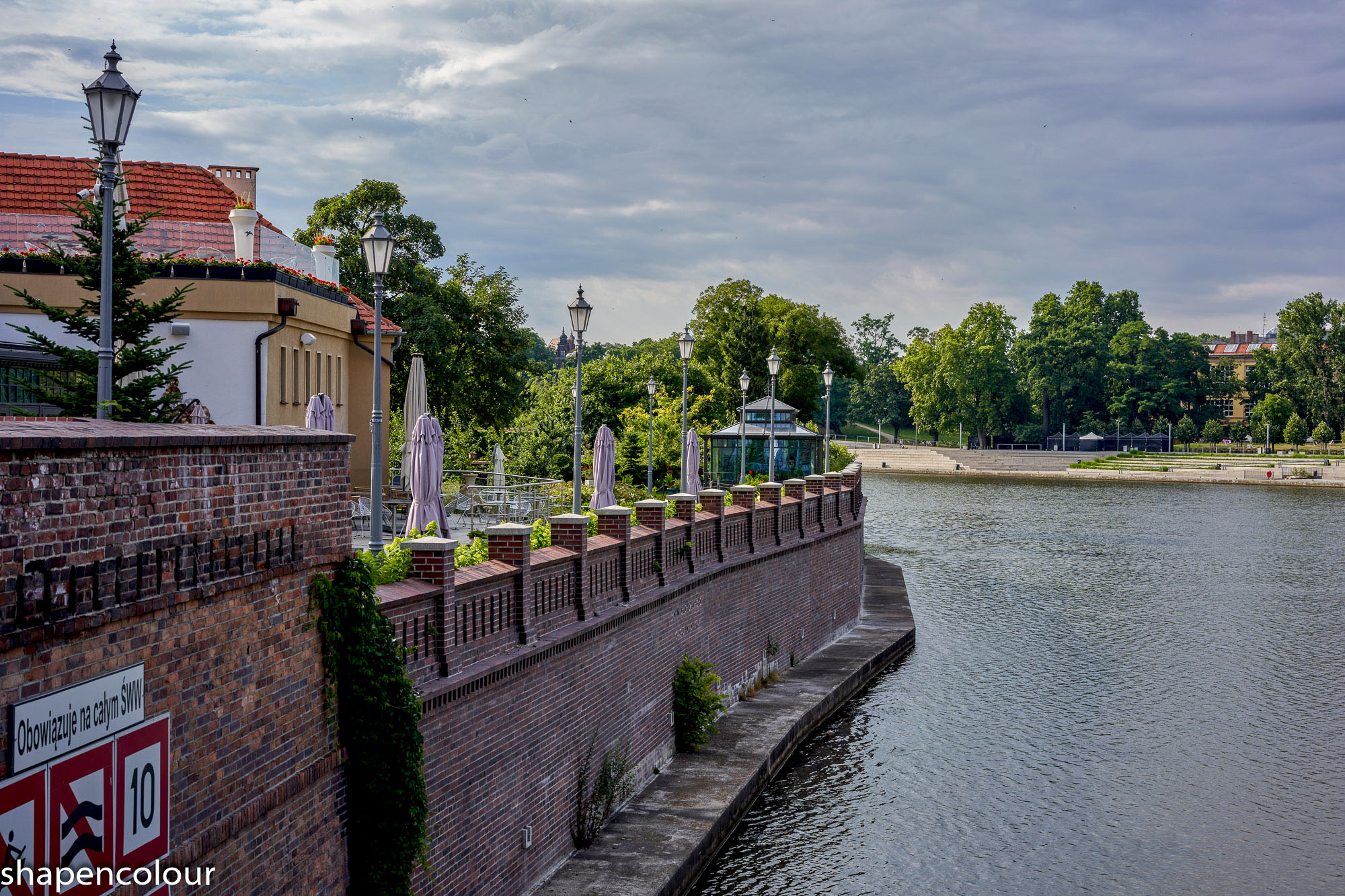
ILCE-7RM4A Voigtländer 50mm F/2 Apo-Lanthar (Sony E) lens 50mm f/8.0 1/125s 100 ISO 0.0 EV
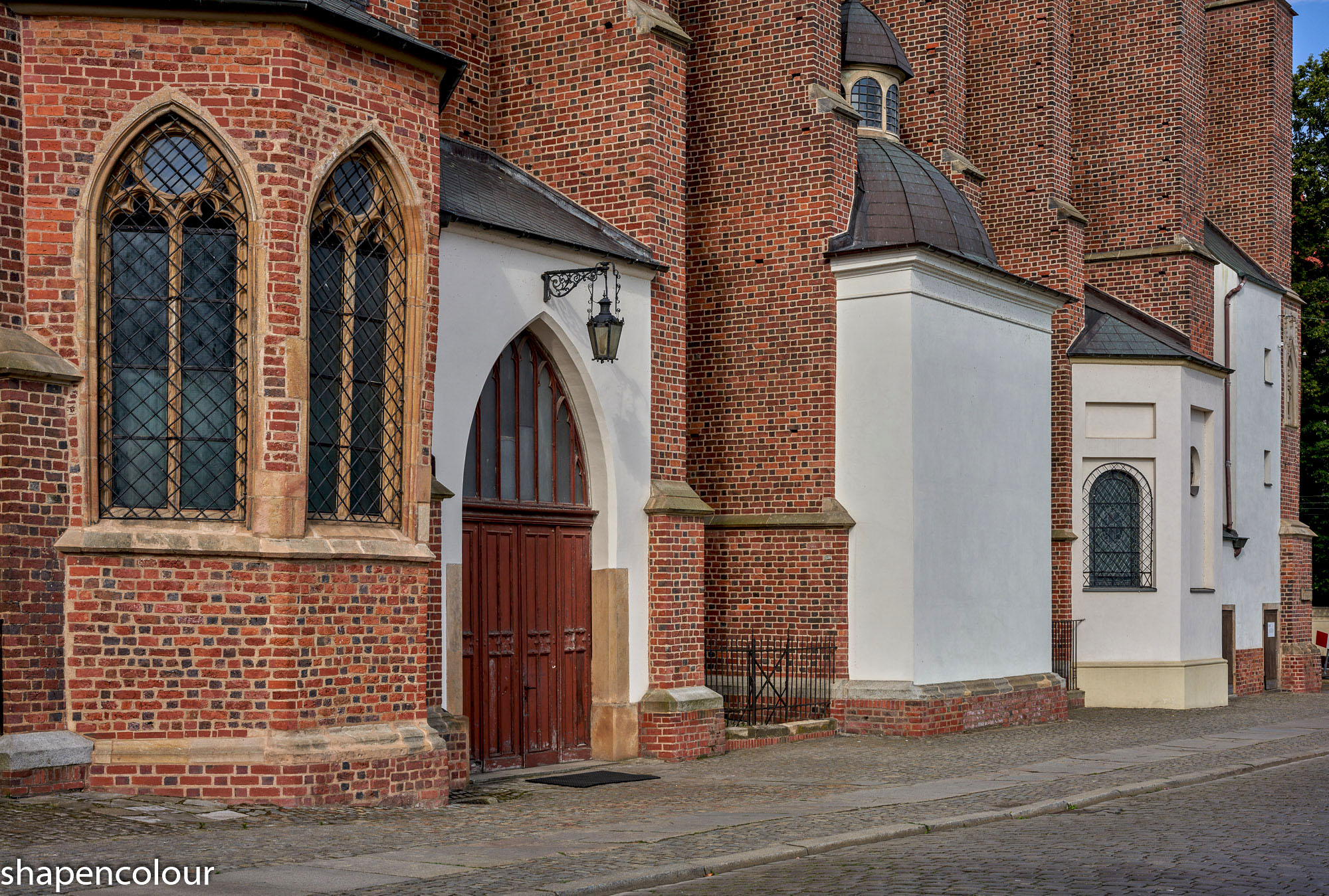
ILCE-7RM4A Voigtländer 50mm F/2 Apo-Lanthar (Sony E) lens 50mm f/8.0 1/250s 100 ISO 0.0 EV
Jul 16, 2023 at 10:00 AM
p.89 #3Voigtlander 50mm f/2 APO-Lanthar Review
I have not yet had an opportunity to get out with mine yet, but just taking shots around the house has already demonstrated the qualities of this lens. Very happy so far.
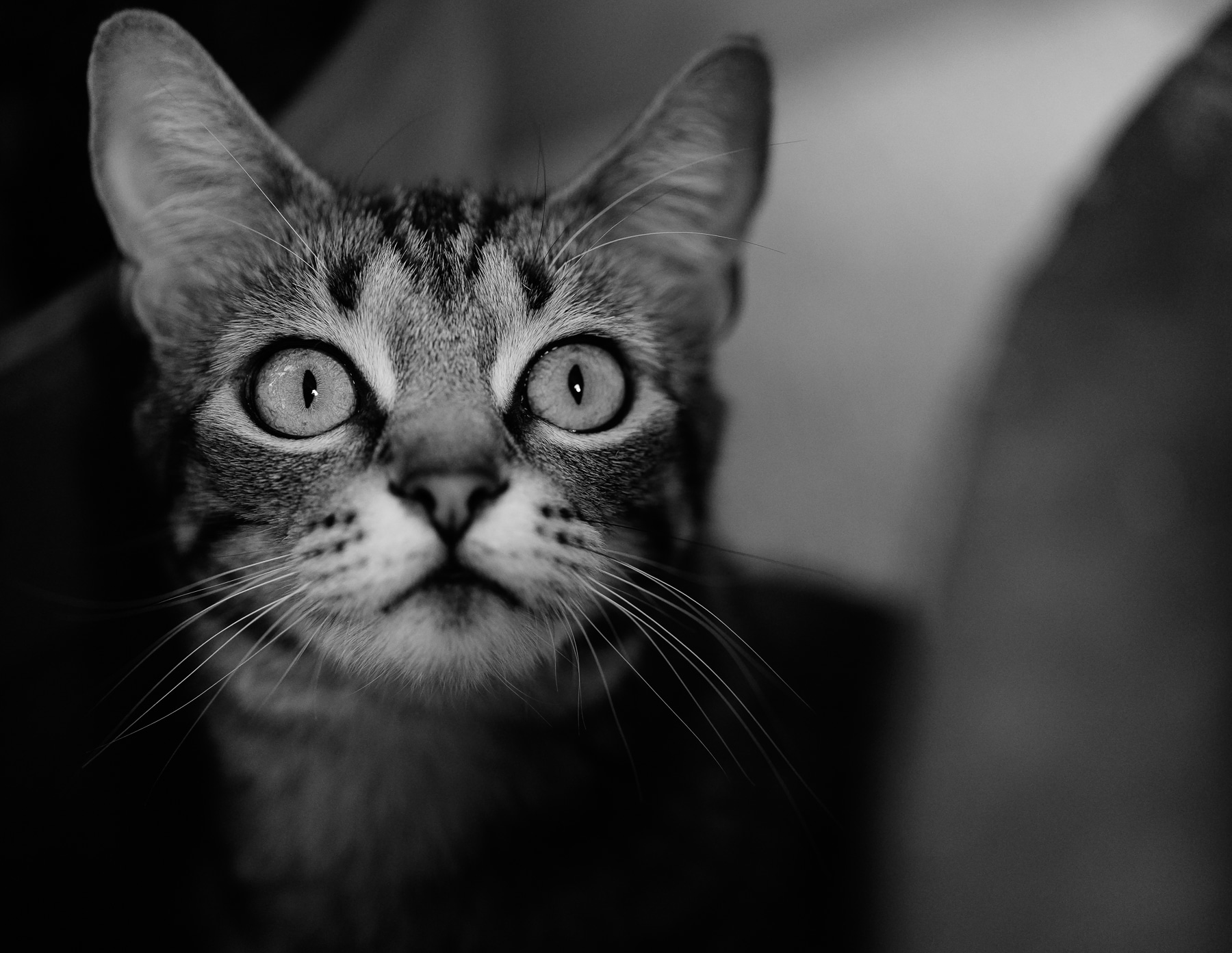
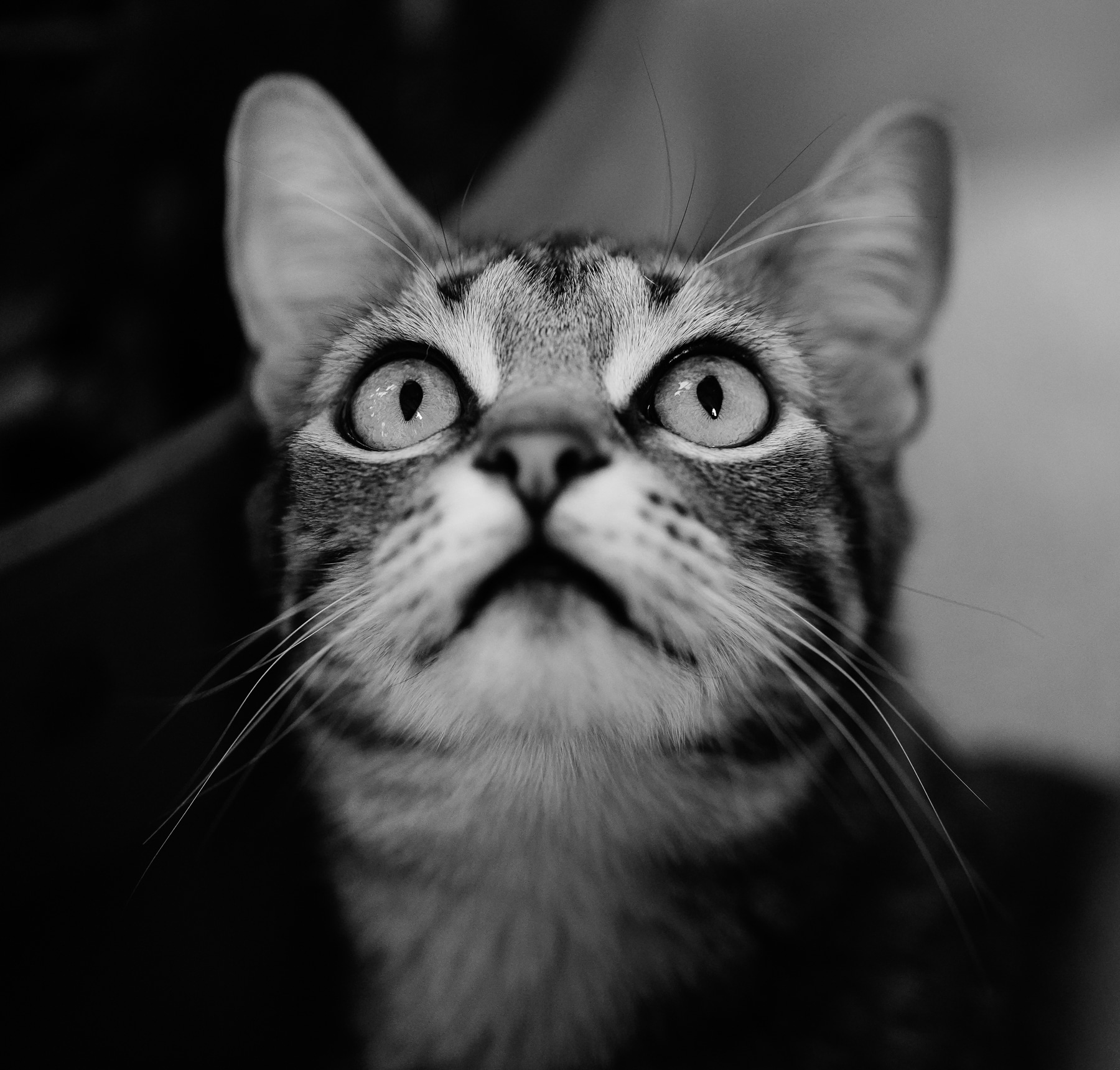
ILCE-7RM3A 50mm f/2.0 1/320s 2500 ISO 0.0 EV
ILCE-7RM3A 50mm f/2.0 1/320s 3200 ISO 0.0 EV
Jul 16, 2023 at 03:21 PM
p.89 #4Voigtlander 50mm f/2 APO-Lanthar Review
OdS
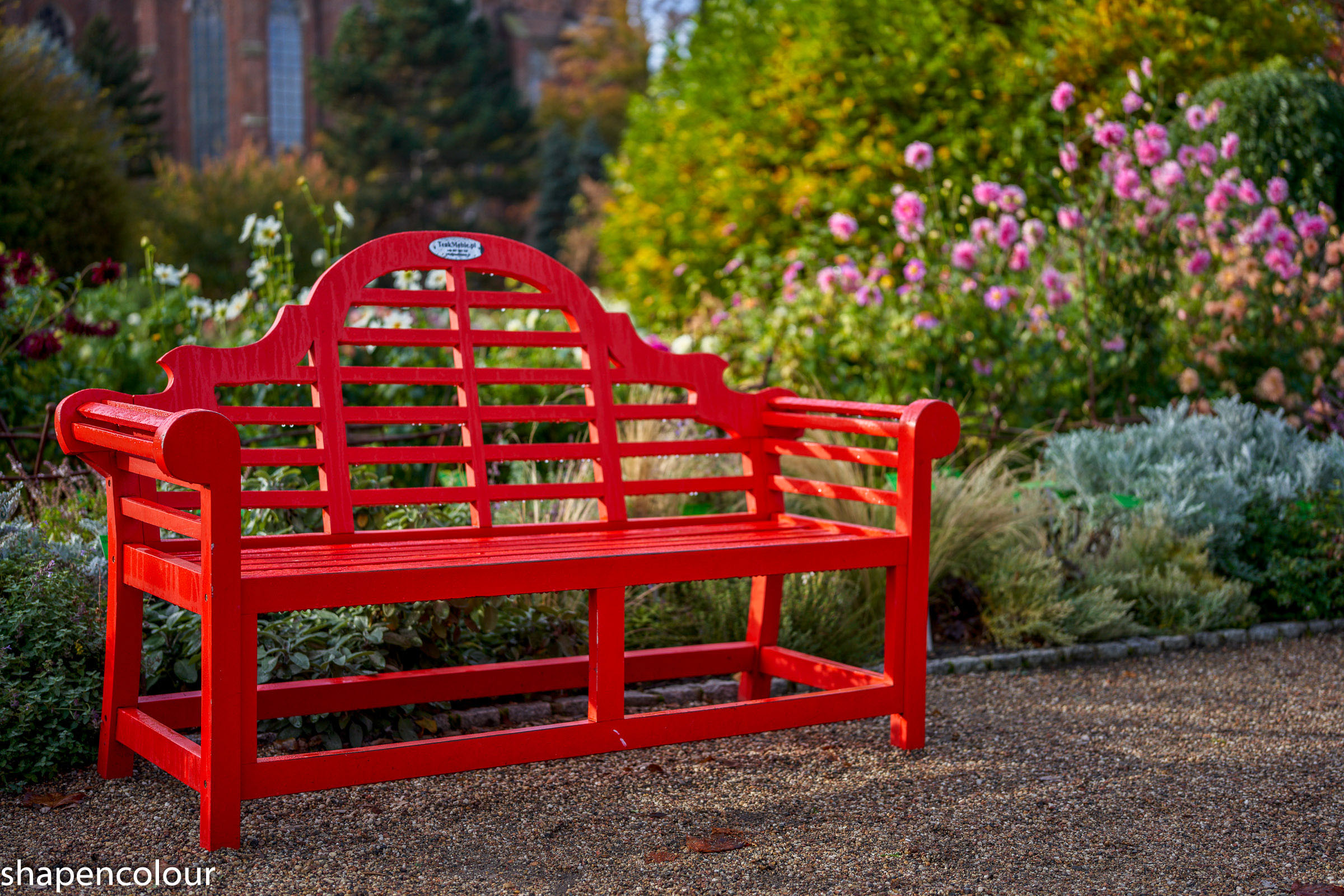
ILCE-7RM4A Voigtländer 50mm F/2 Apo-Lanthar (Sony E) lens 50mm f/2.0 1/1000s 100 ISO 0.0 EV
Jul 19, 2023 at 12:39 AM
Renez
Offline
Activity
[X]
Details
p.89 #5Voigtlander 50mm f/2 APO-Lanthar Review
Too clinical.
Too big.
Too heavy.
Once the novelty wore off I didn’t enjoy carrying this thing. Made my camera even heavier.
After a year of happily shooting the 50 Summicron I can say I don’t miss the 50 APO-Lanthar. 100% the best built Voigtlander lens I’ve ever used. Other than that, they really need a v2 of this lens and make it half the size.
It would probably balance better on an SL.
I shoot leica M. Im sure Sony people are used to big lenses.
Edited on Jul 19, 2023 at 10:07 PM · View previous versions
Jul 19, 2023 at 10:32 AM

p.89 #7Voigtlander 50mm f/2 APO-Lanthar Review
Renez wrote:
Too clinical.
Too big.
Too heavy.
Indeed, the Voigtlander VM 50mm f/2 APO is nearly as heavy as the Leica M-mount 50mm f/2 APO--not even an ounce lighter!
Too clinical.
Too big.
Too heavy.
Indeed, the Voigtlander VM 50mm f/2 APO is nearly as heavy as the Leica M-mount 50mm f/2 APO--not even an ounce lighter!
Jul 22, 2023 at 06:40 PM
p.89 #8Voigtlander 50mm f/2 APO-Lanthar Review
Voigt 50/2 Apo Lanthar VM: weight 288 g, size (lengthxdiam): 53x56 mm
Leica 50/2 Apo Summicron: weigth 300 g, size (lengthxdiam): 47x53 mm
The VM is slightly larger and lighter.
Leica 50/2 Apo Summicron: weigth 300 g, size (lengthxdiam): 47x53 mm
The VM is slightly larger and lighter.
Jul 23, 2023 at 01:26 AM
p.89 #9Voigtlander 50mm f/2 APO-Lanthar Review
Ripolini wrote:
Voigt 50/2 Apo Lanthar VM: weight 288 g, size (lengthxdiam): 53x56 mm
Leica 50/2 Apo Summicron: weigth 300 g, size (lengthxdiam): 47x53 mm
The VM is slightly larger and lighter.
Thanks for this clarification. 3mm, in each dimension, is rather insignificant. Some of the apparent size difference may be due to the aesthetic shape of the Leica APO, versus the APO Lanthar, making the Leica APO appear leaner. Both are beautiful, to my eyes. Those old press images, showing Henri Cartier-Bresson, covering the political unrest in Paris, with an original-version Noctilux 50/1.2, very much normalized that design aesthetic, in my brain. I am glad that Cosina still makes lenses that have that appearance. (Indeed, one reason I bought a Nokton 50mm f/1.0 VM, last year, was because it was “easy on my eyes.”)
If I were sufficiently wealthy, I think that I would like, one, each, of the three 50mm M-mount APO lenses, the Leica APO Summicron ASPH, the Voigtlander APO Lanthar, and the Summilux-M ASPH, which is now known to be APO, as stated by its designer, Peter Karbe. There are conditions in which each has advantages, and in which each has one or more weaknesses.
(In some conditions, at least, it appears that the APO Lanthar resists flare, more successfully than the Leica APO.)
Jimmy Cheng shows Leica APO versus APO Lanthar flare here:
Jimmy Cheng also shows that the Leica APO can best the APO Lanthar, in minimizing chromatic aberrations. My take is that one picks the best available tool for the particular task. Sometimes, I want to use flare creatively. Sometimes, I need the perfect, “modern” look.
To be clear, I am not trash-talking Leica lenses, or the Leica APO Summicron-M ASPH. I started Leica M shooting, with a pre-owned Summilux-M 50mm ASPH. I had already been acquainted with Cosina Voigtlander SLR lenses, and Cosina-made Zeiss SLR lenses.
Jul 23, 2023 at 09:31 AM
p.89 #10Voigtlander 50mm f/2 APO-Lanthar Review
RexGig0 wrote:
Leica 50/2 Apo Summicron: weigth 300 g, size (lengthxdiam): 47x53 mm
The VM is slightly larger and lighter.Thanks for this clarification. 3mm, in each dimension, is rather insignificant. Some of the apparent size difference may be due to the aesthetic shape of the Leica APO, versus the APO Lanthar, making the Leica APO appear leaner. Both are beautiful, to my eyes. Those old press images, showing Henri Cartier-Bresson, covering the political unrest in Paris, with an original-version Noctilux 50/1.2, very much normalized that design aesthetic, in my brain. I am glad that Cosina still makes lenses that have that appearance. (Indeed, one reason I bought a Nokton 50mm f/1.0 VM, last year, was because it was “easy...Show more →
I've never felt the urge to go for the Leica 50/2 APO, all thanks to the existence of the Voigtlander 50/2 APO-Lanthar. Despite being slightly larger, the Voigtlander offers a similar size and frameline experience as the Leica, and its performance is something I can't complain about. In fact, in terms of resolution, contrast, and color error correction, it stands as the best Voigtlander 50mm lens to date.
On the other hand, the Leica 35/2 APO is significantly smaller than its Voigtlander counterpart. It's unfortunate that Leica has made this lens incredibly hard to come by.
Ripolini wrote
Voigt 50/2 Apo Lanthar VM: weight 288 g, size (lengthxdiam): 53x56 mmLeica 50/2 Apo Summicron: weigth 300 g, size (lengthxdiam): 47x53 mm
The VM is slightly larger and lighter.
I've never felt the urge to go for the Leica 50/2 APO, all thanks to the existence of the Voigtlander 50/2 APO-Lanthar. Despite being slightly larger, the Voigtlander offers a similar size and frameline experience as the Leica, and its performance is something I can't complain about. In fact, in terms of resolution, contrast, and color error correction, it stands as the best Voigtlander 50mm lens to date.
On the other hand, the Leica 35/2 APO is significantly smaller than its Voigtlander counterpart. It's unfortunate that Leica has made this lens incredibly hard to come by.
Jul 23, 2023 at 09:51 AM
|


p.89 #13Voigtlander 50mm f/2 APO-Lanthar Review
Ferrari museum in Maranello and Enzo Ferrari museum in Modena:
 |
||
 |
||
|
|
||
 |
||
|
|
||
 |
||
|
|
||
 |
||
|
|
||
 |
||
|
|
||
 |
||
|
|
||
 |
||
|
|
||
 |
||
|
|
||
 |
||
|
|
||
 |
||
|
|
||
 |
||
|
|
||
 |
||
|
|
||
 |
||
|
|
||
 |
||
|
|
||
 |
||
|
|
||
 |
||
|
|
||
 |
||
|
|
||
 |
||
|
|
||
 |
||
|
|
||
 |
||
|
|
||
 |
||
|
|
||
 |
||
|
|
||
 |
||
|
|
||
 |
||
|
|
||
 |
||
|
|
||
 |
||
|
|
||
 |
||
|
|
||
 |
||
|
|
||
 |
||
|
|
||
 |
||
|
|
||
 |
||
|
|
||
 |
||
|
Jul 28, 2023 at 02:15 PM
p.89 #14Voigtlander 50mm f/2 APO-Lanthar Review
Lamborghini museum in Sant'Agata Bolognese and Ferruccio Lamborghini museum in Funo:
|
||
 |
||
|
|
||
 |
||
|
|
||
 |
||
|
|
||
 |
||
|
|
||
 |
||
|
|
||
 |
||
|
|
||
 |
||
|
|
||
 |
||
|
|
||
 |
||
|
|
||
 |
||
|
|
||
 |
||
|
|
||
 |
||
|
|
||
 |
||
|
|
||
 |
||
|
|
||
 |
||
|
|
||
 |
||
|
|
||
 |
||
|
|
||
 |
||
|
|
||
 |
||
|
|
||
 |
||
|
|
||
 |
||
|
|
||
 |
||
|
|
||
 |
||
|
|
||
 |
||
|
Jul 28, 2023 at 02:22 PM
p.89 #15Voigtlander 50mm f/2 APO-Lanthar Review
I have recently added the 50GM/1.4 to my lineup, outstanding lens, I can’t fault it,
Picking a 50 for a trip and I went with the CV50apo, something about this lens I love, I think it’s the user experience as I am as equally happy with the GMs images
Picking a 50 for a trip and I went with the CV50apo, something about this lens I love, I think it’s the user experience as I am as equally happy with the GMs images
Jul 28, 2023 at 02:22 PM
p.89 #16Voigtlander 50mm f/2 APO-Lanthar Review
Does the Z mount 50 APO Lanther have a LRC profile yet?
Jul 28, 2023 at 03:39 PM
p.89 #17Voigtlander 50mm f/2 APO-Lanthar Review
50APO is incredible across the frame starting at wide open.
50GM 1.4 is a bit sharper in the center but a bit softer in the corners. Both are incredible. But my heart lies with 50GM 1.2.
50APO's performance in center, mid and corners is almost identical at any reasonable apperture. You never need to think of the aperture in terms of sharpness.
50GM 1.4 is a bit sharper in the center but a bit softer in the corners. Both are incredible. But my heart lies with 50GM 1.2.
50APO's performance in center, mid and corners is almost identical at any reasonable apperture. You never need to think of the aperture in terms of sharpness.
Jul 28, 2023 at 03:43 PM
p.89 #18Voigtlander 50mm f/2 APO-Lanthar Review
Yes, the aperture setting becoming purely a DOF control is quite the party piece. Stepping back, the Sony f1.2-f1.4 lenses are fundamentally different from the f2 APOs in their major purpose and it shows in their performance at the apertures before diffraction appears and starts to flatten the centres.
The reason for the fall-off in outer frame performance of both of Sony's pair of fast 50mm lenses appears to be unresolved chromatic aberration, in large part at least. It may be masked somewhat at f1.2/f1.4 by the sliver-thin focal plane, but it shows up clearly at f2-f2.8-f4 in Lenstips' sample images of buildings, presumably due to the broader plane of focus which give the CA a better opportunity to show itself.
The full frame edges (not even corners) of the 50/1.4 show much the same definition at f1.4 as they show at f4, even f5.6. Both fast Sony 50s lenses have massive disparities in sharpness between centres and FF edges in the critical f4 and wider apertures. I believe this is what contributes to the diminished depth perception and photorealism (authenticity) they show in many stand-off compositions. But that is not their major job, is it?
Jul 28, 2023 at 07:01 PM
p.89 #19Voigtlander 50mm f/2 APO-Lanthar Review
primeshooter wrote:
Does the Z mount 50 APO Lanther have a LRC profile yet?
Does it need one? The only thing a profile corrects is the vignetting, and that I find easier to do myself to suit my taste anyway.
Does the Z mount 50 APO Lanther have a LRC profile yet?
Does it need one? The only thing a profile corrects is the vignetting, and that I find easier to do myself to suit my taste anyway.
Jul 28, 2023 at 07:15 PM
p.89 #20Voigtlander 50mm f/2 APO-Lanthar Review
philip_pj wrote:
Yes, the aperture setting becoming purely a DOF control is quite the party piece. Stepping back, the Sony f1.2-f1.4 lenses are fundamentally different from the f2 APOs in their major purpose and it shows in their performance at the apertures before diffraction appears and starts to flatten the centres.
The reason for the fall-off in outer frame performance of both of Sony's pair of fast 50mm lenses appears to be unresolved chromatic aberration, in large part at least. It may be masked somewhat at f1.2/f1.4 by the sliver-thin focal plane, but it shows up clearly at f2-f2.8-f4 in Lenstips' sample...Show more →
I don't go to super tele space but all Sonys up to 135GM show some CA with 20G and 135GM maybe showing the least amount of CA. Sony lenses are sharp but I enjoy using 35APO, 50APO, Samyang 135 1.8 which are also very sharp but have no CA issue.
Jul 28, 2023 at 07:49 PM