I am using a 49-39 step down ring made by Kood. A Cosina push on cap fits that ring snuggly making the best lens cap for it!
PS: There is a specific reason why I posted the brand name of the step down adapter ring. That is one of the few that also looks black in IR. Most others look like shiny aluminum reflectors and act like one (in infrared) because their paint is transparent to IR. This may affect those tree branch shots under sunny skies leading to the impression that there is CA. Best to use the supplied hood or a right hood.
Cosina made a number of Pentax PK mount lenses (50/2, 35/2.8, etc). I think it comes from one of them (I see them on eBay.de with that exact cap). I found it in my box of lens caps.
realVivek wrote:
I am using a 49-39 step down ring made by Kood. A Cosina push on cap fits that ring snuggly making the best lens cap for it!
PS: There is a specific reason why I posted the brand name of the step down adapter ring. That is one of the few that also looks black in IR. Most others look like shiny aluminum reflectors and act like one (in infrared) because their paint is transparent to IR. This may affect those tree branch shots under sunny skies leading to the impression that there is CA. Best to use the supplied hood or a right hood....Show more →
Thanks for this recommendation. I’ve just ordered the Kood 49-39 step-down ring. I tried a 39-37 ring that I already had and it seems fine but felt that a 49-39 ring adds a margin of safety. It’s clearly the dome shape combined with the mere 30mm diameter front opening that makes the JJC Pentax 49mm inverted hood clone recommended by @jhinkey@ so grossly unsatisfactory.
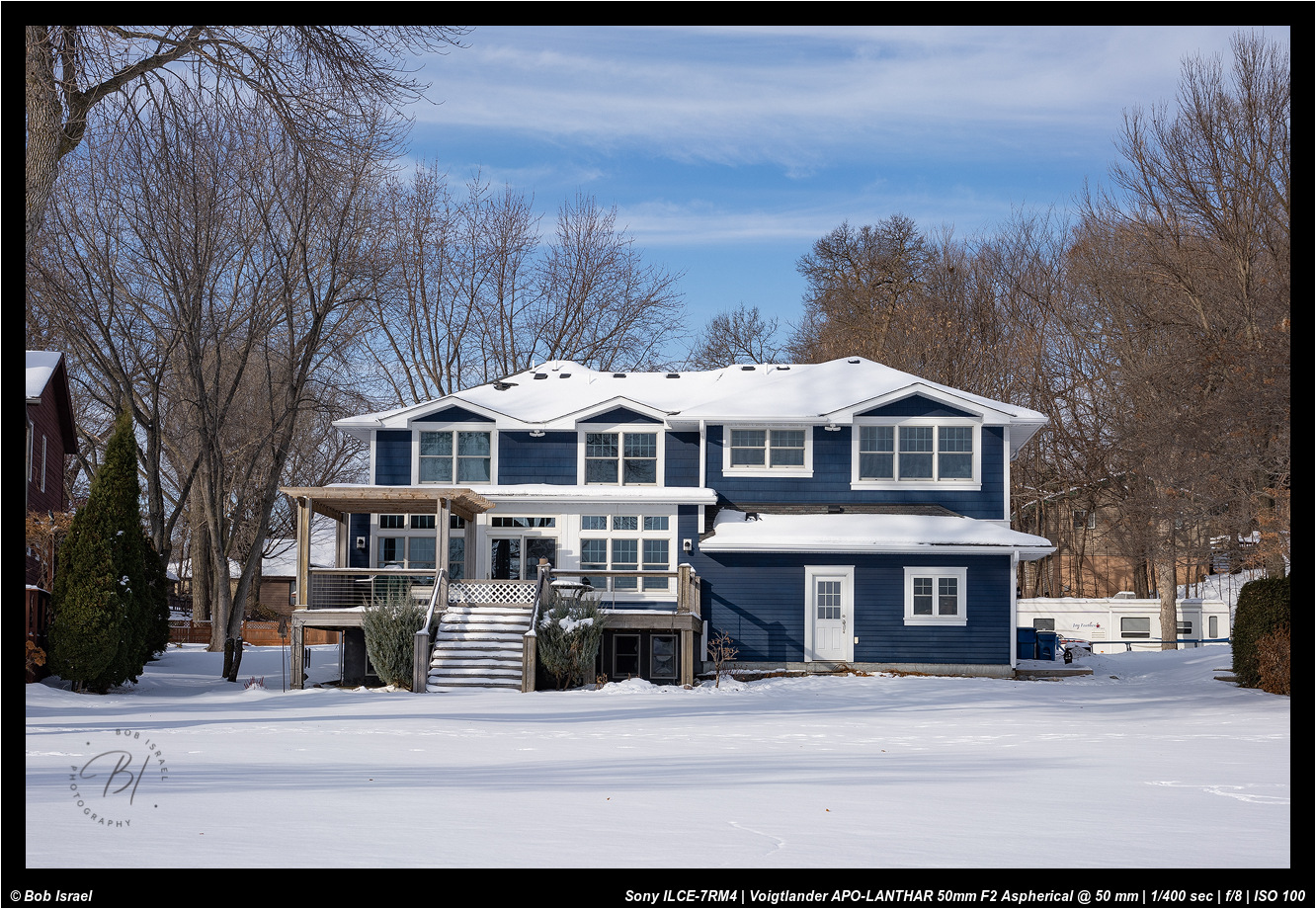
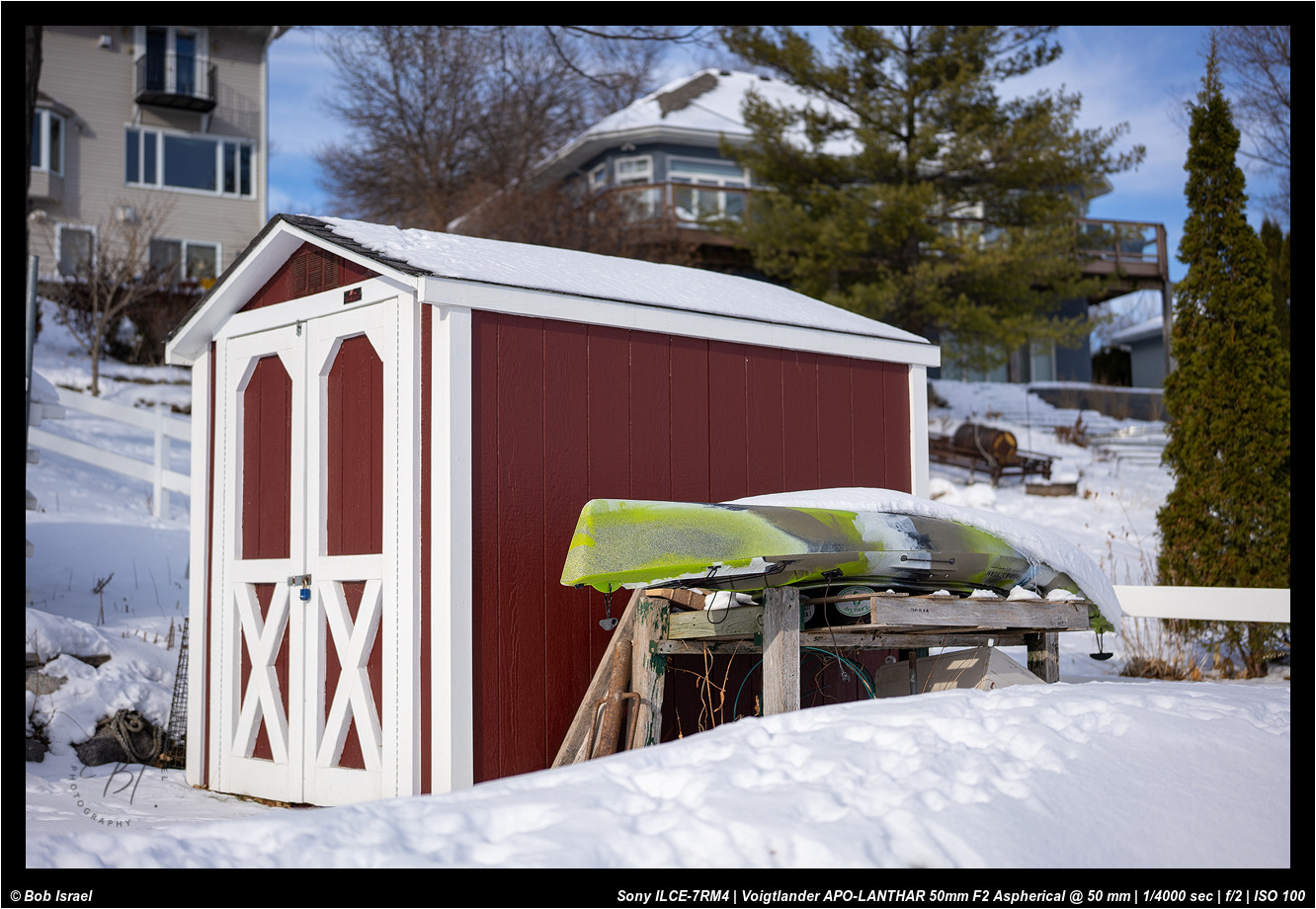
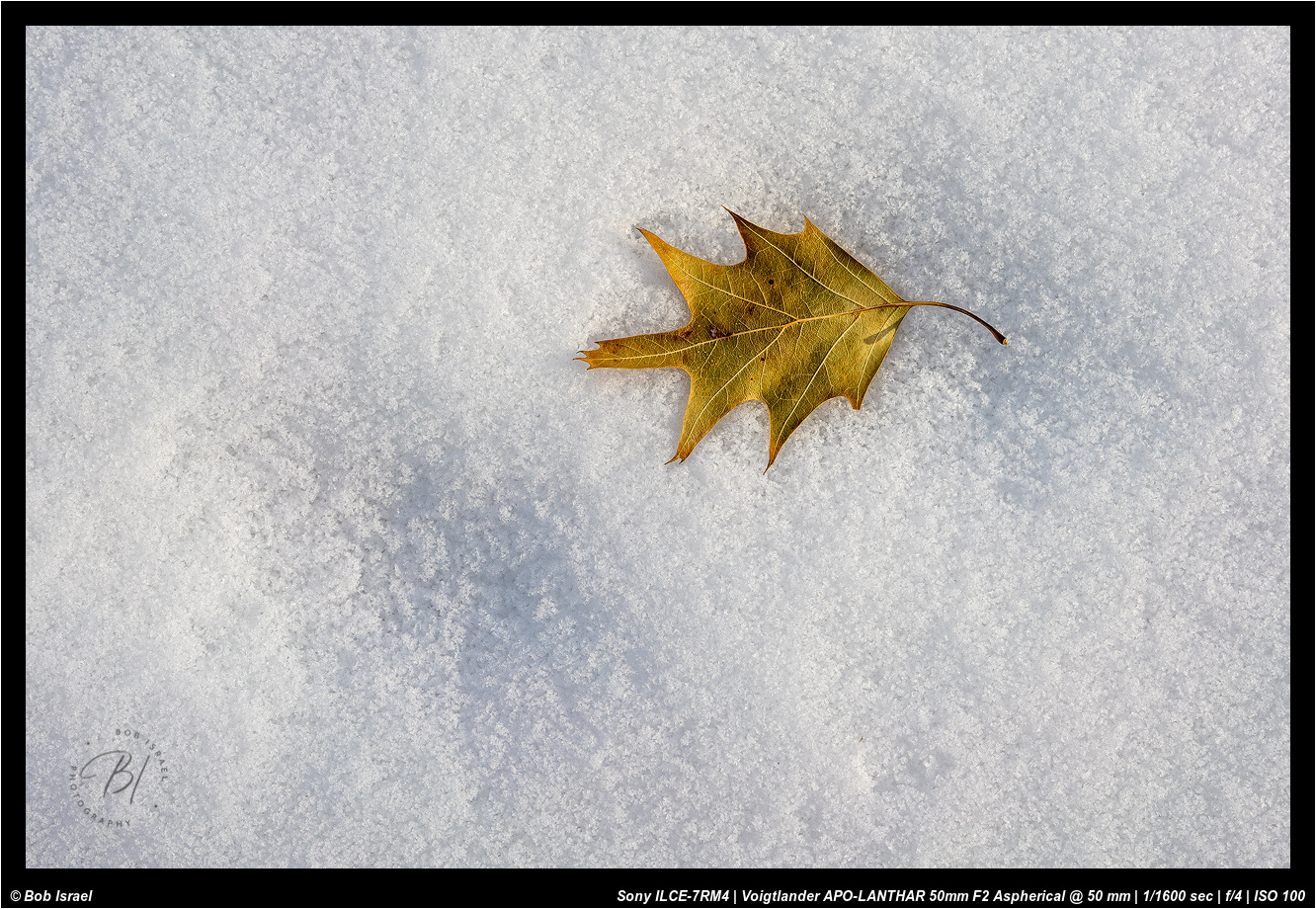
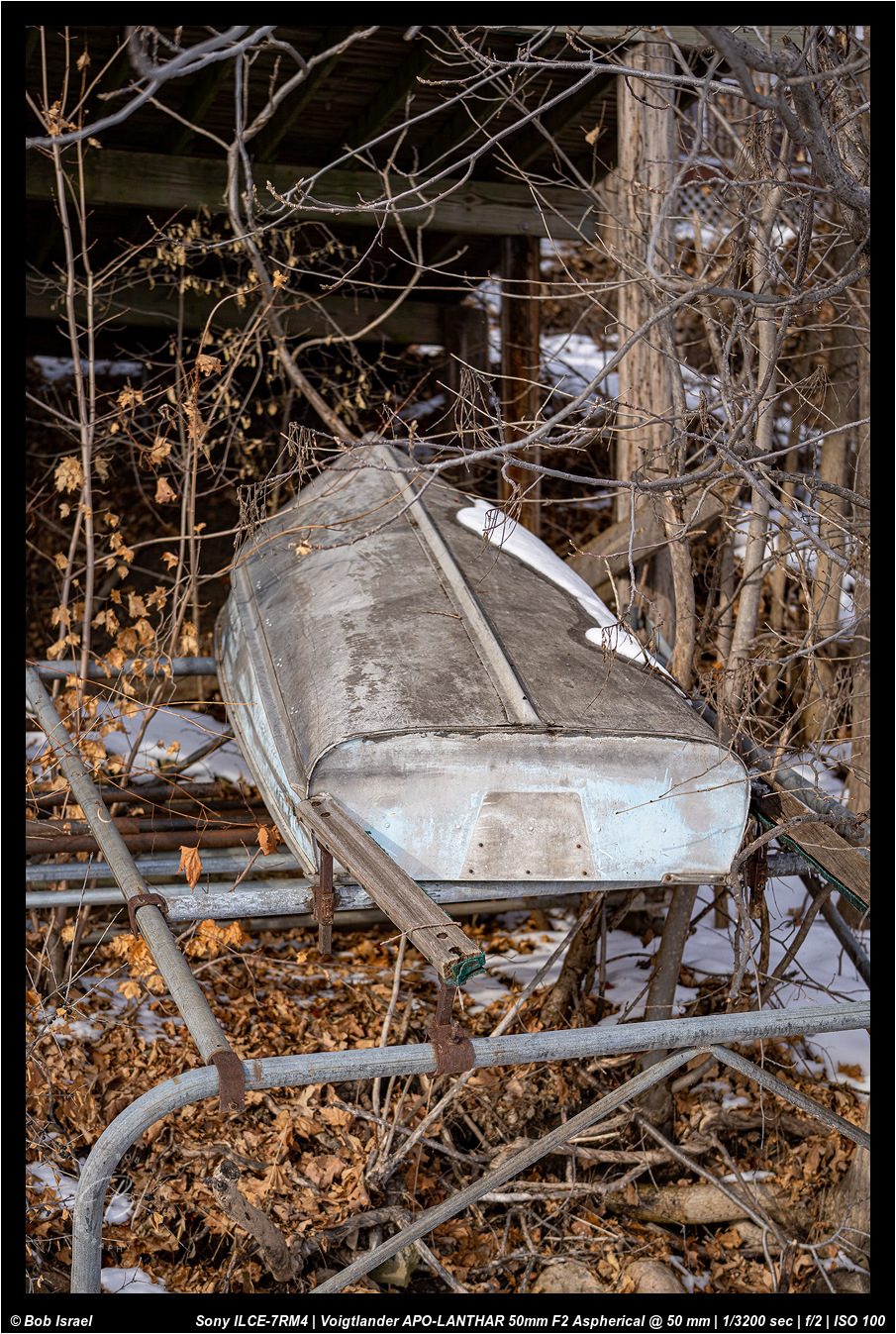
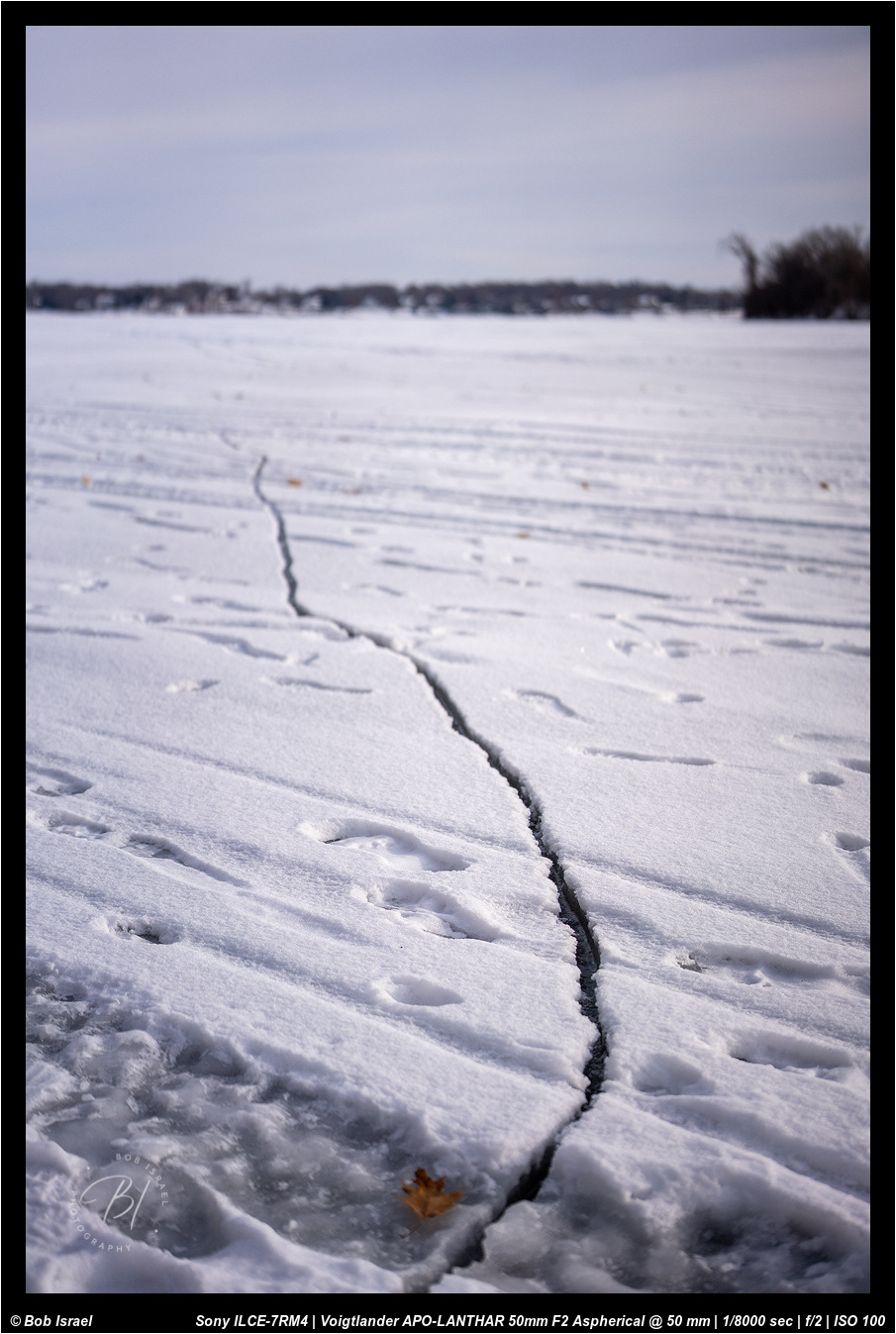
Here are shots (different framing) from my last two lens purchases. The CV 50/2 APO-Lanthar, of course, and the Tamron 35mm f/2.8 DI III. Was expecting a lot from the CV, and it delivers. Wasn't expecting too much from the Tamron, and it surprised me. I also have this shot taken with the FE 55/1.8 ZA but I botched the framing a little.
I had a chance earlier this week to run a comparison of the 50mm Lanthar on an Riv vs. my reference lens, the Leica APO Summicron M 50mm. The Summicron is listed at $5 short of $8,000 on B&H - I accordingly call it the "Luxocron". The Luxocron on a Monochrom or M10-P was my go to kit until a year or so ago.
Direct comparisons proved very difficult, so I'm not posting images, because of the 2.5x difference in resolution between the M10 and the Riv, and because the Luxocron shows badly on the Riv because of the thick cover glass issue.
I shot out my window here at a Manhattan cityscape - a brick wall torture test. The building taking up the center of the scene is just inside of infinity focus for these lenses. The Summicron on the Leica was simply blown away by the higher pixel count of Riv. Downsamplying the Riv image to Leica size permitted some comparision, the Lanthar materially outperformend on a resolution basis in the outer zones. Given the 2.5x downsamplying its hard to say what this really means in terms of pure lens performance. Interestingly I nailed the subtle focus with the Riv; my performance with the M10 was more mixed.
Let's see - the Lanthar has much better flare resistance, perfect bokeh balls, and on and on. So the Lanthar is my new reference lens. It lists on B&H for one-eighth of the cost of the Luxocron.
50mm is my most used focal length so the Lanthar is the lens that I've been waiting for. RIP Leica.
wwcampbell wrote:
I had a chance earlier this week to run a comparison of the 50mm Lanthar on an Riv vs. my reference lens, the Leica APO Summicron M 50mm. The Summicron is listed at $5 short of $8,000 on B&H - I accordingly call it the "Luxocron". The Luxocron on a Monochrom or M10-P was my go to kit until a year or so ago.
Direct comparisons proved very difficult, so I'm not posting images, because of the 2.5x difference in resolution between the M10 and the Riv, and because the Luxocron shows badly on the Riv because of the thick cover glass issue.
I shot out my window here at a Manhattan cityscape - a brick wall torture test. The building taking up the center of the scene is just inside of infinity focus for these lenses. The Summicron on the Leica was simply blown away by the higher pixel count of Riv. Downsamplying the Riv image to Leica size permitted some comparision, the Lanthar materially outperformend on a resolution basis in the outer zones. Given the 2.5x downsamplying its hard to say what this really means in terms of pure lens performance. Interestingly I nailed the subtle focus with the Riv; my performance with the M10 was more mixed.
Let's see - the Lanthar has much better flare resistance, perfect bokeh balls, and on and on. So the Lanthar is my new reference lens. It lists on B&H for one-eighth of the cost of the Luxocron.
50mm is my most used focal length so the Lanthar is the lens that I've been waiting for. RIP Leica....Show more →
That's the reason the Voigtlander 50/2 APO + A7R IV is a winning combination. The lens keeps up with the high res. sensor making it very hard for other systems to compare. Some may even come close in resolution but won't be as compact. The Leica APO Summicron SL 50/2 + high MP sensor (LEICA SL2 or Panasonic S1R) is a contender but loses in price and compactness.
I gloomily report what must be an outlier, a mildly decentered CV 50mm f/2 apo that just arrived from Adorama. The lower-left-corner focal surface pulls sharply towards the camera. When the lens is focused in the center of the field the lower left corner is weaker than the other corners until f/5.6 or so, tested on a bookcase at 3m that can be squared-up on by measurement, and confirmed by infinity testing. Also confirmed with a second A7RM4 both ways. It would be easily tolerable in a kit zoom, but not in a "reference lens." My first lens return in quite a while.
Is it only me or anyone else ? Compared with all of my other lenses colours of the APO Lanthar seem to be a little bit on the brownish side in AWB ( A7 R IV) .
From hours of street shooting it's a fine match for this kind of work, EVF shimmer (a7rII) appears even well stopped down. Blur either side of the plane is clearly seen an f2 separation is excellent into middle distances. Bokeh quality is a highlight front and back of the focal plane, as is tonal texture at both ends of the brightness range.
Very enjoyable for this work. It's a tidy little package (the lens is 60g more than the 50/2 M APO) and on a Sony body comes to around 1000-1100 grams, so you can easily move into difficult positions. Non-threatening to human subjects.