fadeslayer wrote:
Lately, I have shot 4 events using only available light, and the lowest ISO I used was 2500,with 12800 iso and 25600 in a couple of situations, at f2. Some would say "I should have brought flash lights" and I respond "If you want to fake situations then yes, bring flash everywhere". I know lots and lots of people that does not use flashes, Ai can't call it "standard". But it is so common that I would separate "optimal" to "common experience". I would buy an A7RIV if I needed high res, but I would buy it too if I hadn't need for A9 autofocus performance, even if A7RIII has a tick better high iso advantage. Because of all other advantages. I can't afford many bodies, I don't do this for work, and the most part of A7RIV buyers don't.
But I see your points. It's not the optimal high iso machine. But then, let's talk about film, so much of the photos you call in for reference, are shot in good light conditions, or suffer tremendously from shake or low detail. So I'll take 12800iso anytime. The main feature a photo should show is content. Better with a good form. But we are boringly full of glittering stuff full of nothing. ...Show more →
"If you want to fake situations then yes, bring flash everywhere"
I call that nonsense, to be honest (personal opinion).
In that case why not shooting everything in jpg, without shadow boosting, highlight protection, noise reduction etc. on, as all of that results in fake situations. Do go for a bridal shoot at weddings - fake. Don't make yourself seen to possible get an unnatural reaction of the person being photographed -faked....
Same with lenses. f1.2 will blurr out the background in a way, no one sees the scene in reality.
If you are a pro, people expect optimal results.If you can use lights, use them.
daniel.in.la wrote:
Would love to know how film photographers of yesteryear worked around dim lighting situations with the limitations of what was available back then? Boosting ISO is the luxury that once wasn’t. Photography was still possible with fast glass in low light.
You just can't grasp the concept can you? The film photographers simply did not get the shots in low light that photographers can get today with higher ISO's. It is not rocket science.
Next you will be telling us that with fast glass you can get shots in any kind of low light.
daniel.in.la wrote:
See my last comment. Sorry you have to deal with high ISO shortcomings of modern day cameras. Those old photographers must have been magicians or had something that was left behind when we all transitioned to modern day equipment.
Oh, and I’m sorry, but posting a high ISO shot from an APS-C body sensor and no so fast glass did little to help your argument
Maybe someone else can explain it to you in more simple terms that you can understand. The shot I posted perfectly demonstrates that wildlife shooters often have to shoot their subjects in whatever conditions exist in that one second they have to capture the shot. And it does not matter what gear they have if the lighting is too dim.
So you go with the gear you need to shoot your automobiles under great lighting conditions, and others will continue to need and want higher ISO's despite what you think everyone else needs.
It is always great to have know-it-all's telling others what they need.
Since I don't require you to tell me what I need, I'll just put you on my HIDE ME list.
Imagemaster wrote:
Anyone who can’t think of an instance where ISO 12,800 would not be beneficial to any other photographer under any circumstances is out of touch with reality.
This. Additional light can destroy an ambient. I had several shootings/events where additional light was not an option and ISO 12800_f1.4_1/125s was the solution. Just imagine the light is part of the ambient. Like colored light or fires from candles or projectors with patterns... In such situations the IQ (thin DoF, lot of noise) is horrible but a flash would be worse.
There are a lot of situations where high iso are necessary.
Besides the ones spotted before like dim venues in weddings, think about sports photography, or birding.
It's like people here only work in a studio.
And sometimes, just the look of the out of camera jpg is better, more pleasing and natural than the overdone edits compressing highlights, raising shadows, and unnatural colors... It's all about the kind of photo you're after, of course.
It is interesting that this thread shifted from criticism of the camera's high iso performance to criticism of those who might need better performance. The OP was just pointing out that those who need better high iso performance might be better off with a different camera.
I think everyone here is conscious the A7RIV is The tool if one shoots MOST of the time with high ISO. But here, someone is selling us that you must use flash everytime you need high iso with A7RIV or you can't get the shot (or get paid for it). But I think there's no right way, no matter what you try to sell me. If one chooses me for my work, chooses my look, with flashlight or not, just you know it beforehand. But I won't say that this is the right choice, this is FOR ME. In weddings you need flash? Go for it. I don't. A friend of mine doesn't, too. Another, does.
I wouldn't fear using A7RIV at 12800 iso, if needed.
Flash is not evil and people that complain about it usually don’t know how to use it properly. It’s used to supplement the ambient light when needed. I’m very good at using it but that’s besides the point. As I said earlier from all that im seeing I feel comfortable at Staying below ISO 3200 but if I have to get the shot I’ll get the shot. Be it flash or bumping ISO. But if my standard was always highISO shooting than I’d pick the A9 as a better tool to get that job done. This is a different tool and acts a lot like medium Format but certainly easier to use.
Seriously you want to buy this for that kind of work than spend the money but it’s not really designed for that.
The bigger problem is people have no idea what this camera is to begin with and just stick a camera on the highest ISO to begin with. Basically folks that have no idea what there talking about or any real knowledge. You can call them trolls or whatever you want but what this place is not is DP review . There are very serious working Pros here and Serious Hobbyists that know what they are doing. But if someone wants to spend 3500 to do a task that a camera is not really designed to do full time than that’s there money I don’t care. I’m here to give advice. Don’t want to listen than don’t. But do me a favor don’t blow off the working Pros here as some of these guys deserve a hell of a lot ofcredit for there knowledge otherwise go back to the other forums and stay there. Now what’s really horrible in your learning curve is not understanding how we did all this shooting in yesterday year without these cameras with these high ISO abilities. It’s actually something you should learn from the past. We paved the way so respect what was done and how is was done. I got along as a working Pro for 43 years. Ask yourself how all of us did it, maybe you will learn something instead of the snide replies to the ones that laid the ground work.
I said my peace and don’t like it than tough. But I don’t want all the hard work over the years to be mocked or misunderstood it’s a very important part of the history of photography. You guys learned from us. Pass on the new knowledge is what’s expected of the new generation. That’s the real history of photography is sharing the knowledge.
I’m going back to do honey does as I’m going nuts waiting for this cam coming tomorrow . Need to be busy.
Have a great day. Get out and shoot this dang thing
daniel.in.la wrote:
Would love to know how film photographers of yesteryear worked around dim lighting situations with the limitations of what was available back then? Boosting ISO is the luxury that once wasn’t. Photography was still possible with fast glass in low light. New cameras take away the problem solving and add new world complaints like high ISO noise like the R IV is apparently plagued with.
Interesting times...
Look at the photos being taken back in the 70's and compare them to today's photos. Big difference IMHO.
daniel.in.la wrote:
See my last comment. Sorry you have to deal with high ISO shortcomings of modern day cameras. Those old photographers must have been magicians or had something that was left behind when we all transitioned to modern day equipment.
We weren't magicians, but we were chemists. The (non-ideal) answer is we "pushed" the film by developing it longer. Could easily get 2 to 3 stops with most film, with the trade-off being increased grain and contrast. (In fact, I'm amused by the similarity of silver halide grain and sensor noise effects to this day.) This also means you have to do the whole roll, not a single shot. So today's electronics are way more flexible, but we got by with what we had.
sebbe wrote:
This. Additional light can destroy an ambient. I had several shootings/events where additional light was not an option and ISO 12800_f1.4_1/125s was the solution. Just imagine the light is part of the ambient. Like colored light or fires from candles or projectors with patterns... In such situations the IQ (thin DoF, lot of noise) is horrible but a flash would be worse.
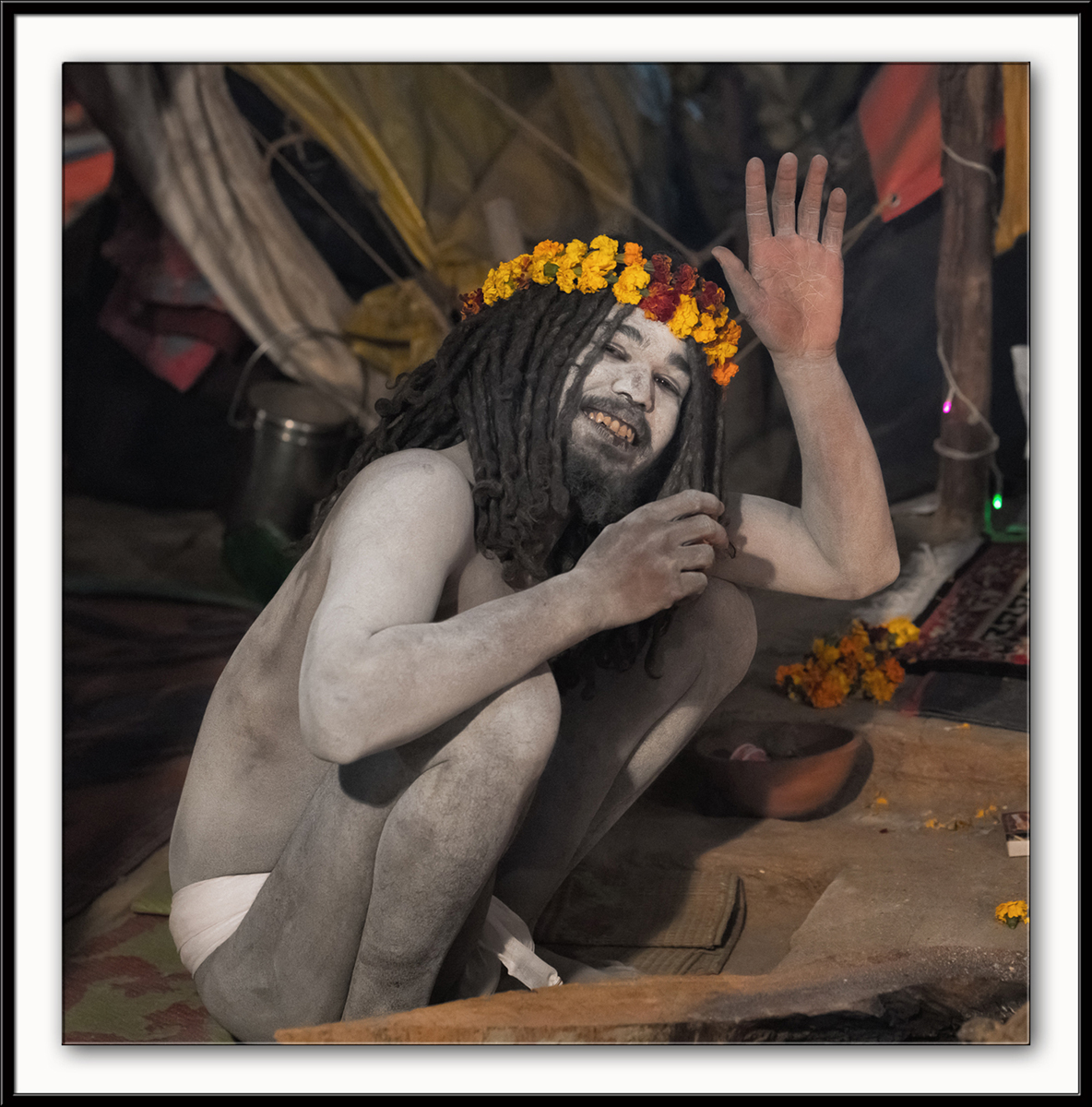
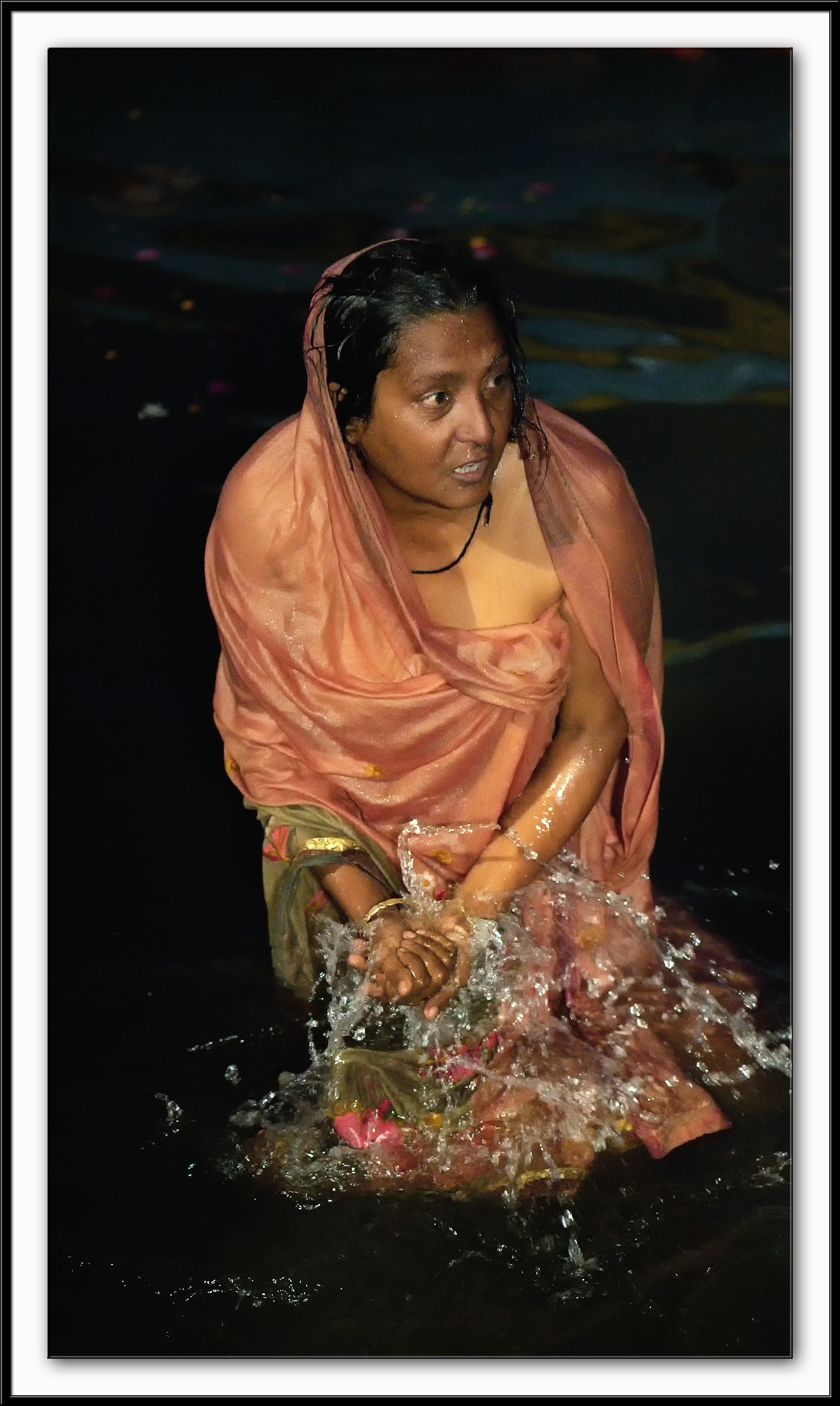
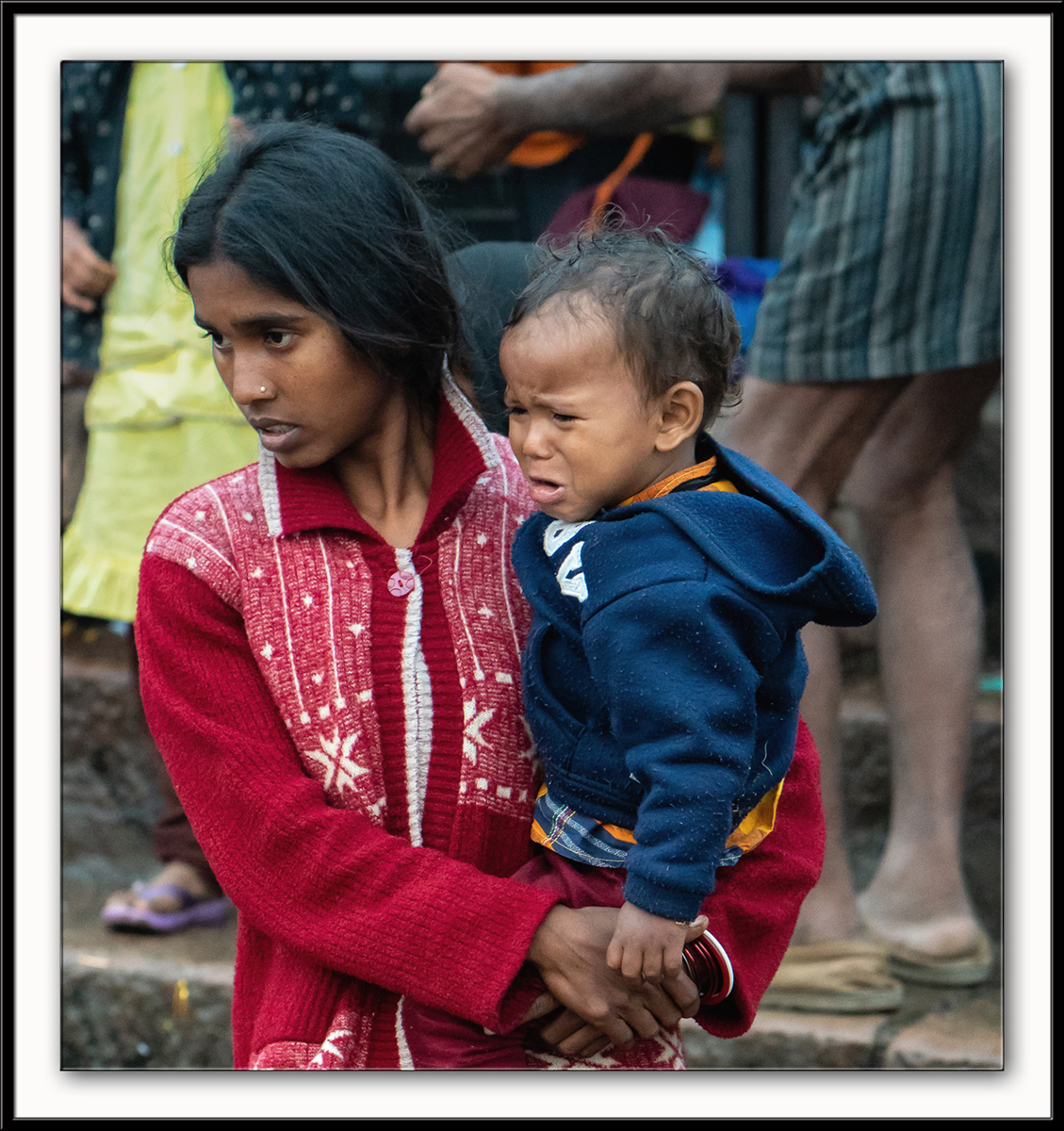
And many places I shoot a flash would just be taboo as people are going through their religious rituals and having this big flash go off just makes you an intruder. People that don't understand why some have to shoot at very high ISO just are ignorant to these situations.
Apocalypso wrote:
We weren't magicians, but we were chemists. The (non-ideal) answer is we "pushed" the film by developing it longer. Could easily get 2 to 3 stops with most film, with the trade-off being increased grain and contrast. (In fact, I'm amused by the similarity of silver halide grain and sensor noise effects to this day.) This also means you have to do the whole roll, not a single shot. So today's electronics are way more flexible, but we got by with what we had.
I miss the "agitation" arguments in the campus newspaper darkroom when it came to developing pushed film. So many opinions
Apocalypso wrote:
We weren't magicians, but we were chemists. The (non-ideal) answer is we "pushed" the film by developing it longer. Could easily get 2 to 3 stops with most film, with the trade-off being increased grain and contrast. (In fact, I'm amused by the similarity of silver halide grain and sensor noise effects to this day.) This also means you have to do the whole roll, not a single shot. So today's electronics are way more flexible, but we got by with what we had.
Right, and we "pushed" the film because we couldn't get higher ASA's. Even then there were the ignorants who would say, "Why do you need higher ASA than 400?"
Just like higher shutter speeds are needed/wanted for some photographers for certain shooting, so are higher ISO's.
Anyone who can't figure out the advantages of higher ISO's has a very narrow-minded view of photography.
Some examples of needing high ISO to get the shot. Many times I don't have the luxury to use flash or other devices and rely on higher ISO in order to take photos. This happens when you don't have control of your shooting environment like portraits or head shots etc...
So in reading this thread, my take home messages are:
1) Most modern digital cameras are pretty darned noisy at ISO 12,600, but this is still a huge improvement from back in the day (digital or film)
2) Some cameras are better than others in high ISO situations, but comparing one to another requires more than just blowing up images and putting the images up side by side.
3) Even though shooting at ISO values above 3200 inevitably leads to noisy images, sometimes you just have to accept that and deal with it. Flash isn't always an option. People who shoot at ISO 12,600 when they have to aren't necessarily morons.
4) If you want a camera that has the lowest noise levels for high ISO shooting, picking a camera with an ultra high resolution sensor is probably not your best choice. Picking a camera with larger photosites is better, but comes at the price of lower resolution. This is not rocket science.
5) But when you need the resolution, a super high resolution camera can't be beat. And to get the most out of such a camera, it's best to use it at low ISO, where it is optimized for maximal performance.
6) In other words, cameras are tools. Pick the right tool for the job. Don't expect one tool to be the best for every single job. Implying that a camera that isn't the best at a task that it wasn't optimized for is "flawed" is nonsensical.
5) People sometimes argue about silly things and get their hackles up way too quickly.
GMPhotography wrote:
Flash is not evil and people that complain about it usually don’t know how to use it properly. It’s used to supplement the ambient light when needed. I’m very good at using it but that’s besides the point. As I said earlier from all that im seeing I feel comfortable at Staying below ISO 3200 but if I have to get the shot I’ll get the shot. Be it flash or bumping ISO. But if my standard was always highISO shooting than I’d pick the A9 as a better tool to get that job done. This is a different tool and acts a lot like medium Format but certainly easier to use.
Seriously you want to buy this for that kind of work than spend the money but it’s not really designed for that.
The bigger problem is people have no idea what this camera is to begin with and just stick a camera on the highest ISO to begin with. Basically folks that have no idea what there talking about or any real knowledge. You can call them trolls or whatever you want but what this place is not is DP review . There are very serious working Pros here and Serious Hobbyists that know what they are doing. But if someone wants to spend 3500 to do a task that a camera is not really designed to do full time than that’s there money I don’t care. I’m here to give advice. Don’t want to listen than don’t. But do me a favor don’t blow off the working Pros here as some of these guys deserve a hell of a lot ofcredit for there knowledge otherwise go back to the other forums and stay there. Now what’s really horrible in your learning curve is not understanding how we did all this shooting in yesterday year without these cameras with these high ISO abilities. It’s actually something you should learn from the past. We paved the way so respect what was done and how is was done. I got along as a working Pro for 43 years. Ask yourself how all of us did it, maybe you will learn something instead of the snide replies to the ones that laid the ground work.
I said my peace and don’t like it than tough. But I don’t want all the hard work over the years to be mocked or misunderstood it’s a very important part of the history of photography. You guys learned from us. Pass on the new knowledge is what’s expected of the new generation. That’s the real history of photography is sharing the knowledge.
I’m going back to do honey does as I’m going nuts waiting for this cam coming tomorrow . Need to be busy.
Have a great day. Get out and shoot this dang thing ...Show more →
I think you refer to me with this... I don't own nor I will in the next 2 years an A7RIV, I am an happy owner of an A9. Given what I am shooting in the last 12 months I won't buy A7RIV too, because I am shooting almost anytime above 800 ISO. And managing tons of files at 61 (or 42, given till April I had an A7RII) won't be my dream anytime soon. BUT... I will not bash A7RIV for high ISO shooting too. Nor I will bash flashlight, either. But it's not all black or white, and I felt that in many previous replies in this thread. I don't want mine look like that, too. I am sure that on practical terms the awful-as-depicted-by-DPR high iso of R4 is not any different from R3. We then could argue that Canon users with 5Dmk2 should go and ride horses instead of shooting with that.
I repeat, I won't suggest that a user who needs 12k iso should buy R4. But I never said that. Just don't recommend flash for every kind of images either.
I respect many of you, I keep on learning and admiring your work every day. But I wanted to precise my point of view, maybe I am not so skilled with words in my first outing
Well the point is to show situations where I need to shoot high ISO and CANNOT use flash as you suggested. YOU are the one that came down hard on people indicating they require using high ISO and tried to belittle them because they haven't mastered flash.
These images show examples where I could not use flash...unlike when shooting head shots or nicely lit runways. Many of us venture into areas where light is challenging and we cannot enhance it with artificial light...so we must deal with very dim conditions.
lunar module wrote:
So in reading this thread, my take home messages are:
1) Most modern digital cameras are pretty darned noisy at ISO 12,600, but this is still a huge improvement from back in the day (digital or film)
2) Some cameras are better than others in high ISO situations, but comparing one to another requires more than just blowing up images and putting the images up side by side.
3) Even though shooting at ISO values above 3200 inevitably leads to noisy images, sometimes you just have to accept that and deal with it. Flash isn't always an option. People who shoot at ISO 12,600 when they have to aren't necessarily morons.
4) If you want a camera that has the lowest noise levels for high ISO shooting, picking a camera with an ultra high resolution sensor is probably not your best choice. Picking a camera with larger photosites is better, but comes at the price of lower resolution. This is not rocket science.
5) But when you need the resolution, a super high resolution camera can't be beat. And to get the most out of such a camera, it's best to use it at low ISO, where it is optimized for maximal performance.
6) In other words, cameras are tools. Pick the right tool for the job. Don't expect one tool to be the best for every single job. Implying that a camera that isn't the best at a task that it wasn't optimized for is "flawed" is nonsensical.
5) People sometimes argue about silly things and get their hackles up way too quickly.


 Archive 2019 · Sony A7R4 incredible high ISO