I have been playing with mine the last few days, and I love the lens. They really nailed it in terms of balancing sharpness on the areas that are in focus, and creaminess in the out of focus areas. My batis 85 1.8 is/was my favorite 85mm, and I have to say that the nikon z is... better. My a7r3 has been sitting for the last couple weeks since I picked up the z7 and a couple lenses, so I feel like I need to decide which to keep. Not sure if it's because it's a new toy, or because I like it better so I think I'm going to give it another week or two.
Is it worth owning the Z 85 if your already have the Z 50? Is there enough of a difference in focal length? Ideally wanted to wait for a 105/135 lens to be announced but this lens looks really tempting.
I have the Z 50 and I think the 85 is worth having as well. Also the Z 85 is my favorite Z lens at the moment for its tonal rendering and general image quality. The Z 24 will complete this trio for me whenever my copy ships. But this all depends on what you shoot and only you can really answer this question.
I owned 35 & 50 & 24-70/4 before 24-70/2.8 came out.
I sold then the 35S and 24-70S4 to by the 24-70S2.8.
Since I have the 85S it is my prime lens @ home and 24-70 is for travel. Did not really need 50 anymore and may sell it to get the 20S1.8 later next year.
My final lens setup I am waiting for may be 20S1.8, 24-70S2.8, 85S1.8, 100-400S? and a 40 pancake!
GSaleh wrote:
Is it worth owning the Z 85 if your already have the Z 50? Is there enough of a difference in focal length? Ideally wanted to wait for a 105/135 lens to be announced but this lens looks really tempting.
I have both the 50mm f1.8S and the 85mm f1.8S. Is there enough of a difference in focal length? Well, it depends. If you can take a couple steps forward or backward, sure you can make them look similar. If you don't look at them side by side, you'll probably won't be able to tell the difference if it was shot with the same crop(image fill the frame the same way).
Ideally, yes, a 105/135mm f1.4/1.8 respectively would be nice but since none is on the Nikon roadmap, you'll have to switch to Sony.
Below are shots with 85f1.8S, 50mm f1.8S, and a 200mm f2.0
For me, if it was a single person shot, I would grab the 85mm f1.8S. If it was a couple or small family shot, I would grab the 50mm f1.8S.
For that special shot, I would grab the 200mm f2.0 and work harder(physically) to get that special look. To me, the 200mm f2.0 is one of a kind but it really tire you out pretty fast.
This is in no way meant to be a test or a proper comparison, just a couple of photos comparing the 85 f1.8S @ f2.5 to the 105 f1.4E @ f3.2, adjusting the apertures to give similar DOF for each. Both shot in my computer room with afternoon light in through the window to the right. I tried to keep Tigger the same size in each photo and I did remarkably well considering I did these handheld. The WB for both seemed to change on the EVF even when I was taking them, you could see the difference with the lens change. The 85 f1.8S ended up with a much bluer WB than the 105. After I adjusted the WB of them both in Capture One Pro, the histograms were very similar and differences may be attributed to the fact that the different perspective of 85 to 105 meant that there was slightly more background in the 85 shot. I altered exposure, WB, saturation and levels applying the same to one as the other. In other words, WB from the camera was different for each lens, but I set the same WB is post process the same for both and the histograms ended up almost identical albeit for the slight difference in the amount of background and thus the very slight difference in each color channel in the histogram.
These are near the minimum focus distance, about 1.4mts for the 105 and about 1.1mts for the 85. At this distance they are very similar, not seeing a clear advantage of one over the other as far as sharpness of bokeh or CA, but then CA is automatically corrected via Capture One and the Nikon lens correction algorithms that they use.
The wall behind Tigger is only about 200mm (8-9") behind him so, this will have a bearing on how the bokeh will look. I do believe that Nikon would design each lens to have optimal bokeh (within the limits of lens design) to be best at certain camera to subject distances and background distances depending on the focal length and the aperture. My belief is, lets say, you are using the 105 at f1.4 and the best camera to subject distance for reasonable DOF for that aperture may be say 8mts, at f2 it may be say 6mts and at f2.8 it may be 4 mts and so on. Bokeh at all distances will be good, but optimal at the best camera to subject distances for a given aperture. I do have some portrait photos of my grandson with the 105 shot at f2 and f2.8 where the backgrounds were about a metre or more away and the bokeh is stunning, as good as any bokeh I've seen from any lens that purports to be a bokeh lens. I ca't show them here as I do not have release permission from his mother, my daughter.
I focused on the same spot, the closest eye and thus the DOF etc should be almost identical.
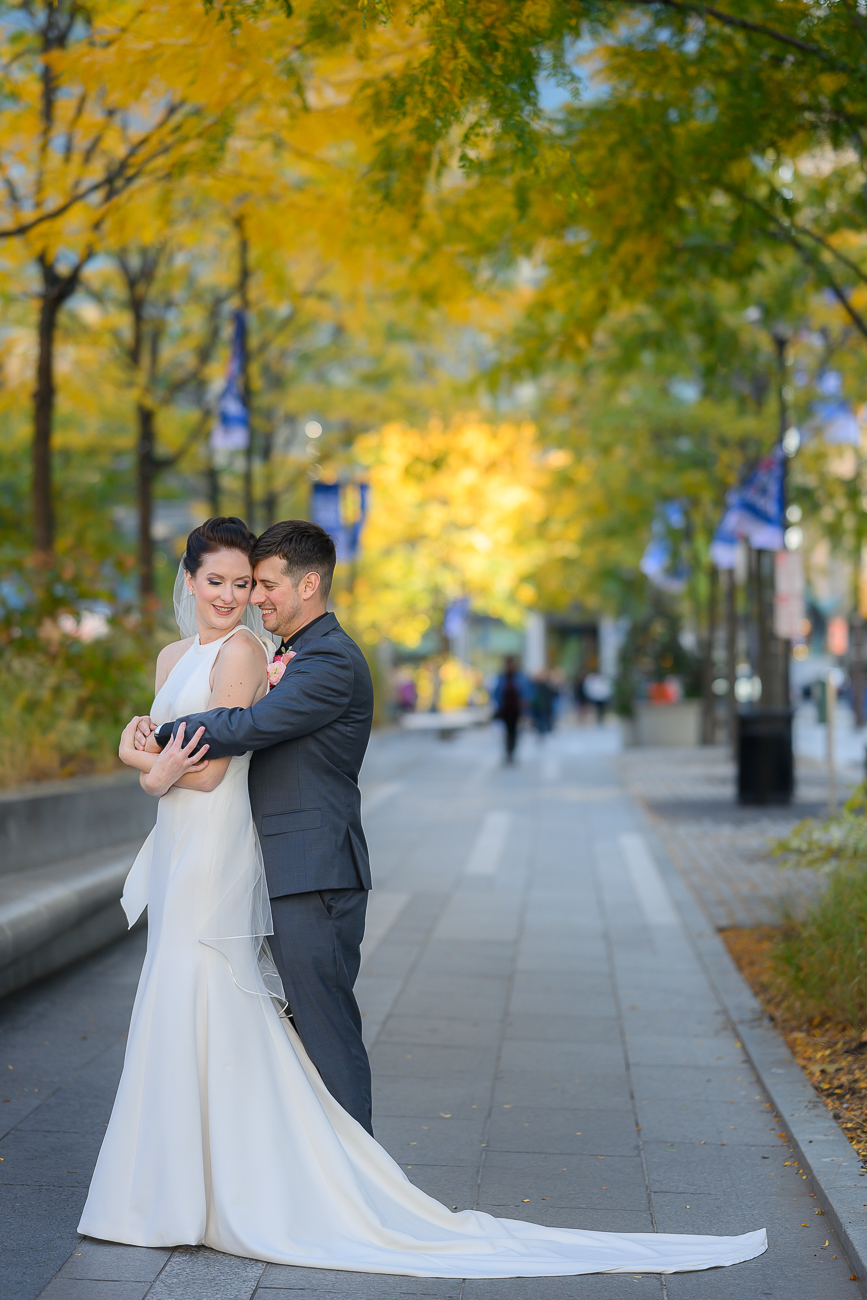
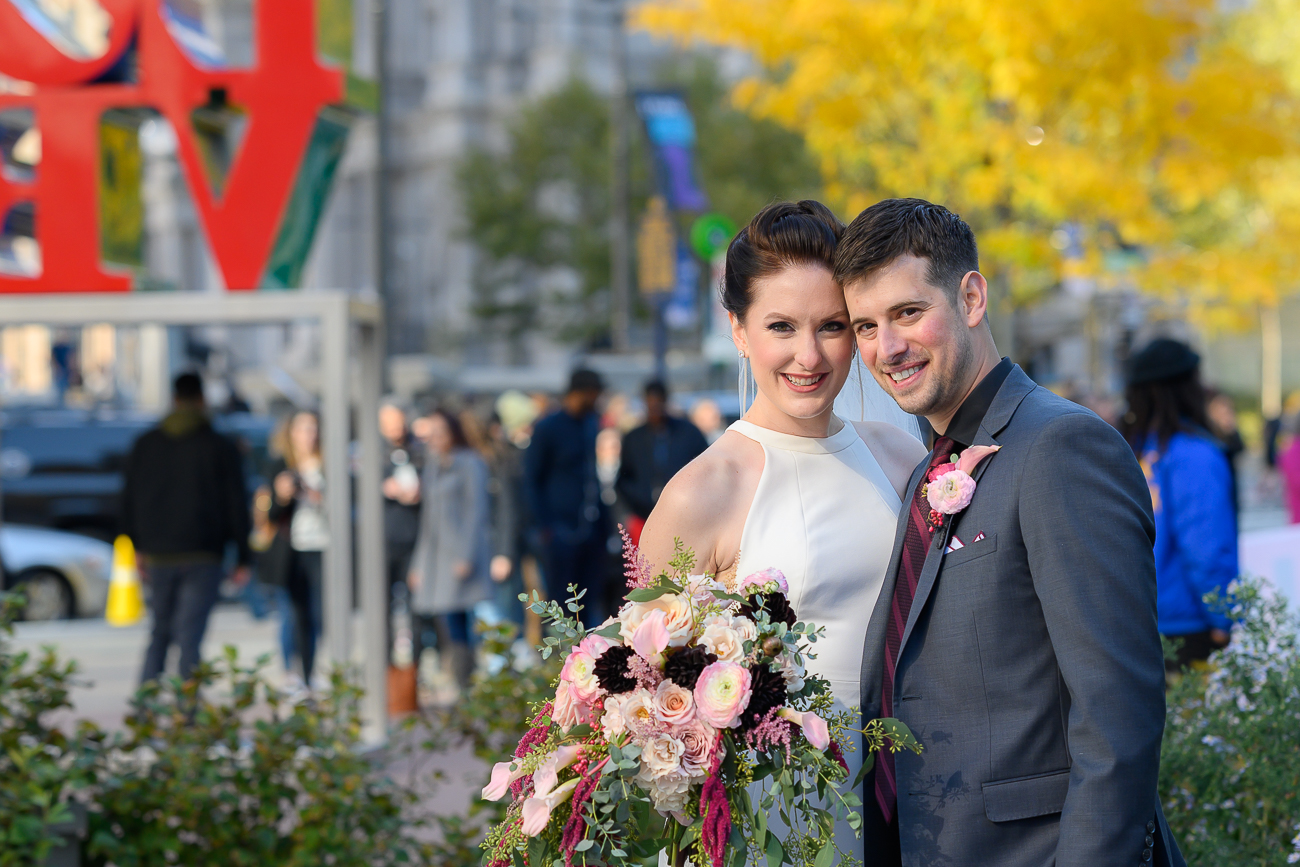
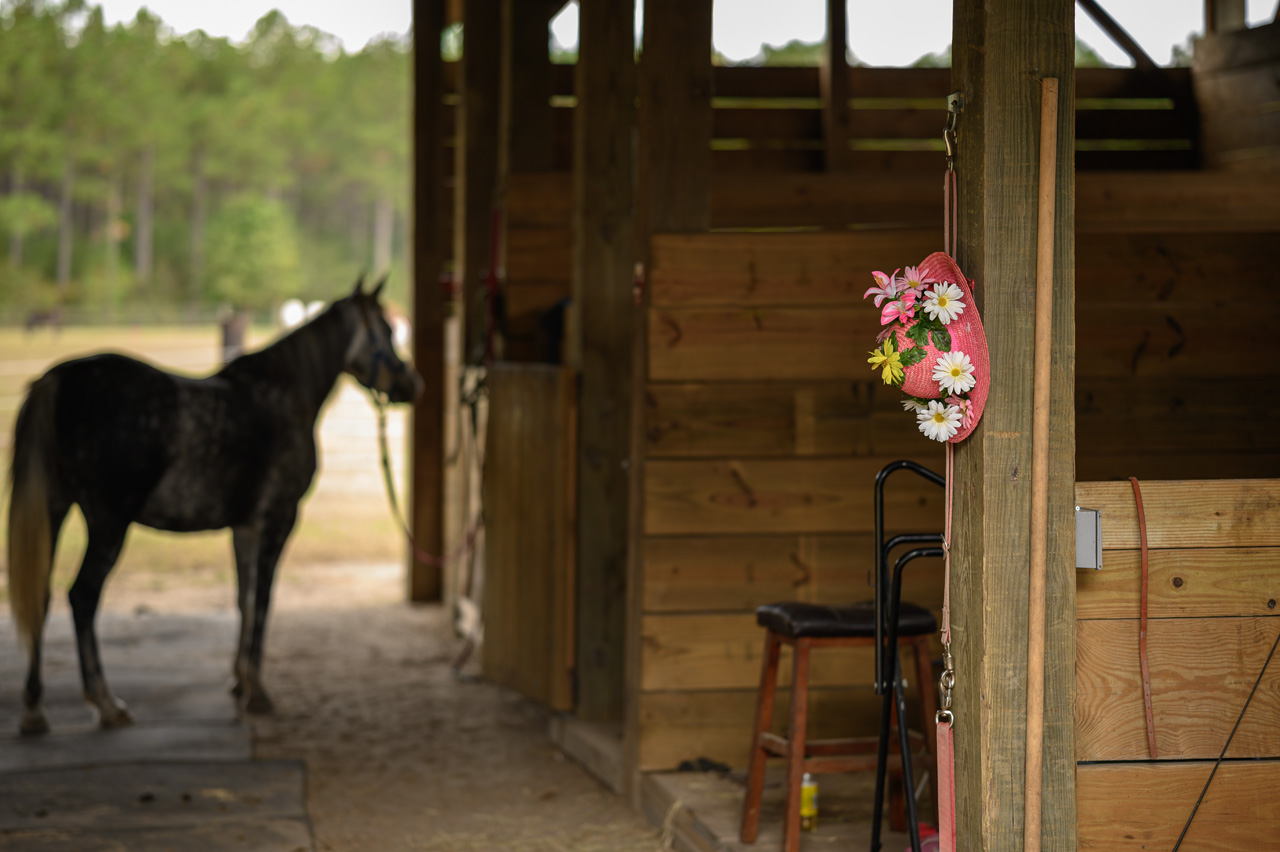
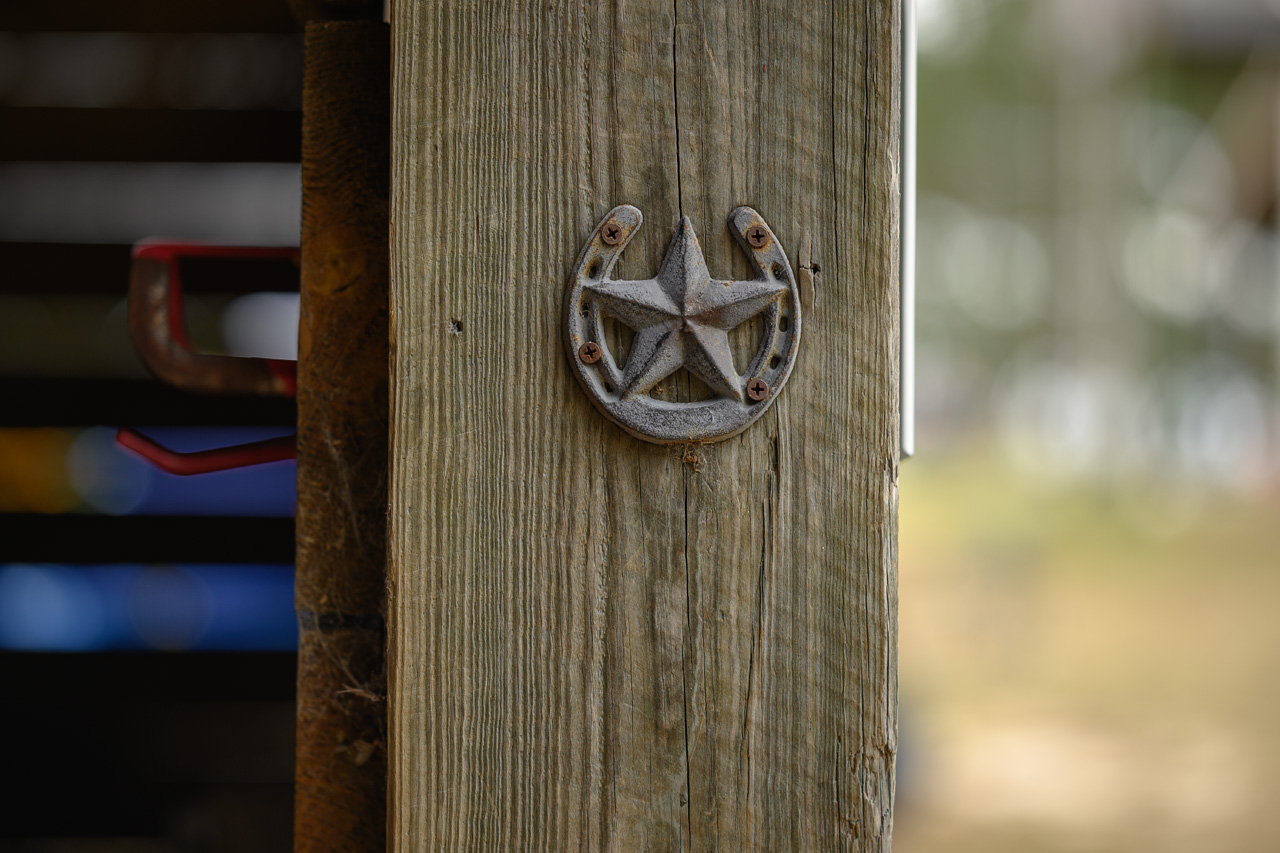
I don't post pictures of my kids, so just some random shots here. But this 85 is stupid good. Some shots from a Fall Festival this weekend. Weather was a bit overcast.
I agree. I think it has a special rendering, as the 85GM.
I'm not putting this lens in the 85GM category, b/c it's not.
But when I look at the 85S and 50S in the viewfinder and in front of my monitor, it just looks different, and better. Better OOF, better transitions, a little bit different (possibly warmer) color perhaps too?
From the samples available here and there, I also prefer the 85 S over the 50 S.
That said, I suspect that Nikon may have more or less significant manufacturing problems with at least a few copies of the 50 S, not all of them preproduction ones.
I've noticed this weird phenomenon in quite a few samples : https://www.dpreview.com/forums/thread/4415177#forum-post-62954181
In very few sample galleries / photostreams the phenomenon is sufficiently pronounced that it ruins the lens IMO. In most of them though it's only mild. There may be copies around without a single trace of that problem but it's difficult to confirm it.
Some people have received copies with very obvious, absolutely major problems : https://www.dpreview.com/forums/post/62079249 (for this one the "double parallel lines" problem was solved by exchanging the lens - but I've seen another user on Flickr with the same problem so it isn't an isolated case).
My gut feeling is that the 50 S was designed on the computer to have a fairly similar IQ as the 85 S but that something went a bit off in the translation from design to manufacturing. One key difference between it and the 85 S is that the latter doesn't feature aspherical elements, but this may not be the cause of these manufacturing problems and I'm not qualified to know anything about it .
I kind of feel like the 85 is doing to the 50 what the 50 did to the 35. It’s like the 35 has had a bad rap, but that’s like saying a Zeiss is not good because it’s not a Leica. All of these lenses range from excellent to stellar. Nikon has come up with a great balance of IQ, size and speed.
Dj R wrote:
I wouldn't go that far.
they maybe designed the 50 to be like a sigma art.
while the 85 has a more pleasing rendering.
but who knows.
and let's be honest, they are both great!
we are really nitpicking here.
The 85 S, however, is so sharp that you consistently get a vertical 1/4 pixel blur when not using EFCS. That is something I haven't seen with with the 50 S.
Dj R wrote:
I wouldn't go that far.
they maybe designed the 50 to be like a sigma art.
while the 85 has a more pleasing rendering.
but who knows.
and let's be honest, they are both great!
we are really nitpicking here.
Of course the longer focal length is the main factor in shutter shake.
The 85 S bokeh, however, is smooth, not creamy. That is most likely due to the 67mm front lens (i.e. filter diameter) - the 77mm front lens of the Zeiss Milvus 1.4/85 allows for really creamy bokeh at f/1.8.
GSaleh wrote:
Longer focal lengths are more greatly effected by camera shake than shorter focal lengths.
The Z50 and Z85 are both very sharp in the centre with the Z50 outperforming the Z85 in the edges.
Z85 will naturally have creamier bokeh due to greater compression.
AcuteShadows wrote:
Of course the longer focal length is the main factor in shutter shake.
The 85 S bokeh, however, is smooth, not creamy. That is most likely due to the 67mm front lens (i.e. filter diameter) - the 77mm front lens of the Zeiss Milvus 1.4/85 allows for really creamy bokeh at f/1.8.
yea I agree, on all fronts.
I do CRAVE a 1.4 now, a lot.
and/or 1.2.
if the new 58 had AF I may have gotten one!













 That is most likely due to the 67mm front lens (i.e. filter diameter) - the 77mm front lens of the Zeiss Milvus 1.4/85 allows for really creamy bokeh at f/1.8.