Voigtlander 110mm f/2.5 Macro APO-Lanthar Review
p.15 #1Voigtlander 110mm f/2.5 Macro APO-Lanthar Review
Update: The Voigtlander 110/2.5 APO Macro-Lanthar is now in-stock at B&H Photo.
Dec 23, 2018 at 03:43 PM
p.15 #2Voigtlander 110mm f/2.5 Macro APO-Lanthar Review
Fred Miranda wrote:
I don't expect to see much difference to what Fred posted here. But as he also did his default sharpening it's difficult to judge if there is something. I'm thinking to replace the Sony FE 90/2.8 and if the lens really shows no CA this may be a good reason. The 90 shows the same bokeh balls when you stop it down and it seems to perform similar at 1:1.The 90, in most situations I've use it in, has much rounder balls at f6.3 than this.
The axial CA of 90 is a touch worse, but still plenty low enough not to bother me.
The FBW is excellent on the 90, but I'd still prefer the real helicoid.
OTOH I like that the 90 doesn't extend.
The 90 is a touch worse at infinity.
At macro distances the 90 is about as good and contrasty as I think I can detect even life size, so I'll call that a draw with the CV based on the samples I've seen.
Of course the 90 means you don't need to pack an AF portrait lens with you on macro trip. (not I think that I've ever used it that way except as a test)The FE 90/2.8 Macro is "internal focus" and therefore focal length will be much reduced at MFD. Have you calculated the real FL at 1:1 magnification? It's different with the 110/2.5 APO as it extends to reach its maximum magnification.
What is the working distance with the FE 90? With the CV 110 at 1:1 macro, it's 7 inches. (without the hood)The FL if the 90 is about 70mm at LifeSize. Don’t recall working distance off hand, I haven’t found it restrictive.
My test copy of 110 still hasn’t arrived, but I’m told its effective FL of the 110 is 90mm at 1:1 despite the extension (maybe die to complex element movements).
Still that’s longer than the 90; I certainly think effective FL and working distance, along with haptics and the last touch of chromatic correction, will be advantages for the 110.Yes, I think @bjornthun@'s calculations are correct here:
https://www.fredmiranda.com/forum/topic/1574251/2#14689560
Basically the 110/2.5 has 7-inch working distance and the 90/2.8 G has ~ 5.5 inches. (Both without hoods)
Of course how much working distance matters is subject dependent. I basically do botanical stuff with macro lenses (and often for reasons of perspective am using 35mm macros (pentax APS macro adapted to full frame - surprisingly good), ultra wides and so on as well as longer ones. So I'm used to short working distance - even to the point of almost touching the front element! So 12cm is luxury, enough for any lighting plan I am likely to use. But someone chasing bugs will care a lot more!
DavidBM wrote
Fred Miranda wrote
DavidBM wrote
sebbe wrote
elimoss wrote
If we are talking strictly about axial CA correction -- I could be wrong, but -- I don't think the inbuilt lens profiles, even sneaky ones, correct axial CA to any significant extent. Lateral CA, certainly.The axial CA of 90 is a touch worse, but still plenty low enough not to bother me.
The FBW is excellent on the 90, but I'd still prefer the real helicoid.
OTOH I like that the 90 doesn't extend.
The 90 is a touch worse at infinity.
At macro distances the 90 is about as good and contrasty as I think I can detect even life size, so I'll call that a draw with the CV based on the samples I've seen.
Of course the 90 means you don't need to pack an AF portrait lens with you on macro trip. (not I think that I've ever used it that way except as a test)
What is the working distance with the FE 90? With the CV 110 at 1:1 macro, it's 7 inches. (without the hood)
My test copy of 110 still hasn’t arrived, but I’m told its effective FL of the 110 is 90mm at 1:1 despite the extension (maybe die to complex element movements).
Still that’s longer than the 90; I certainly think effective FL and working distance, along with haptics and the last touch of chromatic correction, will be advantages for the 110.
https://www.fredmiranda.com/forum/topic/1574251/2#14689560
Basically the 110/2.5 has 7-inch working distance and the 90/2.8 G has ~ 5.5 inches. (Both without hoods)
Of course how much working distance matters is subject dependent. I basically do botanical stuff with macro lenses (and often for reasons of perspective am using 35mm macros (pentax APS macro adapted to full frame - surprisingly good), ultra wides and so on as well as longer ones. So I'm used to short working distance - even to the point of almost touching the front element! So 12cm is luxury, enough for any lighting plan I am likely to use. But someone chasing bugs will care a lot more!
Dec 23, 2018 at 06:00 PM
p.15 #3Voigtlander 110mm f/2.5 Macro APO-Lanthar Review
DavidBM wrote:
The 90, in most situations I've use it in, has much rounder balls at f6.3 than this.
The axial CA of 90 is a touch worse, but still plenty low enough not to bother me.
The FBW is excellent on the 90, but I'd still prefer the real helicoid.
OTOH I like that the 90 doesn't extend.
The 90 is a touch worse at infinity.
At macro distances the 90 is about as good and contrasty as I think I can detect even life size, so I'll call that a draw with the CV based on the samples I've seen.
Of course the 90 means you don't need to pack an AF portrait lens with you on macro trip. (not I think that I've ever used it that way except as a test)The FE 90/2.8 Macro is "internal focus" and therefore focal length will be much reduced at MFD. Have you calculated the real FL at 1:1 magnification? It's different with the 110/2.5 APO as it extends to reach its maximum magnification.
What is the working distance with the FE 90? With the CV 110 at 1:1 macro, it's 7 inches. (without the hood)The FL if the 90 is about 70mm at LifeSize. Don’t recall working distance off hand, I haven’t found it restrictive.
My test copy of 110 still hasn’t arrived, but I’m told its effective FL of the 110 is 90mm at 1:1 despite the extension (maybe die to complex element movements).
Still that’s longer than the 90; I certainly think effective FL and working distance, along with haptics and the last touch of chromatic correction, will be advantages for the 110.Yes, I think @bjornthun@@'s calculations are correct here:
https://www.fredmiranda.com/forum/topic/1574251/2#14689560
Basically the 110/2.5 has 7-inch working distance and the 90/2.8 G has ~ 5.5 inches. (Both without hoods)Of course how much working distance matters is subject dependent. I basically do botanical stuff with macro lenses (and often for reasons of perspective am using 35mm macros (pentax APS macro adapted to full frame - surprisingly good), ultra wides and so on as well as longer ones. So I'm used to short working distance - even to the point of almost touching the front element! So 12cm is luxury, enough for any lighting plan I am likely to use. But someone chasing bugs will care a lot more!
Do you shoot 1:2 more than 1:1?
Fred Miranda wrote
DavidBM wrote
Fred Miranda wrote
DavidBM wrote
sebbe wrote
I don't expect to see much difference to what Fred posted here. But as he also did his default sharpening it's difficult to judge if there is something. I'm thinking to replace the Sony FE 90/2.8 and if the lens really shows no CA this may be a good reason. The 90 shows the same bokeh balls when you stop it down and it seems to perform similar at 1:1.The axial CA of 90 is a touch worse, but still plenty low enough not to bother me.
The FBW is excellent on the 90, but I'd still prefer the real helicoid.
OTOH I like that the 90 doesn't extend.
The 90 is a touch worse at infinity.
At macro distances the 90 is about as good and contrasty as I think I can detect even life size, so I'll call that a draw with the CV based on the samples I've seen.
Of course the 90 means you don't need to pack an AF portrait lens with you on macro trip. (not I think that I've ever used it that way except as a test)
What is the working distance with the FE 90? With the CV 110 at 1:1 macro, it's 7 inches. (without the hood)
My test copy of 110 still hasn’t arrived, but I’m told its effective FL of the 110 is 90mm at 1:1 despite the extension (maybe die to complex element movements).
Still that’s longer than the 90; I certainly think effective FL and working distance, along with haptics and the last touch of chromatic correction, will be advantages for the 110.
https://www.fredmiranda.com/forum/topic/1574251/2#14689560
Basically the 110/2.5 has 7-inch working distance and the 90/2.8 G has ~ 5.5 inches. (Both without hoods)
Do you shoot 1:2 more than 1:1?
Dec 23, 2018 at 07:09 PM
p.15 #4Voigtlander 110mm f/2.5 Macro APO-Lanthar Review
With the CV 110/2.5, I've not seen any trace of color aberration. Truly amazing level of correction.
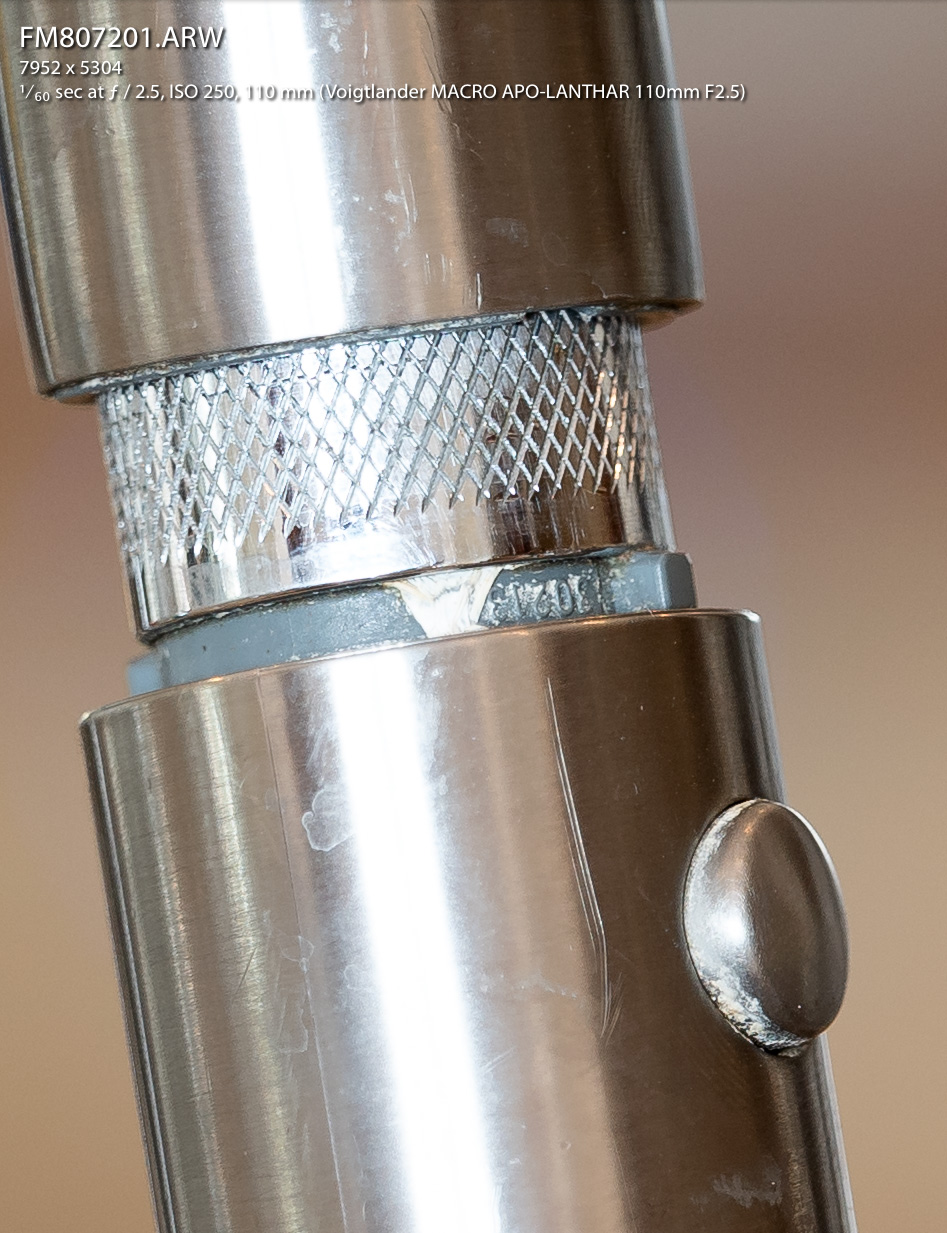
1:1 crop from above image
 |
||
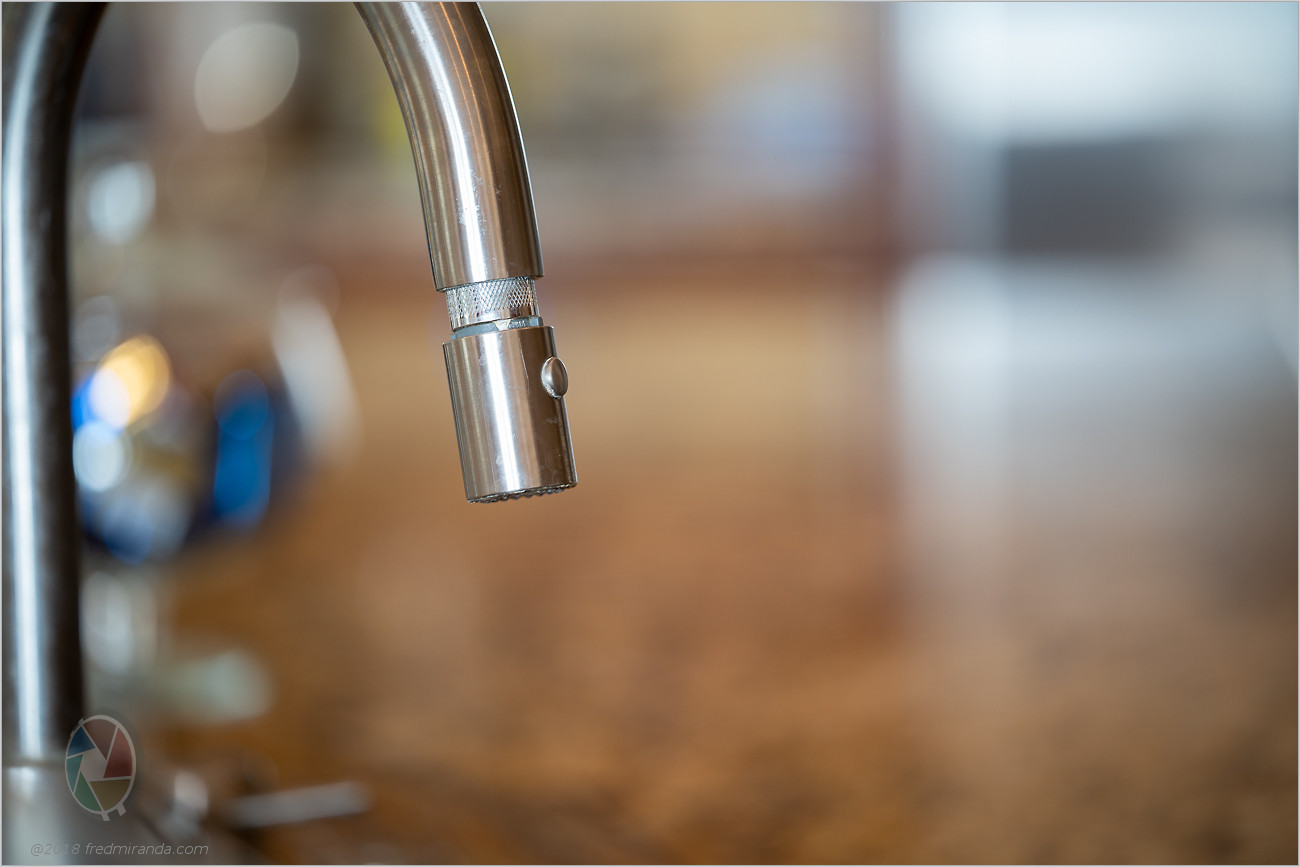 |
||
|
1:1 crop from above image
Dec 23, 2018 at 07:23 PM
p.15 #5Voigtlander 110mm f/2.5 Macro APO-Lanthar Review
Fred Miranda wrote:
The axial CA of 90 is a touch worse, but still plenty low enough not to bother me.
The FBW is excellent on the 90, but I'd still prefer the real helicoid.
OTOH I like that the 90 doesn't extend.
The 90 is a touch worse at infinity.
At macro distances the 90 is about as good and contrasty as I think I can detect even life size, so I'll call that a draw with the CV based on the samples I've seen.
Of course the 90 means you don't need to pack an AF portrait lens with you on macro trip. (not I think that I've ever used it that way except as a test)The FE 90/2.8 Macro is "internal focus" and therefore focal length will be much reduced at MFD. Have you calculated the real FL at 1:1 magnification? It's different with the 110/2.5 APO as it extends to reach its maximum magnification.
What is the working distance with the FE 90? With the CV 110 at 1:1 macro, it's 7 inches. (without the hood)The FL if the 90 is about 70mm at LifeSize. Don’t recall working distance off hand, I haven’t found it restrictive.
My test copy of 110 still hasn’t arrived, but I’m told its effective FL of the 110 is 90mm at 1:1 despite the extension (maybe die to complex element movements).
Still that’s longer than the 90; I certainly think effective FL and working distance, along with haptics and the last touch of chromatic correction, will be advantages for the 110.Yes, I think @bjornthun@@@'s calculations are correct here:
https://www.fredmiranda.com/forum/topic/1574251/2#14689560
Basically the 110/2.5 has 7-inch working distance and the 90/2.8 G has ~ 5.5 inches. (Both without hoods)Of course how much working distance matters is subject dependent. I basically do botanical stuff with macro lenses (and often for reasons of perspective am using 35mm macros (pentax APS macro adapted to full frame - surprisingly good), ultra wides and so on as well as longer ones. So I'm used to short working distance - even to the point of almost touching the front element! So 12cm is luxury, enough for any lighting plan I am likely to use. But someone chasing bugs will care a lot more!Do you shoot 1:2 more than 1:1?
Probably pretty even between 1:1 and 1:3. (and sometimes closer).
I know when I take a 1:2 like the CV or back in the day my old makro planar Or OM into the field I’m often frustrated - occasionally because I want 1:1 but more often 1:1.5 or so seems to be the sweet spot for what I do. Australian wildflowers are often tiny!
DavidBM wrote
Fred Miranda wrote
DavidBM wrote
Fred Miranda wrote
DavidBM wrote
The 90, in most situations I've use it in, has much rounder balls at f6.3 than this.The axial CA of 90 is a touch worse, but still plenty low enough not to bother me.
The FBW is excellent on the 90, but I'd still prefer the real helicoid.
OTOH I like that the 90 doesn't extend.
The 90 is a touch worse at infinity.
At macro distances the 90 is about as good and contrasty as I think I can detect even life size, so I'll call that a draw with the CV based on the samples I've seen.
Of course the 90 means you don't need to pack an AF portrait lens with you on macro trip. (not I think that I've ever used it that way except as a test)
What is the working distance with the FE 90? With the CV 110 at 1:1 macro, it's 7 inches. (without the hood)
My test copy of 110 still hasn’t arrived, but I’m told its effective FL of the 110 is 90mm at 1:1 despite the extension (maybe die to complex element movements).
Still that’s longer than the 90; I certainly think effective FL and working distance, along with haptics and the last touch of chromatic correction, will be advantages for the 110.
https://www.fredmiranda.com/forum/topic/1574251/2#14689560
Basically the 110/2.5 has 7-inch working distance and the 90/2.8 G has ~ 5.5 inches. (Both without hoods)
Probably pretty even between 1:1 and 1:3. (and sometimes closer).
I know when I take a 1:2 like the CV or back in the day my old makro planar Or OM into the field I’m often frustrated - occasionally because I want 1:1 but more often 1:1.5 or so seems to be the sweet spot for what I do. Australian wildflowers are often tiny!
Dec 23, 2018 at 07:23 PM
p.15 #6Voigtlander 110mm f/2.5 Macro APO-Lanthar Review
DavidBM wrote:
What is the working distance with the FE 90? With the CV 110 at 1:1 macro, it's 7 inches. (without the hood)The FL if the 90 is about 70mm at LifeSize. Don’t recall working distance off hand, I haven’t found it restrictive.
My test copy of 110 still hasn’t arrived, but I’m told its effective FL of the 110 is 90mm at 1:1 despite the extension (maybe die to complex element movements).
Still that’s longer than the 90; I certainly think effective FL and working distance, along with haptics and the last touch of chromatic correction, will be advantages for the 110.Yes, I think @bjornthun@@@@'s calculations are correct here:
https://www.fredmiranda.com/forum/topic/1574251/2#14689560
Basically the 110/2.5 has 7-inch working distance and the 90/2.8 G has ~ 5.5 inches. (Both without hoods)Of course how much working distance matters is subject dependent. I basically do botanical stuff with macro lenses (and often for reasons of perspective am using 35mm macros (pentax APS macro adapted to full frame - surprisingly good), ultra wides and so on as well as longer ones. So I'm used to short working distance - even to the point of almost touching the front element! So 12cm is luxury, enough for any lighting plan I am likely to use. But someone chasing bugs will care a lot more!Do you shoot 1:2 more than 1:1?Probably pretty even between 1:1 and 1:3. (and sometimes closer).
I know when I take a 1:2 like the CV or back in the day my old makro planar Or OM into the field I’m often frustrated - occasionally because I want 1:1 but more often 1:1.5 or so seems to be the sweet spot for what I do. Australian wildflowers are often tiny!
You have so many great lenses like the FE 90/2.8G and CV 65/2 but based on what you like to shoot, I have the feeling you will appreciate the 110/2.5's IQ and precision.
Fred Miranda wrote
DavidBM wrote
Fred Miranda wrote
DavidBM wrote
Fred Miranda wrote
The FE 90/2.8 Macro is "internal focus" and therefore focal length will be much reduced at MFD. Have you calculated the real FL at 1:1 magnification? It's different with the 110/2.5 APO as it extends to reach its maximum magnification.What is the working distance with the FE 90? With the CV 110 at 1:1 macro, it's 7 inches. (without the hood)
My test copy of 110 still hasn’t arrived, but I’m told its effective FL of the 110 is 90mm at 1:1 despite the extension (maybe die to complex element movements).
Still that’s longer than the 90; I certainly think effective FL and working distance, along with haptics and the last touch of chromatic correction, will be advantages for the 110.
https://www.fredmiranda.com/forum/topic/1574251/2#14689560
Basically the 110/2.5 has 7-inch working distance and the 90/2.8 G has ~ 5.5 inches. (Both without hoods)
I know when I take a 1:2 like the CV or back in the day my old makro planar Or OM into the field I’m often frustrated - occasionally because I want 1:1 but more often 1:1.5 or so seems to be the sweet spot for what I do. Australian wildflowers are often tiny!
You have so many great lenses like the FE 90/2.8G and CV 65/2 but based on what you like to shoot, I have the feeling you will appreciate the 110/2.5's IQ and precision.
Dec 23, 2018 at 07:30 PM
p.15 #7Voigtlander 110mm f/2.5 Macro APO-Lanthar Review
Fred Miranda wrote:
My test copy of 110 still hasn’t arrived, but I’m told its effective FL of the 110 is 90mm at 1:1 despite the extension (maybe die to complex element movements).
Still that’s longer than the 90; I certainly think effective FL and working distance, along with haptics and the last touch of chromatic correction, will be advantages for the 110.Yes, I think @bjornthun@@@@@'s calculations are correct here:
https://www.fredmiranda.com/forum/topic/1574251/2#14689560
Basically the 110/2.5 has 7-inch working distance and the 90/2.8 G has ~ 5.5 inches. (Both without hoods)Of course how much working distance matters is subject dependent. I basically do botanical stuff with macro lenses (and often for reasons of perspective am using 35mm macros (pentax APS macro adapted to full frame - surprisingly good), ultra wides and so on as well as longer ones. So I'm used to short working distance - even to the point of almost touching the front element! So 12cm is luxury, enough for any lighting plan I am likely to use. But someone chasing bugs will care a lot more!Do you shoot 1:2 more than 1:1?Probably pretty even between 1:1 and 1:3. (and sometimes closer).
I know when I take a 1:2 like the CV or back in the day my old makro planar Or OM into the field I’m often frustrated - occasionally because I want 1:1 but more often 1:1.5 or so seems to be the sweet spot for what I do. Australian wildflowers are often tiny!You have so many great lenses like the FE 90/2.8G and CV 65/2 but based on what you like to shoot, I have the feeling you will appreciate the 110/2.5's IQ and precision.
That’s my fear too. And it’s so easy not to return review copies.....almost makes buying it the default

DavidBM wrote
Fred Miranda wrote
DavidBM wrote
Fred Miranda wrote
DavidBM wrote
The FL if the 90 is about 70mm at LifeSize. Don’t recall working distance off hand, I haven’t found it restrictive.My test copy of 110 still hasn’t arrived, but I’m told its effective FL of the 110 is 90mm at 1:1 despite the extension (maybe die to complex element movements).
Still that’s longer than the 90; I certainly think effective FL and working distance, along with haptics and the last touch of chromatic correction, will be advantages for the 110.
https://www.fredmiranda.com/forum/topic/1574251/2#14689560
Basically the 110/2.5 has 7-inch working distance and the 90/2.8 G has ~ 5.5 inches. (Both without hoods)
I know when I take a 1:2 like the CV or back in the day my old makro planar Or OM into the field I’m often frustrated - occasionally because I want 1:1 but more often 1:1.5 or so seems to be the sweet spot for what I do. Australian wildflowers are often tiny!
That’s my fear too. And it’s so easy not to return review copies.....almost makes buying it the default
Dec 23, 2018 at 07:33 PM
p.15 #8Voigtlander 110mm f/2.5 Macro APO-Lanthar Review
Fred Miranda wrote:
With the CV 110/2.5, I've not seen any trace of color aberration. Truly amazing level of correction.
I think it beats the old 125/2.5. No question.
With the CV 110/2.5, I've not seen any trace of color aberration. Truly amazing level of correction.
I think it beats the old 125/2.5. No question.
Dec 23, 2018 at 07:41 PM
p.15 #9Voigtlander 110mm f/2.5 Macro APO-Lanthar Review
Nooo, Fred please say it's useless in some sort of way 
I can feel my fingers twitching as it's now available.
I hate this forum.
Rob
I can feel my fingers twitching as it's now available.
I hate this forum.
Rob
Dec 23, 2018 at 09:50 PM
p.15 #10Voigtlander 110mm f/2.5 Macro APO-Lanthar Review
RobertHolloway wrote:
Nooo, Fred please say it's useless in some sort of way
I can feel my fingers twitching as it's now available.
I hate this forum.
Rob
For me personally the only negative is the 763 grams but hey it's less than the official weight.
Nooo, Fred please say it's useless in some sort of way
I can feel my fingers twitching as it's now available.
I hate this forum.
Rob
For me personally the only negative is the 763 grams but hey it's less than the official weight.
Dec 23, 2018 at 10:17 PM
|
p.15 #11Voigtlander 110mm f/2.5 Macro APO-Lanthar Review
bjornthun wrote:
I think it beats the old 125/2.5. No question.
At least my 125/2.5 copy is a Nikon mount for my Z7 so that $1000 isn’t burning a hole in my pocket... yet.
Fred Miranda wrote
With the CV 110/2.5, I've not seen any trace of color aberration. Truly amazing level of correction.At least my 125/2.5 copy is a Nikon mount for my Z7 so that $1000 isn’t burning a hole in my pocket... yet.
Dec 24, 2018 at 09:48 AM
p.15 #12Voigtlander 110mm f/2.5 Macro APO-Lanthar Review
WOW. Just got this and took some photos of the big Warhol exhibition at the Whitney. S&H Green Stamps, 1963. Anybody old enough to remember these?
And one of my sleeping egyptian mau. DOF exercise for x-mas.

Andy Warhol, S&H Green Stamps, 1963 (Detail)
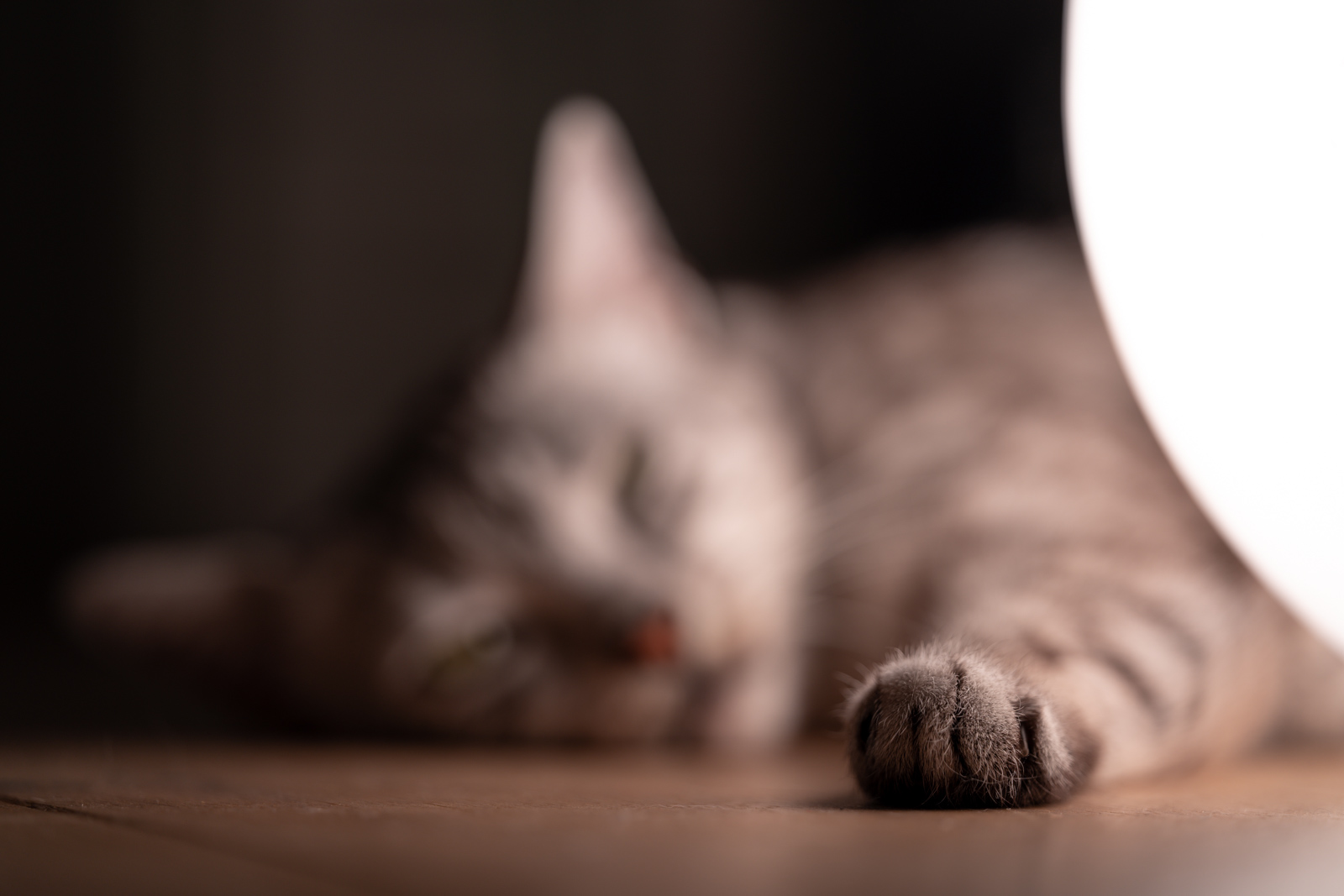
Silver Egyptian Mau, Sleeping near globe
And one of my sleeping egyptian mau. DOF exercise for x-mas.
Andy Warhol, S&H Green Stamps, 1963 (Detail)
Silver Egyptian Mau, Sleeping near globe
Dec 24, 2018 at 08:12 PM
p.15 #13Voigtlander 110mm f/2.5 Macro APO-Lanthar Review
Fred Miranda wrote:
With the CV 110/2.5, I've not seen any trace of color aberration. Truly amazing level of correction.
The best I've seen. It rivals Coastal Optics UV-VIS-IR 60mm in visible spectrum. Wish they have EOS-R version.
With the CV 110/2.5, I've not seen any trace of color aberration. Truly amazing level of correction.
The best I've seen. It rivals Coastal Optics UV-VIS-IR 60mm in visible spectrum. Wish they have EOS-R version.
Dec 25, 2018 at 03:59 AM
p.15 #14Voigtlander 110mm f/2.5 Macro APO-Lanthar Review
One from Christmas eve:
 |
||
 |
||
|
Dec 25, 2018 at 07:42 AM
p.15 #15Voigtlander 110mm f/2.5 Macro APO-Lanthar Review
Fred Miranda wrote:
With the CV 110/2.5, I've not seen any trace of color aberration. Truly amazing level of correction.
Fred, how would you compare APO performance to the Zeiss Batis 135 ?
With the CV 110/2.5, I've not seen any trace of color aberration. Truly amazing level of correction.
Fred, how would you compare APO performance to the Zeiss Batis 135 ?
Dec 25, 2018 at 08:04 AM
p.15 #16Voigtlander 110mm f/2.5 Macro APO-Lanthar Review
LBJ2 wrote:
Fred, how would you compare APO performance to the Zeiss Batis 135 ?
Regarding LoCA correction, the Batis 135/2.8 is very similar in performance to the Voigtlander and noticeably better than the Zeiss 135/2 APO.
I will try post some samples later.
Fred Miranda wrote
With the CV 110/2.5, I've not seen any trace of color aberration. Truly amazing level of correction.Regarding LoCA correction, the Batis 135/2.8 is very similar in performance to the Voigtlander and noticeably better than the Zeiss 135/2 APO.
I will try post some samples later.
Dec 25, 2018 at 09:56 AM
p.15 #17Voigtlander 110mm f/2.5 Macro APO-Lanthar Review
Luvwine wrote:
One from Christmas eve:
http://a4.pbase.com/o10/91/505291/1/168586623.q9TUpLOf._DSC6843.jpg
Great shot!
How do you like your CV 110/2.5 so far Stephen?
One from Christmas eve:
http://a4.pbase.com/o10/91/505291/1/168586623.q9TUpLOf._DSC6843.jpg
Great shot!
How do you like your CV 110/2.5 so far Stephen?
Dec 25, 2018 at 12:26 PM
p.15 #18Voigtlander 110mm f/2.5 Macro APO-Lanthar Review
Fred Miranda wrote:
http://a4.pbase.com/o10/91/505291/1/168586623.q9TUpLOf._DSC6843.jpgGreat shot!
How do you like your CV 110/2.5 so far Stephen?
Thanks for your kind words. I like it very much, Fred. Only issue is one I expected. That is, the focal length does not get as much use as wider lenses —especially in the winter where there is a dearth of flowers or other likely subjects for a macro lens. I suppose I could pick a nit with the cat eyes in the corners of the bokeh, but the lovely sun stars make up for it. I will need to wait till spring to really give it a flower workout. Now, if I were at Yosemite or something, then longer focal lengths come into play a lot more than for the NC mountains and waterfalls I am mostly shooting right now.
I fear it will not be a big seller as many have already bought the Sony 90 macro and are happy with their 70-200 or 100-400 for general use. It is supremely well corrected and as sharp as any other lens in the stable, but these merits may not be enough to sell a medium fast manual focus medium telephoto prime lens in large numbers.
I also just bought the Sony GM 100-400 so it is competing a bit with that lens for my attention at the moment, but I will try to post some more pics here as I take them.
Edit: Here is a less than wonderful images from just after sunrise when the sun hid behind the clouds--just to prove that it is not just sitting on a shelf!

Luvwine wrote
One from Christmas eve:http://a4.pbase.com/o10/91/505291/1/168586623.q9TUpLOf._DSC6843.jpg
How do you like your CV 110/2.5 so far Stephen?
Thanks for your kind words. I like it very much, Fred. Only issue is one I expected. That is, the focal length does not get as much use as wider lenses —especially in the winter where there is a dearth of flowers or other likely subjects for a macro lens. I suppose I could pick a nit with the cat eyes in the corners of the bokeh, but the lovely sun stars make up for it. I will need to wait till spring to really give it a flower workout. Now, if I were at Yosemite or something, then longer focal lengths come into play a lot more than for the NC mountains and waterfalls I am mostly shooting right now.
I fear it will not be a big seller as many have already bought the Sony 90 macro and are happy with their 70-200 or 100-400 for general use. It is supremely well corrected and as sharp as any other lens in the stable, but these merits may not be enough to sell a medium fast manual focus medium telephoto prime lens in large numbers.
I also just bought the Sony GM 100-400 so it is competing a bit with that lens for my attention at the moment, but I will try to post some more pics here as I take them.
Edit: Here is a less than wonderful images from just after sunrise when the sun hid behind the clouds--just to prove that it is not just sitting on a shelf!
Dec 25, 2018 at 01:36 PM
p.15 #19Voigtlander 110mm f/2.5 Macro APO-Lanthar Review
G'day. Got mine on Monday and took it out for a spin in Melbourne yesterday.
So far I'm very impressed with its resolution, yet found the focus ring very sensitive near infinity, more so than the 65.
 _DSC0207-fb-copy by Kai O'Yang, on Flickr
 _DSC0175-fb-copy by Kai O'Yang, on Flickr
 _DSC0155-fb-copy by Kai O'Yang, on Flickr
So far I'm very impressed with its resolution, yet found the focus ring very sensitive near infinity, more so than the 65.
_DSC0207-fb-copy by Kai O'Yang, on Flickr_DSC0175-fb-copy by Kai O'Yang, on Flickr_DSC0155-fb-copy by Kai O'Yang, on FlickrDec 25, 2018 at 02:52 PM
p.15 #20Voigtlander 110mm f/2.5 Macro APO-Lanthar Review
I saw its a similar design to the ol' Tamron Adaptall 90mm f2.5 SP macro - which used to be a favorite of mine. The front extends quite far out, which makes macro focusing very easy, but means a VERY short throw from 3m to infinity. Tricky, but doable, especially with focus magnify.
Beautiful shots, by the way.
kaioyang wrote:
G'day. Got mine on Monday and took it out for a spin in Melbourne yesterday.
So far I'm very impressed with its resolution, yet found the focus ring very sensitive near infinity, more so than the 65.
https://farm8.staticflickr.com/7906/32585347578_c300e55abe_b.jpg_DSC0207-fb-copy by Kai O'Yang, on Flickr
https://farm5.staticflickr.com/4816/46407249452_3b1690bd56_b.jpg_DSC0175-fb-copy by Kai O'Yang, on Flickr
https://farm8.staticflickr.com/7909/46407249652_52b78301bb_b.jpg_DSC0155-fb-copy by Kai O'Yang, on Flickr
Dec 25, 2018 at 02:59 PM