So for those like me that dislike the OEM hoods that come with these lenses and prefer metal screw in hoods. I ordered one off ebay and it works perfectly on the GM 24.
smpetty wrote:
Did the Batis 25 have a better showing compared to the Loxia 25 HERE?
GMPhotography wrote:
Loxia wins the battle over the Batis .
I didn't frame my question very well. What I meant is that, IMO, the Batis 25 looks closer to the Loxia 25 in THIS comparison than the 24 GM does in the above comparison. It makes me wonder if the Batis is sharper across the field than the GM at like apertures.
The Batis and GM are more flat field but the Loxia 25 has less Field curvature than the Loxia 21. As far as across the field sharpness between the Batis 25 and the GM 24. Without a direct test I would tend to lean to the GM since I know at 5.6 it’s really about at its best. I don’t remember the Batis 25 being that good at 5.6 in my older tests. I think it was F8. But we really need a side by side to know for sure.
Btw you just got a Golden Copy of the Loxia 25. That is one damn good lens
smpetty wrote:
Did the Batis 25 have a better showing compared to the Loxia 25 HERE?
I would not be surprised if they are very similar at infinity but I think the 24/1.4 GM is sharper at center.
However, to know for sure, they should be tested side by side.
smpetty wrote:
I didn't frame my question very well. What I meant is that, IMO, the Batis 25 looks closer to the Loxia 25 in THIS comparison than the 24 GM does in the above comparison. It makes me wonder if the Batis is sharper across the field than the GM at like apertures.
Scott (who just bought Guy's Loxia 25 )
I don't have my Batis any more, so I"m relying on test shots under slightly different conditions, it's not impossible that it's a tad better or worse at f8 but really nothing in it.
But at f2 the GM is way ahead of Batis at f2, and somewhat ahead at f2.8.
I'm pretty shocked. The Loxia is much clearer. The colors of the Loxia are on a completely different level.
The GM is excellent wide open but definitely not a landscape lens.
And it's not true that it is just because the very good perforcmance at open aperture. There are also lenses that are open extremely sharp and also stopped down and not so quickly affected by diffraction. In my experience, for example, the Canon 35mm 1.4 L II.
1) Resolution is high across the field, esp. for an f1.4 lens. Do you expect Otus performance in such a small package at this price point? That's ridiculous.
2) How would CAs look like without the ED elements? So why is the remark that CAs are suppressed (for me that means clearly _reduced_ contrary to completely eliminated), wrong?
I think this lens produces excellent IQ in a small and light weight package, optimised for general usage (including events!), not landscapes alone. Can you show me a better AF lens with an f1.4 aperture, at this size and weight at this price point in the market?...Show more →
I have never seen such divergent and polarizing summaries on a lens like in this case.
Let's try to get a cool head and look at what we've got (and what not):
+ Amazing wide open performance that was rarely if ever seen before
+ Great stopped down performance for landscapes, especially over 90% of the image
+ Close to perfect bokeh quality
+ Great build quality
+ Fast and accurate AF
+ Great accessories (Button, aperture ring, lens pouch, lens hood with release button)
+ Low coma (that needs to triple checked though)
+ Convenient size and weight
+ Good weather sealing
+ Very common E-Mount filter size
+ Low Distortion
o No class leading edge performance due to astigmatism and LaCA
o Sometimes visible LoCA although generally well controlled
o Good but not very good flare performance
- odd sun stars (if pronounced sun stars is what you like.. I do)
- Strong vignetting
I don't think that the colors and contrast (on this level) are deciding factors for anybody who is seriously interested in postprocessing. There is a difference between lenses and the preferences are more up to esoterics than anything else.
So what have we got here?
- A portrait machine
- A fine but not class leading landscape lens
- A hugely versatile lens
- A great low light lens
- Maybe a great astro lens
Now that we know the comparison between the Loxias and the GM, we have obvious and easy choices and nothing to argue about
- Plain landscapers and MF lovers go for the Loxias
- Everybody else is better suited with the GM
The Batis 25 is now in a quite odd position and only interesting, if the GM is too expensive but AF is needed. (although the Sony 28 sits in that niche too).
My personal and very easy choice as a landscaping family father is the GM.
I keep wondering what’s not to like. To put it bluntly and I am serious there is not a better 24mm AF lens at F 1.4 that is in a native Sony mount. I’m really not sure what folks are expecting. It’s just to versatile to ignore. Also I never meet a 1.4 lens that was killer at 1.4 usually it’s like 1.8. Case in point Sony 50 1.4 and Sony 85 1.4 GM both are at 1.8. This thing beats Big Bronco tests in the mid range area you know how hard that is to do. I don’t even like AF lenses. But I like this one
Okay I hate the hood but I hate every Sony hood and Canons and Nikons. He’ll throw Sigma in there too. All big balloons
I honestly think the GM is a better all round lens. Shear Optical quality, while obviously very important, is only a piece of this picture. The fact that optically the GM comes close to the Loxia says a lot when it has a lot of other attributes that completely out class it.
After taking Fred's test pictures into photoshop the slight post processing needed brings it very close.. and this is with jpgs.
So I'm definitely very happy that I waited for this lens to be announce and released.
Clayphish wrote:
I honestly think the GM is a better all round lens. Shear Optical quality, while obviously very important, is only a piece of this picture. The fact that optically the GM comes close to the Loxia says a lot when it has a lot of other attributes that completely out class it.
After taking Fred's test pictures into photoshop the slight post processing needed brings it very close.. and this is with jpgs.
So I'm definitely very happy that I waited for this lens to be announce and released.
I have the Raws posted on Big Bronco that you can download. I also have just the Sony though infinity raws as well.
Jannik Peters wrote:
I have never seen such divergent and polarizing summaries on a lens like in this case.
Let's try to get a cool head and look at what we've got (and what not):
+ Amazing wide open performance that was rarely if ever seen before
+ Great stopped down performance for landscapes, especially over 90% of the image
+ Close to perfect bokeh quality
+ Great build quality
+ Fast and accurate AF
+ Great accessories (Button, aperture ring, lens pouch, lens hood with release button)
+ Low coma (that needs to triple checked though)
+ Convenient size and weight
+ Good weather sealing
+ Very common E-Mount filter size
+ Low Distortion
o No class leading edge performance due to astigmatism and LaCA
o Sometimes visible LoCA although generally well controlled
o Good but not very good flare performance
- odd sun stars (if pronounced sun stars is what you like.. I do)
- Strong vignetting
I don't think that the colors and contrast (on this level) are deciding factors for anybody who is seriously interested in postprocessing. There is a difference between lenses and the preferences are more up to esoterics than anything else.
So what have we got here?
- A portrait machine
- A fine but not class leading landscape lens
- A hugely versatile lens
- A great low light lens
- Maybe a great astro lens
Now that we know the comparison between the Loxias and the GM, we have obvious and easy choices and nothing to argue about
- Plain landscapers and MF lovers go for the Loxias
- Everybody else is better suited with the GM
The Batis 25 is now in a quite odd position and only interesting, if the GM is too expensive but AF is needed. (although the Sony 28 sits in that niche too).
My personal and very easy choice as a landscaping family father is the GM. ...Show more →
Exactly. And if I look at the images Albert Dros is producing with such a lens, unless one is clearly making a living out of landscape photography, doing very huge prints etc., nobody could complain about such a lens.
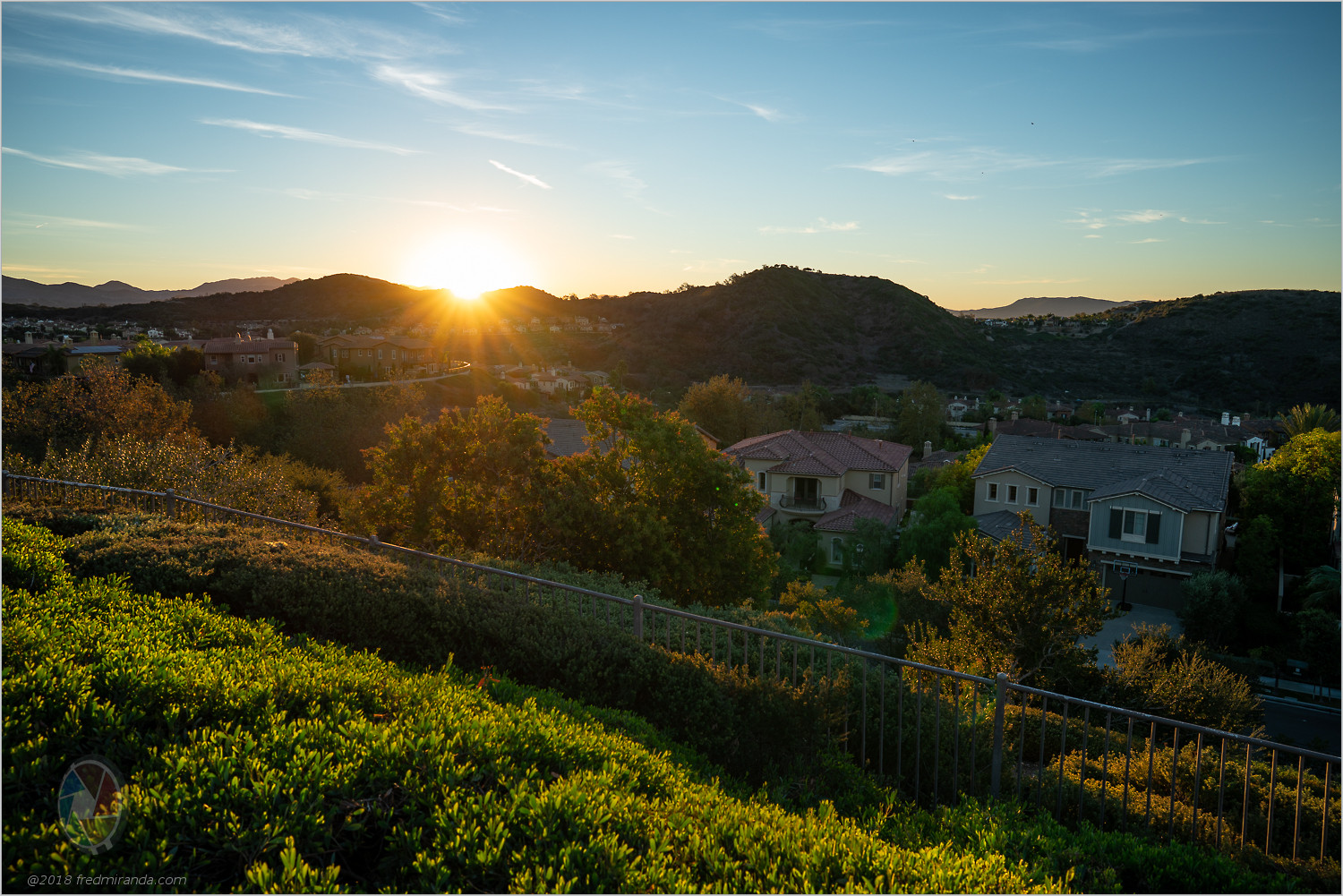
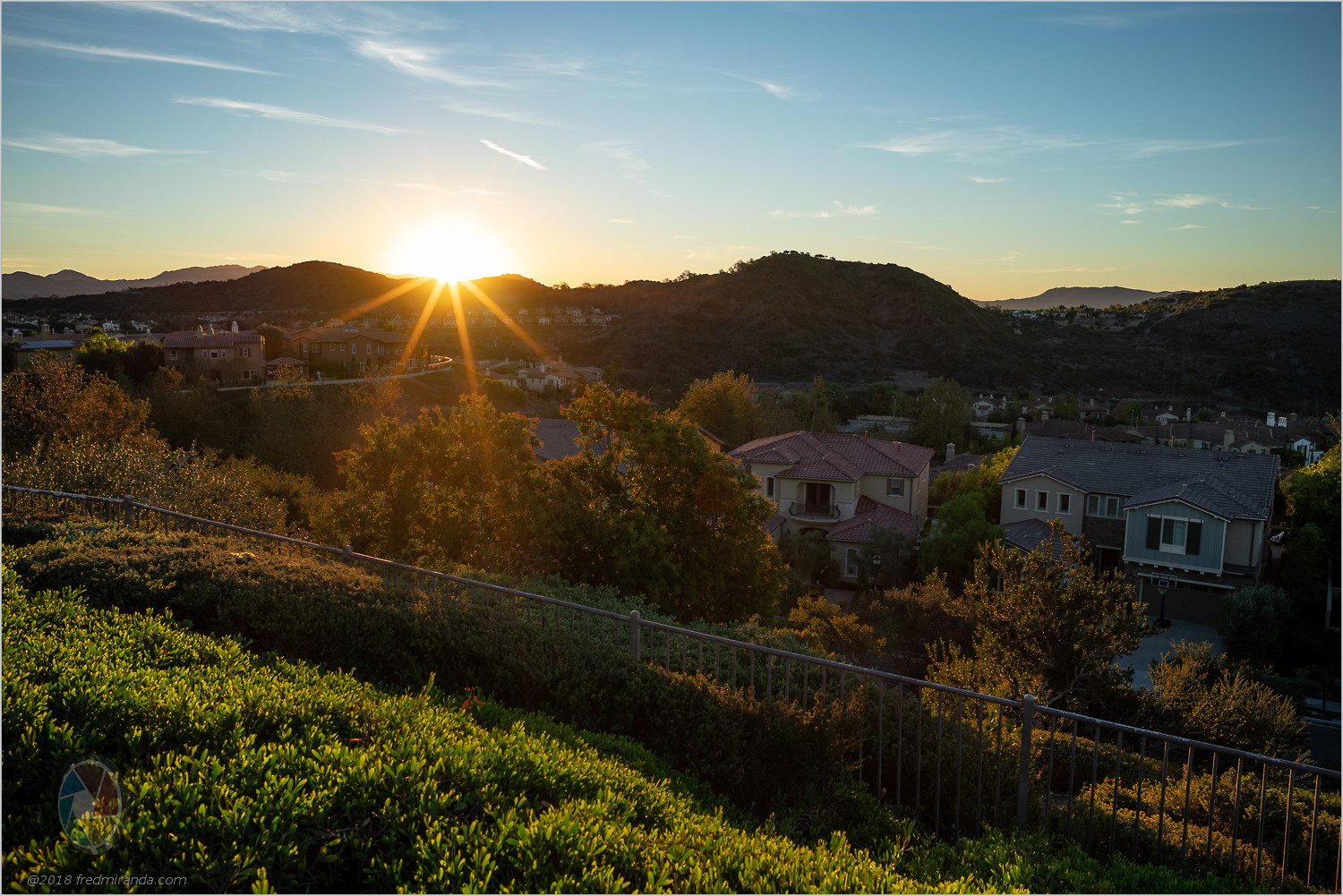
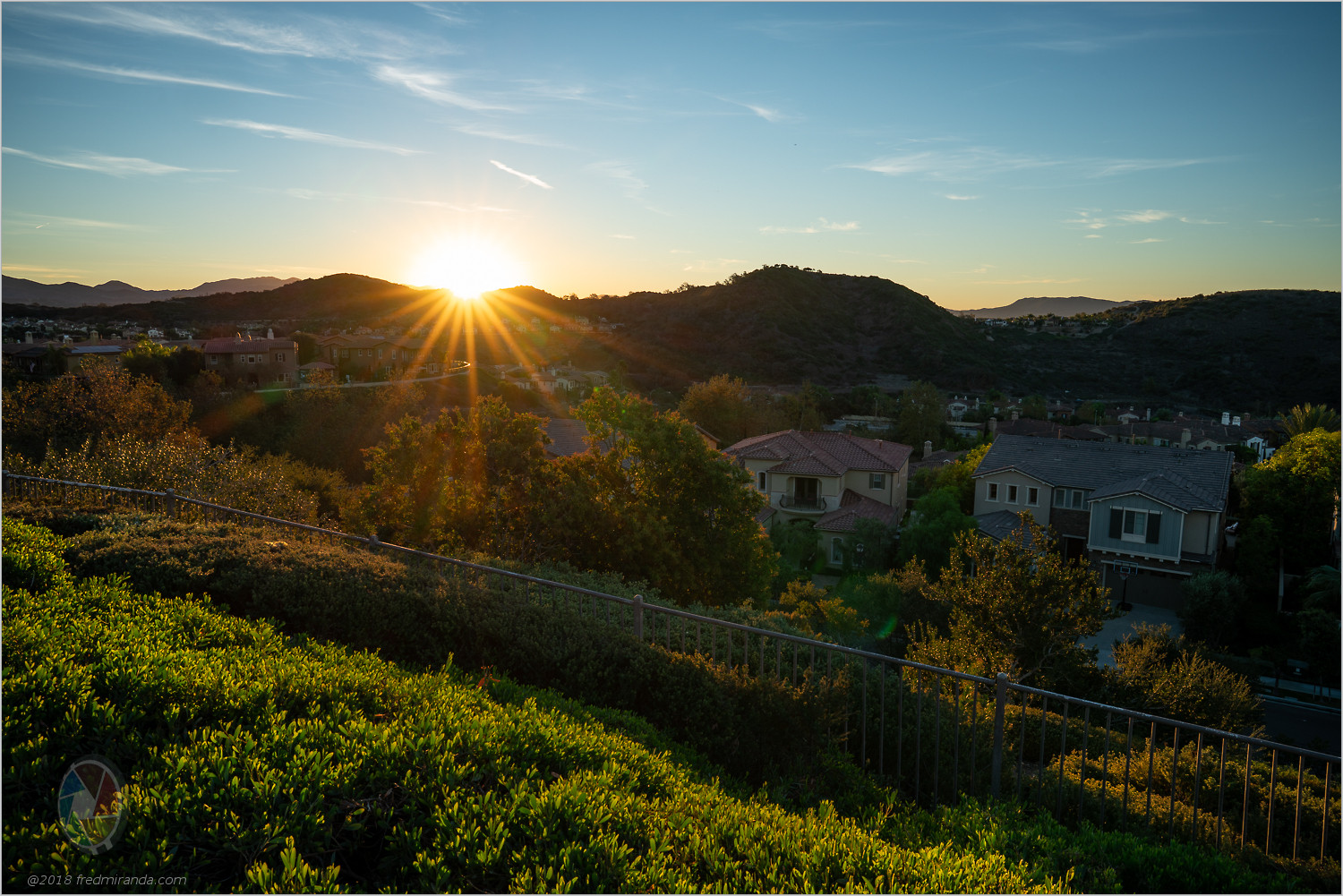
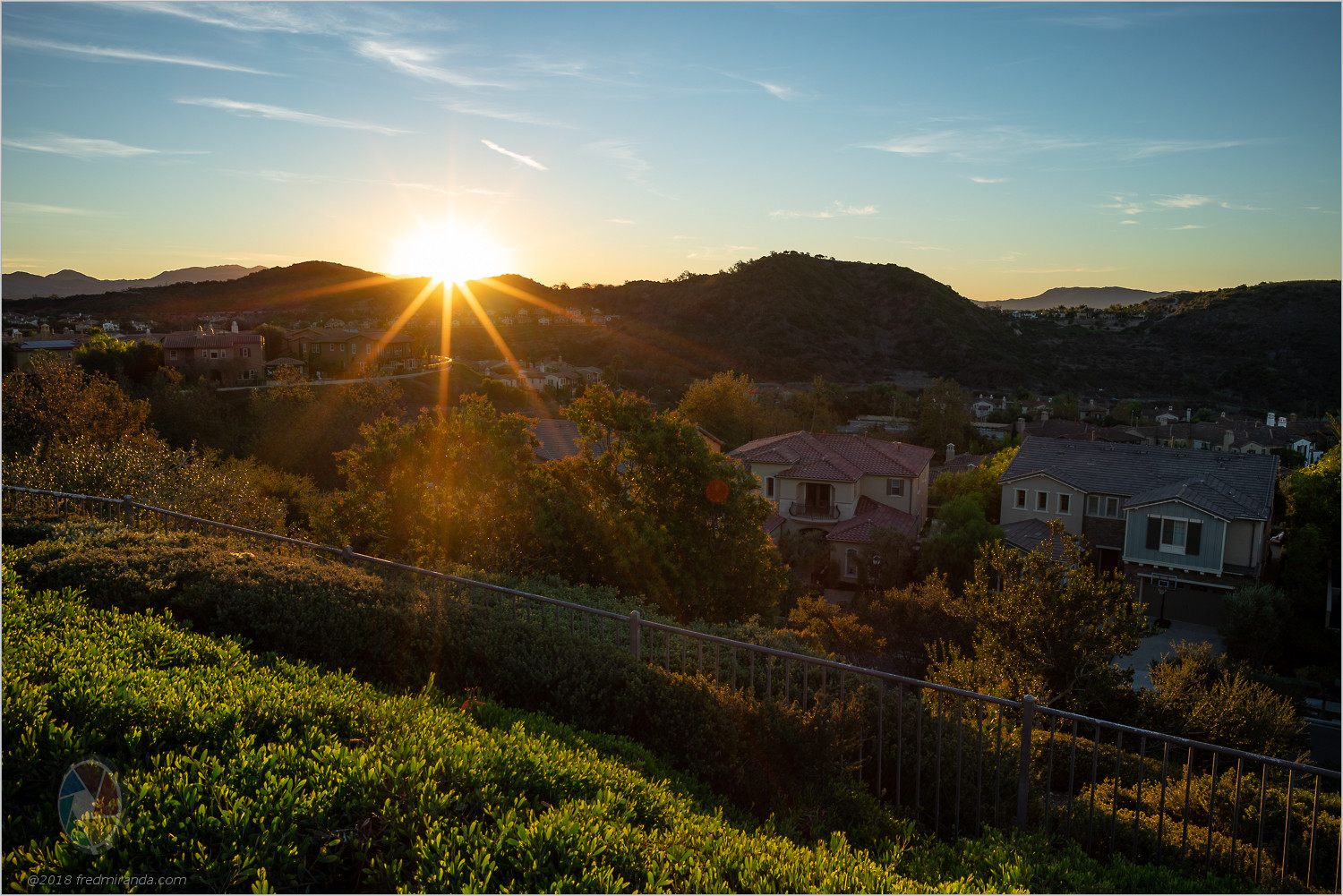
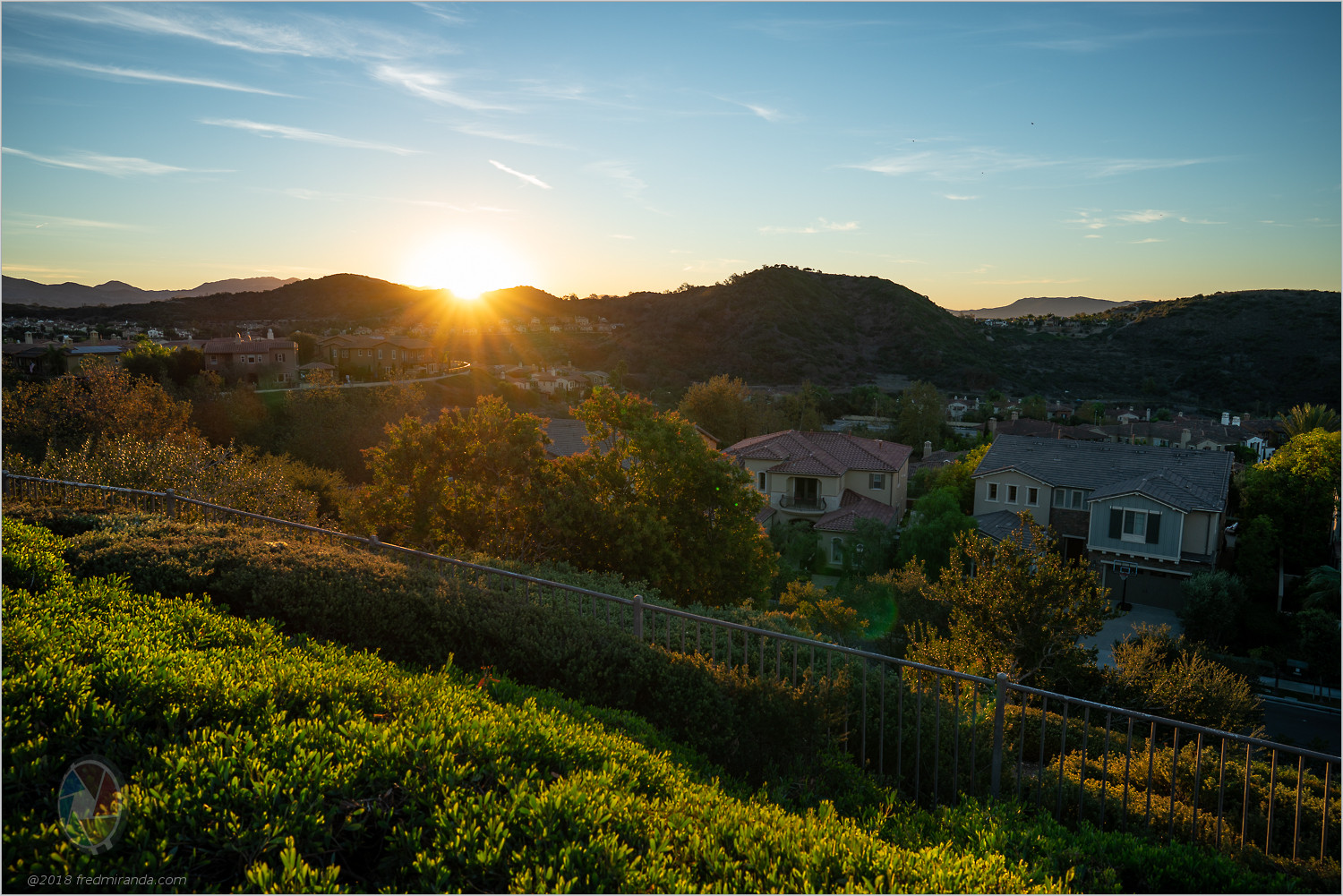
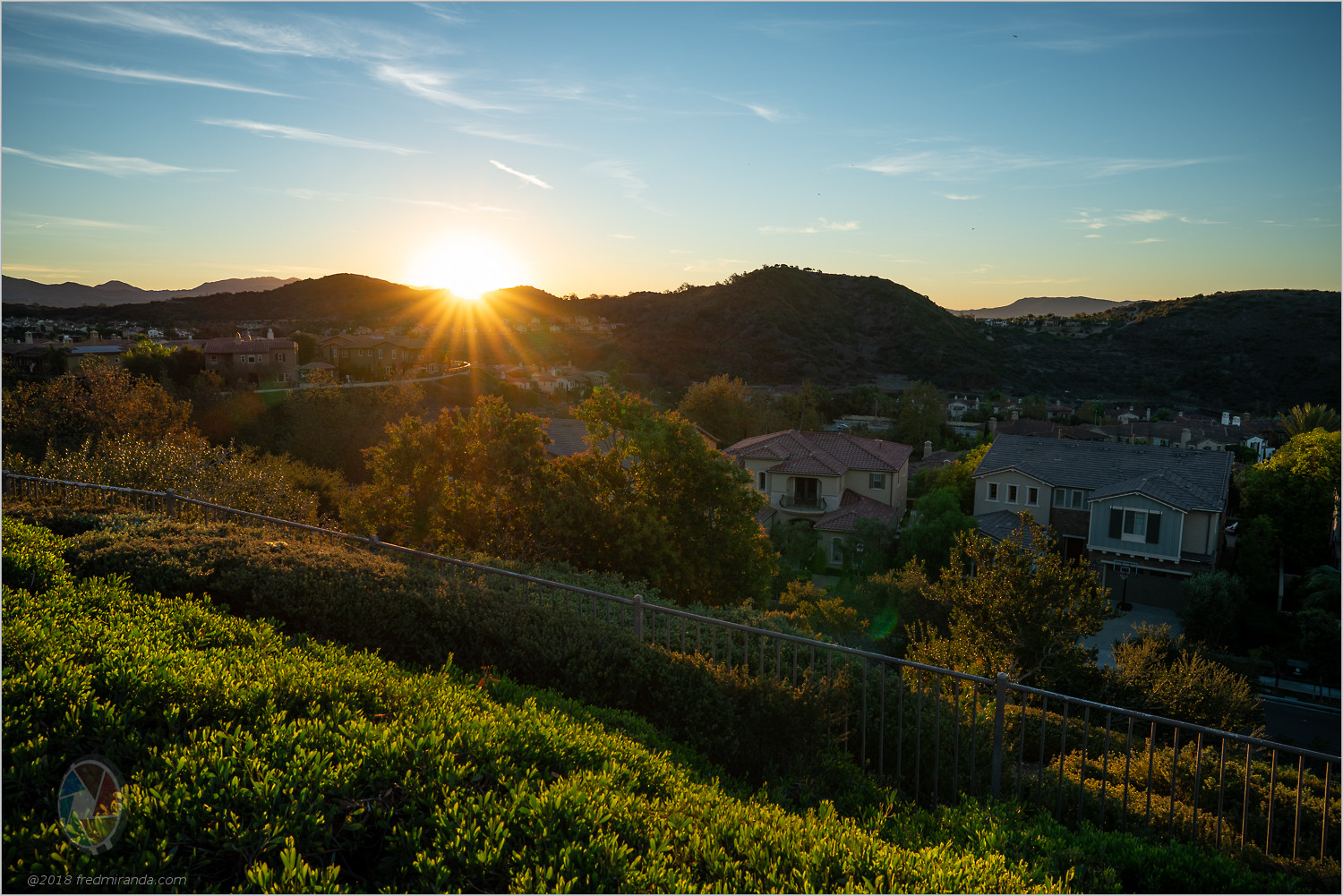
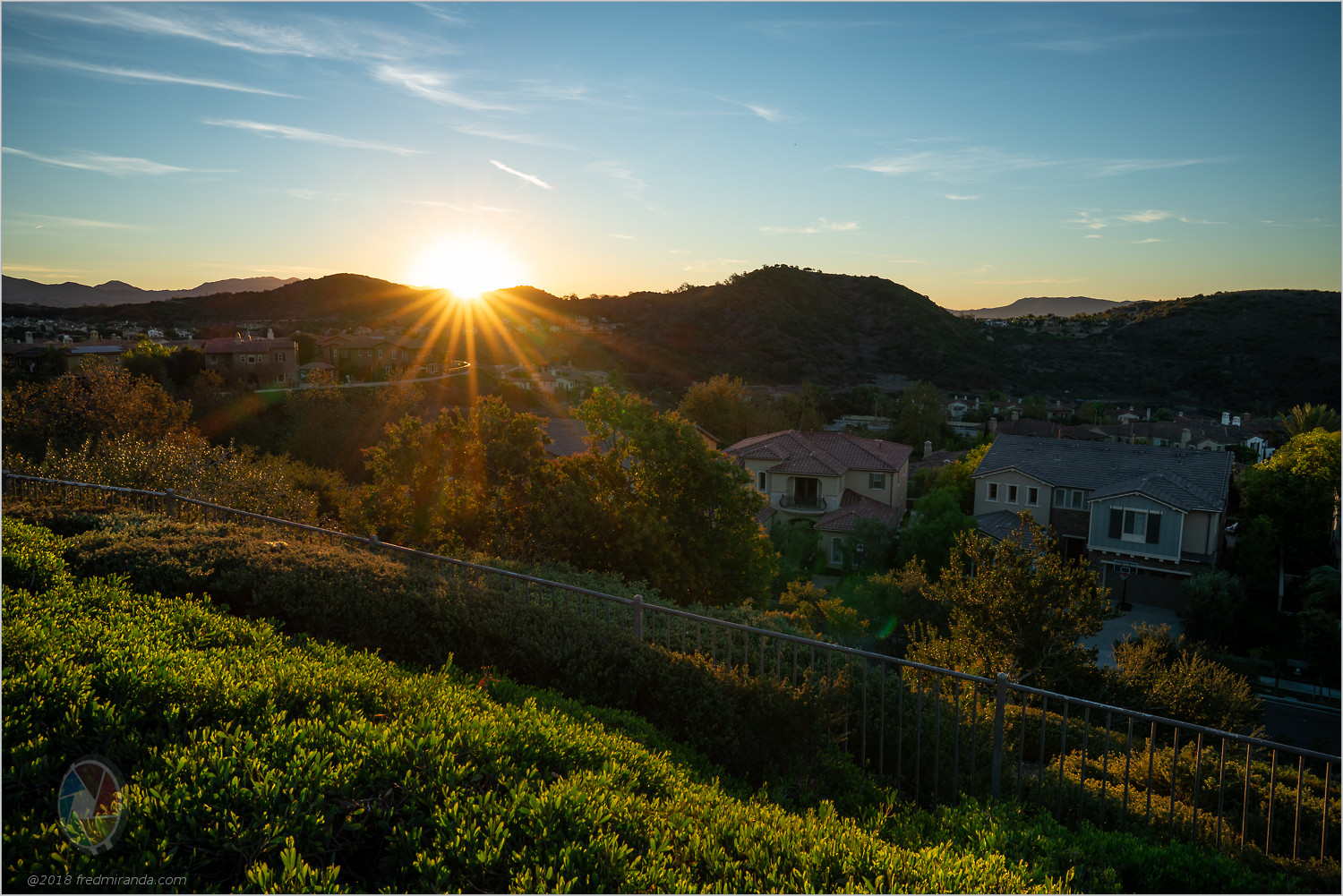
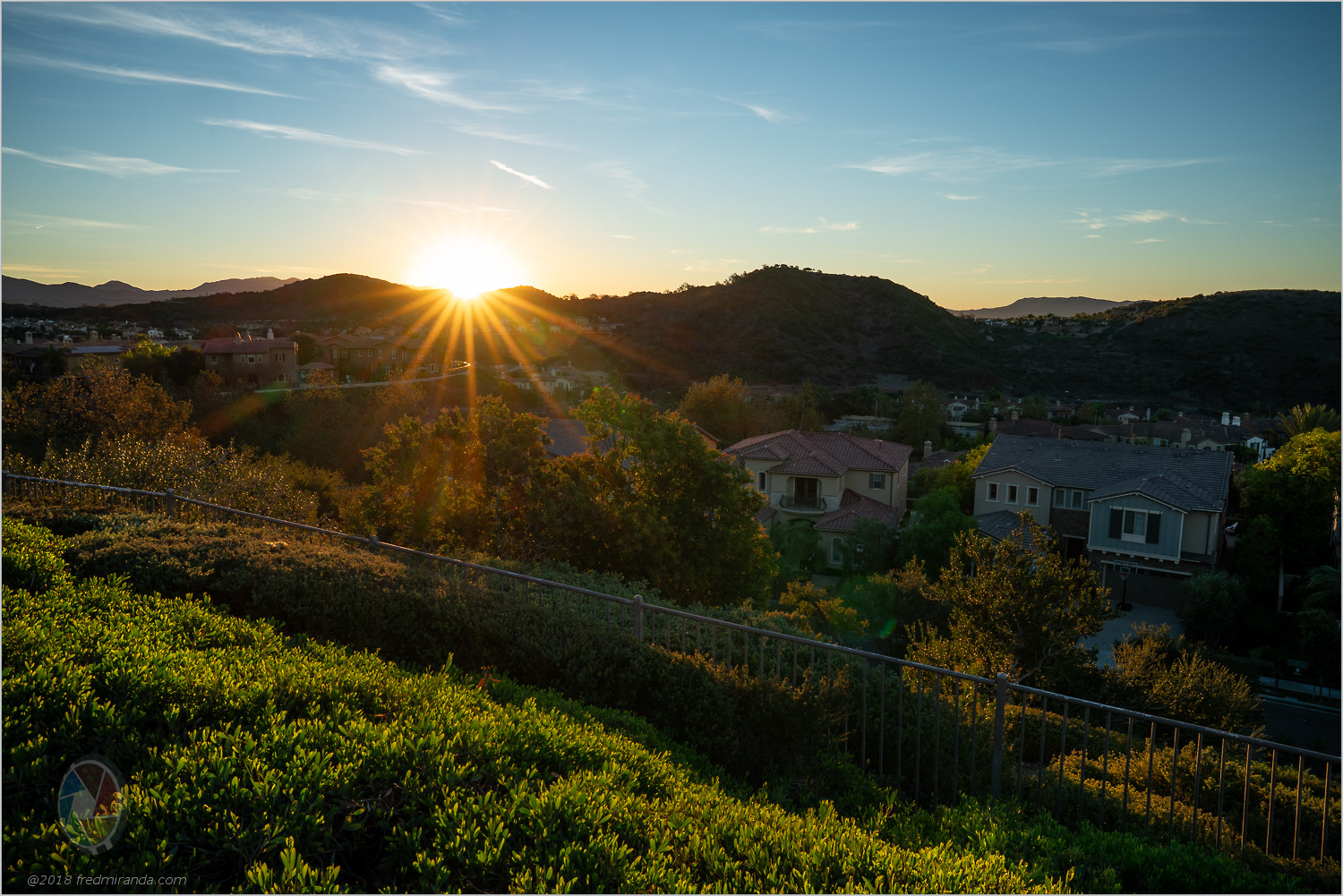
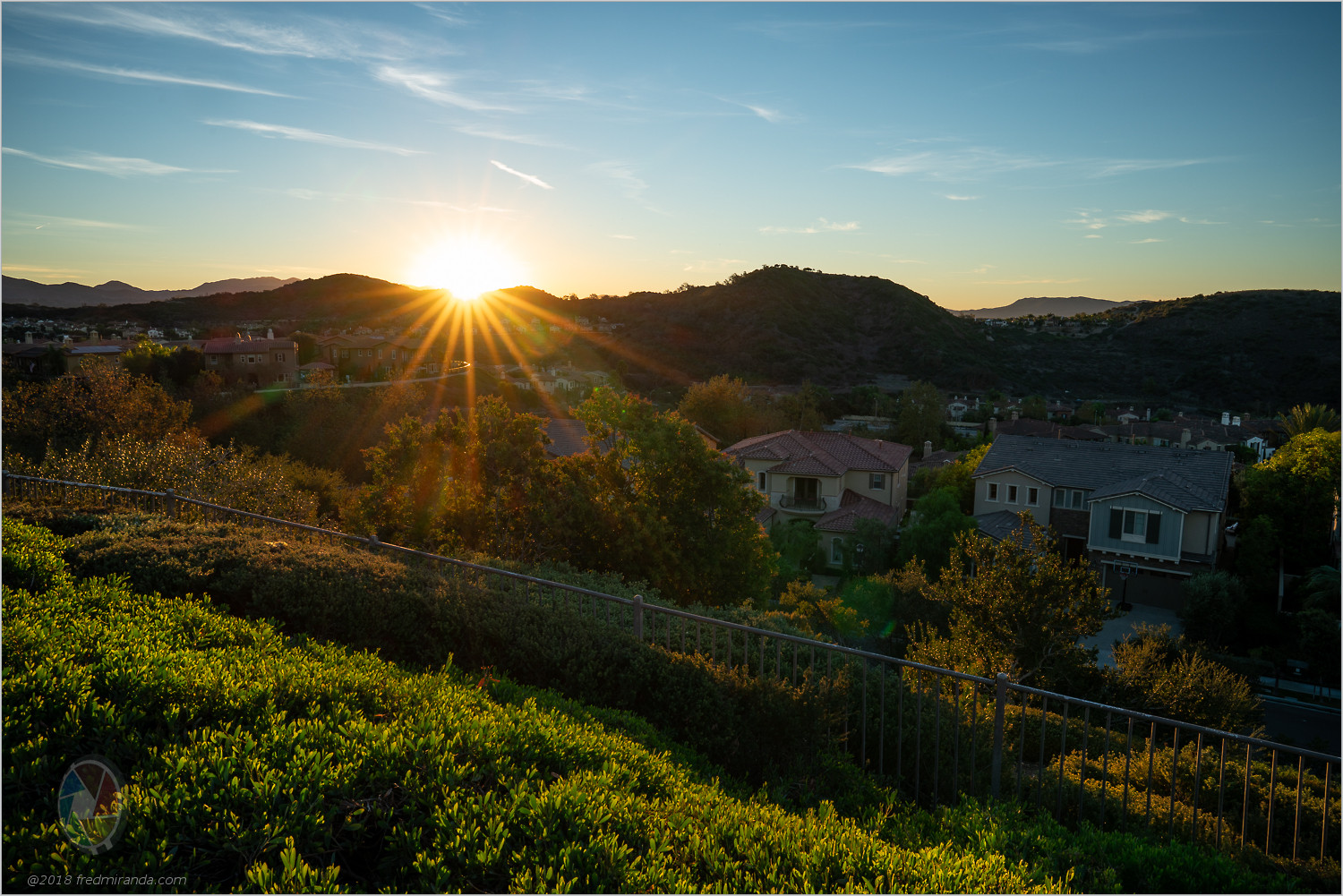
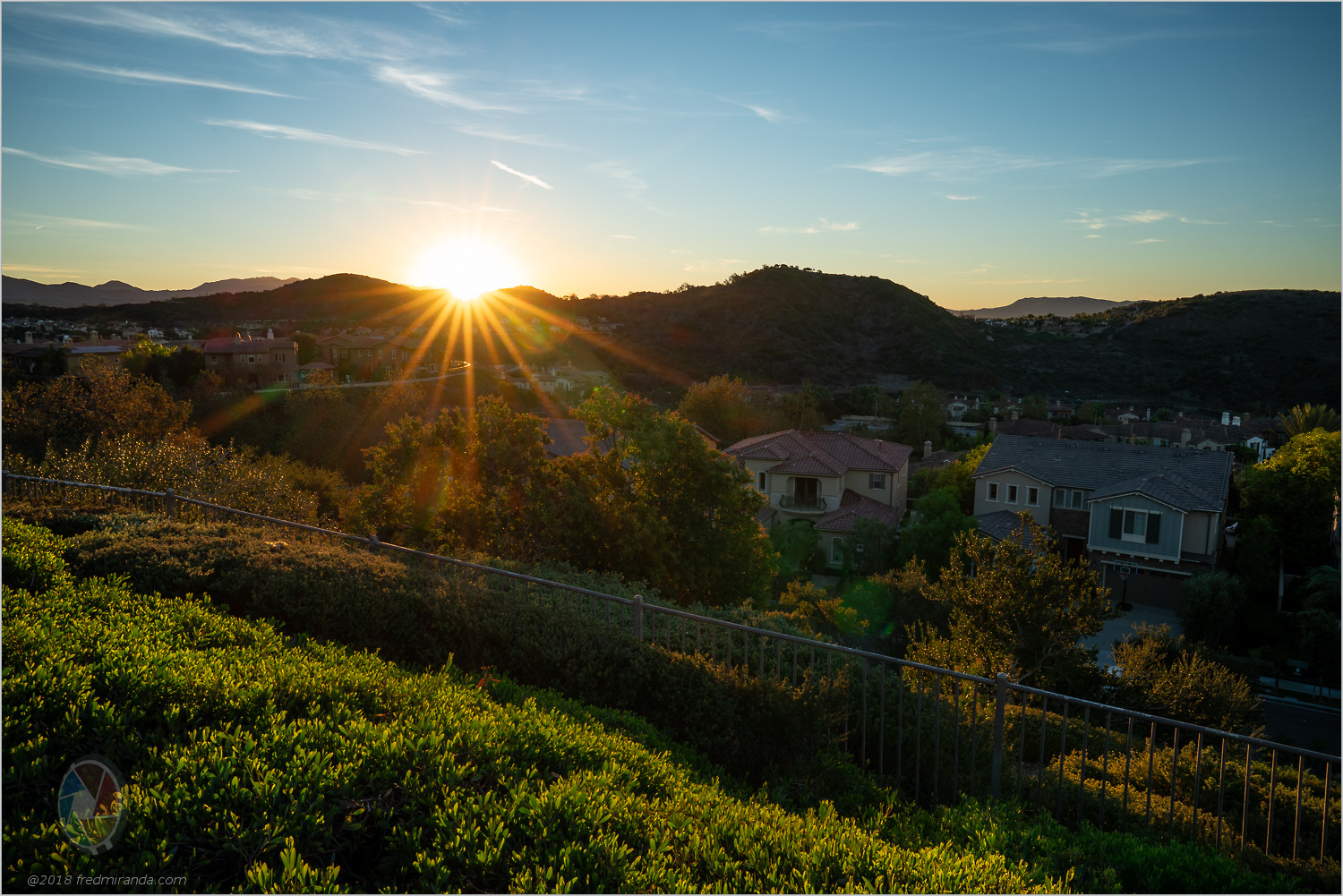
This test is helpful to evaluate sunstar rendering and flare resistance with real world sunrise scene. The 24/1.4 GM only start to get defined at f/11 while lenses with 10-straight aperture blades like the Loxia 25/2.4 already get very well defined sunstars close to wide open. (f/2.8)
Let me start with a comparison between the 24/1.4 GM vs Loxia 25/2.4 at f/5.6:
PS: Notice the difference in color rendering as well.
** All my infinity comparisons are done with same camera setting and white balance set to "Daylight". So what we see if really the color response from these lenses.
Holger wrote:
Exactly. And if I look at the images Albert Dros is producing with such a lens, unless one is clearly making a living out of landscape photography, doing very huge prints etc., nobody could complain about such a lens.
There ARE landscape professionals making a living with lenses with a lot less going for them than this lens. The 'not a landscape lens' is a head-scratcher to me. I wonder what the 'pros' of the past would think of our gear today


 )
)