ChrisCoy wrote:
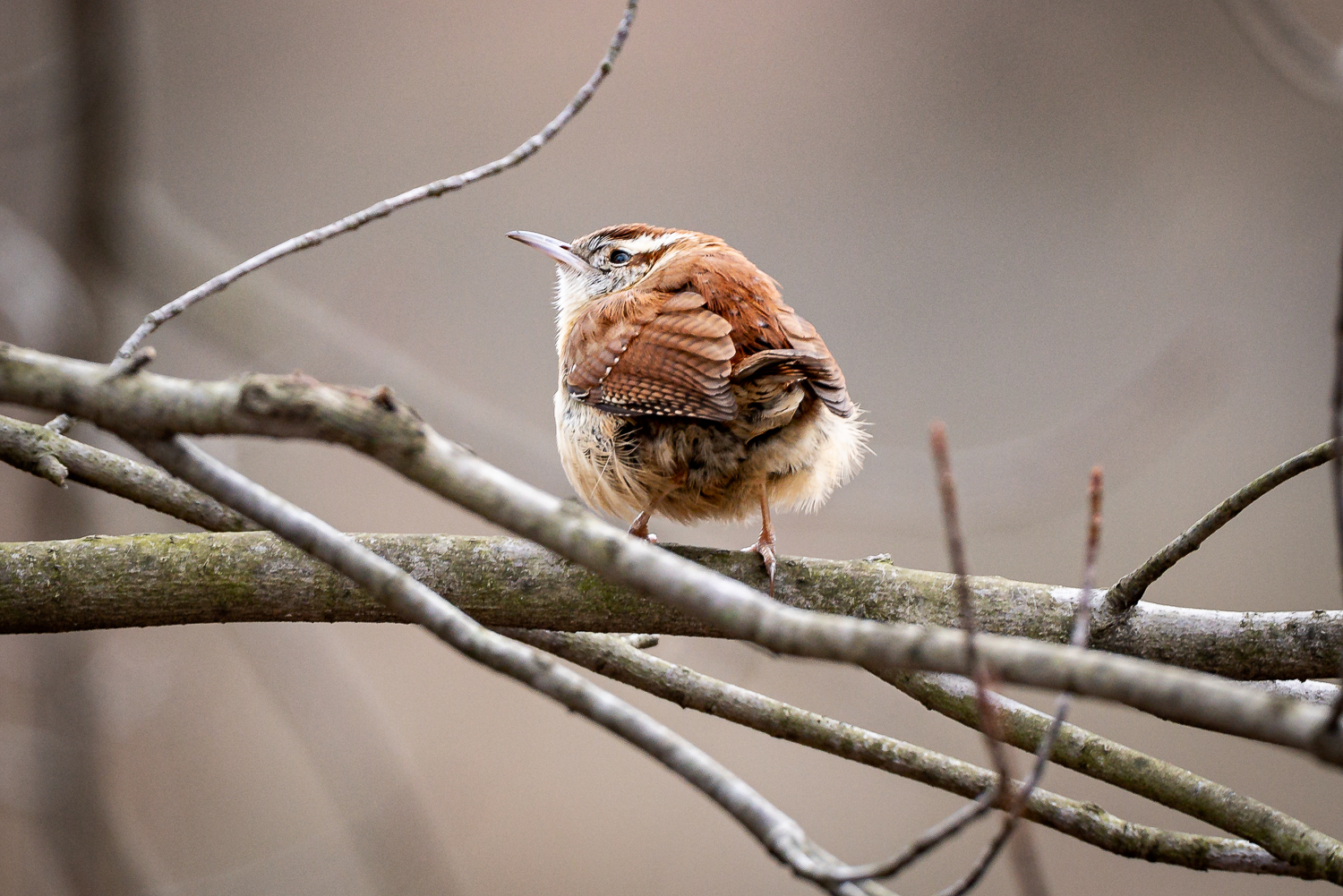
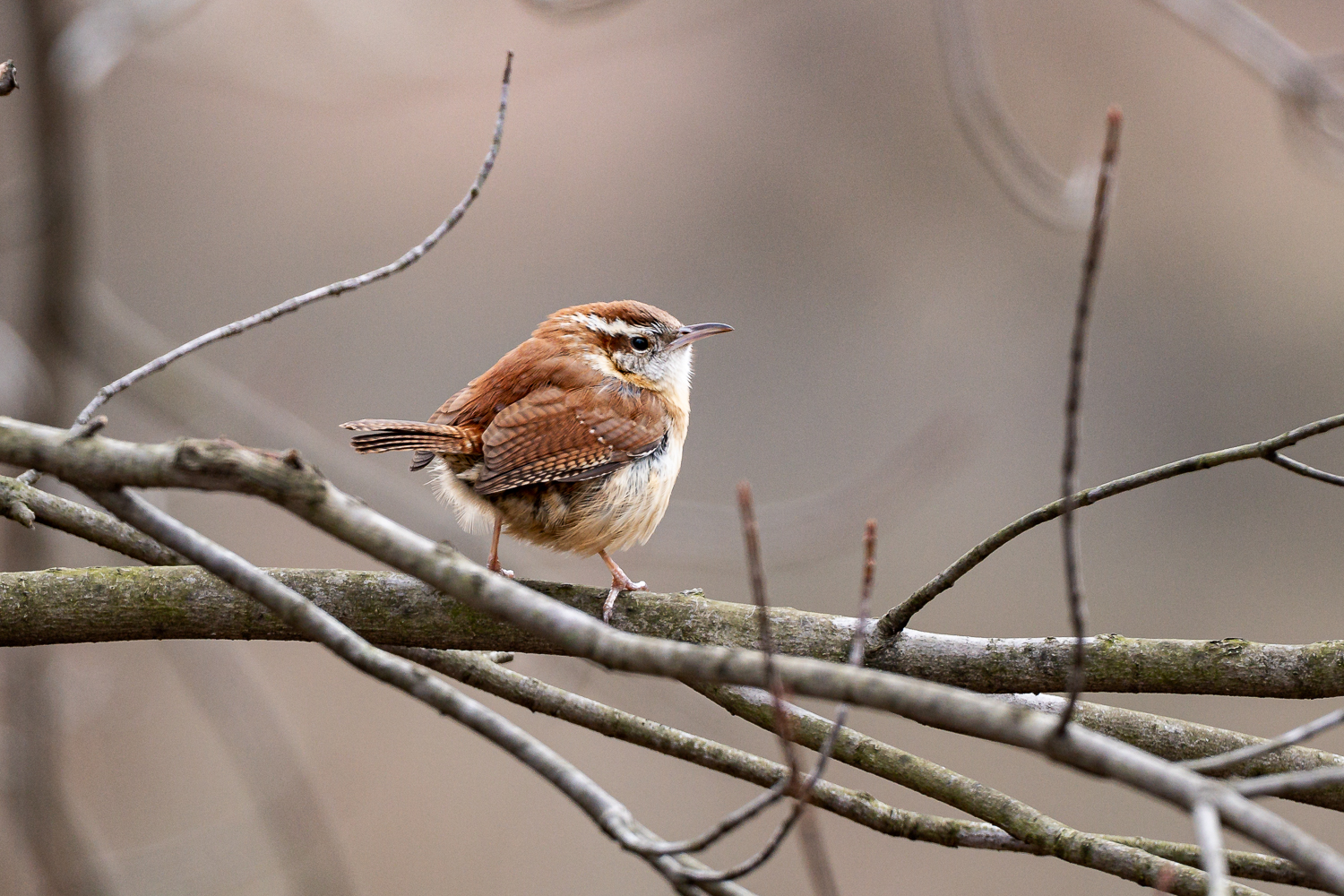
I'm curious what the distance between you and these birds were. These are exceptionally sharp images.
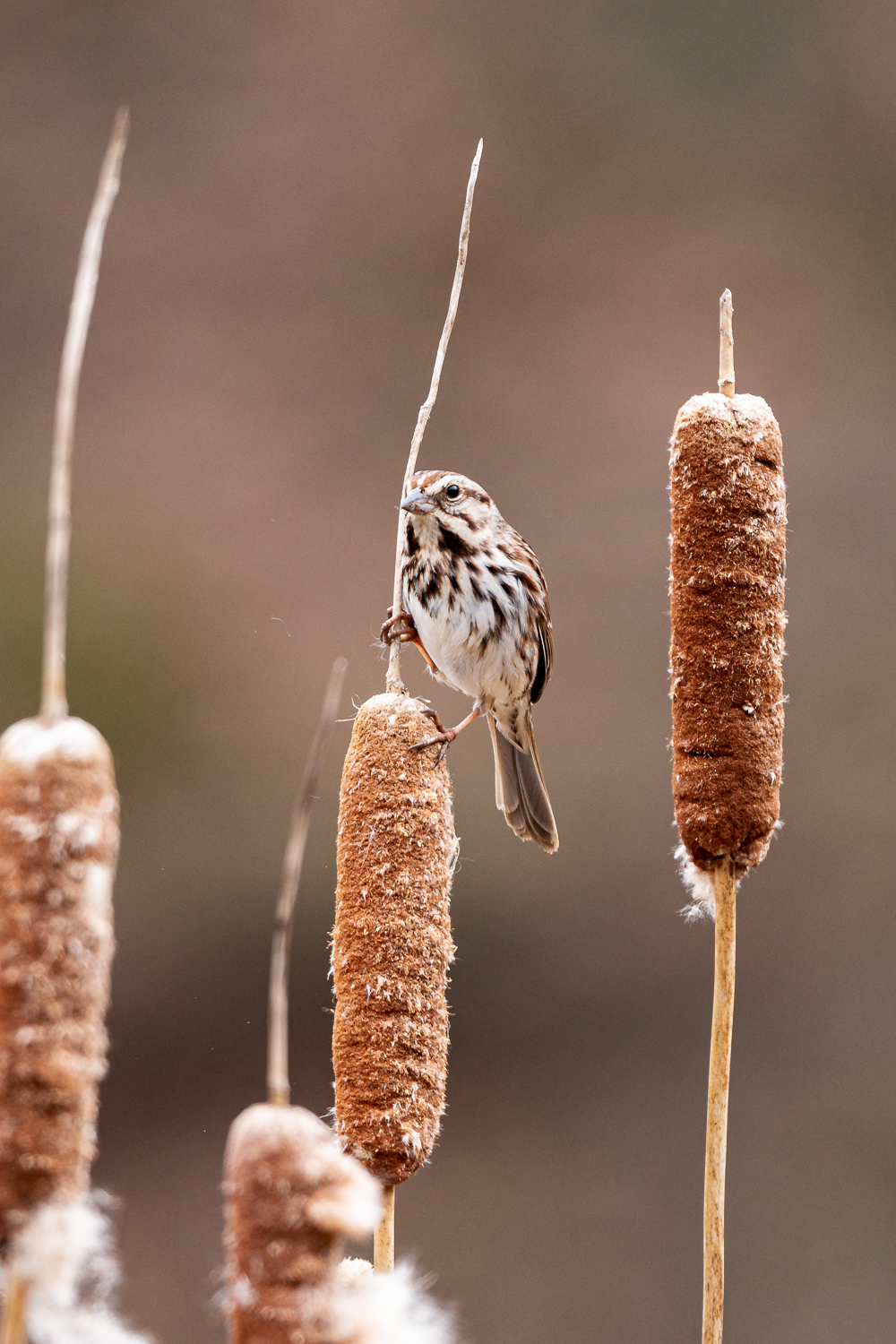
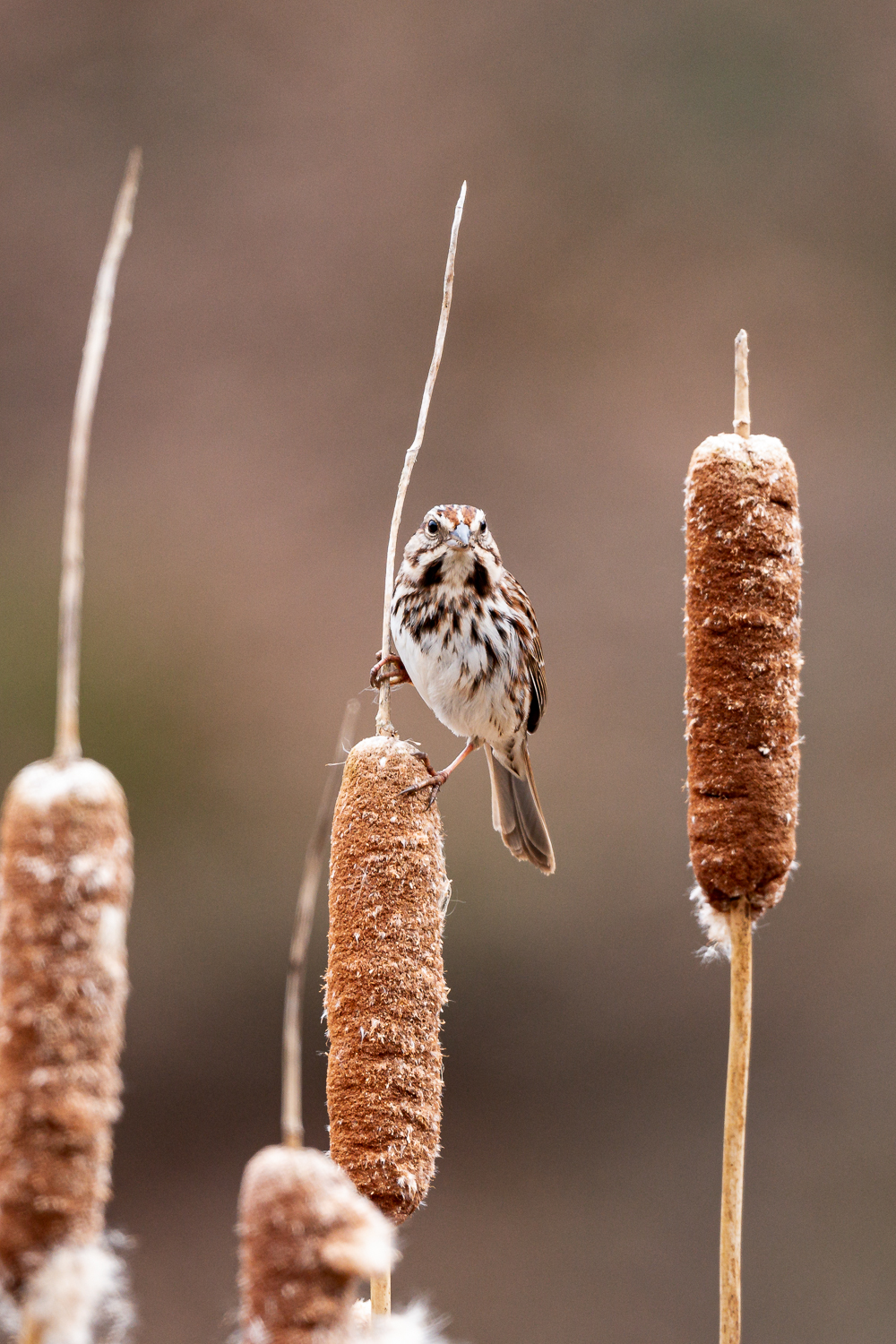
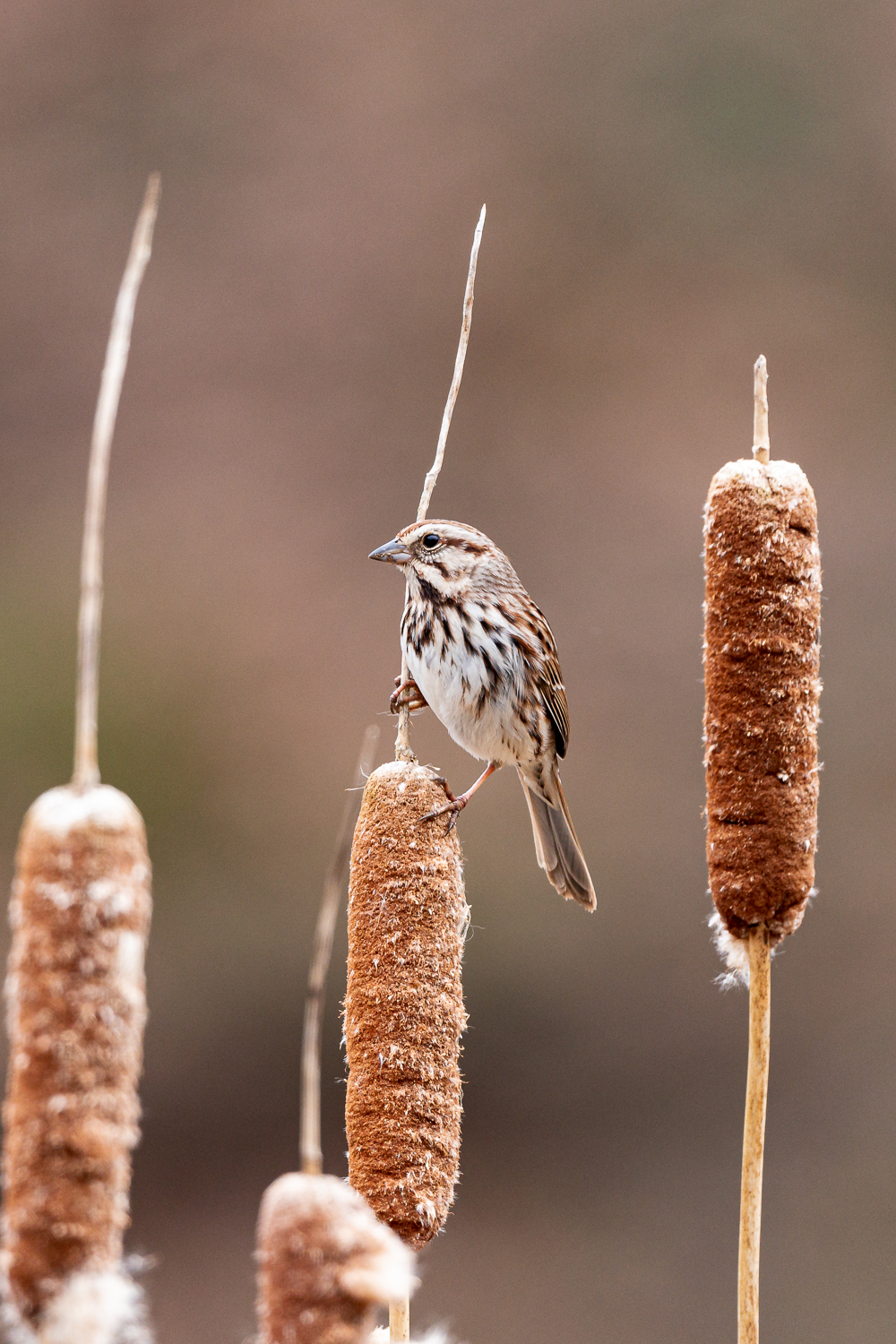
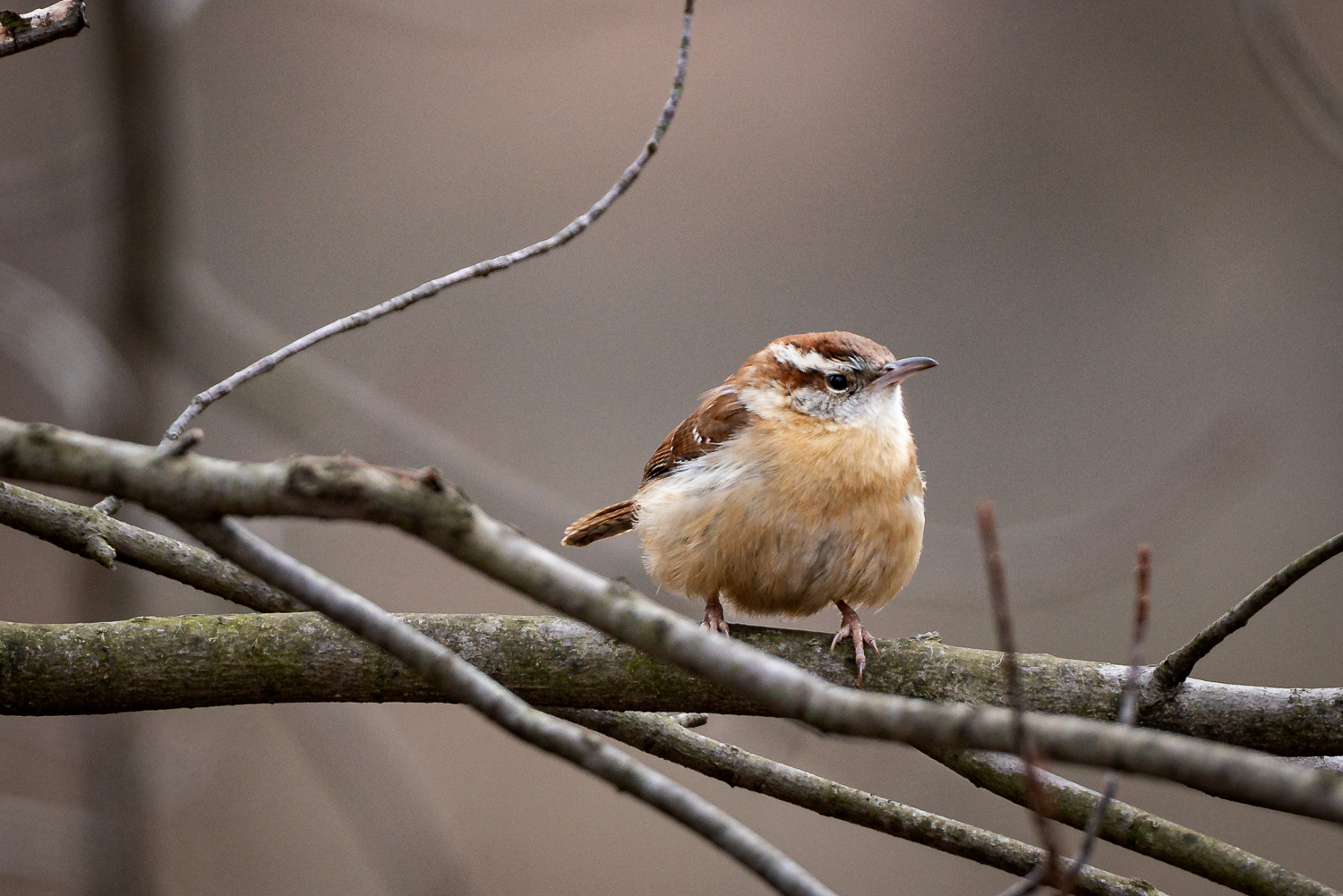
Close . The only cropping on any of those are just for framing as I was really close to a lot of those (too close really). Some of the birds there were surprisingly unfazed as they were within 10' of the trail and didn't move with people walking by.
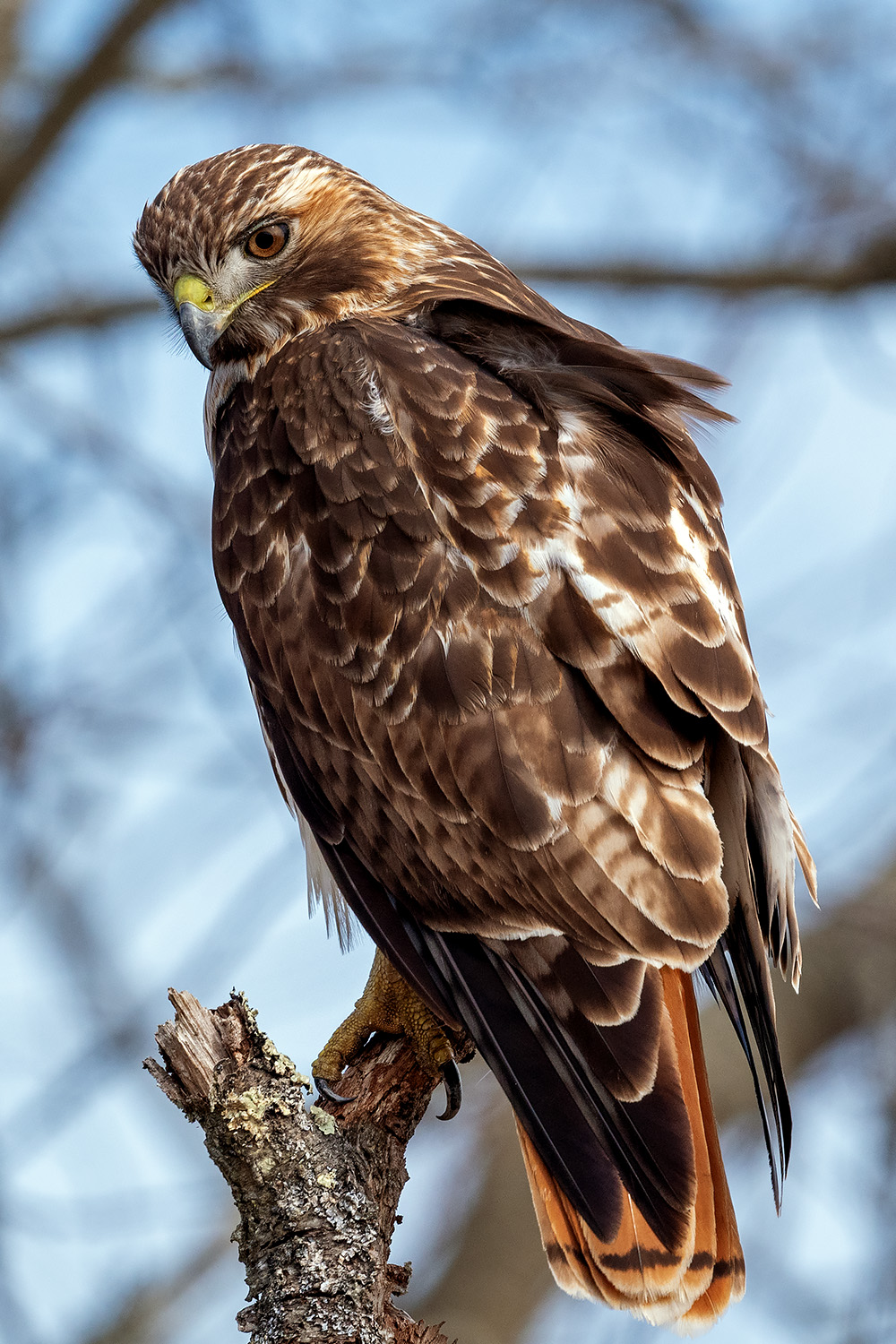
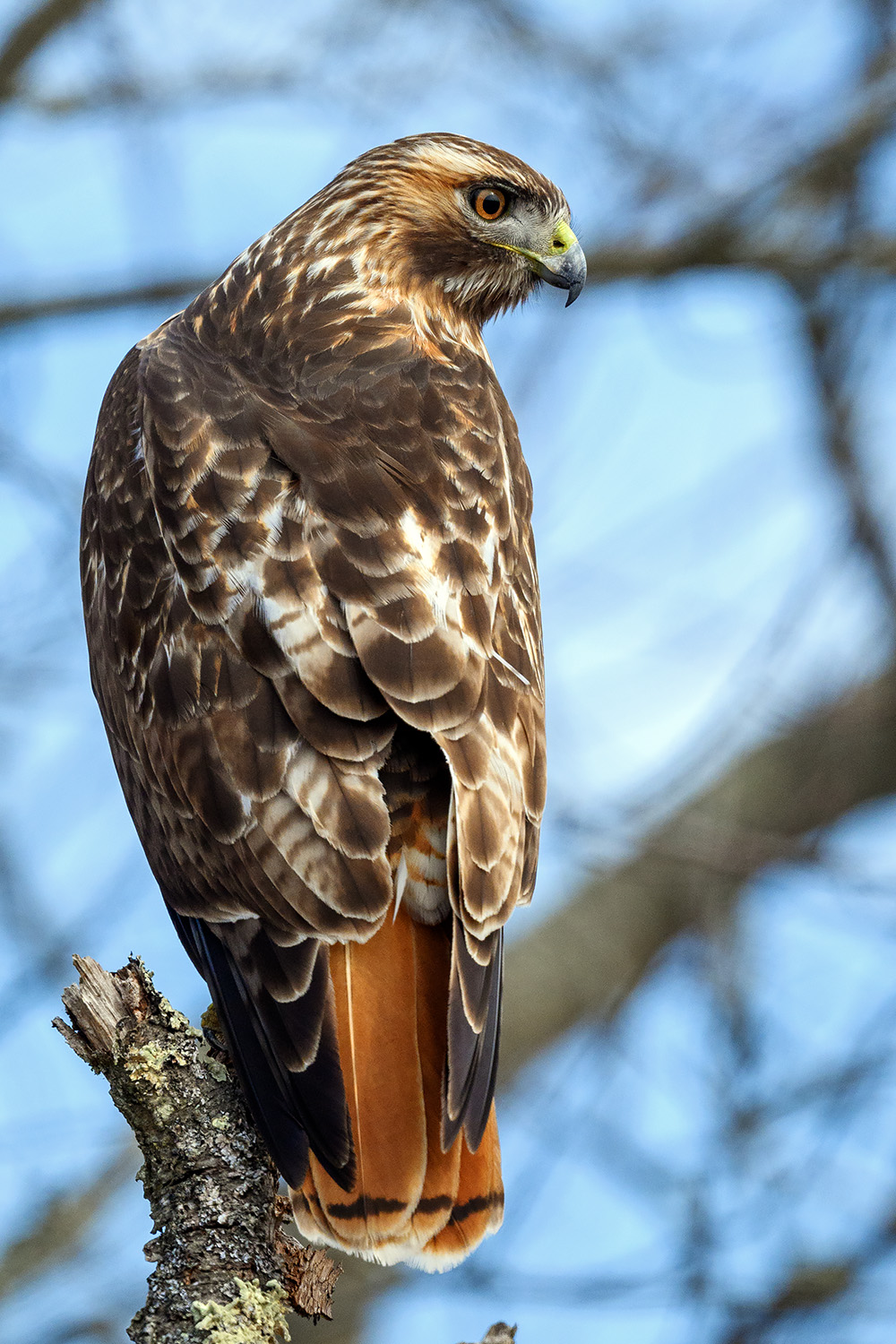
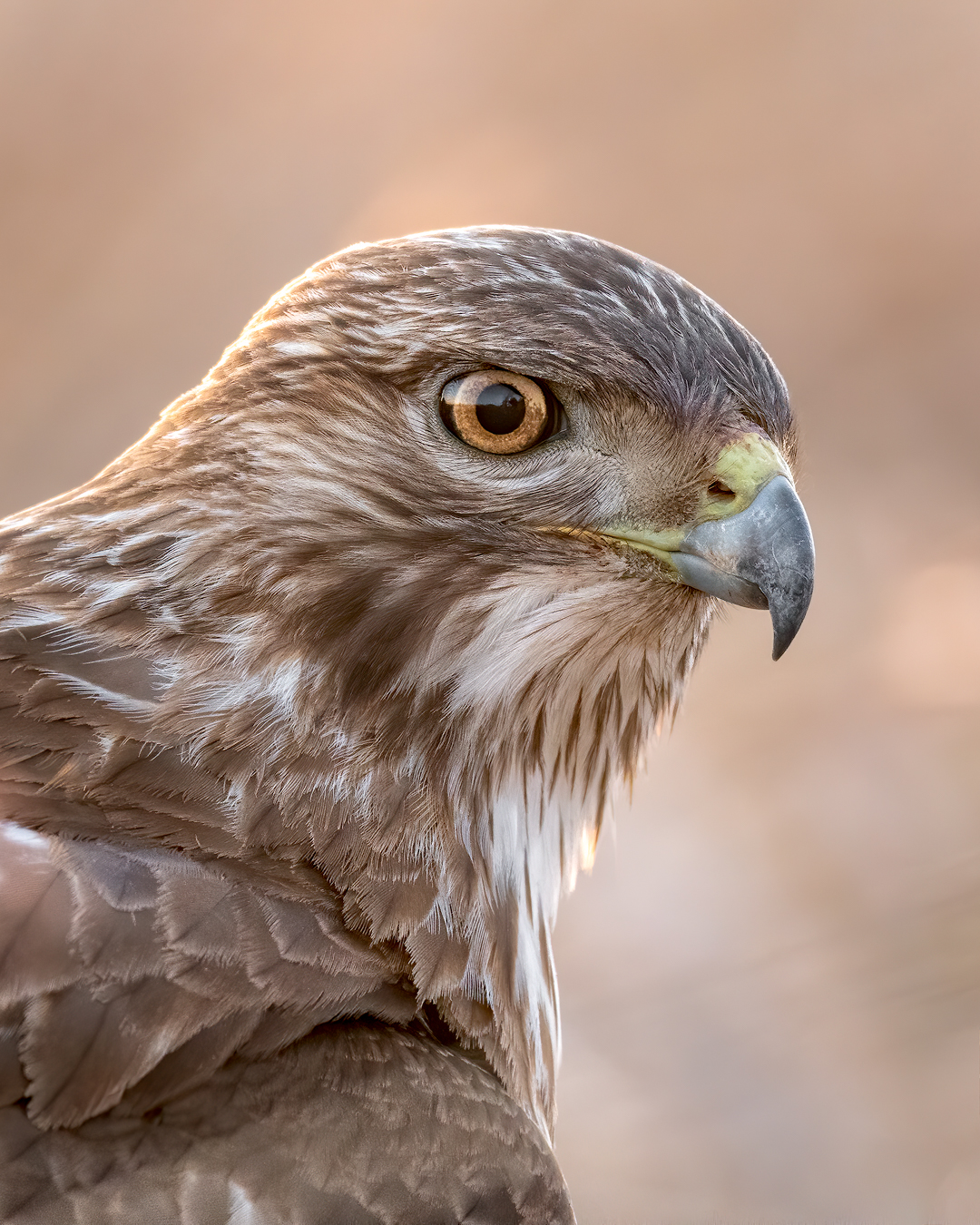
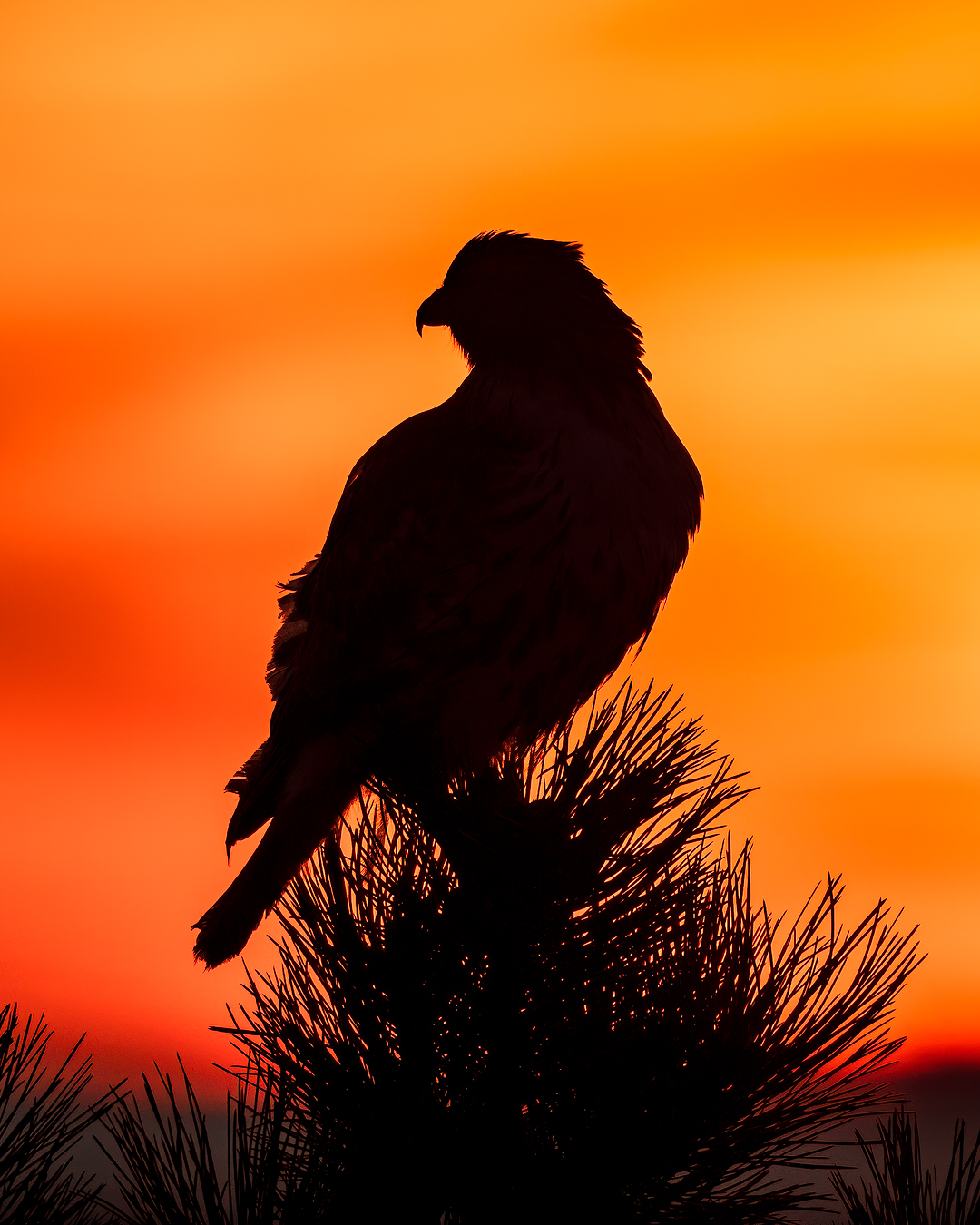
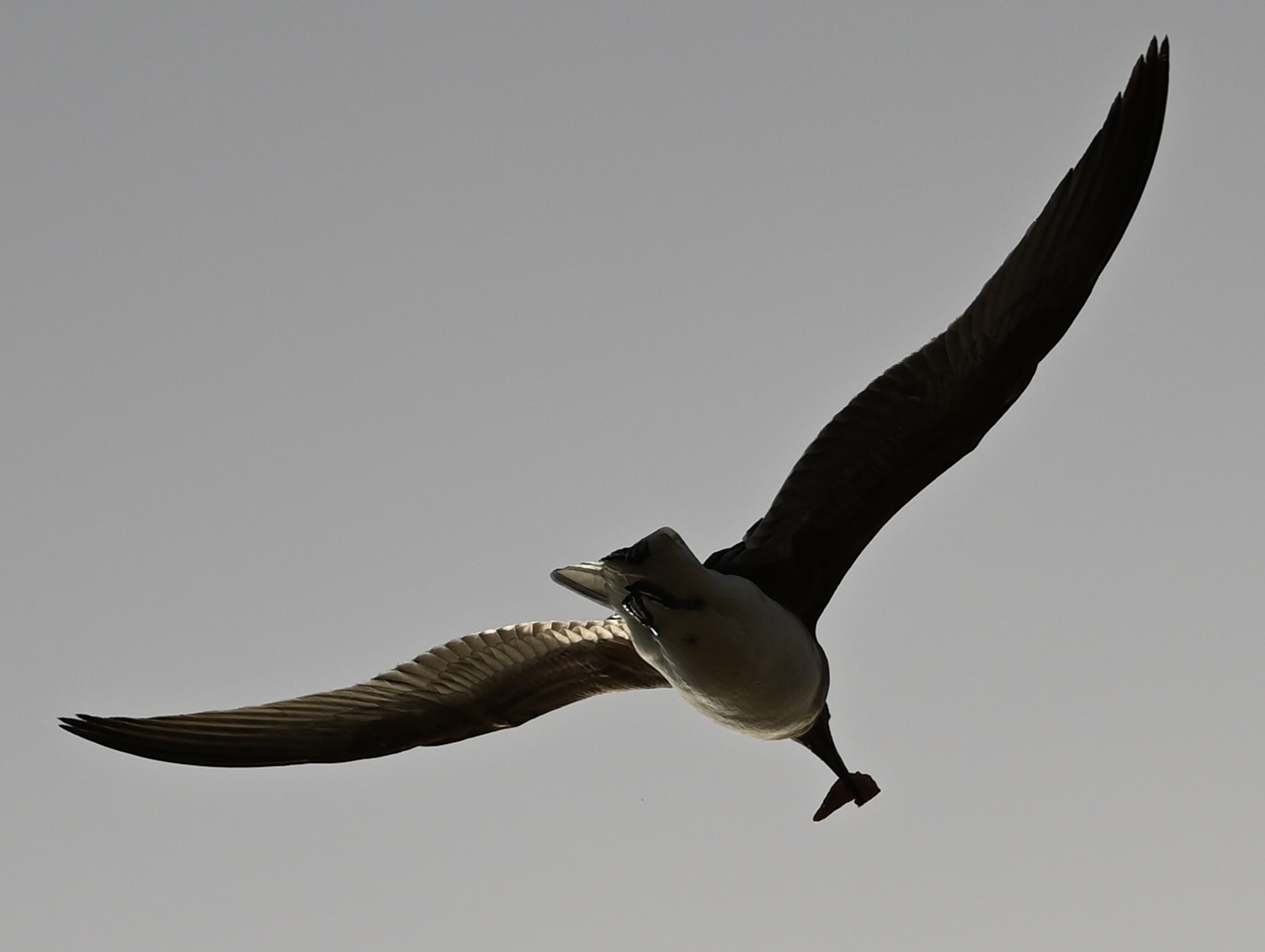
A close encounter with a red-tailed hawk. I was in a field stalking deer when this hawk decided to start hunting right in front of me. I think the movement of the deer and myself caused the resident rodent population to become active and attracted the hawk. The exposure settings on the second image are total garbage and a mistake, but I ended up with a silhouette that I actually liked.
Depending on ground dampness/wetness, I slip on a pair of waterproof pants, sit down, and use an optical right angle finder with my D850. Makes for comfortable shooting off the ground and a wide-brimmed straw hat removes all glare.
Geoff might add a little different technique and I am sure it will be very interesting.
Well fellas...tomorrow my 500 PF arrives from UPS. I think I will be happy with it.
Now, its back to the list of images. I started at #80 and plan on going as far as I can before running into ones I have seen before. Then I think its back to Brad Hill’s comments on this lens.
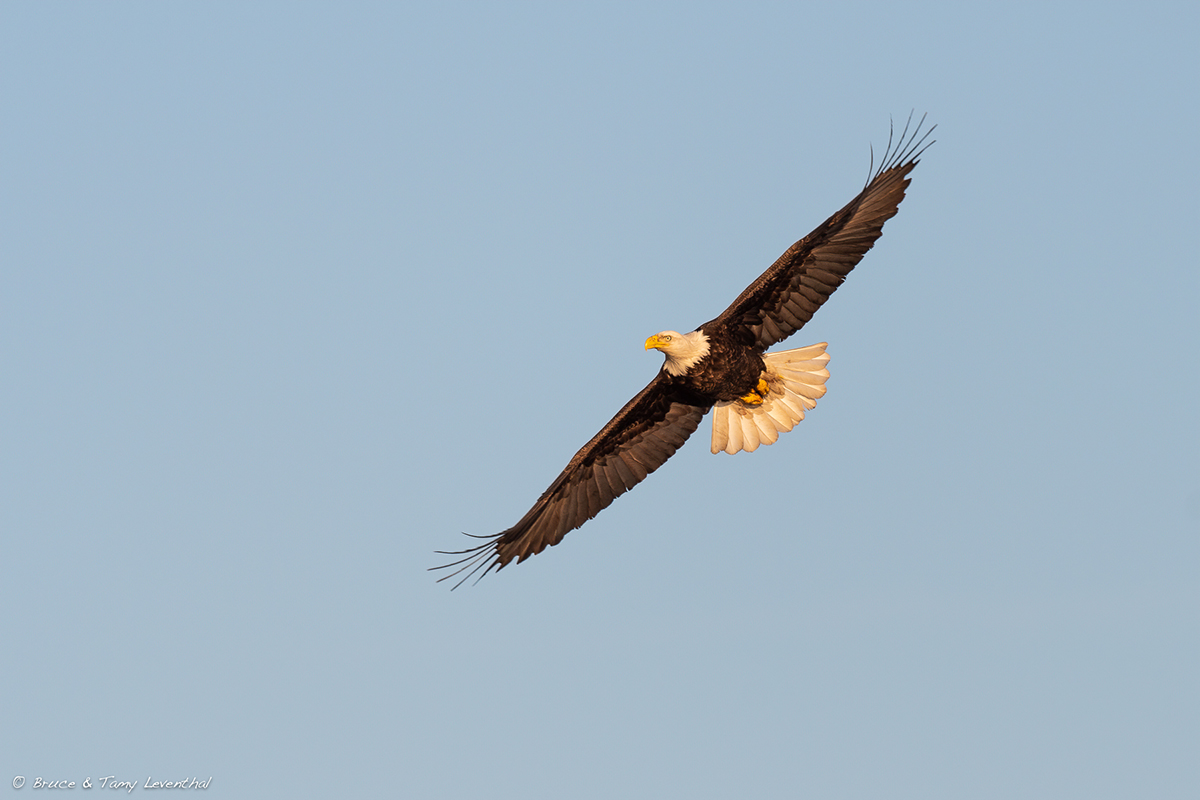
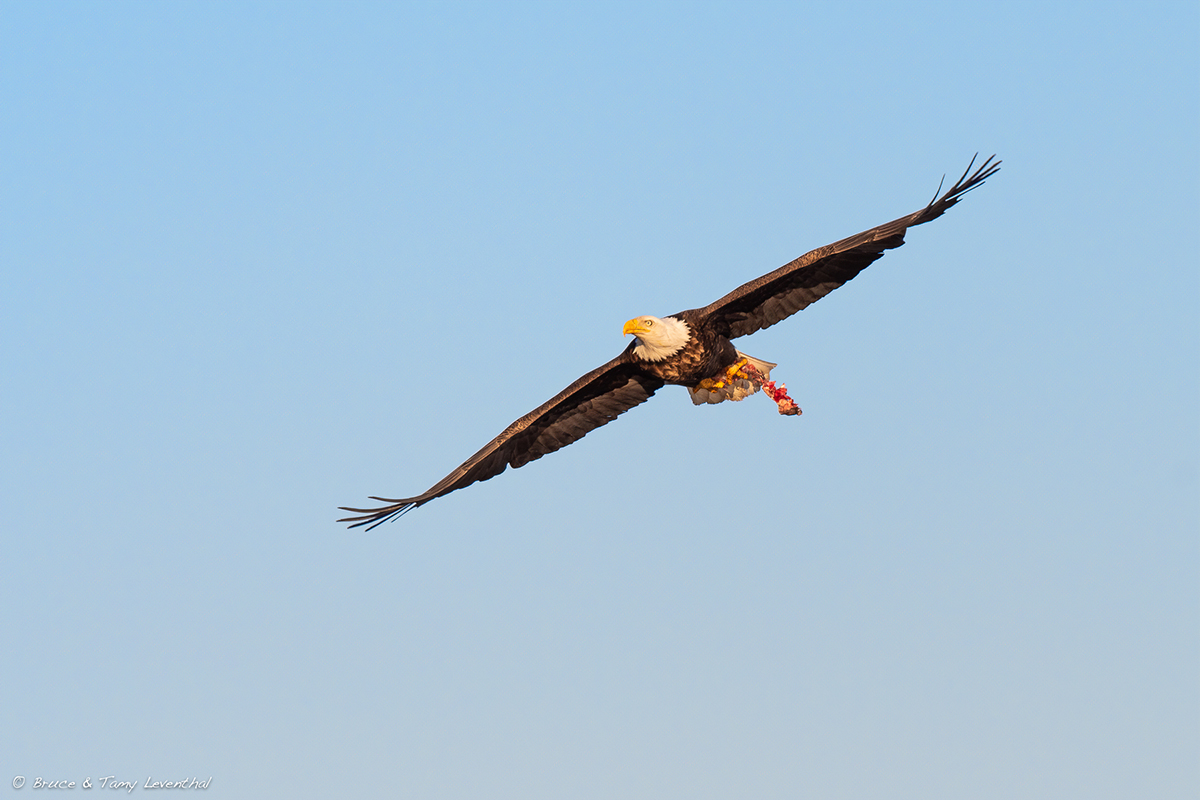
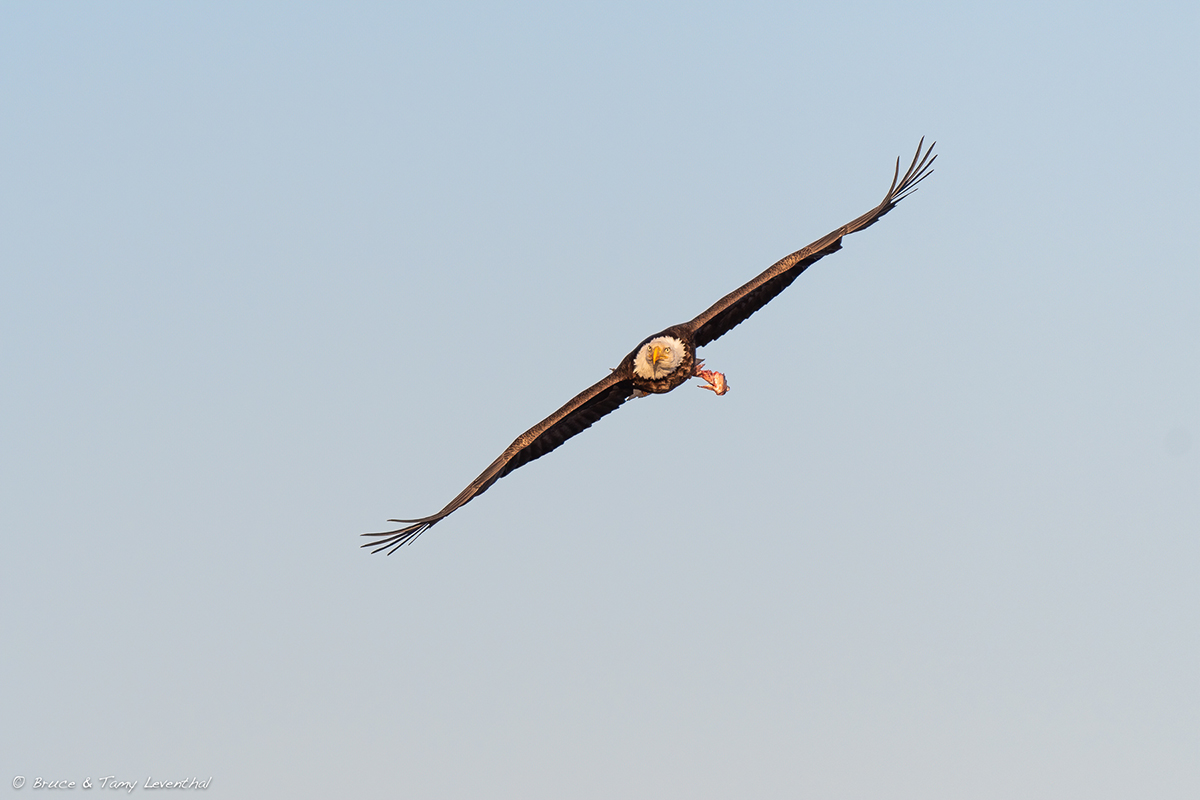
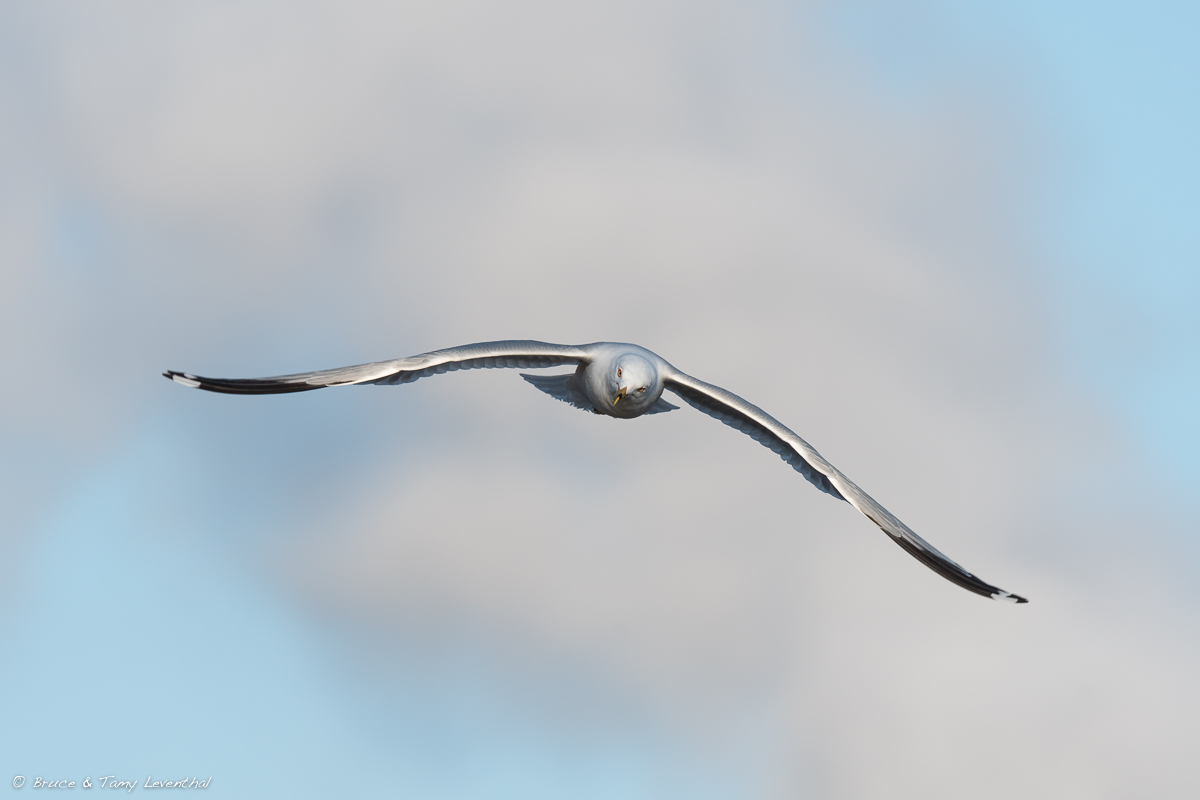
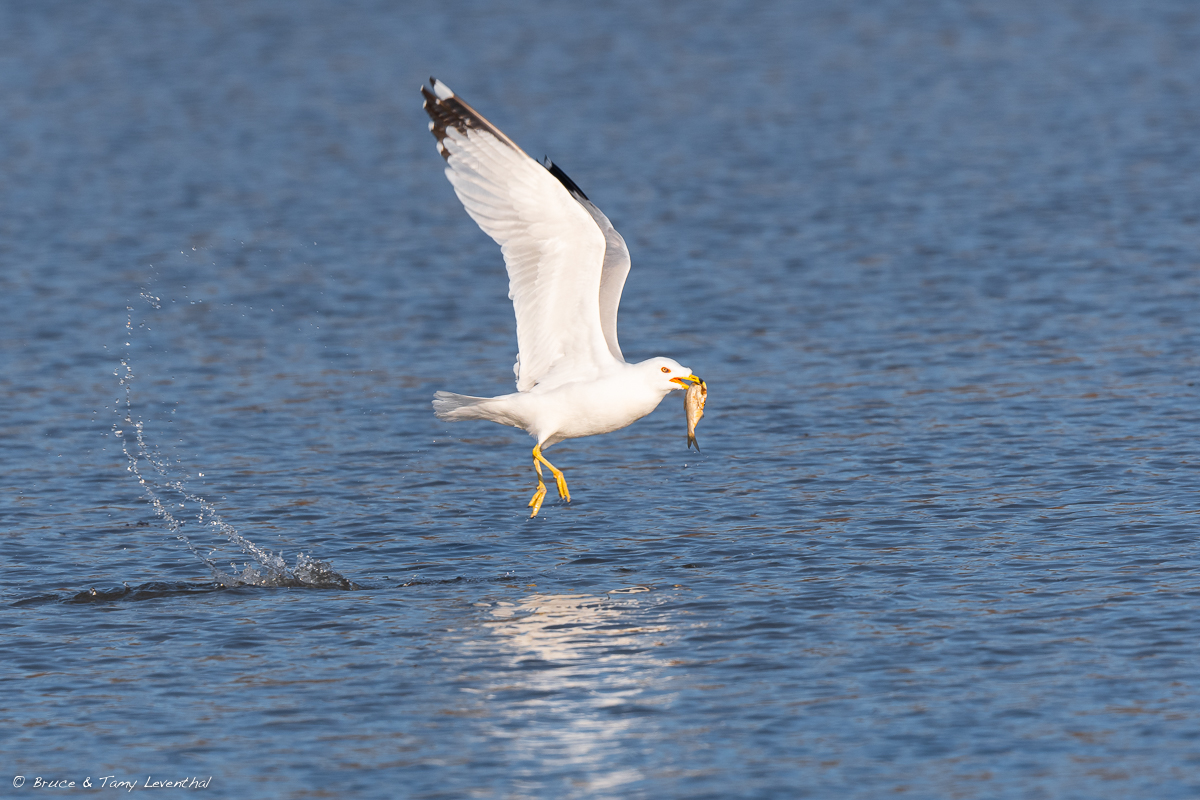
A few more from my eagle outing... sadly, the eagles were anything but close and my 500PF on the D500 did not offer me adequate reach.
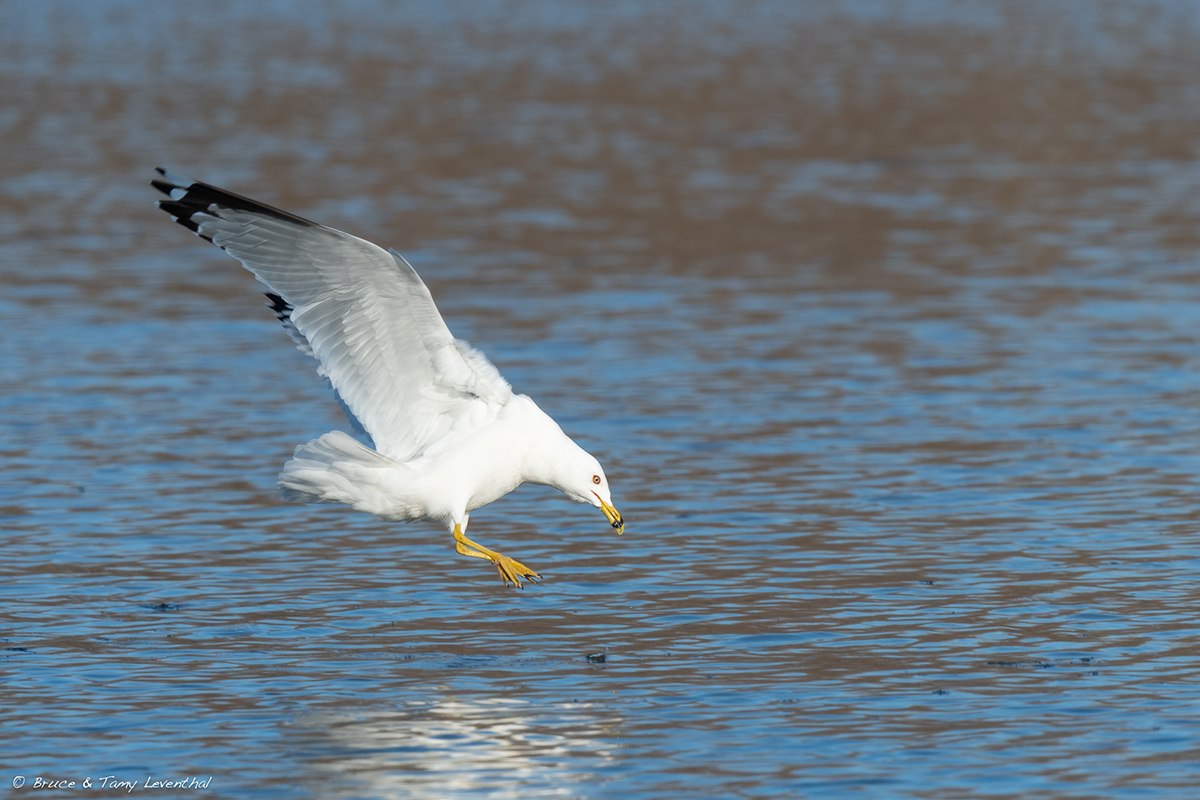
I rarely shoot where I am focal length limited, but this reality forced me to look for other subjects to photograph.
OwlsEyes wrote:
A few more from my eagle outing... sadly, the eagles were anything but close and my 500PF on the D500 did not offer me adequate reach.
I rarely shoot where I am focal length limited, but this reality forced me to look for other subjects to photograph.
cheers,
bruce
Despite those eagles not being close enough as you say, I like the angles in that eagle shot!
On my recent trip to Western Australia, which is a 4 hour flight west from Sydney, I was lucky enough to get some photos of Carnaby's Black-Cockatoo which is an endangered bird and is only found in the south west of Western Australia. This is a large cockatoo, possibly a little larger than the Sulphur-crested Cockatoo that is so prevalent in the eastern states of Australia. The Carnaby's is very closely related to the Baudin's Black-Cockatoo which is even more threatened. Anyway, I am quite chuffed about getting photos of these lovely and rarish birds.
This female of a group of 3 birds was taken about 3 hours drive south of Perth near Bridgetown, WA whilst walking along the Blackwood River.
Z7 + 500 f5.6 PF, 1/500s f/5.6 at 500.0mm iso400
Whilst in Yanchep National Park just north of Perth, a flock of up to maybe 300 birds flew in and sat in trees "pruning" them for food and flew about for over an hour. This was amazing, to see but difficult to get decent shots due to the trees and at times cloudy sky. This was taken in a break of trees and clouds.
Z7 + 500 f5.6 PF, 1/3200s f/5.6 at 500.0mm iso500
A male and female in "formation" flying by. Just got them at the right moment between trees and in a similar focus plane. The male has the red ring around its eye.
Australia is so far away that at times I'm introduced to a species I've never seen a picture of, nor heard of. Carnaby’s Black-Cockatoo is sure new to me. And my mind is wondering if Carnaby is the name of the bloke who discovered these birds. That must be another story in itself.
Australia is almost exactly on the opposite side of the globe from us in North America. When checking to see how true this is, I ran into another new term for me .... “antipode”
Glad to see these guys made it through the drought/fires. My favorite image here is the last one. Wondering if that is an Australian Pine the last bird is perched in. Seems to have a resemblance for me to that species of tree I knew in the Everglades. I really don't know.
Australia, New Zealand and Tasmania hold world treasures of nature.
Thanks for sharing this with us Lance.
btw, just received my own 500 PF two days ago. You wildlife shooters here at FM were right. The Nikon 500PF is so-o-o exciting and “wicked” sharp!
Australia is so far away that at times I'm introduced to a species I've never seen a picture of, nor heard of. Carnaby’s Black-Cockatoo is sure new to me. And my mind is wondering if Carnaby is the name of the bloke who discovered these birds. That must be another story in itself.
Australia is almost exactly on the opposite side of the globe from us in North America. When checking to see how true this is, I ran into another new term for me .... “antipode”
Yep, and Australia is about the same size as continental USA excluding Alaska. About the same distance across and in height.
Glad to see these guys made it through the drought/fires.
Being in Western Australia, these birds were on the other side of Australia to the reported devastating fires we had in the east. Being the same size as the USA it is very diverse from east to west and from top to bottom which is the same for the USA as well.
The reported fires and the drought were mainly the eastern states where the drought was one of the worst but not necessarily the worst. The fires were not the worst even though the media pumped it up to read that way (you've gotta sell papers and internet space! ). The worst fires were in 1974/75 where 1.26 *million* sq Km's were burnt equating to 15% !!!! of the total land mass of Australia (remember we are the same size as the USA!). That's a f%*# of a lot of land burnt and that was an above average rainfall year and a below average temperature year as well!!! The recent fires in the east were about 125,000 sq kms, so about a 1/10 of the 1974/75 fires. Australia is a country of droughts, floods and bushfires, the fires are an annual event at least somewhere, we just learn to live with it. Heck, in 1851 fires ripped through 5,000,000 hectares or 50,000 sq kms in Victoria which burnt out 1/4 of that state! It was 47 deg C (117 Deg F) at 11am on that day!! The Australian bush is *designed* to burn and requires it regularly for Eucalypt and other native species trees to regenerate and for their seed pods to pop open and get dispersed in the heat. The ash on the ground helps the seeds to germinate correctly.
As for WA, it basically has a drought every summer as it has low to nil rainfall in summer and wet winters which is different to much of the east which has pretty much similar rain in summer and winter, depending on where you are of course. Up north in the tropics it is a wet season and a dry season. Sydney is quite wet quite wet with an average of 50 inches a year evenly spread throughout the year.
This is a localized fire in Yanchep National Park a month or so back where these birds were photographed. You can see the trees already regenerating foliage.
Z7 + 24-70 f2.8S, 1/125s f/8.0 at 25.5mm iso140
Here is another part of the same park that wasn't burnt this year but you can see that it has been burnt before. These are Grass Trees once called "Black Boys" (now not politically correct for some reason) due to their black trunks which are always burnt by constant fires. They come back better and better after each fire. The Eucalypts in the background also have evidence of previous burnings. https://en.wikipedia.org/wiki/Xanthorrhoea_australis
Z7 + 24-70 f2.8S, 1/160s f/4.0 at 39.0mm iso64
There is a famous Australian poem by Dorothy McKellar and it is called "My Country" written in around 1904 where the opening line read:
"I love a sunburnt country/A land of sweeping plains,/Of ragged mountain ranges,/Of droughts and flooding rains." https://en.wikipedia.org/wiki/My_Country
It pretty much accurately describes much of Australia except the coastal areas especially in the east which are usually more wet and green. It is the inland that can be quite dry and harsh at times. https://en.wikipedia.org/wiki/Dorothea_Mackellar
My favorite image here is the last one.
Thank you very much, Robert.
Wondering if that is an Australian Pine the last bird is perched in. Seems to have a resemblance for me to that species of tree I knew in the Everglades. I really don't know.
It is an Australian tree called a Sheoak. Similar pine needles but I do not now that they are necessarily related.
Australia, New Zealand and Tasmania hold world treasures of nature.
We certainly have some stunning natural flora, fauna and landscapes, but just about every country does that hasn't been urbanized, commercialized and bulldozed. I am amazed by so many countries I have visited and they all have their beauty in one way or another.
Thanks for sharing this with us Lance.
Thank you for looking and your lovely comments, Robert.
btw, just received my own 500 PF two days ago. You wildlife shooters here at FM were right. The Nikon 500PF is so-o-o exciting and “wicked” sharp!
With all the undeserved crap you get from the other side Nikon, I must now say that with this lens, you hit it out of the park!!
Never count Nikon out.
Fascinating!
Robert
The 500 pf is a brilliant lens when you consider its size and weight. A lens this size and weight has no right to be so good at all aspects, IQ and AF.
I read some comments about the slow/inaccurate auto focusing of the z7
But I see that you take nice pictures for flying birds with it.
Do you prefer it over the d850?
thanks
I'll second Lance's reply....for BIF you can certainly get shots with the Z cameras but if you want reliable results get a D850, D500, D5 or D6. The AF is actually pretty good but tracking and panning is difficult because you are either looking at a slow FPS clunky live image or at fast FPS delayed slideshow image and you will quickly fall behind your subject as you fire and pan. The Z cameras are preferred for non-BIF because the focus is more accurate IMO being direct on the sensor.


 . The only cropping on any of those are just for framing as I was really close to a lot of those (too close really). Some of the birds there were surprisingly unfazed as they were within 10' of the trail and didn't move with people walking by.