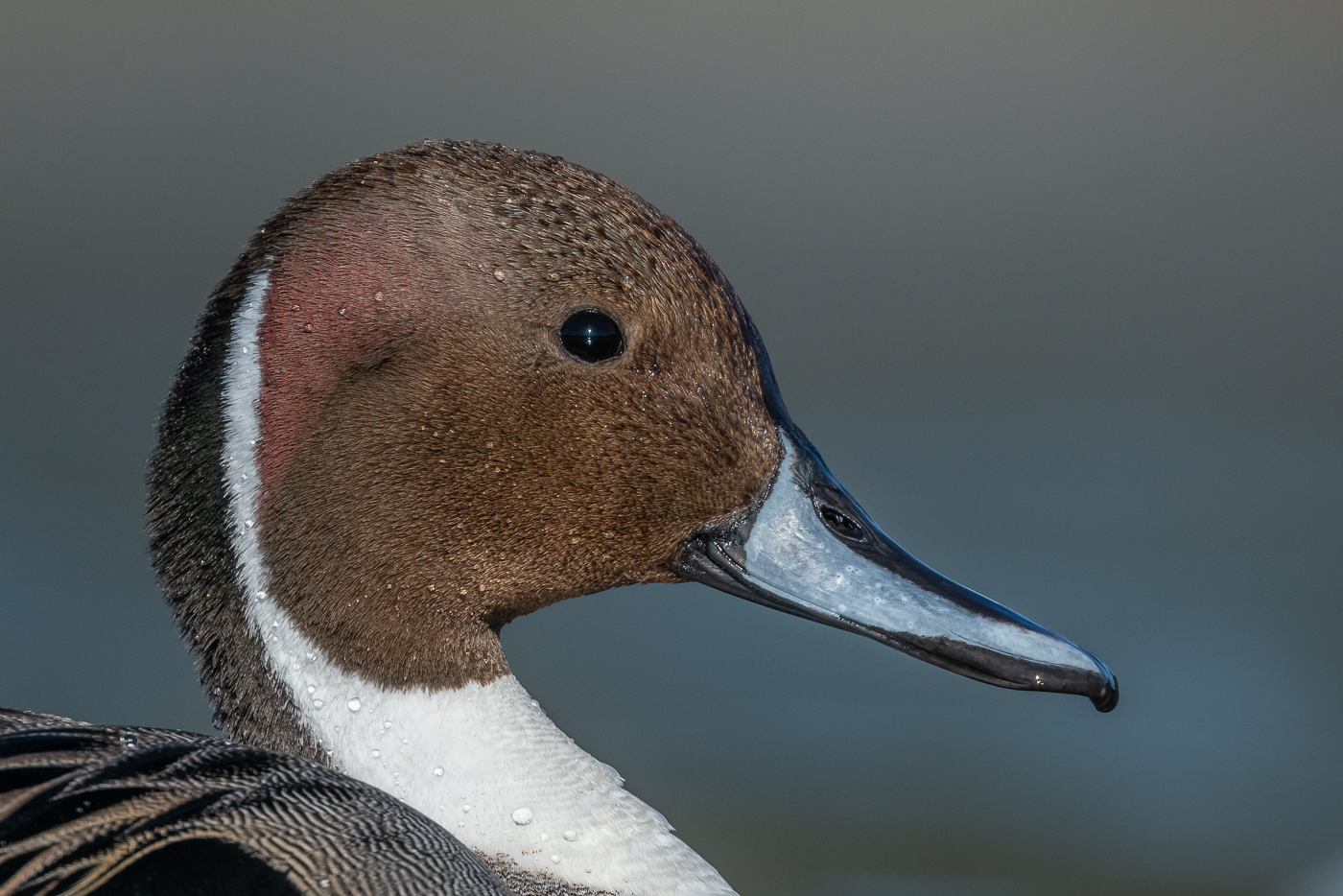
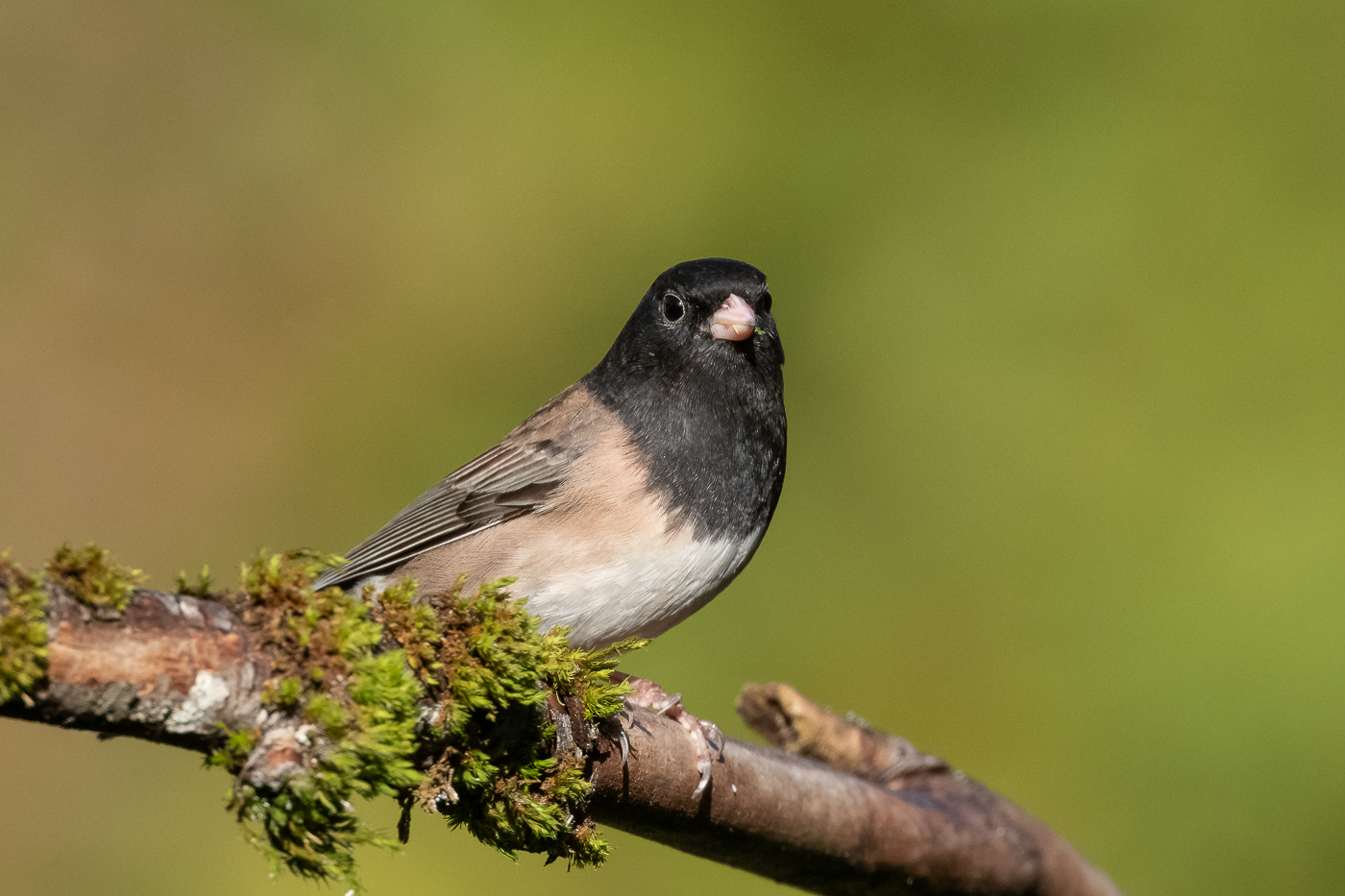
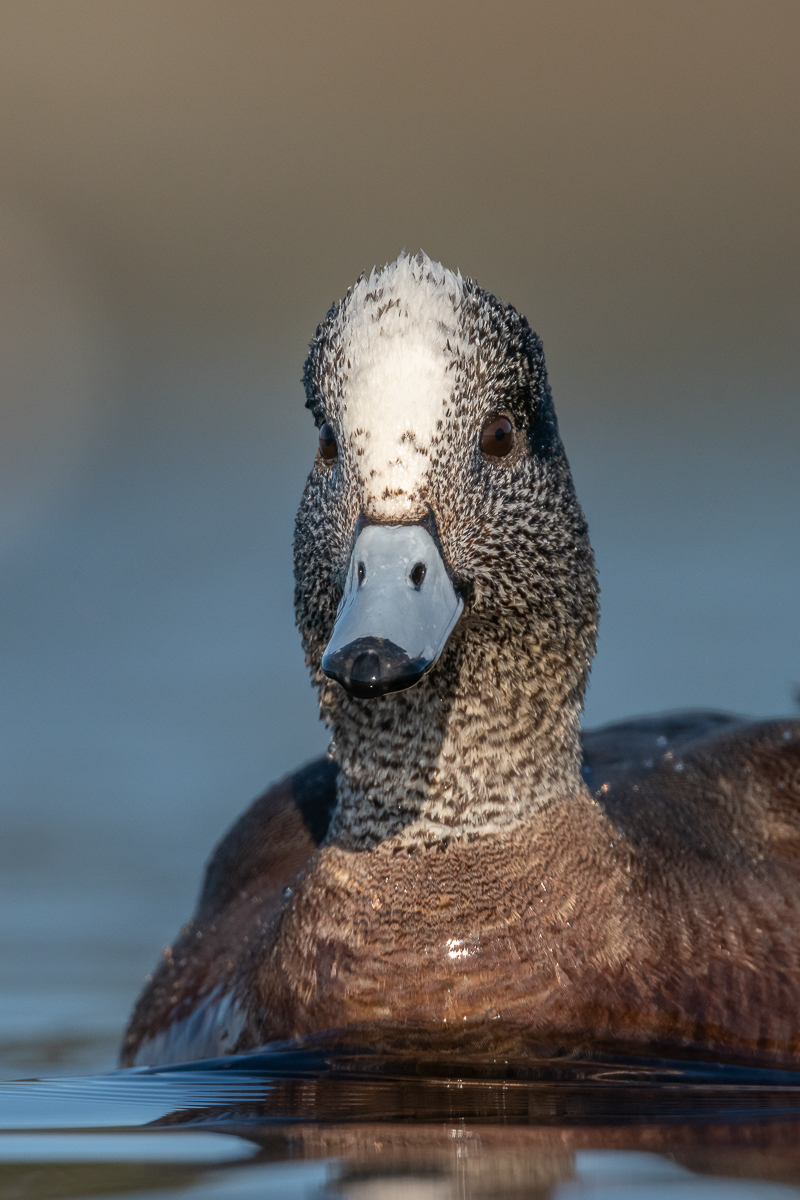
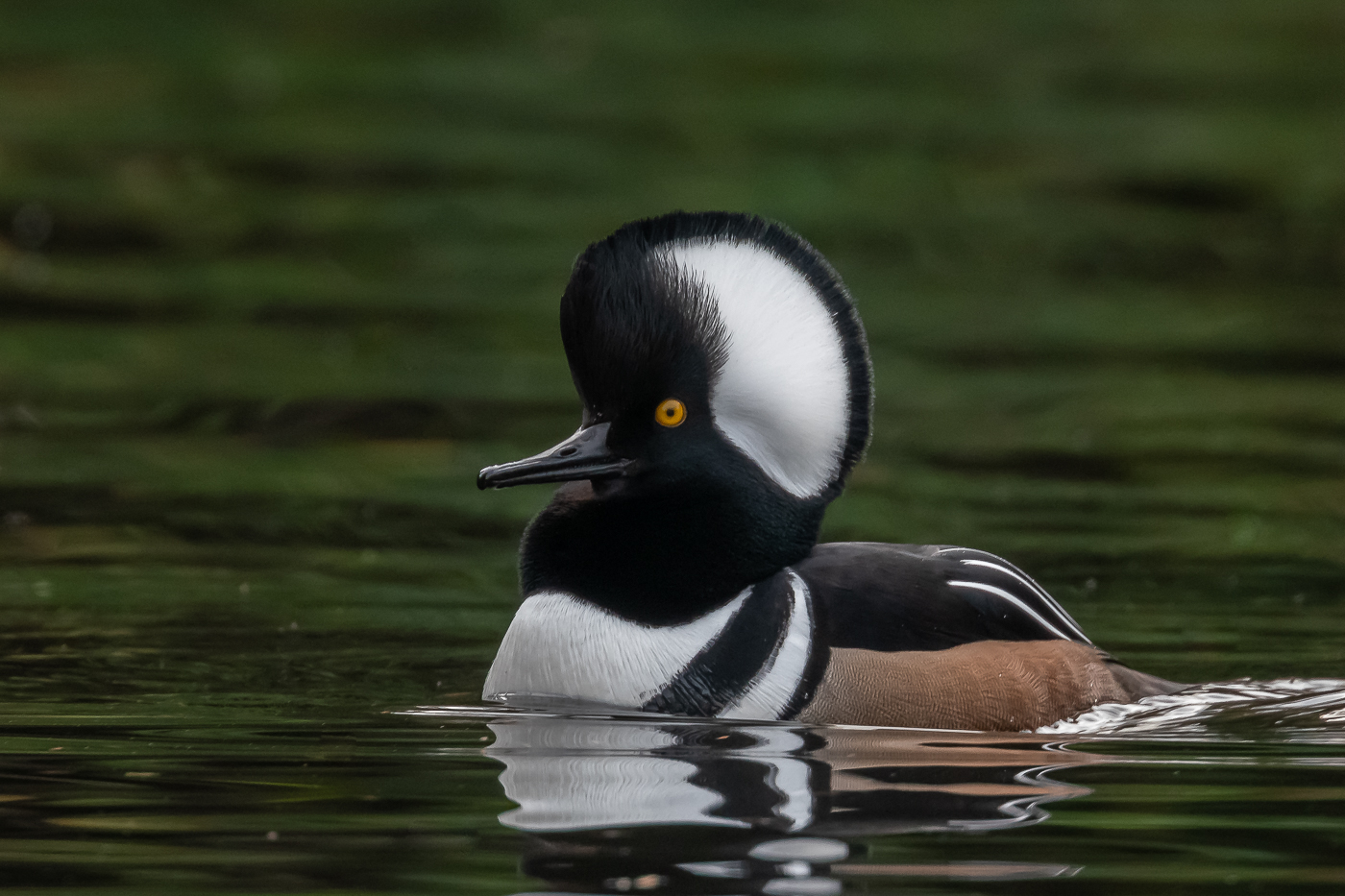
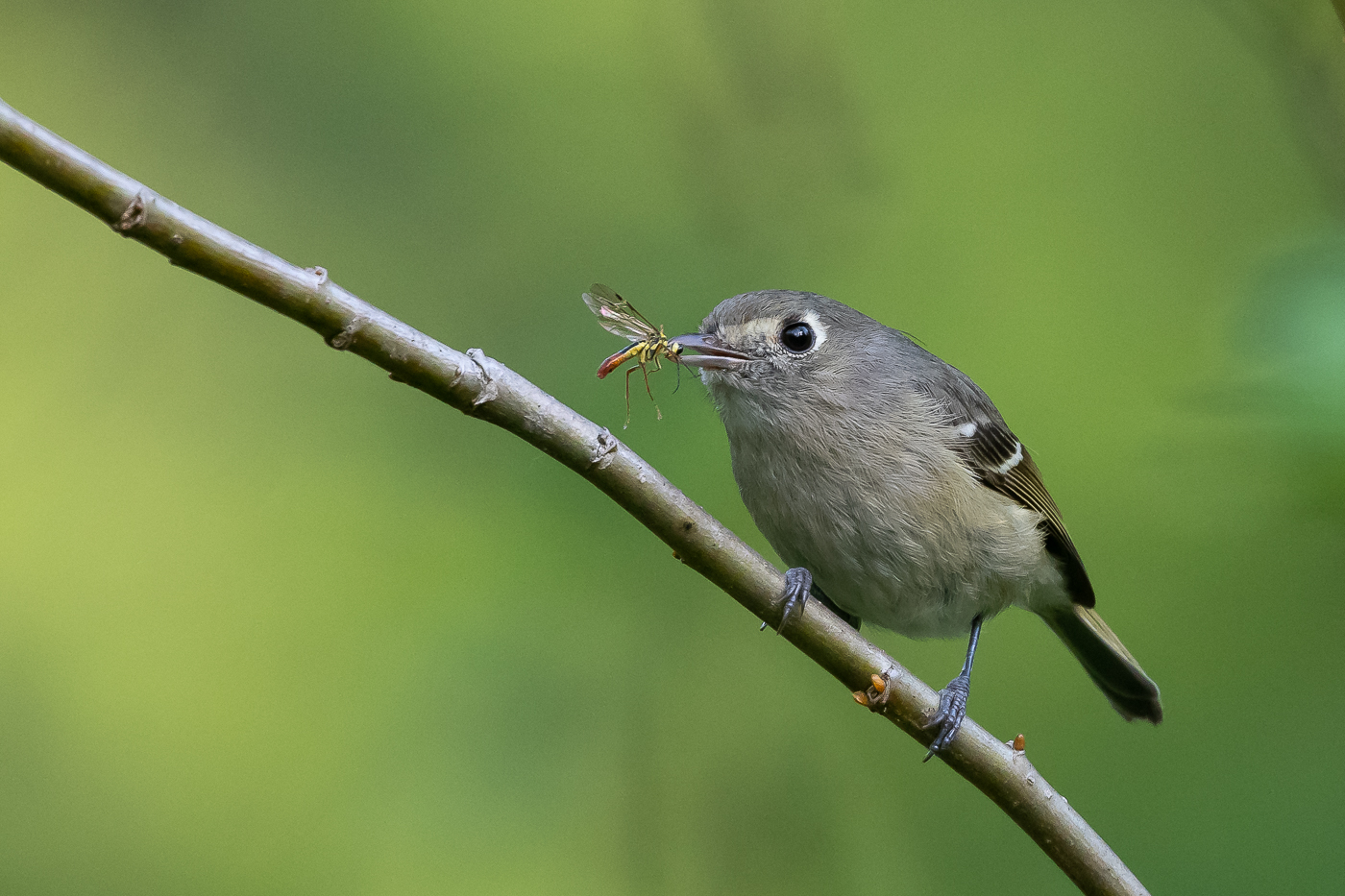
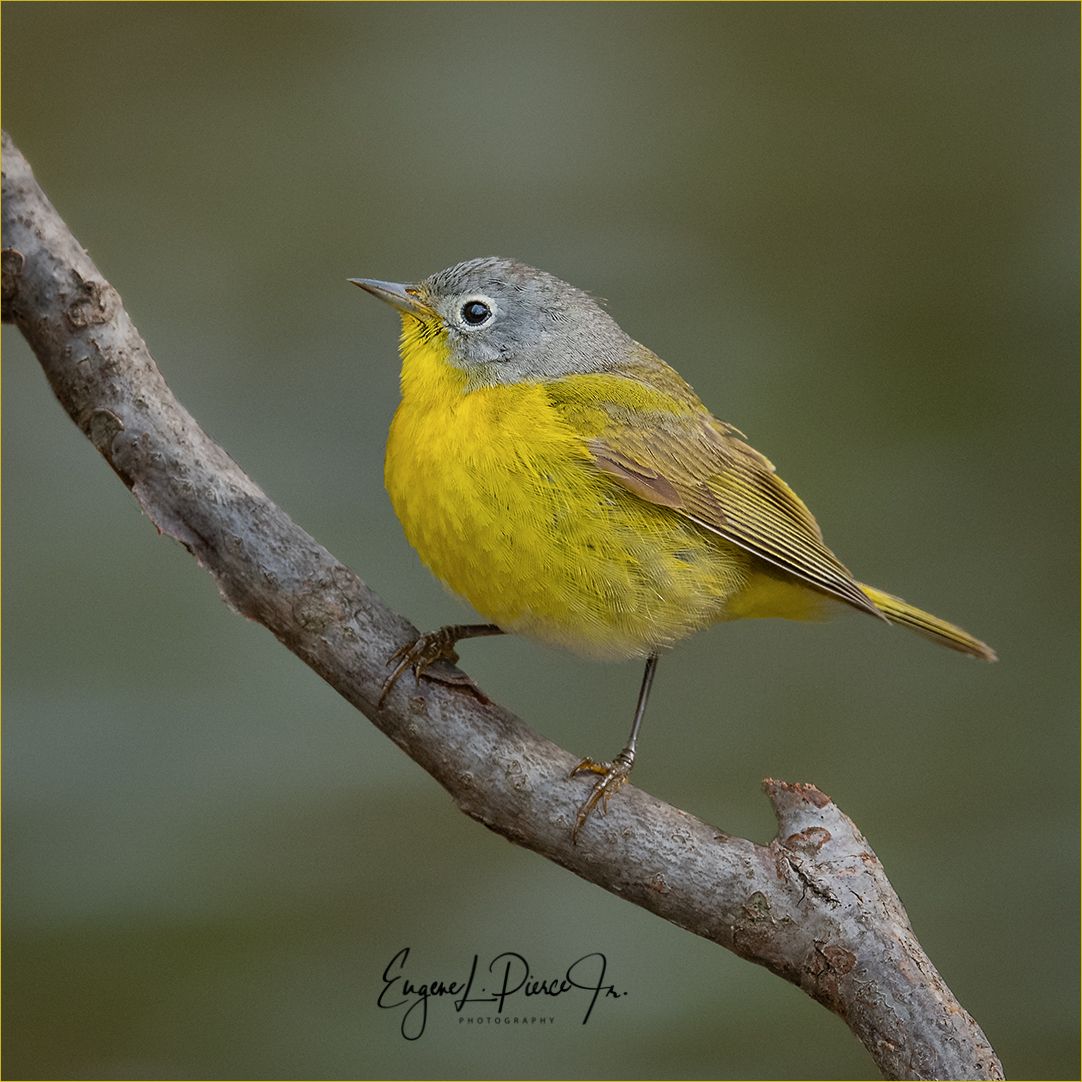
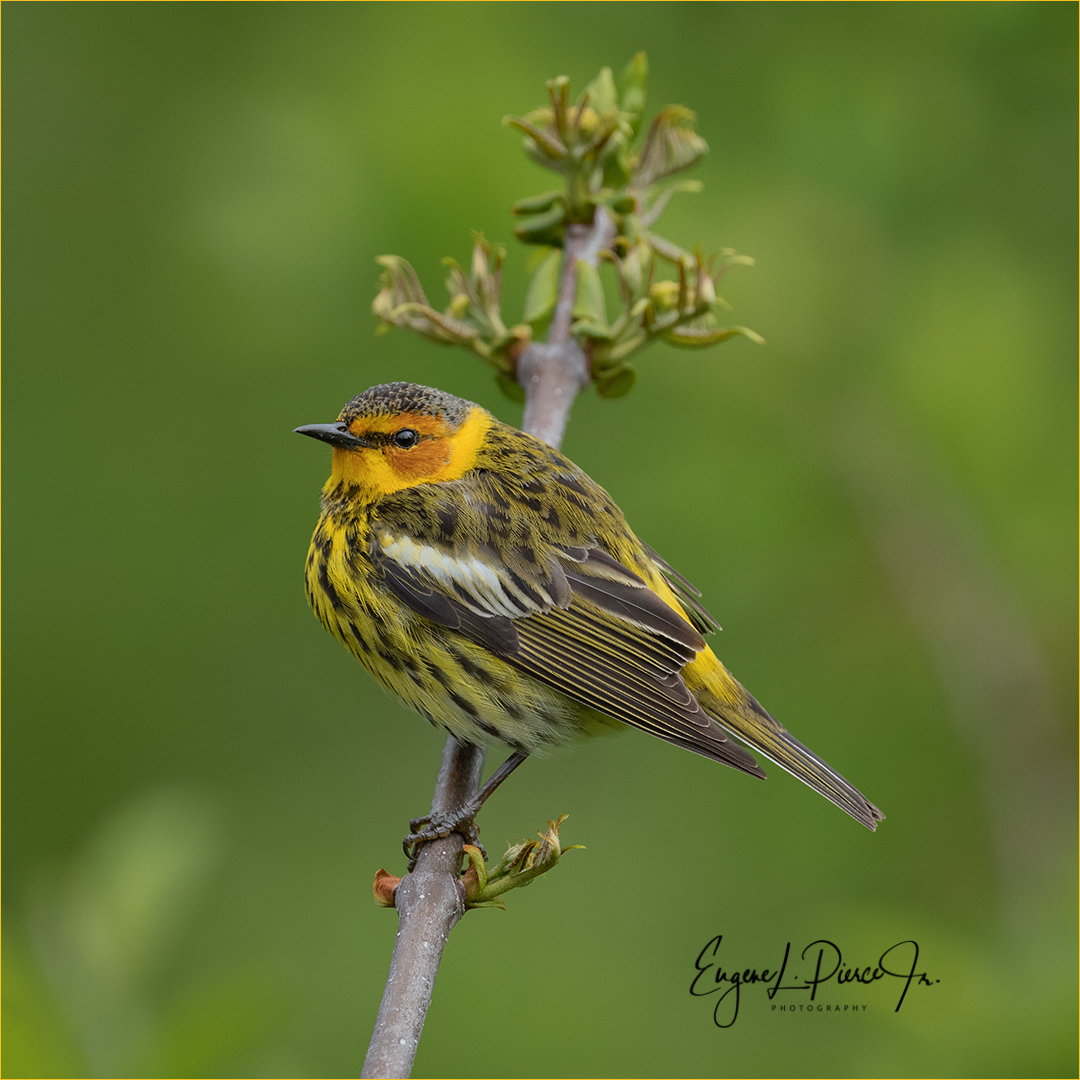
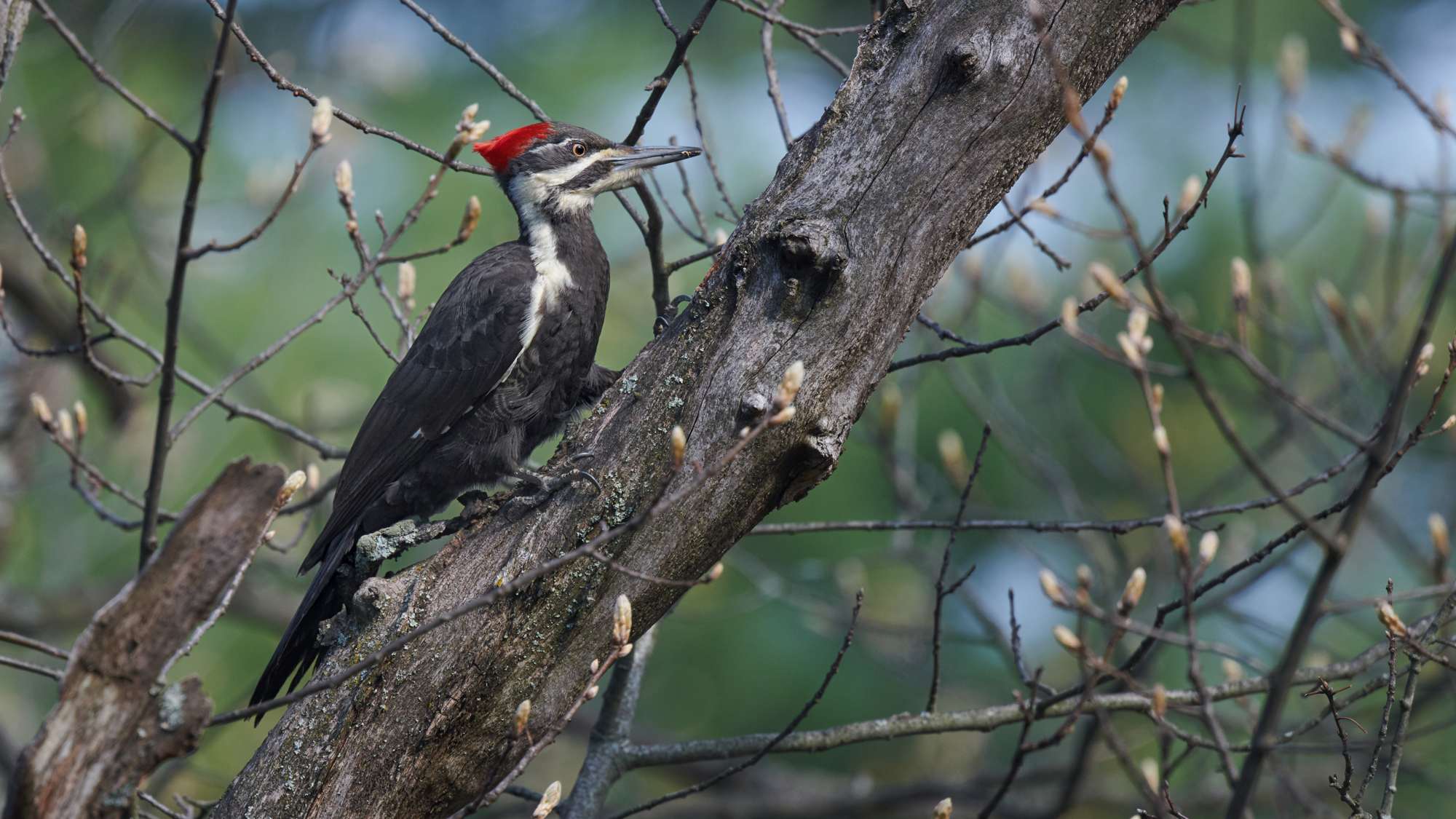
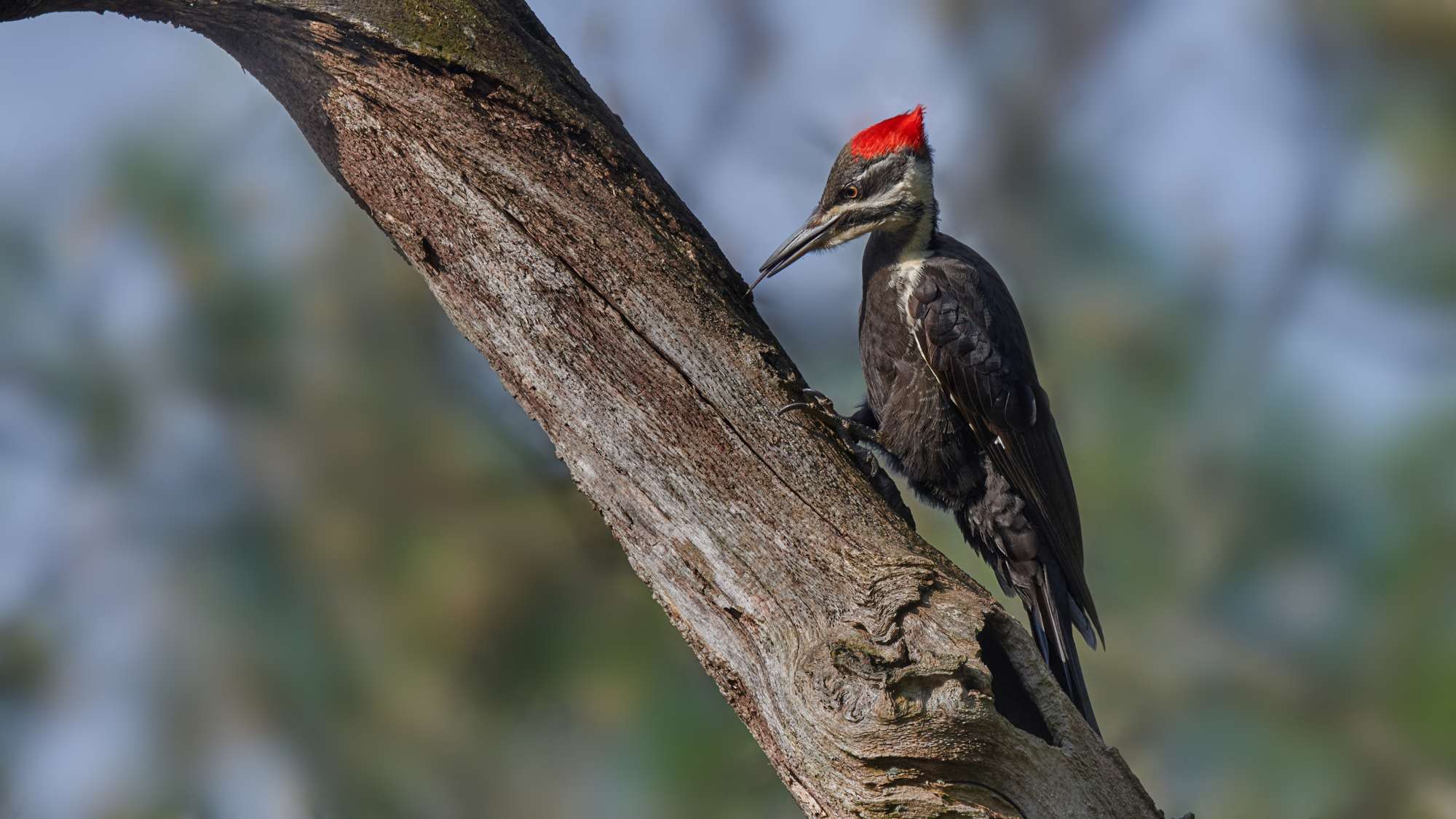
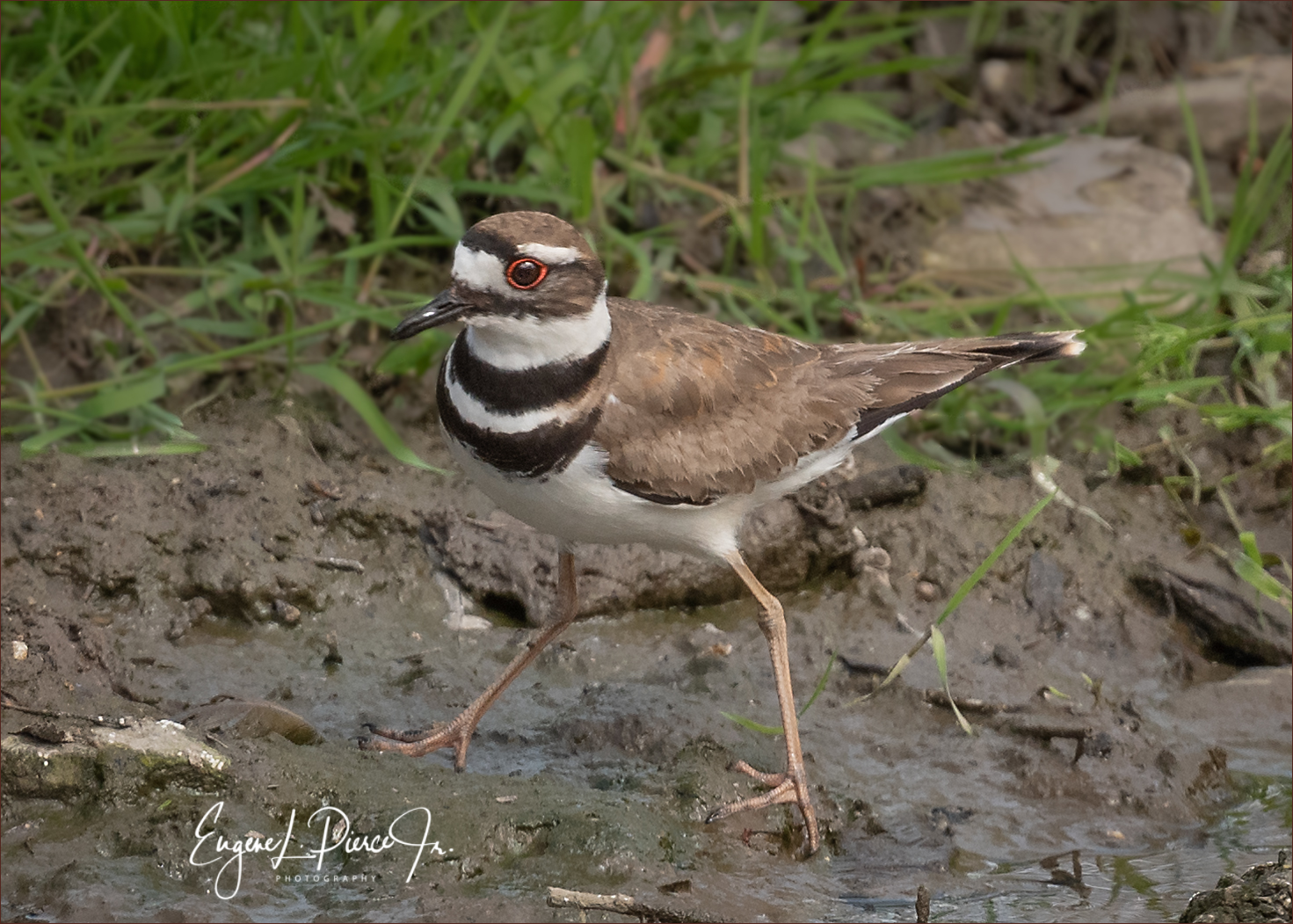
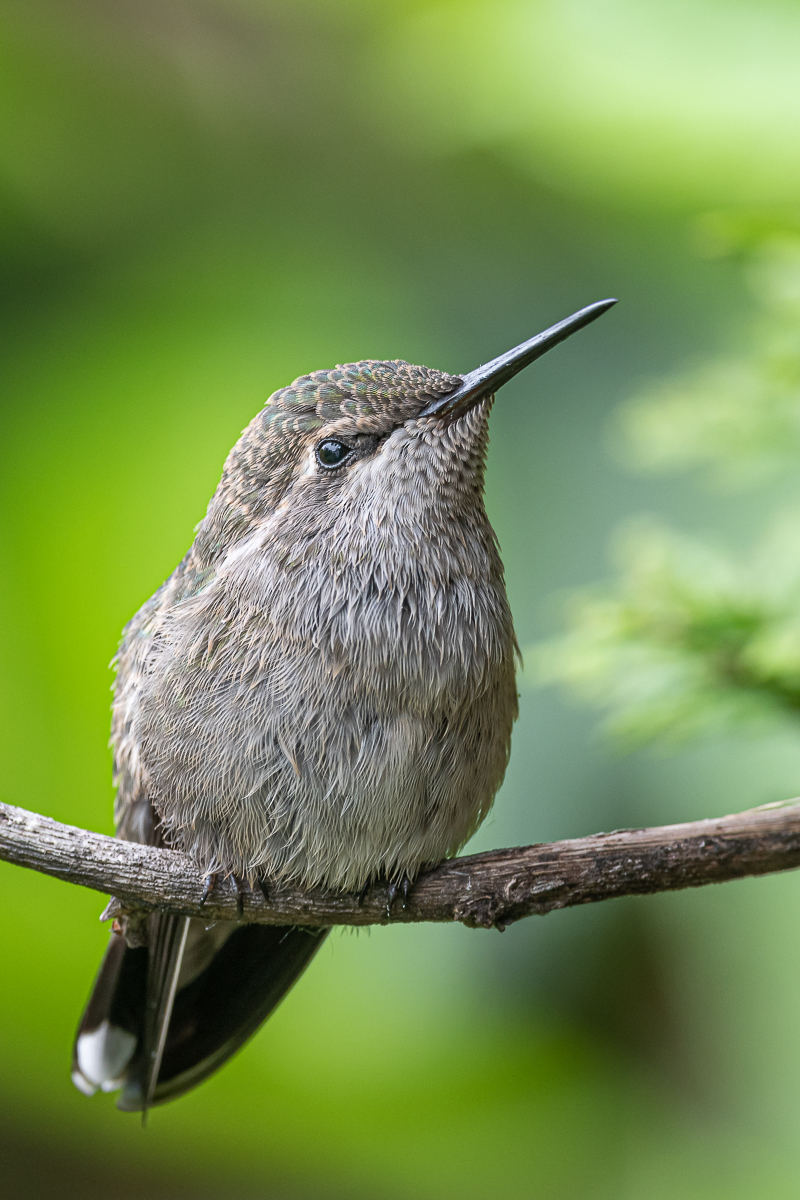
Some fabulous shots in this thread illustrating the capability of the mighty 500PF!
I have to say that I'm VERY impressed with the sharpness from the 500PF+TC14EIII combo when relatively close. But -- and this is nothing new to the veteran posters in this thread -- the problem of isolating wild birds in their natural environment can be a real problem. If you don't mind busy "environmental" shots the 500PF+TC14EIII combo @f8 will certainly deliver the goods as the first example demonstrates. But when I want to isolate the bird I'm often forced to apply a heavy dose of gaussian blur to the the background as demonstrated in the second shot. The 500PF+TC combo really forces you to choose, or be prepared to discard a lot of shots. Not surprisingly, this is where the 500/4 and 600/4 can really shine.
I agree with everything you’ve stated, and I’ll add one more. While the D500 is a great body to use w/ the 500PF, issues related to distracting bokeh are magnified. For those who do not enjoy shooting sets (or lack the space and diversity to do so), nature is our canvas. As such, we are perpetually searching for ways to reduce distracting elements in a cluttered world where plants compete for access to light and water.
Gary Irwin wrote:
Hi All;
Some fabulous shots in this thread illustrating the capability of the mighty 500PF!
I have to say that I'm VERY impressed with the sharpness from the 500PF+TC14EIII combo when relatively close. But -- and this is nothing new to the veteran posters in this thread -- the problem of isolating wild birds in their natural environment can be a real problem. If you don't mind busy "environmental" shots the 500PF+TC14EIII combo @f8 will certainly deliver the goods as the first example demonstrates. But when I want to isolate the bird I'm often forced to apply a heavy dose of gaussian blur to the the background as demonstrated in the second shot. The 500PF+TC combo really forces you to choose, or be prepared to discard a lot of shots. Not surprisingly, this is where the 500/4 and 600/4 can really shine.
OwlsEyes wrote:
I agree with everything you’ve stated, and I’ll add one more. While the D500 is a great body to use w/ the 500PF, issues related to distracting bokeh are magnified. For those who do not enjoy shooting sets (or lack the space and diversity to do so), nature is our canvas. As such, we are perpetually searching for ways to reduce distracting elements in a cluttered world where plants compete for access to light and water.
Great point about DX exacerbating the B/G OOF problems. I've been shooting FX for so long now that I've completely forgotten about that limitation when shooting DX.
Of course being limited to f5.6 or f8 isn't necessarily a deal breaker. It's relatively easy to deal with when shooting setups or against open background (i.e. ducks on water, BIF against the sky etc.) But for those of us interested in getting the best results in natural settings it can be a challenge. I've developed a regimen to clean the B/G including localized dodging and burning to subdue the highlights or brighten dark areas, saturation/desaturation, use of the healing brush to eliminate specific hot/dark spots and liberal use of gaussian blur tool. But it's a lot of effort and sometimes the results just don't work where faster glass would have helped.
I really like the little 500PF "pocket rocket" but I'm still trying to figure out if it's worth having over a 500E.
Gary Irwin wrote:
Great point about DX exacerbating the B/G OOF problems. I've been shooting FX for so long now that I've completely forgotten about that limitation when shooting DX.
Of course being limited to f5.6 or f8 isn't necessarily a deal breaker. It's relatively easy to deal with when shooting setups or against open background (i.e. ducks on water, BIF against the sky etc.) But for those of us interested in getting the best results in natural settings it can be a challenge. I've developed a regimen to clean the B/G including localized dodging and burning to subdue the highlights or brighten dark areas, saturation/desaturation, use of the healing brush to eliminate specific hot/dark spots and liberal use of gaussian blur tool. But it's a lot of effort and sometimes the results just don't work where faster glass would have helped.
I really like the little 500PF "pocket rocket" but I'm still trying to figure out if it's worth having over a 500E.
Gary,
We are in agreement here. I have loved the 500PF for what it offers. It is very easy if not addictive to use. With VR on and the capacity to shoot at ISO 1600 w/ my D500, I find myself photographing subjects that I might normally ignore (here I am referring to small birds). In addition, the light body and small dimensions have made it a no brainer for travel and hiking. However, after pairing it w/ an 80-400G, I realized that I was missing the bokeh of an f/4 lens. Like you, I have relied on LR and Photoshop to recreate a desirable bokeh (for me, its an Orton type effect on a layer that I can paint in or out), but this is tedious and time consuming. About 2 months ago I sold my very sharp 80-400G and replaced it (again) w/ a 200-400VR (my 3rd... and last until I can afford a 180-400 w/ 1.4x) so that I could get that soft bokeh that I miss so much.
Regardless of its shortcomings, the 500PF is a keeper and will be used in from the Khutzeymateen to Costa Rica during this year's summer travels...