This topic is in the 2018 archive. You can read it and like its posts here. It is read only.
Archive 2018Zeiss Loxia 25mm f2.4 is a distagon
p.15 #1Zeiss Loxia 25mm f2.4 is a distagon
Guy, I've bought and sold the Batis twice. I'm not sure exactly why but the (landscape) images it produced didn't quite grab me in the way the ones from the Loxias do. I would definitely recommend you wait it out (or source elsewhere) and at least give the Loxia 25 a try. I'm really liking it, despite the slight increase in CA compared to the 21, and will likely carry both because nearly all my shooting is between 18 and 25. I'm waiting for some more sunshine to also do the CA comparison at F8 which is closer to where I normally shoot.
Mar 28, 2018 at 03:20 PM
p.15 #2Zeiss Loxia 25mm f2.4 is a distagon
I did not cancel yet . Give it a few days not in extreme hurry
Mar 28, 2018 at 03:25 PM
p.15 #3Zeiss Loxia 25mm f2.4 is a distagon
smpetty wrote:
Thanks Guy!
Do you think that the CV 21/3.5 will be in the same league IQ-wise with the Loxias and the Firin? I prefer the handling (and looks) of the Voigtlanders compared to the Loxias
No-one has any clue. CV make lenses with so many different trade-offs and balances it's hard to be sure. Every App Lanthar they have made has been state of the art for it's time, But other than that its hard to guess. Lenses they have called "colour skopar" like the one have never ben wonderful, though they have been pretty good. But I don't think thats predictive. Color Skopar just means "moderate speed wide" in CV talk.
If it's as good as the Lox then I'd probably prefer it (f3,5 is fine for landscape and it's smaller and has the easier aperture ring to use). But there's no way to informedly guess until we get tests.
Mar 28, 2018 at 03:36 PM
p.15 #4Zeiss Loxia 25mm f2.4 is a distagon
So given Passover B&H will close starting late Thursday till the 8th of April along with other retailers that observe Passover. Long wait given that
Mar 28, 2018 at 06:37 PM
p.15 #5Zeiss Loxia 25mm f2.4 is a distagon
Some more high contrast 100% crops comparing Loxia 25 CA at F4, 5.6, & F8. At F8 it's looking to be a non-issue. Good news for landscapes 
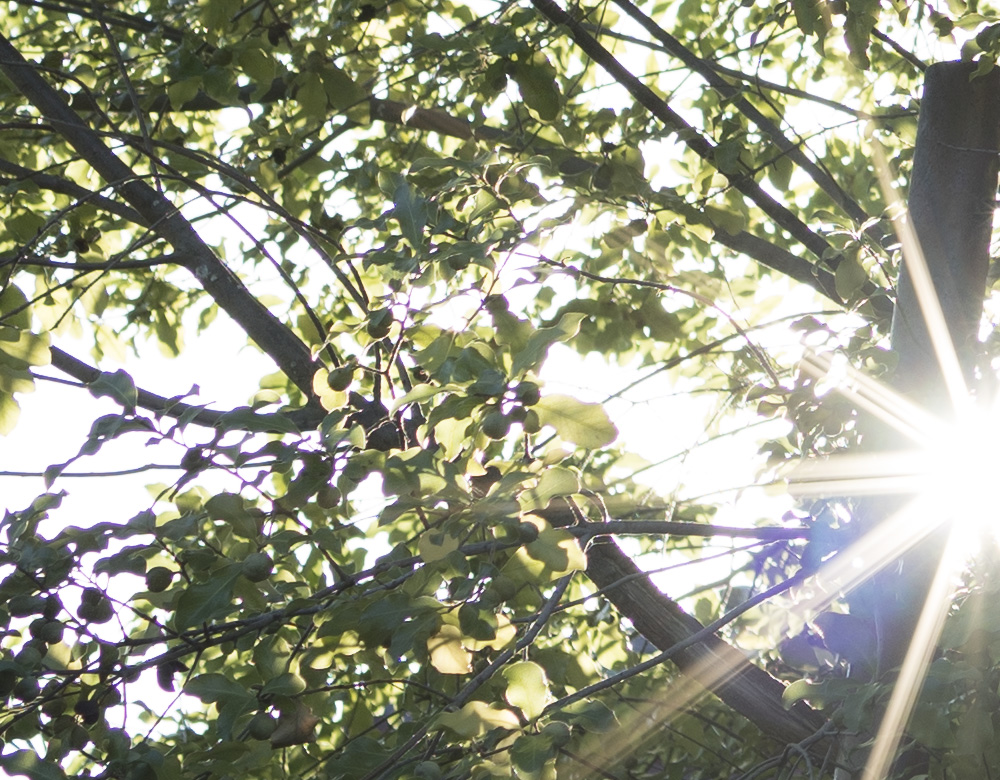
Loxia 25 F4 A7Rii
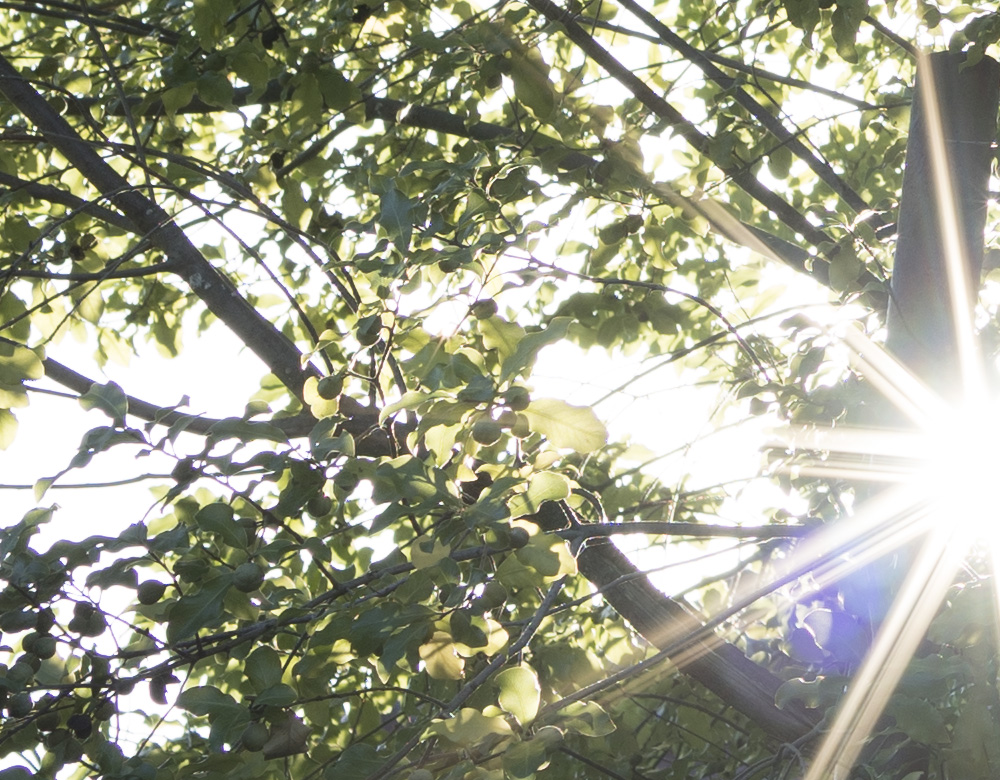
Loxia 25 F5.6 A7Rii
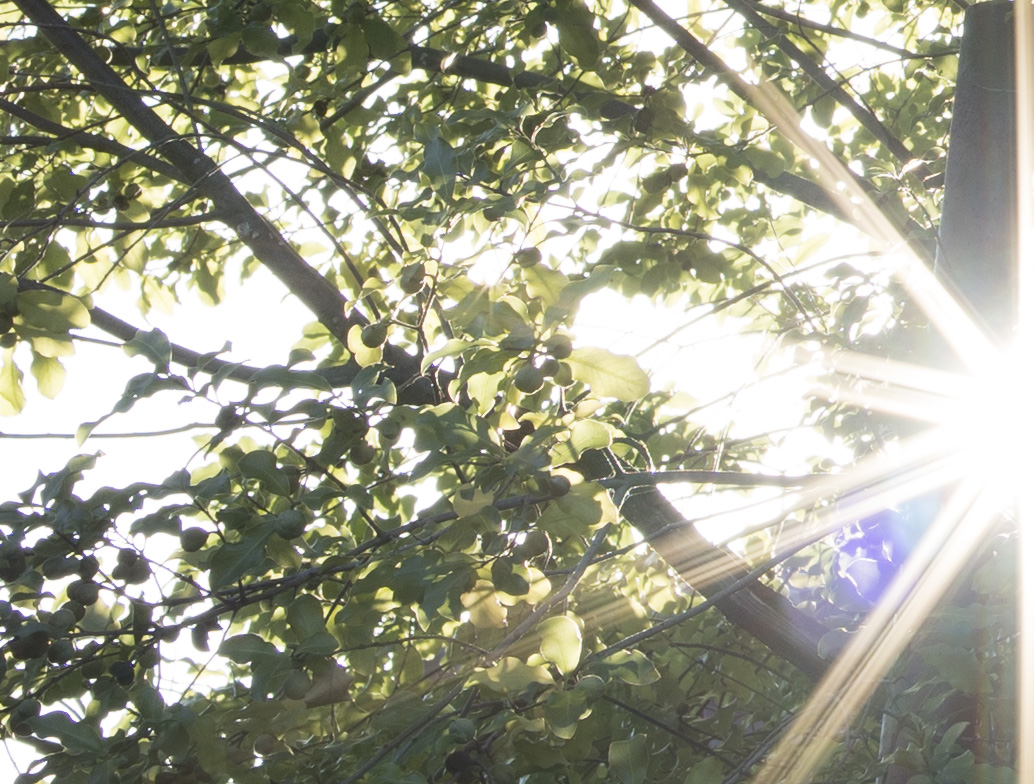
Loxia 25 F8 A7Rii
Loxia 25 F4 A7Rii
Loxia 25 F5.6 A7Rii
Loxia 25 F8 A7Rii
Mar 29, 2018 at 02:27 AM
p.15 #6Zeiss Loxia 25mm f2.4 is a distagon
Loxia 21 at f8 for comparison
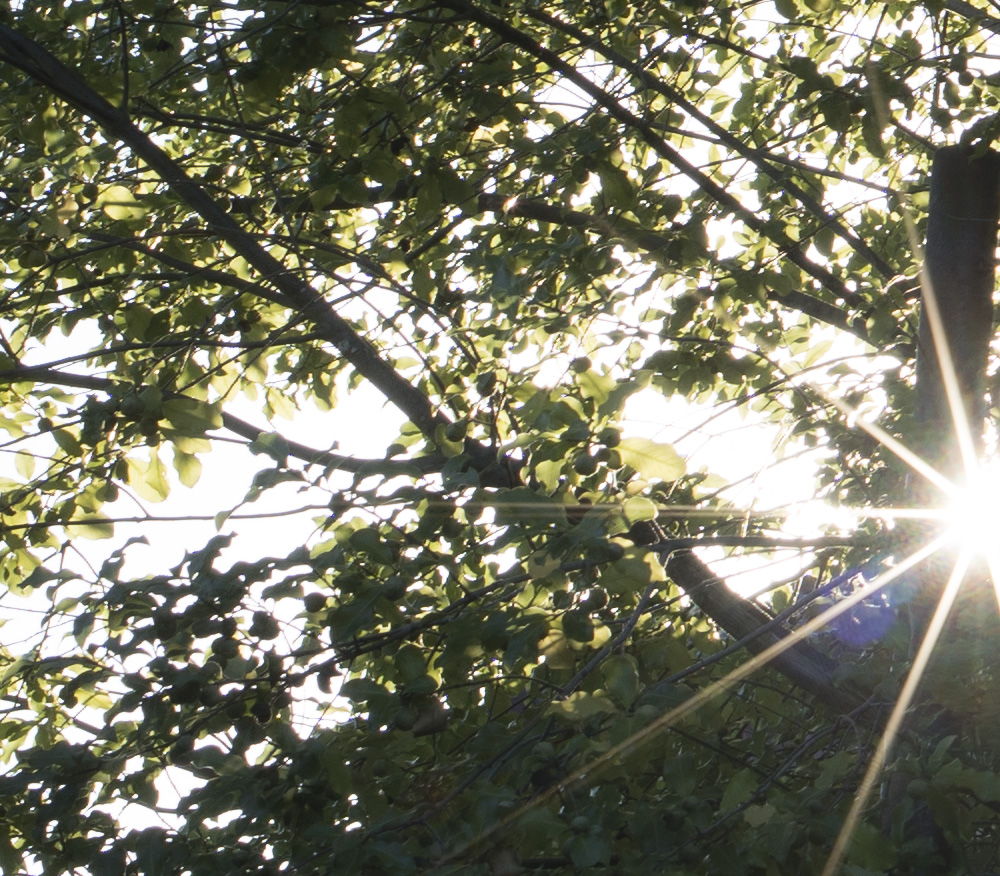
Loxia 21 F8 A7Rii
Loxia 21 F8 A7Rii
Mar 29, 2018 at 02:40 AM
p.15 #7Zeiss Loxia 25mm f2.4 is a distagon
Loxia 21 aquiting itself nicely. You'd think 21 would be tougher to manage than 25. The 25 seems to show more ghosting and veiling flare, too, at least in those examples. Is the double pronged sunstar effect on the 25 characteristic of the lens or just incidental? Any idea what causes that? I like the crisper sunstar lines shown on the 21, personally.
Mar 29, 2018 at 06:58 AM
p.15 #8Zeiss Loxia 25mm f2.4 is a distagon
Not sure how much difference the focal length between 21 and 25mm makes, but in general, flare is harder to manage the longer the lens as the bigger in the frame the sun becomes. Also, there might be differences in this sample between how much of the sun was obscured by the adjacent tree. Even a little difference can be a fairly substantial factor. Finally, in the 25mm sample, the sun is closer to the edge of the frame where it will be a bit more central on the 21mm. Again, don't know how much of a difference this makes, but I would be wary of making final judgments on the relative flare and CA resistance until more testing has been done. Still, overall, I like the 21mm here better and I have not seen anything that makes me want to ditch my 21 Loxia so far.
Edited on Mar 29, 2018 at 10:59 AM · View previous versions
Edited on Mar 29, 2018 at 10:59 AM · View previous versions
Mar 29, 2018 at 10:55 AM
p.15 #9Zeiss Loxia 25mm f2.4 is a distagon
Parariss wrote:
Loxia 21 aquiting itself nicely. You'd think 21 would be tougher to manage than 25. The 25 seems to show more ghosting and veiling flare, too, at least in those examples. Is the double pronged sunstar effect on the 25 characteristic of the lens or just incidental? Any idea what causes that? I like the crisper sunstar lines shown on the 21, personally.
That sunstar shape with the double lines sometimes shows up with the Loxia 21 and other lenses with 10-straight aperture blades as well.
Mar 29, 2018 at 10:59 AM
p.15 #10Zeiss Loxia 25mm f2.4 is a distagon
It's also very common for any lens when shooting through foliage like that. I wouldn't read too deeply into it.
Mar 29, 2018 at 11:02 AM
p.15 #11Zeiss Loxia 25mm f2.4 is a distagon
Fred Miranda wrote:
That sunstar shape with the double lines sometimes shows up with the Loxia 21 and other lenses with 10-straight aperture blades as well.
Absolutely right. Here is a CV 40:

and the 65mm CV:

Parariss wrote
Loxia 21 aquiting itself nicely. You'd think 21 would be tougher to manage than 25. The 25 seems to show more ghosting and veiling flare, too, at least in those examples. Is the double pronged sunstar effect on the 25 characteristic of the lens or just incidental? Any idea what causes that? I like the crisper sunstar lines shown on the 21, personally.Absolutely right. Here is a CV 40:
and the 65mm CV:
Mar 29, 2018 at 11:04 AM
p.15 #12Zeiss Loxia 25mm f2.4 is a distagon
The double or triple sunstar arms simply means there are multiple, overlapping sunstars because there are multiple concentrated light sources (often caused by light shining through foliage, branches and the like).
Edited on Mar 30, 2018 at 07:08 AM · View previous versions
Edited on Mar 30, 2018 at 07:08 AM · View previous versions
Mar 29, 2018 at 11:26 AM
p.15 #13Zeiss Loxia 25mm f2.4 is a distagon
Regarding placement of the sun in the Loxia shots, these are 100% crops from the lower left quadrant so the sun is not along the extreme edge of the frame in either case. Note that not only the number of arms but also their sharpness varies with exact placement of the leaves/branches that partially obscure the sun, which will have changed when I swapped lenses. If you look at my F4 posts from the previous page you'll see an example of very sharp sunstars with the 25 also.
My main point with the F4-F8 posts however was to show that CA is no longer an issue at F8 (and smaller apertures) which is where I nearly always shoot landscapes.
My main point with the F4-F8 posts however was to show that CA is no longer an issue at F8 (and smaller apertures) which is where I nearly always shoot landscapes.
Mar 29, 2018 at 05:16 PM
p.15 #14Zeiss Loxia 25mm f2.4 is a distagon
Parariss wrote:
Loxia 21 aquiting itself nicely. You'd think 21 would be tougher to manage than 25. The 25 seems to show more ghosting and veiling flare, too, at least in those examples. Is the double pronged sunstar effect on the 25 characteristic of the lens or just incidental? Any idea what causes that? I like the crisper sunstar lines shown on the 21, personally.
The double, or lined, sunstar is usually a product of there being a slight obstruction so that if effect there are two almost perfectly overlapping sunstars. I find all my lenses will do this when shooting through foliage, or putting the sun in a gap in a tree or buildings or something like that.
Mar 29, 2018 at 05:25 PM
p.15 #15Zeiss Loxia 25mm f2.4 is a distagon
Torturing the two wide angle Loxias a bit more, I did another CA test at F8, but deliberately focused behind the subject (at infinity) this time to induce purple fringing as much as possible. In this case, even at F8 the 21 shows marginally less CA than the 25. I suppose the 21 does have the benefit of having a slightly greater DOF.
Loxia 25 F8 100% crop A7rII
Loxia 21 F8 100% crop A7rII
Loxia 25 F8 100% crop A7rII
Loxia 21 F8 100% crop A7rII
Mar 29, 2018 at 09:06 PM
p.15 #16Zeiss Loxia 25mm f2.4 is a distagon
It's disappointing to see the level of axial CA on the new Lox 25. It's there even at f/8!
That's one of the reasons I've never warmed up to the Batis 25/2.
The wider Lox 21 should be more challenging to design/correct and from the sample crops posted here, it's actually better color corrected. I wonder if the cheaper price and reduced special glass elements has something to do with this performance.
Mar 30, 2018 at 09:27 AM
p.15 #17Zeiss Loxia 25mm f2.4 is a distagon
Yes, rather surprising. Lloyd's tests looked great, but he didn't do these torture tests. @rvh23, have you done any direct comparisons to the Milvus 25 in this regard? I'm still knowing that I want it, even though I "officially" decided on the Lox.
Mar 30, 2018 at 09:57 AM
p.15 #18Zeiss Loxia 25mm f2.4 is a distagon
Fred Miranda wrote:
It's disappointing to see the level of axial CA on the new Lox 25. It's there even at f/8!
That's one of the reasons I've never warmed up to the Batis 25/2.
The wider Lox 21 should be more challenging to design/correct and from the sample crops posted here, it's actually better color corrected. I wonder if the cheaper price and reduced special glass elements has something to do with this performance.
Nothing to add from my side.
Mar 30, 2018 at 10:14 AM
p.15 #19Zeiss Loxia 25mm f2.4 is a distagon
The more I read about and see test images, the less inclined I am toward the Loxia 25, continuing to favor my Loxia 21. I can't say I'd have any reason to get a lens so close to the 21 unless it was really some sort of bargain, and the CA matter makes it less likely.
If anything will induce me to get another Loxia, I'm still hoping for a well-corrected Loxia 28/2.
If anything will induce me to get another Loxia, I'm still hoping for a well-corrected Loxia 28/2.
Mar 30, 2018 at 10:28 AM
p.15 #20Zeiss Loxia 25mm f2.4 is a distagon
How much bigger (72mm filter thread?) and heavier will a 24mm 1.4 GM be?
The Canon 24mm L is around 500g and the Loxia is 400g. Originally i wanted the Milvus, but with adapter the lens is way to heavy for a hiking/mountaineering setup.
Mar 30, 2018 at 10:36 AM