This topic is in the 2018 archive. You can read it and like its posts here. It is read only.
Archive 2018Zeiss Loxia 25mm f2.4 is a distagon
p.14 #2Zeiss Loxia 25mm f2.4 is a distagon
rvh23 wrote:
100 % crops
Thanks! Definitely more purple fringing on the 25 albeit subtle. I'll stick with the 21.
100 % crops
Thanks! Definitely more purple fringing on the 25 albeit subtle. I'll stick with the 21.
Mar 27, 2018 at 07:22 PM
p.14 #3Zeiss Loxia 25mm f2.4 is a distagon
I see only minimal difference, and neither looks objectionable to me given the extreme conditions. I wouldn't choose one over the other for any IQ reason I've seen so far. If I had to choose only one, it would be the 25, but only because 21 is often too wide for me.
Mar 27, 2018 at 08:15 PM
p.14 #4Zeiss Loxia 25mm f2.4 is a distagon
Well, I own the 21, and I like the spacing to my 35mm. The area around the sun looks quite noticeably worse on the 25 to me. Personal preference I guess.
Mar 27, 2018 at 08:32 PM
p.14 #5Zeiss Loxia 25mm f2.4 is a distagon
Ah OK yes I see the area you mean. It does look worse there but it might be due to the sun being obscured less in the 21 shot so contrast close to it is less than in the 25 shot (there was some wind when I took these). If I get a chance, I might try to redo the shot. The rest of the image where lighting is more similar between the two shots looks very close to me.
Mar 27, 2018 at 08:48 PM
p.14 #6Zeiss Loxia 25mm f2.4 is a distagon
I took another shot at extreme contrast to recheck CA at F4 to double check. Looks like the 25 does have a bit more purple fringing after all.
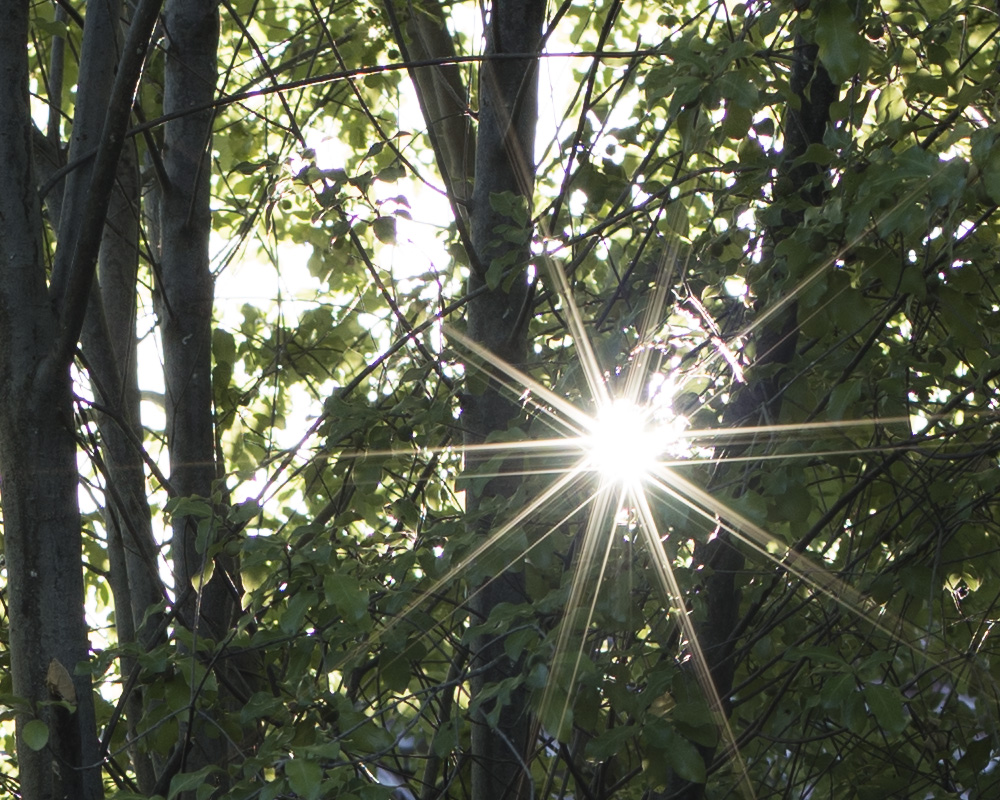
Loxia 25 F4 100% crop
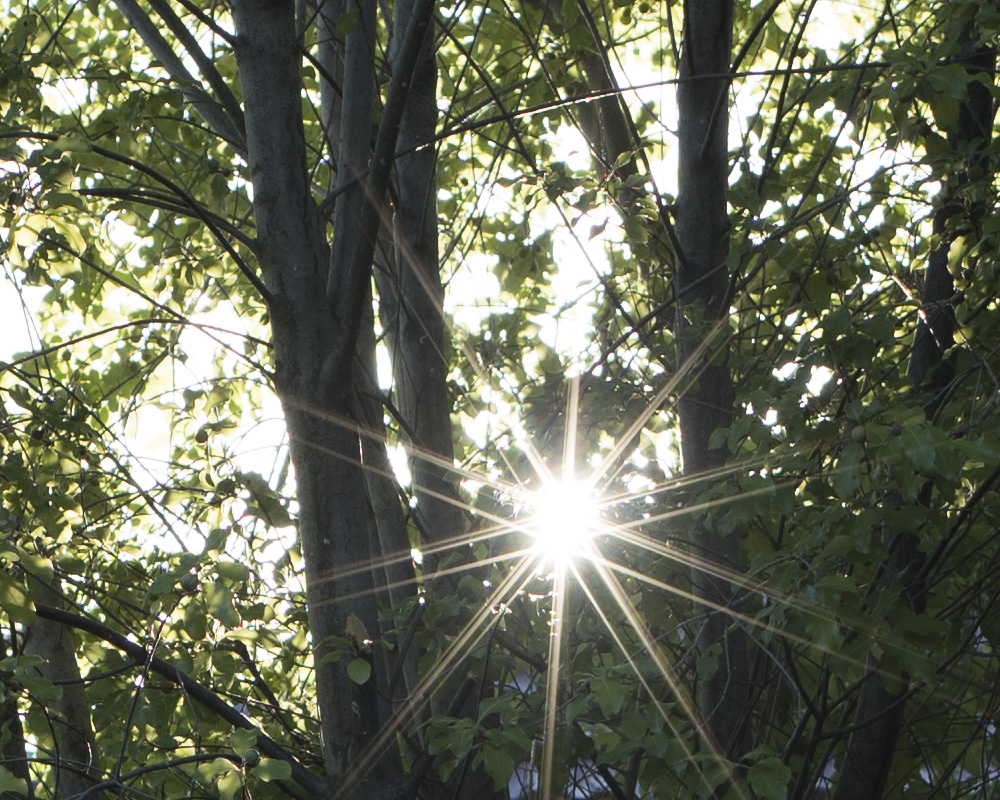
Loxia 21 F4 100% crop
Loxia 25 F4 100% crop
Loxia 21 F4 100% crop
Mar 28, 2018 at 01:21 AM
p.14 #7Zeiss Loxia 25mm f2.4 is a distagon
rvh23 wrote:
I took another shot at extreme contrast to recheck CA at F4 to double check. Looks like the 25 does have a bit more purple fringing after all.
Perfect! Thanks for the crops. I was pretty sure the 21mm was low in CA and it's a shame to see that the 25mm is not as well-corrected.
I took another shot at extreme contrast to recheck CA at F4 to double check. Looks like the 25 does have a bit more purple fringing after all.
Perfect! Thanks for the crops. I was pretty sure the 21mm was low in CA and it's a shame to see that the 25mm is not as well-corrected.
Mar 28, 2018 at 01:39 AM
p.14 #8Zeiss Loxia 25mm f2.4 is a distagon
Thanks for all the tests! I have the 21mm and although I prefer the 21mm FOV I was curious about the 25mm of course :-) I dont seem to have any major cravings based on what Im seeing (phew). You would clearly just buy what lens you prefer based on FOV alone. Thanks again....
Mar 28, 2018 at 03:02 AM
p.14 #9Zeiss Loxia 25mm f2.4 is a distagon
Fred Miranda wrote:
Perfect! Thanks for the crops. I was pretty sure the 21mm was low in CA and it's a shame to see that the 25mm is not as well-corrected.
Interesting, we’ve been talking about doing a-b comparisons of axial CA between the 25 and the 21 at phillipreeve, and will in a week or so. But it is starting to look like the 25 has a bit more of it. Someone commented that the 25 has only one APD element and I recall saying maybe at this FL you only need one. Perhaps they cheaped out a little there. On the other hand the bokeh of the 25 is looking lovely; better perhaps than the Batis at similar apertures (though until there are close comparisons we won’t be sure). Some lens designers claim that nice bokeh and great correction of secondary colour are hard to achieve together....
rvh23 wrote
I took another shot at extreme contrast to recheck CA at F4 to double check. Looks like the 25 does have a bit more purple fringing after all.Interesting, we’ve been talking about doing a-b comparisons of axial CA between the 25 and the 21 at phillipreeve, and will in a week or so. But it is starting to look like the 25 has a bit more of it. Someone commented that the 25 has only one APD element and I recall saying maybe at this FL you only need one. Perhaps they cheaped out a little there. On the other hand the bokeh of the 25 is looking lovely; better perhaps than the Batis at similar apertures (though until there are close comparisons we won’t be sure). Some lens designers claim that nice bokeh and great correction of secondary colour are hard to achieve together....
Mar 28, 2018 at 03:49 AM
p.14 #10Zeiss Loxia 25mm f2.4 is a distagon
It may be worth noting also that these shots are imported via camera raw, which insists on applying CA correction according to camera provided profiles for both these lenses, and I am assuming my A7RII firmare (V4.0) has the appropriate profile for the new lens. My version of camera raw itself does not list the new lens.
Mar 28, 2018 at 04:34 AM

p.14 #11Zeiss Loxia 25mm f2.4 is a distagon
DavidBM wrote:
Perfect! Thanks for the crops. I was pretty sure the 21mm was low in CA and it's a shame to see that the 25mm is not as well-corrected.Interesting, we’ve been talking about doing a-b comparisons of axial CA between the 25 and the 21 at phillipreeve, and will in a week or so. But it is starting to look like the 25 has a bit more of it. Someone commented that the 25 has only one APD element and I recall saying maybe at this FL you only need one. Perhaps they cheaped out a little there. On the other hand the bokeh of the 25 is looking lovely; better perhaps than the Batis at similar apertures (though until there are close comparisons we won’t be sure)....Show more →
Looking at the Zeiss spec sheets, it looks like the Loxia 25 has 2 APD elements (2 elements they label as special glass anyway and one additional element labelled as aspherical), whereas the Loxia 21 has 4 APD elements (4 elements they label as special glass and one additional element labelled as aspherical). So, yes the 21 does have double the amount of elements labelled as special glass and that may well account for what looks like to me a bit higher CA. I think we need to keep in mind that the 25 is a half stop faster, as well, and that means for axial CA the correction wide open is a bit harder.
I think your speculation about special glass and bokeh is an interesting one. I have often thought that aspherical elements makes good bokeh more difficult, but I think I am less convinced that APD glass makes good bokeh more difficult. It very well might and most of my favorite lenses for bokeh don't have any that I know of (Leica R 80 lux, Hassy HD 100 f/2.2, Zeiss C/Y 100 f/2), but some very nice bokeh lenses also do (Olympus OM 100 f/2, Zeiss Milvus 135 f/2 APO). I think what we do know is that in at least some aspects of bokeh (onion rings in highlights) aspherical lenses can cause problems, whereas in a least one aspect of bokeh (color fringing in transition zones) APD elements can help to eliminate the problem. I think it is interesting in helping with that one aspect of bokeh APD elements may cause different problems with bokeh. Any idea what those other problems may be David?
I have thought that aspherical elements may hurt bokeh in some people's eyes beyond causing onion ring patterns. If you like the under corrected spherical aberrations soft bokeh look, then aspherical lenses are likely to remove this look at least to some extent. That might be seen as a plus to some who prefer neutral bokeh and a negative to others who like the under corrected soft look. I am less sure what APD elements might do to bokeh, but I would be interested to hear any speculations.
Anyway, back to the Loxia 25. I am finding that although I like lenses that are super corrected, I also like lens that strike a balance in their correction holding back some corrections in areas in which they are unlikely to be too consequential for other advantages such as size, weight, price or look. A good example is Stephen's recent review of the Leica R 180 f/2.8 APO at Phillip's site. It seems that lens could have been more highly corrected for CA as it shows some in some situations, but would that be desirable if it meant the lens weighed another 300 or 400 grams? I don't think so. In the same sort of way, would we trade this Loxia 25 for a lenses that weighed 200 grams more and was better corrected or a lens that was $500 more expensive but was the same size and better corrected. I don't think I would want either of those tradeoffs in this case as the CA we are seeing with this lens seems to be axial or longitudinal which will go away as we stop down to the apertures that I am most likely to use it at. If it is lateral CA, which does not lessen as we stop down, however, I would be much more willing to sacrifice price or size for its removal.
Fred Miranda wrote
rvh23 wrote
I took another shot at extreme contrast to recheck CA at F4 to double check. Looks like the 25 does have a bit more purple fringing after all.Looking at the Zeiss spec sheets, it looks like the Loxia 25 has 2 APD elements (2 elements they label as special glass anyway and one additional element labelled as aspherical), whereas the Loxia 21 has 4 APD elements (4 elements they label as special glass and one additional element labelled as aspherical). So, yes the 21 does have double the amount of elements labelled as special glass and that may well account for what looks like to me a bit higher CA. I think we need to keep in mind that the 25 is a half stop faster, as well, and that means for axial CA the correction wide open is a bit harder.
I think your speculation about special glass and bokeh is an interesting one. I have often thought that aspherical elements makes good bokeh more difficult, but I think I am less convinced that APD glass makes good bokeh more difficult. It very well might and most of my favorite lenses for bokeh don't have any that I know of (Leica R 80 lux, Hassy HD 100 f/2.2, Zeiss C/Y 100 f/2), but some very nice bokeh lenses also do (Olympus OM 100 f/2, Zeiss Milvus 135 f/2 APO). I think what we do know is that in at least some aspects of bokeh (onion rings in highlights) aspherical lenses can cause problems, whereas in a least one aspect of bokeh (color fringing in transition zones) APD elements can help to eliminate the problem. I think it is interesting in helping with that one aspect of bokeh APD elements may cause different problems with bokeh. Any idea what those other problems may be David?
I have thought that aspherical elements may hurt bokeh in some people's eyes beyond causing onion ring patterns. If you like the under corrected spherical aberrations soft bokeh look, then aspherical lenses are likely to remove this look at least to some extent. That might be seen as a plus to some who prefer neutral bokeh and a negative to others who like the under corrected soft look. I am less sure what APD elements might do to bokeh, but I would be interested to hear any speculations.
Anyway, back to the Loxia 25. I am finding that although I like lenses that are super corrected, I also like lens that strike a balance in their correction holding back some corrections in areas in which they are unlikely to be too consequential for other advantages such as size, weight, price or look. A good example is Stephen's recent review of the Leica R 180 f/2.8 APO at Phillip's site. It seems that lens could have been more highly corrected for CA as it shows some in some situations, but would that be desirable if it meant the lens weighed another 300 or 400 grams? I don't think so. In the same sort of way, would we trade this Loxia 25 for a lenses that weighed 200 grams more and was better corrected or a lens that was $500 more expensive but was the same size and better corrected. I don't think I would want either of those tradeoffs in this case as the CA we are seeing with this lens seems to be axial or longitudinal which will go away as we stop down to the apertures that I am most likely to use it at. If it is lateral CA, which does not lessen as we stop down, however, I would be much more willing to sacrifice price or size for its removal.
Mar 28, 2018 at 04:52 AM
p.14 #12Zeiss Loxia 25mm f2.4 is a distagon
Steve Spencer wrote:
Perfect! Thanks for the crops. I was pretty sure the 21mm was low in CA and it's a shame to see that the 25mm is not as well-corrected.Interesting, we’ve been talking about doing a-b comparisons of axial CA between the 25 and the 21 at phillipreeve, and will in a week or so. But it is starting to look like the 25 has a bit more of it. Someone commented that the 25 has only one APD element and I recall saying maybe at this FL you only need one. Perhaps they cheaped out a little there. On the other hand the bokeh of the 25 is looking lovely; better perhaps than the Batis at similar apertures (though until there are close comparisons we won’t be sure). Some lens designers claim that nice bokeh and great correction of secondary colour are hard to achieve together....Looking at the Zeiss spec sheets, it looks like the Loxia 25 has 2 APD elements (2 elements they label as special glass anyway and one additional element labelled as aspherical), whereas the Loxia 21 has 4 APD elements (4 elements they label as special glass and one additional element labelled as aspherical). So, yes the 21 does have double the amount of elements labelled as special glass and that may well account for what looks like to me a bit higher CA. I think we need to keep in mind that the 25 is a half stop faster,...Show more →
Just two things. It’s not my speculation, I have no idea how high degree of correction would lead to worse bokeh, or if it does. But I have heard this from lens designers at two large companies. Of course, what they are allowed to say may be driven by many factors, but I think they believe it and so it’s likely true. But of course I’m not sure, and nor do I understand what the mechanism is if it is true.
Second thing: it is pretty clear than high degree of LoCA correction costs in size, and if it’s the case that this Loxia has as much correction as you can get at this size without doubling the price, than I’ll take it rather than a larger one. I agree completely. If, on the other hand, you could get significantly better LoCA correction at the same size for a couple of hundred bucks more, I’d prefer that. Again, I have no idea which is true!
Edited on Mar 28, 2018 at 05:19 AM · View previous versions
DavidBM wrote
Fred Miranda wrote
rvh23 wrote
I took another shot at extreme contrast to recheck CA at F4 to double check. Looks like the 25 does have a bit more purple fringing after all.Just two things. It’s not my speculation, I have no idea how high degree of correction would lead to worse bokeh, or if it does. But I have heard this from lens designers at two large companies. Of course, what they are allowed to say may be driven by many factors, but I think they believe it and so it’s likely true. But of course I’m not sure, and nor do I understand what the mechanism is if it is true.
Second thing: it is pretty clear than high degree of LoCA correction costs in size, and if it’s the case that this Loxia has as much correction as you can get at this size without doubling the price, than I’ll take it rather than a larger one. I agree completely. If, on the other hand, you could get significantly better LoCA correction at the same size for a couple of hundred bucks more, I’d prefer that. Again, I have no idea which is true!
Edited on Mar 28, 2018 at 05:19 AM · View previous versions
Mar 28, 2018 at 05:05 AM
p.14 #13Zeiss Loxia 25mm f2.4 is a distagon
DavidBM wrote:
Perfect! Thanks for the crops. I was pretty sure the 21mm was low in CA and it's a shame to see that the 25mm is not as well-corrected.Interesting, we’ve been talking about doing a-b comparisons of axial CA between the 25 and the 21 at phillipreeve, and will in a week or so. But it is starting to look like the 25 has a bit more of it. Someone commented that the 25 has only one APD element and I recall saying maybe at this FL you only need one. Perhaps they cheaped out a little there. On the other hand the bokeh of the 25 is looking lovely; better perhaps than the Batis at similar apertures (though until there are close comparisons we won’t be sure). Some lens designers claim that nice bokeh and great correction of secondary colour are hard to achieve together....Looking at the Zeiss spec sheets, it looks like the Loxia 25 has 2 APD elements (2 elements they label as special glass anyway and one additional element labelled as aspherical), whereas the Loxia 21 has 4 APD elements (4 elements they label as special glass and one additional element labelled as aspherical). So, yes the 21 does have double the amount of elements labelled as special glass and that may well account for what looks like to me a bit higher CA. I think we need to keep in mind that the 25 is a half stop faster, as well, and that means for axial CA the correction wide open is a bit harder.
I think your speculation about special glass and bokeh is an interesting one. I have often thought that aspherical elements makes good bokeh more difficult, but I think I am less convinced that APD glass makes good bokeh more difficult. It very well might and most of my favorite lenses for bokeh don't have any that I know of (Leica R 80 lux, Hassy HD 100 f/2.2, Zeiss C/Y 100 f/2), but some very nice bokeh lenses also do (Olympus OM 100 f/2, Zeiss Milvus 135 f/2 APO). I think what we do know is that in at least some aspects of bokeh (onion rings in highlights) aspherical lenses can cause problems, whereas in a least one aspect of bokeh (color fringing in transition zones) APD elements can help to eliminate the problem. I think it is interesting in helping with that one aspect of bokeh APD elements may cause different problems with bokeh. Any idea what those other problems may be David?
I have thought that aspherical elements may hurt bokeh in some people's eyes beyond causing onion ring patterns. If you like the under corrected spherical aberrations soft bokeh look, then aspherical lenses are likely to remove this look at least to some extent. That might be seen as a plus to some who prefer neutral bokeh and a negative to others who like the under corrected soft look. I am less sure what APD elements might do to bokeh, but I would be interested to hear any speculations.
Anyway, back to the Loxia 25. I am finding that although I like lenses that are super corrected, I also like lens that strike a balance in their correction holding back some corrections in areas in which they are unlikely to be too consequential for other advantages such as size, weight, price or look. A good example is Stephen's recent review of the Leica R 180 f/2.8 APO at Phillip's site. It seems that lens could have been more highly corrected for CA as it shows some in some situations, but would that be desirable if it meant the lens weighed another 300 or 400 grams? I don't think so. In the same sort of way, would we trade this Loxia 25 for a lenses that weighed 200 grams more and was better corrected or a lens that was $500 more expensive but was the same size and better corrected. I don't think I would want either of those tradeoffs in this case as the CA we are seeing with this lens seems to be axial or longitudinal which will go away as we stop down to the apertures that I am most likely to use it at. If it is lateral CA, which does not lessen as we stop down, however, I would be much more willing to sacrifice price or size for its removal.Just two things. It’s not my speculation, I have no idea how high degree of correction would lead to worse bokeh, or if it does. But I have heard this from lens designers at two large companies. Of course, what they are allowed to say may be driven by many factors, but I think they believe it and so it’s likely true. But of course I’m not sure, and nor do I understand what the mechanism is if it is true.
Second thing: it is pretty clear than high degree of LoCA correction costs in size, and if it’s the case...Show more →
I think we totally agree. I wouldn't want the lens really any bigger, and I would pay a bit more (not quite sure what my limit would be) for better correction. I think we got a fantastic lens at a great price in the Loxia 21. Does this lens live up to that standard? Maybe not quite. It does seem to have a bit more CA, but it is also a half stop faster and looks very useful for close ups from Phillip's samples, so in my book it seems awful close to the standard set by the Loxia 21. I am happy I pre-ordered and looking forward to getting mine soon.
Steve Spencer wrote
DavidBM wrote
Fred Miranda wrote
rvh23 wrote
I took another shot at extreme contrast to recheck CA at F4 to double check. Looks like the 25 does have a bit more purple fringing after all.I think your speculation about special glass and bokeh is an interesting one. I have often thought that aspherical elements makes good bokeh more difficult, but I think I am less convinced that APD glass makes good bokeh more difficult. It very well might and most of my favorite lenses for bokeh don't have any that I know of (Leica R 80 lux, Hassy HD 100 f/2.2, Zeiss C/Y 100 f/2), but some very nice bokeh lenses also do (Olympus OM 100 f/2, Zeiss Milvus 135 f/2 APO). I think what we do know is that in at least some aspects of bokeh (onion rings in highlights) aspherical lenses can cause problems, whereas in a least one aspect of bokeh (color fringing in transition zones) APD elements can help to eliminate the problem. I think it is interesting in helping with that one aspect of bokeh APD elements may cause different problems with bokeh. Any idea what those other problems may be David?
I have thought that aspherical elements may hurt bokeh in some people's eyes beyond causing onion ring patterns. If you like the under corrected spherical aberrations soft bokeh look, then aspherical lenses are likely to remove this look at least to some extent. That might be seen as a plus to some who prefer neutral bokeh and a negative to others who like the under corrected soft look. I am less sure what APD elements might do to bokeh, but I would be interested to hear any speculations.
Anyway, back to the Loxia 25. I am finding that although I like lenses that are super corrected, I also like lens that strike a balance in their correction holding back some corrections in areas in which they are unlikely to be too consequential for other advantages such as size, weight, price or look. A good example is Stephen's recent review of the Leica R 180 f/2.8 APO at Phillip's site. It seems that lens could have been more highly corrected for CA as it shows some in some situations, but would that be desirable if it meant the lens weighed another 300 or 400 grams? I don't think so. In the same sort of way, would we trade this Loxia 25 for a lenses that weighed 200 grams more and was better corrected or a lens that was $500 more expensive but was the same size and better corrected. I don't think I would want either of those tradeoffs in this case as the CA we are seeing with this lens seems to be axial or longitudinal which will go away as we stop down to the apertures that I am most likely to use it at. If it is lateral CA, which does not lessen as we stop down, however, I would be much more willing to sacrifice price or size for its removal.
Second thing: it is pretty clear than high degree of LoCA correction costs in size, and if it’s the case...Show more →
I think we totally agree. I wouldn't want the lens really any bigger, and I would pay a bit more (not quite sure what my limit would be) for better correction. I think we got a fantastic lens at a great price in the Loxia 21. Does this lens live up to that standard? Maybe not quite. It does seem to have a bit more CA, but it is also a half stop faster and looks very useful for close ups from Phillip's samples, so in my book it seems awful close to the standard set by the Loxia 21. I am happy I pre-ordered and looking forward to getting mine soon.
Mar 28, 2018 at 05:13 AM
p.14 #14Zeiss Loxia 25mm f2.4 is a distagon
Well I just got a email from B&H that it’s back ordered. Not exactly happy about that. I’m not very patient on waiting for gear. Not sure what the story is or how long either.
Mar 28, 2018 at 05:33 AM
p.14 #15Zeiss Loxia 25mm f2.4 is a distagon
Canceled my order from B&H and decided that my preference is to buy this lens locally. If it's decentered or I have warranty problems, it wont be as much of a headache.
Looking forward to all the incoming reviews.
Looking forward to all the incoming reviews.
Mar 28, 2018 at 06:40 AM
p.14 #16Zeiss Loxia 25mm f2.4 is a distagon
I’m having second thoughts here. Been thinking about this since I pre-ordered it. My issue is PR,Event work. Since now I have the Laowa 15,Firin 20, CV40,Loxia 85 they are my landscape MF lenses and I can do city stuff with a 3 lens kit 20,40,85. On my AF stuff with the 24-105 F4 I am running into really low light issues and need something faster. I’m most likely going to get that Tammy 28-75 2.8 and sell the 24-105 but until than I thought about the Batis 25 f2 which I also can use in crop mode at 37.5 focal length. 18 mpx is enough it gives me a very fast F2 lens when light is even worse for the 28-75 2.8 plus it’s a backup and having a 25 and 28-75 is making more sense. Other thing is I can always sell the Batis pretty easily on the board and right now I can get one used for a good price. Plus Zeiss has been not so hot on releases for Loxia and we have no idea when it’s coming. 2 weeks , 2 months and besides that money sitting in PayPal is not good at all, I’m too tempted. Maybe a good move for now. Thoughts
Mar 28, 2018 at 08:47 AM
p.14 #17Zeiss Loxia 25mm f2.4 is a distagon
Guy -
Your MF kit is similar to mine, but I haven't decided on what to fill the hole between the Laowa 15 and the CV 40. I already own the Batis 25, but I want to have a set of MF lenses that will cover landscapes and general noodling around. I want top IQ. What do you suggest for filling this gap?
Laowa 15
 (Loxia 21, Loxia 25, ?? CV 21, ?? Tokina 20)
CV 40
CV 65
CV 110 (when released)
I had intended to get the Loxia 25 as it seems to gap best based on AOV. I'm happy to wait, but would love your thoughts...
Scott
Your MF kit is similar to mine, but I haven't decided on what to fill the hole between the Laowa 15 and the CV 40. I already own the Batis 25, but I want to have a set of MF lenses that will cover landscapes and general noodling around. I want top IQ. What do you suggest for filling this gap?
Laowa 15
(Loxia 21, Loxia 25, ?? CV 21, ?? Tokina 20)CV 40
CV 65
CV 110 (when released)
I had intended to get the Loxia 25 as it seems to gap best based on AOV. I'm happy to wait, but would love your thoughts...
Scott
Mar 28, 2018 at 09:46 AM
p.14 #18Zeiss Loxia 25mm f2.4 is a distagon
Since you have the Batis 25 than I would go 20,21. The Firin is really nice but it’s only real faults are Sunstars and a little flare compared to the Loxia 21. It’s actually maybe even sharper more wide open. It really hits the corners at F4 very well . I did post a Big Bronco test on it here.
That would give you a 15, 20 or 21,40 MF kit for landscapes which is a nice gap. Which is what I have and the Batis 25 is no slouch. It does have more CA though so for landscape you have to be careful and MF is just okay on the Batis
See I was going to keep my 20 anyway if I got this Loxia 25 which I may still get later but having a fast wide prime is more useful to me. I hate zooms but for PR crap I need one so the Batis 25 will pair good with a zoom.
Seriously if you want to save money the Firin is a good lens
Mar 28, 2018 at 10:14 AM
p.14 #19Zeiss Loxia 25mm f2.4 is a distagon
Thanks Guy!
Do you think that the CV 21/3.5 will be in the same league IQ-wise with the Loxias and the Firin? I prefer the handling (and looks) of the Voigtlanders compared to the Loxias
Do you think that the CV 21/3.5 will be in the same league IQ-wise with the Loxias and the Firin? I prefer the handling (and looks) of the Voigtlanders compared to the Loxias
Mar 28, 2018 at 10:20 AM
p.14 #20Zeiss Loxia 25mm f2.4 is a distagon
Thats another option as well , its a little slow but for landscape stuff it maybe be perfect as it will be small and 3.5 means nothing anyway. It maybe worth waiting for. If your not in a hurry could be a great option. I like CV glass as well. Love love love my CV 40
Mar 28, 2018 at 10:25 AM