ytwong wrote:
I wonder if a Mirex tilt/shift adapter and a 120mm Mamiya (I already have, and it's sharp, APO, and cheap) or Zeiss medium format lens give me similar results.
One big problem with Mirex is that it seems a little difficult to order, but would be quite flexible since I can get more MF lens at a relatively low price.
For the most flexibility in the smallest system, I'd look to the Cambo Actus Mini or the Chinese knock-offs on eBay, particularly if you're interested in using MF lenses. 40mm total shift, 27mm rise and fall, more tilt and swing than you get on a single-lens PC rig, and you can engage shift, rise or fall, tilt, and swing simultaneously. You won't get that kind of flexibility out of any adapter. Plus, you don't have to worry about adapter thickness messing with your FLE lenses. You use the bellows to get to infinity and then focus with the lens, so no funky adapter-caused field curvature. Pricey, but worth it.
Thanks for sharing this, Rico. The lens looks spectacular, and I think the focal length was a good choice. I use tilt and swing quite a bit with 135's.
Part 5 is bokeh testing, with a real-world shot before I descend into the boring stuff. With maximum aperture of f/4, the TS-E 135 does not melt the background, but the flavor of the blur (boke-aji) is really attractive: smooth before and aft of the subject, no onion rings, no color fringing in the blur disc, slight ovals into the corner when wide open rather than cat eyes.
Shot handheld with available light (so ignore motion blur and lack of critical focus on the subject), wide open, no movements, uncropped.
This is an internal focus lens. It's focal length will shorten as magnification goes up. Does anyone know what focal length you have at half life size?
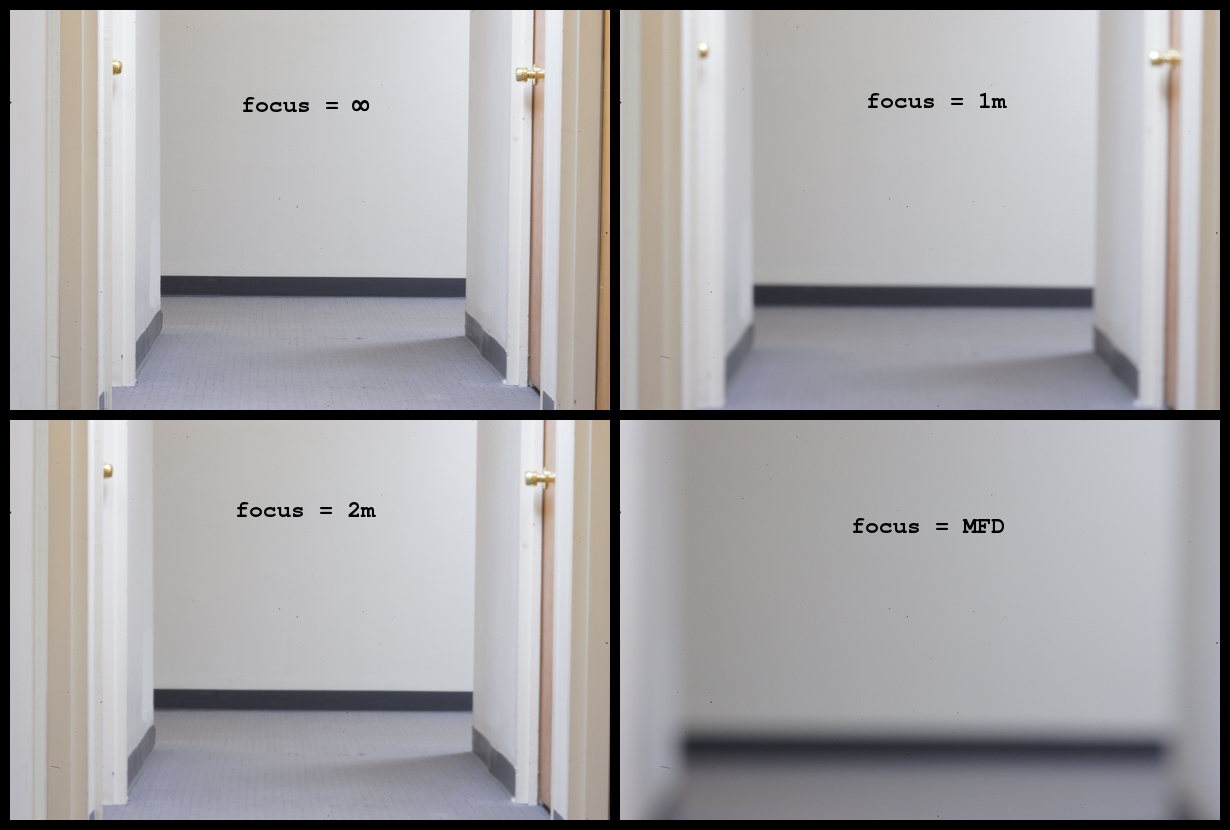
Actually, the FL increases with magnification in a fashion similar to my other macros (which are unit focus). By my measure, the FL at infinity is 135mm with angular view of 18° on the FF diagonal. At MFD (0.5X) the FL is 220mm with 11.2° angular view. Certain tele zooms are notorious for losing reach when close-focussed, but the TS-E exhibits the opposite effect. As a form of "breathing", it might annoy in cases where focussing throws off framing, but that appears to be the norm for macros.
Looks like a fine lens, too bad it has no aperture ring, same opinion on all the other Canon TSE lenses, I'd love to have them, but without aperture rings, I'm not interested.
ytwong wrote:
I wonder if a Mirex tilt/shift adapter and a 120mm Mamiya (I already have, and it's sharp, APO, and cheap) or Zeiss medium format lens give me similar results.
One big problem with Mirex is that it seems a little difficult to order, but would be quite flexible since I can get more MF lens at a relatively low price.
Similar results but I doubt that the 120mm Mamiya is a true APO lens, there's still slight residual bokeh fringing on mine. The Canon is a bit more compact (from the specs and photos), has more movements/freedom to move (axis are independent), and the internal baffle is bigger. The one big issue I find with my M645-EF Mirex TS is that the small, rounded square baffle of the adapter will cause vignetting/bokeh cutoff/limited movements with large aperture lenses or lenses with large rear elements; i.e. 80/1.9N, 120/4 macro, and 150/2.8A.
rico wrote:
Actually, the FL increases with magnification in a fashion similar to my other macros (which are unit focus). By my measure, the FL at infinity is 135mm with angular view of 18° on the FF diagonal. At MFD (0.5X) the FL is 220mm with 11.2° angular view. Certain tele zooms are notorious for losing reach when close-focussed, but the TS-E exhibits the opposite effect. As a form of "breathing", it might annoy in cases where focussing throws off framing, but that appears to be the norm for macros.
I calculate with trigonometry from test images taken at f/45:
The section of black baseboard is far enough away down the hall that parallax and lens nodal points are insignificant. The magnification indicates a longer FL.
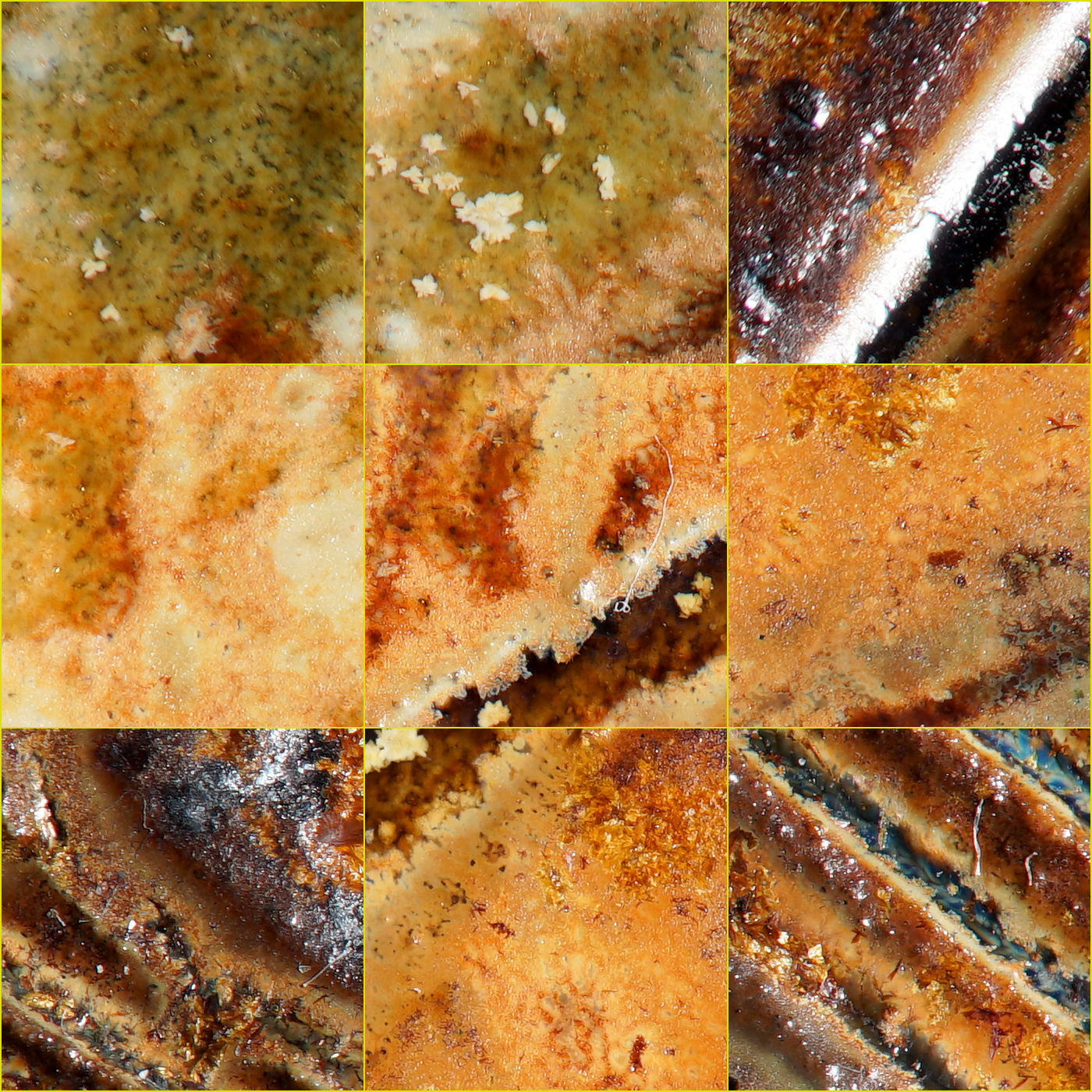
Bring macro scale to 0.82X with the Canon 500D. This diopter is a two element achromat that maintains excellent sharpness into the corners, even with lens itself at MFD and wide open. At f/8, results look as follows. Detail from kitchen tile by local artisan:
Crops are A7ii pixel-scale from edges and corners, and web sharpened. There may be some performance pressure at top left and right due to maximum tilt in effect, although the achieved angle is only about 10° at this magnification. Scheimpflug Principle goes wacky at the quantum level.
Location portrait with A7ii, TS-E 135 @ f/11, 1/25sec handheld, no IBIS, SB-5000, 2'x3' diffusion panel, bounce panel. Flash had its Nikon incandescant filter to merge spotlighting on the background, hence the dragged shutter. Cropped horizontally to a 5:4 ratio.
Between the weight and the manual focus, this is not my first choice of lens for a photoshoot off-tripod.
@Jman13 I'm not worried about breaking the stronger A7ii mount (versus the original A7), but spring tensioning is taxed for sure and may affect alignment of image and sensor planes. I still haven't mounted the lens on a Canon 1 Series although that mount is really beefy. My solution for Sony is the Novoflex tripod adapter that grips the MC-11. I agree that Canon should have integrated a tripod mount.
The section of black baseboard is far enough away down the hall that parallax and lens nodal points are insignificant. The magnification indicates a longer FL.
freaklikeme wrote:
For the most flexibility in the smallest system, I'd look to the Cambo Actus Mini or the Chinese knock-offs on eBay, particularly if you're interested in using MF lenses. 40mm total shift, 27mm rise and fall, more tilt and swing than you get on a single-lens PC rig, and you can engage shift, rise or fall, tilt, and swing simultaneously. You won't get that kind of flexibility out of any adapter. Plus, you don't have to worry about adapter thickness messing with your FLE lenses. You use the bellows to get to infinity and then focus with the lens, so no funky adapter-caused field curvature. Pricey, but worth it....Show more →
And you can use the Actus with enlarger lenses, large format lenses, digital MF and LF lenses, Leica R, Canon, Nikon, etc.
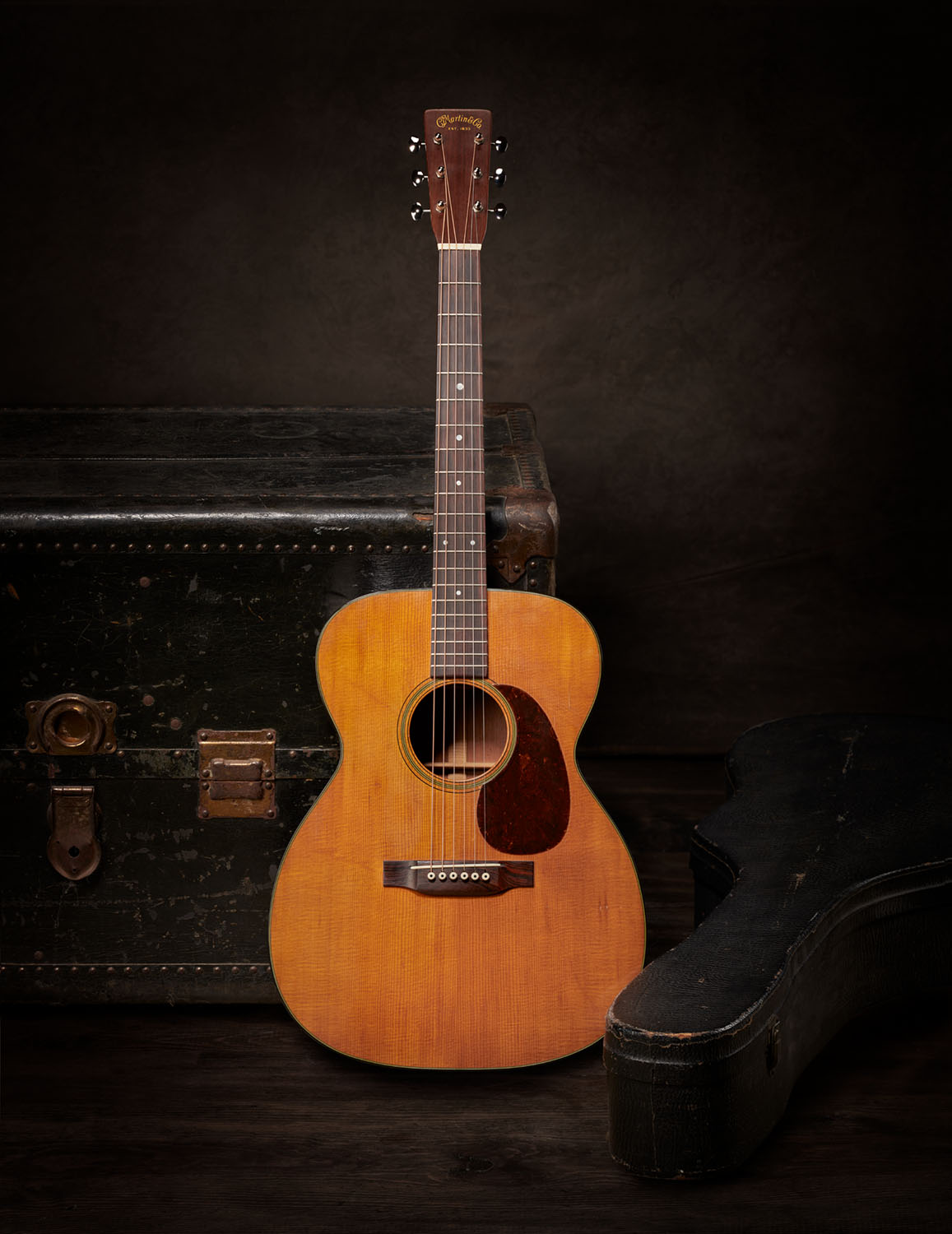
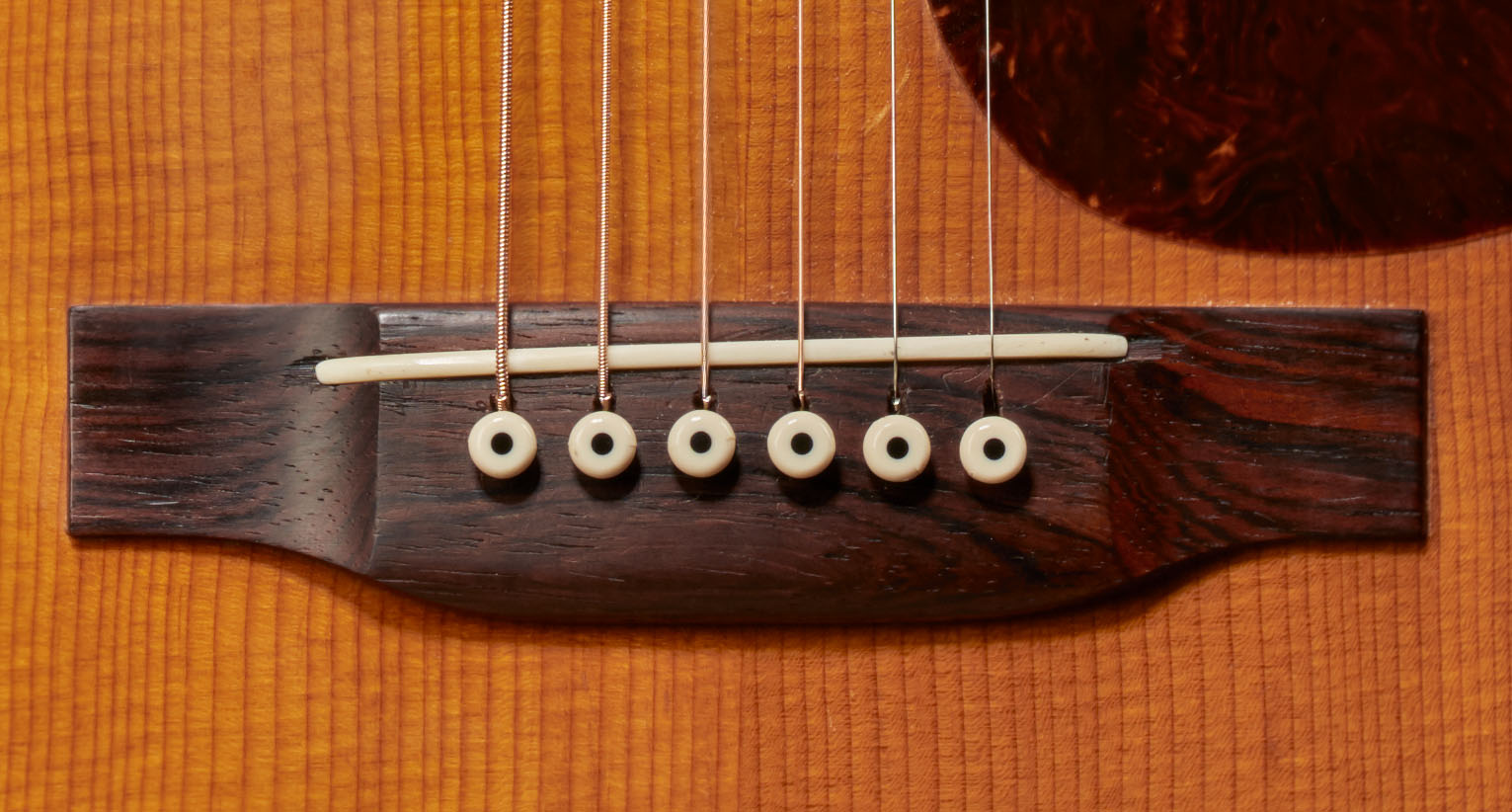
Here's a studio shot I did yesterday with the 135 in a three shot vertical pano for a 100 mp final image. This was shot at f/10 and I made a 35 inch tall test print that was quite impressive today - just to see what it looks like. I think the native dpi at that size was 322, so plenty room to go really big if needed. Plus three 100 percent detail shots.