Bohemien wrote:
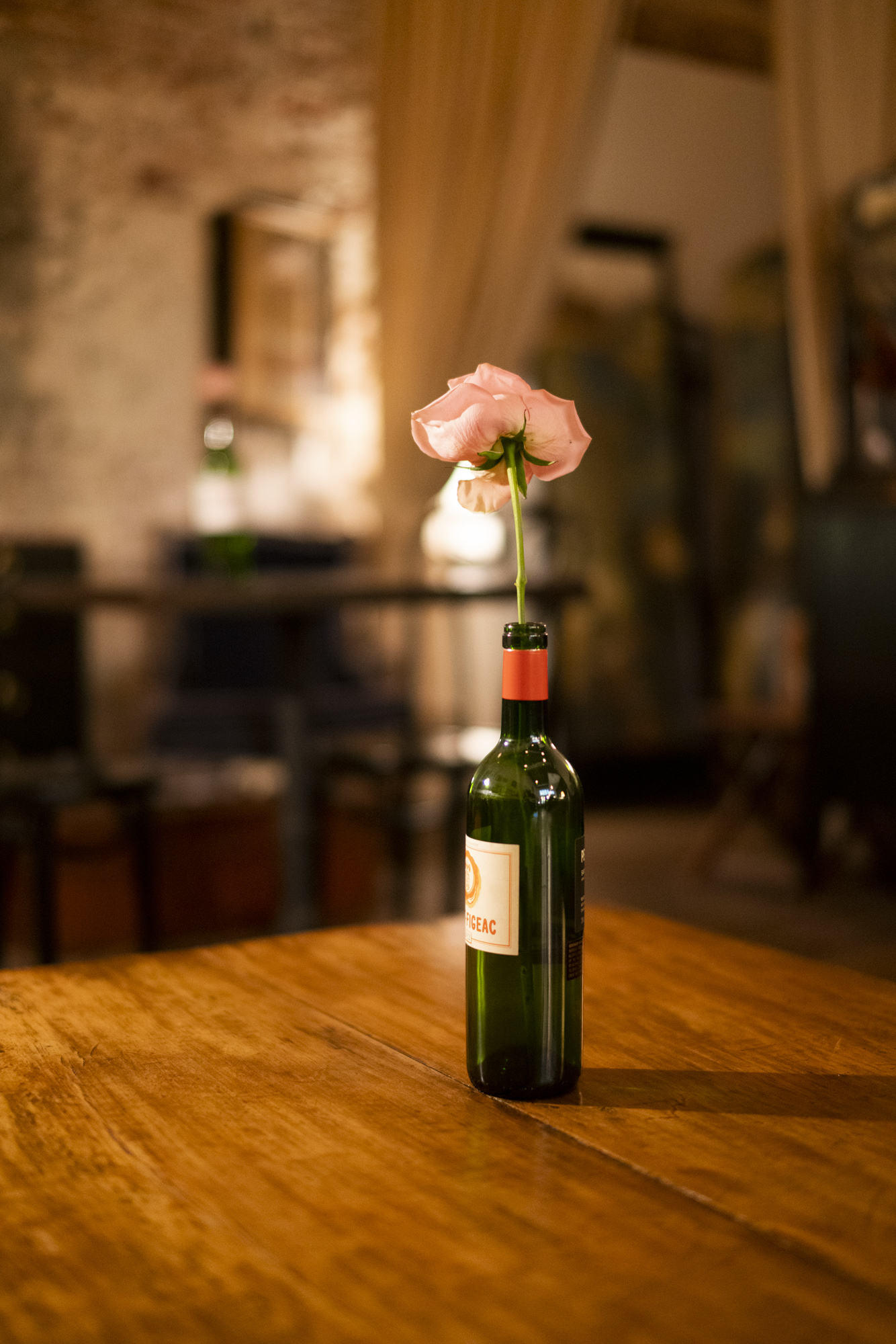
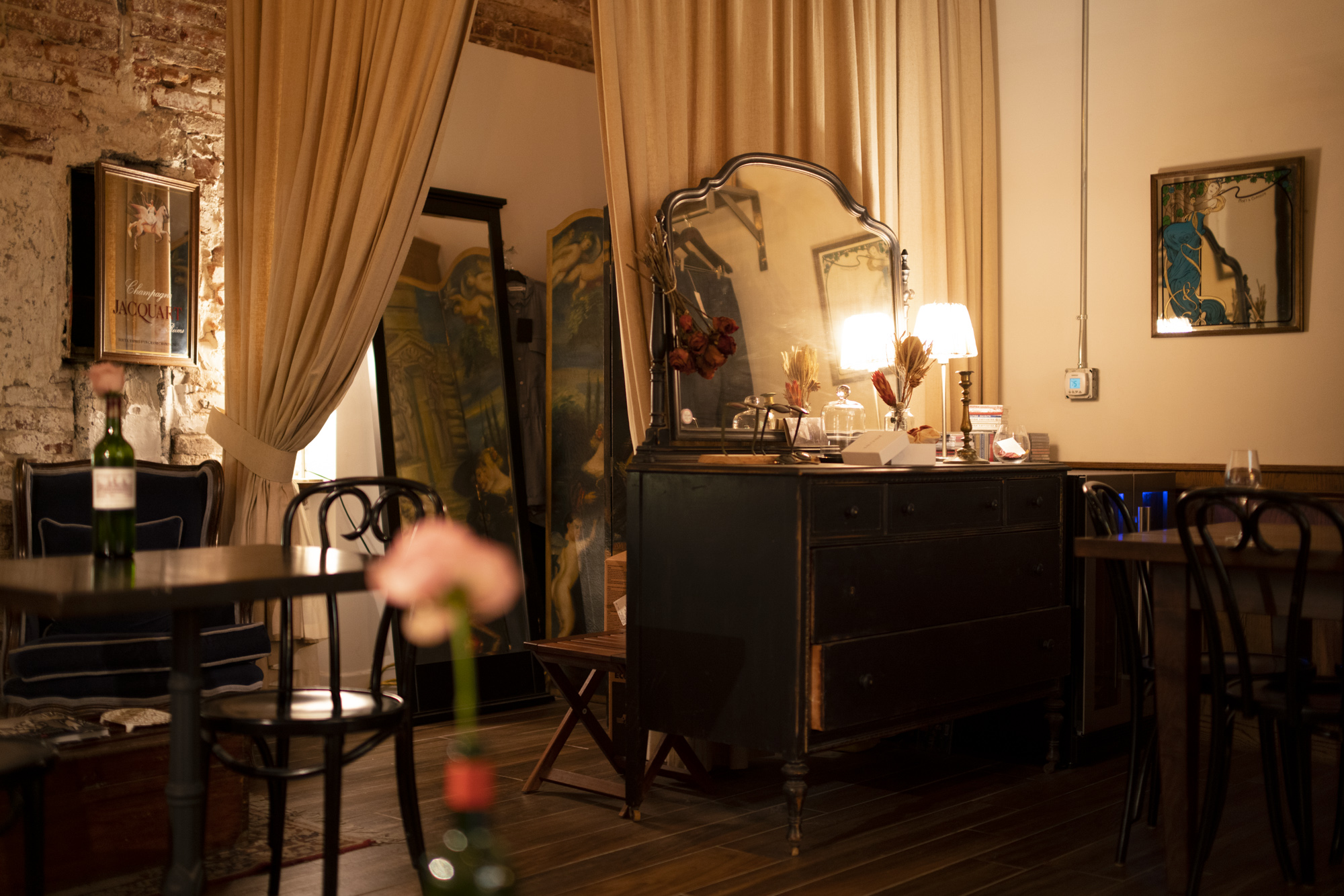
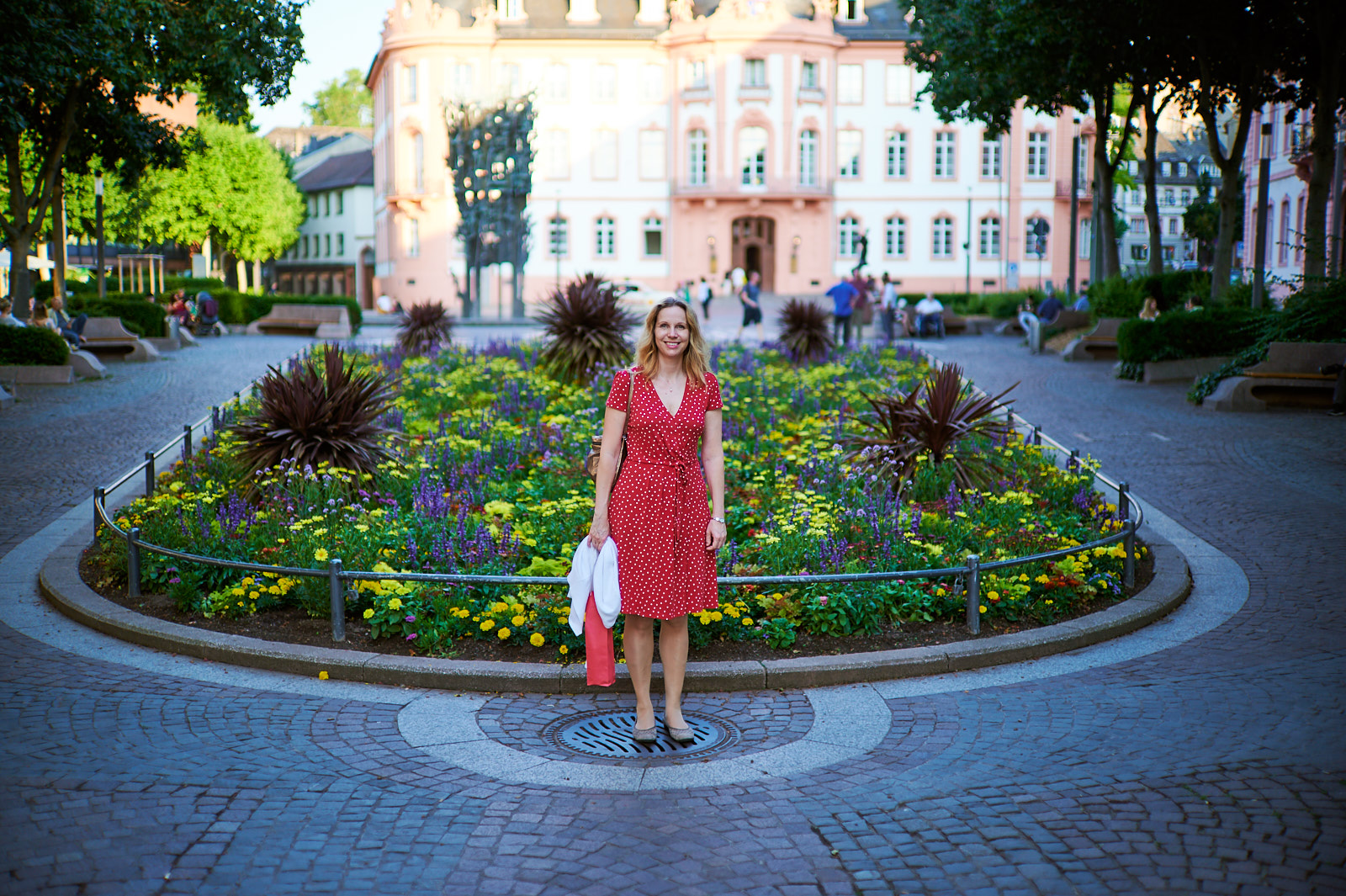
Ah, thanks! I really like your wedding pictures above. That rendering is what finally made me pull the trigger on this lens, after browsing through the whole thread several times over the past 6 months...
I just remembered reading somewhere in these 180 pages that you needed a close-up lens for getting closer than 50cm. I ordered the VM version as I'll be using it on the Z6.
You don't need one; if focusses to 35cm in the E mount version.
If I were you I would get the E version and an E to Z adapter if you are using it on Z6; reports from Kasson, Chambers and others seem to suggest that E mount optimising works better on Z than M optimising.
Back to the close focus: it is true that you will get *better* performance at *wide apertures* at close distances if you use an achromat. That'll be equally true on the M mount version. But performance is adequate without, and by f2.4 or so I wouldn't bother.
DavidBM wrote:
If I were you I would get the E version and an Z to Z adapter if you are using it on Z6; reports from Kasson, Chambers and others seem to suggest that E mount optimising works better on Z than M optimising.
Could you pls point me to a thread/post where they discuss that? A quick search on DPR just turned up this thread, where they talk in favor of the Z using M lenses. Thanks!
I asked on the DPR Adapted Lens Talk forum a while ago, and got the advice to get the M mount version. I also like it being smaller than the E mount version. If IQ differences are small and mainly restricted to the corners, I guess it won't bother me too much. However, if it's really bad corners vs. good corners, I'd reconsider. I ordered the VM version already, will give it a try.
Back to the close focus: it is true that you will get *better* performance at *wide apertures* at close distances if you use an achromat. That'll be equally true on the M mount version. But performance is adequate without, and by f2.4 or so I wouldn't bother.
Thanks a lot for pointing this out-I wasn't aware it's only noticeable at wide apertures. So the use cases for the achromat would be either I want to shoot within less than 1m distance to the subject and get optimal IQ wide open, or I want to focus real close for some "pseudo-macro" shots-is that correct? (Sorry if this is a dumb question, I haven't used an achromat yet.)
Bohemien wrote:
Could you pls point me to a thread/post where they discuss that? A quick search on DPR just turned up this thread, where they talk in favor of the Z using M lenses. Thanks!
I asked on the DPR Adapted Lens Talk forum a while ago, and got the advice to get the M mount version. I also like it being smaller than the E mount version. If IQ differences are small and mainly restricted to the corners, I guess it won't bother me too much. However, if it's really bad corners vs. good corners, I'd reconsider. I ordered the VM version already, will give it a try.
Thanks a lot for pointing this out-I wasn't aware it's only noticeable at wide apertures. So the use cases for the achromat would be either I want to shoot within less than 1m distance to the subject and get optimal IQ wide open, or I want to focus real close for some "pseudo-macro" shots-is that correct? (Sorry if this is a dumb question, I haven't used an achromat yet.)
The two places to look are blog.kasson.com (a few posts back where he discuses using Sony optimised lens on Nikon, where they well as well or better) and diglloyd.com, his blog, where he discusses using M lenses on Nikon Z, and being very disappointed. Maybe a month back now?
Notice that this is all compatible with M lenses working better on Z than they do on Sony (though I don't know how true that is) ; it's just that Sony works better on Z than M does.
Yes, basically if you are being fussy about IQ and want to take images at wide apertures significantly closer than a meter a weak achromat will give you better results.
If you want "psuedo macro" shots you need a different achromat from the one you need to improve the IQ of merely moderately close focus images. A 1 diopter achromat will allow you to focus at roughly 1m, a two diopter at .5m, a three diopter at 33cm, a five diopter at 20cm
(this is with the lens set to infinity; you have a bit of leeway to focus a bit closer than these distances by using the lens focus ring, but in so doing you are reducing slightly the IQ benefit)
Using the M-mount on my A7III, so far I love this lens but it takes a lot of practice to nail the perfect focus. Looking forward to improving and taking more photos with this, no more lenses for me for now haha 40mm f1.2 by nwb_02, on Flickr
More shots from our recent trip to Barcelona. Most of these I also posted a while ago on Sony FE image thread (along with the shots taken with CV21/3.5).
This first one was taken as several images, photomerged together. Park Güell on Flickr
Quick question about this lens for something I may have never noticed before.
When adjusting the focus ring, the lens protrudes out about half an inch when moving from the closest focusing point to infinity. I've had it for months but never noticed this. Is this normal behavior?
man this lens is butter sheesh, shots in this thread are amazing. So random nooby question, using this on a A7rii vs A7iii other than the higher resolution, being able to crop in, etc. of the a7rii does it render differently on the a7iii because of new tech in this camera and less resolution
My new rule is to have a Voigt on at least one camera all the time, because otherwise they can make you feel you are missing out on the unique 'traditional updated' way they see the world. In post, they are as easy to dial in shadow and highlight detail as anything I've ever used, and they do it very consistently no matter the light. They do this so well it's easy to miss your sharpness routine - it becomes almost an afterthought.
Refreshing also to see many images here that do not focus on out-and-out sharpness. Was looking at the new Nikon 35/1.8 S image thread, what a jolt. CV have the potential to change how advanced photographers may come to expect their work to look. That would be bad news indeed for the rest. Imagine the lucky few who start off with this advantage - our lenses help us to see what is possible, and their main attribute leads you to shoot the way the lens wants.




 haha
haha