Steve Spencer wrote:
We will see on the GF TS price. I am guessing $3,000. I think if Fuji raises the price too high, then it will be a rarely sold item. When comparing to Canon EF lenses keep in mind they both have a much larger market and likely a significantly smaller image circle. I expect Fuji to make a nice wide image circle so that you can get more tilt and shift than you can get with the Canon EF lenses on the 44 X 33 sensor.
Assuming like me, you are someone who would 100% buy a native fuji TS with nice big shift range, I'd pay up to $4000 for a massive shift range 30 and wider lens.
I am curious to see what happens next in canon though with the RF shift lenses rumored plus the rumored "high Mp" body. I spent several years stitching the Canon TSE 24 into wider views while eagerly waiting for the 17 tse but until the 50Mp 5dsr came out, I was still stitching the 17, 24 and 50 for sole purpose of acquiring a larger image file allowing my clients more flexibility in end uses.
wwwest wrote:
Assuming like me, you are someone who would 100% buy a native fuji TS with nice big shift range, I'd pay up to $4000 for a massive shift range 30 and wider lens.
I am curious to see what happens next in canon though with the RF shift lenses rumored plus the rumored "high Mp" body. I spent several years stitching the Canon TSE 24 into wider views while eagerly waiting for the 17 tse but until the 50Mp 5dsr came out, I was still stitching the 17, 24 and 50 for sole purpose of acquiring a larger image file allowing my clients more flexibility in end uses....Show more →
The reports I read said the 30mm Fuji would have ±16mm shift, which would be almost exactly the same percentage of frame as the 12mm the Canon's have, or just about half the short length of the sensor. I can't imagine they're going to sell more than a handful of these lenses and I doubt they'll ever fully re-coup their R&D investment much less the tooling investment even at four or five thousand dollars, and that's the price range I'm guessing it will be. If it comes in less than that I'll be more than happy, but still, I'd MUCH rather have a 23mm or 24mm shifter from them as it's generally a much more useful focal length but I'll take what I can get and then hope for the rest or the best or whatever.
I'm now trying to figure out the best way to buy the Rodie 105 Float macro lens which is going to probably be around $6K or maybe a bit more by the time you get the necessary adapters. It's all a never ending black hole that rarely has a financial payoff, but it does give you great tools, and then, if you want to use it at normal distances, you pretty have to add another $3.5K to the price for an Actus. It's only money, right, and you can't take it with you.
Peter Figen wrote:
Yes. It works very well on the 100s so I imagine it'd be just as good on your camera. Small. Light. Very inexpensive. Focus by wire for manual focus is a bit weird at times but the autofocus works well too. And it's 1:1.
i dont like how works sigma art 70 macro with techart on 50r. cant get sharp focus without manual prefocus after af confirmed by camera at close and not distance. maybe not lucky,but dont liked all adapted ef lenses on gfx,so selling ef-gfx adapter. keep only native gf lenses .
leonasj wrote:
i dont like how works sigma art 70 macro with techart on 50r. cant get sharp focus without manual prefocus after af confirmed by camera at close and not distance. maybe not lucky,but dont liked all adapted ef lenses on gfx,so selling ef-gfx adapter. keep only native gf lenses .
Get yourself a Fringer and quit messing around with the rest.
Peter Figen wrote:
Get yourself a Fringer and quit messing around with the rest.
no games for me.like clean jpeg from camera photos. so, only native gf lenses.sigma art70 macro sent back to seller. GF120+canon 72mm close up 500D = 1:1 Macro , GF50+45mm macro ring= 1:1 Macro
leonasj wrote:
no games for me.like clean jpeg from camera photos. so, only native gf lenses.sigma art70 macro sent back to seller. GF120+canon 72mm close up 500D = 1:1 Macro , GF50+45mm macro ring= 1:1 Macro
Could you please show examples of these two ways to get 1:1 macro? Thanks.
leonasj wrote:
no games for me.like clean jpeg from camera photos. so, only native gf lenses.sigma art70 macro sent back to seller. GF120+canon 72mm close up 500D = 1:1 Macro , GF50+45mm macro ring= 1:1 Macro
Who's talking games here. You didn't give the Siggy a chance because you're the one playing games. The Fringer is the key. That sucker just works and works well with everything I've put on it so far. You sent it back because you didn't use it correctly. Kinda unfair to the seller if there was nothing wrong with it.
Luis Cunha wrote:
Could you please show examples of these two ways to get 1:1 macro? Thanks.
My guess is that both of these are going to be seriously compromised in image quality - one, because the 45-50 are not macro lenses and are far from optimized to work properly with extension tubes. Perhaps if you want ethereal images that are only sorta sharp in the center you might be happy, and the same thing goes with the Fuji macro. Because of the floating elements in it, when you tube it, those floating element groups are not longer where they should be the performance suffers, but if you're only shooting hand held jpegs like our friend Leon, you might be happy.
Personally, I'm just about to order the Rodenstock HR 105mm 5.6 Macro FLOAT lens with the manually adjustable to the your specific reproduction ratio, floating element set. I've got several 1:2 macros, all three Canon tilt shifts plus the Milvus 100 which is 1:2 and then the two 1:1 Sigmas - the 70mm ART and the 150mm 2.8OS. They all have different strengths but the Rodenstock with its manual floating element can be continually optimized from 1:4 through 4:1 reproduction ratios. Not inexpensive though and you need either something like a Novoflex or an Actus for it to go on.
Peter Figen wrote:
My guess is that both of these are going to be seriously compromised in image quality - one, because the 45-50 are not macro lenses and are far from optimized to work properly with extension tubes. Perhaps if you want ethereal images that are only sorta sharp in the center you might be happy, and the same thing goes with the Fuji macro. Because of the floating elements in it, when you tube it, those floating element groups are not longer where they should be the performance suffers, but if you're only shooting hand held jpegs like our friend Leon, you might be happy.
Personally, I'm just about to order the Rodenstock HR 105mm 5.6 Macro FLOAT lens with the manually adjustable to the your specific reproduction ratio, floating element set. I've got several 1:2 macros, all three Canon tilt shifts plus the Milvus 100 which is 1:2 and then the two 1:1 Sigmas - the 70mm ART and the 150mm 2.8OS. They all have different strengths but the Rodenstock with its manual floating element can be continually optimized from 1:4 through 4:1 reproduction ratios. Not inexpensive though and you need either something like a Novoflex or an Actus for it to go on.
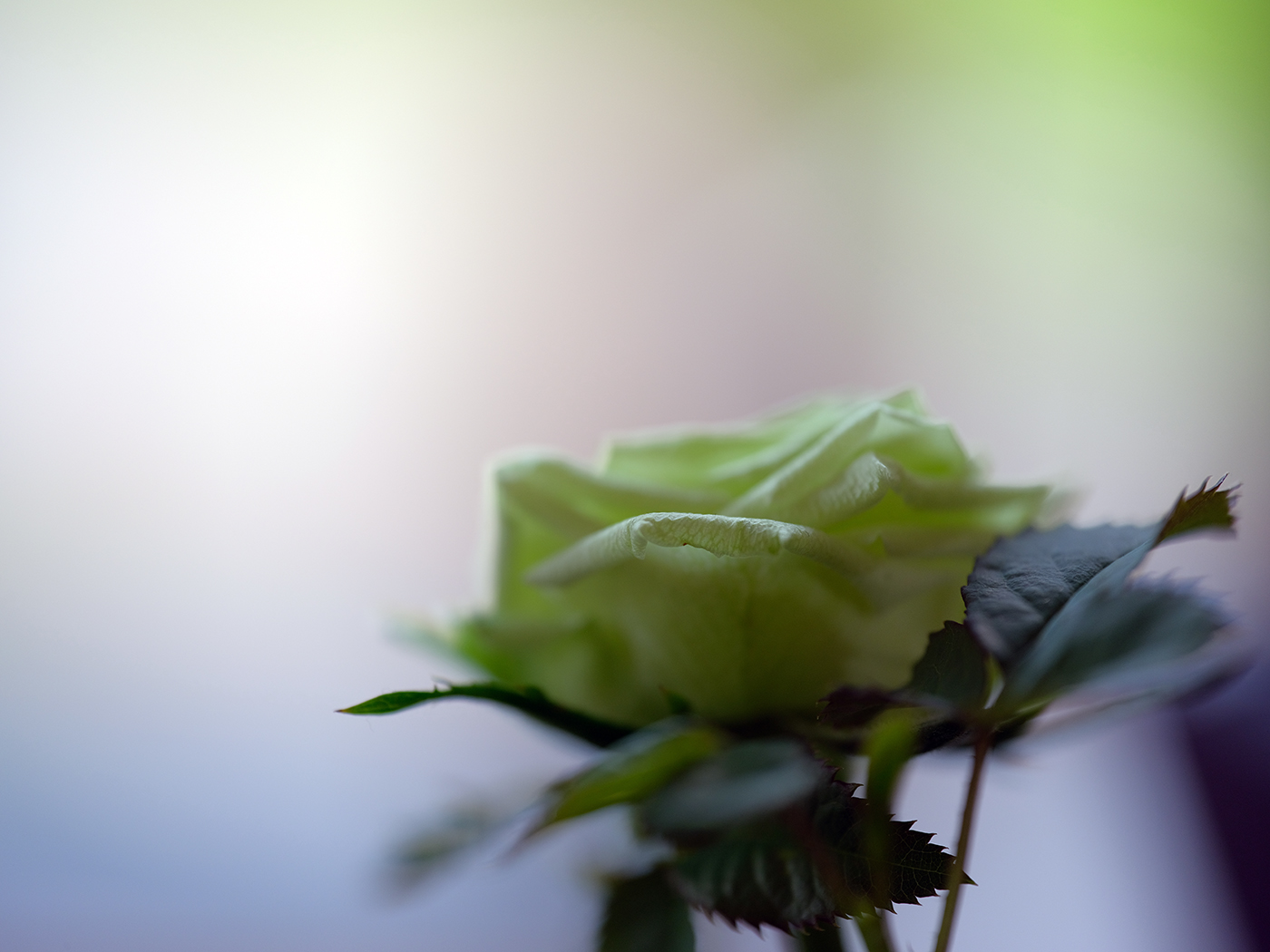
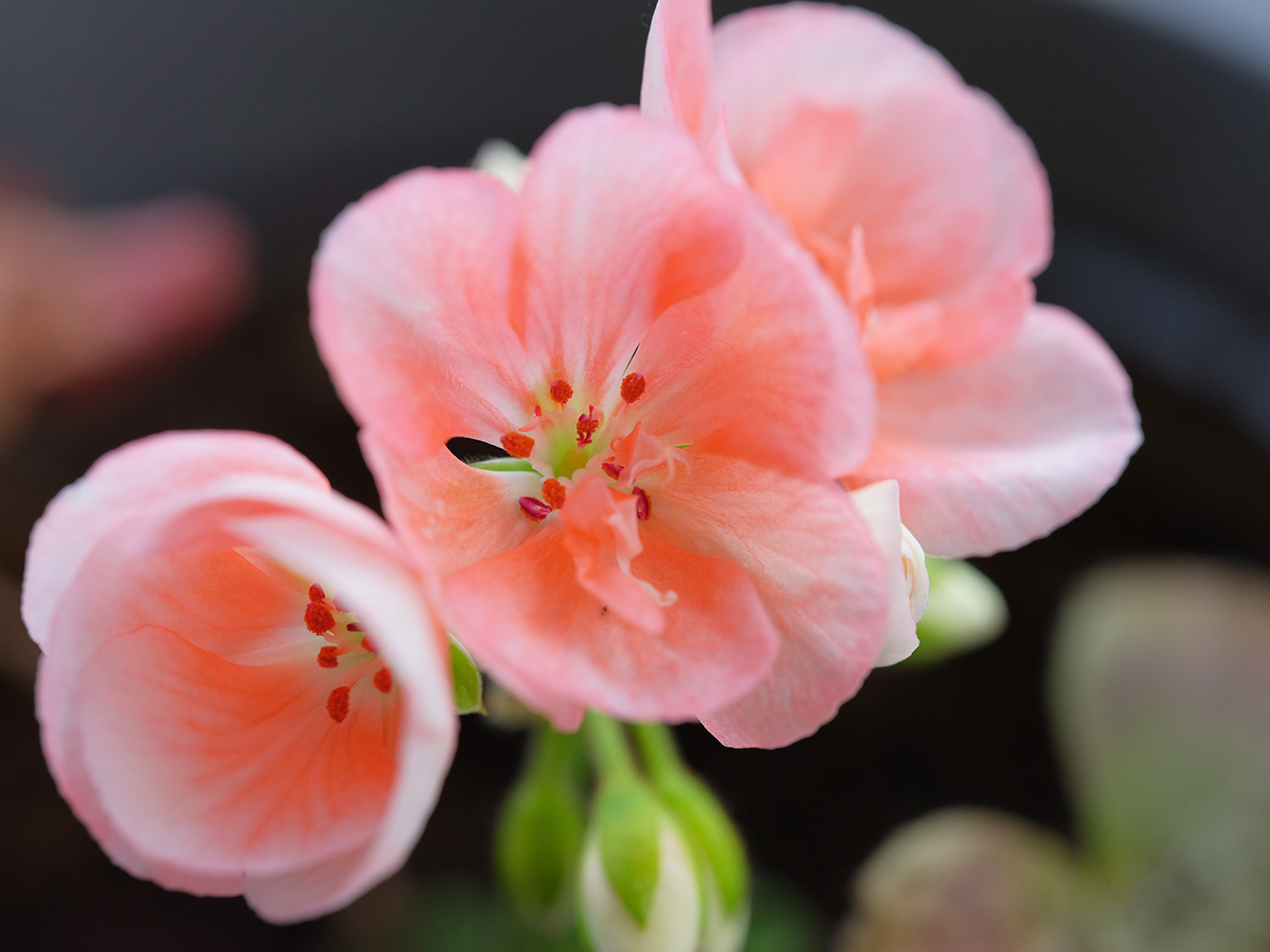
for GF50 waiting canon 250D close-up lens.i dont like macro tubes,easy- fast i like apochromatic close up lenses.here is GF120+canon close-up 500D lens.
Peter Figen wrote:
My guess is that both of these are going to be seriously compromised in image quality - one, because the 45-50 are not macro lenses and are far from optimized to work properly with extension tubes. Perhaps if you want ethereal images that are only sorta sharp in the center you might be happy, and the same thing goes with the Fuji macro. Because of the floating elements in it, when you tube it, those floating element groups are not longer where they should be the performance suffers, but if you're only shooting hand held jpegs like our friend Leon, you might be happy.
Personally, I'm just about to order the Rodenstock HR 105mm 5.6 Macro FLOAT lens with the manually adjustable to the your specific reproduction ratio, floating element set. I've got several 1:2 macros, all three Canon tilt shifts plus the Milvus 100 which is 1:2 and then the two 1:1 Sigmas - the 70mm ART and the 150mm 2.8OS. They all have different strengths but the Rodenstock with its manual floating element can be continually optimized from 1:4 through 4:1 reproduction ratios. Not inexpensive though and you need either something like a Novoflex or an Actus for it to go on.
I think the Rodenstock is an excellent but expensive option. I use the Contax 645 120 f/4 APO with the Fringer adapter and I am very happy with it. Does 1:1 with aplomb, and excellent micro contrast. I think it is the best Macro lens I have used. I am sure the rodenstock would be great but the Contax 645 is about a fifth the price.
leonasj wrote:
for GF50 waiting canon 250D close-up lens.i dont like macro tubes,easy- fast i like apochromatic close up lenses.here is GF120+canon close-up 500D lens.
Steve Spencer wrote:
I think the Rodenstock is an excellent but expensive option. I use the Contax 645 120 f/4 APO with the Fringer adapter and I am very happy with it. Does 1:1 with aplomb, and excellent micro contrast. I think it is the best Macro lens I have used. I am sure the rodenstock would be great but the Contax 645 is about a fifth the price.
Steve - That's some good info to chew on, and yes, the Contax is reasonably priced. Hell, my old friend Sean at Camera West has one for $800. I can actually see that it might make sense to get both lenses. The problem with the Contax is the problem with all modern lenses with floating elements or element groups. Once you put an extension tube on to get past 1:1, the performance always takes a pretty big hit, and stopping down only makes things worse. That being said, having the Contax for road trips, traveling, or just location photography in general makes a lot of sense since it's a great lens and does go to 1:1. And then the Rodenstock makes a lot of sense because those manually adjustable floating elements have a much larger range of optimization. And you know how they say, you only live once and you can't take it with you, so I'll probably do both, which I know seems excessive but not really when you look at the bigger picture.
Luis Cunha wrote:
Thanks. There is also two from Nisi.
for no picture degradation image quality must use only close up lens with 2 or 3 elements.apochromatic.
Steve Spencer wrote:
I think the Rodenstock is an excellent but expensive option. I use the Contax 645 120 f/4 APO with the Fringer adapter and I am very happy with it. Does 1:1 with aplomb, and excellent micro contrast. I think it is the best Macro lens I have used. I am sure the rodenstock would be great but the Contax 645 is about a fifth the price.
This.
I think everyone should consider taking a look at any of the 120mm macros lenses designed for 645, whether Contax, Pentax, or Mamiya.
For my part: the Mamiya 120mm is a 9/8 FLE design. Superb resolution and excellent color. I shoot film with mine, but I've also had a couple opportunities to use it on Phase One backs and the quality is just excellent. You'd need the version with an aperture ring though (which is the cheaper version anyway).
I think everyone should consider taking a look at any of the 120mm macros lenses designed for 645, whether Contax, Pentax, or Mamiya.
For my part: the Mamiya 120mm is a 9/8 FLE design. Superb resolution and excellent color. I shoot film with mine, but I've also had a couple opportunities to use it on Phase One backs and the quality is just excellent. You'd need the version with an aperture ring though (which is the cheaper version anyway).