Audii-Dudii wrote:
At the risk of being pedantic, .1 mm is approx. .004" -- roughly the thickness of a typical piece of copy paper or a single human hair -- so I doubt anyone is measuring accurately "hundreds of a mm" using a micrometer. Heck, accurately measuring to .1 mm using a micrometer can be tricky enough!
With my FrankenKameras, I use only adapted lenses and most of them are zooms (so I can take advantage of the oversize image circles they project and use them to provide in-camera, rear rise / fall movements.)
One thing I've noticed with zoom lenses is that it's nearly impossible to achieve infinity focus at the same point across their focal length ranges, including those that don't have any floating or aspherical elements. I've always assumed this is because very few zooms are truly parfocal, but your comment has piqued my curiosity and I'd appreciate it if you could expand / elaborate on it and explain exactly what aspect of their design causes this effect?
With a digital micrometer 0.1mm isn't that difficult and that is what I am measure a piece of paper at. I may not have absolute accuracy to the hundredths but if I measure 5 times and have consistency I am good with that. That is enough to tell me if I have skew.
Regarding zoom lenses the first thing to check is if the lens itself has infinity at the same point across focal lengths on its native mount. If it doesn't then you aren't going to get that on an adapted mount either. If it is consistent on its native mount but isn't on an adapted mount then the adapted flange focal length is almost certainly going to be off.
I noticed this first on a Pentax 645 45-85 on the GFX. This is a two ring zoom, when I zoomed the image was going out of focus and the lens wasn't hitting infinity at infinity. The same lens on a Pentax 645 doesn't loose focus when zoomed and hits infinity at infinity. Going from memory the adapter was about 1/2 or 3/4 of a mm too short. As I shimmed out the adapter (on the GFX side using copper tape) the focus shift when zooming was reduced and through some trial and error I got it pretty close. On a Pentax 100-300 I was seeing pretty similar results except that lens doesn't have a hard stop and focuses past infinity by design.
I don't know for certain but I assume this is basically still due to roughly the same thing as with a floating element in the lens. When you zoom the elements within the lens change relationship with each other (essentially floating) and with the film/sensor. If the adapter is the wrong width you alter the relationships of those elements and the sensor. Or maybe it is even simpler and is exactly the same thing as what is happening to highdesertmesa. The incorrect flange focal distance offset causes more focus shift on the wider end of the scale compared to the telephoto end. Or maybe a bit of both.
On an M adapter it would be interesting to see what happens with a Tri-Elmar or Konica Dual on an adapter that is the wrong size. Unfortunately I no longer have the Konica. I would bet the focus shifts though.
sfogg wrote:
...I don't know for certain but I assume this is basically still due to roughly the same thing as with a floating element in the lens. When you zoom the elements within the lens change relationship with each other (essentially floating) and with the film/sensor. If the adapter is the wrong width you alter the relationships of those elements and the sensor. Or maybe it is even simpler and is exactly the same thing as what is happening to highdesertmesa. The incorrect flange focal distance offset causes more focus shift on the wider end of the scale compared to the telephoto end. Or maybe a bit of both.
... ...Show more →
A very easy to understand explanation, thanks. If the TTArtisan adapters allow infinity at the hard stop on the GFX/Canon R5, then at least I will only be dealing with issues cased by the sensor stack thickness and not the stack plus the adapter.
highdesertmesa wrote:
A very easy to understand explanation, thanks. If the TTArtisan adapters allow infinity at the hard stop on the GFX/Canon R5, then at least I will only be dealing with issues cased by the sensor stack thickness and not the stack plus the adapter.
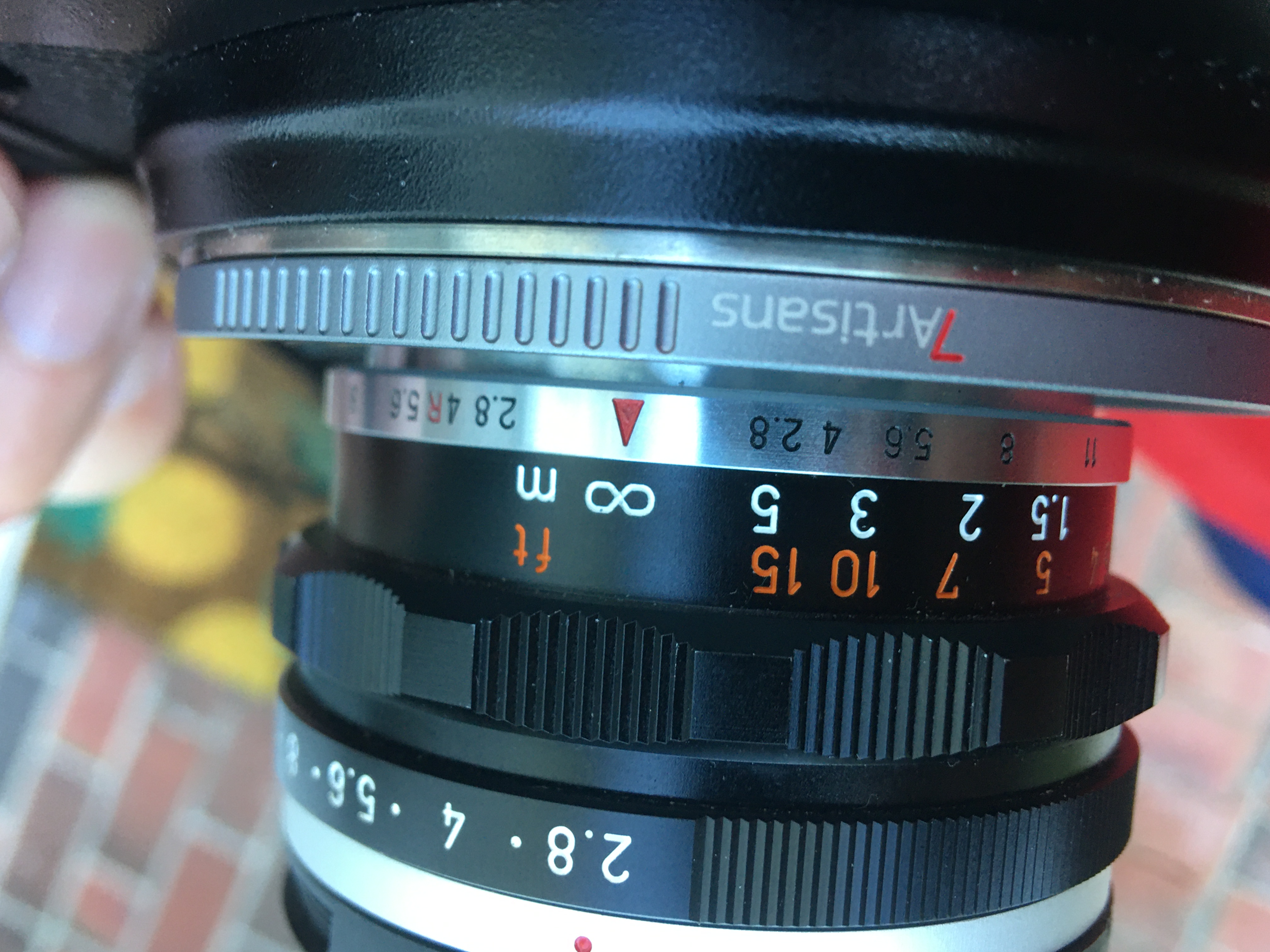
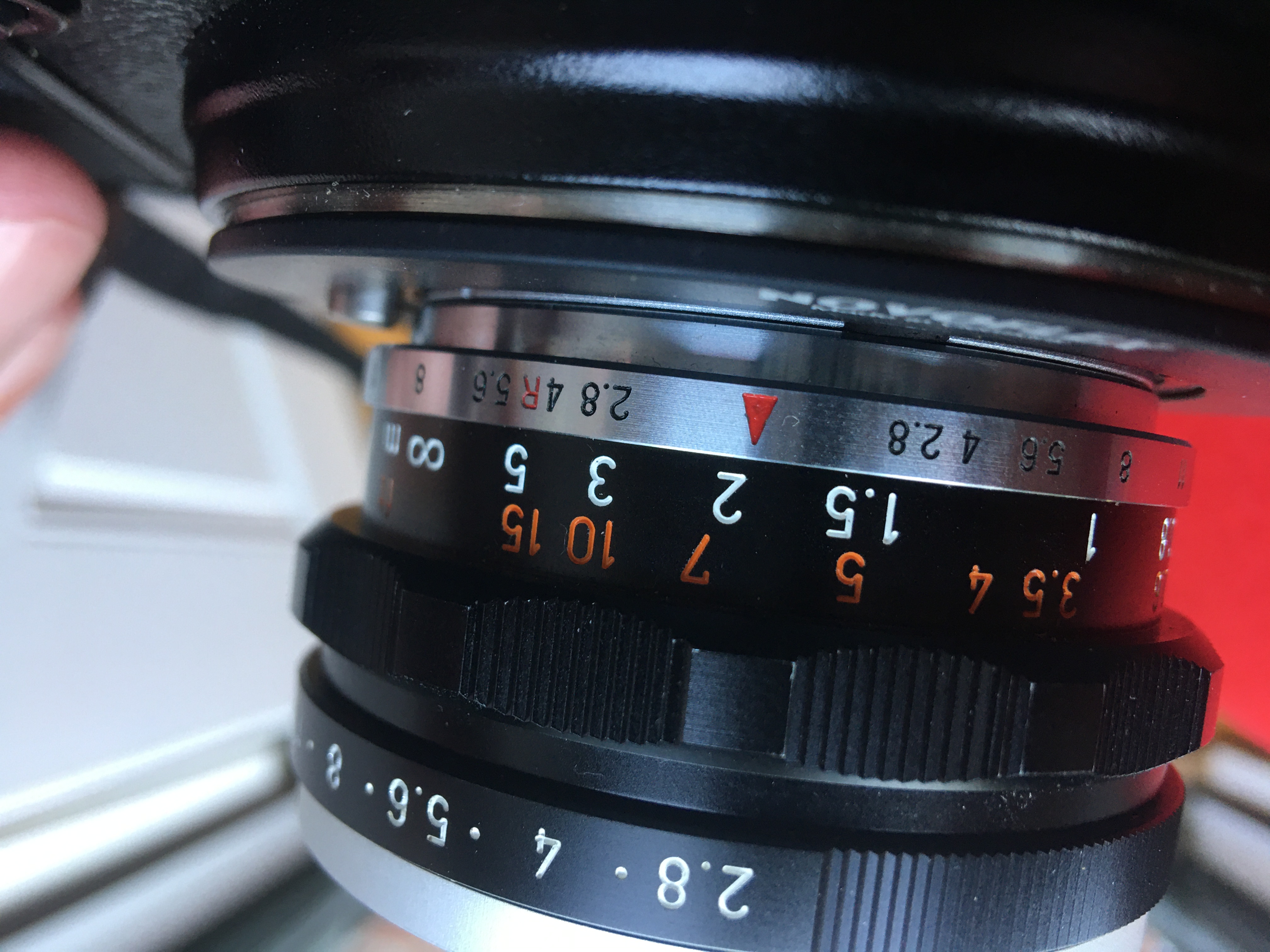
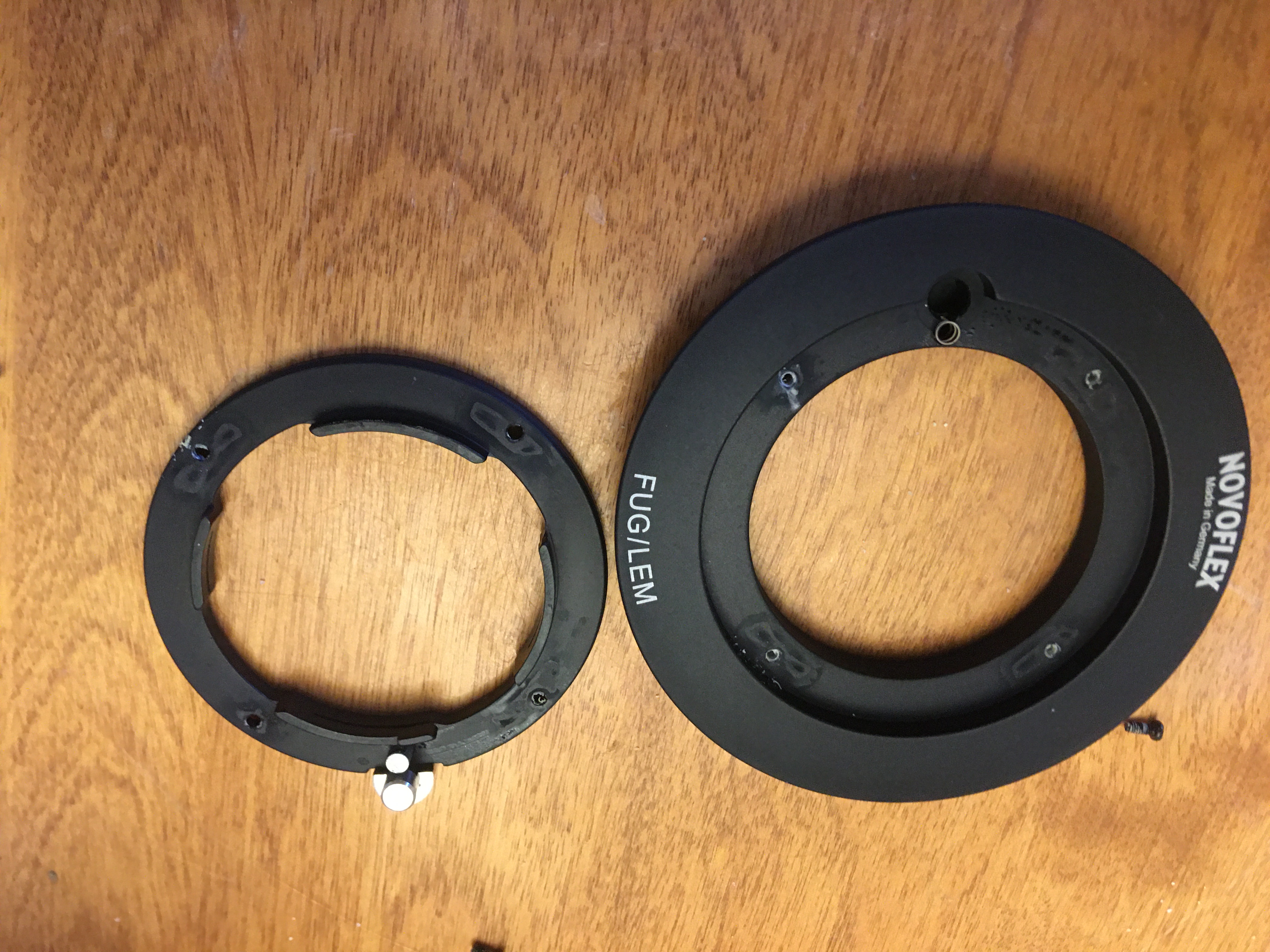
Here is an example of a 21mm lens (that is focused at infinity at the stop on a Leica) on the 7Artisans adapter and the Novoflex adapter. Both are optically focused at infinity. I contacted Novoflex and they claim the adapter is only 1/100 of a mm short. Mine is considerably off more than that. With a quick measurement I'm seeing more like 1/4 or 1/3 of a mm short. I need to pick up some feeler gauges and I will get a more accurate measurement with an Elmar.
Annoying that each adapter has a flaw. The 7Artisans nailed the adapter thickness but the adapter wiggles in the GFX and the lenses also wiggle in the adapter. The Novoflex has basically no wiggle in the camera or the lens in the adapter but the adapter is too short.
sfogg wrote:
Here is an example of a 21mm lens (that is focused at infinity at the stop on a Leica) on the 7Artisans adapter and the Novoflex adapter. Both are optically focused at infinity. I contacted Novoflex and they claim the adapter is only 1/100 of a mm short. Mine is considerably off more than that. With a quick measurement I'm seeing more like 1/4 or 1/3 of a mm short. I need to pick up some feeler gauges and I will get a more accurate measurement with an Elmar.
Annoying that each adapter has a flaw. The 7Artisans nailed the adapter thickness but the adapter wiggles in the GFX and the lenses also wiggle in the adapter. The Novoflex has basically no wiggle in the camera or the lens in the adapter but the adapter is too short.
Nice article, I will get a better measurement on the error on mine use a feeler gauge in the gap of a Elmar 50 f3.5 that is optically focused at infinity. You might add to your article the effect a wrong adapter has on a zoom, focus will shift when zooming.
highdesertmesa wrote:
I'm pretty sure my Novoflex is way off from spec, too. I bought the TTArtisans adapter to try out, not the 7Artisans. I'll report back how it works.
Definitely interested to know how that one works.
Looked at the Novoflex more and it can definitely be shimmed out. Once I get a more precise measurement on how off it is I will shim it. The measurement will cut down on trial and error time as I can check as I go.
sfogg wrote:
You might add to your article the effect a wrong adapter has on a zoom, focus will shift when zooming.
Right. I've mentioned loss of parfocality in other articles. SImilar to the way an adapter that is off will screw up the corrections for lenses with floating elements.
sfogg wrote:
Definitely interested to know how that one works.
Looked at the Novoflex more and it can definitely be shimmed out. Once I get a more precise measurement on how off it is I will shim it. The measurement will cut down on trial and error time as I can check as I go.
Shawn
I think the easiest solution may be to always buy helicoid macro adapters, which can be made longer with a twist if infinity isn't exactly right. I think the procedure would be simple: put the lens on infinity and extend the helicoid slightly to achieve infinity focus.
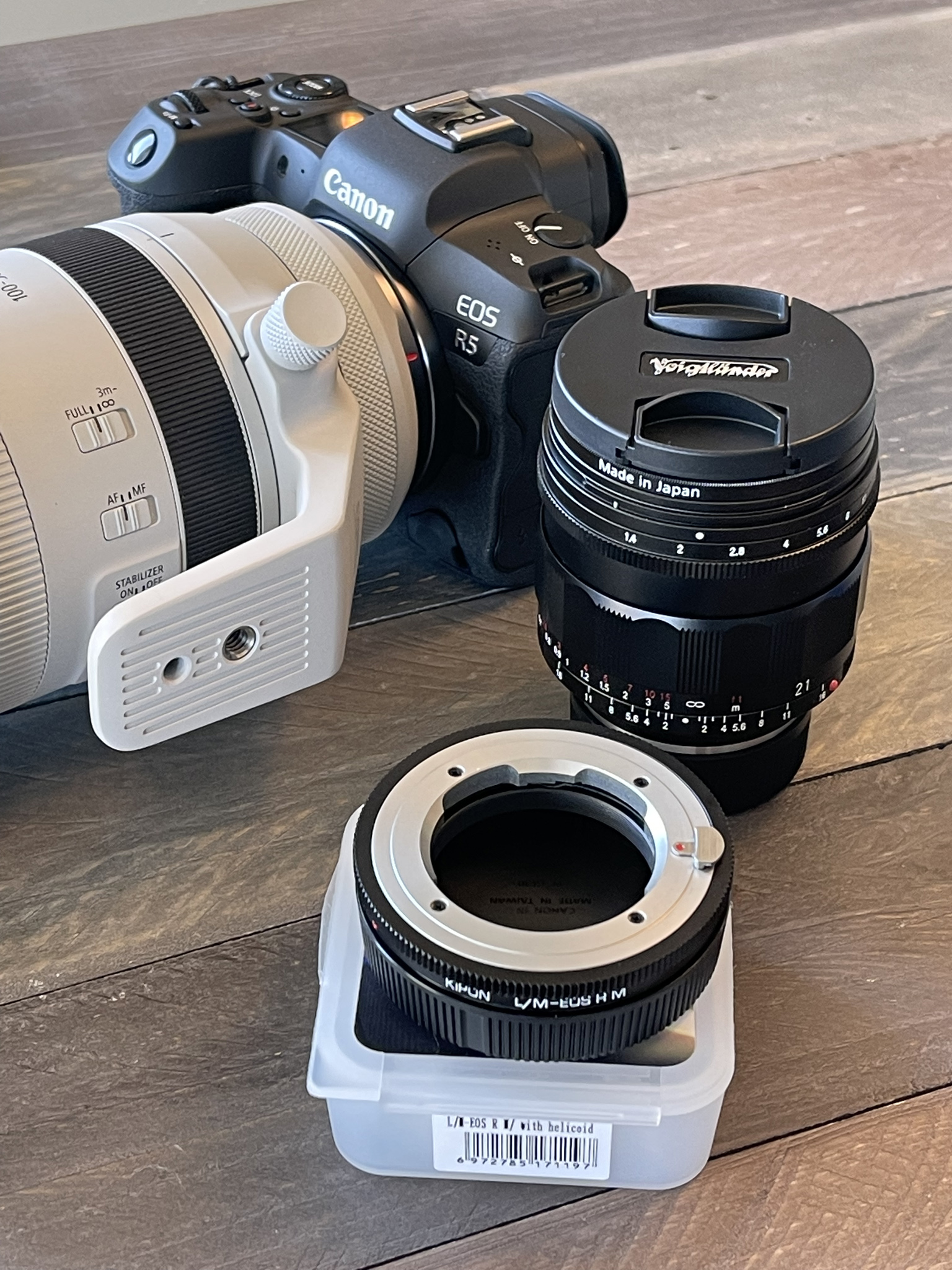
I have a Kipon macro adapter for M to RF, so I'll test it. I'm not sure if there is a macro adapter available for M to G/GFX. Most of the macro adapters are either special order or not carried by B&H, but I've had good luck with finding them on eBay, although sometimes I have to pay a little more than retail.
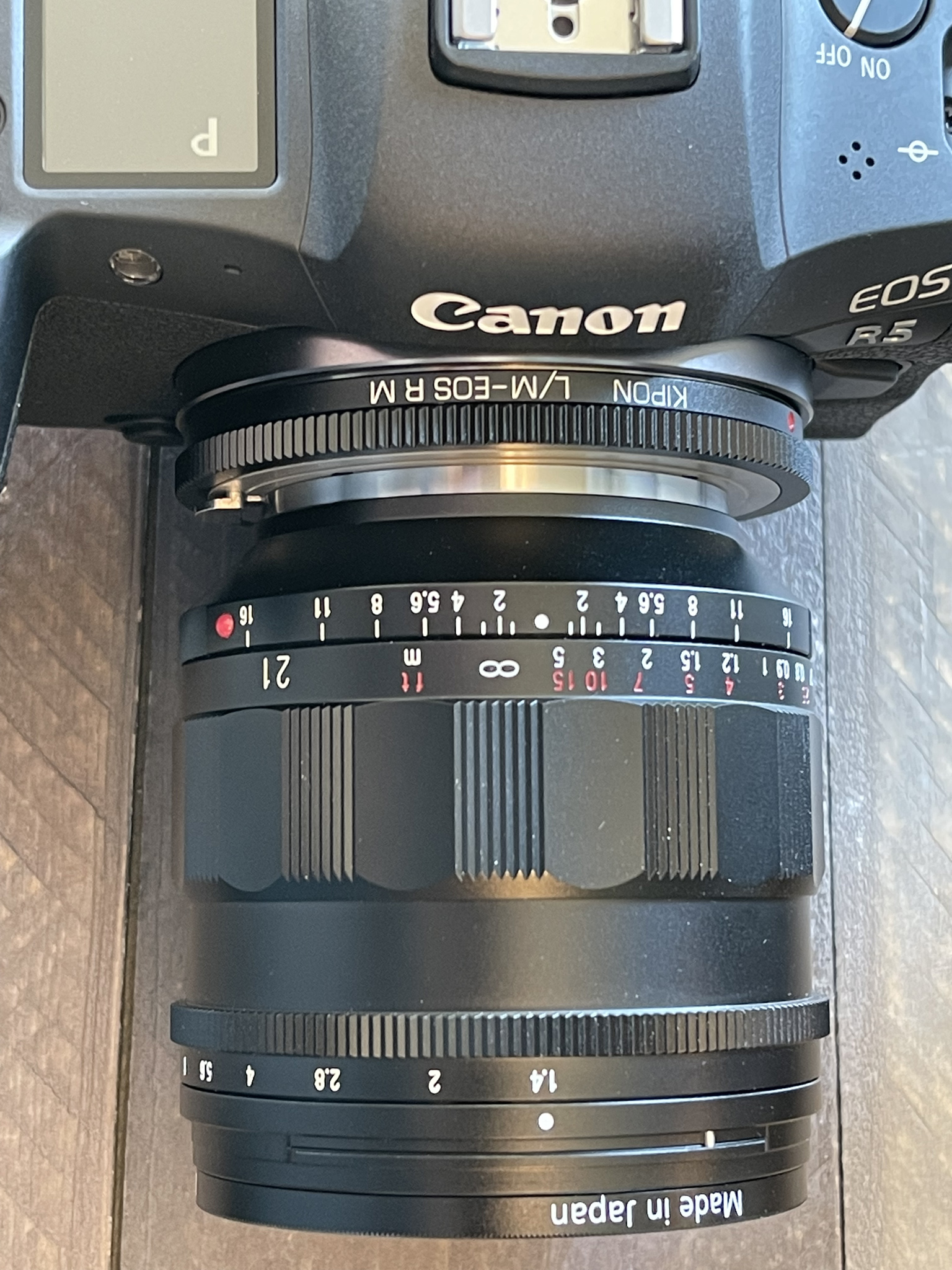
Using the macro adapter to achieve correct infinity at the hard stop works very well and is super easy. As a test candidate, I chose a worst-case scenario: an ultra wide angle with floating elements.
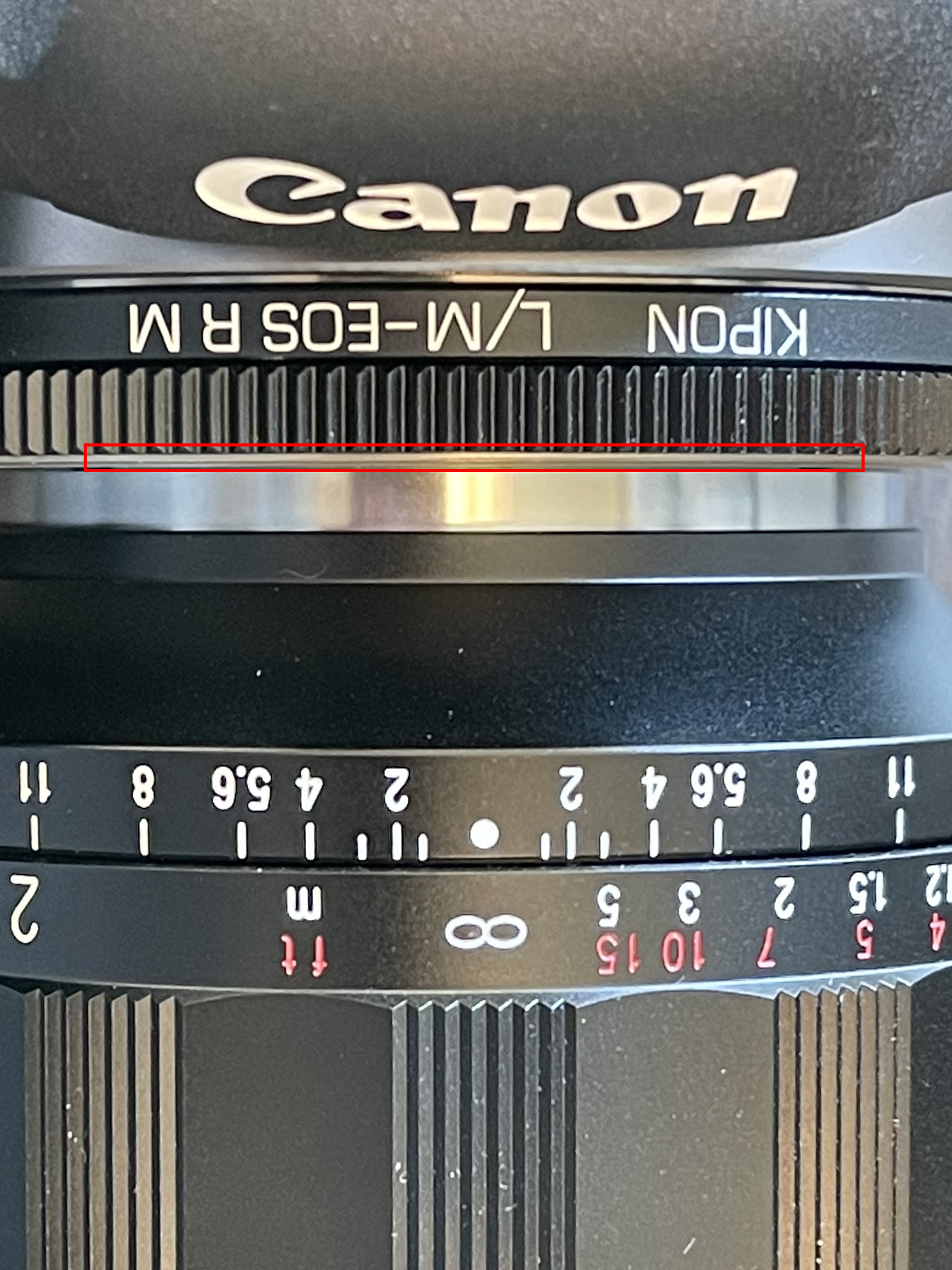
Photo 1: Canon R5, Kipon M-to-RF macro adapter, and Voigtlander 21 f/1.4
Photo 2: Infinity at non-macro position
Photo 3: Lens put on infinity and macro ring adjusted until infinity was in perfect focus
The macro ring on the Kipon is quite firm/tight and can't be bumped out of position, so once the ring has been adjusted, shooting at any distance could proceed knowing the adapter distance is now perfect.
Infinity corner performance at f/8 and f/11 is much improved. Corner performance wide open at f/1.4 and MFD is excellent in the farthest corners when focused there.
Test gear
Infinity with no extension of macro ring
Infinity after setting lens to hard stop and using the macro ring to focus
highdesertmesa wrote:
I think the easiest solution may be to always buy helicoid macro adapters, which can be made longer with a twist if infinity isn't exactly right. I think the procedure would be simple: put the lens on infinity and extend the helicoid slightly to achieve infinity focus.
I have a Kipon macro adapter for M to RF, so I'll test it. I'm not sure if there is a macro adapter available for M to G/GFX. Most of the macro adapters are either special order or not carried by B&H, but I've had good luck with finding them on eBay, although sometimes I have to pay a little more than retail....Show more →
I don't think anyone makes one for the M to GFX. I had one of those for the Sony and it was great to get closer focus but it couldn't lock at any position besides full retracted so I wouldn't really want it to compensate for a bad adapter. The Novoflex should be pretty each to shim out, I will do it at three points (easier to avoid skew) and check thickness as I go.
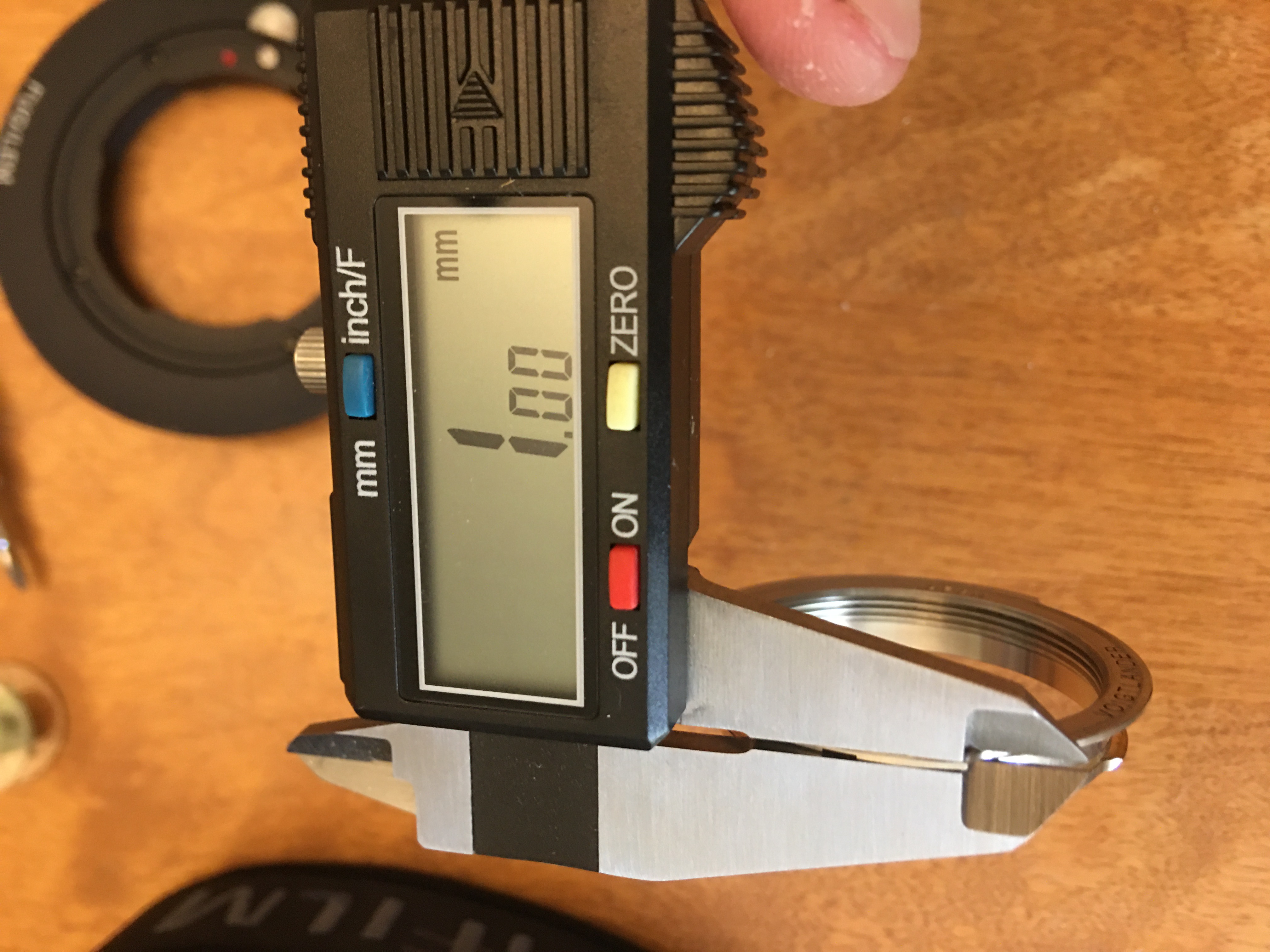
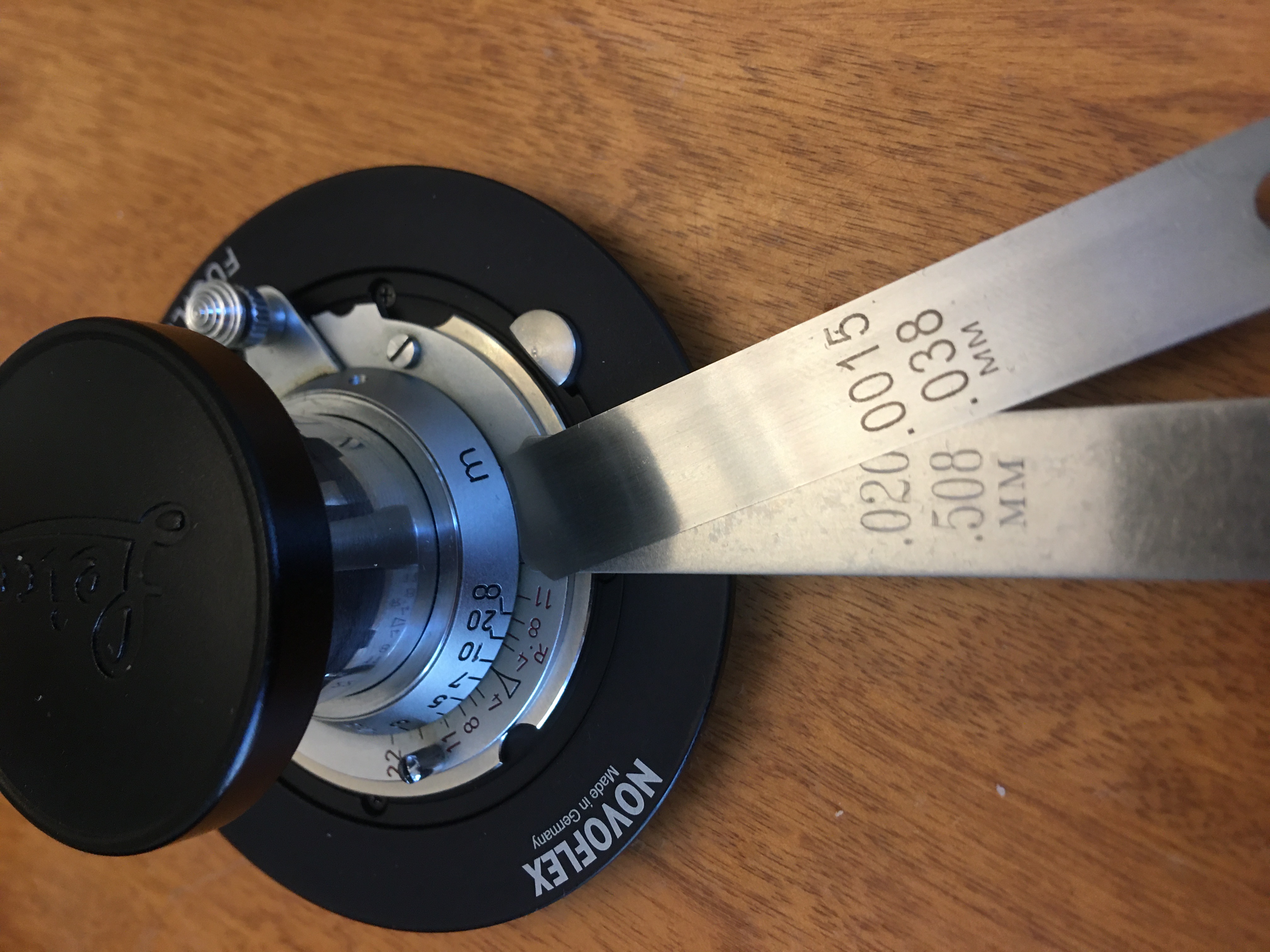
I picked up a feeler gauge and have a better estimate of how far off the adapter is. I used a red scale Elmar 50mm f3.5 that I had DAG CLA/calibrate, using a Voigtlander LTM to M adapter (that measures exactly at 1mm as it should). I then optically focused the Elmar at infinity and used the feeler gauges to measure the gap in the lens body from the helicoid movement. The lens has to extend out exactly the same amount as the adapter is too short to get the system to the proper length for infinity focus.
Novoflex is saying the adapter is 1/100 (0.01) of a MM shorter than it should be. I'm measuring 0.546mm too short.
sfogg wrote:
I don't think anyone makes one for the M to GFX. I had one of those for the Sony and it was great to get closer focus but it couldn't lock at any position besides full retracted so I wouldn't really want it to compensate for a bad adapter. The Novoflex should be pretty each to shim out, I will do it at three points (easier to avoid skew) and check thickness as I go.
I picked up a feeler gauge and have a better estimate of how far off the adapter is. I used a red scale Elmar 50mm f3.5 that I had DAG CLA/calibrate, using a Voigtlander LTM to M adapter (that measures exactly at 1mm as it should). I then optically focused the Elmar at infinity and used the feeler gauges to measure the gap in the lens body from the helicoid movement. The lens has to extend out exactly the same amount as the adapter is too short to get the system to the proper length for infinity focus.
Novoflex is saying the adapter is 1/100 (0.01) of a MM shorter than it should be. I'm measuring 0.546mm too short.
Could this be because they didn't take the sensor stack into account, but just used the distance from the bayonet to the plain sensor or something? Don't know if the stack will make the optical distance longer or shorter, but (edit: I think) it will change. And unless they measured it, I suppose they'd have to guess since Fuji probably won't share the exact specifications of thickness and refractive index.
sfogg wrote:
I picked up a feeler gauge and have a better estimate of how far off the adapter is. I used a red scale Elmar 50mm f3.5 that I had DAG CLA/calibrate, using a Voigtlander LTM to M adapter (that measures exactly at 1mm as it should). I then optically focused the Elmar at infinity and used the feeler gauges to measure the gap in the lens body from the helicoid movement. The lens has to extend out exactly the same amount as the adapter is too short to get the system to the proper length for infinity focus.
Novoflex is saying the adapter is 1/100 (0.01) of a MM shorter than it should be. I'm measuring 0.546mm too short....Show more →
While it might not matter much with this particular lens, if you plan to measure the gap between the lens bayonet and the camera body mount as a proxy for determining the actual FFD being achieved, a better practice is to orient the lens horizontally, not vertically.
This way you can account for any errors that are introduced as a result of its mass and length and the effects of gravity acting through a lever arm against the male and female lens mounting bayonets. Depending on the lens, you might be surprised by how large this can be...
sfogg wrote:
I don't think anyone makes one for the M to GFX. I had one of those for the Sony and it was great to get closer focus but it couldn't lock at any position besides full retracted so I wouldn't really want it to compensate for a bad adapter. The Novoflex should be pretty each to shim out, I will do it at three points (easier to avoid skew) and check thickness as I go.
I picked up a feeler gauge and have a better estimate of how far off the adapter is. I used a red scale Elmar 50mm f3.5 that I had DAG CLA/calibrate, using a Voigtlander LTM to M adapter (that measures exactly at 1mm as it should). I then optically focused the Elmar at infinity and used the feeler gauges to measure the gap in the lens body from the helicoid movement. The lens has to extend out exactly the same amount as the adapter is too short to get the system to the proper length for infinity focus.
Novoflex is saying the adapter is 1/100 (0.01) of a MM shorter than it should be. I'm measuring 0.546mm too short.
Yes, looks like shimming or finding a more accurately-manufactured adapter is the only solution for M lens to GFX to get infinity at the hard stop. I can't find anyone that makes a macro adapter for M to GFX.
Can you tell me where to get the copper tape you use for shimming? I don't have the equipment to follow what you're doing, but I could use trial and error to get it closer than it is now.
As for the macro adapter being able to lock or not, the Kipon macro ring on mine is so stiff that it's not possible to accidentally change it once I've found the right infinity focus. The macro ring is also very thin and in a very well protected place where I wouldn't turn it by accident thinking it was a focus ring.
Makten wrote:
Could this be because they didn't take the sensor stack into account, but just used the distance from the bayonet to the plain sensor or something? Don't know if the stack will make the optical distance longer or shorter, but (edit: I think) it will change. And unless they measured it, I suppose they'd have to guess since Fuji probably won't share the exact specifications of thickness and refractive index.
I believe the two issues are completely separate. As I understand it, a thicker sensor stack only impacts the ray angles at the edges of the frame in a significant way for normal to wide angle lenses, and this will happen regardless of the adapter's distance from the sensor. For telephotos, they're not affected as much by the stack thickness. In any case, the adjustment process for checking infinity focus for an adapter should probably be done in the center of the frame so that any issues caused by the sensor stack thickness away from center don't get in the way of seeing clear focus.
Makten wrote:
Could this be because they didn't take the sensor stack into account, but just used the distance from the bayonet to the plain sensor or something? Don't know if the stack will make the optical distance longer or shorter, but (edit: I think) it will change. And unless they measured it, I suppose they'd have to guess since Fuji probably won't share the exact specifications of thickness and refractive index.
No way it is sensor stack. At infinity the light rays are parallel from the lens and passing straight through the sensor glass to the center of the sensor. This is either bad manufacturing tolerances or built to specification and the specification is just way too short.
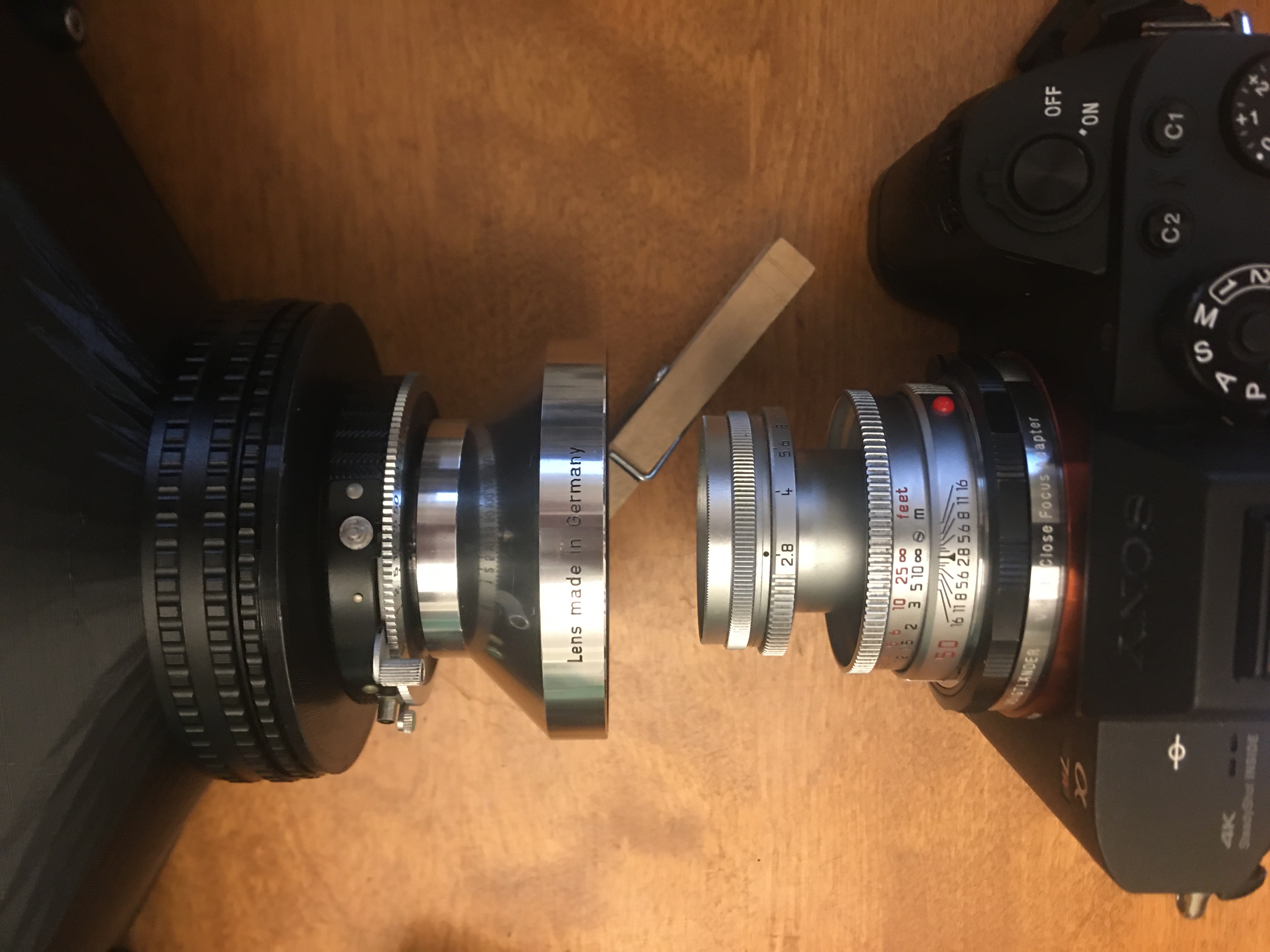
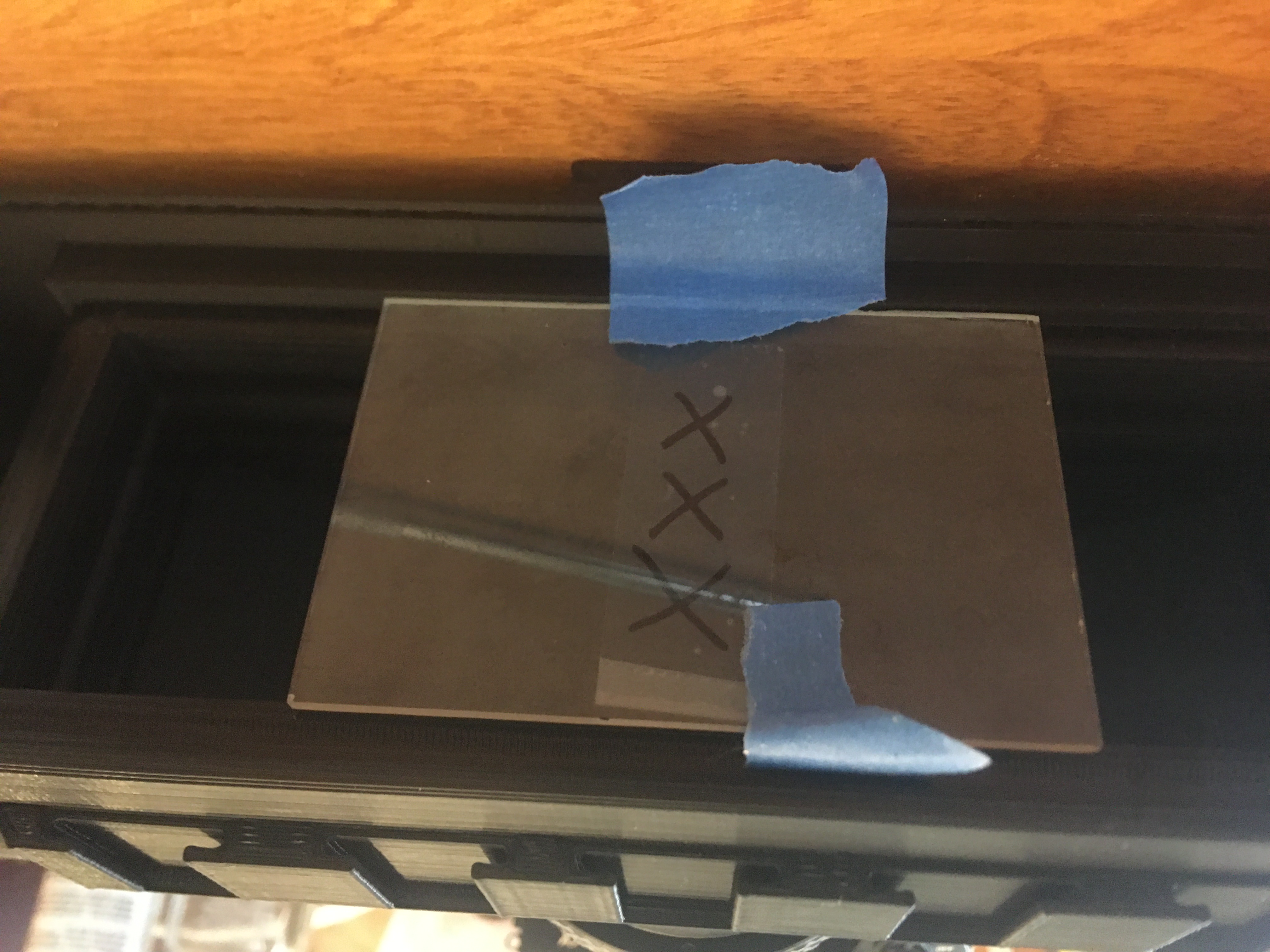
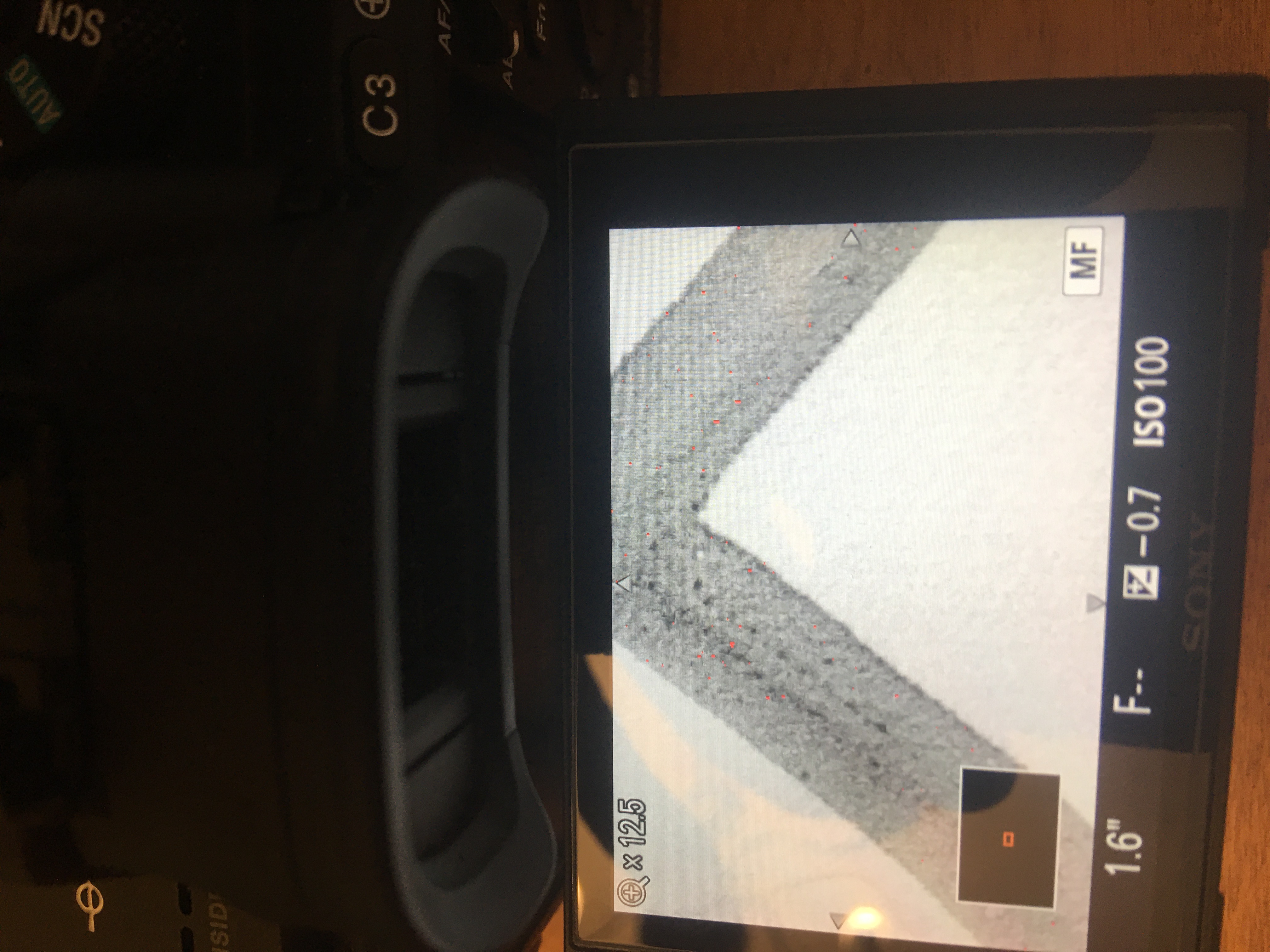
It is easy to test and figure out the proper flange focal distance for a lens. I've built a bunch of cameras for lenses I didn't know the flange focal distance of and with a little trial and error dialed them in exactly for infinity. Pictures show testing a 3d printed camera for infinity focus. The helicoid on the 3d printed camera is turned all the way in, the digital camera lens is at infinity (and is actually at optical infinity) and there is ground glass with Xs on the film rails in the camera. If both lenses are at optical infinity the Xs will show sharp on the digital, if they aren't they won't be. This setup works in reverse too, once the 3d camera is properly calibrated for infinity I can test a digital cameras infinity the same way.
While it might not matter much with this particular lens, if you plan to measure the gap between the lens bayonet and the camera body mount as a proxy for determining the actual FFD being achieved, a better practice is to orient the lens horizontally, not vertically.
This way you can account for any errors that are introduced as a result of its mass and length and the effects of gravity acting through a lever arm against the male and female lens mounting bayonets. Depending on the lens, you might be surprised by how large this can be...
Interesting, I will keep that in mind. In this case I am not measuring between the bayonets but within the lens itself. Both portions above and below the gauges are part of the lens, the helicoid is essentially what the gauge is pointing at. When the lens is at infinity the top half is flush with the bayonet section. The top half rotates as it focuses and moves away from the bayonet portion of the lens which causes the gap between the two portions which gave an easy place to measure the change.
highdesertmesa wrote:
Yes, looks like shimming or finding a more accurately-manufactured adapter is the only solution for M lens to GFX to get infinity at the hard stop. I can't find anyone that makes a macro adapter for M to GFX.
Can you tell me where to get the copper tape you use for shimming? I don't have the equipment to follow what you're doing, but I could use trial and error to get it closer than it is now.
As for the macro adapter being able to lock or not, the Kipon macro ring on mine is so stiff that it's not possible to accidentally change it once I've found the right infinity focus. The macro ring is also very thin and in a very well protected place where I wouldn't turn it by accident thinking it was a focus ring. ...Show more →
I can't remember where I got mine but it was probably either Digikey or McMaster-Carr. If you just build up each corner layer by layer you will probably be fine. Start with long strips and then get shorter for each successive layer. It will make it easier to remove a layer if you go to far. Stop when infinity is at infinity.
sfogg wrote:
No way it is sensor stack. At infinity the light rays are parallel from the lens and passing straight through the sensor glass to the center of the sensor.
Unless I'm missing something, the rays won't be parallell even in the middle unless you use a very small aperture and/or a lens with the exit pupil very far away. But you are probably right that the stack is not the issue here. Too large error.
highdesertmesa wrote:
I think the easiest solution may be to always buy helicoid macro adapters, which can be made longer with a twist if infinity isn't exactly right. I think the procedure would be simple: put the lens on infinity and extend the helicoid slightly to achieve infinity focus.
That's how I recently mounted some of the lenses I normally use on the VX23D for "direct" use on my GFX 50R. They needed a helicoid anyway, and even with careful calculation I knew the odds of getting a combination of helicoid and tubes that would leave the lens exactly where it needed to be were slim to none.
I use the M65 helicoid for normal focusing with all the lenses I adapted this way. This 90mm lens had a long enough FFD to allow for a second M42 helicoid for close focusing.


 But you are probably right that the stack is not the issue here. Too large error.