mkuznicki wrote:
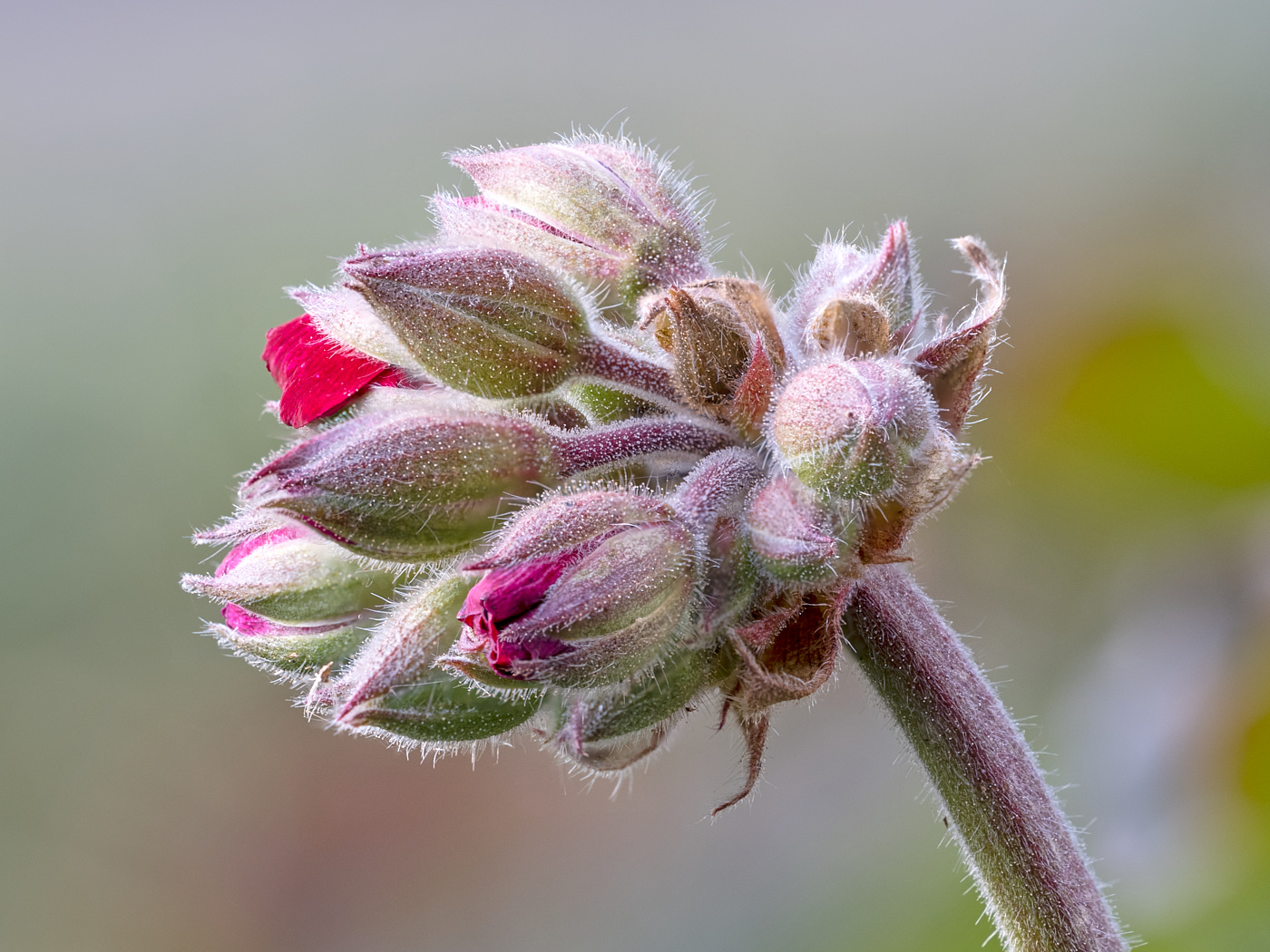
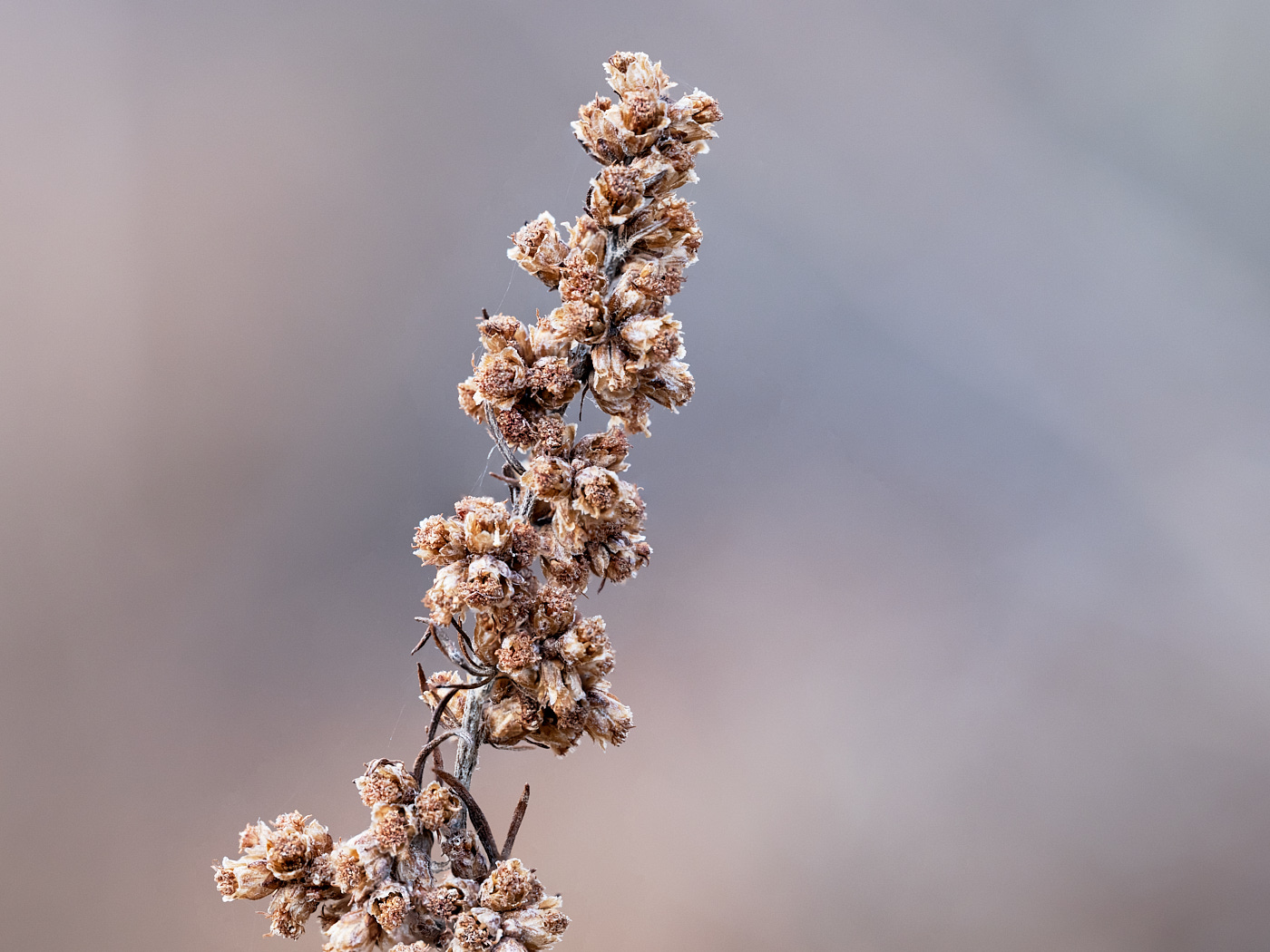
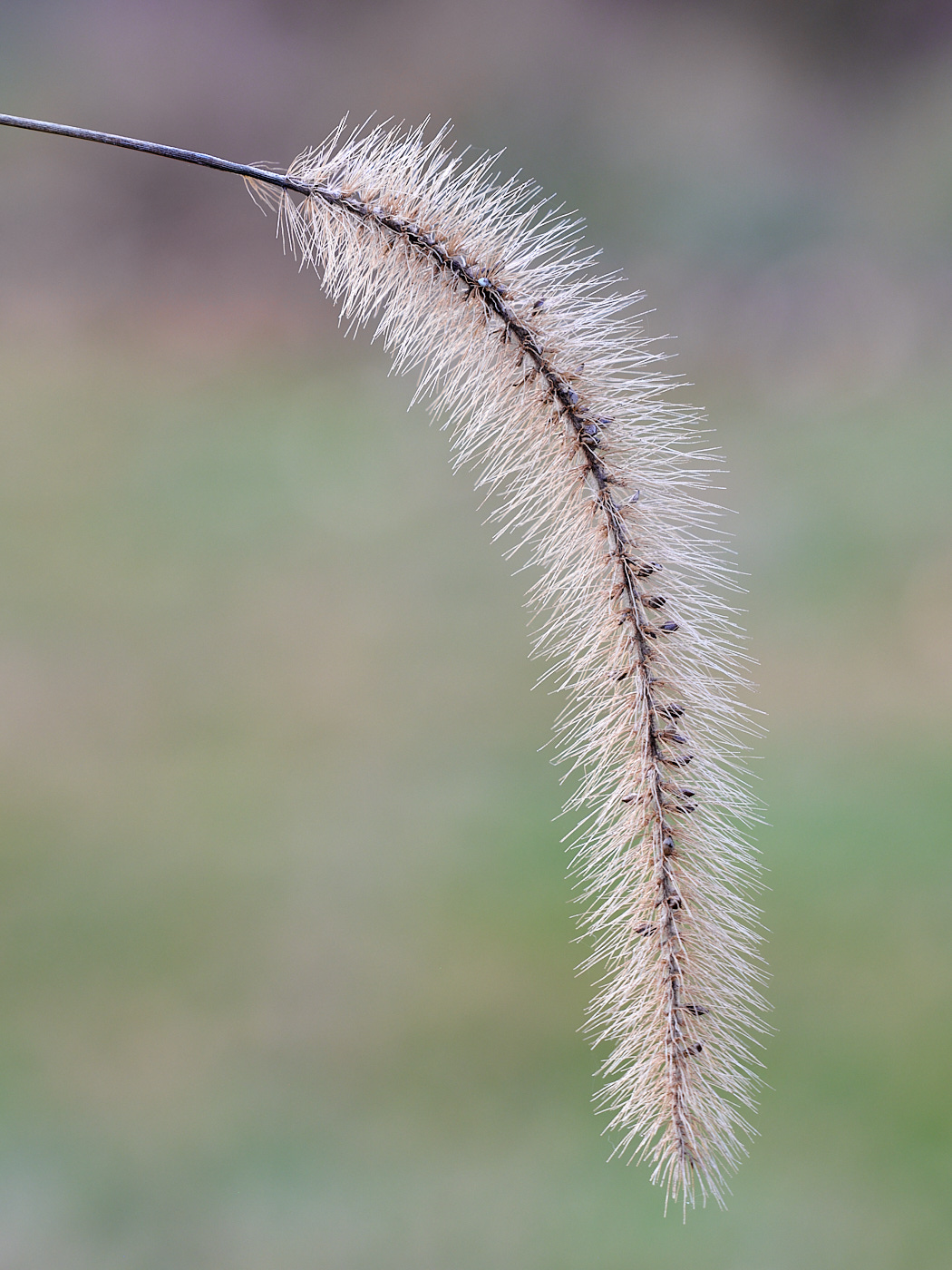
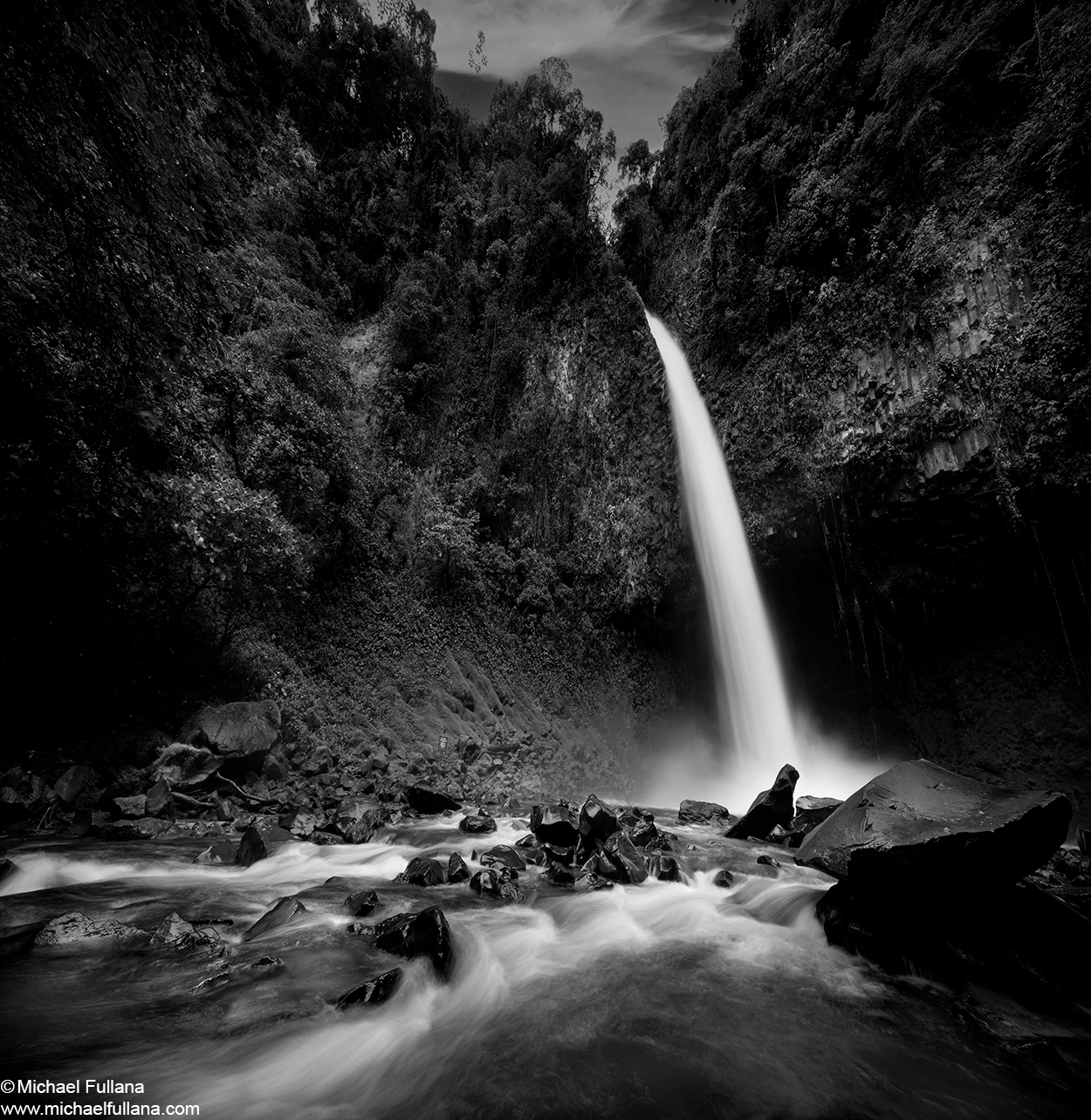
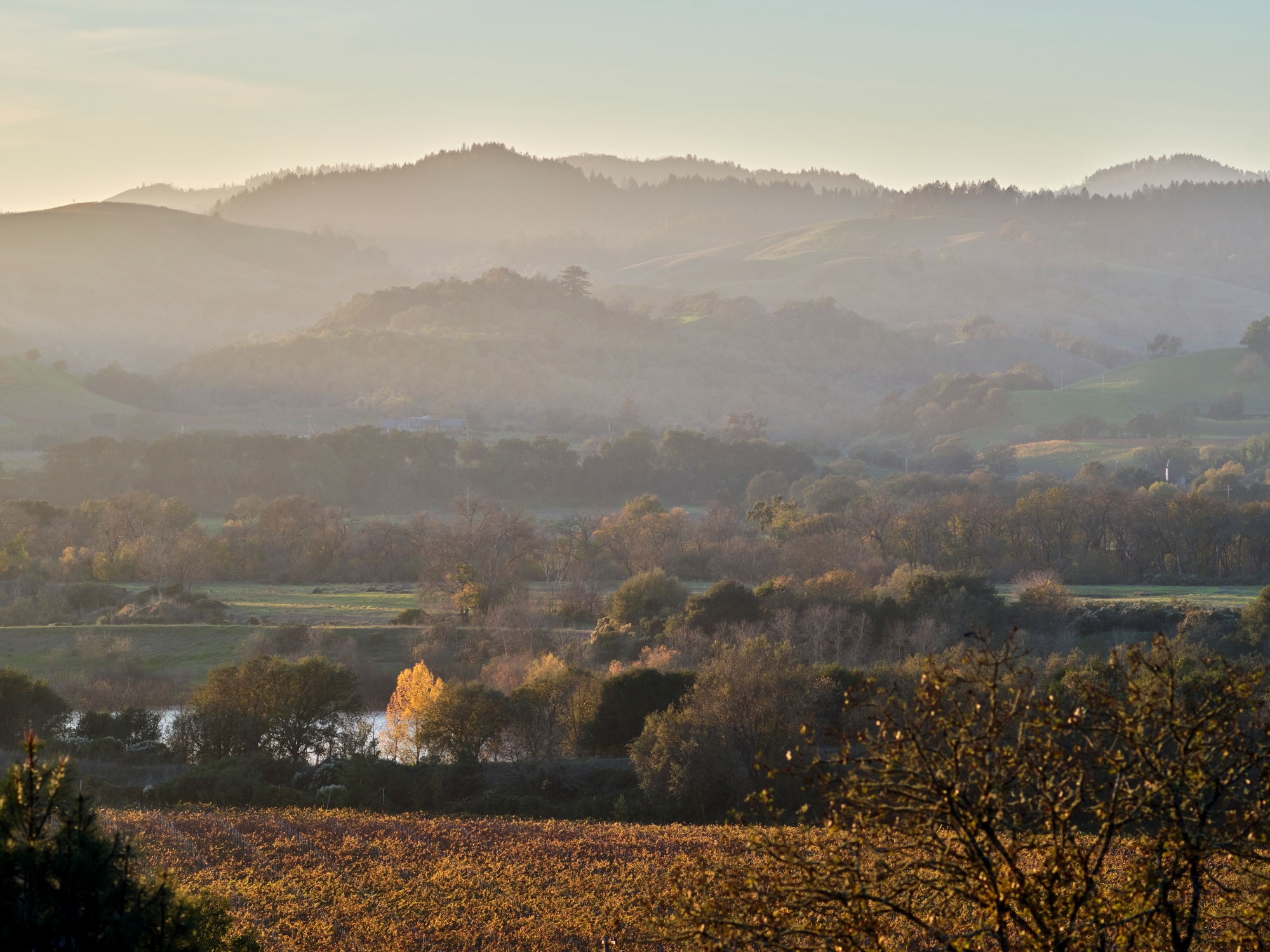
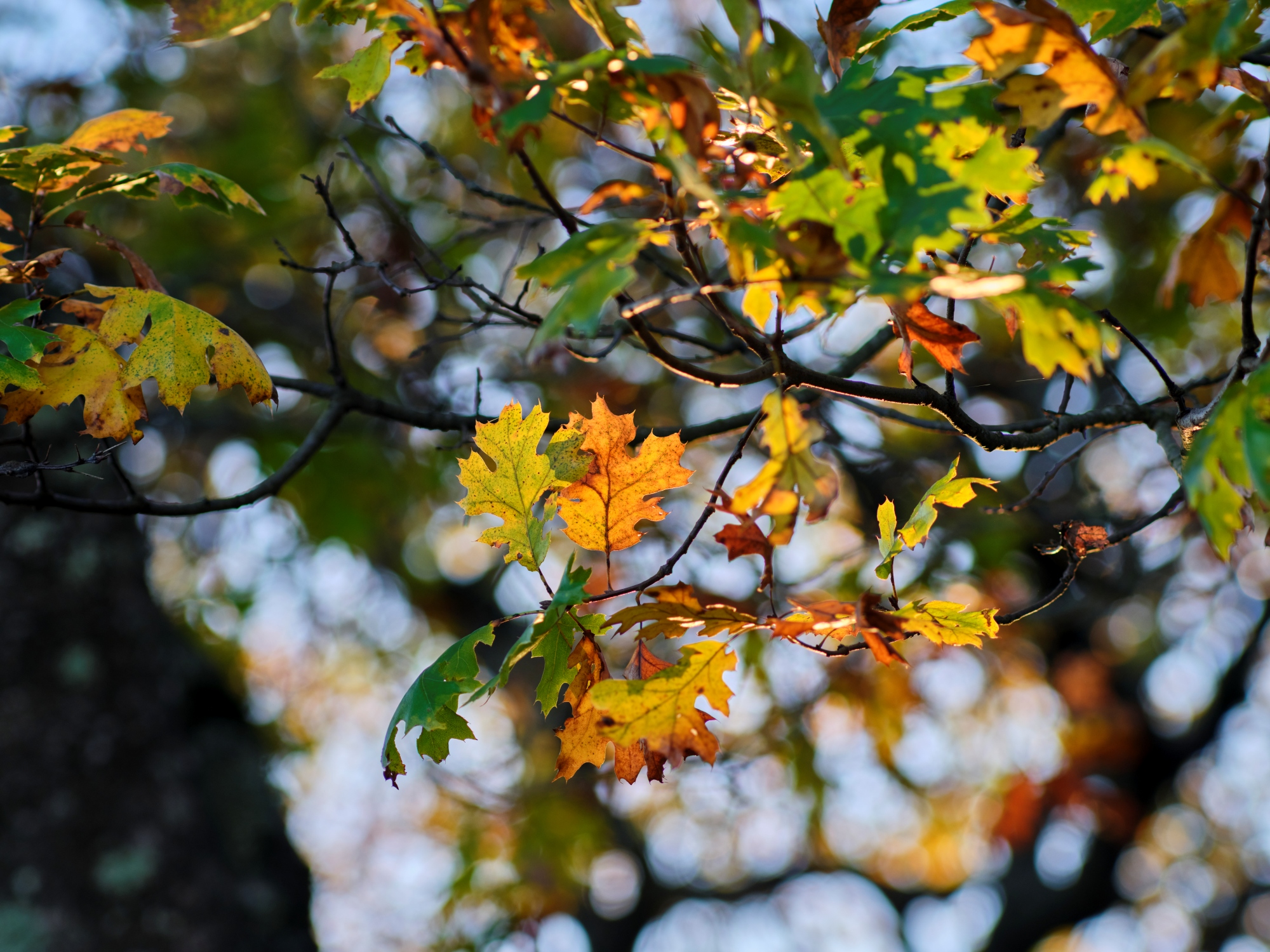
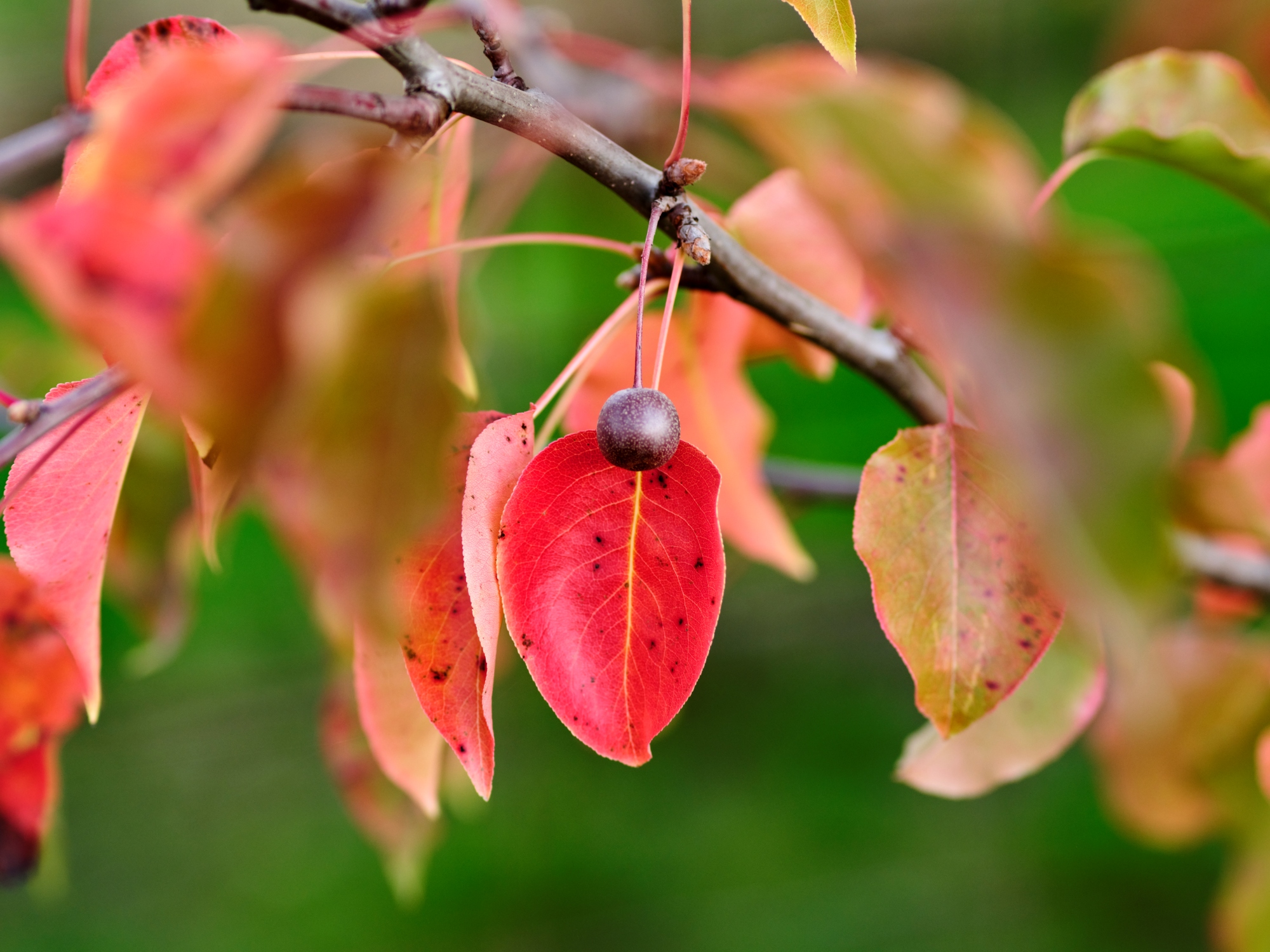
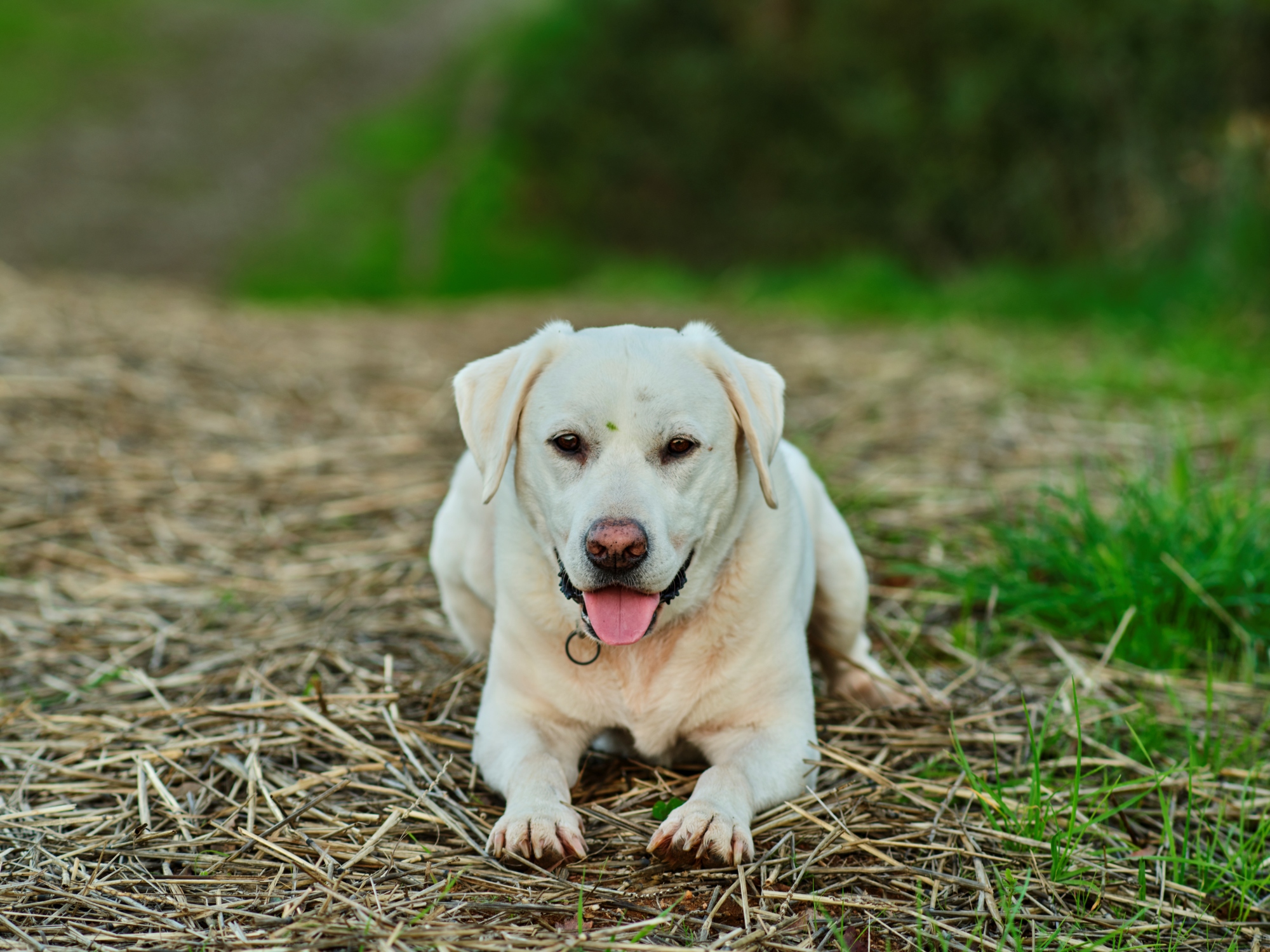
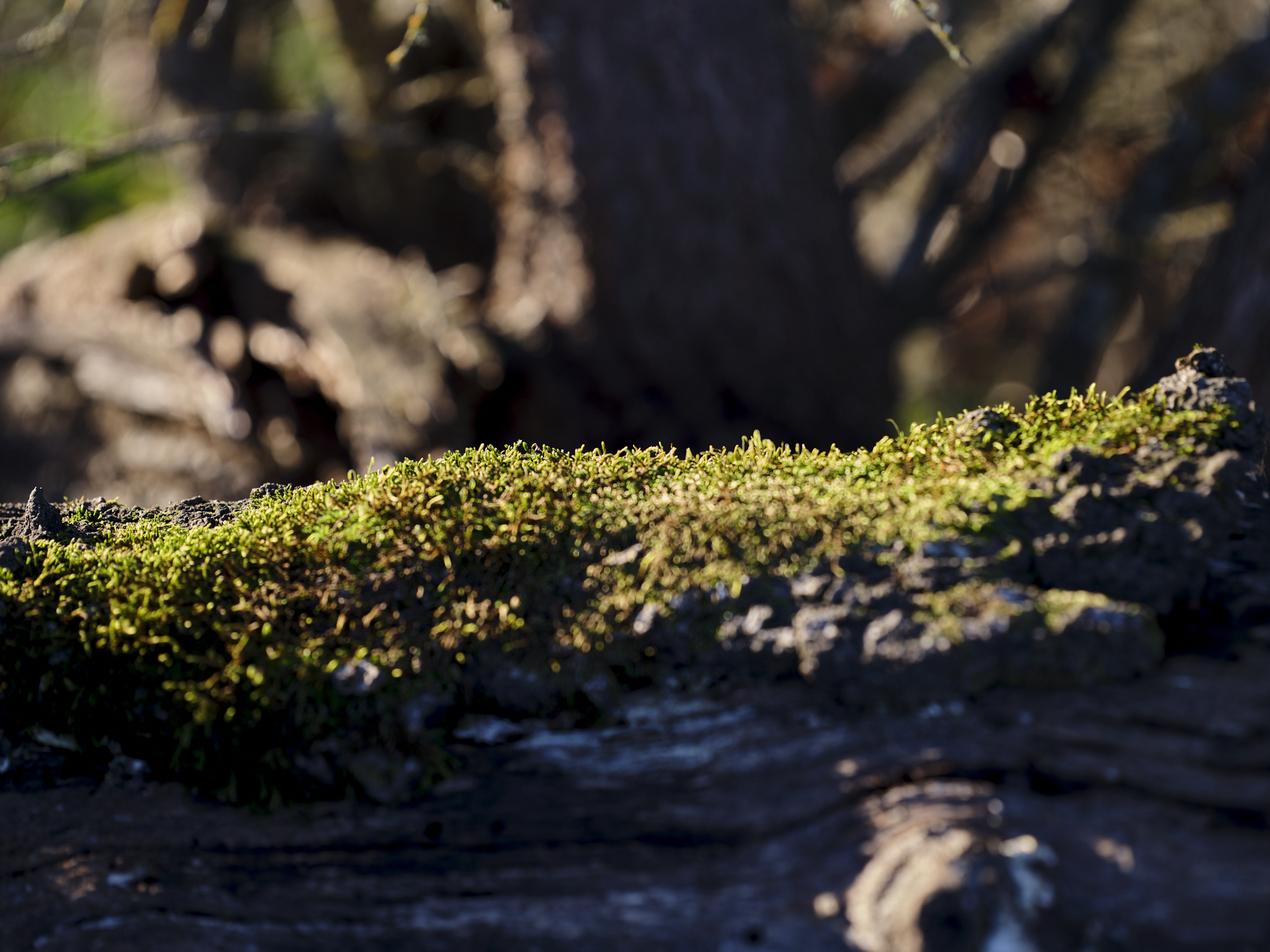
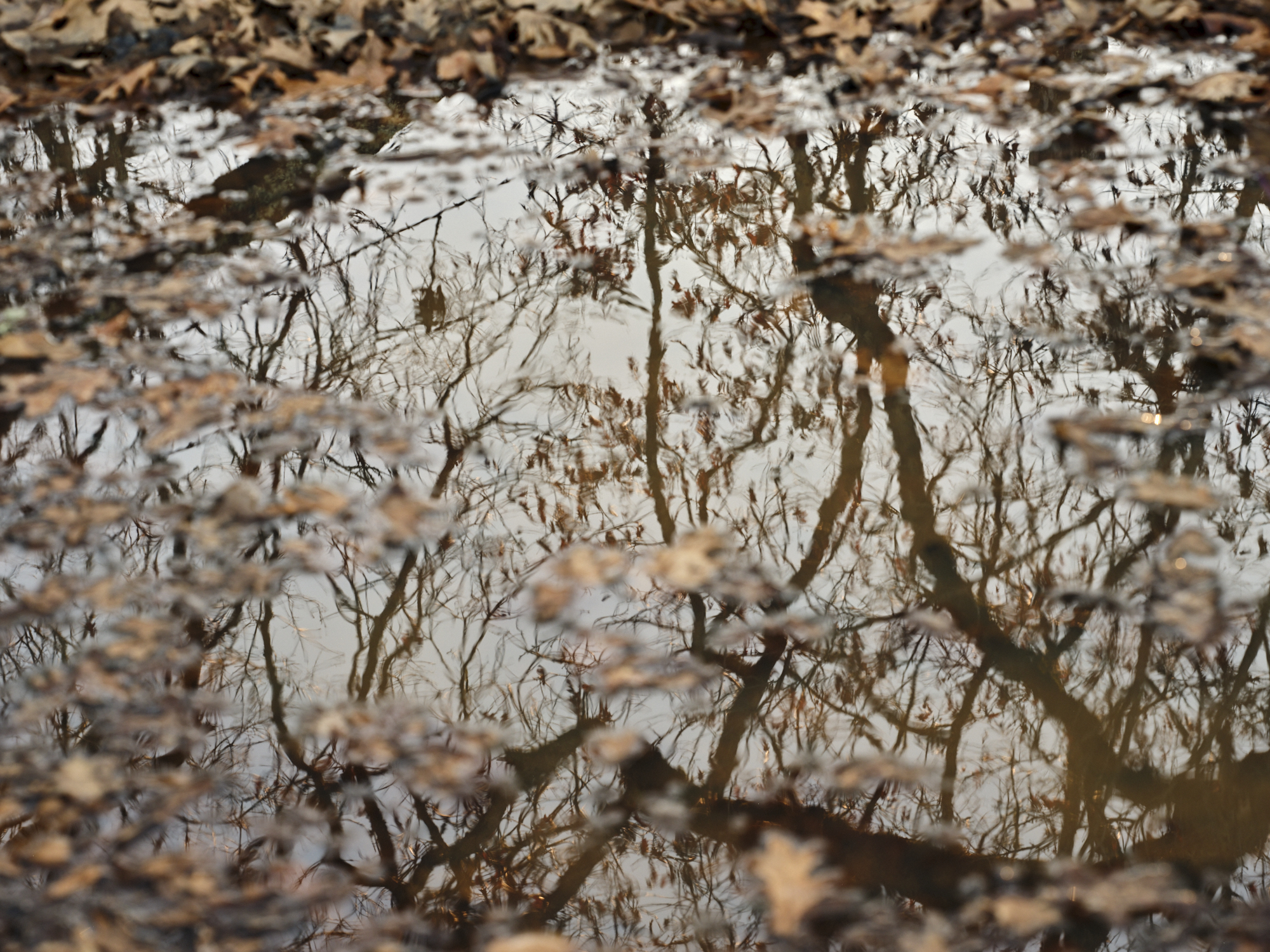
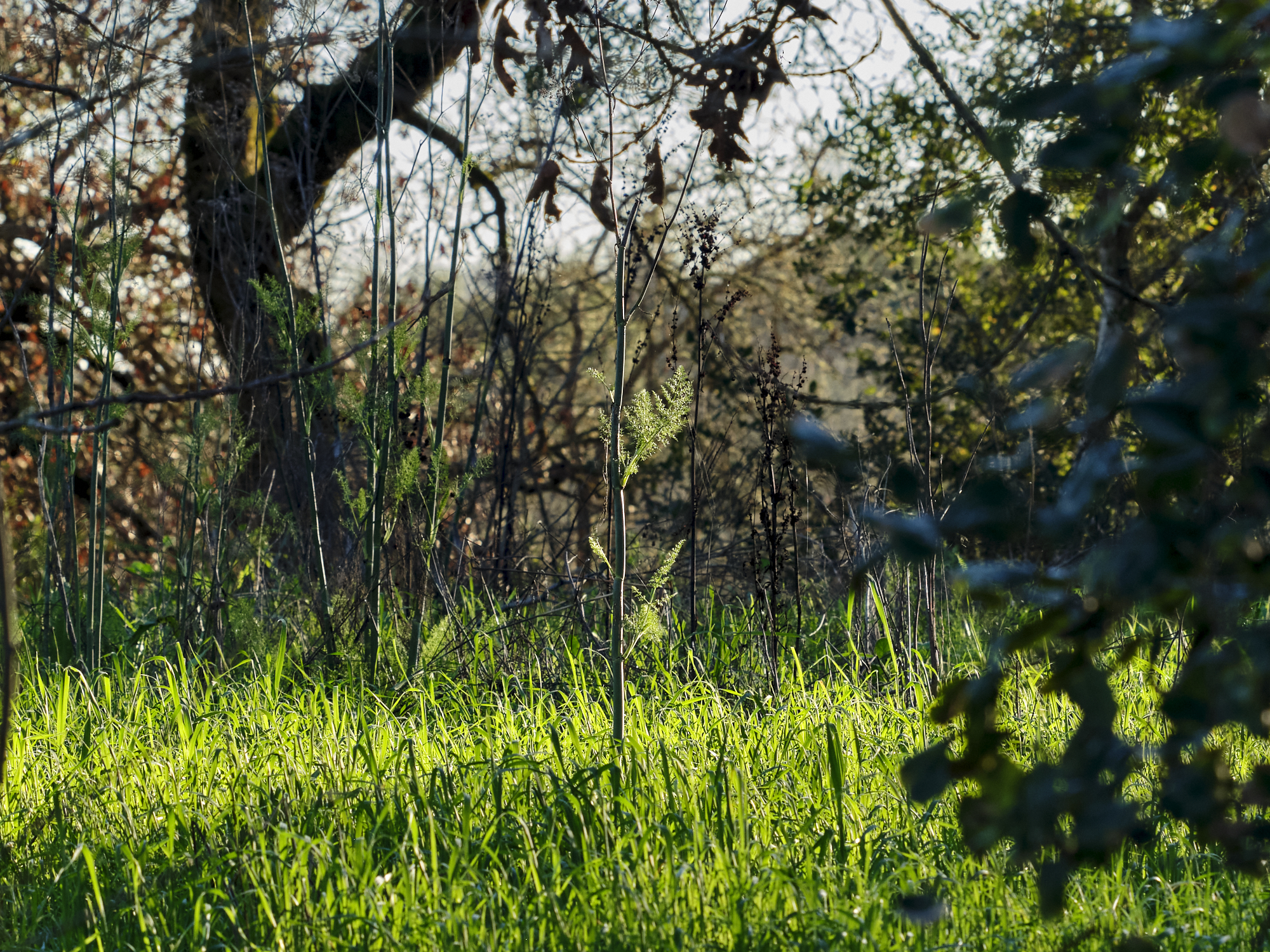
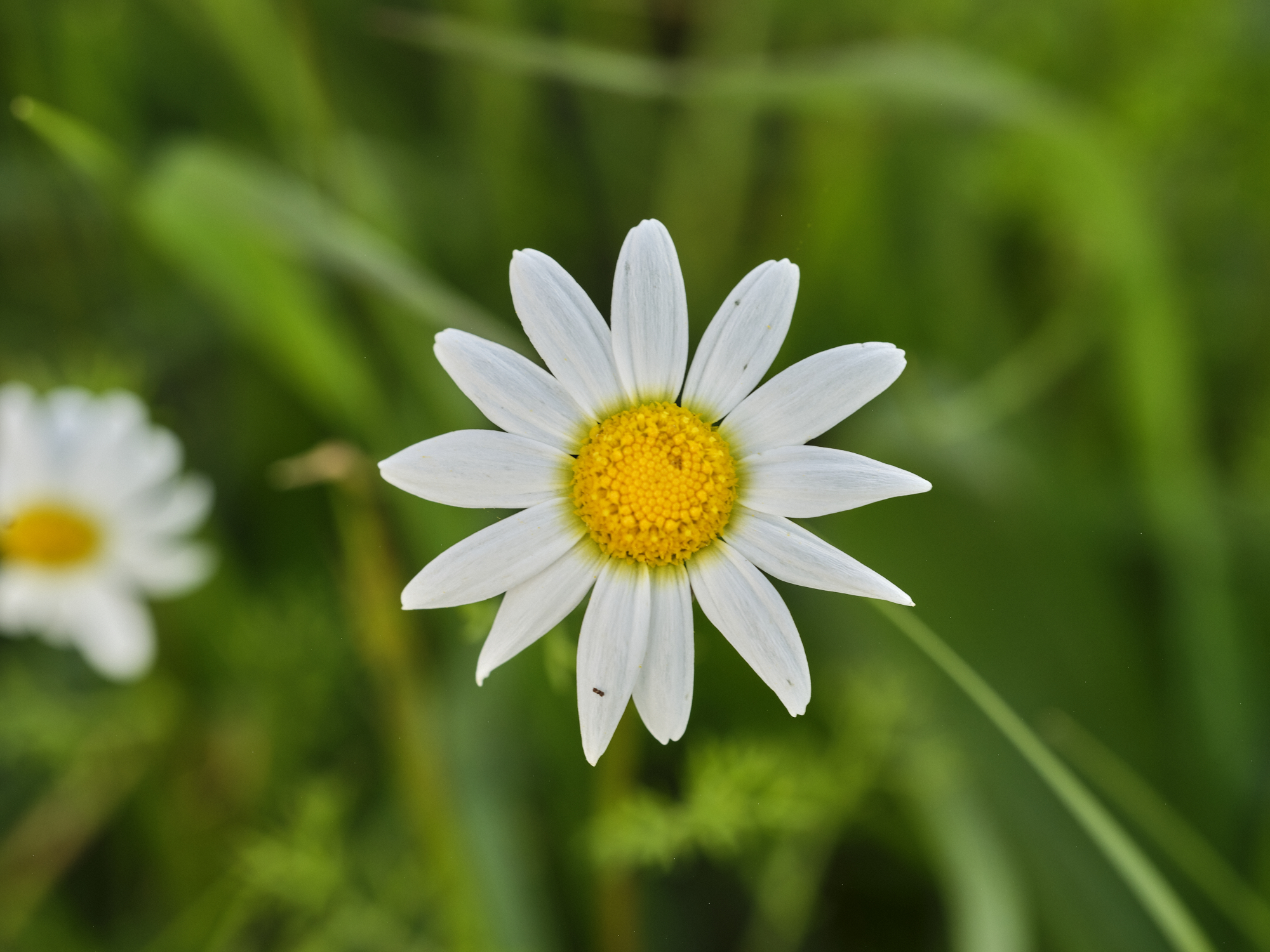
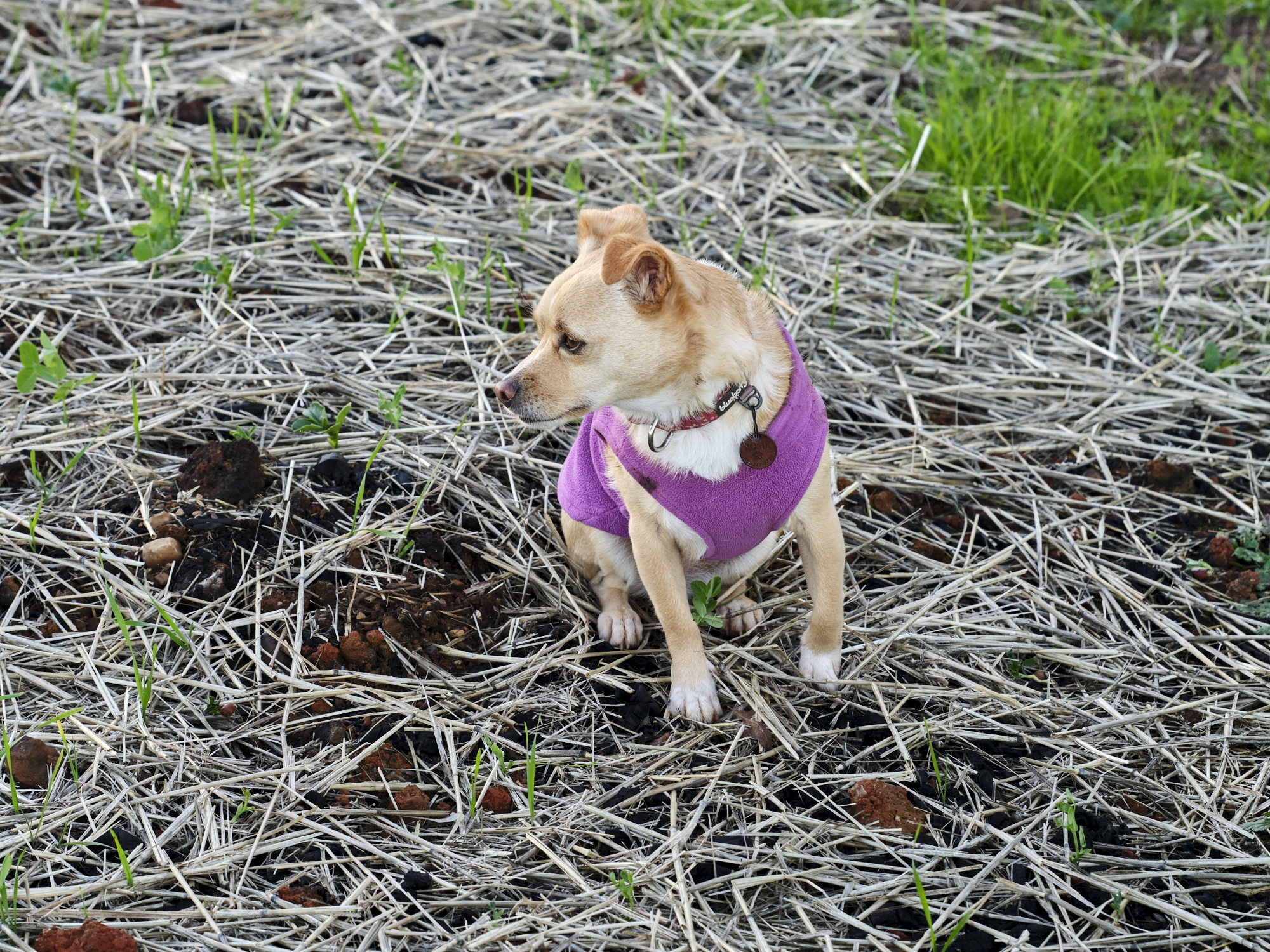
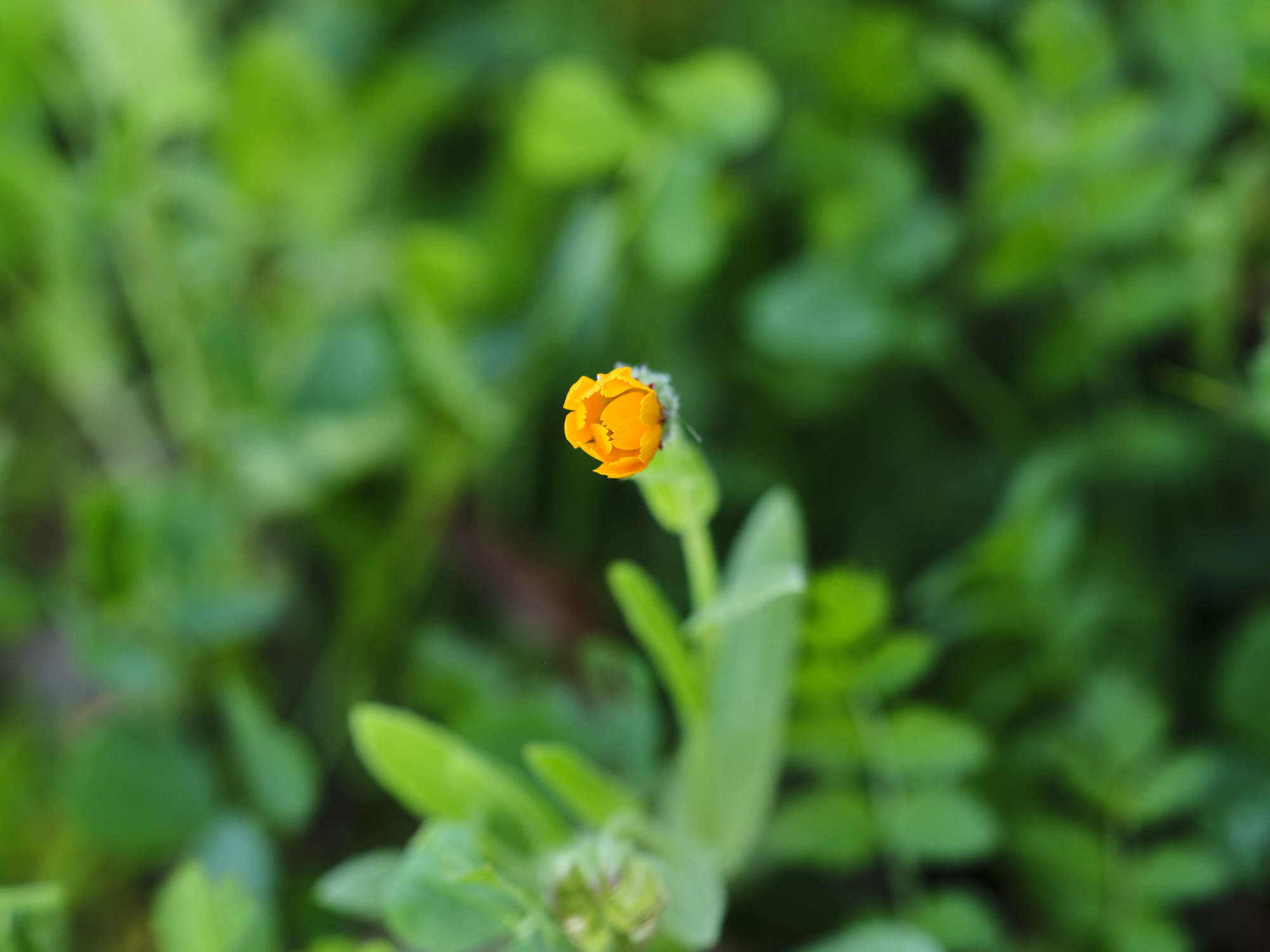
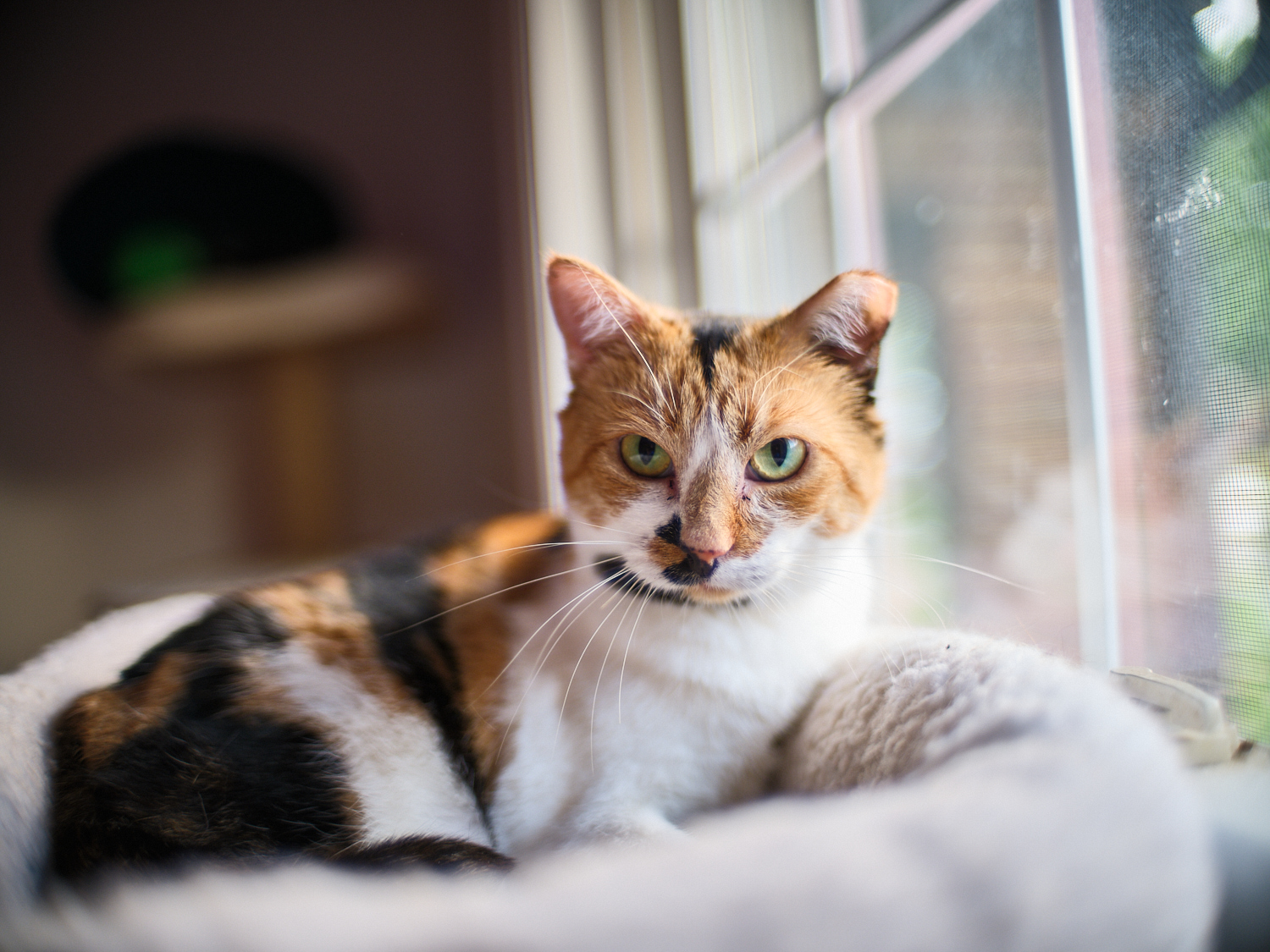
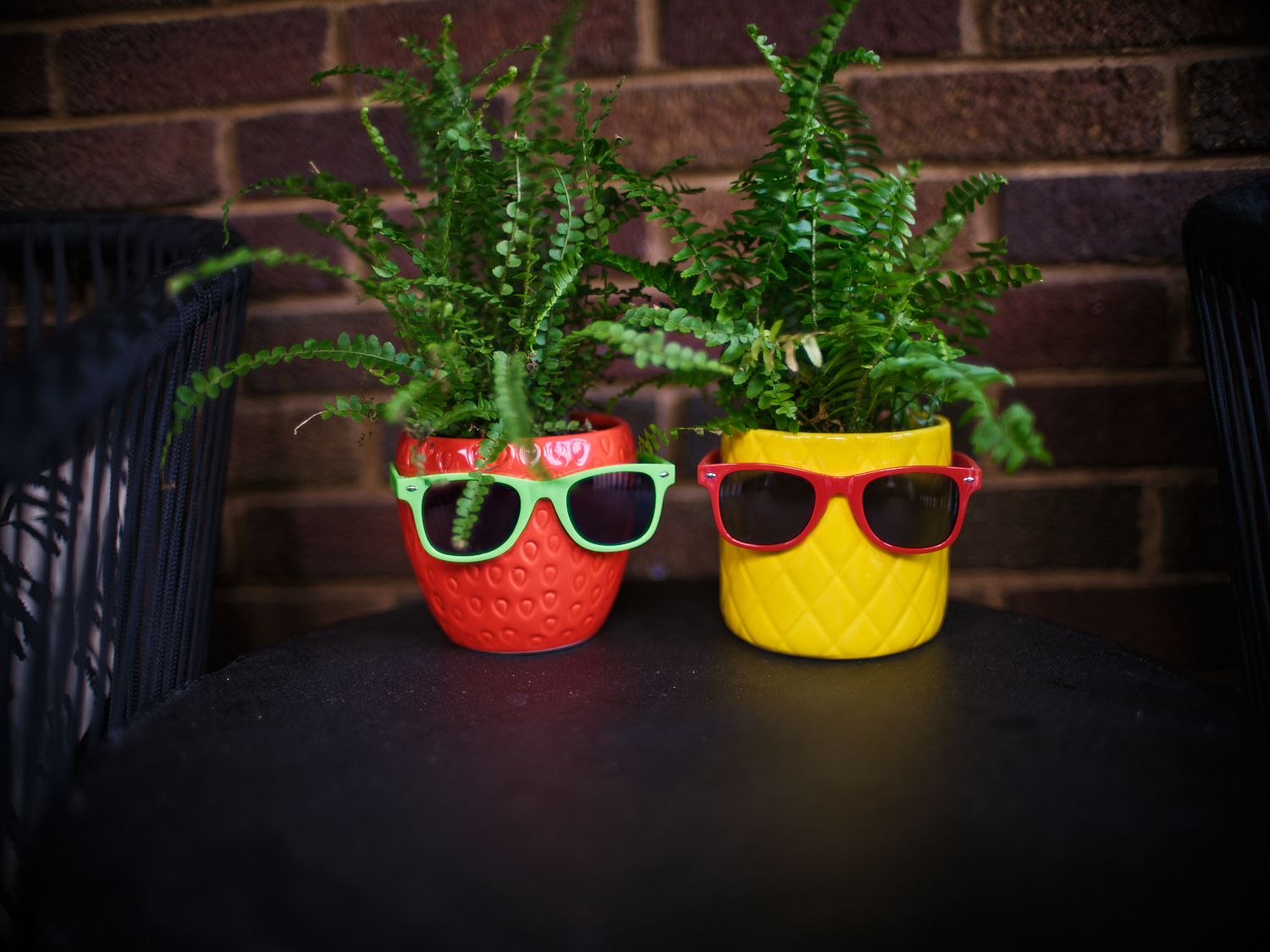
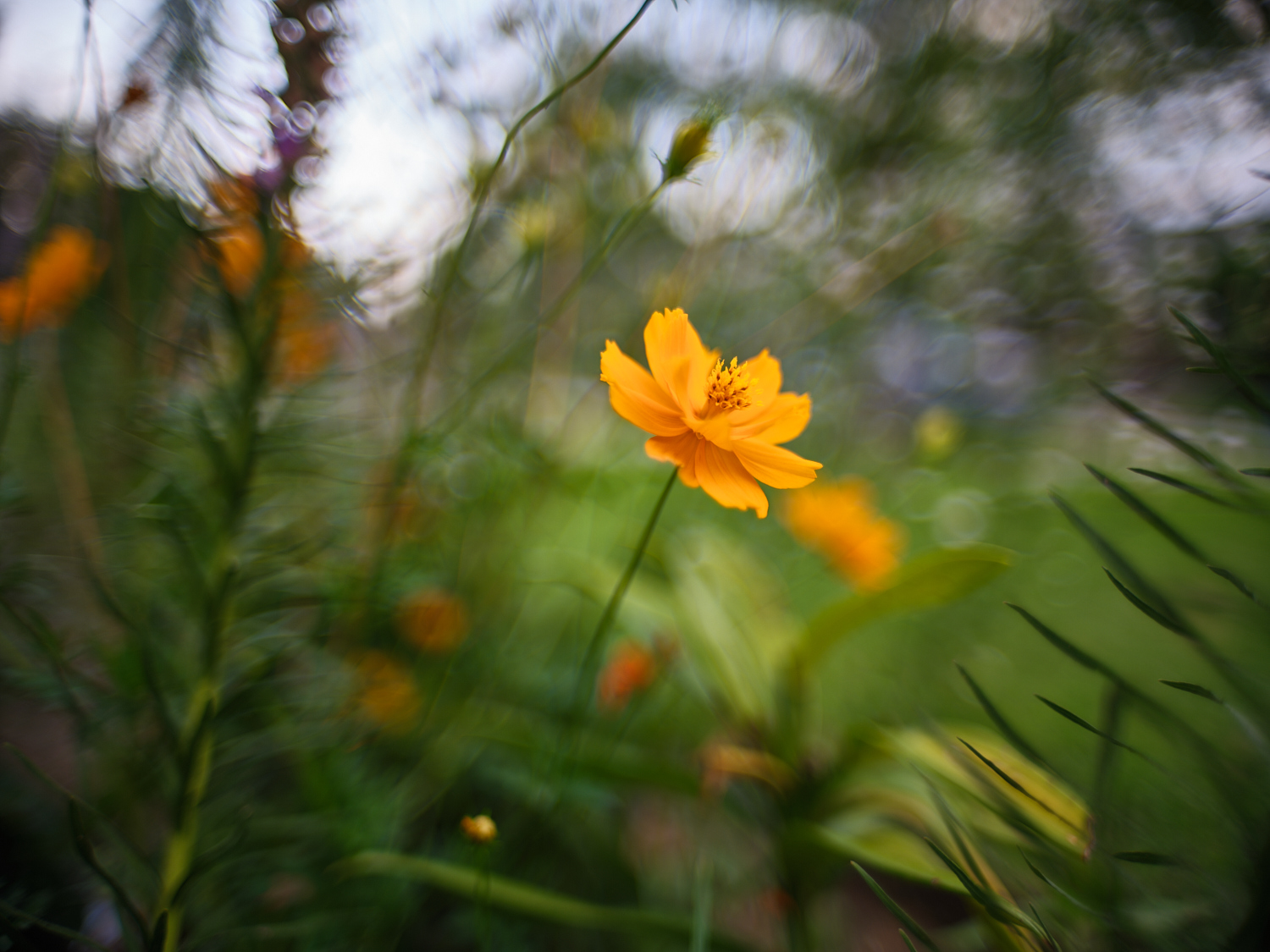
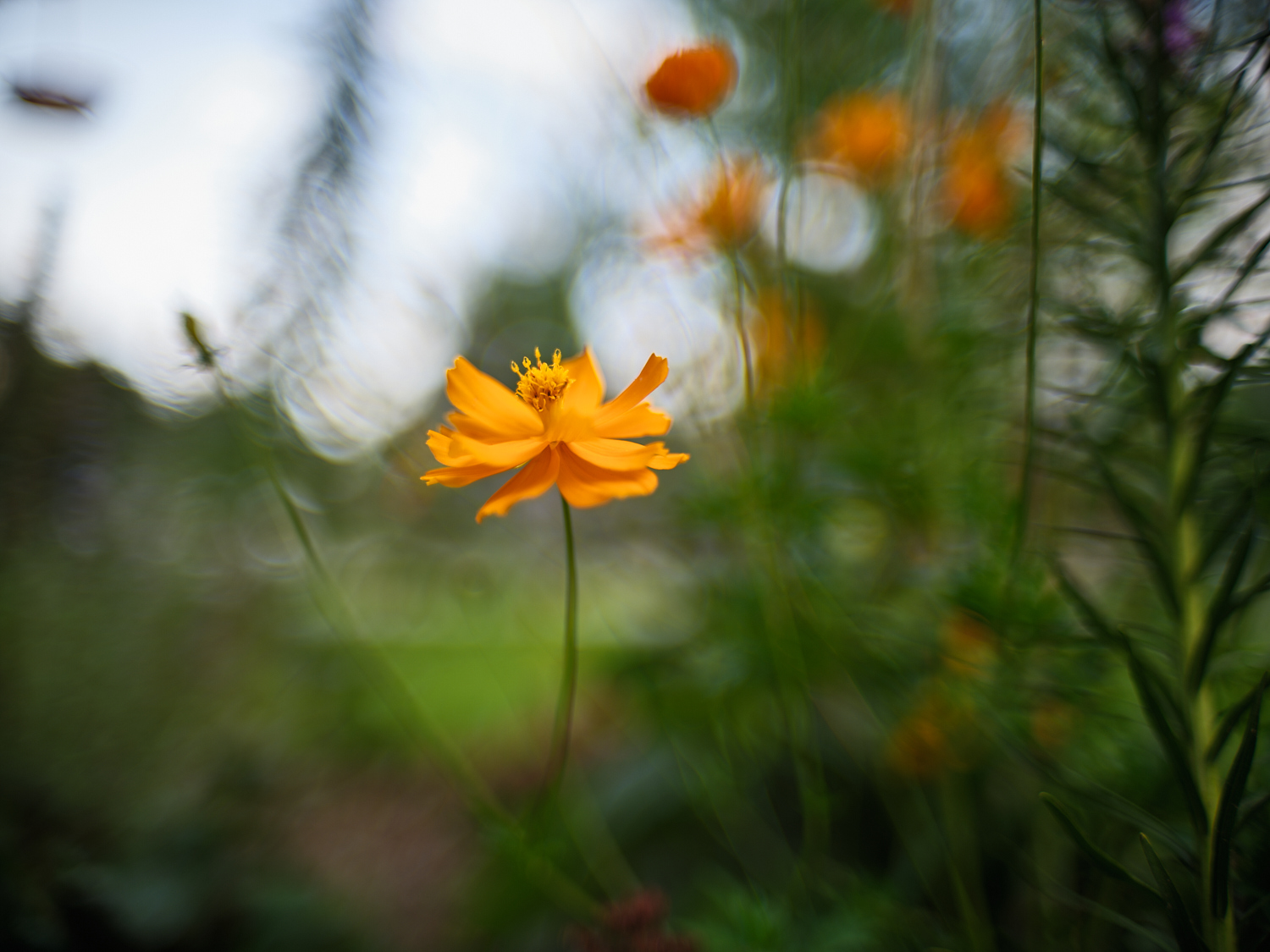
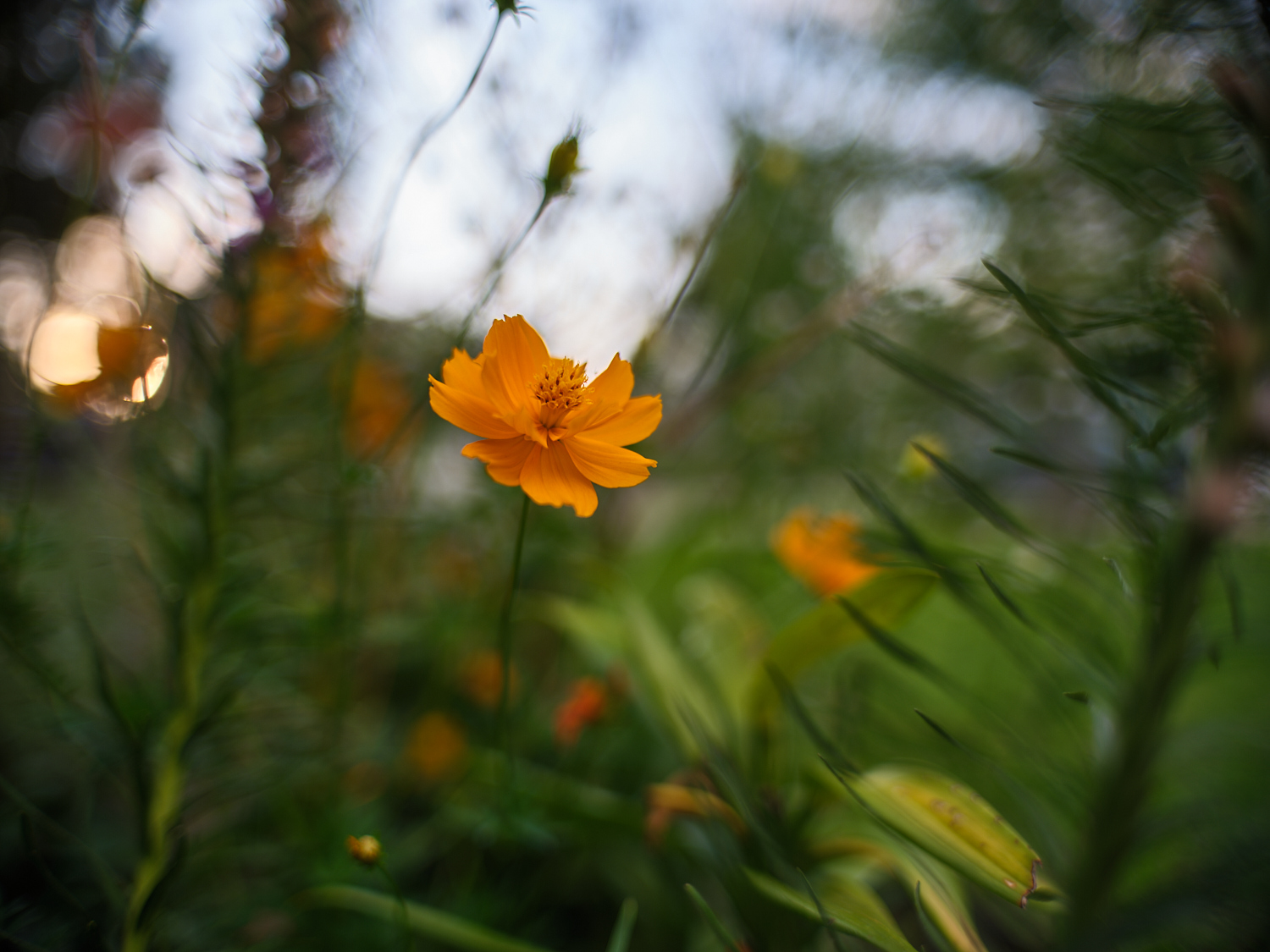
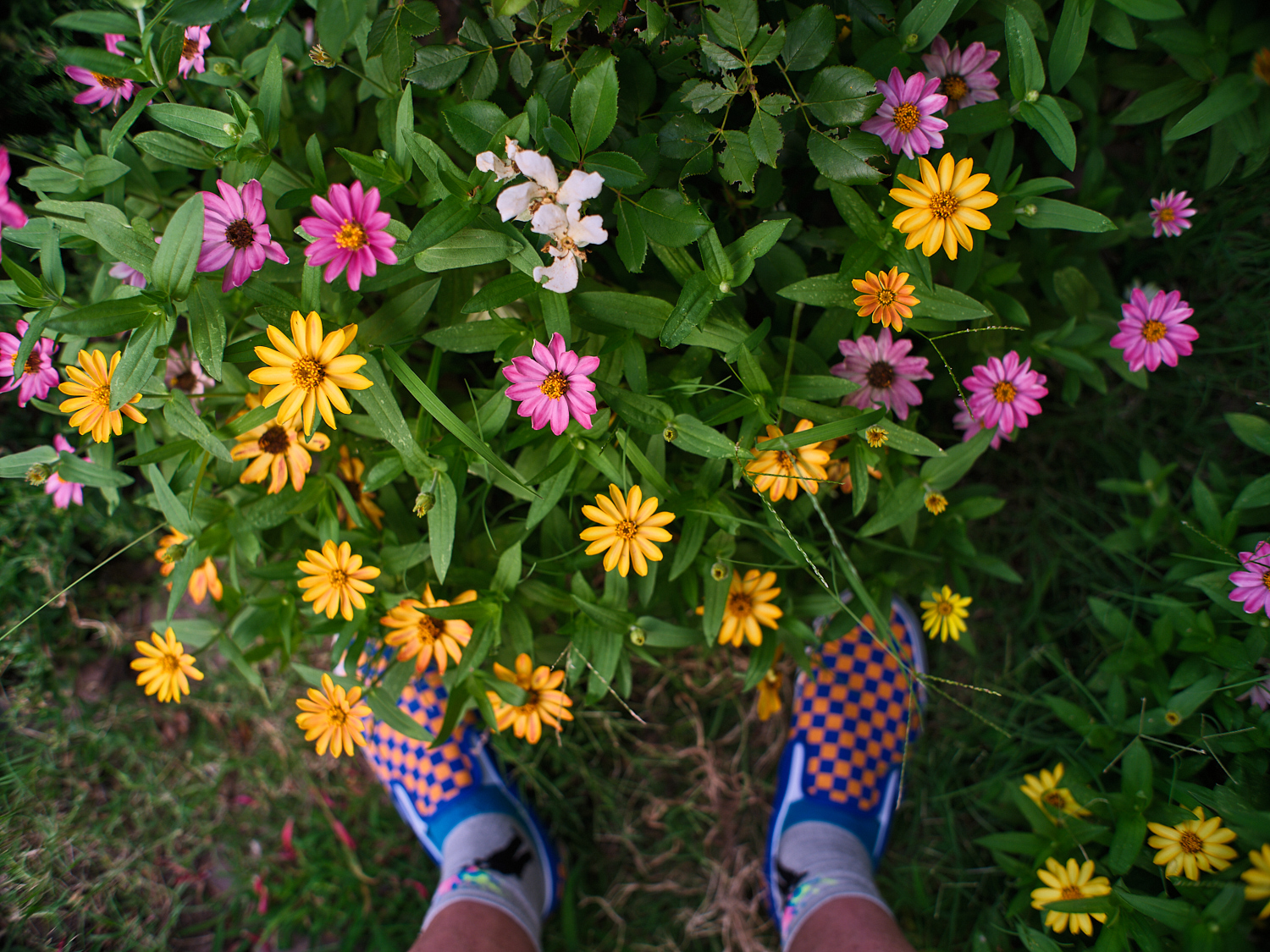
Continuing the "end of season" (in PA) theme, three from today ...
Beautiful! Funny, I was thinking of doing some stacking with this lens when post processing my images from the Contax 120.
I have the Fuji GF 30MM TS, an exquisite lens, but sometimes, too wide. I bought a Mamiya 50MM shift lens and adapted it to my GFX 50s. It's a very workable combo, fully manual of course. The lens is sharp, color rendering is fine. I tend to use the Fuji pro neg emulation for this subject.
aboudd wrote:
I have the Fuji GF 30MM TS, an exquisite lens, but sometimes, too wide. I bought a Mamiya 50MM shift lens and adapted it to my GFX 50s. It's a very workable combo, fully manual of course. The lens is sharp, color rendering is fine. I tend to use the Fuji pro neg emulation for this subject.
I have the same lens and used on my GFX100, that I've since sold. Contemplating getting a 50S again, not least to use this lens.
Canon EF 50 mm f/1.8 STM on GFX vs 25/1.7 on X-T50
Just to show you what to expect from this lens.
Even with software corrections applied, the vignetting is quite severe, not to mention the field curvature visible in the corners.
That said, it weighs almost nothing, costs next to nothing, and focuses quite fast and accurately (though with some mechanical chatter) via the Fringer adapter.
Both sharpness and contrast are perfectly acceptable wide open, even when challenged by a 100 MP sensor.
I previously ran it against Nikkor 50 mm f/1.8 G back at home, and the Nikon glass didn't prove significantly better in any department. Considering the Nikkor would require manual focusing (I don’t own Fringer NF-GFX) - and it wasn't designed with a manual experience in mind - I decided to let it go.
Sadly, I didn't bring my mighty Pentax-M SMC 50 mm f/1.8 along for a direct head-to-head. From what I remember, it vignettes less while delivering a similar level of clarity.
And for everyone still trying to decipher the “medium format look”, here is a frame from X-T50 which looks like a kid's toy compared to the GFX behemoth.
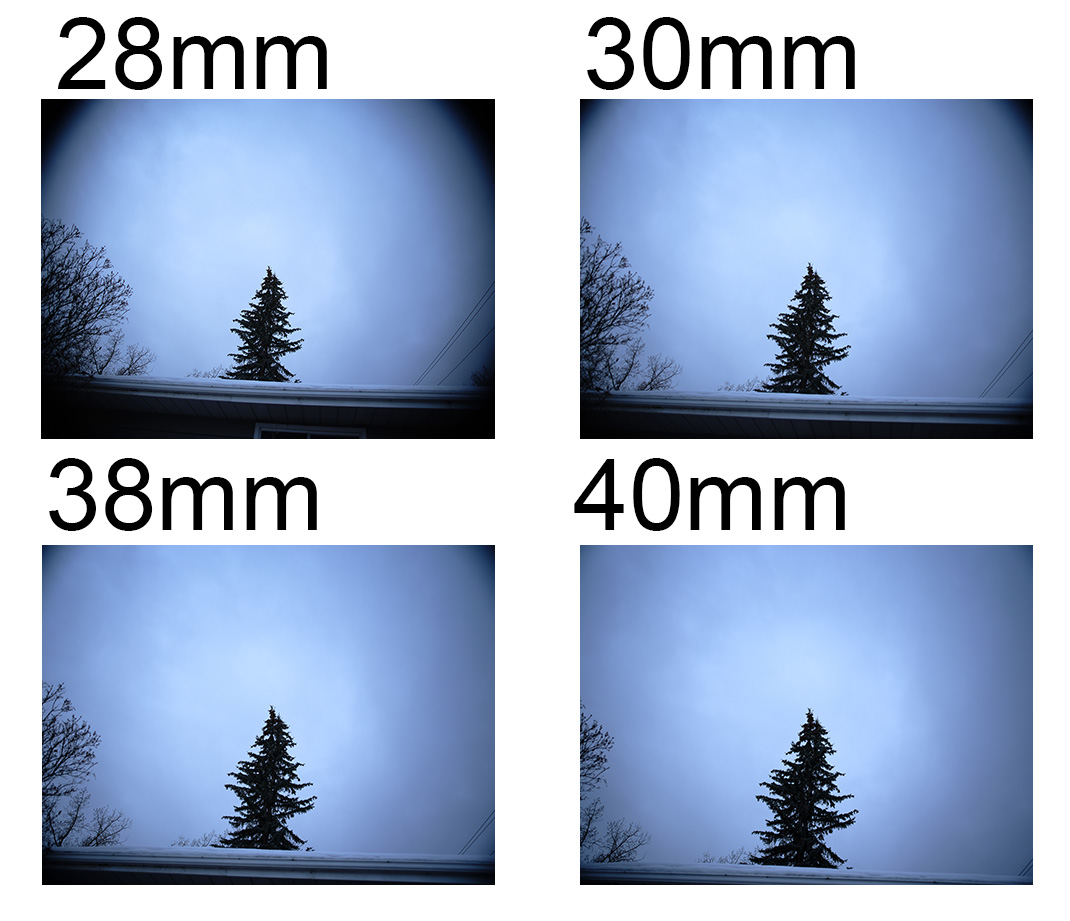
Shooting the Canon 28-80L F2.8-4 the last couple of days. Didn't realize the Auto 35 mode was on.
Images below were shot using the full sensor and not 35mm mode and it vignettes from 28mm til about 40mm.
Special note if you shoot in 35mm mode you must remove the hood as it vignettes at 28mm due to the hood being on the lens.
I had the pleasure to borrow a Nikon 35f1.4 pre-ai lens from a friend. I've had it for about two weeks and got a couple rolls of film shot with it and I was curious how it would do on a GFX (100sII).. I have a couple other Nikon lenses that would be fun to try on the GFX too... So I ordered a K&F F to G adapter and got it today and was able to spend a brief bit of time playing with it. I plan to mail the lens back tomorrow, but hope to buy one for myself soon.
I was really surprised at how minimal the vignetting is in these photos. I'm looking forward to trying out my other handful of Nikon lenses now!
This is a long thread (125 pages!), and it may take too long for me to read through the posts. This lazy thinking is behind the question that, perhaps, those who actively contributed here may kindly answer for me.
I became interested in adding a MF lens for my GFX100S II to use in the full-frame equivalent 24 - 28 mm range. Consulting with the AI suggested adapting the Voigtlander Ultron Vintage Line 28mm F2.0 Aspherical VM lens. This should be close to 22mm on the GFX, but cropping this to 24mm would leave me with 85MP - sufficient for most reasons. This cropping can also remove some vignetting.
The intended use of the lens is while closed to f/6.3 to f/11, or around f/8 on average.
The question is whether this is a reasonable idea?
I have the GF20-35mm lens; thus, this interest of mine is all about exploring shooting a MF lens in the range (and on subjects) where critical focussing is unnecessary.
Thanks in advance for sharing any relevant experience!
ruthenium wrote:
This is a long thread (125 pages!), and it may take too long for me to read through the posts. This lazy thinking is behind the question that, perhaps, those who actively contributed here may kindly answer for me.
I became interested in adding a MF lens for my GFX100S II to use in the full-frame equivalent 24 - 28 mm range. Consulting with the AI suggested adapting the Voigtlander Ultron Vintage Line 28mm F2.0 Aspherical VM lens. This should be close to 22mm on the GFX, but cropping this to 24mm would leave me with 85MP - sufficient for most reasons. This cropping can also remove some vignetting.
The intended use of the lens is while closed to f/6.3 to f/11, or around f/8 on average.
The question is whether this is a reasonable idea?
I have the GF20-35mm lens; thus, this interest of mine is all about exploring shooting a MF lens in the range (and on subjects) where critical focussing is unnecessary.
Thanks in advance for sharing any relevant experience!...Show more →
I think you won't like the results as I am pretty sure you will have to crop to basically a FF image and even then you will still have pretty high vignetting, just like the lens has on FF. In my experience most Leica M mount lenses are poor choices for adapting to Fuji GFX as they struggle to cover the FF image circle already as they are made to be so small. That is true of Leica M mount lenses generally and I think is especially true of the Voigtlander 28 f/2, which I owned and used quite extensively on a Leica M10.
If you want a small lens you can shoot in this way, consider the Pentax 31 f/1.8 limited. It actually has pretty good coverage of the 44 X 33 frame and I think would provide better results for what you seem to be trying to do. If that doesn't work, then the next lens I would try would probably be the Zeiss 28 f/2, either the "Hollywood," C/Y mount lens or the ZE/ZF version that is somewhat similar. If you can live with a bit slower aperture, and the price of the lens, then a Leica R mount 28 f/2.8 (second version with the built-in hood) might be another potentially interesting option and it is smaller. That lens despite being a fairly old design doesn't come cheaply, however.