Be aware Fringer doesn't recommend its adapter be used with the 120mm f4 macro. I assume this is only for macro subjects, but it wasn't clear in the little booklet provided with the adapter.
Geoff D F wrote:
Be aware Fringer doesn't recommend its adapter be used with the 120mm f4 macro. I assume this is only for macro subjects, but it wasn't clear in the little booklet provided with the adapter.
mkuznicki wrote:
I'm not following. Please explain.
A little leaflet is provided in the packaging with the adapter. Reading it again it is a little different to how I explained above. Specifically it says:
" Note: Manual focus is suggested in some circumstances for the following AF lenses due to lens performance limitations.
- HD Pentax-D FA 645 90mm F2.8 ED AW SR Macro (in all shooting)
- SMC Pentax-FA 645 120mm F4 Macro (in macro shooting)"
The other tip is that lenses need to be shot with the aperture ring set to "A" and aperture controlled from the camera body, as "setting the aperture ring on the lens may interfere with auto aperture control".
I had to register on the forum to reply and thank for the thread. So much good info and food for thought.
Also, a basic report on some lenses that I've experimented with on my 100s II.
MF Lenses Pentax 645 "A" 35/3.5 - Very good, outstanding lens. Great resolution and contrast already wide open even if corners improve stopped down, suprisingly decent against the light. Obviously no vignetting. Can be shifted some, 5-9mm, without major corner issues. This is a special lens.
Mamiya 645 "C" 45/2.8 - Poor corners, no vignetting to speak of but smeary. Stopping down does not help much. Avoid.
Mamiya 645 "C" 80/1.9 - Slightly soft and glowy/dreamy wide open with funky OOF areas. Very sharp, flat-field and even looking stopped down. Can be shifted considerably (10-15mm) with neglible corner issues. Not bad at all for landscape purposes.
Mamiya 645 "N" 150/3.5 - Slightly soft wide open, gets to an acceptable level stopped down. Lightweight and handy for landscape work. Can be shifted moderately (10ish mm) with neglible corner issues.
Mamiya 645 105-210/4.5 ULD - Soft and glowy wide open, unusable at longer distances at F/4.5, but can be acceptable if that is the look one want at closer distances. Stopped down to F8 it sharpens up imensely and contrast gets to a more usable level. More or less the same story throughout the focal range. Can be shifted a little, 4-6mm, with acceptable results. This lens can be had very cheaply, under 100$, and if one considers it an "F/8 and be there" type lens it offers a lot of IQ for the buck.
35mm Lenses Nikon 50/1.4 Ais (F-mount) - Hard mechanical vignetting that never really clears, near or far, stopped down or not.
Petri 55/1.8 (M42) - Soft gradual vignetting and low resolution in the corners wide open, especially at closer distances. Center is acceptable even wide open. Vignetting easilly correctable. Fairly good resolution and contrast stopped down accross the frame. More of a character lens, but acrtually fun to use and images look lovely.
Tamron 90/2.8 (F-mount) - Hard mechanical vignetting at closer distances, the centre however, remains very good.
Carenar 135/2.8 (M42 "made in japan") - Very modest and gradual vignetting, absolutely no problem to correct if so desired. Soft and a bit glowy wide open, improves drastically stopped down. Somewhat muted color and contrast, I guess it could be called bland. Long minimum focus distance (about 2.2 - 2.5m) makes it less practical too.
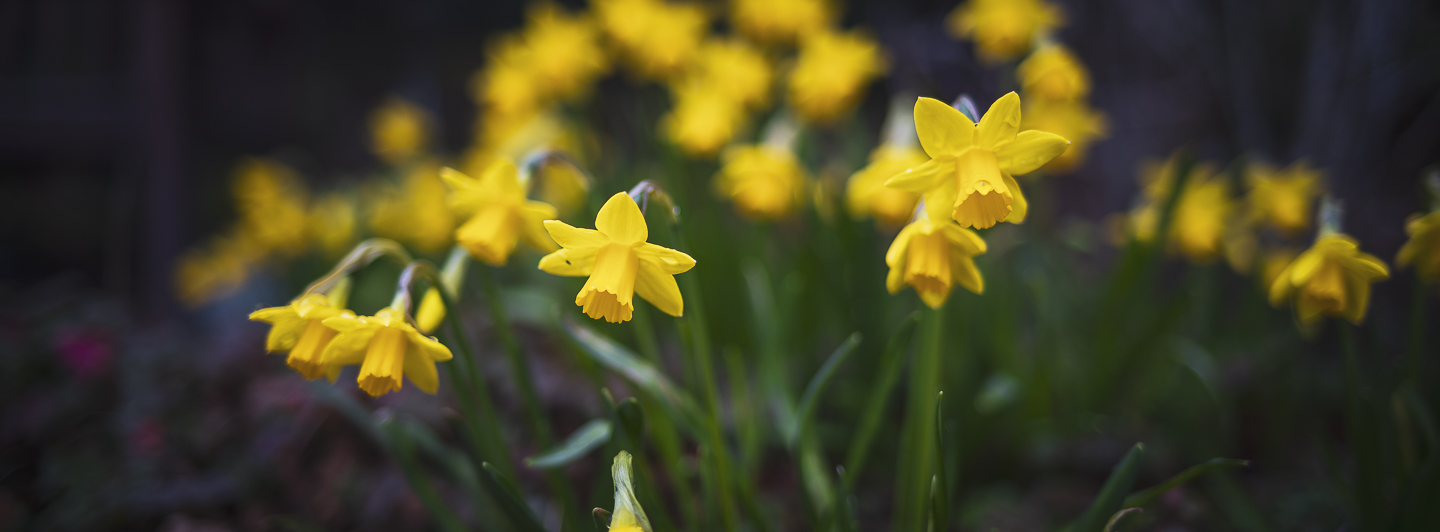
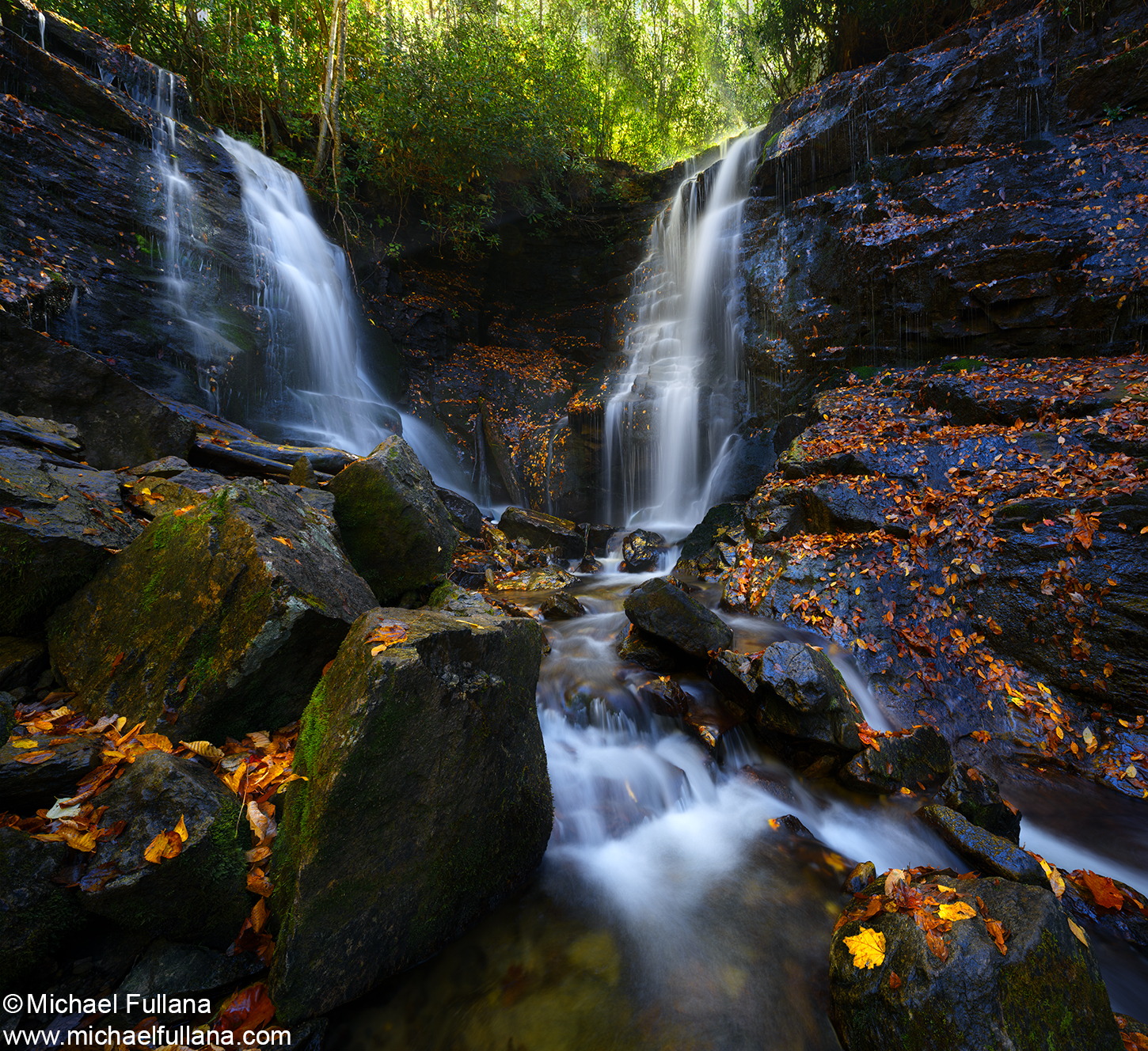
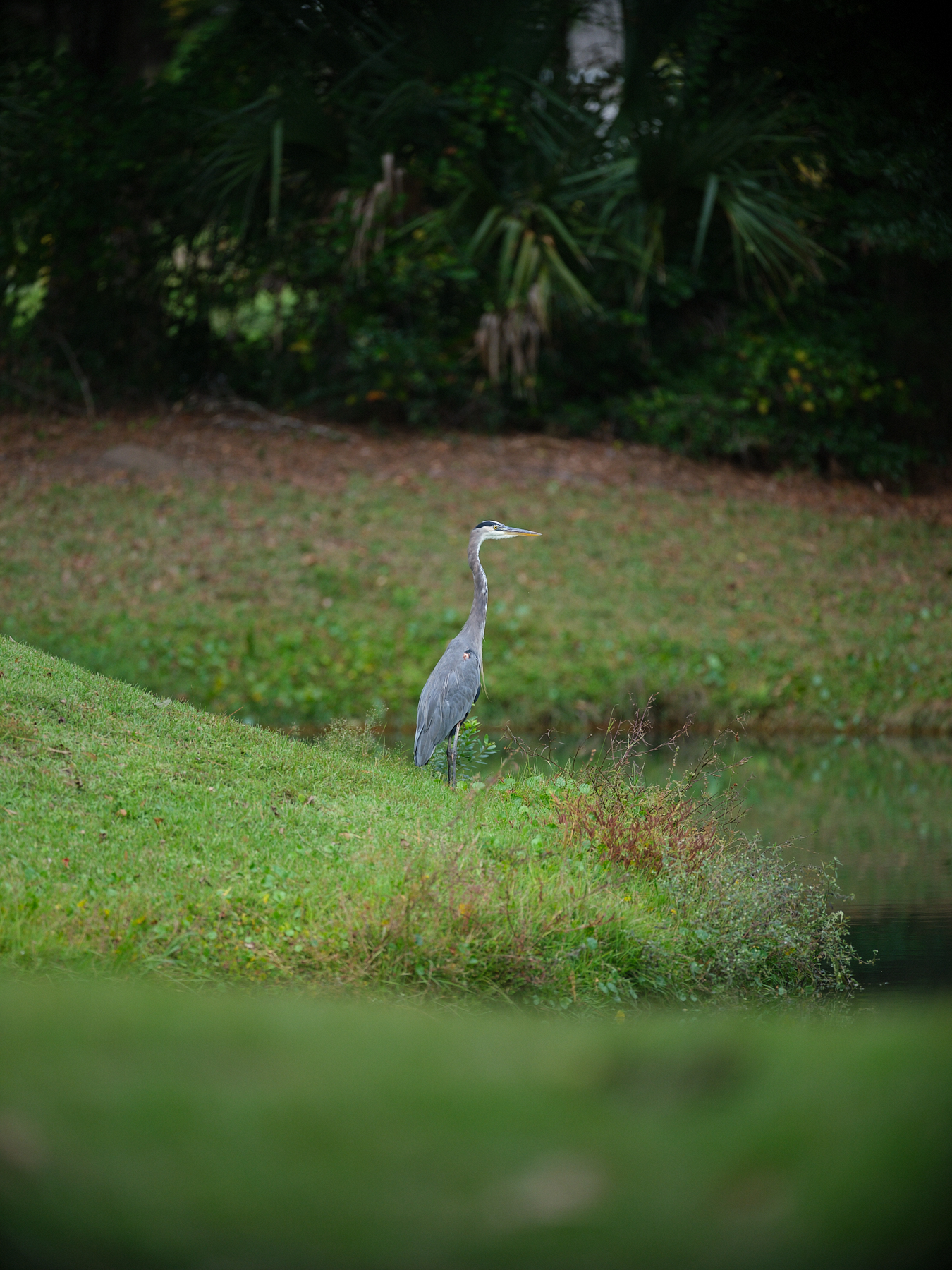
Pentax P645 120/4 Macro on Fotodiox Pro TLT ROKR Lens Adapter for GFX, wide open or at f/5.6.
I’ve had this lens and adapter for a while, but didn’t have a good initial experience and never used it.
Finally decided to give it another chance, and it’s much better now. The first image was on a tripod, and focusing on the eyes was relatively easy. The second image was handheld — it can get you close, but it’s not worth it. You have to be very precise to get it right. This is a full tilt (10 degrees?). I don’t like this look much; I’ll have to play with different angles to make it more pleasing to my eyes.
Thank you, it's nice that you like it! I use K&F CONCEPT M42-GFX. I have been using adapters from this company for many years, and I am very satisfied.
mkuznicki wrote:
Beautiful shot! What adapter are you using?
The Nikon 300mm PF does have a small but hard vignette, but I have found autofocus to be really good with that lens on the GFX100S II. I was expecting AF to be way worse on this camera from everything I had heard, tbh. The autofocus, even with adapted lenses, is fine.
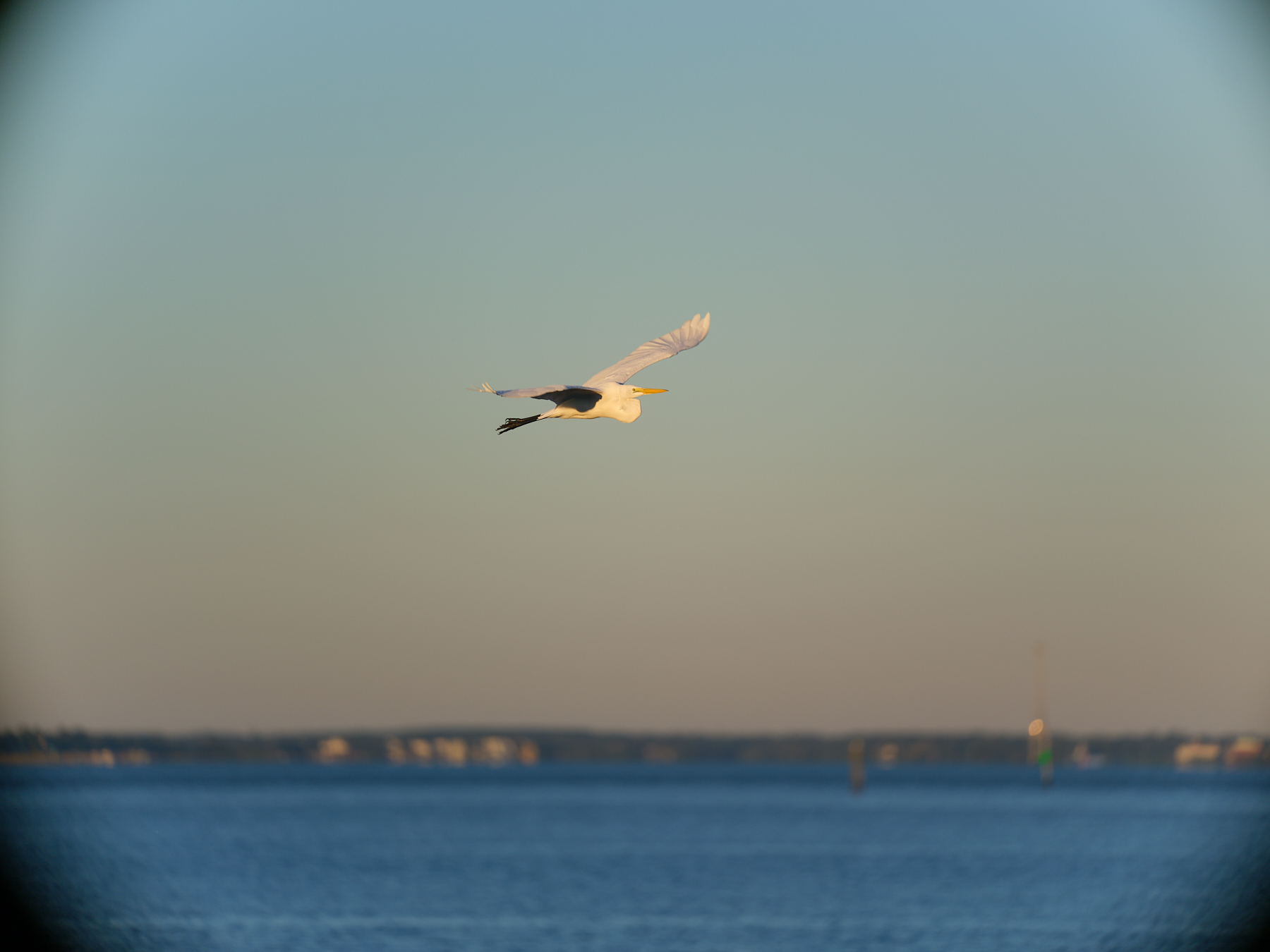
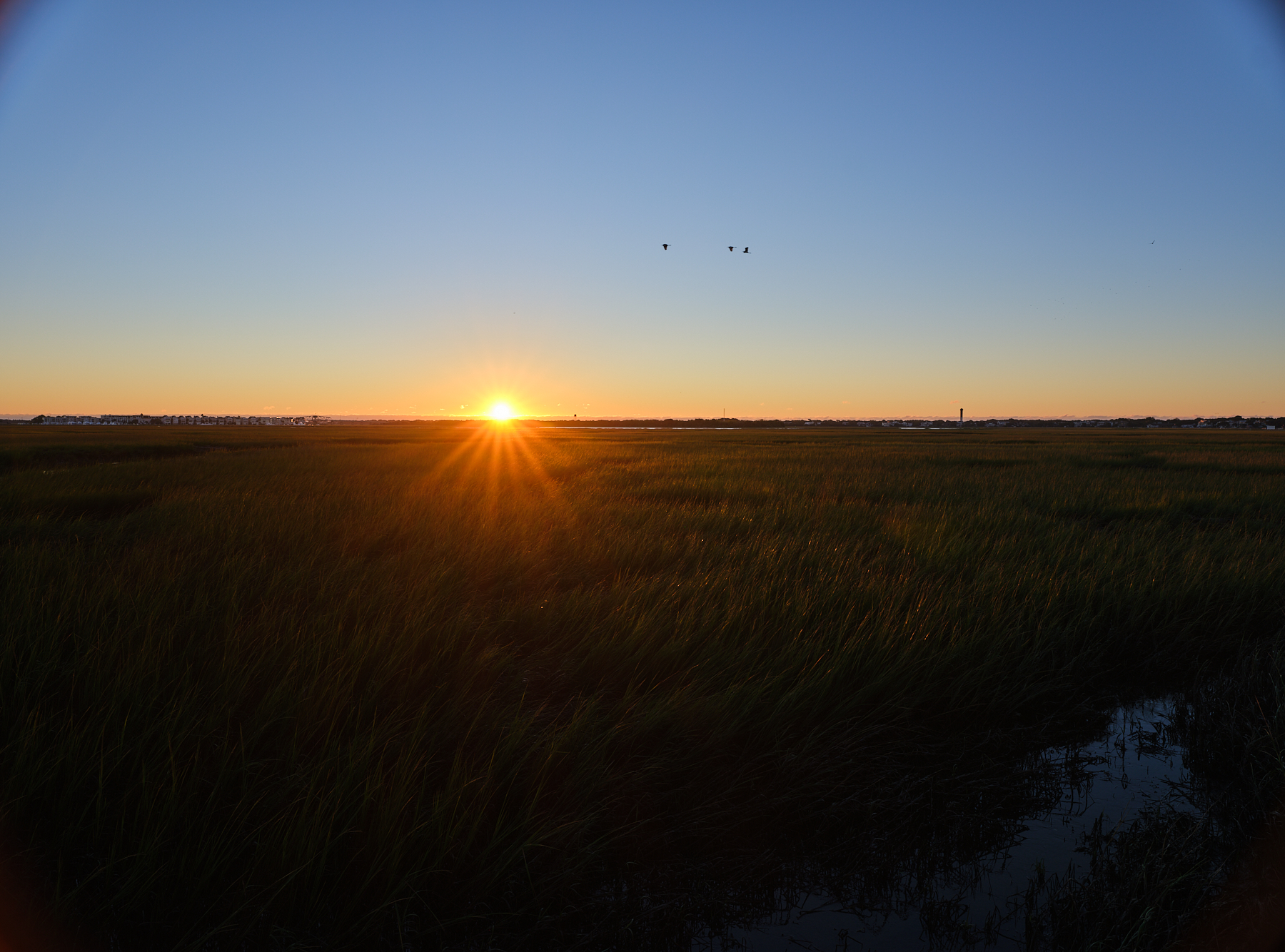
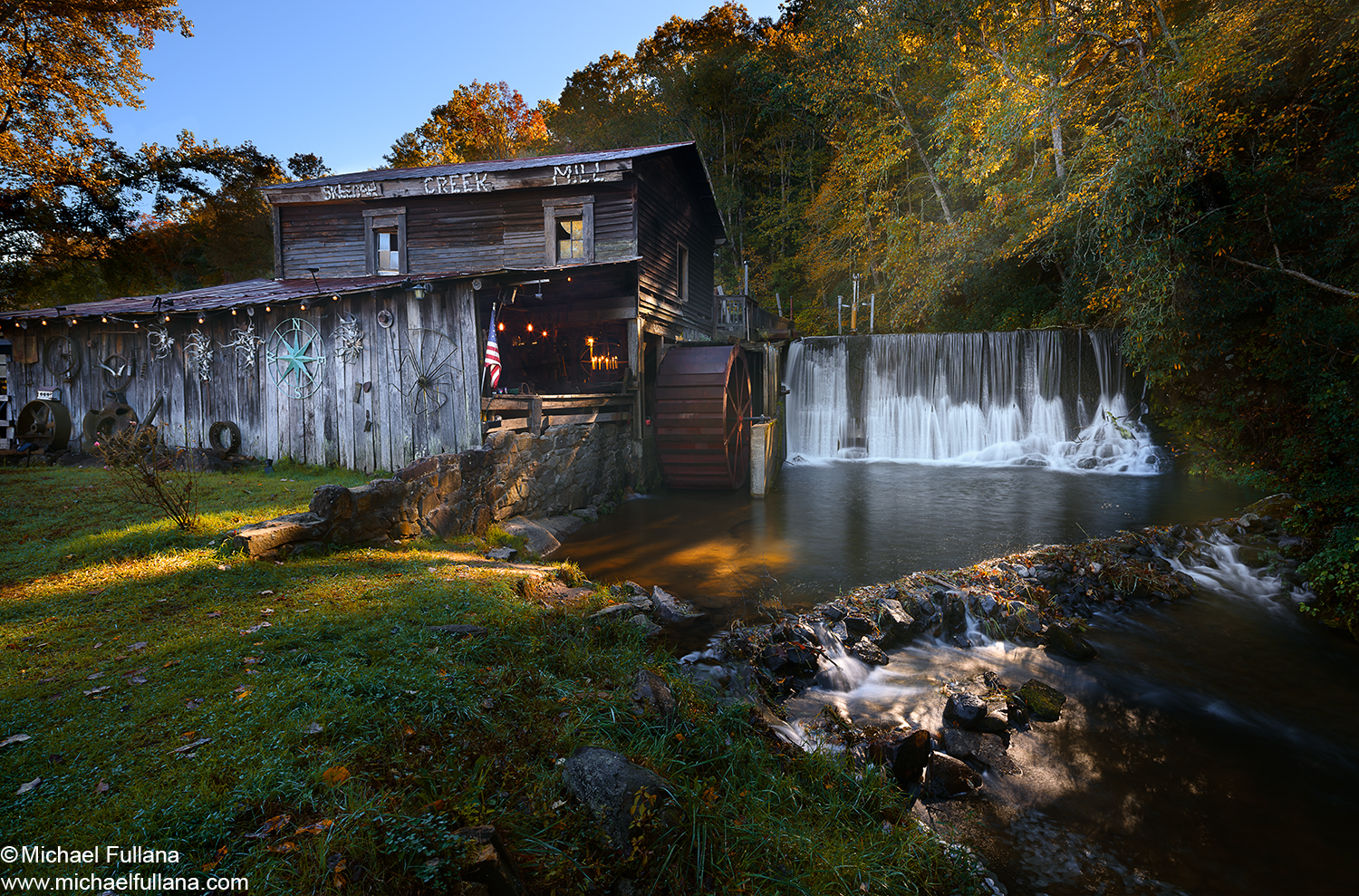
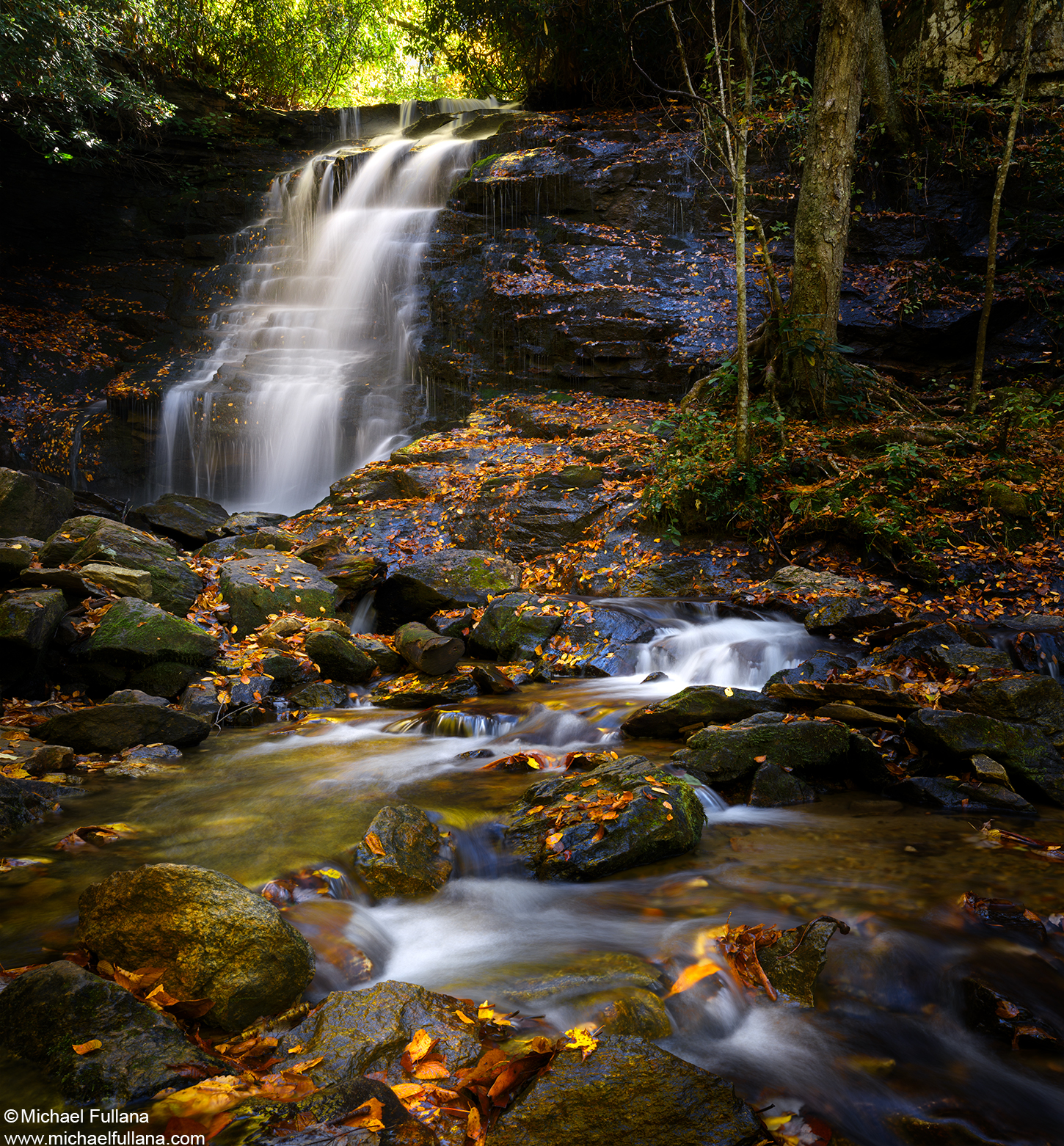
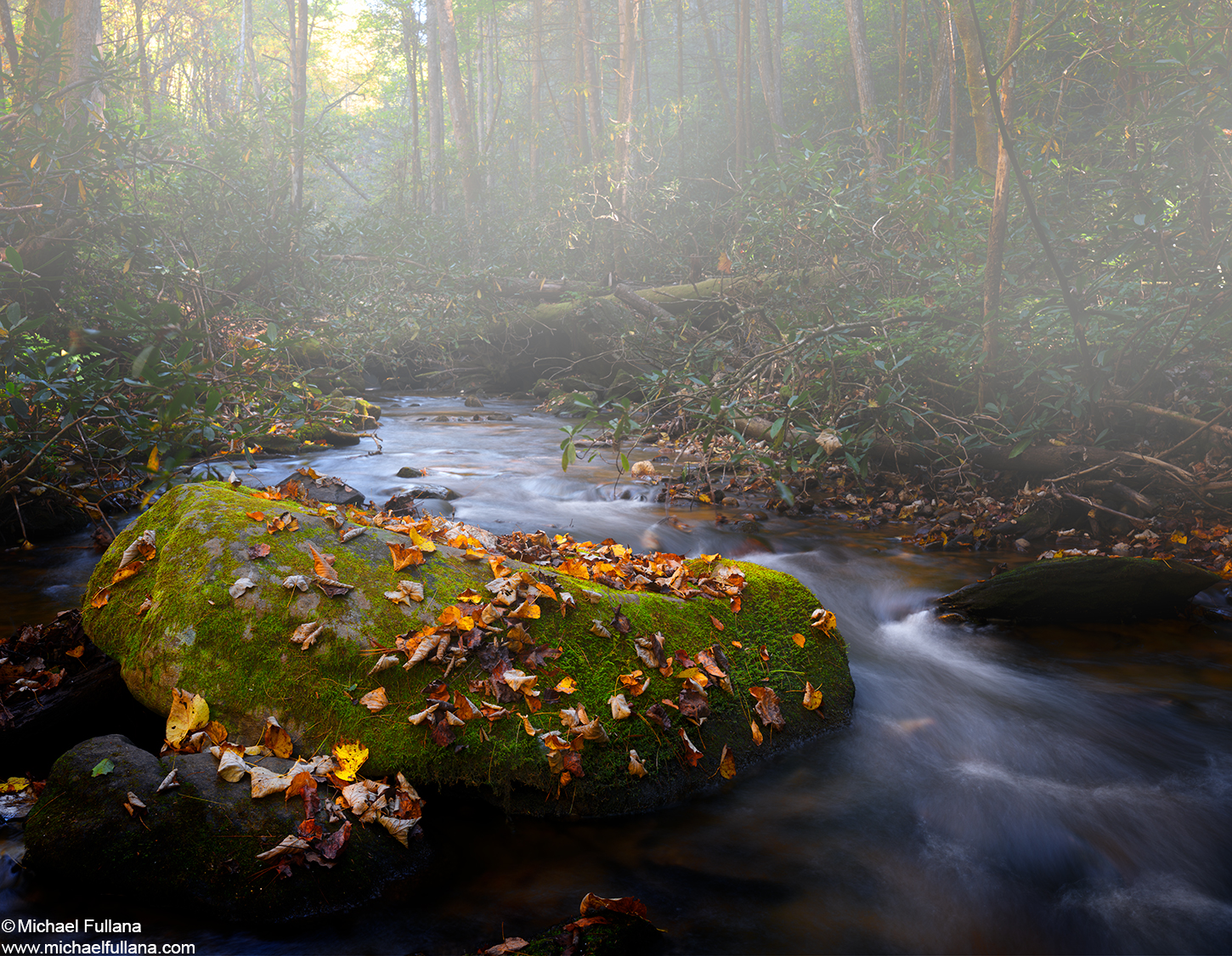
Here are some samples with the Sigma 28mm f/1.4 Art, 500mm f/4 Sport, and Nikkor 300mm PF all uncropped. I tried to find some that just showed the vignettes in at least a couple of the corners. Obviously some framing can hide the vignettes, but you can at least see where it happens in these photos.
I need to take some good samples with the 50mm f/1.4 Art, it's basically perfect. Most of this is covered in that spreadsheet that's been linked here, but I like to see actual samples.
First image is the 300mm f/4 PF
Second image is the Sigma 28mm f/1.4 Art
Third is the Sigma 500mm f/4 Sport (autofocus via the fringer adapter is really bad with this lens)
I got the newly released Fringer Pentax 645 to Fuji G AF/smart adapter to use with my 100s II and a growing collection of Pentax 645 glass.
The highlights are AF, more or less complete Exif-data, aperture controll from the body, IBIS and so forth. Works with A, FA and D FA lenses (has a screw for FA lenses AF).
Tested the A 35/3.5, FA 45-85/4.5 and FA 150-300/5.6 over the past couple of days. All of these lenses are quite new to me.
The lenses mount securely and positively to the adapter and surpise, AF works! It's neither quick or super-certain, hunting may occur, but it is fairly accurate and very usable. Not unsurprisingly, crunchy screw-drive noises is something one have to accept.
On a 100s II AF-C works fine, as well as face/eye and animal detect. It can't keep up with fast moving targets, rapidly accelerating/deaccelerating, but a typical portrait situation and other stationary targets is fine. The lenses feel pretty similar focus wise, with the long zoom behaving typically for its focal range.
The FA 150-300 is rather nice, fairly sharp and albeit long, it is quite light and the balance point is about right under the adapter, so it's not difficult to handle. Am am happy with its performance already wide open and especially considering the price. There are some weird reviews of this lens online, but to my eye it looks more than acceptable. Not having done any scientific testing of optical performance, just judging by eye, it seems sharpest at the short end, but it is okay at the long end too. Already when putting it on the camera and looking through the viewfinder it looked nice, a good sign.
The FA 45-85 is a chonky boi, albeit it being technically lighter than the 150-300, it feels heavier and more dense. My copy is very well used, but optics looks pristine. Main niggle is that the zoom ring feels very dry. It probably needs lubing up, but I don't think I will dare attempt to dismantle a complicated zoom lens like this. IQ wise it looks rather nice, both at the short and long end. It is somewhat soft wide open, more so than the 150-300, but crisps up nicely and across the frame at 5.6 and 8.0. I quite like the lens, but the zoom ring is an annoyance. All things considered, I consider it serviceable and decidedly usable.
GFX 50Sii, Pentax 645 FA 75mm f2.8 @ F2.8, Fringer Pentax 645 to GFX adapter. AF is viable but can hunt a bit as it does on my Pentax 645 camera body. Focus is about as fast but more accurate than the Pentax 645 body, which is well and truly 1990s style AF.