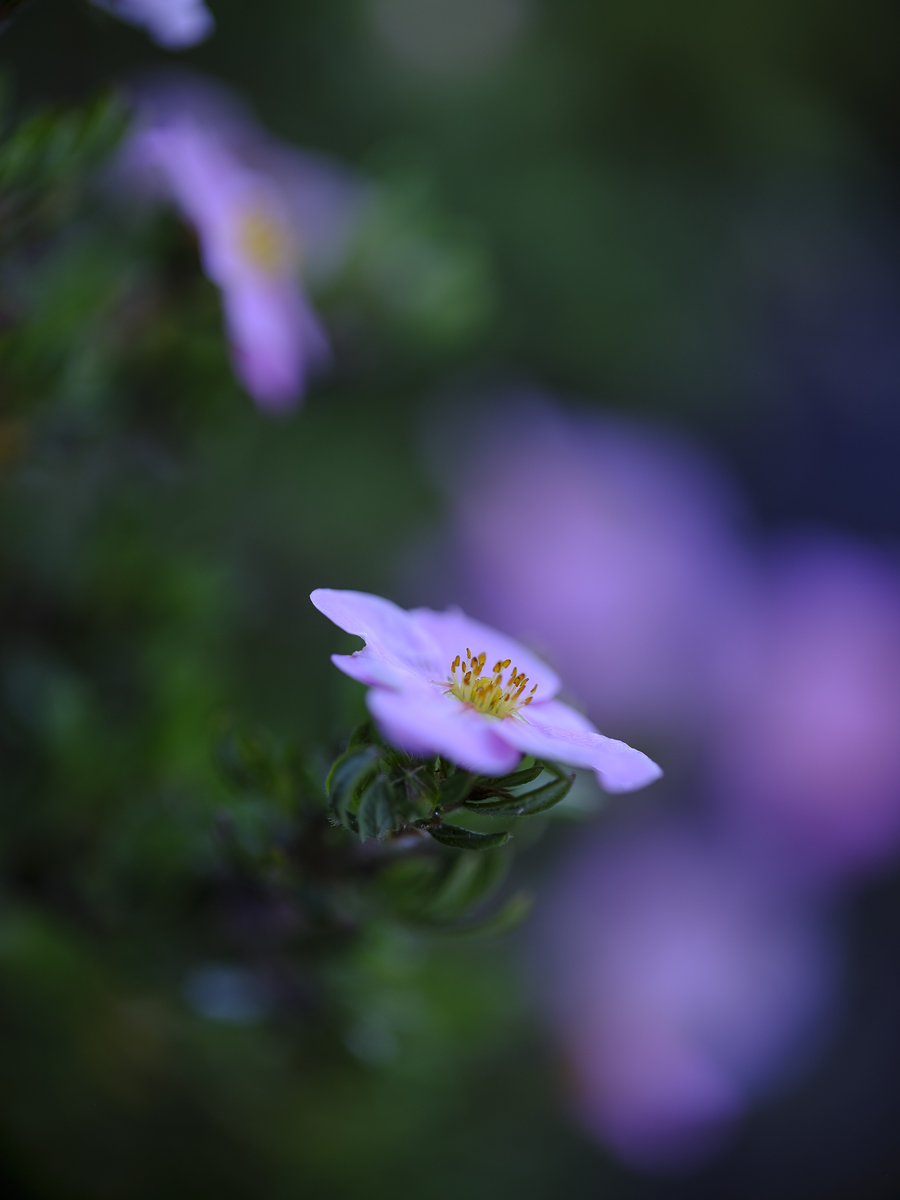
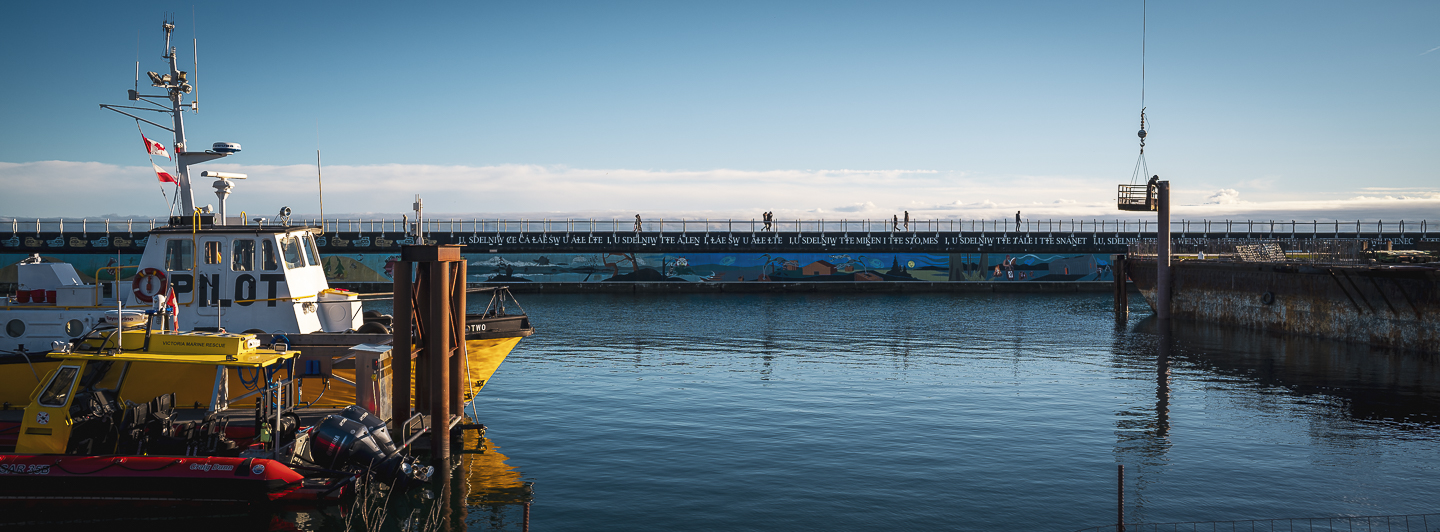
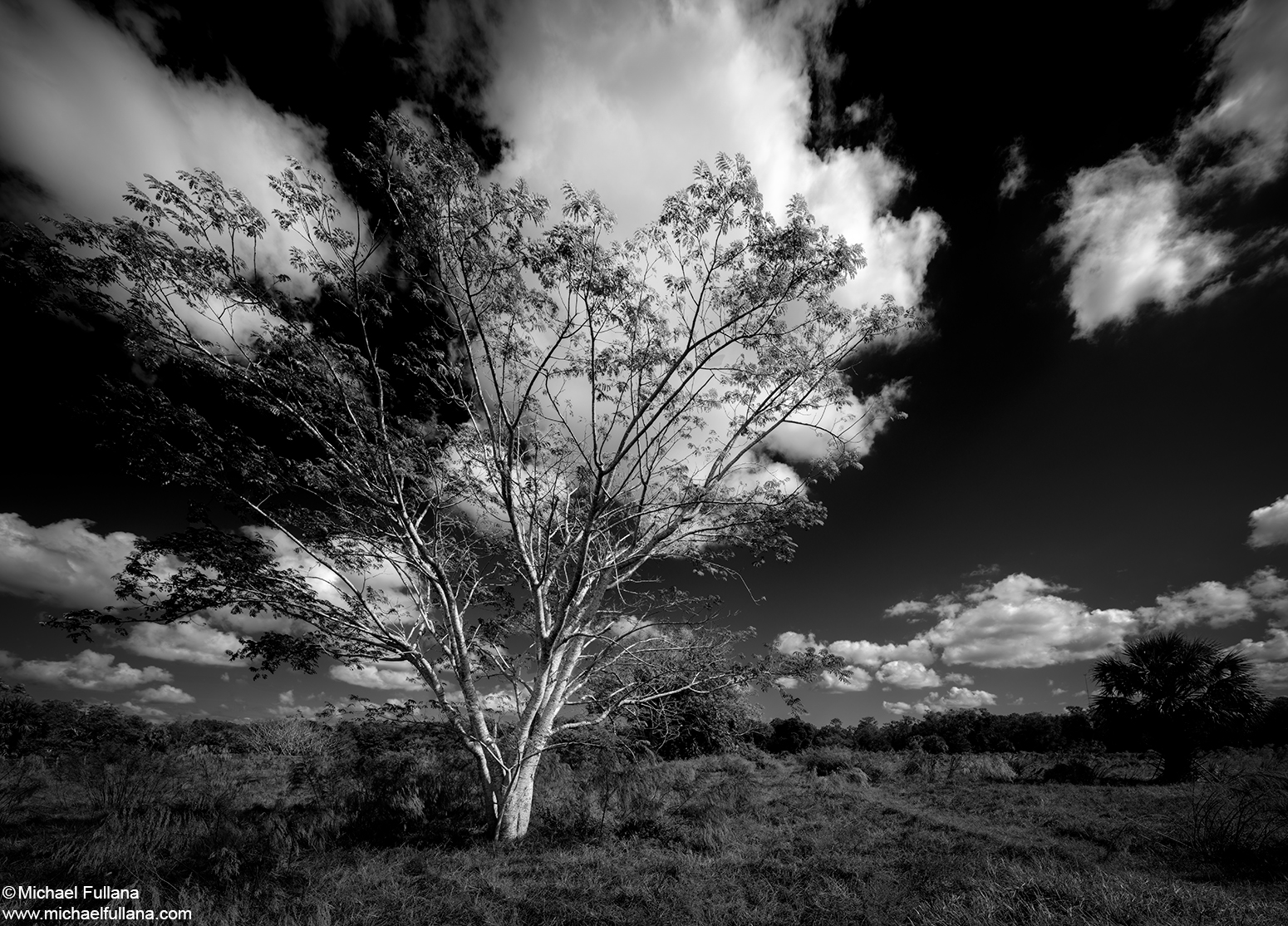
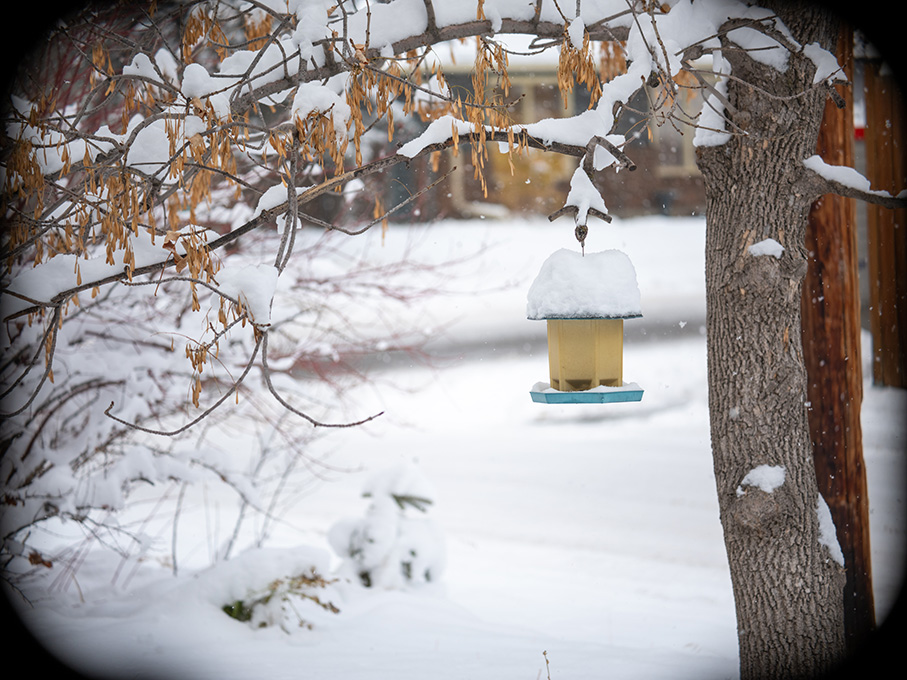
I asked because I am willing to provide samples in the conditions you are interested in. This is one of the smoothest bokeh 50's I have, but IMO all 50s have limits and can produce harsh bokeh in the right conditions. How many tree branches and how far are you looking for? In terms of rendering, I find this lens ideal for portraits. The colors fall into what I call saturated pastels. The colors are similar to a 90 summicron-r pre-asph. Fall off is pretty aggressive, but this creates a nice dimensional rendering. It can have some CA, however, depending on the conditions. Yes, it can perform at f/1.7. It has a reputation for being sharp from wide open. ...Show more →
Oh do not trouble yourself! I was only asking if you had a few wide open samples. I've seen (since today) some images online where the bokeh looks quite good, as you confirm. If wide open is "sharp enough" that is all I need for portraiture anyway. Thank you.
Prosophos wrote:
Oh do not trouble yourself! I was only asking if you had a few wide open samples. I've seen (since today) some images online where the bokeh looks quite good, as you confirm. If wide open is "sharp enough" that is all I need for portraiture anyway. Thank you.
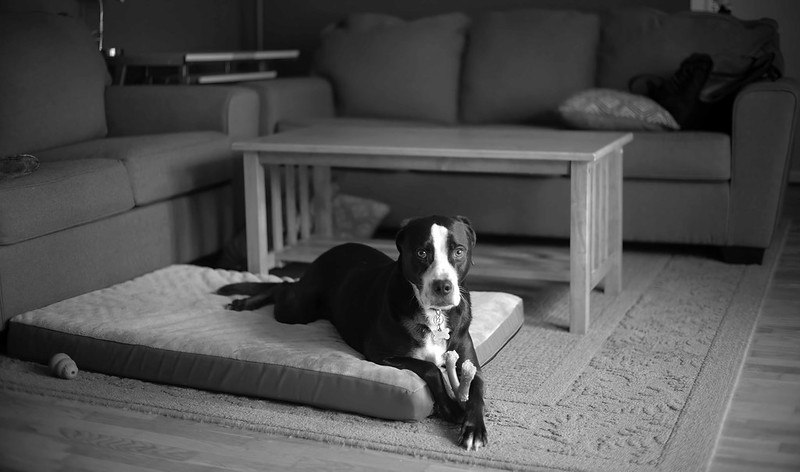
I believe I found a wide-open photo, but it's not on a GFX. The answer is Yes, it has a reputation for being sharp wide open. Of course, this is within the limitations of a spherical film era lens. That means there are going to be some spherical aberrations, and they will be least present at a certain distance. This will not be sharp like a modern aspherical lens at wide apertures.
After trying my third copy I have the Sigma 85mm HSM 1.4 Art in EF mount for use on the GFX. It's plenty sharp, the center is great and inner midframe is good. Around the FF corner there is a drop then interestingly the GFX corners appear sharper. It's like there is an outer midframe dip, but fine with me. Vignetting is not an issue at all after correction. There is some CA. I won't have good subjects probably until the spring, but below is a test shot of my daughter.
I used a Sigma 85 Art with an update Fringer v 2 and wasn’t thrilled - AF was a bit off on all shots other than head and shoulders portraits, though admittedly I was working on an overcast day. The lens had some very funky aberrations and my take was consistent with your findings re weird areas seemingly being in better focus than expected and other areas being more out of focus than expected with some weird smearing thrown in.
I am motivated to try it out again and to see if I can work around the “character” of the adapted lens.
ketang wrote:
After trying my third copy I have the Sigma 85mm HSM 1.4 Art in EF mount for use on the GFX. It's plenty sharp, the center is great and inner midframe is good. Around the FF corner there is a drop then interestingly the GFX corners appear sharper. It's like there is an outer midframe dip, but fine with me. Vignetting is not an issue at all after correction. There is some CA. I won't have good subjects probably until the spring, but below is a test shot of my daughter.
Geoff CB wrote:
NIkon 58mm 1.4G with Steelring adapter. GFX 100 II
The only lens I really appreciated adapted (mine via Fringer) -- I was amazed at how well it AE'd, AF'd and performed optically on the 100MP sensor corner to corner across the frame; and then that glorious bokeh as the icing on the cake.
joel dowling wrote:
I used a Sigma 85 Art with an update Fringer v 2 and wasn’t thrilled - AF was a bit off on all shots other than head and shoulders portraits, though admittedly I was working on an overcast day. The lens had some very funky aberrations and my take was consistent with your findings re weird areas seemingly being in better focus than expected and other areas being more out of focus than expected with some weird smearing thrown in.
I am motivated to try it out again and to see if I can work around the “character” of the adapted lens.
Yeah, I don't have a great AF hit rate with my daughter but I also don't have a great rate with her with any lens. When I've shot static subjects it seems fine. It doesn't have the "perfection" of some modern lenses mostly due to the CA busier bokeh in the corners, but I'm on board with that when shooting the GFX and I'm mostly after a different look from the clinically perfect FF lenses I have for other systems.
Covers according to the Google sheet. No telling how the rendering behaves outside of the FF image circle without examples though.
pplskills wrote:
Anyone used the newish Pentax HD PENTAX-D FA* 85mm f/1.4 ED SDM AW Lens on GFX? I bet it would be a great lens if it covers the sensor.
ketang wrote:
I'm curious about the Olympus 250mm f/2: can you say more about how you are adapting it. Did AF work?
It'll be this lens. I tried out a (turned-out-to-be-bad-)copy of it a few years ago, sent it to BastianK for a test and a play-around, and then sent it back as defective based on what he found:
Wish the results had been better on my copy. I'm very impressed that it illuminates the whole GFX sensor, that's fantastic. With a good copy of the lens (unlike the one I took a punt on, and lent to Bastian, and then returned), that could produce some amazing images beyond even what something like a 200mm f/1.8 could produce. "My" lens was only as sharp as you might expect it to be, in one corner. The rest of the frame was mushy. Something was very wrong with that copy. But that one corner was sharper than centre-frame on a Canon 200mm f/2, and indicated what the lens should have been capable of, so I know it's a lens than can be incredible. It was a famously sharp lens in its day.
It's a manual-focus lens. The adapter must have been a basic mechanical OM-to-GFX adapter. There is no AF. Even if one were to use some kind of clever, "focus motor is in the adapter" device, like you see in that Techart adapter for Sony ( https://phillipreeve.net/blog/review-techart-lm-ea9-leica-m-to-sony-e-autofocus-adapter/ )... if such a thing existed for GFX, and if you could adapt to this lens' mount... it wouldn't quite work right, because of the floating elements design, I think. Focussing has to be done internally to the lens with such a design... the camera has to remain the correct distance from the optics, or the optical formula isn't doing what it should any more and the image quality will be degraded. So the only way this could ever be made autofocus would be with an external focussing rig of some sort, turning the focuser from the outside with a motor, maybe a bit like some cinema rigs do. Or something.
In any case... I really think it's fabulous that the lens fully illuminates GFX. Fascinating, thanks for testing it
ketang wrote:
I'm curious about the Olympus 250mm f/2: can you say more about how you are adapting it. Did AF work?
As GH points out it is a manual lens no AF. I have had mine for many years. Heavy beast. For the test shot I used 2 adapters. The Rayqual OM to EF and the Fringer EF to GF.