Disclaimer: If your standard for "noticing" things like diffraction is that you can make it out if you clinically compare side-by-side 100% magnification crops on your screen... that standard is generally irrelevant in my world.
However, if an important concern in your photography is to display large prints with excellent detail I can report that it is quite possible to produce very large and very excellent prints from f/16 apertures on full frame and certainly on miniMF systems.
While there is a measurable difference between f/11 and f/16 at 100% on the screen, visible if you look very carefully for it, it is rare (going on never) that this is an issue in a very big print.
Of course, sharpness is more than just the measured maximum resolution at some point in the frame. For example, if using that small aperture increases your DOF and renders more objects outside the plane of ideal focus in better sharpness... the overall image is perceived as being sharper than if you and used a smaller aperture. Or, if your subject doesn't require a large DOF (or if you want small DOF), then you just use s smaller aperture.
I encourage folks to take their camera and lenses, put them on the tripod, and actually make a series of test exposures at these different apertures. Then make prints (or small sections of such prints) at large sizes. Shuffle them so you don't know which is which and see how different they now look. Better yet, hand them to someone you know who is a competent photographer (and, if possible, printer) and ask them to report on what they see.
Since there will be times when shooting at a smaller aperture is necessary in most photography, tests like these help you quantify the real-world trade-offs when you choose smaller apertures. (And, of course, in shots where enlarging DOF isn't an issue you can still shoot at whatever you regard as the optimal aperture for images sharpness... and it shots where narrow DOF is your goal you can shoot wide open.)
Dan
mjm6 wrote:
This is completely different than my experience. On my 23mm lens, the diffraction is visible in comparisons at f11 and pretty clearly visible at f16.
I suspect that in the center, the lens is sharpest at about f5.6 or so, and in the corners, maybe f8, but I haven't tested it really carefully for that.
While I will typically shoot at f 5.6 or f8 to maximize sharpness with the focus shift function to merge, I normally also take a shot at f16 or f22 or so, especially if it is a bit breezy. These are so clearly inferior to a focus shifted stack that they basically will never get used, but for insurance, I make the shot....Show more →
gdanmitchell wrote:
I encourage folks to take their camera and lenses, put them on the tripod, and actually make a series of test exposures at these different apertures. Then make prints (or small sections of such prints) at large sizes. Shuffle them so you don't know which is which and see how different they now look. Better yet, hand them to someone you know who is a competent photographer (and, if possible, printer) and ask them to report on what they see.
I'd encourage people to just go out and take some photos.
pfred wrote:
I'd encourage people to just go out and take some photos.
I don't need any encouragement to do that. Do it all the time.
Taking time out to do the testing with my lenses was more of a chore. But it ended up being really worthwhile for me when doing that actual photography.
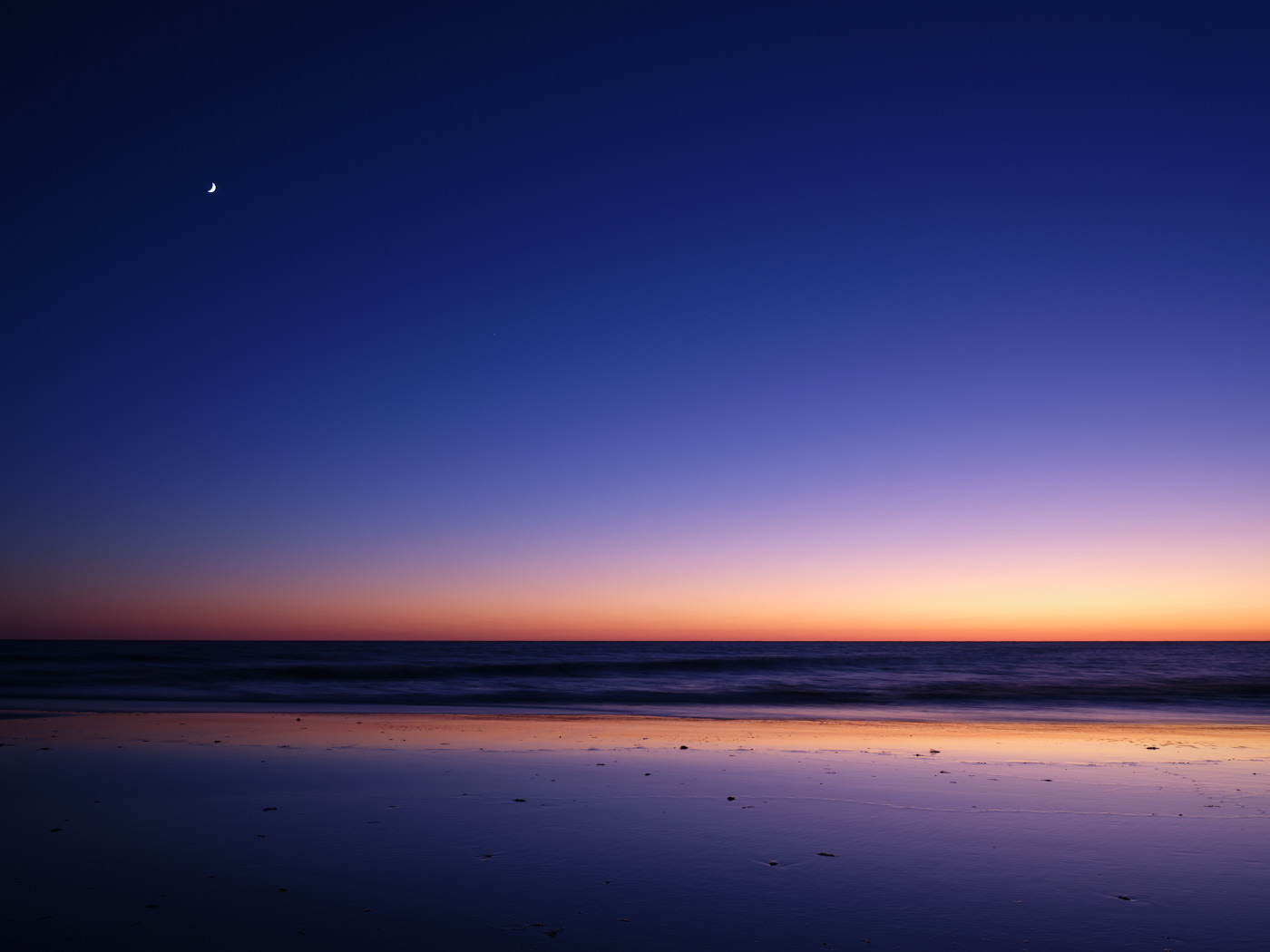
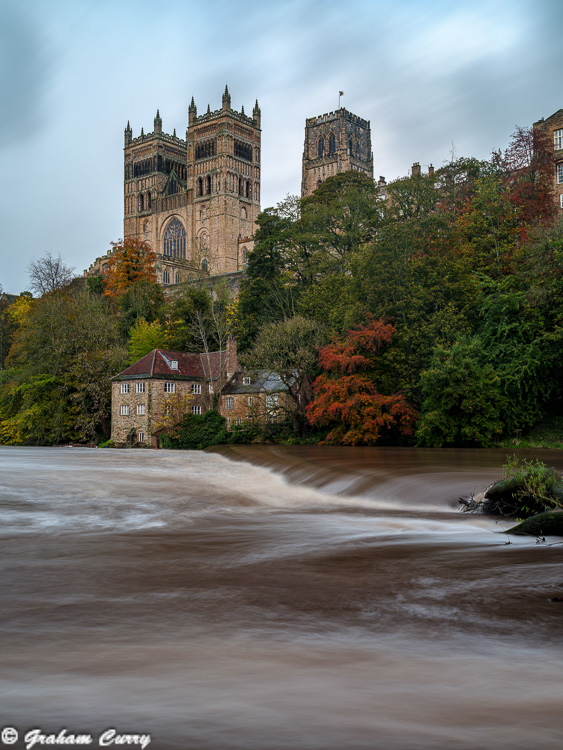
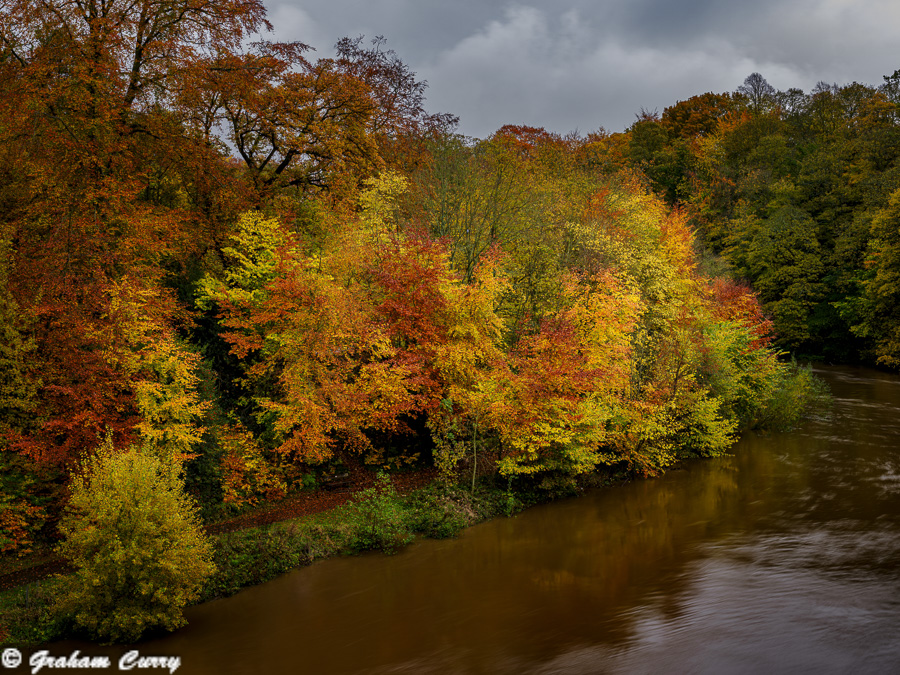
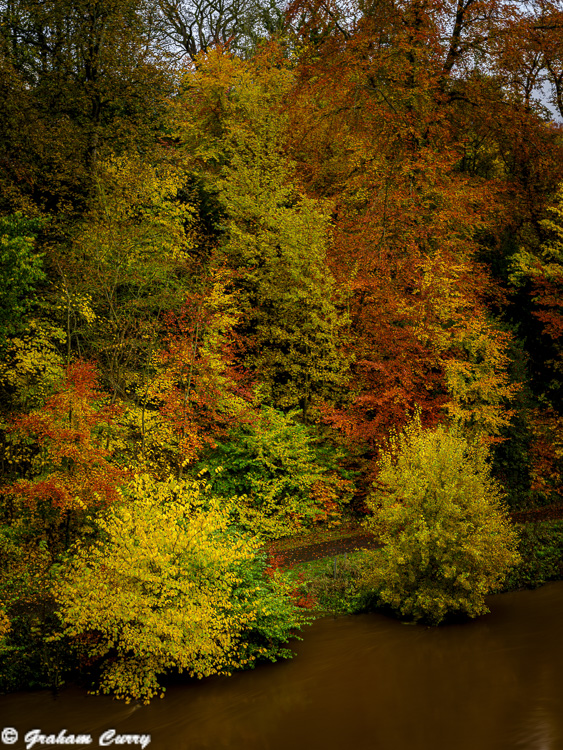
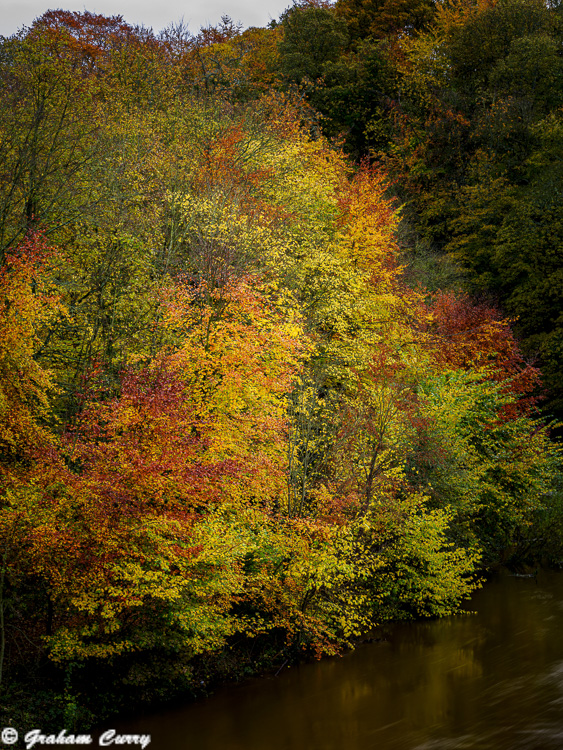
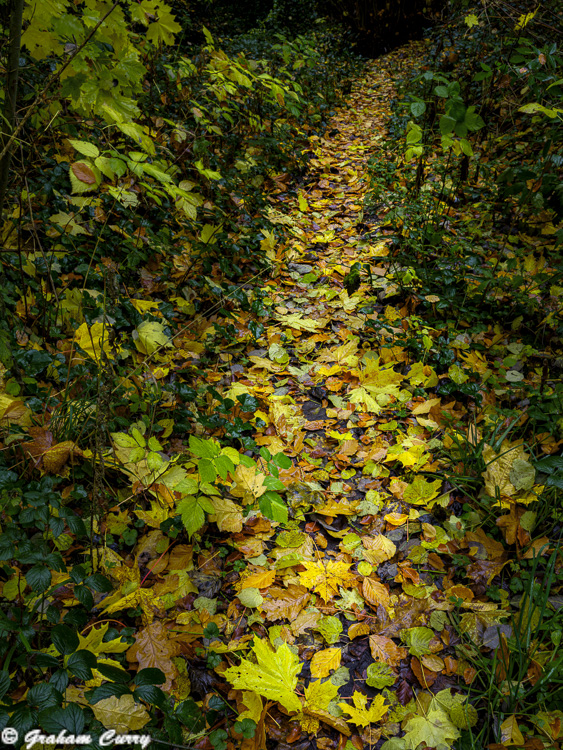
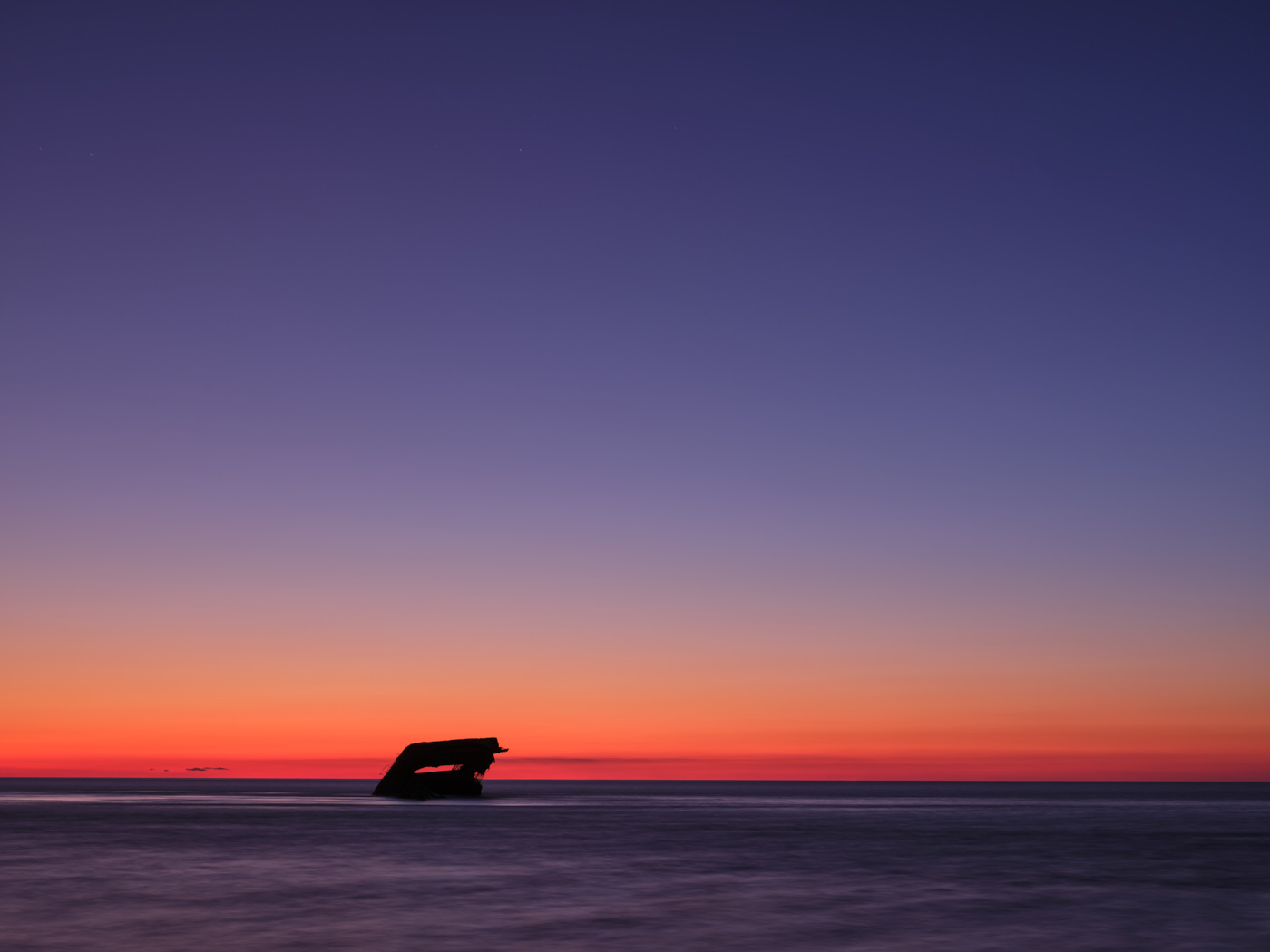
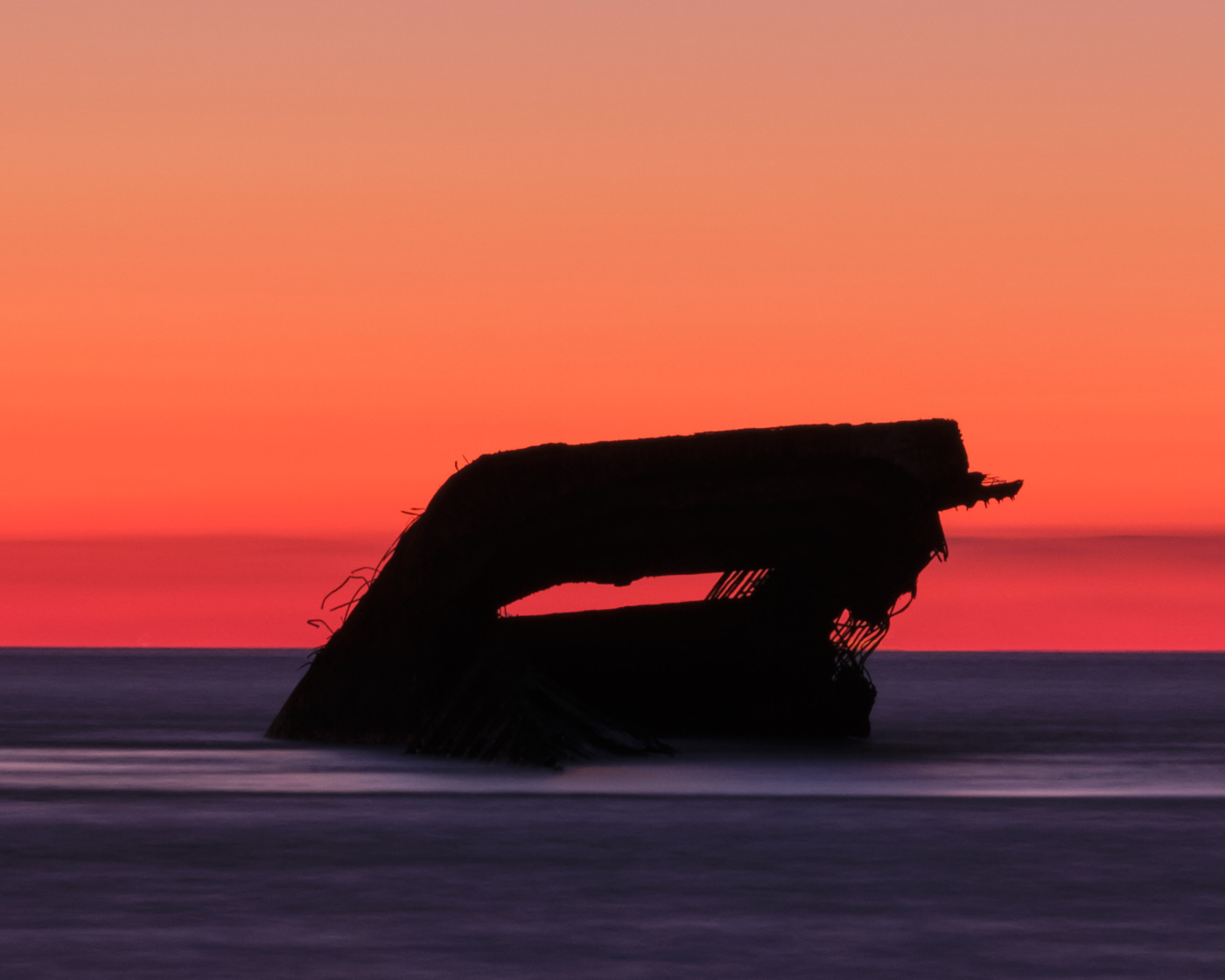
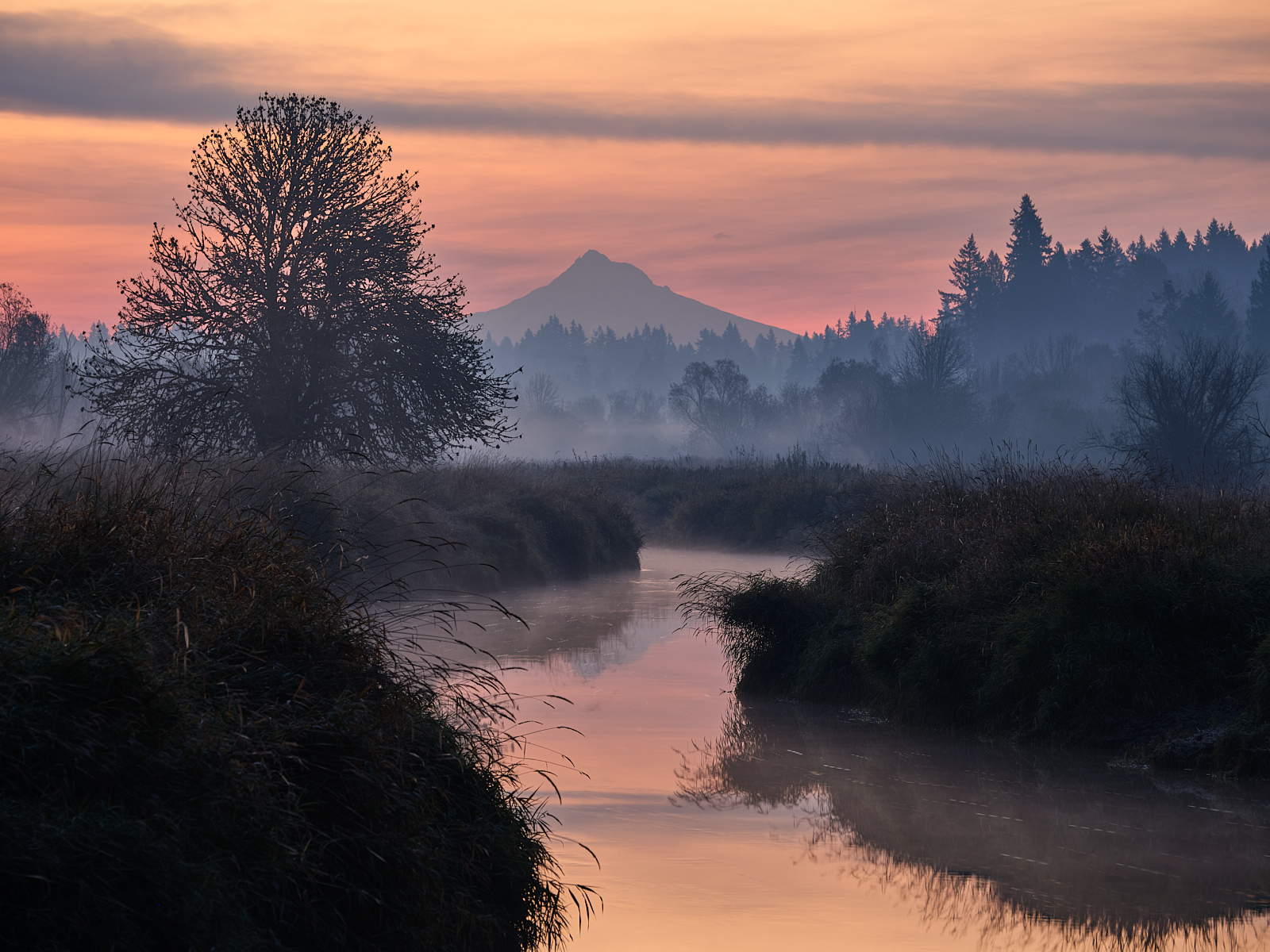
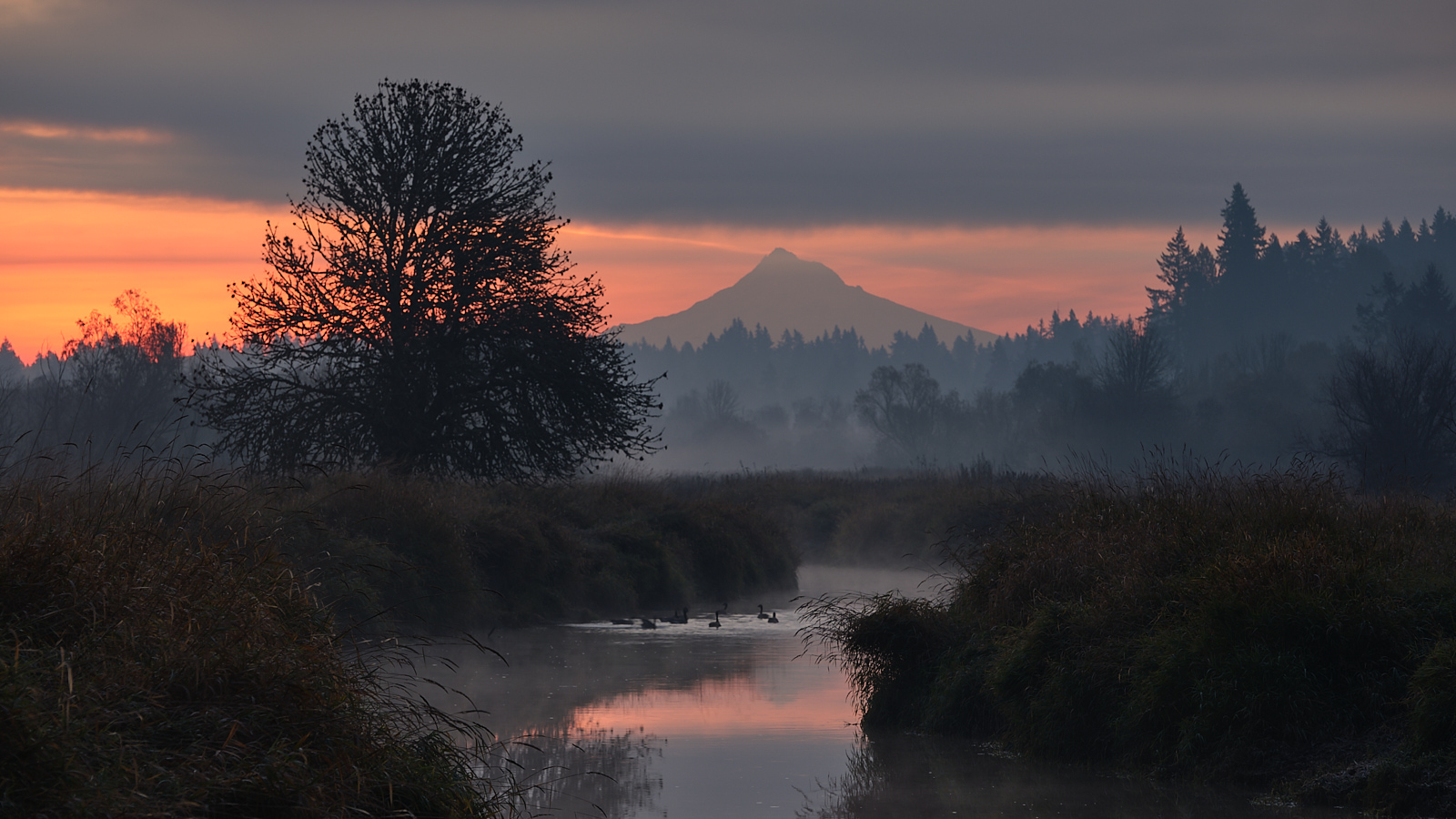
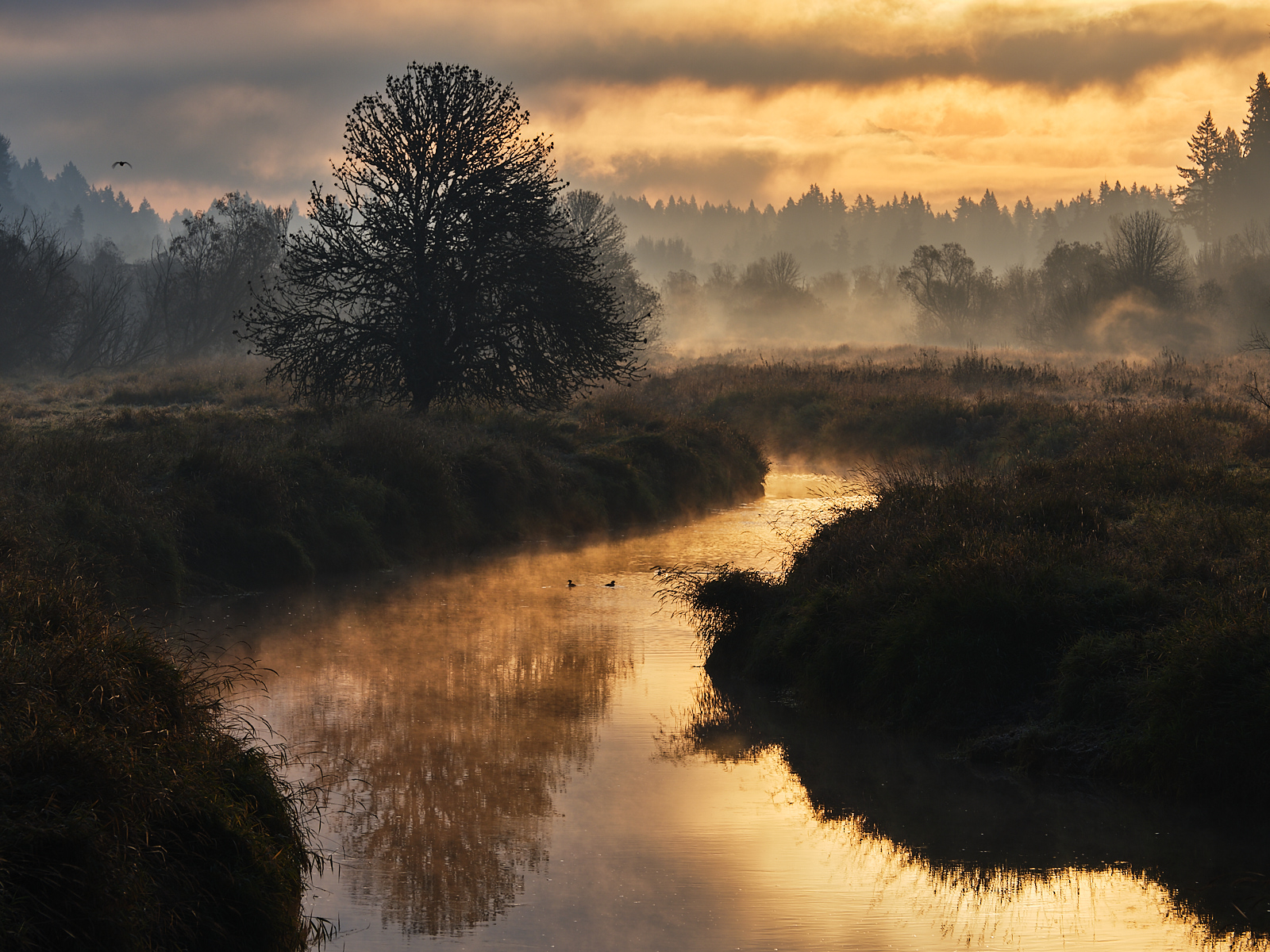
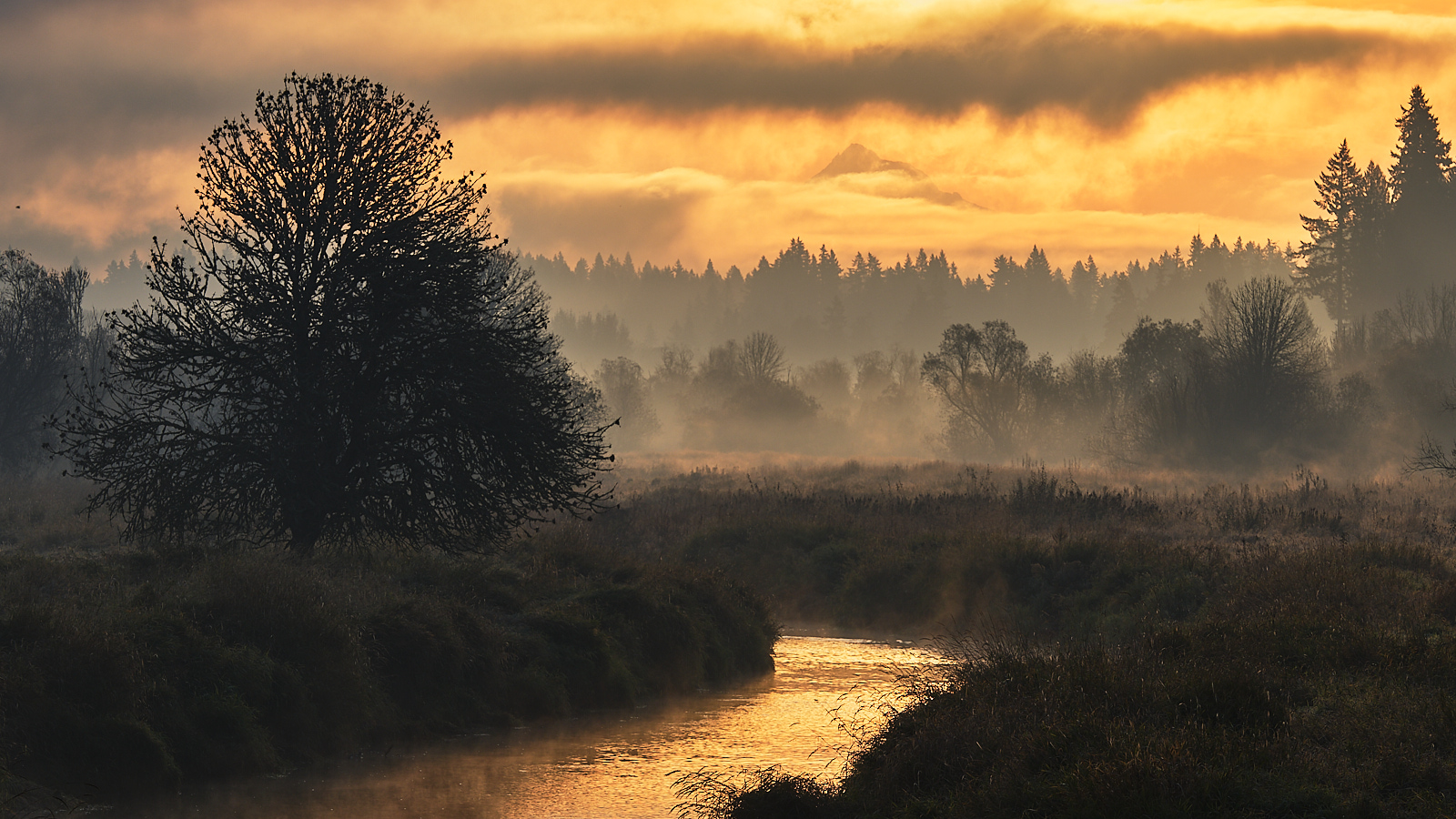
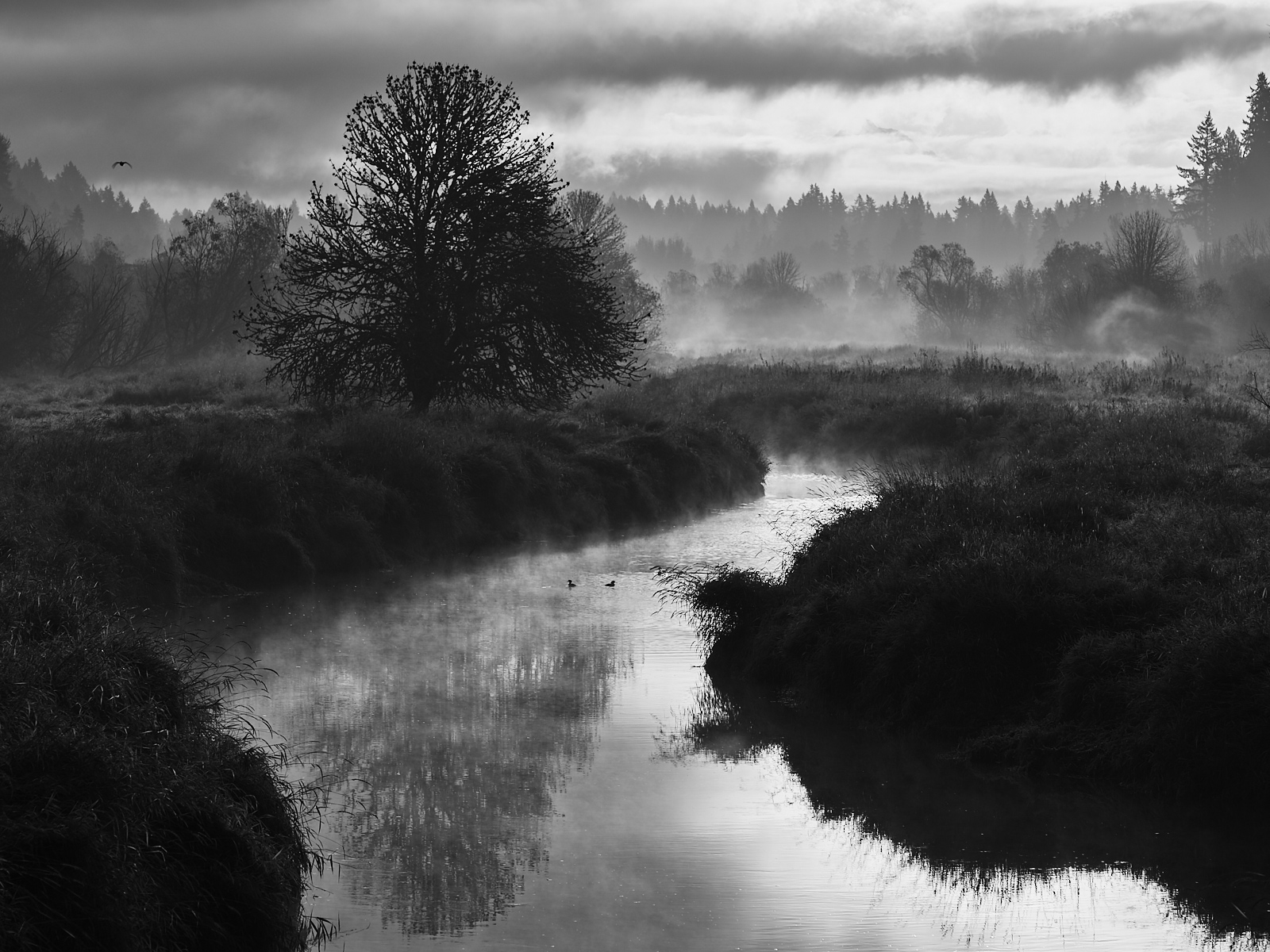
This is my local favorite location about 10 min from my house. I wouldn't normally post all 4 of these but they were taken within a 50 minutes span and show what a range of atmosphere from pre-dawn to after sunrise. November seems to bring out the most of this location with the mist rising and when you are lucky light wispy clouds to catch the light. (We've had no rain the first week of Nov this week for the first time in 60+ years.). If you are patient and wait around you never know what light you are going to get.
gdanmitchell wrote:
Disclaimer: If your standard for "noticing" things like diffraction is that you can make it out if you clinically compare side-by-side 100% magnification crops on your screen... that standard is generally irrelevant in my world.
However, if an important concern in your photography is to display large prints with excellent detail I can report that it is quite possible to produce very large and very excellent prints from f/16 apertures on full frame and certainly on miniMF systems.
While there is a measurable difference between f/11 and f/16 at 100% on the screen, visible if you look very carefully for it, it is rare (going on never) that this is an issue in a very big print.
Of course, sharpness is more than just the measured maximum resolution at some point in the frame. For example, if using that small aperture increases your DOF and renders more objects outside the plane of ideal focus in better sharpness... the overall image is perceived as being sharper than if you and used a smaller aperture. Or, if your subject doesn't require a large DOF (or if you want small DOF), then you just use s smaller aperture.
I encourage folks to take their camera and lenses, put them on the tripod, and actually make a series of test exposures at these different apertures. Then make prints (or small sections of such prints) at large sizes. Shuffle them so you don't know which is which and see how different they now look. Better yet, hand them to someone you know who is a competent photographer (and, if possible, printer) and ask them to report on what they see.
Since there will be times when shooting at a smaller aperture is necessary in most photography, tests like these help you quantify the real-world trade-offs when you choose smaller apertures. (And, of course, in shots where enlarging DOF isn't an issue you can still shoot at whatever you regard as the optimal aperture for images sharpness... and it shots where narrow DOF is your goal you can shoot wide open.)
We also have new diffraction reduction algorithms finding there way into raw converters as well! Fujifilm put a feature like this in the X series bodies a long time that works on the jpeg's that camera creates. They call it "LMO".
pfred wrote:
I'd encourage people to just go out and take some photos.
While this is always good stuff ... it can help to run some test shots on your gear to get a feel for what your temperament is regarding its performance. That way, when you are faced with a decision in the field, well you've already done your homework.
RustyBug wrote:
While this is always good stuff ... it can help to run some test shots on your gear to get a feel for what your temperament is regarding its performance. That way, when you are faced with a decision in the field, well you've already done your homework.
Correct.
I did those aperture tests years ago, and they inform my field decisions even today.
At that time I had been accepting some "common wisdom" about the magnitude of the effect of diffraction blur at certain apertures. I was making decisions about photographs based on that presumed-correct information, but my testing (more on that in a moment) convinced me that what I actually saw with my own eyes was more useful to me than supposed rules about diffraction limited apertures and the smallest usable apertures.
The "test?" One day while out photographing other stuff I took about 10 minutes to quickly run off a series of photographs of a scene while the camera was already on the tripod, shooting through all of the apertures on a few lenses at a few focal length ranges. Then I just looked at the results while going through the day's work later on.
It was a truly small investment of my time that paid off well over the years.
One of the great things about digital cameras is that it is quick and relatively cost-free to do testing on your own. You don't have to rely on somebody posting in a forum, or at least you can easily test for yourself whether the claims are true.
I did those aperture tests years ago, and they inform my field decisions even today.
At that time I had been accepting some "common wisdom" about the magnitude of the effect of diffraction blur at certain apertures. I was making decisions about photographs based on that presumed-correct information, but my testing (more on that in a moment) convinced me that what I actually saw with my own eyes was more useful to me than supposed rules about diffraction limited apertures and the smallest usable apertures.
The "test?" One day while out photographing other stuff I took about 10 minutes to quickly run off a series of photographs of a scene while the camera was already on the tripod, shooting through all of the apertures on a few lenses at a few focal length ranges. Then I just looked at the results while going through the day's work later on.
It was a truly small investment of my time that paid off well over the years.
One of the great things about digital cameras is that it is quick and relatively cost-free to do testing on your own. You don't have to rely on somebody posting in a forum, or at least you can easily test for yourself whether the claims are true. ...Show more →
+1 @ long-lasting investment for nominal amount of time.
I ran some black card / gray card / white card testing (a whopping three slides) of in-camera metering in the 80's ... I've never forgotten what that taught me about how in-camera (i.e. reflectance) metering works / doesn't work (and the relevance to EC). Similar tests for -FEC, diffraction, DOF, etc. over the years. Just something about doin' it for yourself, that it has a way of stickin' with ya.
And even when things are true on a technical (or situational) basis, your testing still provides you with the opportunity to better understand the magnitude and/or significance of that truth (for you) as it pertains to your own objectives. All too often, folks can get embroiled in the right / wrong (self-included @ been there, done that ). Imo, the real value in testing is to foster your own understanding, moreover than win the debate du jour.
"Just go out and shoot" provides for random observation and feedback.
Testing provides for structured observation and feedback.
Couple the two from time to time and they can afford synergy toward even better understanding.
Something can be true, yet ... it can also be of little consequence to one person, while it intensely matters to another.
mike reid wrote:
^^Its pretty amazing inside. They confiscated my tripod but the previous week in the Vatican had set me up for tripod-less shooting at f16




 ). Imo, the real value in testing is to foster your own understanding, moreover than win the debate du jour.