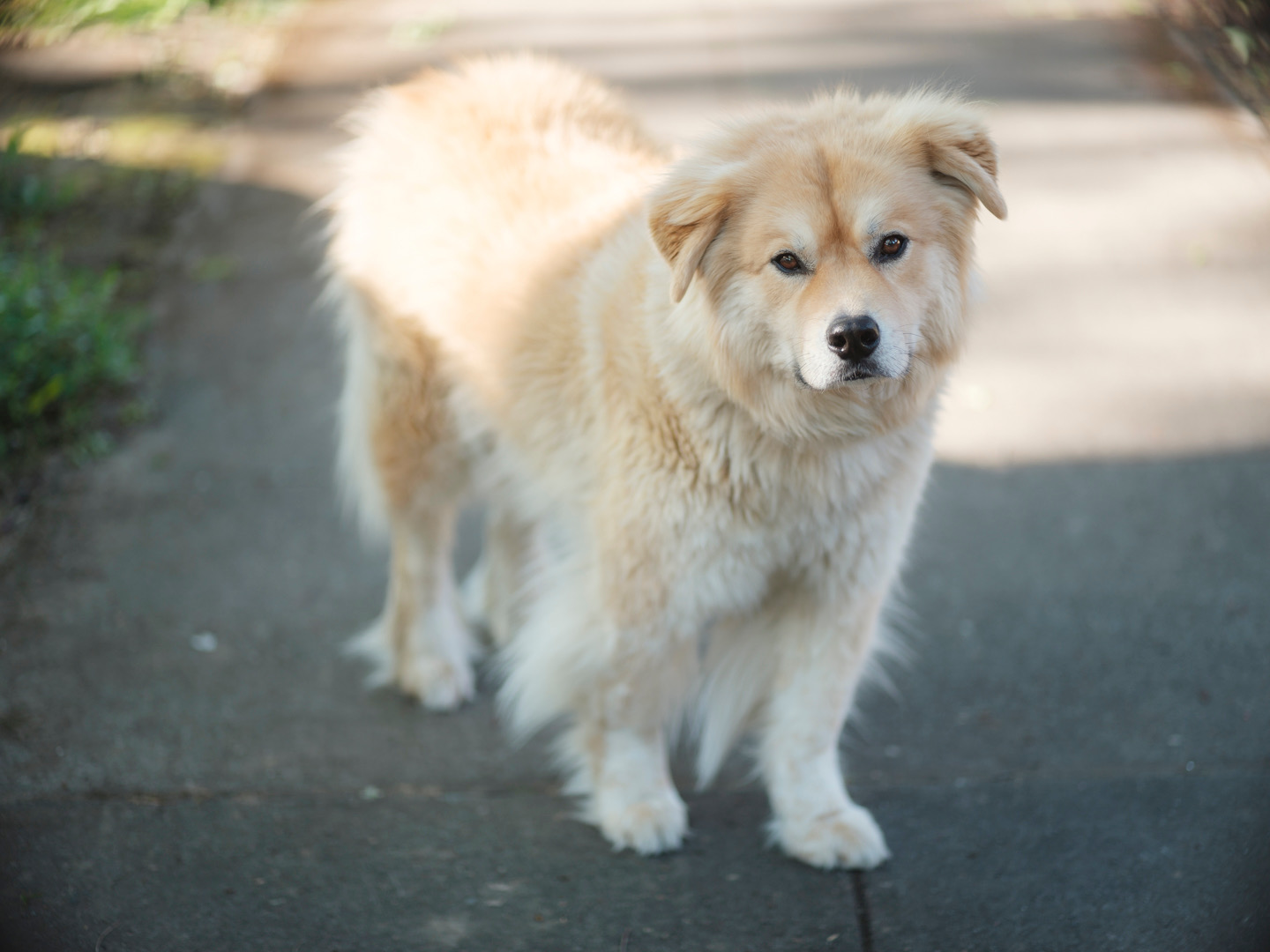
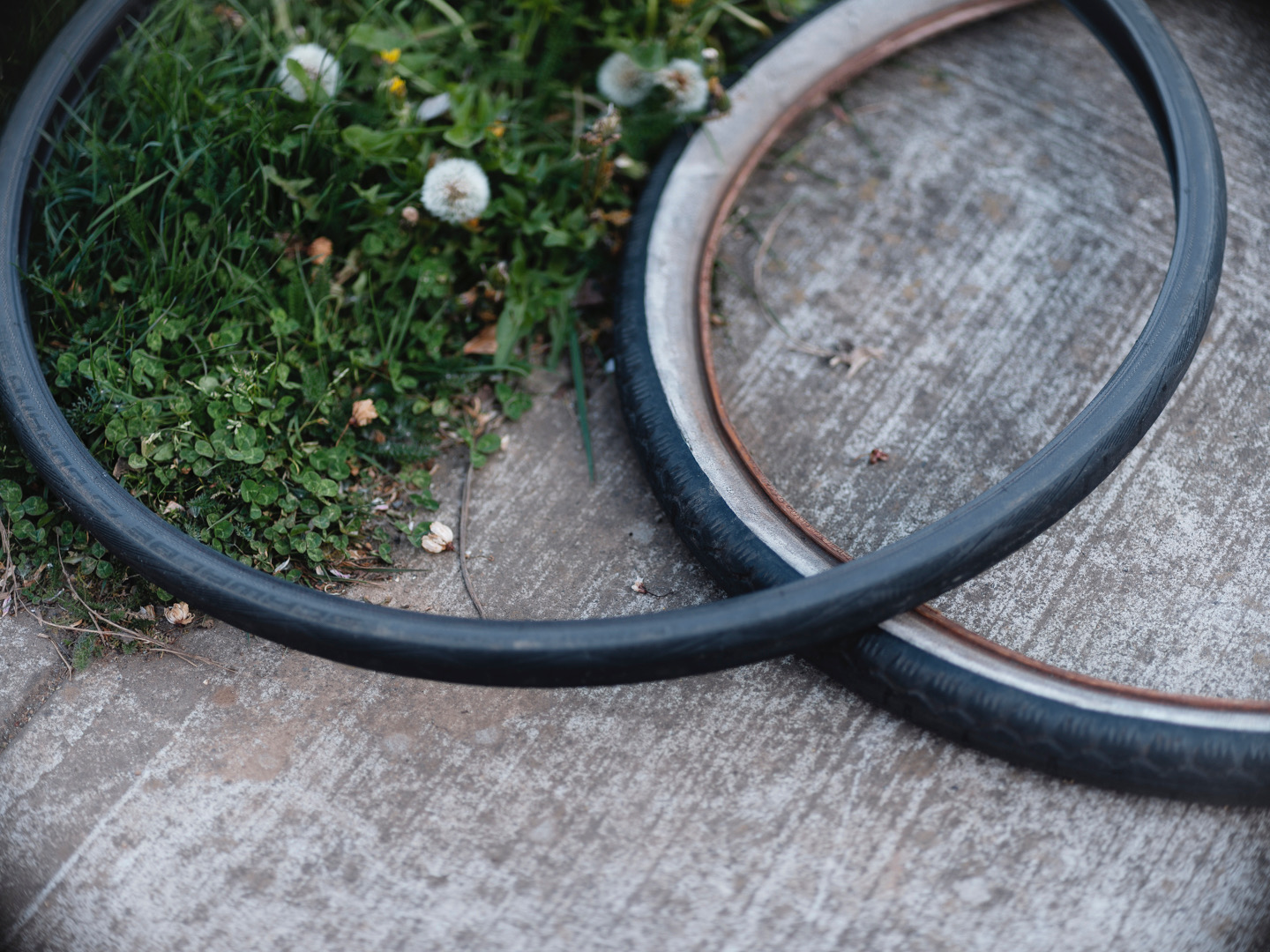
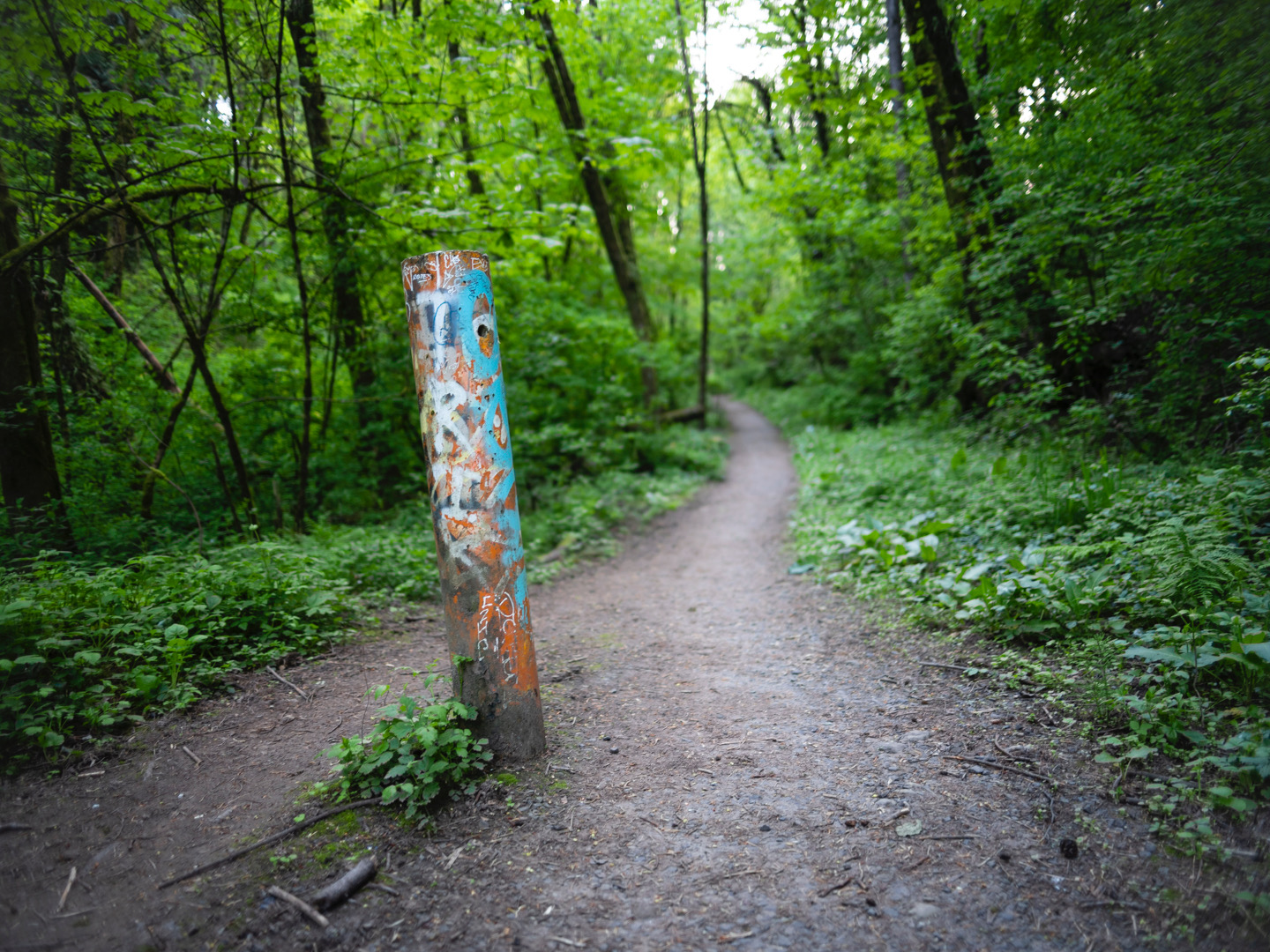
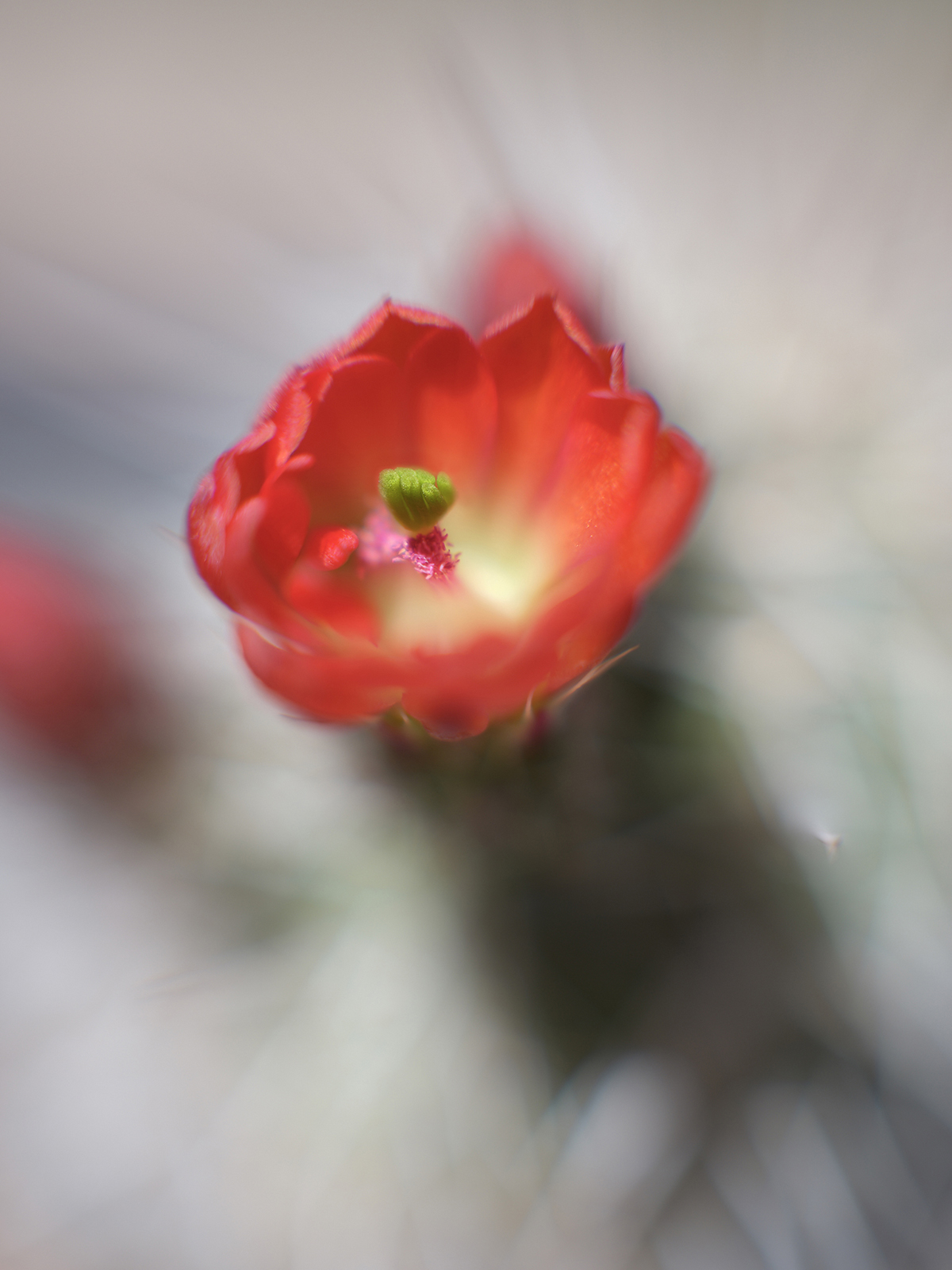
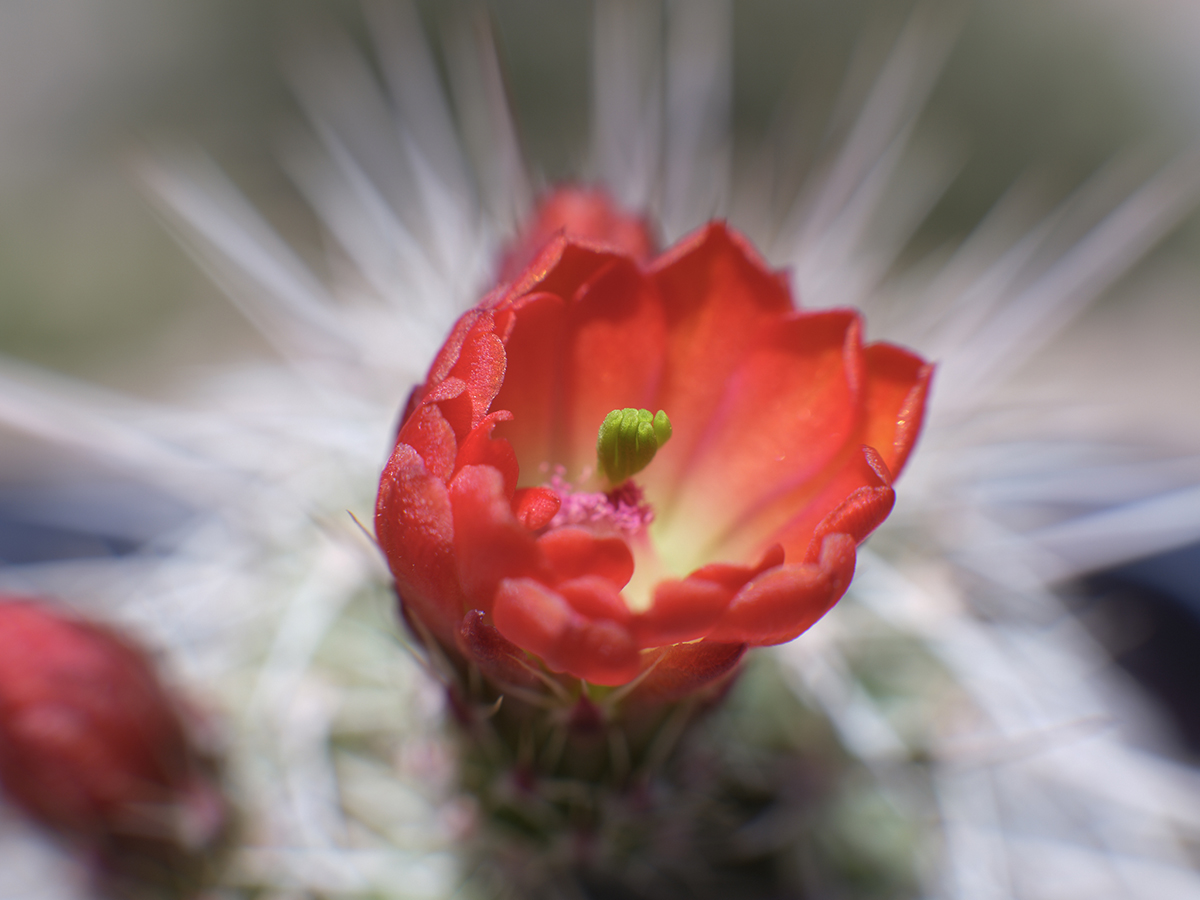
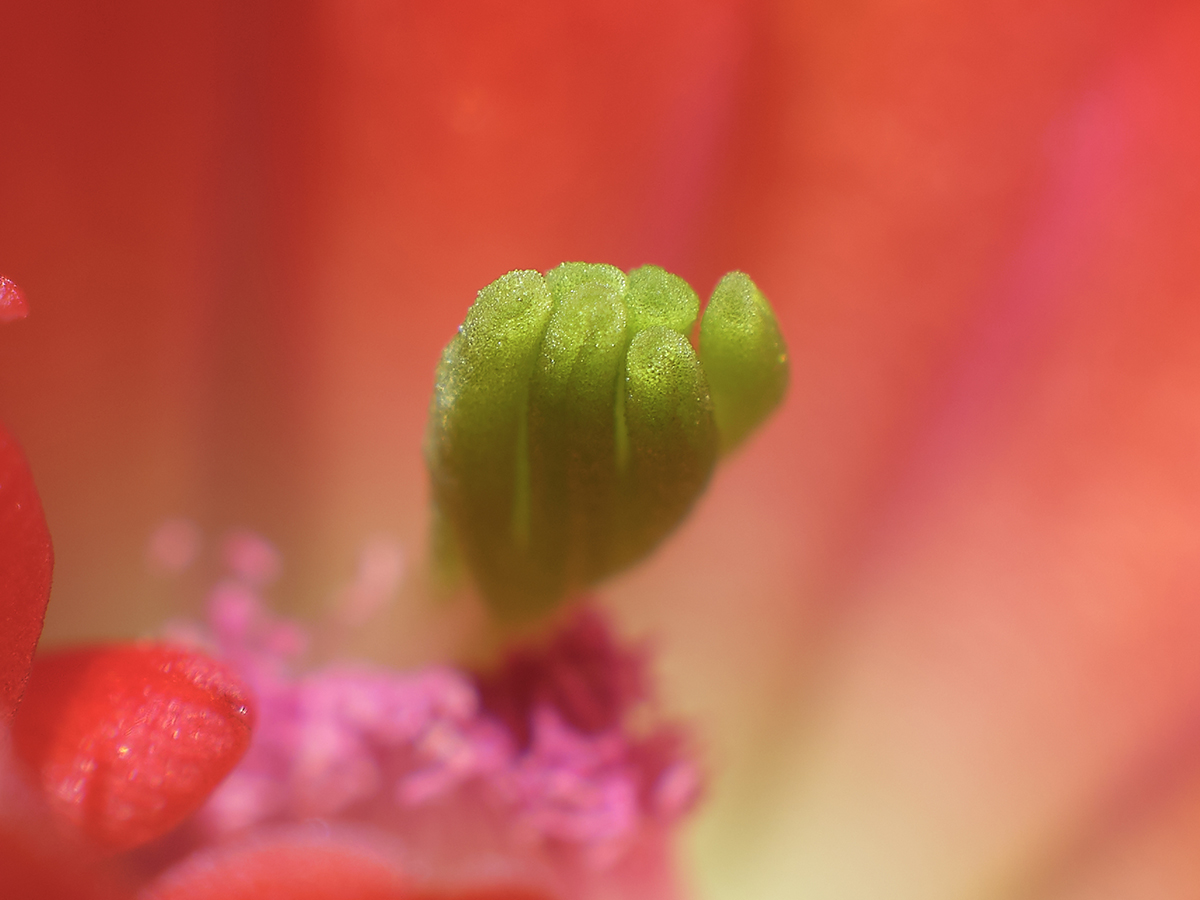
Two images that I only uploaded to show the rendering of the lenses in an other thread, but they'll fit here too. It's about how the GF 45 and 63 give a very nice separation from the background even if they aren't very fast. To me it looks pretty different to an f/2 lens on FF.
Large white trillium (T. grandiflorum), Trillium Ravine Nature Preserve, Niles, Michigan. GFX 50S, 32-64/4 at 64mm; 10 images focus stacked in Helicon.
nehemiahphoto wrote:
I have found the Minolta 100/2 is gorgeous on the GFX, and it only hard vingettes very minimally. I love the rendering.
Is this the Minolta MC or the AF lens? I have lately been using the Olympus OM 100 f/2 on the GFX and I like it a lot. For portrait distances at least (I haven't yet tested it at infinity) there is not hard vignette at all and a very nice rendering. I find it a very nice choice.
May 03, 2019 at 09:32 AM
Steve Spencer Online • • • • • • • Upload & Sell: On
- The 75 Lux has some hard vingetting, but slightly less the the Minola 58 1.2
- The Minolta 58 1.2 has hard vinegetting in the corners, and gets wonky just before the hard vingetting
- The CV 35 1.7 covers the entire GFX sensor with no hard vingetting and decent corners stopped down it seems!!!
- The MS Optics 73 1.5 Sonnetar covers the entire GFX sensor
I would like to post crops for the CV 35 1.7 and other lenses, but my adapter won’t let me reach infinite on much of my glass. Anyone else experience this/have any helpful thoughts?
I love the look of the CV 35 f/1.7 and it is very good to know that it covers the whole sensor. I have the Novoflex Leica M to Fuji G adapter and it lets me focus to infinity easily (and like almost all Novoflex adapters is actually a little thin). You can always use sandpaper and make your adapter a bit thinner. Since you have had the Minolta MC 58 f/1.2, perhaps you have sanded down that lens (I did the one I had)--it is a similar project with the adapter.
Despite loving my Minolta MC 58 f/1.2 on lower resolution sensors, I prefer the Canon FD 55 f/1.2 Asph that I have now over it. The Canon FD is sharper and interestingly the Asph version of this lens has, IMO, much better bokeh than the non-Asph version. I think it is because with the Asph version Canon backed off from overcorrecting the spherical aberrations compared to the non-Asph version resulting in a lot better bokeh. I still think the Minolta MC 58 f/1.2 has better and unique and special bokeh, but the Canon FD 55 Asph has such better sharpness and still decent bokeh that I prefer it.
You should also probably know that the close cousin to the M 75 lux--the R 80 lux--has no hard vignetting on the GFX and is one of my favorite lenses on the GFX. It is a great alternative and still has the same special rendering as the M 75 lux, which is no surprise as they have almost exactly the same optical formula.
nehemiahphoto wrote:
The Pentax 31 ltd offers good coverage, no hard vingetting, and sharpens to all but the very extreme corners—and keeps its lovely draw
Photos are uncropped
I am really surprised that as a retrofocal lens this seems to cover the sensor and it looks quite good. Have you tried it at infinity distances? It would be interesting to see if it covers there as well and if the corners hold up. For a lens this wide on the GFX (it is a 23mm FF 35mm equivalent if you crop to 4X3 or squarer) I would love to use it for infinity shots if I got it. I am much less interested if it doesn't handle those shots well.
Yes Steve, I remember you had mentioned this some time ago. I use to have an R80, but I've replaced it with the 75 Lux on account of size. I don't plan on keep the GFX at this point, but if so, I might swap out the 75 for the 80 Lux.
Good to know on the Canon 1.2. Years ago I shot one, can’t even remember which 1.2 it was, I think non-asph...
Very helpful on the Novaflex adapter. Thanks!
Also, I couldn't hit infinite on my CV 35 1.7, but that street photo I posted above is f8, and everything looks good except the very extreme corners. Loads of vingetting though.
Yeah, I was surprised too on the 31. I haven't tried it at infinite, but it's an awesome FL/speed/size/price rendering on the GFX. Derek (Sebboh) and I and live near, and I have given him my GFX and an assortment of lenses to play with this weekend. He was going to fiddle around with m-adapter and see if we can get it to hit infinite. We are planning on shooting a bunch of lenses we own between us and posting crops. The 31 ltd included. So you'll see soon enough
Steve Spencer wrote:
Is this the Minolta MC or the AF lens? I have lately been using the Olympus OM 100 f/2 on the GFX and I like it a lot. For portrait distances at least (I haven't yet tested it at infinity) there is not hard vignette at all and a very nice rendering. I find it a very nice choice.
AF 100/2. I really enjoyed the bokeh, transitions and MFD of the olympus 100/2. Was a great lens.
The first two Mino 100/2 shots below are the amount of hard vingetting at MFD - 10 feet. Very usable for me.
nehemiahphoto wrote:
Also, I couldn't hit infinite on my CV 35 1.7, but that street photo I posted above is f8, and everything looks good except the very extreme corners. Loads of vingetting though.
Yeah, I was surprised too on the 31. I haven't tried it at infinite, but it's an awesome FL/speed/size/price rendering on the GFX. Derek (Sebboh) and I and live near, and I have given him my GFX and an assortment of lenses to play with this weekend. He was going to fiddle around with m-adapter and see if we can get it to hit infinite. We are planning on shooting a bunch of lenses we own between us and posting crops. The 31 ltd included. So you'll see soon enough ...Show more →
nehemiahphoto wrote:
And it’s that 40 FL people like so much!
Did you check if the CV 50 hits infinite?
But that depends on the crop you use, but the nice thing about a 50mm lens is no matter what crop you use it still is in a nice range. If you crop to 4 X 3 or squarer it has about the angle of view of a 36mm lens for FF 35mm (so like a lot 35mm lenses) but if you crop to 3 X 2 or a skinnier rectangle it has about the angle of view of a 41mm FF 35mm lens (so like a lot of 40mm lenses). Of course that is dependent on the 50mm lens really being 50mm to start with. Also this particular lens I don't work about its infinity focus as I would never use it for that type of shooting, but it would be good to know your adapter works for that. I bet Derek can get your adapter working for infinity focus and we will soon be able to see how both of your M lenses do at infinity. Thanks for sharing your results with all of us.
Steve Spencer wrote:
But that depends on the crop you use, but the nice thing about a 50mm lens is no matter what crop you use it still is in a nice range. If you crop to 4 X 3 or squarer it has about the angle of view of a 36mm lens for FF 35mm (so like a lot 35mm lenses) but if you crop to 3 X 2 or a skinnier rectangle it has about the angle of view of a 41mm FF 35mm lens (so like a lot of 40mm lenses). Of course that is dependent on the 50mm lens really being 50mm to start with. Also this particular lens I don't work about its infinity focus as I would never use it for that type of shooting, but it would be good to know your adapter works for that. I bet Derek can get your adapter working for infinity focus and we will soon be able to see how both of your M lenses do at infinity. Thanks for sharing your results with all of us. ...Show more →
Good you mentioned that Steve. So when I think about it, I am taking the crop factor by a factor of 0.8x (close enough to the .79X for me). So my 31 Ltd (which is really about 32/33mm) becomes 25mm I thought. And my 100/2 Mino becomes an FF 80mm in FOV terms. But perhaps this doesn't factor in the aspect ratio differences between the 3:2 of FF and 4:3 of the GFX. But given a 50 turns into a 36mm in FF terms, I guess the multiplier for using the full native GFX sensor ratio of 4:3 is .72?
Also as I understand it, a f2.8 lens becomes a f2.2 lens in terms of DOF on the GFX compared to FF. We gain 2/3rd
a stop of shallow DOF. Is this correct?
As someone who shoots in 16:9 quite often, I actually calculated the area of my a7r2 versus the GFX.
I figured I was using 85% of the total sensor area on the a7r2/3, yielding a photo with 16:9 ratio of 35.8 MP when using the total horizontal resolution.
The GFX uses 75% of the sensor, yielding an image with a 38.5 MP image in 16:9 using the full horizontal resolution
Am I thinking of this correctly?
And yes, I bet Derek will figure out the adapter, he likes to tinker and know his stuff. And happy to share results on FM. I use it as a resource as well!
Minolta MC Rokkor 58mm f/1.2 + MCEX-45G extension tube
Flower size: 3/4"; Distance to flower: 1" from end of lens
Midday sun: Ext. tube acts as ND filter allowing f1.2
Full 44x33: No light falloff correction
nehemiahphoto wrote:
Good you mentioned that Steve. So when I think about it, I am taking the crop factor by a factor of 0.8x (close enough to the .79X for me). So my 31 Ltd (which is really about 32/33mm) becomes 25mm I thought. And my 100/2 Mino becomes an FF 80mm in FOV terms. But perhaps this doesn't factor in the aspect ratio differences between the 3:2 of FF and 4:3 of the GFX. But given a 50 turns into a 36mm in FF terms, I guess the multiplier for using the full native GFX sensor ratio of 4:3 is .72?
Also as I understand it, a f2.8 lens becomes a f2.2 lens in terms of DOF on the GFX compared to FF. We gain 2/3rd
a stop of shallow DOF. Is this correct?
As someone who shoots in 16:9 quite often, I actually calculated the area of my a7r2 versus the GFX.
I figured I was using 85% of the total sensor area on the a7r2/3, yielding a photo with 16:9 ratio of 35.8 MP when using the total horizontal resolution.
The GFX uses 75% of the sensor, yielding an image with a 38.5 MP image in 16:9 using the full horizontal resolution
Am I thinking of this correctly?
And yes, I bet Derek will figure out the adapter, he likes to tinker and know his stuff. And happy to share results on FM. I use it as a resource as well!
If you shoot 16:9, then it makes total sense to use .8 as your crop factor (it is really .82 or .818 if you want to get ridiculously precise) but we often don't know the original focal length with enough precision to use anything other than .8 and it keeps the math easy. If you shoot mostly squarer aspect ratios like I do (4 X 5 and 4 X 3 are the ones I use most), then it probably is better to use .7 or .75 (it really is .73 or .727 if you want to get ridiculously precise). So, I think of my 100mm lenses as like 75mm lenses on FF 35mm and my 75mm lenses like 55mm on FF 35mm. A 50mm I think of like a 35mm, etc.
With regard to depth of field if you use the skinnier aspect ratios like you do 2/3rds of a stop less depth of field makes sense, but if you use the squarer ratios like I do a full stop makes more sense. Neither of these is exactly precise (both are slight over estimates of the reduction in depth of field) but they are close (and the closest third of a stop) and easy to use.
Your math on the megapixels is basically right and plenty close enough for practical purposes by the way, but here we can be very precise if we want. All we have to do is look at the actual pixels which are reported in the specs for each camera and for 16:9 the long side will have the same number of pixels (8256 for the GFX) but the short side will have have the long side divided by 16 and multiplied by 9 (8256 /16 X 9 pixels in this case 4644 pixels for the GFX) so the total number of pixels will be 38340864 for the GFX or about 38.3 MP. You can do the same thing for the Sony A7r II and you get about 35.6 MP or 35569256 pixels to be exact.
So, that is the way too detailed math behind the conversions. In practice I just get used to what a particular lens looks like and forget about all the math, but a part of me has always liked to calculate things out for myself so I took the time to figure out things more precisely when I bought the GFX. I doubt most people would bother and I doubt anyone really needs to do it.
Steve Spencer wrote:
If you shoot 16:9, then it makes total sense to use .8 as your crop factor (it is really .82 or .818 if you want to get ridiculously precise) but we often don't know the original focal length with enough precision to use anything other than .8 and it keeps the math easy. If you shoot mostly squarer aspect ratios like I do (4 X 5 and 4 X 3 are the ones I use most), then it probably is better to use .7 or .75 (it really is .73 or .727 if you want to get ridiculously precise). So, I think of my 100mm lenses as like 75mm lenses on FF 35mm and my 75mm lenses like 55mm on FF 35mm. A 50mm I think of like a 35mm, etc.
With regard to depth of field if you use the skinnier aspect ratios like you do 2/3rds of a stop less depth of field makes sense, but if you use the squarer ratios like I do a full stop makes more sense. Neither of these is exactly precise (both are slight over estimates of the reduction in depth of field) but they are close (and the closest third of a stop) and easy to use.
Your math on the megapixels is basically right and plenty close enough for practical purposes by the way, but here we can be very precise if we want. All we have to do is look at the actual pixels which are reported in the specs for each camera and for 16:9 the long side will have the same number of pixels (8256 for the GFX) but the short side will have have the long side divided by 16 and multiplied by 9 (8256 /16 X 9 pixels in this case 4644 pixels for the GFX) so the total number of pixels will be 38340864 for the GFX or about 38.3 MP. You can do the same thing for the Sony A7r II and you get about 35.6 MP or 35569256 pixels to be exact.
So, that is the way too detailed math behind the conversions. In practice I just get used to what a particular lens looks like and forget about all the math, but a part of me has always liked to calculate things out for myself so I took the time to figure out things more precisely when I bought the GFX. I doubt most people would bother and I doubt anyone really needs to do it....Show more →
Thanks Steve. As you say, I don't need ultimate precision, I just like to generally know what I am doing I nearly always shoot a kit of 21, 35 and 75mm on 35mm FF. So I was looking to reproduce that though, as you say, some lenses I just get use to and enjoy.
Hey all, I posted this up thread several months ago...just wanted to post bragging rights...this image and one other GFX image were selected as feature images in the 2020 Japanese Garden calendar.